
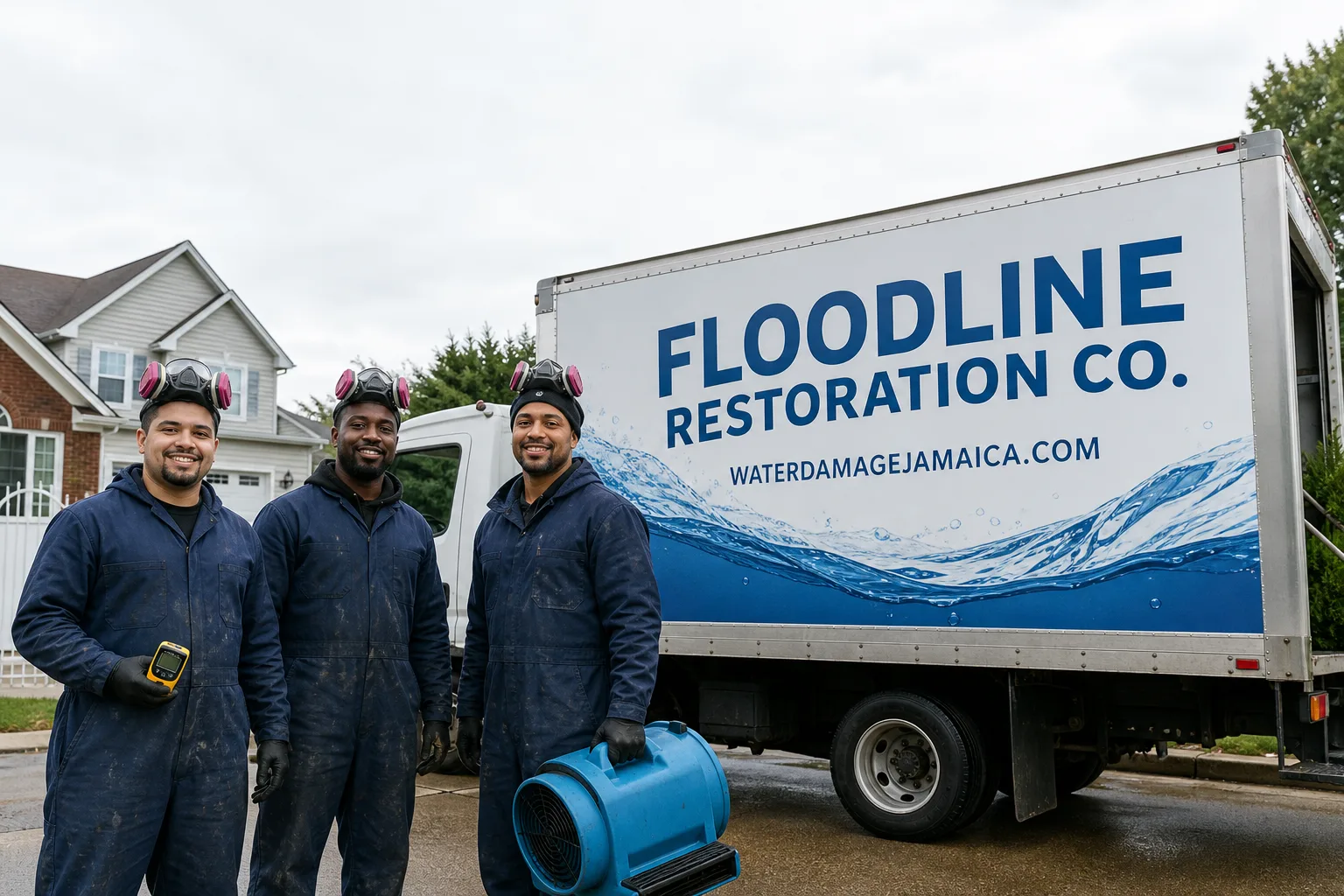
Free visual inspection and a written scope of work before any mitigation begins - photos, moisture readings, and drying logs go in your claim file
The scope we write is the scope we bill. Anything new gets shown to you, in writing, before we touch it.
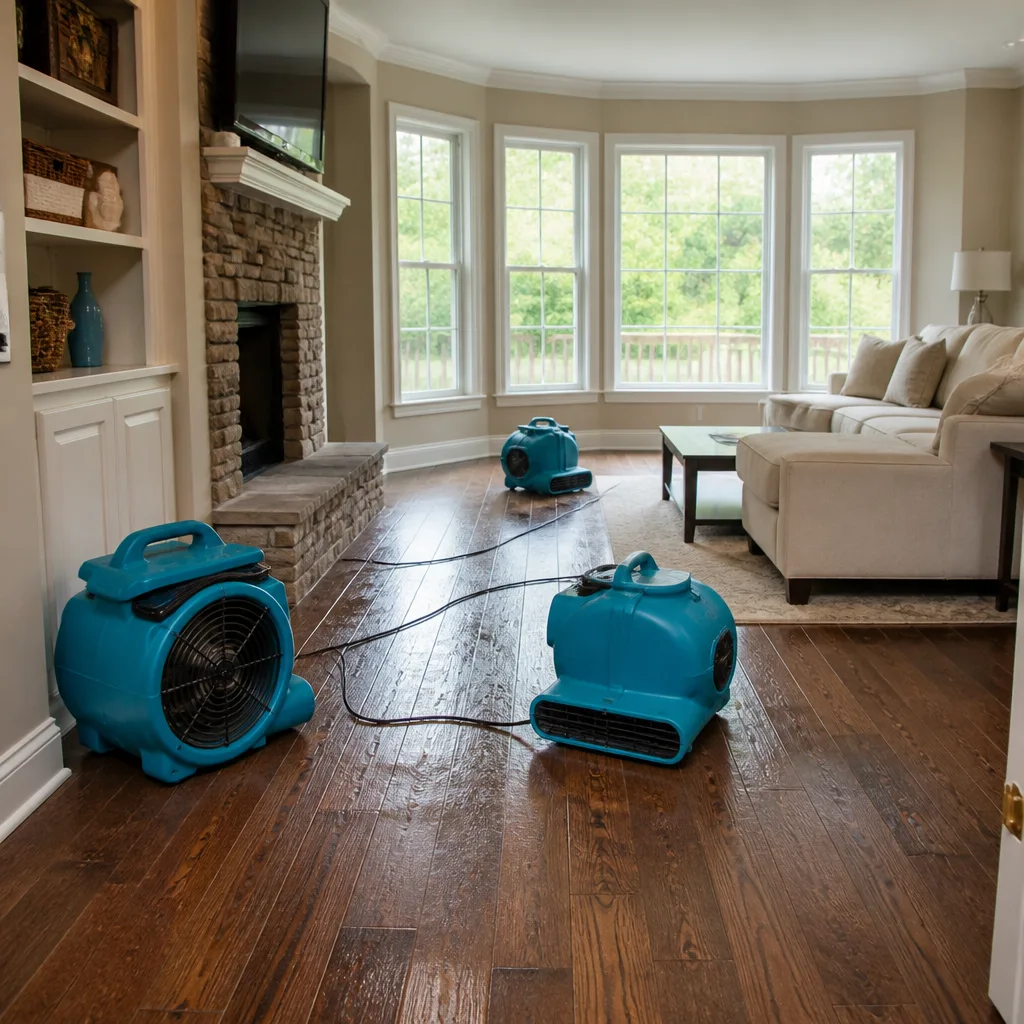
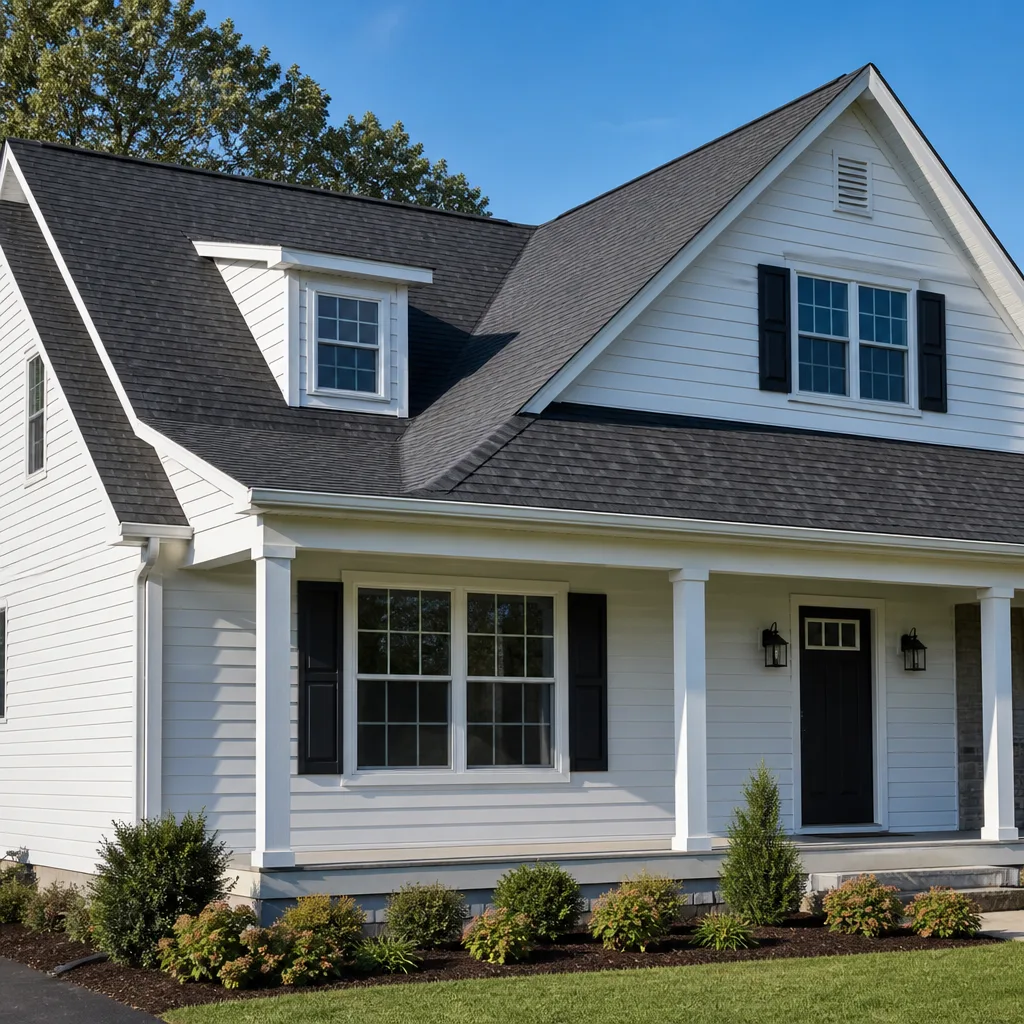
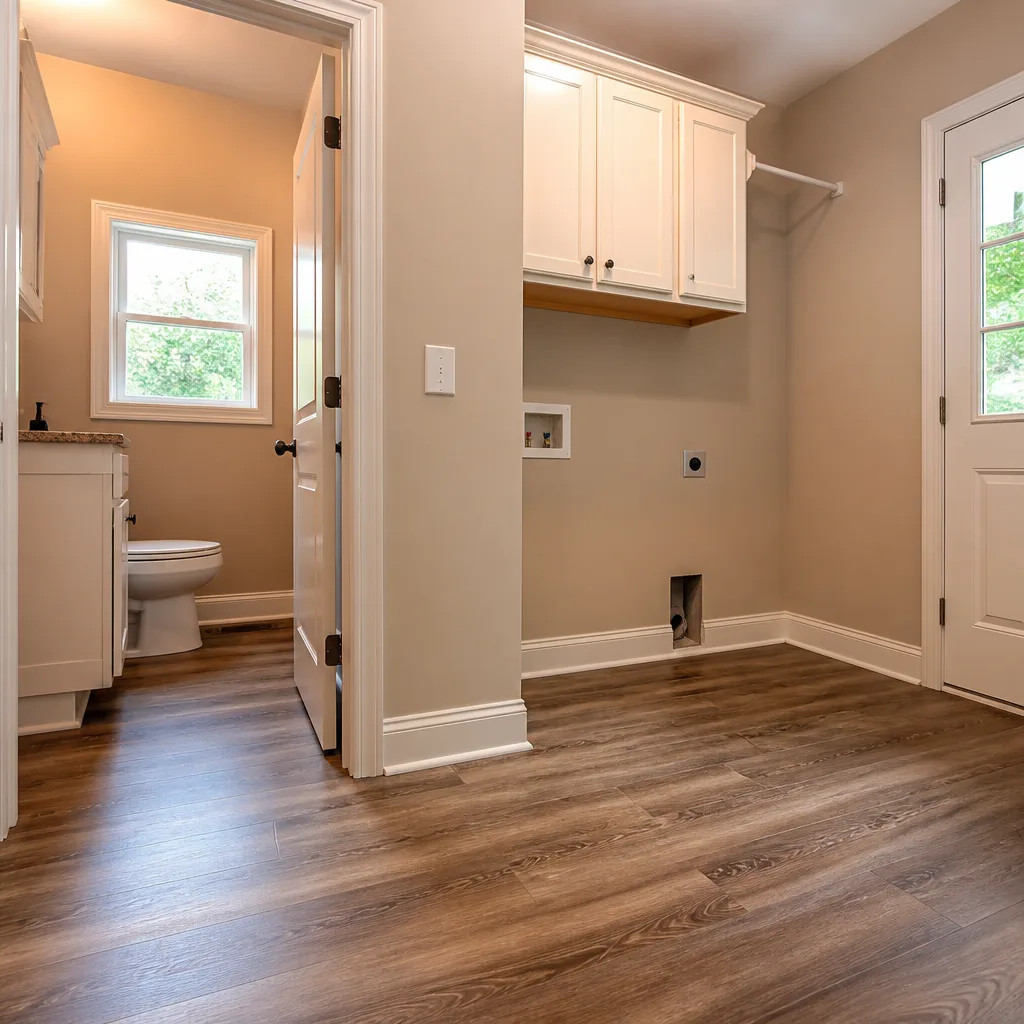
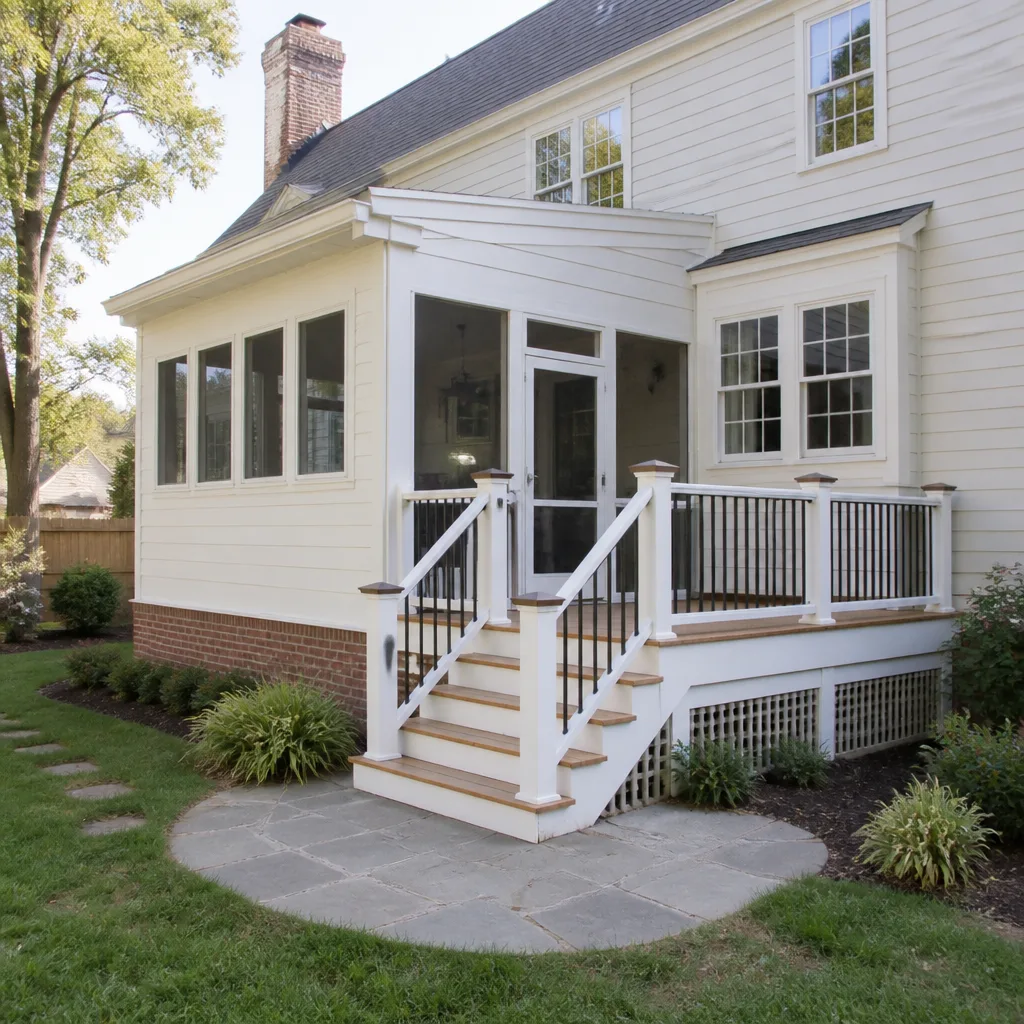
 Before
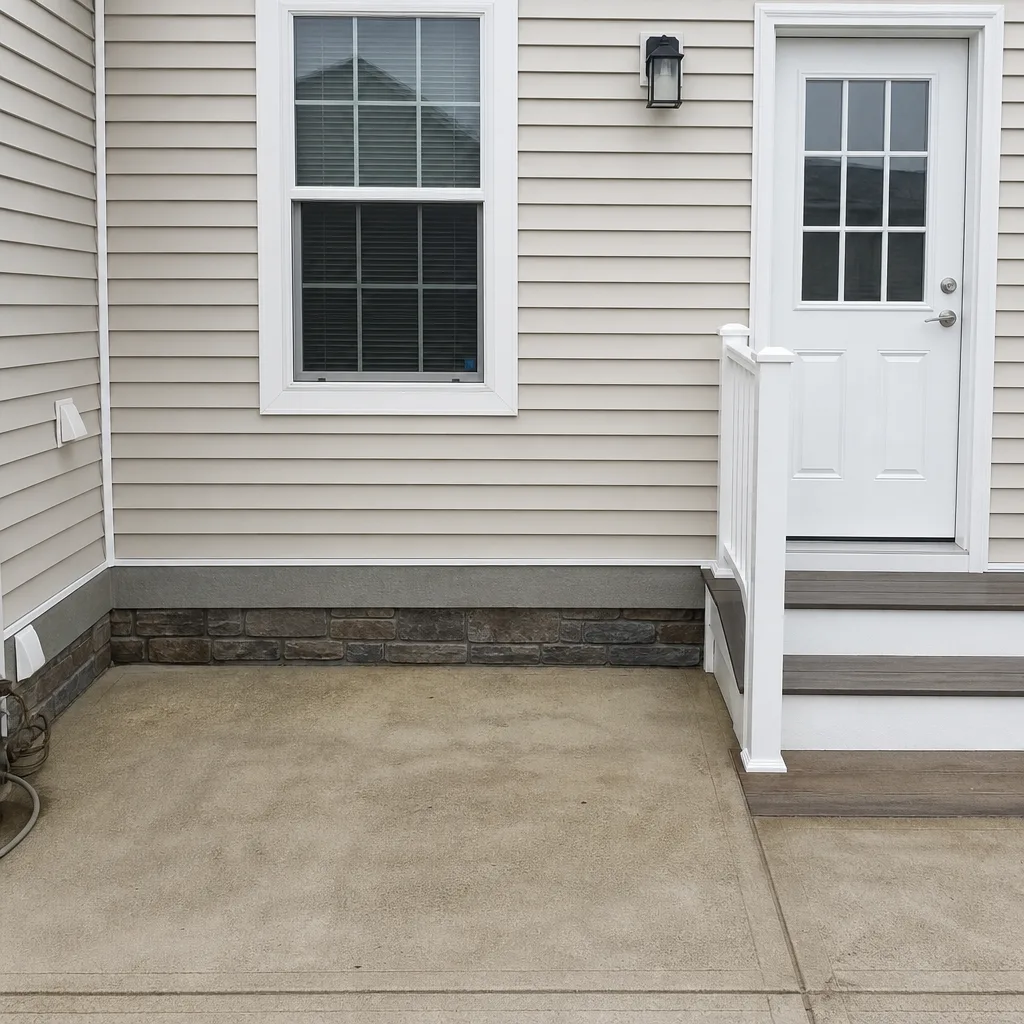 After
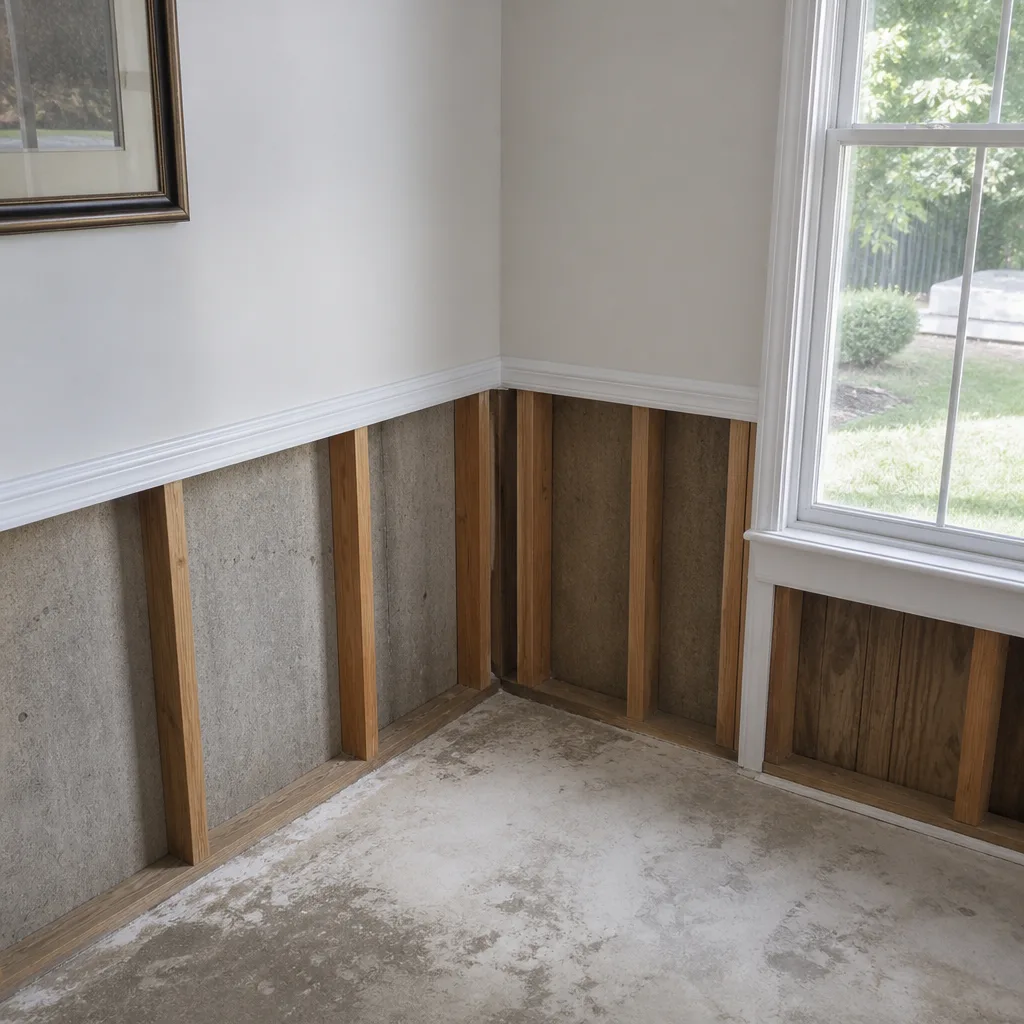
After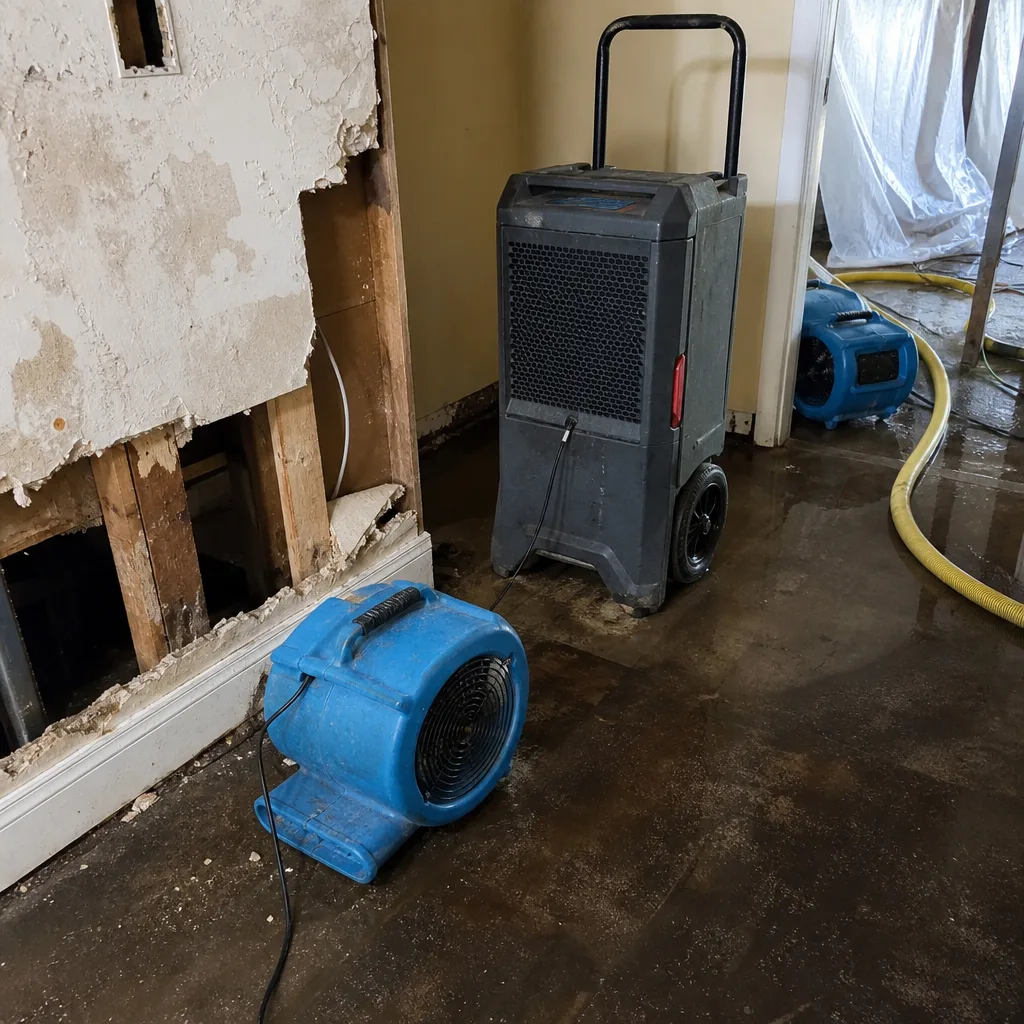 Before
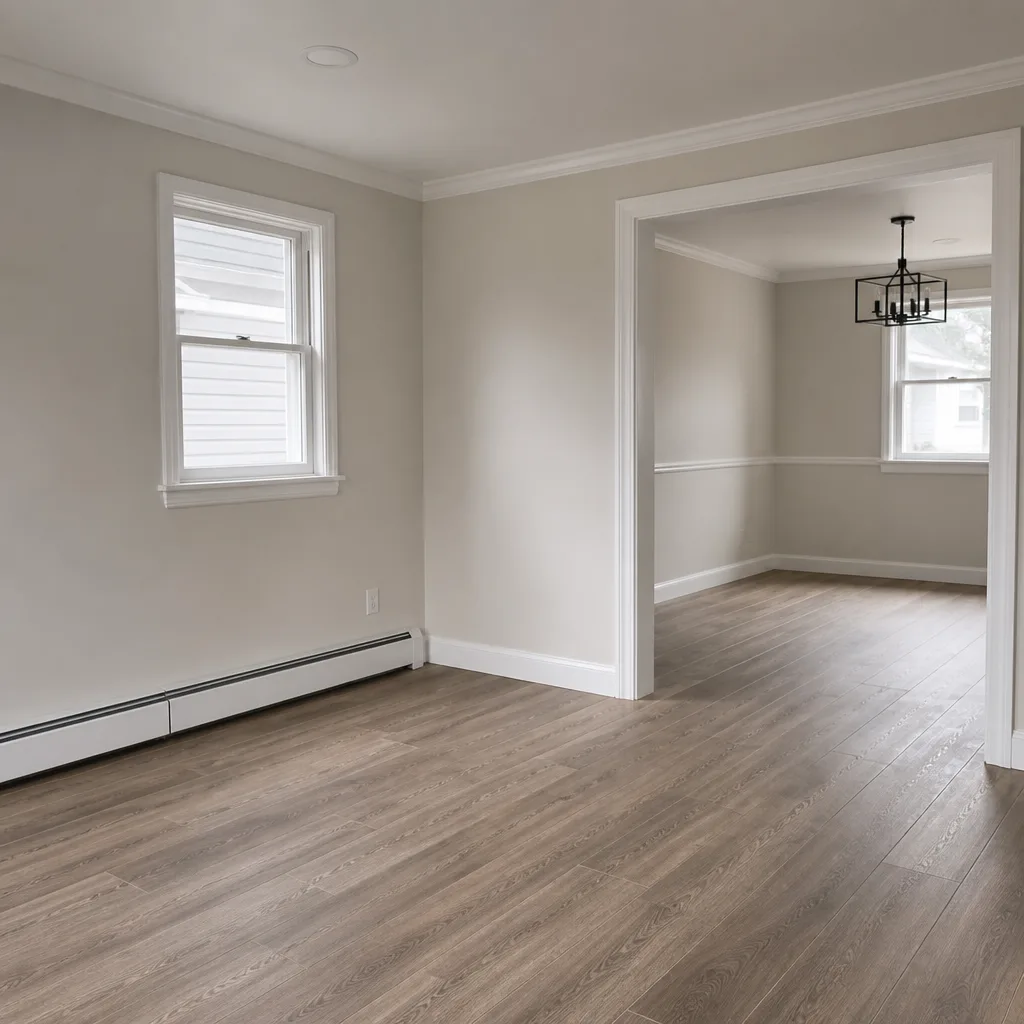 After
After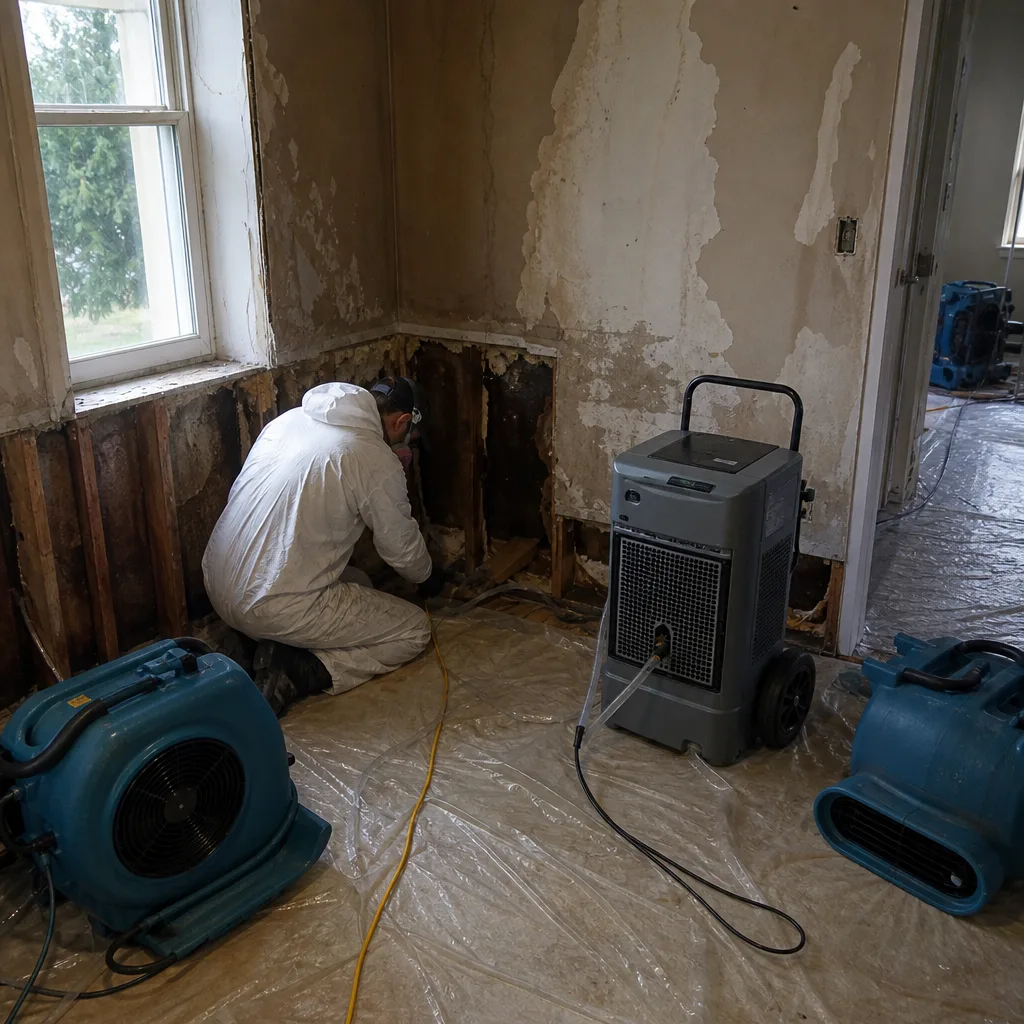 Before
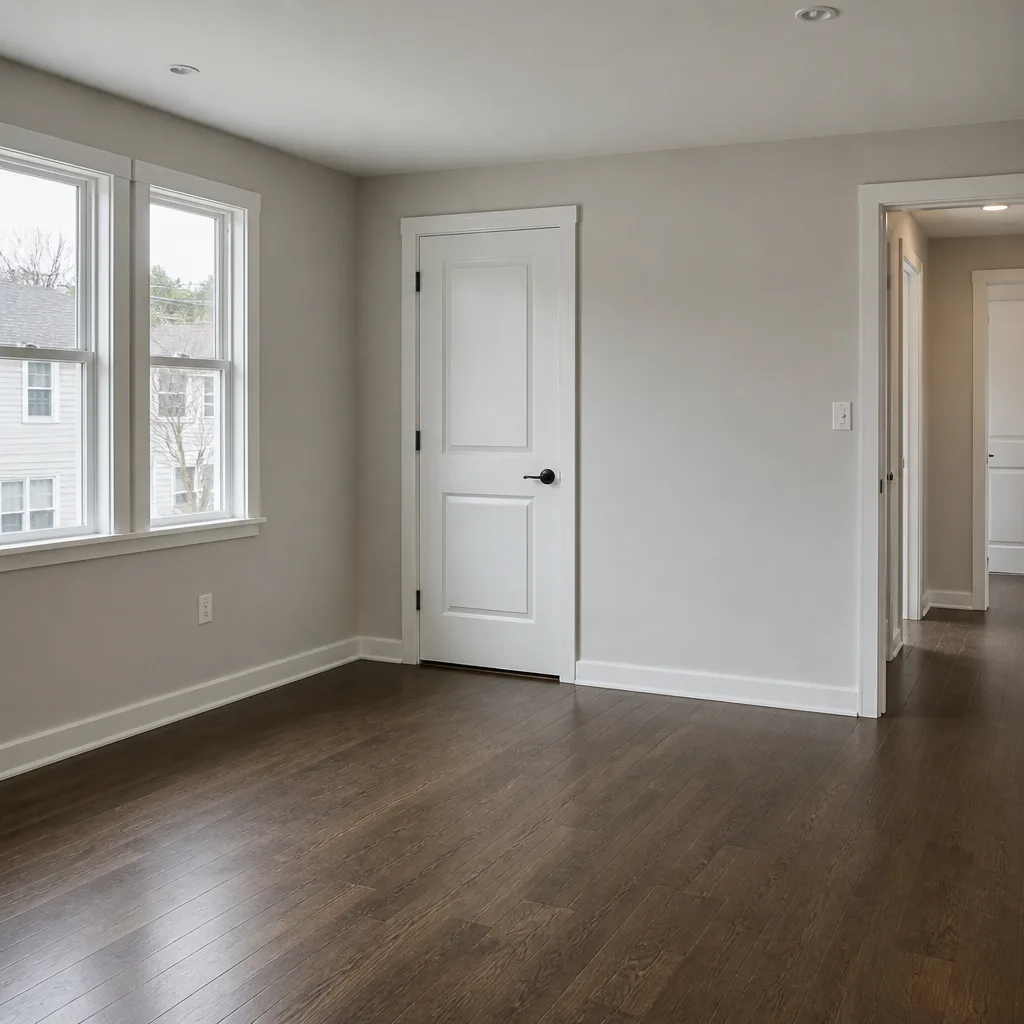 After
After24/7 Emergency Biohazard & Crime Scene Cleanup in St. Albans
Biohazard and crime scene cleanup in St. Albans typically costs between $2,500 and $8,500 depending on what was left behind and how far contamination traveled through a 1940s brick home’s original plaster walls and cast-iron drains. We answer the phone live at (518) 627-5878 at any hour, and our certified crews reach St. Albans inside 45 minutes. When blood, bodily fluid, or sewage has contaminated porous surfaces, the first hour determines whether you’re cleaning a contained area or gutting a finished basement down to the studs.
Our Biohazard & Crime Scene Cleanup team works under a simple rule: treat every affected surface as potentially infectious until testing and antimicrobial treatment say otherwise. In St. Albans, that rule matters more than in most Queens neighborhoods, because a combined sewer backup can push category 3 water and raw sewage into a finished basement in under an hour, leaving behind the same pathogens you’d find at a trauma scene. We contain it, disinfect it, document it, and give you the paperwork your insurance carrier needs.
Understanding Biohazard & Crime Scene Cleanup Severity in St. Albans Properties
Severity here splits into three levels. A contained incident, like blood from a fall in a single room, still requires full autoclave-grade disinfection of every surface the fluid touched, including subflooring beneath carpet and the drywall behind baseboards. A moderate incident, such as an unattended death discovered days or weeks later, means decomposition fluids have migrated through porous materials and possibly into floor joists. In St. Albans’s 1940s through 1960s housing stock, that migration follows original horsehair plaster, which wicks fluid laterally far faster than modern drywall. We open the cavity to inspect, not just wipe the visible surface.
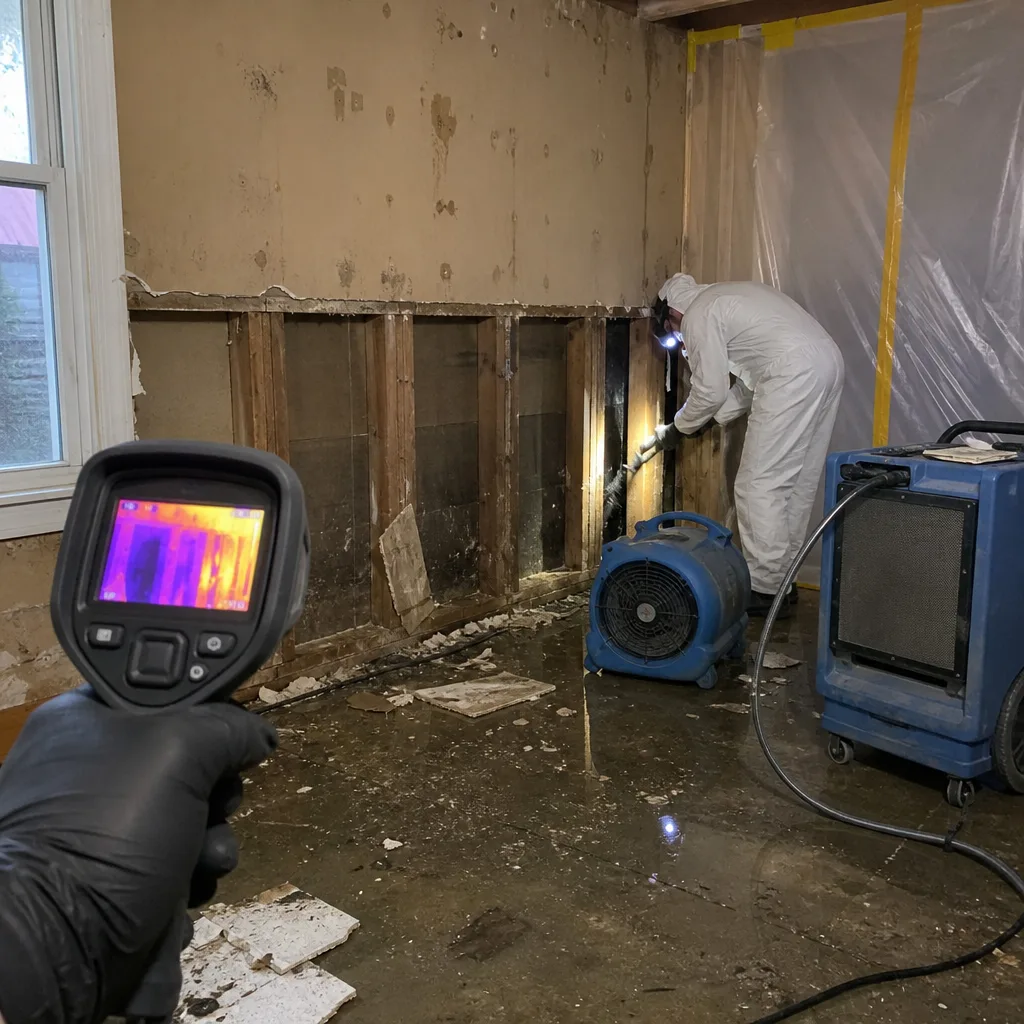
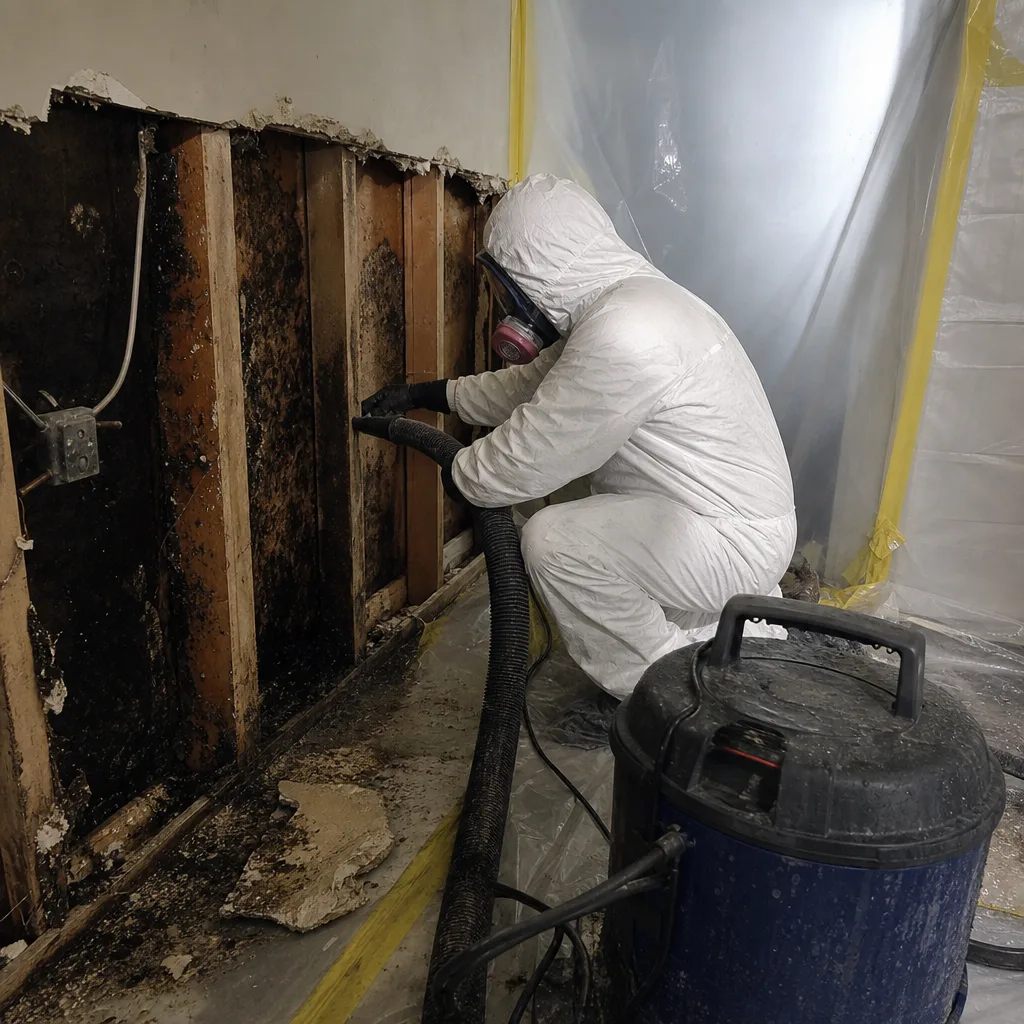
A severe incident involves sewage or trauma contamination spread across multiple rooms or hidden behind finished basement walls. Many St. Albans basements were converted decades ago into accessory apartments with drywall, drop ceilings, and kitchenettes that never appeared on a certificate of occupancy. Blood or bodily fluid behind those walls doesn’t announce itself. Our crews use HEPA-filtered air scrubbers, moisture meters, and thermal imaging cameras to find contamination that surface cleaning would miss. If we skip that step, you’re left with an odor that returns in humid weather and a biological hazard behind drywall nobody can see until it gets much worse.
Why St. Albans Property Owners Choose Floodline Restoration Co.
- 45-minute response commitment: Our dispatch board routes the nearest certified crew to St. Albans the moment you call (518) 627-5878. We don’t put you in a queue behind a dozen other boroughs.
- 24/7 live answer, never an automated system: A real person picks up at 2 a.m., asks what happened, and starts a crew moving. You’ll never press 1 for a callback.
- IICRC-certified crews: Our techs hold certifications including WRT and ASD for water damage, AMRT for mold applied to biohazard settings, and bloodborne pathogen training through the IICRC framework. They arrive uniformed and background-checked.
- Free visual inspection: We look first, write a scope, and you approve it before we start work. No surprise change orders mid-job.
- Direct insurance billing: We bill your carrier directly and coordinate with the adjuster so you never play messenger. Photo documentation and line-item scopes are standard on every job.
- One team from extraction to reconstruction: The same crew that sets containment and removes contamination handles repairs and rebuild, so nothing gets lost between contractors.
Our Biohazard & Crime Scene Cleanup Process
Inspection & Assessment
We walk the affected rooms with you, mark contamination boundaries, and test surfaces where needed. In St. Albans, this includes scanning for moisture intrusion paths from combined sewer backups and checking whether finished basement areas match any certificate of occupancy on record. The assessment produces a written scope with a firm price before work begins.
Extraction & Stabilization
For sewage-contaminated basements, we extract standing category 3 water with truck-mounted extraction equipment and remove saturated porous materials. For blood and bodily fluid, we cut out affected carpet, pad, and drywall using containment protocols so contaminants don’t spread through the HVAC system.
Drying & Dehumidification
We place professional-grade Phoenix and XPOWER air movers and dehumidifiers, running daily moisture readings with hygrometers until surfaces reach accepted dry standards. In a 1950s St. Albans basement, this often means monitoring multiple layers: slab, joists, and wall cavities all dry at different rates.
Cleaning & Sanitization
Every affected surface receives antimicrobial and disinfectant treatment appropriate to the specific contaminant. We use HEPA-filtered air scrubbers to capture airborne particulates during the entire process. Porous materials that cannot be fully decontaminated are removed, not just sprayed over.
Specialty Biohazard Treatment
For trauma scenes, unattended deaths, and hoarding conditions, we bring in specialized enzymatic cleaners and hospital-grade disinfectants rated for bloodborne pathogens, working in full PPE under OSHA Bloodborne Pathogen Standard protocols. Cast-iron drain scoping confirms no infectious material remains in the plumbing.
Repairs & Restoration
Once the space passes clearance testing, the same crew rebuilds what was removed: drywall, flooring, trim, paint. If NYC DEP asbestos or lead abatement is triggered because of the home’s pre-1978 construction, we coordinate that work within the same scope. You get one contract, one crew, one written guarantee.
Need Emergency Biohazard & Crime Scene Cleanup in St. Albans Now?
Crews minutes away, answering live 24 hours a day. The sooner we start, the less it costs.
Working With Your Insurance Company
Most homeowner policies in St. Albans cover biohazard cleanup when the event is sudden and accidental: a sewer backup, a rupture that introduces sewage, or a covered death. The nuance is documentation. Adjusters rarely dispute a bloodborne pathogen claim when photographic evidence shows what the first crew encountered and a line-item scope explains why each surface required treatment or removal. We photograph every room before, during, and after, log moisture and air readings daily, and draft the scope the same way we’d present it in court if we ever had to.
When an unpermitted basement apartment is involved, the documentation gets more complex. The adjuster needs to see that the scope follows what was actually present, not what the certificate of occupancy claims. We note the finished condition on our report and flag any NYC DOB compliance questions before they become claim denials. You get a square deal: no surprises on the bill, and the carrier pays what the policy covers.
What We Provide Your Insurer
- Thorough documentation of the loss
- Photos of all damage, room by room
- Moisture readings and drying logs
- A detailed, line-item scope of work
- Direct coordination with your carrier
Built for St. Albans’s Loss Calendar
St. Albans sits on flat, low-lying terrain in southeastern Queens, inside the combined sewer overflow zone that drains toward Jamaica Bay. When two to three inches of rain fall in an afternoon, the system backs up. Sewage and stormwater mix in the mains, then push backward into basement drains and floor fixtures. It happens multiple times a year, not once a generation. That’s why so many biohazard jobs in St. Albans start as sewage contamination, not crime scenes.
Summer thunderstorms bring the fast flash flooding. Nor’easters in late winter and early spring drown the same drains alongside snowmelt. Deep freezes in January burst original galvanized supply lines in uninsulated exterior walls, and when that water pools in a finished basement, the contamination is biological from the start. The pattern is predictable enough that we keep biohazard response kits stocked and our St. Albans dispatch routing hot. You call, a live person answers, and a crew with HEPA scrubbers and extraction equipment is moving toward 11412 while other restoration companies are still listening to your voicemail.
Biohazard & Crime Scene Cleanup Across St. Albans’s Neighborhoods
East of Merrick Boulevard, the brick semis and detached homes along 175th through 180th Streets sit close enough to Jamaica Bay’s drainage plain that even moderate rain finds basement floors. Homes near Baisley Pond Park and along Farmers Boulevard share the same cast-iron drain issue: original 1950s stacks that crack at the hub joints and let sewage leak backward after the water recedes. We’ve worked blocks where three houses in a row filed claims for the same summer storm.
Near Linden Boulevard and 200th Street, the two-family brick homes present a different challenge. Many have basements that were finished into apartments decades ago without filing with the NYC Department of Buildings. When sewage contaminates a finished space that isn’t in the property records, the restoration scope has to match what’s actually there. We document the real conditions and bring the job into compliance before moisture mapping or drying begins. Over by the Long Island Rail Road tracks near Baisley Boulevard, vibration from train traffic shakes older plaster and opens hairline cracks that let humidity and air movement carry bioaerosols between wall cavities. None of this shows up on a generic checklist. It’s what we know from working here.
Specialized Biohazard & Crime Scene Cleanup Services We Offer in St. Albans
Crime Scene Cleanup
After law enforcement releases a scene, the physical removal of blood and other biological material falls on the property owner. In St. Albans, that usually means a semi-detached or fully detached brick home where contamination may have reached the subfloor or wall voids. We respond with PPE, EPA-registered disinfectants, and the same containment barriers used in hospital infection control. The goal is a space that is biologically safe to re-enter, with disposal handled under New York State medical waste regulations.
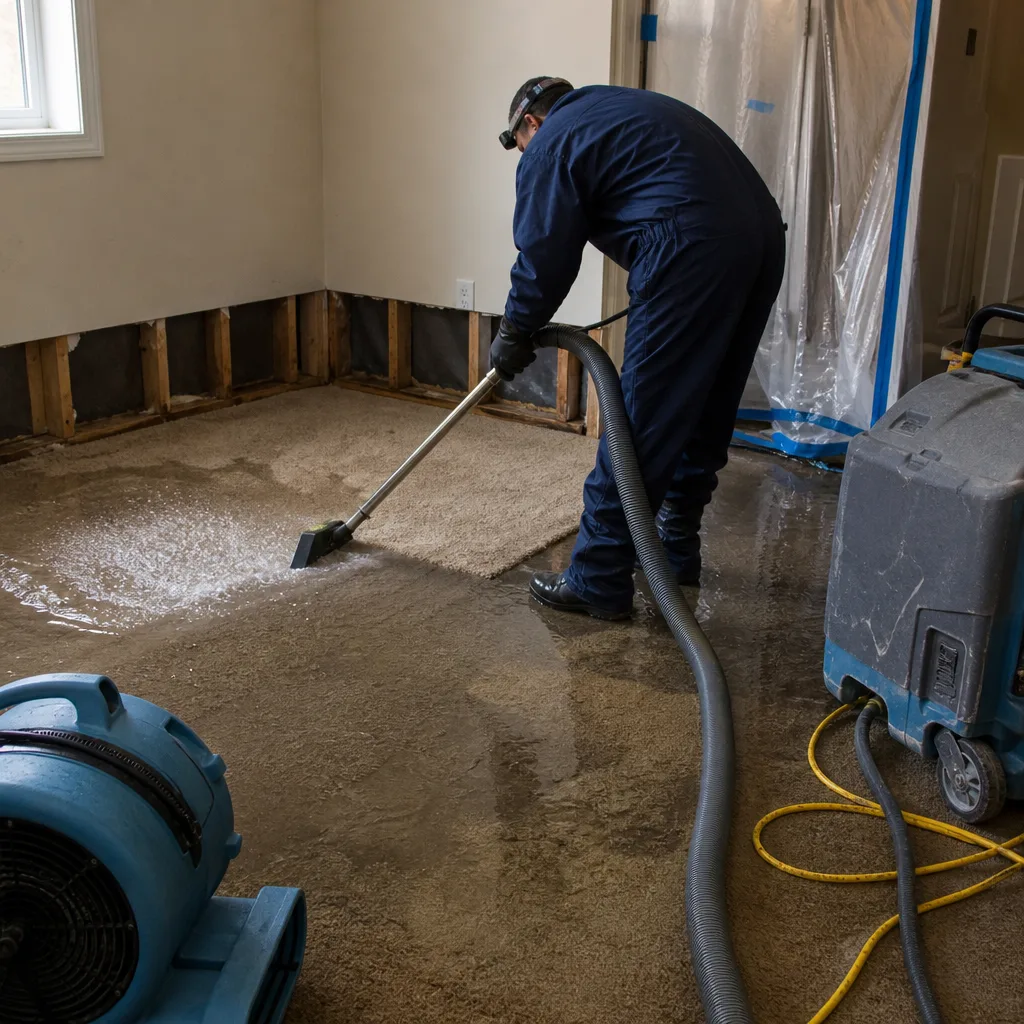
Trauma & Unattended Death Cleanup
When a body goes undiscovered for days or weeks in a 1940s St. Albans home with original hardwood floors and horsehair plaster, decomposition fluids penetrate downward. We remove affected flooring and wall sections, inspect the joists below, and treat the framing with enzymatic and antimicrobial agents before rebuilding. Odor elimination requires finding every migration path, not just masking what’s visible. Our crews understand that this work happens in someone’s home, not a controlled lab. We move with respect and speed.
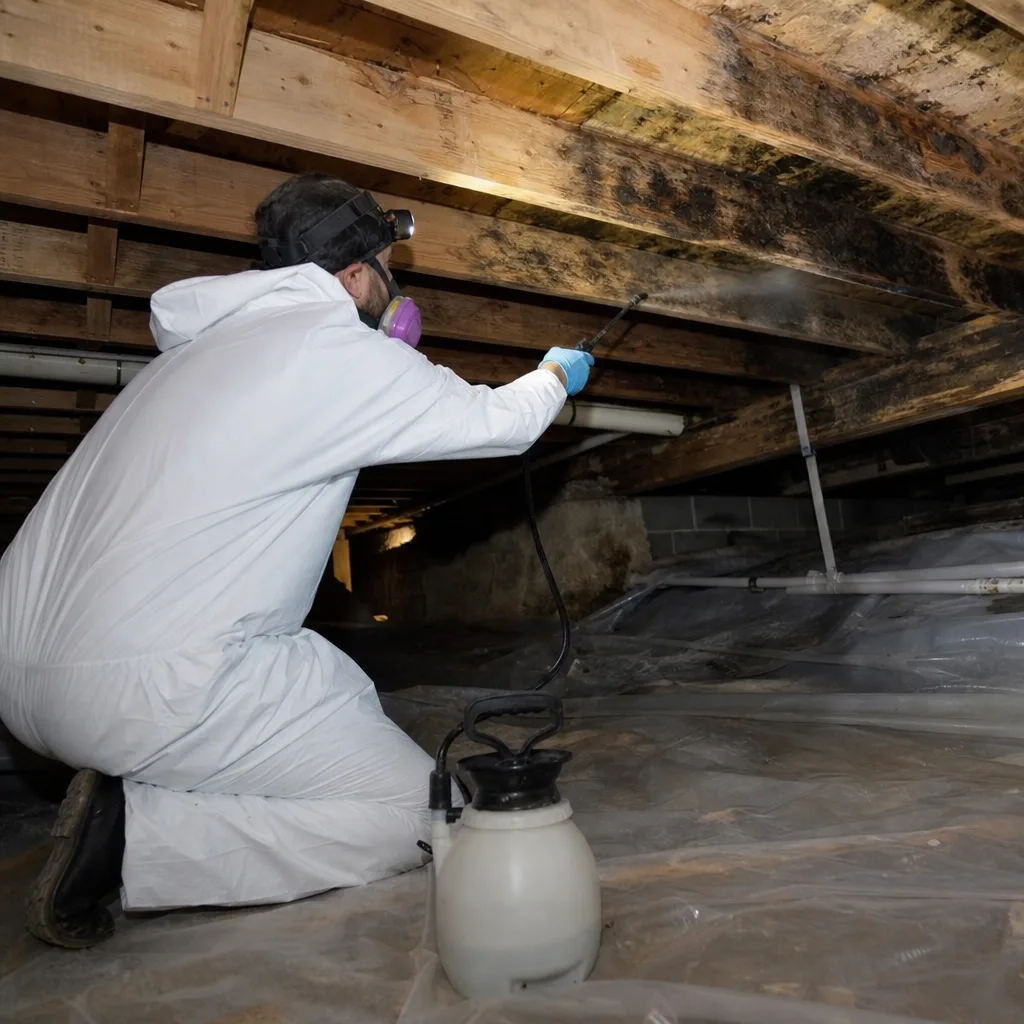
Hoarding Cleanup
Hoarding conditions in a St. Albans semi-detached home raise a specific concern: the shared party wall. Contamination, mold, or pest waste on one side of a brick party wall can affect the neighbor’s side through old mortar joints and shared floor cavities. Our hoarding cleanup includes inspecting those boundaries and, where necessary, coordinating with the neighboring owner’s carrier. We remove debris, sort salvageable items per the family’s wishes, and deep-clean the structural shell before any rebuilding begins.
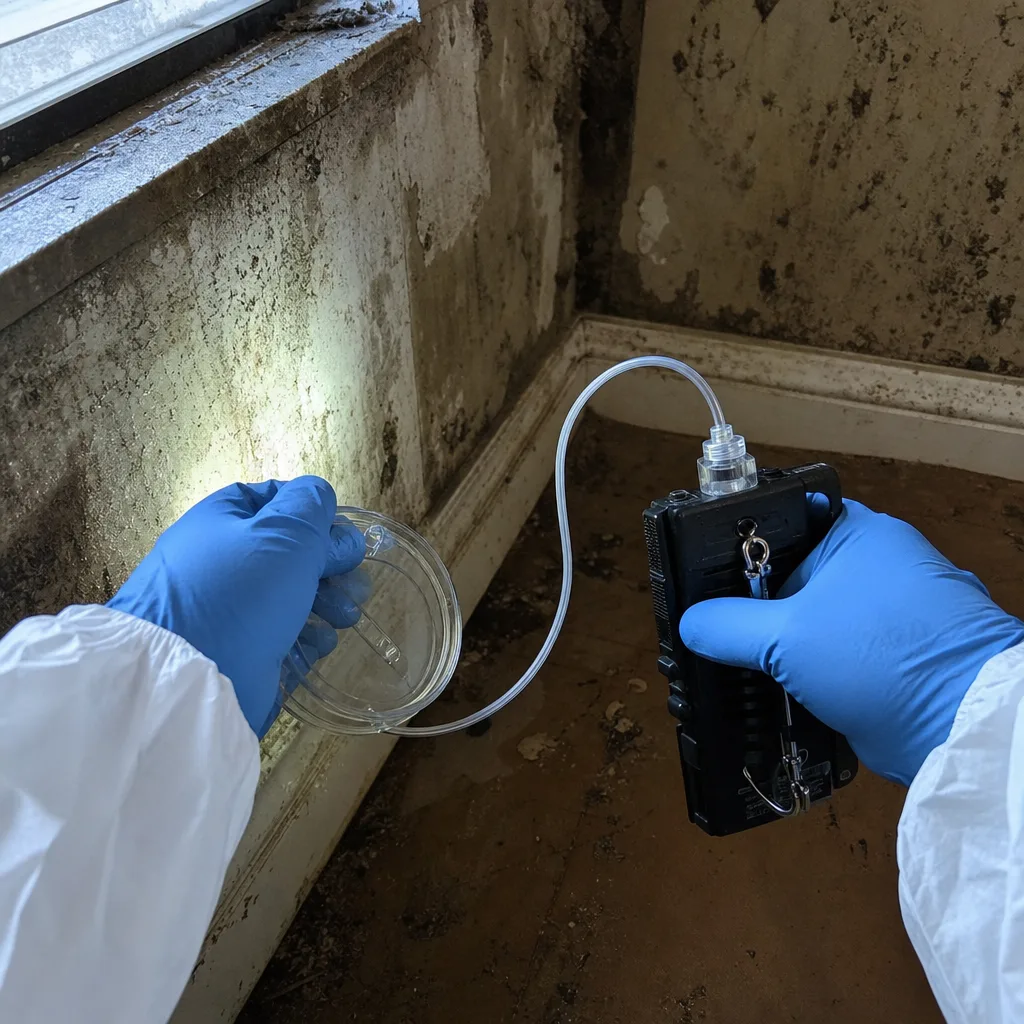
Blood & Bodily Fluid Cleanup
Whether from an accident, an assault, or a medical event, blood on porous surfaces in St. Albans homes almost always requires material removal, not just surface wiping. Hardwood floors, carpet pad, baseboards, and drywall behind them absorb fluid. We follow IICRC trauma scene standards to determine removal depth. Tile and concrete get hospital-grade disinfection. Anything porous that can’t be cleaned is cut out and disposed of under biohazard waste rules.
Infectious Disease Disinfection
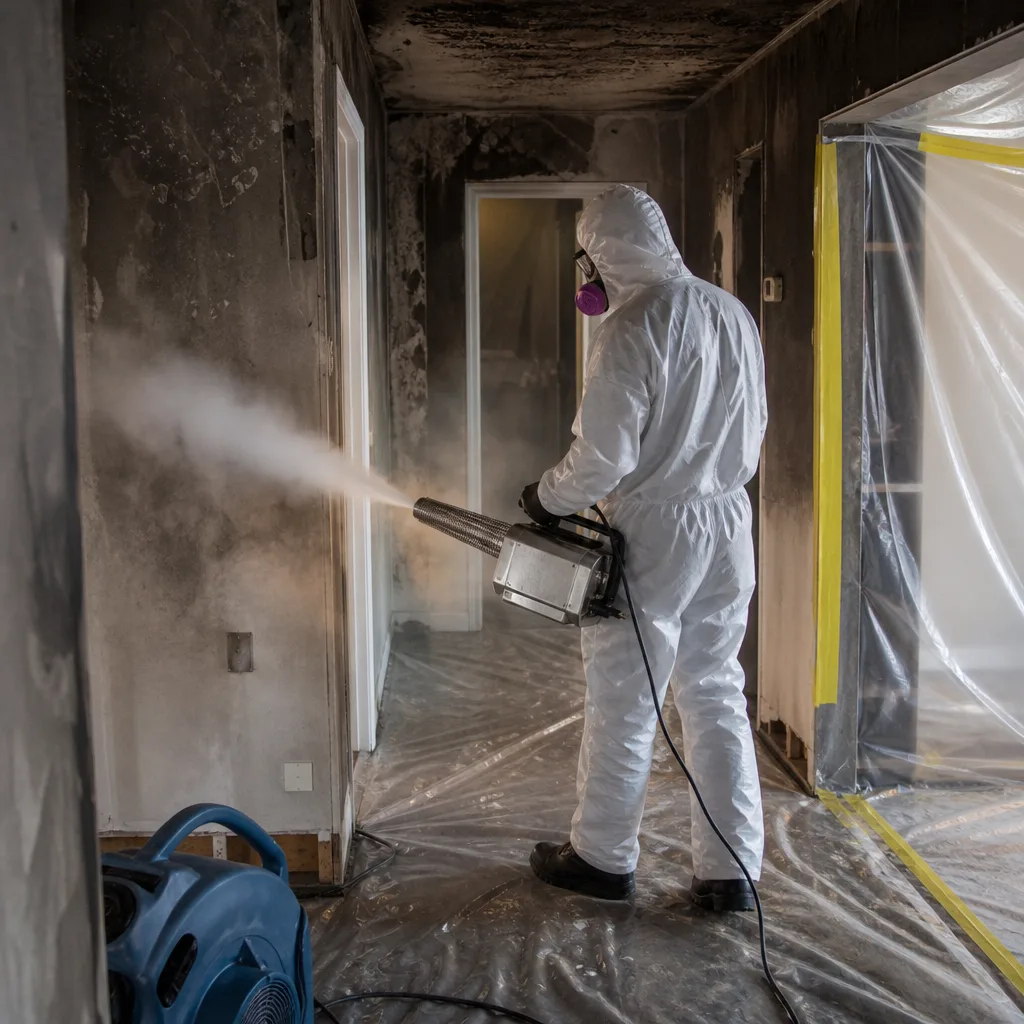
When a household faces a confirmed infectious agent, like C. diff, MRSA, or norovirus, we deploy whole-room disinfection using EPA List B and C antimicrobial products appropriate to the pathogen in question. In a St. Albans brick row house, we pay special attention to shared air returns inside party walls and the narrow utility chases between apartments. A surface-level spray doesn’t reach what travels through old plumbing chases. Our process does.
What happens when you call
- 1
A real person answersNo phone trees - you reach a local pro.
- 2
You get an upfront price rangeHonest numbers before anyone is dispatched.
- 3
A background-checked tech heads outLicensed & insured, dispatched right away.
- 4
You approve before work beginsNothing starts until you say go.
Biohazard & Crime Scene Cleanup Costs in St. Albans, NY
In St. Albans, a contained blood cleanup on a hard surface usually runs $2,500 to $4,500. An unattended death requiring days of residence means decomposition has traveled, and the price range moves to $4,500 to $8,000. A full basement sewage backup carrying category 3 water across a finished 800-square-foot space runs $6,000 to $12,000 by the time we’ve removed drywall, extracted the water, treated studs and slab, and rebuilt the room. Hoarding jobs are priced by volume; a 10-yard dumpster quantity of debris plus cleaning typically runs $5,000 to $15,000 depending on how deep the contamination goes into wall and floor assemblies.
What moves the price: how far fluid migrated, whether asbestos tile or lead paint is present (triggering NYC DEP abatement), whether a finished basement apartment lacks DOB paperwork, and how many wall cavities must be opened. Insurance covers most of these jobs when the event is sudden and the documentation is solid. Call (518) 627-5878 for a free visual inspection and a firm written scope. No pressure, no surprise change orders, and we bill your carrier directly.
We Also Serve Cities Near St. Albans
Our St. Albans-based crews also respond to biohazard and crime scene cleanup calls in St. Albans and the surrounding southeastern Queens neighborhoods, including Jamaica, Richmond Hill, Hollis, and Kew Gardens Hills. If you’re anywhere in the 11412, 11434, 11435, or 11418 ZIP codes, we’ll reach you fast.
St. Albans Biohazard & Crime Scene Cleanup Questions, Answered
How does living in a combined sewer overflow area like St. Albans change a biohazard cleanup?
It means many cleanups that start as water damage are actually category 3 sewage contamination from the start. Storm runoff and raw sewage mix in the mains during heavy rain, then push backward into basement drains and floor fixtures. That forces us to treat the space as a biohazard job before we can begin structural drying, adding containment, antimicrobial treatment, and often material removal to what would otherwise be a simple extraction. Call (518) 627-5878 if you’ve had a backup; the faster we contain it, the less gets gutted.
Why do so many St. Albans biosafety jobs involve unpermitted basement apartments?
Because many 1940s-1960s St. Albans basements were finished into accessory apartments without ever appearing on a certificate of occupancy. When sewage or blood contaminates those rooms, we’re cleaning spaces that don’t exist on paper. That creates a documentation hurdle for insurance adjusters and requires us to flag NYC DOB compliance before drying or rebuilding begins. It’s manageable, but only if the restoration company recognizes the issue on day one. We do.
What does a crime scene cleanup in a 1940s-1960s St. Albans brick home require beyond surface cleaning?
With horsehair plaster and original hardwood over tongue-and-groove pine, biological fluid travels. We open wall cavities to inspect stud bays and joist paths, remove contaminated plaster and subflooring, and treat the framing beneath with enzymatic and antimicrobial agents. Surface wiping in these homes is cosmetic, not protective. Odor control only works when every migration path is found and treated.
Can our crew legally handle a hoarding cleanup in a St. Albans semi-detached home when the neighbor’s wall hides contamination?
Yes, and it requires care with the shared brick party wall. In semis and row houses, old mortar joints and shared floor cavities can transmit mold, pest waste, and bioaerosols between units. We inspect the boundary, document conditions on both sides, and coordinate with the neighbor’s insurer when necessary. Legally, we can only work on the property we’re contracted for, but we identify and document cross-contamination so the neighbor’s claim doesn’t stall.
Is infectious disease disinfection different in St. Albans because of the salt-air environment?
Salt air near Jamaica Bay mostly drives faster corrosion in metal surfaces and slightly higher ambient humidity, which affects drying times and where we set our equipment. For infectious disease disinfection, the salt-air factor is minor compared to the real local variable: shared utility chases and old plumbing paths between attached homes. Pathogens travel through those gaps, so we fog and treat cavities a generic cleaner would never open.
How fast can a crew actually get to St. Albans?
We commit to 45 minutes for most St. Albans addresses, from Farmers Boulevard to Merrick Boulevard and points east. Dispatch is live around the clock, and our techs are based across southeastern Queens. At 2 a.m., a real person answers and starts routing. The truck arrives, sets containment, and extraction or surface sealing begins on that first visit.
Will insurance cover biohazard and crime scene cleanup in St. Albans?
Most policies cover it when the event is sudden, accidental, and undeniably tied to a covered peril: a sewer backup, a covered death, a burst pipe that spread contamination. The difference between approval and denial is often documentation. We photograph everything, write line-item scopes, and talk to your adjuster directly. Done right, most of the bill lands on the carrier, not you.
Do we really need full remediation, or just a cleaning?
If blood, bodily fluid, or sewage touched porous material, surface cleaning isn’t enough. Bacteria and viruses survive in wood, drywall, carpet pad, and plaster. They keep growing, and the odor returns. We’ll tell you honestly if a surface-only treatment is sufficient. In the 1940s-1960s brick homes that make up most of St. Albans, deeper material removal is the rule, not the exception. A free inspection gives you the truth before the work begins. Call (518) 627-5878.
Serving St. Albans, NY - Our Local Coverage Area
We’re based in the St. Albans area and know this community well. Use the map below to see our service coverage - if you’re nearby, we can almost certainly help.
Get a Clear Scope Before Work Starts
If you’re dealing with a biohazard or crime scene in St. Albans, don’t wait for the contamination to spread through plaster walls, under flooring, or into drains. Call Floodline Restoration Co. at (518) 627-5878 any hour, day or night. A live dispatcher answers, a background-checked, uniformed technician reaches your home fast, and you get a written scope and a firm price before we start. The work is done right and backed by the 90-Day Done Right Promise, in writing, no arguing. We stand behind it.
Written by Curt Bowman, Owner at Floodline Restoration Co., serving St. Albans with 24-hour biohazard and crime scene response.