
Free visual inspection and a written scope of work before any mitigation begins - photos, moisture readings, and drying logs go in your claim file
The scope we write is the scope we bill. Anything new gets shown to you, in writing, before we touch it.
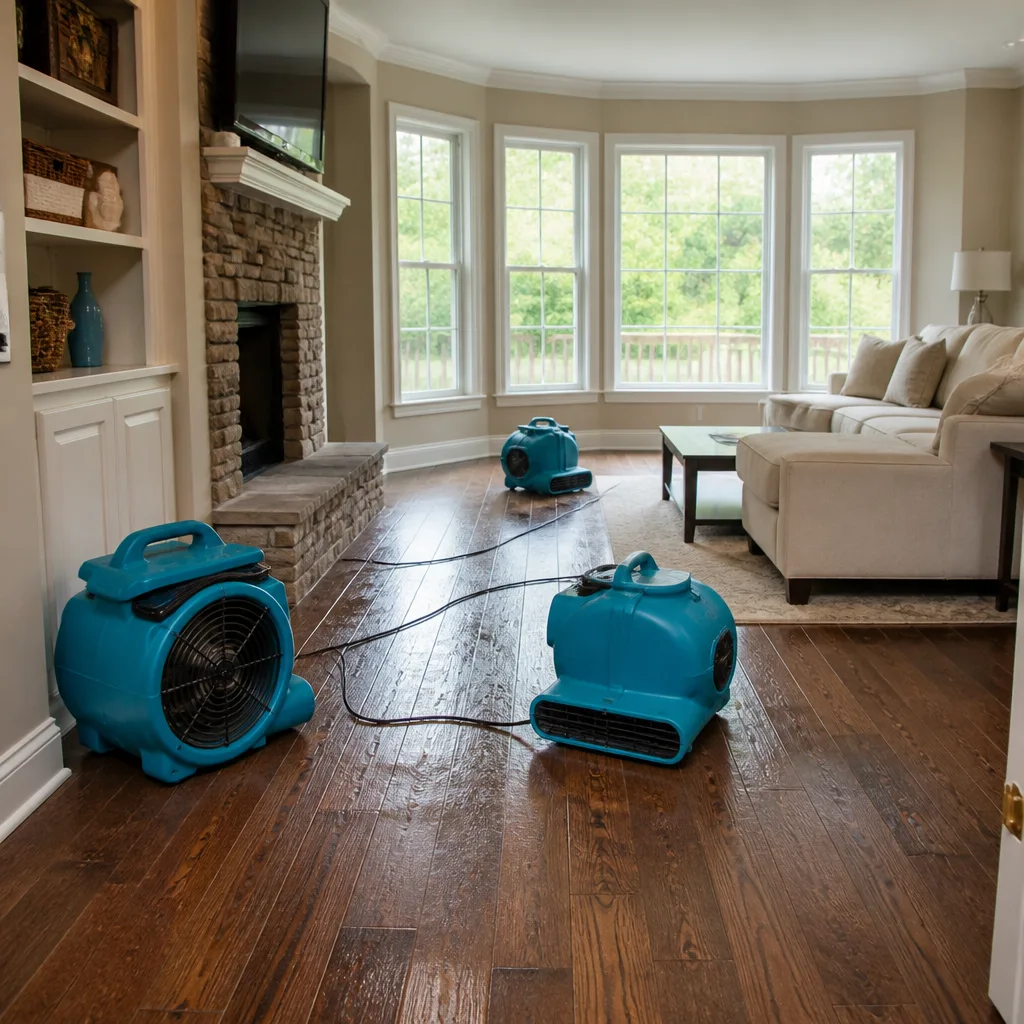
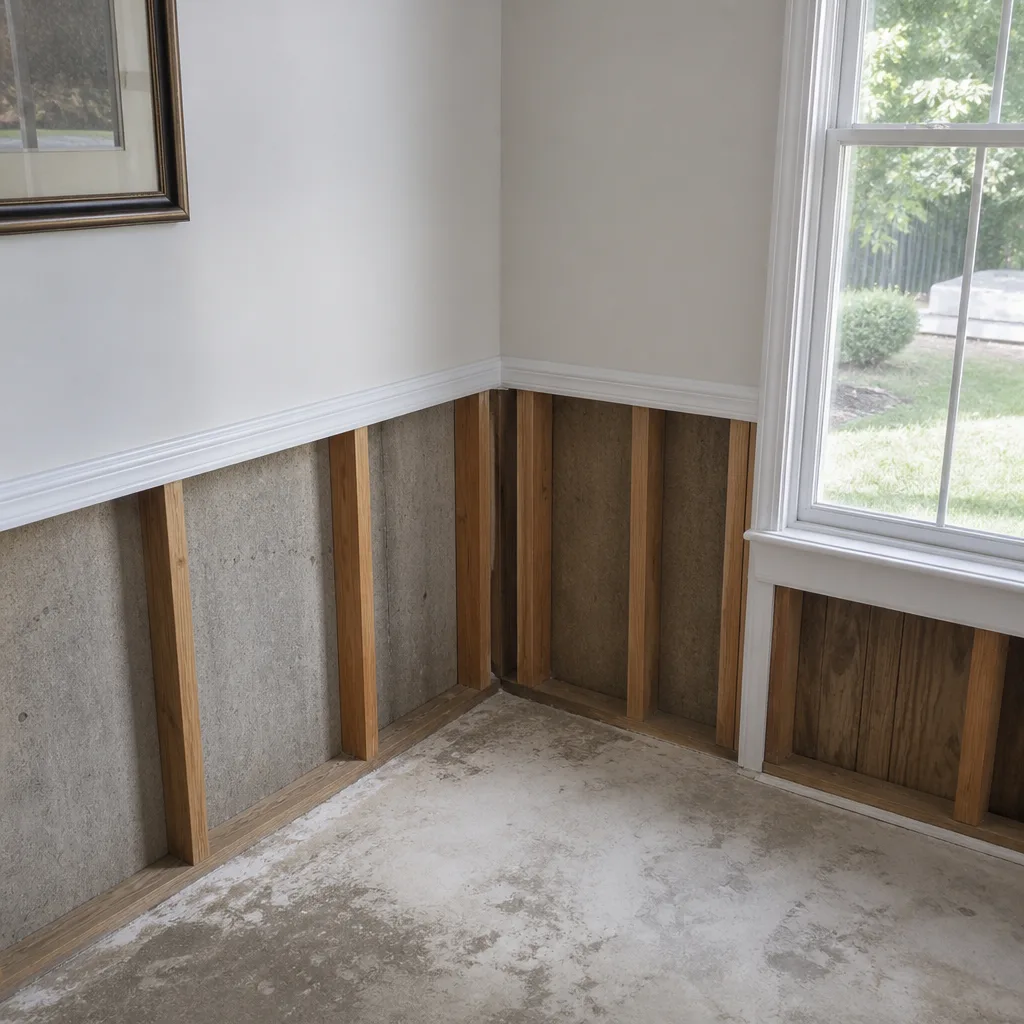
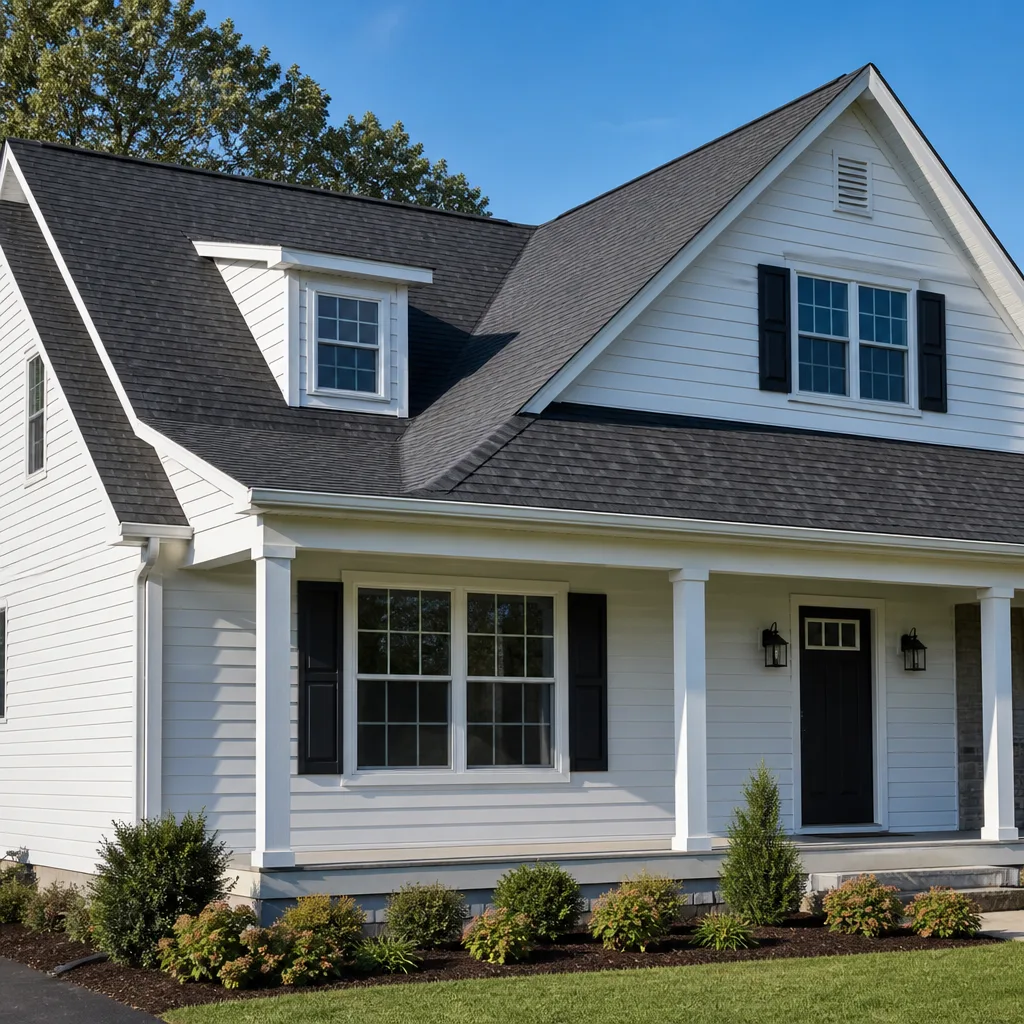
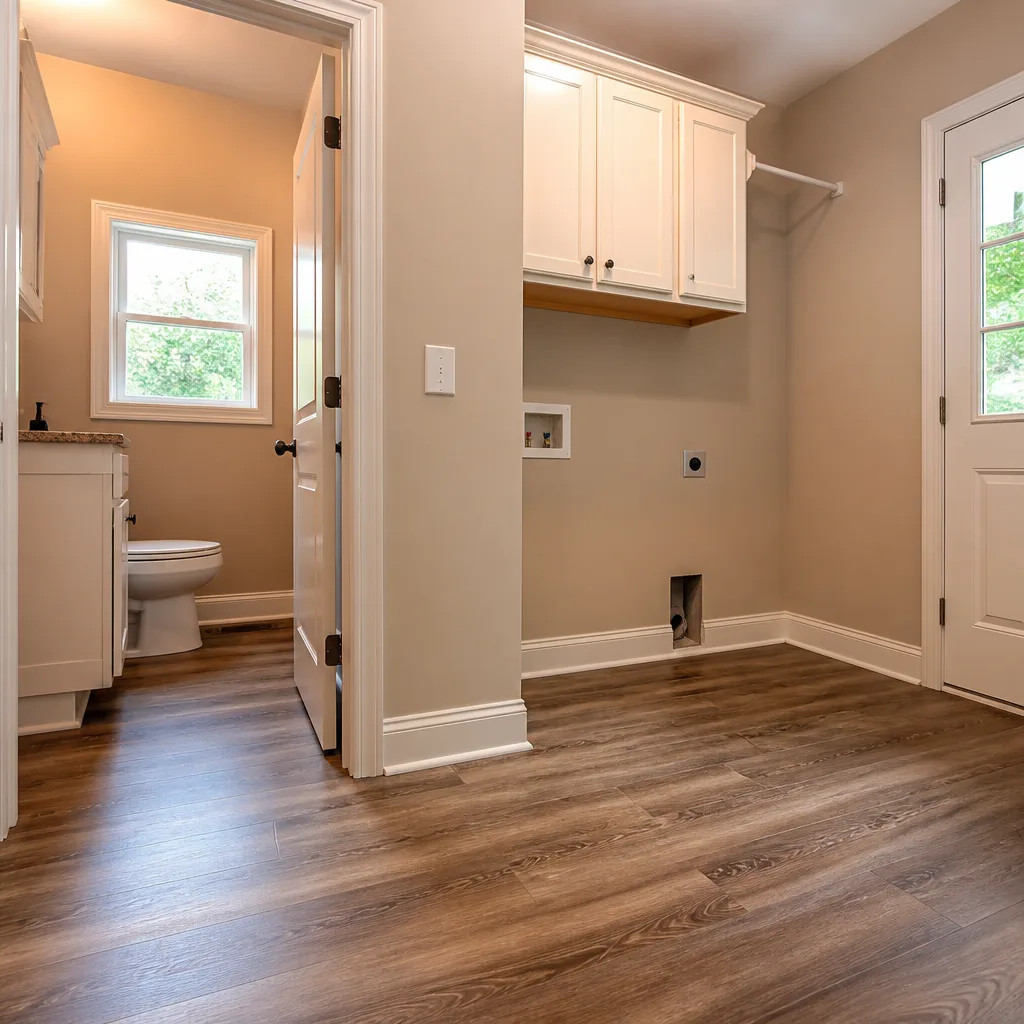
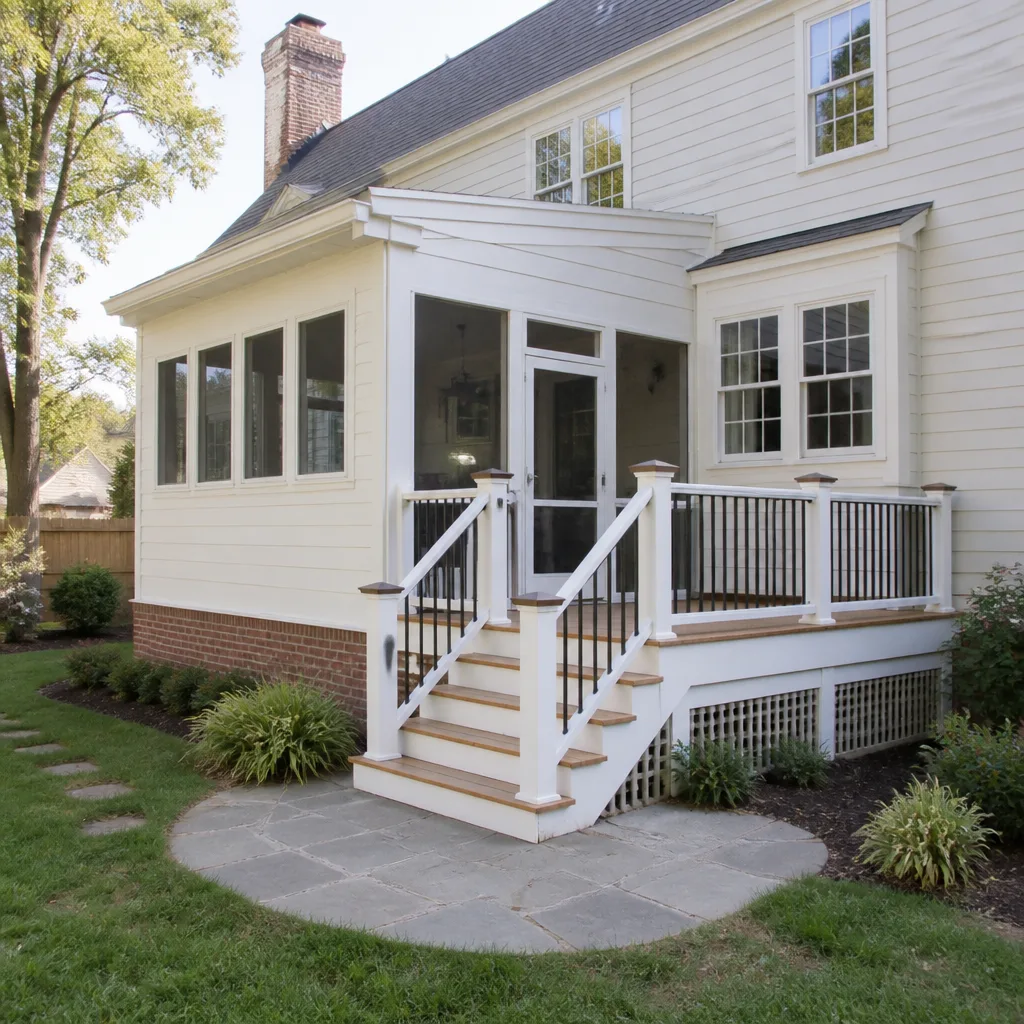
 Before
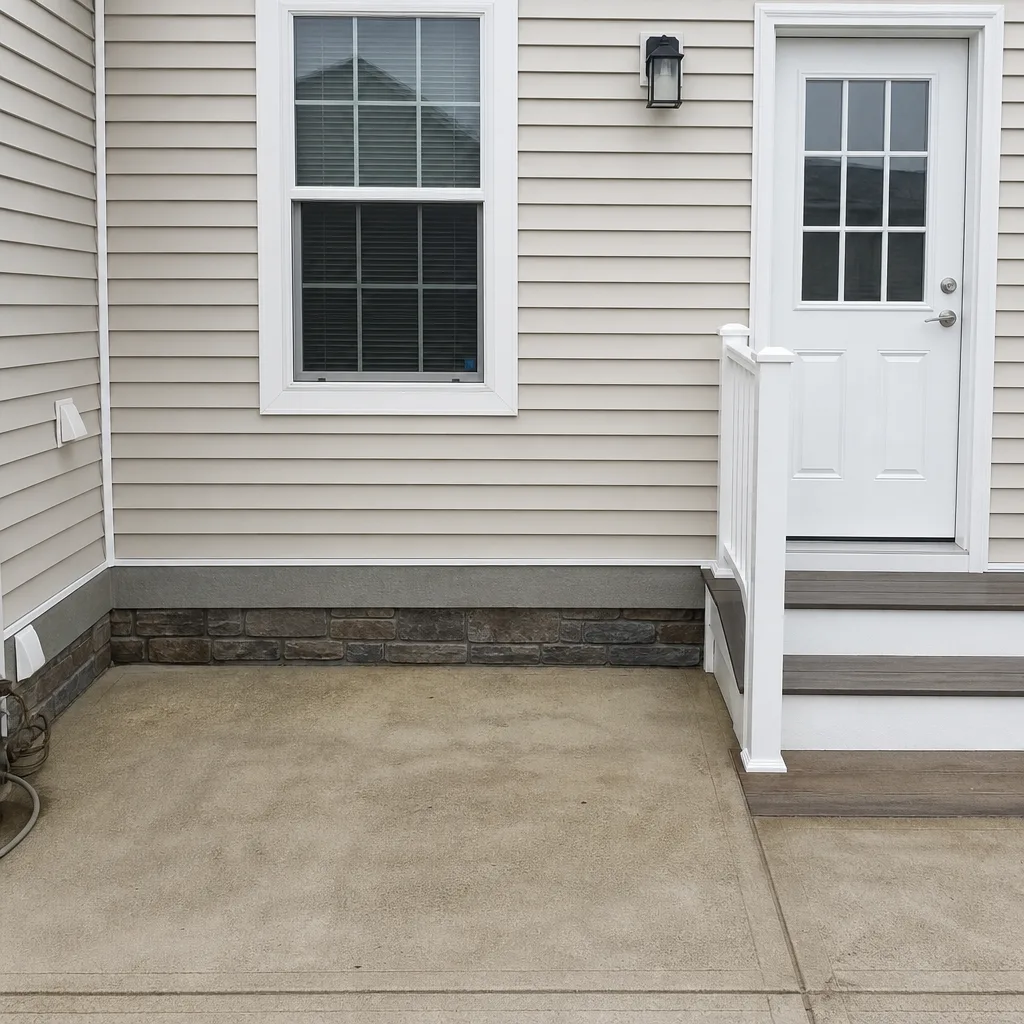 After
After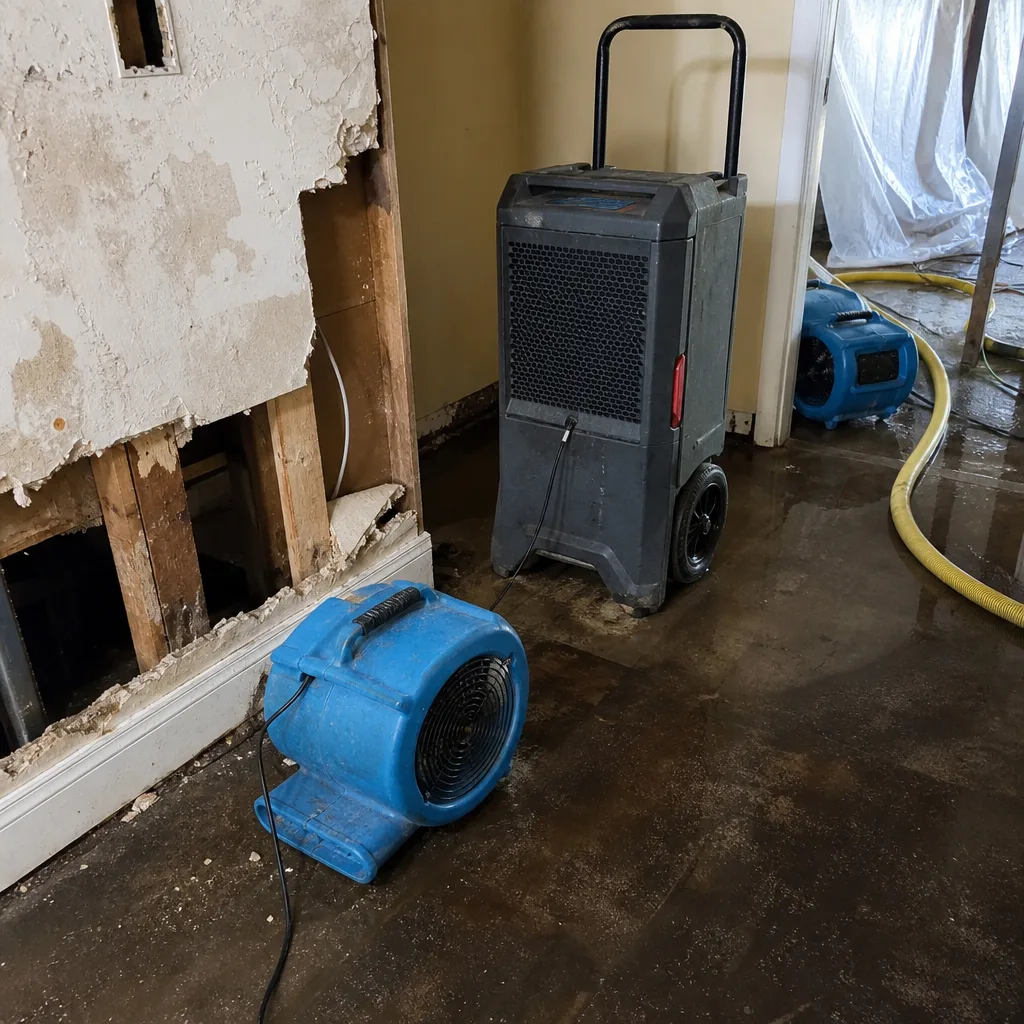 Before
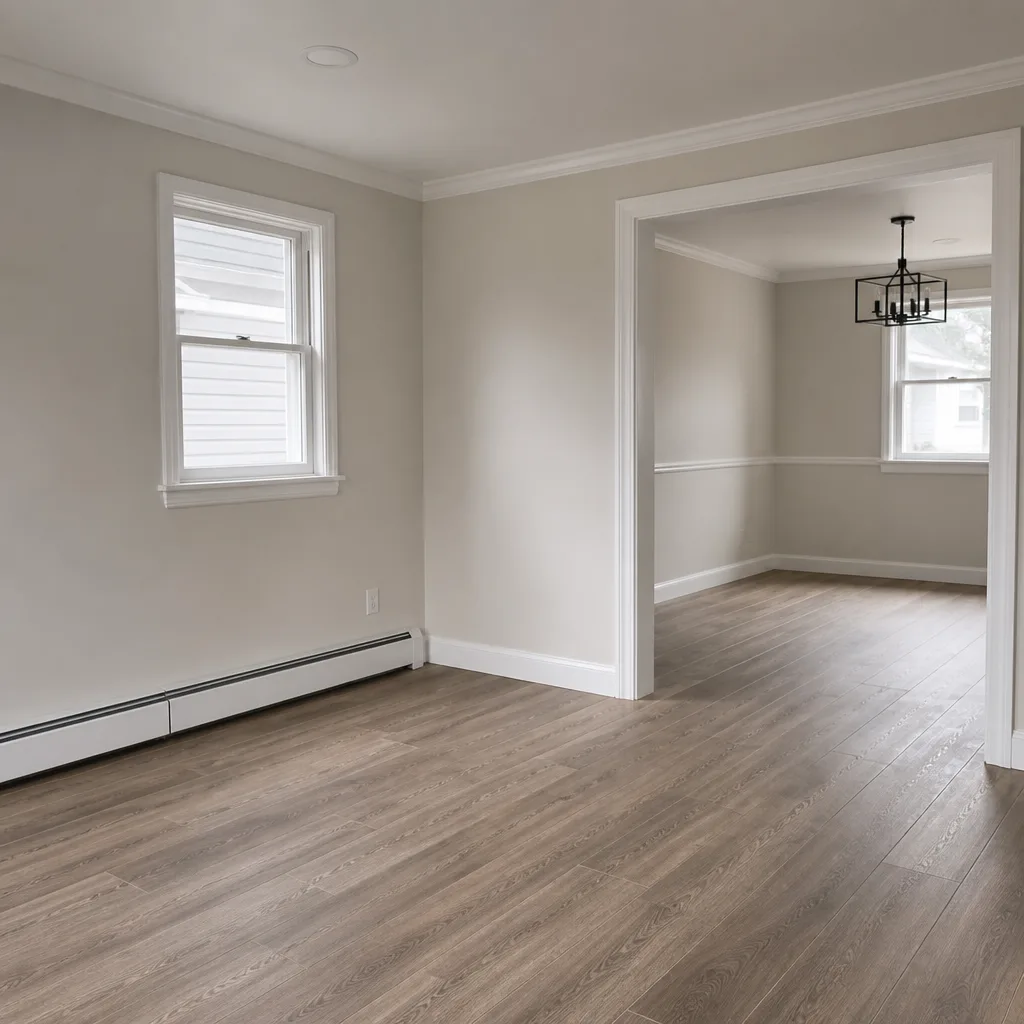 After
After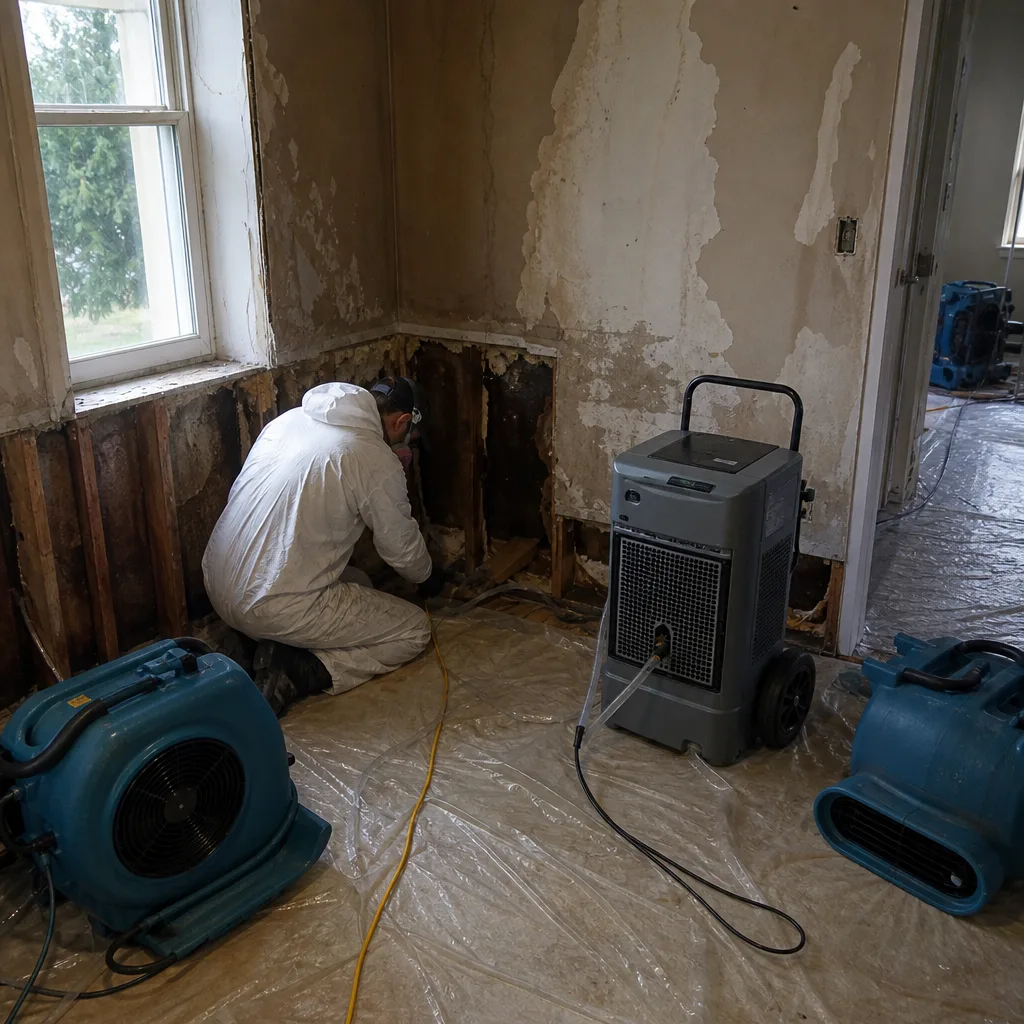 Before
 After
After24/7 Emergency Commercial Restoration in Forest Hills
Commercial water, fire, or storm damage in Forest Hills needs a response that understands the neighborhood’s older buildings and, in some cases, the landmark protections that come with them. Our Commercial Restoration team answers live around the clock and can have crews dispatched to any address in 11375, from the storefronts along Austin Street to the co-op complexes off Queens Boulevard. If you’re dealing with standing water, sewage backup, or smoke damage right now, call (518) 627-5878 for a free visual inspection. The first hour matters because water moves fast through plaster-and-lath walls and pre-war framing, and what starts as a wet floor in one unit can become a building-wide problem by morning.
Understanding Commercial Restoration Severity in Forest Hills Properties
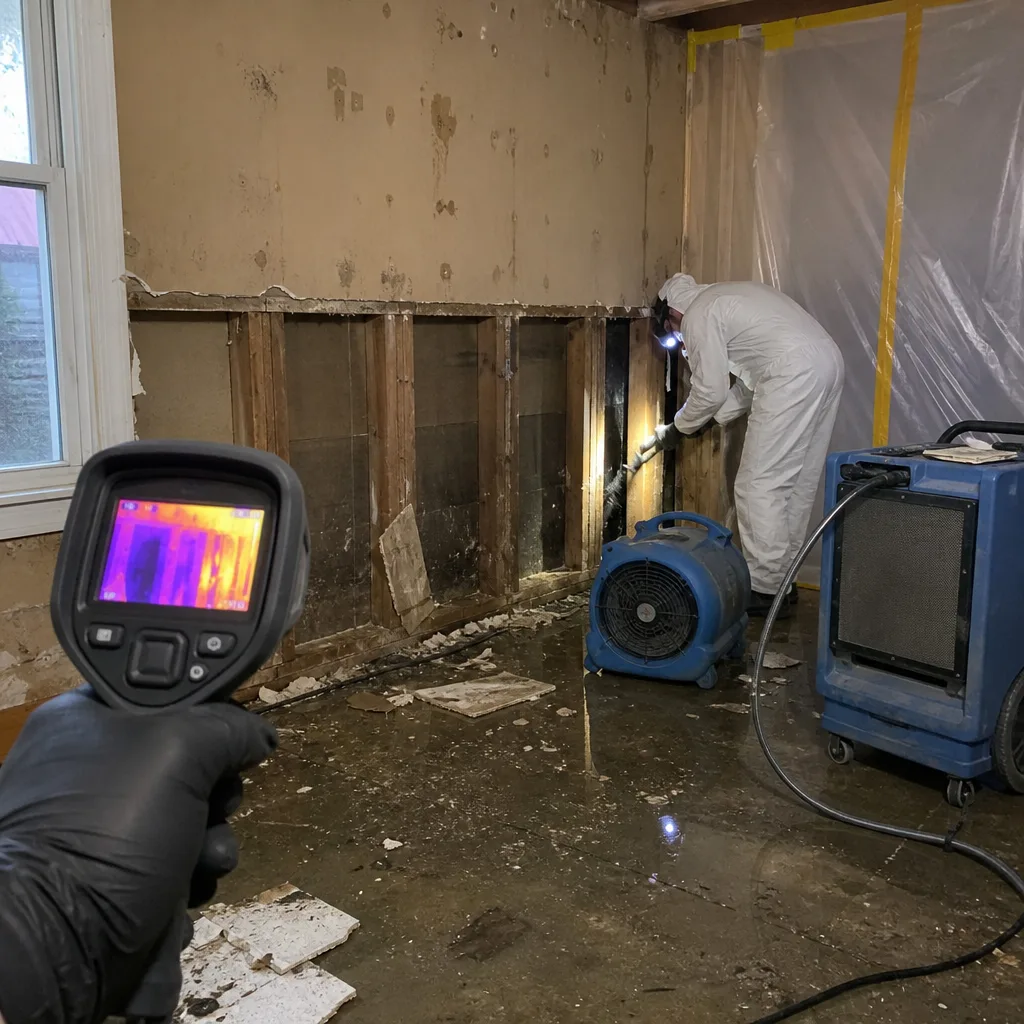
Not all water damage is the same, and Forest Hills’s building stock makes the distinctions sharper than in newer neighborhoods. Category 1 water from a burst supply line is clean tap water. Category 2 carries significant contamination from things like washing machine overflow. Category 3 is grossly contaminated, including sewage backups and storm surge. In a 1920s co-op building with cast-iron drain stacks, a backup from one retail unit’s bathroom can push Category 3 water through common wall cavities shared by three or four commercial tenants. We assess the category, map moisture across the affected space with thermal imaging and hygrometers, and build a drying plan that accounts for plaster-and-lath walls, which hold moisture longer than gypsum drywall and dry slower. Fire damage in pre-war buildings has its own chemistry: with that much old-growth lumber, pine framing, shellac finishes, and oil-based paints, you get thick, greasy soot residue that requires different cleaning agents than the dry, ashy soot in modern steel-and-drywall construction. Smoke migration follows the same paths that drafts use, so a small kitchen fire in a co-op building can leave residues inside neighboring units’ ductwork. Our severity assessment is specific to the building type, because a generic restoration plan in Forest Hills often misses what an older structure will actually do.
Why Forest Hills Property Owners Choose Floodline Restoration Co.
- 45-minute response commitment for emergency calls inside the Forest Hills service area, with crews dispatched from our New York City office the moment your call connects.
- A live person answers, always. Our dispatchers are real people at 2 a.m., not an automated phone tree, so the first call reaches someone who can actually send a crew.
- IICRC-certified crews, including WRT (water damage restoration) and ASST (applied structural drying) certified technicians, trained to handle the multi-unit and landmarked buildings common across 11375.
- Free visual inspection before any work begins. We’ll tell you what you’re looking at, what the range is, and what your options are, without pushing a contract.
- Direct insurance billing. We prepare the estimate, document the loss from the first hour, and deal directly with your adjuster so you don’t have to play messenger.
- One team from extraction to rebuild. No mid-job handoff to a third-party contractor, which matters when the original scope changes and someone has to explain it to the co-op board.
Our Commercial Restoration Process
Inspection & Assessment
We arrive, walk the property, and identify the water category or fire damage classification. In Forest Hills, this means checking for LPC-designated or Gardens Corporation-governed spaces before recommending any demolition. We document everything with photos and moisture readings from the start.
Extraction & Stabilization
Standing water comes out using truck-mounted and portable extraction units. In basements and below-grade spaces, we also check adjacent units and wall cavities, because water in a pre-war building doesn’t stay in one storefront.
Drying & Dehumidification
We calculate the cubic footage and place air movers and desiccant dehumidifiers accordingly, not just “a few fans in the corner.” Daily moisture readings are logged until every affected surface hits the dry standard. In plaster-and-lath walls, this can take three to six days longer than drywall.
Cleaning & Sanitization
For Category 2 or 3 water, we apply antimicrobial treatments within the 24-48 hour window when they’re most effective. HEPA air scrubbers run throughout to capture airborne particulates. In fire losses, we clean soot by surface type, because slate, brick, and old-growth wood all respond to different methods.
Material-Matched Restoration
This is where Forest Hills work part ways with the standard playbook. Inside Forest Hills Gardens, we source lime-based plaster, period-appropriate substrates, and masonry-matched materials, and we submit the documentation the LPC and Gardens Corporation require before the rebuild phase begins.
Repairs & Restoration
We rebuild to pre-loss condition using materials that comply with building and landmark rules. That includes coordinating access with co-op boards, scheduling around tenant hours, and leaving the owner with a written scope of work and our 90-Day Done Right Promise in hand.
Need Emergency Commercial Restoration in Forest Hills Now?
Crews minutes away, answering live 24 hours a day. The sooner we start, the less it costs.
Working With Your Insurance Company
We document the loss from the first hour, the way an adjuster needs to see it. That means photos of every affected area, room by room, along with moisture readings that establish the pre-loss baseline and the drying trajectory. We prepare industry-standard estimates using the same software your carrier recognizes, then we communicate directly with your adjuster, so the homeowner or property manager doesn’t sit on hold with a claim number. If the carrier pushes back, we respond with evidence, not arguments. The point is to get the claim settled and the building restored without you becoming the go-between. For co-op and HOA losses in Forest Hills, we also coordinate with the building’s master policy, because more than one carrier is often involved.
What We Provide Your Insurer
- Thorough documentation of the loss
- Photos of all damage, room by room
- Moisture readings and drying logs
- A detailed, line-item scope of work
- Direct coordination with your carrier
Built for Forest Hills’s Loss Calendar
Forest Hills has a commercial restoration calendar shaped by Queens’ climate and its older infrastructure. The remnants of Hurricane Ida in September 2021 sent record flash flooding through the neighborhood, swamping finished basements and ground-floor commercial spaces across 11375. That event wasn’t a fluke: Queens sits on clay-heavy subsoils with near-total impervious surface coverage, so rainwater concentrates in low spots with nowhere to go. Nor’easters from November through March drive wind-driven rain into aging masonry and failing window sealants common in pre-war buildings. January and February deep freezes burst supply lines in uninsulated walls and unheated storage areas. Spring thaw follows with basement seepage through foundation cracks. For commercial owners in Forest Hills, the practical takeaway is this: the building itself is more likely than the weather to cause your loss, and the older it is, the more true that becomes. We plan every job around the building’s actual behavior, not a generic seasonal checklist.
Commercial Restoration Across Forest Hills’s Neighborhoods
Forest Hills isn’t one building type. It’s at least three, and each shapes the restoration work differently. The landmarked Forest Hills Gardens between Continental Avenue and Union Turnpike is the heaviest layer: any water or fire damage in a commercial space there triggers LPC and Gardens Corporation review, which means material-matched restoration is non-negotiable. We’ve handled basement offices in that enclave where “replace the drywall” wasn’t an option because the original plaster substrate was part of the landmarked condition. Along Queens Boulevard from 67th Drive up toward 71st Avenue, you find the dense belt of 1920s and 1930s co-op buildings with retail on the ground floor; these losses tend to be vertical, starting from a cast-iron drain line failure several floors above and migrating down through common walls. The Austin Street shopping corridor has its own pattern: tight storefronts in mixed-use buildings where a fire suppression discharge or a failed sprinkler line can close three businesses at once, and the co-op board, the landlord, and three separate insurance policies all get involved. Then there’s the residential-adjacent commercial stock along Yellowstone Boulevard and Metropolitan Avenue, where three-story brick buildings with ground-floor offices share plumbing stacks with apartments above. A restoration crew that’s worked all four corridors knows that the same Category 2 water event plays out completely differently depending on which side of the LIRR tracks you’re on.
Specialized Commercial Restoration Services We Offer in Forest Hills
Office & Retail Restoration
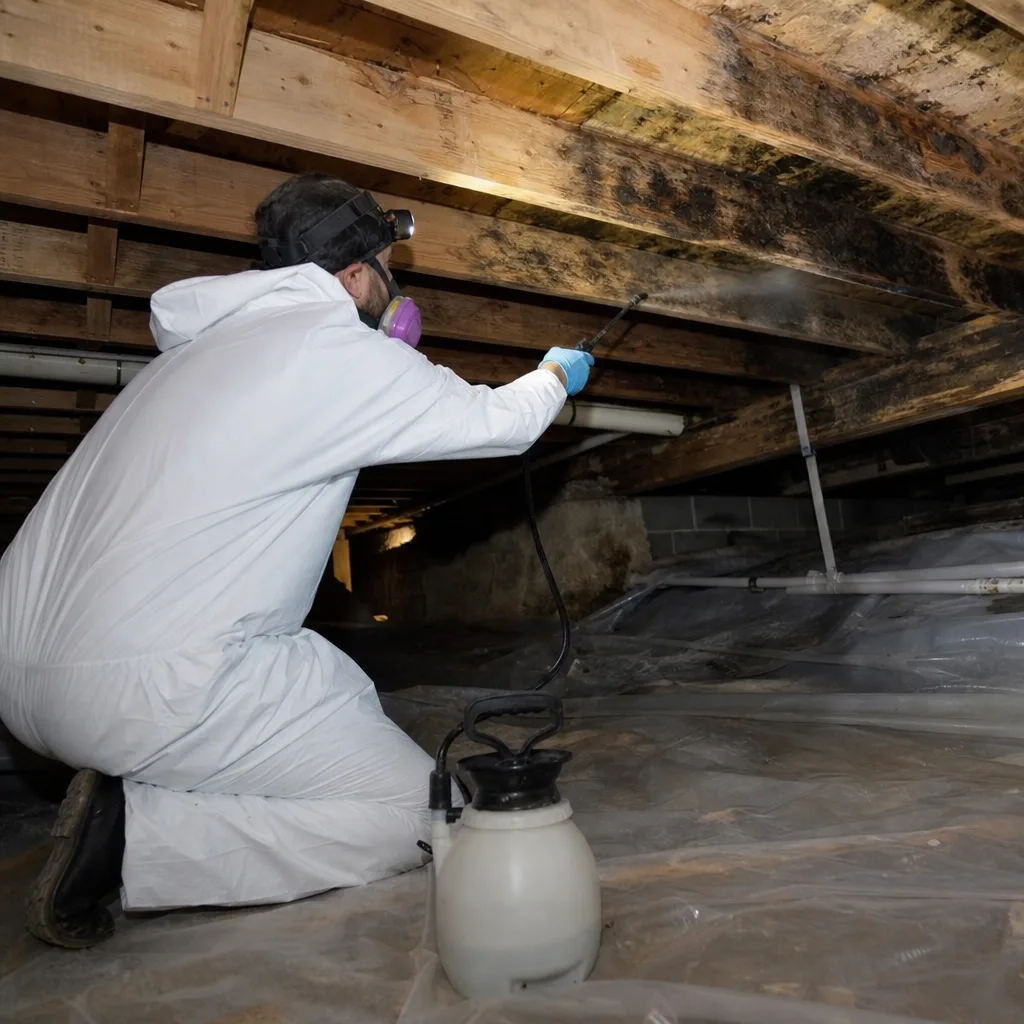
Our crew handled a Category 3 water event in a co-op retail basement off Austin Street, where a failed cast-iron drain stack above a row of storefronts packed out merchandise into our desiccant drying chamber. We ran containment and air movers across three units while coordinating with the co-op board, then logged moisture readings every four hours until the structural drying plan met pre-loss condition without disturbing the landmarked brick facade. That’s the shape of office and retail restoration in Forest Hills: multi-party, material-sensitive, and time-sensitive because every day closed is revenue lost.
Multi-Unit & HOA Restoration
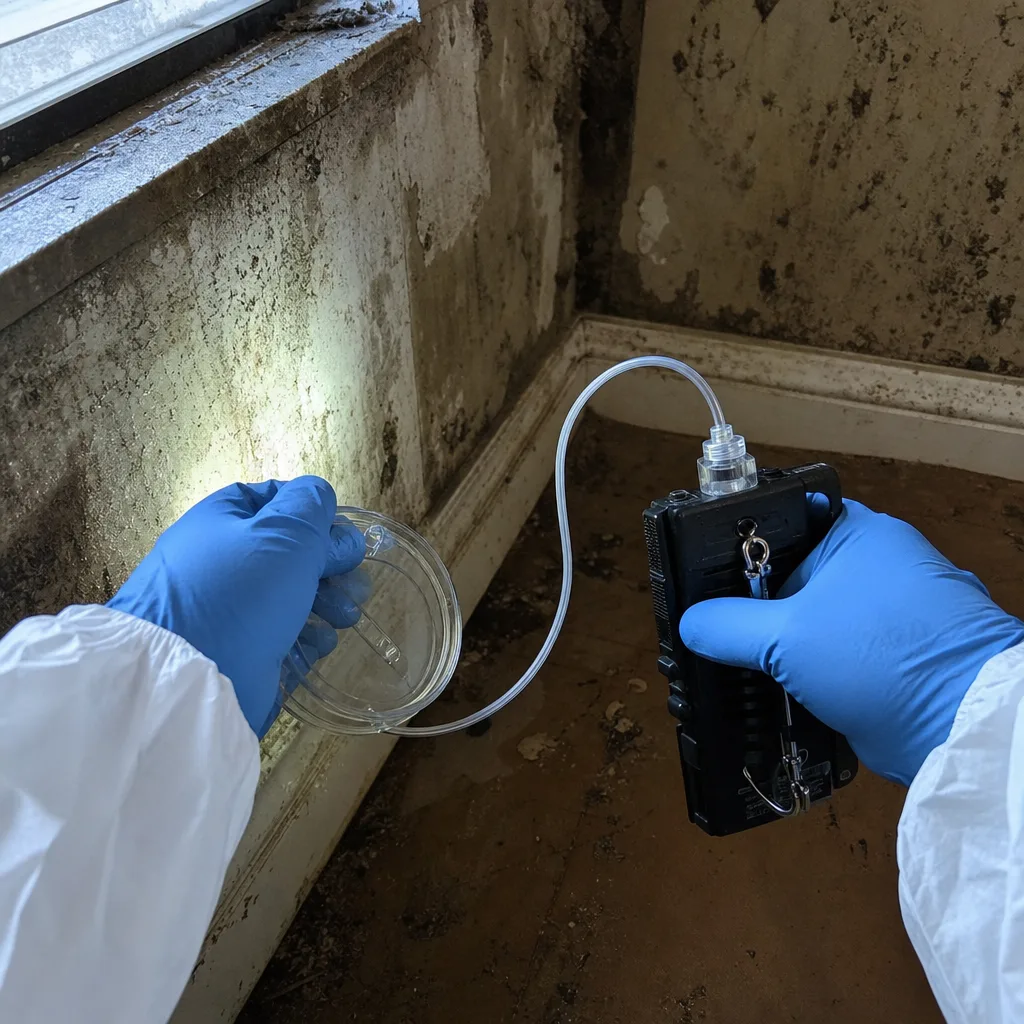
Co-op and condo buildings dominate Forest Hills, and they create restoration challenges that single-owner commercial buildings don’t. Access requires coordination with the board or management company. The source unit, the affected unit, and the common areas all have different insurance obligations. We’ve worked inside enough 11375 co-ops to know that the fastest path is direct communication with the board, clear paperwork for their master policy, and a scope of work that respects landmark constraints when they apply.
Large-Loss Response
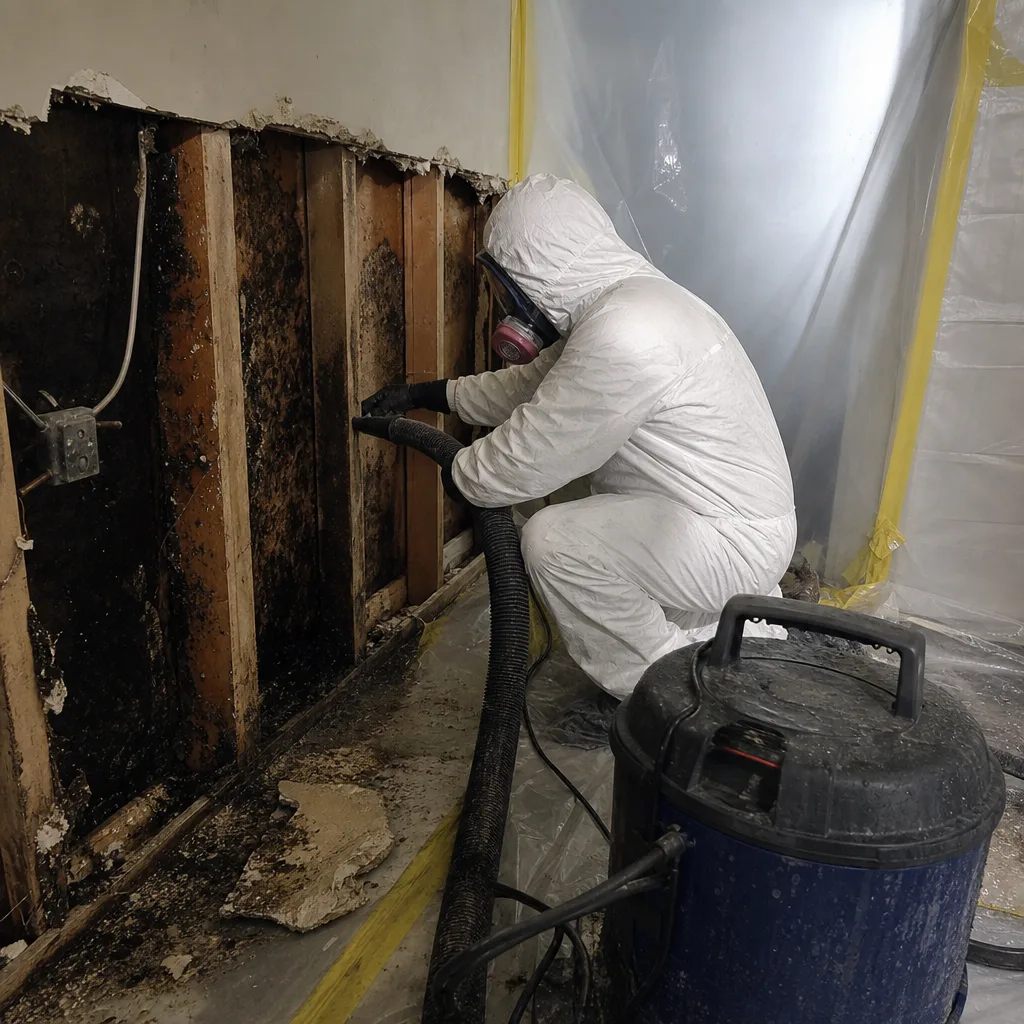
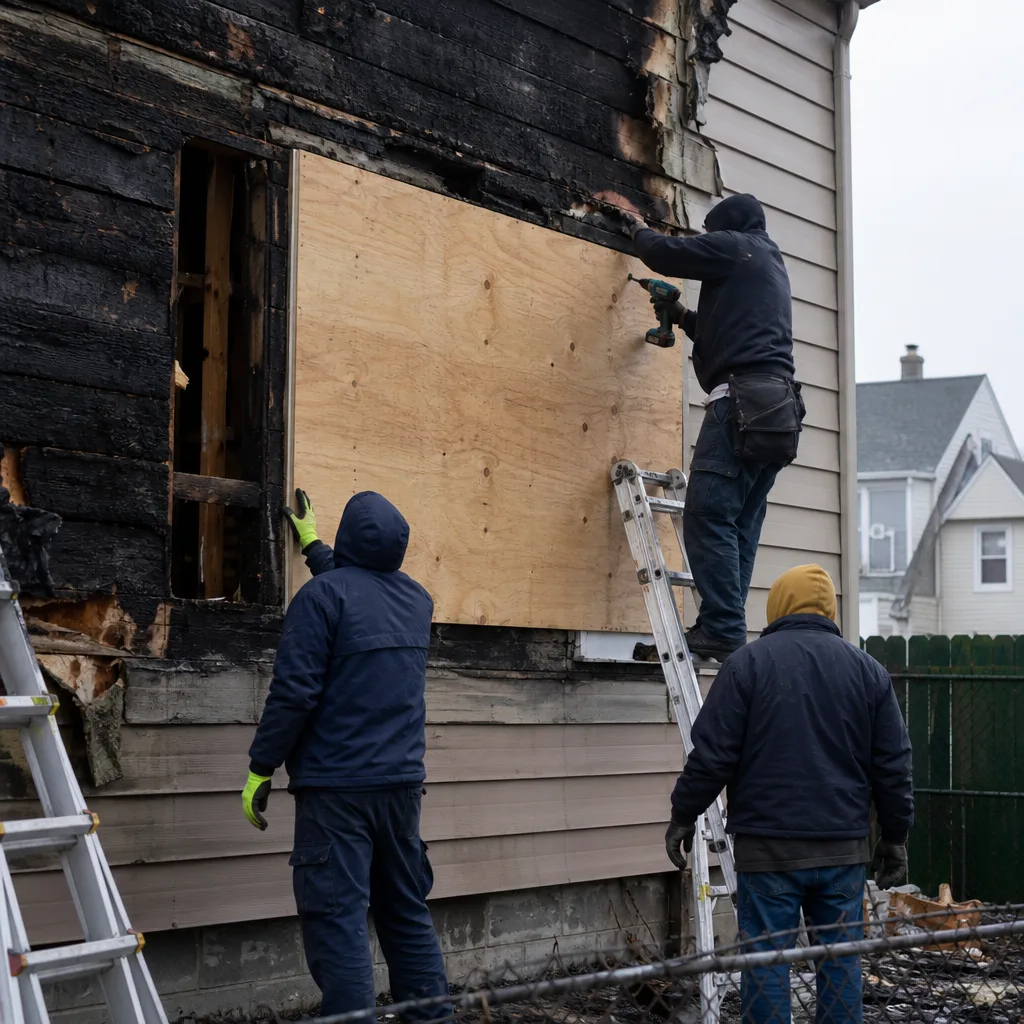
A large loss in Forest Hills means multiple affected floors, multiple tenants, or a full-building event. We arrive with enough professional-grade equipment to handle the cubic footage even when the affected area runs thousands of square feet. The desiccant drying chambers, air movers, and HEPA scrubbers get deployed from the first visit, not the third, because a big loss that sits wet over a weekend becomes a structural and mold problem by Monday.
Business Interruption Minimization
We think about business interruption from the first inspection. Can the affected area be contained while you keep nearby spaces operating? Can we dry in place to avoid relocating sensitive inventory or office equipment? In Forest Hills, where a commercial tenant is often a retail storefront inside a co-op building, we’ve prioritized fast containment and partial reopening so the business doesn’t lose three weeks of revenue for what is a nine-day restoration. The 45-minute response commitment and same-visit equipment deployment exist to shrink that interruption window.
Industrial Facility Cleanup
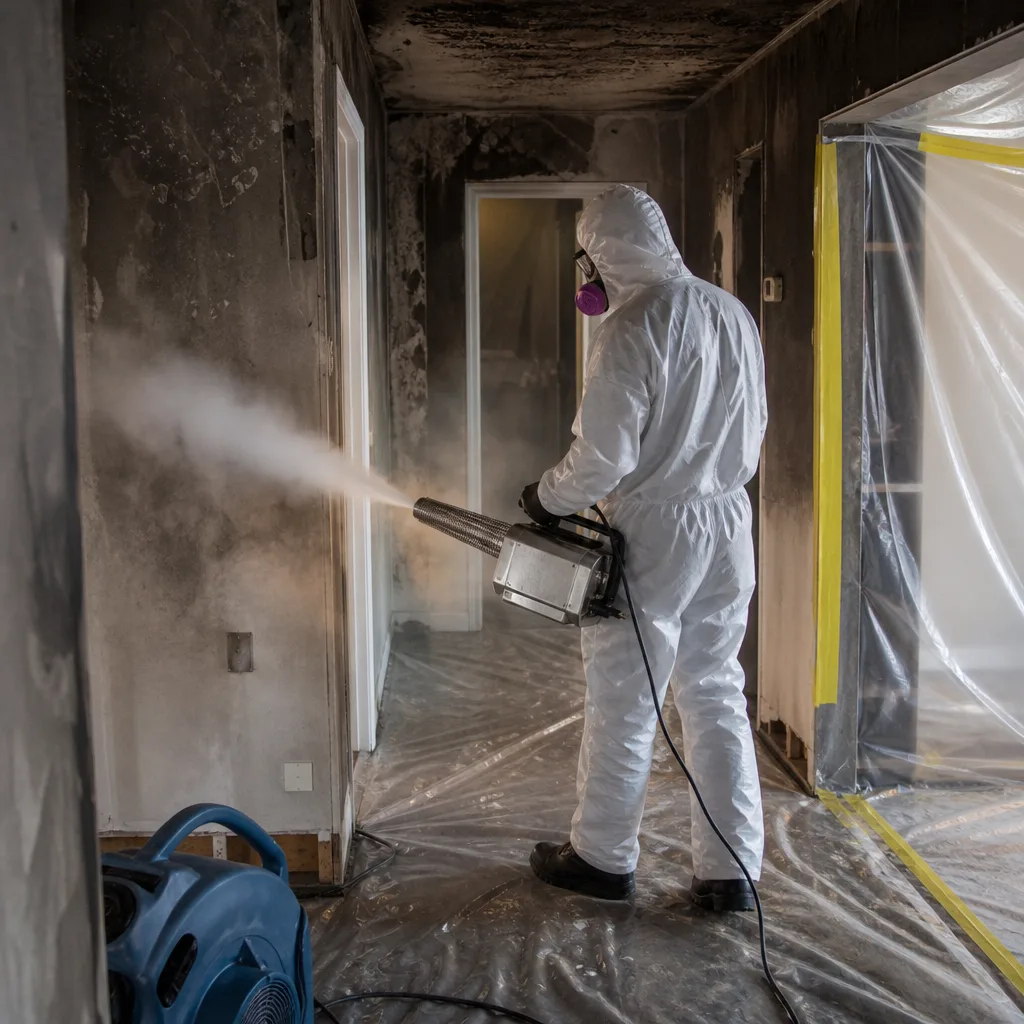
Larger commercial and light industrial spaces in Forest Hills include mechanical rooms, storage basements, and workshop-style operations in older buildings off Metropolitan Avenue and the industrial edges near the LIRR tracks. These jobs lean on our larger desiccant systems and structural drying plans scaled for bigger air volumes. We also handle contaminated water events where Category 3 remediation is required before the space can be safely reoccupied.
What happens when you call
- 1
A real person answersNo phone trees - you reach a local pro.
- 2
You get an upfront price rangeHonest numbers before anyone is dispatched.
- 3
A background-checked tech heads outLicensed & insured, dispatched right away.
- 4
You approve before work beginsNothing starts until you say go.
Commercial Restoration Costs in Forest Hills, NY
Commercial water damage restoration in Forest Hills typically runs $3,500 to $12,000 for a single-unit Category 1 or clean Category 2 event in a retail or office space, depending on the affected square footage and whether walls need to be opened. A Category 3 sewage backup in a basement commercial space averages $8,000 to $25,000, because it requires containment, antimicrobial treatment, and often the removal and replacement of contaminated building materials. Fire and smoke restoration in a pre-war building runs higher still: $12,000 to $40,000 is realistic once soot cleaning, odor removal, duct cleaning, and structural repairs are counted. In the landmarked Forest Hills Gardens, material-matched restoration can add 30 to 50 percent to the rebuild portion of the estimate, and the approval process adds time but not labor cost. What moves the price most: the water category, the square footage of affected building material, whether access requires scaffolding or selective demolition, and whether the LPC or Gardens Corporation reviews the repair scope. The free inspection is the fastest way to get a firm number for your building, and our direct insurance billing means you’ll know what the carrier will cover before the work starts.
We Also Serve Cities Near Forest Hills
Our commercial restoration crews serve all of Forest Hills and the surrounding Queens neighborhoods, including Richmond Hill, Woodhaven, Fresh Meadows, and Ozone Park. If your commercial property sits just outside 11375, call anyway; response times stay tight, and the same live dispatcher answers.
Serving Forest Hills, NY - Our Local Coverage Area
We’re based in the Forest Hills area and know this community well. Use the map below to see our service coverage - if you’re nearby, we can almost certainly help.
Forest Hills Commercial Restoration Questions, Answered
If water enters a commercial space inside the Landmarked Forest Hills Gardens, do we have to restore with original materials even for non-historic interiors?
Generally yes. The Landmarks Preservation Commission and the Forest Hills Gardens Corporation review restoration work inside the Gardens, and their standards apply to the building’s material conditions even when the affected space is a basement office or a non-historic interior partition. In practice, that means wet plaster substrates get repaired with lime-based plaster rather than quick-set drywall, and any visible stone, stucco, slate, or masonry is matched to the original material. We handle the documentation and approval submissions before the rebuild phase starts. Call (518) 627-5878 and we’ll tell you what your specific space will require.
How do we handle business interruption during a multi-week restoration in a co-op building along Queens Boulevard?
Our approach is containment first, property-wide reopening second. We isolate the affected areas with plastic sheeting and negative air pressure, which allows unaffected storefronts and office spaces to continue operating. For the affected unit, we sequence the work to return the most revenue-critical areas to service fastest, and we coordinate with the co-op board so utility shutdowns happen at times that minimize impact on neighboring tenants. Most commercial losses in Queens Boulevard co-ops allow partial occupancy within days, not weeks.
What is the typical timeline for structural drying in a pre-war brick commercial basement in Forest Hills after a Category 3 water loss?
Three to seven days, with most falling in the four-to-six-day range. Plaster-and-lath walls hold moisture much longer than drywall, so drying to the pre-loss standard in a 1920s brick basement takes longer than in a newer build. We take moisture readings daily, log them, and adjust air mover and desiccant placement as the drying front moves. The Category 3 contamination adds sanitization and material-removal steps that run before or alongside structural drying.
Can we restore and reopen a retail store on Austin Street if water damage originates in a unit two floors above?
Yes, and it’s a pattern we’ve handled on Austin Street. The water migrates through common wall cavities and ceiling plenums, so we inspect the full vertical path, not just the visible staining in your store. We contain your space, extract, dry, and sanitize your unit while the source unit above is resolved separately. We coordinate with the co-op board and the relevant insurance carriers so your claim isn’t held up by the other unit’s paperwork.
What are the regulatory constraints on replacing water-damaged windows or masonry in a Forest Hills Gardens commercial property?
Replacement windows, repairs to original masonry, and changes to any facade-visible element inside Forest Hills Gardens require review by the LPC and the Gardens Corporation. The constraint isn’t just aesthetic; it’s material and dimensional. Modern replacement windows usually fail the review unless they’re custom-matched to the original profile and materials. We source compliant materials and file the documentation before demolition or reconstruction begins, so you don’t end up doing the work twice.
How fast can someone actually get to a commercial property in Forest Hills?
Our commitment is 45 minutes or less for emergency calls inside the Forest Hills service area. Crews dispatch from our New York City office the moment your call connects, and the live dispatcher stays on the phone until a technician is en route. In practice, most Austin Street, Queens Boulevard, and Gardens addresses are closer than that.
Can we stay open in part of the building while you work?
In most cases, yes. We use containment barriers and negative air pressure to isolate the affected area from the rest of the building. For retail and office tenants, the goal is partial occupancy from day one and full reopening at the earliest safe point. We’ll tell you during the inspection if your specific space requires a full temporary closure.
What should I do in the first 30 minutes after water damage in a commercial space?
Shut off the water source if it’s safe to do so, cut power to the affected area at the breaker if water is near outlets or panels, and call (518) 627-5878. Don’t enter standing water if electricity may be present. Take photos of the damage before moving anything. Don’t start extracting with a shop vac, because you’ll push water deeper into walls and cracks. Our crews will document, assess, and begin extraction the same visit.
Need commercial restoration in Forest Hills now? Call (518) 627-5878 for a free visual inspection and a straight answer. We answer live, 24 hours a day.
Written by Curt Bowman, Owner at Floodline Restoration Co., serving Forest Hills and Queens.