
Free visual inspection and a written scope of work before any mitigation begins - photos, moisture readings, and drying logs go in your claim file
The scope we write is the scope we bill. Anything new gets shown to you, in writing, before we touch it.
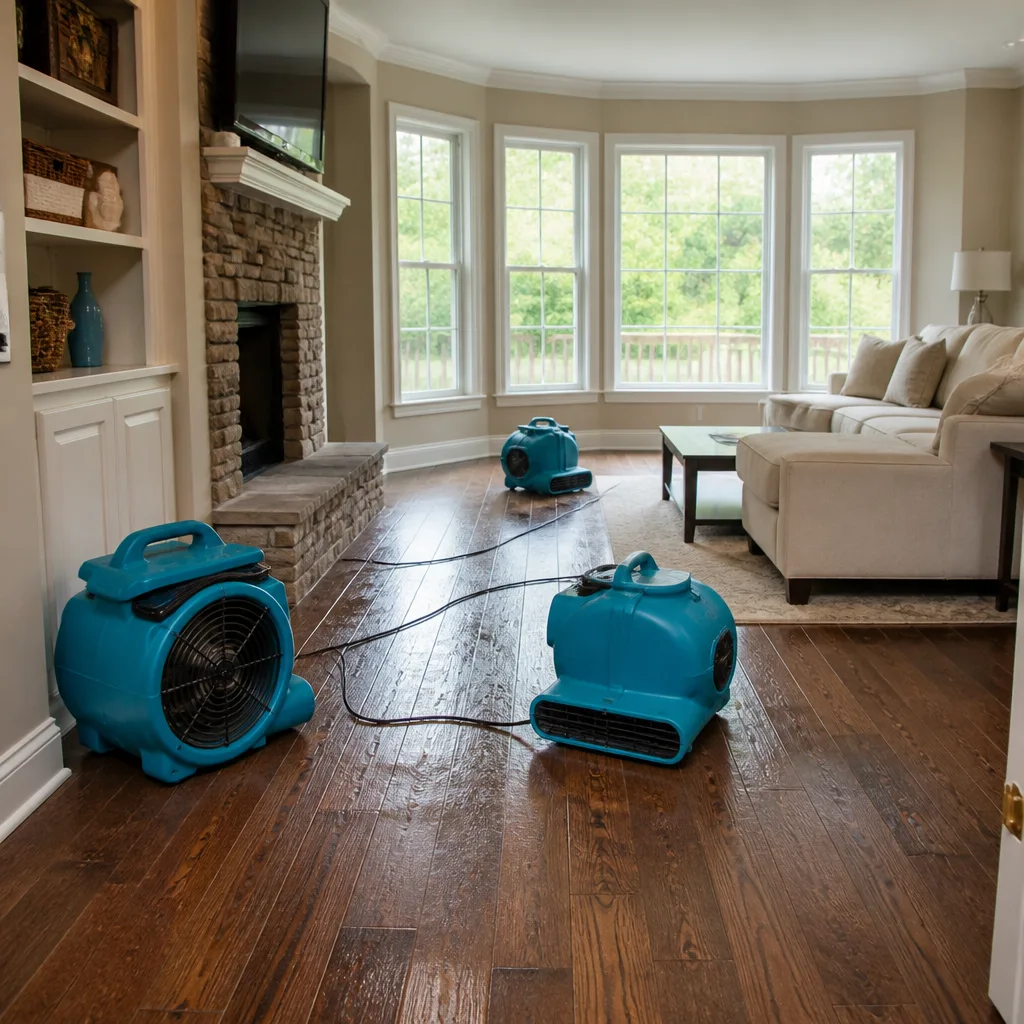
 Before
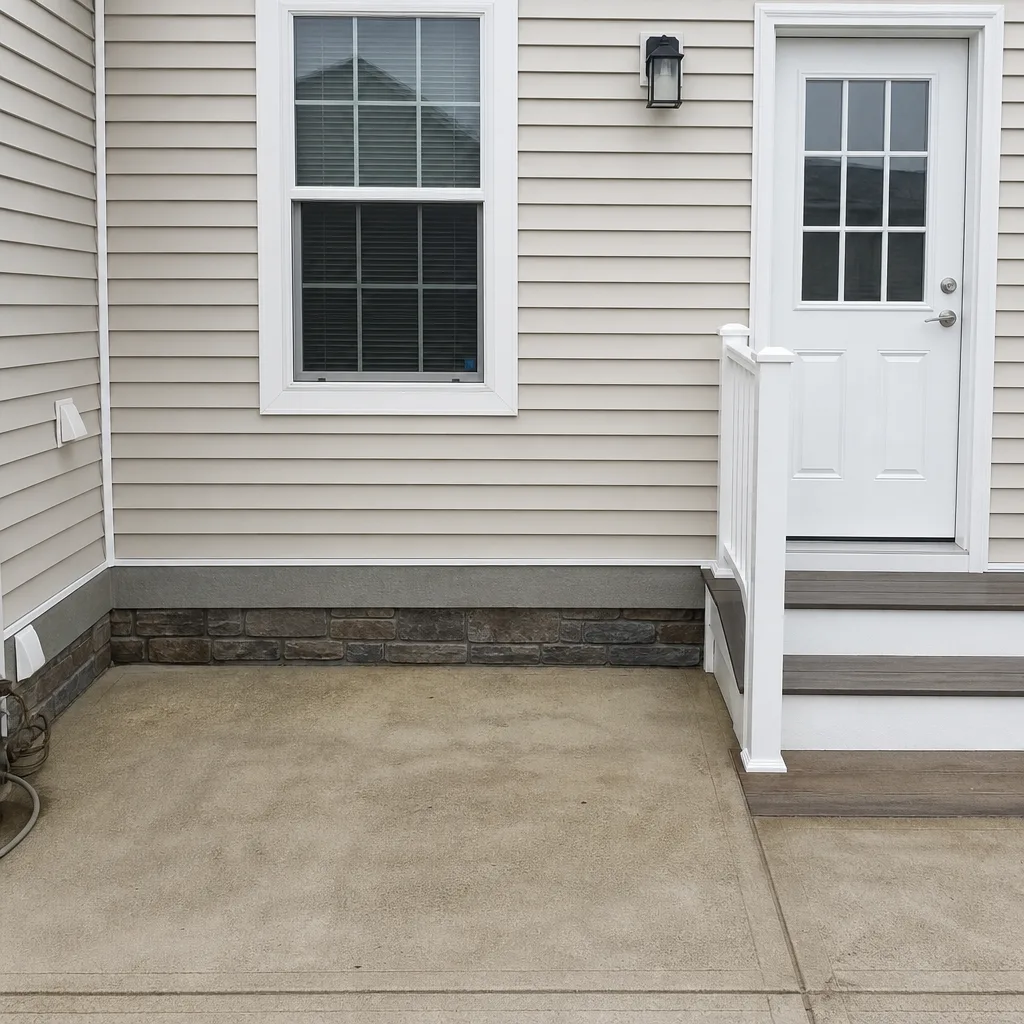 After
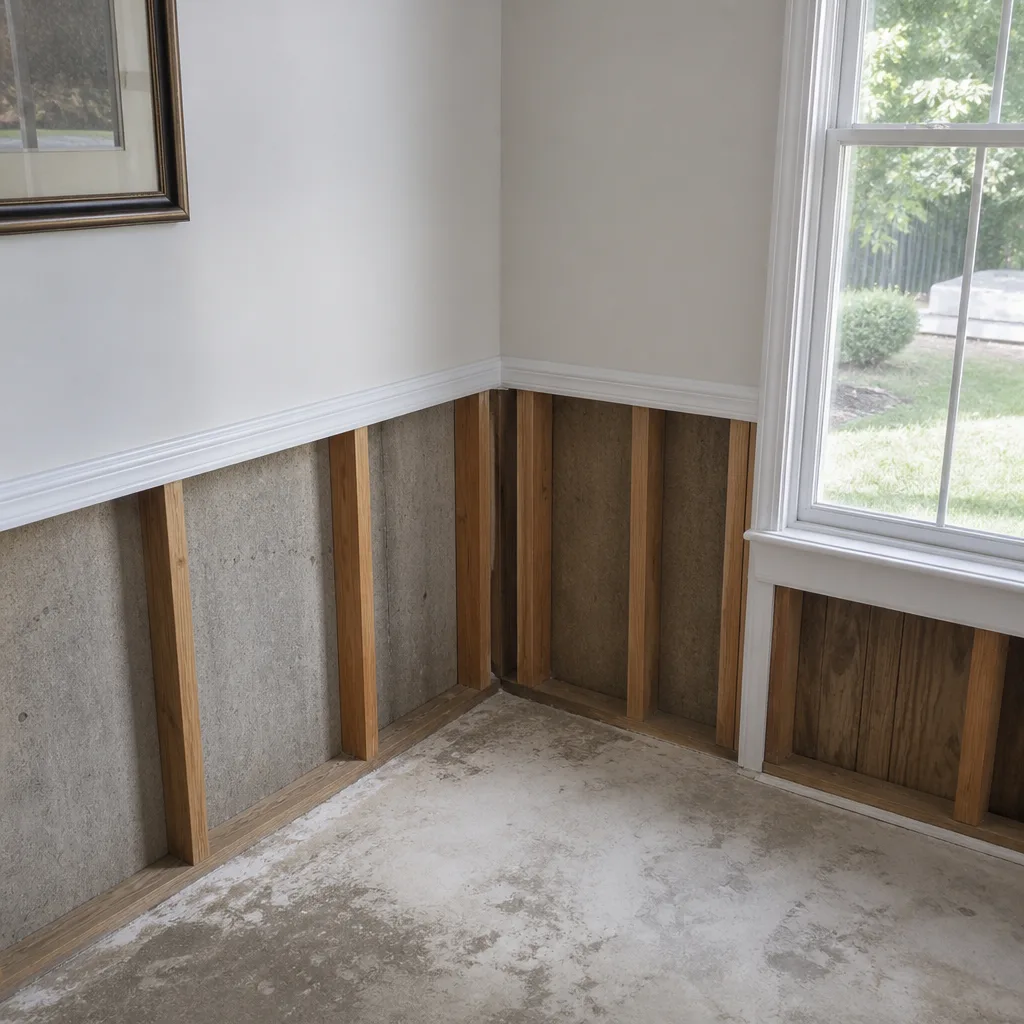
After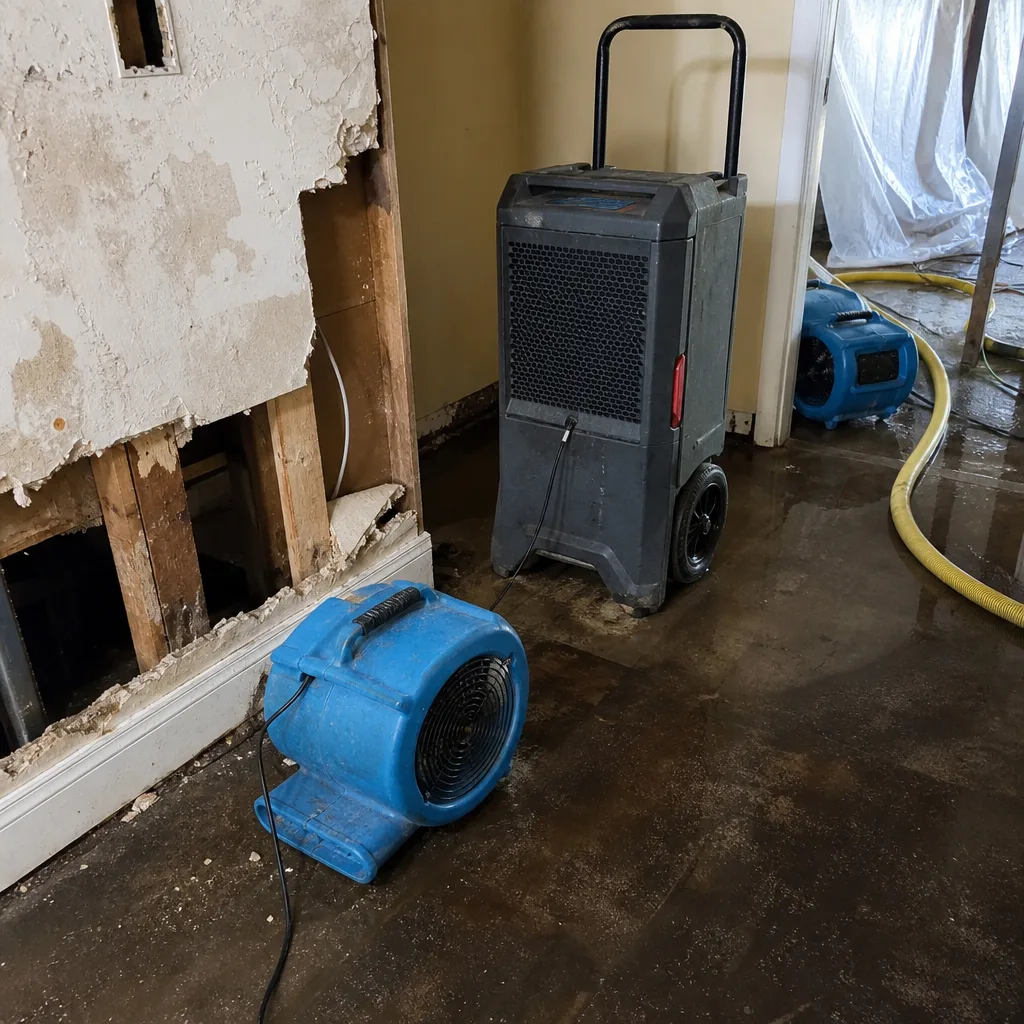 Before
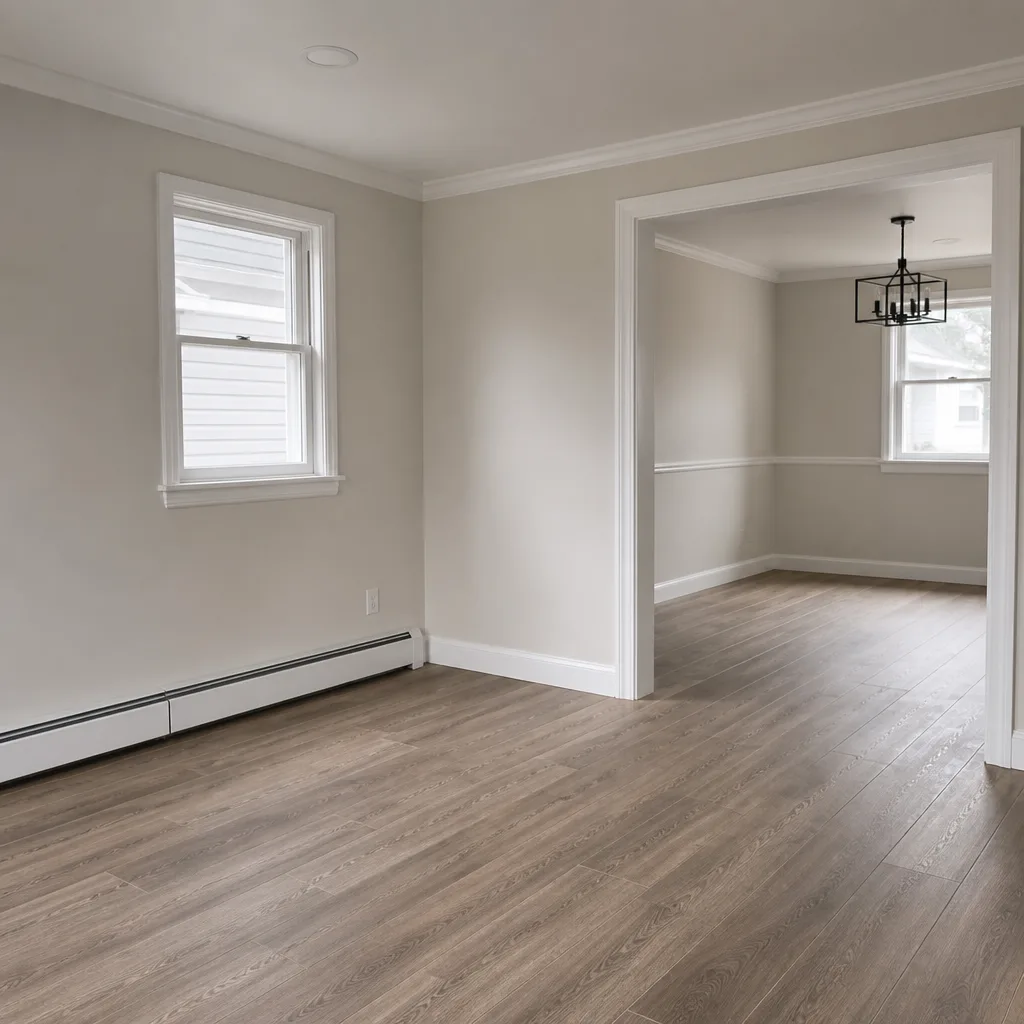 After
After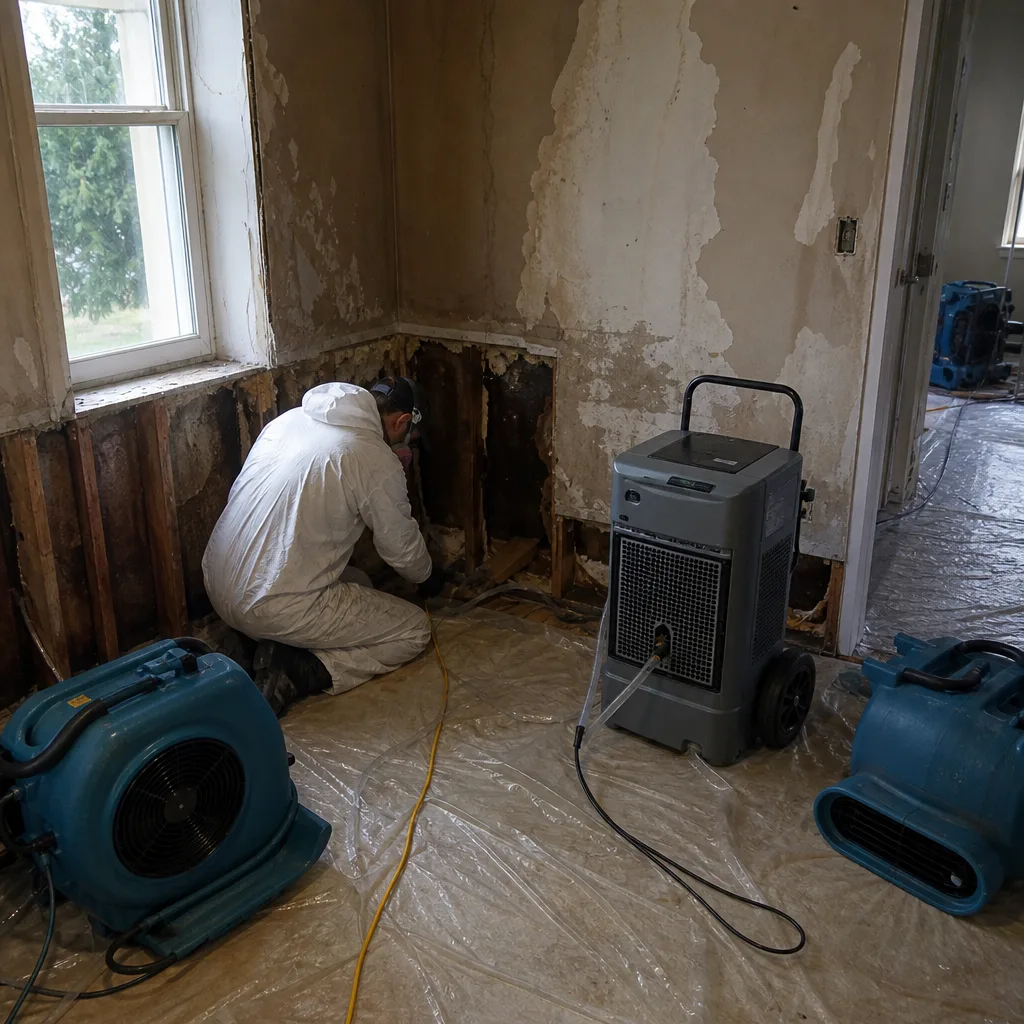 Before
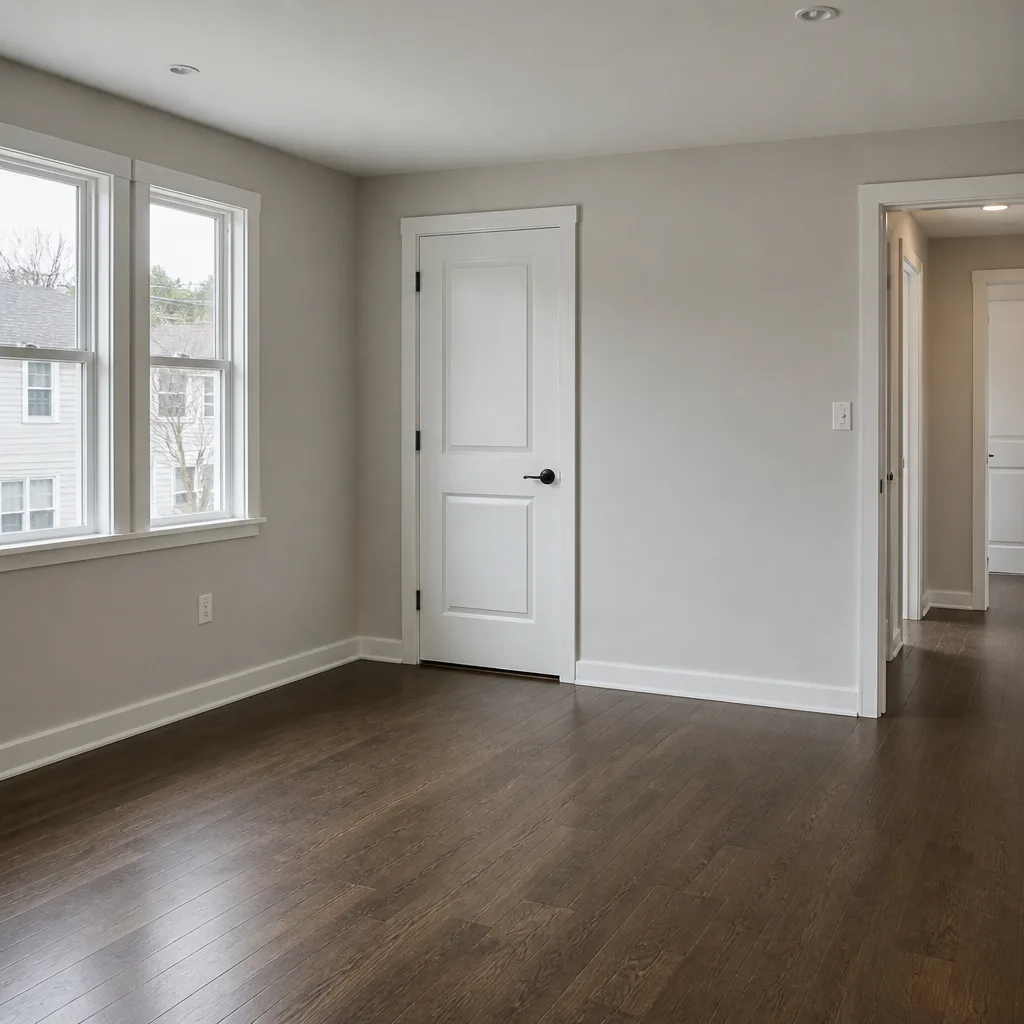 After
After24/7 Emergency Mold Remediation in Forest Hills
Mold remediation in Forest Hills typically costs $1,800-$6,500 depending on the square footage affected and whether the mold sits behind original plaster or inside a co-op wall cavity. Our crews reach Forest Hills addresses in about 45 minutes, and someone answers at (518) 627-5878 day or night. The first hour matters because mold that started behind a failed riser or a post-storm window leak keeps feeding on the lath, the plaster keys, and the framing while you wait.
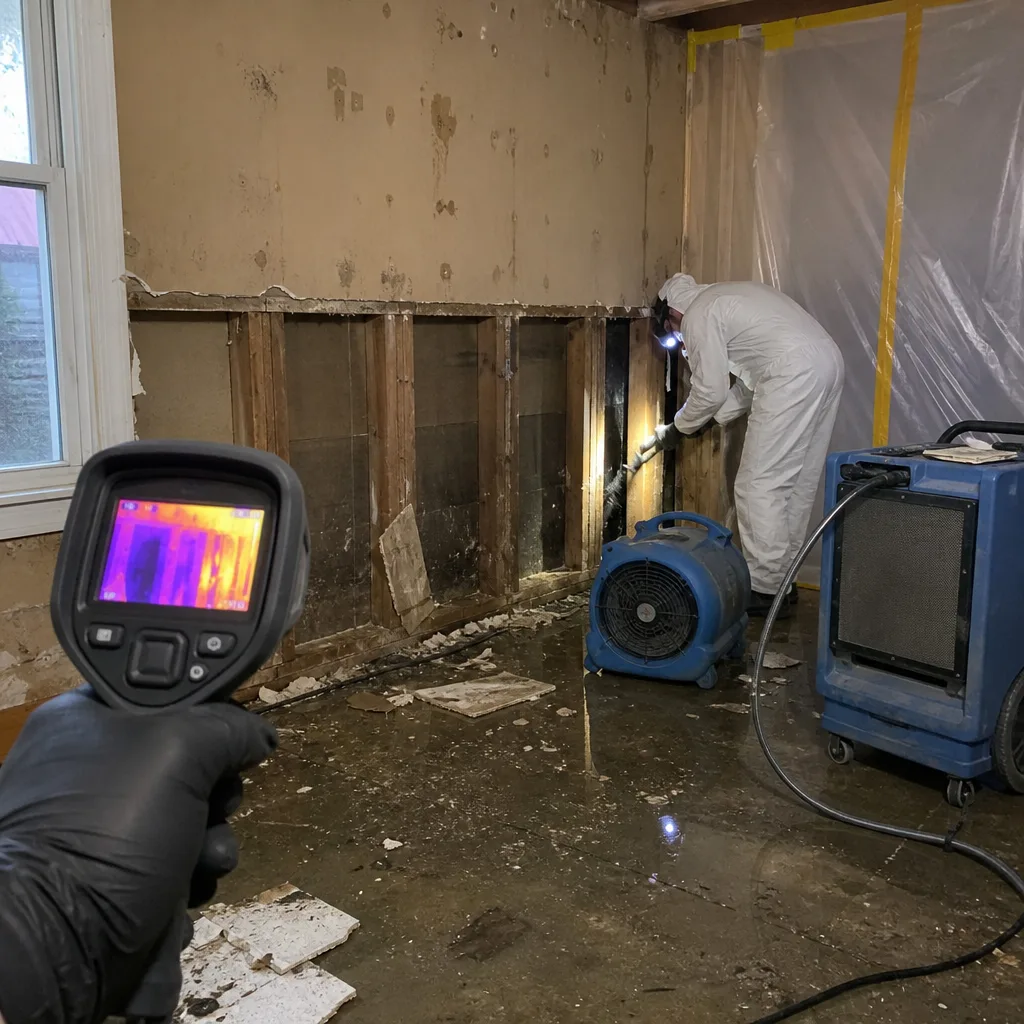
When you call Floodline Restoration Co., you get a live dispatcher, not a voicemail. We schedule a free visual inspection, arrive in uniform, and walk the affected rooms with a moisture meter and thermal camera before anything gets opened up. Containment goes up the same visit when the situation calls for it.
Understanding Mold Remediation Severity in Forest Hills Properties
Mold severity in Forest Hills breaks into three practical levels. A surface-level issue under 10 square feet, usually from a failed window seal or a bathroom exhaust problem, can often be cleaned and dried without full containment. A mid-range job between 10 and 100 square feet needs negative air pressure, HEPA air scrubbing, and proper disposal of affected porous materials. Anything beyond that, or any growth tied to category 3 water from a sewer backup or a failed cast-iron waste stack, requires full containment, clearance testing, and often Sewage Cleanup in Forest Hills before rebuild.
The pre-war co-op buildings along Queens Boulevard complicate severity in a way newer construction never does. Galvanized risers and cast-iron drain stacks run through original lathe-and-plaster walls, and a pinhole leak can feed mold for weeks before anyone sees staining. By the time moisture shows on a ceiling, the cavity behind it is usually worse. In Forest Hills Gardens, severity also carries a regulatory layer: hidden mold behind original plaster means documentation for LPC review before the rebuild phase, which changes how we sequence the work from day one.
Why Forest Hills Property Owners Choose Floodline Restoration Co.
- 45-minute response commitment to Forest Hills. A crew is dispatched the moment you call, with equipment loaded and a route mapped to your block, not just your neighborhood.
- A live person answers, 24/7. No answering service, no call-back queue. A dispatcher picks up at 2 a.m. and stays on the line until a crew is confirmed en route.
- IICRC-certified technicians. Our crews hold WRT and AMRT certifications, and they document every step, from initial moisture readings to final clearance, in a log you and your insurer can review.
- Free visual inspection with moisture mapping. We don’t charge to tell you what you’re dealing with. Thermal imaging and hygrometer readings show us what’s behind the wall before we open it.
- Direct insurance billing. We bill your carrier and handle adjuster communication. You’re not playing messenger between us and the claims desk.
- One team from extraction to rebuild. The same crew that sets containment also handles drying, treatment, and restoration. No subcontracted handoff in the middle of your job.
Our Mold Remediation Process
Inspection & Assessment
We start with thermal imaging and moisture mapping across the affected rooms and any adjacent walls or ceilings. For pre-war co-ops, this means checking shared walls and riser cavities, not just the visible staining. For Forest Hills Gardens homes, we document original plaster and lath conditions before any material is disturbed.
Extraction/Stabilization
Standing water, if present, is extracted with professional-grade pumps and extractors. We shut off the moisture source at the same time, whether that’s a supply line, a drain stack, or exterior water intrusion through failed masonry or window seals.
Drying & Dehumidification
Dri-Eaz dehumidifiers and XPOWER air movers create the drying environment. We take daily moisture readings until the structural dry standard is met and log every number. Those logs go to you, your co-op board if applicable, and your insurer.
Cleaning & Sanitization
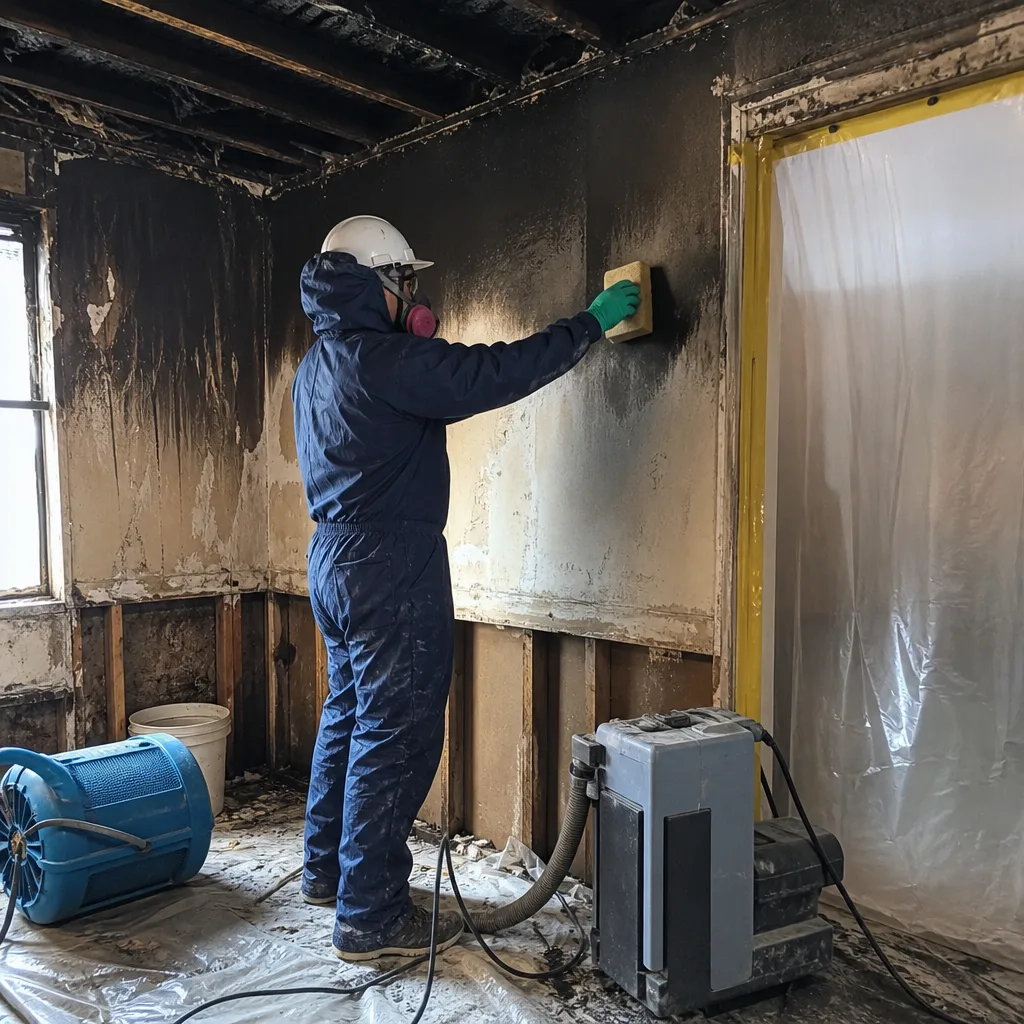
HEPA air scrubbers run throughout the containment zone to capture airborne spores. We apply antimicrobial treatment to affected framing and cavity surfaces. Porous materials that cannot be properly cleaned, like saturated gypsum board or mold-damaged lath, are bagged and removed under containment.
Specialty Treatment for Forest Hills Properties
In the Gardens, we preserve lime-based plaster where feasible and source matching materials for anything that must be replaced. In co-op buildings, we coordinate access with boards and management while keeping containment sealed across multiple floors if the moisture migrated through shared walls.
Repairs & Restoration
After clearance, we rebuild what was removed. That includes plaster restoration, painting, trim, and any structural repairs. The same crew that started the job finishes it, and the 90-Day Done Right Promise backs all of it in writing.
Need Emergency Mold Remediation in Forest Hills Now?
Crews minutes away, answering live 24 hours a day. The sooner we start, the less it costs.
Working With Your Insurance Company
Mold claims in Forest Hills are not simple. Carriers ask specific questions: When did the moisture start? Was it sudden and accidental, or long-term seepage? Was there a covered water loss that preceded the mold? We document from the first hour so the answers are already in the file. That means photos of every affected area, moisture readings taken before anything is opened, and a line-item scope that separates remediation from rebuild.
We talk to your adjuster directly, send the documentation, and bill your carrier for covered work. You’re never the middleman. Curt Bowman built Floodline Restoration Co. in 2010 around a dispatch board, not a sales desk, and the company still operates that way: a square deal, no surprises on the bill, and paperwork handled by people who do it every day.
What We Provide Your Insurer
- Thorough documentation of the loss
- Photos of all damage, room by room
- Moisture readings and drying logs
- A detailed, line-item scope of work
- Direct coordination with your carrier
Built for Forest Hills’s Loss Calendar
Forest Hills sees mold problems on a schedule, and the schedule repeats every year. January and February bring deep freezes that split supply lines in pre-war co-ops, and the water travels down through plaster walls and into the apartment below. Spring thaw saturates the clay-heavy soil around foundations, and hydrostatic pressure pushes moisture through basement slabs and foundation walls. Summer thunderstorms overwhelm the neighborhood’s storm drains, the same pattern Hurricane Ida exposed in September 2021, when record flash flooding swamped finished basements across 11375 and made our Storm & Disaster Restoration in Forest Hills critical for recovery.
Fall and early winter bring nor’easters. Wind-driven rain hits aging brick, failed mortar joints, and deteriorated window sealants, and water finds its way into wall cavities that never fully dry. A mold problem that starts in November may not show visible staining until spring. By then the colony inside the wall has had months to grow. Our Mold Remediation team has worked through every season in this ZIP code, and we know what each one brings.
Mold Remediation Across Forest Hills’s Neighborhoods
Forest Hills is not one housing type, and the mold problems differ by block. Forest Hills Gardens, the landmarked Tudor Revival enclave established in 1909, demands a level of material care no adjacent neighborhood requires. Original lath and plaster, slate roofing, and stone and stucco exteriors must be matched, not replaced with modern shortcuts, and the NYC Landmarks Preservation Commission reviews documentation before rebuild can proceed.
Along Queens Boulevard, the pre-war brick co-ops from the 1920s through 1940s present the opposite challenge: shared walls, aging risers, and multi-unit water events. A leak on the sixth floor shows up as mold on the fourth. We coordinate with boards and building management while keeping containment sealed across units. Over near Austin Street and the commercial corridors, the older walk-up buildings carry the same cast-iron stack issues with smaller floor plates and tighter access. In the blocks around the West Side Tennis Club and Station Square, homeowners deal with basement moisture driven by the neighborhood’s impervious surface coverage, which leaves runoff with nowhere to go except down.
Each of these areas is inside our service footprint for Forest Hills. Response routes are mapped, and we know which buildings have freight elevators, which co-ops require certificate of insurance filings before work starts, and which Gardens blocks need LPC documentation filed early.
Specialized Mold Remediation Services We Offer in Forest Hills
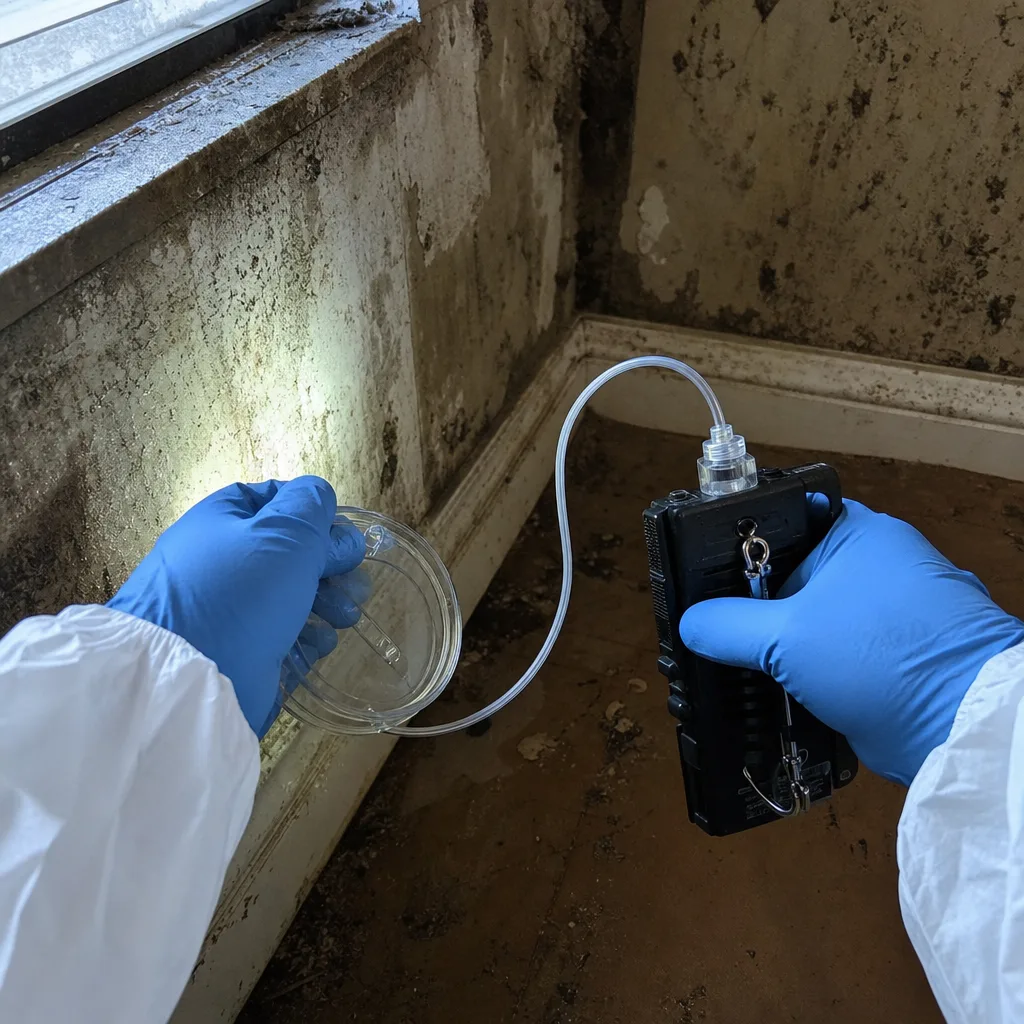
Mold Inspection & Testing
In a 1920s brick co-op on Queens Boulevard, our crew contained a bedroom where a failed galvanized riser had fed moisture behind plaster for weeks. We set up containment, logged moisture readings at 99% RH, and removed the lath after category 3 water from the stack. After structural drying with Dri-Eaz dehumidifiers and XPOWER air movers, we applied antimicrobial treatment and rebuilt with lime-based plaster, keeping drying logs for the co-op board. That’s the standard we bring to every inspection: find the source, document the extent, and map the path forward before anything is opened up.
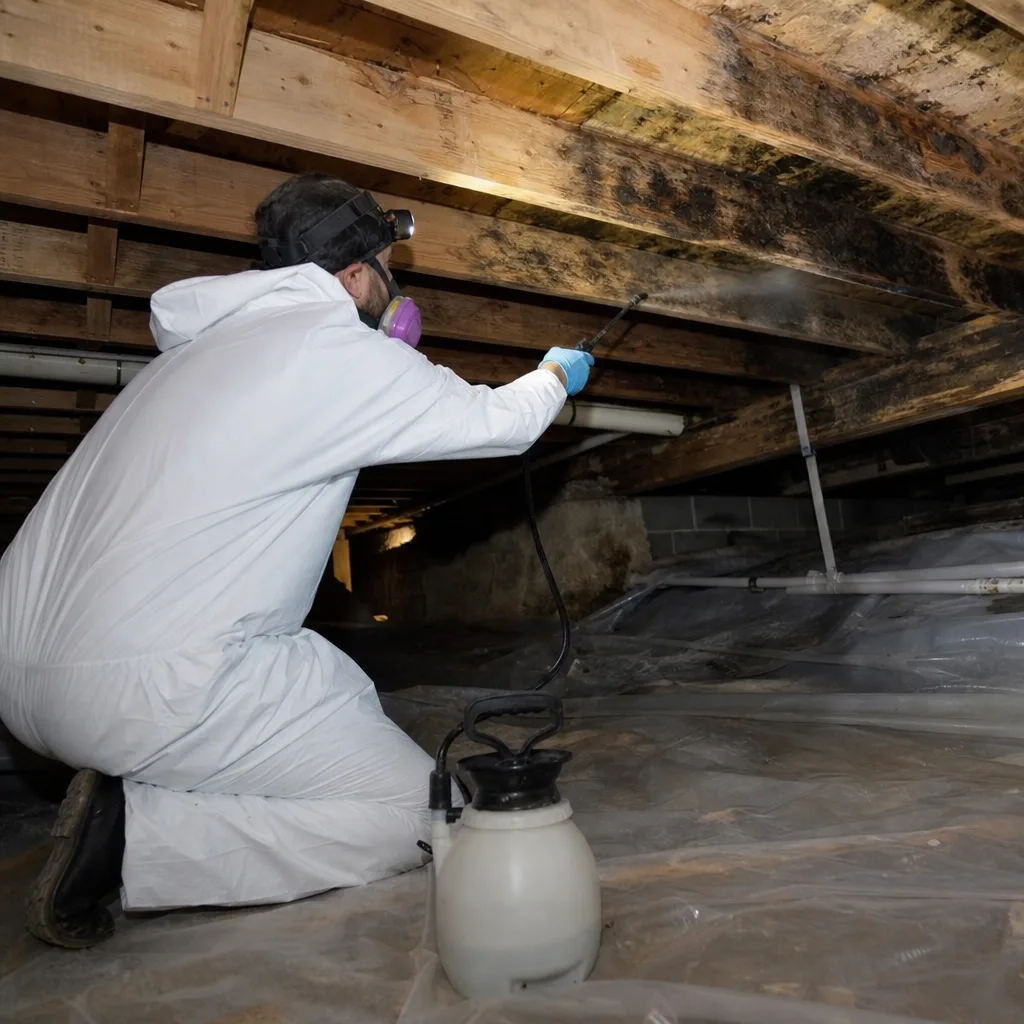
Mold Removal
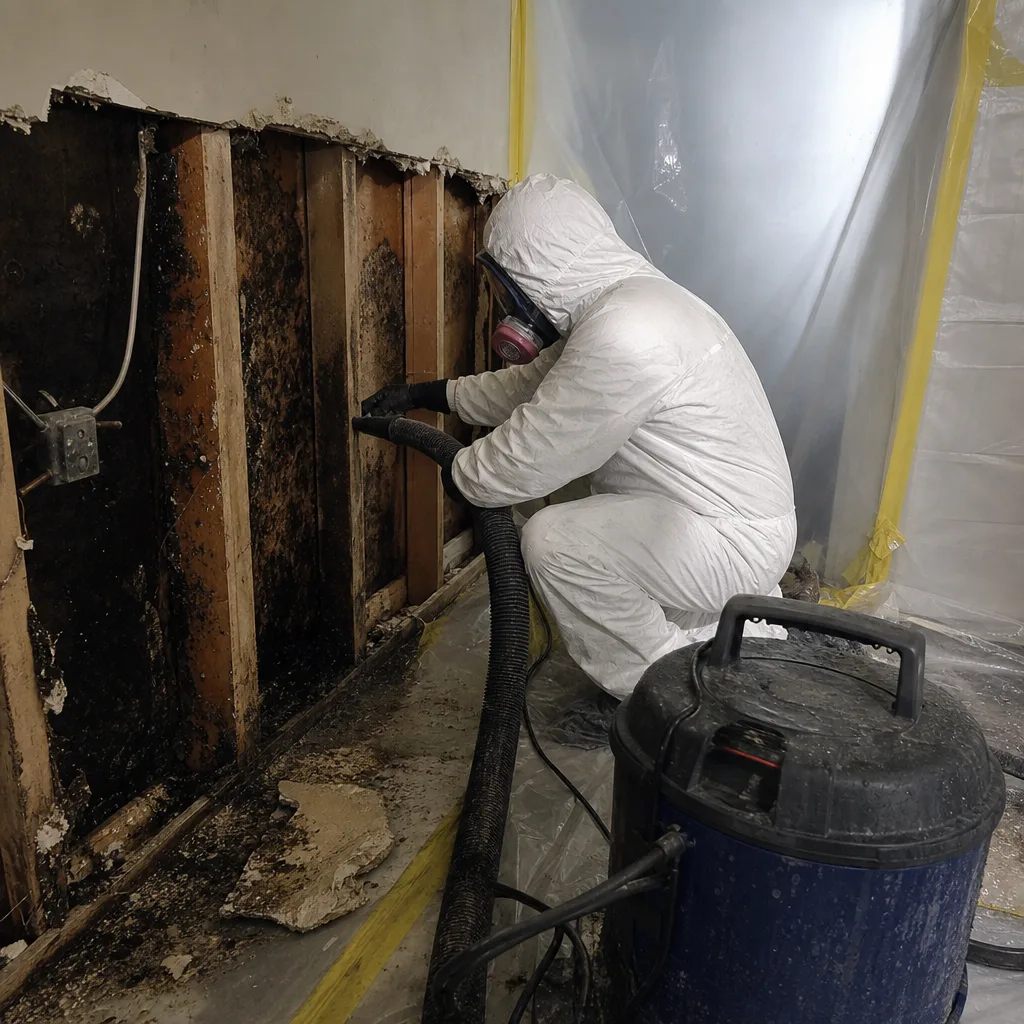
Removal in Forest Hills means working inside original plaster and lath assemblies or behind co-op drywall that’s been layered over decades. We remove what’s unsalvageable, treat what can stay, and keep containment sealed until clearance testing confirms the job is done. No shortcuts, no painting over a problem.
Black Mold Remediation
Black mold gets the headlines, and it’s worth treating seriously, but the color tells you less than the moisture source does. We handle stachybotrys and other toxigenic species with full containment, HEPA scrubbing, and post-remediation verification. In Forest Hills Gardens homes, this work must be documented for LPC review as part of Biohazard & Crime Scene Cleanup in Forest Hills protocols, and we handle that paperwork before rebuild begins.
Air Quality Restoration
Spores travel. A mold colony behind a bathroom wall in a pre-war co-op puts spores into the air of every room that shares the hallway. After remediation, we run HEPA air scrubbers and clean HVAC registers and return ducts where needed. For homes with window AC units rather than central air, which is common throughout Forest Hills’s older stock, we check those units for contamination and clean or recommend replacement.
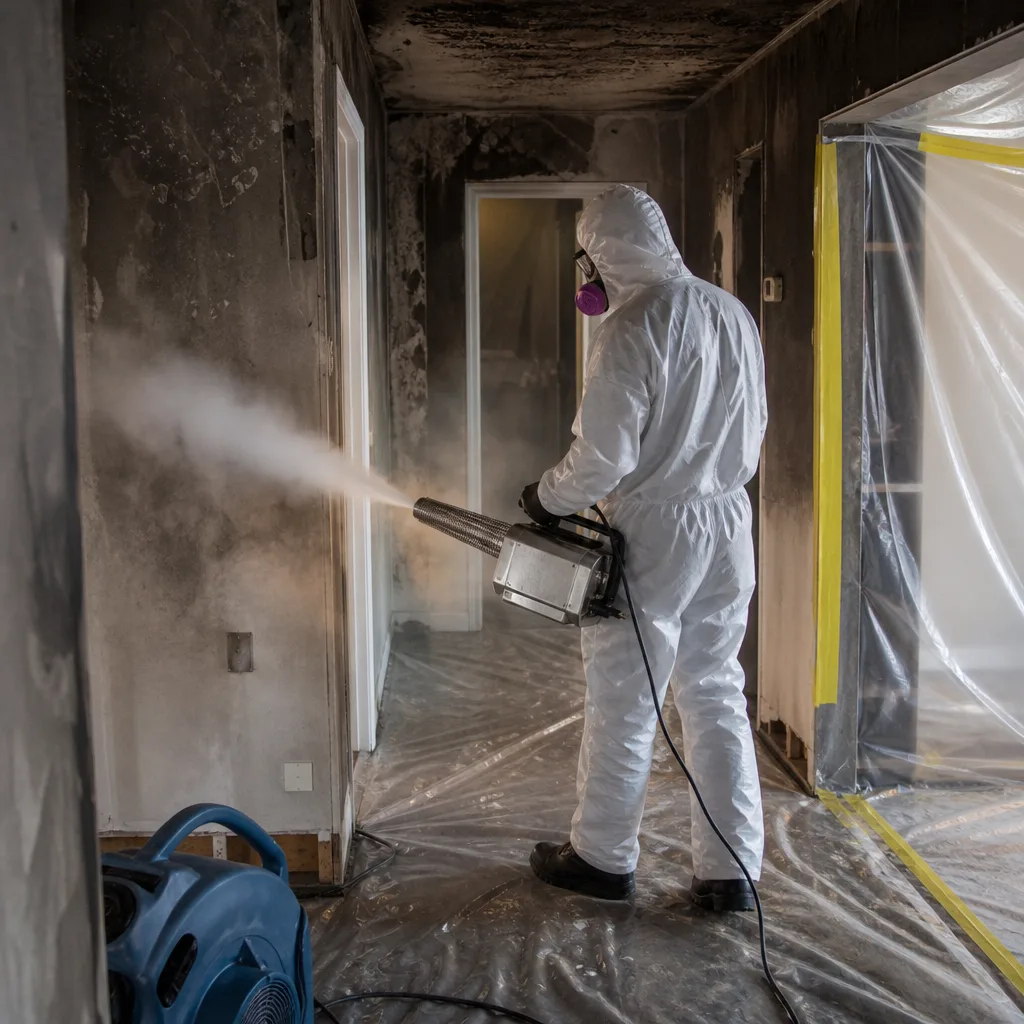
Crawl Space Treatment
Some Forest Hills homes have shallow crawl spaces under finished basements or extensions. Clay-heavy soil holds moisture, and a damp crawl space feeds mold in the joists above it. We treat the framing, address the moisture source, and install vapor barriers where the structure allows.
Moisture & Humidity Control
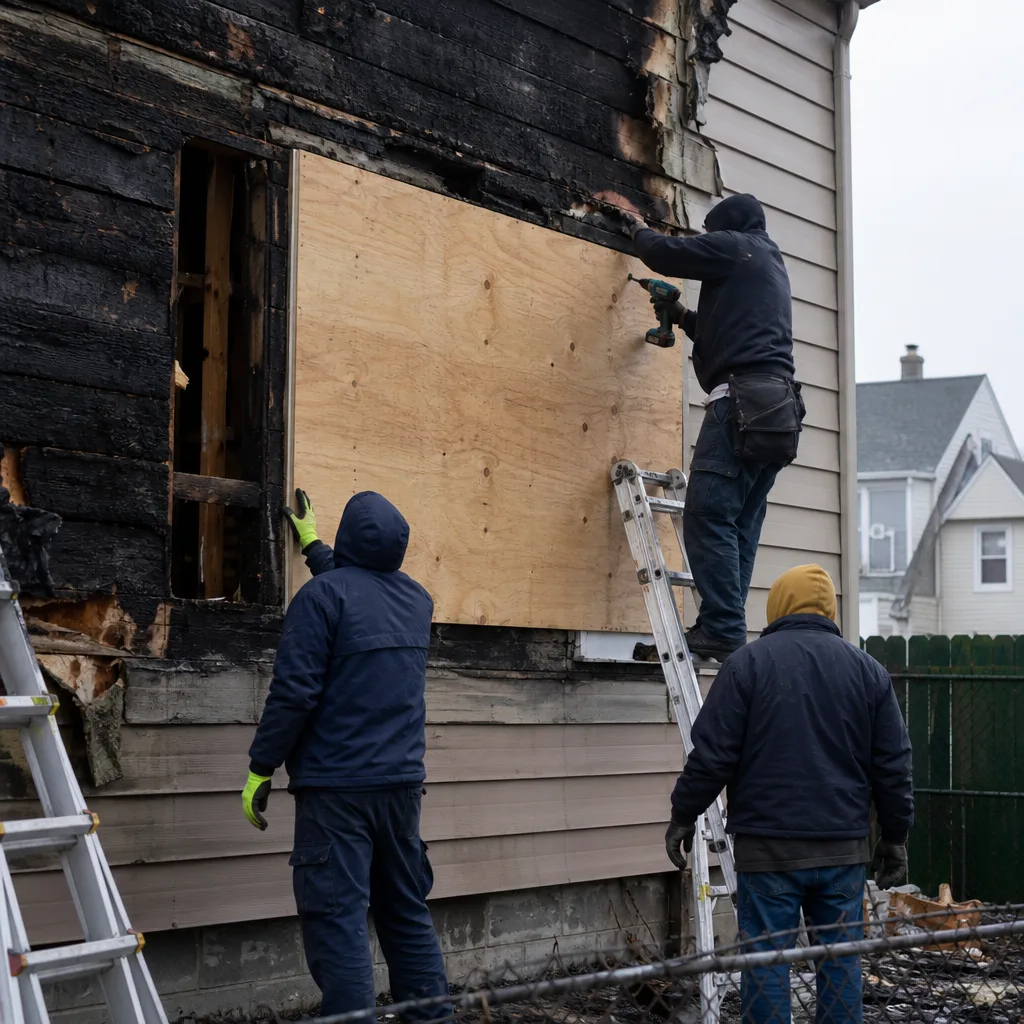
Mold comes back when the moisture does. In Forest Hills, that means exterior moisture control: repointing brick where nor’easter rain is getting in, sealing window perimeters, and correcting grading where basement water pools. We assess all of it during the initial inspection, because interior remediation alone won’t hold if the exterior is still leaking.
What happens when you call
- 1
A real person answersNo phone trees - you reach a local pro.
- 2
You get an upfront price rangeHonest numbers before anyone is dispatched.
- 3
A background-checked tech heads outLicensed & insured, dispatched right away.
- 4
You approve before work beginsNothing starts until you say go.
Mold Remediation Costs in Forest Hills, NY
A straightforward mold removal job in Forest Hills, with containment and treatment in a single room, typically runs $1,800-$3,500. A basement-wide remediation after a flooding event runs $4,000-$8,000. Whole-floor jobs in pre-war co-ops, where moisture has moved through shared walls and multiple rooms need opening and treatment, land between $6,500 and $15,000.
What moves the price is square footage, whether original plaster needs material-matched restoration, and whether LPC documentation is required, which happens in Forest Hills Gardens and adds regulatory time even when it doesn’t add much direct cost. Insurance-covered jobs follow the same pricing structure; we bill your carrier directly for covered portions and give you a firm number for anything out of pocket. The free visual inspection produces a written scope before work starts, so you know what you’re approving. The 90-Day Done Right Promise backs every job in writing, and the $50 Off Any Repair Over $250 and Senior & Veteran 5% Discount always apply.
We Also Serve Cities Near Forest Hills
Our crews cover the surrounding Queens neighborhoods: Mold Remediation in Forest Hills and the same certified teams serve Richmond Hill, Woodhaven, Fresh Meadows, and Ozone Park. Response times are comparable across the area, and the same documentation standards, insurance coordination, and written guarantee apply.
Serving Forest Hills, NY - Our Local Coverage Area
We’re based in the Forest Hills area and know this community well. Use the map below to see our service coverage - if you’re nearby, we can almost certainly help.
Forest Hills Mold Remediation Questions, Answered
How do Forest Hills Gardens LPC rules change mold remediation inside a Tudor Revival home?
Forest Hills Gardens is protected under NYC Landmarks Preservation Commission designation and the Forest Hills Gardens Corporation’s architectural standards, which means any mold remediation that disturbs original plaster or lath must be documented and submitted for review before the rebuild phase. A contractor who replaces lime-based plaster with gypsum board can have the project halted at inspection. We photograph and document existing conditions before any material is removed, source matching materials when replacement is required, and file the paperwork before rebuild starts. This adds time compared to a non-landmarked block and it is a requirement that does not apply in adjacent Rego Park or Kew Gardens Hills.
Why do co-op buildings along Queens Boulevard have recurring mold after pipe leaks?
The pre-war co-op buildings along Queens Boulevard were built with galvanized supply lines and cast-iron waste stacks running through original plaster walls. When a riser fails, water travels down through wall cavities and across floor assemblies, and the mold that grows behind original plaster stays hidden until moisture mapping with thermal imaging shows elevated readings. Remediation that only treats the visible staining misses what’s inside the cavity, so the mold returns. We open the affected cavities, remove unsalvageable materials, treat what remains, and dry to standard before closing anything back up.
How soon can mold grow after a Hurricane Ida-type flood in a Forest Hills basement?
Mold can begin growing within 24 to 48 hours of a flooding event when materials stay wet. Hurricane Ida’s September 2021 flooding swamped finished basements across Forest Hills, and the homes that avoided major mold problems were the ones that got extraction and drying started the same day. Finished basement materials like drywall, carpet, and fiberglass insulation hold water and become food sources quickly. Our crews extract standing water and run Dri-Eaz dehumidifiers and XPOWER air movers the same visit, and we keep daily moisture readings until the dry standard is met.
What is the right way to test for mold in a Forest Hills Gardens home before any demolition?
Before demolition in a Forest Hills Gardens home, testing starts with a visual inspection and moisture mapping rather than opening walls blindly. We use thermal imaging and hygrometer readings to find elevated moisture behind original plaster, then take air and surface samples where the readings point us. This approach protects the historical fabric of the home, because you only open walls where there is evidence of a problem, and the documentation becomes part of the LPC file we prepare for rebuild approval. Call (518) 627-5878 to schedule a free visual inspection with moisture mapping.
Does wind-driven rain from nor’easters cause mold problems that differ from flooding?
Yes. Flooding soaks a basement from the bottom up, and you see it immediately. Nor’easter wind-driven rain penetrates aging brick, failed mortar joints, and deteriorated window sealants, and it enters wall cavities slowly, often without visible water. By the time staining appears, mold has been growing inside the wall for months. In Forest Hills’s pre-war housing stock, these exterior moisture problems are a leading cause of hidden mold. Remediation has to include exterior moisture control, like repointing and sealant work, or the interior mold comes back after the next storm season.
How fast can a crew actually get to a Forest Hills address?
About 45 minutes for emergency calls, with a scheduled inspection time for non-emergency work. Someone answers the phone live at (518) 627-5878 24 hours a day, and dispatch confirms the crew and route while you’re still on the line. If you’re dealing with an active water source feeding mold, shut off the water if you can and call immediately.
Will insurance cover mold remediation in Forest Hills?
Coverage depends on the policy and the source of the moisture. A sudden and accidental water loss, like a burst supply line, typically carries coverage for the water damage and a limited amount for mold remediation that results from it. Long-term seepage, high humidity, and exterior moisture intrusion are often excluded. We document from the first hour, take photos room by room, and send moisture readings and drying logs to your carrier, and we talk directly with your adjuster so you don’t have to.
Do I need full remediation or just a cleaning?
It depends on the square footage, the moisture source, and what’s behind the visible growth. Surface mold under 10 square feet from a known source may be treatable with cleaning and drying. Anything larger, any growth tied to contaminated water, or any mold hidden behind original plaster or co-op walls needs containment and full remediation. Our free visual inspection gives you an honest answer with documentation, and the written scope tells you exactly what we’re doing and why before work starts.
If you see staining, smell must, or just had a water event and want to catch mold before it spreads, call us at (518) 627-5878. A live person answers, a crew reaches Forest Hills fast, and the free inspection gives you the answers and the written scope before anything gets opened up. Done right, and backed in writing.
Written by Curt Bowman, Owner at Floodline Restoration Co., serving Forest Hills since 2010.