
Free visual inspection and a written scope of work before any mitigation begins - photos, moisture readings, and drying logs go in your claim file
The scope we write is the scope we bill. Anything new gets shown to you, in writing, before we touch it.
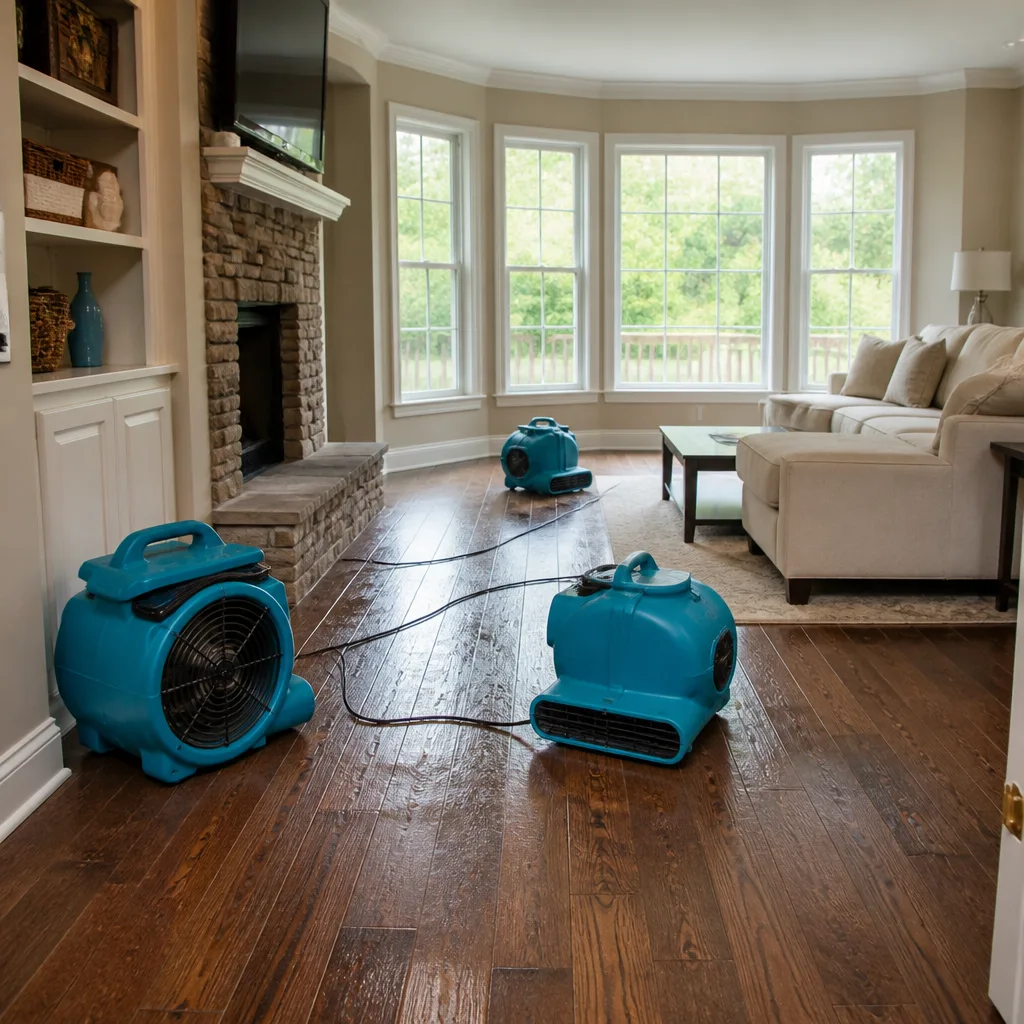
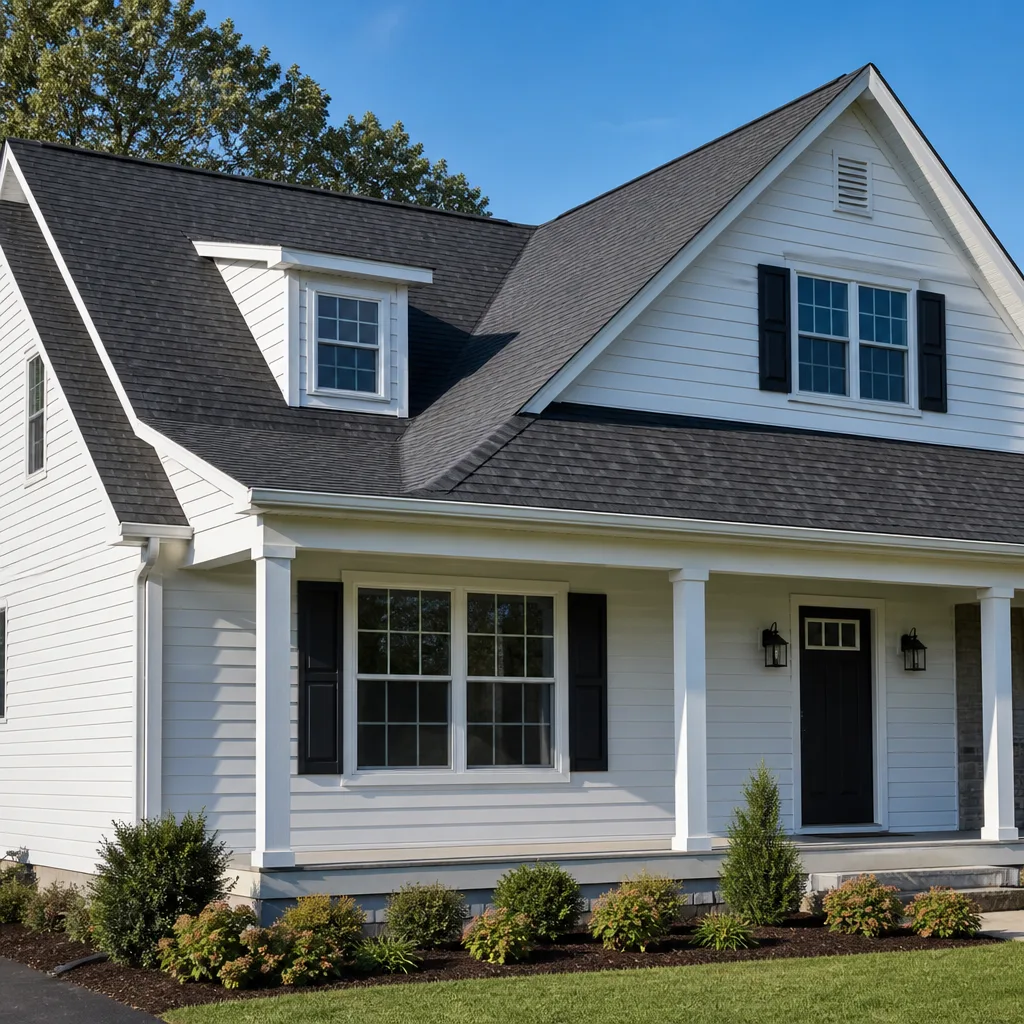
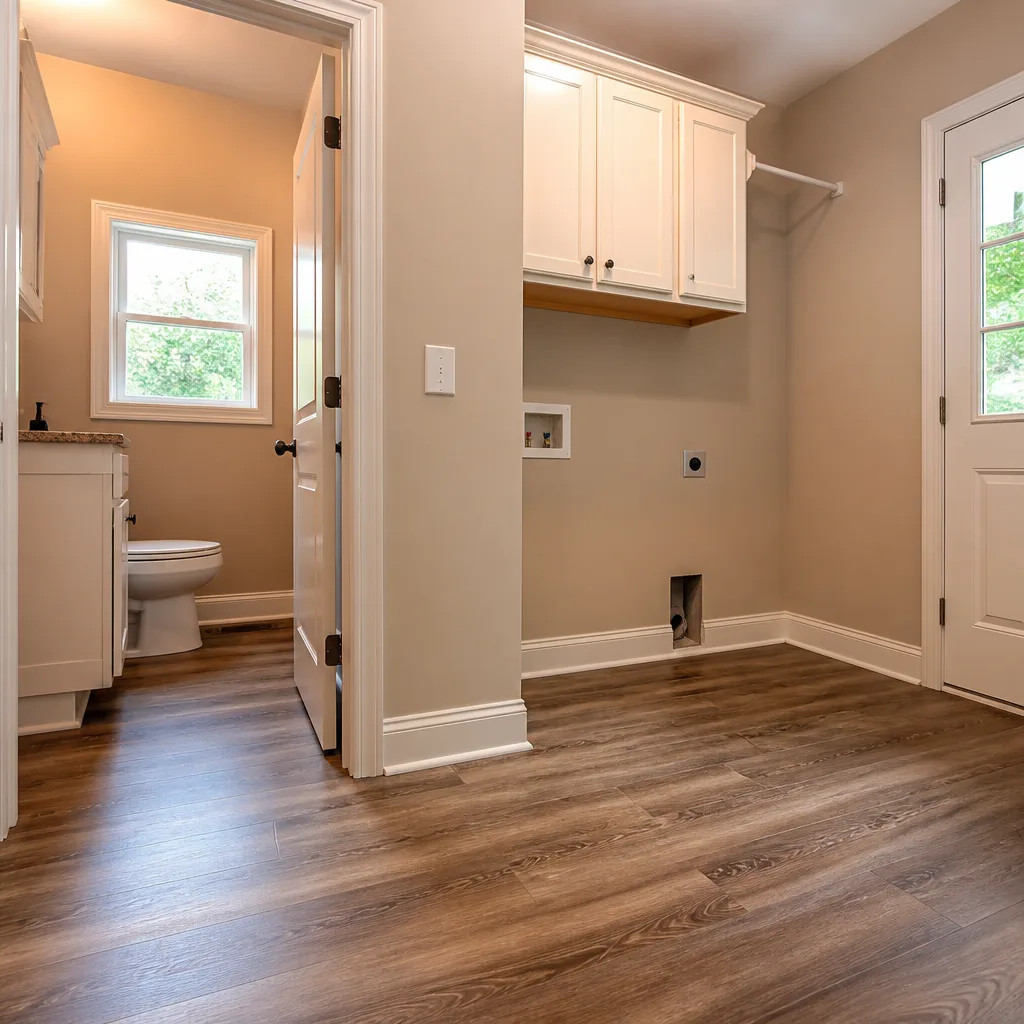
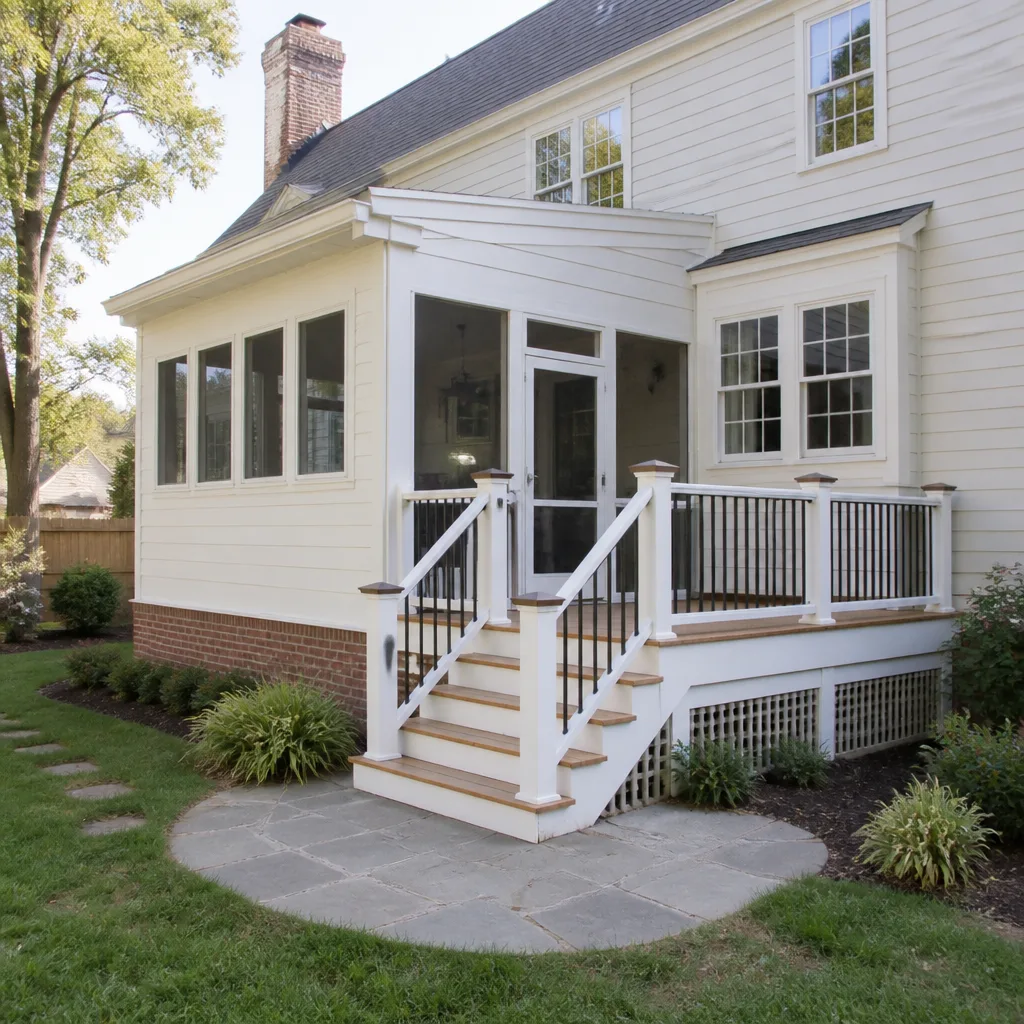
 Before
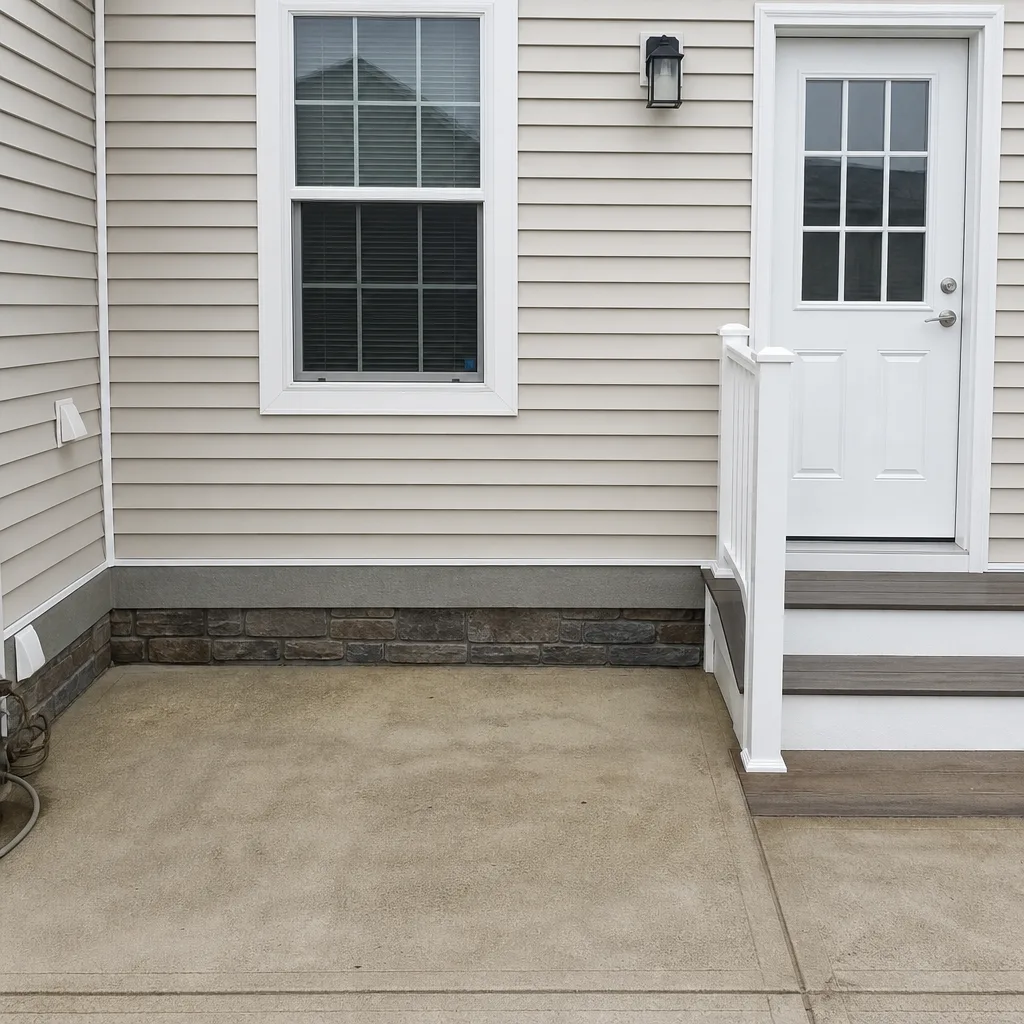 After
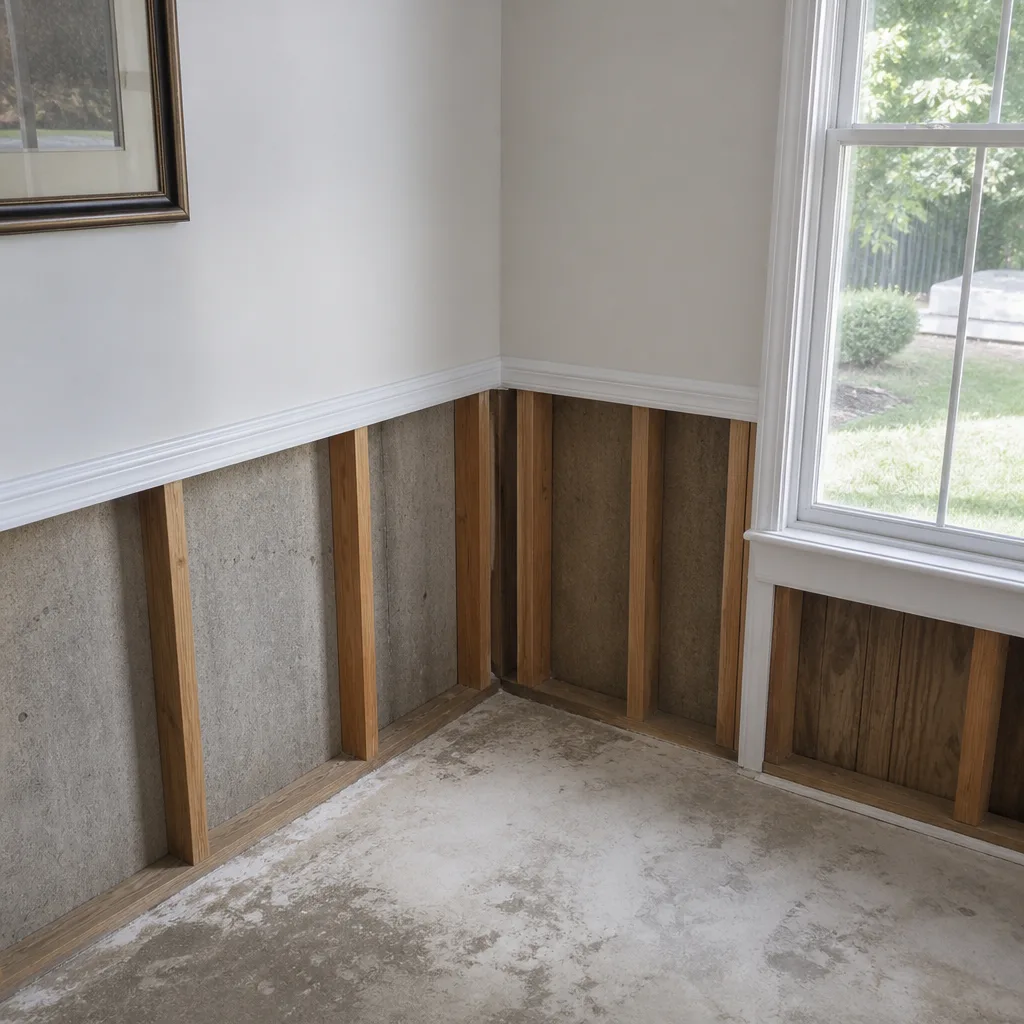
After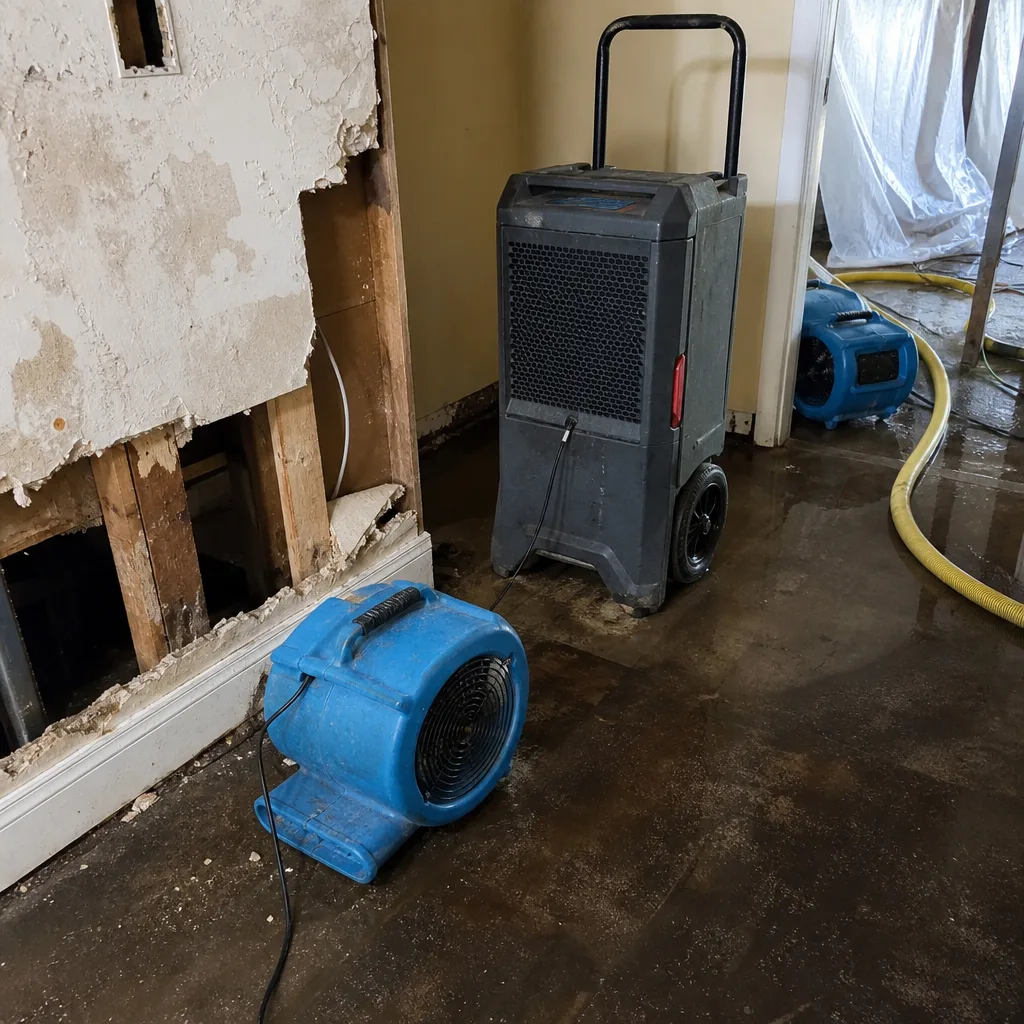 Before
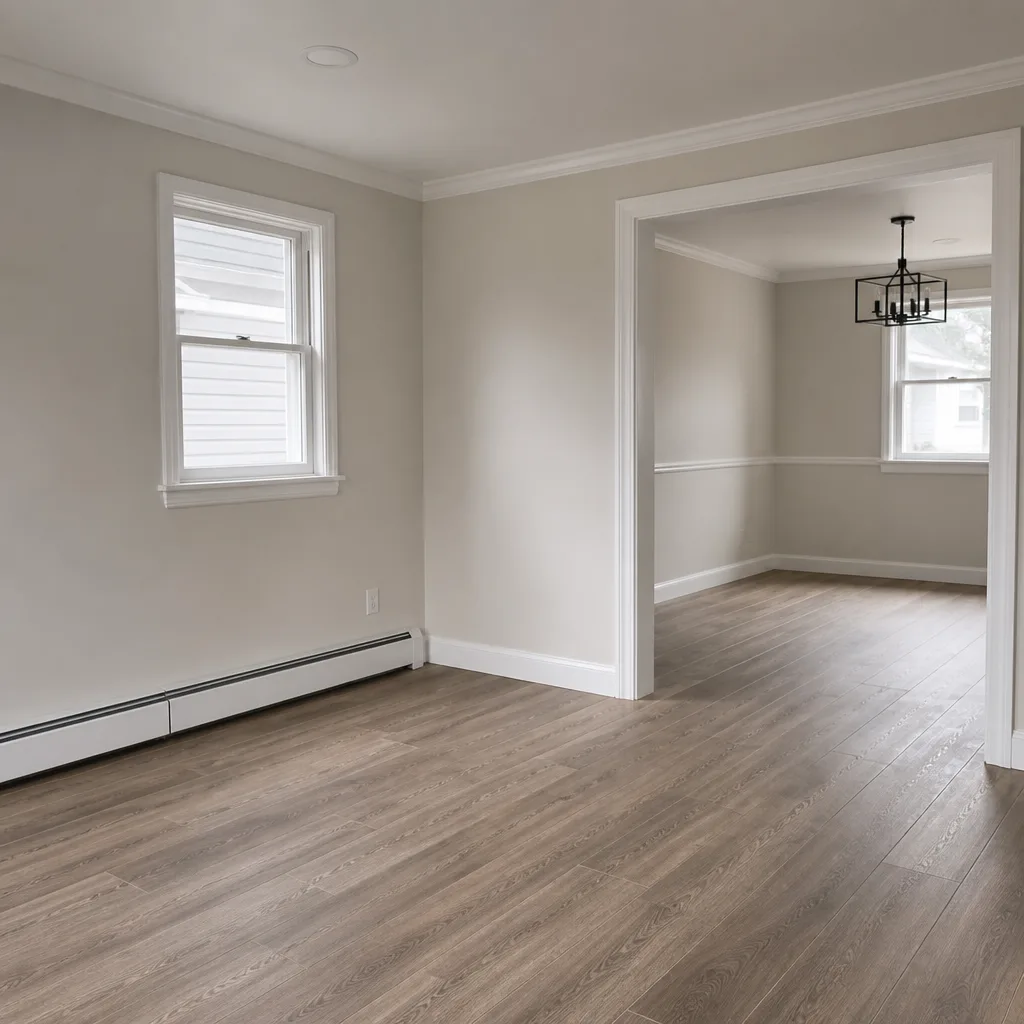 After
After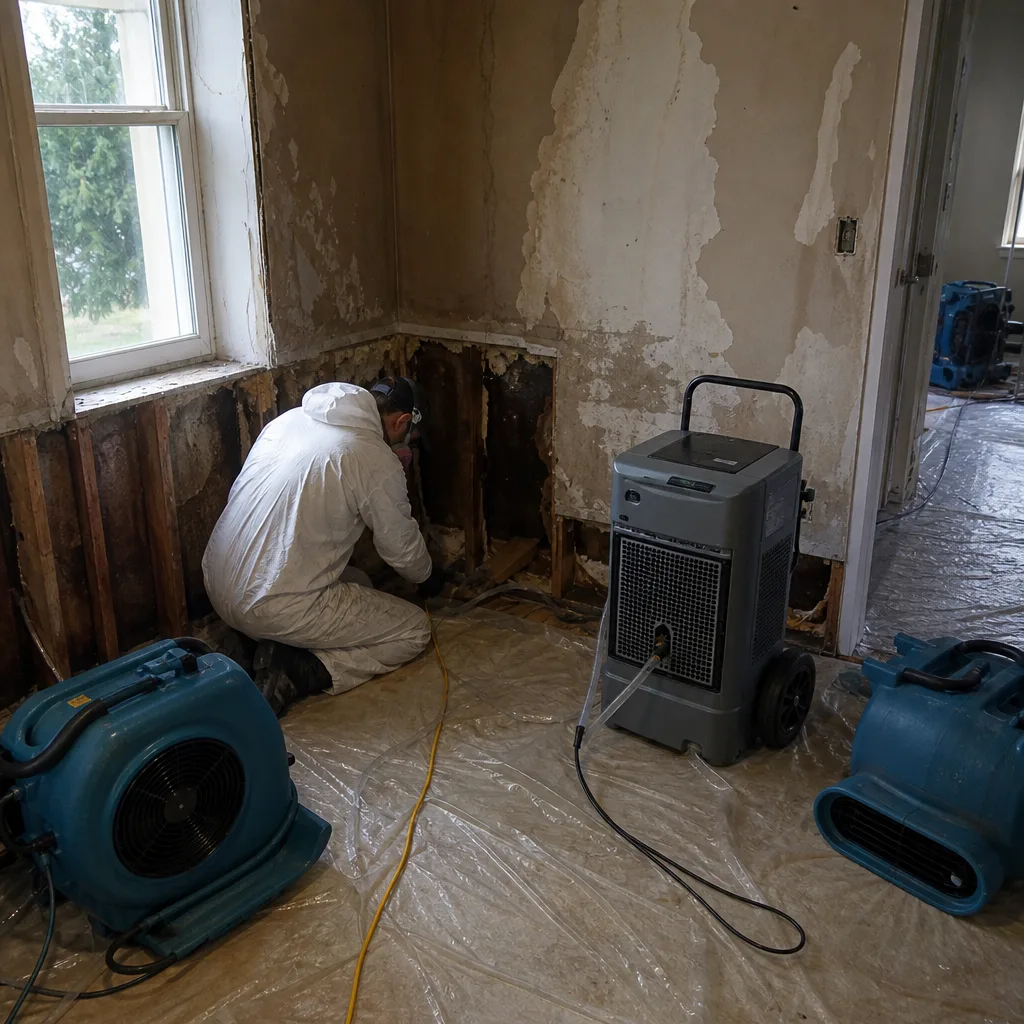 Before
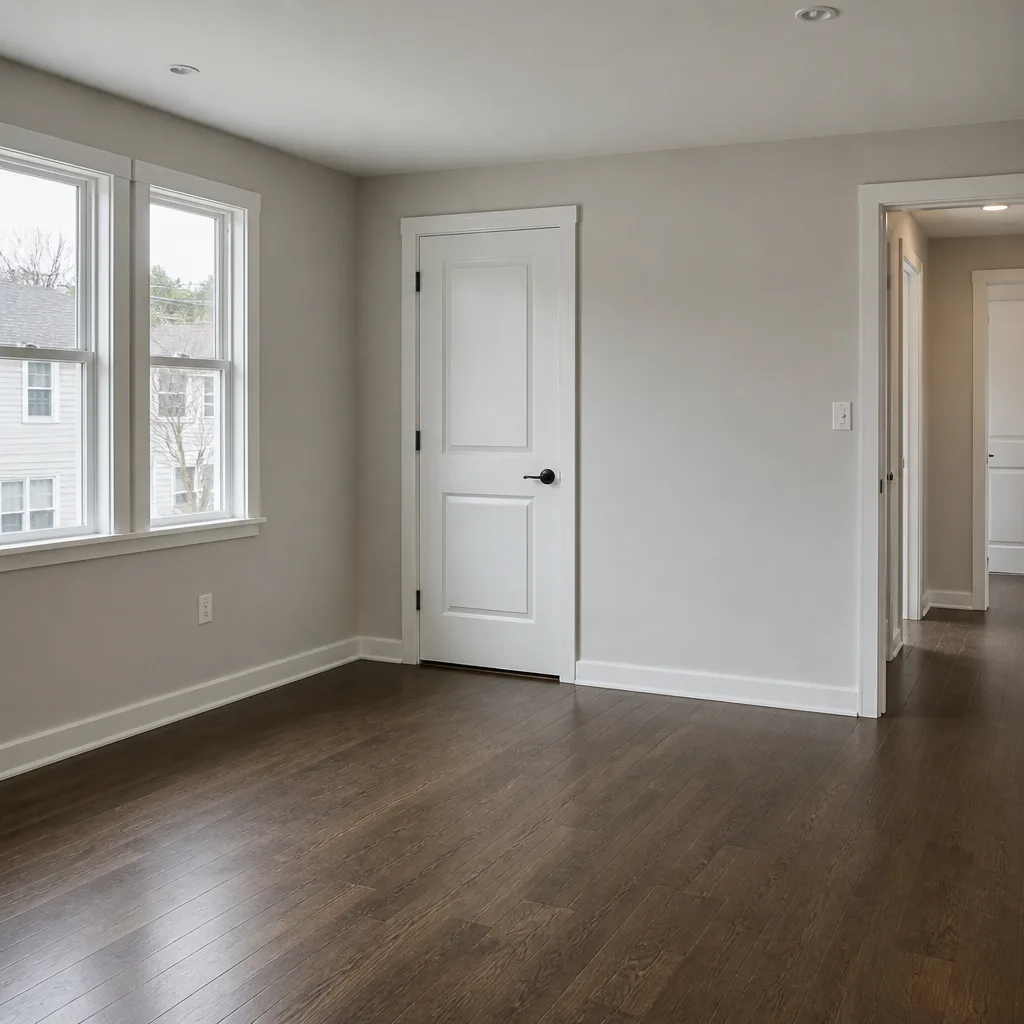 After
After24/7 Emergency Mold Remediation in Hollis
Mold remediation in Hollis most often starts with a sewage backup, not a leaky pipe. The neighborhood’s flat terrain and aging combined sewer lines push contaminated water through basement floor drains during heavy rain, and mold follows within 48 hours. If you’re standing in a wet, musty basement right now, call (518) 627-5878. We answer live, any hour, and dispatch a certified crew to Hollis with full containment equipment the same visit.
Our Mold Remediation team has worked these blocks long enough to know what’s behind your walls before the drywall comes off. Lead by Curt Bowman, we’ve built this company around a live dispatch board since 2010, and the job isn’t closed until the moisture log says it’s dry and the air scrubbing is done. If you see mold on a Hollis basement wall, the clock is running. Call now for a free visual inspection.
Understanding Mold Remediation Severity in Hollis Properties
Hollis homes built between the 1920s and 1950s carry specific risk profiles that newer construction doesn’t. Original clay-tile sewer laterals under these semi-detached brick homes are now 70 to 100 years old. Root intrusion and backflow are common. When the combined sewer system surcharges during a nor’easter or a summer thunderstorm, that water doesn’t drain away, it comes up, carrying Category 3 contamination into finished basements. A Category 3 loss is sewage-contaminated water. It’s not a mop-and-move-on situation, and it’s the dominant driver of mold in this neighborhood.
Beyond the water itself, these basements have original plaster walls and wood subfloors that hold moisture long after the surface looks dry. Mold remediation here requires proper containment, HEPA air scrubbing, and clearance testing, not just bleach and paint. We moisture-map the full space on day one, then log daily readings until the dry standard is met. Hidden moisture behind plaster is where mold regrowth starts, and it’s the first thing we check.
Why Hollis Property Owners Choose Floodline Restoration Co.
- 45-minute response commitment to Hollis: A live dispatcher picks up, a crew is routed immediately, and we arrive ready to set containment. Call at 6 p.m. or 2 a.m., the answer is the same.
- 24/7 live answer, never a recording: You’ll speak to a person who knows what to ask about your basement situation. No phone trees, no callbacks, no waiting for “business hours.”
- Certified crews on every job: Our technicians hold IICRC certifications including AMRT (Applied Microbial Remediation Technician) and WRT (Water Restoration Technician). They arrive background-checked and uniformed.
- Free visual inspection before any work is scoped: We look first, explain what we found in plain language, then put a line-item scope in writing. You decide from there.
- Direct insurance billing: We document from the first hour, bill your carrier directly, and talk to the adjuster so you don’t have to play relay.
- One team from extraction to rebuild: The same IICRC-certified crew that pulls the water also dries, remediates, and rebuilds. No mid-job handoff, no inherited strangers.
Our Mold Remediation Process
Inspection & Assessment
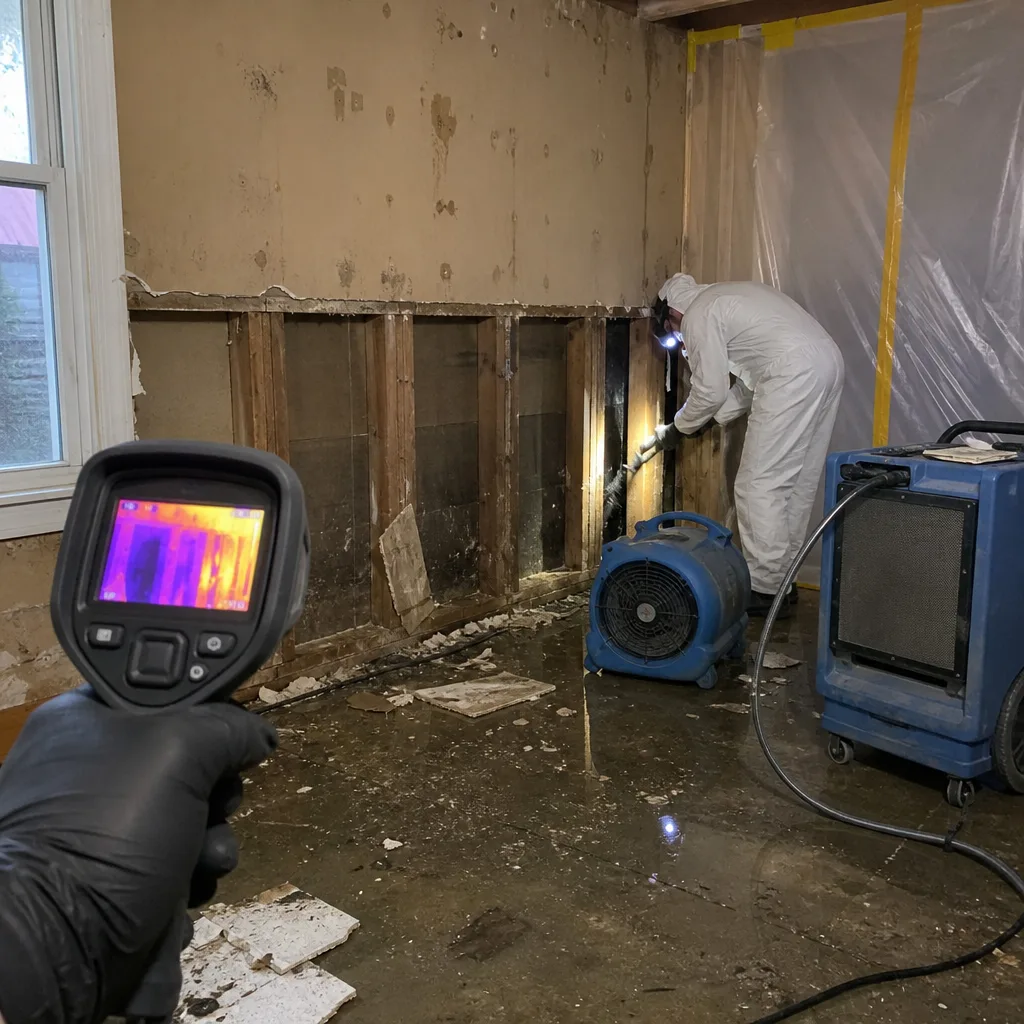
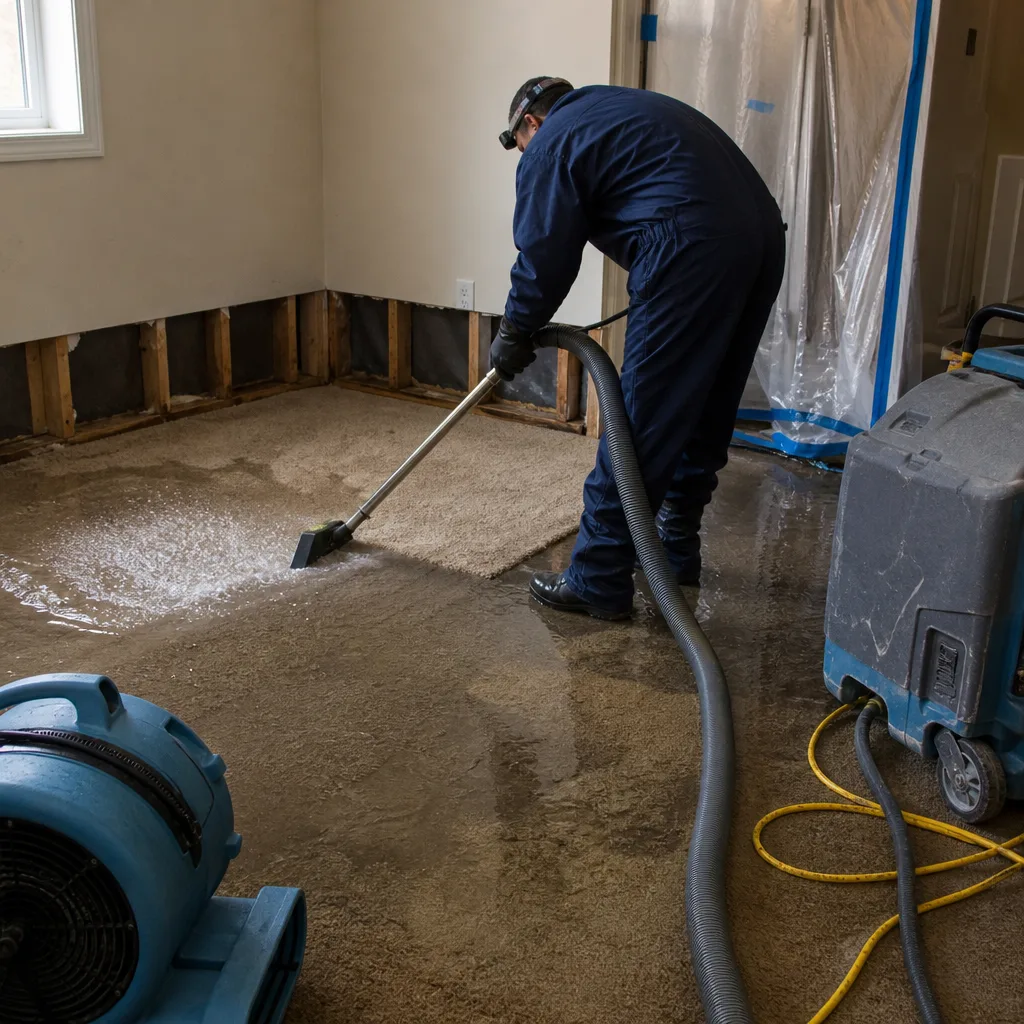
We start with a full walk-through using thermal imaging and hygrometers to find moisture you can’t see. In Hollis basements, that often means checking original plaster walls, wood subfloors, and the area around basement floor drains and sewer laterals. We document everything with photos before any work starts.
Containment & Stabilization
If we find Category 3 water or visible mold, we set up full containment with negative air pressure and HEPA scrubbing before we remove materials. This keeps mold spores from spreading to the rest of the house. Stabilization includes stopping the source, whether that’s a failed backflow preventer or groundwater intrusion through a slab crack.
Drying & Dehumidification
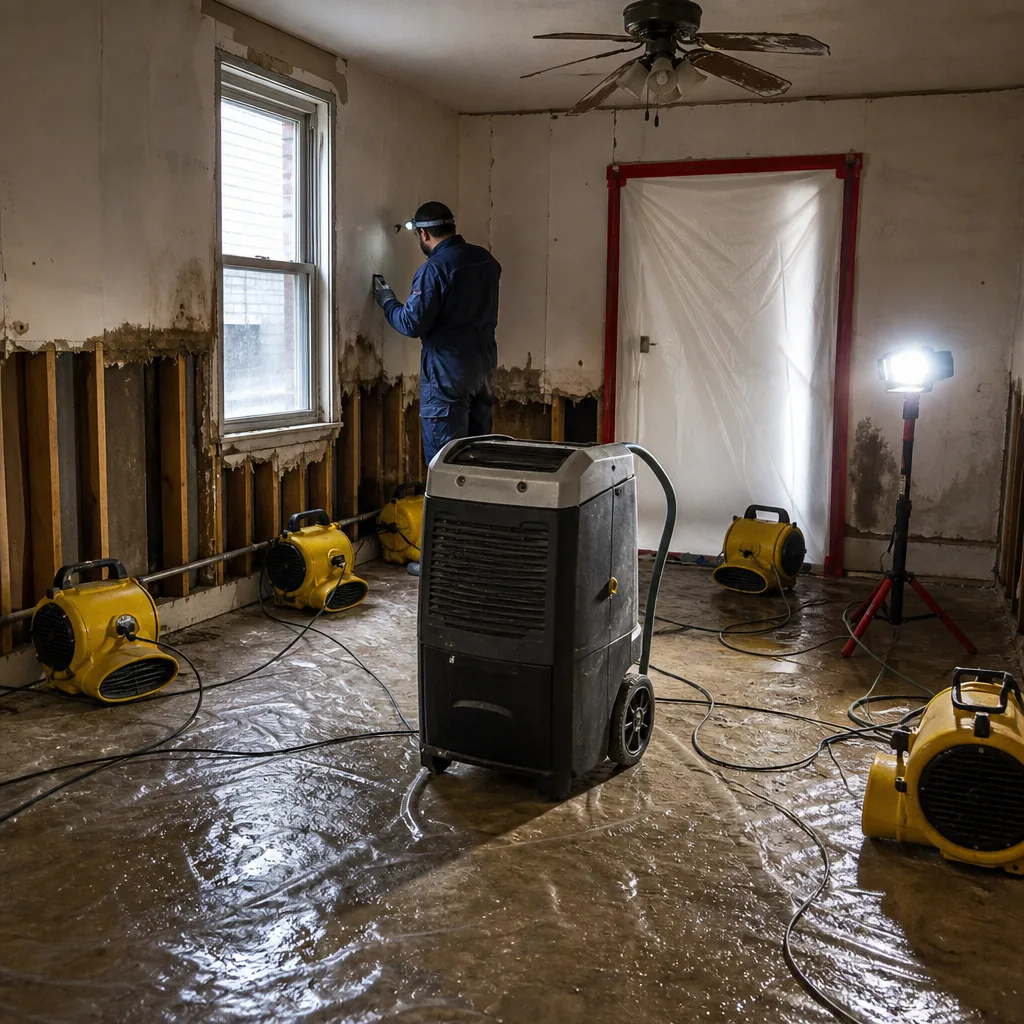
We run Dri-Eaz dehumidifiers and XPOWER air movers on a moisture-map basis, checking daily until every reading is below the dry standard. In older Hollis basements with original wood subfloors, this phase matters more than any other. Wood holds water deep.
Cleaning & Sanitization
All affected framing gets an antimicrobial treatment after drying is complete. Contents are cleaned or discarded based on contamination level. HEPA air scrubbers run throughout this phase and then through clearance testing.
Specialty Treatment: Sewage Backup & Category 3
For the combined sewer backup cases so common around 104th Avenue and Francis Lewis Boulevard, this step is non-negotiable. We remove all saturated porous materials, sanitize structural cavities, and flag any non-permitted wiring or missing vapor barriers found behind walls before closing out.
Repairs & Restoration
We rebuild what we removed. Drywall, flooring, baseboards, paint, and any structural repairs are handled by the same crew. You get a written scope before work starts and a 90-Day Done Right Promise in your hands when it’s finished.
Need Emergency Mold Remediation in Hollis Now?
Crews minutes away, answering live 24 hours a day. The sooner we start, the less it costs.
Working With Your Insurance Company
Most Hollis mold claims start as water claims, and most water claims here involve sewage backup, which rides on different policy coverage than clean-water damage. We know the language. From the first hour on site, our team documents the loss in the format carriers expect. Photos of every room affected. Moisture readings with time stamps. Drying logs. A detailed, line-item scope of work. When your adjuster calls, we answer. We bill directly and coordinate through close-out so the claim moves without you sitting on hold.
If the damage traces back to years of groundwater seepage rather than a single event, insurance coverage gets murky. Either way, we’ll tell you straight what we see and what we think the carrier will cover, then put it in writing before any work begins.
What We Provide Your Insurer
- Thorough documentation of the loss
- Photos of all damage, room by room
- Moisture readings and drying logs
- A detailed, line-item scope of work
- Direct coordination with your carrier
Built for Hollis’s Loss Calendar
Hollis has a mold season shaped by infrastructure, not just weather. The block of July and August when intense thunderstorms roll through southeastern Queens is the busiest stretch of our year. The combined sewer system in this part of the borough surcharges under sudden volume, sends water through basement floor drains, and every finished basement in the neighborhood is at risk. Nor’easters in the fall and early spring bring the same problem with slower, longer rain events.
But Hollis gets mold calls in dry weather too. The groundwater table in this part of Queens sits shallow enough that hydrostatic pressure pushes moisture through slab cracks even without a storm. Homeowners find mold behind furniture, along baseboards, or in closets against foundation walls, with no obvious leak anywhere. In older homes with original clay tile laterals, roots slow drainage year round, and slow drainage means standing moisture means mold. There is no quiet season. There are just different sources.
Mold Remediation Across Hollis’s Neighborhoods
The blocks around 104th Avenue and Francis Lewis Boulevard keep us busy with finished basements that flood during every heavy rain. Many of these are single-family brick homes built in the 1940s with basements converted decades ago, some without permits. The homes along Jamaica Avenue near 188th Street face similar sewer pressure but often have commercial spaces at grade, which means restoration work there sometimes means coordinating with occupied storefronts above.
Over near Hollis Avenue and 202nd Street, we see more older two-family homes where a basement apartment means two households are affected by one backup. The soil around Hollis Hills Crescent and the lower-lying streets south of Hillside Avenue tends to hold water after storms, and crawl space moisture calls cluster in that part of the neighborhood. Each block has a pattern. We know most of them by now.
Near the eastern edge of Hollis toward Queens Village, a number of homes have original clay-tile sewer laterals still in service. Root intrusion there is almost guaranteed on trees older than forty years, and that means slow backups that turn into mold behind walls the homeowner never saw coming.
Specialized Mold Remediation Services We Offer in Hollis
Black Mold Remediation
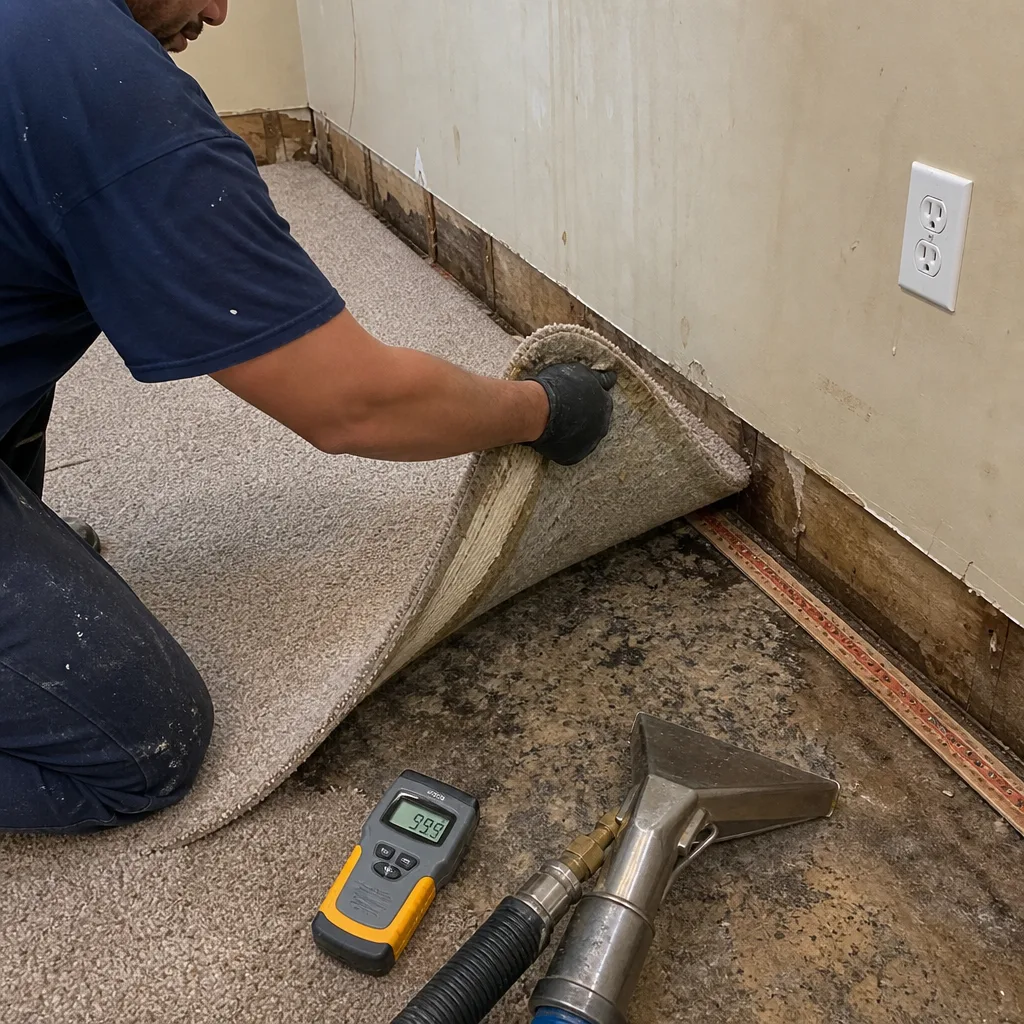
When Hollis residents say black mold, they’re usually talking about Stachybotrys. It thrives in the consistently damp conditions created by slow sewage seepage and groundwater intrusion, and it’s common in these older basements. We treat every black mold job as a contamination event: full containment, negative air pressure, HEPA scrubbing, and clearance testing before we break down the plastic. Call us at (518) 627-5878 if you suspect it. We’ll confirm it or rule it out with testing.
Moisture & Humidity Control
In a Hollis basement with original plaster walls, relative humidity sits high even when there’s no standing water. We install permanent solutions that match the house: dehumidifier systems sized to the square footage, crawl space encapsulation where the floor is dirt or thin concrete, and vapor barriers where the old ones are missing. A vapor barrier in the wrong place in an old brick home can trap moisture, not block it, so we watch for that too.
Mold Inspection & Testing
If you’re not sure whether that stain on the wall is mold or just old water damage, we’ll inspect first and test what needs testing. We use thermal imaging to find moisture behind original plaster walls and under wood subfloors without opening everything up. Then we give you a written report and a straight answer about what’s next and what it costs. A visual inspection is free; we’ll tell you if testing is necessary and why.
What happens when you call
- 1
A real person answersNo phone trees - you reach a local pro.
- 2
You get an upfront price rangeHonest numbers before anyone is dispatched.
- 3
A background-checked tech heads outLicensed & insured, dispatched right away.
- 4
You approve before work beginsNothing starts until you say go.
Mold Remediation Costs in Hollis, NY
A small, contained mold cleanup in a Hollis basement, say a single wall and some baseboard, typically runs $800 to $2,500. That includes containment, material removal, antimicrobial treatment, and clearance documentation. Moderate mold remediation across a bathroom or laundry area in one of these semi-detached brick homes usually lands between $3,000 and $7,000.
Full basement mold jobs involving Category 3 sewage backup, large-scale material removal, and drying across multiple rooms routinely run $8,000 to $18,000 in this market. What moves the number is the size of the affected area and whether porous materials like carpet, drywall, and insulation have to be replaced. Some of this cost is often covered by insurance, especially when the loss ties to a covered backup event. The free visual inspection leads to a written line-item scope, so you know exactly what’s covered and what’s out of pocket before we touch anything.
We Also Serve Cities Near Hollis
Crews based near Hollis cover the surrounding neighborhoods daily: Queens Village, Fresh Meadows, Oakland Gardens, and Cambria Heights. If you’re on the border and not sure whether we cover your block, call (518) 627-5878 and ask. We’ll tell you straight whether we can get there fast enough to matter.
Serving Hollis, NY - Our Local Coverage Area
We’re based in the Hollis area and know this community well. Use the map below to see our service coverage - if you’re nearby, we can almost certainly help.
Hollis Mold Remediation Questions, Answered
Why does mold remediation in Hollis often involve sewage backup rather than just rain water?
Hollis sits in flat, low-lying southeastern Queens where the aging combined sewer system routinely backs up during heavy rain. That sends Category 3 sewage-contaminated water up through basement floor drains in the neighborhood’s mid-century brick homes. Rain water infiltration is a separate issue, but combined sewer backflow is the dominant driver of mold calls here. If your basement flooded through a floor drain, treat it as a sewage loss, not a clean water event.
How quickly can mold start growing in a Hollis basement after a sewer backup?
Mold can begin forming within 24 to 48 hours of a sewage backup, especially in Hollis basements with original plaster walls and wood subfloors that hold moisture. The flat topography and shallow groundwater table in this part of Queens slow natural drying even after the visible water is removed. Call (518) 627-5878 as soon as the backup happens. The first 24 hours determine the scope of the job.
What should I do if my Hollis basement has a finished apartment without permits and now has mold?
Be honest with whoever remediates. Unpermitted basement finishes in Hollis often hide non-code electrical work, missing vapor barriers, and improperly trapped plumbing. Our crews find and flag these issues during remediation, because they affect liability and future mold risk. We’ll put findings in writing for you, but we can’t remediate around hazards we don’t know about.
Does groundwater seepage through the basement slab cause mold in Hollis homes even without a storm?
Yes. The groundwater table in this part of Queens is shallow enough that hydrostatic pressure alone can force moisture through basement slab cracks during dry stretches. That moisture feeds mold growth behind baseboards, furniture, and stored boxes. If you’re seeing mold with no plumbing leak, groundwater is a prime suspect. We find it with thermal imaging and moisture mapping.
How do you handle black water (Category 3) in a Hollis basement mold job?
Category 3 water carries sewage and pathogens, so we treat it as a contamination event, not a cleanup job. That means full containment, removal of all saturated porous materials, sanitization of structural cavities, and HEPA air scrubbing until clearance testing passes. In Hollis, where combined sewer backups are routine, we assume Category 3 until we confirm otherwise.
How fast can you actually get to a Hollis home?
Our response commitment is 45 minutes for emergencies in Hollis. A live dispatcher answers 24/7, and crews stage locally. For non-emergency inspections, we’ll schedule the same day or the next morning. Call (518) 627-5878 and a person will tell you exactly when we’ll be there.
Will my insurance cover mold remediation in Hollis?
It depends on the source. Sudden sewage backup from a storm is often covered under water backup coverage, while long-term groundwater seepage or neglected maintenance typically isn’t. We document everything from the first hour, write scopes in the carriers’ format, and coordinate directly with your adjuster. If a claim is borderline, we’ll tell you before you commit to work.
Do I really need full remediation or just a cleaning?
If mold is on non-porous surfaces and the source is already stopped, a professional cleaning may be sufficient. If it’s in drywall, wood, or carpet, the affected material has to come out. In older Hollis homes with plaster walls and wood subfloors, hidden moisture usually means the damage extends beyond what’s visible. A free visual inspection gives you the answer in plain language.
Written by Curt Bowman, Owner at Floodline Restoration Co., serving Hollis and surrounding Queens neighborhoods since 2010.
If you have mold in your Hollis basement, don’t wait through another rain cycle. Call (518) 627-5878 for a free estimate. A live person answers, any hour, and we’ll be there when we say.