
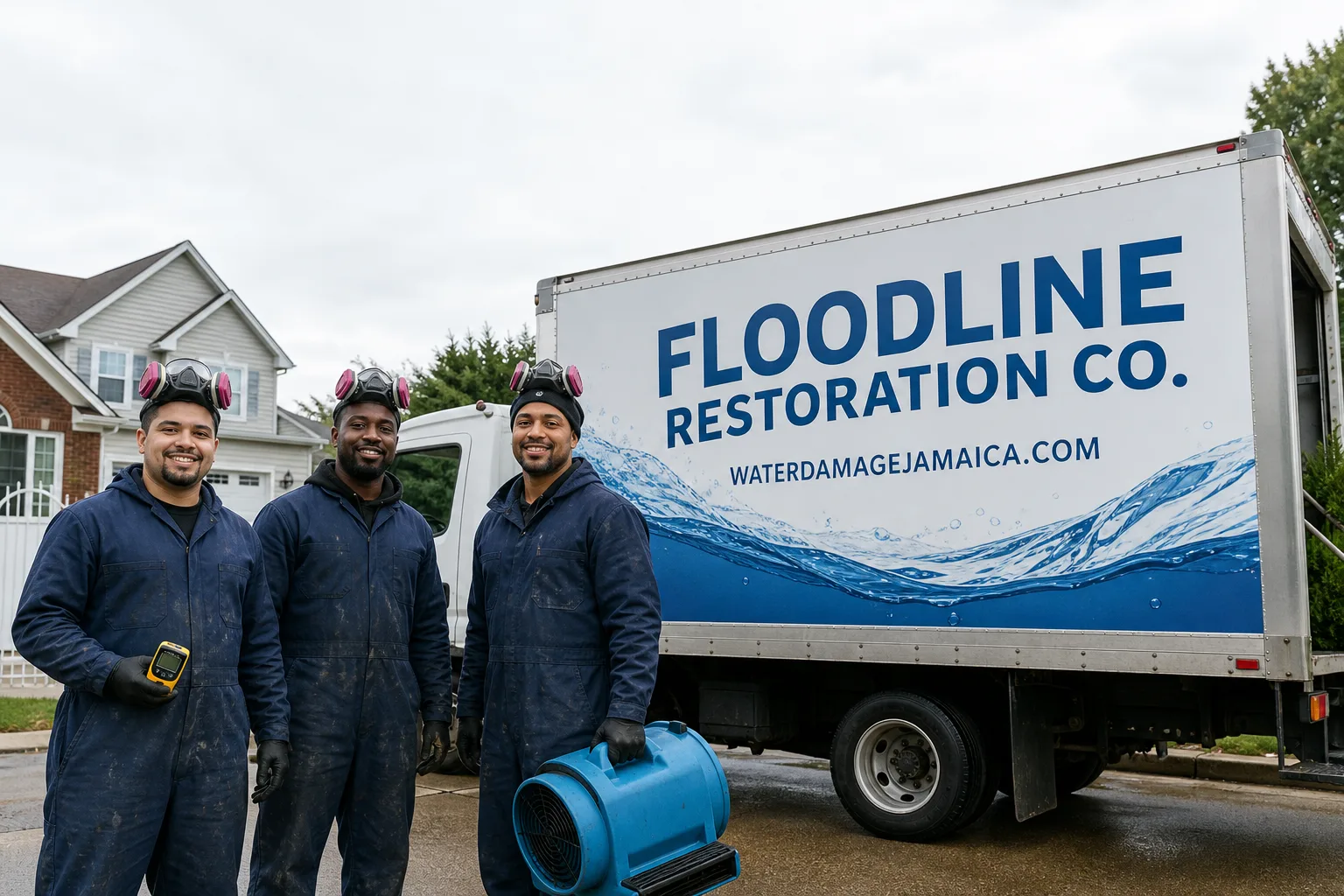
Free visual inspection and a written scope of work before any mitigation begins - photos, moisture readings, and drying logs go in your claim file
The scope we write is the scope we bill. Anything new gets shown to you, in writing, before we touch it.
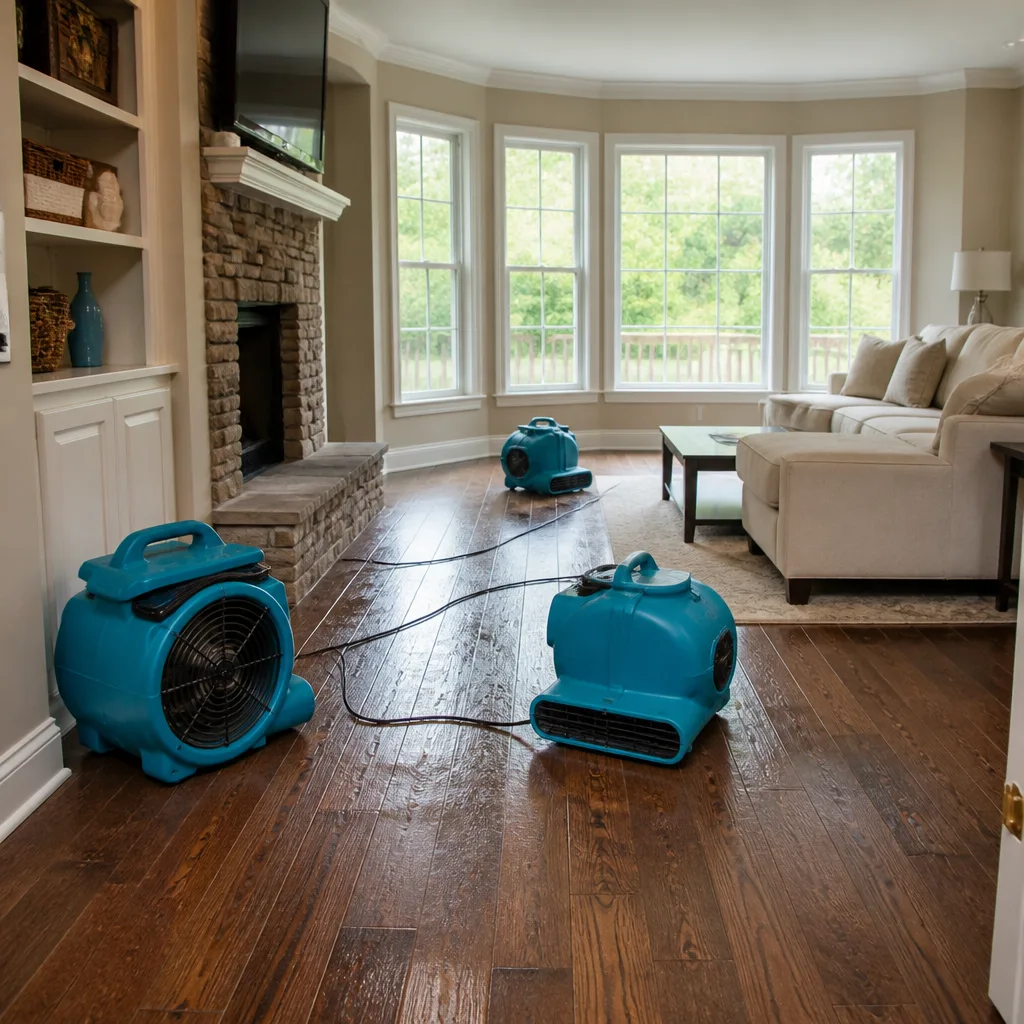
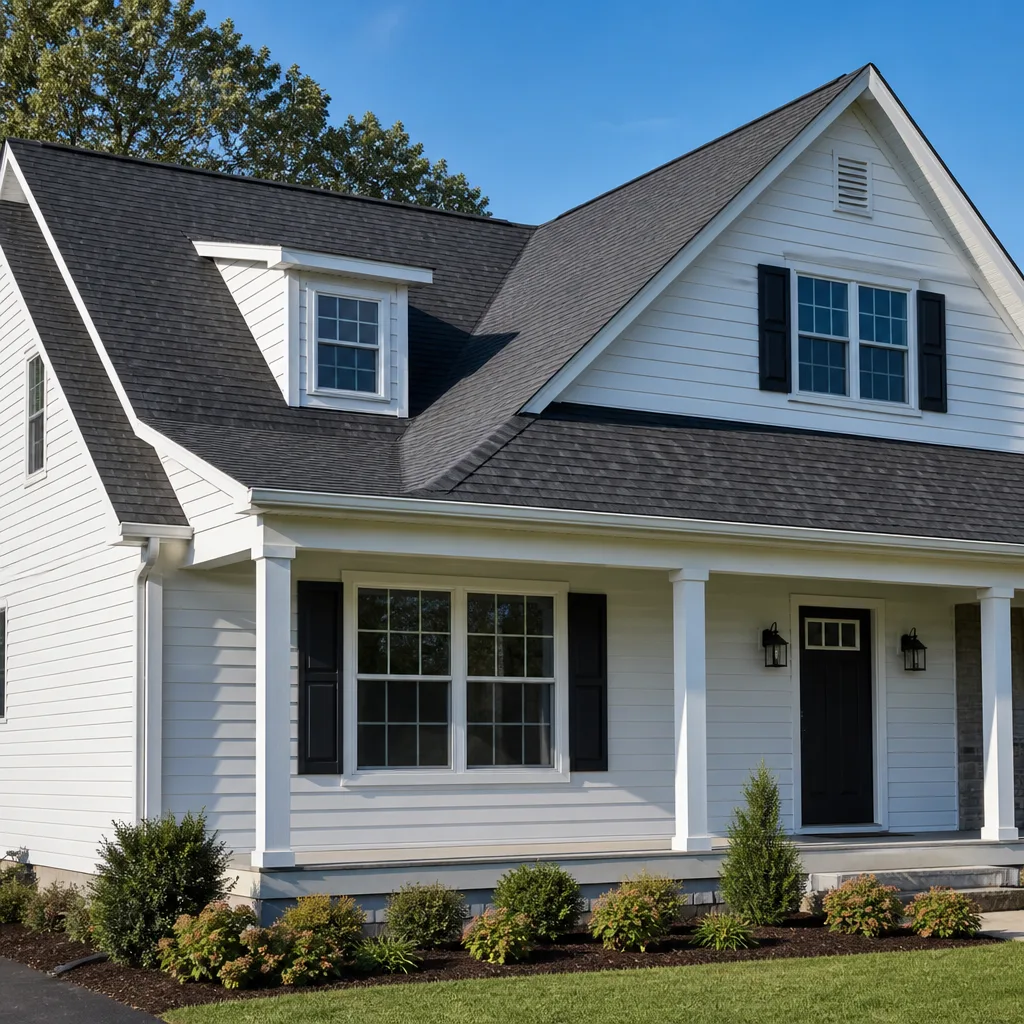
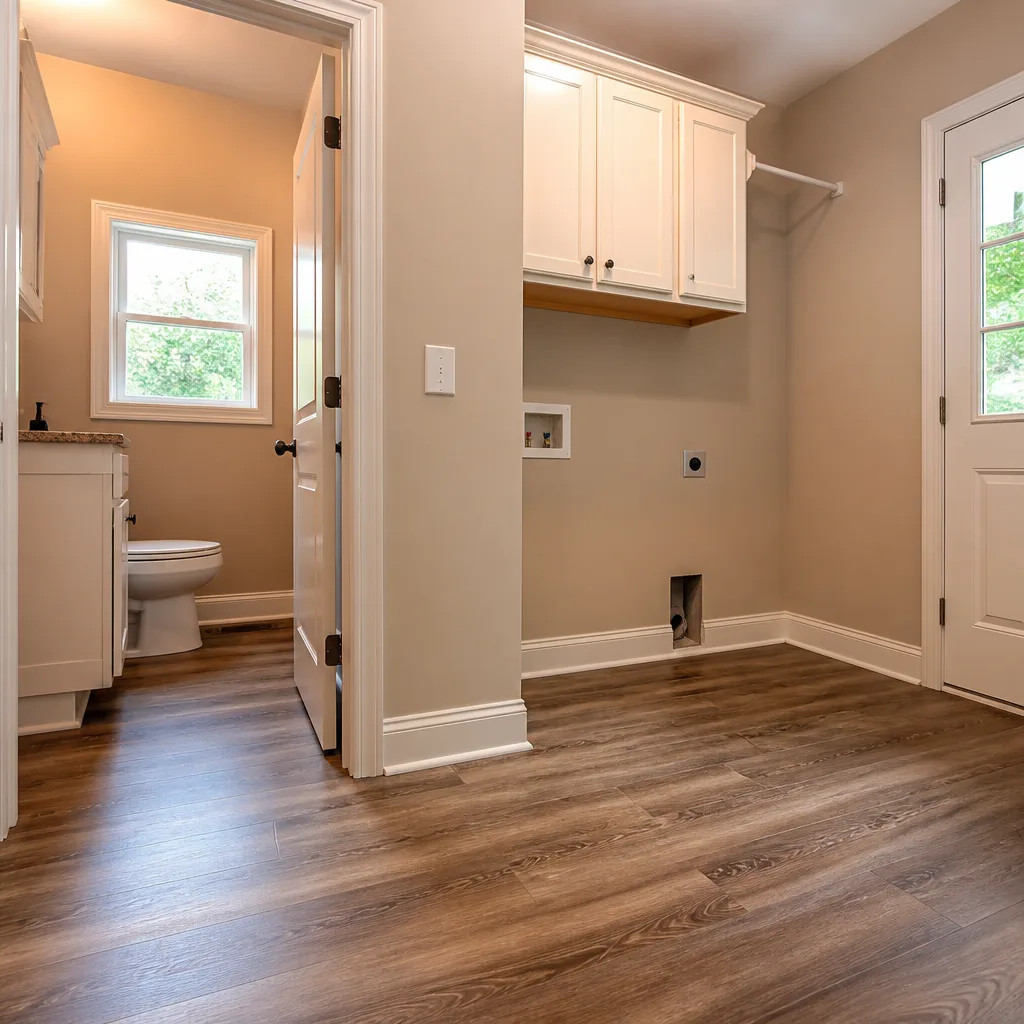
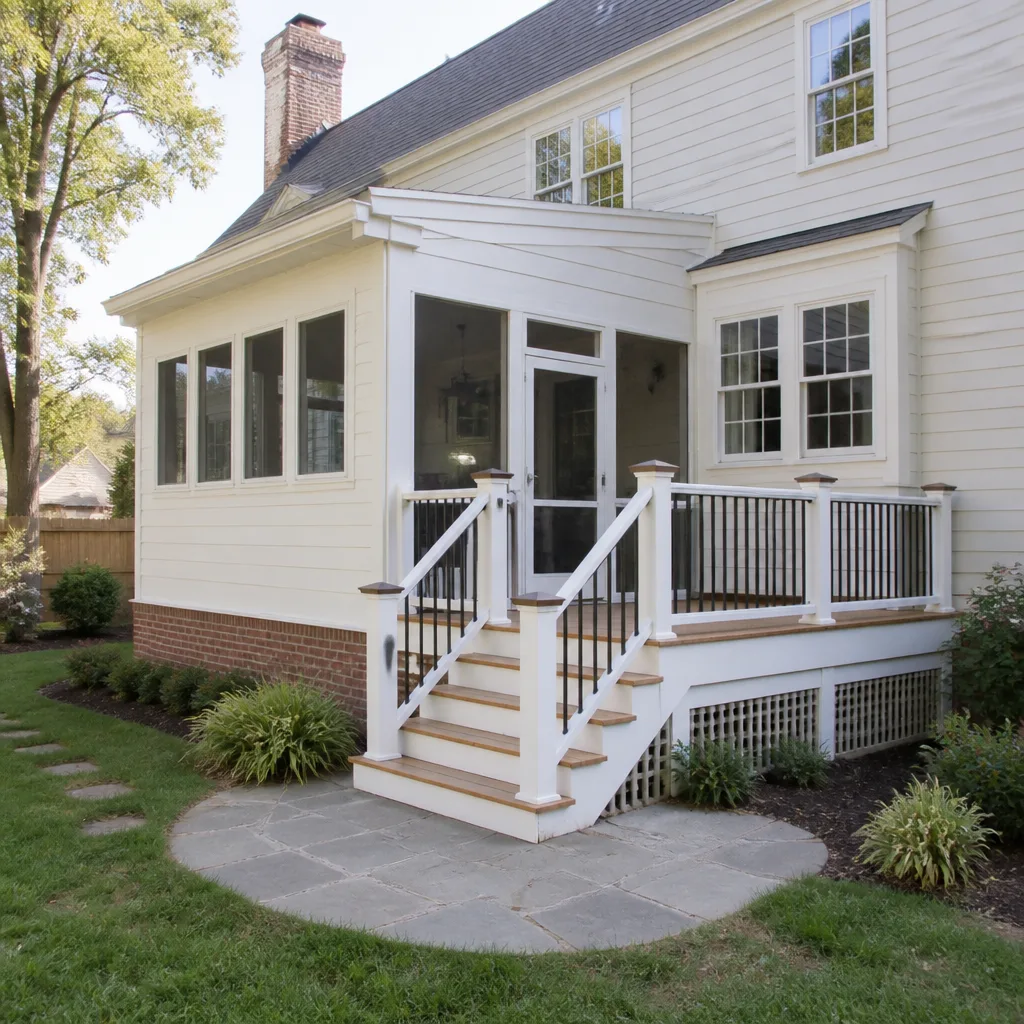
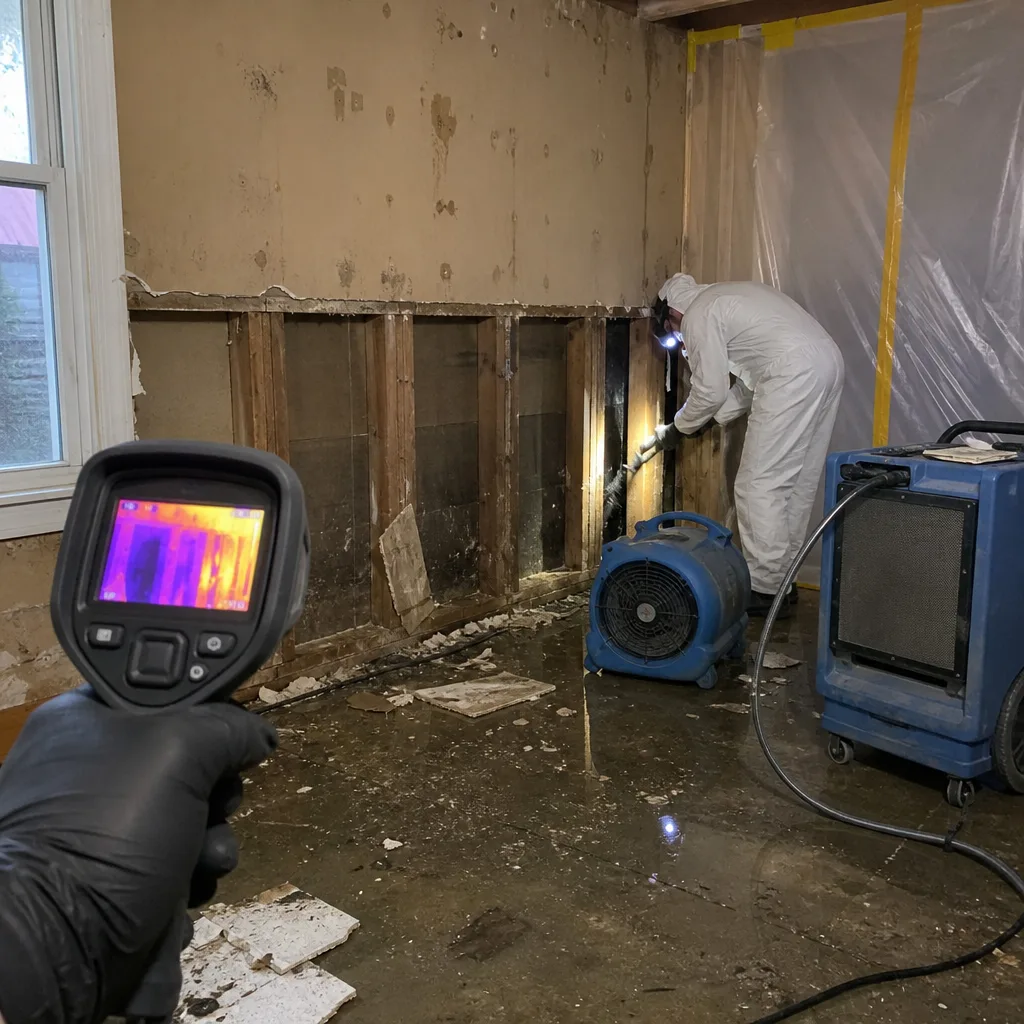 Before
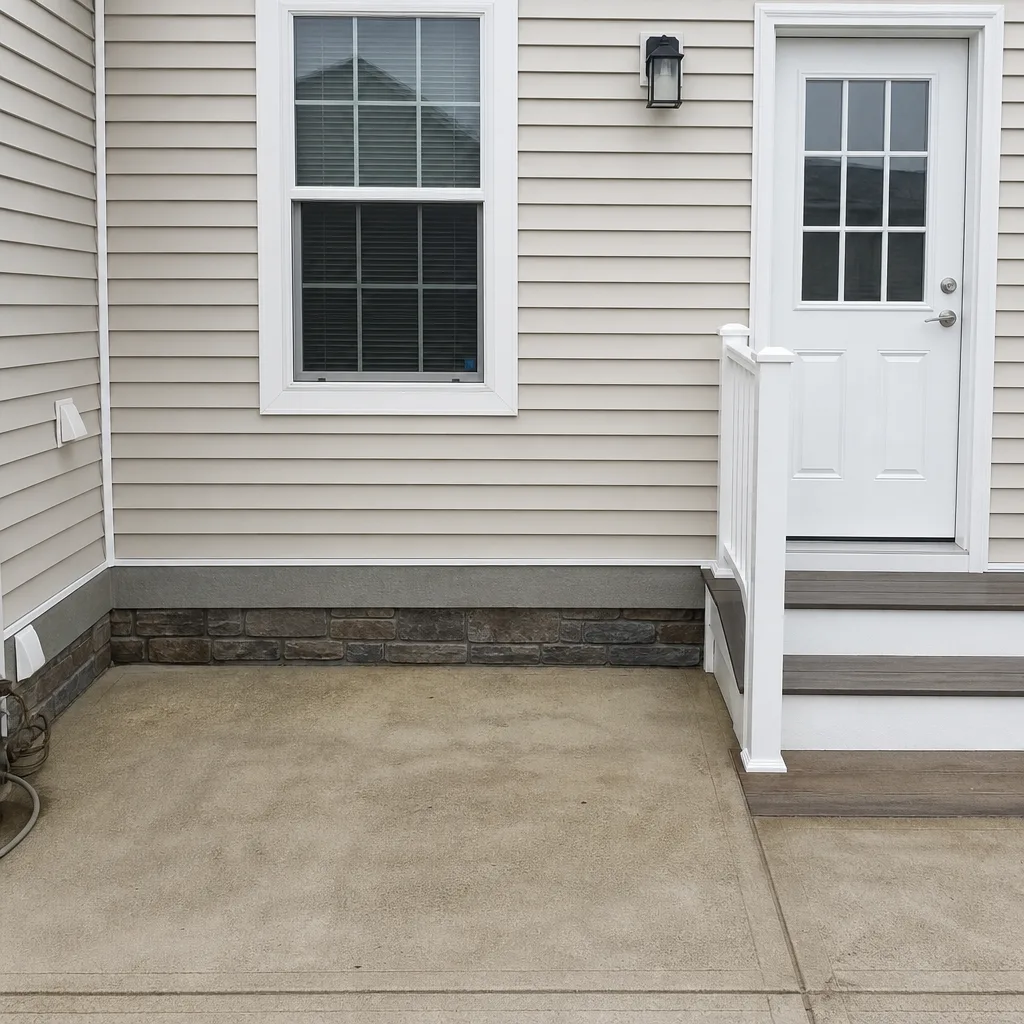 After
After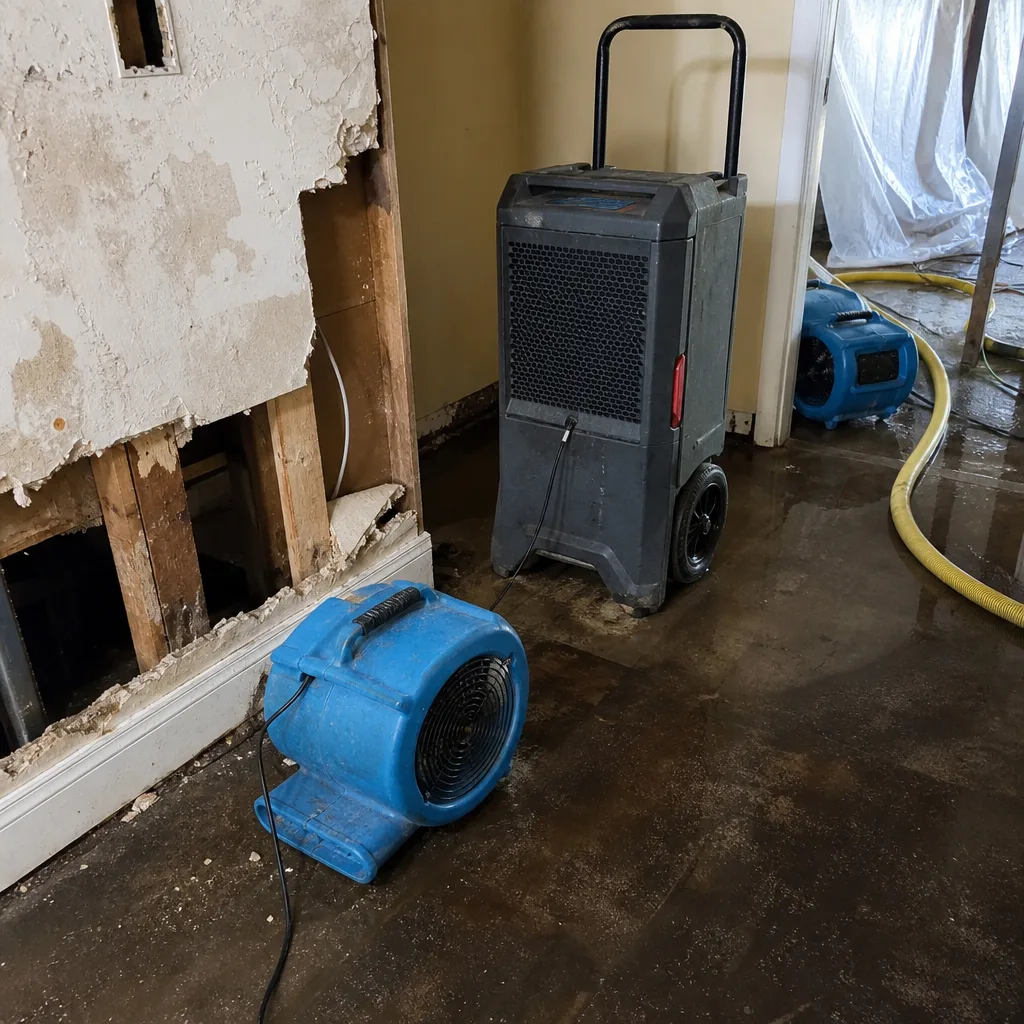 Before
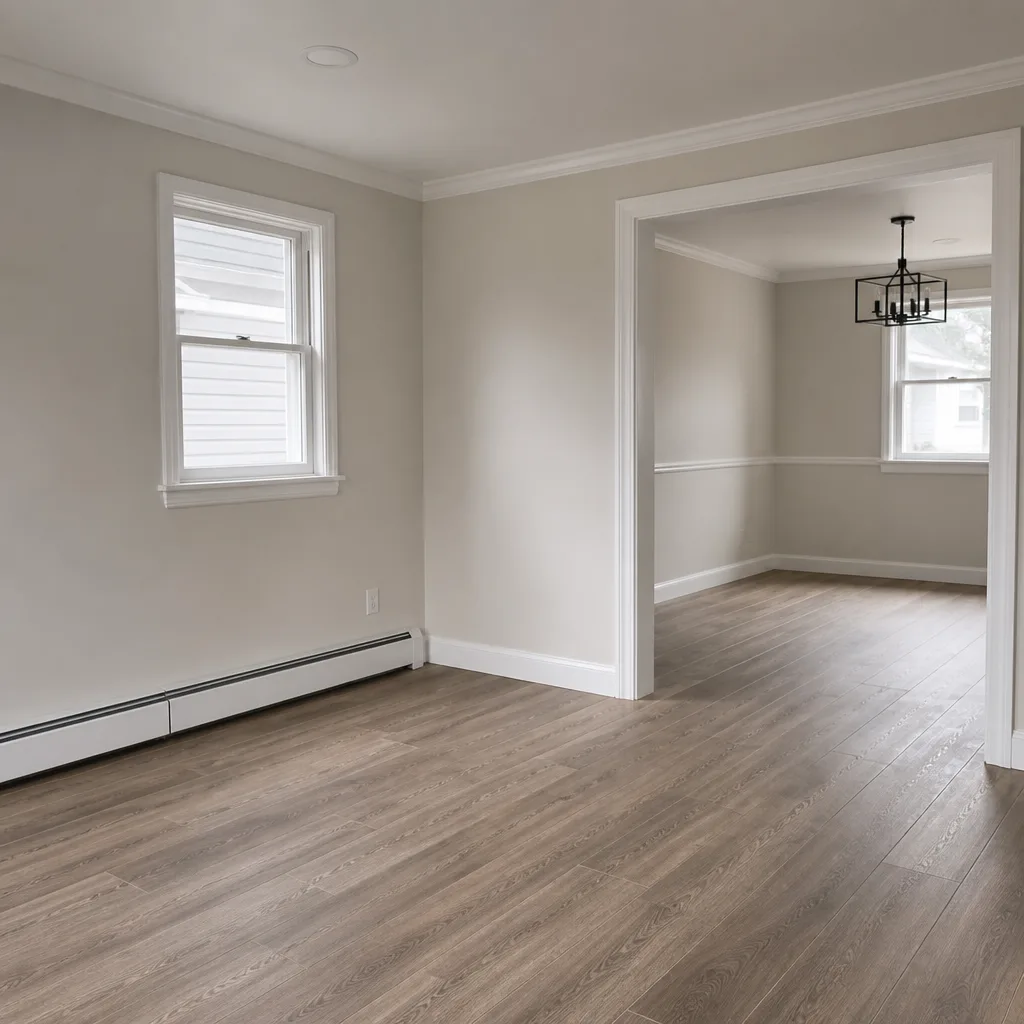 After
After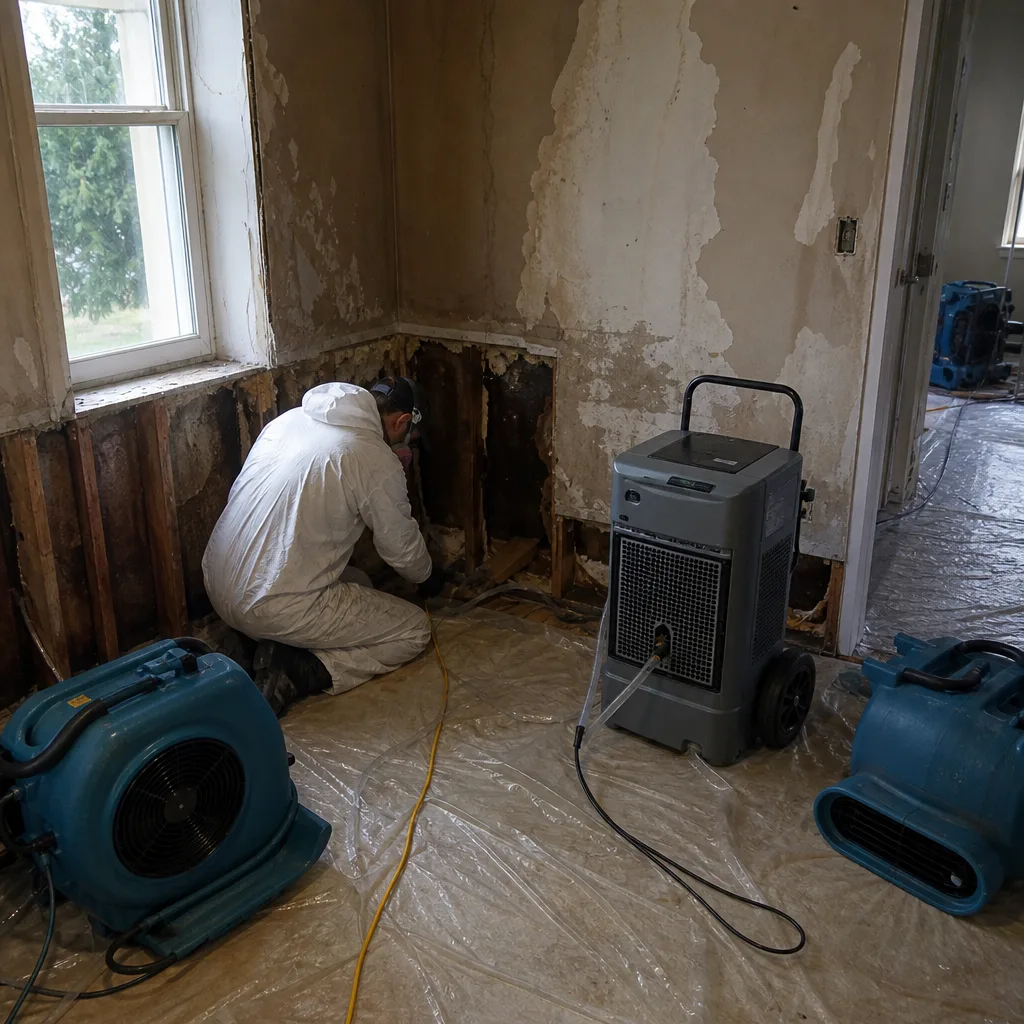 Before
 After
After24/7 Emergency Reconstruction & Cleanup in St. Albans
When a basement floods or a fire leaves rooms gutted, reconstruction in St. Albans means more than patching drywall. It means dealing with 1940s-1960s construction, unpermitted basement apartments, and chronic sewer backups, all at once. Our crews answer live at (518) 627-5878 any hour, day or night, and we dispatch into St. Albans immediately. The first call gets you a free visual inspection and a straight answer about what you’re facing. Water and smoke don’t wait, and neither do we.
Understanding Reconstruction & Cleanup Severity in St. Albans Properties
St. Albans homes rarely have simple damage. The housing stock here runs to one- and two-family brick builds from the late 1940s through the 1960s, and that age changes everything about a loss. Category 3 water, the kind that carries sewage or groundwater, wicks fast into horsehair plaster and original wood framing. What looks like a surface wet patch is often a full wall cavity saturated behind the lath. Moisture mapping with thermal imaging and hygrometers tells us where the water actually went, not just where it pooled. Soot from a kitchen fire behaves the same way in older homes: it migrates through plaster cracks and duct runs into rooms that never saw flame. In finished basements, which are common across St. Albans and often unpermitted, hidden drop ceilings and paneling trap moisture where a casual walk-through would miss it entirely. That’s why our crews never assume a basement is as simple as it looks.
Why St. Albans Property Owners Choose Floodline Restoration Co.
- 45-minute response commitment: A live dispatcher takes your call and a crew is moving toward St. Albans within the hour.
- 24/7 live answer, always a person: No recordings. At 2 a.m., a real human picks up, every time.
- IICRC-certified crews: Our technicians carry WRT, FSRT, and AMRT certifications, so the work meets the standard your insurer expects.
- Free visual inspection: We walk the property, explain what we see, and put the scope in writing before any work begins.
- Direct insurance billing: We work with your carrier and your adjuster directly. You don’t carry messages between us.
- One team, start to finish: Extraction, drying, demolition, and rebuild are handled by the same Floodline crew. No mid-job handoff.
Our Reconstruction & Cleanup Process
Inspection & Assessment
We map every affected surface with moisture meters and thermal imaging. In St. Albans, this includes checking behind paneling and above drop ceilings for water you can’t see from the doorway.
Extraction / Stabilization
Standing water comes out fast using truck-mounted and portable extraction units. We stop active water migration before it reaches structural framing or electrical panels.
Drying & Dehumidification
Professional-grade Dri-Eaz and Phoenix air movers and dehumidifiers run continuously, with daily moisture readings logged until the dry standard is met.
Cleaning & Sanitization
Affected surfaces get antimicrobial treatment and HEPA air scrubbing. For sewage losses, we remove contaminated drywall and flooring before cleaning begins.
Specialty Treatment
Asbestos testing on 1940s-1960s vinyl tile, lead-paint protocol on older trim, and NYC DOB compliance checks for unpermitted basement rooms all happen before rebuild starts.
Repairs & Restoration
We rebuild to pre-loss condition: new drywall, flooring, trim, paint, and any structural repair. You get a written scope, a drying log, and our 90-Day Done Right Promise.
Need Emergency Reconstruction & Cleanup in St. Albans Now?
Crews minutes away, answering live 24 hours a day. The sooner we start, the less it costs.
Working With Your Insurance Company
Most St. Albans reconstruction jobs involve an insurance claim, and we handle that end for you. From the first hour, our technicians document everything: photos of the loss, room by room, moisture readings taken daily, and a detailed line-item scope of work. We send that package directly to your adjuster and coordinate with them throughout the job. You shouldn’t be the one translating between a contractor and a carrier. Especially in St. Albans, where unpermitted basement apartments and sewer-backup history can raise adjuster questions, clean documentation matters. We build the paper trail that keeps your claim moving.
What We Provide Your Insurer
- Thorough documentation of the loss
- Photos of all damage, room by room
- Moisture readings and drying logs
- A detailed, line-item scope of work
- Direct coordination with your carrier
Built for St. Albans’s Loss Calendar
St. Albans sits on flat, low-lying ground in southeastern Queens, and the loss pattern here follows the water. January deep freezes crack original galvanized supply lines inside unheated basement crawl spaces. Spring rains and snowmelt push groundwater up through slab floors in homes along Farmers Boulevard and Linden Boulevard. Summer thunderstorms regularly overwhelm the combined sewer system, sending Category 3 water back through floor drains into finished basements. Nor’easters in the fall bring the same problem, often worse because the ground is already saturated. Hurricane Sandy taught this neighborhood what a really bad storm does: water sat inside wall cavities for days, and some of those homes still carry latent mold that reactivates with every new water event. Reconstruction here isn’t a once-a-decade project. It’s a seasonal reality for many homes.
Reconstruction & Cleanup Across St. Albans’s Neighborhoods
Our crews run Linden Boulevard, Farmers Boulevard, and Merrick Boulevard daily, and we know the pockets. The blocks around St. Albans Park and 114th Avenue have a high concentration of semi-detached brick homes with finished basements, many of them rented as accessory apartments. Those jobs almost always involve a documentation wrinkle. Over near Roy Wilkins Park and up toward the Addisleigh Park historic district, the homes are older and often better maintained, but the original cast-iron drain stacks and lead services still fail at the worst times. The corridor along Hollis Avenue tends toward smaller one-family homes built tight to the lot line, which makes exterior drainage and gutter regrading as important as interior drying. Every area in St. Albans responds to water a little differently, and our crews have worked all of them.
Specialized Reconstruction & Cleanup Services We Offer in St. Albans
Full-Service Reconstruction
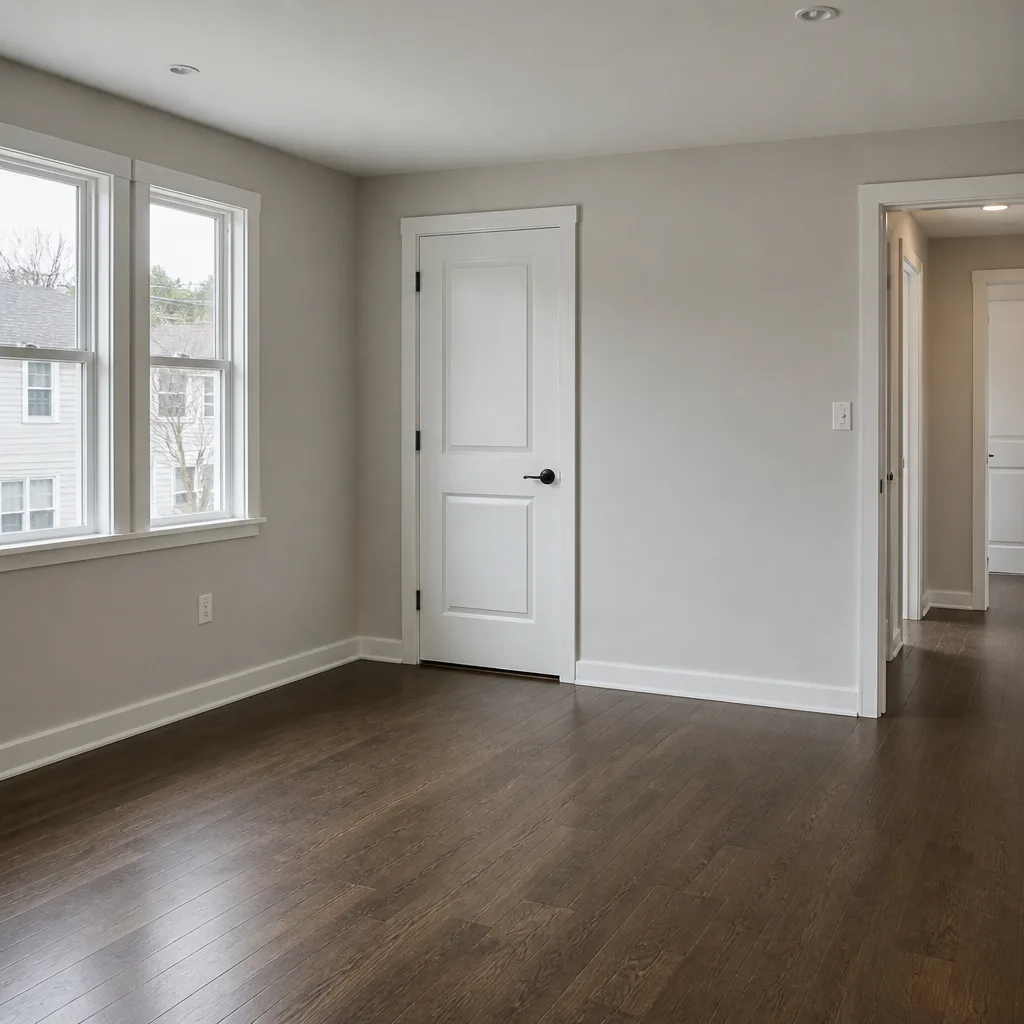
We rebuild entire basements, kitchens, and living spaces after water, fire, or mold losses. In St. Albans, that usually means matching older trim profiles, dealing with horsehair plaster, and bringing wiring and plumbing up to current NYC code where walls are already open. The goal is pre-loss condition, done by one Reconstruction & Cleanup team from first cut to final paint.
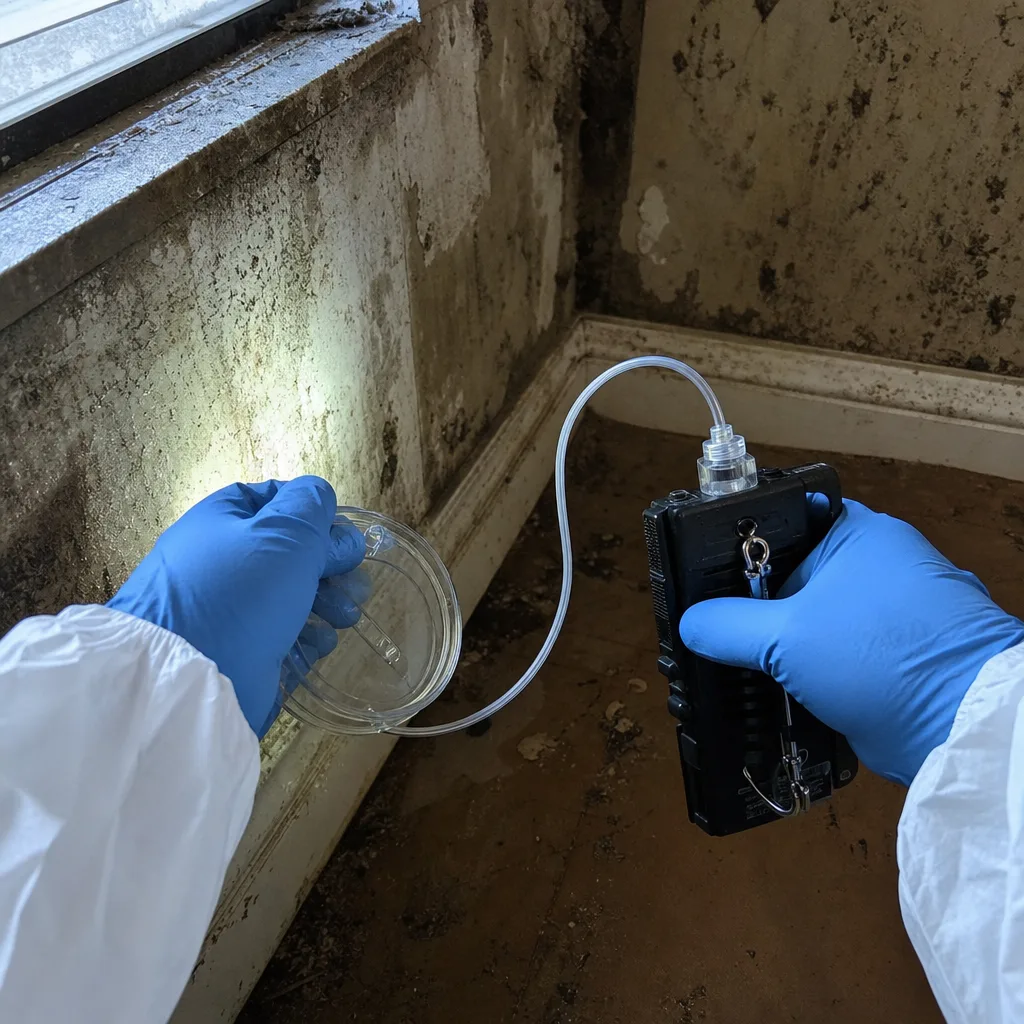
Drywall & Flooring Repair
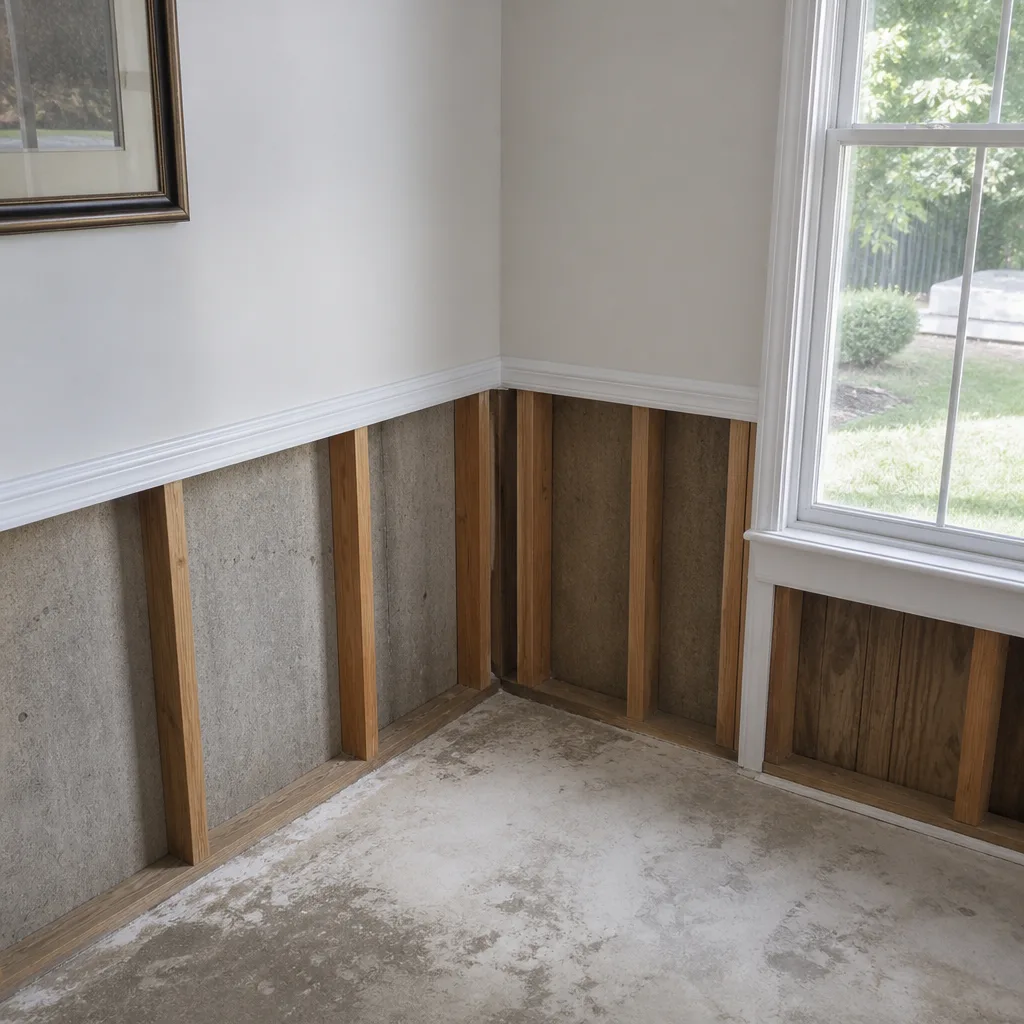
Saturated drywall in a St. Albans basement rarely gets surface-dried. Category 3 water requires removal, and we cut clean lines, dry the studs, and hang new board. For floors, we match existing hardwood or replace with comparable materials, always testing older tile and adhesives for asbestos before any disturbance.
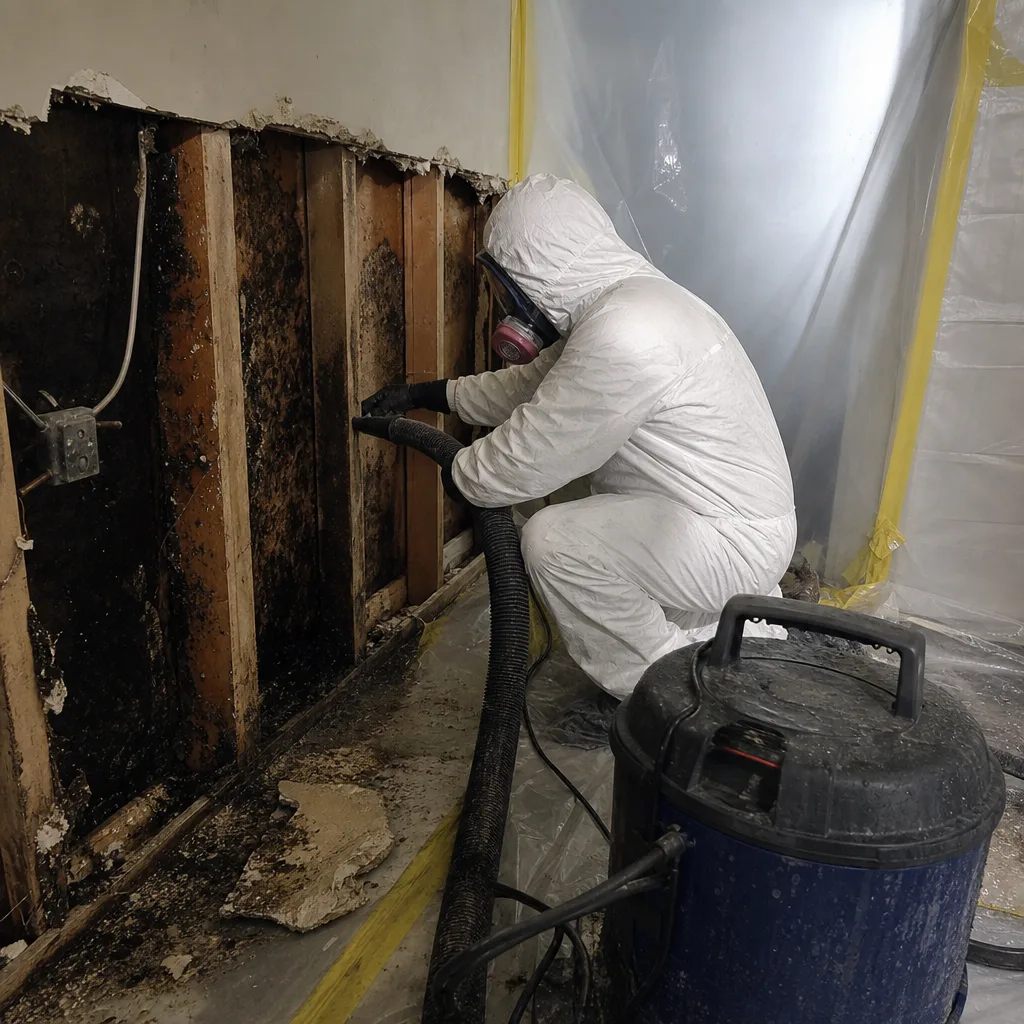
Contents Restoration & Pack-Out
When a St. Albans basement floods, the contents often need to leave the house. We pack out, inventory, clean, and store furniture, clothing, and personal items, then return them after reconstruction finishes. This is especially useful for unpermitted rental units, where tenants’ belongings can’t stay in a drying construction zone.
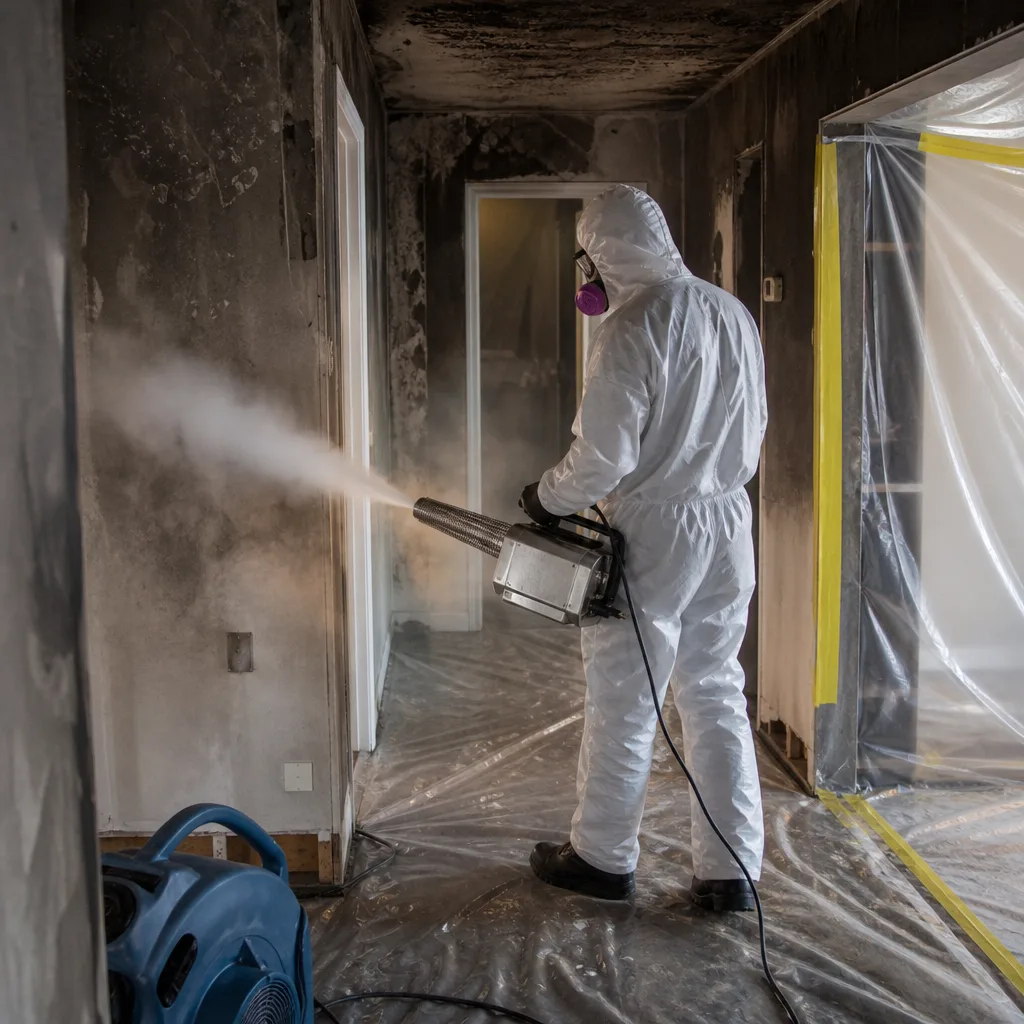
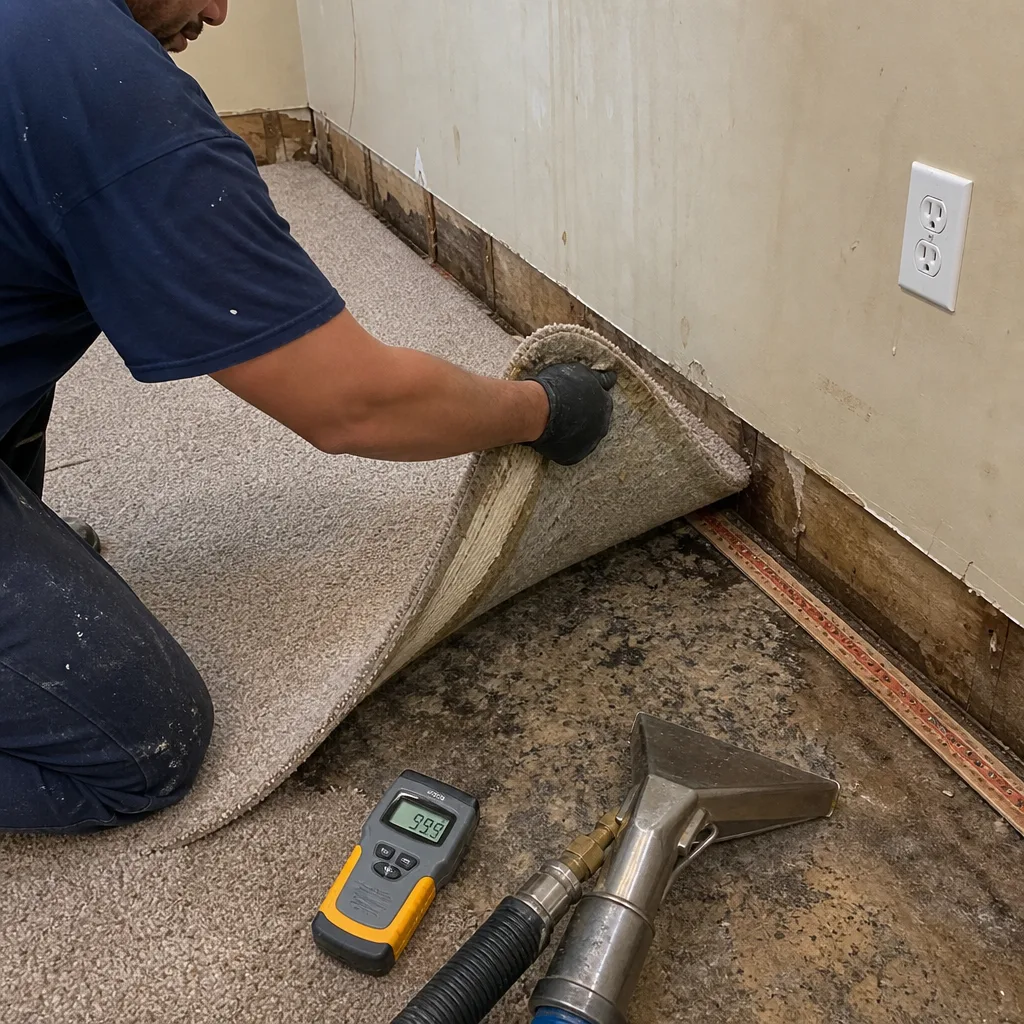
Carpet & Upholstery Cleaning
Some losses are small: a washing machine overflow, a sink backup caught early. When carpet and upholstery are salvageable, we clean and deodorize with professional extraction equipment. If the water carried sewage, we tell you straight that replacement is the only safe option.
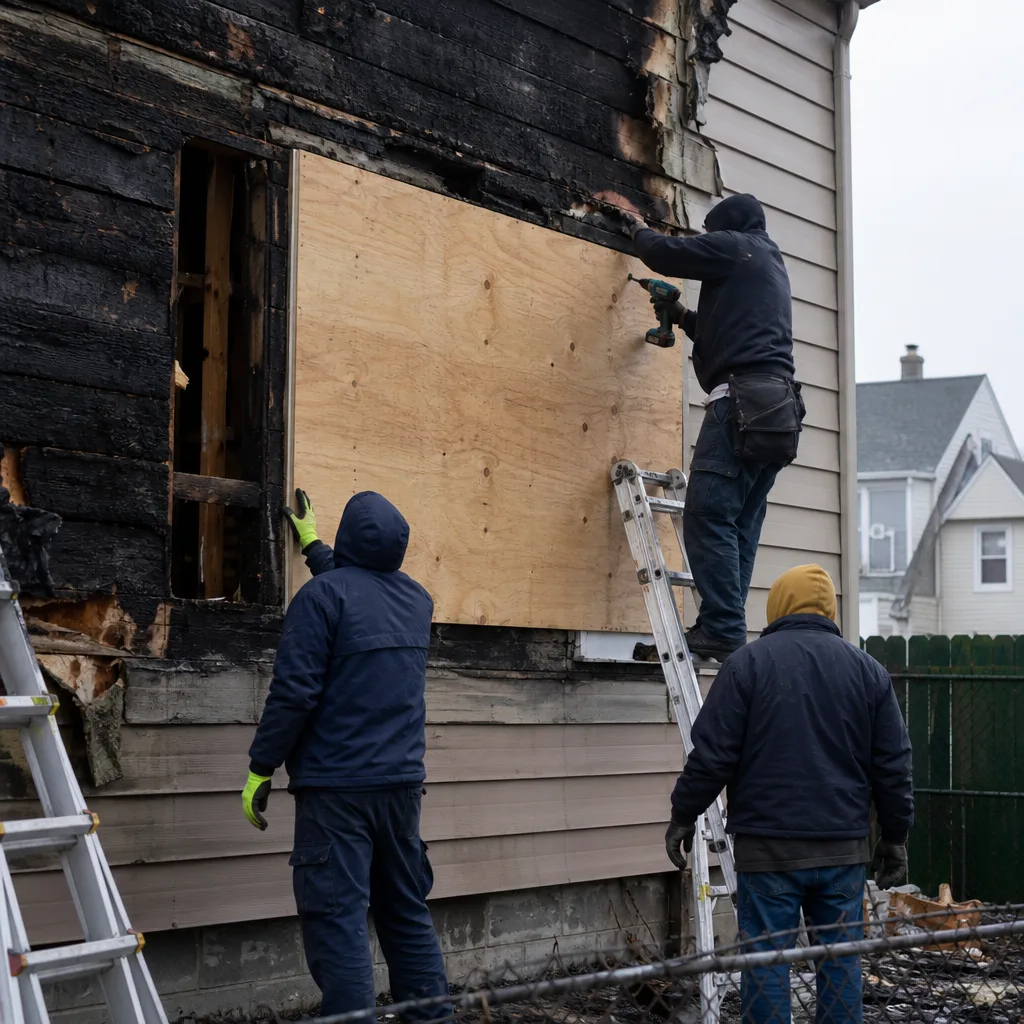
Post-Construction Cleanup
After the rebuild, we clean the dust, the debris, and the fine particles that settle into every corner of an older home. We run HEPA air scrubbers during most St. Albans reconstruction jobs anyway, which keeps dust from migrating through the rest of the house.
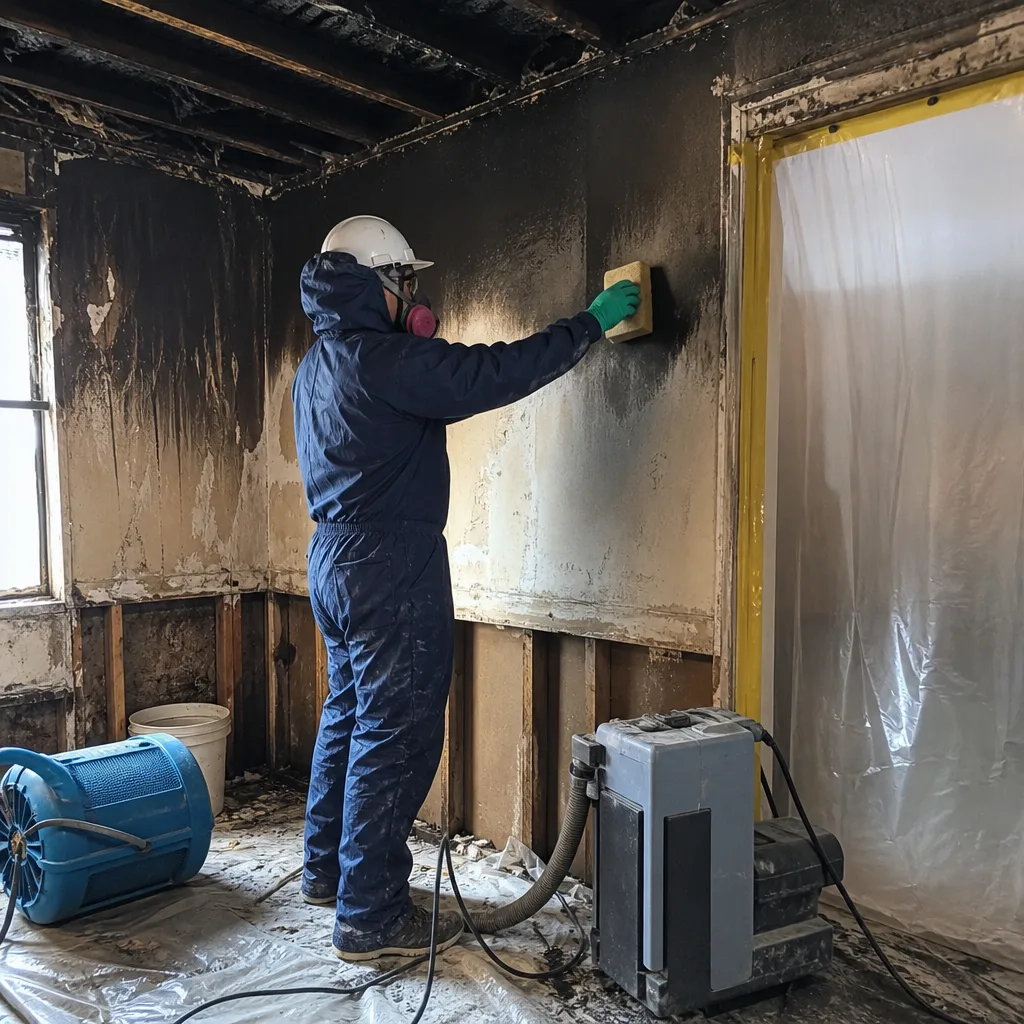
Insurance Claim Documentation
Every Floodline job in St. Albans includes a claim-ready documentation package. Photos, moisture logs, a line-item scope, and direct adjuster communication. This is the paperwork that makes the difference between a claim that stalls and one that pays.
What happens when you call
- 1
A real person answersNo phone trees - you reach a local pro.
- 2
You get an upfront price rangeHonest numbers before anyone is dispatched.
- 3
A background-checked tech heads outLicensed & insured, dispatched right away.
- 4
You approve before work beginsNothing starts until you say go.
Reconstruction & Cleanup Costs in St. Albans, NY
Expect real numbers, not vague ranges. A basic drywall and flooring repair in a St. Albans basement after a Category 1 water event runs $2,800-$5,500. A full basement rebuild with sewage contamination, asbestos abatement, and unpermitted-unit compliance work lands between $18,000 and $45,000, depending on square footage and finish level. Contents pack-out and cleaning adds $1,800-$6,000. Post-construction cleanup alone typically runs $800-$2,200. What moves the price most in St. Albans is what’s behind the walls: asbestos tile, lead paint, cast-iron drains, hidden finished rooms. Insurance covers much of this when it’s documented correctly. The free visual inspection gives you a firm, written scope before you commit to anything.
We Also Serve Cities Near St. Albans
Our crews are a short drive from St. Albans and regularly run jobs in Jamaica, Richmond Hill, Hollis, and Kew Gardens Hills. The same team, the same equipment, the same written guarantee. If you’re near the neighborhood and dealing with water, fire, or mold, call the same number and you’ll get the same response.
St. Albans Reconstruction & Cleanup Questions, Answered
Why does reconstruction in St. Albans basements often require asbestos testing before we can start drying?
Because most St. Albans homes were built between the 1940s and 1960s, and asbestos vinyl floor tile and asbestos-containing adhesives were standard materials then. Any demolition or even aggressive drying that disturbs those materials can release friable fibers. NYC DEP rules require testing before that happens. We test first, every time. Call (518) 627-5878 and we’ll explain exactly what your home is likely to need.
How do you handle a St. Albans basement that has an unpermitted apartment with water damage?
We document the finished space as it actually exists, not as the certificate of occupancy says it should. That means photos, moisture readings, and a scope of work that reflects the real rooms. Your adjuster gets a clear picture, and we coordinate with NYC DOB on any compliance questions before rebuild starts. This is standard work for us in St. Albans, not a surprise.
Can you dry out a St. Albans basement after repeated sewage backflow without removing all the drywall?
No, and any contractor who says otherwise is guessing. Category 3 water carries pathogens that saturate drywall and can’t be surface-cleaned. The drywall comes out, the studs get dried and treated, and new board goes up. Leaving contaminated drywall in place is how mold recurs months later. We tell you straight, and we back it with our 90-Day Done Right Promise.
Do St. Albans reconstruction jobs need special documentation for insurance because of the area’s sewer backup history?
Yes. Adjusters flag sewer-backup claims in southeastern Queens, and St. Albans has a documented history of combined-sewer overflows. Clean documentation changes the outcome: photos from the first hour, moisture logs, a line-item scope, and receipts for containment and antimicrobial treatment. We build that file automatically on every job.
Why do you recommend pack-out services for St. Albans basements with water damage?
Because St. Albans basements are often fully furnished, sometimes as rental units. You can’t run dehumidifiers and rebuild drywall around someone’s furniture and belongings. We pack everything out, clean and store it, and bring it back when the space is finished. It protects the contents and speeds up the reconstruction.
How fast can someone actually get to St. Albans?
Our live dispatcher is on the phone 24 hours a day, and we commit to a 45-minute response in St. Albans. In practice, crews are often closer. A flooded basement gets worse every hour, so call (518) 627-5878 as soon as you see water. We’ll be there.
How long does drying and reconstruction take in St. Albans?
Drying alone runs 3-7 days for most St. Albans basements, depending on saturation and the age of the materials. Full reconstruction after a sewage loss takes 2-6 weeks, longer if asbestos or lead abatement is required. We give you a written timeline as part of the scope, and you get daily moisture readings along the way.
Can we stay in the home during reconstruction?
Usually yes, unless the loss affects the only bathroom, kitchen, or entrance. For sewage losses or widespread mold, we may recommend staying elsewhere for a few days during demolition and drying. We’ll tell you honestly before work starts, not after.
Serving St. Albans, NY - Our Local Coverage Area
We’re based in the St. Albans area and know this community well. Use the map below to see our service coverage - if you’re nearby, we can almost certainly help.
Call Floodline Restoration Co. for Reconstruction & Cleanup in St. Albans
One number reaches a live person, any hour: (518) 627-5878. We’ll walk you through what you’re seeing, schedule a free visual inspection, and give you a written scope before any work begins. In St. Albans, that’s how the job should go. Done right, and backed in writing.
Written by Curt Bowman, Owner at Floodline Restoration Co., serving St. Albans with certified crews and a 90-Day Done Right Promise.