
Free visual inspection and a written scope of work before any mitigation begins - photos, moisture readings, and drying logs go in your claim file
The scope we write is the scope we bill. Anything new gets shown to you, in writing, before we touch it.
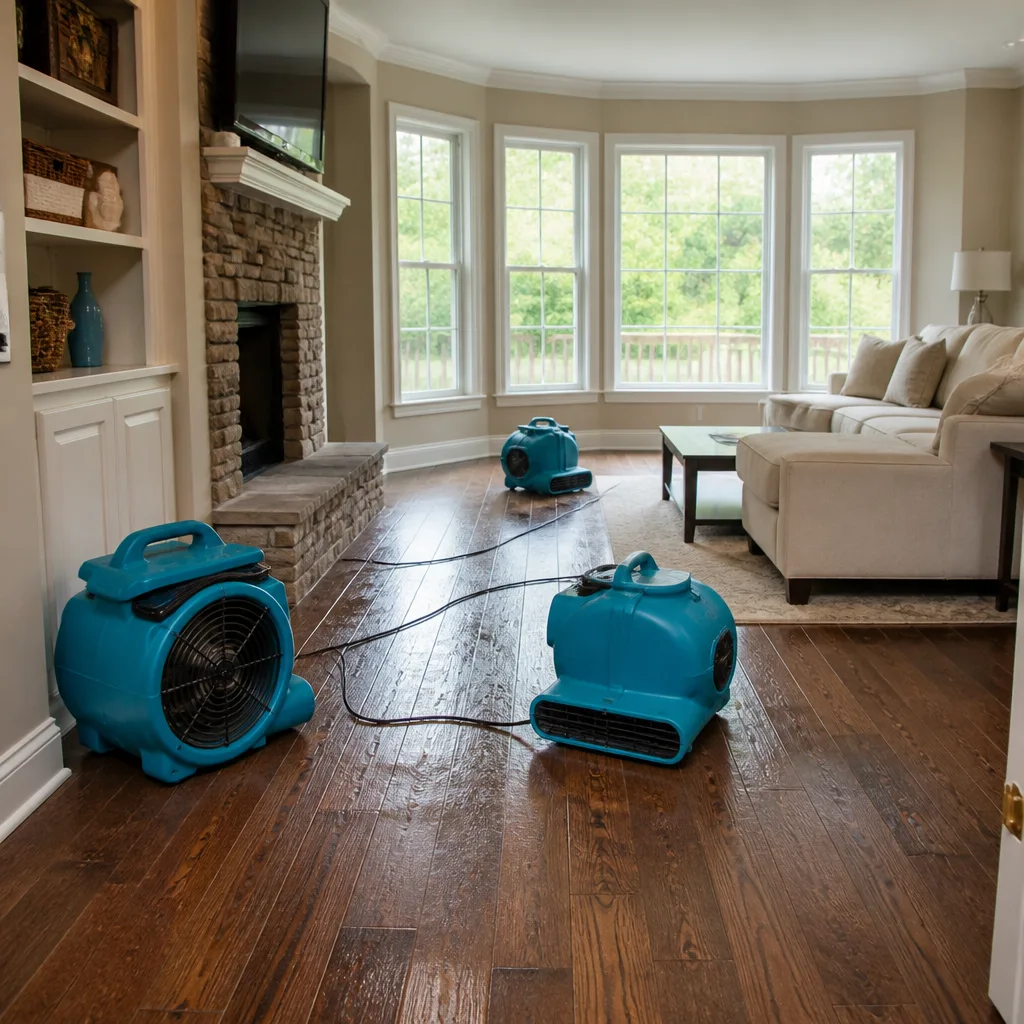
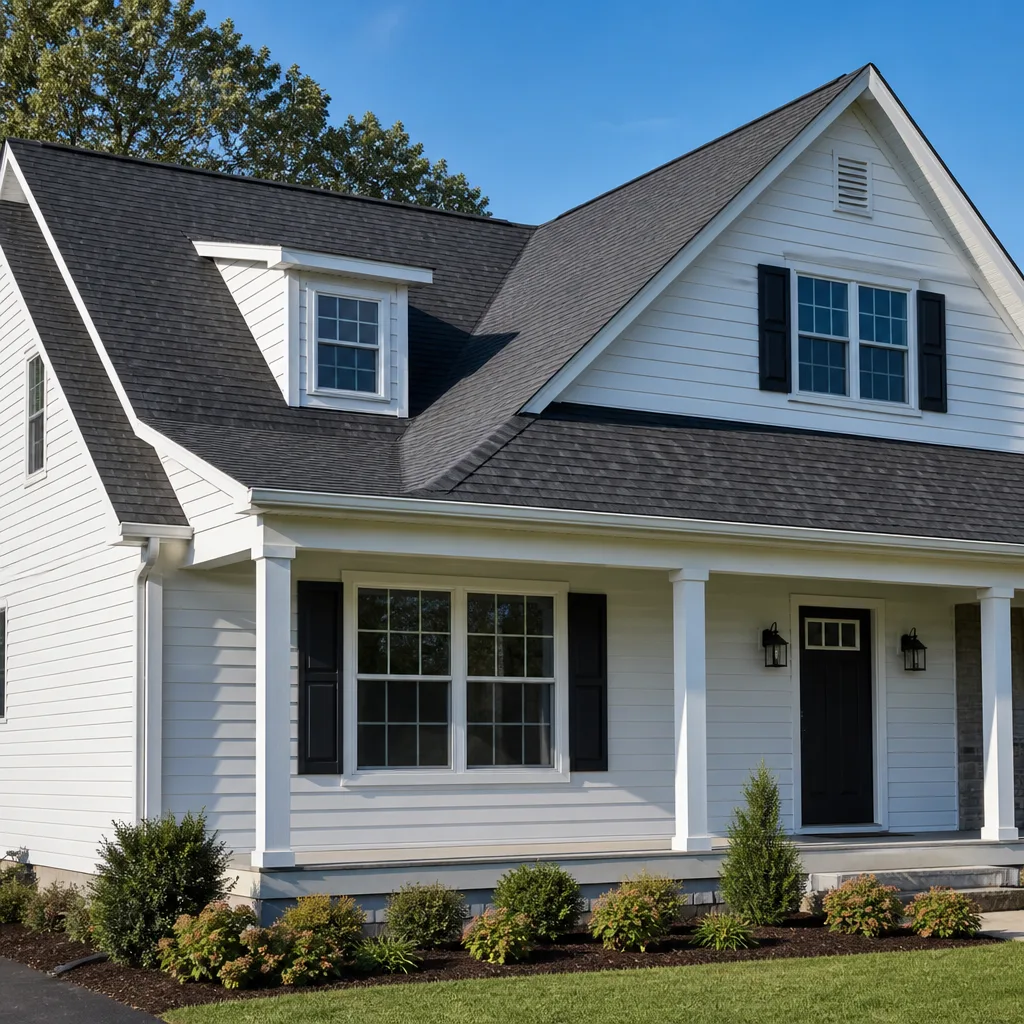
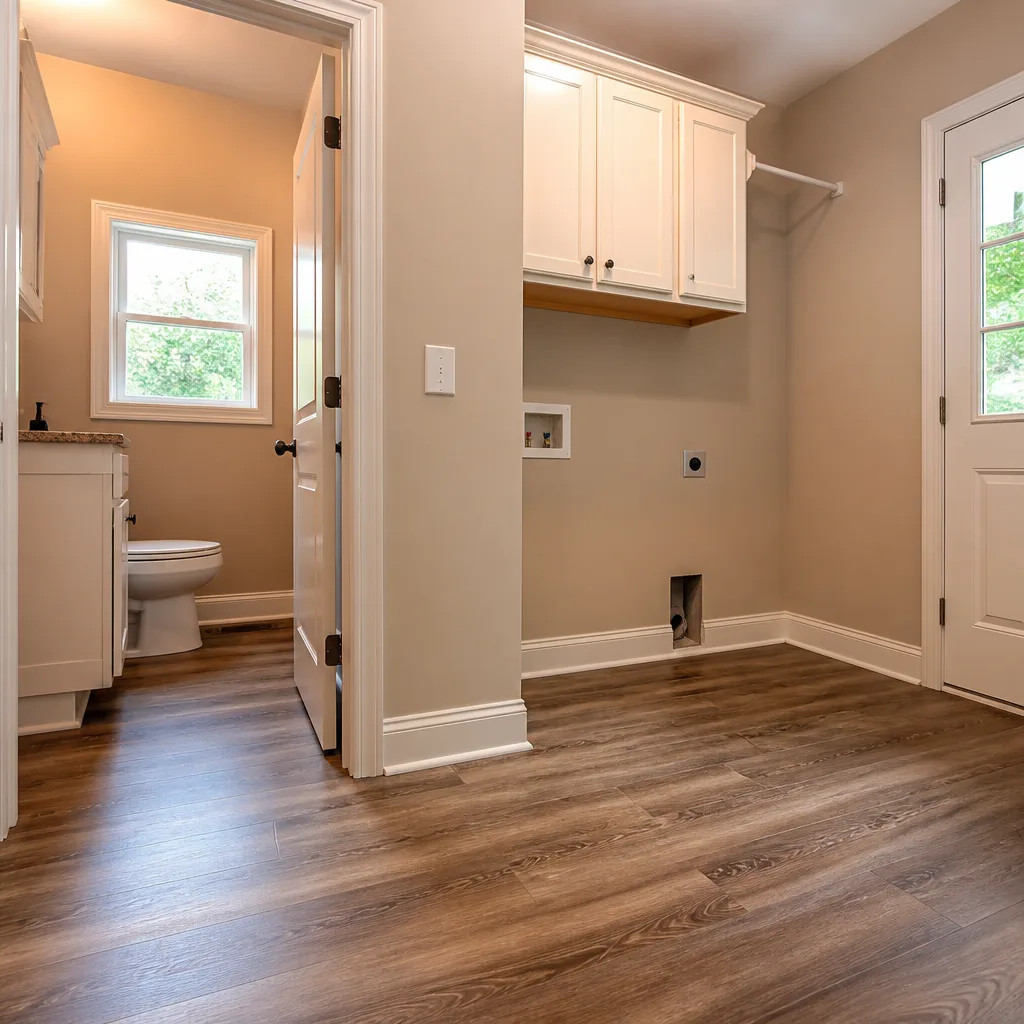
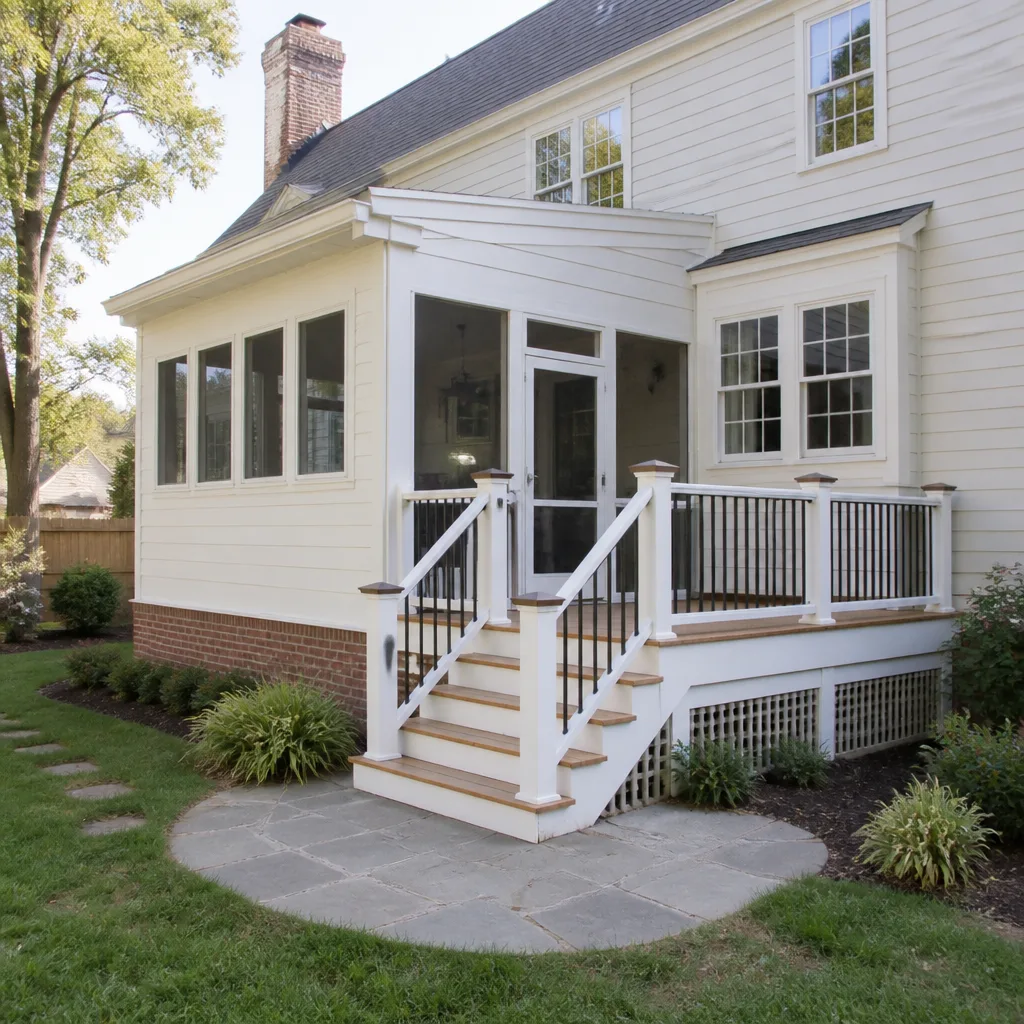
 Before
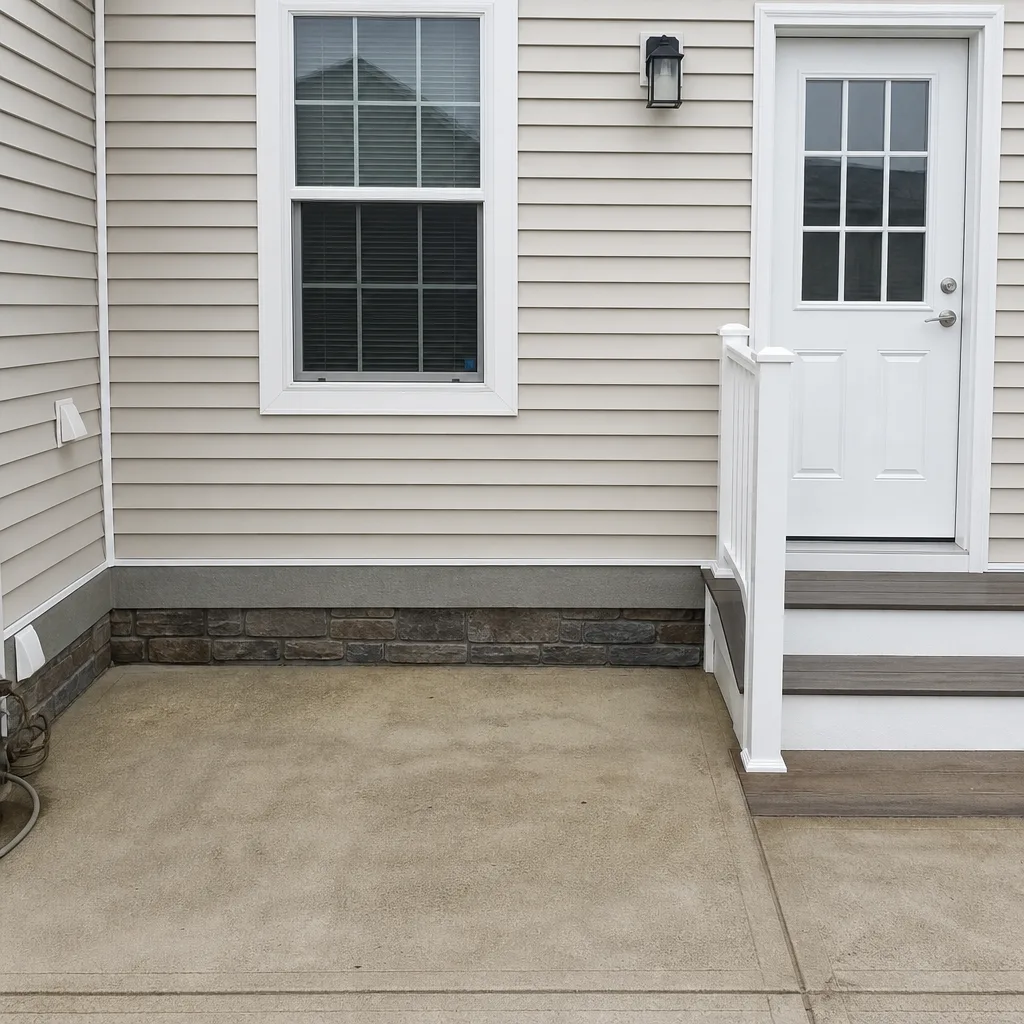 After
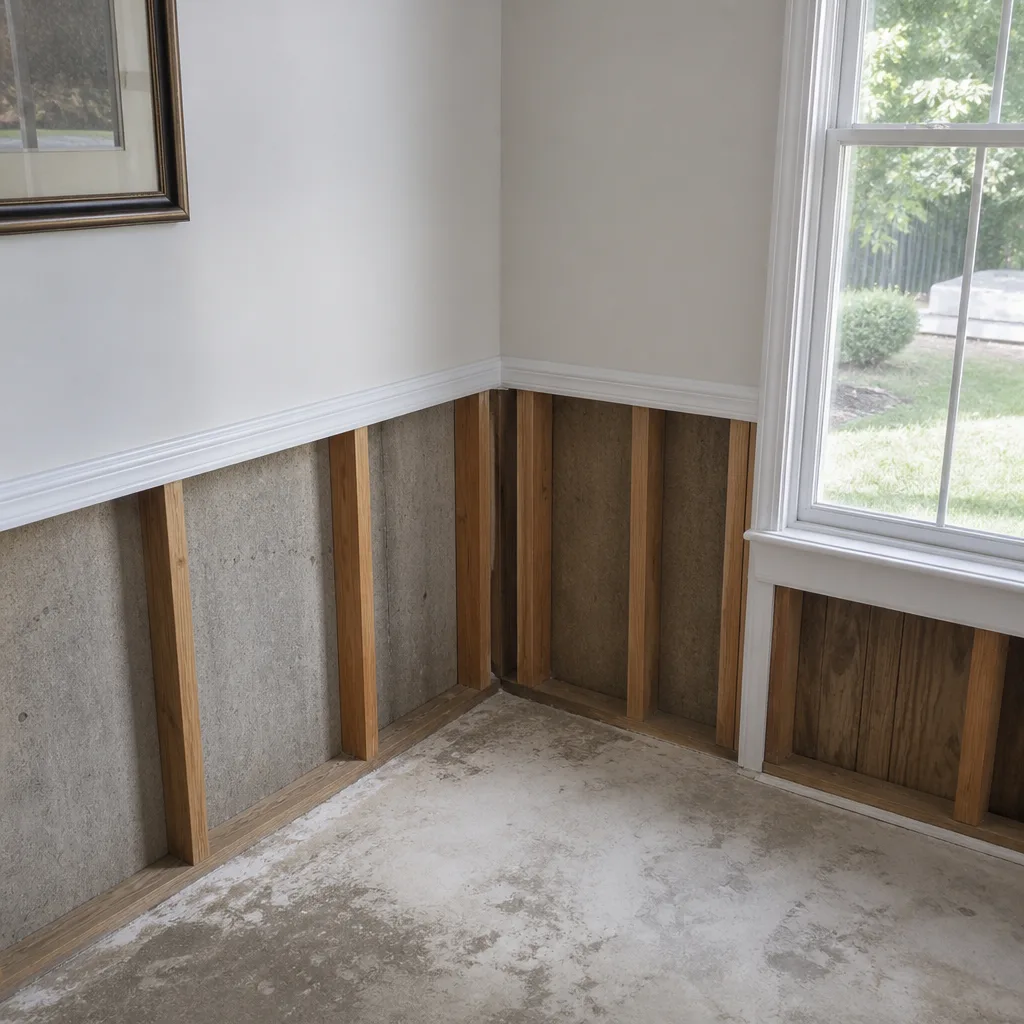
After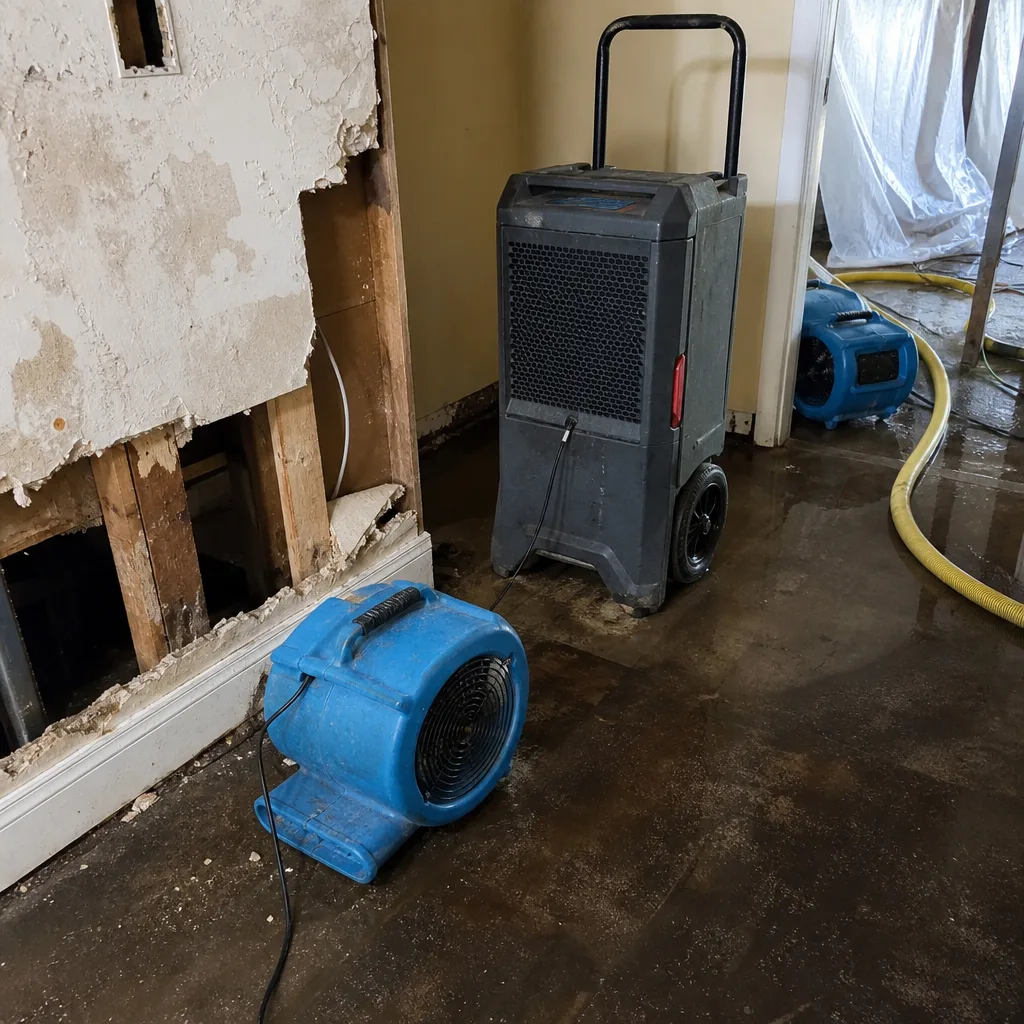 Before
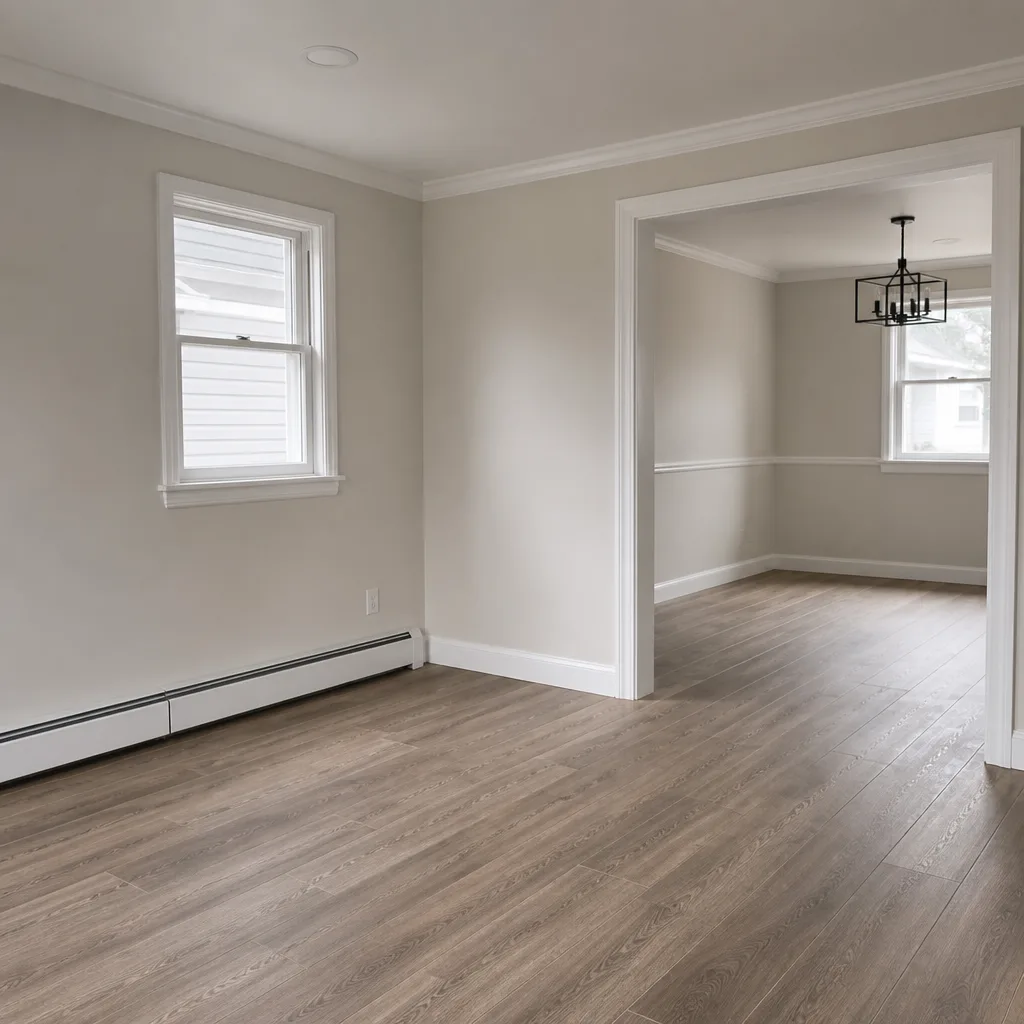 After
After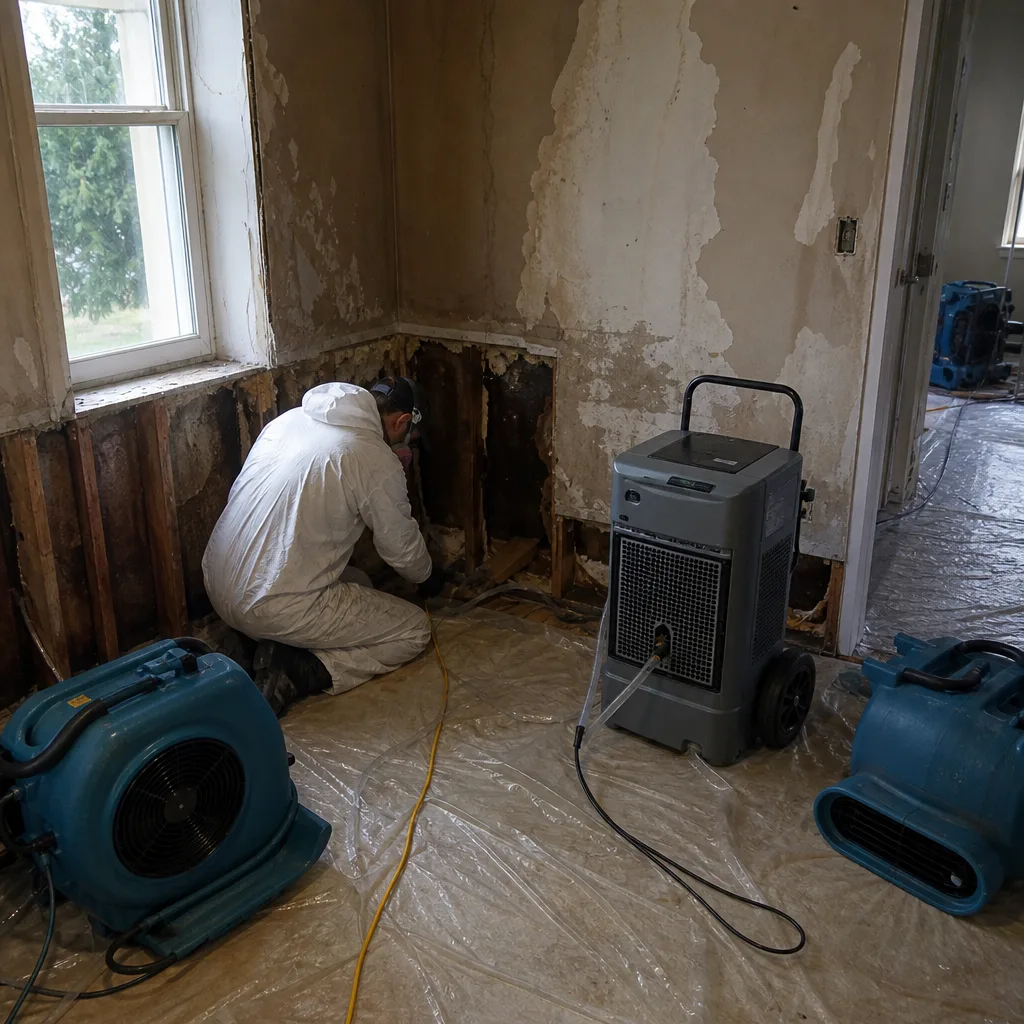 Before
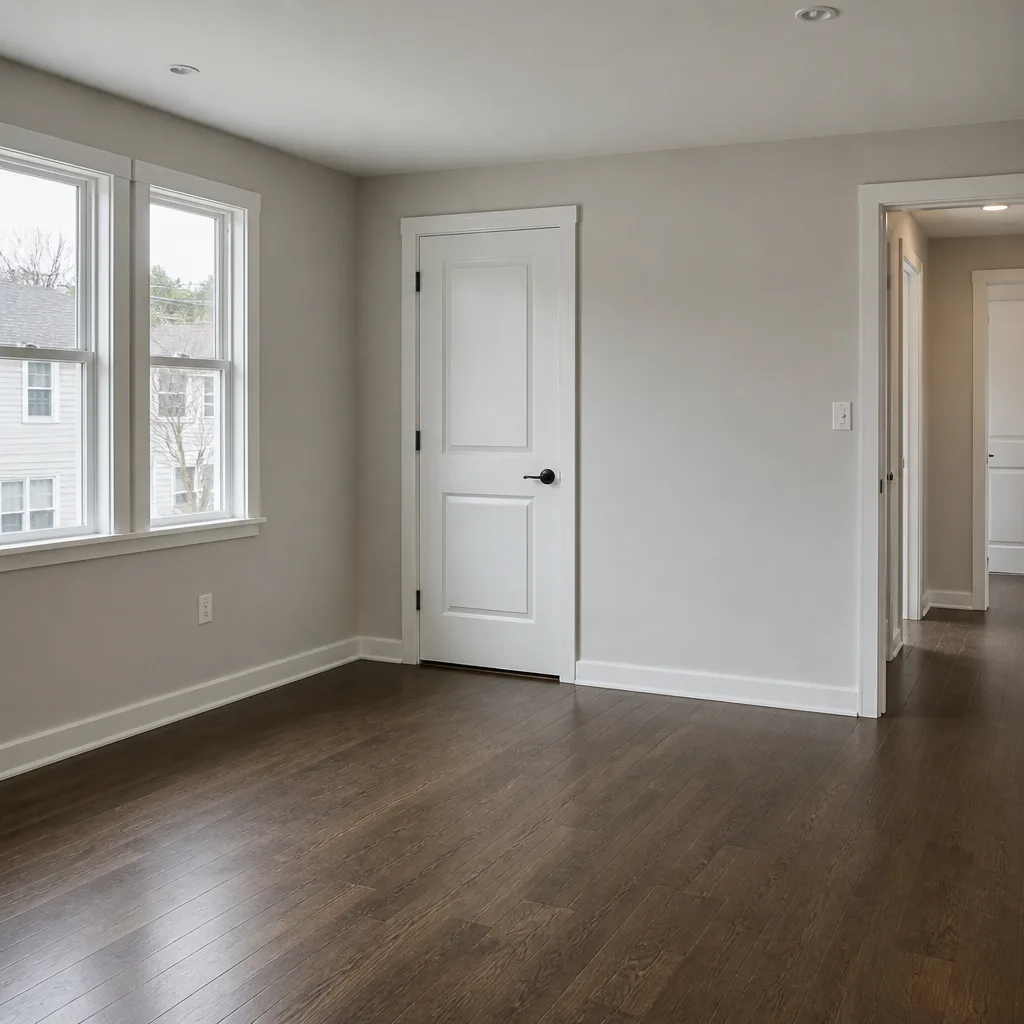 After
After24/7 Emergency Sewage Cleanup in Forest Hills
A sewage backup in Forest Hills needs a crew now, not a callback tomorrow morning. Category 3 water carries bacteria, parasites, and viruses that spread through flooring, baseboards, and drywall within hours. Our live dispatchers answer at 2 a.m. the same way they answer at 2 p.m., and a certified crew can be rolling toward your block within 45 minutes of your call to (518) 627-5878. The first hour determines whether you’re dealing with a cleanup or a rebuild, and in Forest Hills’s pre-war housing stock, that hour matters more than most places.
We start with a free visual inspection, then set containment so the contamination stays where it is. No waiting through a phone tree. No “we’ll slot you in Thursday.” Just a live person and a plan.
Understanding Sewage Cleanup Severity in Forest Hills Properties
Not all sewage water is the same, and Forest Hills’s building stock makes the distinctions sharper. Clean water from a burst supply line is Category 1. Gray water from a washing machine overflow is Category 2. Raw sewage from a backed-up cast-iron stack or a failed ejector pump is Category 3, the most dangerous class, and it’s the one we see most often in the neighborhood’s older buildings. Category 3 water saturates porous materials fast: the lath behind original plaster in a Forest Hills Gardens Tudor, the subfloor beneath a Queens Boulevard co-op bathroom, the crawl space under a pre-war colonial off Austin Street.
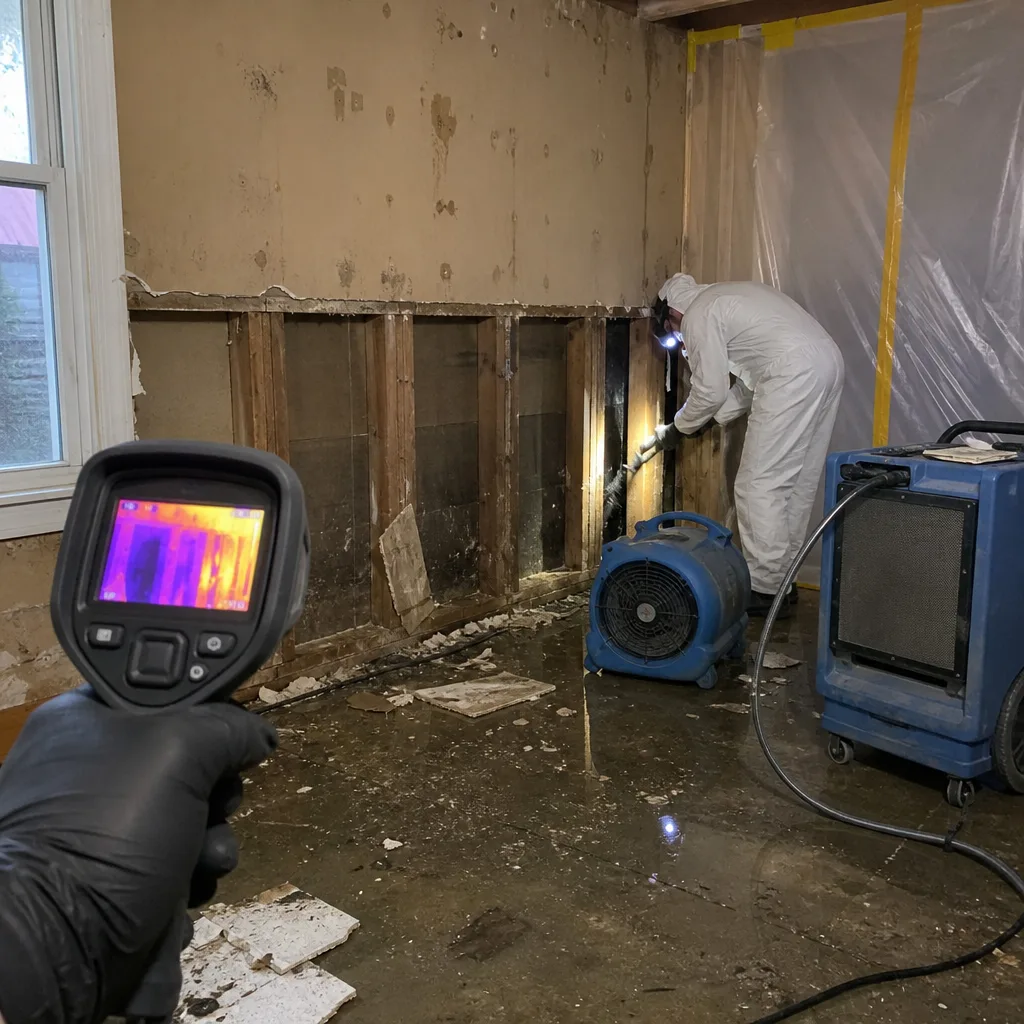
Moisture mapping with thermal imaging and penetrating meters tells us how far the contamination has traveled, not just where it pooled. In a 1930s lath-and-plaster wall, sewage can wick upward six inches behind the baseboard while the surface looks dry. That hidden migration is how a small toilet overflow becomes a wall replacement and a mold problem weeks later. We log daily readings until the structure hits the dry standard, not until the surface feels dry to the touch.
Why Forest Hills Property Owners Choose Floodline Restoration Co.
- 45-minute response commitment: We dispatch from our New York City office with crews staged for Forest Hills routes, and we’ll be moving toward your door within the hour of your call.
- A real person answers, 24/7: Live dispatchers, every shift, every day. You’ll never leave a voicemail that gets returned “first thing Monday.”
- IICRC-certified crews: Our technicians hold WRT and FSRT certifications and train to RIA and IFA standards before they ever enter your home.
- Free visual inspection: We assess the loss, explain what we found in plain language, and give you a written scope before equipment rolls in.
- Direct insurance billing: We communicate with your adjuster, provide documentation, and bill the carrier directly. You don’t play messenger.
- One team, start to finish: The same Floodline crew that extracts the sewage handles drying, sanitization, and reconstruction. No mid-job handoff to a subcontractor you’ve never met.
Our Sewage Cleanup Process
Inspection & Assessment
We walk the loss with you, map the moisture, and identify the source. A written assessment tells you exactly what we found, what needs extraction, and what can be saved. You approve the scope before any work begins.
Extraction & Stabilization
We remove standing sewage using truck-mounted and XPOWER extraction units, then isolate the affected area with containment barriers. Stabilization stops the contamination from spreading through doorways, ducts, and stairwells.
Drying & Dehumidification
Professional-grade B-Air dehumidifiers and air movers run continuously, with daily moisture readings logged against the dry standard. In a Forest Hills co-op, we coordinate hallway access with the board so equipment placement doesn’t block neighbors.
Cleaning & Sanitization
Every affected surface is cleaned with an antimicrobial treatment appropriate for Category 3 water exposure. We dispose of contaminated porous materials under containment, not carried through the rest of your home.
Specialty Treatment
Crawl spaces get vapor barriers and encapsulation after sewage removal. In Forest Hills Gardens homes, we document original plaster and tile conditions before any invasive drying so landmark repair requirements are clear from day one.
Repairs & Restoration
Our Reconstruction & Cleanup in Forest Hills team rebuilds what was removed: framing, drywall, flooring, trim, and paint. The same crew that opened the wall closes it, and the 90-Day Done Right Promise covers the finished work in writing.
Need Emergency Sewage Cleanup in Forest Hills Now?
Crews minutes away, answering live 24 hours a day. The sooner we start, the less it costs.
Working With Your Insurance Company
Sewage backup coverage in New York depends on your policy: some carriers include it by default, others require a rider, and most have dollar limits. We deal with adjusters every week on Forest Hills losses, and we know what documentation moves a claim forward. From the first hour, we photograph every affected room, log moisture readings, and build a line-item scope your adjuster can read without a restoration dictionary. We bill the carrier directly when coverage applies, and we’ll tell you straight if a repair falls outside your policy or under your deductible before you spend a dollar.
What We Provide Your Insurer
- Thorough documentation of the loss
- Photos of all damage, room by room
- Moisture readings and drying logs
- A detailed, line-item scope of work
- Direct coordination with your carrier
Built for Forest Hills’s Loss Calendar
Forest Hills sees sewage losses on a schedule that follows the weather and the age of its pipes. January deep freezes crack aging supply lines and cast-iron waste stacks in buildings that have been through fifty winter cycles. Spring thaw saturates the clay-heavy Queens soil, and hydrostatic pressure pushes against foundation drains, introducing groundwater into basements where floor drains have long stopped working. Summer thunderstorms dump an inch of rain in an hour, overwhelming the neighborhood’s storm sewers where impervious surface leaves runoff with nowhere to go. And the memory of Hurricane Ida in September 2021 is still fresh: finished basements across Forest Hills filled with a mix of storm water and raw sewage in a single night.
Nor’easters add another layer, driving wind-blown rain into the cracked mortar and failing sealants common in the pre-war brick co-ops along Queens Boulevard. Water finds the path of least resistance, and in buildings where cast-iron stacks have been corroding since the 1930s, that path usually runs through someone’s bathroom ceiling.
We’ve never forgotten that a call to Sewage Cleanup usually comes at the worst possible moment: a holiday, a midnight shower, the morning you were supposed to host family. That’s why our dispatch never closes, and why our crews know Forest Hills streets well enough to park a truck on Queens Boulevard without spending forty minutes circling.
Sewage Cleanup Across Forest Hills’s Neighborhoods
Forest Hills is really several different restoration challenges in one zip code, and the approach varies block by block. In Forest Hills Gardens, we work around landmark constraints that don’t exist anywhere else in Queens: a sewage backup behind original lath-and-plaster walls of a 1920s Tudor means the NYC Landmarks Preservation Commission and the Forest Hills Gardens Corporation may both need documentation before we remove a single board. We photograph, log, and submit. That’s the job.
Along Queens Boulevard, the pre-war co-ops present a different problem: coordination. A clogged stack on the sixth floor floods units on five, four, and three, and access requires board approval, hallway containment, and careful staging of drying equipment so residents aren’t climbing over hoses. We’ve done enough of these to know the supers’ names and the parking tricks.
The blocks near Austin Street and 71st Avenue have their own pattern: older single-family homes with finished basements, tight side alleys, and floor drains that haven’t been snaked in a decade. Sewage backs up during heavy rain, and by the time the homeowner notices the odor, the finished basement carpet is wicking Category 3 water up the drywall. Farther east toward Yellowstone Boulevard, post-war garden apartments share horizontal waste lines, so one unit’s blockage can surface in three different buildings on the same block.
Then there’s the area around Forest Hills High School and the LIRR station, where mixed commercial-residential buildings add a layer of tenant-landlord coordination to even a straightforward toilet overflow, a common scenario for Forest Hills Commercial Restoration. Each of these contexts requires a different staging plan, a different access strategy, and a different relationship to the people who control the doors.
Specialized Sewage Cleanup Services We Offer in Forest Hills
Sewage Backup Cleanup
A backed-up waste line in a Forest Hills pre-war building pushes sewage up through floor drains, tubs, and toilets. We extract, contain, and remove contaminated materials, then dry the structure to the standard your insurer will accept. In co-op buildings, we stage containment in the hallway so the work never exposes neighbors.
Toilet Overflow Cleanup
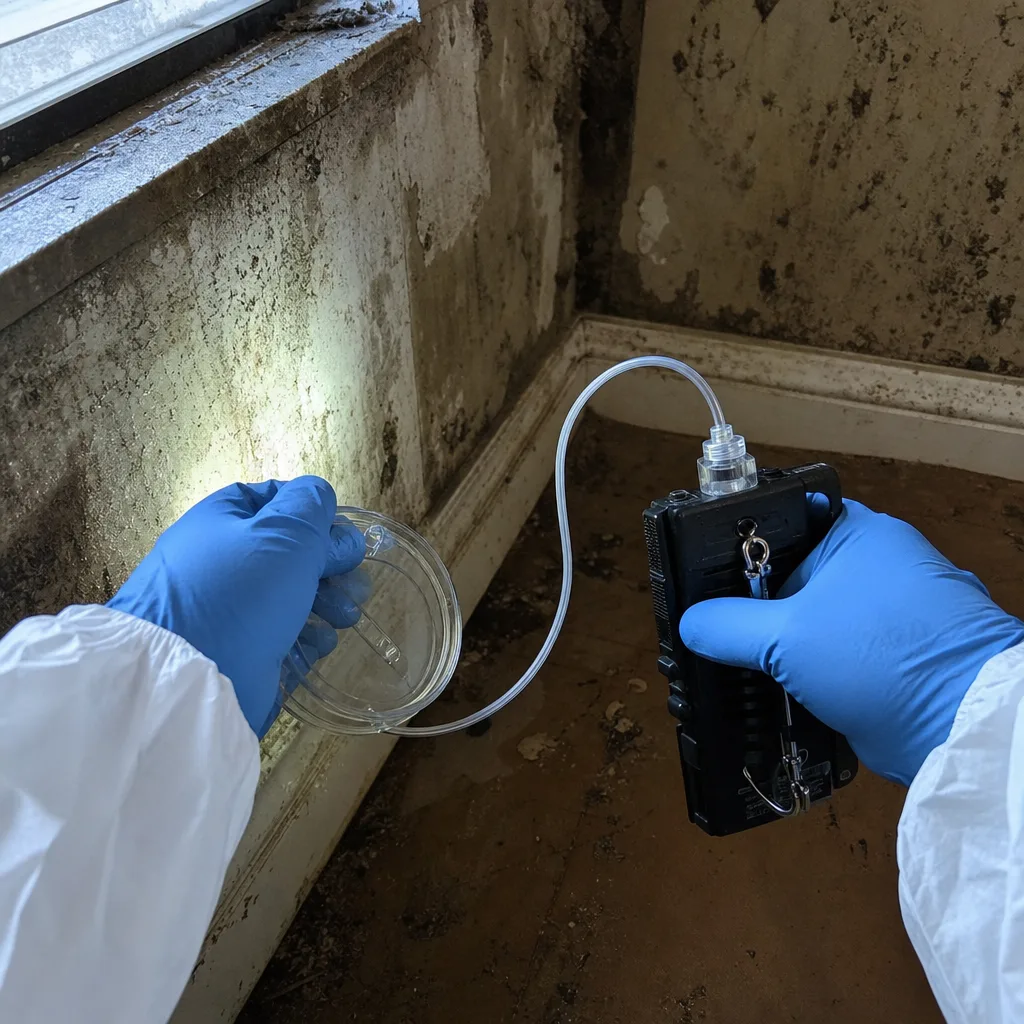
Toilet overflows run on a spectrum from clean water to Category 3. We assess what actually overflowed and treat the space accordingly, not by default at the worst-case cost. In a Forest Hills Gardens bathroom with original tile, that assessment determines whether we can save the floor or document removal for LPC review.
Septic Failure Cleanup
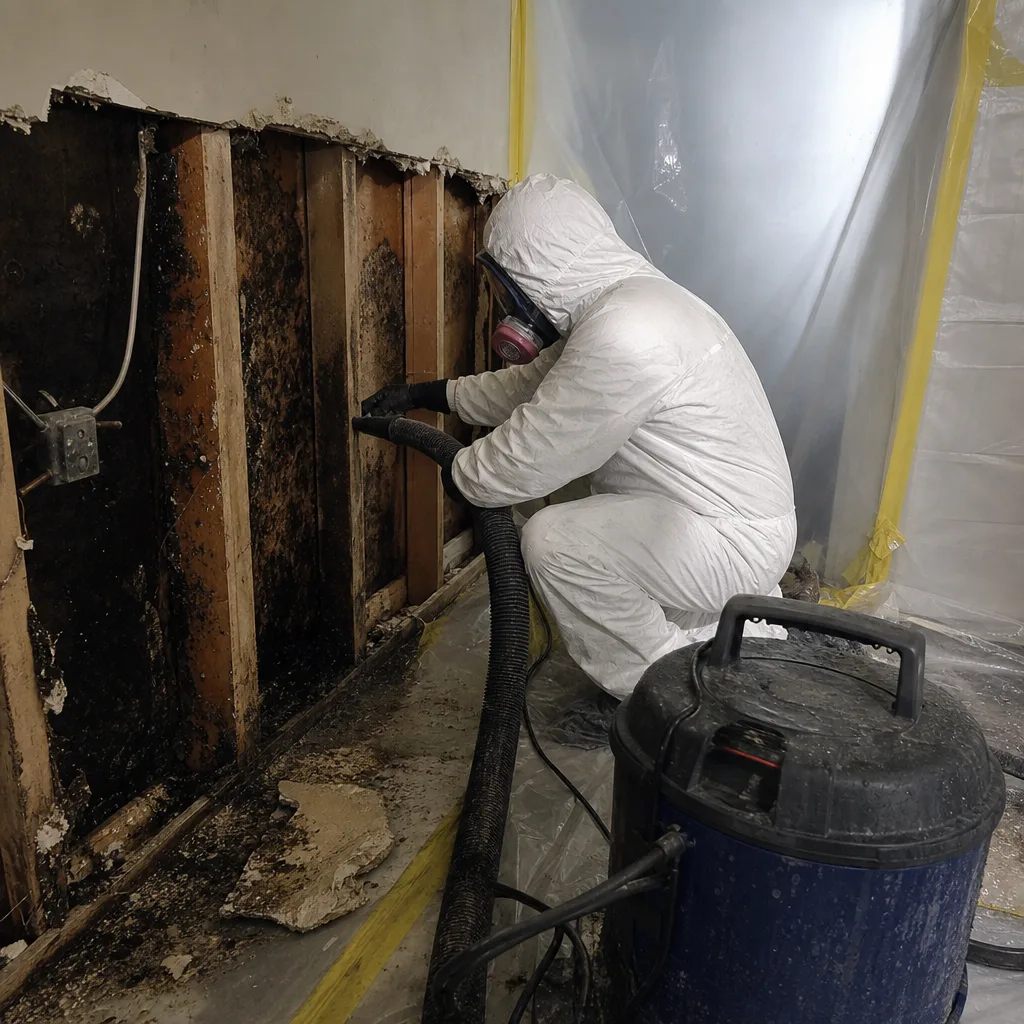
Septic systems are rare inside the 11375 zip code, but some older properties near the neighborhood’s edges still rely on them. A failed septic field backs sewage into the home through the lowest drains. We handle the interior contamination and coordinate with your septic contractor on the exterior repair.
Black Water Extraction
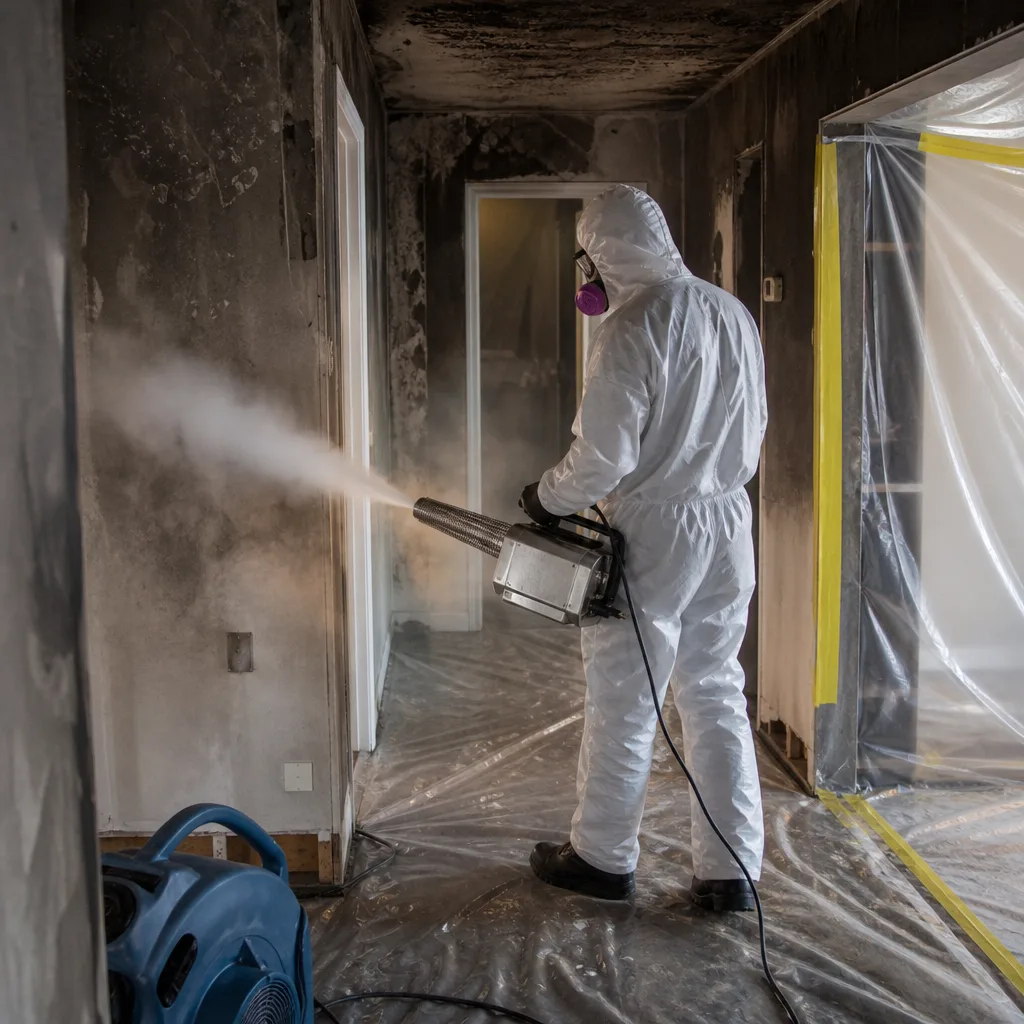
Category 3 water extraction is the core of what we do. We use truck-mounted extractors and Injectidry systems to pull sewage out of carpet, padding, subfloor, and wall cavities. The extraction phase determines how much of your home gets saved, and we treat it as the most important hour of the job.
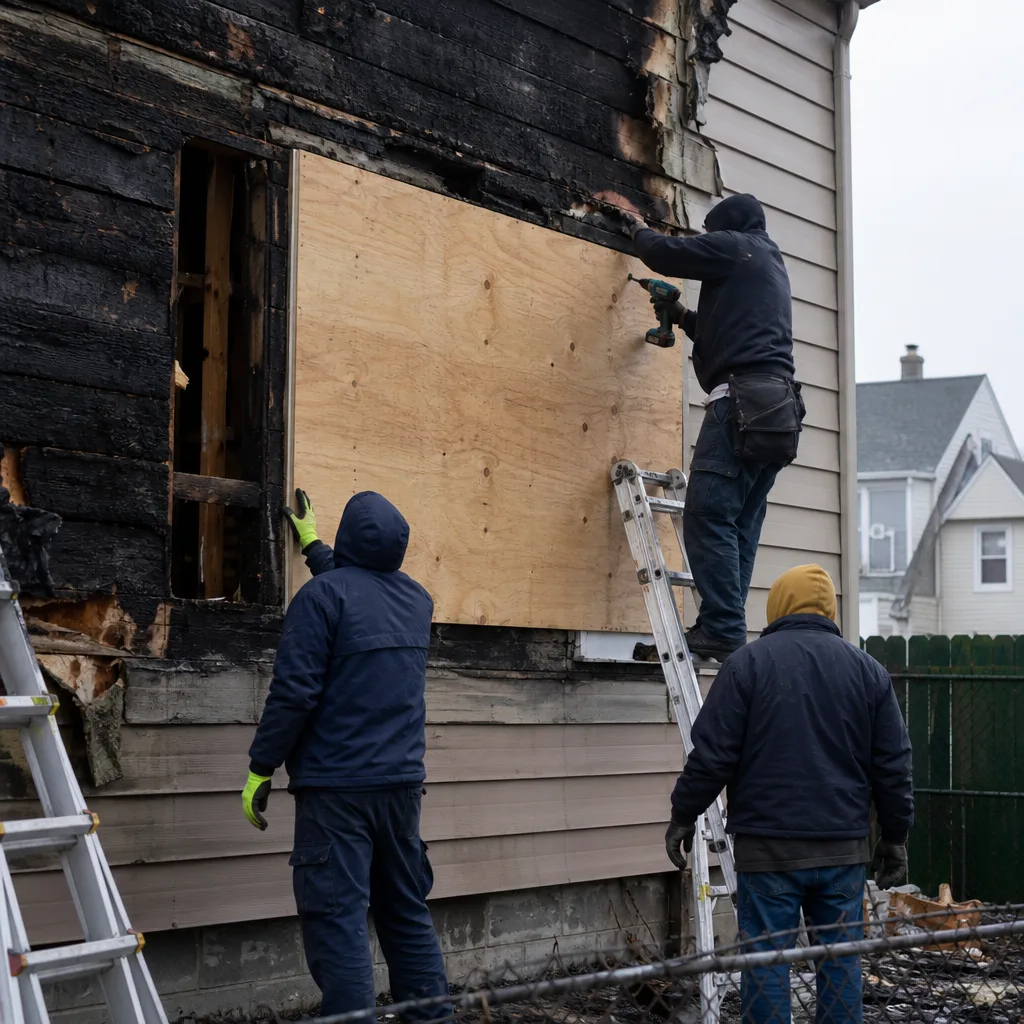
Sanitization & Disinfection
After extraction and drying, every affected surface receives our Sanitization Services in Forest Hills, an EPA-registered antimicrobial treatment appropriate for sewage exposure. We don’t mask odors with fragrance. We remove the contaminated material and sanitize what remains.
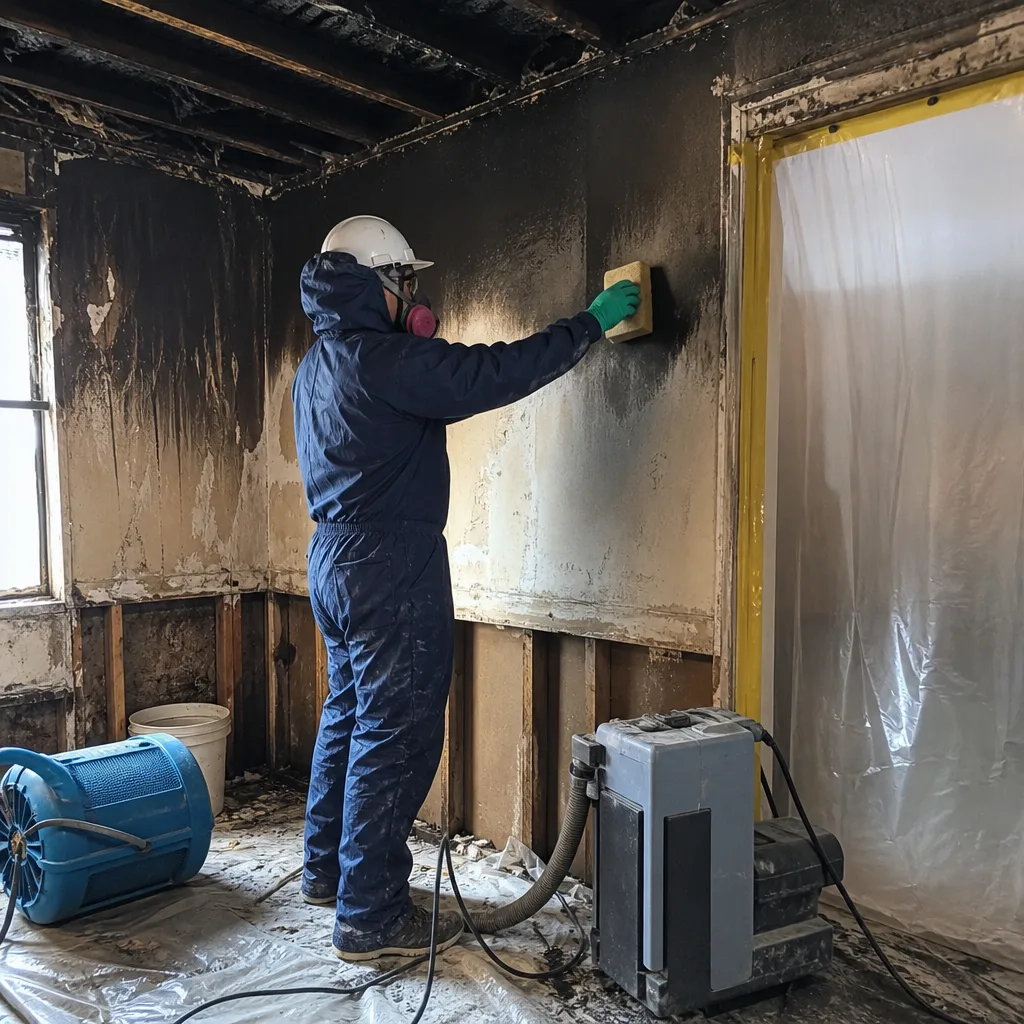
Crawl Space Sewage Removal
Crawl spaces under Forest Hills homes trap sewage in a low, confined space that most crews don’t want to enter. We do. We remove contaminated soil, dry the cavity, and install a vapor barrier so the space doesn’t re-contaminate the living area above it.
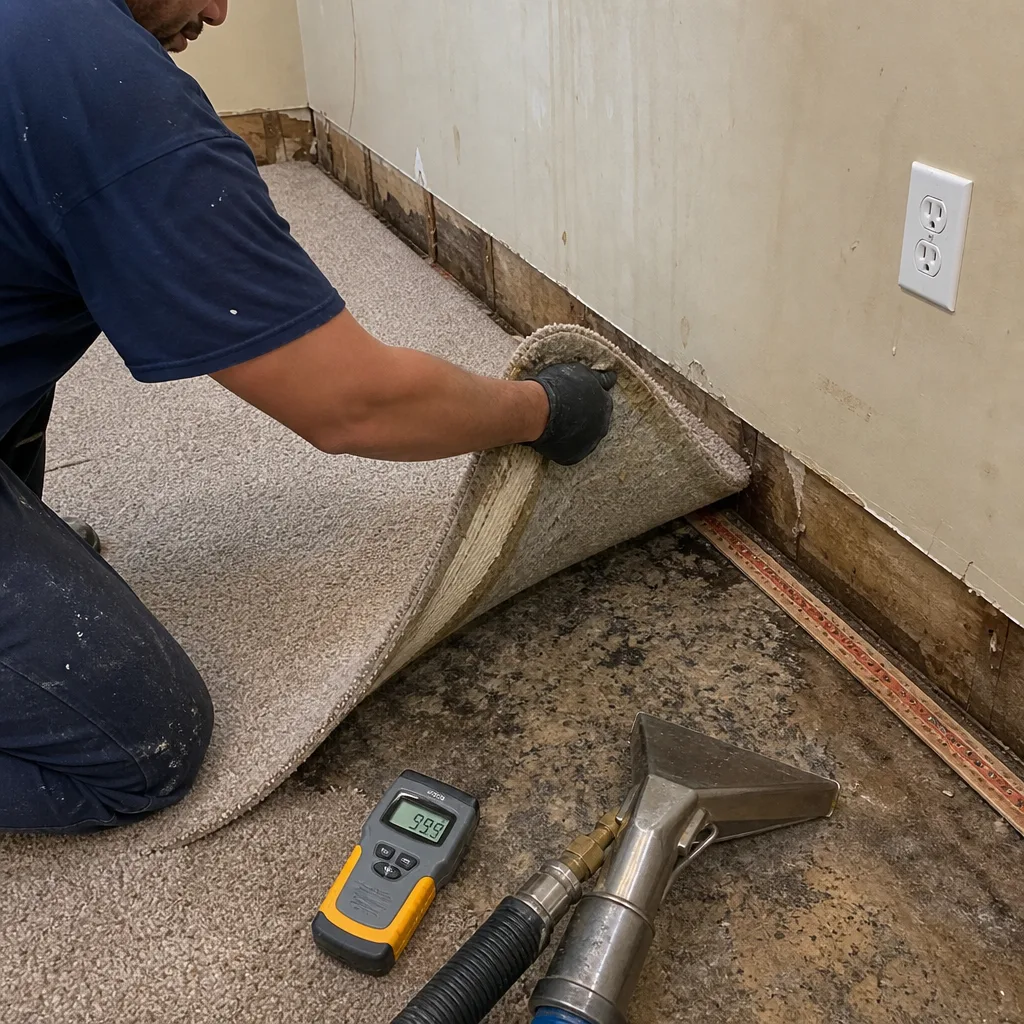
What happens when you call
- 1
A real person answersNo phone trees - you reach a local pro.
- 2
You get an upfront price rangeHonest numbers before anyone is dispatched.
- 3
A background-checked tech heads outLicensed & insured, dispatched right away.
- 4
You approve before work beginsNothing starts until you say go.
Sewage Cleanup Costs in Forest Hills, NY
Most sewage cleanup jobs in Forest Hills run between $2,800 and $7,500, depending on the spread of contamination and the materials that need removal. A contained toilet overflow in a single bathroom with tile flooring might sit at the low end. A cast-iron stack backup that floods three rooms, saturates drywall, and forces carpet and pad removal in a finished basement can reach $15,000 or more, especially if the rebuild involves plaster matching in a Forest Hills Gardens home.
What moves the price: the category of water (Category 3 always costs more than Category 1), how far the moisture wicked into walls and flooring, whether containment is needed to protect unaffected rooms, and the access constraints of your specific building. An alley-load entrance with no parking for drying equipment adds labor hours, and we’ll tell you that before you sign anything. Insurance typically covers sewage backup only if the policy includes it, and many Forest Hills co-op owners carry separate riders through their board’s master policy. Call us at (518) 627-5878 for a free visual inspection and a firm written scope. Estimates don’t require a deposit, and the scope doesn’t change unless we find something hidden behind the walls.
We Also Serve Cities Near Forest Hills
Our crews work the same streets you drive. We serve Sewage Cleanup in Forest Hills and the surrounding communities of Richmond Hill, Woodhaven, Fresh Meadows, and Ozone Park. Same 45-minute response commitment, same written guarantee, same live dispatcher on the line when things go wrong at 3 a.m.
Serving Forest Hills, NY - Our Local Coverage Area
We’re based in the Forest Hills area and know this community well. Use the map below to see our service coverage - if you’re nearby, we can almost certainly help.
Forest Hills Sewage Cleanup Questions, Answered
What’s your actual response time to Forest Hills?
We commit to dispatching a crew within 45 minutes of your call, and in Forest Hills we’re usually inside that window. Our New York City office coordinates crews staged across Queens, so a truck is typically 20 to 35 minutes from your door. Call (518) 627-5878 and a live dispatcher gives you a real ETA based on the crew’s current location, not a call-center guess.
Do sewage cleanup jobs in Forest Hills Gardens require approval from the NYC Landmarks Preservation Commission?
Often, yes. If sewage damage affects original plaster, historic tile, or any material visible to a landmark reviewer, the Forest Hills Gardens Corporation requires documentation before removal, and the LPC may require a permit for the repair work that follows. We photograph everything before we cut, submit the paperwork, and build the rebuild plan around material-matching requirements. This adds time and cost, and any honest contractor will tell you that before the first hole is opened.
Do I need co-op board permission before you start sewage cleanup in a Queens Boulevard apartment building?
You need access, and in a co-op that usually means board or managing agent sign-off, especially when we run drying equipment through hallways or set containment outside your unit’s door. We’ll coordinate with your super and managing agent so the work starts as fast as the building allows. The cleanup inside your unit can begin while the paperwork moves.
Does my insurance cover sewage backup in Forest Hills?
Depends on your policy. Many standard New York homeowners policies exclude sewage backup unless you’ve added an endorsement, and co-op owners often have coverage split between their walls-in policy and the building’s master policy. We’ll review your policy language with you during the inspection, document the loss to your carrier’s standard, and bill directly when coverage applies.
What’s different about drying out a finished basement in Forest Hills after a sewage backup from the 2021 Ida flooding?
Ida flooded basements with storm water mixed with street runoff and sewage, and many Forest Hills homeowners learned the hard way that a basement that “felt dry” a week later was still wet behind the walls. The clay-heavy soil around the neighborhood’s foundations holds moisture long after surface water drains, so drying takes longer and needs daily moisture readings, not a touch test.
How do you handle the narrow alley-load entrances and limited parking when bringing in drying equipment?
We stage equipment based on the actual clearance. In Forest Hills, that often means smaller XPOWER air movers for tight alley doors, dehumidifiers staged in a single parking space with a spotter, and hoses run above head height along side walls. We’ve done enough Queens Boulevard co-op jobs to know which streets have hydrant zones and which alleys can’t fit a van.
Can you match original materials if sewage cleanup damages historic plaster or tile in a Forest Hills Gardens home?
Yes. Our reconstruction team sources lime-based plaster and period-appropriate tile through the same suppliers that serve the Gardens’ restoration contractors. The material-matching adds lead time, and the LPC review adds more. We account for both in the written scope so you’re not surprised mid-project.
Can my family stay in the home during sewage cleanup?
Not in the affected area. Category 3 water is a health risk, and we’ll set containment to isolate the contamination while you remain in unaffected parts of the home. In a Forest Hills co-op, that usually means staying out of one bathroom and hallway while we work. If the contamination reaches HVAC ductwork or a shared stairwell, temporary relocation may be the safer call, and your adjuster needs to know right away. We’ll document the conditions to support that conversation.
Written by Curt Bowman, Owner at Floodline Restoration Co., serving Forest Hills and the wider Queens community with a live dispatch desk and the 90-Day Done Right Promise in writing.