
Free visual inspection and a written scope of work before any mitigation begins - photos, moisture readings, and drying logs go in your claim file
The scope we write is the scope we bill. Anything new gets shown to you, in writing, before we touch it.
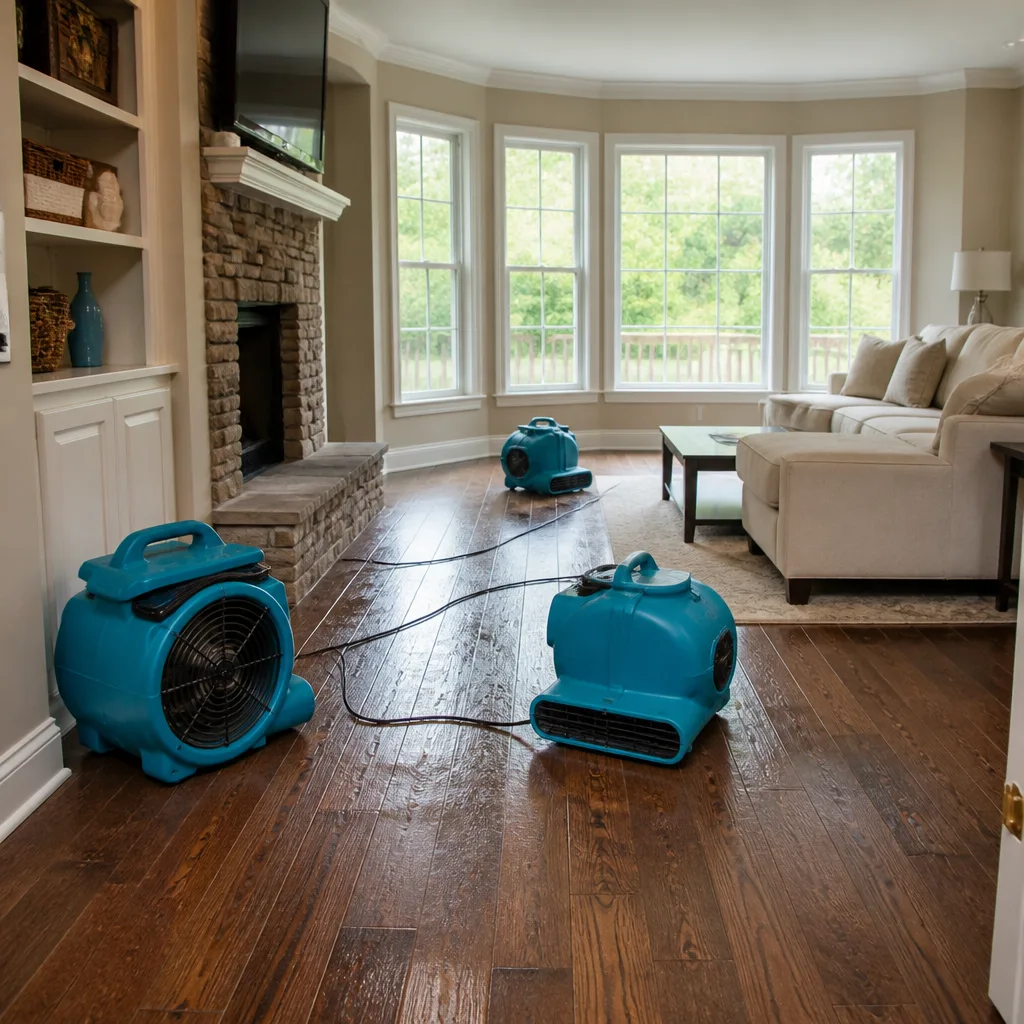
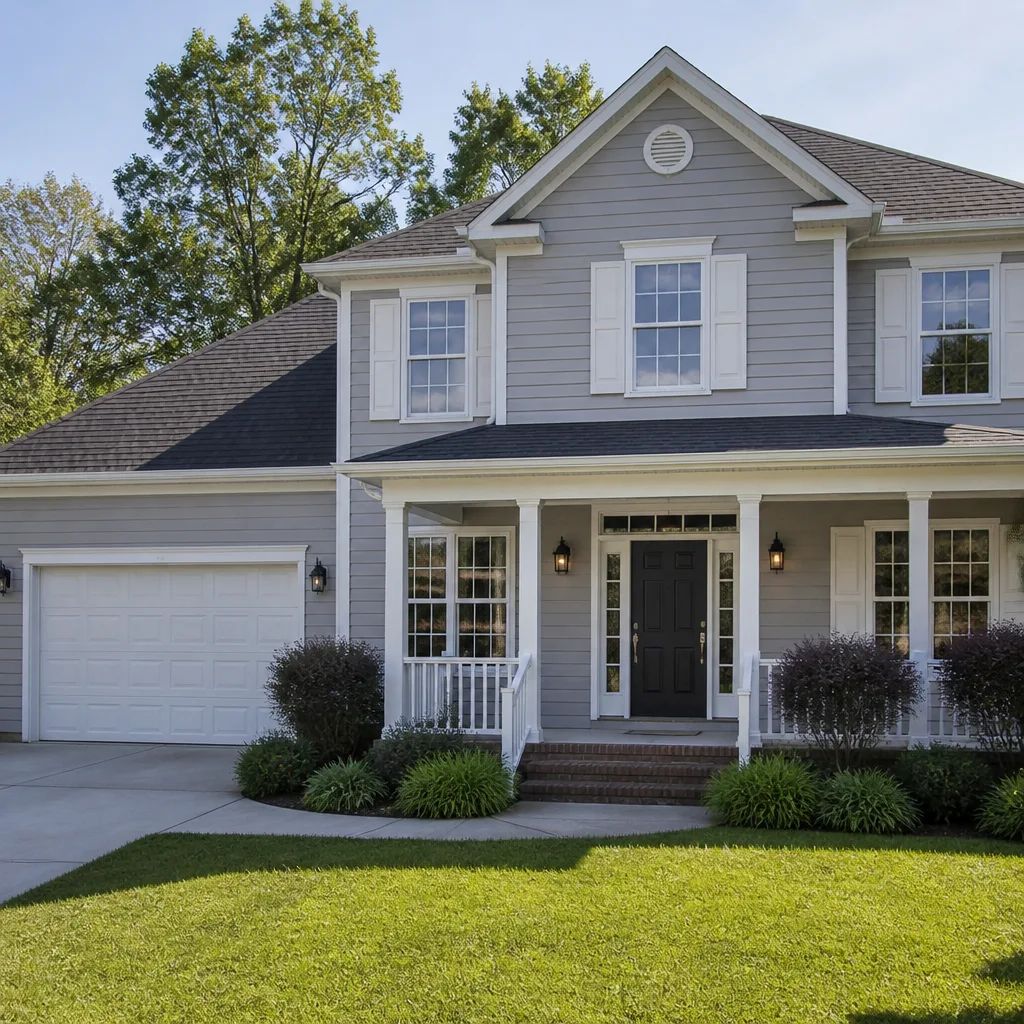
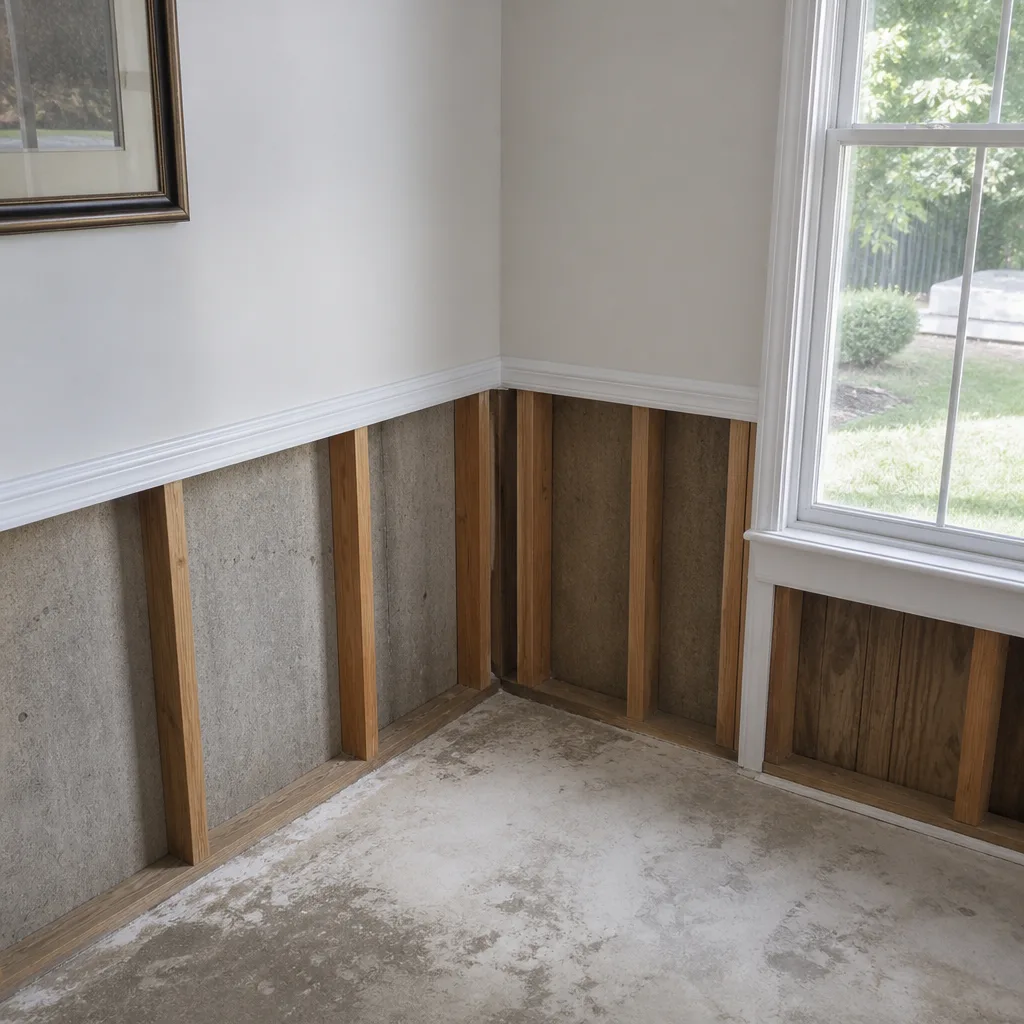
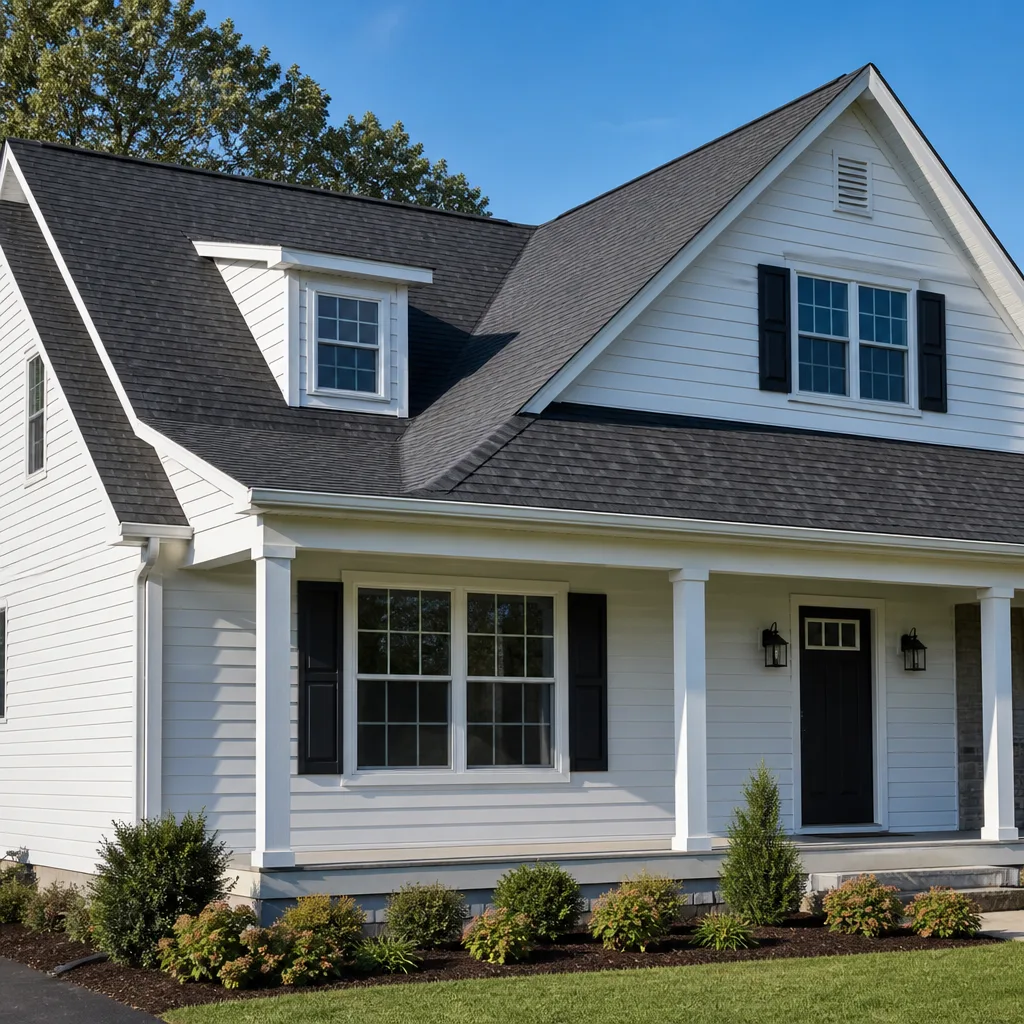
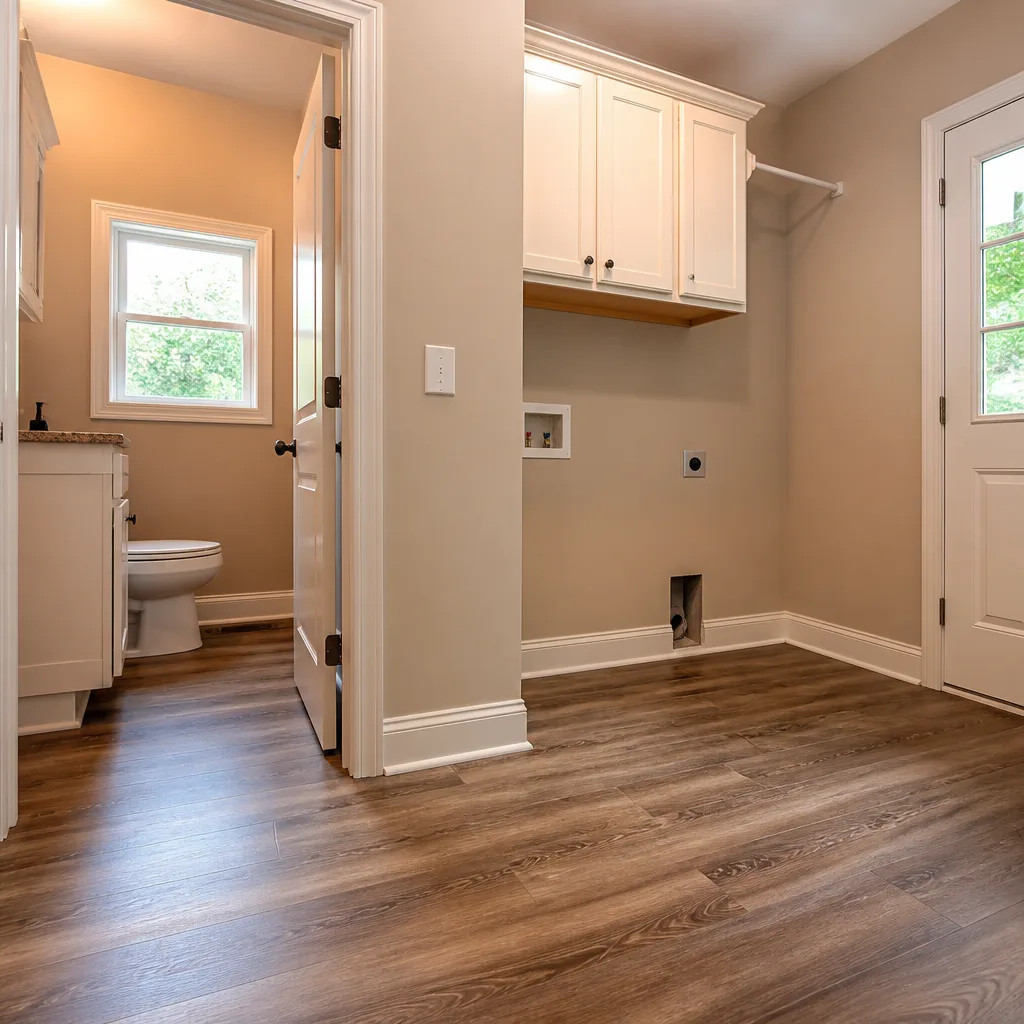
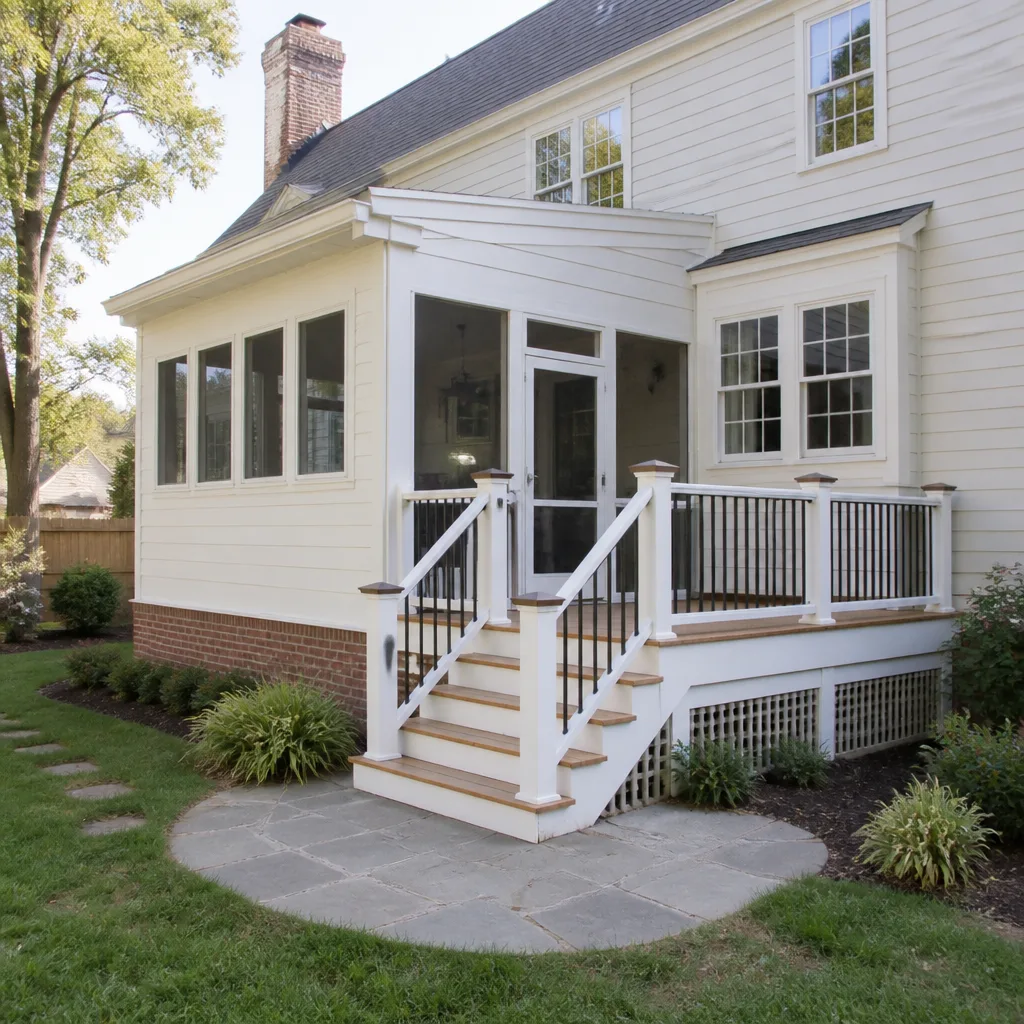
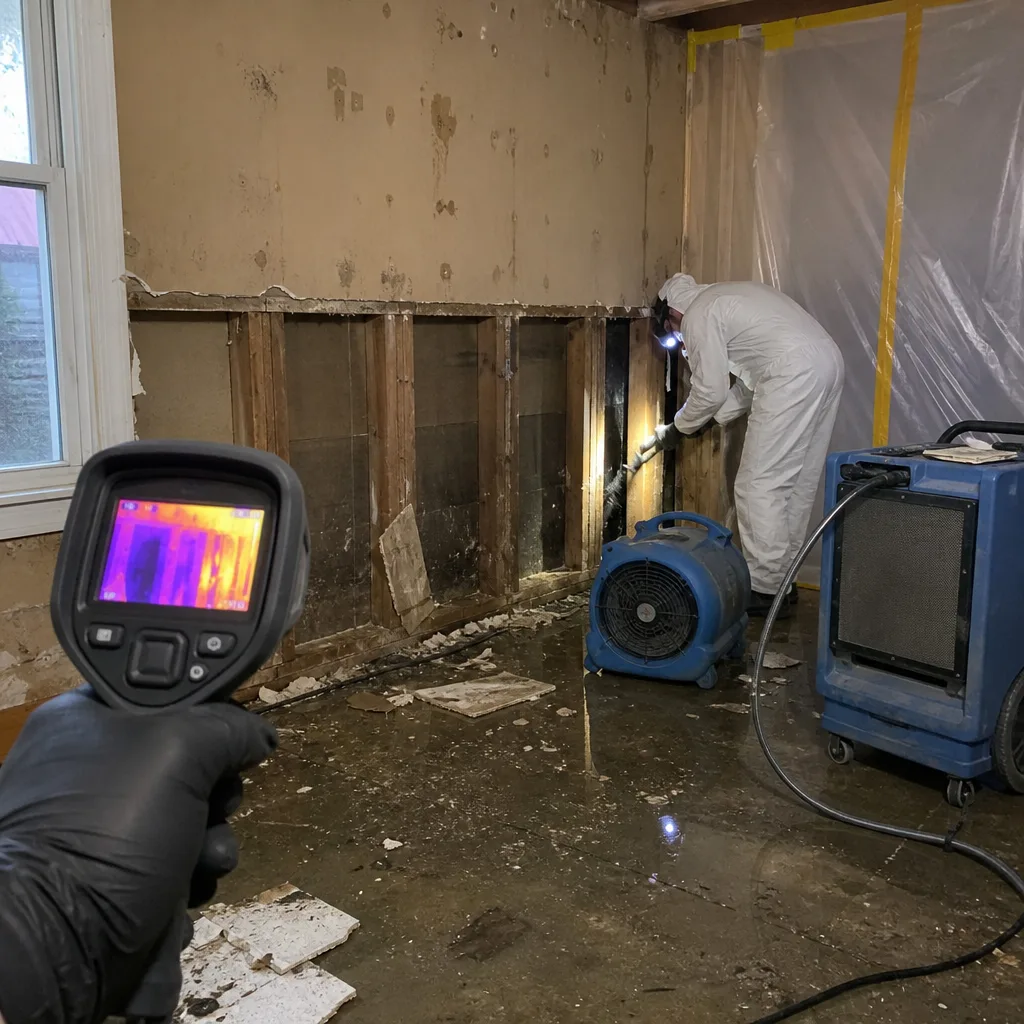 Before
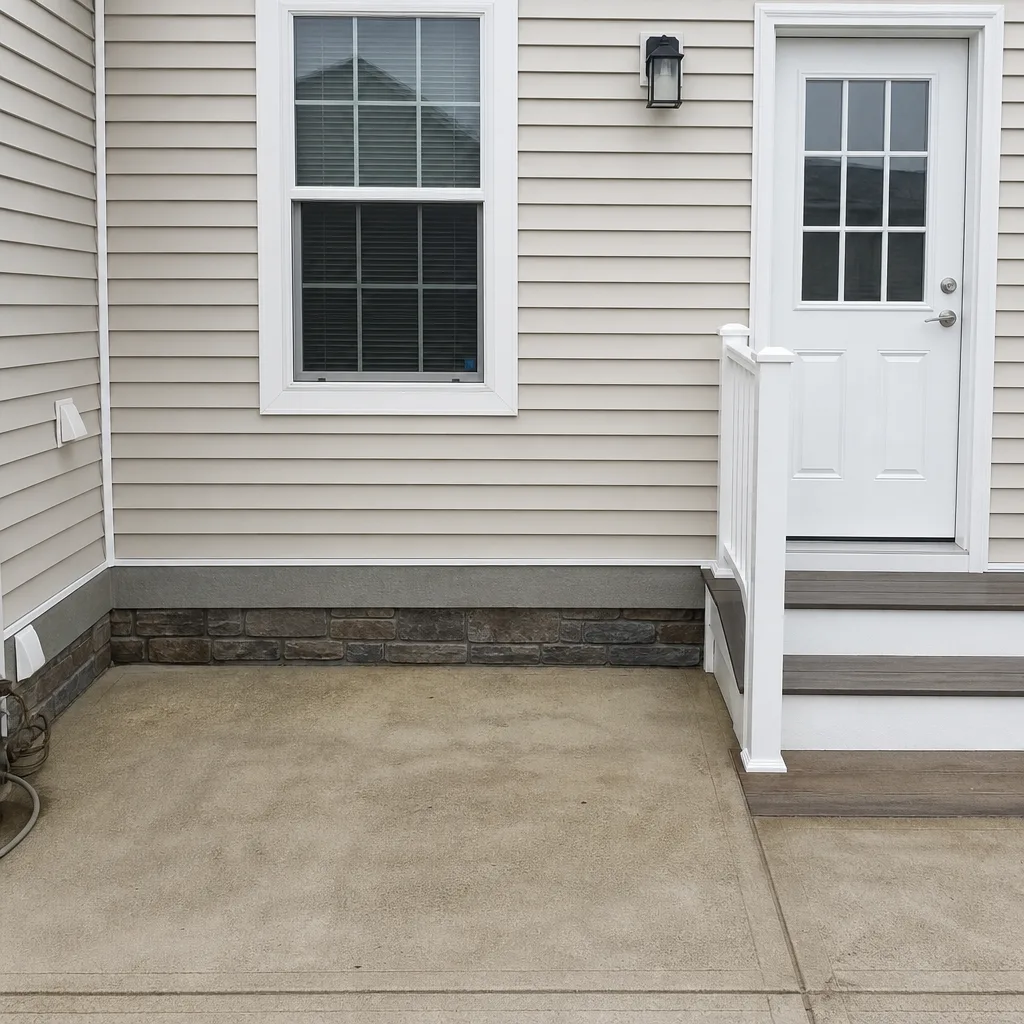 After
After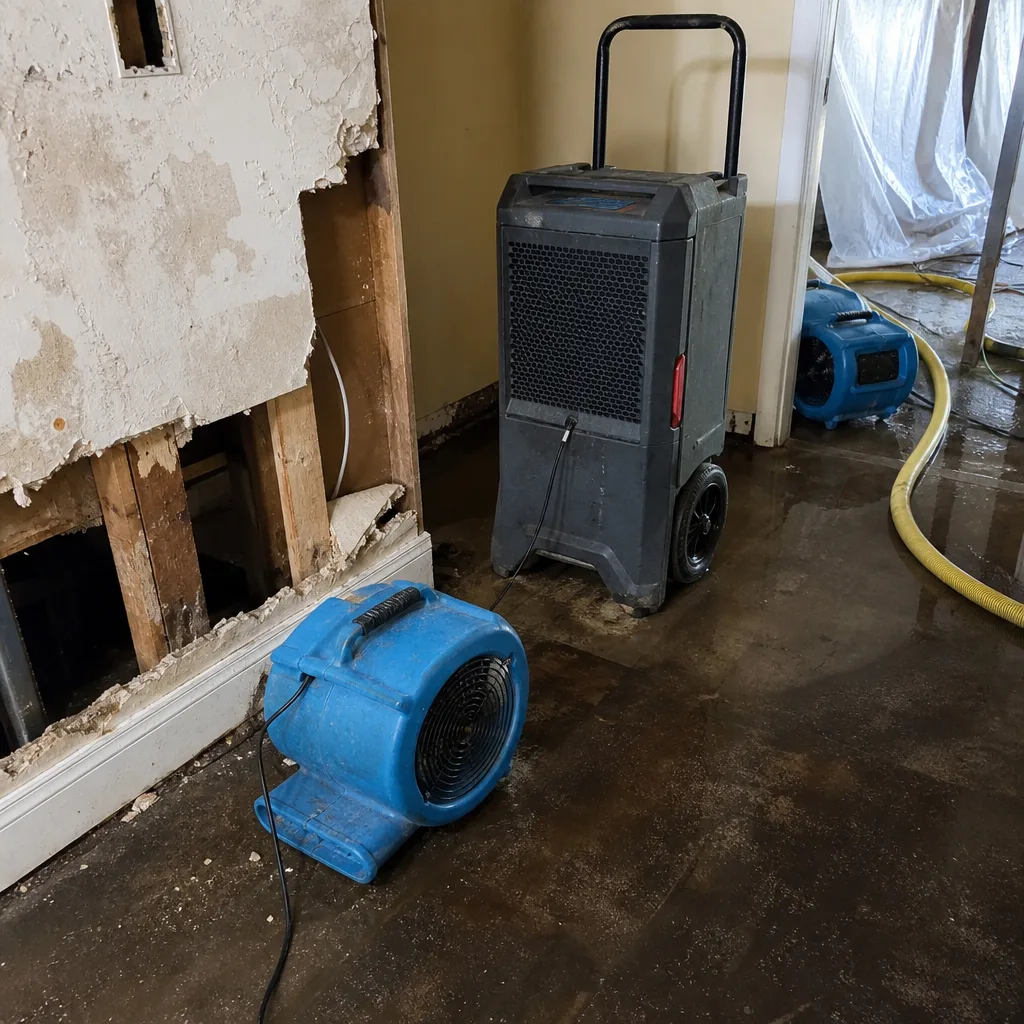 Before
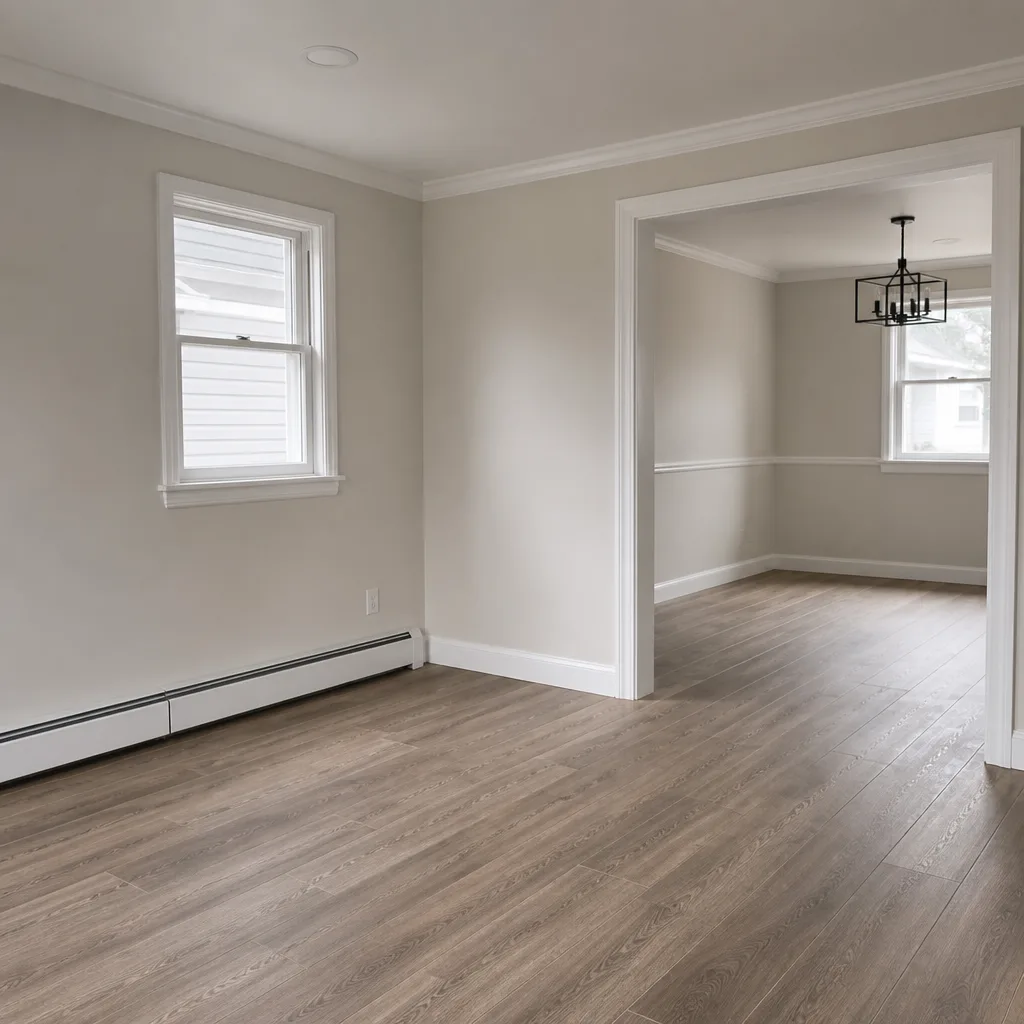 After
After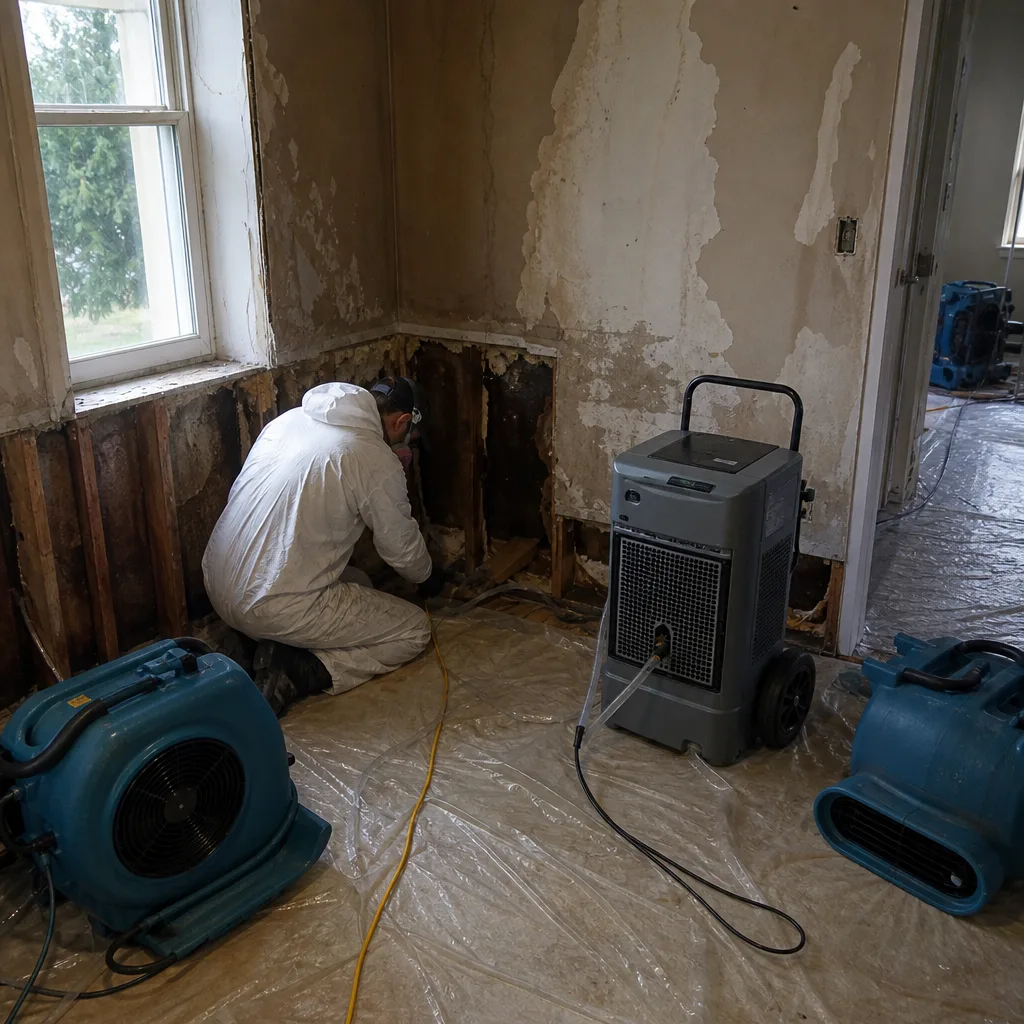 Before
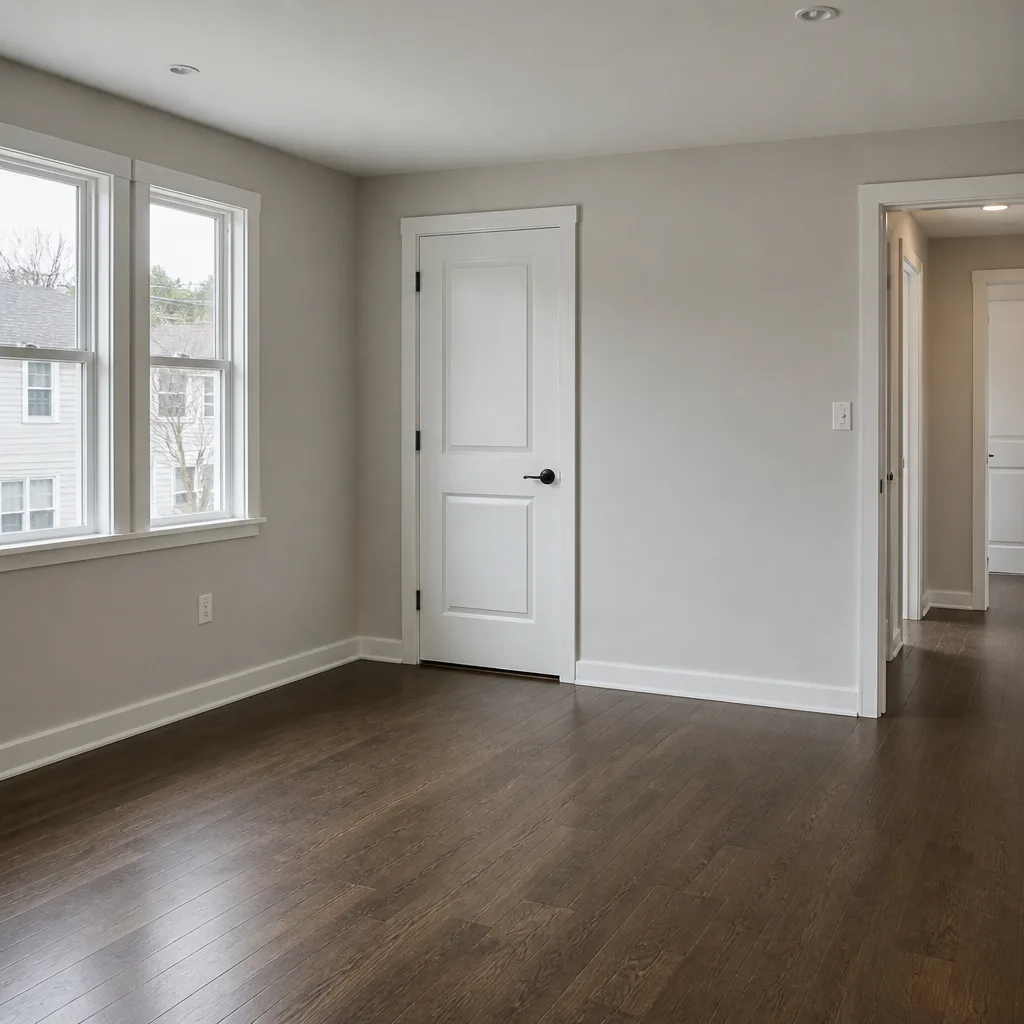 After
After24/7 Emergency Sewage Cleanup in Queens Village
A sewage backup in Queens Village is a Category 3 water event, which means the water carries bacteria, viruses, and parasites that can make your family sick. If raw sewage is backing up into a finished basement or crawl space in a 1920s or 1930s semi-detached home, the clock matters: contaminated water wicks into horsehair plaster and shared party-wall framing fast, and what starts as a one-room cleanup can become a two-property claim. Floodline Restoration Co. answers live at (518) 627-5878 around the clock, every day of the year. A real dispatcher picks up, asks the right questions, and gets a certified crew moving toward Queens Village immediately. The first hour is when we stop sewage from spreading into wall cavities, under finished floors, and through the shared masonry wall into your neighbor’s side. Call us now. We will walk you through exactly what to do before the crew arrives, and the visual inspection is free.
Understanding Sewage Cleanup Severity in Queens Village Properties
Sewage cleanup is not a mop-and-bucket job. Category 3 water, commonly called black water, contains pathogenic organisms from human waste, and in Queens Village it typically enters through one of three pathways: a clogged or collapsed cast-iron drain stack, a surcharging combined sewer main during heavy rainfall, or a failed basement ejector pump on a saturated glacial-outwash soil. The older the home, the worse the intrusion tends to be. 1920s and 1950s semi-detached houses in the 11427, 11428, and 11429 ZIP codes were built with horsehair-plaster walls and uninsulated floor cavities that soak up contaminated water like a sponge and hold it for days. That is why we moisture-map every affected surface before demolition begins and run structural drying until daily readings prove the framing is back to pre-loss condition, not just dry to the touch. If the backup touched a shared party wall, the severity doubles: Category 3 water in one half of a semi-detached means the adjoining owner’s framing is almost certainly wet too, and under NYC Department of Buildings rules, that is a second scope of work, a second permit, and a second insurance carrier. We handle all three.
Why Queens Village Property Owners Choose Floodline Restoration Co.
- 45-minute response commitment – When you call with sewage in the basement, our crew is dispatched inside the hour. Not a sales rep. Technicians with extraction equipment, containment materials, and moisture meters.
- Live answer, 24/7 – You will never reach voicemail at two in the morning. A human being picks up, takes your address in Queens Village, and starts the dispatch process while you are still on the phone.
- IICRC-certified crews – Our technicians hold Water Damage Restoration Technician (WRT) and Applied Microbial Remediation Technician (AMRT) certifications, so the decontamination scope is built to industry standard, not guesswork.
- Free visual inspection – Every sewage cleanup in Queens Village starts with a no-cost, no-pressure assessment. We show you the moisture readings, explain the scope, and give you a line-item estimate before any work starts.
- Direct insurance billing – We bill your carrier directly, provide photo documentation from the first hour, and coordinate with your adjuster so you never have to play messenger between us and the insurance company.
- One team, start to finish – The same Floodline Restoration Co. crew that extracts the black water and runs the drying logs is the one that repairs and rebuilds what had to come out. No handoffs, no subtrades you did not choose, no lost time. We call it our Sewage Cleanup standard: one team, accountable from the first pump to the final coat of paint.
Our Sewage Cleanup Process
Inspection & Assessment
We arrive with thermal imaging cameras and high-precision moisture meters, then map the full extent of contamination. In a semi-detached Queens Village house, this includes an evaluation of the shared party wall and, with your neighbor’s consent, the adjoining framing.
Extraction & Stabilization
We pump out standing waste and remove saturated materials that cannot be salvaged. In finished basements off Hempstead Avenue or Springfield Boulevard, that often means cutting away sections of saturated drywall and pulling wet carpet and pad to stop the sewage from spreading.
Containment & Safety
Before any demolition, we set up containment barriers and negative air pressure to isolate the affected area. On party-wall jobs, containment runs to the property line so contaminants do not migrate into the attached neighbor’s living space.
Drying & Dehumidification
We run professional-grade Dri-Eaz dehumidifiers and XPOWER air movers, and we log daily moisture readings until the structure meets the dry standard. In older homes with horsehair plaster and dense masonry, this can take longer than a modern build, and we plan for that realistically.
Sanitization & Disinfection
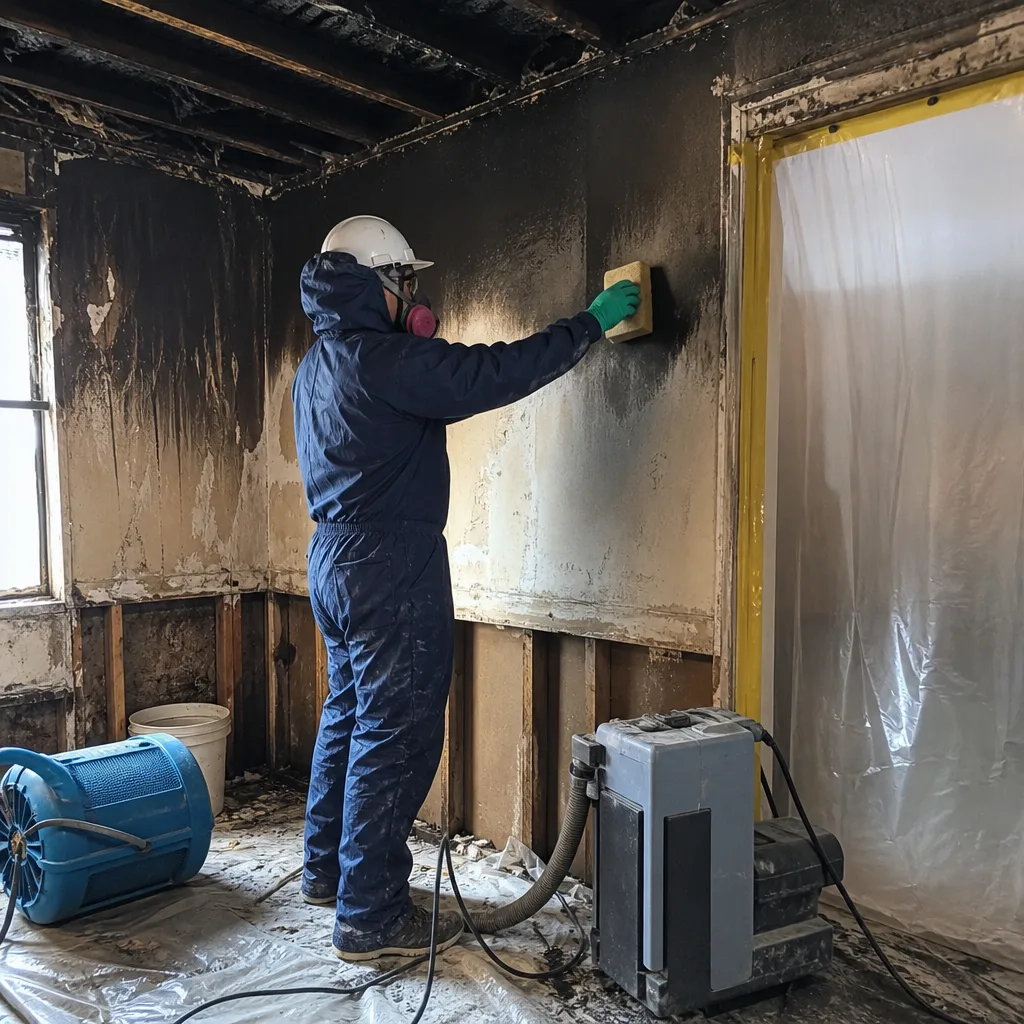
Every affected surface is cleaned with EPA-registered disinfectants, then HEPA-vacuumed and treated with antimicrobial agents where appropriate. We send affected soft goods for disposal or salvage based on what can actually be cleaned, not what is cheapest to leave behind.
Repairs & Restoration
Once the drying log is complete, we rebuild: plaster replacement, flooring, trim, and paint. Because we are a full-cycle restoration company, the crew that ran the drying is the crew that finishes the job. The 90-Day Done Right Promise, our written Keystone Standard, backs the entire result.
Need Emergency Sewage Cleanup in Queens Village Now?
Crews minutes away, answering live 24 hours a day. The sooner we start, the less it costs.
Working With Your Insurance Company
Sewage backup claims in Queens Village are different from clean-water pipe bursts. Most policies cover sudden and accidental sewer line failures, but many carriers write specific sublimits for backup losses, and in semi-detached homes, your neighbor’s policy may be involved too. We handle the paperwork from the first hour so you do not have to become an insurance adjuster in your own basement. Floodline Restoration Co. documents everything with time-stamped photos, room-by-room moisture readings, and a line-item scope of work that carriers understand because it uses their own estimating language. If your adjuster has questions, we get on the phone with them directly. You get one written scope of work before demolition starts, one team doing the work, and one company accountable for the result.
What We Provide Your Insurer
- Thorough documentation of the loss
- Photos of all damage, room by room
- Moisture readings and drying logs
- A detailed, line-item scope of work
- Direct coordination with your carrier
Built for Queens Village’s Loss Calendar
Queens Village sits on the flat glacial-outwash plain that drains south toward Jamaica Bay, and its combined sewer mains were never designed for the rainfall patterns we get now. Heavy summer thunderstorms in July and August overwhelm the system fast, and when the mains surcharge, finished basements across 11427, 11428, and 11429 get Category 3 water pushed up through floor drains. Winter brings a different problem: deep freezes in January and February crack old cast-iron and galvanized drain lines, and a frozen pipe in a belly of a crawl space thaws into a slow sewage leak nobody notices until the smell is undeniable. Spring thaw, especially after a wet snow season, seeps groundwater into older foundations and overloads sump pumps. Nor’easters in the fall push storm surge and rain into the same vulnerable catch basins. The pattern in Queens Village is consistent: the homes are old, the sewer infrastructure is older, and the basements were finished by previous owners without permits. That combination makes sewage backup a year-round risk, not a once-a-decade event. We built our response around Queens Village’s calendar because that is what the block requires.
Sewage Cleanup Across Queens Village’s Neighborhoods
Queens Village is not one uniform grid. The blocks south of Jamaica Avenue toward 111th Avenue are dense with 1920s brick semi-detached houses, and those are the jobs where shared party walls come into play on nearly every sewage loss. East of Springfield Boulevard, around the 11429 ZIP, you find more attached row-style homes and a similar pattern: an overflow in one kitchen or basement drain migrates through the shared masonry core before anyone realizes it has crossed the property line. Up toward Hillside Avenue and the Hollis border, the homes run a little newer, more 1940s and 1950s builds, but the original cast-iron waste stacks are still there, corroding from the inside. The blocks around Belmont Park and the Cross Island Parkway corridor, including parts of Bellerose and Cambria Heights touching Queens Village, see the same storm-surcharge failures when the combined sewers back up. And the side streets off Braddock Avenue in the 11428 ZIP have their own rhythm: crawl spaces dug under older frame houses, often never waterproofed, holding sewage after a quiet leak for weeks before anyone discovers the source. We know these blocks because we have run extraction, containment, and structural drying on them. Queens Village is our service area in the real sense, not just a name on a map.
Specialized Sewage Cleanup Services We Offer in Queens Village
Sewage Backup Cleanup
Floor drains, ejector pits, and basement fixtures in Queens Village’s older homes push back during combined-sewer surcharges, and we extract the waste, strip the contaminated materials, and dry the structure to the standard. On semi-detached jobs, we always check the party wall for wicked moisture. If it is wet, that is a second scope and we will tell you honestly before any demo begins.
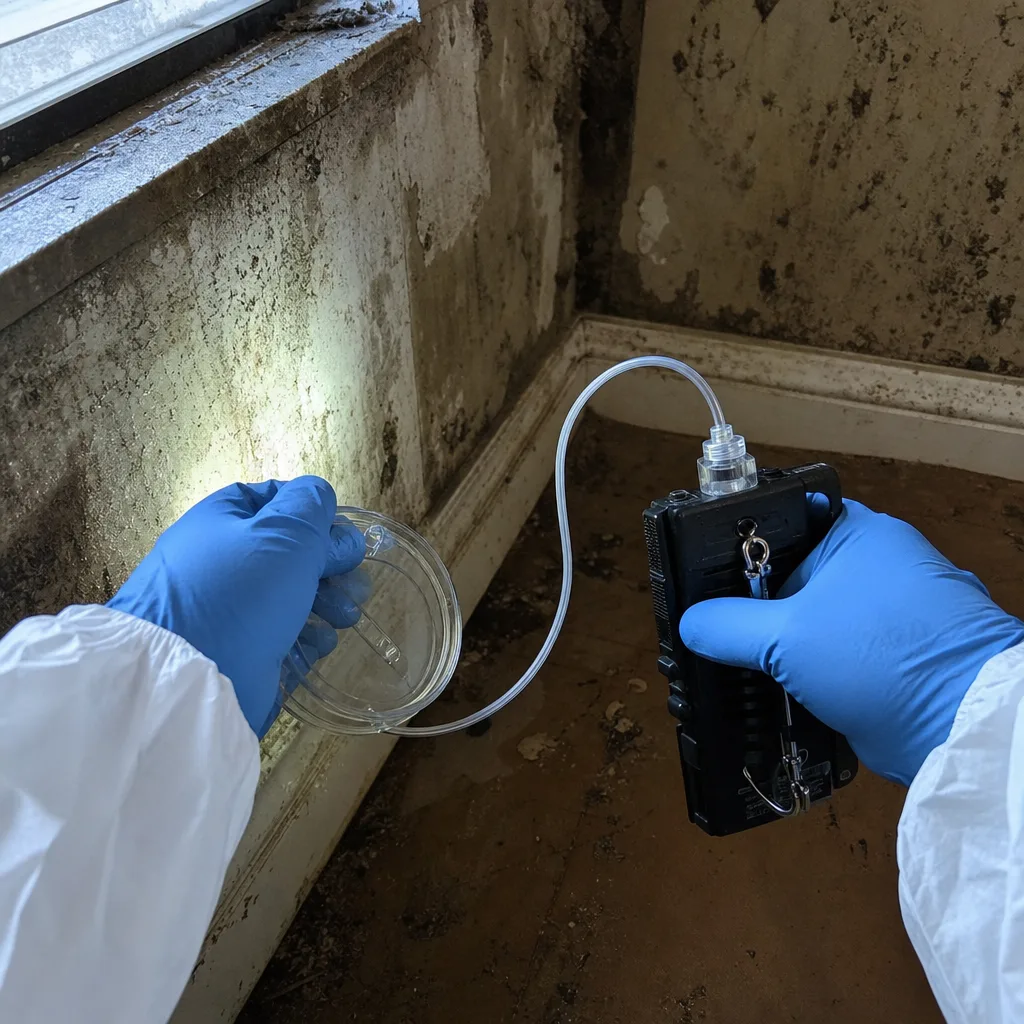
Toilet Overflow Cleanup
A clogged toilet on the ground floor of a 1930s Queens Village house can send Category 3 water through the ceiling below and into wall cavities. We treat every overflow as a contamination event, not just a plumbing fix. The area gets contained, the saturated drywall or plaster comes out, and the space is disinfected before it is dried.
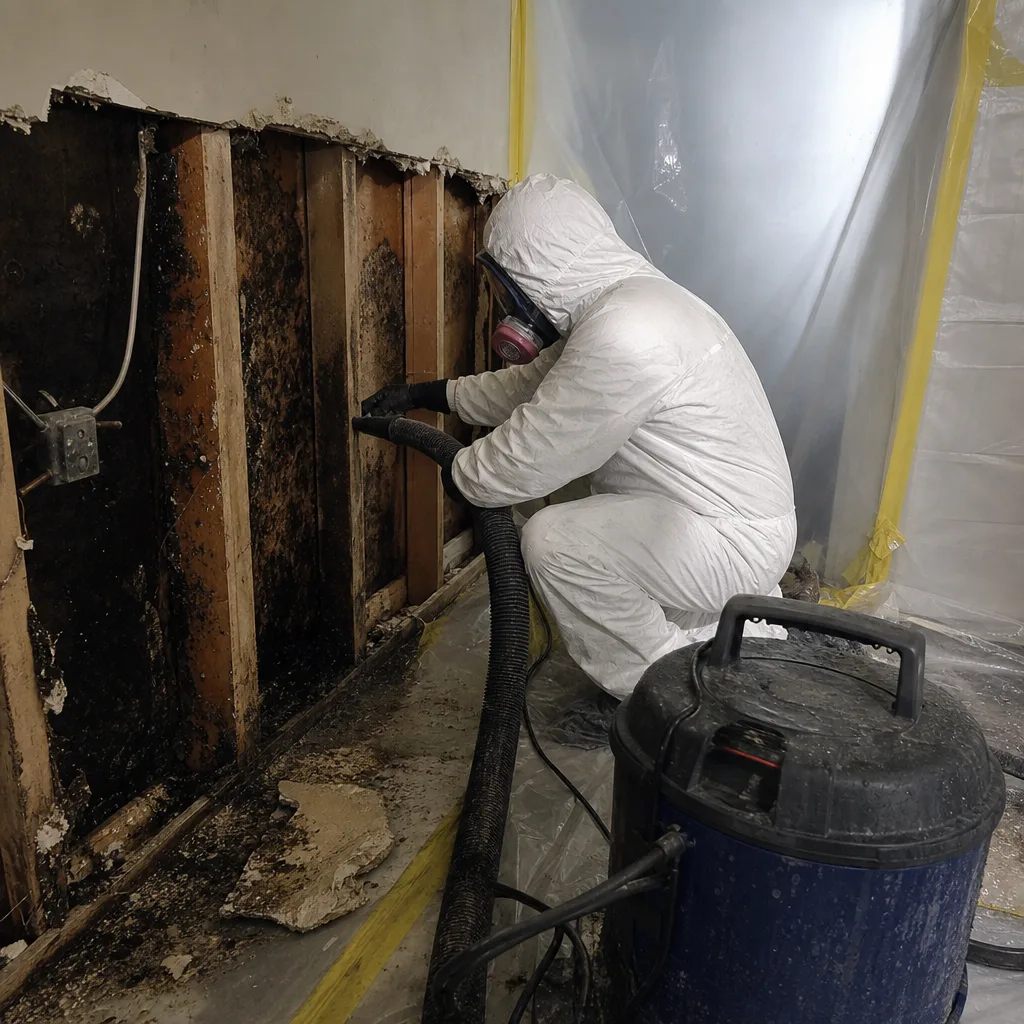
Black Water Extraction
Standing black water in a finished basement or crawl space needs professional-grade extraction, not a shop vac from a hardware store. We use truck-mounted and portable extraction systems, then set up containment and drying so the contaminated water does not get pulled into your HVAC system and spread through the house.
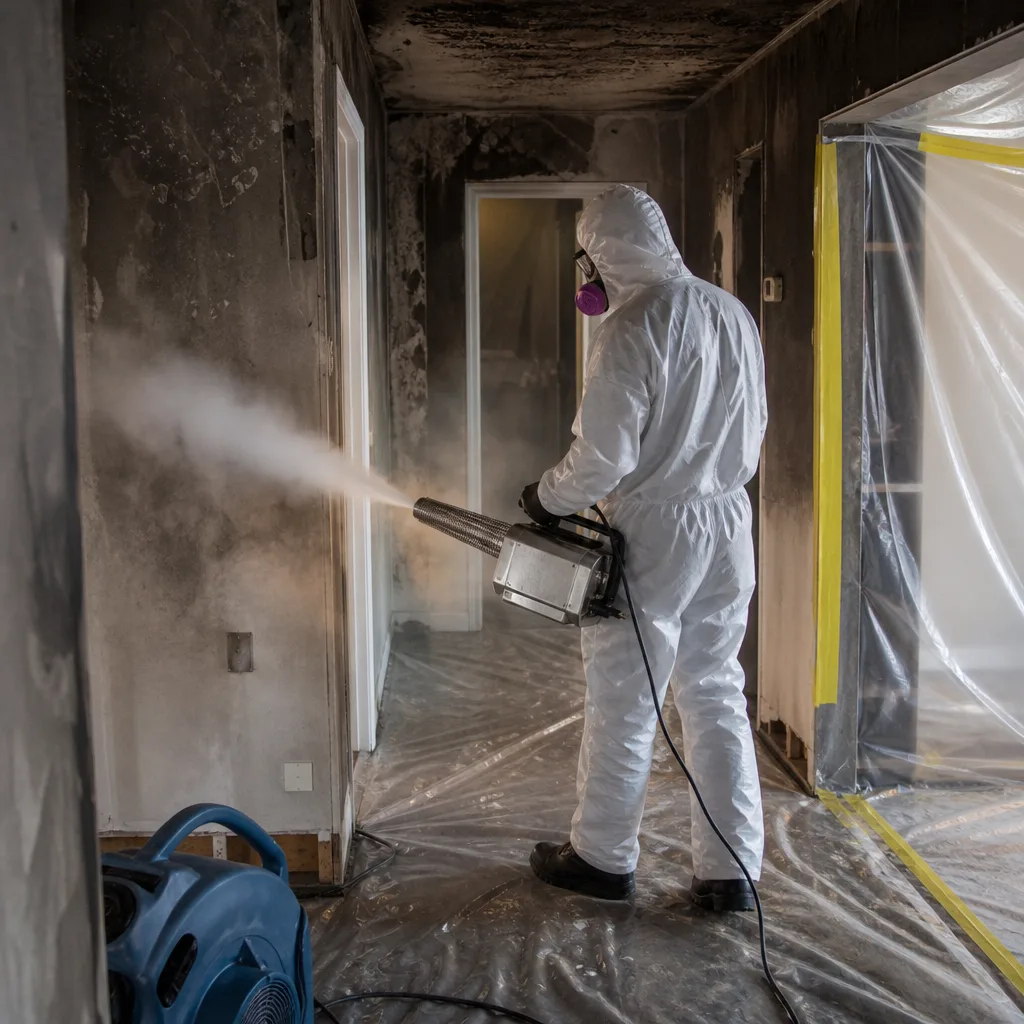
Crawl Space Sewage Removal
Crawl spaces under older Queens Village homes are where sewage leaks hide: failed waste lines, backed-up floor drains, and old dry wells. We remove the contaminated water and saturated insulation, clean and disinfect the structural framing, and where needed, we install or repair vapor barriers so the space does not hold moisture after we leave.
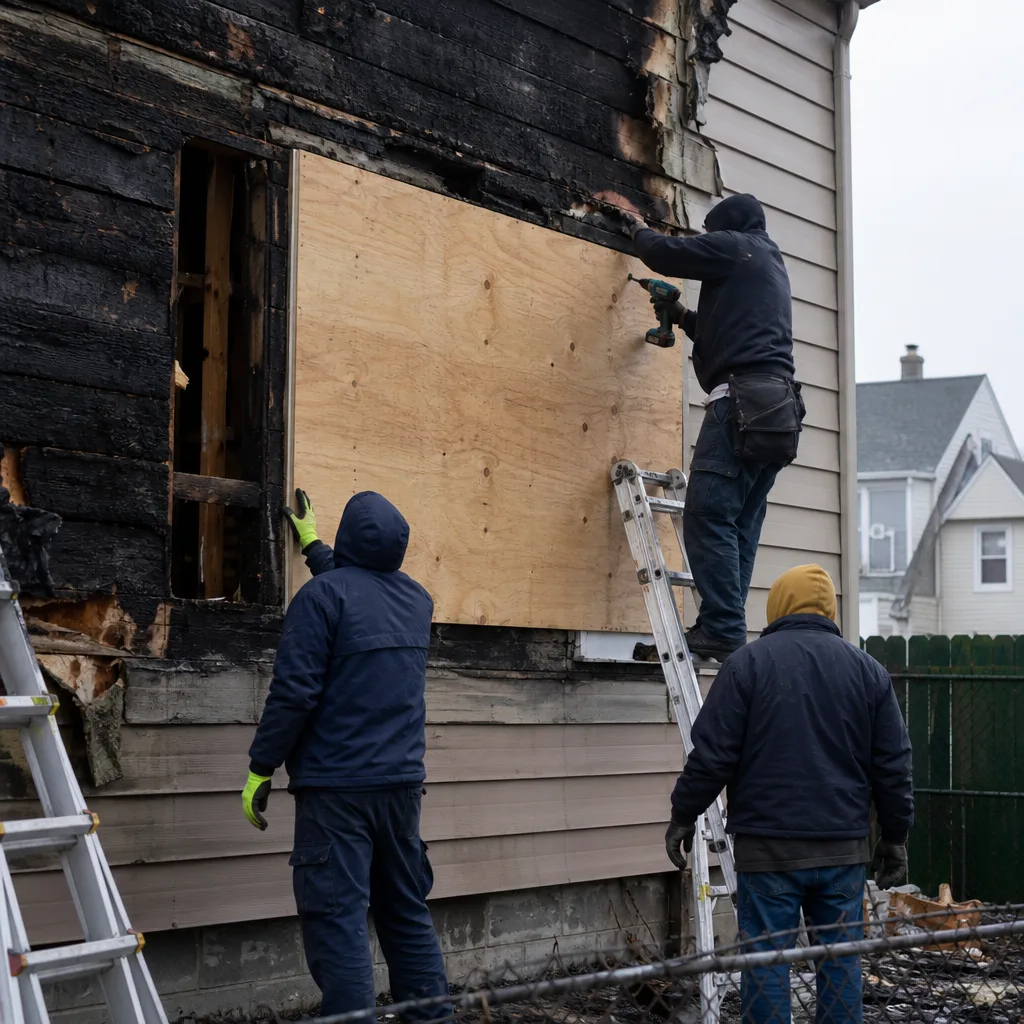
Sanitization & Disinfection
Every sewage cleanup ends with a disinfection pass, not just on the visible surfaces but inside the wall cavities where contaminated water traveled. We use EPA-registered products, HEPA vacuuming, and antimicrobial treatment where appropriate. In homes with original plaster, we pay special attention to the porous surface that holds odor-causing bacteria long after it looks dry.
What happens when you call
- 1
A real person answersNo phone trees - you reach a local pro.
- 2
You get an upfront price rangeHonest numbers before anyone is dispatched.
- 3
A background-checked tech heads outLicensed & insured, dispatched right away.
- 4
You approve before work beginsNothing starts until you say go.
Sewage Cleanup Costs in Queens Village, NY
In Queens Village, a straightforward toilet overflow cleanup in a single room where we can reach it quickly typically runs $1,200 to $3,500. A full basement sewage backup with finished drywall removal, contamination of a shared party wall, and professional drying generally lands between $4,000 and $12,000. Crawl space sewage removal with insulation replacement and sanitization in a semi-detached 1930s home runs $2,800 to $7,000 depending on the square footage and how long the leak went unnoticed. What moves the price in Queens Village specifically: whether the waste reached a party wall, whether asbestos or lead testing is required before demolition, and whether the basement finish was permitted. Unpermitted finished basements are common here, and when a DOB inspection gets triggered, additional compliance work can add cost. If you have insurance, we bill direct and you typically pay your deductible. The free visual inspection gives you a firm, line-item scope before any work begins. Call (518) 627-5878 and we’ll come look.
We Also Serve Cities Near Queens Village
Our sewage cleanup crews cover the blocks around Queens Village and the neighboring communities of Hollis, Bellerose, Cambria Heights, and Oakland Gardens. If you are a few blocks past the border, call us. We will tell you honestly whether we can get a crew to you, and we will not waste your time if we cannot.
Serving Queens Village, NY - Our Local Coverage Area
We’re based in the Queens Village area and know this community well. Use the map below to see our service coverage - if you’re nearby, we can almost certainly help.
Queens Village Sewage Cleanup Questions, Answered
If my semi-detached neighbor’s sewage line backs up and water comes through our shared party wall in Queens Village, who pays for the restoration?
Each property’s insurance policy typically covers the damage on its own side of the party wall, which means two separate claims run through two separate carriers. The cause may have started on your neighbor’s side, but your own policy generally covers contaminated water that entered your home. We document the cross-wall moisture readings and file the appropriate documentation with both insurers, so neither side gets stuck arguing about responsibility in the dark. Call us at (518) 627-5878; we will scope both sides and handle the adjuster communication.
Does a sewage cleanup in my 1930s Queens Village basement always require an asbestos and lead survey before demolition?
Under NYC Department of Buildings requirements, demolition in pre-1980 homes generally triggers asbestos and lead paint testing before any plaster, drywall, or flooring is disturbed. Most 1920s to 1950s Queens Village homes have original horsehair plaster and multiple layers of old paint, so the answer on most of our jobs here is yes. We order the surveys, wait for clearance, and then proceed with demolition. It adds time, but it is the legal path and the safe path, and skipping it gets you fines and a stop-work order.
Can you dry out my finished basement after a Category 3 sewage backup without ripping out the drywall?
No, and any contractor who tells you otherwise is setting you up for a mold problem inside your wall cavities. Category 3 water carries pathogens, and saturated drywall cannot be sanitized in place. The bottom portion of affected drywall comes out, the cavity is cleaned and disinfected, and the space is dried to target before new drywall goes back. We know that is not the cheaper path. It is the path that does not leave you living with a contaminated wall. Get a straight answer with a free inspection: call (518) 627-5878.
How does living on the glacial-outwash plain near Jamaica Bay affect sewage backup risk in Queens Village?
The flat, low-elevation terrain means stormwater drains slowly, and the aging combined sewer mains under Queens Village surcharge during nor’easters and heavy summer storms. When the mains back up, floor drains and basement fixtures become the release point, pushing contaminated water into the lowest finished space first. If your block sits in the southern end of 11428 or 11429, closer to the Jamaica Bay drainage basin, you are on the receiving end of that pressure. Annual maintenance on your own drain line helps, but the municipal surge is a neighborhood-wide condition.
My neighbor had a burst pipe in their crawl space and only their side was cleaned. Should I have my side of the party wall checked?
Yes. In semi-detached Queens Village homes, water moves laterally through the shared masonry and framing before it ever shows visible signs on the finished side. If your neighbor’s side took Category 3 water and no one scoped your framing with moisture meters, we recommend a free visual inspection on your side as well. Otherwise you could be months into a hidden mold problem before you smell it. Call (518) 627-5878 and we will check.
How fast can you actually get a crew to Queens Village for a sewage backup?
We commit to a 45-minute dispatch from the time your call reaches our live dispatcher. In practice, crews working in the Queens Village, Hollis, and Bellerose area often arrive faster than that, but we commit to 45 minutes because it is what we can stand behind, not a marketing number. The dispatch line is answered by a person at all hours, every day. Call (518) 627-5878 and you will be speaking with someone who can actually start the process.
How long does sewage cleanup and drying take in a Queens Village house?
Extraction and contaminated material removal usually happen in the first day. Structural drying in homes with original horsehair plaster, masonry party walls, and dense framing from the 1920s to 1950s generally runs three to seven days, sometimes longer in summer humidity. We log daily moisture readings and give you the drying chart as it fills in, so you see the progress, not a contractor’s guess. Repairs and rebuild start after the dry standard is met.
What should I do in the first 30 minutes after discovering sewage backing up in my Queens Village basement?
Do not flush any toilets or run any water. Shut off the main water valve if you can reach it safely. Keep children, pets, and everyone else out of the affected area entirely. Do not turn on fans or the HVAC system, which can spread contaminated air and aerosolized bacteria. Then call our 24/7 line at (518) 627-5878. The dispatcher will talk you through the next steps while the crew is already rolling. Do not attempt to clean it yourself. Category 3 water is a health hazard, and the wrong move makes the contamination worse.
Some sewage backups are simple. A clogged toilet overflows, we extract and sanitize, and you are done. The ones that define Queens Village are the old-house jobs: the cast-iron stack that finally let go under a finished basement floor, the surcharging street main that sent waste through the floor drain during a July thunderstorm, the neighbor’s overflow that wicked through a 1927 party wall into your plaster. Those are the jobs where scoping only half the problem is the same as doing nothing. Our crews carry moisture meters through the shared wall, not just the called-in side. We file the NYC DOB permits. We talk to both insurance carriers. And we stand behind the result with the 90-Day Done Right Promise, in writing. That is Sewage Cleanup in Queens Village done the way the houses on your block require it to be done. If you have sewage in the basement right now, call (518) 627-5878. A live person answers, and a certified crew starts moving toward you within the hour. The inspection is free. The estimate is a firm line-item scope, before any work starts. Done right, and backed in writing. We’ll be there when we say.
Written by Curt Bowman, Owner at Floodline Restoration Co., serving Queens Village and surrounding neighborhoods with sewage cleanup and full-cycle restoration since 2010.