
Free visual inspection and a written scope of work before any mitigation begins - photos, moisture readings, and drying logs go in your claim file
The scope we write is the scope we bill. Anything new gets shown to you, in writing, before we touch it.
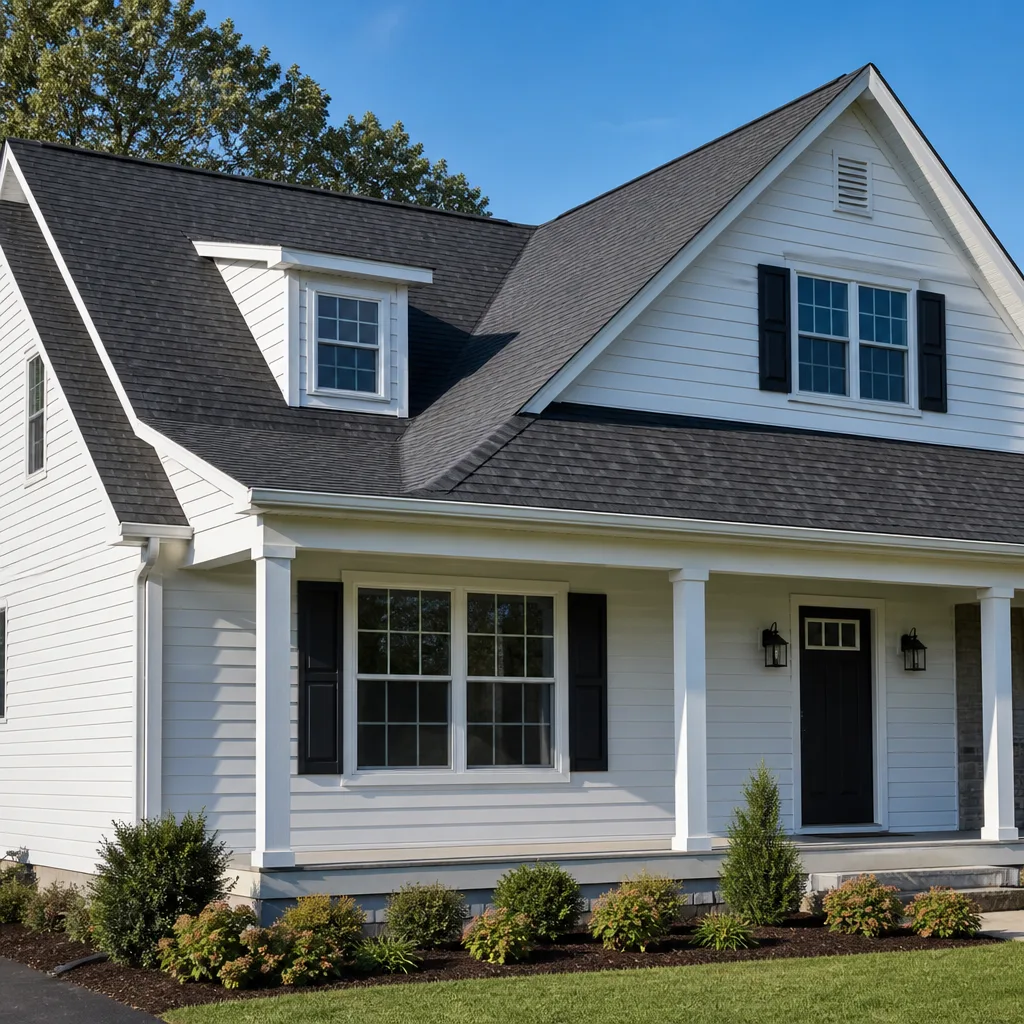
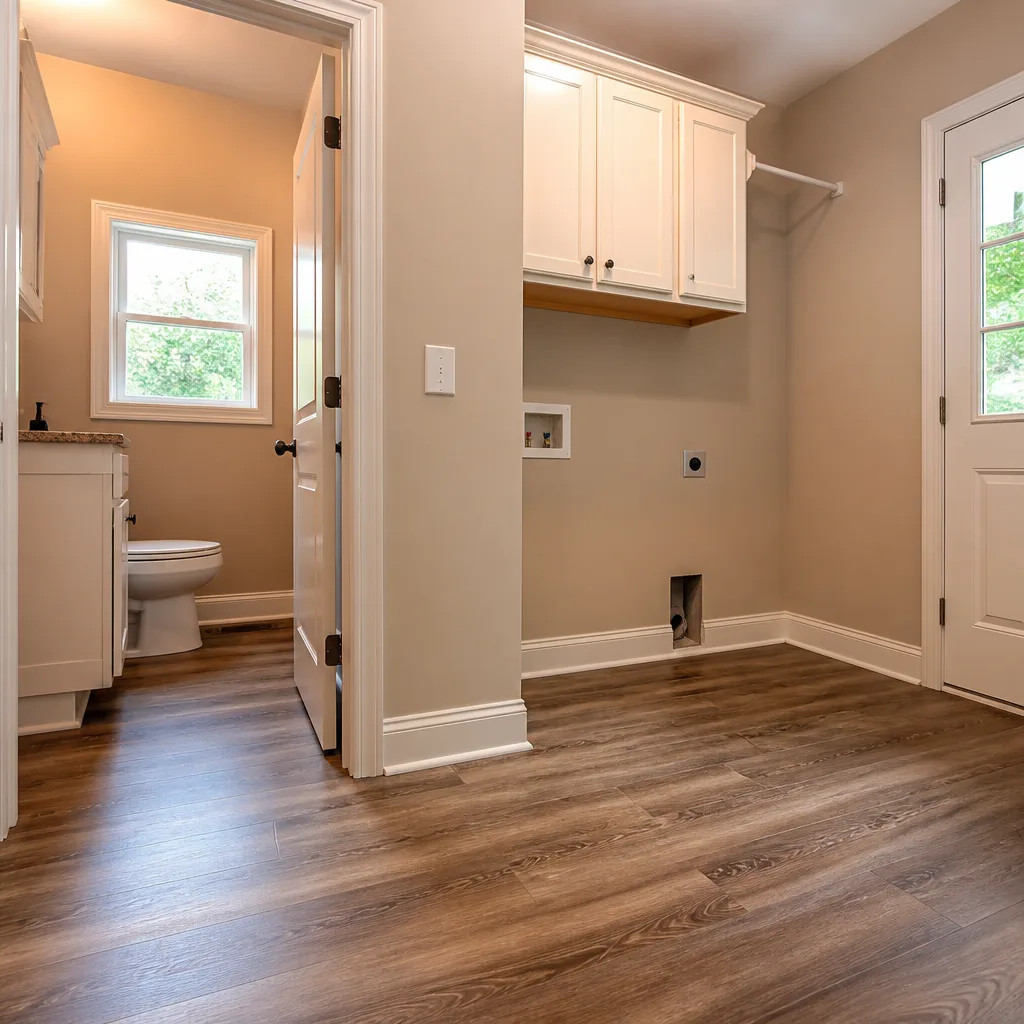
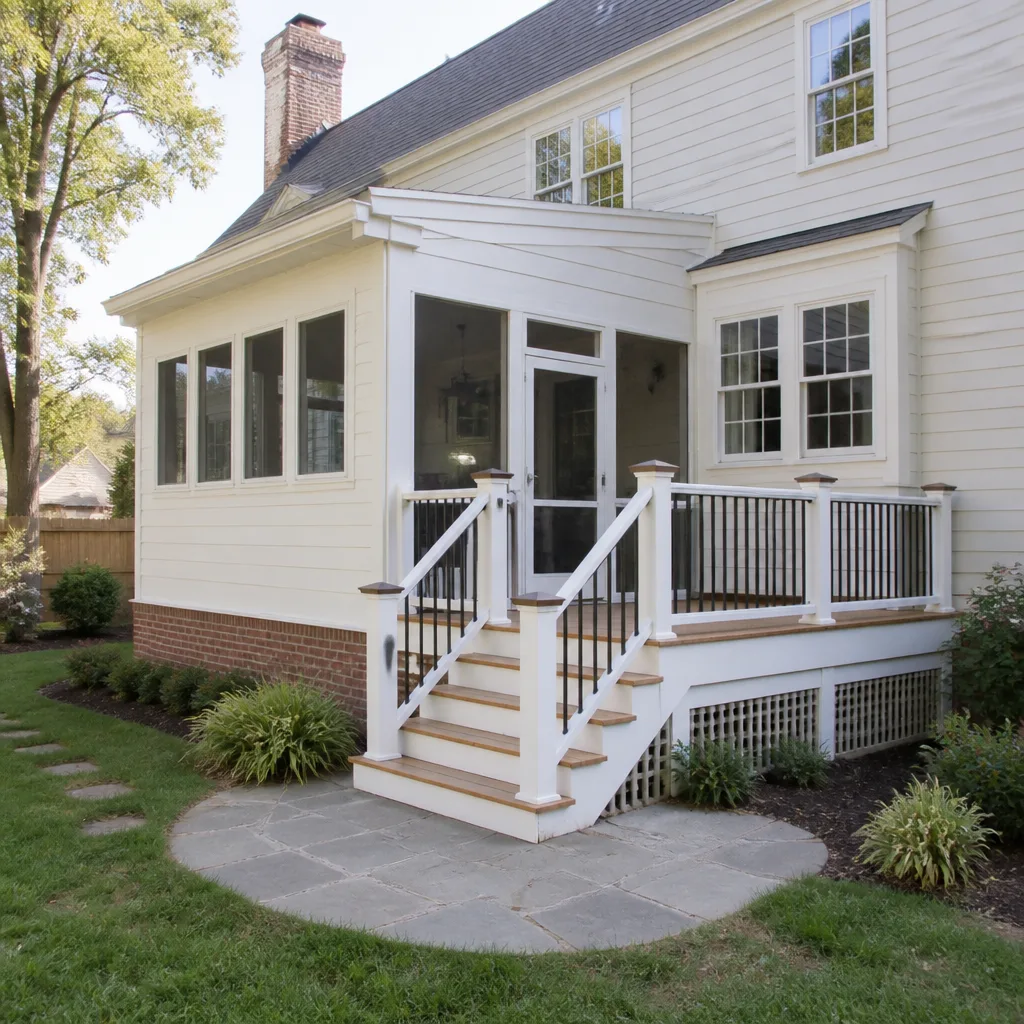
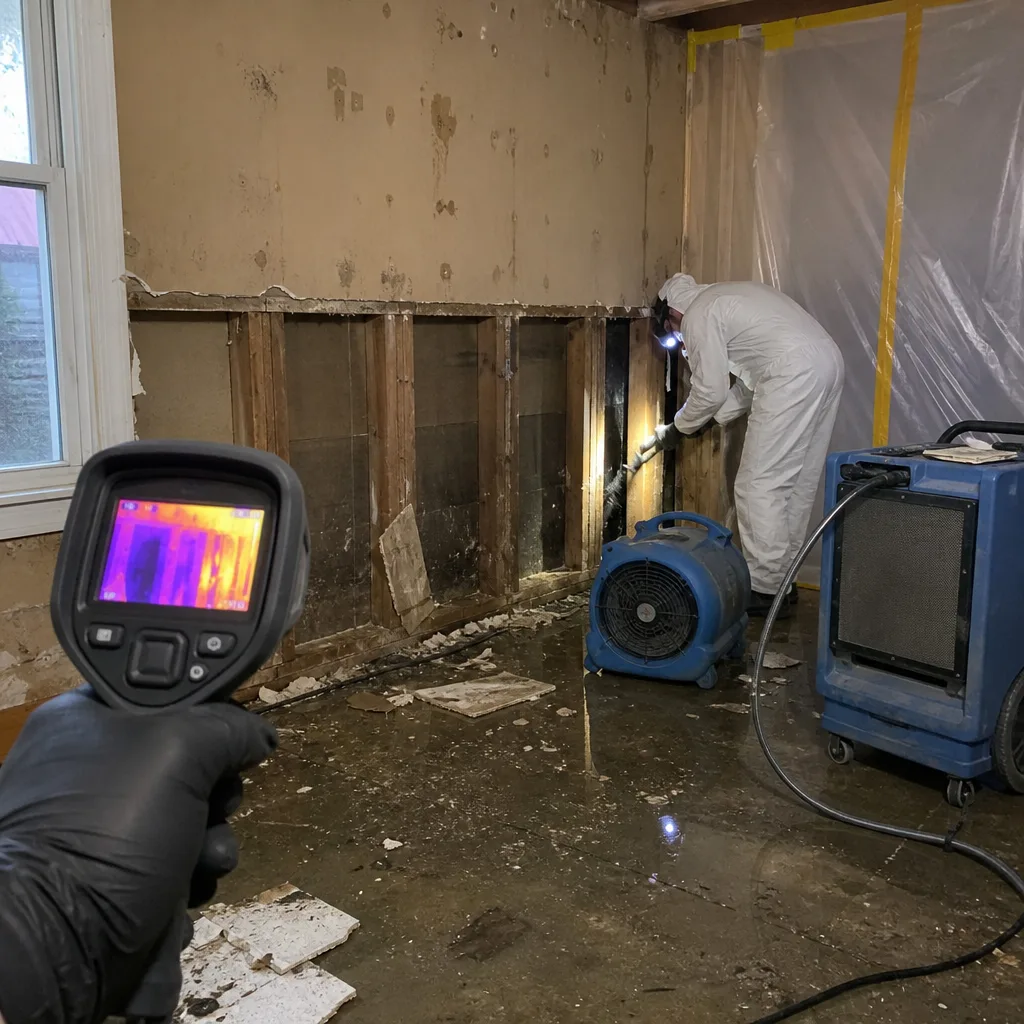 Before
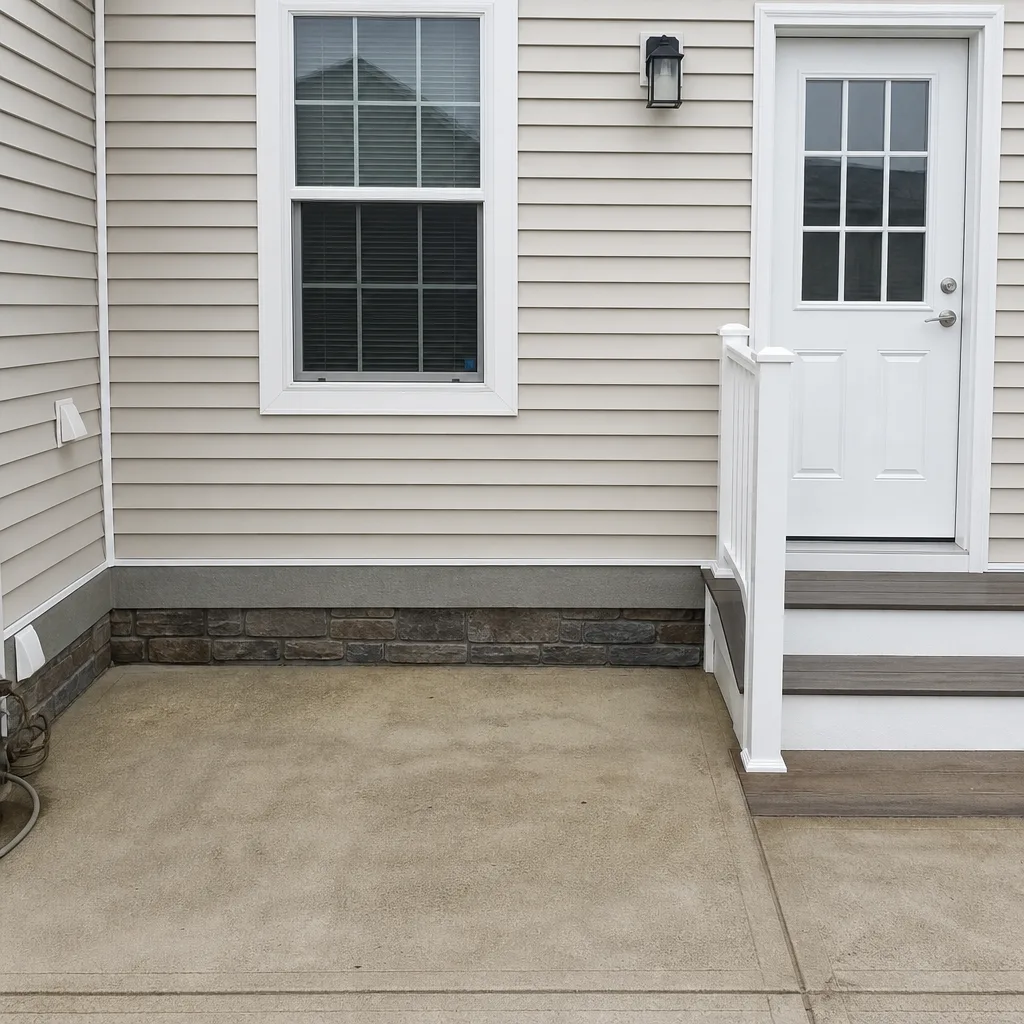 After
After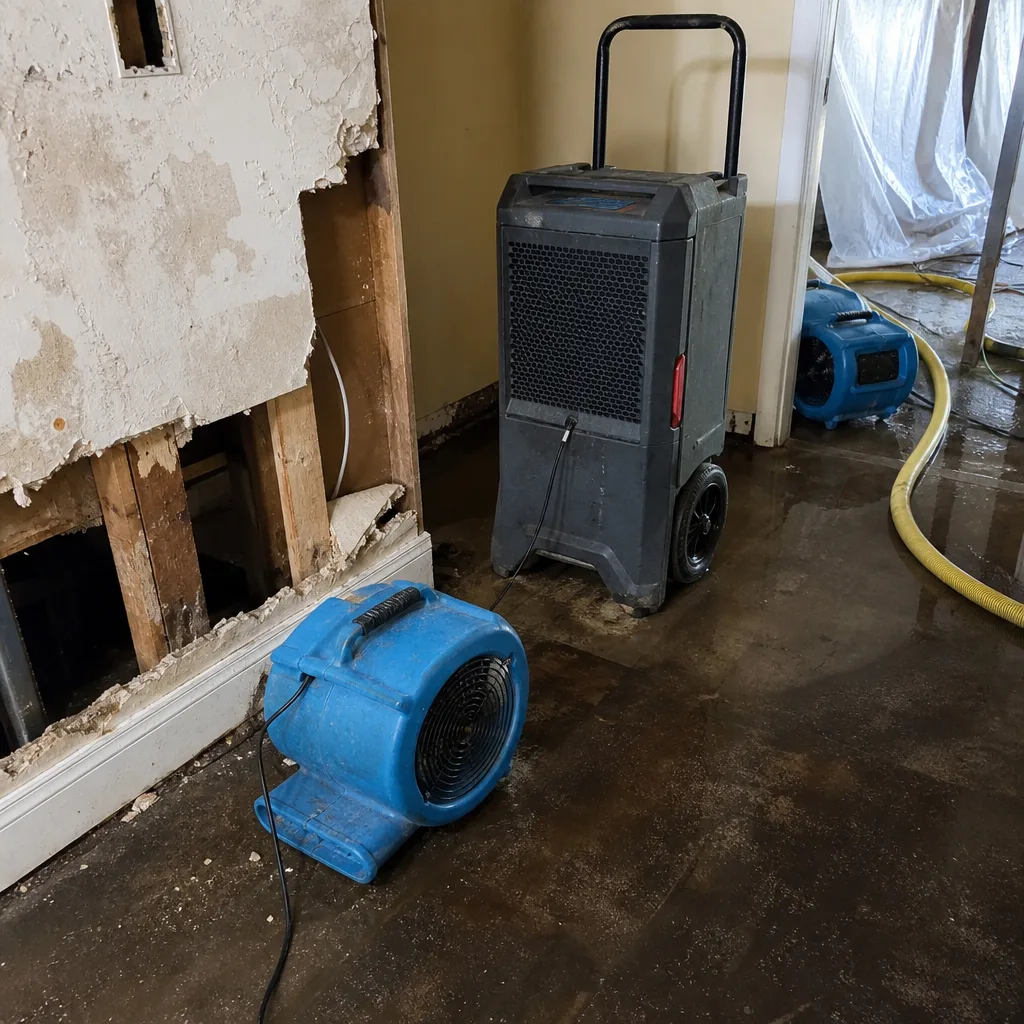 Before
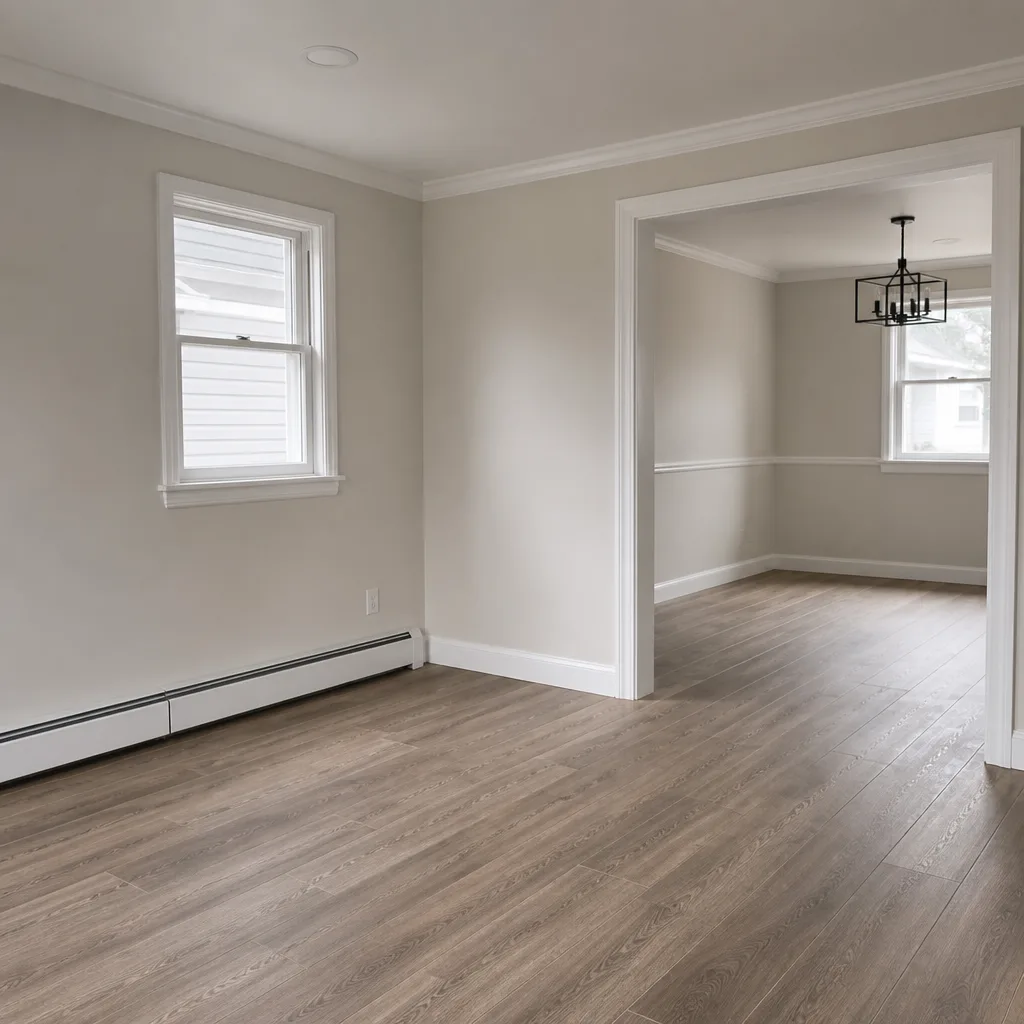 After
After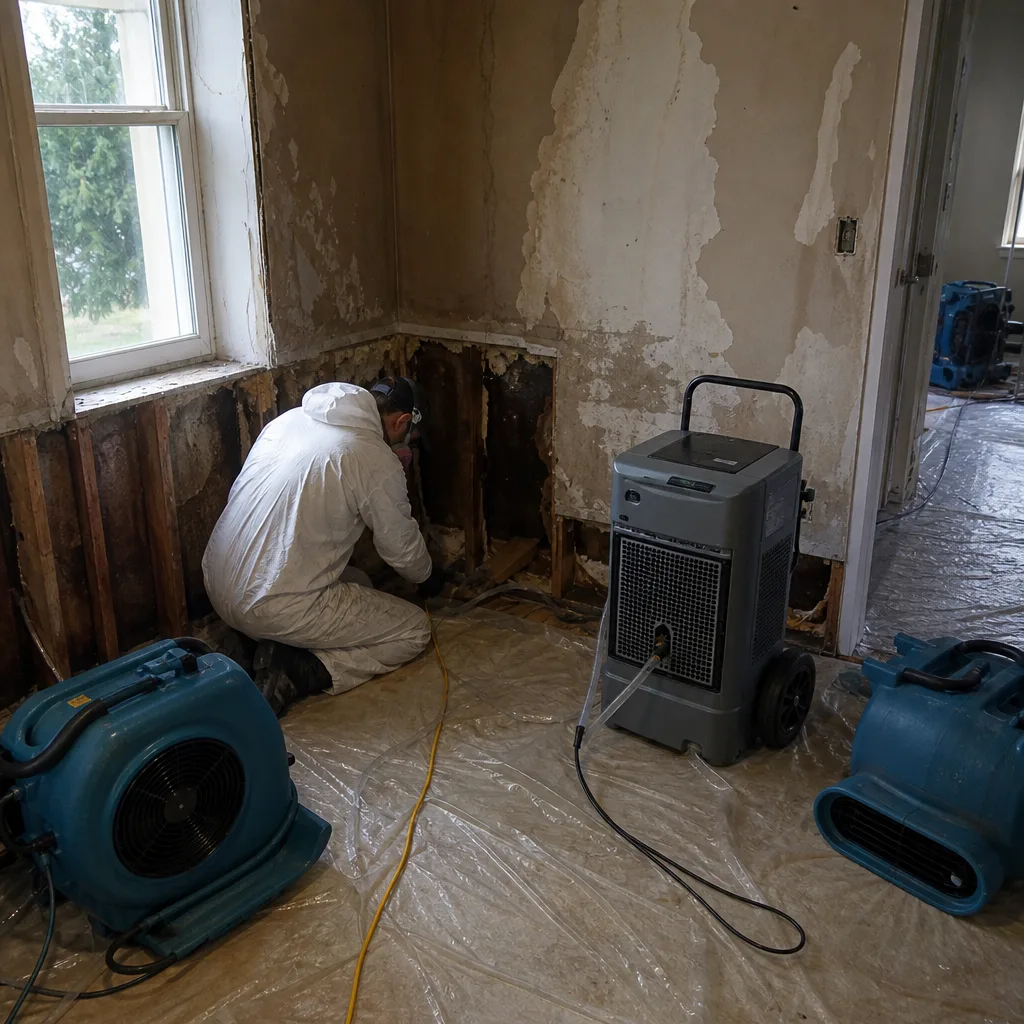 Before
 After
After24/7 Emergency Storm & Disaster Restoration in Forest Hills
Storm damage in Forest Hills doesn’t wait for business hours, and neither do we. Floodline Restoration Co. answers the phone with a live dispatcher at 2 a.m., not a recording, so a certified crew reaches your block fast and extraction is running the same visit. Call (518) 627-5878 the moment you see water moving through a basement, wind-driven rain coming in around window frames, or tree limbs down against the house. The first hour sets the whole recovery. Water that sits in a finished Forest Hills basement for even one overnight finds its way into sill plates, behind baseboards, and under slab cracks. Wind that gets past torn flashing or a broken window keeps working on everything it touches. A free visual inspection tells you exactly what you’re facing, and our Storm & Disaster Restoration team arrives ready to stabilize, not just look.
Understanding Storm & Disaster Restoration Severity in Forest Hills Properties
Storm water is never just water. We classify it the same way the restoration industry does. Category 1 water starts clean, from a supply line or a storm-driven leak through an intact roof. Category 2 water carries significant contamination. That is the water that has run across a basement floor, through wall cavities, or sat overnight. Category 3 is grossly contaminated: sewer backup, street flooding that pushed up through a floor drain, or runoff that mixed with soil and debris. Forest Hills sees all three. The clay-heavy ground under Queens means surface flooding lingers; water that looks like it drained away can still be sitting in the crawlspace or wicking up through a slab. Wind damage here is a hidden-threat problem more than a broken-window problem. Rain driven into 1920s brick exteriors around Queens Boulevard travels behind intact plaster, so the wall looks dry while the framing behind it rots. In the landmarked Forest Hills Gardens, lath-and-plaster walls hide intrusion even longer. Moisture mapping with thermal imaging and calibrated meters draws the true boundary of the damage before we touch a wall.
Why Forest Hills Property Owners Choose Floodline Restoration Co.
- A real person answers every call, day or night. Live dispatch in place 24/7. We’ll be there when we say.
- Crews familiar with Forest Hills’s two distinct restoration contexts. Landmarked Gardens homes and pre-war co-ops each get the right approach.
- IICRC-certified technicians. WRT and FSRT credentials, trained to RIA and IFA standards, background-checked and uniformed.
- Free visual inspection. We look before we quote, and the quote is a written scope, not a handshake.
- Direct insurance billing. We coordinate with your carrier, provide documentation, and bill them directly. You don’t carry messages.
- One team from first extraction to final rebuild. No mid-job handoff. The crew that sets the equipment reads the logs and finishes the reconstruction.
Our Storm & Disaster Restoration Process
Inspection & Assessment
We walk the property inside and out, map moisture with thermal imaging and hygrometers, and identify the water category and wind entry points. You get a written scope before anything is opened up.
Extraction & Stabilization
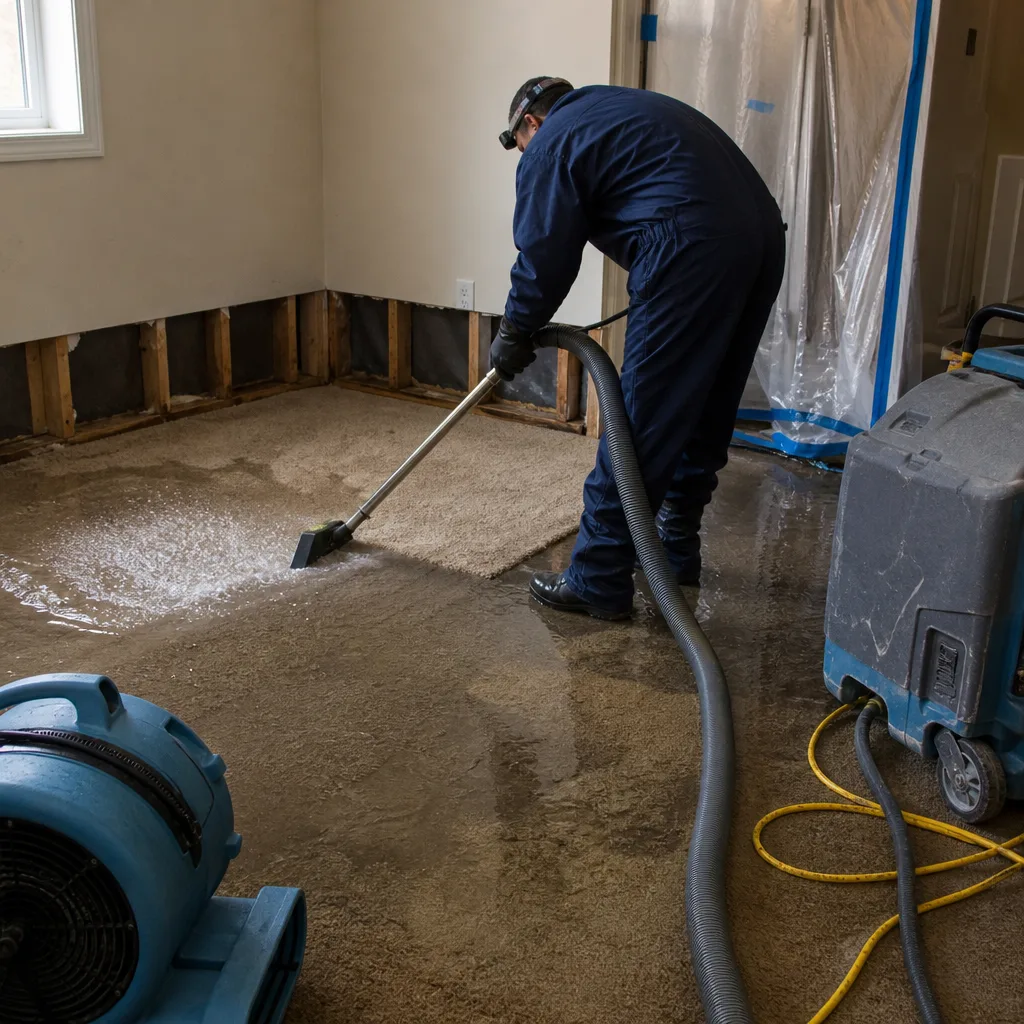
Standing water comes out first. Emergency board-up and roof tarping happen the same visit if the building envelope is breached. Debris that threatens the structure gets cleared.
Drying & Dehumidification
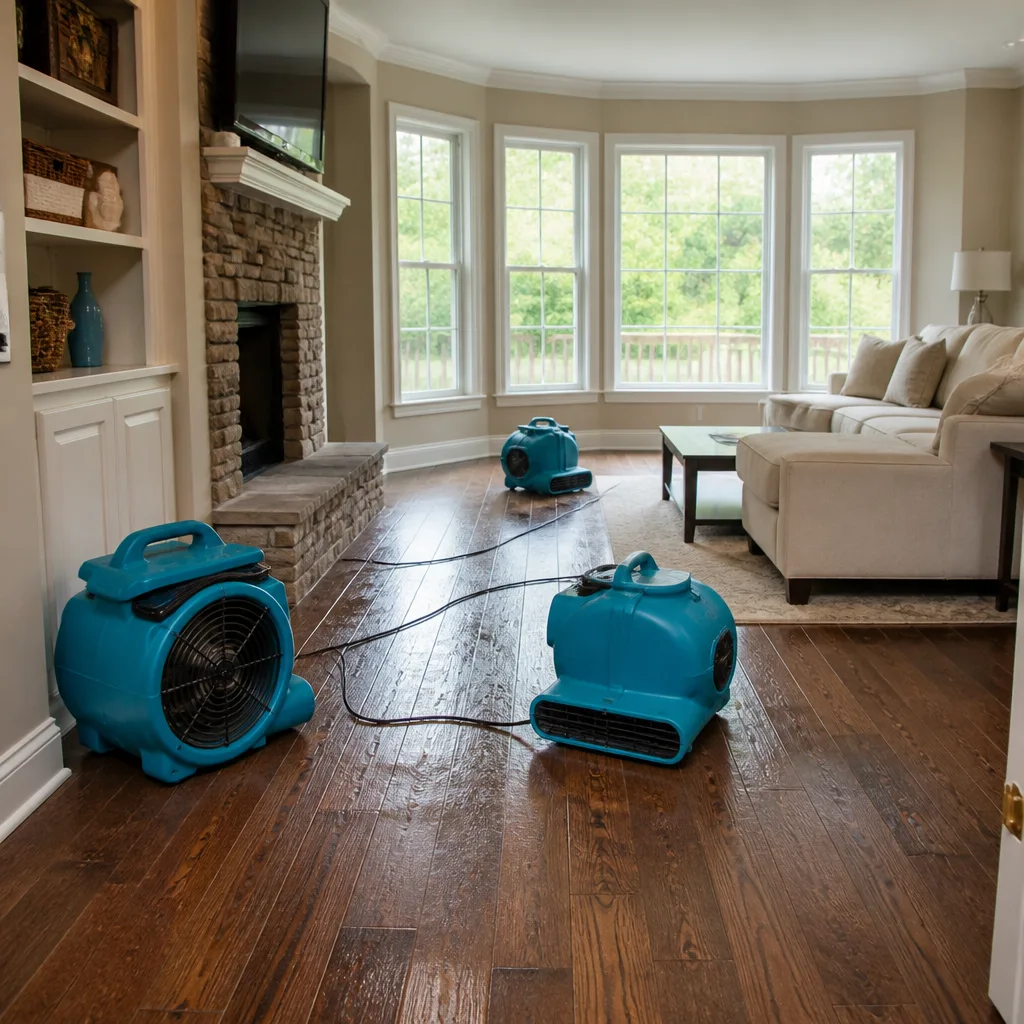
Dri-Eaz and Phoenix air movers and dehumidifiers go in where the moisture map says they belong. We read the logs daily and document every number until the dry standard is met. That log goes to you and your carrier.
Cleaning & Sanitization
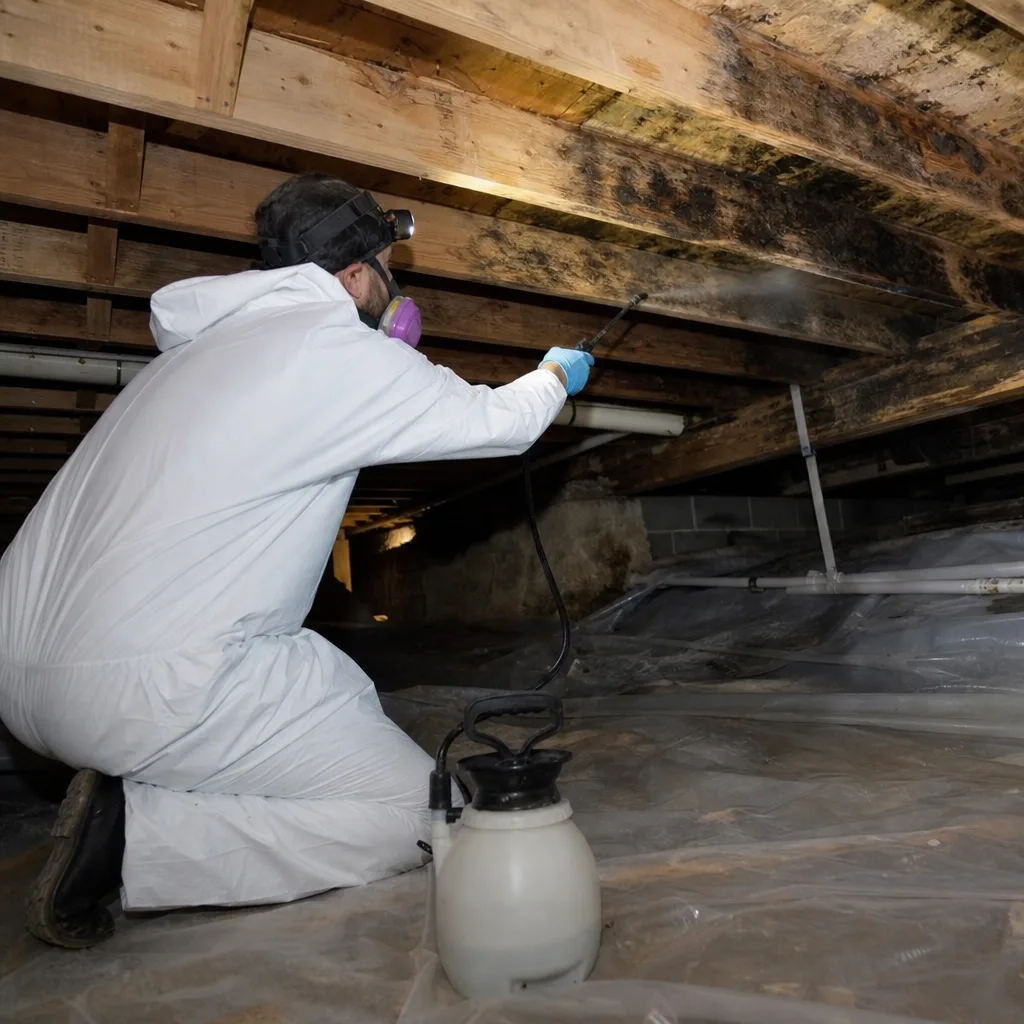
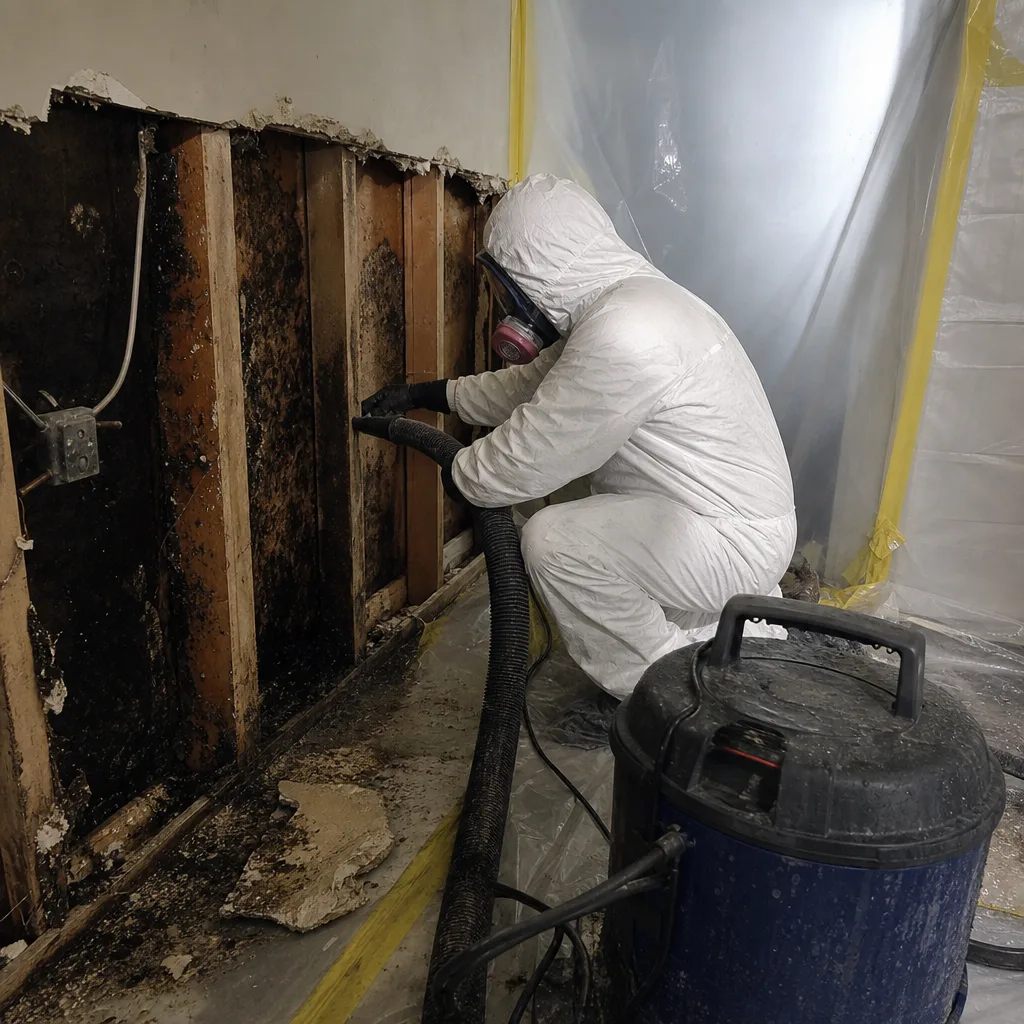
Antimicrobial treatment on affected framing and masonry. HEPA air scrubbing if mold is present. We contain the work area so spores don’t move through the rest of the house.
Wind & Envelope Repair
Storm-battered windows, torn flashing, and damaged roof coverings get repaired to Forest Hills code, including LPC-compliant work in the Gardens when applicable. This is the step that stops the next storm from doing the same thing.
Repairs & Restoration
We rebuild what the storm took. Matching plaster in a Tudor is different from replacing drywall in a co-op. Both are our work, and both are backed by the 90-Day Done Right Promise, in writing.
Need Emergency Storm & Disaster Restoration in Forest Hills Now?
Crews minutes away, answering live 24 hours a day. The sooner we start, the less it costs.
Working With Your Insurance Company
Storm claims are messy because the damage spreads while the paperwork sits. We close that gap. From the first hour on site, we document everything: photos room by room, moisture readings, a line-item scope, and the daily drying log. That is what adjusters respond to, because it removes the argument. We coordinate directly with your carrier and bill them directly on approved work. You stay informed, not involved as a messenger. A lot of Forest Hills homeowners in the Gardens and around Queens Boulevard have dealt with contractors who vanish when the adjuster asks questions. We hand the adjuster the file they need and keep the work moving.
What We Provide Your Insurer
- Thorough documentation of the loss
- Photos of all damage, room by room
- Moisture readings and drying logs
- A detailed, line-item scope of work
- Direct coordination with your carrier
Built for Forest Hills’s Loss Calendar
The storm calendar here has rhythm. Late summer is flash flood season. The remnants of Hurricane Ida in September 2021 turned Forest Hills into a flood zone, swamping finished basements from the Gardens down to the co-ops along Queens Boulevard. Clay subsoil and almost total impervious coverage mean runoff has nowhere to go, so basements that never flooded before became Category 2 or 3 losses overnight. Winter brings nor’easters. Those are not just snow events; they drive wind and rain horizontally into aging masonry and tired window seals on pre-war brick buildings. Spring thaw pushes groundwater up through slab cracks and foundation joints. And all summer long, sharp thunderstorms drop an inch of rain in forty minutes on ground that cannot absorb it. Each season has a signature loss pattern here, and the response has to match it. Our crews are stocked and staged for the pattern, not reacting to a surprise.
Storm & Disaster Restoration Across Forest Hills’s Neighborhoods
Forest Hills splits into two different jobs for us, and the split runs right down the middle of the zip code. In Forest Hills Gardens, we work on landmarked Tudor Revival homes where slate roofs, original masonry, and stucco exteriors have to be repaired to the standards set by the NYC Landmarks Preservation Commission and the Forest Hills Gardens Corporation. A storm-damaged slate tile is not a swap-out; it is a review. Along Queens Boulevard, the pre-war brick co-ops from the 1920s through 1940s run into multi-unit water losses when wind-driven rain breaches failing sealants. We coordinate with boards, superintendents, and multiple unit owners at once. Around Austin Street and the commercial corridor, stormwater backs up through aging sub-grade drainage and into retail basements and residential storage. Near Flushing Meadows Corona Park‘s northern edge, homes sit lower and closer to saturated ground, so a hard rainfall moves in fast. Response routes from 11375 to every edge of the neighborhood are mapped so a crew is genuinely minutes away, not an hour with tunnel traffic.
Specialized Storm & Disaster Restoration Services We Offer in Forest Hills
Storm Damage Cleanup
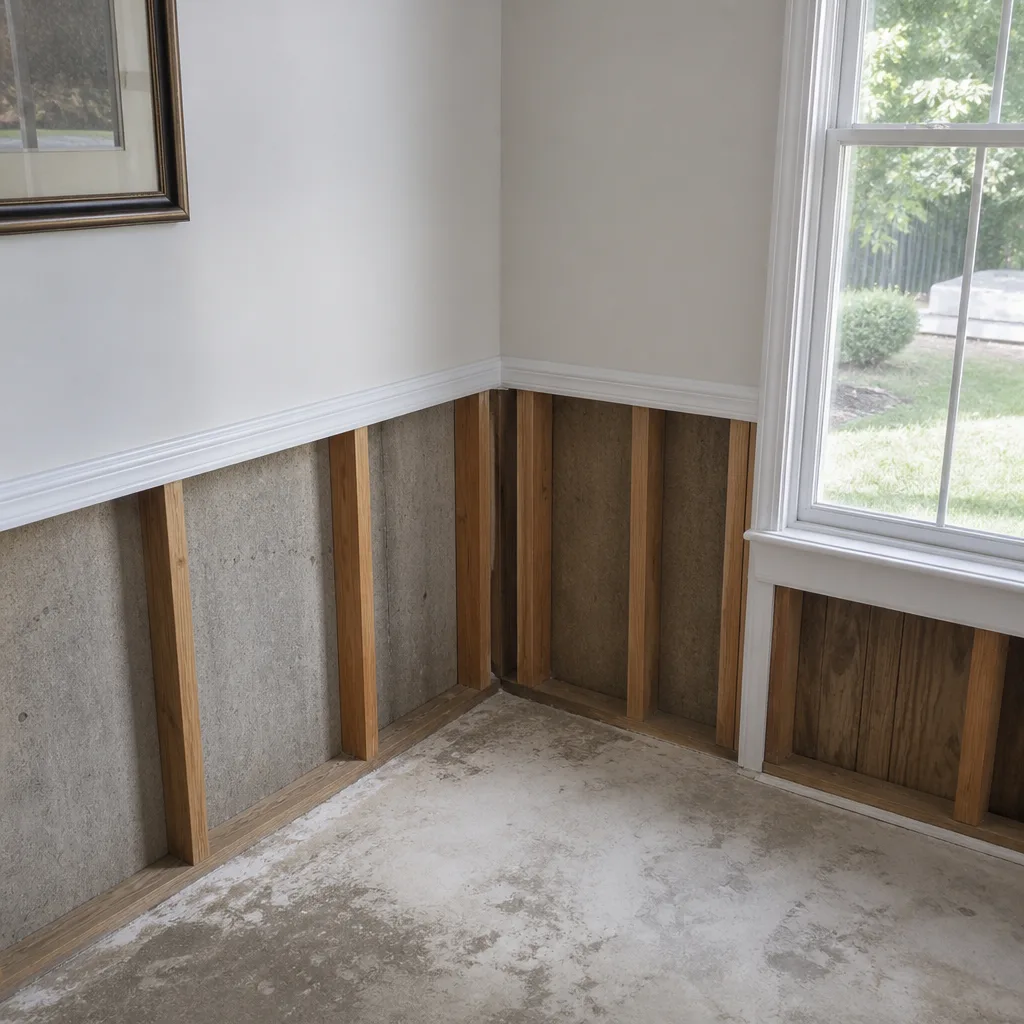
Fallen branches, water-sogged drywall, ruined flooring, and wind-scattered debris get removed and disposed of with proper containment. In Forest Hills Gardens, we match the removal method to the building’s materials: clean cuts, protected original plaster, and salvage of anything the LPC will want preserved.
Flood Damage Restoration
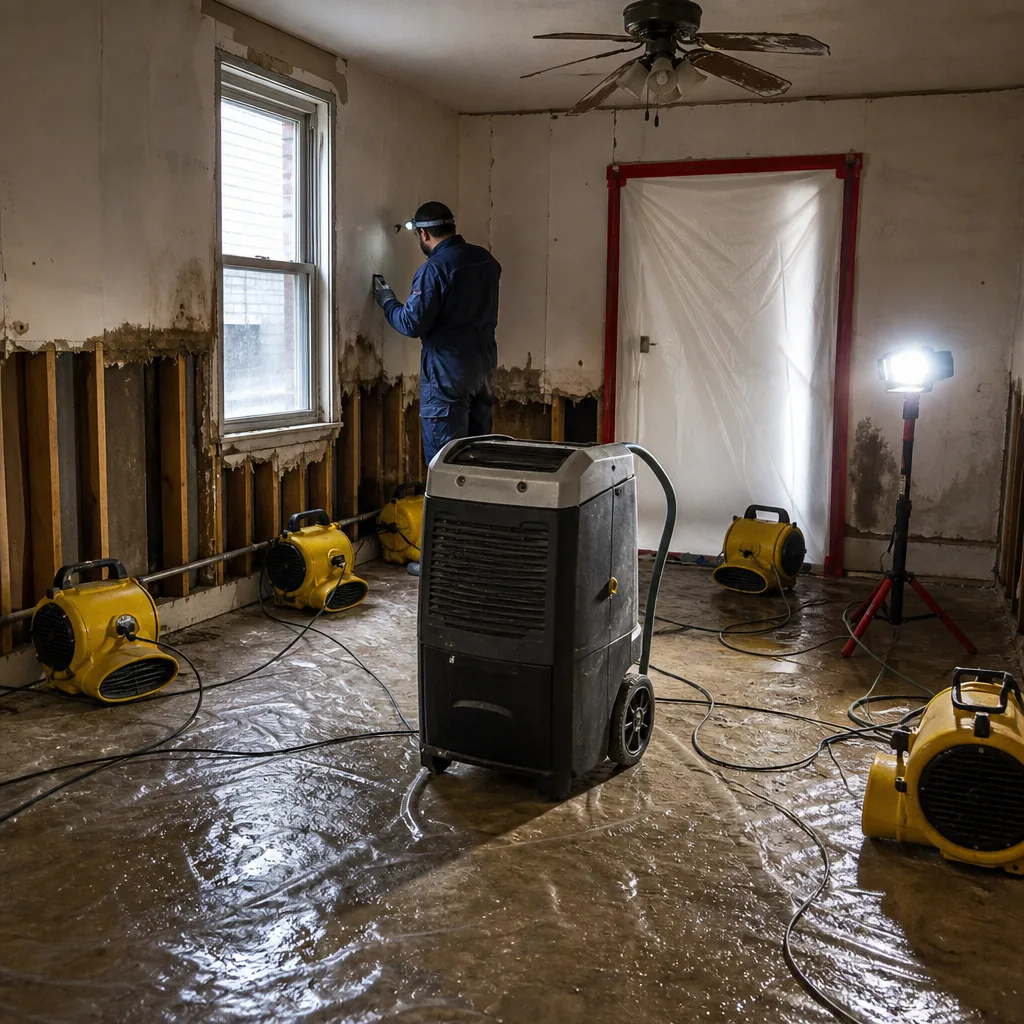
Category 2 or 3 water in a finished basement off Queens Boulevard means more than pumping and drying. Clay-heavy soil holds water under the slab, so we run deeper structural drying with Injectidry systems on the wall cavities and B-Air and XPOWER equipment on the open areas. The moisture log proves the drying is done, not just guessed at.
Emergency Board-Up
When a nor’easter takes out a window or a tree limb opens the roof, the building envelope is breached. We board up and tarp within hours, securing the property against further rain, pests, and trespass, and we document everything for the carrier.
Roof Tarping
A torn slate roof in the Gardens or a punctured flat roof on a co-op both need immediate covering. We tarp to stop active intrusion, then plan the permanent repair with the right materials: original slate in the landmarked district, code-compliant membrane elsewhere.
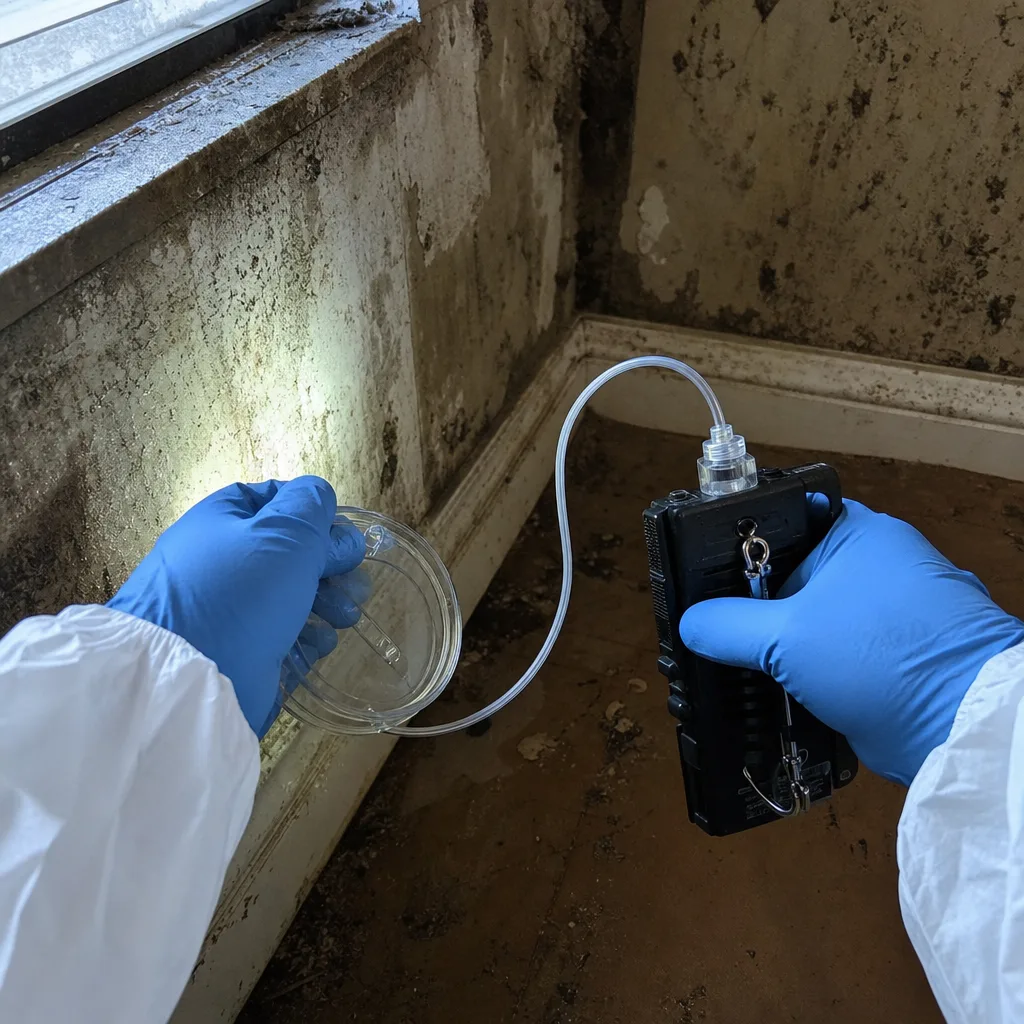
Debris Removal
Wind damage leaves more than broken glass. Branches, soaked insulation, and ruined contents have to go before drying can work. We clear it, haul it, and document every load for the claim.
What happens when you call
- 1
A real person answersNo phone trees - you reach a local pro.
- 2
You get an upfront price rangeHonest numbers before anyone is dispatched.
- 3
A background-checked tech heads outLicensed & insured, dispatched right away.
- 4
You approve before work beginsNothing starts until you say go.
Storm & Disaster Restoration Costs in Forest Hills, NY
Here are straight numbers for this market. Storm damage cleanup in a typical Forest Hills basement runs $1,800 to $4,500 depending on how much drywall, flooring, and insulation came out. Flood damage restoration on a finished basement, with extraction, drying, antimicrobial treatment, and rebuild, lands between $6,000 and $24,000. Emergency board-up runs $350 to $900 for a standard window or door opening. Roof tarping runs $400 to $1,200 depending on roof pitch and access. Debris removal is $300 to $1,500 by volume and weight. What moves the price: how long water sat, what category it is, whether walls are lath-and-plaster or gypsum, and whether we’re inside the Gardens boundary where LPC material rules add sourcing and review costs. Insurance covers most of these losses when the documentation is complete. A free visual inspection gives you a written scope with a firm number, not an estimate with asterisks.
We Also Serve Cities Near Forest Hills
Our crews run the same routes through Richmond Hill, Woodhaven, Fresh Meadows, and Ozone Park. Same live answer, same response time, same written guarantee. If you’re just over the neighborhood line, call and we’ll have a crew on the way.
Forest Hills Storm & Disaster Restoration Questions, Answered
How do I know if storm water in my Forest Hills basement is category 2 or category 3?
The deciding factors are the water’s source and what it touched. Category 2 water has run across a floor, through a wall cavity, or sat long enough for bacteria to multiply. Category 3 water contains sewage or street runoff. In Forest Hills, flash floodwater that pushed up through a floor drain or entered through a below-grade door is category 3 because it has mixed with soil and whatever was on the street. We test and classify on site, and the classification drives how we extract, treat, and what gets cut out.
Do I need LPC approval to replace a storm-damaged slate tile on my Forest Hills Gardens roof?
Yes, in almost every case. The NYC Landmarks Preservation Commission and the Forest Hills Gardens Corporation both require review before material changes on landmarked structures, including roofing. We handle the documentation and source matching materials so the repair waits on the permit, not the other way around. Replacing one storm-damaged tile with modern asphalt could trigger a violation and a tear-out. Call (518) 627-5878 and we’ll run the approval path for you.
Why does water from a nor’easter seem to linger in my pre-war co-op’s walls long after the rain stops?
Because the water is not coming in through an open hole. Wind-driven rain penetrates the masonry itself. Old brick and failing mortar absorb water, and once the exterior face is wet, the moisture travels inward through the wall cavity. Intact plaster hides it. Without moisture mapping, the wall looks dry while the framing behind it stays wet. That is exactly the condition we dry with Injectidry systems and daily readings.
How does Floodline Restoration Co. handle storm damage across multiple units in a Queens Boulevard co-op building?
We have worked every configuration along Queens Boulevard: a top-floor unit where a roof leak damaged the ceiling, a middle-floor unit where a burst riser hit three floors at once, and basement storage rooms flooded by storm surge. We coordinate with the board, the super, and each affected unit owner. Access schedules get set before we arrive, and the moisture map shows the board what’s wet on each floor. We bill the responsible insurer directly where applicable.
Is my Forest Hills home at higher risk for storm flooding than neighboring Rego Park?
Some parts of Forest Hills are, particularly the lower-lying blocks near Flushing Meadows Corona Park and the heavier clay soils across the neighborhood. Rego Park shares some of this geology, but Forest Hills’s older housing stock, near-total impervious surface cover, and density put many homes at higher risk from flash floods. Ida proved the point in 2021. The important thing is what you do in the first 24 hours, not the zoning map.
How fast can a crew reach Forest Hills?
We commit to a 45-minute response across the 11375 zip code. Live dispatch means no call-back queue and no recorded menu. A real person takes the call, and the nearest certified crew rolls. For a Category 2 or 3 water event, that speed difference is measurable in what gets saved and what gets cut out.
Will my insurance cover storm damage restoration in Forest Hills?
Most standard homeowners and co-op policies cover sudden storm damage: wind, rain intrusion, fallen trees, and flood losses depending on the policy. The claim usually succeeds or fails on documentation. We provide photos, a line-item scope, moisture logs, and direct adjuster coordination, and we bill the carrier directly. You are told what is approved and what is not before the work proceeds past the emergency phase.
What should I do in the first 30 minutes after flooding or wind damage in Forest Hills?
Shut off the power if water is near any outlet or appliance. Call (518) 627-5878. If it’s safe, move small valuables and furniture off the wet area. Do not use a shop vac on category 3 water. Take phone photos of the damage for your record, then let our techs take the real documentation. The first call is the most valuable move you can make.
Serving Forest Hills, NY - Our Local Coverage Area
We’re based in the Forest Hills area and know this community well. Use the map below to see our service coverage - if you’re nearby, we can almost certainly help.
Storm & Disaster Restoration in Forest Hills
We are Curt Bowman’s team at Floodline Restoration Co., and we have been doing this work in Forest Hills long enough to know the difference between a co-op on Queens Boulevard and a Tudor in the Gardens. We answer the phone with a person, show up when we say, and stand behind the work in writing with the 90-Day Done Right Promise. When wind and water hit Forest Hills, the line the water left is where we start. Call (518) 627-5878 for a free estimate, any hour, any day.
Written by Curt Bowman, Owner at Floodline Restoration Co., serving Forest Hills storm and disaster restoration with certified crews and a written guarantee.