
Free visual inspection and a written scope of work before any mitigation begins - photos, moisture readings, and drying logs go in your claim file
The scope we write is the scope we bill. Anything new gets shown to you, in writing, before we touch it.
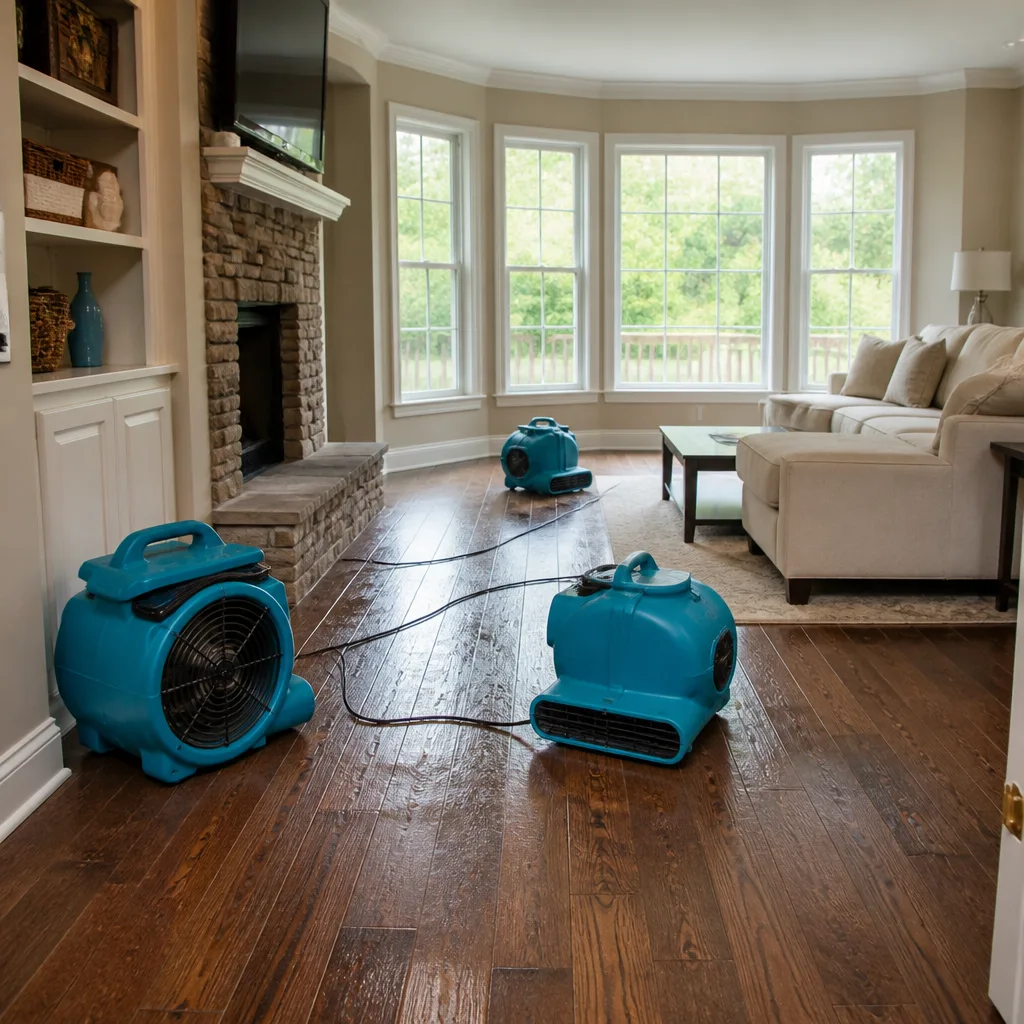
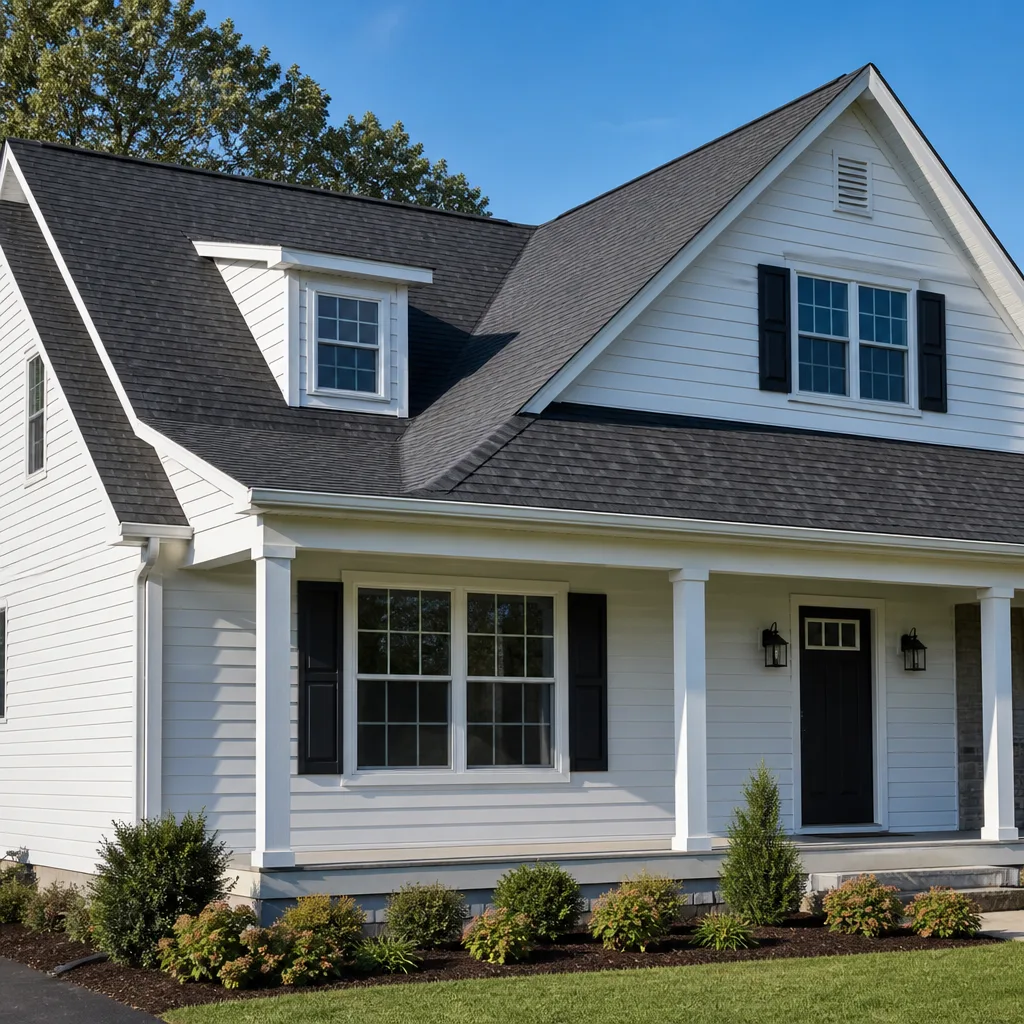
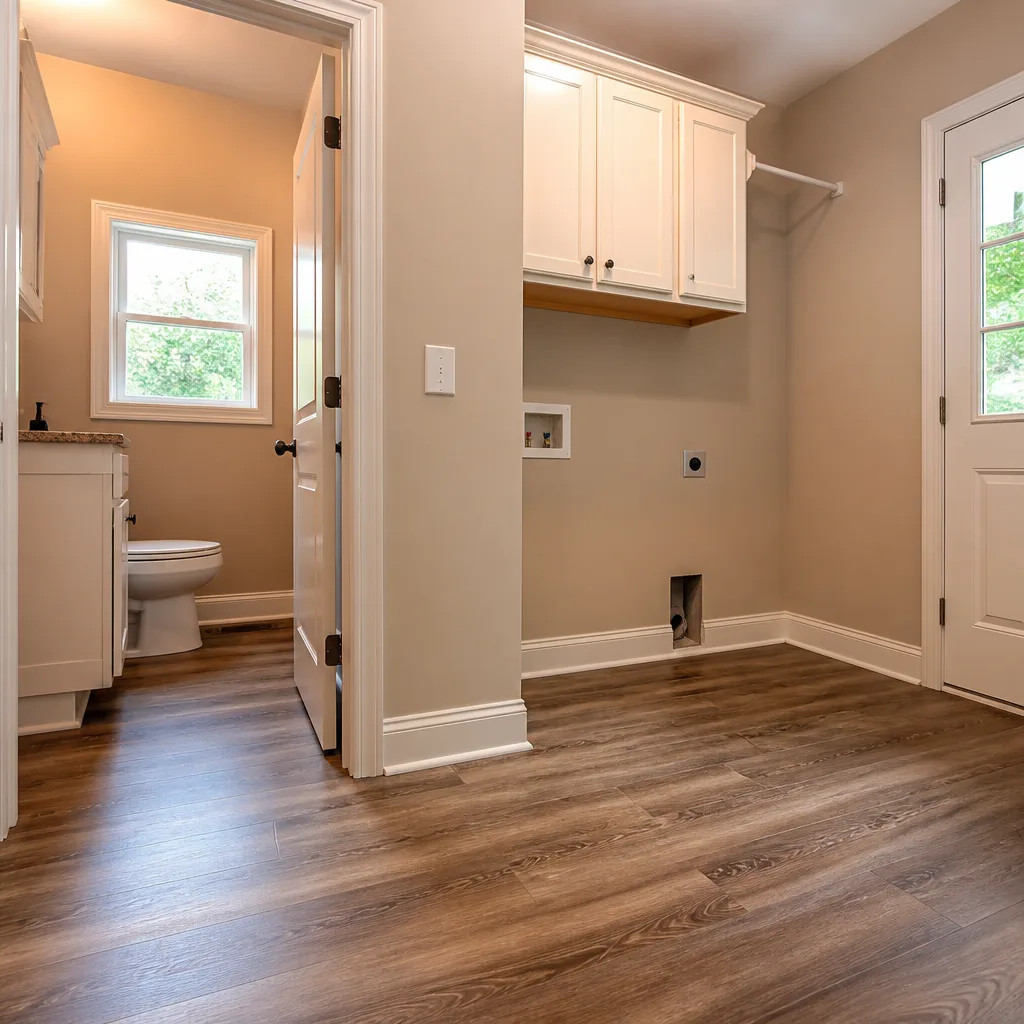
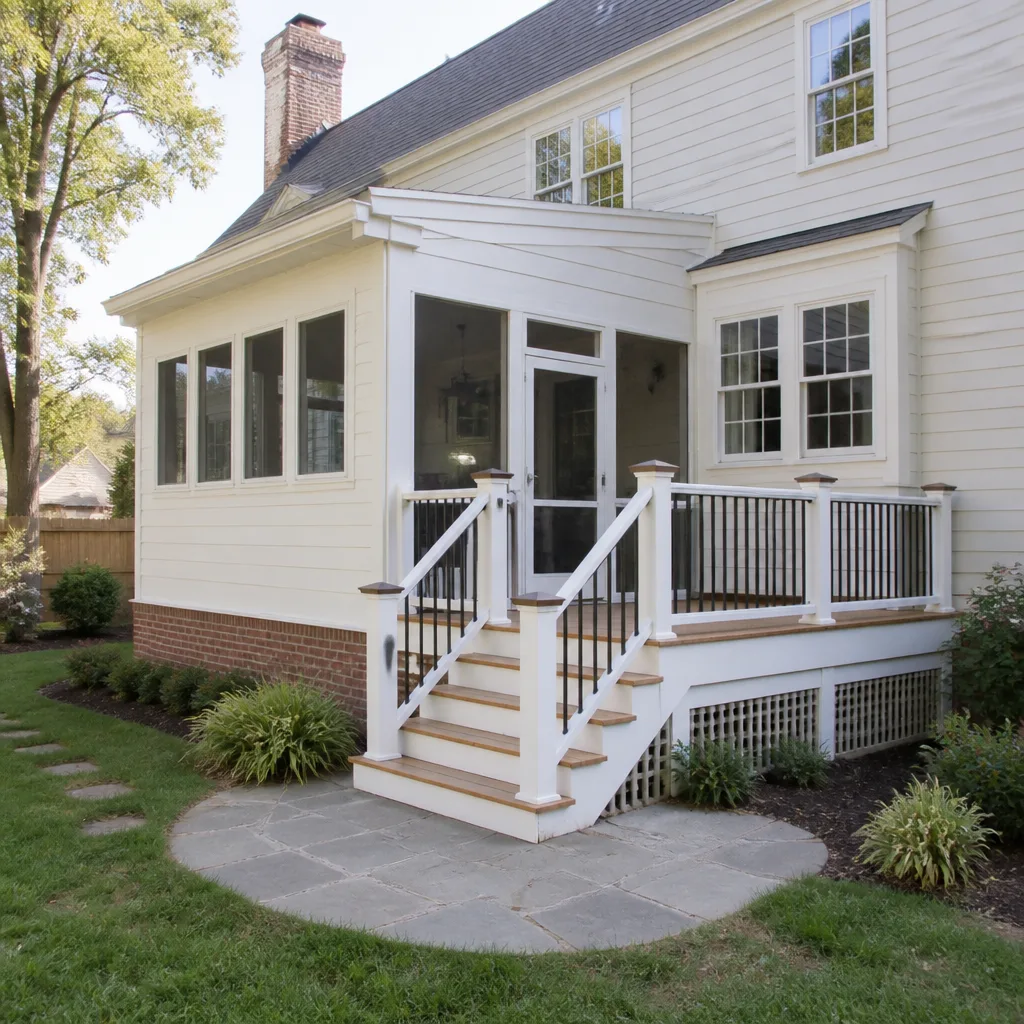
 Before
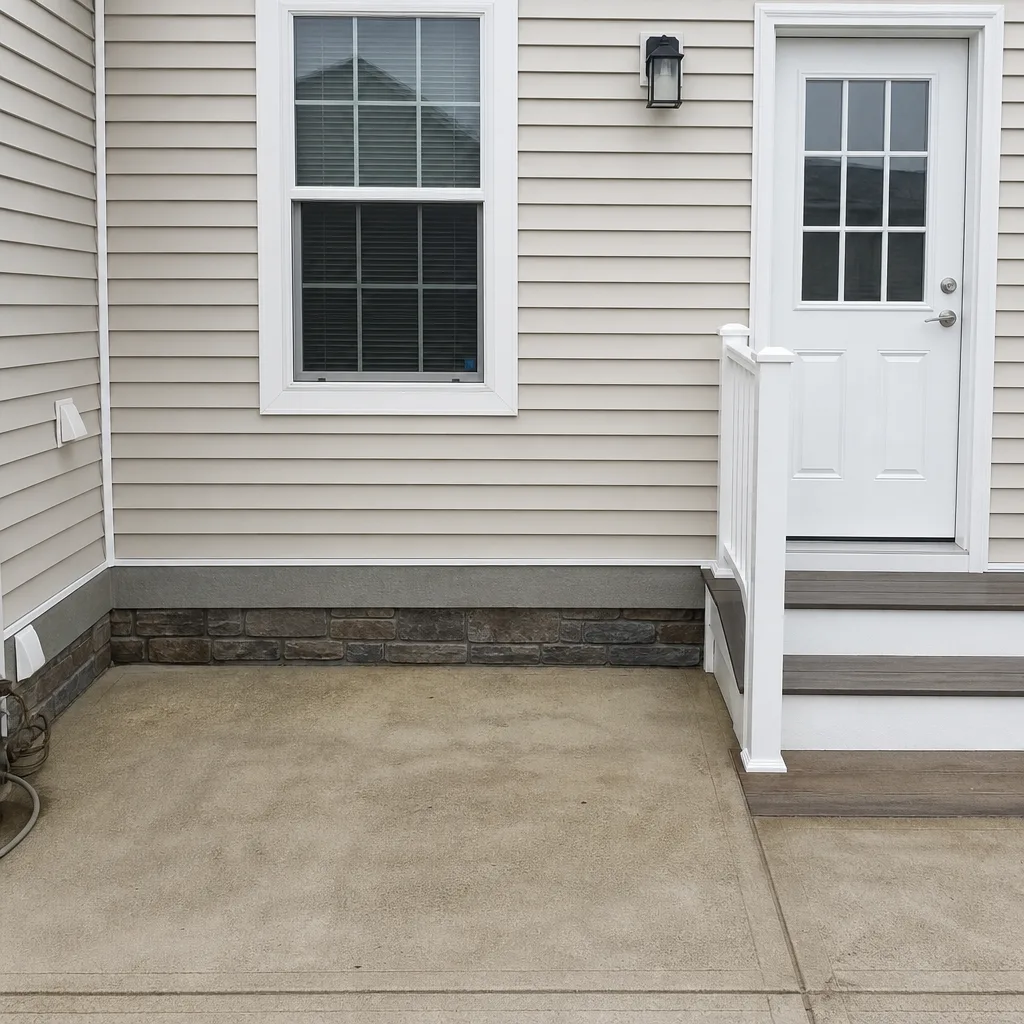 After
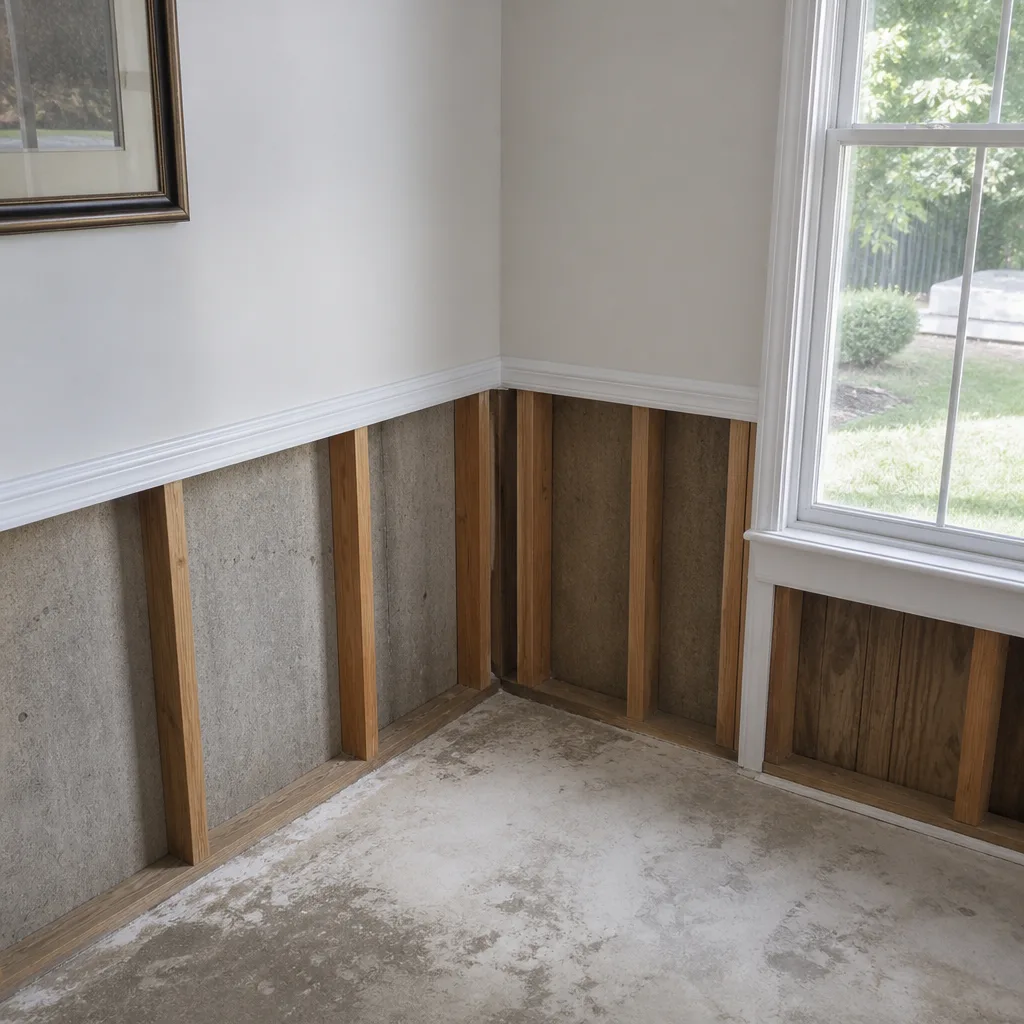
After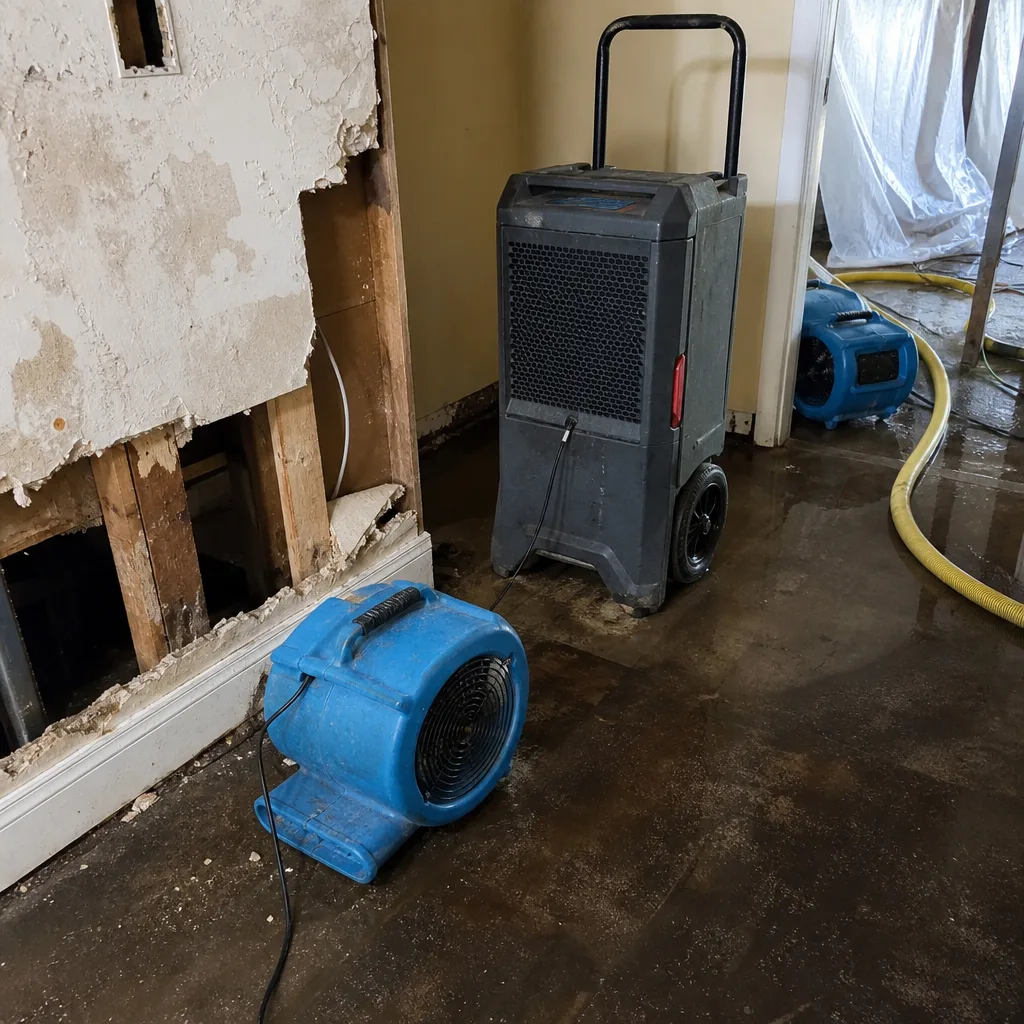 Before
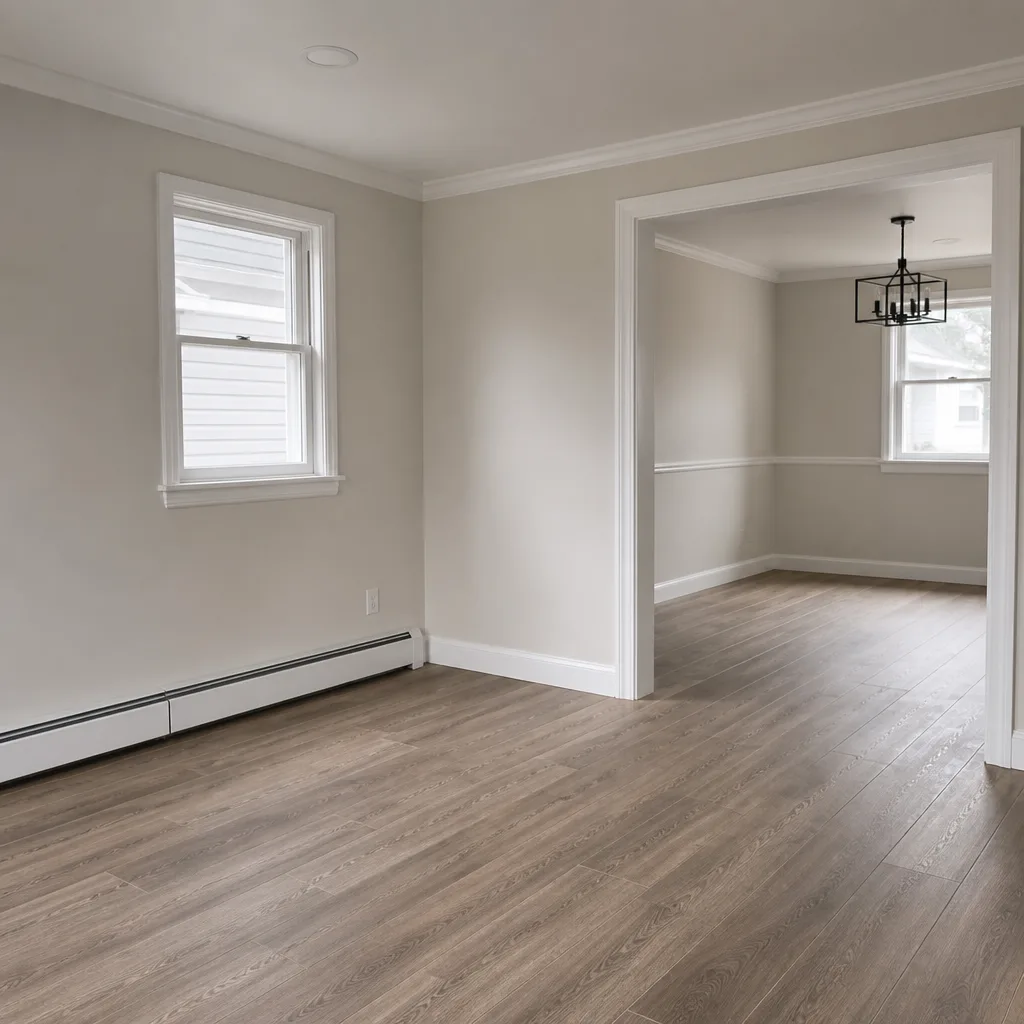 After
After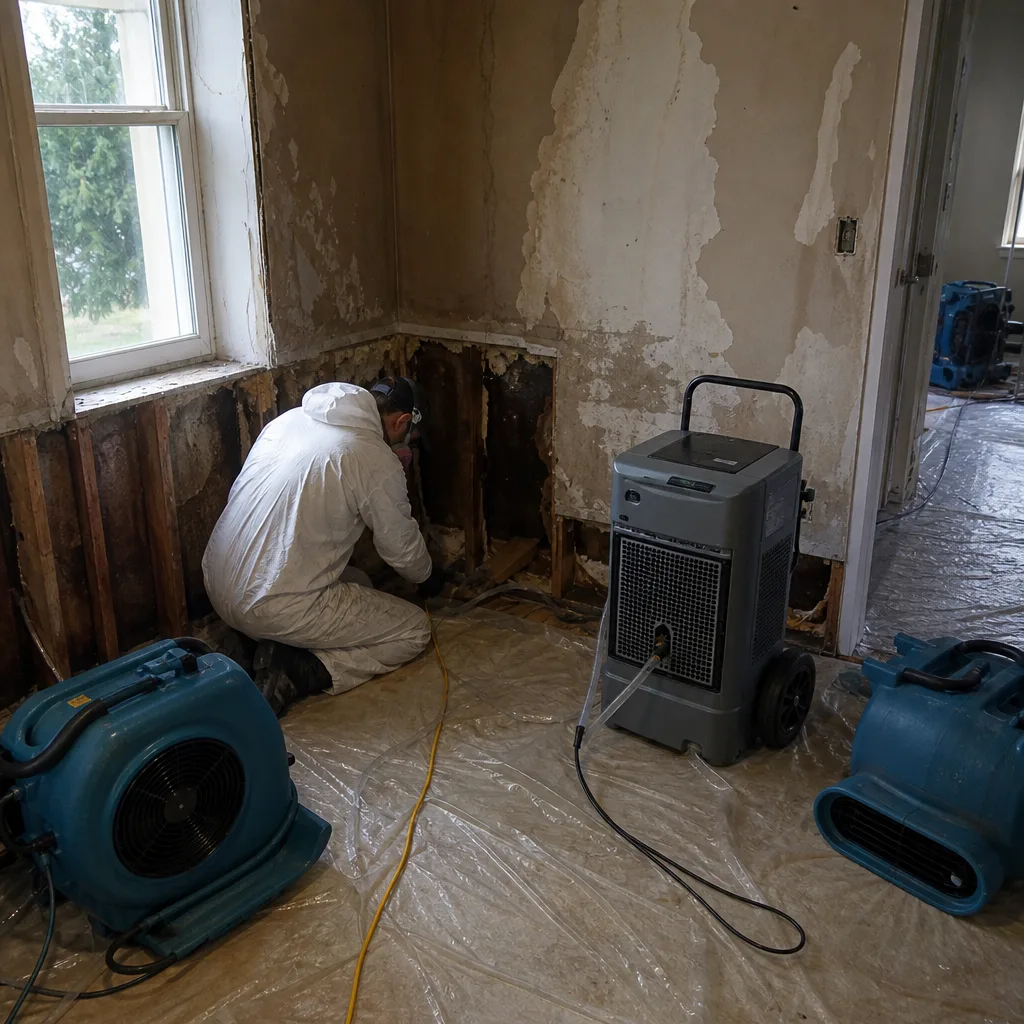 Before
 After
After24/7 Emergency Water Damage Restoration in Howard Beach
Water damage restoration in Howard Beach, NY typically costs between $2,800 and $7,500 for a finished basement flood, with emergency extraction alone running $650 to $1,400. Most jobs can be started the same day you call, because our crews are dispatched from the New York City office and stationed throughout Queens. Call (518) 627-5878 any hour, day or night. A live dispatcher answers. Not a recording, not an answering service. The first hour after water enters a Howard Beach home matters more than most people realize, because brackish bay water starts corroding fasteners, electrical connections, and bottom plates within a day, and every hour of standing water pushes moisture deeper into drywall, framing, and subfloor. We arrive within 45 minutes for most Howard Beach calls, run a free visual inspection, and get extraction equipment running the same visit.
Understanding Water Damage Restoration Severity in Howard Beach Properties
Water damage is categorized by contamination level, and Howard Beach sees all three categories in a single season. Category 1 water comes from a burst supply line or failed water heater. That is clean water, but once it sits in a mid-century basement built near the water table, it picks up whatever is in the slab and becomes Category 2 within hours. Category 3 is what a Jamaica Bay surge delivers: brackish, sewage-tinged floodwater carrying salt, silt, and whatever the tide pushed in. The salt content changes the drying equation. Moisture meters calibrated for freshwater will under-read salt-laden drywall, which means restorers who treat bay water like a burst pipe stop drying too early. We run thermal imaging alongside penetrating and non-penetrating meters, and we log readings daily until the dry standard is met. For Howard Beach homes built in the 1950s through 1970s, the framing is often true dimensional lumber with plaster or early drywall, which behaves differently than modern construction. Plaster wicks water and holds it, while older drywall delaminates fast. Both require patience and the right equipment.
Why Howard Beach Property Owners Choose Floodline Restoration Co.
- 45-minute response commitment for Howard Beach calls. When water is actively moving, time is the entire job. We dispatch from a live board, not a sales queue.
- A real person answers, 24/7. At 2 a.m. during a nor’easter, you get a dispatcher who knows the streets and can route a crew from the nearest Queens location. Never a phone tree.
- IICRC-certified crews. Our technicians hold WRT (Water Damage Restoration Technician) and ASD (Applied Structural Drying) certifications, and are trained to RIA and IFA standards.
- Free visual inspection. We walk the property, map the moisture, and explain what needs to happen before any work begins. No pressure, no scare tactics.
- Direct insurance billing. We bill your carrier directly and handle adjuster communication. You do not play messenger.
- One team from extraction to reconstruction. The same crew that pulls the water also rebuilds. No mid-job handoff to a subcontractor you never met.
We stand behind every job with the 90-Day Done Right Promise, our Keystone Standard. It is in writing. If it is not done right, we make it right. No arguing, no paperwork battles. This is the same guarantee Curt Bowman built the company on in 2010, and it applies to every Howard Beach job we take.
Our Water Damage Restoration Process
Inspection & Assessment
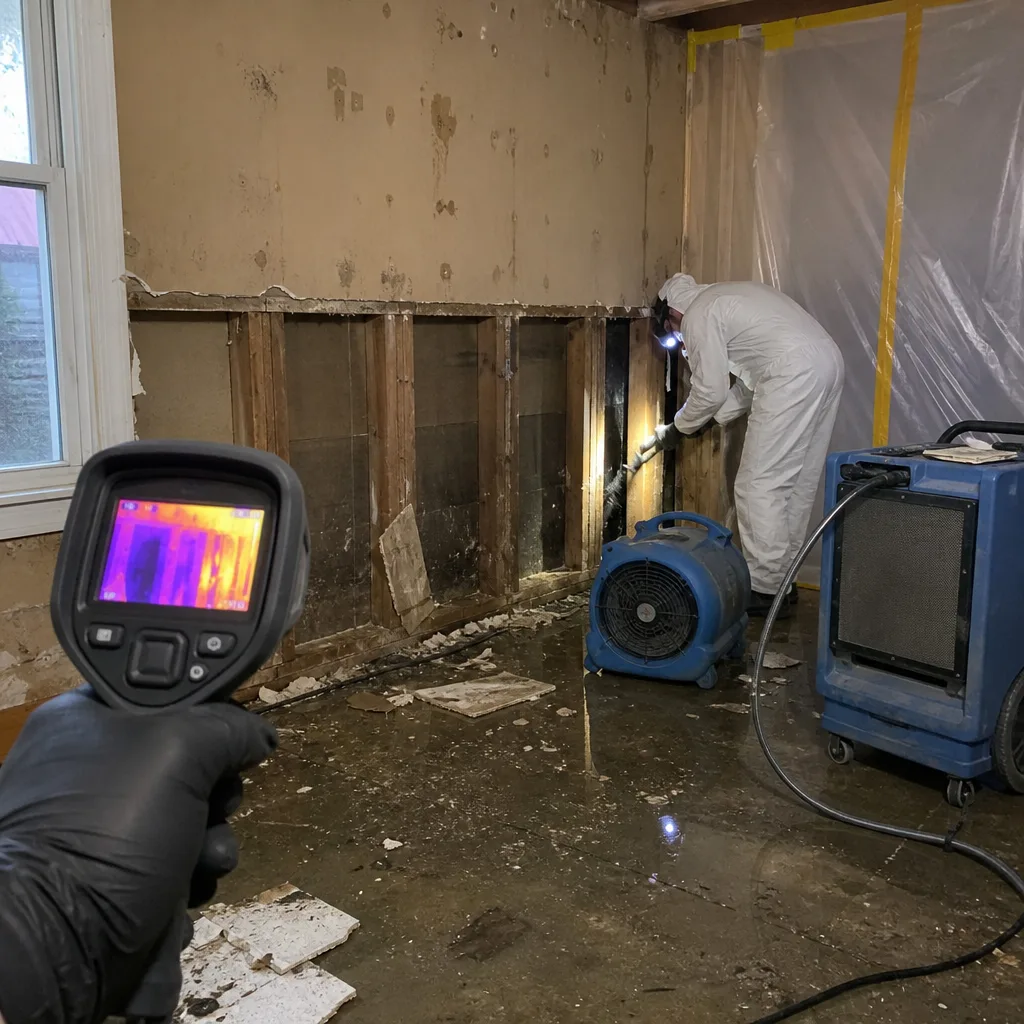
We start with a full walkthrough using thermal imaging and moisture meters to map where water has traveled, including beneath flooring and behind walls. In Howard Beach basements, we check for evidence of prior events, because layered damage changes the scope. You get a written assessment before any work begins.
Extraction & Stabilization
We pull standing water with truck-mounted and portable extractors, then stabilize the environment by removing saturated materials that cannot be dried. In brackish water situations, we remove more aggressively, because salt-saturated drywall and insulation rarely dry to an acceptable standard.
Drying & Dehumidification
We place air movers, dehumidifiers, and Injectidry drying mats to pull moisture from walls, floors, and cavities. In below-grade Howard Beach spaces, this phase often runs longer than a freshwater job because hydrostatic pressure keeps feeding moisture up through the slab. Daily readings get logged and shared with you and your carrier.
Cleaning & Sanitization
Floodwater carries contaminants. We clean and sanitize all affected surfaces and run HEPA air scrubbers to pull particulates from the air. For homes that have flooded before, we address mold colonies that formed behind previous cosmetic patches.
Corrosion Control & Salt Remediation
This step is specific to Howard Beach. Brackish bay water leaves salt residue on fasteners, HVAC components, and framing. We flush and treat affected areas to stop corrosion before it eats through copper, steel, and aluminum. Skip this and your systems fail weeks or months later.
Repairs & Restoration
Once moisture readings confirm the structure is dry, we rebuild. Drywall, flooring, trim, paint. The same crew that did the extraction does the reconstruction, so there is no gap in accountability and no question about who stands behind the work.
Need Emergency Water Damage Restoration in Howard Beach Now?
Crews minutes away, answering live 24 hours a day. The sooner we start, the less it costs.
Working With Your Insurance Company
Howard Beach homeowners deal with flood claims differently than most, because many losses here involve FEMA flood policies alongside standard homeowners coverage, especially for properties inside flood zone AE. We document from the first hour: photos of standing water and tide lines, moisture readings, a line-item scope, and daily drying logs. That documentation is what gets a claim approved without endless back-and-forth. We communicate directly with your adjuster, and when coverage is disputed, we explain your options in plain English. Built up after Sandy, many Howard Beach homes have elevated mechanicals and new foundations, but many still have finished basements that sit at grade. We know how to stage a claim for both scenarios.
What We Provide Your Insurer
- Thorough documentation of the loss
- Photos of all damage, room by room
- Moisture readings and drying logs
- A detailed, line-item scope of work
- Direct coordination with your carrier
Built for Howard Beach’s Loss Calendar
Howard Beach has a water damage season that other Queens neighborhoods do not. Nor’easter season from October through March pushes Jamaica Bay water over bulkheads and into basements along Hawtree Creek and Shellbank Basin. Heavy fall rains, when they land on a high tide, back up the catch basins and send water into finished basements. Late winter brings a different problem: freeze-thaw cycles that crack supply lines and send clean water through walls. And summer thunderstorms, short and violent, overwhelm drainage in minutes. Each of these has a different moisture profile and a different drying strategy. What they share is that the homeowner needed help at 2 a.m., not at 9 a.m. the next morning. That is why the phone is answered by a person around the clock, and why our crews know the Howard Beach streets well enough to arrive fast.
Water Damage Restoration Across Howard Beach’s Neighborhoods
Howard Beach is not one uniform housing stock. Old Howard Beach, west of Cross Bay Boulevard, has many of the original post-war brick row homes, often with shallow crawl spaces and finished basements that sit below the grade of Cross Bay Boulevard itself. Hamilton Beach, at the southern tip near the Belt Parkway, sits even lower and floods first when the bay rises. Lindenwood, just north of the Conduit, has a mix of garden apartments and single-family homes with different drainage patterns and different construction materials. Rockwood Park runs along the eastern edge and deals with drainage pressure from the Conduit during heavy rain. The homes near Spring Creek and the marshy edges bear the brunt of tidal nuisance flooding, even on calm days. We adjust our drying plan to the building, not the neighborhood average. A Hamilton Beach basement with standing water from a spring tide needs a different approach than a Lindenwood slab leak.
On a home near Hawtree Creek, our crew pulled back drywall after a nor’easter and found three distinct tide lines from past floods, including a Sandy-era stain that had been painted over with mold blooming behind the paint. We set containment, ran Injectidry drying mats on the walls, and used Dri-Eaz dehumidifiers with moisture mapping to confirm the bottom plates and studs were finally below 12% moisture content before any reconstruction. That is the reality of restoration in Howard Beach. The water is rarely new. The damage usually is not either. Because Howard Beach sits inside FEMA flood zone AE and is open to Jamaica Bay’s tidal influence, routine nuisance flooding when heavy rainfall coincides with high tides means water intrusion events are recurring seasonal realities, not rare emergencies. Restoration here must assume pre-existing moisture, salt contamination, and layered prior damage in nearly every basement. That assumption changes everything about how we scope the job.
Specialized Water Damage Restoration Services We Offer in Howard Beach
Emergency Water Extraction
Standing water in a Howard Beach basement needs to come out immediately. We arrive with truck-mounted extractors that pull hundreds of gallons per hour, then follow with portable units for tight corners and utility rooms. The faster the water is out, the less salt wicks into the framing.
Flood Cleanup
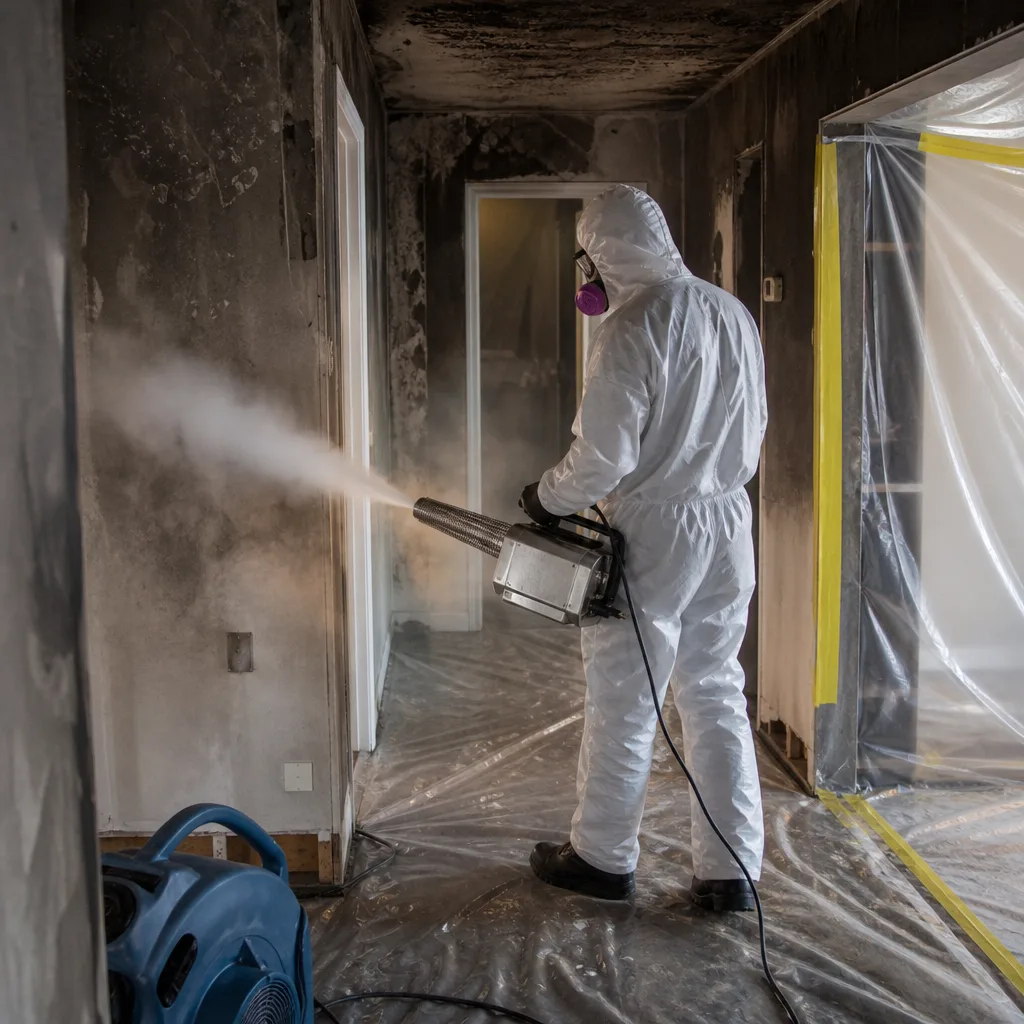
Bay water is not clean. It carries silt, sewage, and salt. Our Water Damage Restoration team removes contaminated materials, sanitizes surfaces, and sets up containment where needed. We treat flood cleanup in Howard Beach as a contamination event, not just a drying job.
Basement Water Removal
Most Howard Beach basements are finished living spaces that sit at or near the water table. We handle basement water removal with the understanding that the slab itself is often wicking moisture upward, which means drying requires more than just fans. We use dehumidifiers and drying mats, and we verify with moisture meters before declaring the space dry.
Structural Drying & Dehumidification
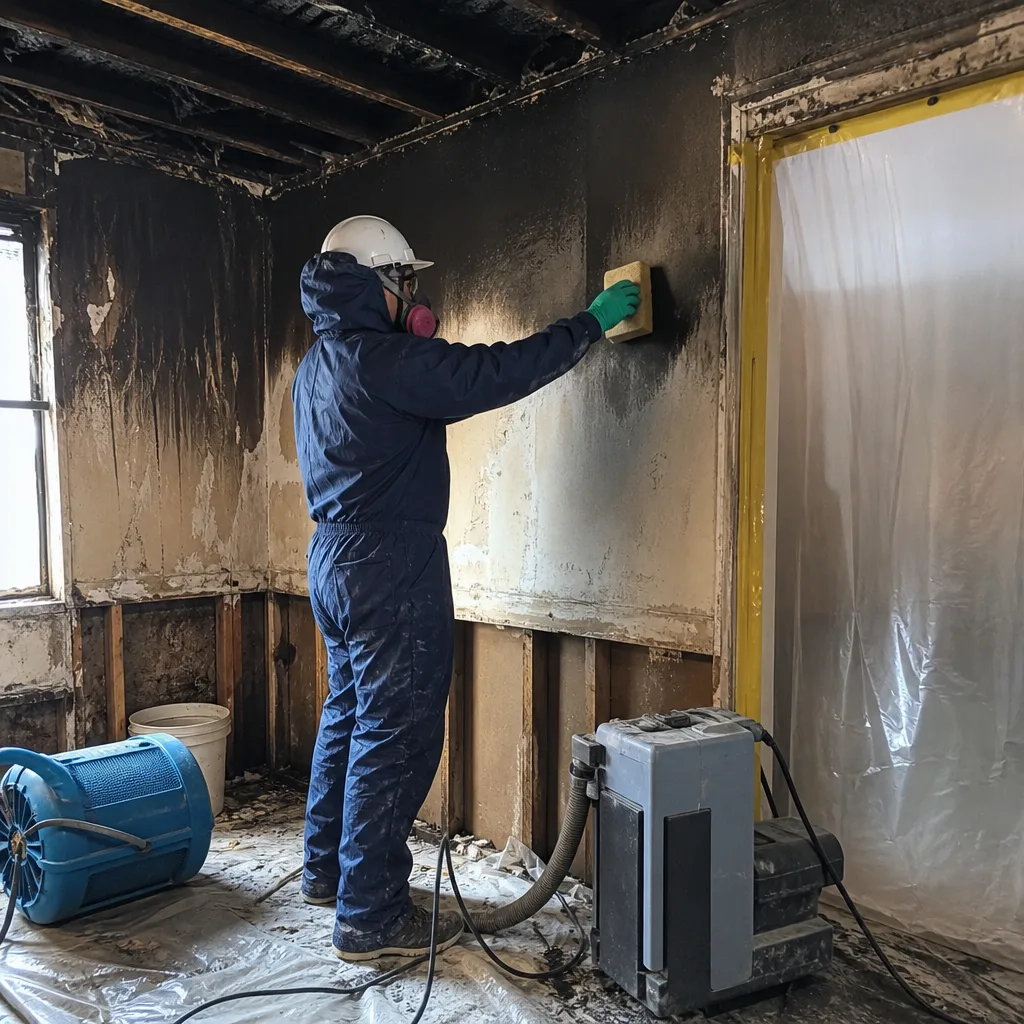
Howard Beach’s below-grade spaces rarely dry on their own. We run professional-grade Dri-Eaz dehumidifiers, Phoenix air movers, and XPOWER equipment around the clock until the dry standard is met. Daily readings are logged and shared with you and your carrier, because you should know exactly where the job stands.
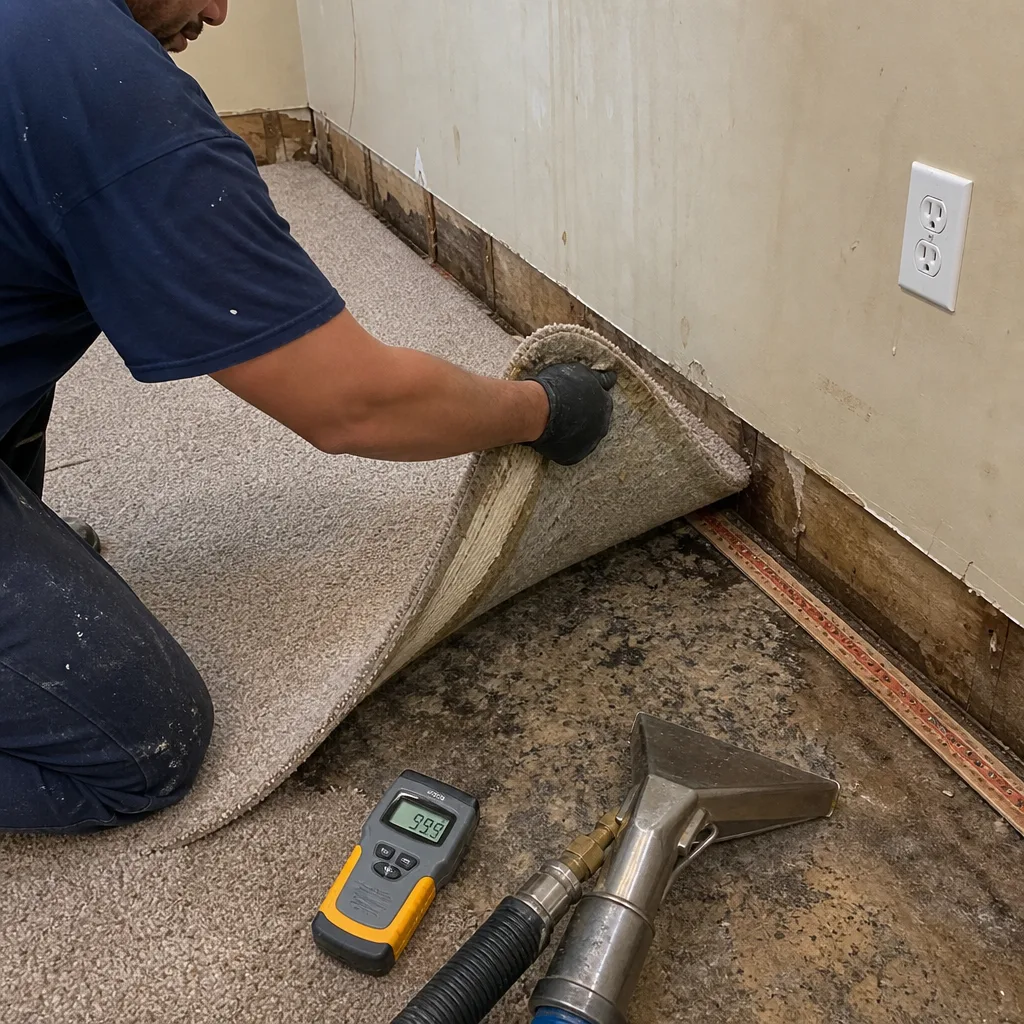
Burst Pipe Restoration
January deep freezes burst supply lines in Howard Beach homes built with older copper, especially on exterior walls and unheated crawl spaces. We extract, dry, and rebuild the affected areas, and we document everything for the claim. Clean water changes category the longer it sits, so speed matters here too.
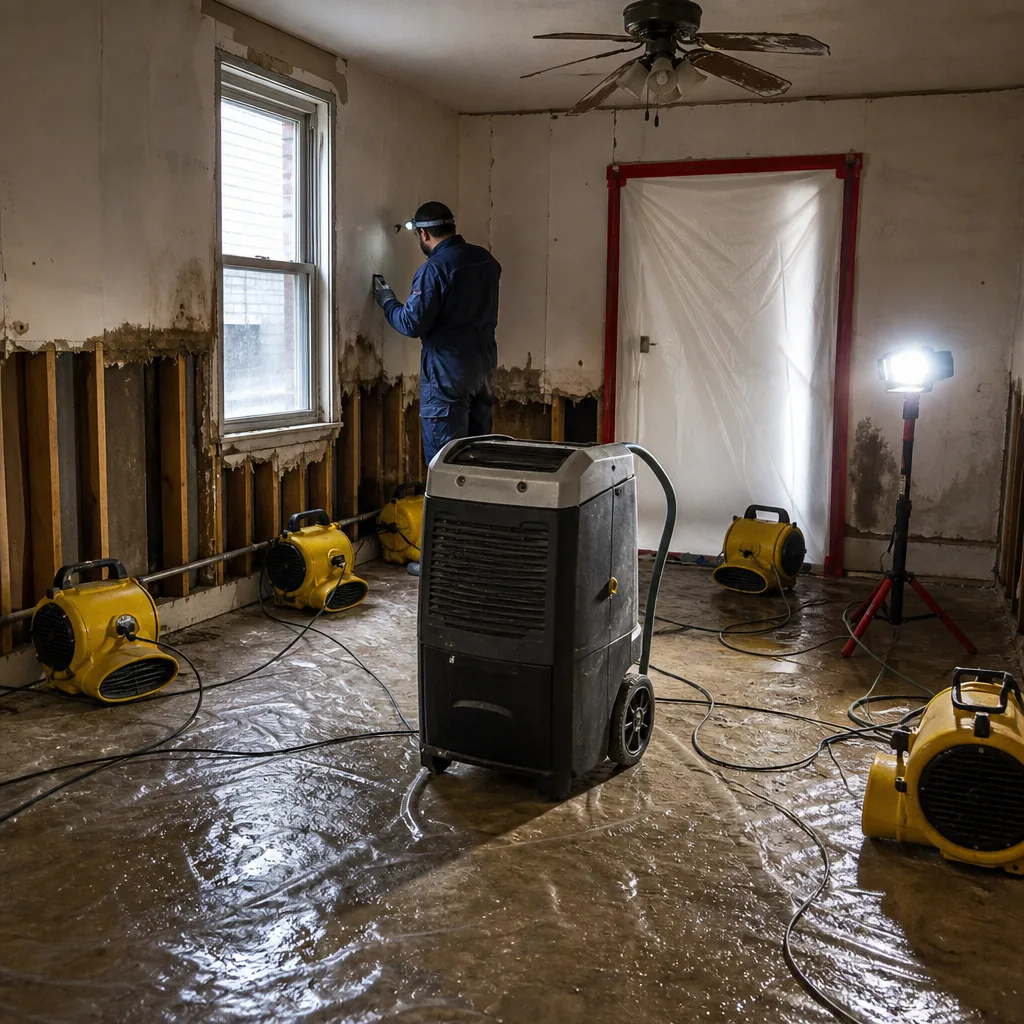
Ceiling & Roof Leak Water Damage
Wind-driven rain finds its way through aging roof flashing and around chimneys. We dry ceiling cavities, check for compromised insulation, and repair the water damage. If the roof itself needs a repair referral, we tell you straight. You do not need a restoration company for a roofing problem, and we will say so.
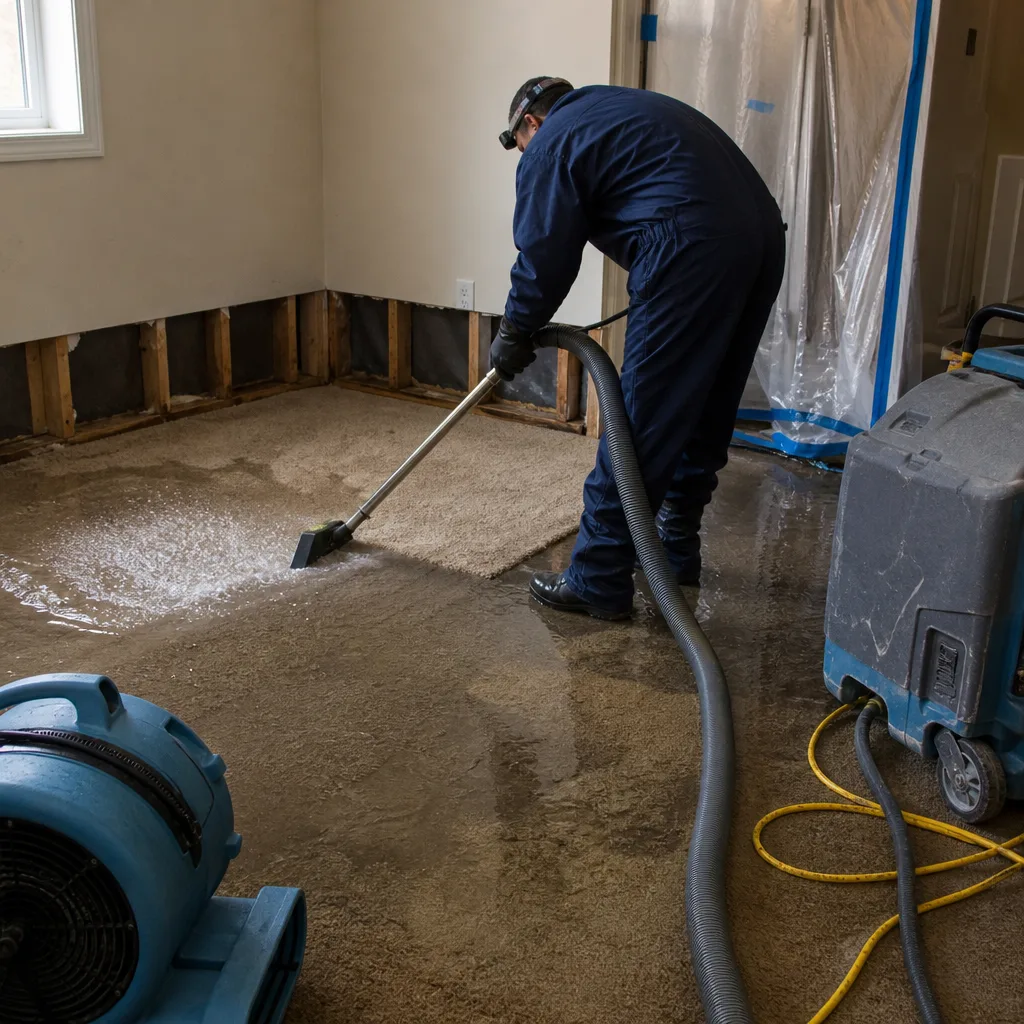
What happens when you call
- 1
A real person answersNo phone trees - you reach a local pro.
- 2
You get an upfront price rangeHonest numbers before anyone is dispatched.
- 3
A background-checked tech heads outLicensed & insured, dispatched right away.
- 4
You approve before work beginsNothing starts until you say go.
Water Damage Restoration Costs in Howard Beach, NY
Here are honest numbers for the Howard Beach market. Emergency water extraction alone: $650 to $1,400 depending on square footage and water depth. Full basement flood cleanup and drying: $2,800 to $7,500 for a typical finished Howard Beach basement, with brackish water jobs trending toward the higher end because of more aggressive material removal and salt treatment. Structural drying with daily monitoring: $1,200 to $3,000. Reconstruction after drying: starts around $2,000 for a small room and goes up from there. What moves the price most is whether the job involves Category 3 water, how much drywall and flooring must be removed, and whether prior flood damage is hiding behind the current loss. We provide a written scope before work begins, so there are no surprises on the bill. For Howard Beach homeowners with flood insurance, many of these costs are covered. We bill the carrier directly and handle the adjuster conversation. Call (518) 627-5878 for a free inspection and an exact quote.
We Also Serve Cities Near Howard Beach
Our crews cover the surrounding Queens communities, including Jamaica, Ozone Park, South Ozone Park, and Woodhaven. The same 45-minute response commitment and the same 90-Day Done Right Promise apply everywhere we work.
Serving Howard Beach, NY - Our Local Coverage Area
We’re based in the Howard Beach area and know this community well. Use the map below to see our service coverage - if you’re nearby, we can almost certainly help.
Howard Beach Water Damage Restoration Questions, Answered
How fast can you get to Howard Beach for a water emergency?
We commit to a 45-minute response for most Howard Beach calls, day or night. Our crews are dispatched from the New York City office and stationed throughout Queens, so we are not coming from another borough. Call (518) 627-5878 and a live dispatcher gets a crew moving immediately.
After a Howard Beach high-tide flood, how do you determine if our basement drywall can be dried or must be removed?
We test the drywall’s moisture content with penetrating meters and check for salt absorption. In Howard Beach’s brackish surge water, drywall that has wicked salt-laden moisture more than a few inches above the base typically gets removed, because salt prevents true drying and invites recurring mold. Drywall with a small, clean water line from a burst pipe can often be saved. We show you the readings and explain the recommendation before cutting anything.
Why does mold keep returning in our Howard Beach basement after every flood even though we dried it out?
Mold returns because the basement was dried on the surface but never reached true dry standard in the bottom plates, studs, and slab. In Howard Beach, hydrostatic pressure keeps wicking groundwater up through the slab, and cosmetic drying does not address that. We run dehumidification until moisture readings stay below acceptable levels for several consecutive days, and we address salt residue, which holds moisture and feeds mold. Call (518) 627-5878 for an assessment.
What extra steps are needed for water damage in a Howard Beach home that was elevated after Hurricane Sandy?
Elevated homes present different access points. Mechanical systems may have been moved, crawl spaces changed, and the original slab may now be a utility space that floods while living areas stay dry. We inspect the new configuration, identify how water migrates through the post-lift foundation, and document damage accordingly. Many Build It Back homes also have open pier foundations now exposed to wind and tide in ways the original enclosed foundation was not.
Is brackish water from Jamaica Bay worse for our floors and framing than a burst pipe?
Yes, and the difference is salt. Brackish surge water carries dissolved salt that corrodes fasteners, subfloor nails, and HVAC components within weeks if not flushed and treated. Freshwater from a burst pipe does not. We run corrosion control treatment on all metal surfaces affected by bay water flooding, and we document it for your carrier. This step is not optional in Howard Beach.
How do you handle a Howard Beach basement that floods every year with the spring tides?
We treat recurring flood basements as a layered damage situation. We remove materials that cannot be fully dried, we run extended structural drying to address hydrostatic moisture, and we use drying mats and dehumidifiers for longer than a single-event job. We also give you documentation you can take to your flood insurer showing the recurring nature of the loss. Call (518) 627-5878 and we will walk you through it.
Do you bill insurance directly, or do we pay upfront and get reimbursed?
We bill your carrier directly once coverage is confirmed. You are not the messenger between us and the adjuster. We document the loss from the first hour, provide drying logs and a line-item scope, and coordinate with your flood insurer and homeowners carrier as needed. You get a copy of everything we send them.
What should I do in the first 30 minutes after water enters my Howard Beach home?
Turn off electricity to the affected area if you can do so safely. Do not walk through standing water if there is any chance it is in contact with outlets or appliances. Move valuables and documents to a dry location. Call (518) 627-5878. Do not try to extract Category 3 or brackish water yourself, and do not run household fans, which spread contaminants and drive moisture deeper into framing.
We are Floodline Restoration Co., founded by Curt Bowman in 2010 and built around a dispatch board, not a sales desk. We answer the phone with a person, send background-checked, uniformed technicians trained to IICRC, RIA, and IFA standards, and stand behind every job with the 90-Day Done Right Promise. Howard Beach homeowners also receive a 5% Senior & Veteran discount, $50 off any repair over $250, and an $89 seasonal tune-up. When the bay comes over the bulkhead, you want someone who knows the streets and shows up ready. Call (518) 627-5878 for a free estimate. We will be there when we say.
Written by Curt Bowman, Owner at Floodline Restoration Co.