
Last updated August 25, 2026
Free visual inspection and a written scope of work before any mitigation begins - photos, moisture readings, and drying logs go in your claim file
The scope we write is the scope we bill. Anything new gets shown to you, in writing, before we touch it.
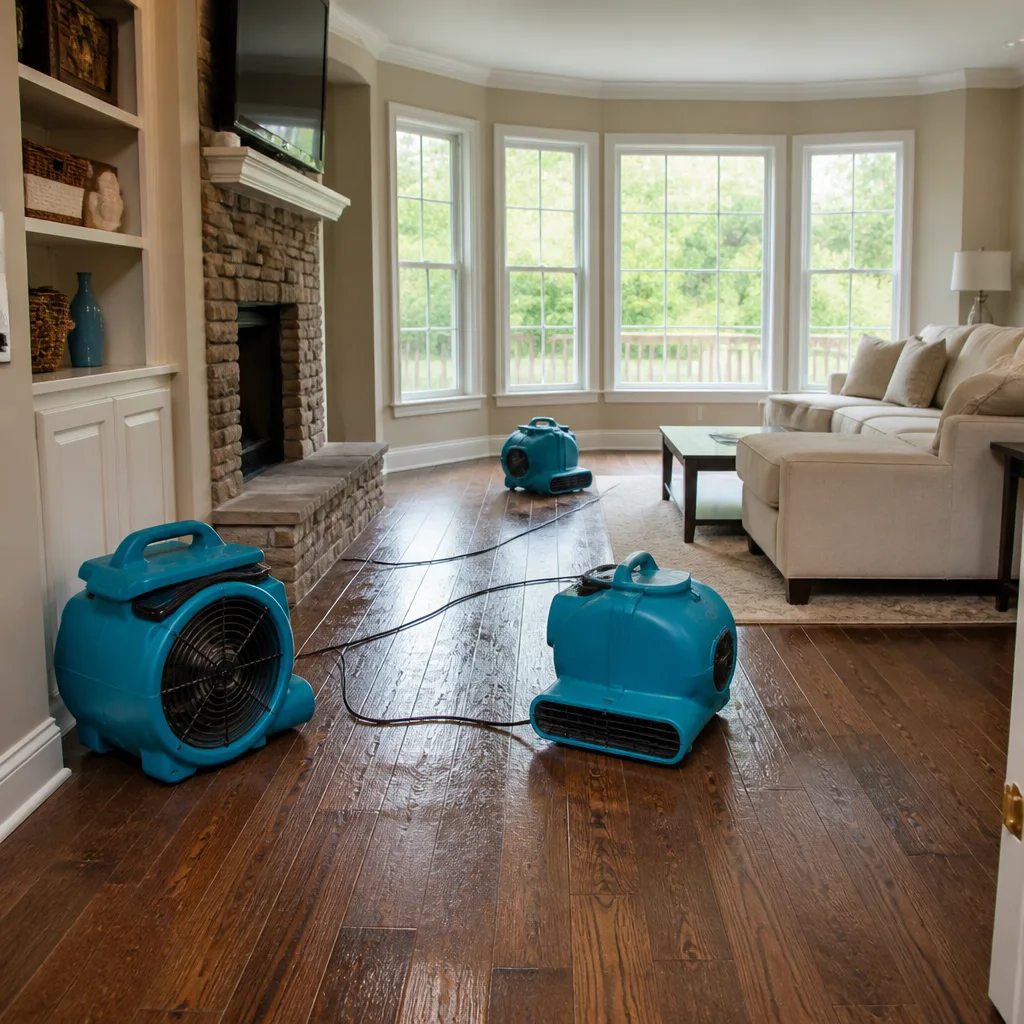
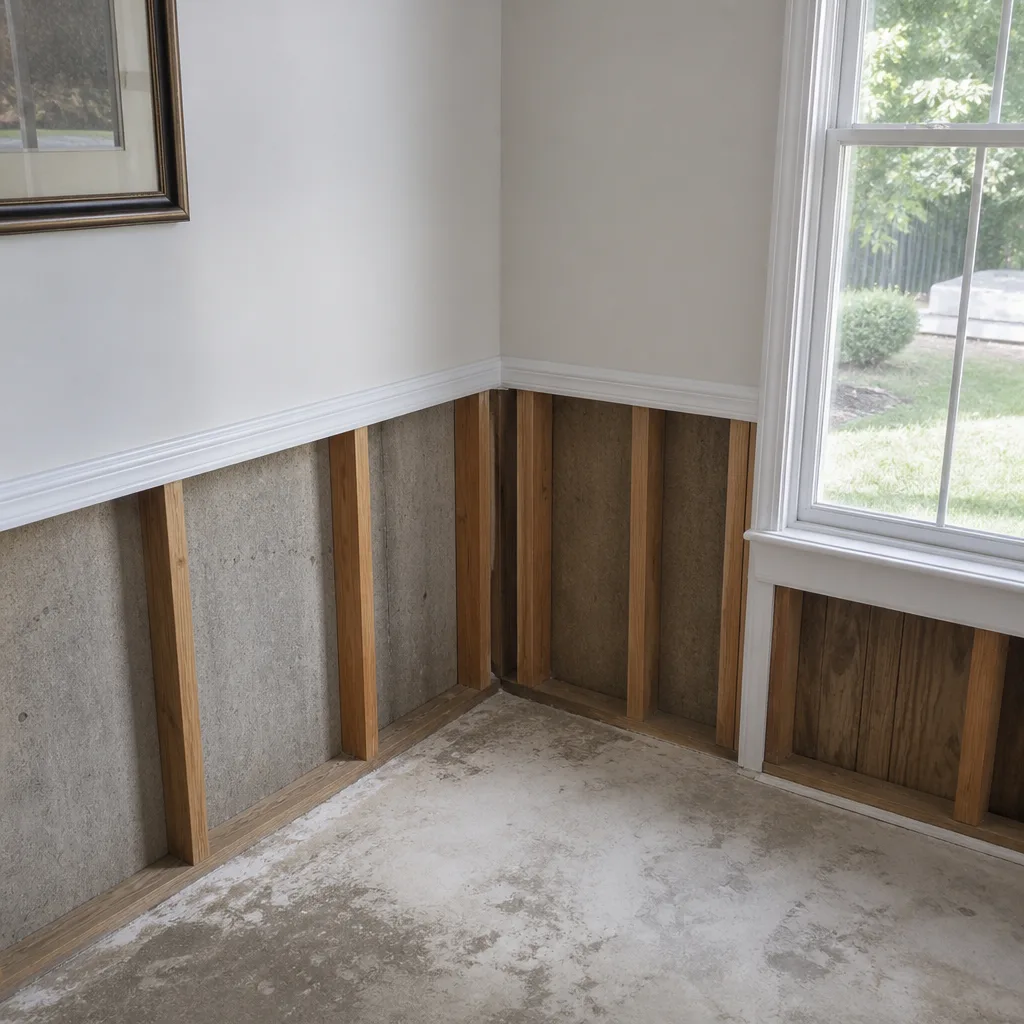
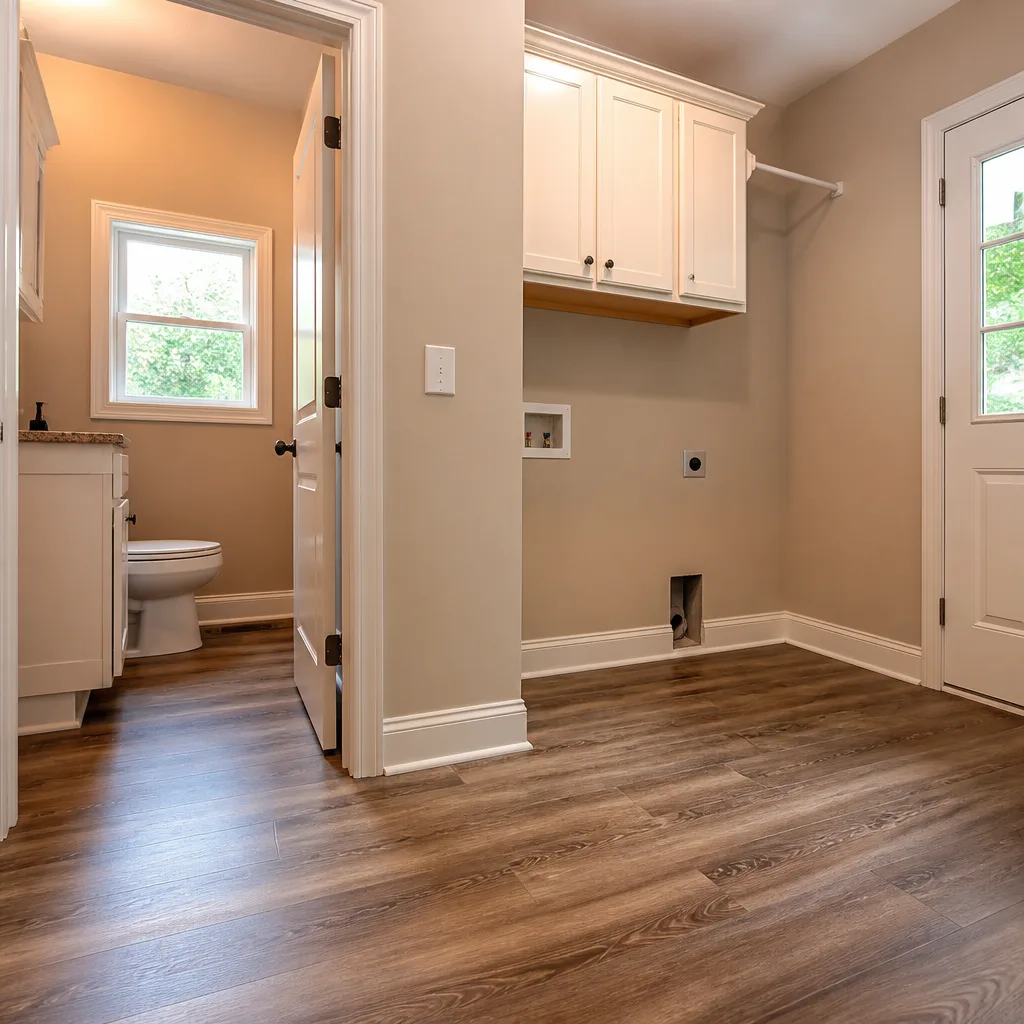
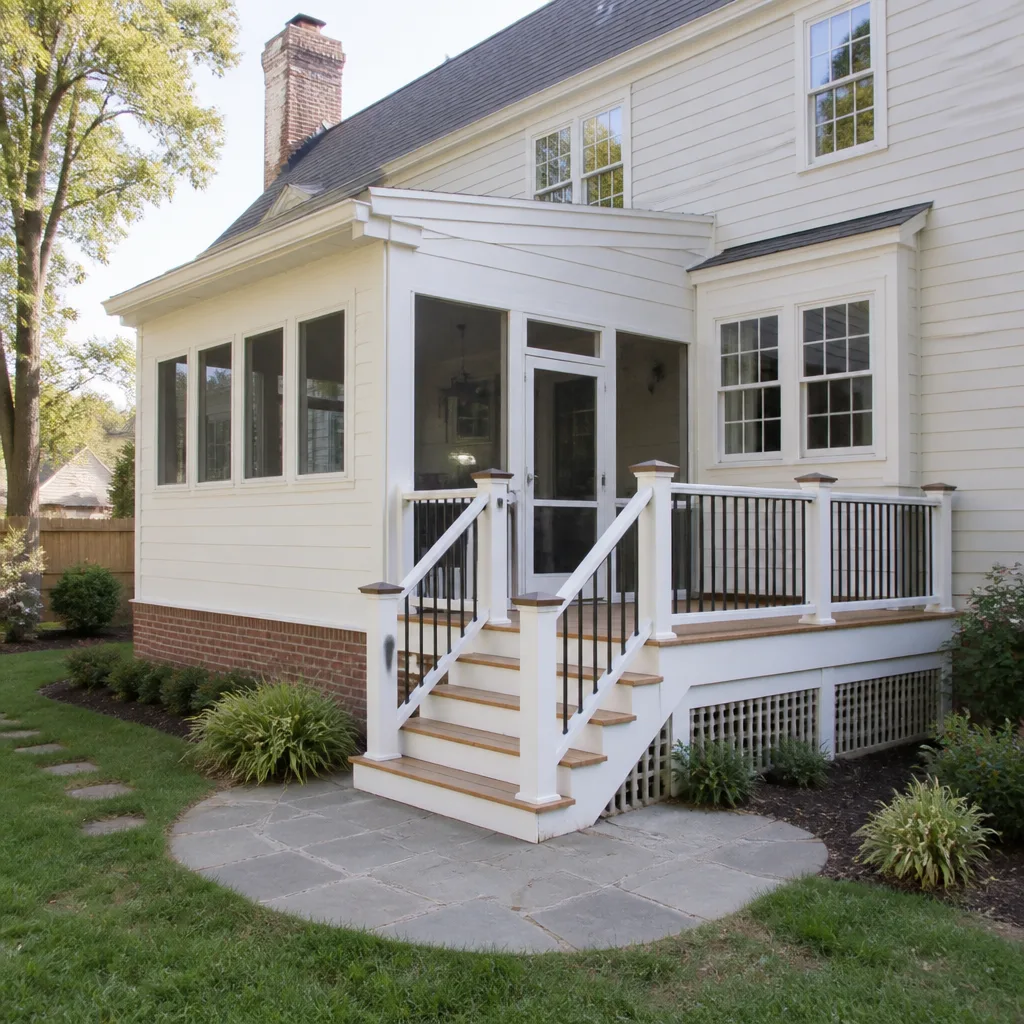
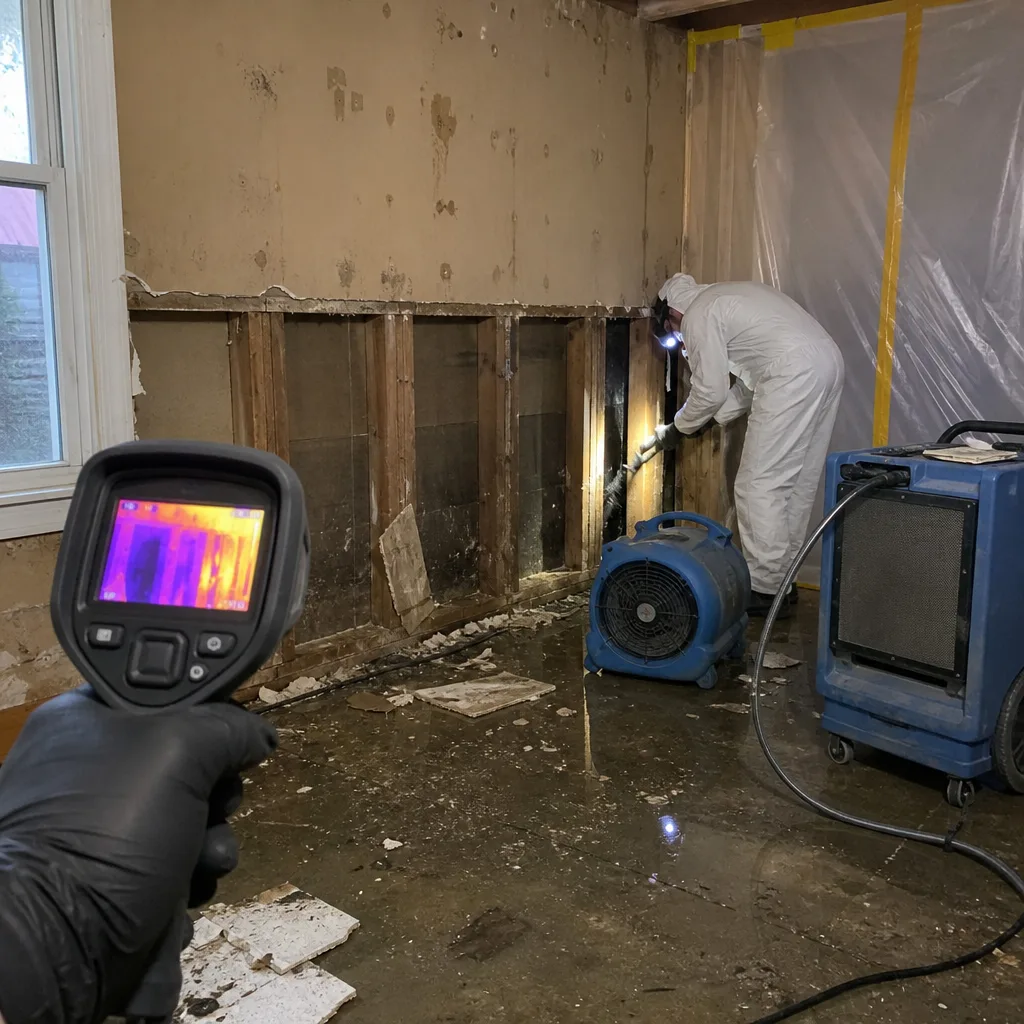 Before
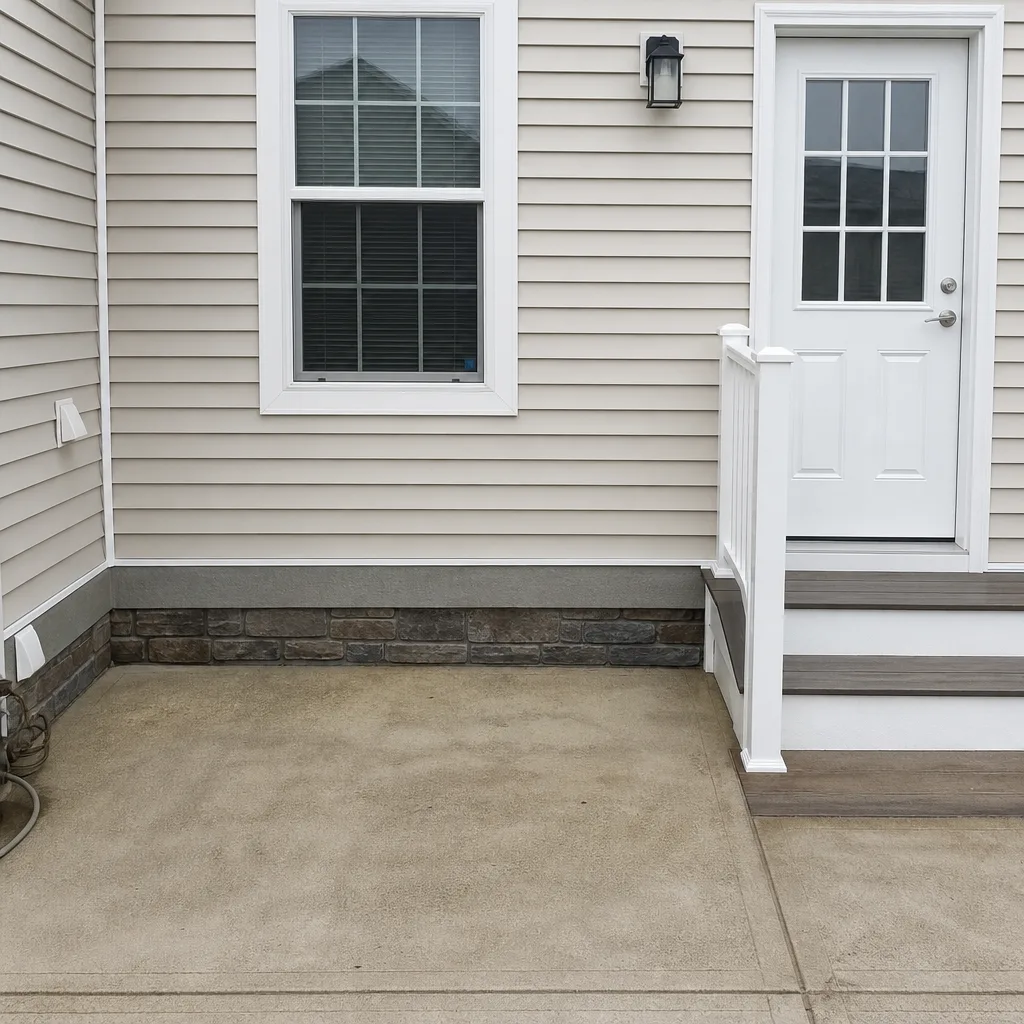 After
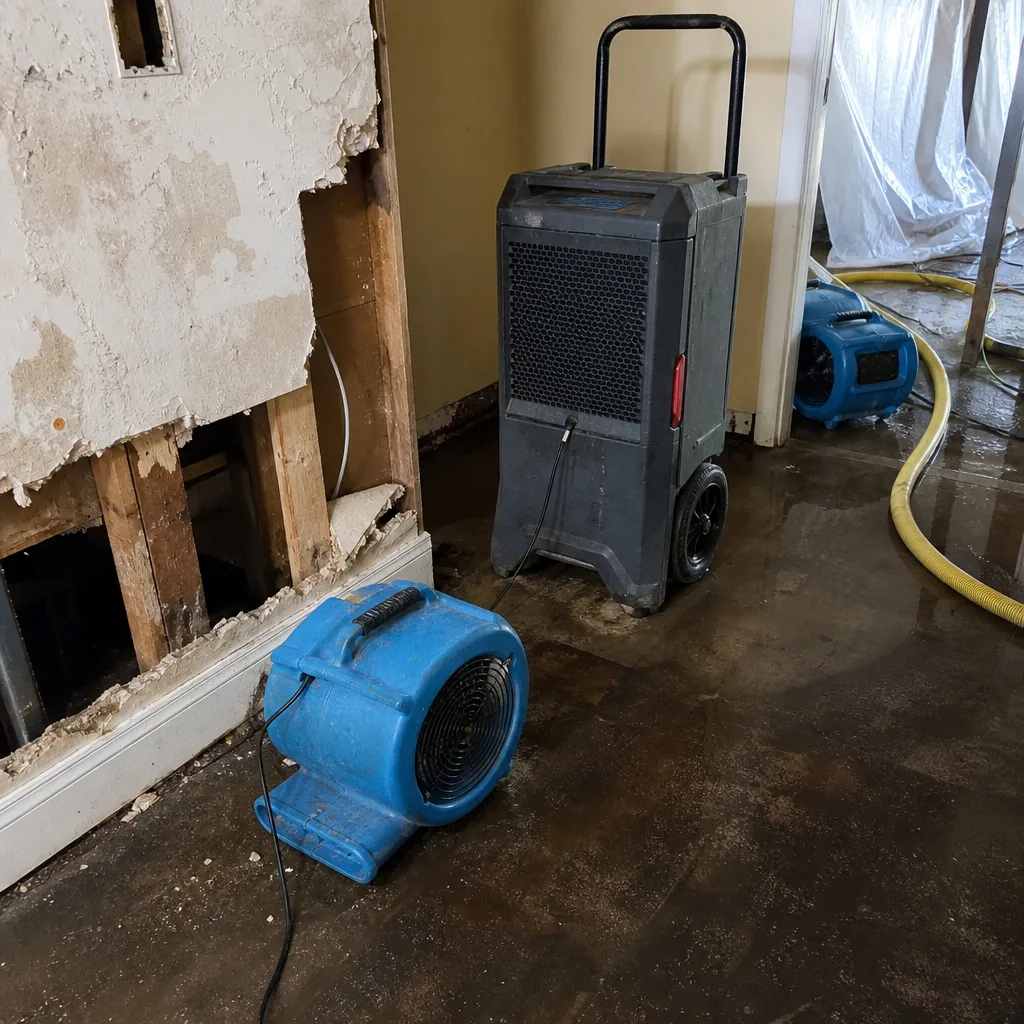 Before
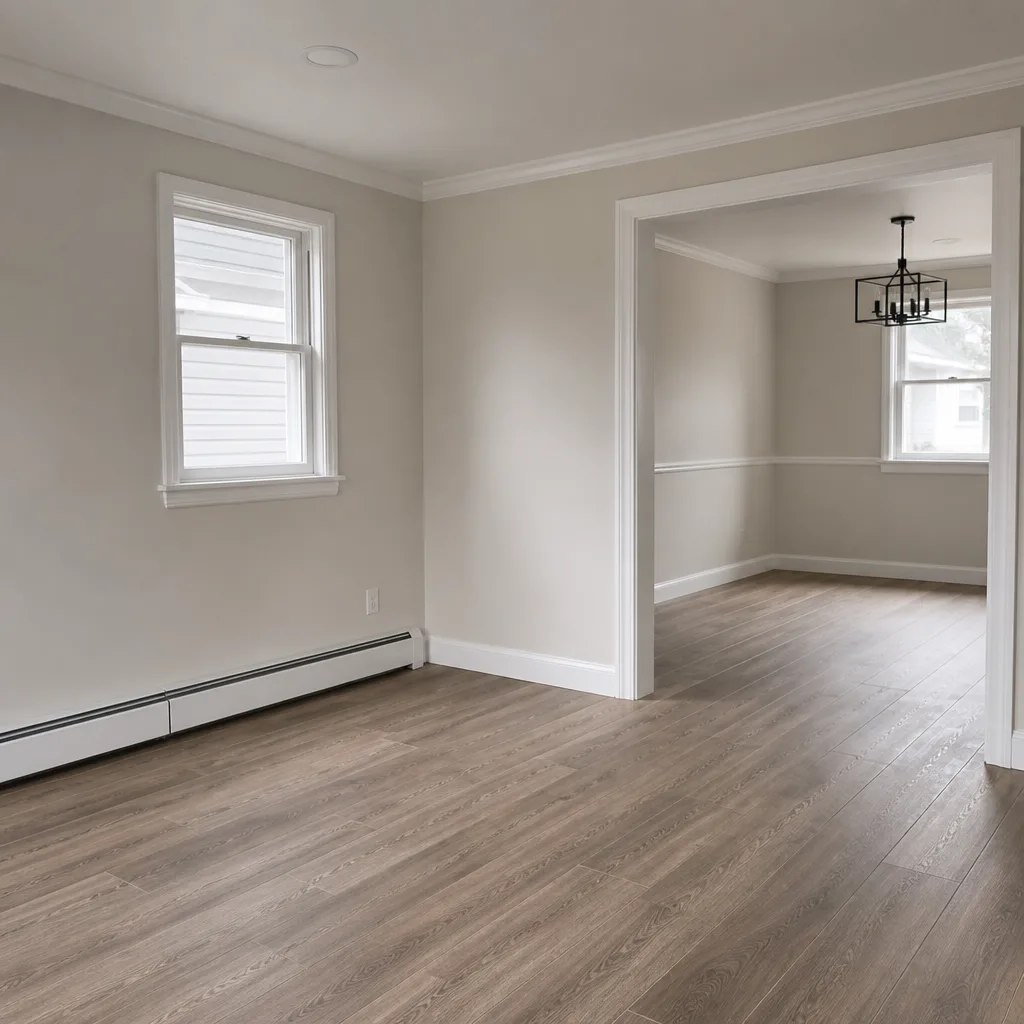 After
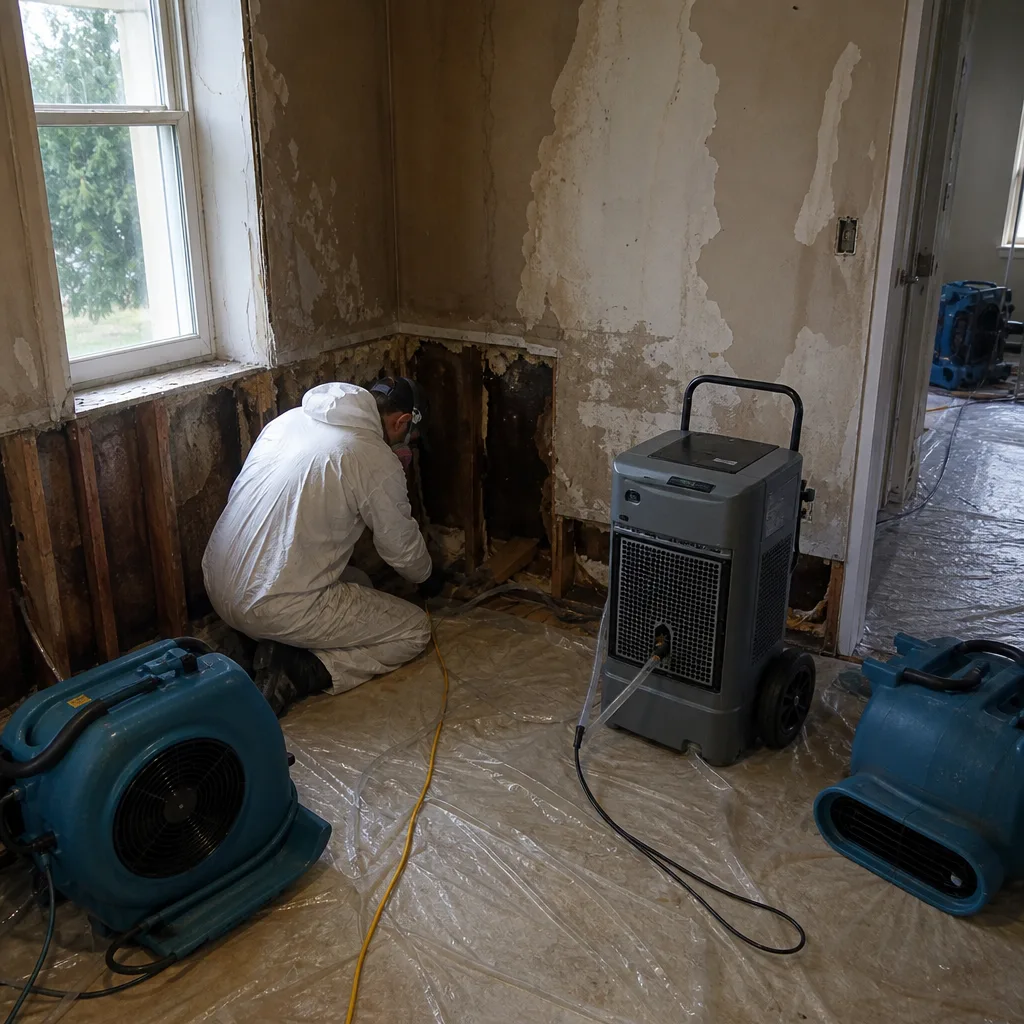 Before
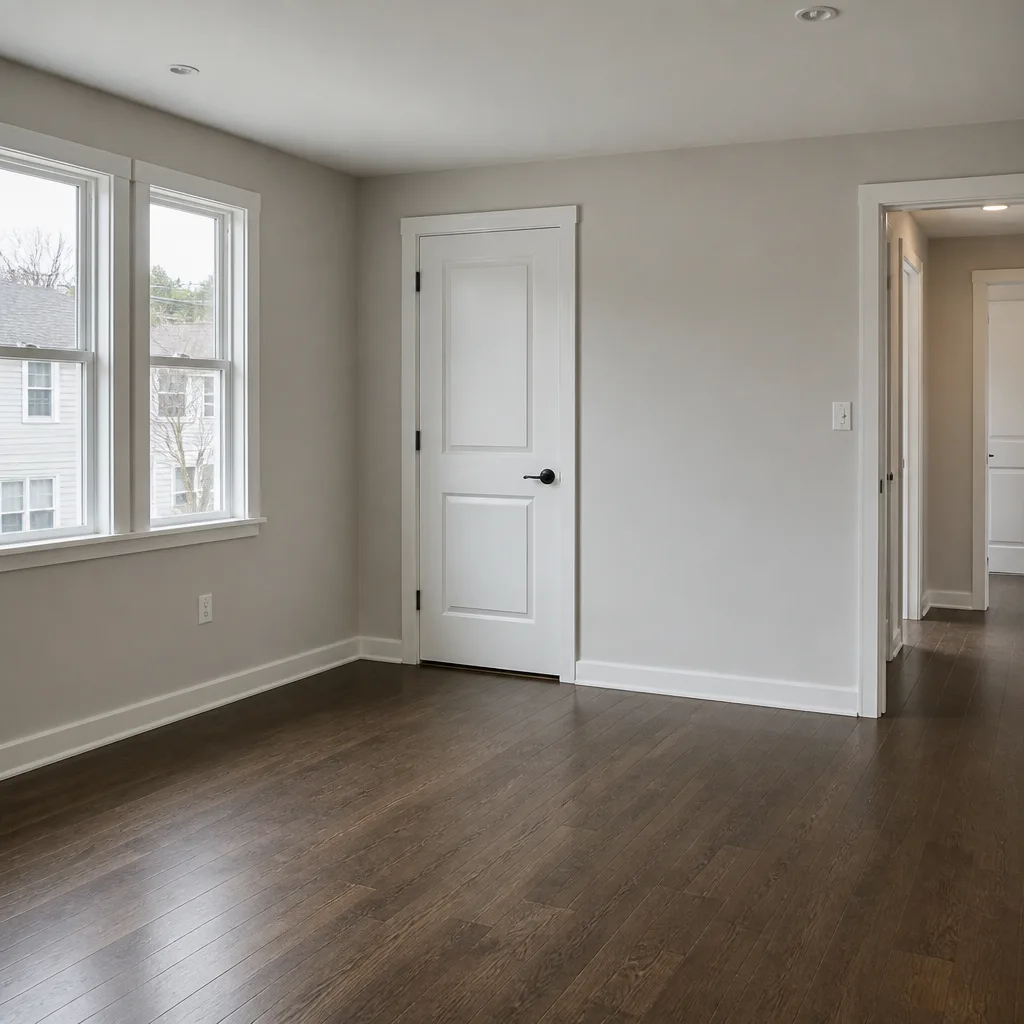 After
The Complete Guide to Damage Restoration in Jamaica
Most homeowners in Jamaica will face some form of property damage in the next decade, and the difference between a full recovery and a lingering problem often comes down to what happens in the first 48 hours. That window matters more than any other factor in whether you salvage your floors, your walls, and your belongings, or watch mold and rot take hold behind the drywall. This guide walks through every major category of damage restoration, what it costs in Queens and Southeast Queens, how the insurance process actually works when you live in Jamaica, and the decisions you will be asked to make when a crew is standing in your living room. We will tell you exactly what we know after 15 years of answering calls from Jamaica homeowners at two in the morning.
Quick Answer
Damage restoration in Jamaica means extracting water, drying the structure to a measured standard, cleaning or removing contaminated materials, and rebuilding what was torn out, with one company accountable from start to finish. The process takes anywhere from 3 days for a contained water loss to several weeks for fire or storm damage, and most homeowner policies cover sudden and accidental damage, not long-term neglect. Floodline Restoration Co. handles every phase in-house for Jamaica homeowners and bills your insurance carrier directly; call (518) 627-5878 for a free estimate any hour of the day or night.
Table of Contents
- Water Damage Restoration: The 48-Hour Window
- Mold Remediation: What Actually Works in Queens Housing Stock
- Fire and Smoke Damage: The Longest Road Back
- Storm, Flood, and Sewage Damage: When Nature Overwhelms the Drains
- How Insurance Works for Restoration in Jamaica
- Reconstruction: Closing the Loop After the Dry-Out
- What Restoration Costs in Jamaica: Real Numbers From the Ground
- The Equipment That Actually Dries a House
- Common Mistakes to Avoid
- When to Call a Professional
- Frequently Asked Questions
- The Bottom Line
Water Damage Restoration: The 48-Hour Window
Water damage is the single most common restoration call we get in Jamaica, and the most time-sensitive. When a supply line fails, a water heater ruptures, or a nor’easter drives groundwater into a basement on Liberty Avenue or Sutphin Boulevard, the clock starts immediately. The first 48 hours determine whether you are looking at a $2,500 dry-out and some drywall replacement, or a $15,000 mold remediation and rebuild. Water moves downward and sideways through a structure faster than most people expect. Within an hour it has saturated drywall and begun wicking into wood framing. Within 24 hours, mold spores that were dormant in every Queens home begin to colonize damp surfaces. By 72 hours, the contamination is established and remediation becomes a much larger project. This is not scare tactics; it is the physics of a humid Jamaica summer and a tightly built rowhouse.
A proper water damage response follows a sequence that cannot be skipped or rearranged.
- Stop the source. Shut the main water valve if the leak is inside the walls or from a failed p-trap under a sink. If you cannot find the source in ten minutes, shut the whole house down.
- Kill the power to affected rooms. Water and electricity do not mix, and in older Jamaica homes with aging panels, the risk is real. Cut power at the breaker to any wet room.
- Remove what you can. Get furniture, rugs, boxes, and anything porous off the wet floor. Lift curtains and bedding. Every item you move is an item that dries faster.
- Call a certified restoration company. The response time difference between a local Jamaica dispatcher and a national call center routing you to a contractor two counties away is often eight hours. That eight hours matters.
- Document everything. Photograph every wet wall, every standing pool of water, every damaged possession before anything is moved or removed. Your insurance carrier will ask for this.
In our experience on Jamaica’s rowhouse blocks, the homes that recover fastest are almost always the ones where someone shut the water main within the first fifteen minutes and got a certified crew on-site the same visit. Those two moves routinely cut the total restoration cost by a third or more. Conversely, we have walked into basements on 179th Street and Jamaica Avenue where a slow leak from a brass fitting had been weeping behind a finished wall for weeks before the homeowner noticed. By then the floor joists were spongy and the remediation involved demolition down to the studs.
One more note on timing: if the water source is a Category 3 loss, which means it contains sewage, human waste, or floodwater from outside, the urgency doubles. That water carries pathogens and requires both extraction and antimicrobial treatment plus the removal of saturated porous materials. This is not a mop-and-fan job. It is a controlled demolition and sanitation project, and it needs professional-grade containment.
Mold Remediation: What Actually Works in Queens Housing Stock
Mold is the silent partner in every water damage story in Jamaica, and the one that worries our clients most. The fear runs deeper than drywall. A family’s entire sense of a healthy home gets called into question. What we tell homeowners is straightforward: mold is always present in the air around us, it becomes a problem when the moisture and food source align, and a proper remediation will find and fix the moisture source first, then remove and treat the affected materials. Treating visible mold without finding the leak behind it is a waste of money. The mold returns in weeks. If a contractor gives you a quote to spray and repaint without looking for the source of moisture, walk away.
Queens housing stock has its own mold profile. Jamaica has thousands of older brick and frame homes, many with stone foundations, shared party walls, and basements that sit below grade. The combination of a high water table in parts of Southeast Queens, aging perimeter drains, and humid summers means basement mold is a recurring issue. What works in a newer slab house in southern states does not always translate to a four-story attached home near the Baisley Pond and South Jamaica neighborhoods. We map moisture across the entire structure, not just the visible stain, because water travels farther than the discoloration suggests. A dark patch on a first-floor ceiling may trace back to a plumbing stack leak two floors up, or a failed parapet cap allowing water into the party wall.
The sequence that actually works for mold remediation in Jamaica:
- Isolate the affected zone. Professionals set up negative air pressure containment with HEPA-filtered exhaust. This prevents spores from spreading through the house when the contaminated material is disturbed.
- Remove the moisture source. This might mean repairing a roof membrane, grading soil away from the foundation, replacing a supply line, or installing a sump pump with a battery backup in the case of high water table basements. Without this step, no mold remediation can last.
- Demolish contaminated porous materials. Drywall, insulation, carpet, and pressed wood furniture that are mold-saturated cannot be meaningfully cleaned. They get bagged on-site, sealed, and disposed of under established protocols.
- Clean and treat remaining surfaces. IICRC-certified technicians clean structural wood and non-porous surfaces with antimicrobial agents and HEPA vacuuming, then verify the treatment.
- Dry the structure. Professional-grade air movers and dehumidifiers run until moisture readings show the area is dry. We log readings daily and hand that log to the homeowner and the carrier.
- Test and clear. The final step is confirming the mold count inside has returned to normal background levels, before any rebuild begins.
The most common mistake in mold remediation, and one we hear about constantly from Jamaica homeowners burned by cheaper operators, is skipping containment entirely. A contractor tears out moldy drywall with no isolation barriers, spores go airborne through the rowhouse, and two months later the family has new mold in three different rooms. The cheapest mold quote is often the most expensive one in the end. Done right, remediation is not glamorous. It is methodical, controlled, and verifiable. If a contractor cannot show you a daily moisture log and a final clearance report, that should end the conversation.
Fire and Smoke Damage: The Longest Road Back
Fire damage is the restoration project no one ever plans for, and it is the one that tests patience most. A house fire in Jamaica, even one contained to a single room, leaves behind a web of problems that go beyond charred framing. Smoke travels everywhere, through wall cavities, around closed doors, into closets and drawers and ductwork. The odor binds to every porous surface. Water from the firefighting effort soaks through floors and ceilings. The result is a building that is simultaneously burned, soaked, and deeply contaminated, and it all has to be addressed in a careful sequence.
We tell Jamaica families to understand three things at the outset. First, smoke damage is never just where the fire was. The most expensive part of many fire losses is the smoke odor remediation in rooms the flames never touched. Second, the insurance carrier will need a complete inventory of damaged contents, which is a task no one is emotionally prepared for after a fire. Photograph everything, and do not throw away anything until the adjuster has documented it. Third, fire restoration takes weeks, not days. The drying, the odor treatment, the demolition, and the rebuild are a progression that cannot be compressed without cutting corners.
A standard fire restoration sequence in a Jamaica home looks like this:
- Board-up and roof tarping. The goal in the first 24 hours is securing the structure from weather and entry. In Queens, where a gap in a party wall can mean rain and animals getting into a neighbor’s unit too, this is urgent.
- Water extraction and structural drying. The fire department used hundreds or thousands of gallons of water. That water is now sitting in the floors and walls, starting mold biology while the smoke odor soaks deeper.
- Soot and residue removal. Soot is acidic and becomes more difficult to remove with every passing day. Surfaces that can be cleaned are cleaned with specialized agents, often one room at a time.
- Odor remediation. This involves a combination of thermal fogging, ozone treatment, hydroxyl generators, and sealing of remaining porous surfaces. There is no one-and-done odor spray; it is a layered process.
- Content cleaning and pack-out. Soft goods that can be restored are cleaned off-site by a specialist. Items too damaged to restore are documented and itemized for the carrier.
- Demolition and rebuild. The fire-weakened framing, charred drywall, and ruined finishes come out, and reconstruction returns the house to its pre-loss condition or better.
The emotional toll is real, and families should not be asked to manage the process themselves. A restoration company that coordinates with the adjuster, provides the documentation the carrier requires, and handles the pack-out and the rebuild under one roof removes an enormous burden. The fire is hard enough. The rebuild should not be a second fire.
Storm, Flood, and Sewage Damage: When Nature Overwhelms the Drains
Jamaica sits low in portions, particularly in the neighborhoods south of the LIRR tracks and east toward Hollis and St. Albans, and the neighborhood’s stormwater system gets pushed hard in a heavy nor’easter or summer thunderstorm. When the drains back up or a sump fails, the water that comes into a basement is not clean rainwater. It is Category 3 water: it has been in the street, in the sewer, or in the saturated ground, and it carries what that water picked up. The response to sewage-laden floodwater is different from a clean supply-line leak, and homeowners need to understand that difference before they let anyone drag a shop vac into the basement.
Category 3 water is a health hazard. The water may contain bacteria, viruses, parasites, and chemical contaminants. The saturated materials, including carpet, drywall, insulation, and unfinished wood, are considered contaminated once they have absorbed this water. Upholstered furniture, mattresses, and porous personal items are generally considered unsalvageable when they have been in prolonged contact with sewage or floodwater. Some non-porous items, like glass, metal, and certain plastics, can be cleaned and sanitized, but everything gets evaluated with a skeptical eye.
The proper sequence for a sewage backup or category-3 flood in a Jamaica basement:
- Keep people and pets out of the flooded area. This is non-negotiable. Children should never wade through floodwater, and adults should not attempt it without protective gear.
- Kill the power. If the panel or any outlets are in the path of the water, cut the main breaker. Do not stand in water and touch the panel.
- Call the city and the insurance company. If the sewer main is the source, the NYC Department of Environmental Protection needs to clear the blockage at the street. If the water came from inside the property line, that is your plumbing and your restoration claim.
- Begin extraction with professional-grade pumps. The water must be physically removed before drying can begin. A consumer wet-vac cannot move the volume of water a broken sewer line or a flooded basement produces.
- Remove contaminated porous materials. Carpet, pad, drywall wicking water, and insulation get removed and bagged. This is a removal and disposal task, not a cleaning task.
- Sanitize and dry. The remaining floors, wall cavities, and structural wood are cleaned with antimicrobial agents and then dried using dehumidification with daily moisture readings.
One thing we tell Jamaica homeowners after every heavy storm season: replacing a sump pump every five to seven years, and adding a battery backup, is dramatically cheaper than even a single remediation event. The southside of Jamaica has a high water table, and sumps run hard. A pump that has been quietly doing its job for a decade is a pump that may be about to quit at the worst possible moment. The same logic applies to backwater valves. If your basement has flooded from sewer backup more than once, a backwater valve is the permanent fix, and the cost is a fraction of a third or fourth remediation.
How Insurance Works for Restoration in Jamaica
The insurance piece is where homeowners in Jamaica get confused, and understandably so. A standard homeowner’s policy covers sudden and accidental damage: a burst pipe, a water heater failure, an electrical fire, a wind-driven storm pushing water through a roof. It generally does not cover gradual damage: a slow leak that has been rotting a floor joist for two years, a basement that floods every spring because of a high water table, or mold growth that results from chronic dampness the owner did not address. The distinction matters because the adjuster will be asked to determine when the damage started and whether a reasonable homeowner would have noticed and addressed it earlier.
Here is the sequence that makes the insurance process go as smoothly as it can for a Jamaica homeowner:
- Call the restoration company first or the carrier first? Call the restoration company first. Here is why. We arrive, stop the damage, extract the water, secure the property, and document the loss as it exists before anything is moved. That early documentation protects the claim. The carrier can be called the same hour, but the water is spreading while you wait on hold.
- Document the loss thoroughly. Photograph everything from multiple angles before the water is removed, while it is still visible. The more photographic evidence of the source, the spread, and the affected contents, the fewer disputes later.
- Let the restoration company document the drying. Daily moisture readings, logged and dated, create a paper trail that shows the insurer the loss was mitigated properly and the drying was completed to an industry standard. This documentation is gold in a claim.
- Do not dispose of personal property before the adjuster sees it. In a smoke or water loss, the carrier needs to see the damaged items to value them. Items should be moved to a safe area and photographed, not thrown in the garbage.
- Understand your deductible and your coverage limits. The deductible is your share regardless of who does the work. The coverage limit for the dwelling and for personal property is written in your policy. No restoration company can change those numbers.
- Choose a company that bills the carrier directly. The homeowner should never be playing messenger between the contractor’s invoice and the adjuster’s questions. A restoration company that sends its scope and supporting documentation directly to the carrier and follows up with the adjuster professionally saves the homeowner weeks of back-and-forth.
Some policies include additional living expenses, or ALE, when a home is uninhabitable after a fire or a major water loss. This covers a hotel or temporary rental while the damage is repaired. Jamaica homeowners should know the ALE limit in their policy and talk to the carrier about it on the first day, not after two weeks in a hotel cashing out savings. We have seen families wait until the rebuild is half done to ask about ALE and learn they have already outspent their limit. Ask on day one.
Reconstruction: Closing the Loop After the Dry-Out
And here is where the industry splits, and where it matters most. Most of the national restoration chains in Jamaica are set up for mitigation only. They will show up in the middle of the night, pull the wet carpet, set the fans, collect the mitigation signature, and then hand you a list of local contractors to bid the rebuild. You become the general contractor. You interview carpenters, line up the electrician, order the materials, and answer the adjuster’s questions about the gap between the mitigation crew’s scope and the rebuild crew’s quote. The damage has been stopped, but the homeowner has inherited the job.
That split is where delays, disputes, and out-of-pocket surprises happen. We built Floodline Restoration Co. home around the full cycle, from the first extraction to the final coat of paint, specifically because the handoff is the weakest point in the process. When the same crew that dried the structure is accountable for what gets rebuilt inside it, there is no argument about whether the wall was dry before the insulation went in, no finger-pointing between a mitigation company and a contractor, and no second reset of the insurance scope. One file, one written scope, one guarantee.
Reconstruction after water or fire in a Queens rowhouse comes with its own specific complications. Access is tight, materials have to be carried through narrow hallways and up steep stairs, and the house is often attached to the neighbor’s house on one or both sides. There may be shared drainage, shared electrical chases, or a party wall that needs to be considered. A crew that has been working in Jamaica for years knows how a brick party wall behaves, how tight the interior stud bays typically run in prewar rowhouses, and where the supply and drain lines tend to be hidden. A contractor from an hour away who has never pulled a permit in the Jamaica district may not.
The rebuild phase should begin with a written scope of work, agreed to and signed before demolition of the damaged areas is complete. The written scope prevents the classic oversell and the classic undersell. The homeowner sees exactly what will be removed, what will be replaced, what materials are specified, and what the breakdown is. The adjuster sees the same document, so the pricing is defensible. If the damage was handled correctly from day one, the rebuild should be a schedule of weeks, not a drifting six-month project with a different crew each week.
What Restoration Costs in Jamaica: Real Numbers From the Ground
We need to talk about money, openly, because the secrecy around pricing is one of the things that makes homeowners in Jamaica distrust the restoration trade. The numbers below are real ranges based on the work we have done in Jamaica, South Jamaica, Hollis, and St. Albans over the years. Every home is different, and your final number depends on the size of the affected area, the category of water, the age of the structure, and how fast the response began. But these ranges will give you a grounding in what is reasonable, which protects you from both the lowball and the markup.
| Service | Typical Cost Range | What Affects the Number |
|---|---|---|
| Water extraction and dry-out (single room) | $800 - $2,500 | Category of water, room size, flooring type |
| Whole-basement water damage | $4,000 - $12,000 | Depth, contamination level, content removal needs |
| Mold remediation per room | $1,500 - $4,500 | Mold extent, containment complexity, accessibility |
| Sewage backup cleanup (basement) | $3,000 - $9,000 | Square footage, content disposal, structural drying |
| Smoke and odor remediation (post-fire) | $2,500 - $10,000 | Square footage affected, number of rooms, odor severity |
| Full rebuild after water or fire loss | $25,000 - $100,000+ | Scope, finish level, structural repair, permit costs |
Two patterns in these numbers are worth noting. First, the dry-out is always cheaper than the rebuild. A faster, more aggressive response in the first 48 hours shrinks the more expensive phase. Second, the lowball quote is a real thing in the Jamaica market. A contractor who bids a $1,000 dry-out on a two-room basement with category-3 water is not planning to complete a proper dry-out, because a proper dry-out cannot be completed for that number. He is planning to set a couple of fans, collect a signature, and move on. The $3,500 quote for the same job may be the honest one. When numbers are far apart, ask why, in writing.
The Equipment That Actually Dries a House
Homeowners in Jamaica never need to know the equipment catalog by heart, but knowing what professional-grade drying actually looks like protects you from the guys with a couple of box fans and a rental dehumidifier from the big-box store. Proper structural drying is a science, and the gear is purpose-built. If the crew shows up with consumer equipment, they are not doing structural drying; they are drying the air and hoping the walls catch up.
A proper drying setup for a typical Jamaica basement water loss includes:
- High-velocity air movers. These are not household fans. They move 2,500 to 3,500 cubic feet per minute each, creating a vortex that drives moisture off surfaces and into the air. Three to six of these are typical for a standard basement.
- Low-grain refrigerant dehumidifiers. These pull moisture out of the air continuously and discharge dry air back into the room. The key is enough capacity in pints per day to keep up with the evaporation the air movers create. The Dri-Eaz and Phoenix units we run are workhorses built for this exact job.
- Specialty drying systems for wall cavities. When water gets inside walls, which it almost always does, surface drying is not enough. Systems like Injectidry pump air into closed wall cavities and under cabinets, forcing trapped moisture out. A crew that does not bring this gear is leaving water in your walls.
- Moisture meters and thermal imaging. The dry standard is a number, not a feeling. We take daily readings at multiple locations in the affected area and compare them to a known dry baseline. That daily moisture log is what you and your carrier need to know the structure is actually dry.
- Negative air machines with HEPA filtration for mold. In any mold remediation, the contaminated zone is kept under negative pressure so that when the moldy material is disturbed, the spores are pulled into a HEPA filter, not into the rest of the house.
- Injection and extraction pumps. For standing water, a submersible pump moves hundreds of gallons per hour, far beyond a wet-vac’s capacity. XPOWER and B-Air make solid pumps and air movers, and we run them alongside our other gear.
The average homeowner cannot verify every tool’s spec sheet, and should not need to. What you can verify is the documentation. A restoration company in Jamaica should hand you a scope of work on day one that explains what equipment will be placed and why, and a dry log during the job that shows the numbers moving day by day until the structure hits the dry standard. If the crew cannot produce that log, or brushes off your question about moisture readings, that is a red flag, not an inconvenience.
Common Mistakes to Avoid
- Waiting to call because it happened after midnight. Water does not stop spreading at 2 a.m. because the homeowner is sleeping. A live-dispatched crew in Jamaica can have extraction running before the sun is up. The hours you save are dollars saved on the rebuild.
- Using a shop vac and household dehumidifier as the whole response. Those tools cannot pull water from inside a wall cavity or a floor assembly. The surface dries, the cavity rots, and in six months you have a mold problem behind the baseboard.
- Signing a mitigation form without reading it. Some national firms in Queens use authorization forms that read like a blank check. Read what you sign, and if a company cannot give you a written scope before you sign, find a company that will.
- Throwing away damaged items before the adjuster documents them. In a fire loss especially, ruined contents are inventory, not trash. Premature disposal is the single most common reason a content claim gets reduced.
- Believing the insurance company sent the contractor. No carrier sends a restoration company in the sense homeowners think. The adjuster may recommend one, but the choice remains yours, and the company you choose works for you, not the carrier.
- Choosing the cheapest quote without asking what is not included. A quote that omits containment, moisture logging, needlepoint cavity drying, or antimicrobial treatment is not cheaper; it is incomplete. The most expensive restoration in Jamaica is always the one somebody did halfway.
When to Call a Professional
There are cases where calling a professional is not a choice; it is the only responsible option. Any water loss that reaches more than one room, any water loss involving sewage or flooded ground, any fire damage beyond a tiny stovetop grease fire, any visible mold growth larger than a dinner plate, any structural sag, any water that has been standing for more than 24 hours, any drywall that has wicked water above the baseboard. These situations all carry health risks, structural risks, or both, and the cost of delay compounds daily. If you are in Jamaica and do not know which category of water you are facing or whether the smell in the basement is mold or just dampness, start with a professional assessment. Floodline Restoration Co. offers free estimates in Jamaica, and one call to (518) 627-5878 puts a certified crew on the path to your home the same visit, with a written scope before work starts.
Frequently Asked Questions
A local Jamaica restoration company with live 24/7 dispatch can typically have a certified crew on-site within 60 to 90 minutes of your call. Floodline Restoration Co. answers the phone with a live person every hour of every day and dispatches from within Queens, not a regional hub two counties away, which is the difference between extraction starting before midnight and starting after breakfast. Call (518) 627-5878 and a person will answer.
Most homeowner policies in Jamaica cover sudden and accidental water damage, including burst pipes, failed water heaters, and storm-driven roof leaks, but they generally exclude gradual damage and floodwater from rising groundwater unless you carry a separate flood policy. The fastest way to know is to have the restoration company document the source, the spread, and the drying log, because that documentation is what the adjuster uses to determine coverage. We bill carriers directly and coordinate with your adjuster from day one.
Visible mold is almost always the tip of a larger colony, because mold grows in hidden cavities behind drywall, under baseboards, and inside wall assemblies where moisture has been trapped. Cleaning the visible stain without finding and fixing the moisture source and remediating the hidden growth is a temporary fix that usually fails within weeks. If the mold area is larger than a dinner plate, or if it has returned after a cleaning, you need a proper remediation with containment, not a spray-and-paint job.
A full-service restoration company deals directly with the adjuster on your behalf, providing the photos, daily moisture logs, written scope, and itemized rebuild estimate that the claim requires. Floodline Restoration Co. sends the paperwork directly to the carrier and follows up through the adjustment process, so the homeowner is not translating between the mitigation crew, the rebuild contractor, and the desk adjuster. That coordination is standard on every job we do in Jamaica.
The dry standard is a measured number, not a hand on the wall. Certified technicians take daily moisture readings at multiple points in the affected area and compare them to a dry baseline for the same material type, and the logs are given to the homeowner and the carrier. Professional-grade air movers, dehumidifiers, and cavity injection systems like those used by the teams at Floodline Restoration Co. are what drive the readings down day by day. If your contractor cannot show you the daily log, he cannot show you the dry standard.
Water in a basement moves through the sill plates, up the wall cavities, and into the floor system more readily than most homeowners expect, and the humid air from that wet basement migrates through the whole house, carrying mold spores with it. The fact that the first floor feels fine today does not mean the moisture is not already in the wall cavities. A proper basement water damage response in a Queens rowhouse always includes checking the adjacent wall cavities and the floor assembly, not just cleaning the floor.
The Bottom Line
Damage restoration in Jamaica comes down to three decisions, made fast and made in this order. Stop the source. Start professional-grade drying. Ditch the split between mitigation and rebuild. The water left a line on the wall, and everything that follows, from the first extraction to the final finish on the new drywall, should be handled by one accountable company with one written scope, one daily moisture log, and one guarantee in writing. That is the Keystone Standard, our Done Right Promise, and it means if the work is not done right, we make it right, no fighting and no paperwork battles. We stand behind what we build for our neighbors in Jamaica.
If you have a water emergency right now, a mold question, a fire loss, or a storm that just came through the neighborhood, call (518) 627-5878. A live person answers, day or night, and a background-checked, uniformed, certified crew gets on the road the same visit. The first assessment is free, and the scope comes in writing before any work begins. That is the square deal. That is the whole job. And it starts the moment you call.
Written by the team at Floodline Restoration Co.