
Last updated August 25, 2026
Free visual inspection and a written scope of work before any mitigation begins - photos, moisture readings, and drying logs go in your claim file
The scope we write is the scope we bill. Anything new gets shown to you, in writing, before we touch it.
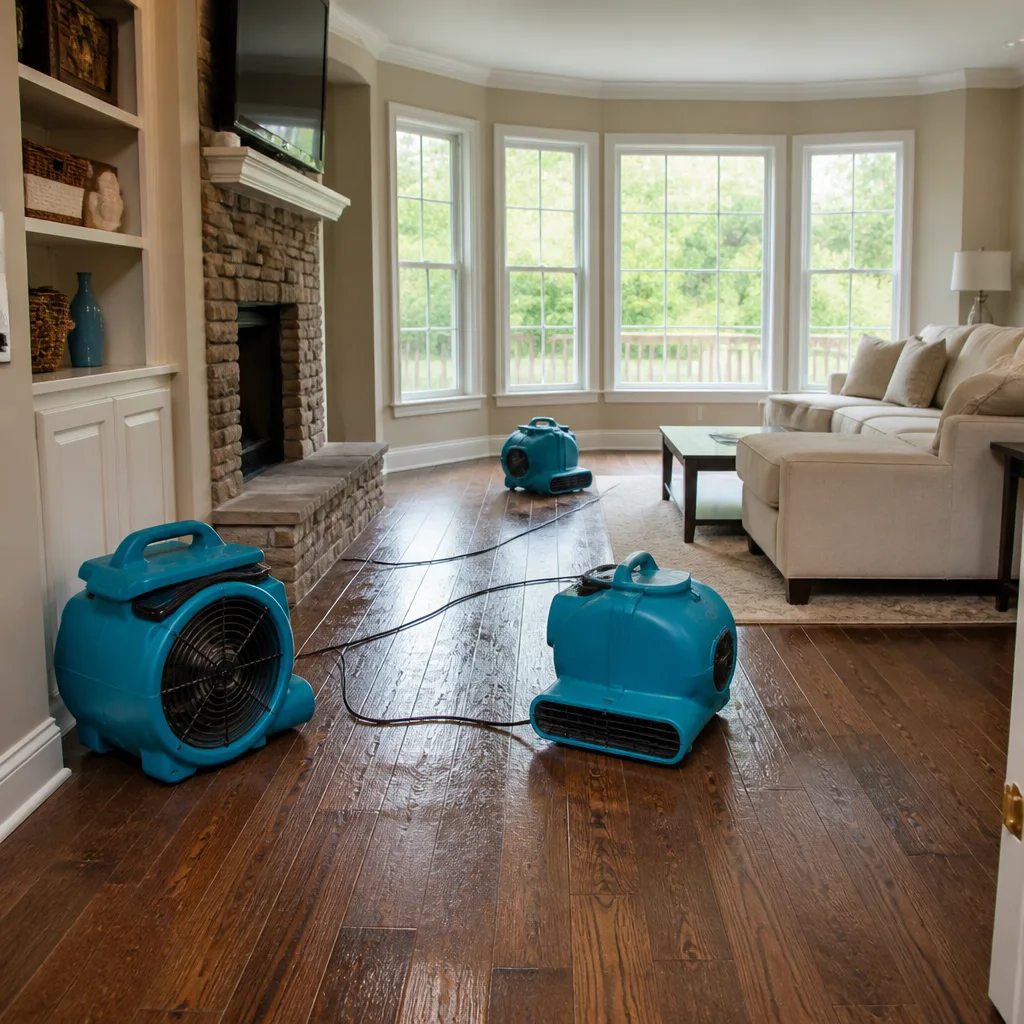
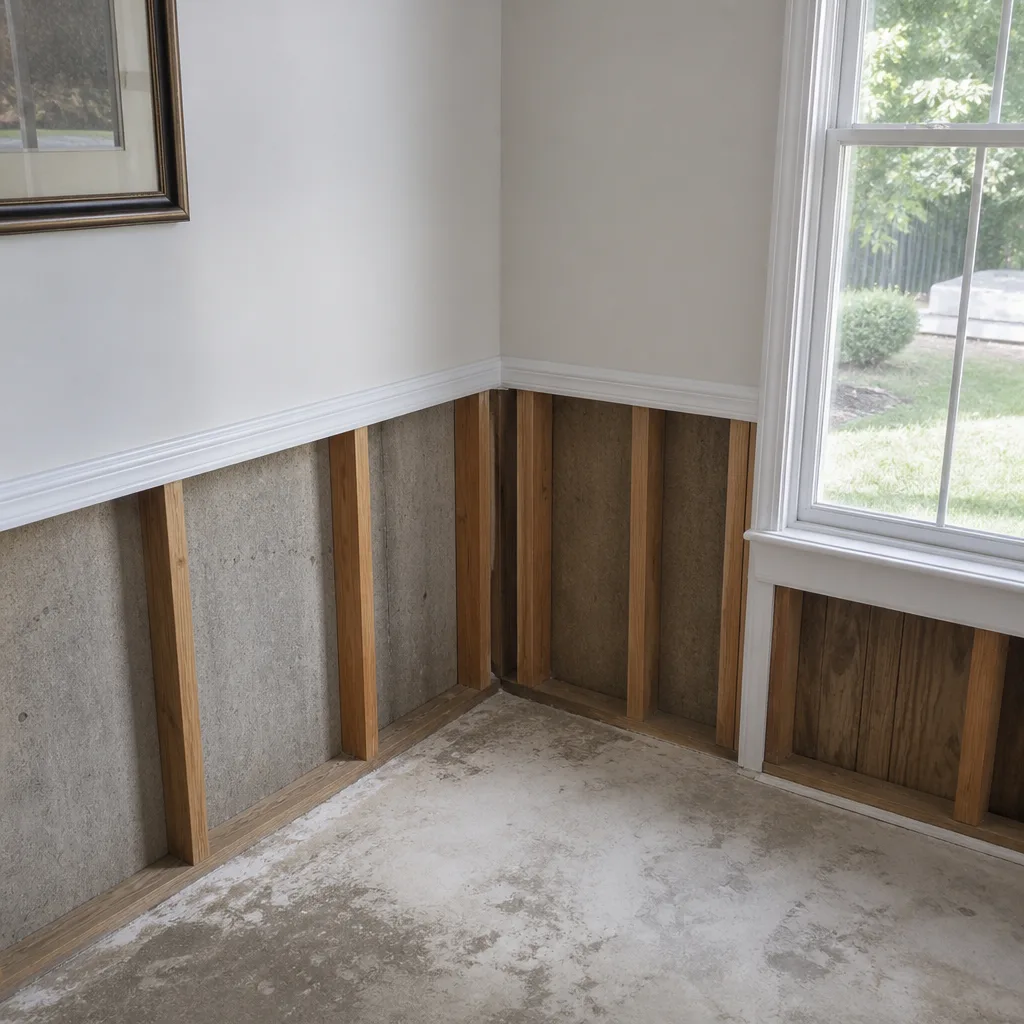
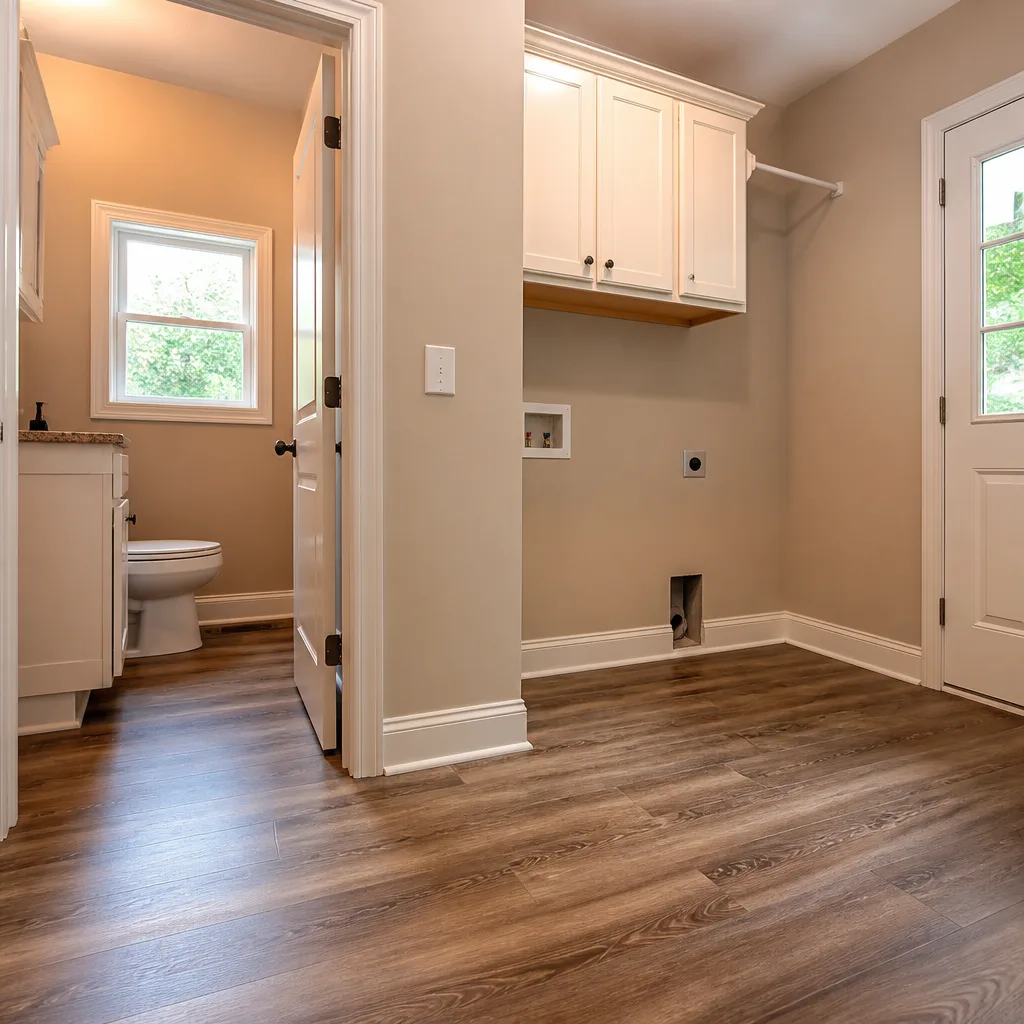
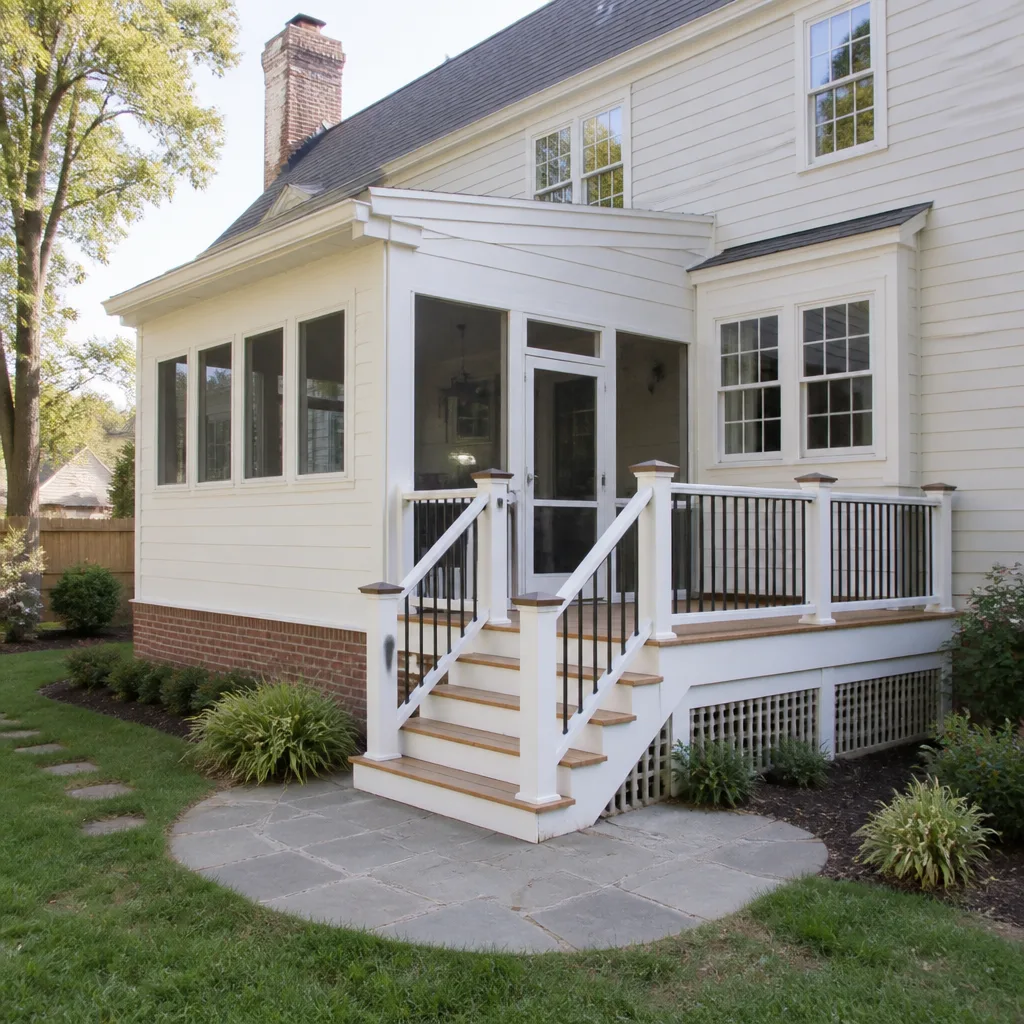
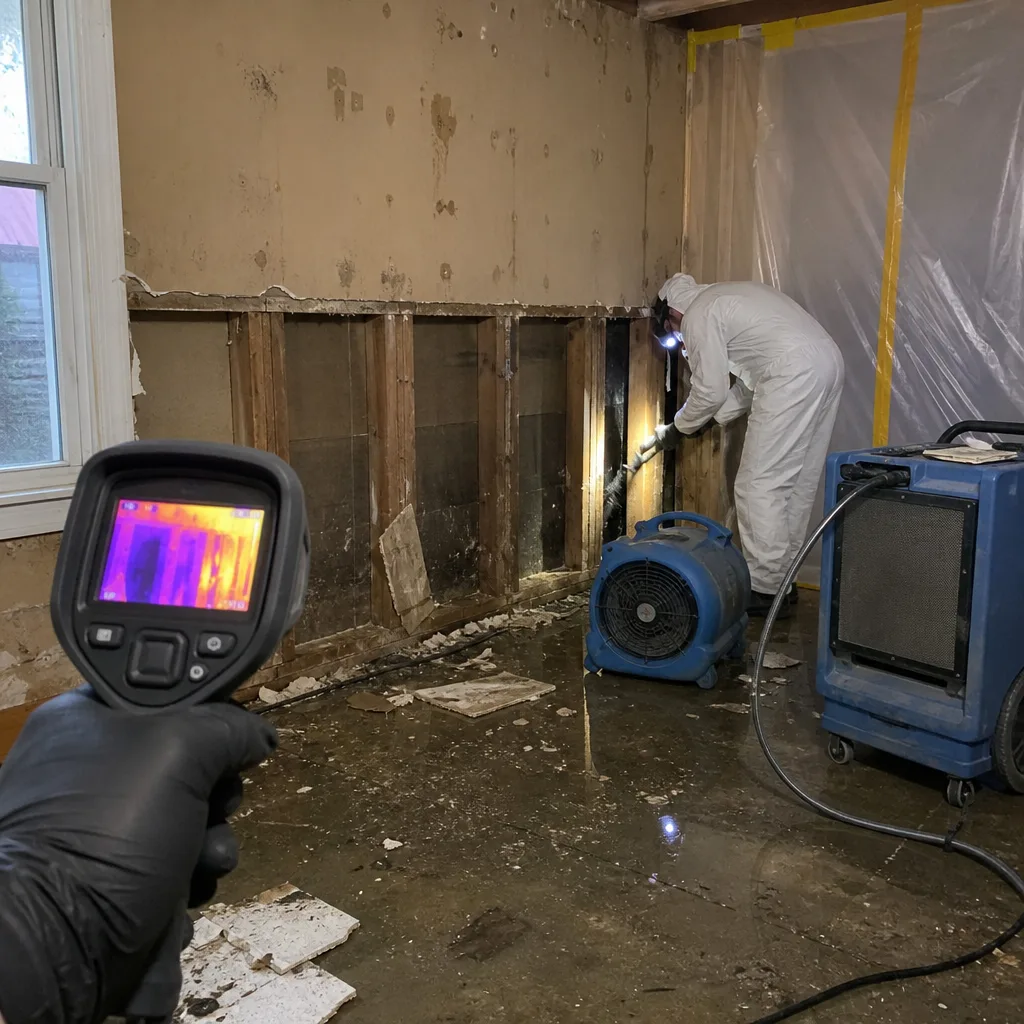 Before
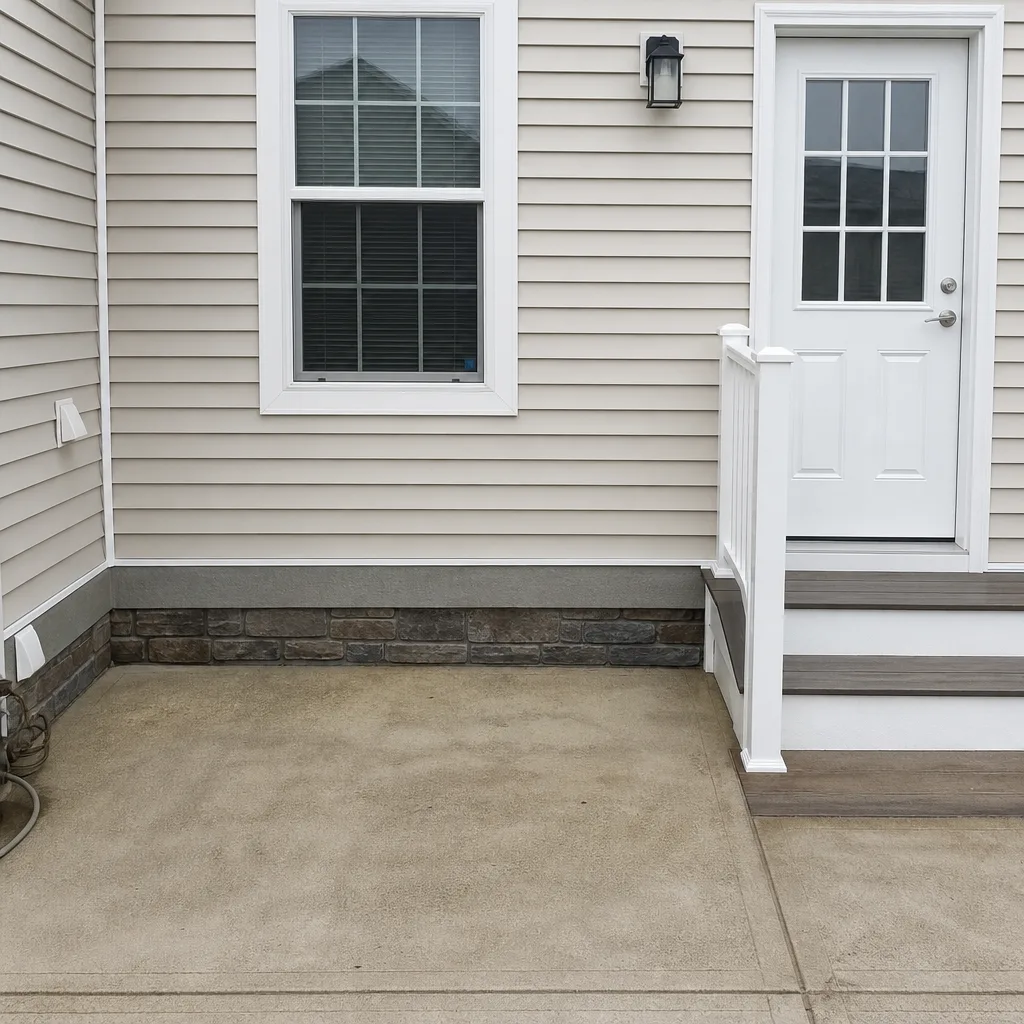 After
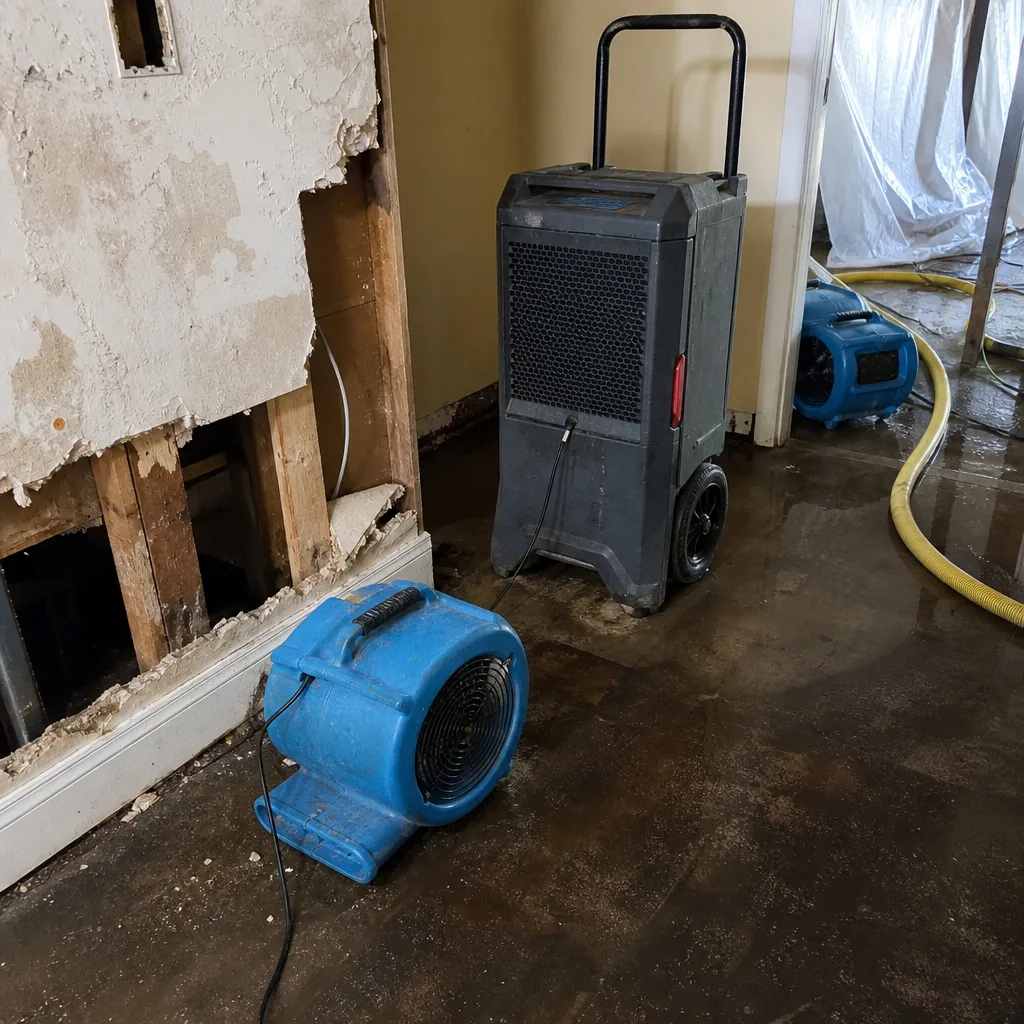 Before
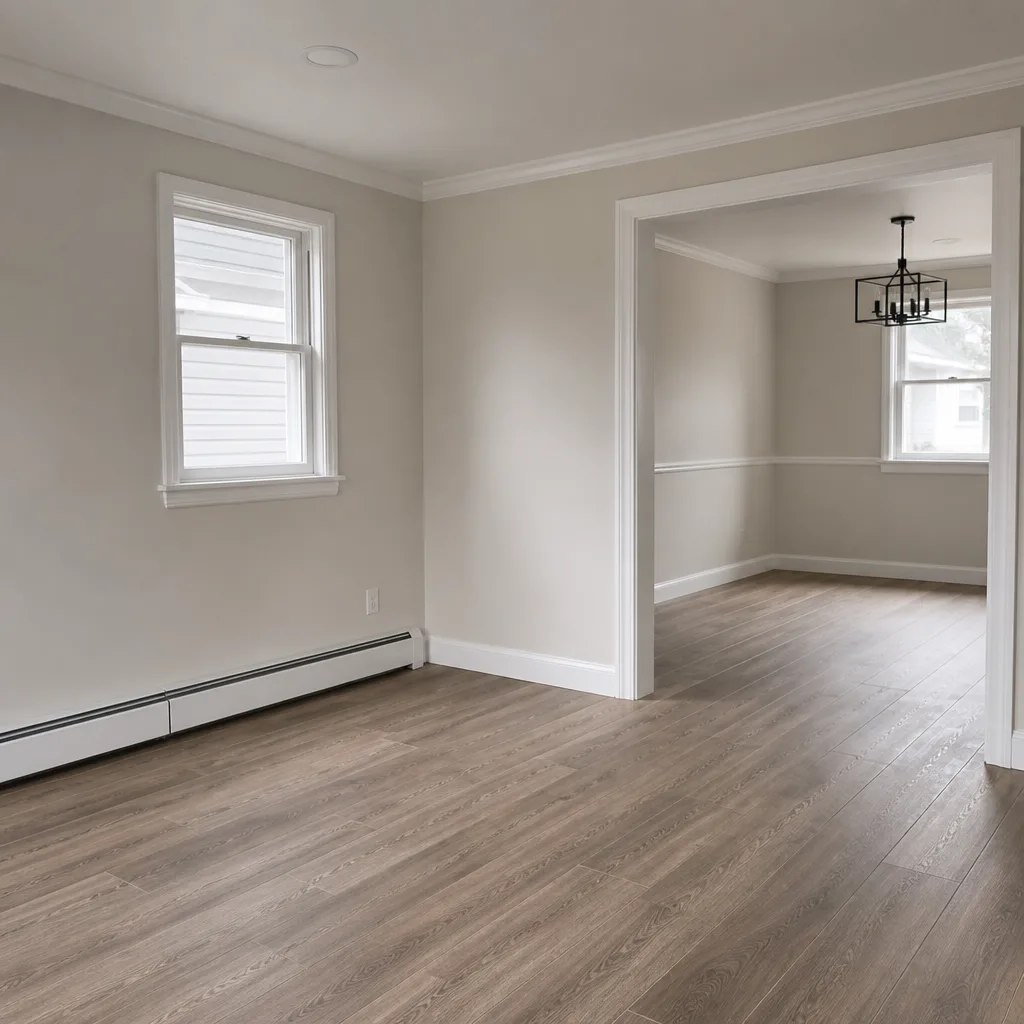 After
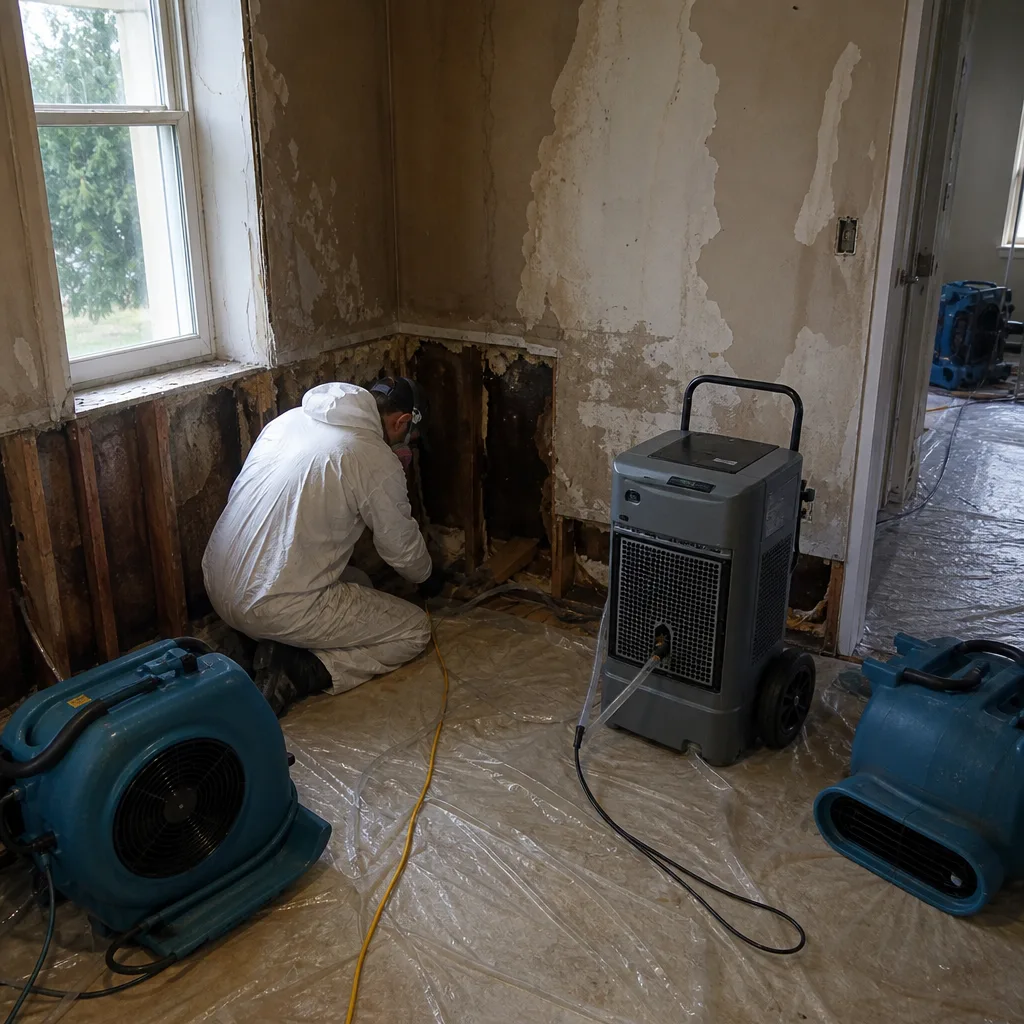 Before
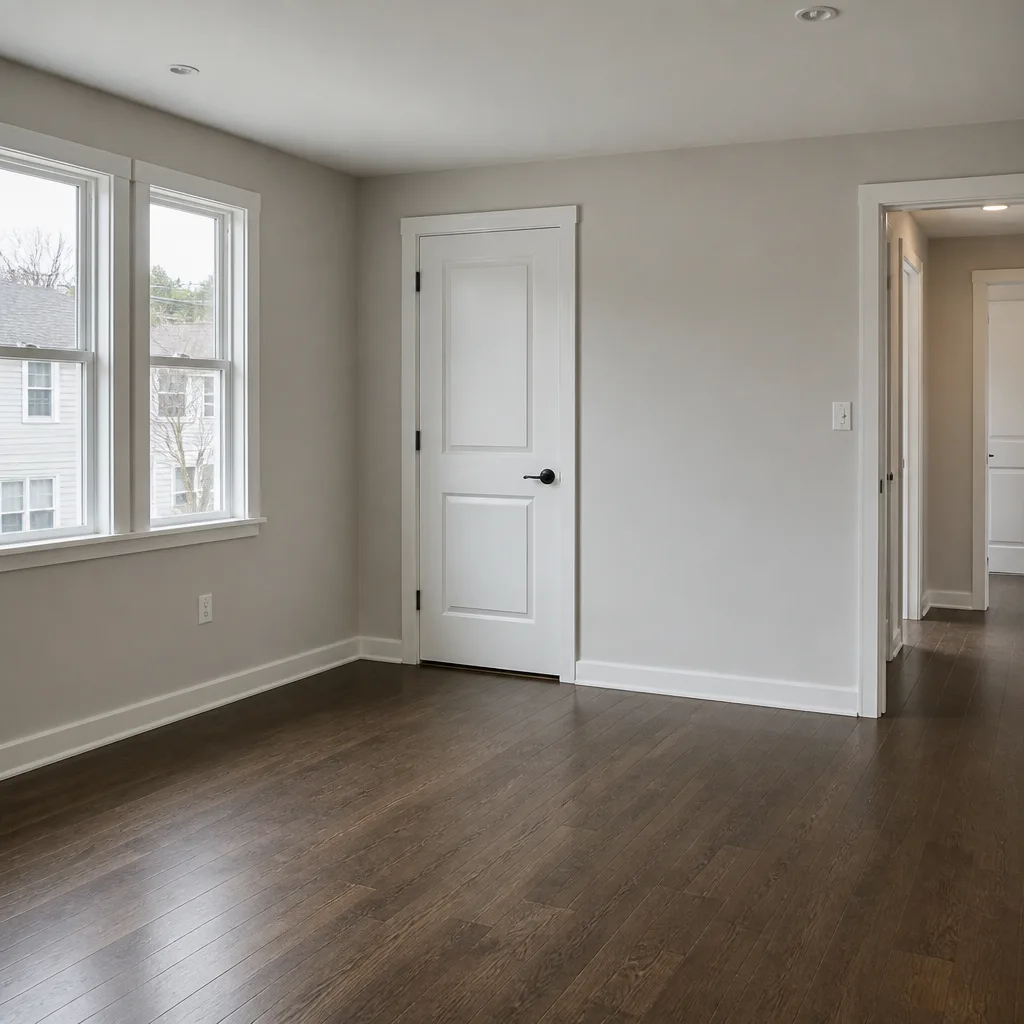 After
Damage Restoration Permits, Codes & Inspections in NY: What You Need to Know
Here is the truth most homeowners in Jamaica do not hear until it is too late: the water extraction company that shows up at 2 a.m. is not the one standing next to you at the building department three weeks later. And that gap, between emergency cleanup and legal rebuild, is where thousands of New Yorkers discover their insurance claim just stalled over a permit they never knew they needed. This guide is the map we wish every homeowner had before the truck pulled up. You will learn exactly which restoration jobs trigger permits in New York, what inspectors actually look for, how codes differ between Jamaica, Queens, and the wider NYC Department of Buildings system, and how to avoid the single most expensive paperwork mistake we see on flooded basements and fire-damaged kitchens.
Quick Answer
In New York, damage restoration work requires a permit whenever structural framing, load-bearing walls, electrical wiring, plumbing lines, or the building envelope (roof, exterior walls, windows) is altered beyond cosmetic repair. Emergency water extraction and drying, by contrast, can begin immediately without a permit. The governing authority in Jamaica is the NYC Department of Buildings, and any restoration that changes a wall assembly or replaces a mechanical system must pass a DOB inspection before walls are closed up. The cost of getting this wrong averages $1,500 to $5,000 in stop-work fines plus the cost of tearing out unpermitted work.
Table of Contents
- When a Damage Restoration Job in NY Triggers a Permit
- Emergency Work You Can Do Before Any Permit
- NYC & NY State Permit Types for Restoration Work
- Inspections: What the DOB Inspector Actually Checks
- Key Building Codes Affecting Restoration in Jamaica
- The Step-by-Step Permit Process for Restoration Work
- Permit Costs, Timelines, and Filing Fees in NY
- Common Mistakes to Avoid
- When to Call a Professional
- Frequently Asked Questions
- The Bottom Line
When a Damage Restoration Job in NY Triggers a Permit
The rule in Jamaica and the rest of New York City is built on one question: did the damage alter the structure, the systems, or just the surfaces? Surface work, like replacing drywall, painting, refinishing a floor, or swapping a bathroom vanity, does not require a permit. Structural work, like reframing a rotted sill plate or sistering floor joists after a sewage backup, absolutely does. The NYC Department of Buildings draws that line in Administrative Code §28-105.1, and the inspectors we work with enforce it without much sympathy for homeowners who did not know.
Here is what triggers a permit on a restoration job:
- Any work on load-bearing walls. If a fire, water, or termite event compromised a wall that carries weight from above, you need a permit before touching the framing.
- Replacement of electrical wiring or panels. Floodwater corrodes breakers and conductors. Rewiring even a single circuit requires an electrical permit and a licensed electrician pulling it.
- Plumbing line replacement. Sewage backups often require replacing cast-iron waste lines. That is a plumbing permit.
- Roof sheathing or rafter replacement. Storm damage to a roof deck in Jamaica means a permit and a final inspection before the roofing goes on.
- Window or exterior door replacement when the opening changes size. Same-size swaps do not need a permit. Changing the rough opening does.
- Any work affecting the building envelope. Sheathing, vapor barriers, waterproofing membranes, and insulation upgrades tied to a flood restoration all require documentation.
What does not require a permit: extracting water, running air movers and dehumidifiers, cutting out wet drywall, removing wet insulation, cleaning mold from non-porous surfaces, and drying the structure in place. Those are emergency mitigation activities, and the DOB explicitly treats them as exempt so long as you are not altering the building. The catch is that many contractors blur this line by starting reconstruction the moment the drywall comes out. That is when a permitted project quietly becomes an illegal one. If you are working with a restoration company that cannot tell you which phase requires a permit, that is a signal you are working with the wrong company. Floodline Restoration Co. is watching this exact confusion cost homeowners money, and the local pros flag the permit line in writing before any wall gets opened up.
Emergency Work You Can Do Before Any Permit
Water does not wait for the DOB to open. Neither should you. New York code recognizes that mitigation, meaning stopping the spread of damage, is not construction. You can legally begin mitigation the moment you discover the problem, and in Jamaica, where a burst supply line or sewage backup can saturate a finished basement in under an hour, starting immediately is the difference between a dry-out and a gut-job.
Here is the sequence of work you can do without any permit or filing:
- Stop the source. Shut the main water valve, kill the gas if you smell it, and cut power to affected circuits at the panel. None of this requires a permit.
- Extract standing water. Portable pumps, wet vacuums, and professional extraction units from Dri-Eaz or XPOWER can run all day without any city filing. We run extraction on the same visit for every Jamaica emergency call.
- Remove saturated materials. Cut out wet drywall, pull wet carpet and pad, remove soaked insulation. This is debris removal, not construction. Document everything with photos for the adjuster.
- Set up drying equipment. Centrifugal air movers from B-Air and dehumidifiers from Phoenix need no permit. They run for days, and the moisture readings are logged daily until the dry standard is met.
- Apply antimicrobial treatments to exposed framing. Treating wood with a registered biocide is mitigation, not construction. Pouring a new footing or reframing a wall is where the line appears.
The important discipline is knowing when mitigation ends and reconstruction begins. The moment you are nailing new studs, pulling new wire, or gluing new pipe, you are building. Along the floodline in a typical Jamaica basement, that line sits right at the point where the old drywall ends and the new drywall would go. We have walked hundreds of homeowners through this exact transition, and we keep a written scope of work that shows what is mitigation and what is permitted rebuild. That document is worth its weight when the adjuster calls and asks who did what, when, and under what authority.
Floodline Restoration Co. home has more on our full-cycle process, from first extraction to final inspection.
NYC & NY State Permit Types for Restoration Work
New York is unusual because New York City operates its own building code and its own permit system, separate from the New York State Uniform Fire Prevention and Building Code that governs the rest of the state. Jamaica sits inside Queens, which means every restoration permit in our service area is filed with the NYC Department of Buildings, not a state office in Albany. This matters because the forms, fees, and inspection triggers are different here than they are twenty miles east in Nassau County.
The permit types you will most likely touch on a damage restoration project:
- ALT1: Major Alteration. Required for work that changes the building’s use, egress, or occupancy, or that involves substantial structural change. A fire restoration that requires reframing a stair shaft or reconfiguring a wall opening falls here. Engineering drawings are virtually always required.
- ALT2: Ordinary Alteration. This is the workhorse permit for restoration. Replacing drywall, rebuilding a non-load-bearing partition, installing new insulation, and replacing fixtures all fit under ALT2. Most flood and sewage restoration rebuilds in Jamaica file under ALT2.
- Electrical Permit. A separate permit pulled by a licensed electrician. Any rewiring, panel replacement, or circuit addition needs this. The electrician is responsible for scheduling the electrical inspection.
- Plumbing Permit. A separate permit pulled by a licensed master plumber. Waste line replacement, water line repair, and fixture relocation all require it. The plumber schedules the plumbing inspection.
- Limited Alteration Application (LAA). Used for smaller jobs that do not require architectural drawings. Some single-circuit electrical repairs and minor plumbing replacements can file as an LAA, which is faster and cheaper.
- Emergency Work Notification (EWN). When you must act immediately to protect life or property, you can perform emergency stabilization work and file an EWN retroactively. This is not a permit; it is a notification that permits you to keep the building safe before the formal application goes in. If you do emergency shoring or demo in Jamaica, file the EWN the same day the work happens.
Most restoration companies file ALT2 plus one electrical and one plumbing permit, with an EWN if the initial response happened after hours. Our team has handled these filings for Jamaica homeowners for over a decade, and we keep the full paper trail so the homeowner never has to sit in the DOB queue on Queens Boulevard.
Inspections: What the DOB Inspector Actually Checks
The inspector’s job is not to catch you. It is to make sure the work will not kill you later. In our experience across hundreds of Jamaica restorations, the DOB inspector is focused on three things: that the work matches the approved plans, that the materials meet code, and that fire safety was not compromised. The inspection happens before walls are closed. Once drywall goes up and paint goes on, the inspector cannot see what they need to see, and you will be tearing out fresh work to satisfy a stop-work order.
Here is what the inspector looks at, by trade:
- Framing: Stud spacing, header sizing over any opening, fire blocking at floor and ceiling lines, and the condition of any existing framing that was retained. If the inspector sees rot, char, or cracked members still in place, the inspection fails on the spot.
- Electrical: Bonding and grounding, wire gauge matching the breaker rating, AFCI/GFCI protection on the right circuits, and no junction boxes buried in walls. Flood-affected panels are often required to be replaced outright.
- Plumbing: Proper slope on waste lines, venting, cleanouts where required, and no incompatible materials joined together. Cast iron to PVC transitions are a common failure point in older Jamaica basements.
- Insulation and vapor barrier: Correct R-value for the wall assembly, correct placement of the vapor barrier for our climate zone, and no paper-faced insulation in contact with damp surfaces.
- Fire safety: The inspector checks that egress windows still open, that smoke and carbon monoxide detectors are present and wired correctly, and that fire-blocking foam or mineral wool is installed at any penetrations between floors.
The inspection is not optional. Under NYC code, you must not close walls, pour concrete, or energize circuits until the relevant inspections are signed off. Anyone who tells you otherwise, who says the inspector never actually shows up or that the job is too small to matter, is selling you a future headache. We have seen a Jamaica homeowner forced to tear out an entire newly-finished basement because a contractor skipped the electrical inspection and buried unpermitted wiring behind recessed lighting. That is a $9,000 mistake on a $12,000 job.
Key Building Codes Affecting Restoration in Jamaica
New York City runs on the NYC Building Code, which is based on the International Building Code with local amendments. For restoration work in Jamaica, there are five code sections that come up on nearly every job we walk. Knowing them going in will make you a harder target for corner-cutting contractors.
First, NYC Fuel Gas Code §403 governs gas piping work after fire or water damage. If a gas line was exposed to floodwater or touched by fire, the local utility will often require a pressure test and sign-off before restoring service. This is not something your restoration company does; it requires a licensed plumber.
Second, NYC Mechanical Code §301 covers ductwork and HVAC restoration. Floodwater in a forced-air system means the ducts must be cleaned, sanitized, or replaced, and any replacement duct sizing must meet Chapter 6 of the mechanical code. We have seen mold grow back in three weeks when a crew wiped down the registers but left saturated duct liner untouched.
Third, NYC Building Code Chapter 33 governs demolition and debris removal. When a restoration project requires removing more than a certain amount of material, the contractor must follow specific dust control, chute, and waste manifest rules. Jamaica’s dense rowhouse blocks make this particularly important; building debris cannot just be bagged and stacked on the sidewalk without a plan.
Fourth, NYC Electrical Code Article 110 requires that any electrical equipment exposed to water be replaced, not dried and reused. This catches a lot of homeowners off guard. A water heater control board that got wet, a panel that took four inches of water, a dishwasher control module: all are replace, not repair, under code. The insurance carrier pays for it, but only if the documentation shows the equipment was submerged.
Fifth, NYC Building Code §1807 covers waterproofing and dampproofing. For below-grade restorations in Jamaica, where the water table is high and basement flooding is common, this section dictates how a repair must be waterproofed to prevent recurrence. A licensed contractor must waterproof foundation walls below grade using approved membranes and drainage board. Painting the wall with Drylok is not a code-compliant restoration.
The Step-by-Step Permit Process for Restoration Work
Here is the full sequence, from the moment you decide the damage requires a permitted rebuild to the moment the inspector signs the final card. We walk Jamaica homeowners through this exact path on every job, and we keep a copy of every filing in the homeowner’s project file. The process assumes your restoration company is managing the paperwork. If you are general contracting this yourself, the same steps apply, but you will be the one standing at the DOB counter.
- Document the damage. Before any demo, photograph every damaged surface. Wide shots, close-ups, moisture meter readings. Your insurance carrier needs this. The DOB may want it too if there is any question about whether the damage was sudden or long-term.
- Apply for an Emergency Work Notification if needed. If you must do immediate shoring or hazard removal, file the EWN the same day. In Jamaica, this is done online through DOB NOW.
- Hire a licensed architect or engineer if the scope requires drawings. For ALT1 filings and many ALT2 filings involving structural changes, you need a Registered Architect or Professional Engineer to stamp plans. A simple drywall-for-drywall swap usually does not.
- File the permit application. Your contractor or expediter files the ALT2, electrical permit, and plumbing permit through DOB NOW. Filing fees are due at submission.
- Wait for approval. Professional certification means the licensed professionals (architect, engineer, electrician, plumber) state under oath that the plans meet code. These jobs can be approved in days. Full review jobs take longer, sometimes 4-8 weeks.
- Start permitted work. Once the permit is issued and posted on the door, reconstruction begins. The permit card must be visible from the street in Jamaica. Inspectors do check.
- Schedule inspections before closing walls. The rule is simple: no drywall until the inspector has seen the framing, plumbing, electrical rough-in, and insulation. Each trade schedules its own inspection.
- Pass the final inspection and close the permit. After all work is complete, the final inspection covers the finished job. The permit is then signed off and closed. Keep this closed-permit record. You will need it if you ever sell the Jamaica house.
That last point matters more than most homeowners realize. An open permit is a cloud on a title. When you sell, the buyer’s attorney will pull the DOB record, and an unclosed permit from a restoration five years ago can delay closing by weeks. We have watched this happen. Our process always includes closing the permit and handing the homeowner the final inspection record.
Permit Costs, Timelines, and Filing Fees in NY
What should you budget for the privilege of building legally? The numbers vary, but here are real ranges we see on Jamaica restoration projects. These are filing fees only, not the cost of the work itself.
| Item | Typical Cost | Timeline |
|---|---|---|
| Emergency Work Notification (EWN) | $100 – $200 | Same day |
| ALT2 filing fee | $500 – $1,500 | 5-10 business days (professionally certified) |
| Electrical permit | $300 – $800 | 3-5 business days |
| Plumbing permit | $300 – $800 | 3-5 business days |
| Architect or engineer drawings (if required) | $800 – $2,500 | 1-3 weeks |
| Inspection fees | Included in filing fee | Scheduled 1-2 weeks out |
| Expediter (if you use one) | $300 – $800 | Cuts wait by 50-70% |
These numbers reflect the Queens market specifically. A restoration in Jamaica tends to run lower on drawings because the housing stock is more uniform, but higher on electrical because many of the homes were built before modern grounding requirements, and a flood repair often forces a panel upgrade. Budget for the panel upgrade if your home still has fuses or a Federal Pacific or Zinsco panel. The insurance carrier will pay for it if the flood or fire damaged the system; if not, it is on you, and it is worth doing anyway.
Common Mistakes to Avoid
- Letting a mitigation company start rebuild work without a permit. They may be excellent at water extraction, but the moment they start nailing studs, they are doing construction without a permit. You, the Jamaica homeowner, are the one who gets the DOB violation.
- Closing walls before the rough-in inspection. The inspector will ask you to expose the work. If you refuse, they issue a stop-work order. Nobody wins. Wait for the inspection.
- Assuming insurance covers unpermitted work. Carriers deny claims for unpermitted construction. If you let a contractor do unpermitted work and the carrier finds out, your claim can be denied in full for that line item. Document every permit.
- Reusing water-damaged electrical equipment. Code says replace, not repair. Drying out a breaker panel and calling it good is a fire hazard and a code violation. The inspector will catch it.
- Not filing the Emergency Work Notification after after-hours emergency demo. If you tear out a wet wall at 11 p.m. on a Saturday in Jamaica, file the EWN. The DOB has no patience for un-notified work, even when the damage was real.
- Hiring the cheapest guy with a pickup truck. Restoration unpermitted work in Queens is a cottage industry. The cheapest bid is almost always the one that skips permits, skips inspections, and disappears when the inspector shows up. You get what the contractor is willing to stand behind in writing.
- Never pulling the DOB record before buying. If you are buying a Jamaica home with a finished basement, check the DOB record for open permits and past violations. Water damage leaves a trail. So does unpermitted restoration.
When to Call a Professional
If your restoration touches anything structural, electrical, or plumbing, the permit is not optional and the work is not a weekend project. A homeowner should call a professional when the damage extends into framing, when any wire or pipe is exposed, when the water sat for more than 48 hours, or when the scope of the rebuild is more than drywall and paint. In Jamaica, where older homes carry decades of past repairs, a professional can also tell you what is original, what was done right, and what the previous owner should have permitted but did not. Floodline Restoration Co. offers free estimates in Jamaica - call (518) 627-5878. We will walk the property, tell you what needs a permit, what does not, and hand you a written scope before any work begins.
Frequently Asked Questions
No permit is needed for emergency water extraction, drying, demolition of wet drywall, or removal of water-damaged insulation. These are mitigation activities, and the NYC Department of Buildings treats them as exempt from permit requirements. A permit becomes necessary only when reconstruction begins: new framing, electrical work, plumbing replacement, or insulation installation. Call (518) 627-5878 if you are unsure where your project stands.
A professionally certified ALT2 application in Queens is typically approved in 5 to 10 business days. Electrical and plumbing permits run 3 to 5 business days. Full plan review jobs that require an engineer’s stamp can take 4 to 8 weeks. Starting the paper early in the process keeps the rebuild from stalling.
Yes, in almost every case. Permit fees, inspection fees, and architect drawings are legitimate costs of restoration, and standard homeowner policies cover them as part of the claim. The carrier will want receipts and the permit numbers. Direct insurance billing makes this simpler; we file the paperwork and the carrier pays us directly so you are never out of pocket.
An open permit creates a title issue that can delay or kill a sale. The buyer’s attorney pulls the DOB record, sees the open permit, and either demands it be closed before closing or knocks the price down to compensate for the liability. Closing the permit costs a few hundred dollars and a final inspection. Leaving it open costs real money at the worst possible moment.
You can perform non-structural surface repairs, painting, and cosmetic work on your own home without a license. Electrical and plumbing work requires licensed tradespeople pulling permits for the work. Structural work requires either a licensed contractor or, if you insist on doing it yourself, engineering plans and inspections. Most homeowners find that the liability is not worth the savings.
Pull the property record from the NYC Department of Buildings through the DOB NOW public portal. Search by your Jamaica address and review permit history, violations, and inspection sign-offs. If you find work that should have been permitted but was not, it can often be legalized retroactively by filing a permit and opening the walls for inspection. This is common in older Queens homes. Call (518) 627-5878 for a free assessment of the DOB record and the work itself.
The Bottom Line
Damage restoration in New York runs on a clear line: mitigation is emergency work, reconstruction is permitted work, and the two must never be collapsed into one undocumented blur. Get the paper right from the start, and the insurance claim, the inspection, and the final sign-off all fall into place. Skip the permit, and you are carrying an illegal rebuild and a future title problem. In Jamaica, where flooding is a known issue and housing stock is aging, the paper trail is as important as the drywall. Work with a company that files everything, schedules every inspection, and hands you the closed permit with your final walkthrough.
Written by the team at Floodline Restoration Co.