
Last updated August 25, 2026
Free visual inspection and a written scope of work before any mitigation begins - photos, moisture readings, and drying logs go in your claim file
The scope we write is the scope we bill. Anything new gets shown to you, in writing, before we touch it.
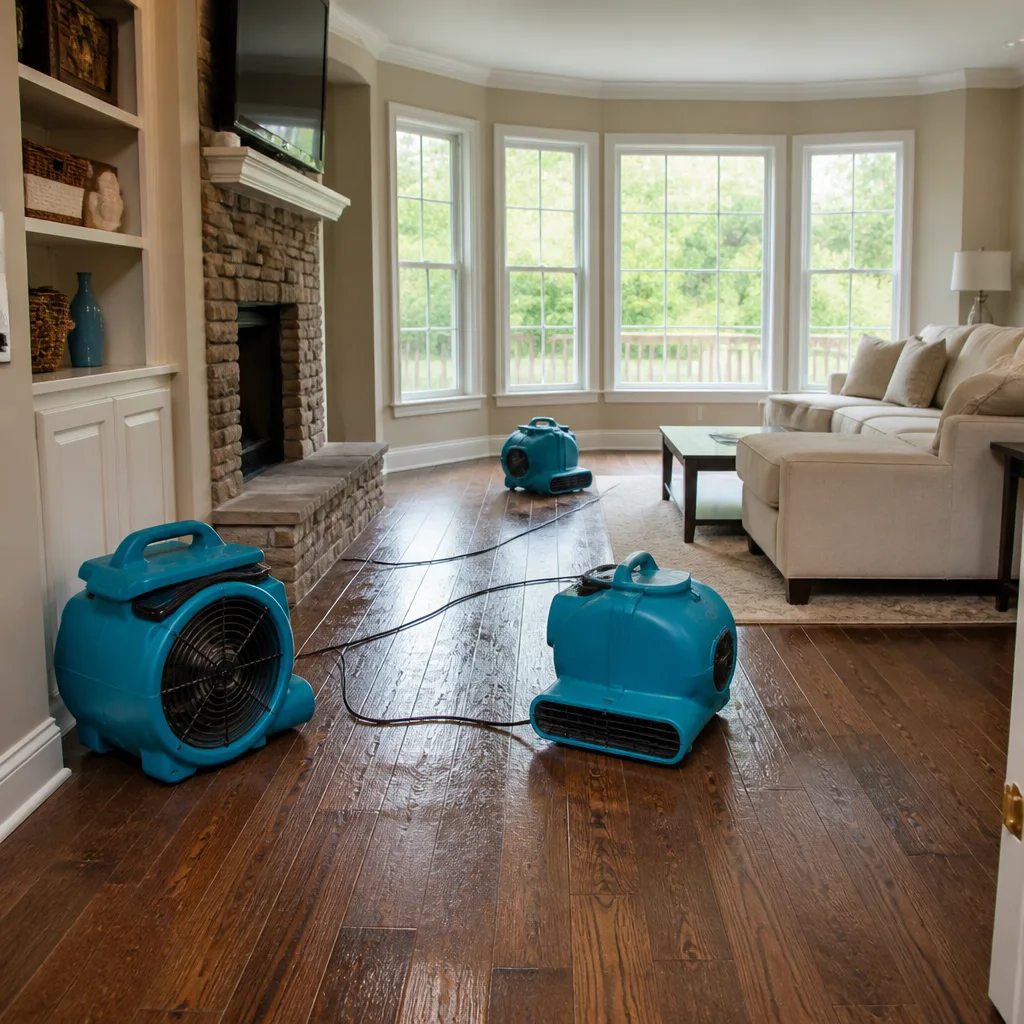

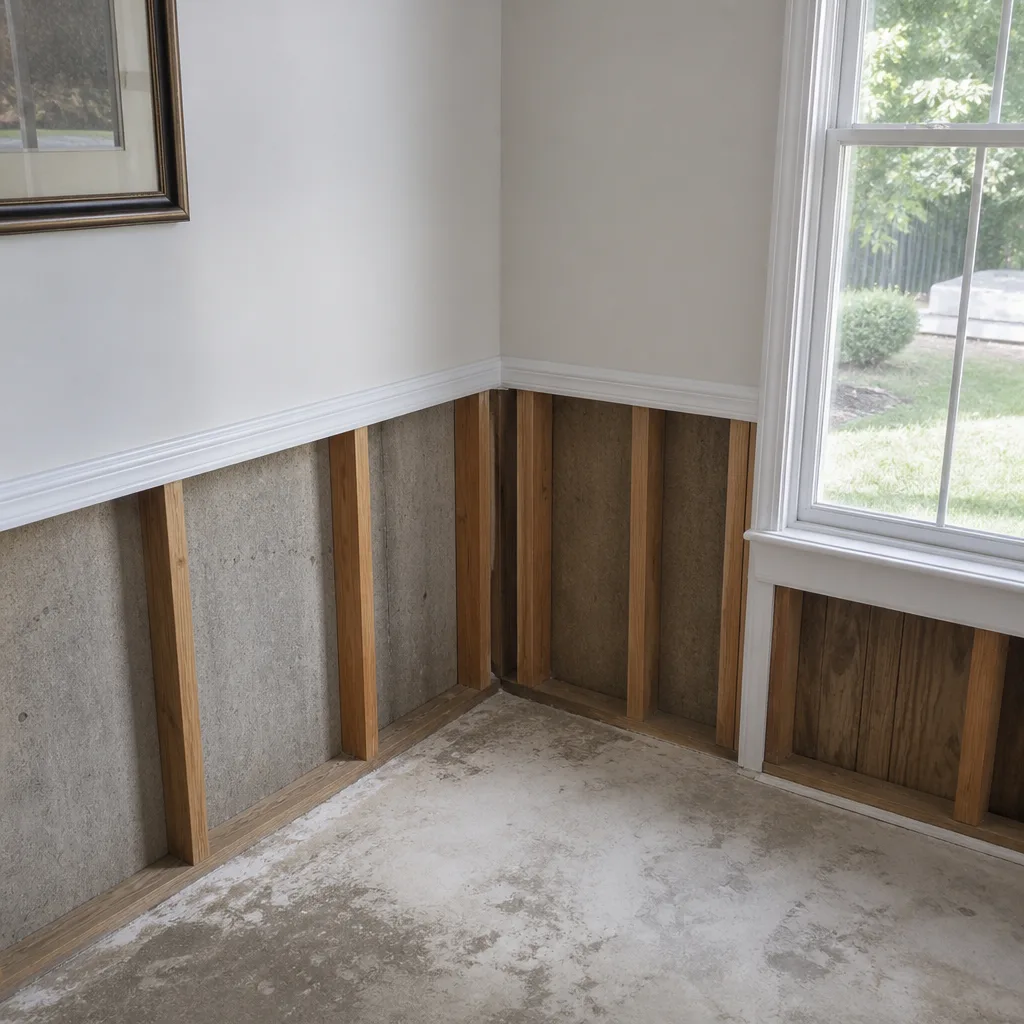

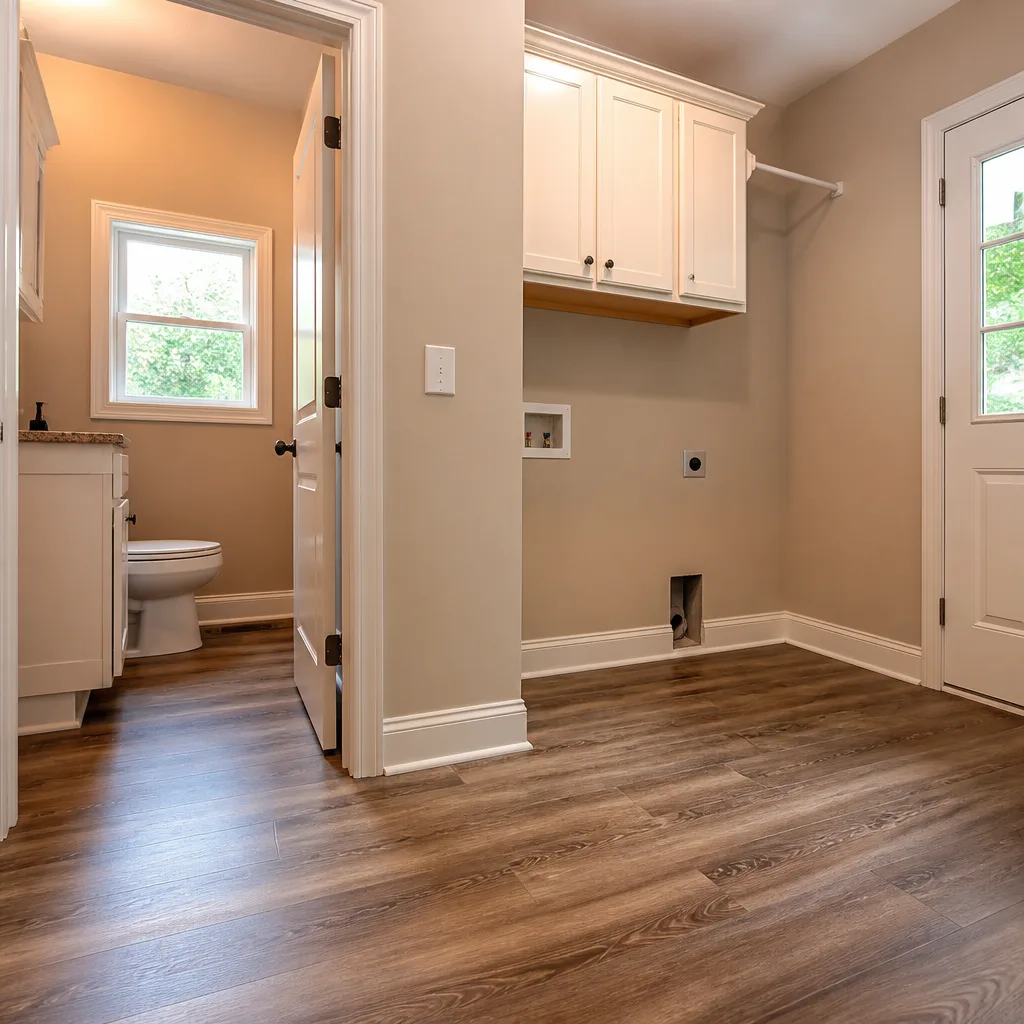
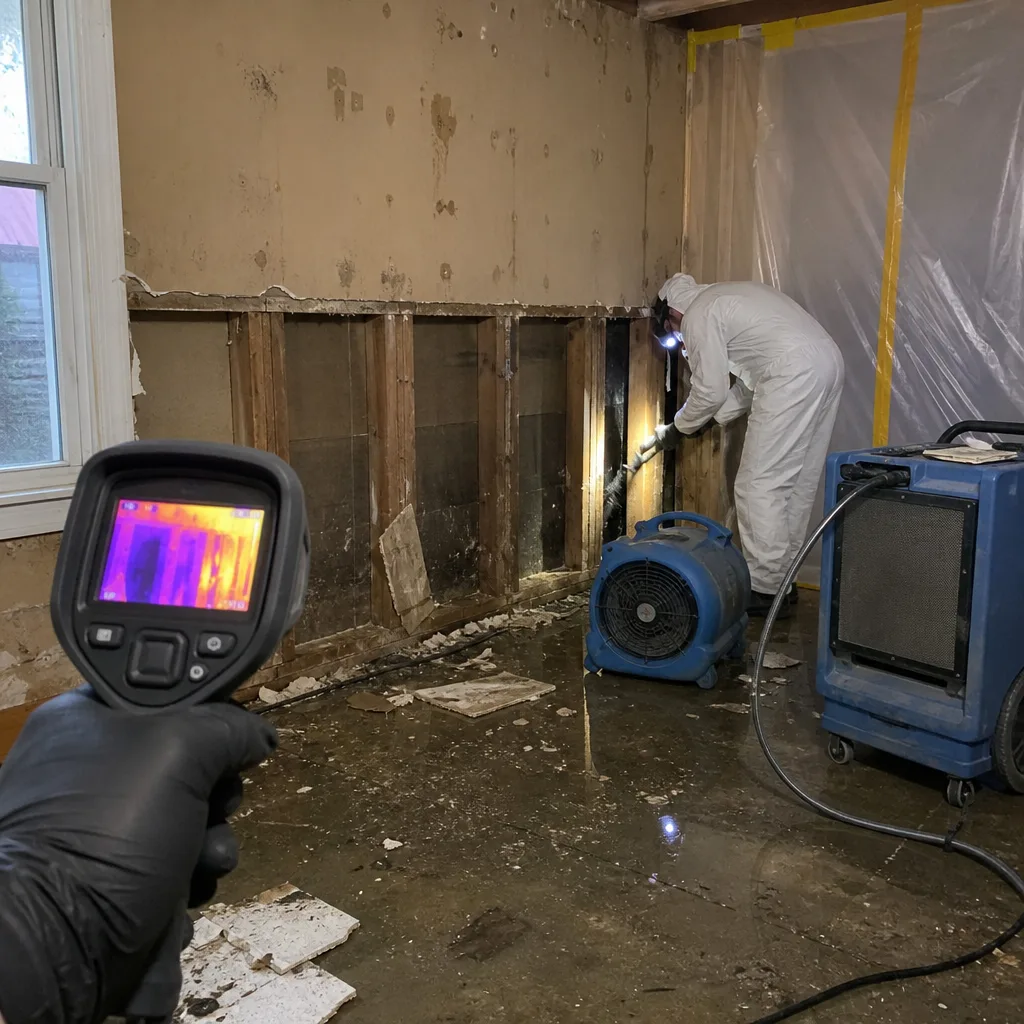 Before
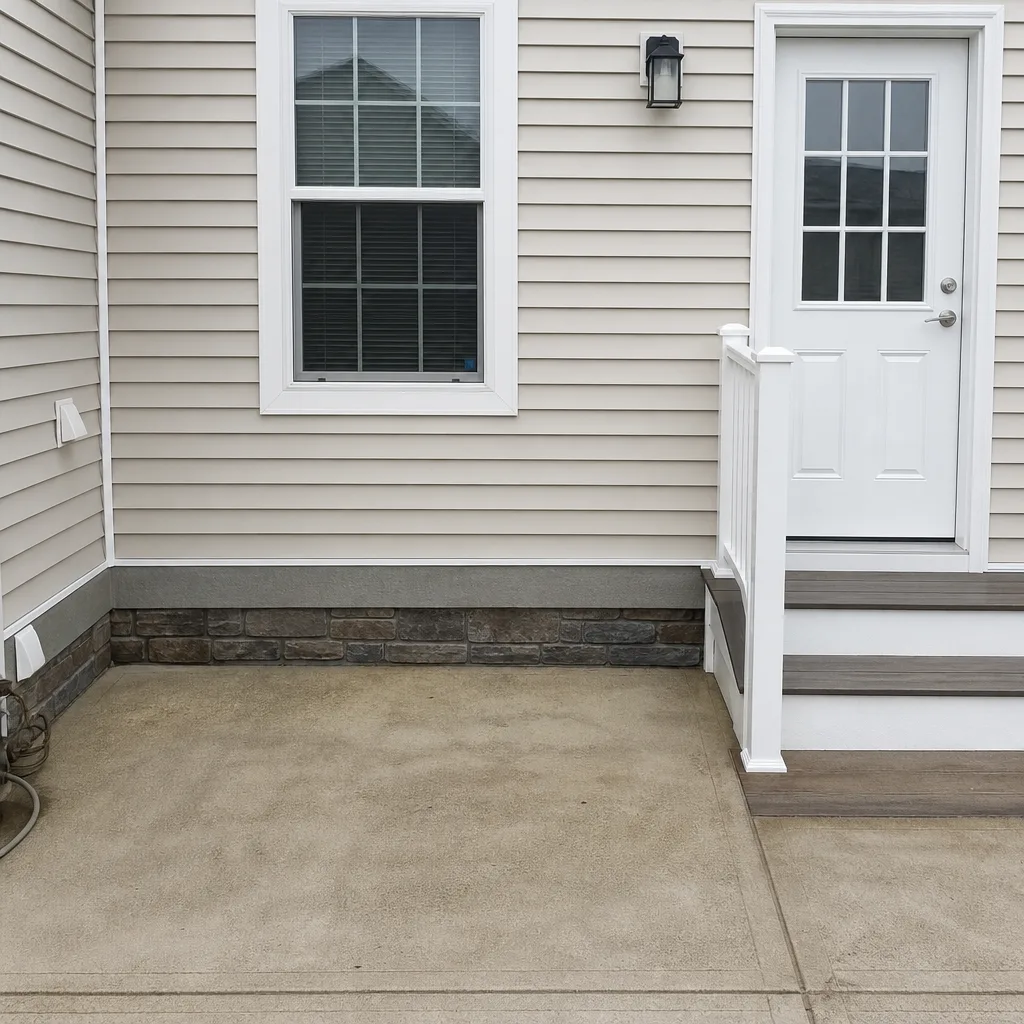 After
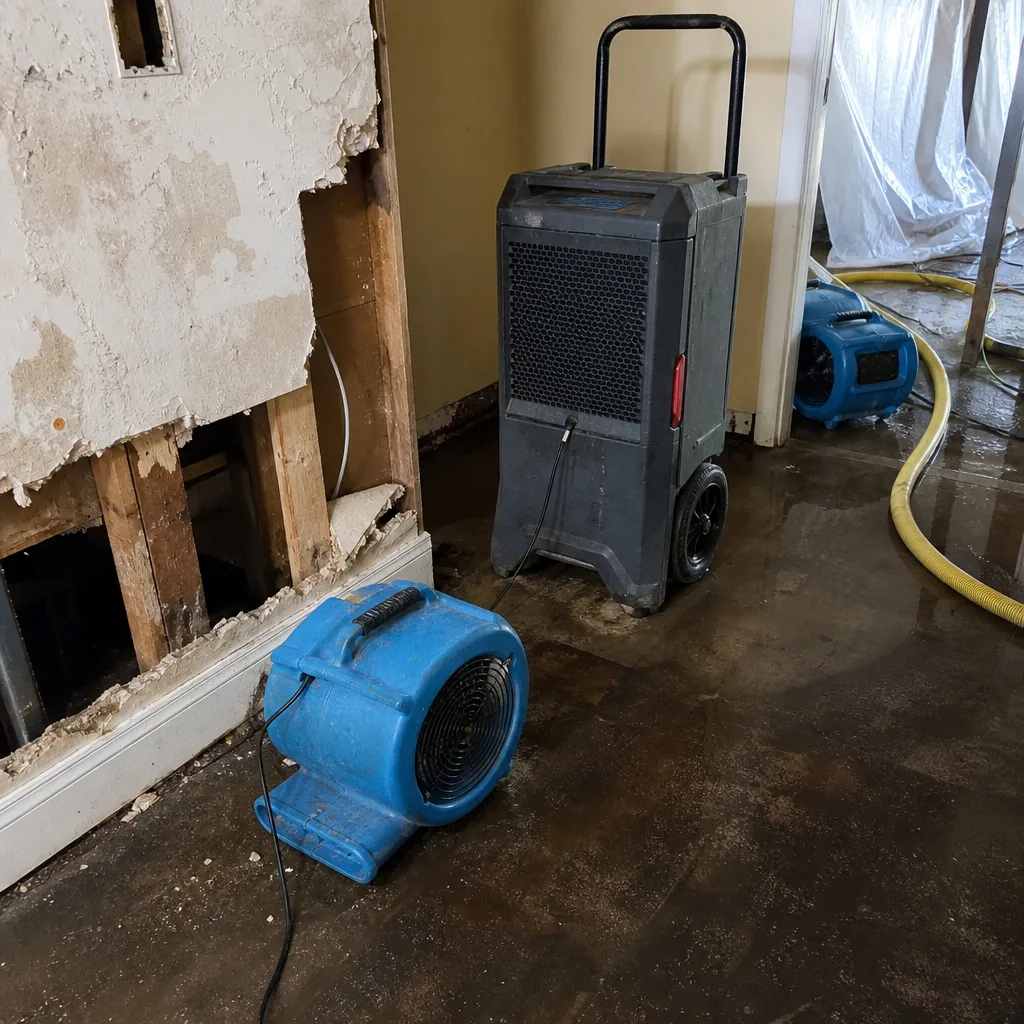 Before
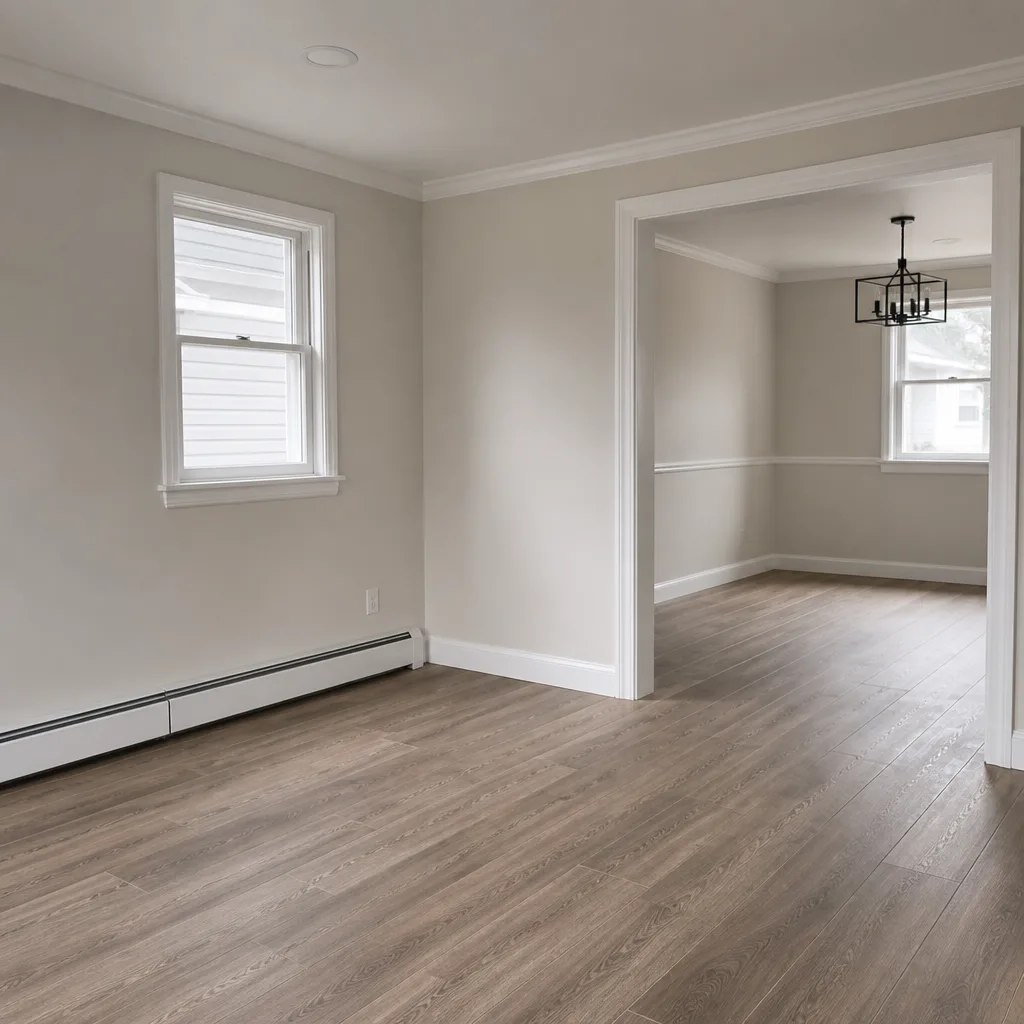 After
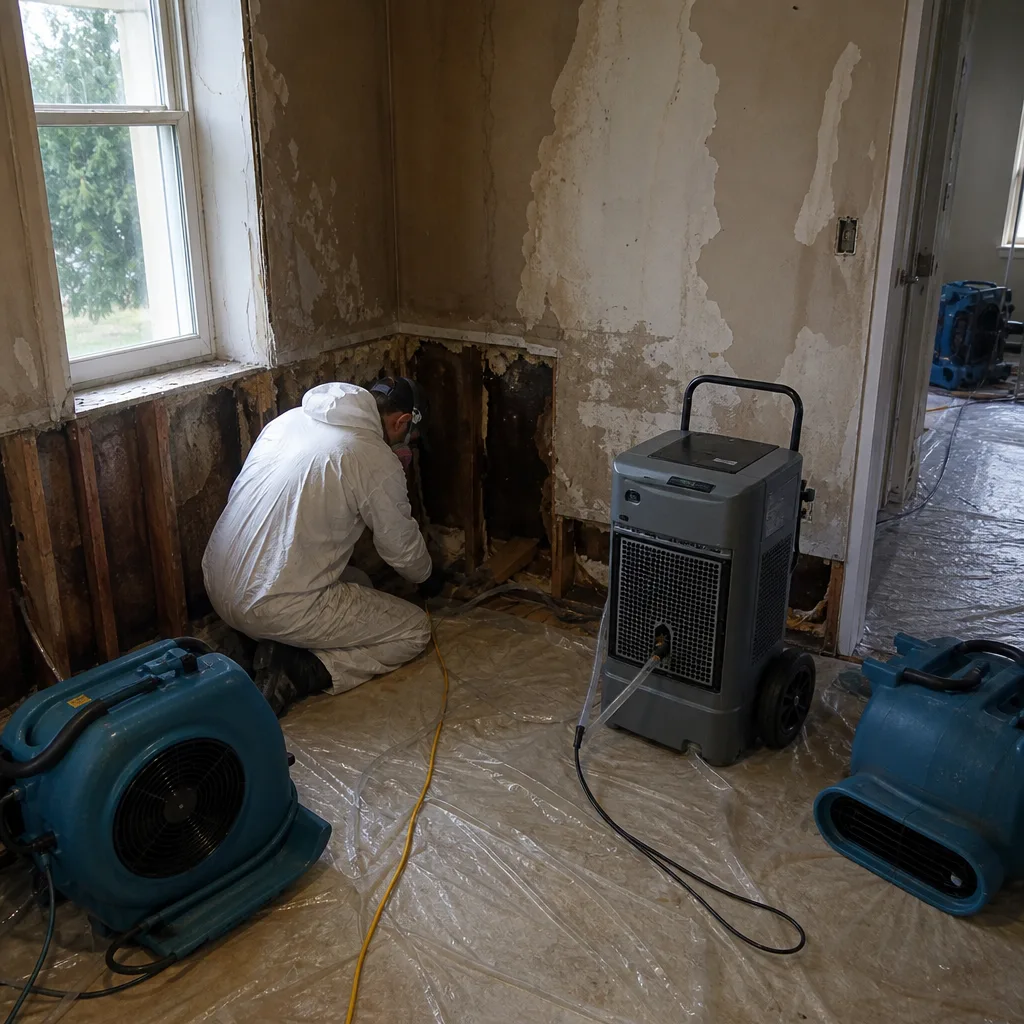 Before
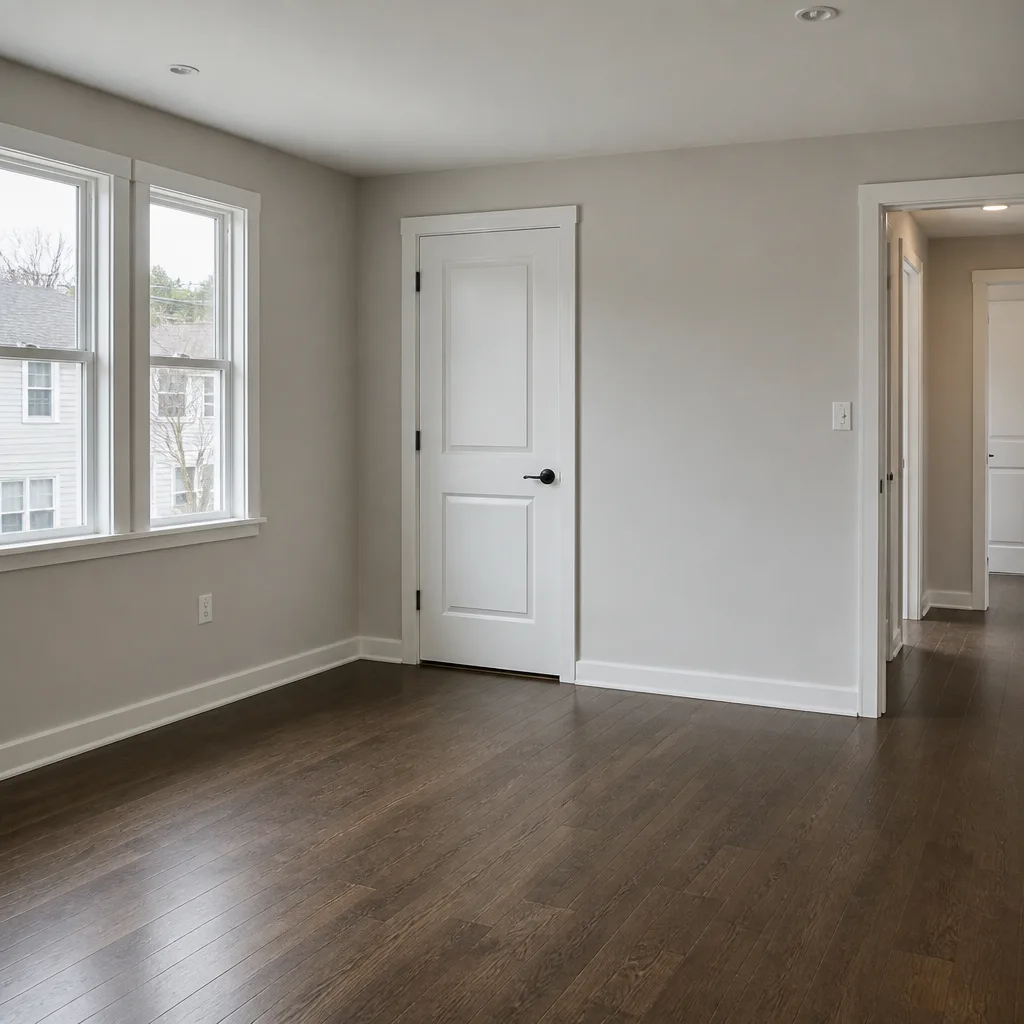 After
Damage Restoration Warning Signs: A Jamaica Homeowner’s Reference Guide
Most of the damage we see in Jamaica homes didn’t happen in a single dramatic moment. It brewed for weeks behind a wall, under a floor, or in a ceiling cavity while the homeowner lived a normal life ten feet away. By the time water stains darken the plaster or that musty odor settles into the hallway, the clock has already been running against the house. What looks like a small discoloration can mean saturated drywall, warped subfloor, and the early stages of mold growth moving through framing. This guide is a practical reference for the signs we’ve learned to recognize after more than a decade of answering calls in Jamaica. You’ll learn what those signs mean, what they cost when ignored, and when a cleanup crosses over into something a professional should handle.
Quick Answer
The earliest warning signs of hidden damage in a Jamaica home are subtle: a faint earthy odor in one room, a door that starts sticking in a frame that used to close cleanly, paint that bubbles or flakes without explanation, or a water bill that creeps upward with no change in household habits. Any one of these signals means moisture is somewhere it shouldn’t be, and moisture that sits for more than 48 hours begins supporting mold growth. In our experience, catching these signs in the first week costs hundreds; catching them after a season costs thousands.
Table of Contents
- Water Stains and Discoloration: Reading the Map
- Musty Odors: The Smell Test Never Lies
- Sticking Doors, Sagging Floors, and Other Structural Tells
- Mold That’s Visible: What You’re Actually Looking At
- Bubbling Paint and Peeling Wallpaper in a Jamaica Basement
- The Water Bill Warning Sign
- Exterior Signs: Foundation, Grading, and Gutters
- After a Storm: Jamaica’s Flood-Prone Zones
Water Stains and Discoloration: Reading the Map
A water stain on a ceiling or wall is never just a stain. It’s a map of where water has traveled, and it tells you more than most homeowners realize. Brown or yellowish rings typically mean water pooled and sat before it dried. Copper-colored or rust-toned stains often indicate water moving through old galvanized pipes or over metal fixtures, carrying oxidation into the drywall. Gray or black discoloration that spreads in an irregular pattern is usually one of two things: active water intrusion from above, or the beginning stage of mold colonization.
In Jamaica, we see a particular pattern with flat-roofed homes and row houses. Water from a roof leak on a party wall doesn’t always show up directly below the leak. It travels along joists, follows the path of least resistance, and pools at the lowest point, which might be eight or ten feet from the actual entry point. Homeowners in South Jamaica, Richmond Hill, and Jamaica Hills have shown us stains in the front of a house that originated from a flashing failure at the rear. That’s why the location of the stain is only half the story. The shape, color, and pattern of recurrence tell you the rest.
Here’s what we look for when we read a stain:
- Ring pattern with a lighter center: Water pooled, sat, and partially dried in cycles. This is a recurring leak, not a one-time spill.
- Continuous darkening at the edges: Active moisture. The stain is still wet. Call soon.
- Vertical streaking or drips down a wall: Water traveled down the inside of a cavity. The visible stain is only the bottom of a longer path.
- Stains that return after painting: The source was never stopped. Repainting over a leak is like putting a bandage over a splinter.
One more thing worth knowing: if the area around a ceiling stain feels soft or spongy when pressed, the drywall or plaster has already begun to lose its structural integrity. That’s not a stain to monitor anymore. It’s a repair to schedule.
Musty Odors: The Smell Test Never Lies
The human nose is remarkably sensitive to the compounds mold and bacteria release as they grow. What most people call a “musty” or “earthy” smell is a cocktail of microbial volatile organic compounds, and it shows up long before visible mold does in most cases. If you walk into a room and notice a damp, stale odor that you can’t place, trust the smell. It’s telling you something real.
In Jamaica’s older housing stock, a musty smell in a basement or first floor is often the first sign of a slow plumbing leak inside a wall cavity or below a floor. The pipe drips slowly enough that no puddle ever forms. The water soaks into the subfloor, the joists, the bottom plate of a wall, and sits there in the dark. Within days, mold begins to grow on the surface. Within weeks, the odor becomes noticeable. Within months, it becomes impossible to ignore.
The odor is not always constant. Humidity changes, temperature, and barometric pressure all affect how strongly it presents. On a dry winter day, the smell might vanish entirely. That’s not a sign the problem is gone. It’s a sign the moisture source is still feeding the growth, and the air conditions just shifted. We’ve had homeowners in Hollis, St. Albans, and Cambria Heights tell us they noticed the smell every summer for years and assumed it was just “old house smell.” Old houses do have a particular character. A persistent musty odor that worsens in humidity is not character. It’s an active moisture problem.
What to Do If You Notice a Musty Smell
- Rule out the easy sources: Check sink traps, washing machine hoses, dishwasher connections, and the area around toilets for visible drips or water staining.
- Close the room off and run a dehumidifier: If the smell returns within a day or two of emptying the collection bucket, the source is supplying more moisture than the dehumidifier can remove.
- Check the HVAC system: Standing water in a condensate pan or moisture inside ductwork can distribute a musty smell through the entire house, not just one room.
- Call for a professional moisture assessment if the smell persists: We bring meters that read moisture inside walls and under floors. A smell without a visible source usually means the source is hidden.
Sticking Doors, Sagging Floors, and Other Structural Tells
Wood is a hygroscopic material. It absorbs moisture from the air around it and swells. When it dries, it shrinks. A door that started sticking in its frame this spring, or a floorboard that has begun to cup or crown, is a structural signal that the moisture content of the surrounding wood has changed. In a Jamaica home with a crawl space or basement, this often points to elevated humidity below the living space, or a slow leak that has dampened the subfloor.
Here’s the timing that matters:
- Seasonal sticking that comes and goes: This can be normal humidity fluctuation, especially in old homes with solid wood doors. Hot, humid summers in Queens push moisture levels up; winter heat dries everything out.
- Progressive sticking that worsens month over month: This is not seasonal. The wood is taking on water from somewhere and the source has not stopped.
- Sticking combined with a visible gap at the top of the door frame: The floor below that wall may be settling or the framing may be compressing due to rot.
Sagging floors deserve particular attention. A floor that bounces, slopes, or feels soft when you walk across it means the subfloor or the joists below have lost rigidity. The cause may be a long-running leak from a bathroom, a kitchen appliance, or a hydronic heating line. By the time a floor feels soft, the structural material below has been wet for a long time. Pulling up the finished floor is not the first move, but a moisture inspection is. We find these problems most often in first-floor bathrooms in older Jamaica homes, where tile sits directly over a wood substrate with no waterproofing membrane beneath it.
Mold That’s Visible: What You’re Actually Looking At
Visible mold in a home is almost always a symptom, not the root problem. The mold is feeding on something: a wet wall cavity, a damp ceiling, a saturated subfloor. Killing the visible mold without stopping the moisture source is a temporary fix at best. The growth will return in weeks because the conditions that allowed it to grow have not changed.
That said, not all black or dark discoloration is mold. Jamaica’s older homes have seen decades of smoke, dust, and grime, and some of it looks similar to mold at first glance. A simple test: apply a drop of household bleach to the spot on a cotton swab. Wait one minute. If the spot lightens, it’s likely mold or mildew. If it stays dark, it may be dirt or soot. This test is helpful for identification, but it doesn’t tell you how deep the mold extends, or whether the wall cavity behind the surface is contaminated.
A safety note: if the visible mold covers more than about ten square feet, or if you or anyone in the household has asthma, a compromised immune system, or chronic respiratory issues, do not disturb it. Agitating mold sends spores into the air. Professional remediation requires containment, negative air pressure, and proper disposal protocols. We’ve handled hundreds of mold jobs in Jamaica and the ones where homeowners tried to bleach and scrub first always end up with a wider contamination zone.
Common hidden locations we find mold in Queens homes:
- Inside the back of closets on exterior walls
- Under kitchen sinks where a fitting has dripped for years
- Behind wallpaper on bathroom walls
- Inside HVAC ductwork near the air handler
- Under the edges of wall-to-wall carpet in basements
- Inside ceiling cavities below a leaking roof penetration
Bubbling Paint and Peeling Wallpaper in a Jamaica Basement
Paint and wallpaper are hydrophobic enough to trap moisture behind them, and hydrophilic enough to show you exactly where it sits. Bubbling paint is a classic sign that water vapor is pushing outward from inside a wall, trying to escape. The bubble forms because the moisture has broken the bond between the paint and the surface below. If you press on the bubble and it crackles, the plaster or drywall underneath has already begun to soften.
Peeling wallpaper behaves the same way. Adhesive that once held for decades starts to fail because moisture from inside the wall is dissolving it from the back. What looks like a cosmetic issue is often the first visual signal of a leak in a pipe run inside that wall.
Jamaica basements deserve special attention here. Many homes in this part of Queens were built before modern waterproofing and drainage systems were standard. The basement walls are often concrete block or stone with limited exterior protection against groundwater. When the water table rises after heavy rain, hydrostatic pressure pushes water through the foundation. The first sign is often not standing water on the floor. It’s bubbling paint and peeling wallpaper near the base of the wall, or a white crystalline deposit called efflorescence that forms as moisture moves through masonry and leaves mineral salts behind.
If you have a finished basement with drywall over the foundation walls, the signs are slower to appear. The moisture wicks into the framing and insulation behind the drywall before it ever reaches the painted surface. By the time the paint bubbles, the wall cavity behind it may be saturated. A moisture meter reading the wall surface can suggest what’s happening deeper, but the only way to know for certain is to cut an inspection hole. We do this in a small, controlled area so the repair is straightforward.
The Water Bill Warning Sign
One of the most reliable early warning systems in any home is the water bill. If your usage has stayed within a predictable range for years and suddenly jumps by 20% or more without a corresponding change in household activity, you have a leak somewhere. The question is whether it’s a leak you can fix quickly, or one that has been feeding water into the structure.
- Check your water meter: Turn off all water in the house and watch the meter. If the dial or digital readout continues to move, water is flowing somewhere.
- Test the toilet flappers: Toilets are the most common silent leak. Drop food coloring in the tank and wait 20 minutes. Color in the bowl means the flapper is leaking.
- Check the main shutoff valve: A leak in the service line between the meter and the house won’t show up inside, but it will show on the bill and possibly as a wet spot in the front yard.
- Inspect the water heater: A slow leak from the tank or the pressure relief valve can drip for months before it’s noticed. The water often runs down a floor drain, which hides it entirely.
In Jamaica, many homes share water service configurations with attached neighbors, particularly in attached row houses and semi-attached dwellings. That complicates the bill reading. If you share a wall and your neighbor has a leak in the common plumbing run, you may see the effect in your home long before anyone sees a bill. That’s why unexplained dampness on a party wall should never be ignored. What starts in one unit travels into the shared structure.
Exterior Signs: Foundation, Grading, and Gutters
What happens outside determines what happens inside. A Jamaica home’s first line of defense against water damage is the roof, the gutters, and the grading of the soil around the foundation. When those systems fail, water finds its way in. Here’s what to look for around the outside of the house:
- Gutters overflowing during rain: Water that spills over the edge lands at the foundation line. It should travel at least six feet away from the house through downspout extensions.
- Downspouts discharging at the foundation: This concentrates thousands of gallons of water at a single point. Any crack in the foundation becomes a highway for it.
- Soil sloping toward the house: Proper grading slopes away at about six inches of drop over the first ten feet. Negative grading funnels rain and snowmelt toward the foundation.
- Moss or algae on the foundation wall: This tells you water sits against that wall long enough to support growth. The drainage is not working.
- Shingles curling, missing, or pulling up at the edges: The roof is the largest surface exposed to weather. A small failure at a flashing point can send water into the attic and walls for years before a stain appears on a ceiling below.
For homeowners in Jamaica who live in attached dwellings, check the roofline along the party wall. Parapet walls between attached homes are a notorious leak point. The flashing at these intersections wears out, and water that enters at the top of the party wall travels down inside the shared structure. By the time it appears as ceiling damage inside either home, the cavity has been wet for months.
After a Storm: Jamaica’s Flood-Prone Zones
Jamaica sits in a part of Queens that feels the effects of coastal and flash flooding. The neighborhoods near Jamaica Bay, including parts of Springfield Gardens, Rosedale, and Laurelton, experience street flooding during heavy rain events. Water that rises over curbs, through basement window wells, or up through floor drains moves fast and carries whatever it picks up along the way. If your basement has flooded, even for an hour or two, the cleanup needs to begin immediately. The clock on mold growth starts when the water recedes, not when you get around to dealing with it.
Here’s what to do in the first hours after a basement flood:
- Shut off electricity to the affected area at the breaker panel if the panel is dry and accessible. Do not enter standing water in a basement with active power.
- Call your insurance carrier and document everything with photos before moving anything.
- Call a restoration company that can get extraction equipment running the same day. Standing water wicks up drywall, saturates insulation, and soaks into wood framing within hours.
- Move wet items to a dry area if it can be done safely. Furniture, rugs, and boxes left in water become unrecoverable quickly.
Jamaica homeowners should know that the streets and drainage systems in this area are aging, and heavy downpours can overwhelm them quickly. A basement that has never flooded in 20 years can flood when a catch basin on the block clogs or when a rain event drops more water than the system was designed to carry. The risk is not theoretical. We’ve seen it happen to homeowners who had no reason to expect it.
Common Mistakes to Avoid
- Painting over a water stain without finding the source. The stain will return, and so will whatever grew behind the paint while it was sealed in. You’ve added a cosmetic layer on top of an active problem.
- Assuming a small leak is a small problem. A pinhole leak in a supply line inside a wall can release enough water over a month to saturate an entire stud cavity. The drip you can see is rarely the whole picture.
- Using bleach to treat visible mold. Bleach kills surface mold but does not penetrate porous building materials. The roots of the mold survive inside the drywall or wood, and the water in the bleach actually provides additional moisture.
- Waiting to file an insurance claim until you’ve cleaned up. The claim gets harder to document after you’ve moved everything. Photos taken before cleanup begins are worth more than any description.
- Running a household dehumidifier and assuming the problem is solved. A residential dehumidifier can help control humidity, but it cannot dry the inside of a wet wall cavity. That requires professional drying equipment and daily moisture readings.
- Ignoring a musty smell that comes and goes. The smell fades when conditions shift but the moisture source remains. You’re just not smelling it at that particular moment.
When to Call a Professional
Call a professional when the problem is hidden, structural, or actively spreading. If water has entered a wall cavity, ceiling, or subfloor, the drying process requires equipment that reaches inside the structure, not just the room air. If visible mold covers more than a small patch, or if anyone in the home has respiratory concerns, professional containment matters. If your basement has flooded with storm water or sewage, the water carries biological contamination that requires proper disposal and disinfection. Floodline Restoration Co. offers free estimates in Jamaica, and a live dispatcher answers the phone at any hour. Call (518) 627-5878 and a certified crew can be on the way the same visit.
Frequently Asked Questions
Mold can begin growing within 24 to 48 hours on wet organic materials like drywall, wood, and carpet in a Queens home, which is why extraction and drying equipment should be running within hours, not days. The window for preventing a mold problem is short.
Most policies cover sudden and accidental water damage, such as a burst pipe or a storm-related intrusion, but not gradual leaks that were ignored or maintenance issues. We photograph everything, document the moisture readings, and bill your carrier directly so you don’t have to handle the paperwork chase.
A moisture meter reads through the surface and shows elevated readings where water is present inside the wall, which is far better than guessing or waiting for visible damage to show through. We use professional meters on every inspection so you get a map of the moisture, not an opinion.
An active stain is one that continues to darken, spread, or feel damp to the touch, while an inactive stain has dried and stopped growing but still marks where water once traveled. The only way to know for certain is to test for moisture, because an inactive stain can sit over a cavity that still holds water.
You can start the process by shutting off power and moving items to a dry space, but a professional-grade extraction and drying setup reaches water inside the walls and slab that a shop vac and box fan cannot touch. In our experience, homeowner cleanup after even a small flood leaves enough moisture behind for mold to establish.
Water damage restoration in Jamaica typically ranges from $800 for a small clean-water leak with minimal drying to $4,000 or more for a basement flooding with contaminated water and saturated materials, depending on how fast it’s addressed and what was affected. Call (518) 627-5878 for a free estimate with a written scope before any work begins.
The Bottom Line
The signs of damage in a Jamaica home speak early if you know how to listen. A sticking door, a faint smell, a stain that returns, a water bill that climbs, or a paint bubble near the floor each tells a story about moisture that hasn’t been stopped. Acting in the first days costs less, saves more of the original structure, and prevents the secondary damage that mold always brings. When you see more than one sign, or when the sign points to something hidden inside a wall or floor, a professional assessment is the fastest way to know what you’re dealing with. We’ve served Jamaica homeowners, and the homes that cost the least to restore are always the ones where someone paid attention early. If you’re seeing any of the signs in this guide, call (518) 627-5878 for a free estimate. We’ll be there when we say, and we’ll stand behind the work in writing.
Written by the team at Floodline Restoration Co.