

Free visual inspection and a written scope of work before any mitigation begins - photos, moisture readings, and drying logs go in your claim file
The scope we write is the scope we bill. Anything new gets shown to you, in writing, before we touch it.
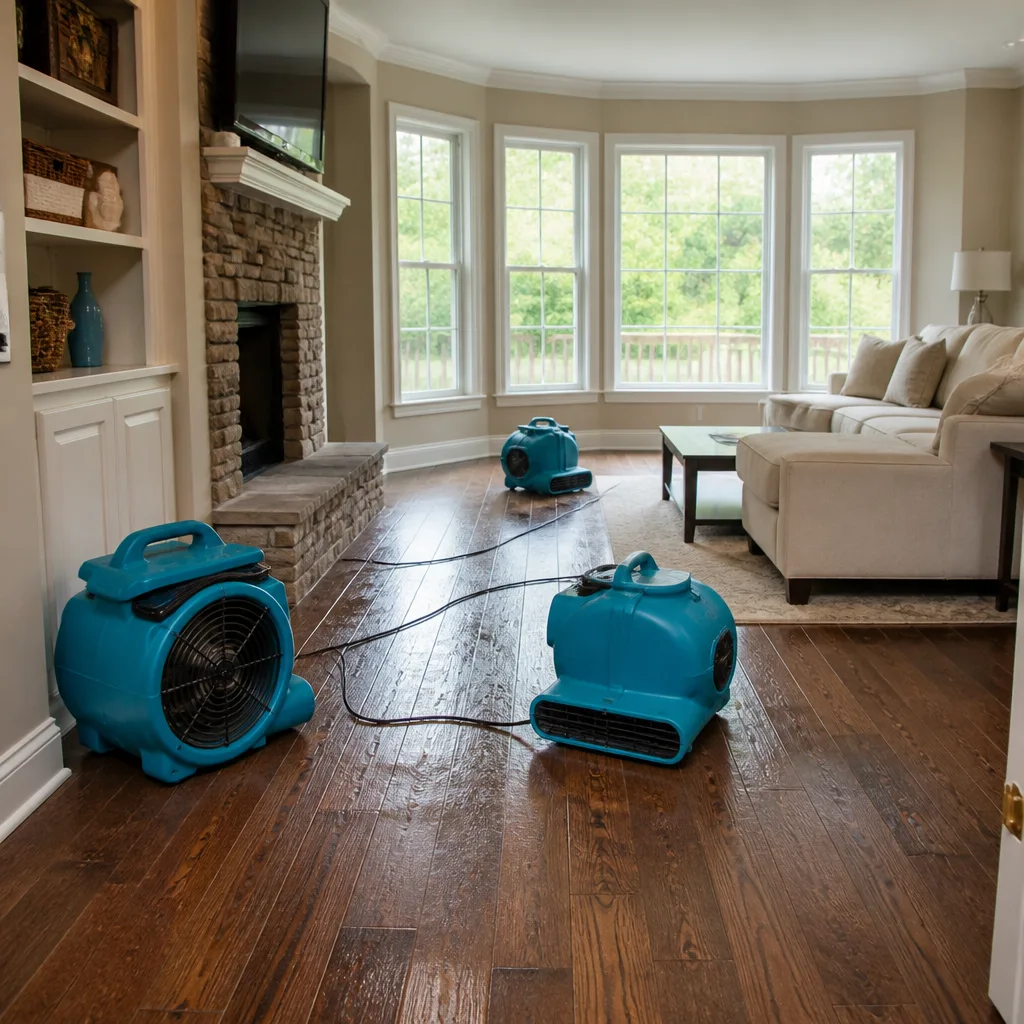
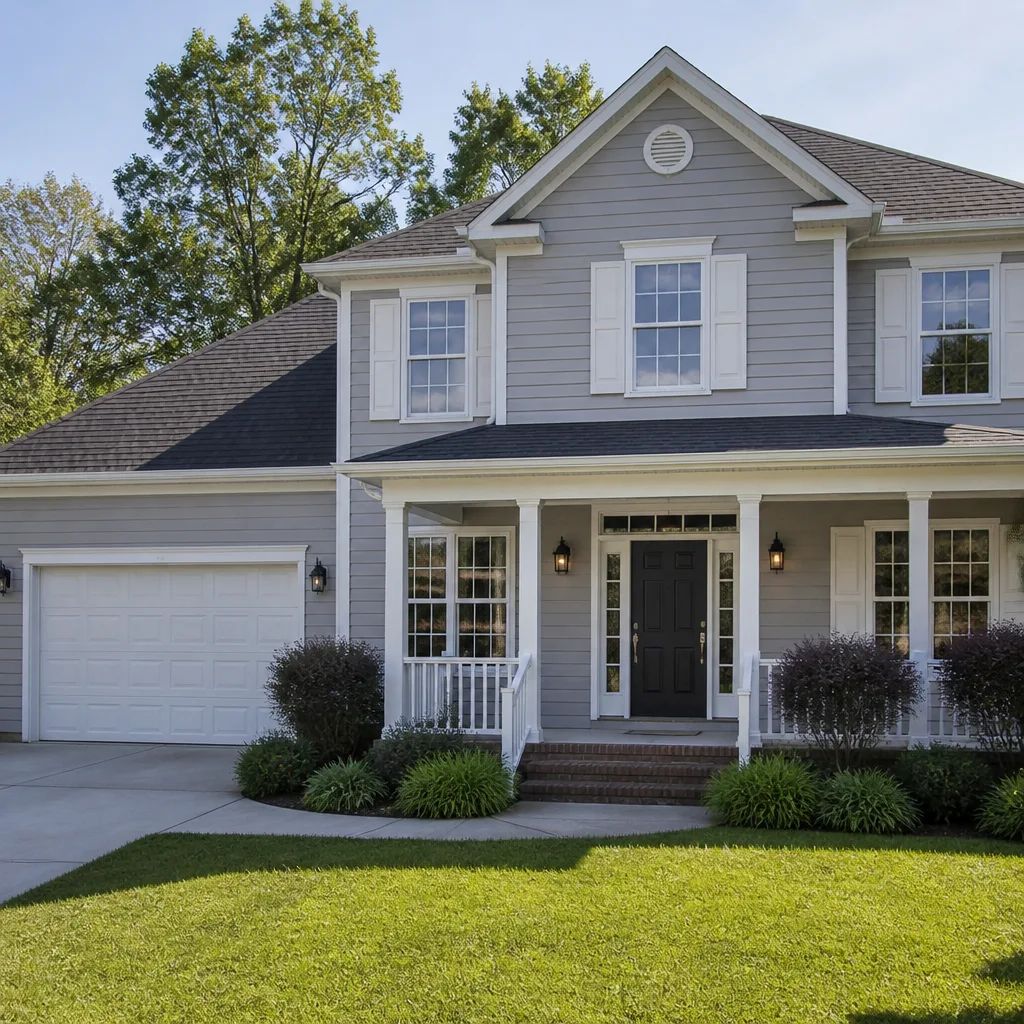
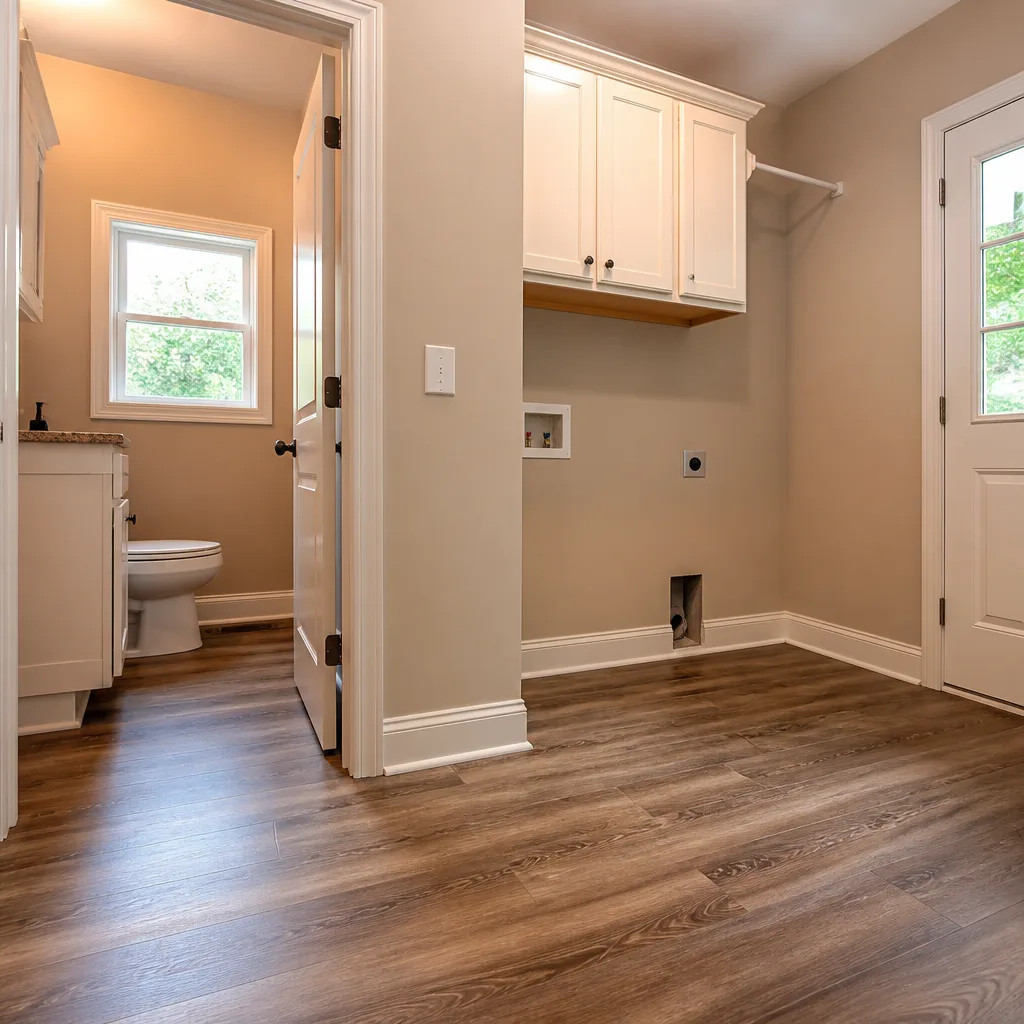
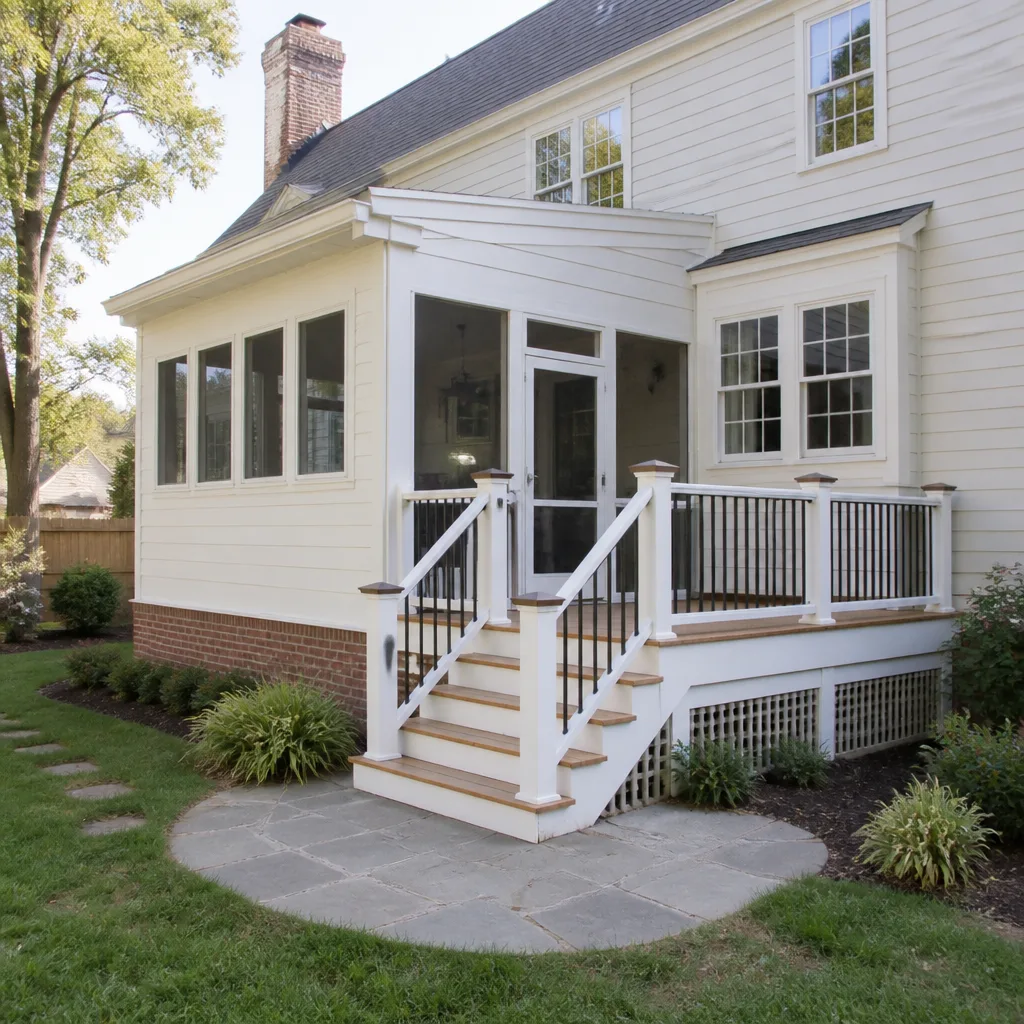
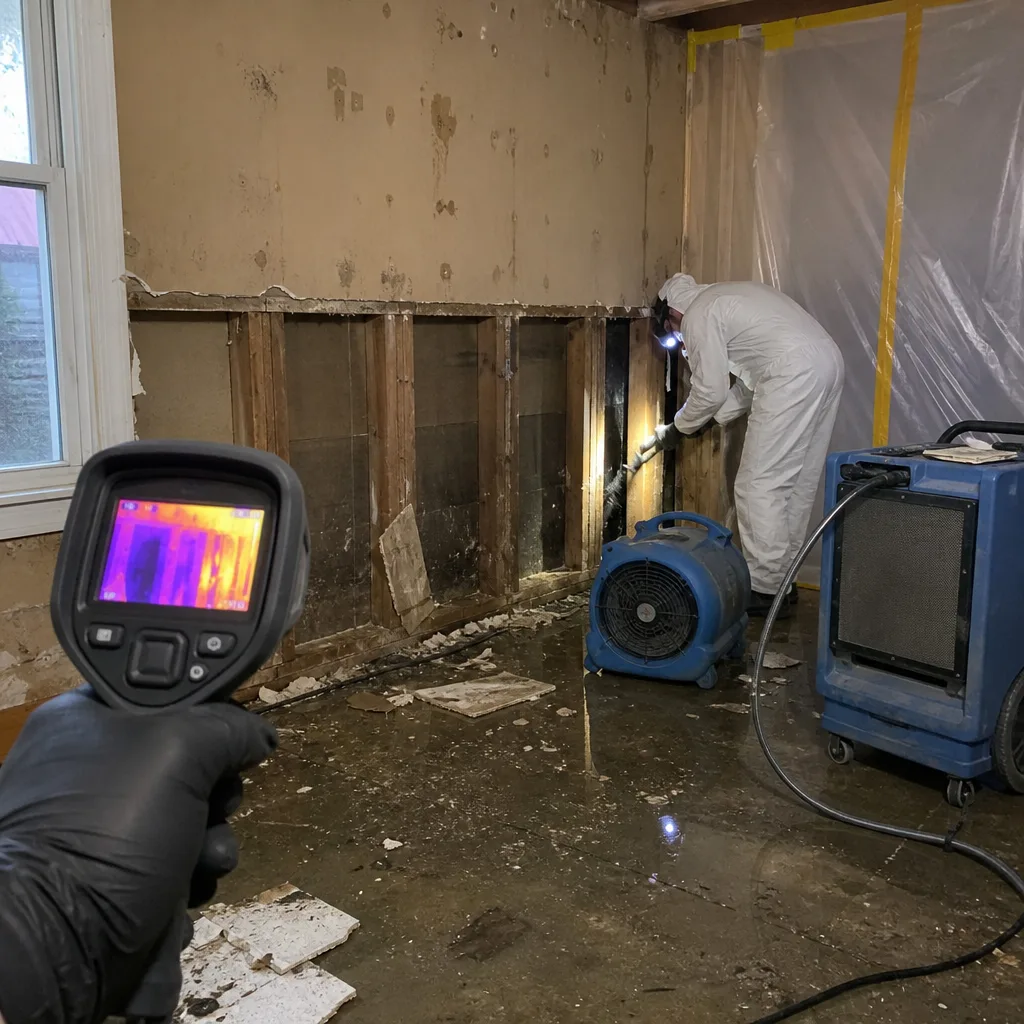 Before
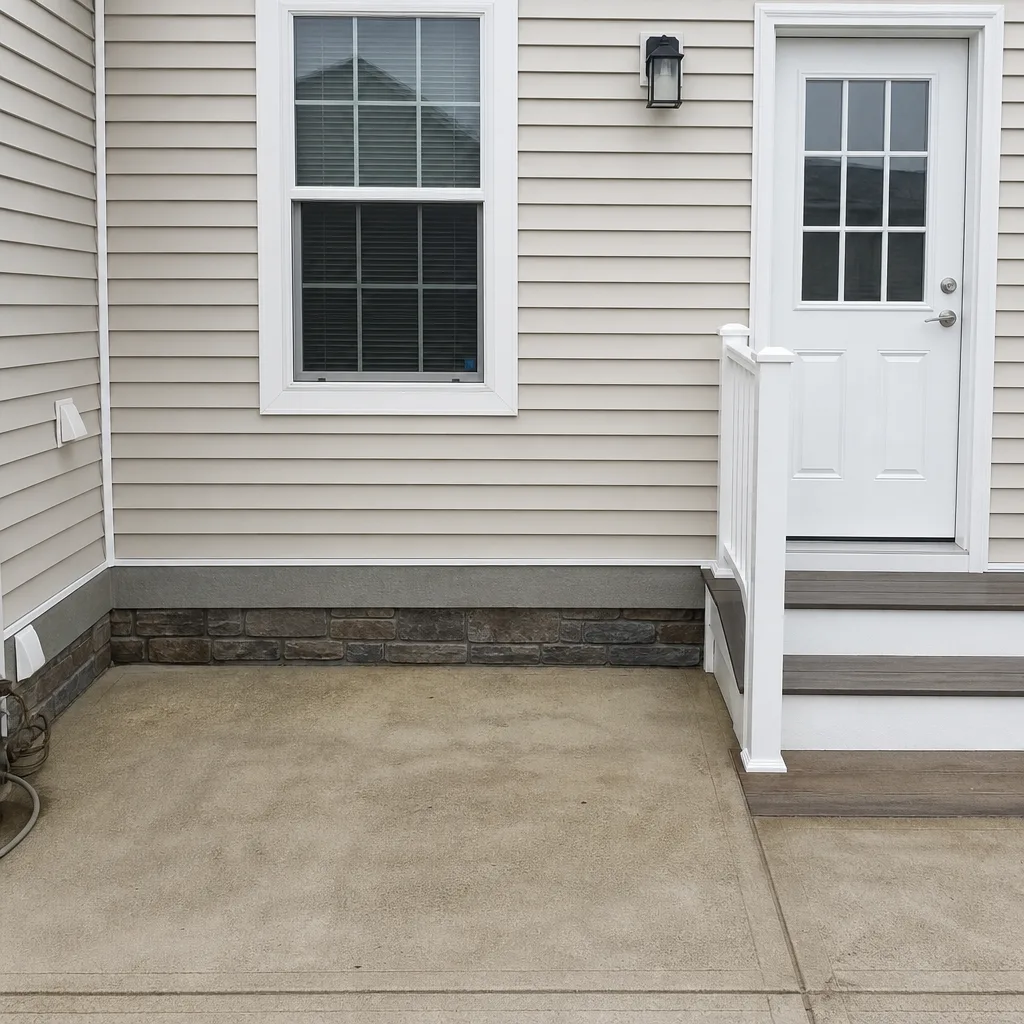 After
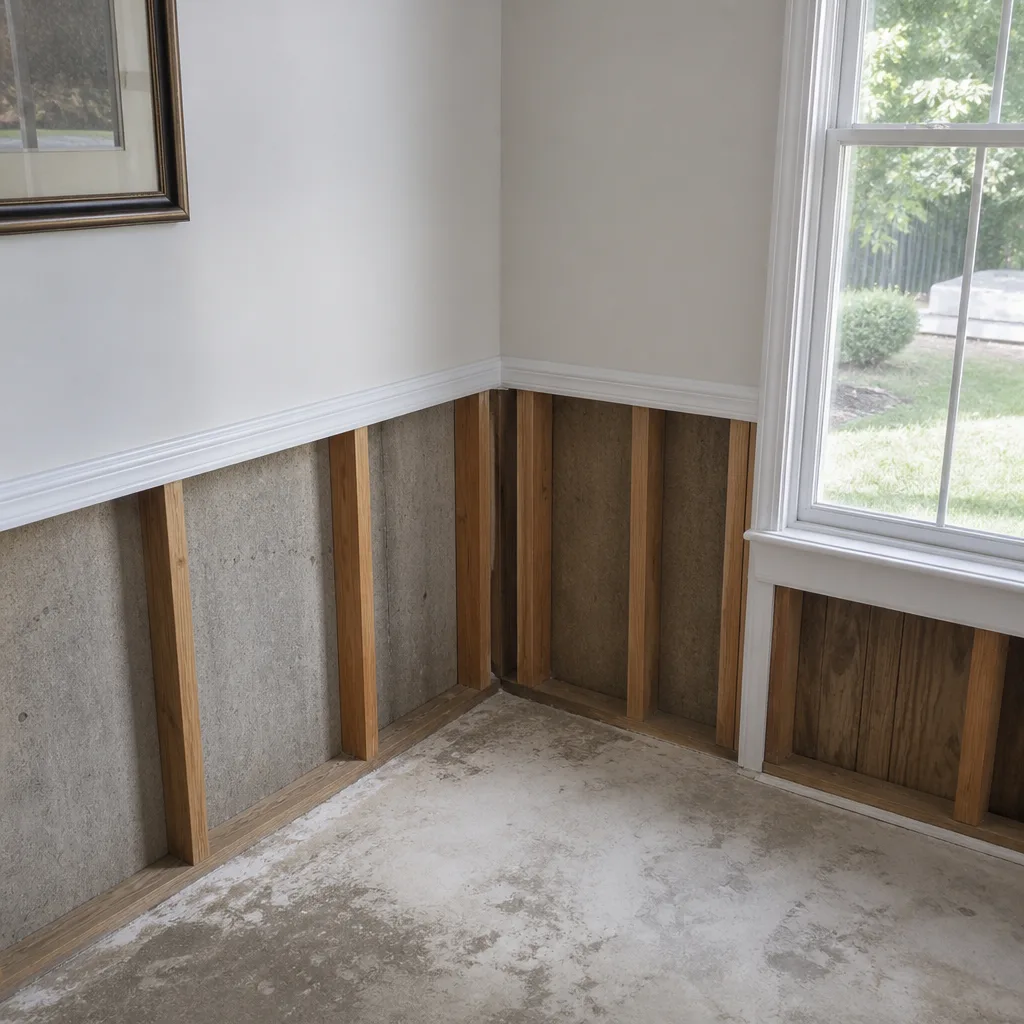
After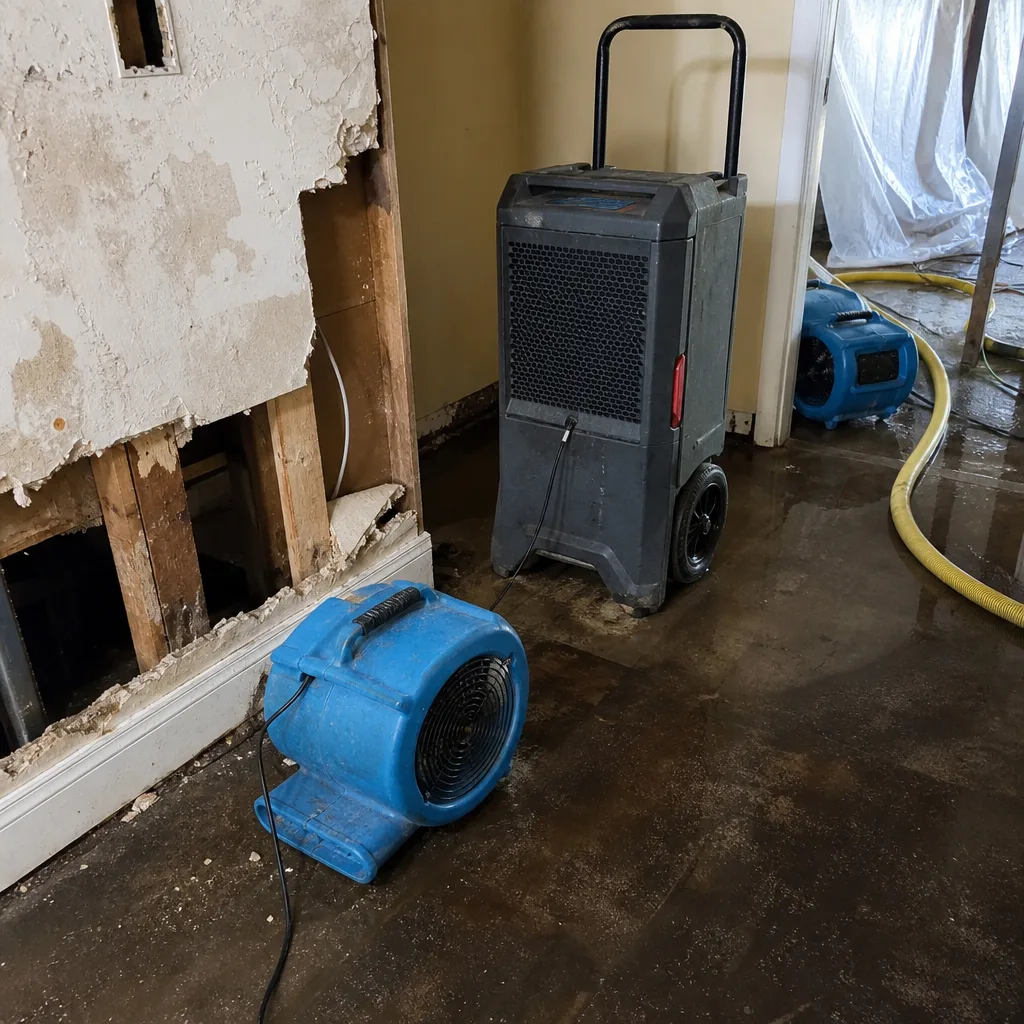 Before
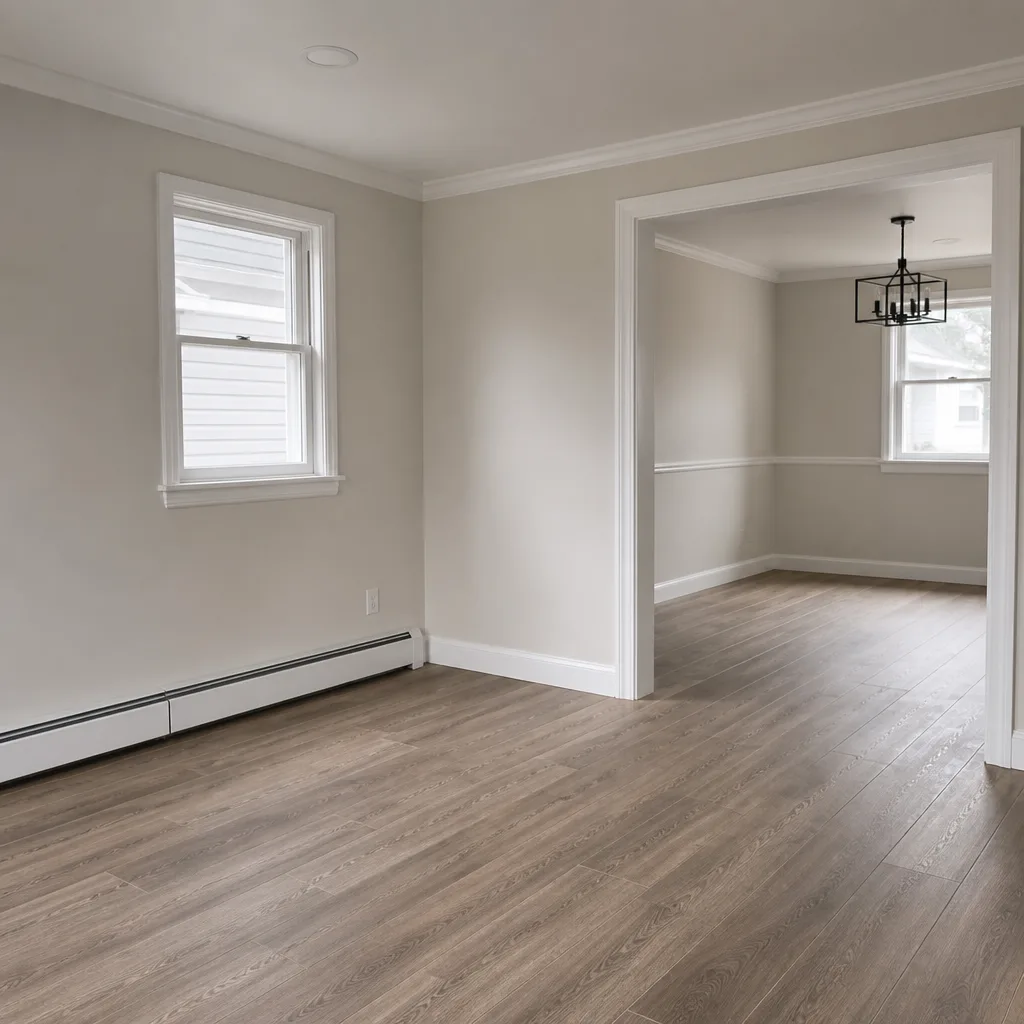 After
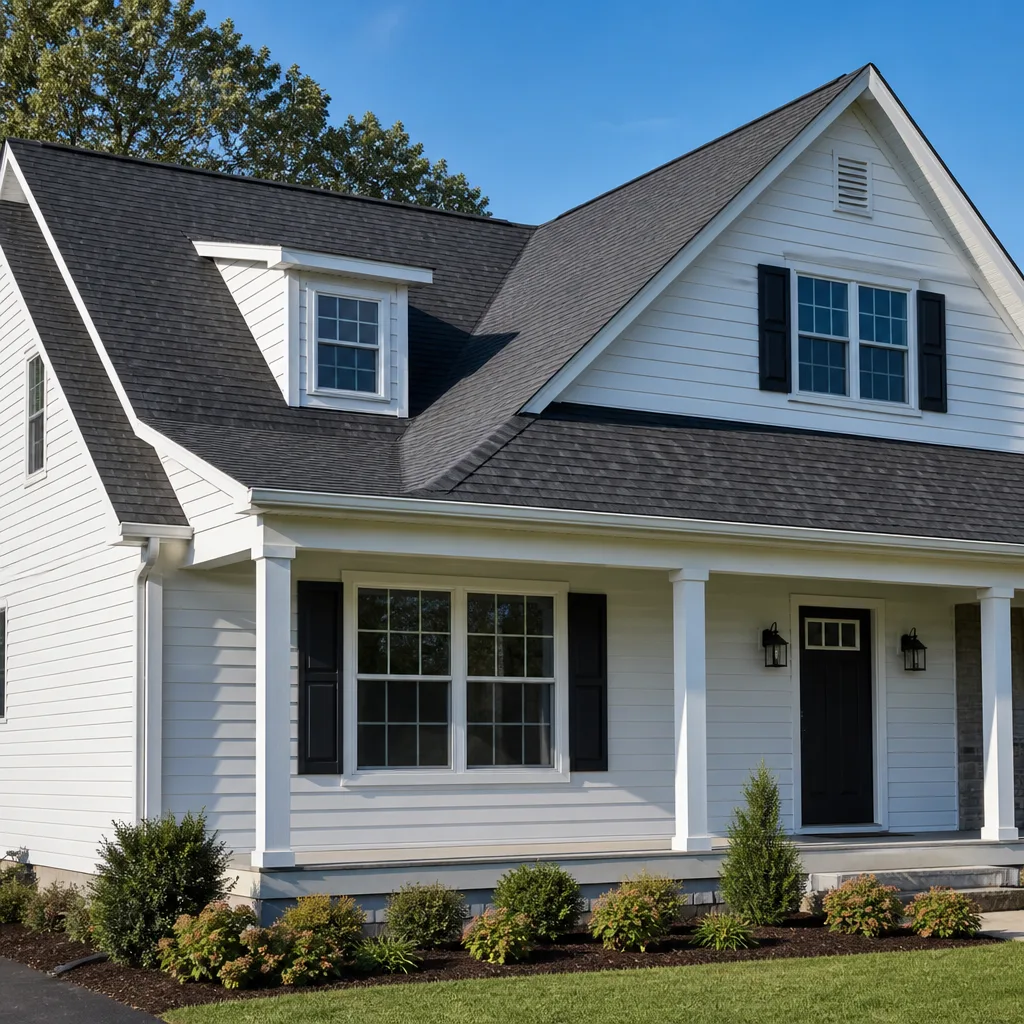
After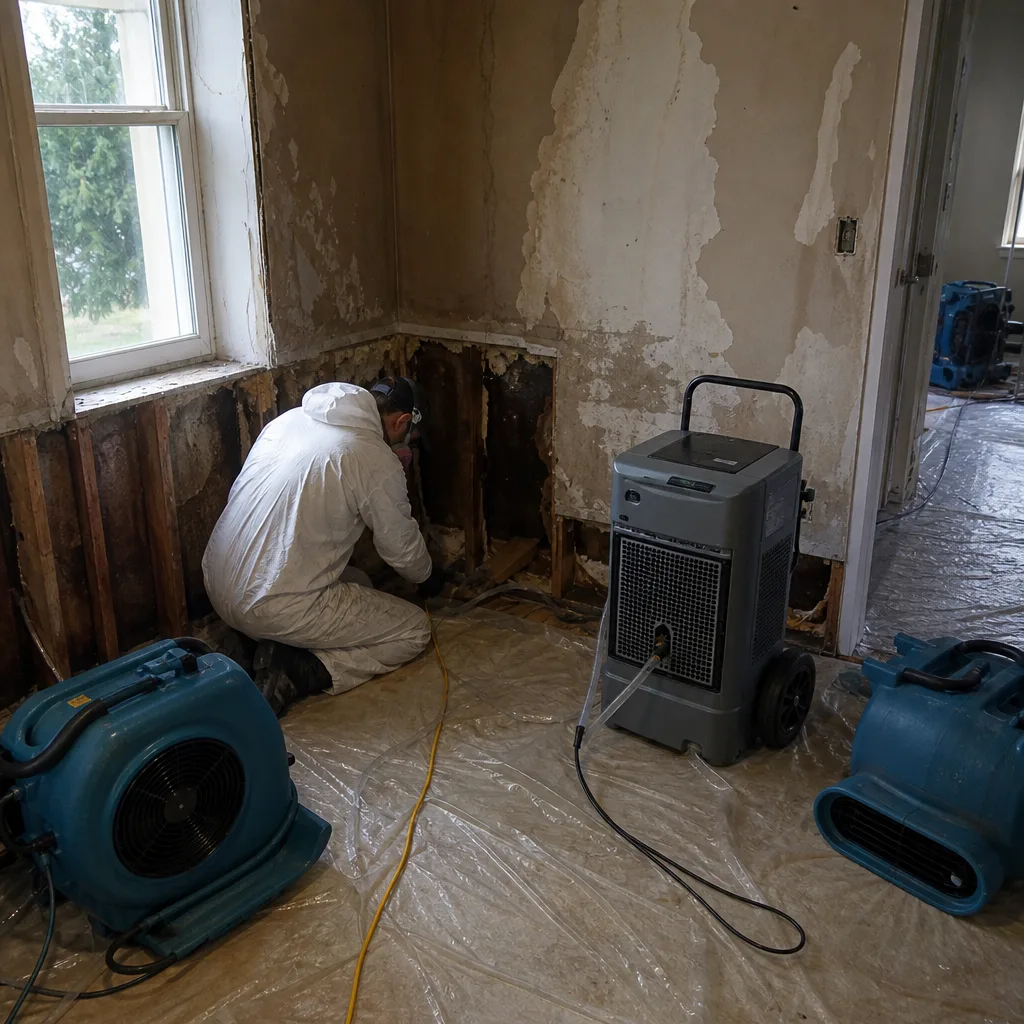 Before
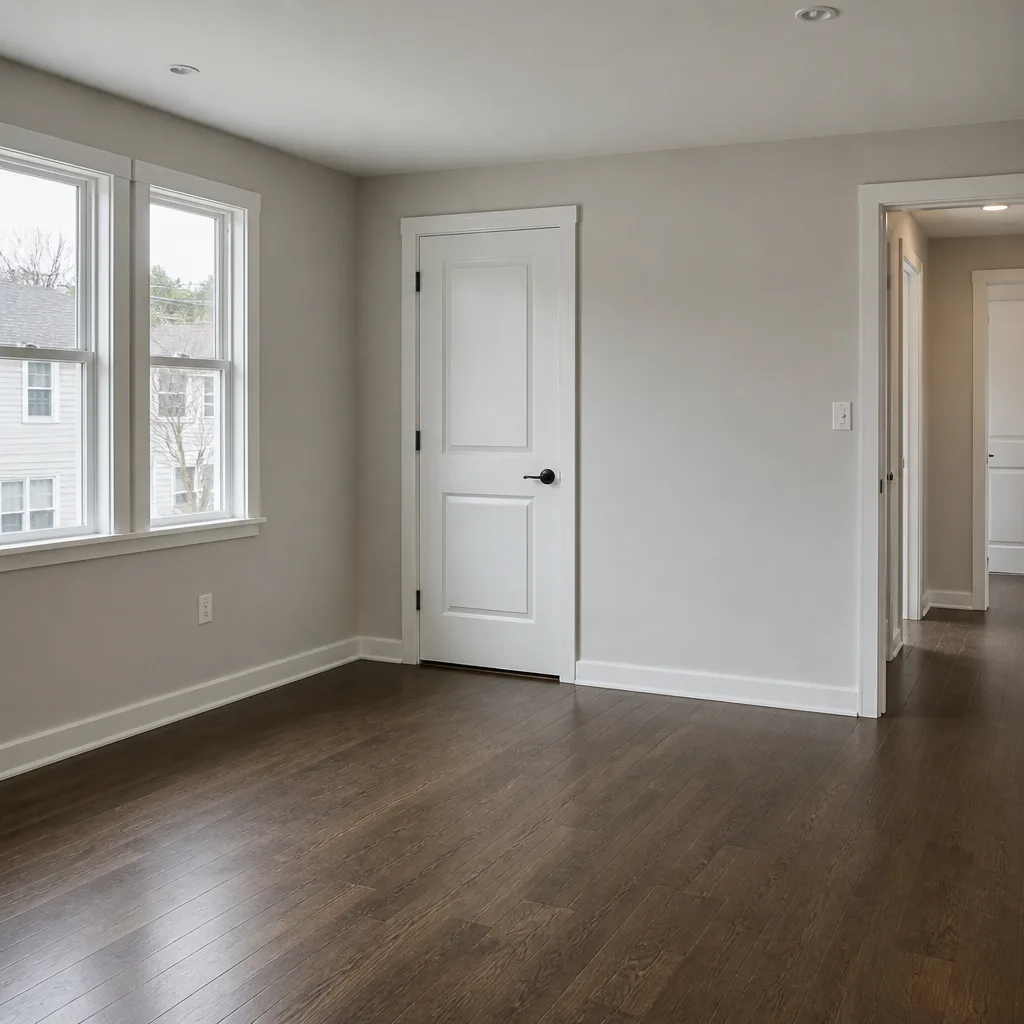 After
After24/7 Emergency Biohazard & Crime Scene Cleanup in Forest Hills
If you’re facing a biohazard situation in Forest Hills right now, call (518) 627-5878. A live person answers at any hour, day or night, and we dispatch a certified crew to Forest Hills from our New York City office without delay. Whether it’s an unattended death in a pre-war co-op on Queens Boulevard, a trauma scene in a Forest Hills Gardens Tudor, or a hoarding condition that’s become unmanageable, the first hours matter. Blood and bodily fluids seep into porous surfaces quickly; unattended decomposition releases pathogens into the air and into flooring, drywall, and subfloor materials. A free visual inspection gives you a firm scope and a written plan before any work begins. We don’t put you on hold, and we don’t route you to a call center. You get a dispatcher who knows Forest Hills, then a uniformed, background-checked crew that arrives prepared.
Understanding Biohazard & Crime Scene Cleanup Severity in Forest Hills Properties
Biohazard cleanup is not janitorial work. It means removing blood, bodily fluids, decomposition fluids, and other potentially infectious materials under OSHA bloodborne pathogen standards, then treating the affected surfaces so they’re safe for human contact again. Severity depends on how deep the contamination went. In a 1920s brick co-op along Queens Boulevard, fluids can travel through original oak flooring into the subfloor, then wick into joist bays and wall cavities. In a 1909 Forest Hills Gardens Tudor, the same event can saturate lath-and-plaster walls where lime-based plaster acts like a sponge. Category 2 water (from a death scene or failed drain line) can become Category 3 within 48 to 72 hours as bacteria multiply. We use moisture meters, thermal imaging, and HEPA-filtered air scrubbers to map contamination, contain it, and remove only what cannot be safely treated in place. That distinction matters in Forest Hills, where removing original material in the Gardens requires LPC review before the work can proceed.
Why Forest Hills Property Owners Choose Floodline Restoration Co.
- Fast dispatch from our New York City office: crews are staged for Forest Hills response and typically arrive within the hour.
- A live person answers, 24/7: no phone tree, no “leave a message.” You talk to a dispatcher at 2 a.m. like it’s 2 p.m.
- IICRC-certified technicians: our crews hold WRT, FSRT, and AMRT certifications and follow RIA and IFA standards.
- Free visual inspection: we assess the scene, explain what’s contaminated and what isn’t, and hand you a written scope before any invoice exists.
- Direct insurance billing: we work with your carrier, provide photo documentation and moisture logs, and don’t ask you to play messenger.
- One crew from containment to rebuild: the same certified team handles removal, treatment, drying, and restoration. No mid-job handoff to an unknown crew.
Our Biohazard & Crime Scene Cleanup Process
Inspection & Assessment
We walk the scene with you or your co-op board representative. We identify biohazard contamination, water migration paths, and any surfaces that may require landmark or co-op approval before removal.
Containment & Stabilization
We seal the affected area with 6-mil polyethylene containment and establish negative air pressure using HEPA-scrubbed air movers. This prevents cross-contamination to adjoining rooms or neighboring co-op units.
Removal of Contaminated Materials
We remove Category 2 and 3 saturated porous materials: carpet, padding, oak flooring, subfloor sections, plaster, and drywall as the scope requires. In Forest Hills Gardens, we coordinate removal with LPC documentation before demolition proceeds.
Cleaning & Sanitization
We treat remaining surfaces with EPA-registered antimicrobial agents. On historic lime-plaster and stone, we use pH-neutral, non-bleach agents that kill pathogens without degrading the substrate.
Drying & Dehumidification
We place Dri-Eaz and Phoenix refrigerant dehumidifiers plus XPOWER air movers, and we take daily moisture readings with hygrometers until the dry standard is met. Every reading is logged and shared with you and your carrier.
Repairs & Restoration
We rebuild what we removed: subfloor, hardwood, plaster, millwork, trim. In co-ops, we coordinate scaffolding and access with the board. In the Gardens, we match materials to LPC standards and submit required documentation.
Need Emergency Biohazard & Crime Scene Cleanup in Forest Hills Now?
Crews minutes away, answering live 24 hours a day. The sooner we start, the less it costs.
Working With Your Insurance Company
Biohazard cleanup claims are different from typical water or fire claims. Insurers need documentation that shows what was contaminated, how deep it went, what was removed, and why. We build that file for you from the first hour. Our team photographs the loss room by room, records moisture readings, and produces a line-item scope of work in industry-standard format. We speak directly with your adjuster so you don’t have to interpret technical language over the phone. If your policy covers the loss, we bill the carrier directly for covered work. You pay only any deductible or non-covered portion, and you know exactly what that is before we start, not after.
What We Provide Your Insurer
- Thorough documentation of the loss
- Photos of all damage, room by room
- Moisture readings and drying logs
- A detailed, line-item scope of work
- Direct coordination with your carrier
Built for Forest Hills’s Loss Calendar
Forest Hills sees biohazard and trauma cleanup demand year-round, but the pattern tracks the city’s seasonal pressures. Winter brings freezing temperatures that burst supply lines in unheated pre-war basements, and when an occupant is incapacitated or has passed away, that water sits and becomes a Category 3 event before anyone notices. Spring and summer thunderstorms overwhelm Queens’ clay-heavy soils and impervious surfaces; the remnants of Hurricane Ida in September 2021 swamped finished basements across Forest Hills, and some of those spaces are only now failing from moisture trapped behind original plaster. Nor’easters drive wind-driven rain through aging masonry and failing window sealants common in 1920s co-ops along Queens Boulevard. And in Forest Hills Gardens, any water event that reaches lime plaster or original oak flooring triggers LPC material review before the rebuild can start. We plan for that calendar, and we’re already stocked and dispatched for it.
Biohazard & Crime Scene Cleanup Across Forest Hills’s Neighborhoods
Forest Hills splits into two restoration realities, and we work both. In Forest Hills Gardens, the private Tudor Revival enclave established in 1909 and protected under NYC Landmarks Preservation Commission designation, our crews navigate LPC review and Forest Hills Gardens Corporation architectural standards on nearly every removal. Saturated original plaster, slate roofing debris, and stone thresholds all require documentation and material-matching before work can proceed. Along Queens Boulevard, dense pre-war brick co-op buildings from the 1920s and 1930s present a different challenge: simultaneous access agreements with co-op boards across multiple floors, because contaminated water from an upper-floor unit travels down through cast-iron drain stacks and floor assemblies. Around Austin Street and the 11375 ZIP code, we see smaller co-op units and retail-adjacent residential spaces where fast containment protects neighboring tenants. Each area demands a different sequencing plan, and we’ve walked enough of these buildings to know the difference.
Specialized Biohazard & Crime Scene Cleanup Services We Offer in Forest Hills
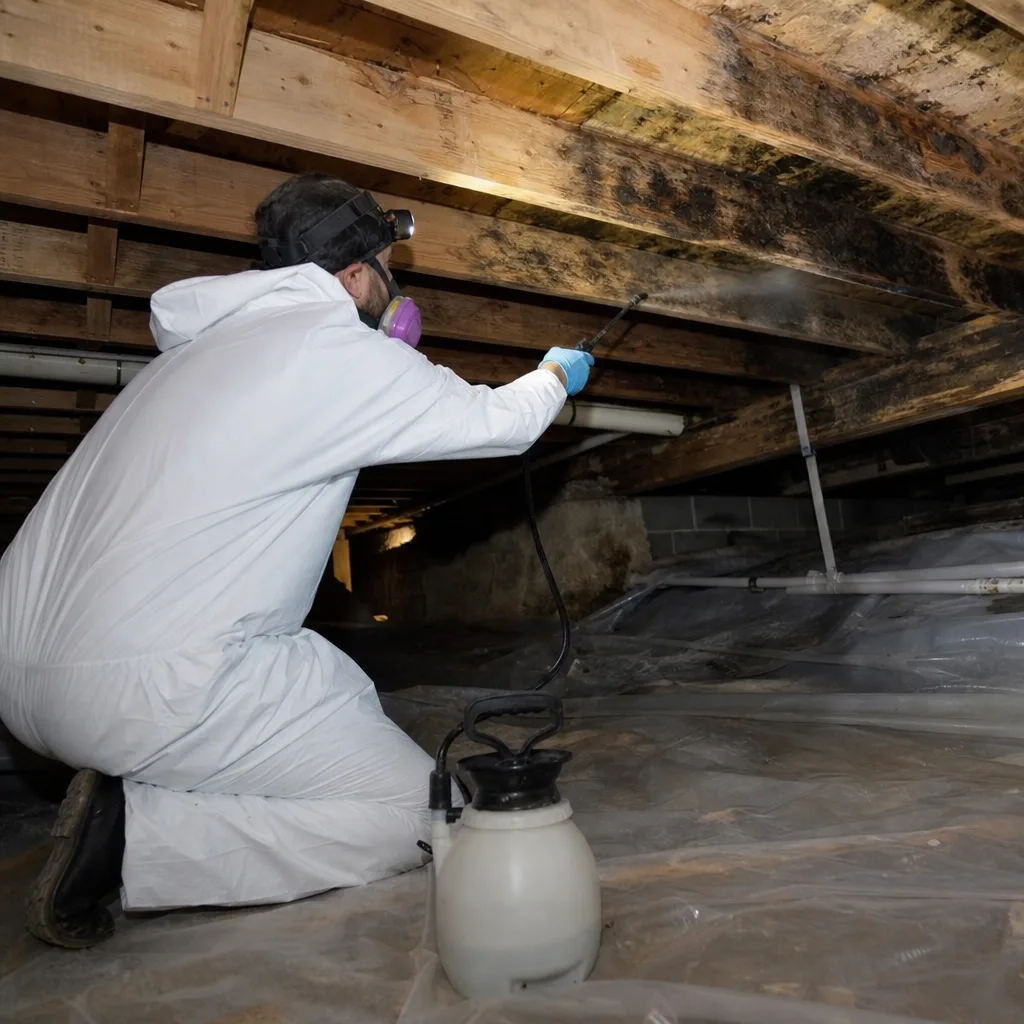
Trauma & Unattended Death Cleanup
After an unattended death in a Forest Hills co-op or Gardens home, we remove decomposition fluids and affected porous materials, treat the framing and wall cavities, and coordinate pack-out of original moldings with the co-op board. In one 1928 brick co-op on Queens Boulevard, our crew set up containment and air movers before touching the hardwood floors. We documented moisture readings through every layer, removed Category 3 water-damaged oak flooring and subfloor, then coordinated pack-out of the unit’s original moldings with the co-op board. During pack-out we treated the framing with an antimicrobial treatment and submitted our drying logs before the pre-loss condition walkthrough, because board approval was required before any rebuild scaffolding could enter the air shaft.
Hoarding Cleanup
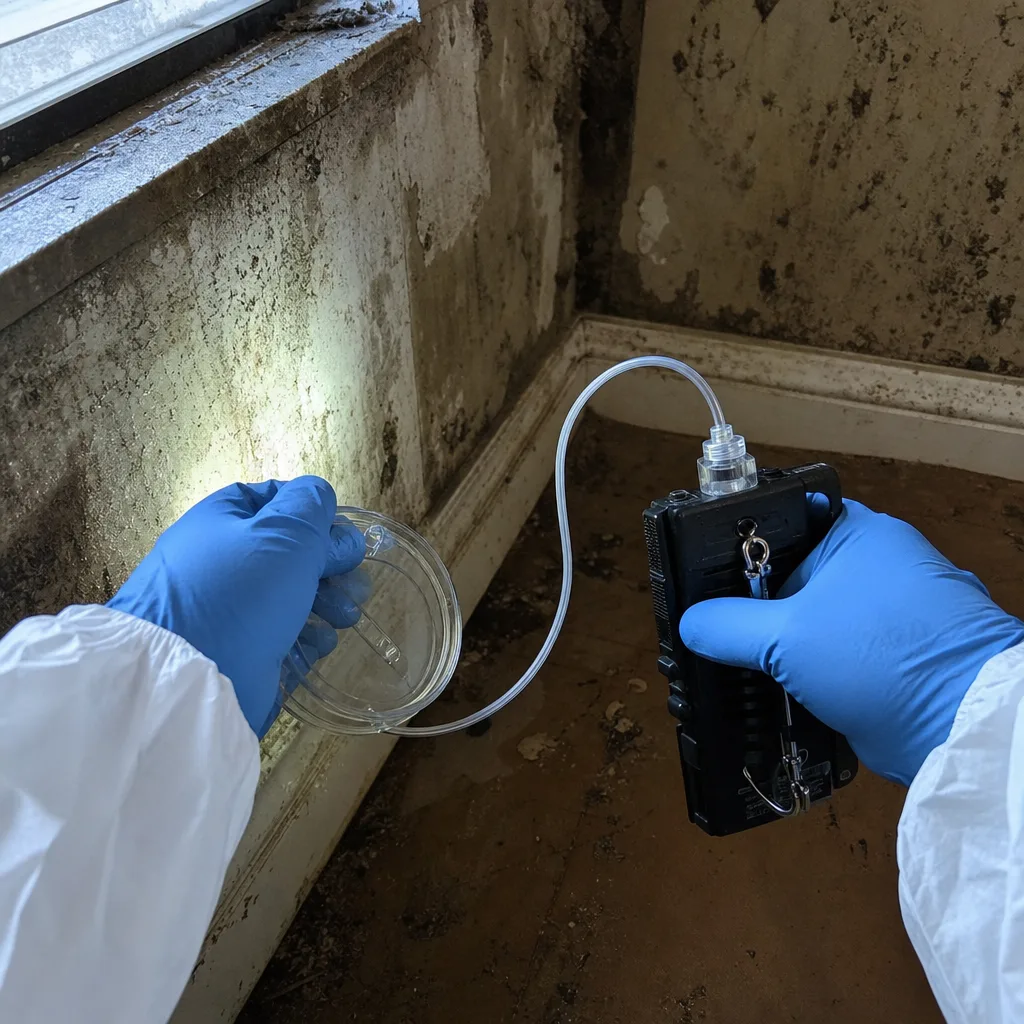
Hoarding conditions in pre-war Forest Hills buildings create layered hazards: biohazardous waste mixed with debris, structural loading concerns, and pest activity. We clear and remove contaminated material room by room, working with the occupant or estate representative and the co-op board when applicable. In Forest Hills Gardens, any removal of saturated plaster or original flooring requires LPC documentation before disposal, and we handle that paperwork as part of the job.
Crime Scene Cleanup
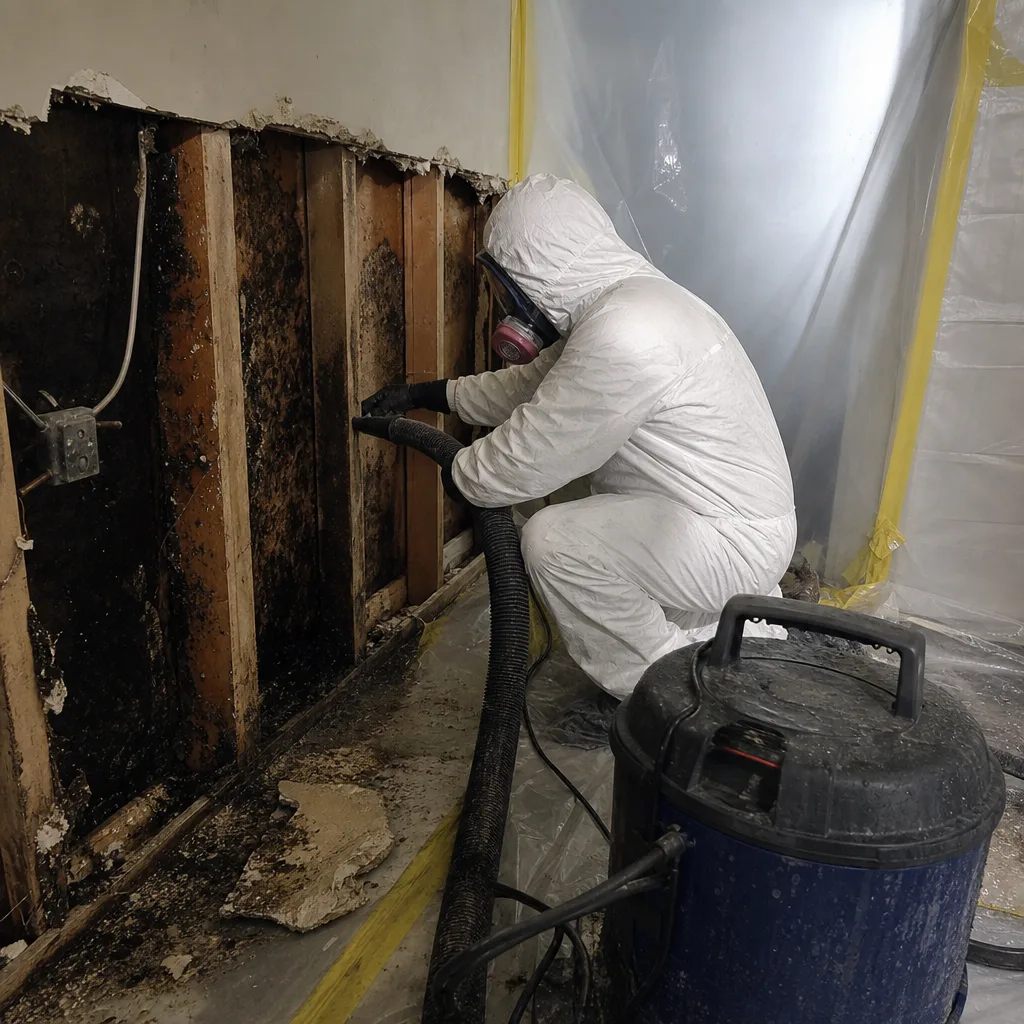
After law enforcement releases the scene, we remove blood, bodily fluids, and any tear gas or chemical residue. On a 1930s Tudor’s unsealed stone threshold, we never pressure wash a blood spill. That drives biohazardous fluids into mortar joints and the lime-based substrate, where standard bleach products degrade the historic material and trigger LPC non-compliance. We use pH-neutral agents and physical removal methods that protect the material while eliminating the hazard.
Blood & Bodily Fluid Cleanup
Bloodborne pathogen response in Forest Hills properties requires contained removal, not spot cleaning. In co-ops, we contain the unit before any demo to prevent aerosolized particles from entering shared hallways or neighboring apartments. On original finishes, we test small areas for material compatibility before full application.
Infectious Disease Disinfection
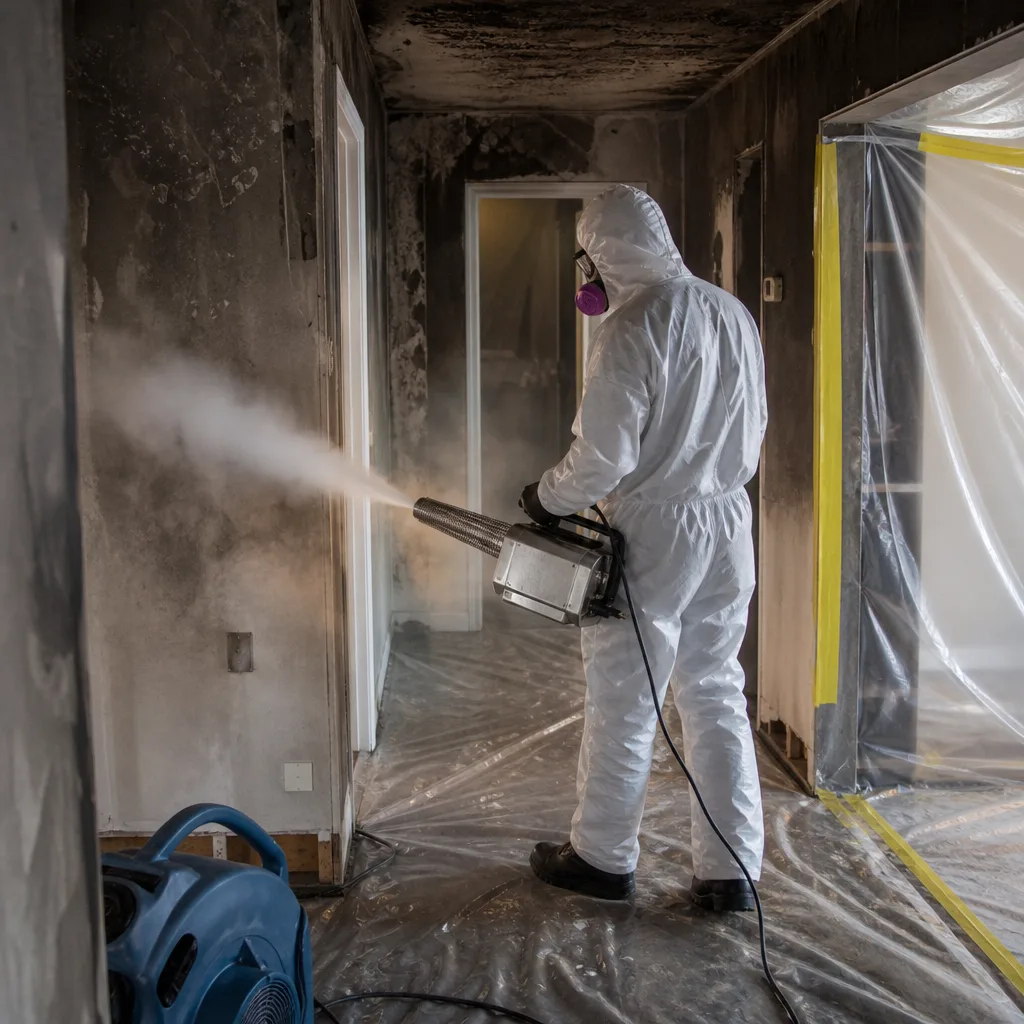
We perform surface disinfection for influenza, norovirus, MRSA, C. difficile, and other pathogens using EPA-registered hospital-grade disinfectants with proper dwell times. In Forest Hills co-ops, we can treat individual units or common areas, with containment to prevent cross-contamination between floors.
What happens when you call
- 1
A real person answersNo phone trees - you reach a local pro.
- 2
You get an upfront price rangeHonest numbers before anyone is dispatched.
- 3
A background-checked tech heads outLicensed & insured, dispatched right away.
- 4
You approve before work beginsNothing starts until you say go.
Biohazard & Crime Scene Cleanup Costs in Forest Hills, NY
Biohazard cleanup in Forest Hills runs higher than surrounding areas for one reason: the housing stock demands it. A hoarding cleanup in a Queens Boulevard co-op typically runs $3,000 to $8,000 depending on volume, contamination level, and access coordination. An unattended death cleanup in a standard pre-war co-op unit runs $4,000 to $12,000. The same event inside a Forest Hills Gardens Tudor with original plaster and oak flooring runs $8,000 to $20,000 or more, because LPC documentation, material matching, and careful removal of historic substrates add labor and time. Blood spill cleanup on hard surfaces starts around $500 to $1,500. Tear gas or chemical residue decontamination in a co-op unit runs $2,000 to $6,000 depending on surface area and ventilation access. Insurance often covers these losses under homeowners or co-op policies. A free inspection gives you a firm number, not an estimate range. Call (518) 627-5878 and we’ll put it in writing before you commit.
We Also Serve Cities Near Forest Hills
Our crews regularly handle biohazard and crime scene cleanup in Forest Hills and the surrounding Queens neighborhoods, including Richmond Hill, Woodhaven, Fresh Meadows, and Ozone Park. If you’re in one of those areas and facing a biohazard emergency, the same live dispatch, same certified crews, and same written scope apply.
Forest Hills Biohazard & Crime Scene Cleanup Questions, Answered
Does a death or crime scene cleanup inside a Forest Hills Gardens home require Landmarks Preservation Commission review before our crew can remove contaminated plaster or flooring?
Yes. In Forest Hills Gardens, removal of original plaster, oak flooring, slate, or other character-defining materials requires LPC review and Forest Hills Gardens Corporation approval. We handle the documentation and sequencing so the cleanup isn’t stalled by a stop-work order.
How do you coordinate a hoarding cleanup in a 1920s co-op building along Queens Boulevard without contaminating neighboring units?
We set up sealed containment with negative air pressure in the affected unit before any material is moved. All debris exits through contained pathways, typically a designated service route the co-op board approves in advance. Neighboring units stay sealed off from the work zone.
What cleaning agents can be used on a Category 3 water event in a Forest Hills Gardens Tudor without damaging the historic plaster or lime mortar?
We use pH-neutral, non-bleach antimicrobial agents that kill pathogens without degrading lime-based plaster or lime mortar. Standard bleach products are never used on these surfaces because they dissolve the binder and trigger LPC non-compliance.
How do you handle an unattended death in a pre-war co-op with original in-wall cast-iron drain stacks that may have carried biohazardous fluids into the wall cavity?
We open the affected wall cavity under containment, inspect the drain stack and surrounding framing, remove saturated plaster or drywall, treat the framing with antimicrobial, and document everything. If the stack itself is failing, we coordinate repair with the co-op board before rebuild.
Can tear gas or chemical residue be decontaminated from a pre-war brick co-op without triggering the building’s landmark restrictions?
Yes, if the building is not individually landmarked. Tear gas residue on brick and plaster can be treated with neutralizing agents and HEPA vacuuming without LPC involvement. For Forest Hills Gardens addresses, any material removal still requires the Gardens Corporation’s review.
How fast can you actually get to a Forest Hills address?
Our New York City dispatch office is staffed live 24/7, and crews staged for Queens response typically arrive in Forest Hills within the hour. For time-sensitive scenes, call (518) 627-5878 and the dispatcher will confirm the current ETA.
Will insurance cover biohazard cleanup in a Forest Hills co-op or house?
In most cases, yes. Homeowners and co-op policies typically cover biohazard cleanup related to sudden events like death, crime, or water damage. We bill your carrier directly, provide the documentation your adjuster needs, and you receive a written scope before any work begins.
Can we stay in our Forest Hills home during the cleanup?
It depends on the scene. For contained incidents in a single room, often yes. For an unattended death with widespread contamination or an active hoarding condition, we typically recommend vacating during removal and treatment. That decision is made during the free inspection, and we’ll tell you honestly, not out of caution theater.
Serving Forest Hills, NY - Our Local Coverage Area
We’re based in the Forest Hills area and know this community well. Use the map below to see our service coverage - if you’re nearby, we can almost certainly help.
Biohazard & Crime Scene Cleanup in Forest Hills: The Landmark Reality
A biohazard cleanup inside a Forest Hills Gardens property is governed not only by OSHA bloodborne pathogen rules but also by NYC Landmarks Preservation Commission and Forest Hills Gardens Corporation material-authenticity requirements. Even a Category 3 water event in a pre-war Tudor basement can trigger subfloor replacement and lath-and-plaster repair mandates that would never apply one block outside the Gardens boundary. If a crime scene or death cleanup involves soaked original oak flooring, damaged lath-and-plaster walls, or a saturated stone threshold, the removal of those materials must be documented, approved, and replaced in kind. That’s the difference between a cleanup that finishes in a week and one that stalls for a month with a stop-work order on the door. We’ve handled enough of these to file the paperwork correctly the first time, so the job moves from containment to rebuild without interruption.
Biohazard & Crime Scene Cleanup in Forest Hills demands a company that understands both the pathogens and the paperwork. Our team does. Call (518) 627-5878 for a free estimate, day or night.
Written by Curt Bowman, Owner at Floodline Restoration Co., serving Forest Hills since the company’s founding in 2010.