
Last updated August 25, 2026
Free visual inspection and a written scope of work before any mitigation begins - photos, moisture readings, and drying logs go in your claim file
The scope we write is the scope we bill. Anything new gets shown to you, in writing, before we touch it.
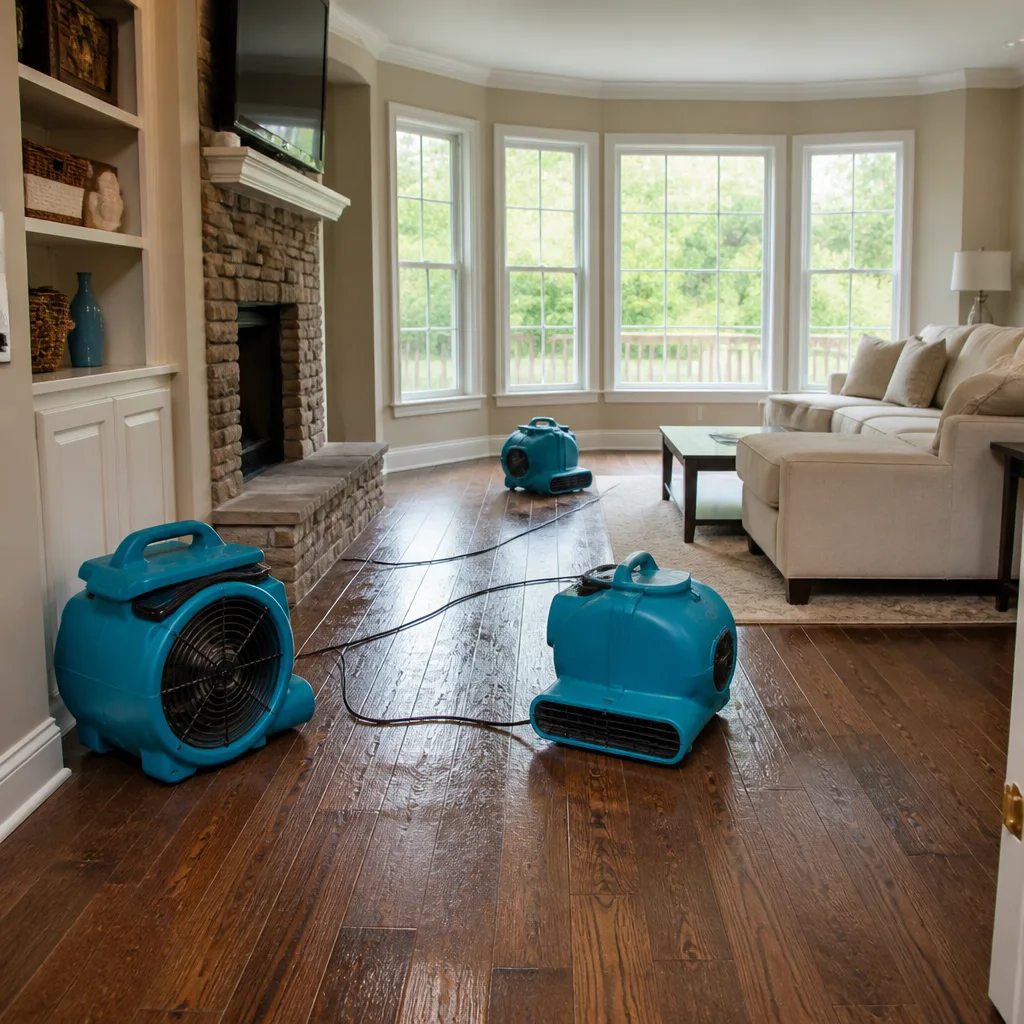
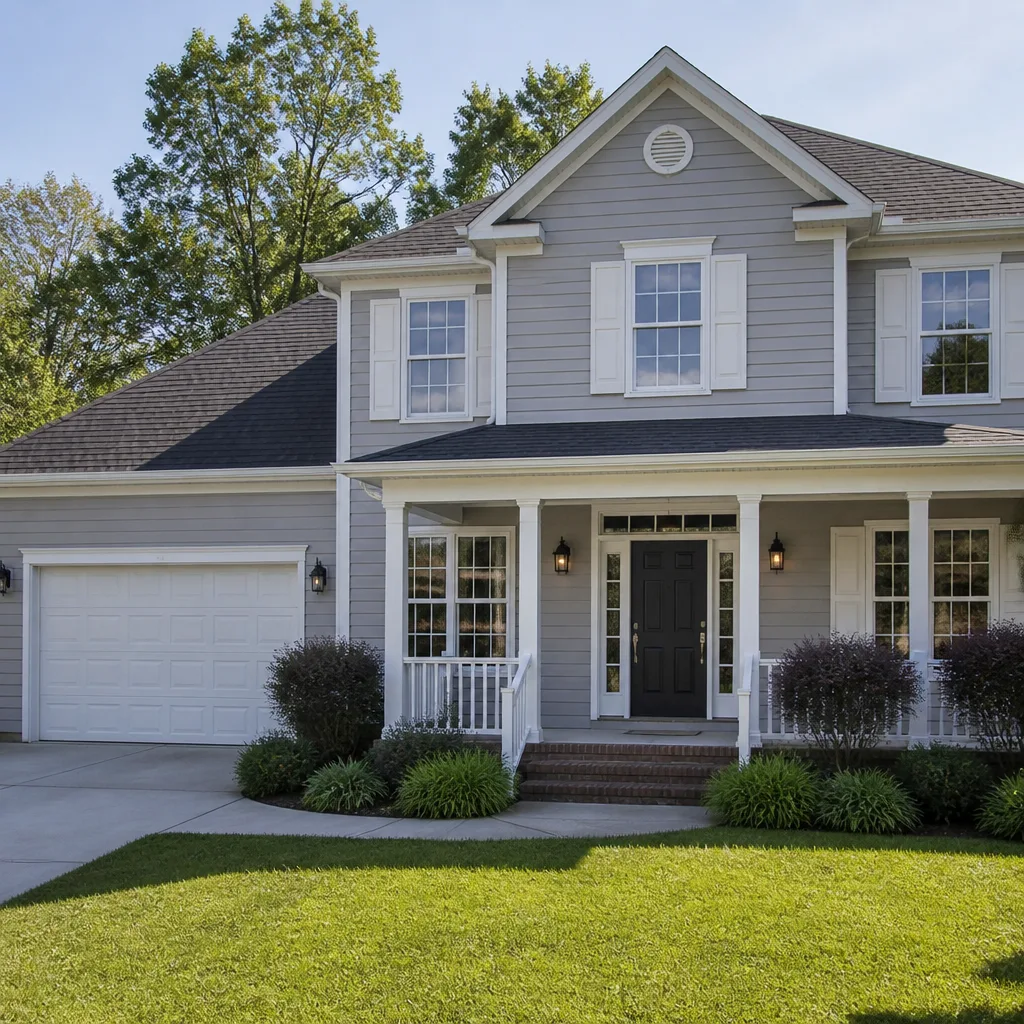
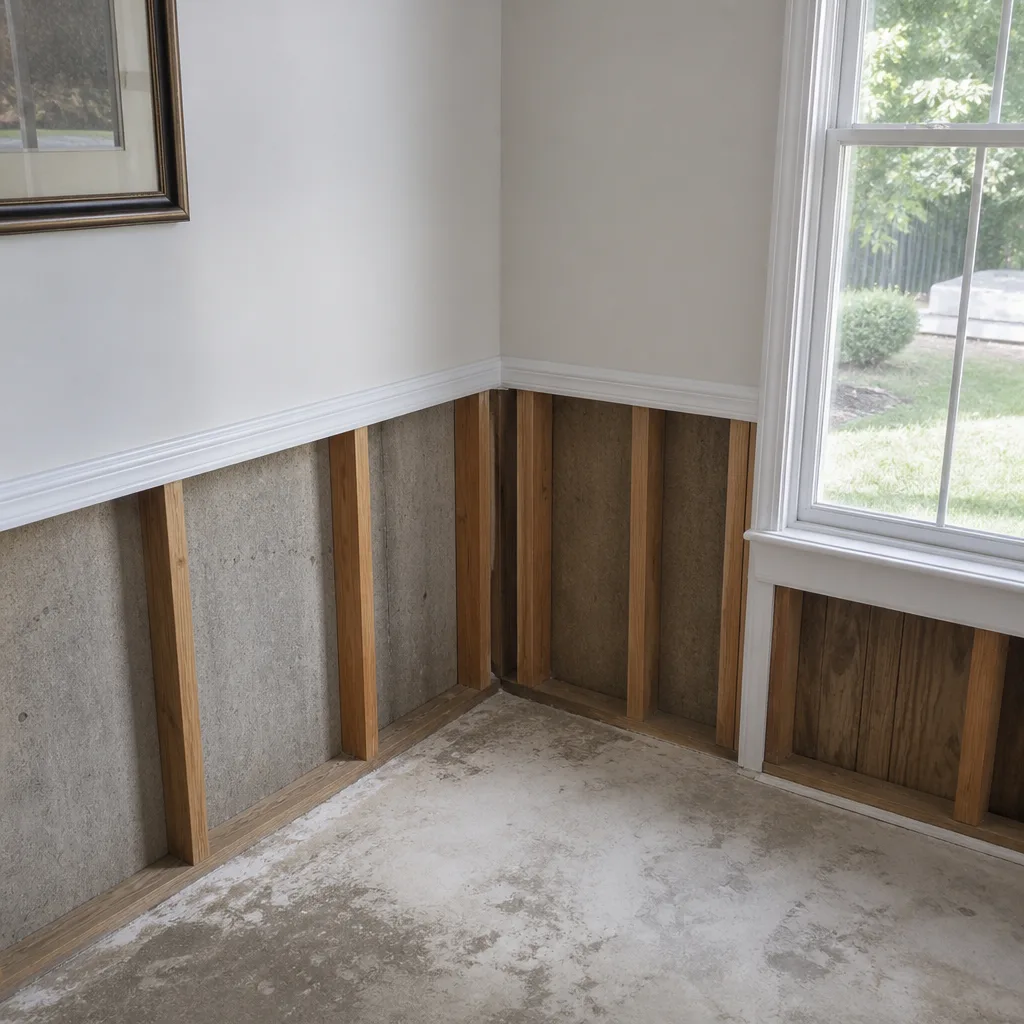
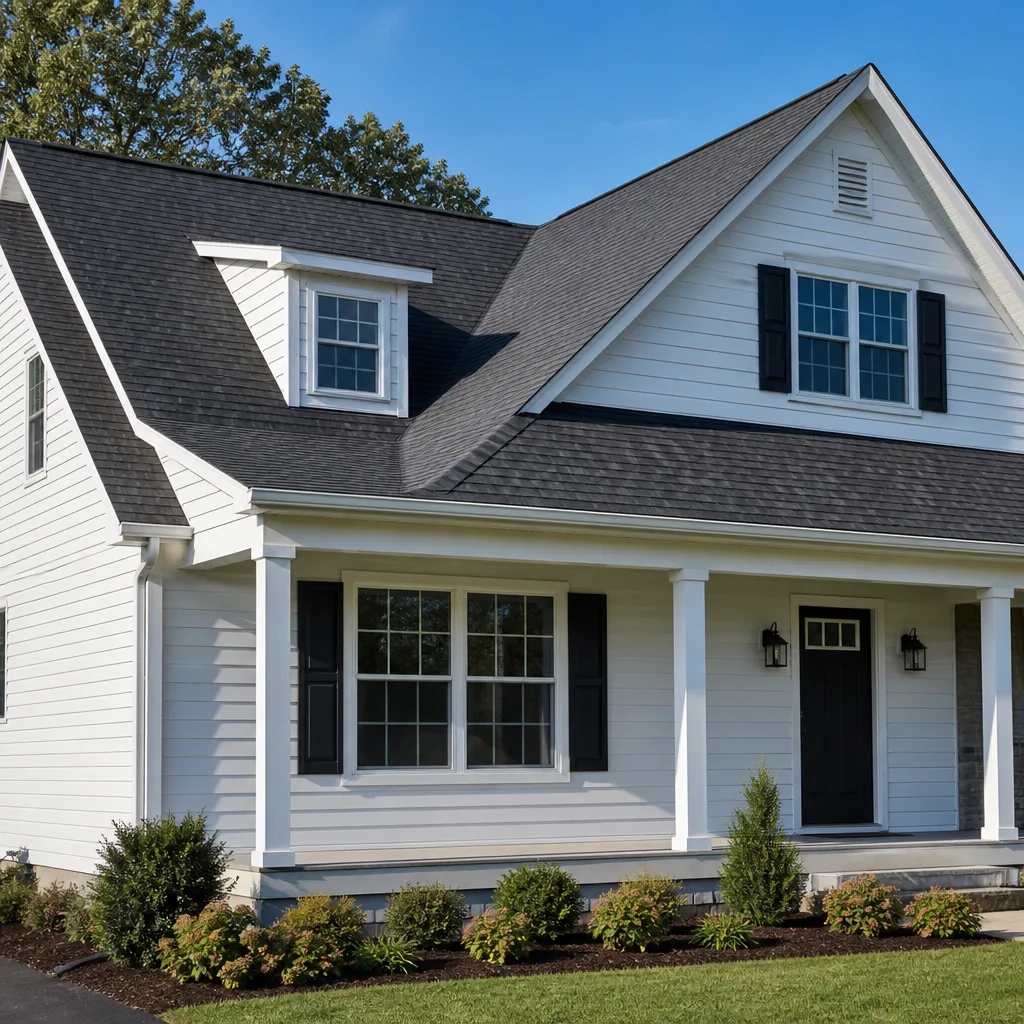
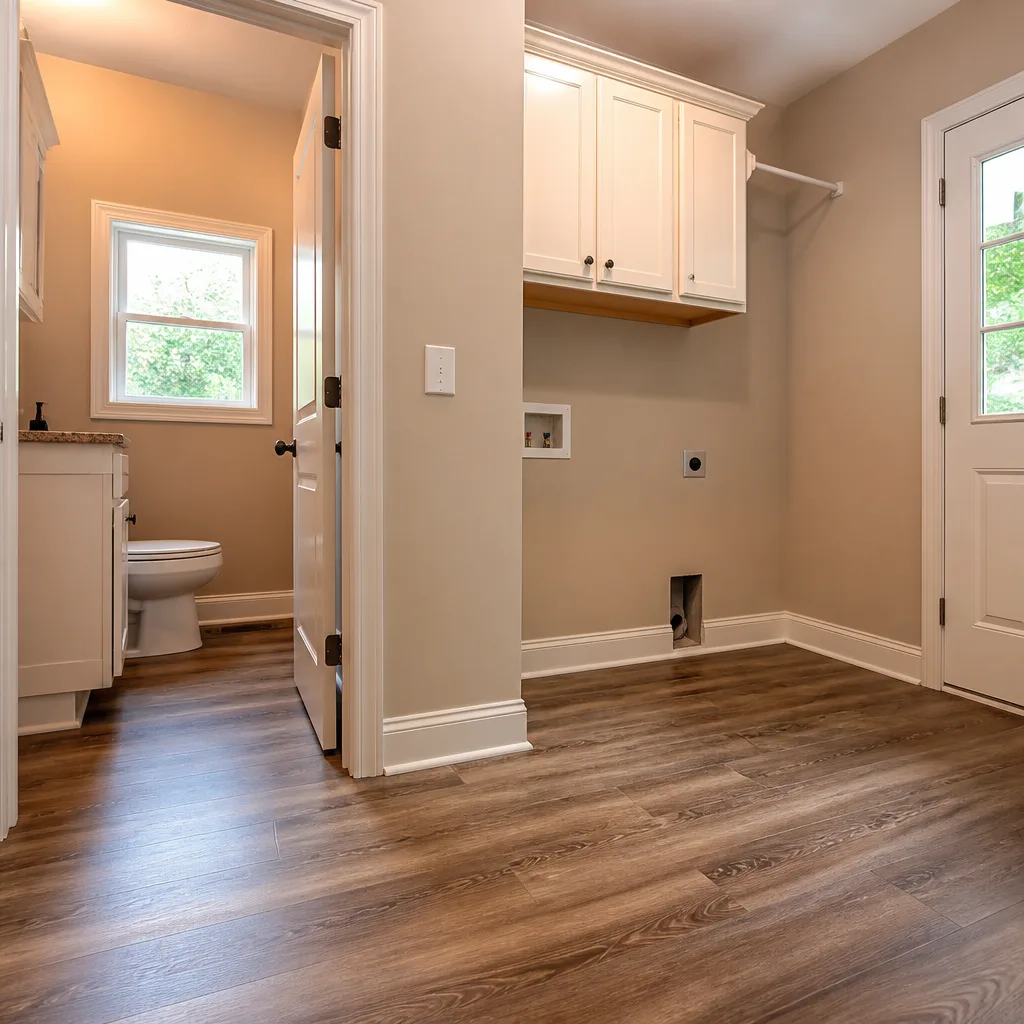
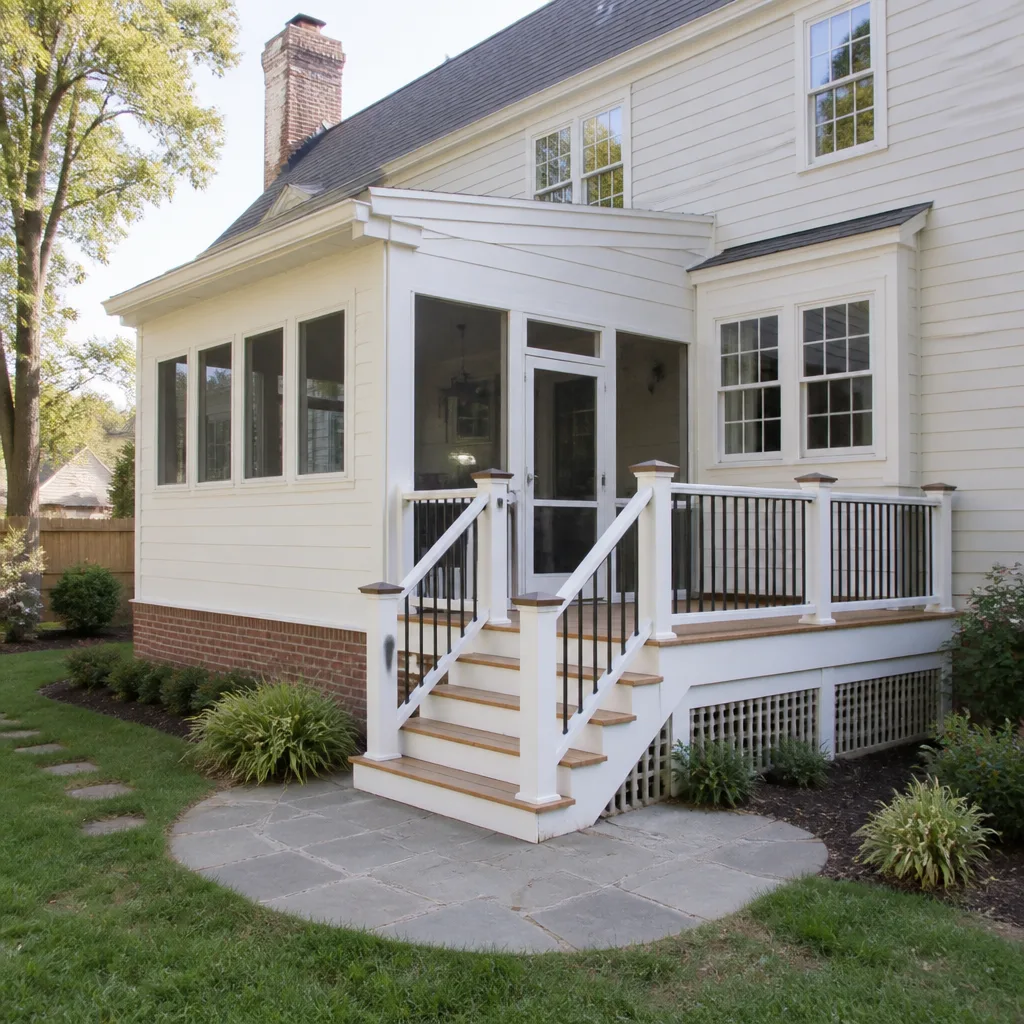
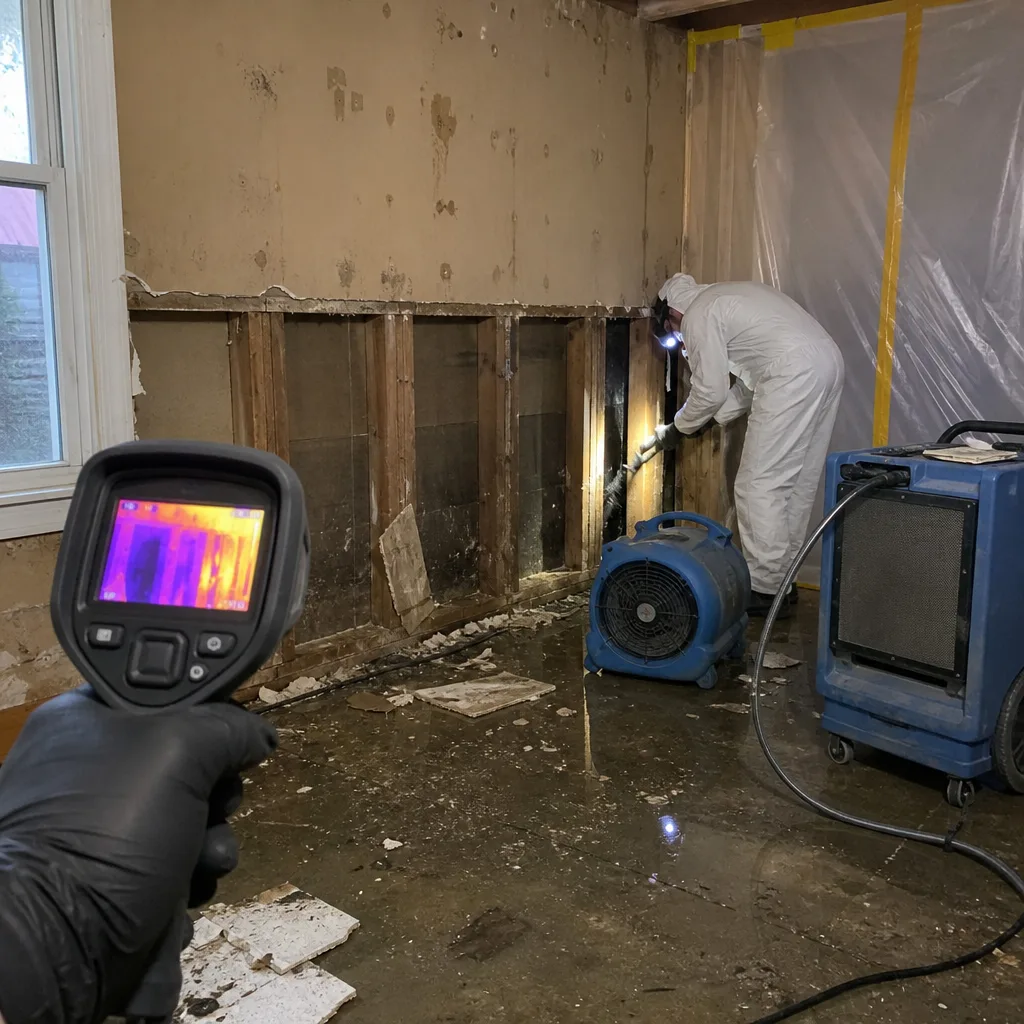 Before
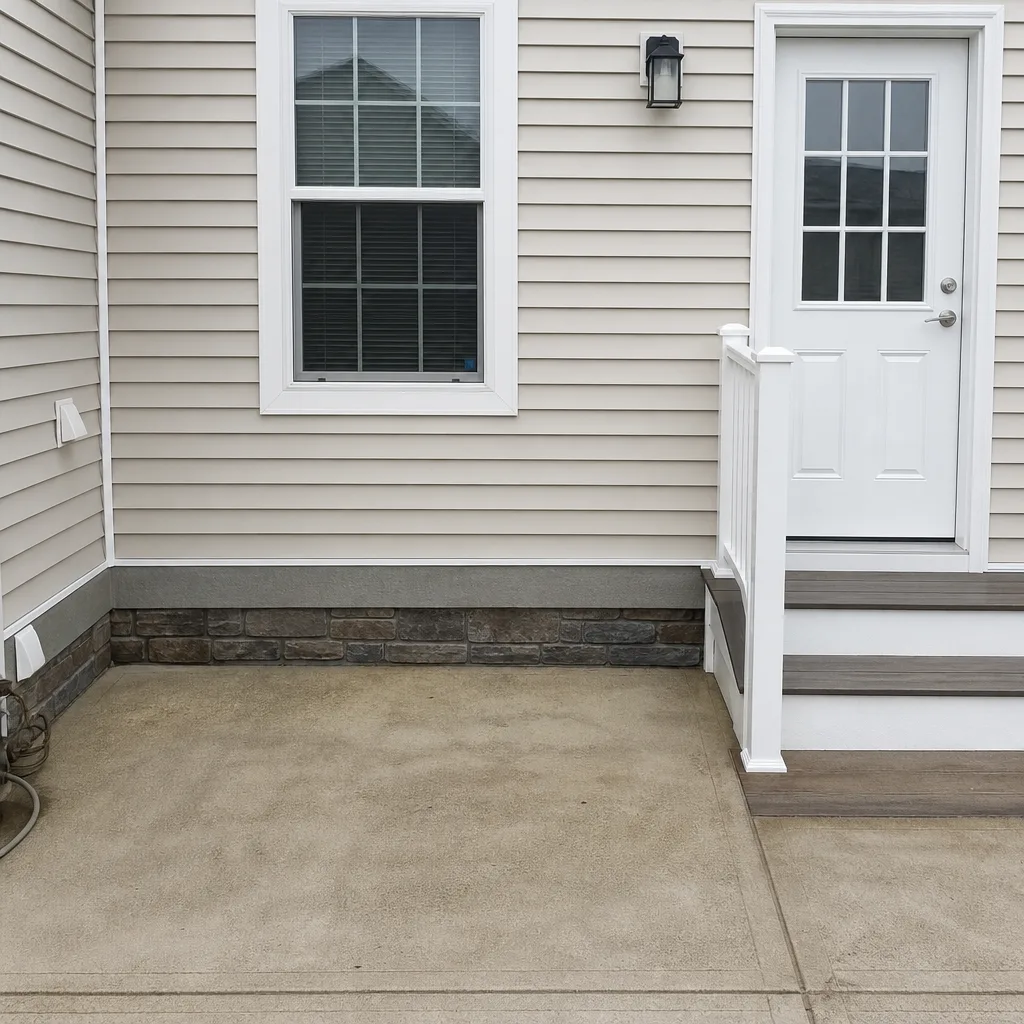 After
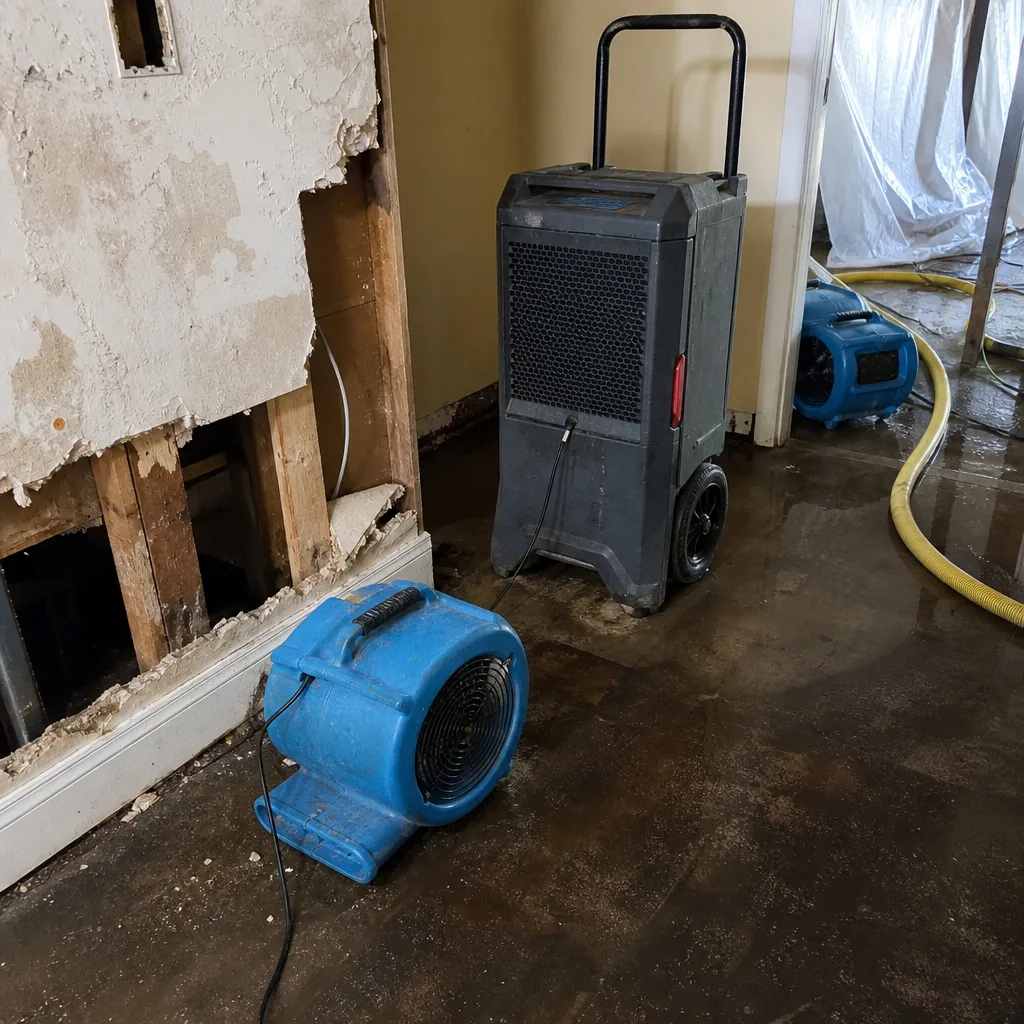 Before
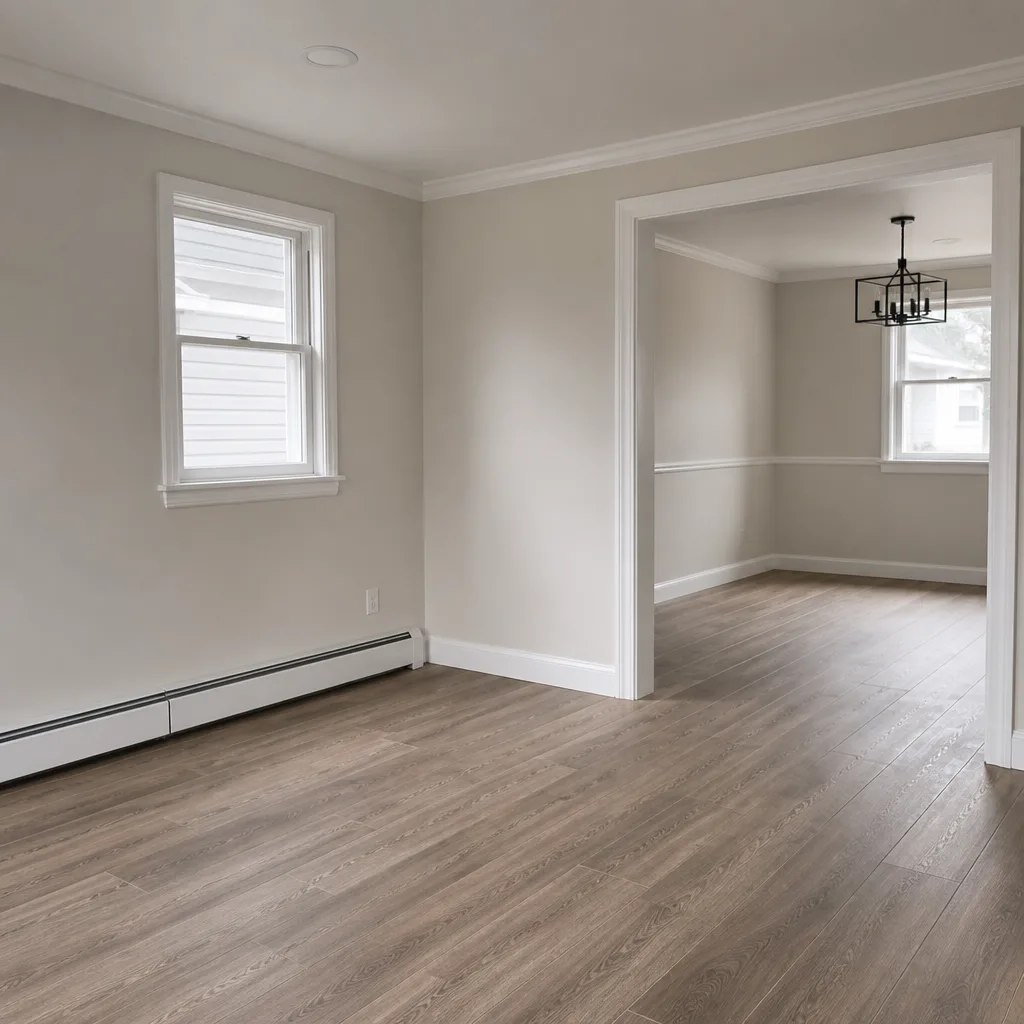 After
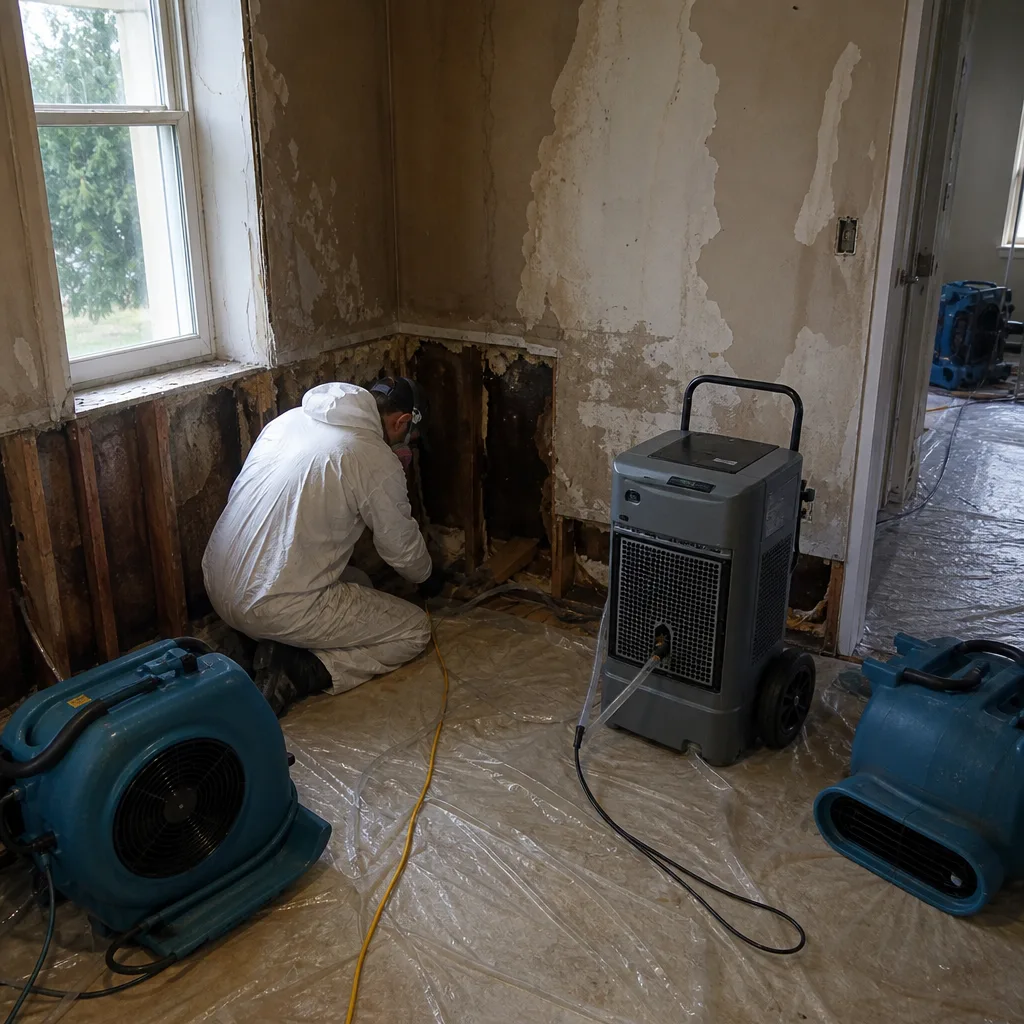 Before
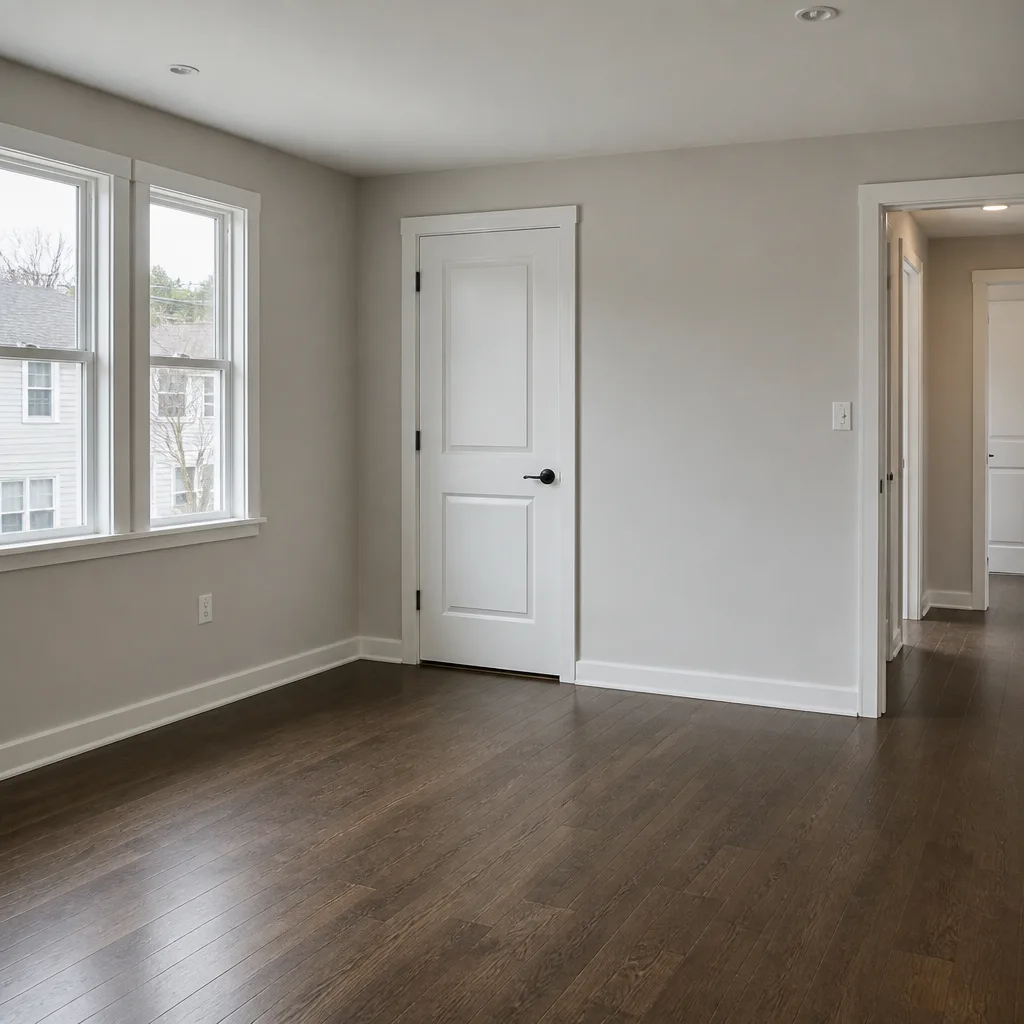 After
Damage Restoration Cost Breakdown: The Jamaica Homeowner’s Reference for 2026
Most Jamaica homeowners discover what restoration actually costs the day they need it, standing in a wet basement with a phone in one hand and a carrier’s claim number in the other. The numbers that follow come from real jobs in this borough, not national averages that flatten Queens prices into Kansas prices. By the time you finish this guide, you’ll know what different types of water, fire, and mold damage should cost here, why the range is so wide, which costs your insurance likely covers, and which upgrades are worth paying a licensed contractor for. This is the reference we wish every homeowner had before the water showed up.
Quick Answer
A water damage restoration job in Jamaica, NY typically costs between $2,800 and $7,500 for a standard single-room clean water loss with extraction, drying, and minor reconstruction. Fire and smoke restoration runs $4,500 to $12,000 depending on square footage and structural damage. Mold remediation ranges from $1,800 to $6,000 for a contained area under 100 square feet and scales up from there. Sewage or Category 3 water damage starts higher, usually $4,000 to $9,000, because it requires full containment and material removal. Every number on this page reflects 2026 pricing in the Jamaica market.
Table of Contents
- Water Damage Restoration Costs in Jamaica
- Fire and Smoke Damage Costs
- Mold Remediation Costs
- Sewage Cleanup and Category 3 Water Costs
- What Insurance Covers and What It Doesn’t
- What Determines Your Final Bill
- What You Can Handle Yourself vs. What Needs a Pro
- Common Mistakes to Avoid
- When to Call a Professional
- Frequently Asked Questions
Water Damage Restoration Costs in Jamaica
Water damage is the most common restoration job we see in Jamaica, and it’s the one where speed matters most. A broken supply line under a sink can release four to eight gallons of water per minute. In a forty-minute window, that’s a flooded kitchen, soaked hardwood, and water wicking up drywall. The longer it sits, the more it costs to fix.
Here’s what homeowners in Jamaica should expect to pay in 2026, broken down by scope:
- Small, contained leak (under 50 sq ft): $1,200 to $2,800. This covers extraction, air movement for two to three days, and minor trim or baseboard replacement. Common in single-family homes near Baisley Pond where slab foundations channel water toward the lowest point.
- Single room, clean water (Category 1): $2,800 to $5,500. Full extraction, professional-grade drying with Dri-Eaz or Phoenix equipment, moisture readings logged daily, plus drywall and flooring repair. This is the job completed most often in Jamaica.
- Multi-room or whole-floor loss: $5,500 to $12,000. When water travels under flooring and through walls, we’re cutting drywall, removing padding, and running up to eight air movers plus a dehumidifier for five to seven days.
- Full basement flood: $6,000 to $15,000. Basement jobs in Jamaica carry extra cost because many homes have finished basements with drywall, insulation, and electrical that all need assessment. A sump pump failure during a heavy rain event is the most common trigger.
These figures include labor, equipment, materials, and disposal. They do not include reconstruction beyond basic repair, which we’ll cover in a moment. One factor unique to Jamaica: many homes in this part of Queens were built before 1960, which means plaster walls instead of drywall and oil-based paints. Plaster holds water differently and dries slower, adding one to two days to the drying timeline and increasing cost accordingly.
Fire and Smoke Damage Costs
Fire damage is a different animal. Water and smoke travel together, which means a kitchen fire that the FDNY puts out with 200 gallons of water creates a combined fire, smoke, and water loss. The price reflects all three.
What homeowners in Jamaica should budget in 2026:
- Small kitchen fire, contained: $4,500 to $9,000. Soot removal, smoke odor treatment, cabinet cleaning or replacement, plus repair of any water damage from firefighting efforts.
- Moderate fire with structural damage: $9,000 to $18,000. When framing needs reinforcement, drywall comes down, and we’re treating every surface for smoke residue. This range also covers content cleaning.
- Major fire, multi-room or whole floor: $18,000 to $40,000 plus. At this scale, demolition and reconstruction merge into one continuous scope. The price depends on whether we’re rebuilding to the studs and what finishes the homeowner selects.
Smoke odor removal alone runs $1,500 to $4,500 depending on the size of the space and whether we need thermal fogging or ozone treatment. Professional-grade hydroxyl generators, which we use on most Jamaica fire jobs, can add $800 to $1,500 per week but are the difference between a house that smells clean and one where the odor comes back in humid weather.
One point worth making here: fire restoration in Jamaica often runs higher than the national average because older wiring and dense housing stock mean fires spread differently. Attached row houses and semi-attached frames share fire walls, and smoke travels through voids that don’t exist in newer construction.
Mold Remediation Costs
Mold is the job homeowners dread most, and the pricing often surprises people because it’s the least visible of the restoration categories. You’re paying for containment, engineering controls, negative air pressure, and the labor of removing material safely, not just spraying something on a wall.
2026 mold remediation pricing in Jamaica:
- Small area, under 10 sq ft (bathroom corner, closet): $1,800 to $3,500. We contain the area, remove affected drywall or flooring, treat the cavity, and verify with a post-remediation assessment.
- Moderate area, 10 to 50 sq ft: $3,500 to $6,000. Full containment with negative air, HEPA filtration, material removal, and drying to standard. Daily moisture readings throughout.
- Large area, 50 to 100 sq ft or multiple rooms: $6,000 to $12,000. This is common in Jamaica basements where a long-standing humidity problem has spread behind finished walls.
- Full-house or systemic mold: $12,000 to $30,000 plus. We’re gutting finished spaces, treating the framing, and often installing moisture control measures to prevent recurrence.
The honest truth about mold in Jamaica: the borough’s humid summers mean mold grows aggressively in unconditioned spaces. A basement that sits at 70% relative humidity from June through August is a mold factory waiting to happen. If you see mold, don’t paint over it and don’t bleach it. Bleach kills surface spores but doesn’t reach the roots embedded in porous material, and painters who say they can “seal it” are hiding a problem that will resurface. Containment and removal are the only approaches that last.
Sewage Cleanup and Category 3 Water Costs
Category 3 water, commonly called black water, includes sewage backups, toilet overflows with feces, flood water from outside, and anything that carries harmful bacteria, viruses, or parasites. This is the most expensive water category per square foot because of the safety protocols involved. Jamaica’s older combined sewer system means heavy rain can push sewage back into basements during storms, which is why we see these jobs regularly.
2026 pricing for sewage cleanup in Jamaica:
- Contained sewage backup, single room: $4,000 to $7,500. Full PPE, containment, extraction with submersible pumps, removal of affected drywall and flooring, antimicrobial treatment, and drying.
- Basement sewage flood: $7,500 to $15,000. When the whole basement is involved, we’re removing carpet, padding, drywall, insulation, and anything porous that can’t be sanitized. Concrete is pressure-washed and treated.
- Combined sewage and structural damage: $15,000 to $30,000. When water sits long enough to compromise framing or when we’re rebuilding finished spaces below grade.
Sewage jobs carry a hard rule: anything porous that touched the water comes out. That includes drywall, carpet, padding, upholstered furniture, and often lower kitchen cabinets. Homeowners sometimes push back on this because it looks wasteful, but the alternative is a home that passes a visual check and fails a health check. Bacteria from sewage penetrates material surfaces quickly, and no cleaning product can reverse that in drywall or carpet padding.
If you have a sewage backup in Jamaica, call a professional before you touch anything. The health risk from exposure to sewage-borne pathogens is real, and the proper equipment and training matter. We’ve seen homeowners attempt to clean a sewage spill themselves with gloves and bleach, and we’ve been called back to fix the resulting contamination.
What Insurance Covers and What It Doesn’t
The most common question Jamaica homeowners ask us is whether their insurance will cover the job. The answer depends on your policy language, the cause of the loss, and how the carrier classifies it. Here’s the straight version.
Usually covered: sudden and accidental water damage from a burst pipe, a supply line failure, an appliance malfunction, or an ice dam in winter. Fire and smoke damage from a covered peril. Storm damage from wind, hail, or falling trees. Sewage backup only if you carry a specific endorsement, which most Jamaica homeowners do not unless they’ve added it.
Usually not covered: gradual leaks that have been going on for months. A pipe behind a wall that’s been dripping slowly and causing mold is typically classified as a maintenance issue, not a covered loss. Flood water from outside, meaning rising groundwater or a storm surge, requires separate flood insurance through the National Flood Insurance Program. Jamaica sits outside the highest-risk flood zones in Queens, but sections near Jamaica Bay and low-lying streets can flood during heavy rain events regardless of zone designation.
Mold coverage is tricky: Most standard policies cap mold remediation at $1,000 to $10,000 and only cover it if it results from a covered water loss. Mold from a long-standing humidity problem is almost never covered. This is why we recommend addressing water damage immediately and thoroughly: the mold that follows a covered loss is often covered, while the mold that follows neglect is not.
One thing we’ve learned working with carriers for years: documentation wins claims. We photo-document every phase of the job, log daily moisture readings, and provide the carrier with a written scope before work begins. When a homeowner calls their adjuster and we’re already talking to the same adjuster with the same information, the claim moves faster. Floodline Restoration Co. bills the carrier directly on covered losses, so the homeowner isn’t serving as a middleman for paperwork.
What Determines Your Final Bill
Restoration pricing is not a flat rate. It’s a calculation based on specific conditions that exist in your home at the moment of the loss. Understanding these factors helps you evaluate any estimate you receive in Jamaica.
1. Water Category
Clean water from a supply line is the cheapest to remediate. Grey water from a washing machine or dishwasher carries some contaminants and costs more to handle safely. Black water from sewage or outside flooding requires the highest level of containment, PPE, and material removal. The category alone can double or triple the price.
2. Square Footage Affected
The more material that’s wet, the more equipment and labor hours the job requires. A 50-square-foot bathroom leak is a one-day extraction and three-day drying job. A 400-square-foot basement flood is a multi-day job with eight or more pieces of equipment running simultaneously.
3. Drying Time Required
Professional-grade equipment from Dri-Eaz and Phoenix dries most residential losses in three to five days. Hardwood floors, plaster walls, and dense materials like concrete add time. In Jamaica’s humid summers, drying takes longer because outdoor air holds more moisture, which slows evaporation. Every additional day of equipment means additional cost.
4. Material Replacement vs. Restoration
Some materials can be dried and saved. Others cannot. Drywall that’s been wet for more than 48 hours usually needs replacement because it loses structural integrity and becomes a mold risk. Carpet padding is almost always replaced. Hardwood can often be saved with proper drying and treatment, but cupped or warped boards may need replacement. The ratio of replacement to restoration drives the final number.
5. Reconstruction Scope
When water damage requires drywall replacement, flooring replacement, or cabinet work, the reconstruction cost gets added to the mitigation cost. This is where Jamaica homeowners benefit from working with a company that handles both phases. The restoration company reads the moisture map on day one and rebuilds what needs rebuilding at the end, so there’s no gap between drying and construction.
6. Access and Obstacles
Basement jobs with narrow stairwells, finished spaces with built-in shelving, or crawl spaces with limited clearance all cost more. Equipment has to be moved in and out, materials carried through the house, and sometimes we need to remove finish materials just to reach the damage.
What You Can Handle Yourself vs. What Needs a Pro
Some restoration work is safe for a homeowner. Other work is genuinely dangerous, and the distinction matters. Here’s where we draw the line.
Safe to Handle Yourself
- Small clean water spills on hard surfaces: A spilled glass of water or a minor sink overflow that you catch immediately and can mop up completely. The key word is completely. If water has seeped under baseboards or into flooring, it’s no longer a DIY job.
- Preventive maintenance: Checking supply lines under sinks annually, replacing rubber washing machine hoses with braided steel, cleaning gutters before heavy rain, and testing your sump pump seasonally. These are things every Jamaica homeowner should do and most don’t.
- Humidity monitoring: A $30 hygrometer in your basement tells you when relative humidity crosses 60%, which is the threshold where mold risk increases. Run a dehumidifier from June through September if your basement runs humid.
Leave to a Professional
- Any Category 2 or Category 3 water: Grey and black water carry health risks. Proper PPE, containment, and antimicrobial treatment are not optional.
- Water behind walls or under flooring: If you can’t see the full extent of the water, you can’t dry it completely. Hidden moisture becomes hidden mold, and the cost down the line is higher than the cost of proper drying today.
- Any mold growth beyond a small bathroom patch: Mold remediation requires containment to prevent cross-contamination. Opening up a moldy wall without containment spreads spores through the home.
- Fire damage of any kind: Soot is carcinogenic, and the chemicals in smoke residue are not something to handle without proper equipment.
- Sewage backups: Never attempt sewage cleanup yourself. The pathogen risk is not theoretical.
Here’s the safety point we make to every Jamaica homeowner: the danger in restoration work is often invisible. Electricity and water don’t mix, and standing water in a basement with electrical outlets or an HVAC unit is a shock hazard. We shut power to affected areas as a first step on every water job. Mold spores in a contained wall cavity release into the air the moment you open it. Fire soot contains toxins that absorb through skin. The tools and training we bring to these jobs exist because the alternative is dangerous.
Common Mistakes to Avoid
- Waiting to call because it’s midnight: Water doesn’t stop damaging your home because the clock says 11 p.m. Every hour water sits in drywall and flooring, the damage spreads. Floodline Restoration Co. answers the phone with a live person 24 hours a day, 7 days a week, and the local pro starts extraction on the same visit. In Jamaica’s older homes, a few hours of delay can mean the difference between drying hardwood and replacing it.
- Calling the insurance company before the restoration company: You should file your claim, but the carrier’s response time is measured in days, not hours. The restoration company’s response time should be measured in hours. Call us first, start the mitigation, and document everything. The claim can be filed while the extraction is already running.
- Accepting the lowest bid without checking credentials: Restoration work is not commodity labor. A low bid often means no drying equipment beyond fans, no moisture mapping, no daily readings, and no written documentation for your carrier. Jamaica homeowners who get burned on cheap restoration work find out weeks later when the mold shows up.
- Painting over water stains or mold: Paint seals the evidence, not the problem. A water stain on a ceiling means water was there and may still be there. The stain will bleed through new paint within weeks, and mold behind the paint will continue growing.
- Letting anyone cut into your walls without identifying the leak source first: The first step in any water damage job is finding where the water started and stopping it. Opening walls before the leak is identified does nothing but make the problem bigger.
- Throwing away damaged items before documenting them: Your carrier needs to see what was damaged to pay your claim. Take photos of every damaged item before disposal. Floodline Restoration Co. photo-documents every phase of the job and provides that documentation to your adjuster.
- Assuming your policy covers everything: Read your policy language. Know whether you have a sewage backup endorsement and a mold capped rider. The time to find out is not the day of a loss.
When to Call a Professional
Call a professional when the water has spread beyond what you can mop up completely, when water is behind walls or under flooring, when you see mold, when you smell smoke residue after a fire, or when sewage is involved. These are the moments where delay compounds the damage and the final cost. If you’re staring at a wet basement in Jamaica and wondering whether it’s serious, it probably is. Floodline Restoration Co. offers free estimates in Jamaica, and we’ll walk the property with you and tell you what you’re dealing with before any work is authorized. Call Floodline Restoration Co. home at (518) 627-5878 and a live dispatcher will answer, day or night.
Frequently Asked Questions
Water damage restoration in Jamaica typically costs between $2,800 and $7,500 for a standard single-room clean water loss, with smaller contained leaks starting around $1,200 and full basement floods reaching $15,000. The price depends on the water category, square footage affected, drying time required, and how much material needs replacement versus drying. Call (518) 627-5878 for a free estimate and we’ll give you an exact number for your specific loss.
A the local pro can reach most Jamaica addresses within an hour of your call, and extraction starts on the same visit. We answer the phone with a live dispatcher 24 hours a day, 7 days a week, not a recording, so there’s no waiting for a callback when your basement is flooding. The sooner we start, the more we can save and the lower the total cost.
Sudden and accidental water damage, fire and smoke damage, and storm damage are typically covered by standard homeowner policies, while gradual leaks, mold from long-standing humidity, and outside flood water usually are not. Sewage backup is only covered if you carry a specific endorsement. We document every phase of the job and bill your carrier directly on covered losses, so you get treated like a priority on the claim.
If the damage involves anything beyond clean water on a hard surface that you can fully dry yourself, you need professional remediation, not just a cleaning. Water seeps into drywall, flooring, and framing, and visible surface cleaning leaves hidden moisture behind. That hidden moisture becomes mold, which costs far more to fix than proper drying would have cost on day one.
We do. Floodline Restoration Co. communicates directly with your insurance carrier, provides the written scope and documentation they need, and bills them directly on covered losses. You’re not playing messenger between us and the carrier. You hired us to fix the damage, and we handle the paperwork as part of the job.
Most water damage jobs in Jamaica are fully dried, mitigated, and rebuilt within seven to fourteen days from first call. Drying alone takes three to five days with professional-grade equipment from Dri-Eaz and Phoenix. Mold remediation runs three to seven days depending on containment and removal scope. Fire restoration ranges from two weeks to two months depending on reconstruction needs. Every job is different, and we’ll give you a written timeline before work starts.
Yes. Every job Floodline Restoration Co. does is backed by the Done Right Promise, which we call the Keystone Standard. If it’s not done right, we make it right. That guarantee is in writing, with no arguing and no paperwork battles. We’ve been serving Jamaica and the surrounding communities, and we plan to be here in thirty more, which is exactly why we put our name behind every job.
The Bottom Line
Restoration costs in Jamaica are driven by three things: how quickly you respond, which water category you’re dealing with, and how much material can be dried versus replaced. You can’t control the category, but you can control the response time, and that single decision often cuts the final bill in half. Water damage runs roughly $2,800 to $7,500 for a standard room, fire runs $4,500 to $12,000, mold runs $1,800 to $6,000 for a contained area, and sewage runs $4,000 to $9,000. Insurance covers sudden and accidental losses and leaves gradual problems to you. When the water shows up in Jamaica, call (518) 627-5878 and a live person answers, any hour, any day. Done right, and backed in writing.
Written by the team at Floodline Restoration Co.