
Last updated August 25, 2026
Free visual inspection and a written scope of work before any mitigation begins - photos, moisture readings, and drying logs go in your claim file
The scope we write is the scope we bill. Anything new gets shown to you, in writing, before we touch it.
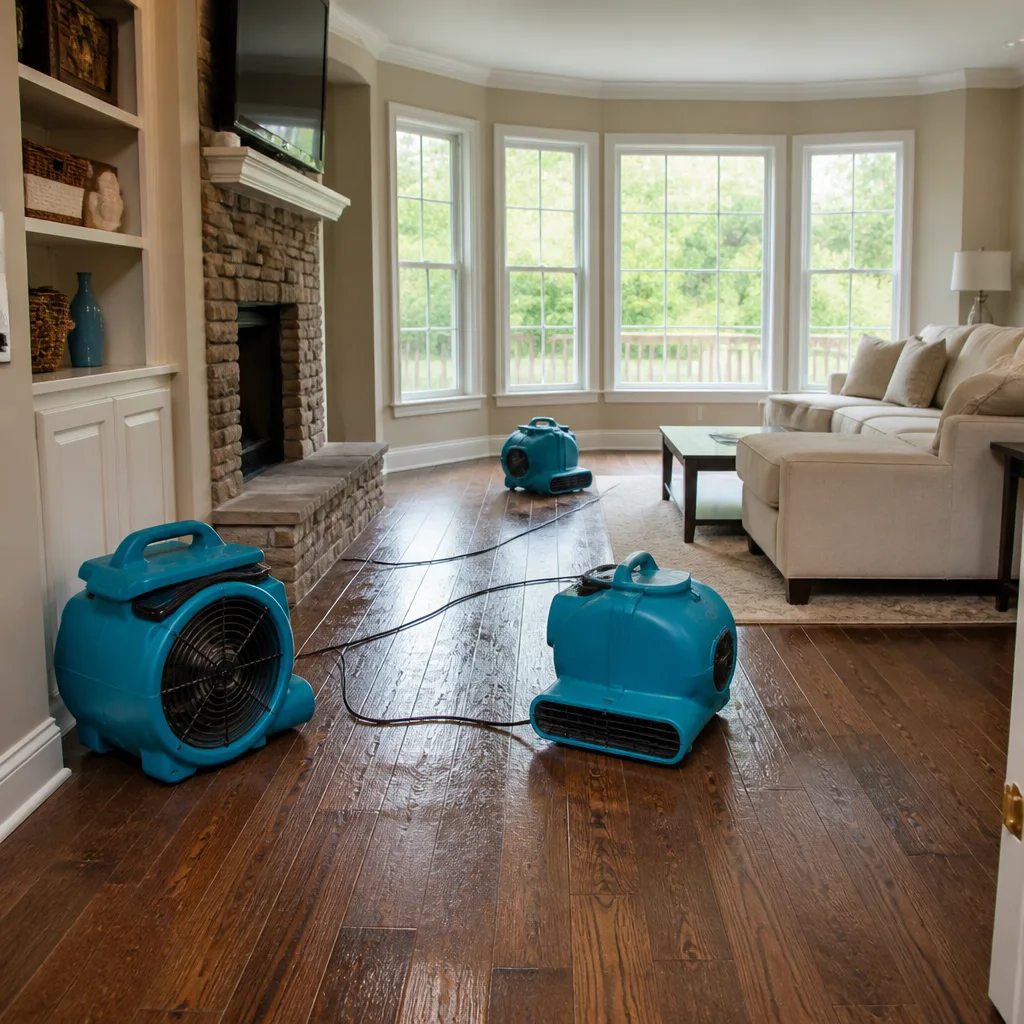

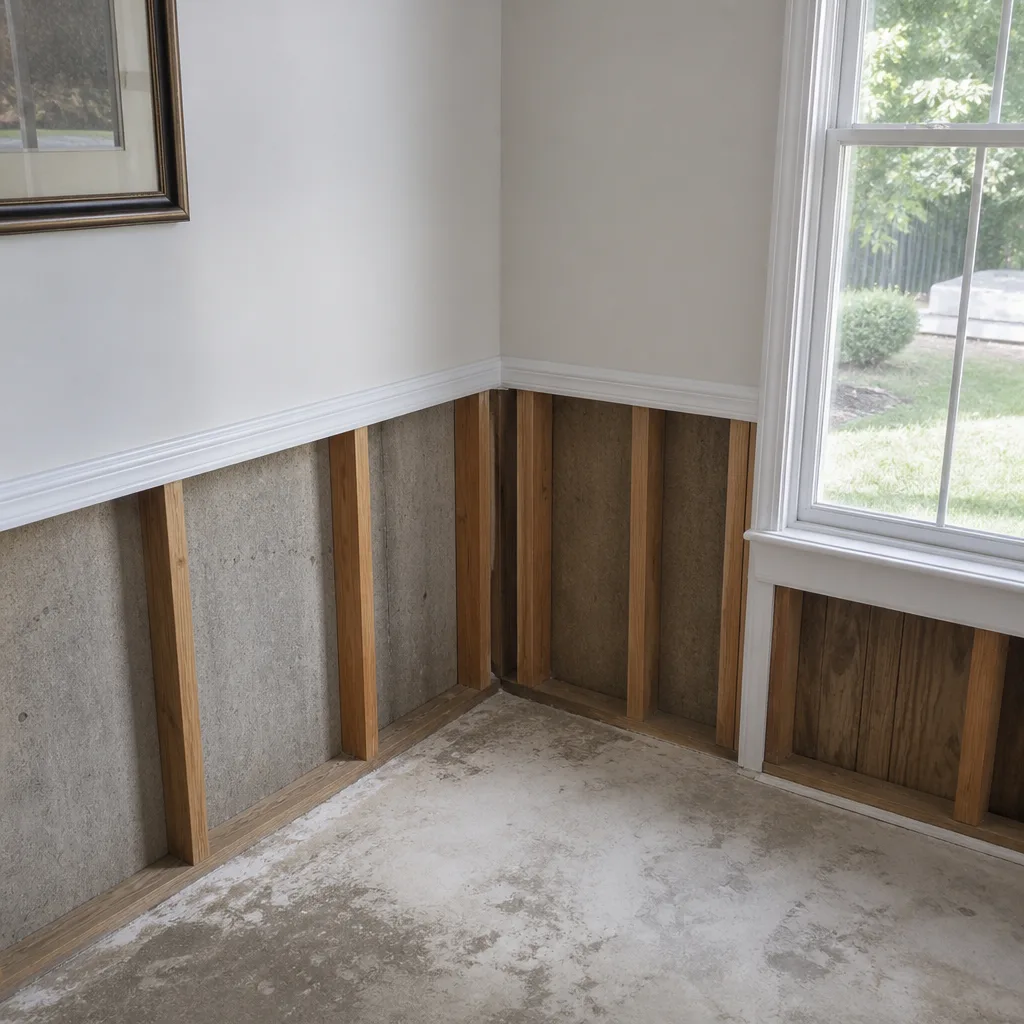
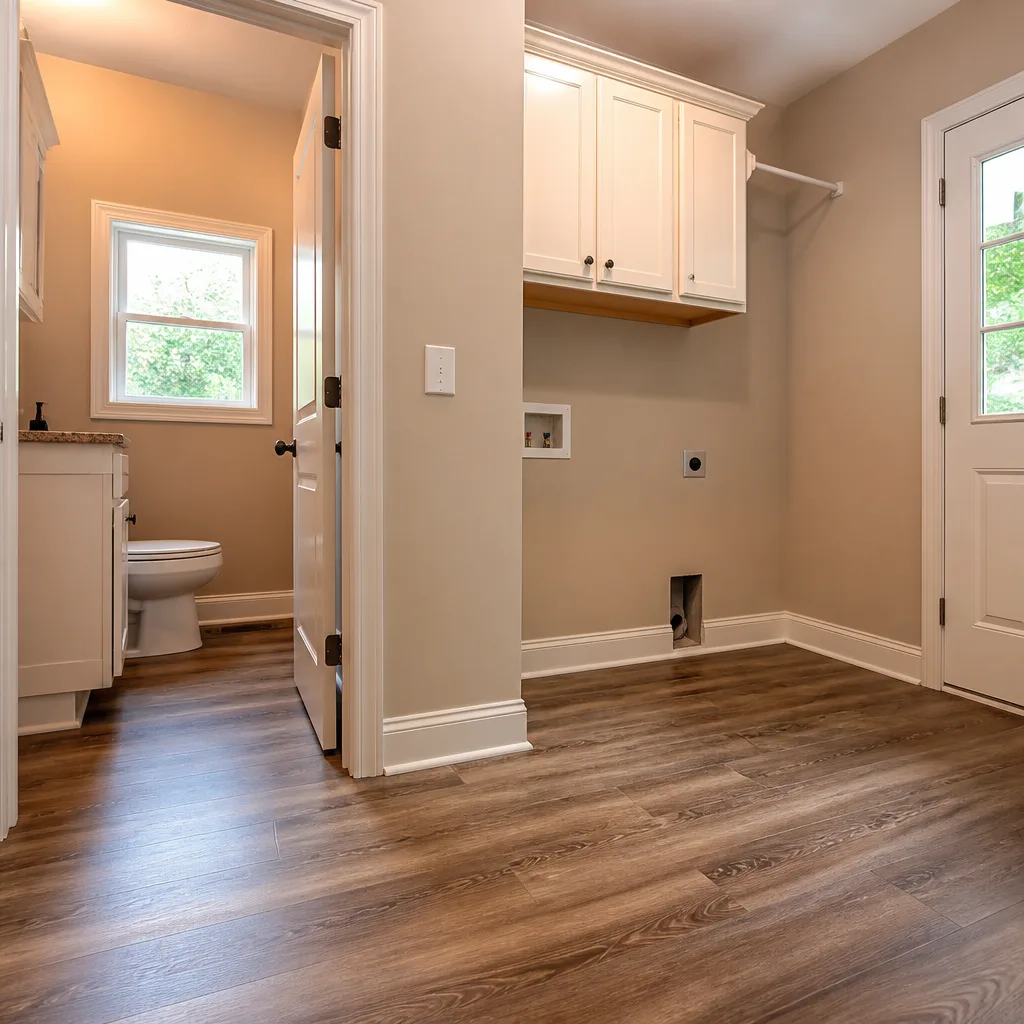
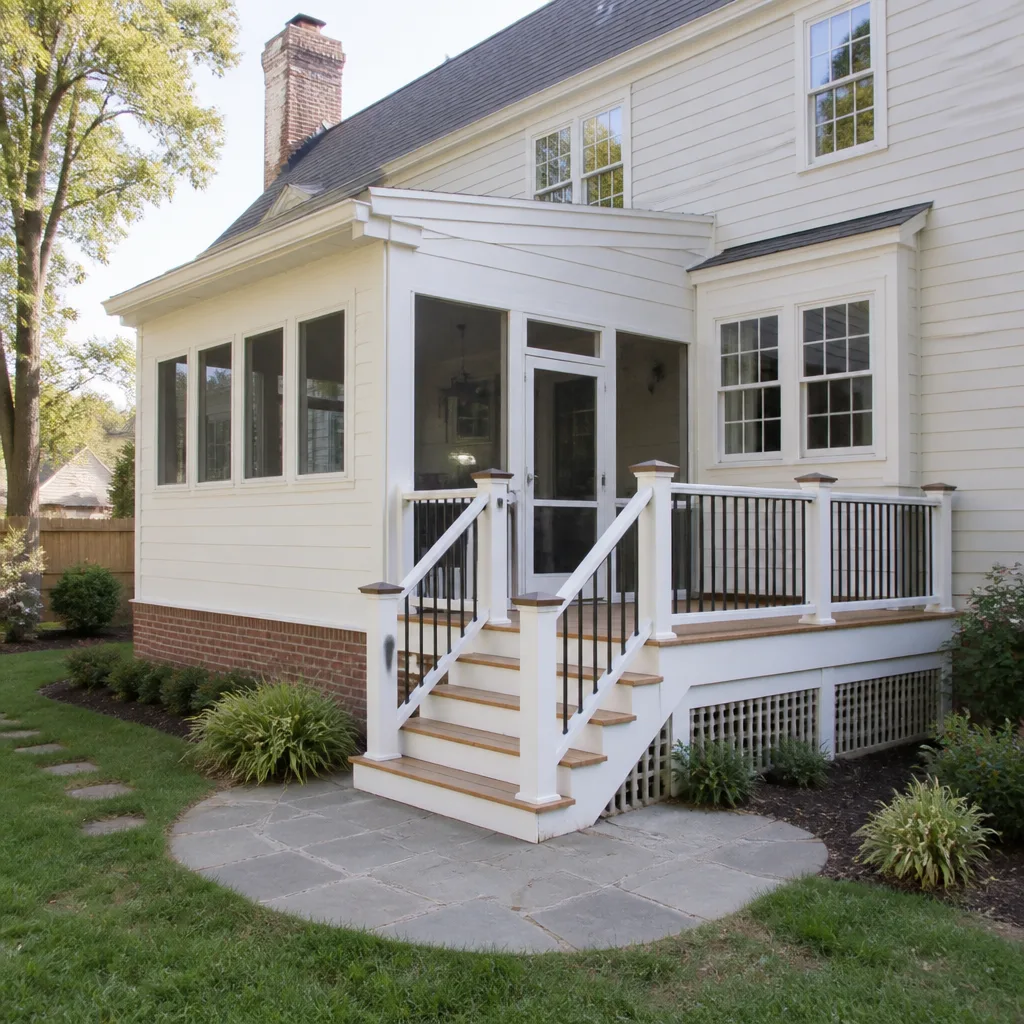
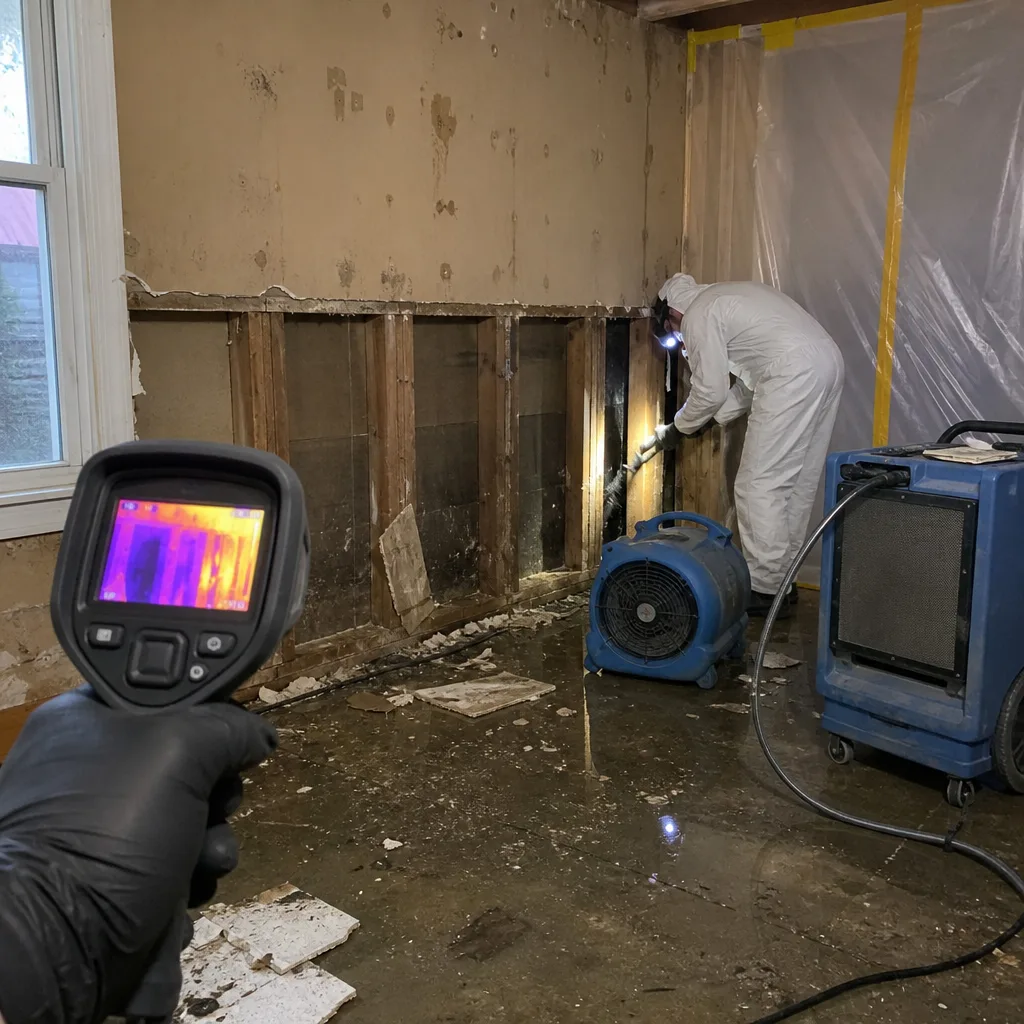 Before
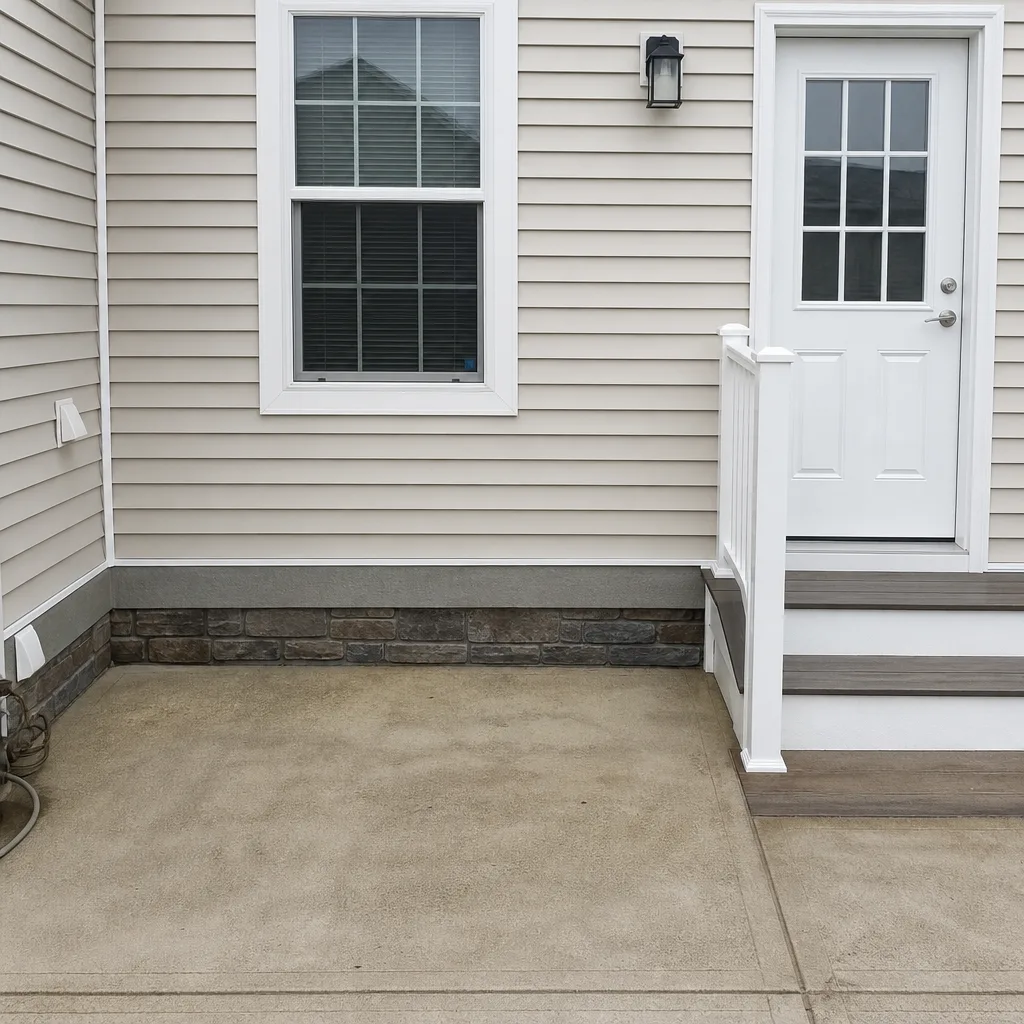 After
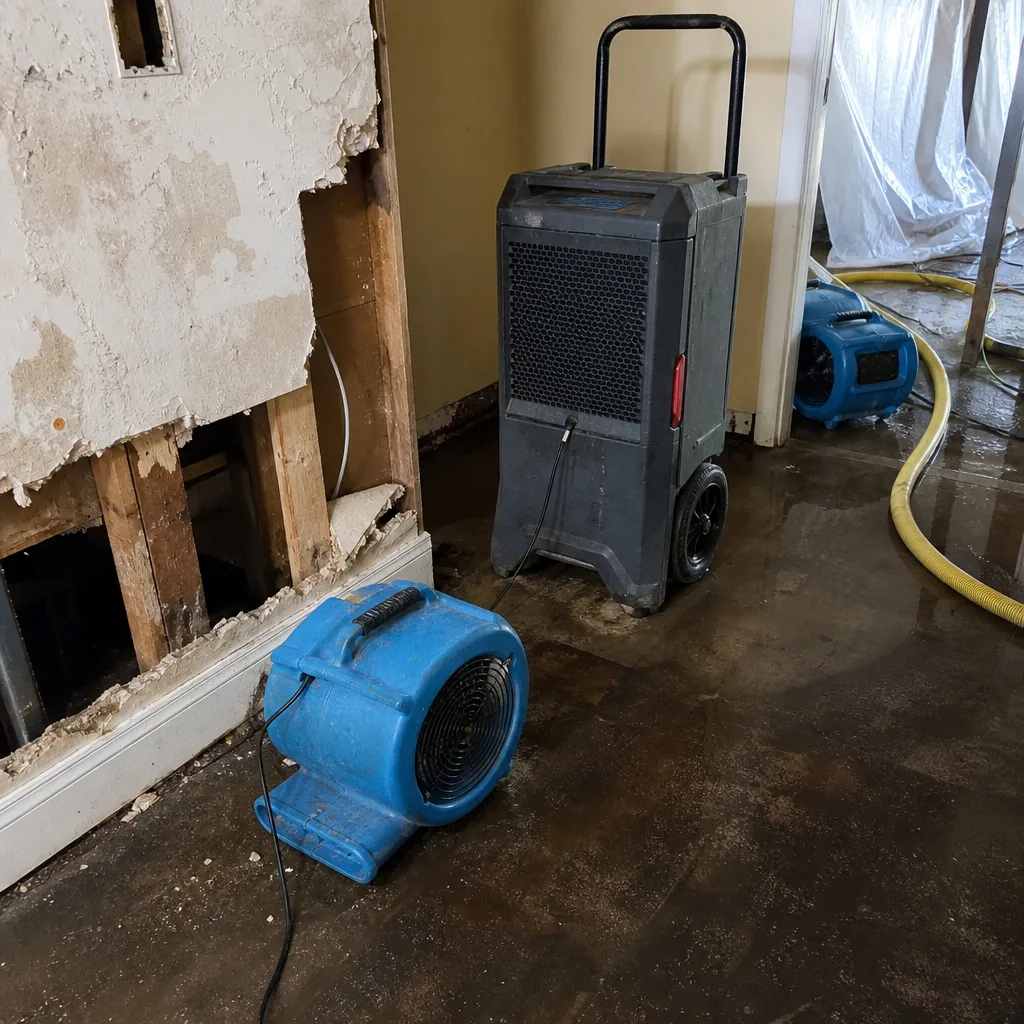 Before
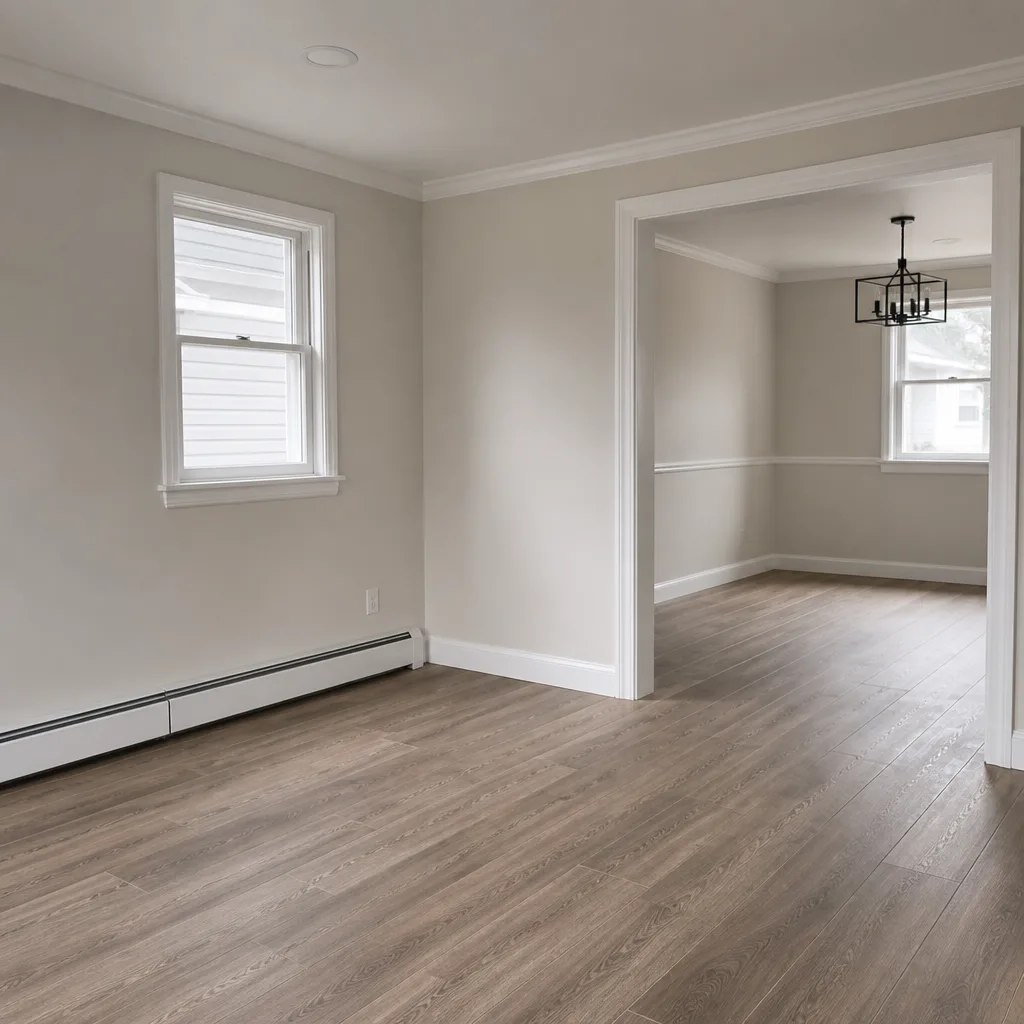 After
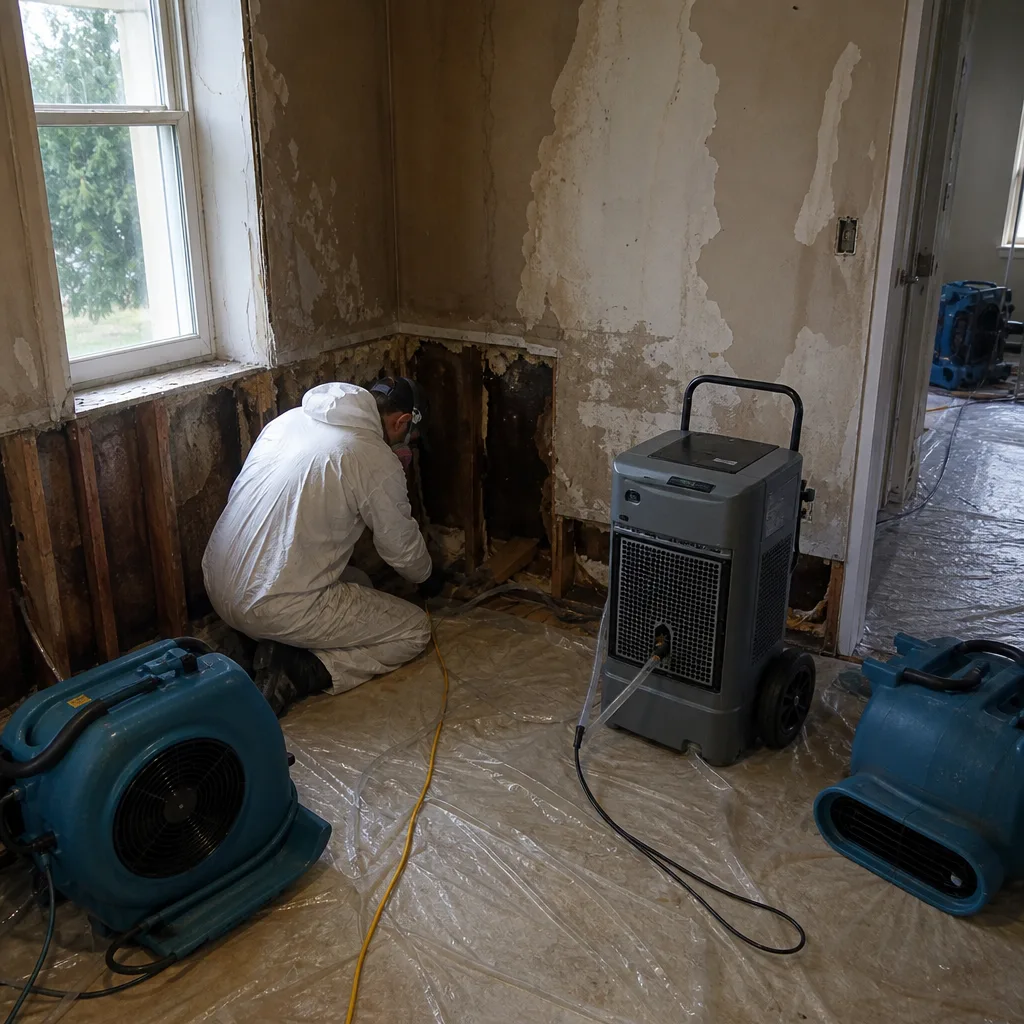 Before
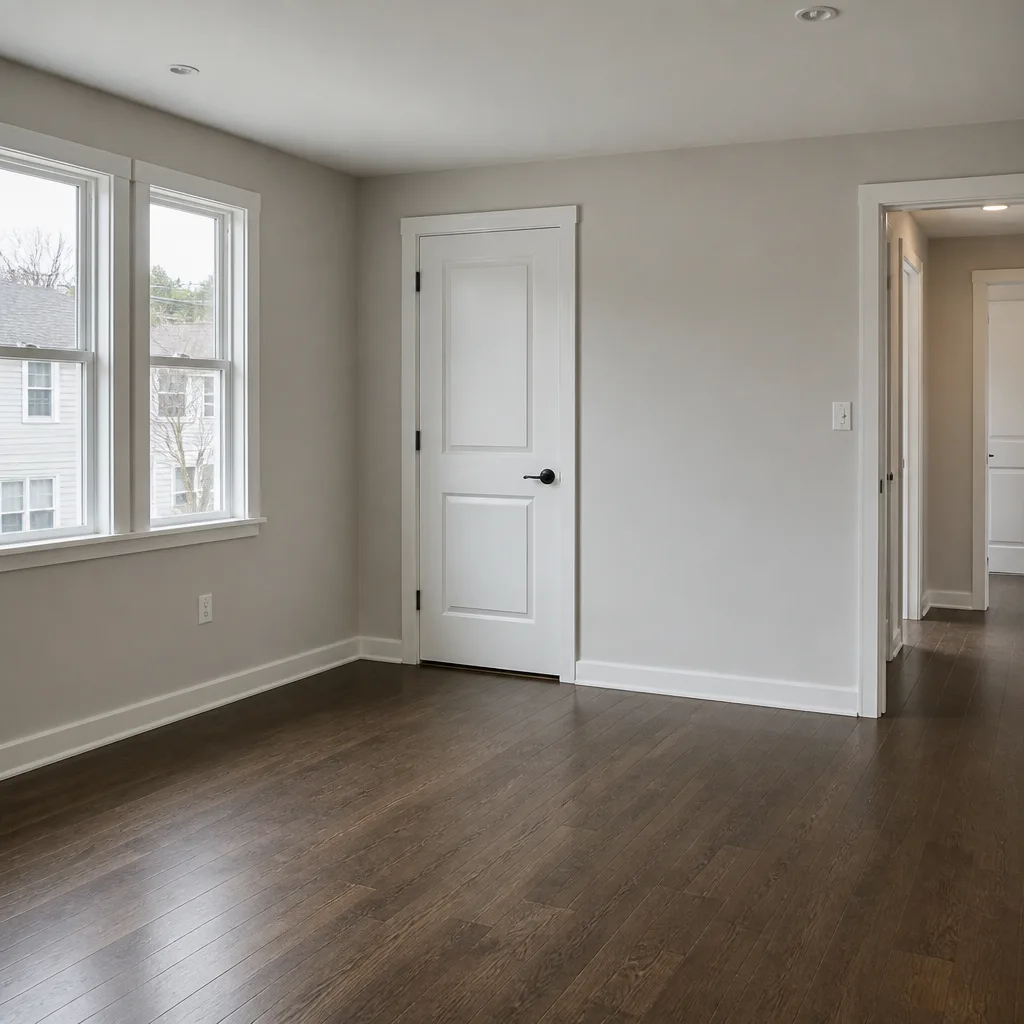 After
DIY vs Professional Damage Restoration: The Jamaica Homeowner’s Decision Guide
Water moves through a Queens house faster than most people think possible. In twenty years of restoring homes across Jamaica, we’ve watched a slow drip under a bathroom sink become a $9,000 structural repair in under three weeks. The question is never whether the water will cause damage. The question is whether the damage gets caught, dried, and documented correctly the first time. This guide walks through what a homeowner can safely handle alone, what needs a certified crew, and how to tell the difference before a small problem becomes a gut renovation. We wrote it for the person who plans to stay in their house another twenty years, not the person flipping it next spring.
Quick Answer
Homeowners can safely handle small, clean-water spills they catch immediately and can dry within 48 hours. Anything involving sewage, hidden moisture, electrical systems, mold growth, or water that sat longer than two days should be handled by a professional restoration company. In Jamaica, where late-summer humidity slows natural drying and older housing stock hides water behind plaster and lath, the professional threshold arrives faster than in drier climates.
Table of Contents
- Understanding Water Categories: Why the Source Changes Everything
- The 48-Hour Clock: Mold, Moisture, and Why Speed Decides the Bill
- What a Jamaica Homeowner Can Safely Handle Alone
- Hidden Moisture: What Your Eyes Cannot See
- Why Professional-Grade Equipment Outperforms Rental Gear
- Insurance, Documentation, and the Paper Trail
- Cost Comparison: DIY vs Professional Restoration in Jamaica
- Common Mistakes to Avoid
- When to Call a Professional
- Frequently Asked Questions
- The Bottom Line
Understanding Water Categories: Why the Source Changes Everything
The first decision in any water incident happens before you touch a towel. Water damage professionals classify water into three categories, and the category determines whether a homeowner should even be standing in the room without protection. Category 1 is clean water from a supply line, a faucet, or a burst pipe. Category 2 is contaminated water, often called gray water, from washing machines, dishwashers, or sump pump failures. Category 3 is grossly contaminated water, known as black water, from sewage backups, flooding from outside, or any standing water that has begun growing bacteria. In Jamaica, where many homes share aging sewer laterals and basement flooding during heavy storms brings street water inside, Category 3 situations are more common than homeowners expect.
The category changes everything about the cleanup. Category 1 water left sitting becomes Category 2 within 48 hours as bacteria multiply. Category 2 becomes Category 3 as organic matter breaks down. A homeowner who starts drying a Category 2 puddle with a shop vac and box fans is spreading contaminated moisture into the air and into drywall cavities. We have walked into Jamaica basements where a homeowner spent a full weekend drying out a washing machine overflow, only to find mold blooming behind the baseboards three weeks later because the water category was never identified correctly.
This is not a judgment on effort. It is a fact about biology and building materials. Sheetrock wicks water upward from the floor at roughly one inch per hour. A Category 2 spill that soaked into drywall for six hours created a contamination zone extending six inches above the visible water line. Surface drying does nothing for that hidden band of bacteria-laden gypsum.
The 48-Hour Clock: Mold, Moisture, and Why Speed Decides the Bill
Mold spores exist in every home in Jamaica, every home in Queens, every home in the country. They are dormant, waiting for two things: moisture and time. Give mold 24 to 48 hours of sustained moisture, and spores germinate. Give it 72 hours, and you have visible colonies. Give it a week, and you have a remediation project that requires containment, air scrubbers, and possibly the removal of structural materials. The 48-hour window is the single most important number in this entire guide.
Here is what that clock means in practical terms for a Jamaica homeowner:
- Hour 0-2: Water is extracted or contained. The clock starts.
- Hour 2-24: Professional drying equipment should be running if the affected area is larger than a bath towel. Air movement and dehumidification begin pulling moisture from materials.
- Hour 24-48: Materials that cannot be dried within this window should be removed. Wet carpet pad almost never dries correctly and becomes a mold farm.
- Hour 48-72: Mold germination begins. Hidden moisture in wall cavities becomes a contamination risk even if surfaces feel dry.
- Hour 72+: The project has shifted from drying to mold remediation. Costs typically triple or quadruple.
In our experience, the single biggest reason a small water event becomes a large water event is a homeowner waiting to see if it dries on its own. Jamaica’s summer humidity, which regularly reaches 70% and above, means a wet wall cavity does not dry on its own. It stays wet. The clock runs out.
What a Jamaica Homeowner Can Safely Handle Alone
Some situations genuinely do not require a restoration company. The standard is simple: clean water, small area, immediate discovery, and the ability to dry it completely within 48 hours using tools you already own or can rent cheaply. If all four conditions are met, a capable homeowner can handle the cleanup. Here is a realistic list of DIY-appropriate situations:
- A glass of water spilled on a tile floor and mopped up immediately
- A small toilet supply line leak caught the moment it started, with water pooled on tile or vinyl, not carpet or wood
- A window left open during a light rain, with water sitting on a painted windowsill that you dry with a towel within an hour
- A refrigerator water line drip that pooled on a concrete basement floor and was caught the same day
- Condensation on a cold water pipe in summer, wiped down before it drips onto anything absorbent
The common thread in every one of those examples is a surface that does not absorb water. Tile, vinyl, concrete, painted wood. The moment water touches carpet, carpet pad, hardwood, drywall, or particleboard, the DIY calculation changes. Those materials hold water internally. Air drying their surfaces leaves the inside wet.
If you decide to handle a small spill yourself, do these steps in order:
- Stop the source. Shut off the valve, close the window, or contain the appliance.
- Photograph the wet area before moving anything. Insurance adjusters want before-photos.
- Remove standing water with towels, a mop, or a wet-dry vac rated for water pickup.
- Set up a fan aimed at the wet surface and open a window if outside humidity is below 50%.
- Check the area every four hours. If it is still damp after 24 hours, call a professional.
Step 5 is the step most people skip. Dampness after 24 hours means the water penetrated something. That something is not drying on its own.
Hidden Moisture: What Your Eyes Cannot See
The most dangerous water is the water you cannot see. In Jamaica’s housing stock, much of which dates to the 1920s through the 1960s, walls are often plaster over wood lath. Plaster is a sponge. When water gets behind it, the plaster holds that moisture against the wood for weeks. The wall feels dry to the touch. The lath behind it is rotting and feeding mold. The same applies to water that runs down inside a wall cavity from a second-floor leak, pooling above the ceiling of the first floor. The ceiling looks fine until the day the plaster sags and drops.
Professional restoration companies use moisture meters to find what eyes cannot see. A non-invasive meter reads moisture content through the wall surface. An invasive meter uses small pins pressed into materials to read internal moisture. Thermal imaging cameras show temperature differences that indicate wet areas behind walls and under floors. None of this equipment is standard in a homeowner’s garage.
We use Dri-Eaz moisture meters alongside thermal imaging on every water job in Jamaica. The meter tells us the moisture content of the material. The thermal camera shows us where water traveled. Together they build a moisture map that tells the crew exactly where to cut, what to dry, and what to replace. Homeowners who attempt DIY drying without this data are working blind. They dry what they can see and leave what they cannot.
The hidden moisture problem is worse in attached homes. Jamaica has a high concentration of row houses and semi-attached houses with shared walls. Water from a neighbor’s leak can travel through a shared masonry wall into your home. Your side looks fine. Their side is wet. You smell mold three months later and cannot find the source. A moisture meter finds it in five minutes.
Why Professional-Grade Equipment Outperforms Rental Gear
A homeowner can rent a dehumidifier and a box fan from a hardware store for maybe $60 a day. That equipment is not what restoration companies use. The difference is not branding. It is physics. Restoration-grade equipment moves more air, pulls more moisture, and works according to a calculated drying plan. The box fan and rental dehumidifier are tools. The professional setup is a system.
Restoration dehumidifiers, like the Phoenix units we run on water jobs, are low-grain refrigerant dehumidifiers. They are designed to pull moisture from structural materials, not just from room air. A standard residential dehumidifier pulls water from the air. A low-grain unit creates a vapor pressure differential that actively draws moisture out of drywall, wood, and concrete. That is the difference between a room feeling dry and a room being dry. We also use Injectidry systems on some jobs, which push dry air directly into wall cavities and under flooring. That is how you dry a wall cavity without tearing out the entire wall.
Air movement matters just as much. XPOWER air movers move 2,000 to 3,000 cubic feet per minute. A box fan moves maybe 300. Professional air movers are positioned at angles that create a vortex across wet surfaces, maximizing evaporation. The difference in drying time between a box fan setup and a professional air movement setup can be three days. Those three days determine whether the mold clock expires.
Then there is the drying log. A professional restoration company takes moisture readings daily, documents the numbers, and adjusts equipment placement until every reading hits the dry standard. The log is proof the structure is dry. That proof matters to insurance carriers and matters to anyone who might sell the house later. Homeowners doing DIY drying have no log, no proof, and no way to know if they actually finished the job.
Insurance, Documentation, and the Paper Trail
Insurance is the part of this conversation most homeowners do not think about until the adjuster asks for documentation. A professional restoration company does not just dry the house. It documents the entire process in a format the carrier accepts. Photos taken before demolition. Moisture readings taken daily. A scope of work written before anything is removed. Invoices that match the scope. That paper trail is the difference between a smooth claim and a disputed one.
Here is how the process works when a professional handles the job and the claim:
- The crew arrives, photographs everything, and takes initial moisture readings.
- A written scope of work is prepared: what gets dried, what gets removed, what gets rebuilt.
- The scope goes to the insurance carrier for approval before demolition starts.
- Work proceeds according to the approved scope, with daily moisture logs maintained.
- Final readings are documented, the dry standard is met, and rebuild is scheduled.
- Billing goes directly to the carrier. The homeowner is not a courier between contractor and adjuster.
When a homeowner does DIY restoration and later files a claim, the insurance company sees no professional documentation. The homeowner has photos from a phone, maybe receipts for a rental dehumidifier, and no moisture readings. The carrier may question whether the damage was as extensive as claimed, whether it was properly dried, or whether some of the damage was avoidable had a professional responded. None of that is fair to the homeowner, but it is the reality of how adjusters think.
In Jamaica, where sump pump failures and basement flooding are the most common covered water events, the documentation standard matters. A pump fails while the family is at work. The water sits for six hours before anyone notices. The carrier wants to know the water category, the drying plan, and the final moisture readings. Professional documentation answers those questions before they are asked.
Cost Comparison: DIY vs Professional Restoration in Jamaica
The honest cost conversation starts with a number homeowners rarely calculate: the cost of getting it wrong. A DIY drying job on a flooded basement might save $2,000 in the first week and cost $20,000 in mold remediation six weeks later. The math changes when you include the cost of the mistake. Here is a realistic comparison for a typical water event in a Jamaica home, a burst supply line that soaked a 200-square-foot finished basement:
DIY Approach: Estimated Costs
- Rental dehumidifier and fans (3 days): $180 to $240
- Shop vac rental or purchase: $60 to $150
- Cleaning supplies, gloves, masks: $40 to $80
- Time off work (2-3 days): $600 to $1,200 in lost wages or PTO
- Total visible cost: $880 to $1,670
- Cost if hidden moisture leads to mold: $6,000 to $25,000 for remediation
Professional Approach: Estimated Costs
- Emergency extraction and equipment setup: Included in insurance-covered scope
- Professional drying (3-5 days): $1,800 to $3,200 typical, insurance-covered when the event is a covered peril
- Moisture log and final readings: Included
- Rebuild of removed materials: Typically insurance-covered as part of the claim
- Total out-of-pocket with typical deductible: $500 to $2,500, depending on policy
- Cost if hidden moisture leads to mold: Not applicable; the drying was done to standard and documented
The line items tell the story. DIY costs less in the first week and more in the long run when it fails. Professional restoration costs the deductible when insurance covers the event, and the work is documented to the standard the carrier expects. Neither number is guaranteed, but the structure of the risk is clear. Professional drying transfers the risk of hidden moisture to the company doing the work. That is what the Done Right Promise means at Floodline Restoration Co. If something is not right after the work is done, we come back and make it right. In writing. No arguing.
For Jamaica homeowners with older homes, there is another line item to consider: lead paint and asbestos. Demolition of walls or ceilings in pre-1978 construction may require testing and special handling. A professional restoration company tests, documents, and follows the required protocols. A homeowner demoing a wet wall in a pre-1978 house without testing may be disturbing lead paint and creating a liability for the entire household.
Common Mistakes to Avoid
- Waiting to see if it dries on its own. A wet wall cavity in Jamaica’s August humidity does not dry on its own. It grows mold. The 48-hour clock does not pause while you wait.
- Drying the surface and declaring victory. Dry drywall on the outside is not dry drywall on the inside. Unless moisture readings confirm the internal moisture is below the dry standard, the job is not finished.
- Using a household dehumidifier from a big-box store for a structural water event. Household dehumidifiers are built for damp basements, not saturated structural materials. They will run for two weeks and still leave moisture in the wall cavity.
- Tearing out drywall without checking the water category. If the water was Category 2 or Category 3, removal without proper containment spreads contaminated particles through the house. The drywall dust you see in the air is not just dust.
- Filing an insurance claim without professional documentation. The carrier asks how the damage was dried. You say you ran fans. The carrier reduces the settlement. Professional documentation answers the question before it is asked.
- Ignoring the smell. A musty smell three weeks after a water event means mold is growing somewhere you cannot see. Do not spray air freshener. Find the moisture source before the colony spreads.
- Skipping the source fix while cleaning the mess. Drying the floor before repairing the leaking pipe underneath it is rearranging deck chairs. Fix the source first, then dry the damage.
When to Call a Professional
Call a professional the moment you see sewage, the moment water has been sitting more than 48 hours, the moment wet drywall or carpet pad is involved, or the moment you smell something musty and cannot find the source. Call before you cut into the wall. Call before you rent the fan. The cost of the call is nothing. The cost of guessing wrong is measured in thousands. A homeowner who plans to stay in their Jamaica house another twenty years should err on the side of documentation and drying to standard. The line the water left is where pro judgment starts, not where a weekend project begins. Floodline Restoration Co. offers free estimates in Jamaica. Call (518) 627-5878 and a live dispatcher picks up, day or night.
Frequently Asked Questions
Professional water damage restoration in Jamaica typically ranges from $1,800 to $3,200 for a standard basement flood extraction and drying cycle, with most of the cost covered by insurance when the event is a covered peril. Rebuild work adds to that figure depending on what was removed. The homeowner’s out-of-pocket cost after a covered claim is usually the insurance deductible, which commonly runs $500 to $2,500. For an exact quote on your situation, call (518) 627-5878. Estimates are free.
Homeowner’s insurance covers sudden and accidental water damage, like a burst pipe, a failed water heater, or a sump pump backup if you carry that endorsement. Gradual damage from long-term leaks, groundwater seepage, or flood water from outside usually requires separate flood insurance. The best way to know is to have a restoration company document the damage and communicate directly with your adjuster. Call (518) 627-5878 and we’ll walk you through the process.
A live dispatcher answers the phone 24 hours a day, 7 days a week, and a certified crew is typically on site the same visit for water emergencies in Jamaica and the surrounding Queens neighborhoods. The goal is to have extraction equipment running before the 48-hour mold clock expires, because every hour of standing water adds cost and complexity. Call (518) 627-5878 as soon as you see water.
If the water was clean, the area was dried within 48 hours, and moisture readings confirm the materials are dry, a thorough cleaning is usually enough. If any of those three conditions is not met, full remediation with professional drying and possible material removal is the safer path. A musty smell, discoloration on drywall, or water that sat overnight all point toward remediation. The only way to know for certain is with moisture readings, which we provide free during an estimate.
A full-cycle restoration company deals with the adjuster on your behalf. The company writes the scope, submits it to the carrier, documents the drying process with daily moisture readings, and bills the carrier directly. You are not a messenger between the contractor and the insurance company. At Floodline Restoration Co., direct insurance billing is standard practice, and the homeowner receives the moisture log and the written scope for their own records.
You can dry a small, clean-water spill on a non-porous surface like concrete or tile with fans and time. You cannot dry saturated drywall, carpet pad, or wall cavities without professional-grade equipment and moisture meters guiding the process. The surface will feel dry while the interior stays wet, and mold follows. If the water touched anything absorbent or sat for more than a few hours, call (518) 627-5878 before the 48-hour clock runs out.
The Bottom Line
DIY restoration has a place: small, clean-water spills caught immediately on non-porous surfaces. Everything else belongs in professional hands. The difference between the two is not effort or intention. It is equipment, documentation, and the ability to see what is inside the wall. In Jamaica, where older homes hold hidden moisture and summer humidity slows every drying curve, the margin for error is thinner than in most places. The 48-hour mold clock is the deadline. The moisture meter is the referee. The insurance documentation is the difference between a smooth claim and a fight. When the water is more than a towel can handle, call (518) 627-5878. A live person answers. A certified crew shows up. The job gets done right, and it gets backed in writing. That is a square deal.
Written by the team at Floodline Restoration Co.