
Last updated August 25, 2026
Free visual inspection and a written scope of work before any mitigation begins - photos, moisture readings, and drying logs go in your claim file
The scope we write is the scope we bill. Anything new gets shown to you, in writing, before we touch it.
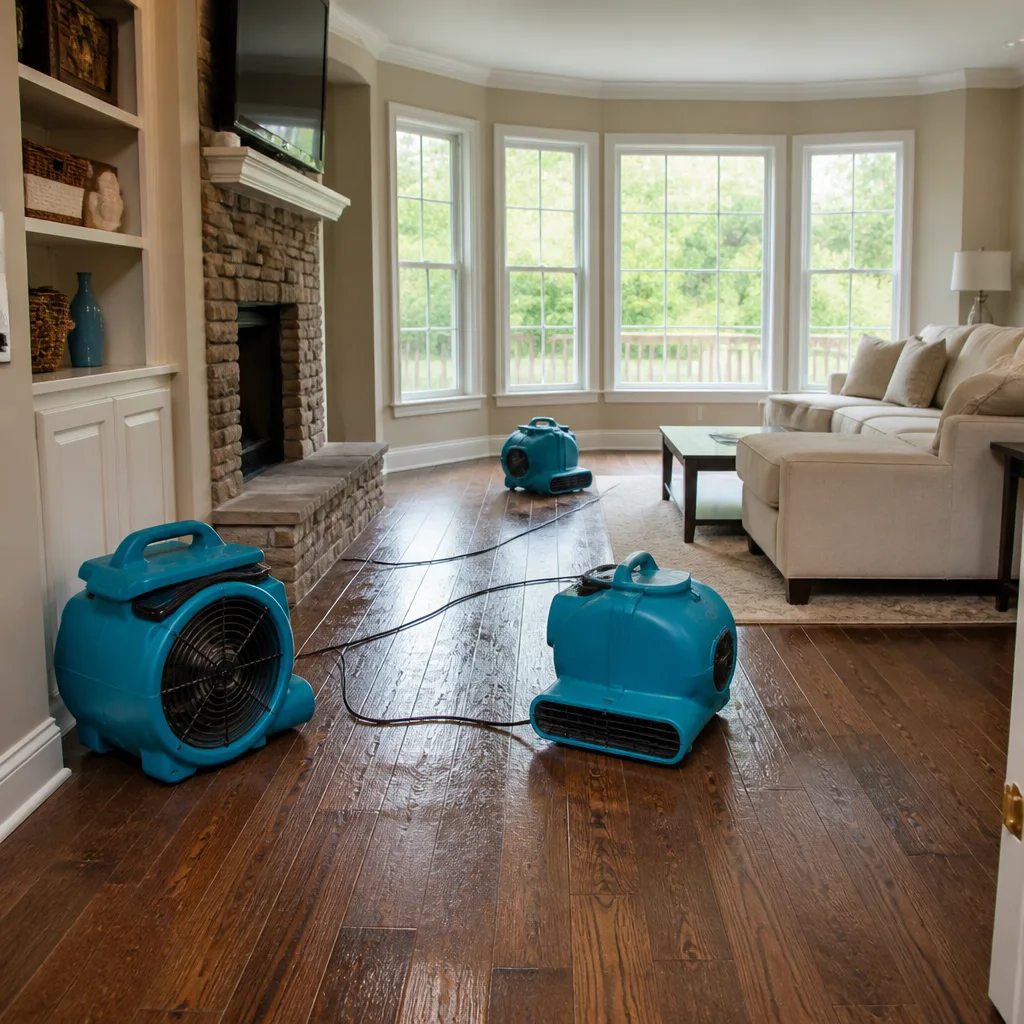

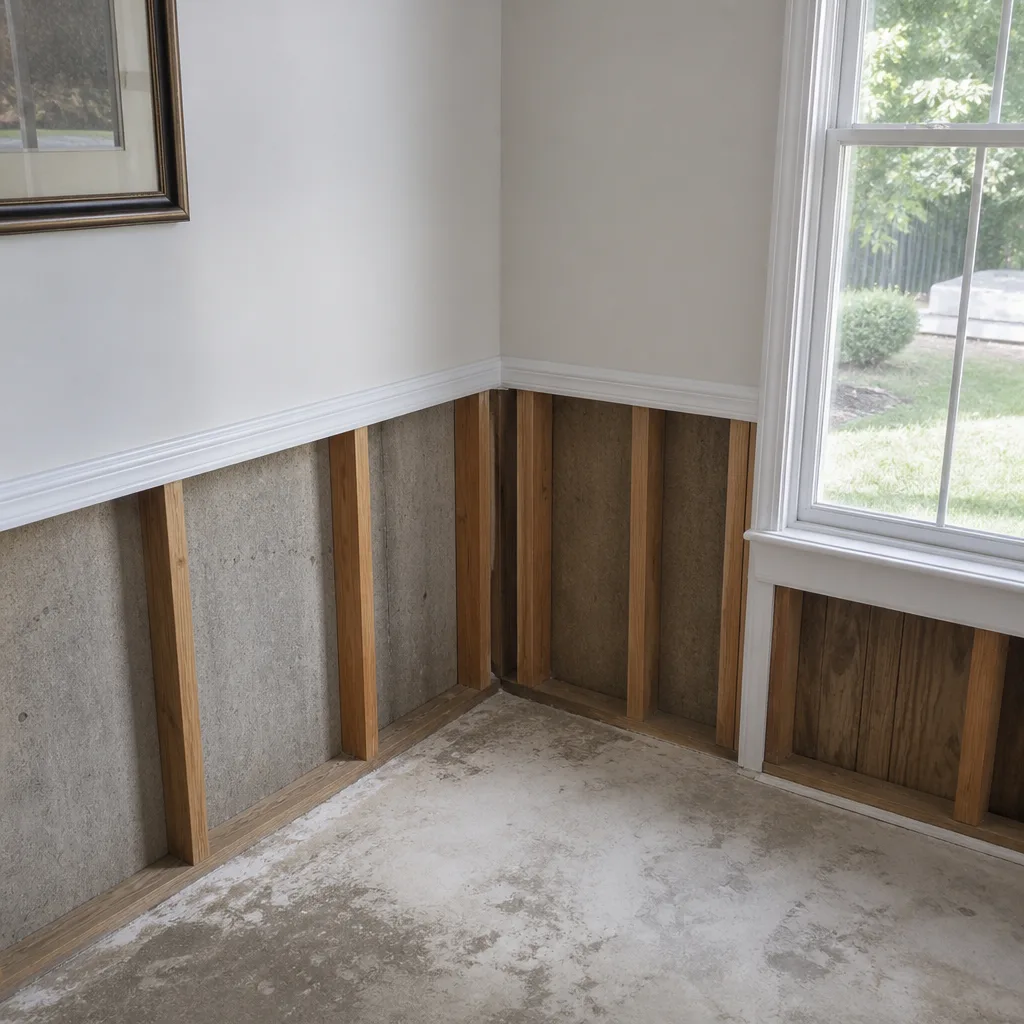
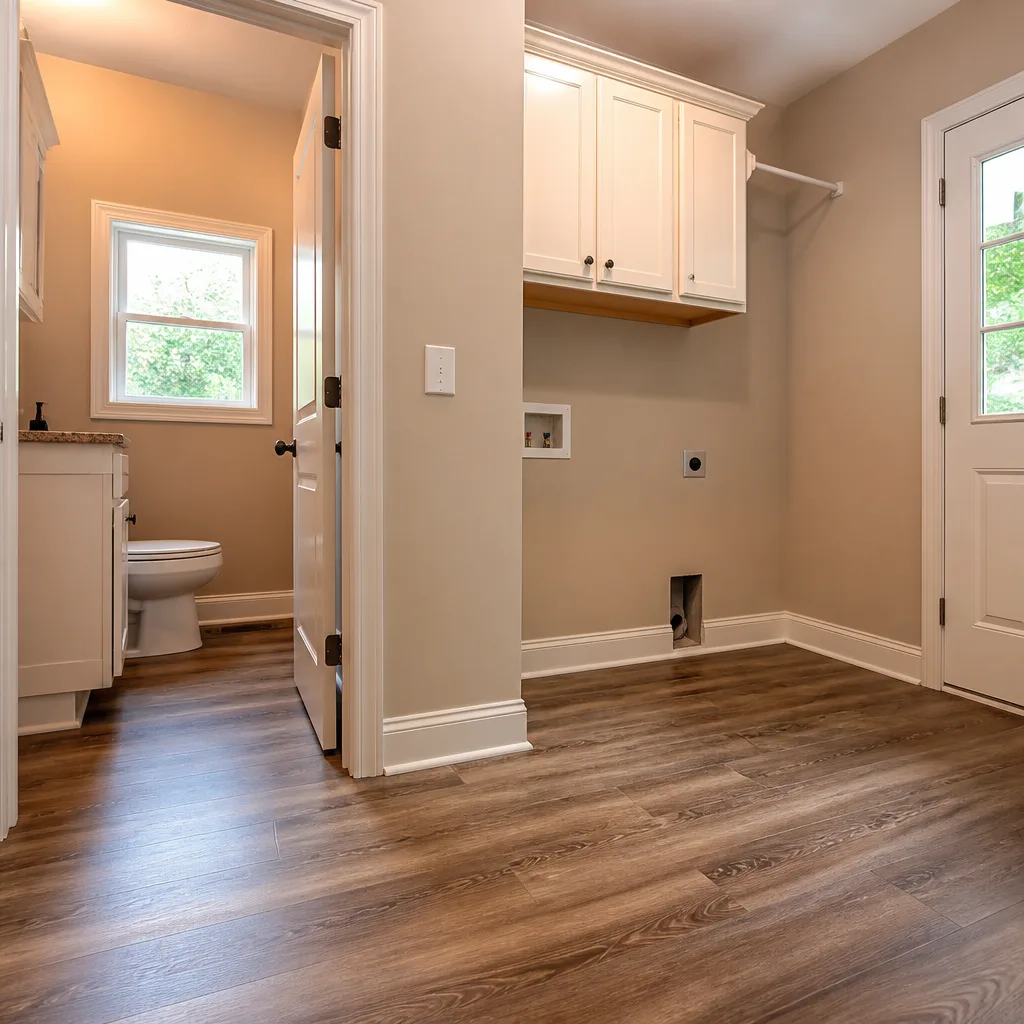
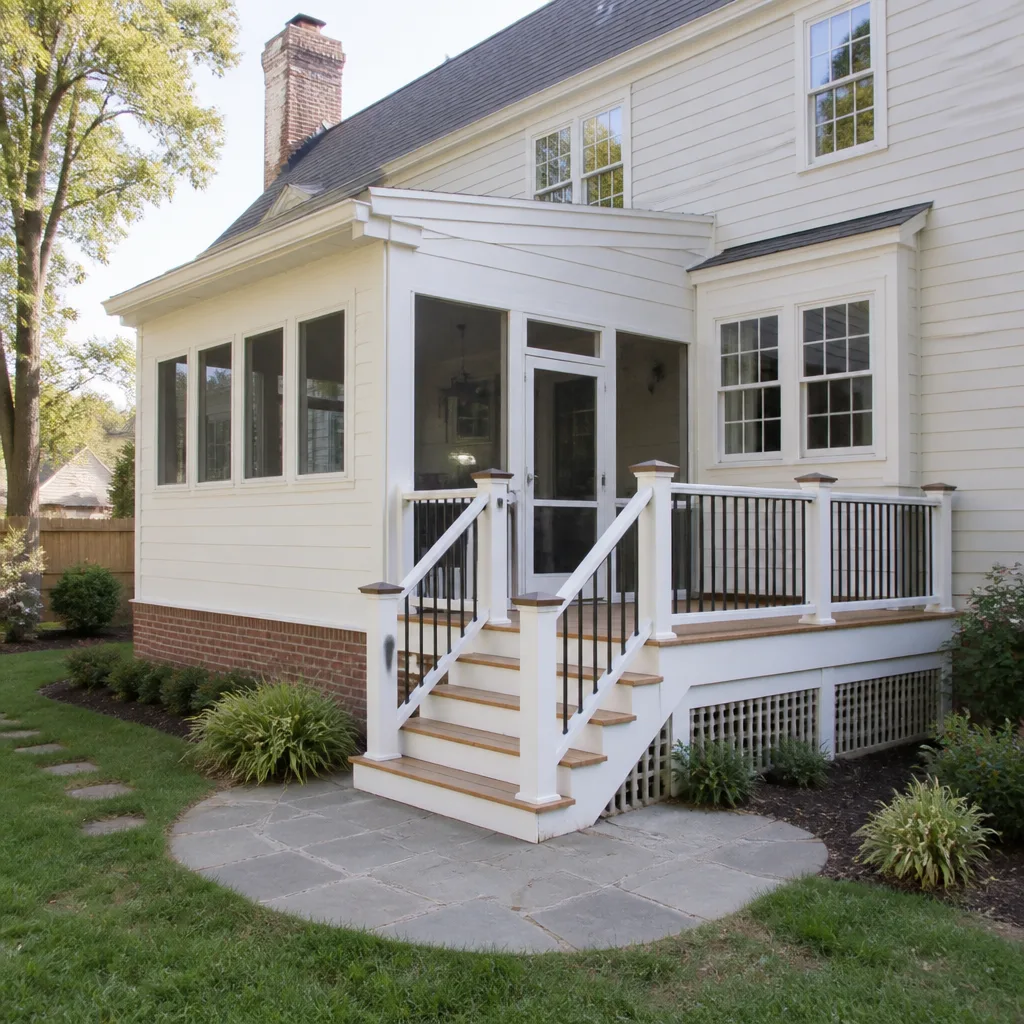
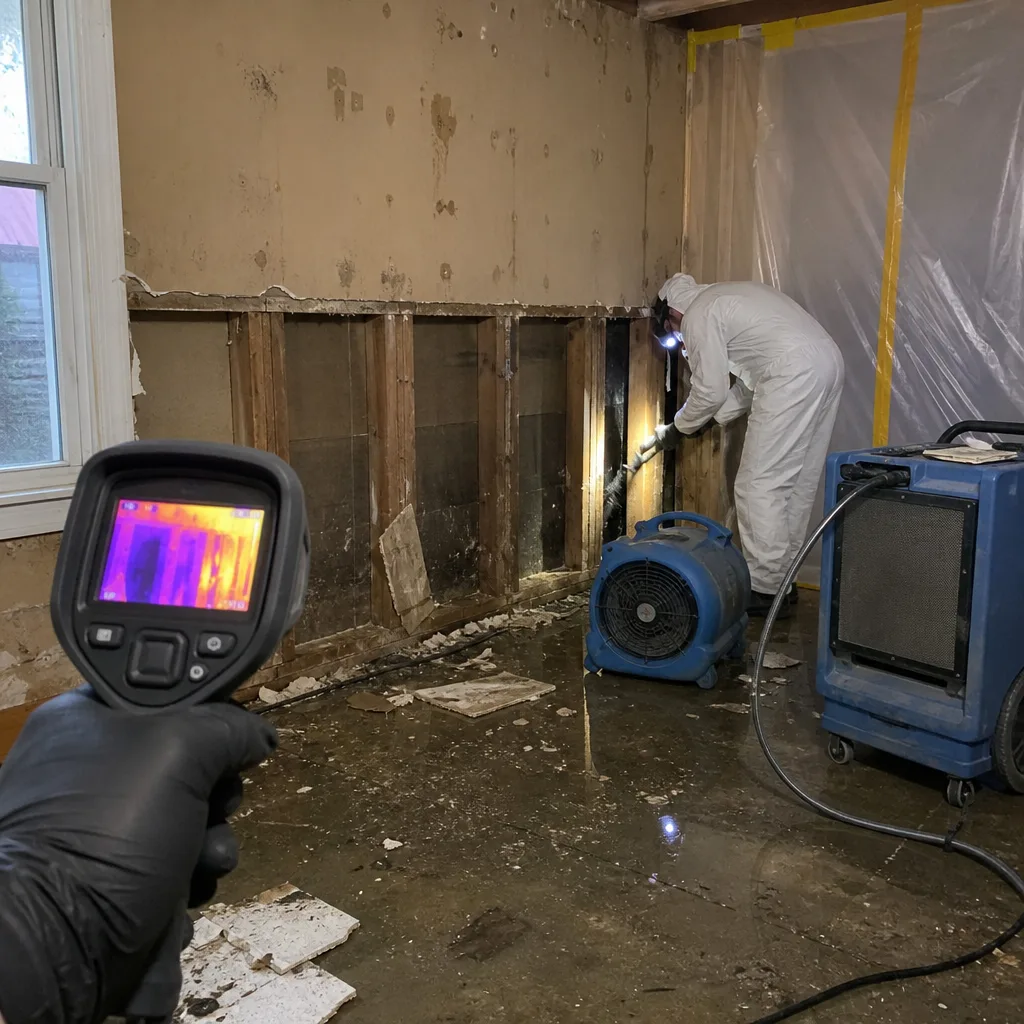 Before
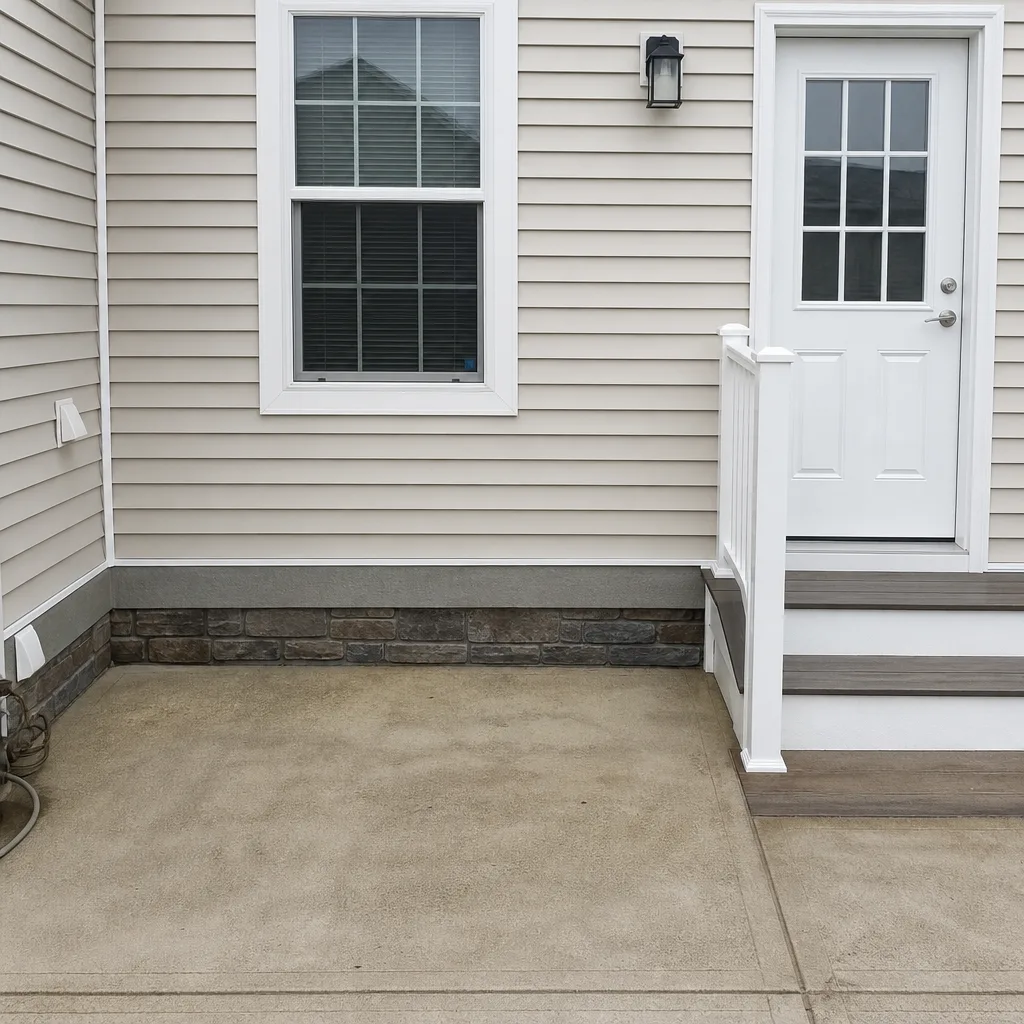 After
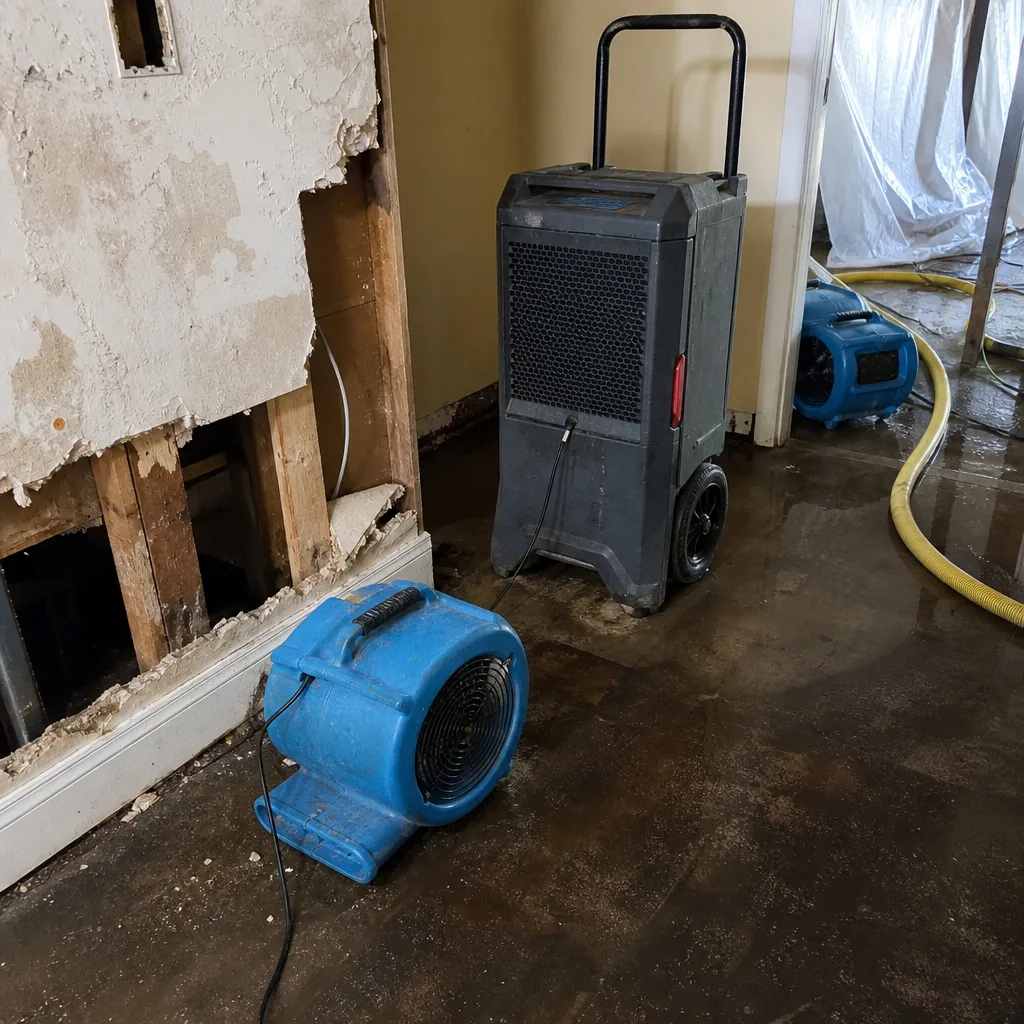 Before
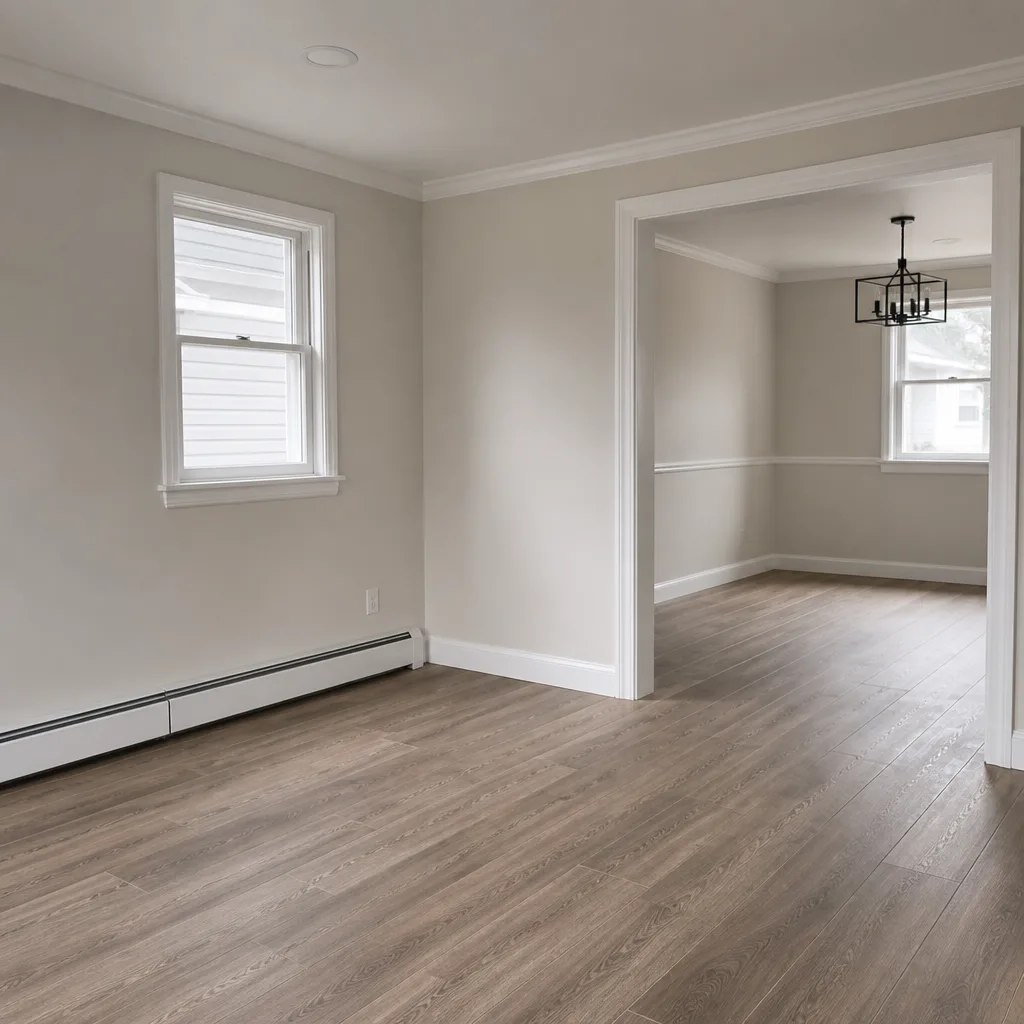 After
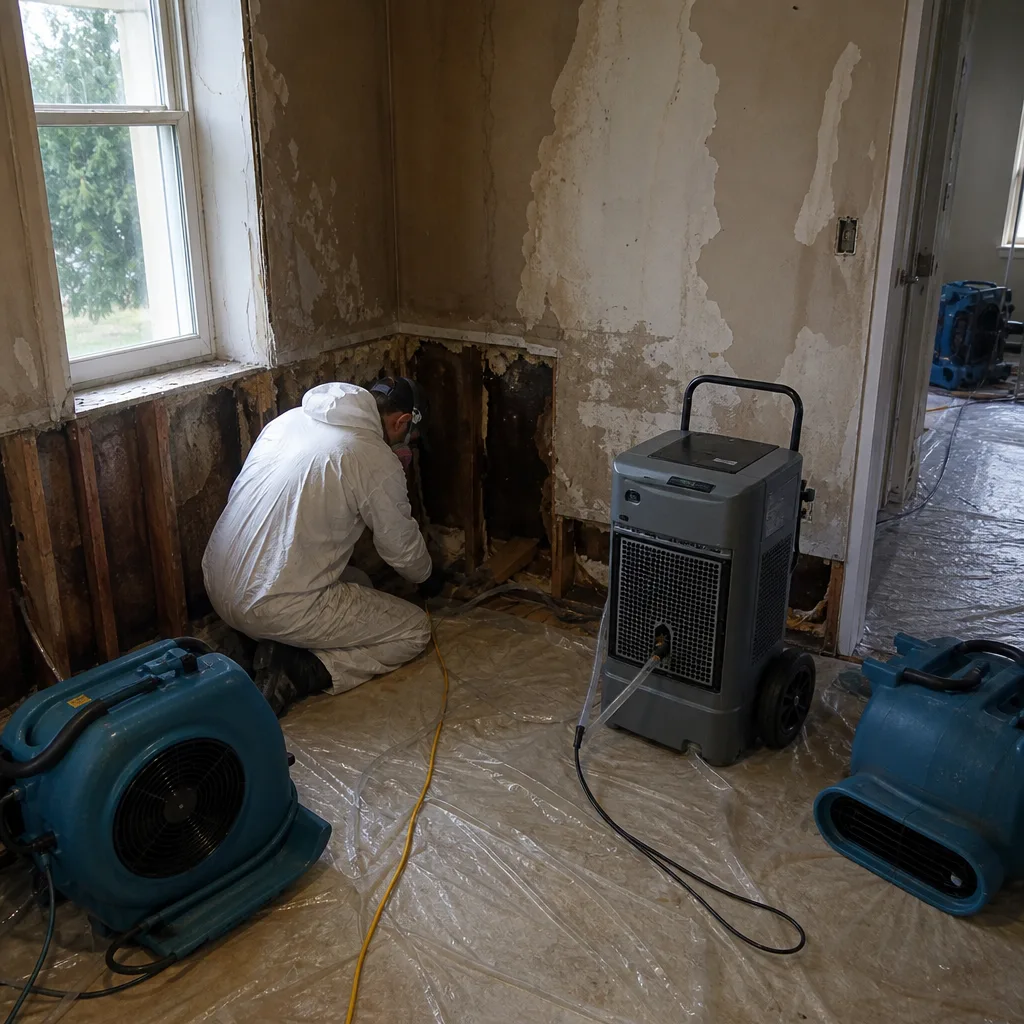 Before
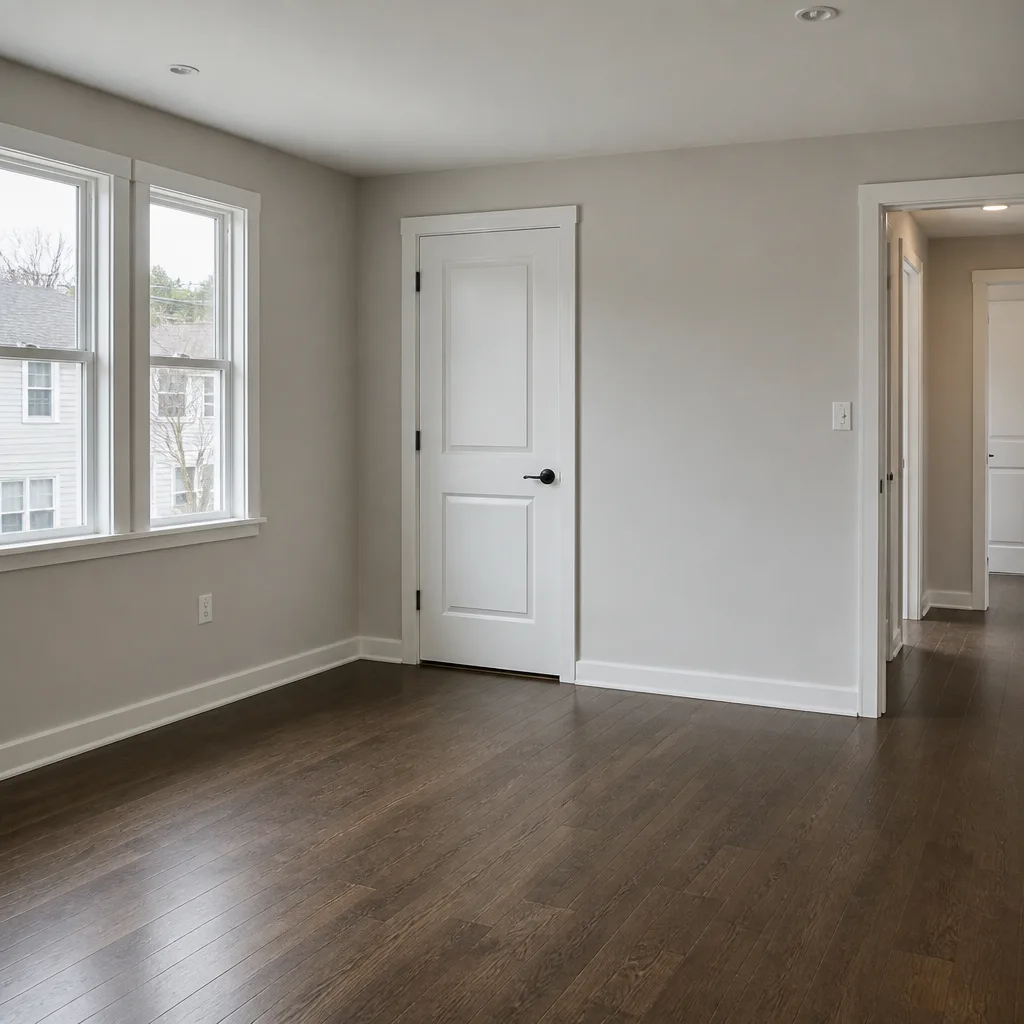 After
How to Hire a Damage Restoration Contractor in Jamaica: A Step-by-Step Guide
Here’s a number most homeowners in Jamaica never see coming: the average water damage claim in Queens runs between $3,000 and $7,000 before rebuild costs enter the picture. The contractors who win those jobs are rarely the cheapest. They’re the ones who show up fastest, carry the right certifications, and put every promise in writing. This guide walks you through exactly how to separate that contractor from the one who’ll leave you fighting over a damp wall six months from now. You’ll learn what to ask before anyone enters your home, how to read an estimate, what your insurance carrier actually needs from you, and the red flags that show up in the first fifteen minutes. In Jamaica, where basements flood during nor’easters and humidity keeps wood wet long after the visible water is gone, choosing right matters more than it does inland.
Quick Answer
Hiring a damage restoration contractor in Jamaica means verifying three things before you sign: that the company is certified (IICRC, RIA, or IFA training matters), that it handles both mitigation and rebuild with the same crew, and that every promise is written into the contract, including the drying standard and the warranty terms. Then confirm they bill insurance directly and answer the phone with a live person. A contractor who passes those checks, provides a written scope before work starts, and backs the job with a named guarantee is the one to hire.
Table of Contents
- Step 1: Verify Licensing, Insurance, and Certifications
- Step 2: Ask Who Shows Up (And What They’re Trained To Do)
- Step 3: Read the Scope of Work Like a Contract, Because It Is One
- Step 4: Understand How Drying Actually Works in Jamaica’s Climate
- Step 5: Sort Out the Insurance Question Before the First Fan Runs
- Step 6: Get the Warranty in Writing, Not in Conversation
- Step 7: Ask What Happens When the Job Needs Rebuild Work
- Common Mistakes to Avoid
- When to Call a Professional
- Frequently Asked Questions
- The Bottom Line
Step 1: Verify Licensing, Insurance, and Certifications
Before a contractor touches a wet wall, ask for three documents: a New York State home improvement contractor license (required for any residential job over $500), a current certificate of insurance naming the homeowner as additionally insured, and proof of IICRC certification for the crew that will actually do the work. In Jamaica, where older housing stock and attached row homes mean one unit’s water damage becomes a neighbor’s problem quickly, a contractor without proper insurance exposes you to liability for the crew and for any damage they cause. Here’s the baseline in Queens: general liability coverage should be at least $1 million, workers’ compensation is mandatory, and the IICRC Water Damage Restoration Technician (WRT) certification is the minimum standard for anyone touching extraction equipment. RIA and IFA training indicates the company invests in ongoing education, not just a one-time class.
Certifications We Hold and What They Mean for Your Job
At Floodline Restoration Co., our technicians train to IICRC, RIA, and IFA standards. That’s not wall decor. It means the person running the Dri-Eaz dehumidifier in your Jamaica basement understands the psychrometric chart behind it, can explain why the Phoenix axial fan is pointed where it is, and keeps a moisture log with daily readings until the structure hits the dry standard. Certifications matter because drying is a science with thresholds, and a certified crew knows the difference between a wall that’s dry to the touch and a wall that’s dry per industry standard. The touch test is how you end up with mold in the stud cavity six months later.
Step 2: Ask Who Shows Up (And What They’re Trained To Do)
The restoration industry in New York has a split personality. Some companies send a sales rep to write an estimate, then hand the actual work to subcontractors you’ve never met. Ask directly: “Is the person writing this estimate part of the crew that will do the work? Are your technicians employees or subcontractors?” A company that hires its own people, trains them, runs background checks, and puts them in uniform has a stake in what happens. A company that dispatches whoever picks up the phone has a stake in billing hours. In Jamaica, where many homes are older semis attached on both sides, a careless crew in one house creates problems in two others. You want the company that treats the neighborhood like it plans to be here in thirty years.
A live dispatcher answers the phone at all hours. The crew that reads the moisture map on day one handles the daily readings, hands the log to you and the carrier, and rebuilds what needs rebuilding. No mid-job handoff. No inherited crew. That structure exists because the person who owns the company remembers what it’s like to be a homeowner watching strangers carry wet drywall out of a basement at 3 a.m.
Questions to Ask Before Anyone Enters Your Home
- Are your technicians background-checked and in uniform?
- Will the same crew handle extraction, drying, and rebuild?
- Do you use professional-grade drying equipment, and will I see the moisture readings?
- Can I see your certificates of insurance before work begins?
- Will you bill my insurance carrier directly, or do I need to pay upfront and chase reimbursement?
Step 3: Read the Scope of Work Like a Contract, Because It Is One
A scope of work is a legal document. In Jamaica, where repair costs run higher than the national average due to density and access issues, a vague scope is how honest-looking estimates balloon into honest-sounding change orders. The scope should list every task, every material, and every square foot affected before work starts. If the scope says “dry affected areas” without specifying which areas, how many days, and what dry standard will be met, you’re signing up for an argument. A proper scope names rooms, dimensions, materials, and the moisture target. It says “remove drywall to 24 inches from floor in finished basement, south wall, approximately 14 linear feet, and dry to below 15% moisture content,” not “dry the basement.”
This is also where the no-hassle pricing commitment matters. Floodline Restoration Co. provides a written scope agreed upon before work begins, with no surprises on the bill. The phrase “a square deal” is not a slogan here. It’s the structure of the contract. If a contractor won’t put the scope in writing, that’s your cue to call someone else.
Step 4: Understand How Drying Actually Works in Jamaica’s Climate
Jamaica, Queens sits a few miles from Jamaica Bay, and the humidity from the water shapes how homes dry after a flood. A basement that would dry in 48 hours in a dry climate might take five days here because the ambient air already carries moisture. Running a household fan and hoping for the best doesn’t work. Professional drying requires moisture mapping, controlled air movement, and dehumidification rated for the cubic footage of the space. In our experience in Jamaica, spring failures in basements along the South Jamaica corridor often trace back to one thing: the previous “dry out” stopped when the floor felt dry to the palm, not when a moisture meter said the wood and concrete hit the dry standard. The water migrates into sill plates, wall cavities, and under vinyl flooring, and it waits.
Here’s what a proper drying protocol looks like on a Jamaica job:
- Moisture mapping on day one, using meters and thermal imaging to find water that isn’t visible
- Extraction with professional-grade equipment, removed the same visit whenever possible
- Placement of commercial air movers and dehumidifiers sized to the space
- Daily moisture readings logged until the structure meets the dry standard, not until the crew gets another call
- The log handed to the homeowner and the insurance carrier, in writing
We run Dri-Eaz dehumidifiers, Phoenix air movers, XPOWER axial fans, and B-Air equipment on these jobs. The brand names matter because professional-grade machines move hundreds of cubic feet of air per minute, where a rental unit from a hardware store moves a fraction of that. Injectidry systems handle wall cavities and under-cabinet spaces that fans never reach. The goal is not to make the floor feel dry. The goal is to make the structure actually dry, measured and documented.
Step 5: Sort Out the Insurance Question Before the First Fan Runs
Most homeowners in Jamaica carry homeowners insurance that covers sudden and accidental water damage, like a burst pipe or a storm surge through a basement window. Gradual damage, like a slow plumbing leak that’s been dripping for months, gets trickier. Your carrier needs documentation: photos of the damage, a written scope from a qualified contractor, and ongoing moisture readings that prove the dry-out was completed to industry standard. A restoration company that bills directly and coordinates with your adjuster saves you from the worst part of a damage claim: playing messenger between two parties who don’t seem to read each other’s emails.
Floodline Restoration Co. bills the carrier directly. You’re not expected to pay the full job out of pocket and wait six weeks for a reimbursement check. We coordinate with your adjuster, document everything in the format carriers expect, and keep the claim moving. Photo documentation is part of every job from the first visit. That’s not a convenience. It’s the difference between a claim that settles in three weeks and one that stalls because the carrier can’t tell what was wet, when it was wet, and what was done about it.
The Insurance Questions to Ask Your Contractor
- Do you bill my insurance carrier directly, or do I pay first and seek reimbursement?
- Will you coordinate with my adjuster, or do I handle that communication?
- Do you provide photo documentation and moisture logs in the format my carrier will accept?
- What happens if my claim is denied? Will you help me understand my options?
Step 6: Get the Warranty in Writing, Not in Conversation
Every restoration contractor has a warranty story. You’ve heard it. “We stand behind our work.” Then the wall swells in month four, and suddenly the phone number doesn’t connect. A warranty that lives only in conversation is not a warranty. It’s a statement. In writing, a warranty names the term, the scope, and the remedy. It says who to call, what gets fixed, and how long you have to raise the issue.
Floodline Restoration Co. backs every job with the Done Right Promise, known internally as the Keystone Standard. It’s a written, no-argument guarantee: if it’s not done right, we make it right. No paperwork battles. No arguing about whether hidden damage was pre-existing. The K.E.Y.S. values code behind it is Krafted right, Every time, Your home first, Standing behind it. You should ask any contractor you’re considering what their written guarantee says, and if they can’t show it to you before you sign, that tells you the answer.
Step 7: Ask What Happens When the Job Needs Rebuild Work
Here’s where many Jamaica homeowners get stuck. The water is extracted, the fans run for five days, the structure tests dry. Then the real work starts: drywall replacement, flooring, paint, trim, possibly kitchen cabinets that wicked water up from the floor. Some restoration companies stop at mitigation. They hand you a dry but gutted basement and a list of “recommended contractors” who are actually just other companies. You’re now the general contractor for your own disaster recovery, coordinating schedules and mediating disputes.
The Floodline Restoration Co. home model is different. Extraction, drying, and rebuild happen under one roof, with the same crew that read the moisture map on day one handling the reconstruction. The advantage is continuity. The technician who noticed that the baseboard was slow to dry remembers it when the interior wall goes back up. The rebuild crew knows exactly what was removed and why, because they removed it. In Jamaica’s older homes, where every wall removal reveals a surprise behind it, that continuity saves weeks and prevents the “that’s not my problem” finger-pointing that happens when mitigation and rebuild are handled by separate companies.
Common Mistakes to Avoid
- Hiring the first company that picks up the phone without verifying certifications. Speed matters after a flood, but fifteen minutes spent checking IICRC credentials saves you from a botched dry-out that costs ten times more to fix later.
- Accepting a verbal estimate without a written scope. In Jamaica, where basements are finished living space in most homes, a vague scope is a blank check. If it’s not in writing, you didn’t get an estimate.
- Stopping the drying process when the floor feels dry to the touch. The touch test misses water in wall cavities, sill plates, and under flooring. Insist on moisture readings until the structure meets the industry dry standard.
- Hiring a mitigation company that doesn’t do rebuild work. You’ll be left as the go-between, coordinating tradespeople and mediating disputes while your basement sits unfinished.
- Paying the full job upfront and waiting for the insurance carrier to reimburse you. A contractor who won’t bill the carrier directly is a contractor who hasn’t done this often enough to know how claims actually work.
- Not asking about the warranty before signing. If the warranty is verbal, you don’t have a warranty. If it’s in writing with a named term and a clear remedy, you do.
- Hiring based on price alone. Restoration work is not where you save money. The cheapest bid in Jamaica is often a company that will cut corners on drying time, materials, or both.
When to Call a Professional
Call a restoration contractor the moment water enters your home from a source that isn’t a faucet you left running for ten seconds. That includes a burst pipe, a sewage backup, a storm surge through a basement window, or a fire suppression system discharge. If water sits for more than 24 hours, mold becomes a genuine possibility, and the cost to remediate climbs daily. If you smell dampness but can’t find standing water, you have hidden moisture, and that needs a moisture meter, not a search of your own. If your insurance carrier asks for documentation, you need a professional report. Floodline Restoration Co. offers free estimates in Jamaica. Call (518) 627-5878 and a live person answers, any hour, any day.
Frequently Asked Questions
Water damage restoration in Jamaica typically ranges from $2,500 to $8,000 for extraction and drying alone, depending on the square footage affected and how long the water sat. Rebuild costs vary widely based on materials and scope, but a full basement restoration frequently lands between $10,000 and $25,000. The fastest way to firm up your number is to call (518) 627-5878 for a free estimate with a written scope.
Most homeowner policies in New York cover sudden and accidental water damage, including burst pipes and storm-related flooding, but gradual leaks and pre-existing conditions are frequently denied. Floodline Restoration Co. bills insurance carriers directly and coordinates with your adjuster, so you’re not left translating moisture logs into claims language on your own.
A certified crew can reach a Jamaica address the same day you call, provided you call a company with 24/7 live dispatch rather than an answering service. Floodline Restoration Co. answers the phone with a live person at all hours, and extraction equipment is typically running during the first visit to prevent water from migrating further into the structure.
If water penetrated drywall, insulation, or flooring, cleaning and painting over it traps moisture inside the wall cavity, where mold grows within 48-72 hours in Jamaica’s humid climate. A moisture meter tells the difference between surface staining and structural saturation. If the meter reads above the dry standard, the material must be removed and dried, not covered.
When mitigation and rebuild are handled by separate companies, you absorb the coordination burden, and each company can blame the other for any problem that arises. Floodline Restoration Co. keeps extraction, drying, and rebuild under one roof, with the same certified crew handling the job from day one to final walk-through.
You know the dry-out worked when the contractor hands you a written moisture log showing daily readings from professional-grade meters, with readings below the industry dry standard for every affected material. If a contractor won’t provide the log, the job isn’t done, regardless of how the floor feels under your hand. Call (518) 627-5878 for an inspection if you have any doubt about a previous restoration job.
The Bottom Line
Hiring a damage restoration contractor in Jamaica comes down to documentation, certification, and accountability. The company you choose should show you licenses and insurance before work starts, put every promise into a written scope, dry the structure to industry standard and hand you the moisture log, bill your insurance carrier directly, and back the work with a named guarantee in writing. That’s not a high bar. It’s the minimum a homeowner deserves when their house is open to the elements. Floodline Restoration Co. has served Jamaica with live dispatch around the clock, IICRC-certified technicians, professional-grade equipment from Dri-Eaz, Phoenix, and XPOWER, and the Done Right Promise on every job. Call (518) 627-5878 for a free estimate. A live person will answer.
Written by the team at Floodline Restoration Co.