
Last updated August 25, 2026
Free visual inspection and a written scope of work before any mitigation begins - photos, moisture readings, and drying logs go in your claim file
The scope we write is the scope we bill. Anything new gets shown to you, in writing, before we touch it.
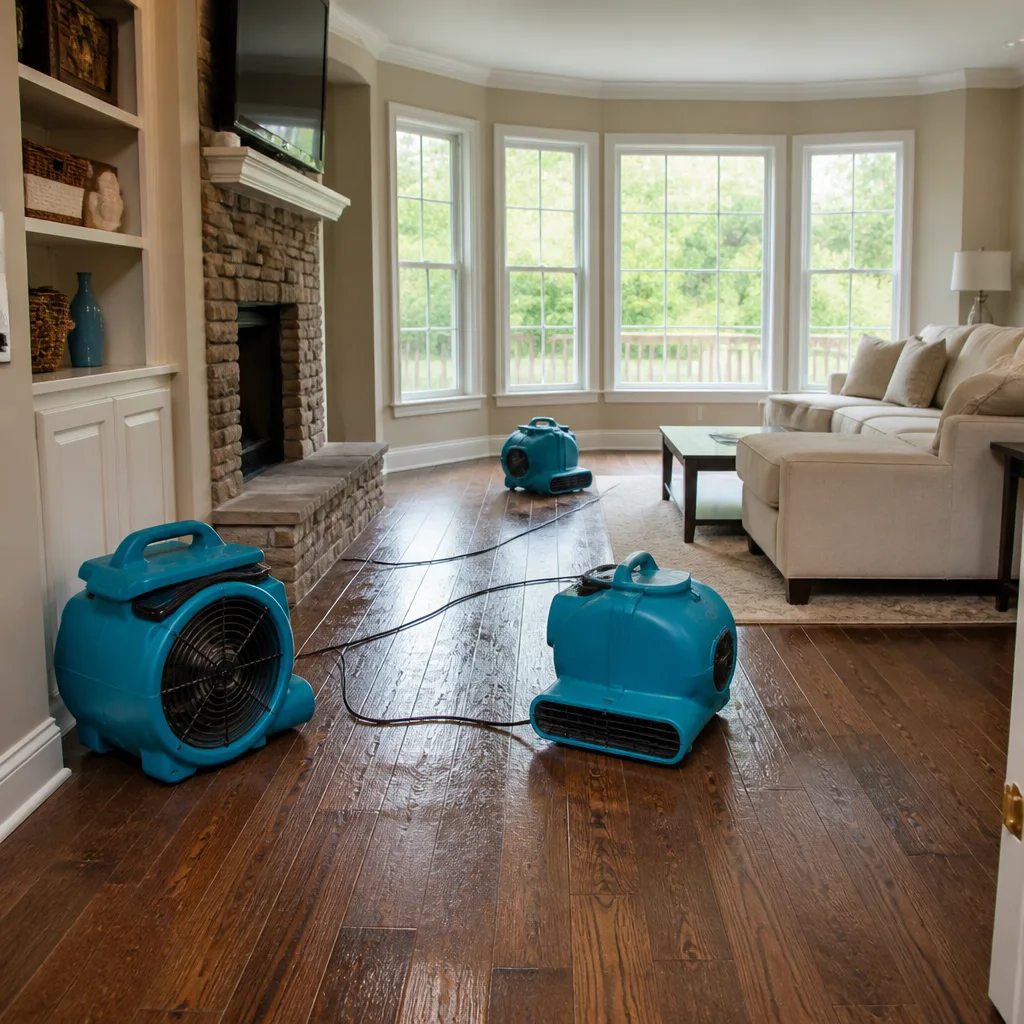

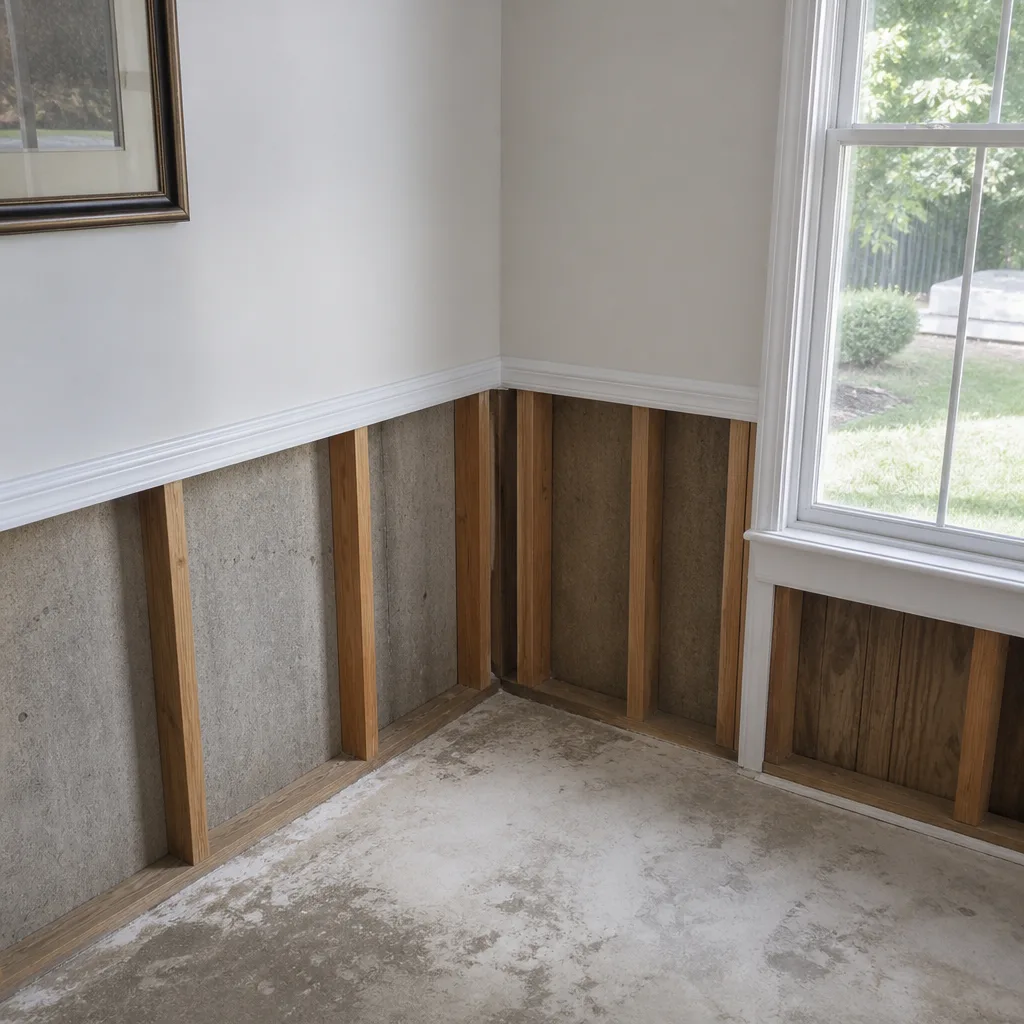
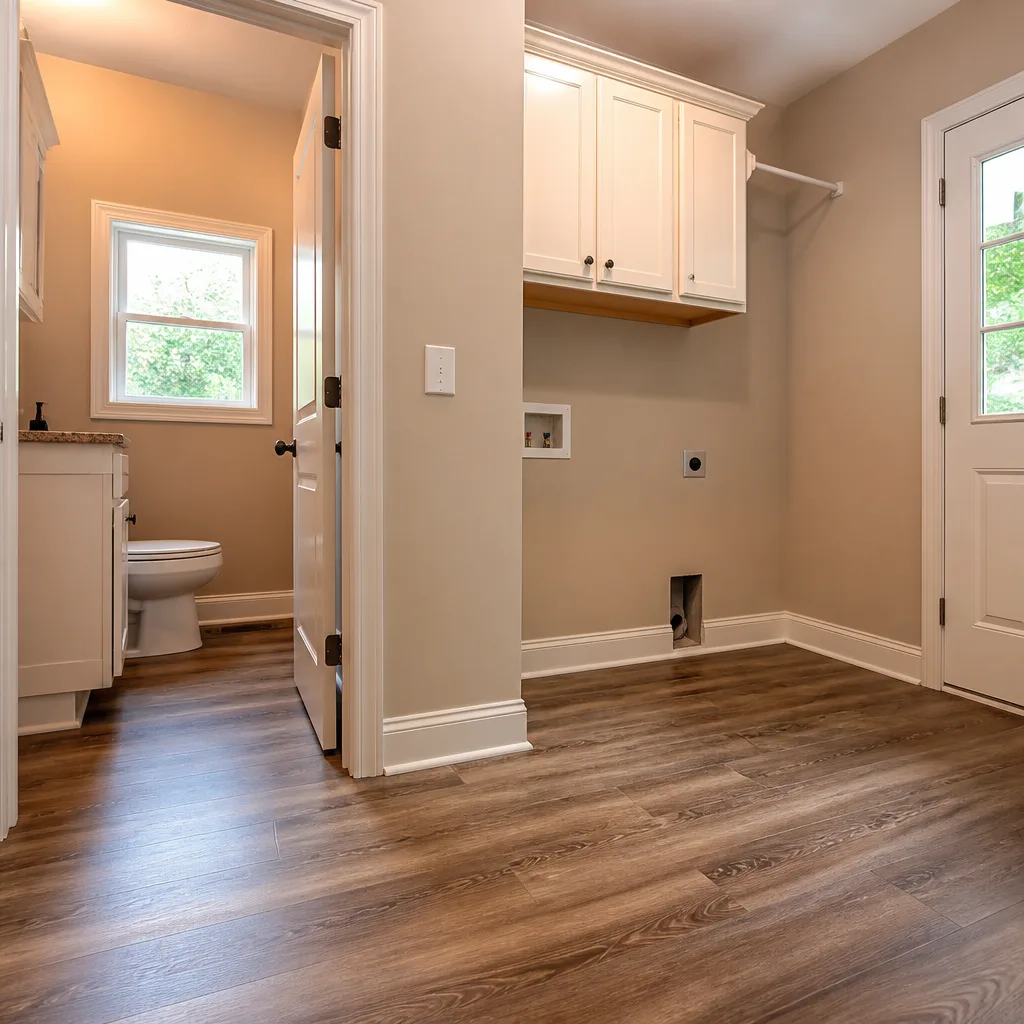
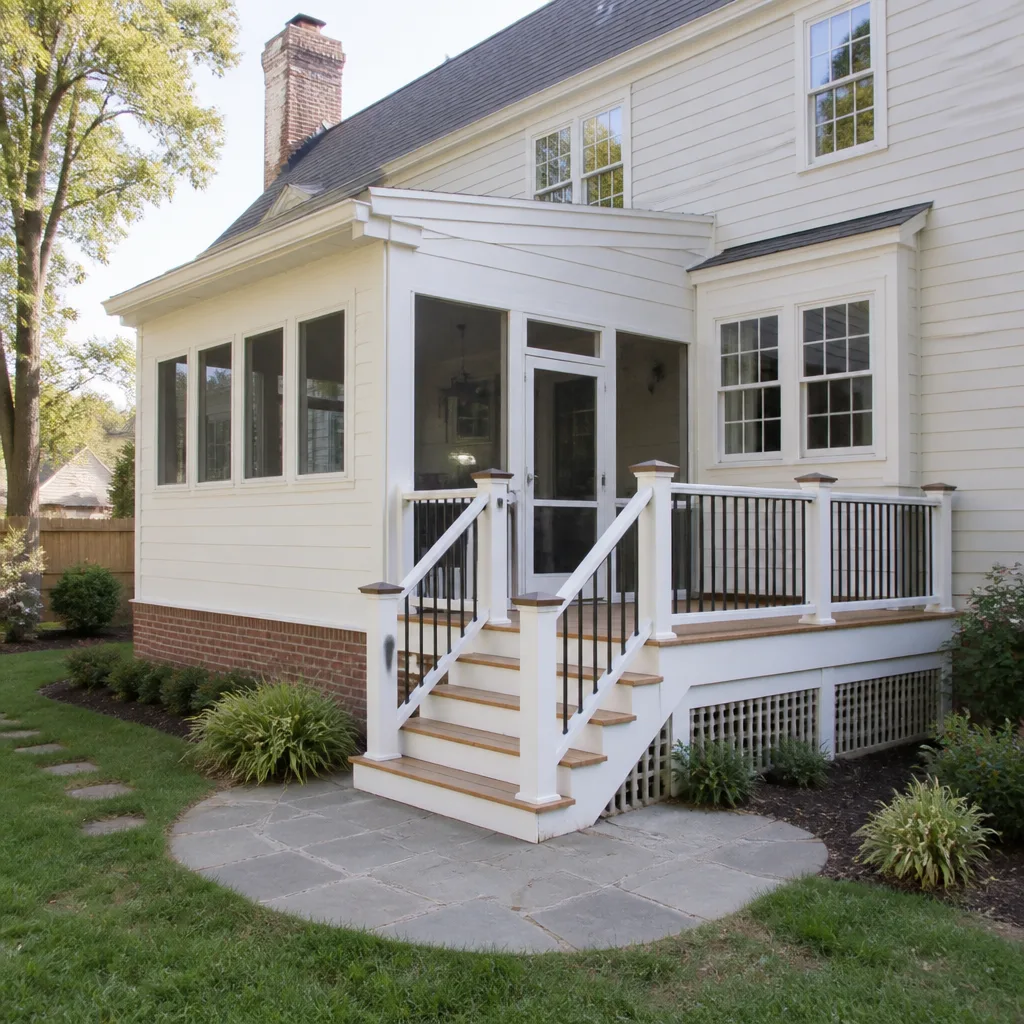
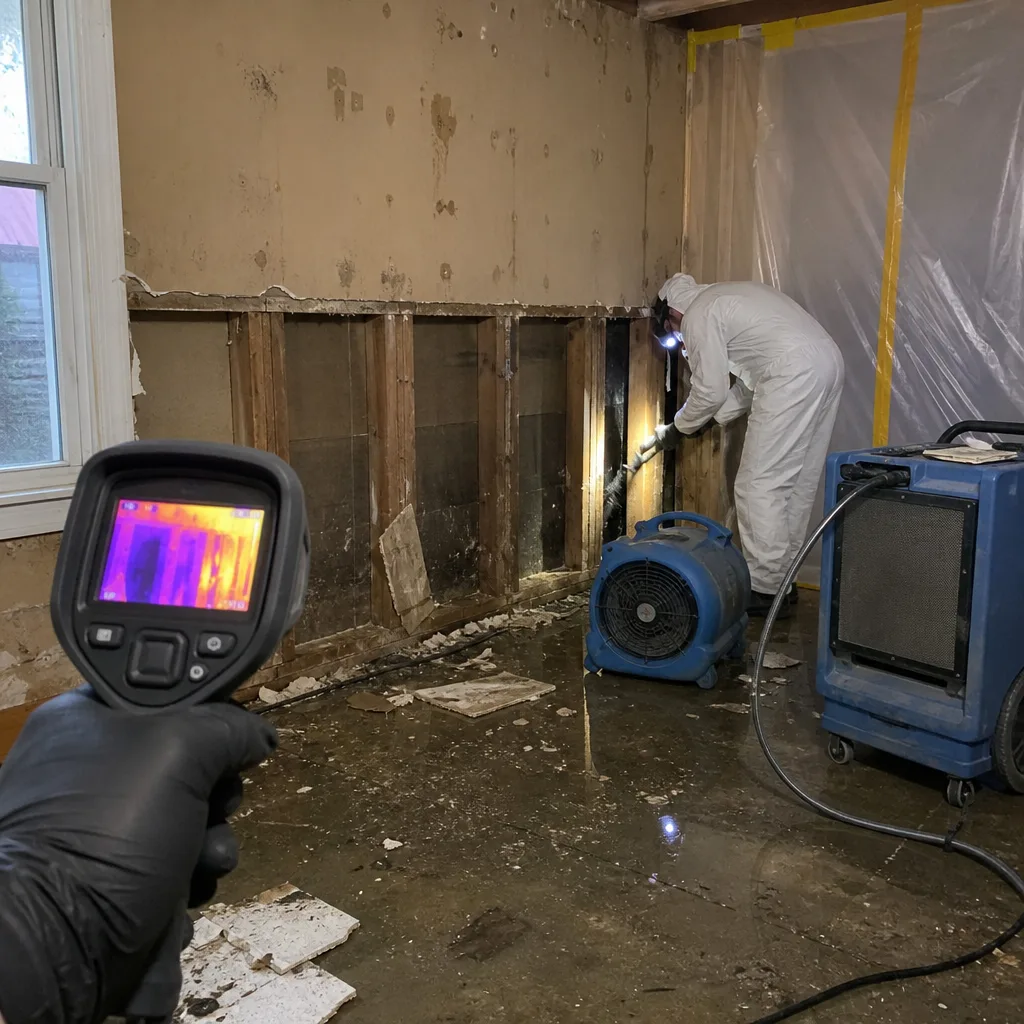 Before
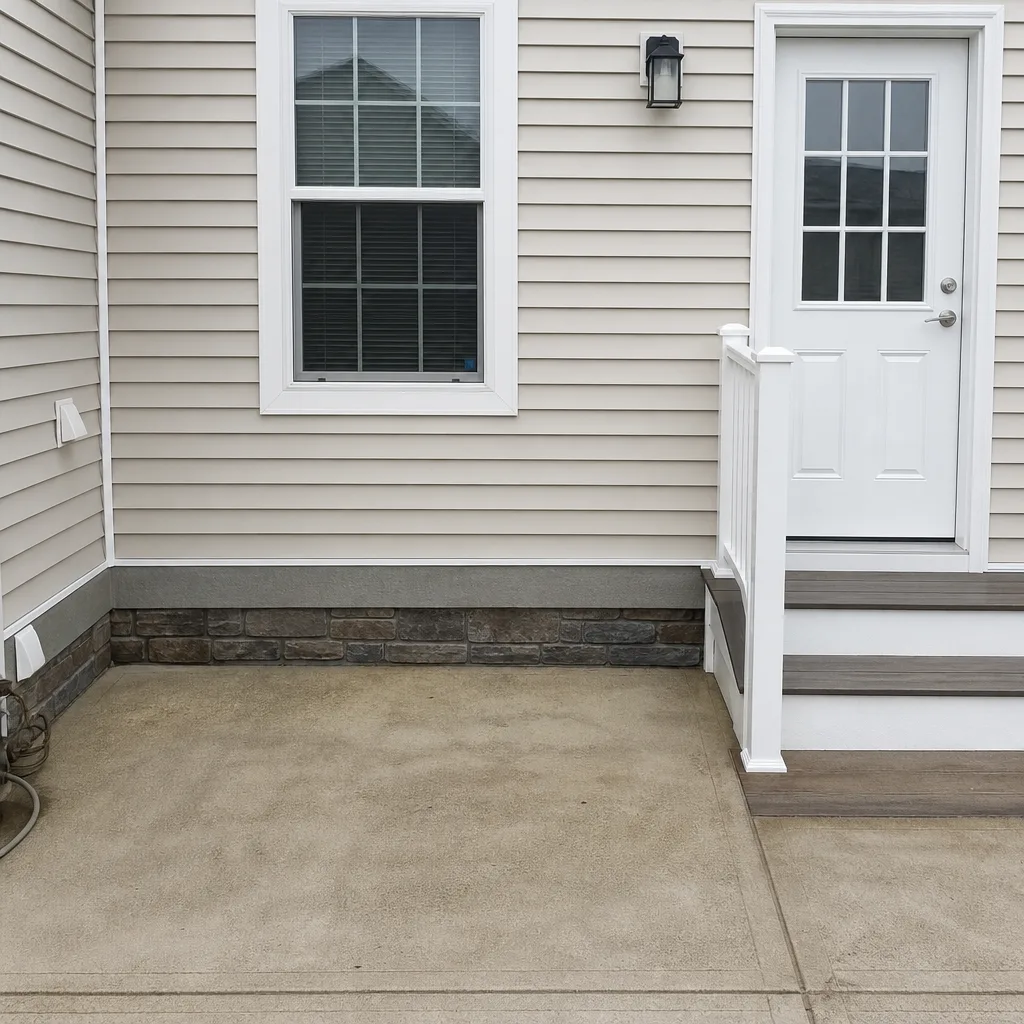 After
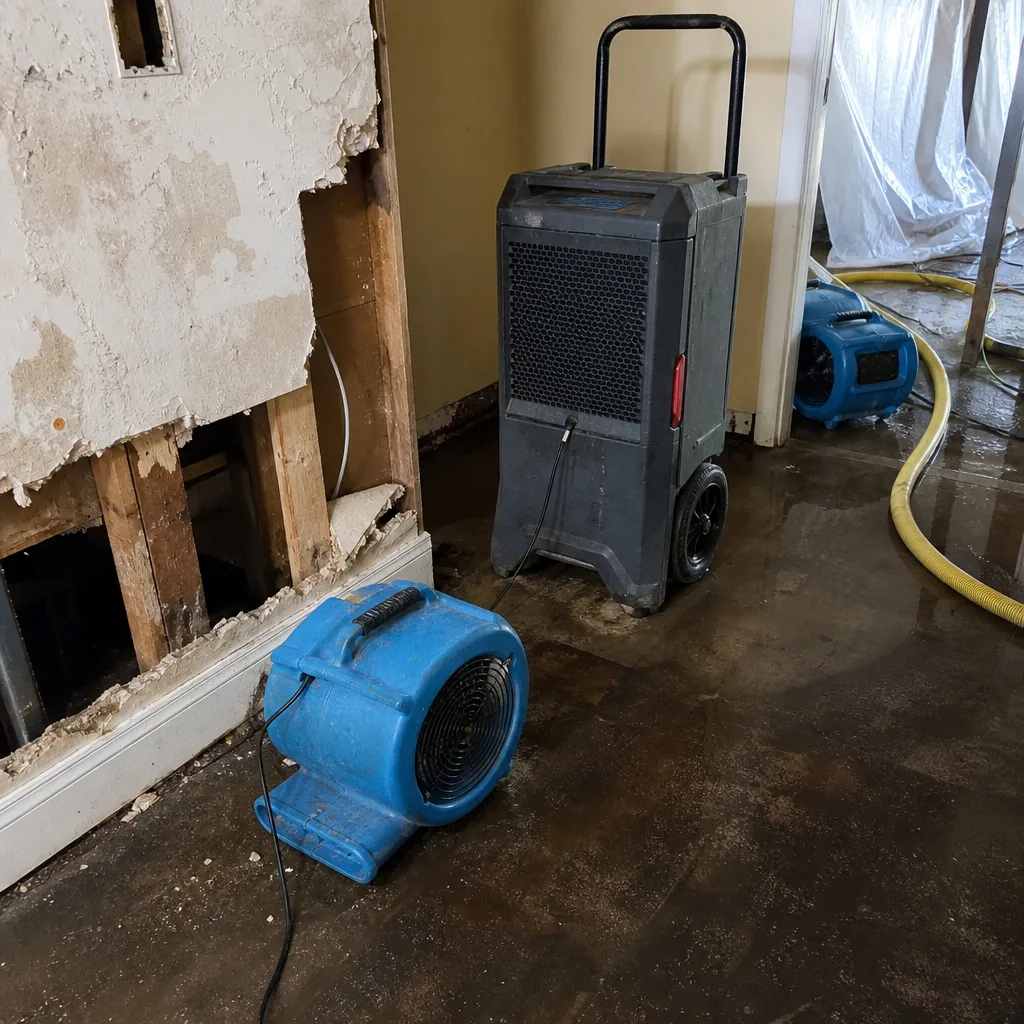 Before
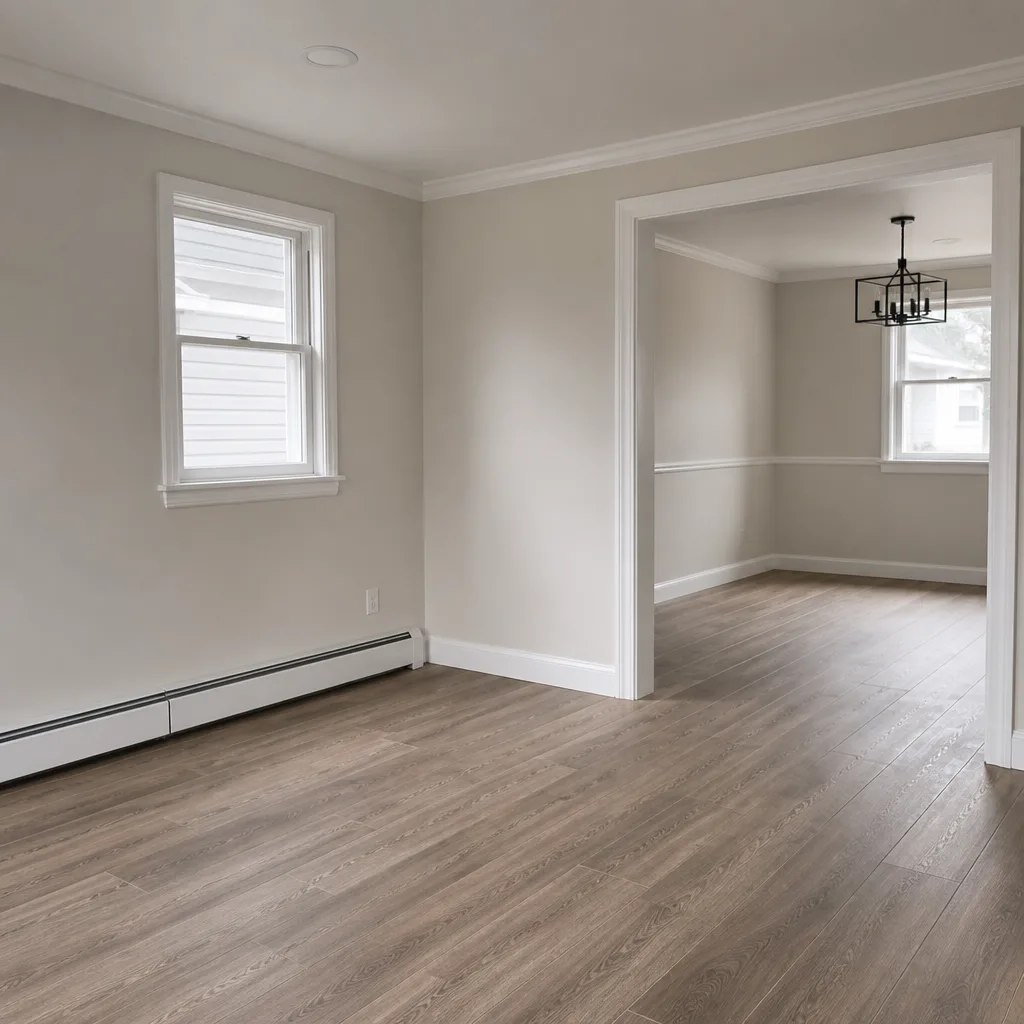 After
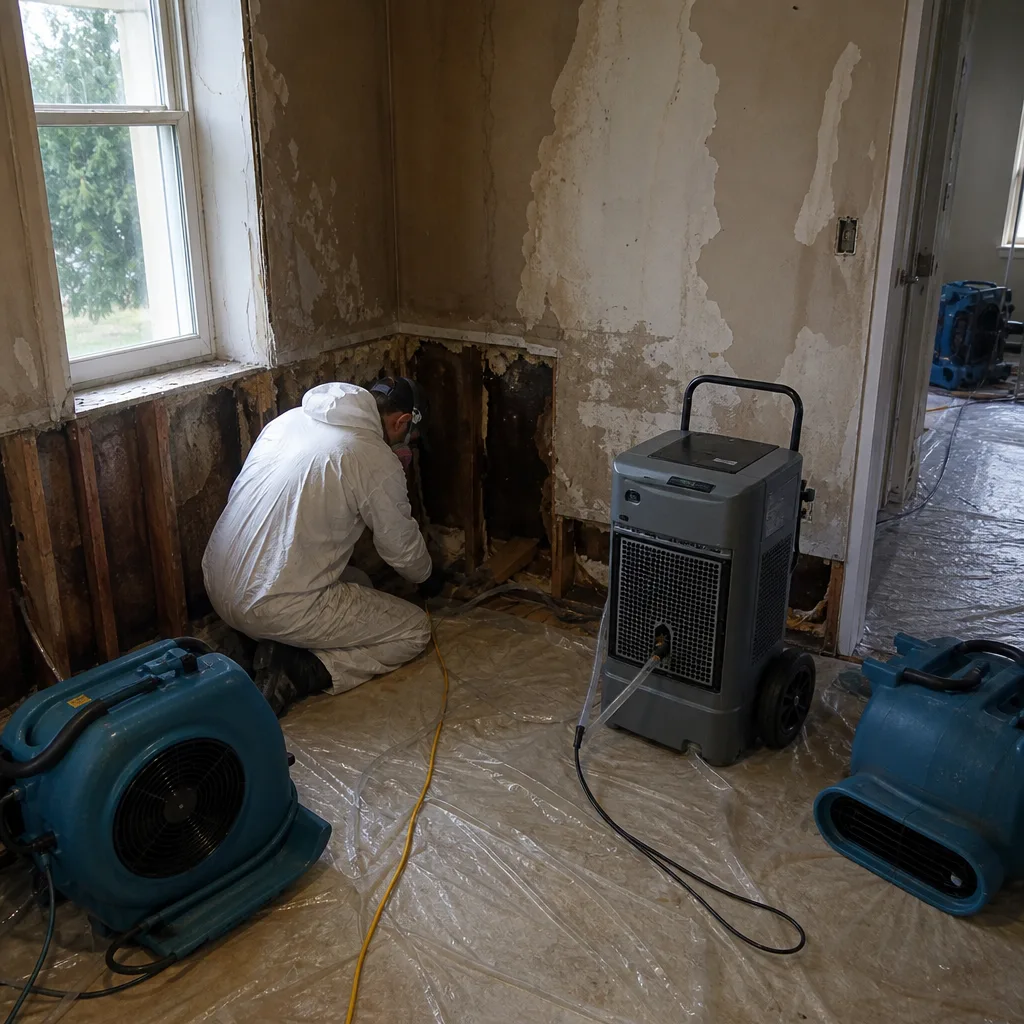 Before
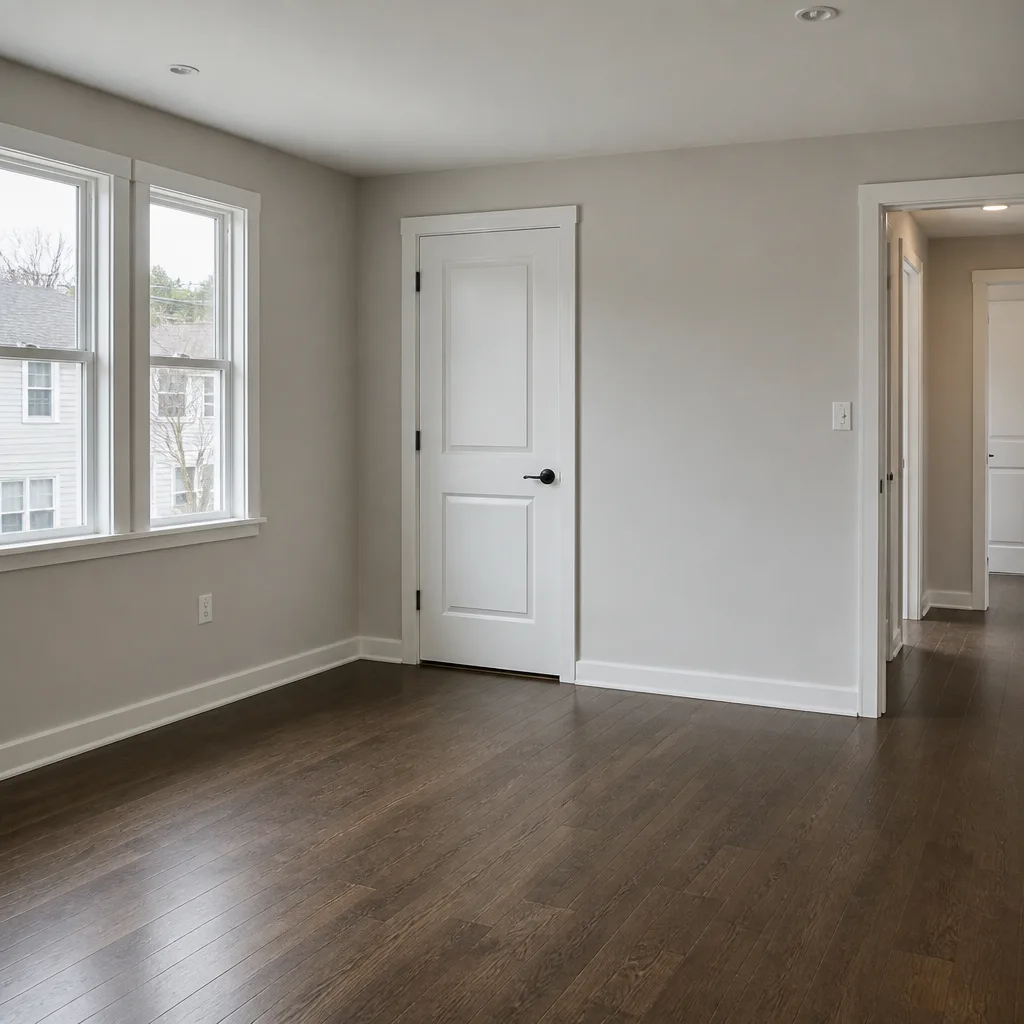 After
Seasonal Damage Restoration Care for Jamaica: Year-Round Homeowner’s Guide
Most homeowners in Jamaica don’t think about water damage until they’re standing in it. But here’s what 42 years of restoration work has taught us: the majority of the damage we’re called to fix in Queens started small, months earlier, often as a slow leak or a seasonal shift that nobody noticed. This guide walks through what each season does to your home, what to check, and what to ignore at your own risk. If you own a house in Jamaica, NY, the climate here works against you in specific ways, and we’ll explain exactly what those are and how to stay ahead of them.
Quick Answer
Seasonal damage in Jamaica requires different prevention and response depending on the time of year: winter brings frozen pipes and ice damming on flat roofs, spring brings gutter overflow and basement seepage from snowmelt and rain, summer brings humidity-driven mold growth and the start of hurricane season, and fall requires gutter and drainage prep before the freeze-thaw cycle begins again. The single most effective year-round habit for a Jamaica homeowner is a monthly visual inspection of basements, ceilings, and the roof, catching small problems before they become restoration projects.
Table of Contents
- Winter: Frozen Pipes, Ice Dams, and Condensation
- Spring: Snowmelt, Rain, and Basement Seepage
- Summer: Humidity, Mold, and Hurricane Season
- Fall: Gutter Prep and the Freeze-Thaw Countdown
- The Jamaica Basement: Your Most Vulnerable Room
- Flat Roofs and Row Houses: What Jamaica Homes Get Wrong
- How Seasonal Damage and Insurance Actually Work
- A Month-by-Month Maintenance Schedule for Jamaica Homeowners
- Common Mistakes to Avoid
- When to Call a Professional
- Frequently Asked Questions
- The Bottom Line
Winter: Frozen Pipes, Ice Dams, and Condensation
Jamaica winters are not brutal by upstate standards, but they’re cold enough to freeze pipes in unheated basements, crawl spaces, and exterior walls. We regularly get called to homes in Jamaica after a cold snap where a pipe in a poorly insulated wall has split and flooded a finished basement. The water doesn’t just ruin the drywall; it saturates whatever’s stored on the floor, wicks up into wall cavities, and if it sits for more than 48 hours, mold becomes a real possibility.
The most common winter problems we see in Jamaica homes, in order of frequency:
- Frozen supply lines in basements with exposed piping along exterior walls or in unheated enclosed porches, common in older Jamaica houses.
- Ice damming on flat or low-slope roofs, where melting snow re-freezes at the roof edge and backs water up under the roofing membrane.
- Condensation on cold water pipes in humidified basements, dripping onto ceilings below or stored belongings.
- Attic condensation from inadequate ventilation, which soaks insulation and eventually stains ceilings.
What to do now, before the next cold front:
- Insulate exposed pipes in the basement and any unheated areas. Foam pipe sleeves cost a few dollars and prevent the majority of freeze breaks we respond to in Jamaica.
- Know where your main shutoff valve is. In a freeze emergency, the difference between a small repair and a full restoration is how fast someone turns the water off. Test it now, not during a flood.
- Keep the heat at least 55 degrees even if you’re away. The savings on your heating bill will never offset the cost of a burst pipe restoration.
- Check your roof after any snowfall over six inches. If you can see ice forming along the roof edge or around drains, call a roofer before the thaw. Water pooling behind an ice dam will find its way inside.
One thing many Jamaica homeowners don’t realize: flat roofs, which cover a large share of the housing stock here, drain differently than pitched roofs. When drains clog with ice and snow, the water has nowhere to go except through the roof membrane. We’ve extracted water from second-floor ceilings in Jamaica that started as a roof drain clogged with ice, not a leak at all.
Spring: Snowmelt, Rain, and Basement Seepage
Spring is the busiest season for water damage calls in Jamaica. The ground is saturated from winter snowmelt, and then spring rains add more water than the soil can absorb. If your foundation has even a small crack, or your gutters aren’t directing water away from the house, that water finds its way into your basement.
What happens in a Jamaica spring, specifically:
- Groundwater pressure rises as the water table rises from snowmelt and early rain. This pushes water through foundation cracks, floor cracks, and even through the cove joint where the basement floor meets the wall.
- Gutter and downspout backups from leaves and debris that accumulated over fall and winter dump water right at the foundation line instead of away from it.
- Sump pump failures from pumps that sat idle all winter or get overwhelmed by spring volume. We see a spike in flooded basements every March and April in Jamaica, and a failed sump pump is the most common single cause.
- Sewer backups from overloaded municipal systems during heavy spring rain, which is a much more serious problem than clean groundwater seepage.
- Clean gutters and check downspout extensions. Water should discharge at least six feet from the foundation. This one task prevents more basement seepage than anything else we recommend.
- Test the sump pump before the first big rain. Pour a bucket of water into the pit and watch that the float switch activates and the pump discharges outside. If you have a finished basement with valuables, install a battery backup or water alarm.
- Inspect the foundation for new cracks. Freeze-thaw cycles over winter can open small cracks that weren’t there in the fall. A $15 tube of hydraulic cement can seal a small crack before spring rains turn it into a basement flood.
- Walk the perimeter of your house during the next rain. Look for ponding water against the foundation, overflowing gutters, or downspouts that have disconnected. Any water that touches the foundation will eventually find a way in.
- Basement humidity above 60%, especially in unventilated or poorly insulated basements common in older Jamaica row houses and detached homes.
- Window air conditioner condensation that drips onto window frames and walls, or condensate lines that drain inside the wall cavity and slowly rot the framing. We’ve opened walls in Jamaica where years of A/C condensate had turned the studs to mulch.
- Storm flooding from tropical systems that overwhelm drainage, street-level flooding that backs into basements through floor drains and sump pits.
- Post-storm mold growth in any area that got wet and wasn’t dried properly within 48 hours. This is where we most often see DIY drying attempts go wrong: the surface feels dry, but the wall cavity is still wet and mold is already blooming.
- Run a dehumidifier in the basement with a target of 45 to 50% relative humidity, and check the drain line weekly. A dehumidifier that’s full and shut off is doing nothing.
- Check your A/C condensate line monthly. If you see water staining around window units or sweating walls, address it before the end of the season.
- Keep gutters clear through summer storms. A sudden downpour doesn’t wait for you to clean gutters.
- Know your flood zone. Parts of Jamaica are in FEMA flood zones, and if you’re in one, you need flood insurance; your standard homeowner’s policy will not cover storm surge or surface flooding.
- Clean gutters and downspouts after most of the leaves have fallen, which in Jamaica is usually late November. If you can’t do it safely from a ladder, hire someone who can. A fall from a ladder costs more than any gutter cleaning ever will.
- Extend downspouts away from the foundation. The extra six feet of corrugated pipe at the hardware store is the highest-ROI drainage improvement available to any homeowner.
- Grade the soil around the foundation. Over years, soil settles and can actually slope toward the house, funneling water back against the foundation. Add soil so the grade slopes away at about six inches over ten feet.
- Inspect the roof before winter. Look for missing shingles, cracked flashing, or flat-roof blisters. A small roof repair in October costs a fraction of the ceiling replacement in January.
- Service the heating system. A flooded basement from a burst pipe is bad; a flooded basement from a burst pipe inside an unheated, unoccupied house is catastrophic.
- Efflorescence (white, chalky deposits on the foundation wall) means water is moving through the masonry and re-depositing minerals on the surface.
- Water stains on the floor or walls, even old ones, indicate where water has entered before and will likely enter again under similar conditions.
- Musty odor that persists even after cleaning, especially in summer, is often a sign of hidden mold in wall cavities or behind paneling.
- Rust on the bottom of appliances or metal shelving in the basement suggests seasonal water intrusion that comes and goes.
- Cracks that widen or create step patterns in block walls or brick, which can indicate ongoing settling and a worsening waterproofing problem.
- Ponding water that sits on the roof for more than 48 hours after rain, which accelerates membrane deterioration and eventually causes leaks at the point of maximum ponding.
- Clogged roof drains or scuppers that turn a light rain into a rooftop pool, especially if leaves from nearby trees collect around the drain.
- Membrane cracks and blisters from the freeze-thaw cycle and UV exposure, which open up over time and let water in.
- Flashing failures around parapets, chimneys, and vents, which are among the most common leak points we trace water damage back to in Jamaica row houses.
- Sudden and accidental water damage, like a burst pipe or a washing machine hose failure, is generally covered. But if the pipe that burst was in an unheated area and the homeowner hadn’t taken reasonable steps to prevent freezing, the claim can be contested.
- Gradual damage is almost never covered. If a roof has been leaking for months, or a slow drain leak has been rotting a cabinet base, insurers typically deny the claim on the grounds that the homeowner should have addressed it earlier. This is the most common reason restoration claims are denied.
- Mold remediation is often excluded or capped at a low limit (common caps are $5,000 to $10,000, which is frequently far below the cost of professional remediation in a large basement).
- Sewer backup and surface flooding require separate endorsements or policies, and neither is included in a standard homeowner’s policy. If you live in a Jamaica area that has seen sewer backups or street flooding before, the endorsement is worth the premium.
- Check for ice dams after snowstorms; clear roof drains if safe to do so.
- Inspect exposed pipes in the basement for condensation or signs of freezing.
- Test the main water shutoff valve to confirm it functions.
- Clean gutters and confirm downspouts discharge away from the house.
- Test the sump pump with a bucket of water.
- Walk the foundation perimeter during a rain and look for ponding or seepage.
- Inspect the basement for new cracks, efflorescence, or water stains.
- Service the dehumidifier and set it to 45-50% relative humidity.
- Check window air conditioner condensate lines and drain pans.
- Inspect the roof, flat roofs especially, for membrane cracks, blisters, and clogged drains.
- Review your insurance policy; add sewer backup coverage if you don’t have it.
- Monitor basement humidity weekly; address musty smells immediately.
- Keep gutters clear through summer downpours.
- Check for mold in bathrooms, closets, and any space that’s regularly humid.
- Have the heating system serviced before the first cold snap.
- Inspect the roof once more before winter; fix any flashing or membrane issues now.
- Grade soil away from the foundation if it has settled.
- Clean gutters after leaves have fallen (the most important fall task).
- Insulate exposed pipes and seal any foundation cracks.
- Disconnect garden hoses and shut off exterior hose bibs to prevent freeze damage.
- Assuming a wet basement is normal. Many Jamaica homeowners have lived with a damp basement for so long they treat it as a feature of the house. It’s not normal, it’s a sign that water is entering from somewhere, and it will get worse.
- Ignoring a small water stain on the ceiling. By the time water shows up on a ceiling, the roof or plumbing leak has already been active above it. Small stains don’t stay small.
- Skipping the $15 fix and paying for the $15,000 one. A tube of hydraulic cement, a downspout extension, or a new sump pump check costs almost nothing. The restoration it prevents is one of the most expensive things a homeowner can face.
- Using a shop vac for a flooded basement. Shop vacs remove surface water, but the water that has soaked into drywall, carpet, and wall cavities remains. That’s where mold grows. Proper drying requires professional-grade equipment and moisture readings until the dry standard is met.
- Waiting to file an insurance claim. Policies have time limits on claims, and the longer water sits, the more the damage compounds and the more complicated the claim becomes. Call your carrier the day you notice the damage.
- Not knowing where the main water shutoff is. In a flooding emergency, the first five minutes matter more than the next five hours. Every adult in the house should know how to turn the water off in under a minute.
- Hiring the cheapest contractor after a flood. Restoration work done poorly means hidden moisture, hidden mold, and a finished basement that fails months later. A square deal is not the same as the cheapest bid; ask for written scopes, written guarantees, and verifiable credentials.
Your spring checklist for a Jamaica home:
In our experience, a Jamaica homeowner who does these four things in March will not call us with a flooded basement in April. Most of the spring water damage we handle could have been prevented with an hour of gutter and downspout work.
Summer: Humidity, Mold, and Hurricane Season
Jamaica summers are humid, and humidity is the slow-moving version of water damage. Mold needs three things to grow: organic material (drywall, wood, carpet), moisture (humidity above about 60%), and time (as little as 24 to 48 hours in the right conditions). A Jamaica basement that sits at 70% humidity all August is a mold factory, even if it never floods.
Summer also marks the start of Atlantic hurricane season, which runs from June 1 through November 30. The remnants of tropical systems can dump several inches of rain on Jamaica in a matter of hours, overwhelming both municipal drainage and residential sump pumps. We were on call through some of the worst flood events in Jamaica’s recent memory, and the pattern is always the same: the homes that had functioning drainage and a maintained sump pump came through with minor issues; the ones that didn’t got walloped.
Summer-specific risks for Jamaica homeowners:
What to do in a Jamaica summer:
Humidity and mold are the summer enemies that don’t announce themselves. No dramatic flood, no burst pipe; just a musty smell that gets worse, a dark patch in a closet corner, wallpaper peeling in a bathroom. If you notice any of that in a Jamaica summer, get a professional moisture reading. Mold hidden behind a wall can continue growing for months, silently degrading the wall cavity and your indoor air quality.
Fall: Gutter Prep and the Freeze-Thaw Countdown
Fall is the season when Jamaica homeowners pay now or pay more later. Every dollar and hour spent on fall maintenance prevents many dollars of winter and spring restoration. The tasks are not complicated; they’re just easy to skip in favor of weekend errands and football. But the house doesn’t care about your schedule.
The single most important fall task in Jamaica is gutter cleaning, and it matters more here than in many other parts of the city because of the mature street trees. Maple, oak, and sycamore leaves fill gutters in a week or two, and once the gutters are clogged, rain water overflows against the foundation all fall and winter long, saturating the soil and setting up the spring basement seepage we described earlier.
Fall maintenance sequence, in order of importance:
We also recommend that Jamaica homeowners use the fall to review their insurance policy. Know what your deductible is, whether you have sewer backup coverage, and whether flood insurance is required for your zone. The week after a flood is a terrible time to discover what your policy doesn’t cover. The week before winter is a good time.
The Jamaica Basement: Your Most Vulnerable Room
Basements are a special vulnerability in Jamaica for two reasons: the age of the housing stock and the high water table in many parts of the neighborhood. Many Jamaica homes were built in the early to mid-20th century, with foundations made of stone, block, or poured concrete that has been settling for decades. Settlement cracks, mortar joint deterioration, and original waterproofing systems that have long since failed are common.
If your basement in Jamaica has ever been wet, even once, the condition of the basement should be at the top of your mind every season. Here’s what we tell homeowners to look for:
If you have a finished basement in Jamaica, your risk is higher in one sense: what would be a damp, annoying problem in an unfinished basement becomes thousands of dollars in drywall, flooring, and stored belongings in a finished one. We’ve done full finished-basement restorations in Jamaica that started as a quarter-inch crack behind a couch that nobody noticed for a month.
Our advice is simple. If your basement is wet in the spring or humid enough to smell in the summer, get a professional assessment. The fix might be as simple as regrading the soil outside or extending a downspout, or as involved as an interior drainage system and sump pump. But the longer moisture is left unaddressed, the more structural and health consequences accumulate. And remember that Floodline Restoration Co. home handles basement waterproofing assessments alongside our restoration work; they’re two sides of the same coin in this neighborhood.
Flat Roofs and Row Houses: What Jamaica Homes Get Wrong
A large share of Jamaica’s housing stock is either flat-roofed or has very low-slope roofs, and many homes are attached or semi-attached row houses. Both features create seasonal damage patterns that homeowners in pitched-roof, detached houses elsewhere don’t face.
Flat roofs fail differently than pitched roofs. Water doesn’t run off as quickly, so any small breach in the membrane becomes a standing pool that seeps down through the roofing material, the insulation, and eventually the ceiling. The damage can be broad and slow-moving; by the time you see a stain on your ceiling, the water may have been entering for weeks or months, and the area of wet insulation may be far larger than the stain suggests.
Common flat roof issues in Jamaica:
For attached row houses, another shared wall concern is water migration. A leak in a neighbor’s flat roof or a shared party wall can migrate into your home, presenting as a ceiling stain or damp wall on an interior partition. This is common in Jamaica’s attached housing stock, and it can be a source of frustration because the origin may be outside your control. That’s where photo documentation, moisture mapping, and a written scope help with the insurance conversation; knowing exactly where the water is entering and the path it took is worth more than any amount of speculation.
We recommend that Jamaica flat-roof homeowners schedule a roof inspection every fall and every spring, even if nothing looks wrong. A roofing professional can spot membrane cracks, failing seals, and drain issues before they become ceiling water damage. And if you do see a water stain on the ceiling, act immediately. The water above that stain is still there, and it’s not going anywhere until it’s addressed.
How Seasonal Damage and Insurance Actually Work
Insurance is the conversation Jamaica homeowners most often have with us after the fact, and the most common sentiment we hear is some version of: “I thought I was covered.” The reality of homeowner’s insurance as it applies to seasonal damage is more nuanced than most people realize.
Here’s the plain version of what typical policies cover and don’t:
When you do file a claim, documentation is everything. Photograph everything before any water is removed or any demolition starts. Record the date and time you noticed the damage. Keep receipts for any emergency work you have done. And when a restoration company writes a scope of work with moisture readings and equipment logs, you have the evidence your adjuster needs to process the claim accurately. That’s why we do photo-documented assessments as a standard practice on every job in Jamaica; adjusters work on documentation, not on sympathy.
One more thing worth saying: direct insurance billing, where the restoration company works with your carrier directly, removes the most stressful part of a damage claim from your plate. You never play messenger between two parties with different interests. You get a written scope, the work gets done, and the billing goes where it belongs. That’s how we handle it, and it’s what we’d want as homeowners ourselves.
A Month-by-Month Maintenance Schedule for Jamaica Homeowners
Here is a practical calendar for the Jamaica homeowner who wants to stay ahead of seasonal damage without spending every weekend on house maintenance. Each item takes less than an hour unless noted.
January and February
March and April
May and June
July and August
September and October
November and December
This schedule is not the maximum any homeowner could do; it’s the minimum that keeps a Jamaica house out of restoration territory. The homeowners who follow it rarely call us with emergency water damage. The ones who skip it often do. The math is that simple.
Common Mistakes to Avoid
When to Call a Professional
Some seasonal maintenance is DIY-friendly: cleaning gutters, checking downspouts, testing sump pumps, monitoring humidity. Other situations call for someone who does this work every day. Call a restoration professional when water has entered the living space, when water has been sitting for more than 24 hours, when you smell mold or see visible mold growth larger than a few square feet, when a sewage backup has occurred, or when water damage has affected electrical wiring, insulation, or structural framing. These are not weekend projects, and the consequences of getting them wrong compound quickly.
Floodline Restoration Co. offers free estimates in Jamaica - call (518) 627-5878 and a live person answers, day or night. We’ve been restoring homes in this neighborhood since 2010, and we’ll give you a straight answer about what needs doing and what doesn’t, backed by a written scope before any work starts.
Frequently Asked Questions
Water damage restoration in Jamaica typically costs between $1,500 and $6,000 for a small job like a single-room pipe burst, while a flooded finished basement with structural drying and rebuild can run $10,000 to $30,000 or more, with insurance often covering a significant share of the cost. The final price depends on how much water entered, how long it sat, what was damaged, and whether mold has developed. Call (518) 627-5878 for a free estimate with a written scope before any work begins.
Insurance covers sudden and accidental water damage like a burst pipe, but it typically does not cover gradual leaks, flooding from surface water or groundwater, or sewer backups unless you have specific endorsements. The answer depends on the source of the water and the language of your specific policy. We document every job with photos and moisture readings so your adjuster has exactly what they need.
A certified crew can reach most Jamaica homes within an hour of your call, and extraction is running that same visit. Our dispatchers answer live 24/7, including 2 a.m., so the clock on your water damage starts running when you call, not the next morning.
If water entered the walls, soaked into drywall or carpet, or sat for more than 24 to 48 hours, a surface cleaning will not remove the moisture that is now inside the building materials, and mold will likely follow. Professional-grade drying equipment like Dri-Eaz and Phoenix units, with moisture mapping and daily readings, is the only way to confirm the structure is actually dry. A visual inspection alone can’t tell you what’s inside the wall cavity.
Areas of Jamaica with a high water table and older combined sewer systems are more prone to basement seepage and sewer backups during heavy rain, with row-house blocks and homes on lower-lying streets seeing the most calls in spring. The specific block matters more than the neighborhood name. If your neighbors have had basement water, your house is at higher risk.
The Done Right Promise is a written guarantee from Floodline Restoration Co. that if the work we do is not done right, we will make it right, with no paperwork battles and no arguing. It’s backed by our K.E.Y.S. values code: Krafted right, Every time, Your home first, Standing behind it. Every restoration job we do in Jamaica comes with this guarantee in writing.
The Bottom Line
Seasonal damage in Jamaica follows a predictable pattern, and that’s the good news: it can be prevented. Winter freezes pipes and builds ice dams. Spring saturates the ground and pushes water through foundation cracks. Summer breeds mold in humid basements and brings storm flooding through hurricane season. Fall is when the smart homeowner earns a quieter winter and spring. The essentials are gutters, grading, sump pumps, dehumidifiers, and a sharp eye for the early signs of water. Do the small things on time, and the big things rarely happen. And if they do, know this: a live person will answer your call at (518) 627-5878, and we’ll be there when we say, with the work backed in writing.
Written by the team at Floodline Restoration Co.