
Water Damage Restoration Cost Guide: What Jamaica Homeowners Pay in 2026
Water damage restoration in Jamaica, NY typically runs between $4,800 and $11,200 for a standard claim in 2026, with basement extractions in finished Queens rowhouses landing on the higher end and simple slab-on-grade dryouts coming in lower. The bigger number most homeowners miss is the 20 to 35 percent premium they pay when one company does the extraction and a second company handles the rebuild. If you’d rather not wade through the numbers, call (518) 627-5878 and we’ll walk you through it.
What the 2026 Numbers Actually Look Like in Jamaica
Queens County water damage claims have shifted over the last few years. Older housing stock, finished basements, and the tight lot lines that define Jamaica and the surrounding neighborhoods all push restoration costs in specific directions. A finished rowhouse basement with drywall, insulation, and flooring costs more to dry and rebuild than an unfinished cellar with concrete walls and a floor drain.
Here’s what we’re seeing on real jobs across Jamaica this year:
- Category 1 clean water extraction (supply line, water heater): $1,800 to $4,200
- Category 2 gray water (washing machine overflow, sump pump failure): $3,200 to $6,800
- Category 3 black water (sewage backup, floodwater): $6,500 to $14,000+
- Structural drying with professional equipment: $900 to $2,800, depending on square footage and materials
- Rebuild and finish work after dryout: $2,500 to $9,000 for typical basement rec rooms, more for full kitchens or finished living spaces
- Mold remediation when required: $1,500 to $5,000, but only after testing confirms it
These ranges reflect what a homeowner actually pays when one company handles the job from first extraction to final paint. The price shifts when the work gets split, which is the real story behind most inflated water damage bills in Jamaica.
The Hidden Cost of the Split-Job Model
Here’s a pattern we see regularly in Jamaica: a homeowner calls a mitigation company that pumps the water and sets up fans. That company drys the space, hands over a moisture log, and leaves. Then a second company, a general contractor, comes in to rebuild. Two companies means two project managers, two markups, two sets of paperwork, and nobody who owns the full scope.
The homeowner ends up paying for duplicate project management fees, often 10 to 15 percent on each side. Subcontracted rebuild labor through the mitigation company’s “partner” carries its own markup. And the insurance supplement process drags when the two companies disagree on what the dryout actually needed versus what the rebuild requires. The claim stalls. The homeowner waits. The house sits half-finished.
We started Floodline Restoration Co. in 2010 to kill exactly this problem. The line the water left is where we start. We handle extraction, drying, and rebuild with the same certified crew, so there’s no handoff, no finger-pointing, and no duplicate management fee buried in the bill.
How Direct Insurance Billing Actually Works
“We bill your carrier directly” is one of those phrases restoration companies toss around, but it rarely gets explained in plain terms. Here’s how it works when it’s done honestly.
After you file a claim, your carrier assigns an adjuster who reviews the damage and approves a scope of work. The restoration company submits that scope through a pricing system most carriers already use, which we’ll get into below. The carrier pays the restoration company directly for covered work. You pay your deductible, which in Queens County typically runs $500 to $2,500 depending on your policy.
What you’re still responsible for: your deductible, any upgrades you choose beyond the covered scope, and any depreciation holdback if your policy is actual cash value rather than replacement cost. A square deal means those numbers are on the table before work starts, not discovered in month three.
At Floodline, we coordinate with your adjuster directly. You don’t play messenger. We document everything with photos, daily moisture readings, and a written scope that your carrier can review line by line. It’s one of the reasons we can back every job with the 90-Day Done Right Promise, in writing, no arguing.
Reading Your Own Claim: The Xactimate System
Most insurance carriers in the Queens County market use Xactimate, a pricing database that assigns line-item values to specific restoration tasks. If you’ve ever squinted at a claim summary and wondered where the numbers came from, that’s the answer.
Xactimate works by assigning a unit price to every task: extraction per square foot, drying equipment per day, drywall removal per linear foot, baseboard replacement per linear foot, and so on. The software accounts for local labor rates and material costs, which is why the same job costs differently in Jamaica than it does in, say, upstate Schenectady.
Where homeowners get underpaid is when the adjuster’s initial estimate misses line items. A standard Xactimate scope might include drying equipment for three days, but a finished Jamaica rowhouse basement with multiple layers of flooring and old plaster walls may need five or six. If nobody flags that gap, the carrier’s first offer stands, and the homeowner either pays the difference or lives with a rushed dryout.
Our team trains technicians to IICRC, RIA, and IFA standards, and part of that training is knowing how to document what the drying plan actually requires. We’ve sat with homeowners in Jamaica going over their claim summaries line by line. When they can read their own scope, they stop being spectators in their own insurance claim.
What Legitimately Drives Cost Up vs. Padding Red Flags
Not every high estimate is a rip-off. Some jobs genuinely cost more. But there are patterns worth recognizing.
Legitimate cost drivers include:
- Category 3 water. Sewage and floodwater require antimicrobial treatment, containment, and sometimes disposal of porous materials that can’t be sanitized. That’s expensive because it’s necessary, not because someone padded the bill.
- Finished spaces. Drywall, insulation, cabinetry, and flooring all absorb water differently than concrete. More materials, more labor, higher cost.
- Age of the house. Jamaica has plenty of housing stock from the 1920s through the 1960s. Older framing, plaster walls, and layered flooring all complicate drying and rebuild.
- Mold that’s actually tested and confirmed. If an air quality test shows elevated spore counts, remediation is legitimate and often covered. If a company adds mold remediation to your estimate without testing, that’s a red flag. Walk away and call someone who tests first.
Red flags that inflate estimates:
- Mold remediation added without an air quality test. We see this all the time in Jamaica. A company shows up, sees water, and immediately writes mold remediation into the scope. Testing comes first, always.
- Equipment rental fees that outlast the drying standard. Professional drying should hit the IICRC dry standard, typically within three to five days for most residential jobs. If the estimate shows two weeks of daily equipment rental for a standard basement dryout, ask why.
- Subcontracted rebuild labor with an undisclosed markup. If one company towels the line and another does the rebuild, find out who’s marking up whom. Better yet, hire a company that keeps the whole job in-house.
What Jamaica Homeowners Should Expect at Each Phase
Understanding the sequence helps you understand the cost. Here’s the shape of a typical job when it’s done whole.
First, extraction. The water comes out, and the clock starts. Extraction usually takes a few hours and runs $500 to $1,500 depending on the volume. In Jamaica row houses, where water travels between shared walls, we often need to check the adjoining property line. Water doesn’t respect lot surveys.
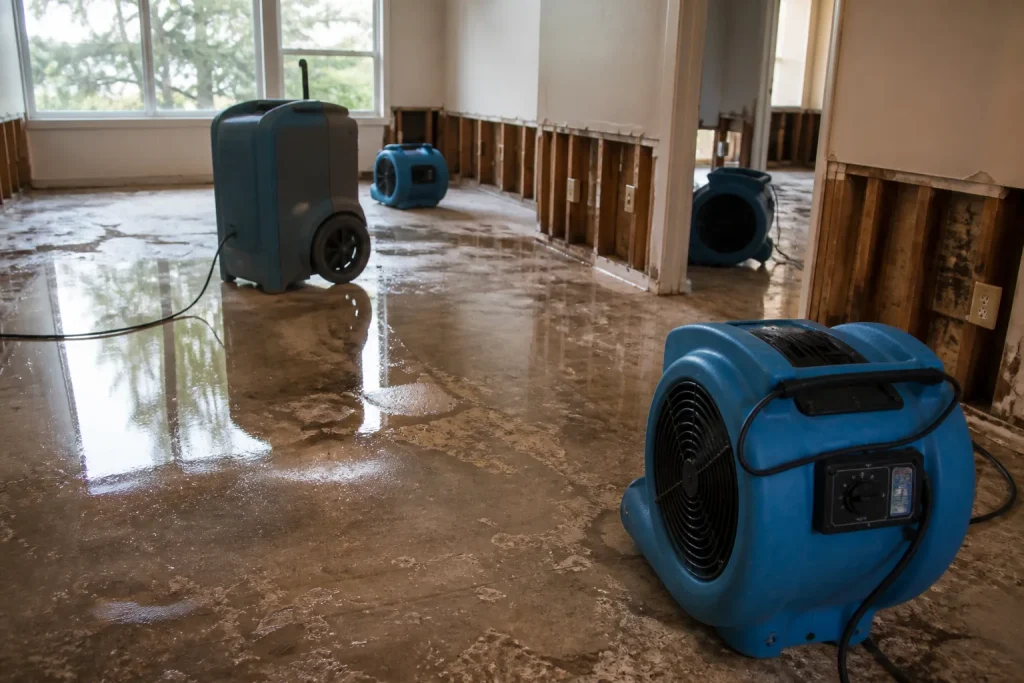
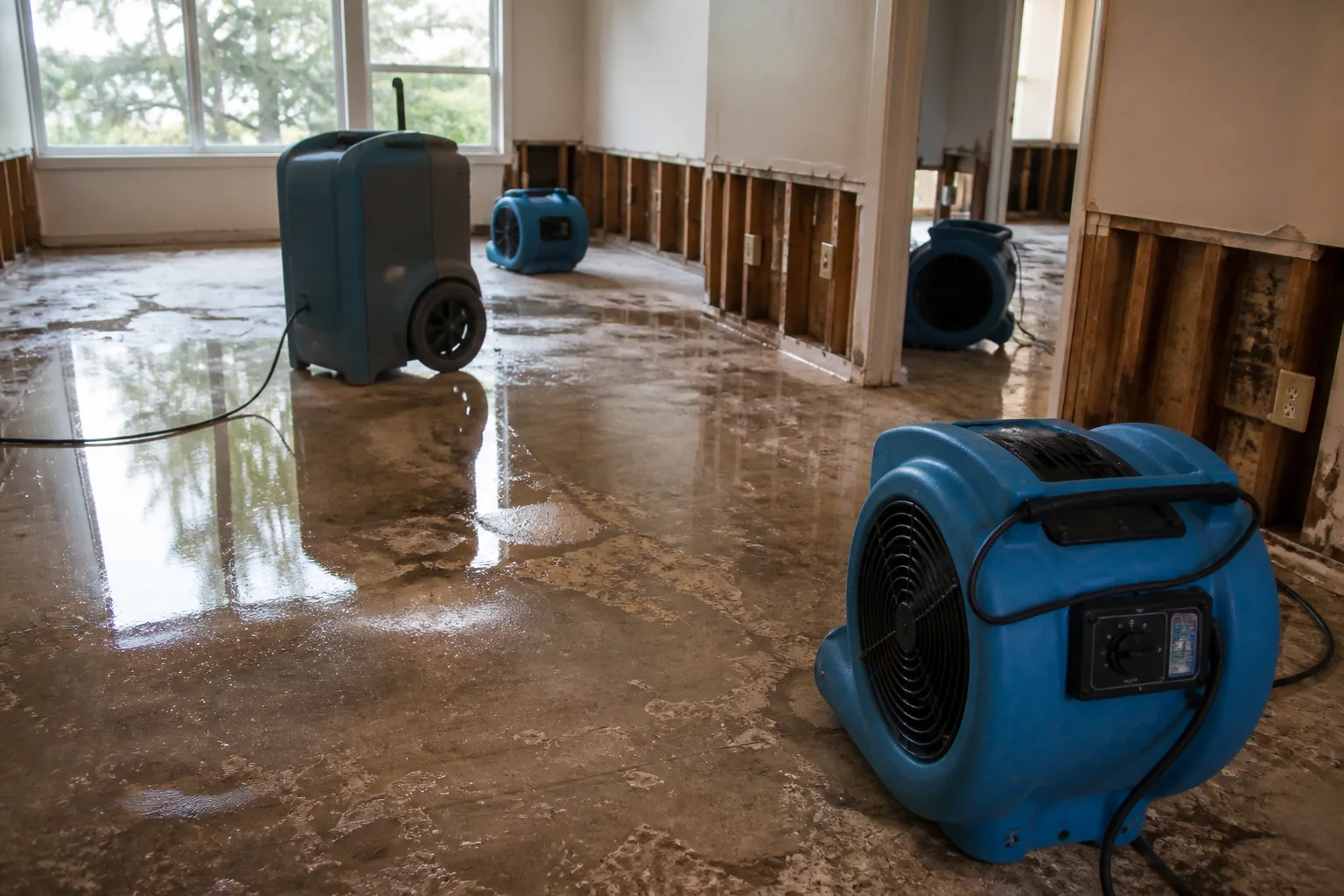
Second, drying. Professional-grade equipment goes in: Dri-Eaz dehumidifiers, Phoenix air movers, XPOWER fans, B-Air filtration. Injectidry systems handle water trapped behind walls and under flooring without tearing everything out. Daily moisture readings get logged until the structure hits the dry standard. This phase is where the “we’ll be there when we say” promise matters most. Missed readings mean missed drying, and missed drying means mold.
Third, rebuild. Same crew, same project lead, same phone number. The drywall goes back, the flooring goes down, the paint goes on. The homeowner gets the moisture log and the 90-Day Done Right Promise in writing before we leave.
We pulled one out of a garage over in South Jamaica a few weeks back where the homeowner had called another company first. They’d pumped the water and set three fans, but nobody came back for four days. Four days in a closed garage in June. You can guess what the air smelled like by the time we got there. The drying plan matters as much as the extraction, and the follow-through matters as much as the plan.
When to Call a Pro
If the water is from a sewage line, a flood, or anything that’s been sitting for more than 24 hours, call a restoration company immediately. Category 3 water carries pathogens that require containment and professional antimicrobial treatment. If the water touched drywall, insulation, or finished flooring, you need professional drying equipment, not a shop vac and an open window. If you can smell must, you’ve already got microbial growth, and that’s a Mold Remediation in Jamaica conversation.
Related services in Jamaica: Water Damage Restoration in Jamaica covers the full scope from extraction through rebuild. If your water damage involved a furnace, boiler, or electrical fire, see Fire & Smoke Damage Restoration in Jamaica for what we handle there. And if the water sat long enough for mold to take hold, the mold remediation page covers testing, containment, and removal.
The Bottom Line
Water damage restoration in Jamaica costs between $4,800 and $11,200 for most claims in 2026, but the real variable isn’t the water. It’s whether the job gets split between two companies that never fully own the scope, or kept whole by one crew that handles extraction, drying, and rebuild from day one to finished paint. Split jobs almost always cost more. Whole jobs cost less, get done faster, and leave you with one name to hold accountable.
If you’re in Jamaica and dealing with water damage, Floodline Restoration Co. offers free estimates and the 90-Day Done Right Promise in writing. Call (518) 627-5878 and a live person answers, day or night. We’ve been serving local communities for over 42 years, and we’ll be there when we say.
Frequently Asked Questions
Most Jamaica water damage jobs run between $4,800 and $11,200 in 2026, with clean water extractions starting around $1,800 and full sewage or flood jobs reaching $14,000 or more. The final number depends on water category, square footage, and whether the space is finished. Call (518) 627-5878 for a free estimate based on your specific situation.
Most homeowner policies cover sudden and accidental water damage, like a burst supply line or water heater failure, but not gradual leaks or flood damage unless you carry separate flood insurance. You pay your deductible, typically $500 to $2,500 in Queens County. Floodline Restoration Co. bills your carrier directly and coordinates with your adjuster so you don’t play messenger.
Floodline Restoration Co. answers the phone 24/7 with a live dispatcher, not a recording. In Jamaica, most jobs see a certified crew on-site the same visit, with extraction running before the end of the day. Speed matters because water that sits for more than 24 hours starts growing microbial life, and every hour adds cost to the rebuild.
It depends on the water category and how long it sat. Clean water from a supply line that’s extracted quickly often needs drying only, not full remediation. Gray or black water, or any water that sat longer than a day, requires antimicrobial treatment and possibly material removal. If mold is suspected, testing comes first, never remediation without a test. Call (518) 627-5878 and we’ll tell you honestly what your situation requires.
Written by Curt Bowman, Owner at Floodline Restoration Co., serving Jamaica since 2010.
Need Damage Restoration Help?
Call Floodline Restoration Co. - licensed & insured, here with fast after-hours help in Jamaica.
(518) 627-5878