
Last updated August 25, 2026
Free visual inspection and a written scope of work before any mitigation begins - photos, moisture readings, and drying logs go in your claim file
The scope we write is the scope we bill. Anything new gets shown to you, in writing, before we touch it.
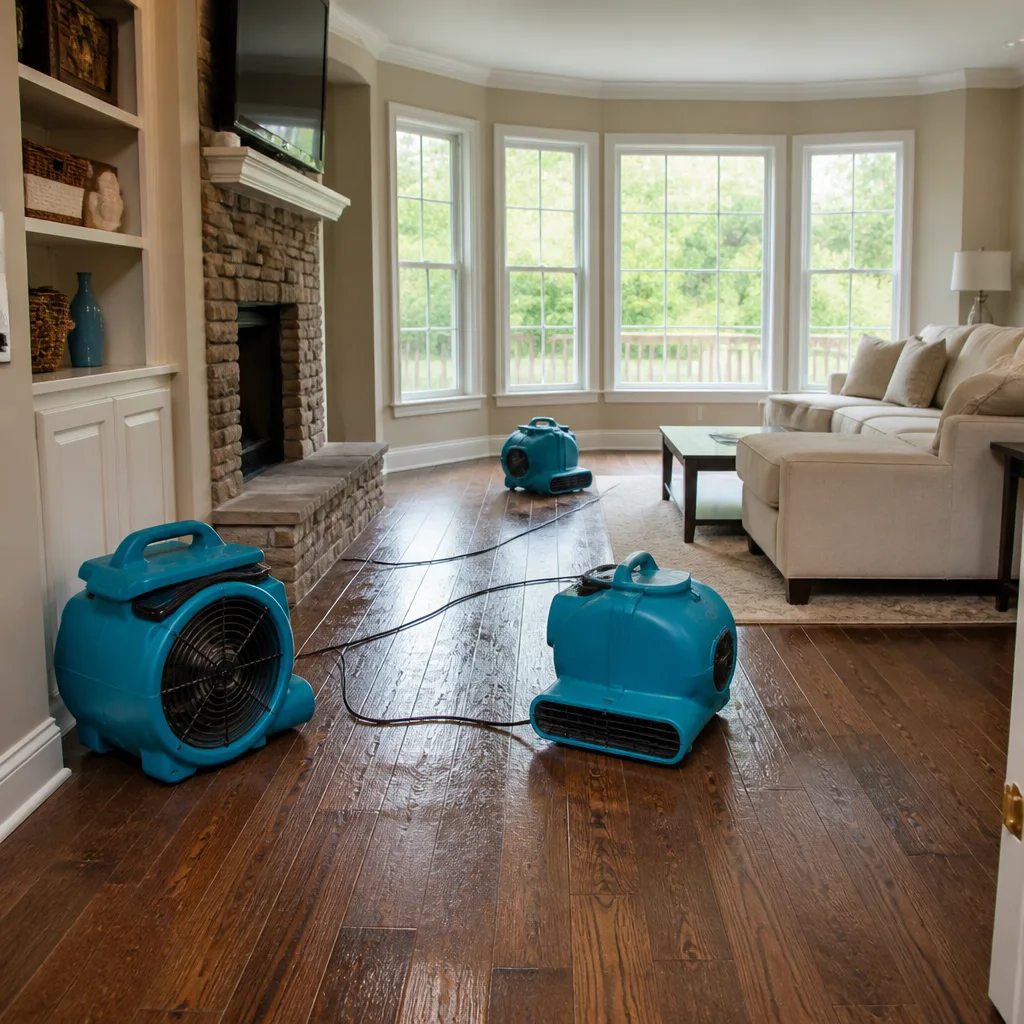

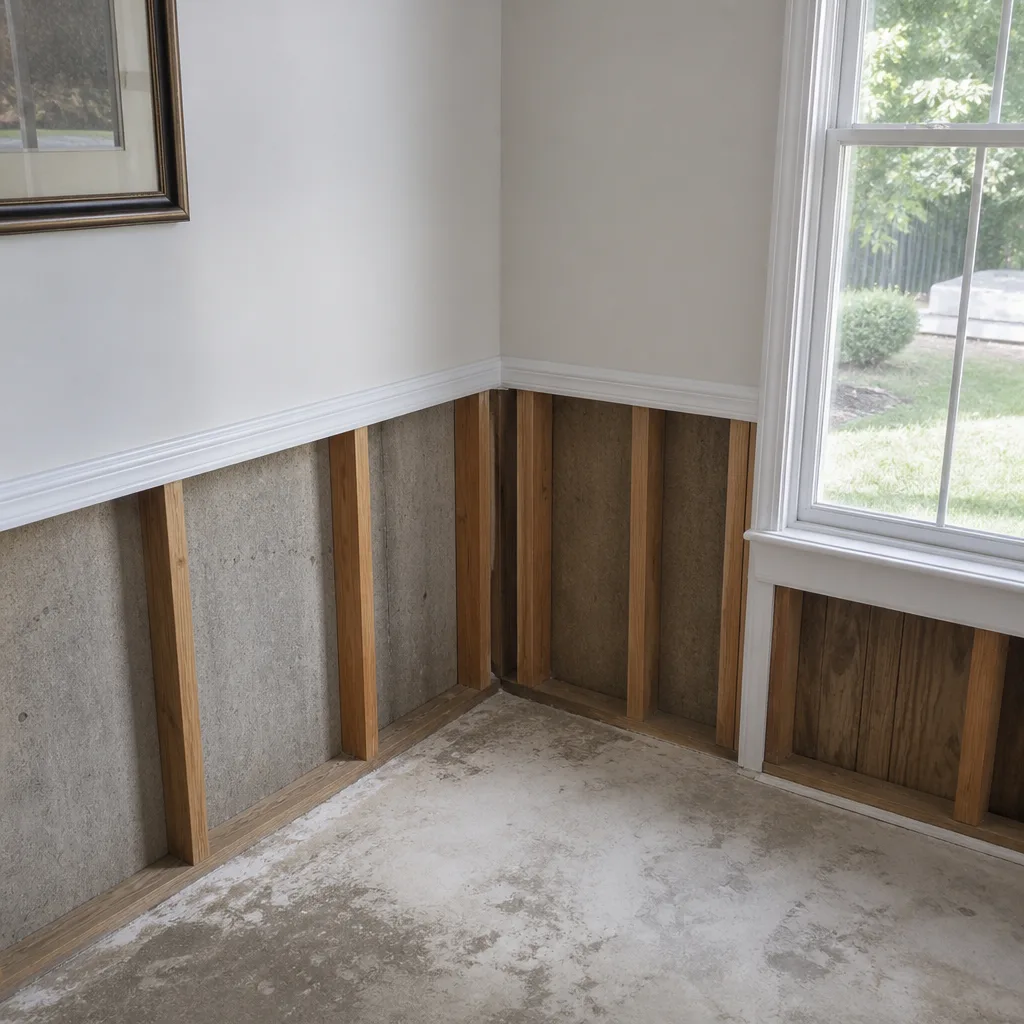

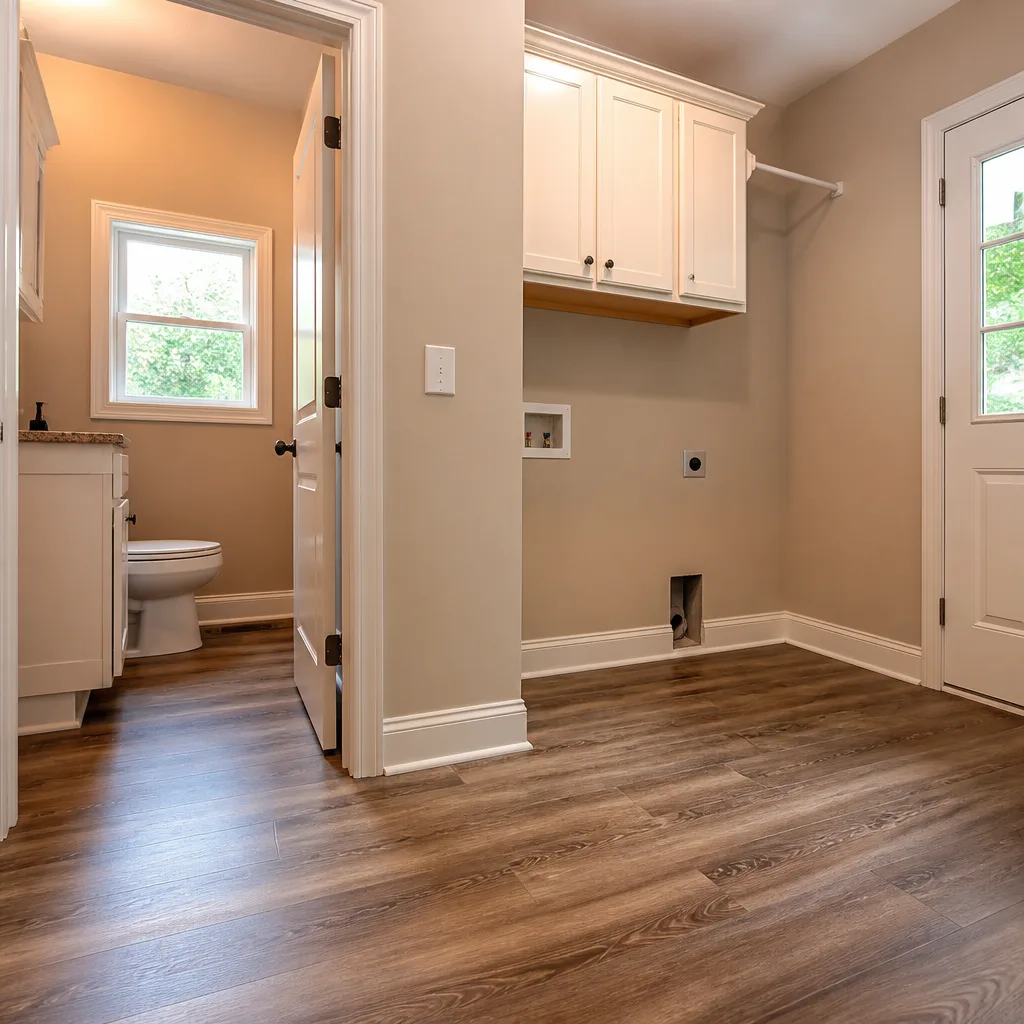
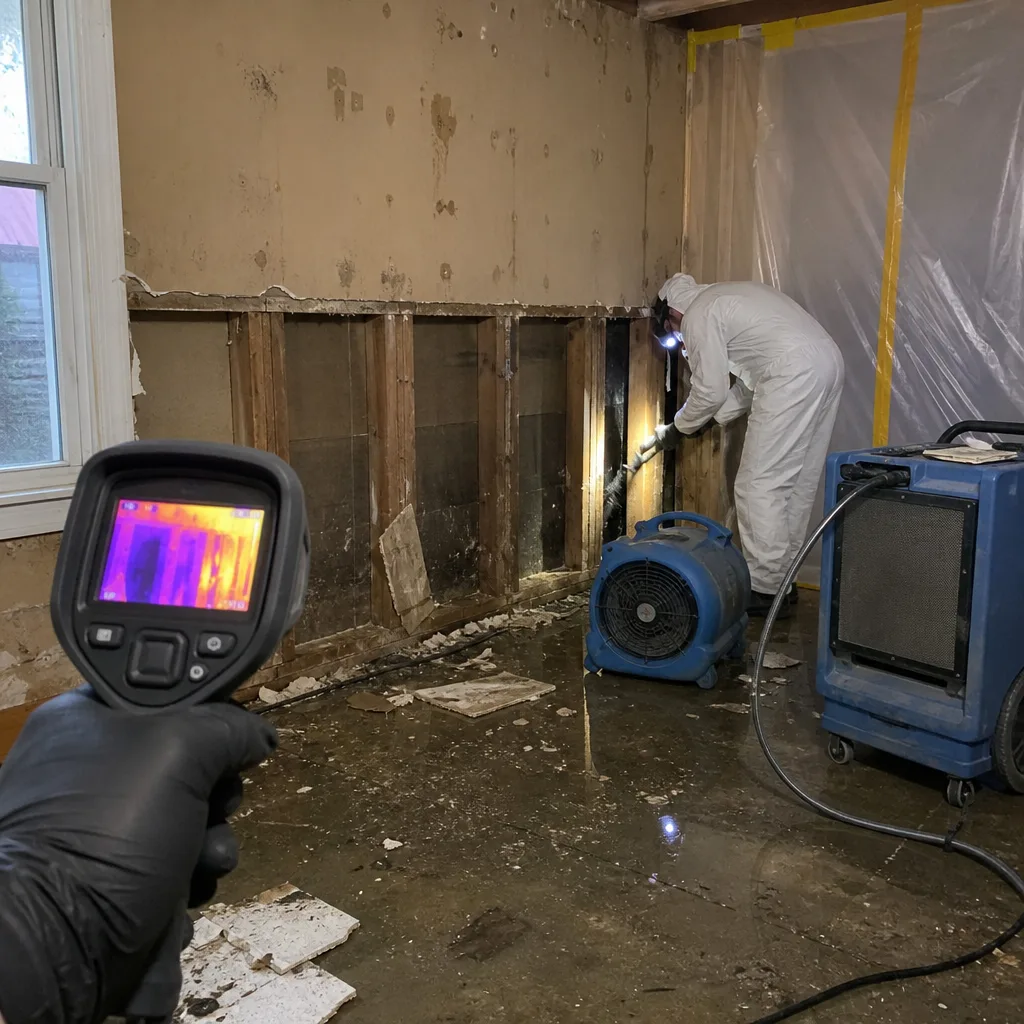 Before
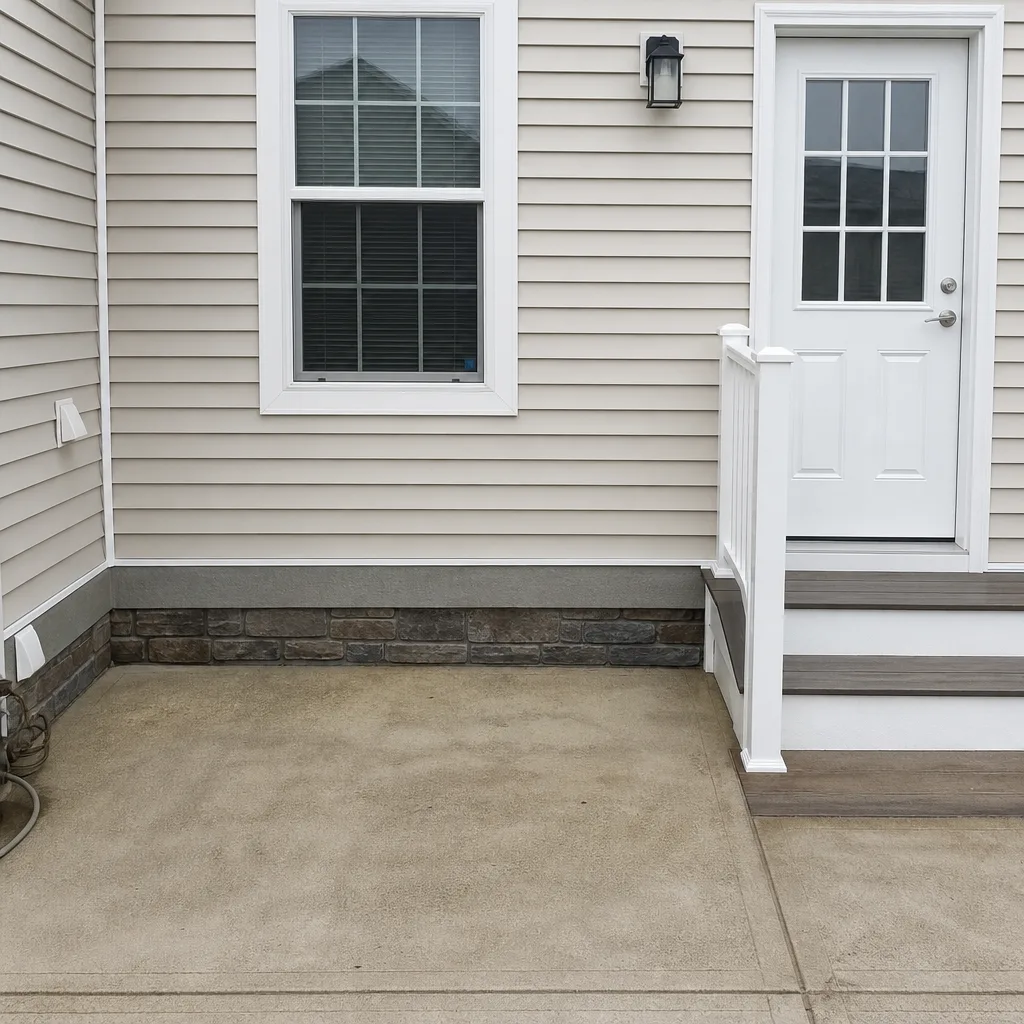 After
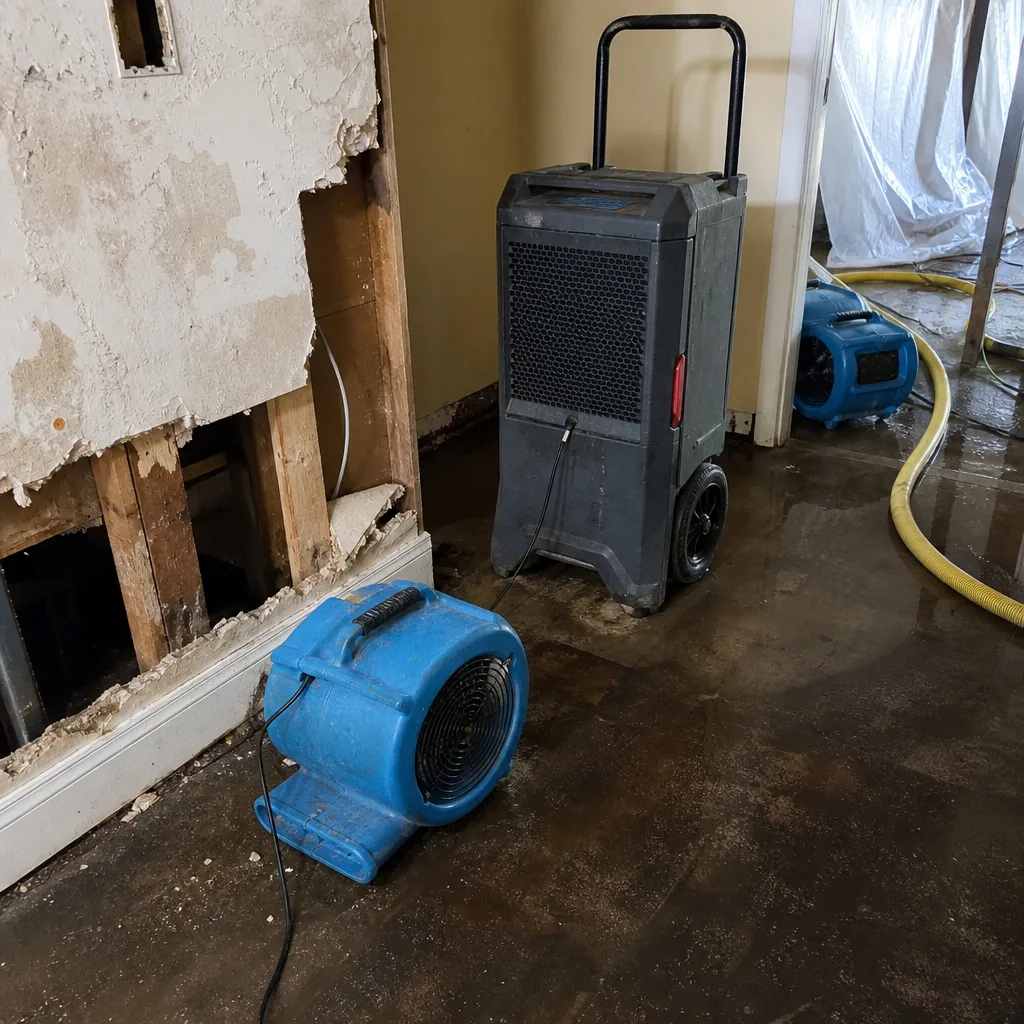 Before
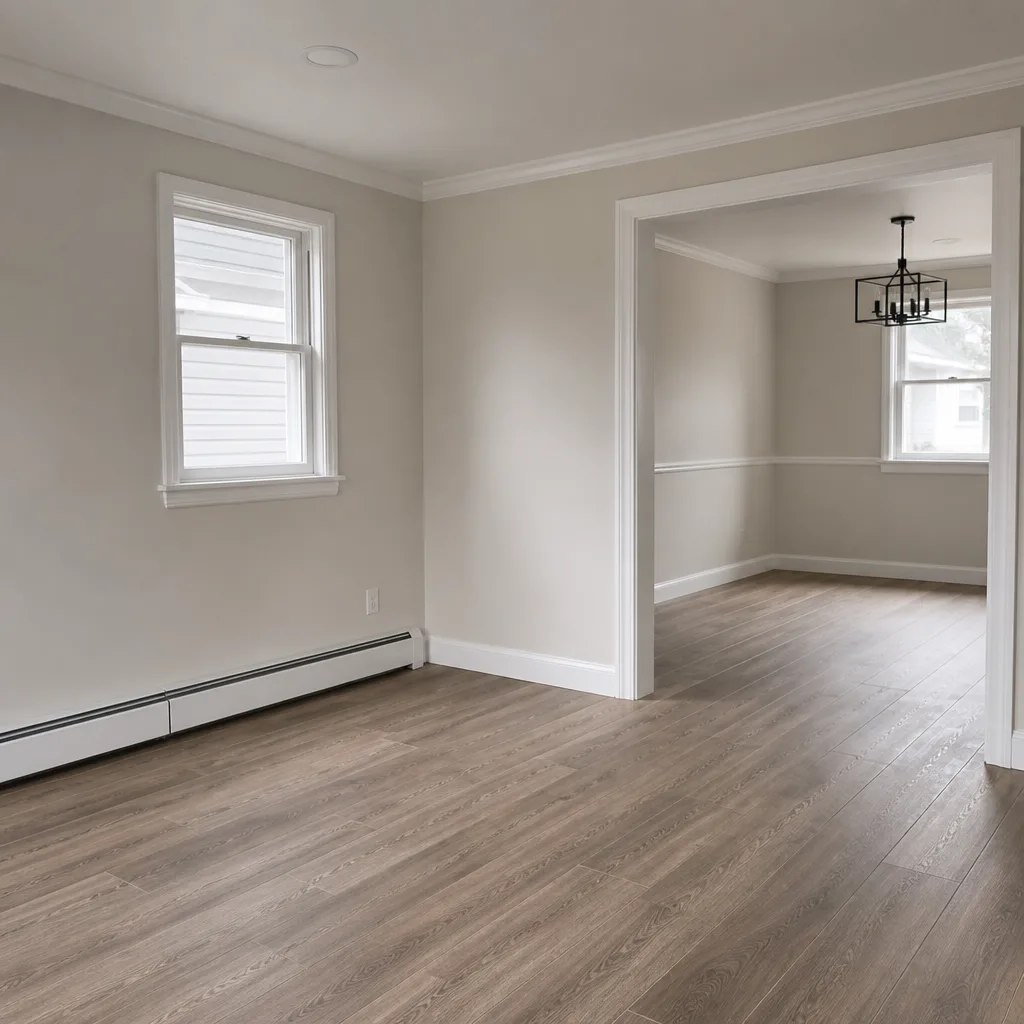 After
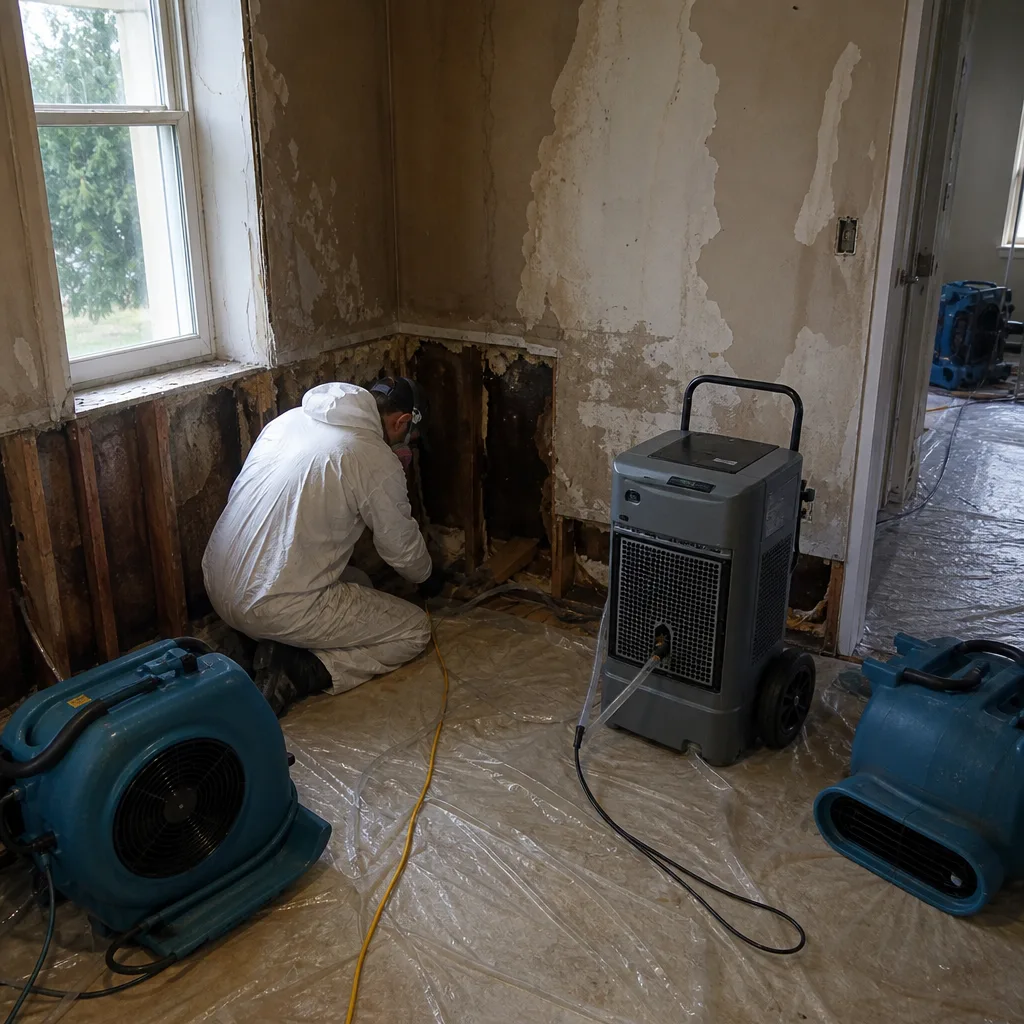 Before
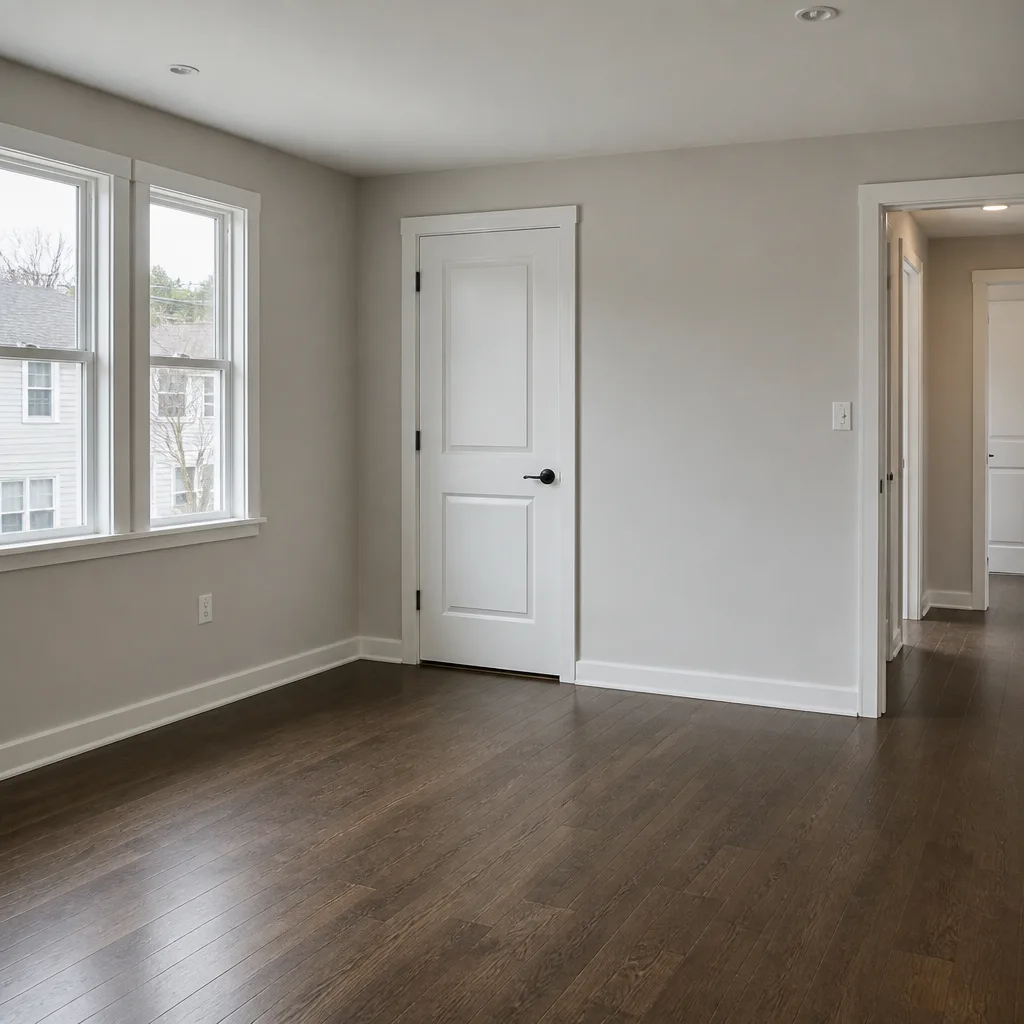 After
Water Damage Restoration Maintenance Checklist for Jamaica Homeowners
Most water damage in Jamaica doesn’t start with a burst pipe or a nor’easter. It starts with a slow drip behind a washing machine, a gutter that’s been pulling away from the fascia for three years, or a basement wall that’s been breathing damp air since the last big thaw. By the time a homeowner notices the stain on the ceiling or the mustiness in the crawlspace, the damage has usually been underway for weeks. This guide walks through the maintenance that stops water damage before it starts, what to check each season, and when to stop checking and start calling. Homeowners in Jamaica deal with a unique mix: older housing stock, humid summers, freeze-thaw cycles that shift foundations, and storm seasons that can dump inches of rain in a single afternoon.
Quick Answer
A water damage prevention checklist for Jamaica homeowners comes down to five recurring tasks: inspect supply lines and appliance hoses every six months, clean gutters and downspouts twice a year, test the sump pump before every storm season, check basement and crawlspace humidity monthly from May through October, and know where the main water shutoff is before you need it. Most emergency water damage we see is preventable with about two hours of maintenance per season.
Table of Contents
- The Seasonal Maintenance Schedule That Prevents Most Water Damage
- Appliance Hoses and Supply Lines: The Most Common Failure Point
- Gutters, Downspouts, and Lot Grading in Jamaica
- Basement and Crawlspace Moisture Control
- Sump Pump Testing and Backup Systems
- Jamaica Winter Freeze Protection for Pipes
- Insurance Documentation Before Water Shows Up
- Common Mistakes to Avoid
- When to Call a Professional
- Frequently Asked Questions
The Seasonal Maintenance Schedule That Prevents Most Water Damage
Water damage prevention isn’t a once-a-year project. It’s a rhythm that follows the seasons in New York City’s southeastern edge. Jamaica gets an average of about 47 inches of precipitation annually, spread across rain and snow, with the heaviest rain typically landing in July and August. That means the spring thaw and the summer storm season are the two windows where most preventable damage originates.
Here’s the schedule we recommend to homeowners in Jamaica, based on the patterns we’ve responded to for over 42 years of combined local service:
- March to April: Walk the exterior. Check for foundation cracks that opened during freeze-thaw cycles, re-route downspout extensions that shifted over winter, and clear any debris that’s blocking the path water needs to take away from the house.
- May: Test the sump pump with a bucket of water, not just the float switch. Replace the air filter on the dehumidifier. Inspect outside hose bibs for freeze cracks before you turn them on for the season.
- June to August: After any storm that drops more than an inch in an hour, walk the basement perimeter. Look for seepage at the cove joint (where the floor meets the wall), which is the most common entry point in Jamaica’s older homes.
- September to October: Clean gutters a second time, after leaves fall. Disconnect and drain outdoor hoses. Check the water heater for rust at the base and around fittings. Replace washing machine hoses if they’re older than three years.
- November to February: Insulate any pipes in unheated spaces like garages and crawlspaces. Know where your main shutoff is and make sure it turns freely. During a hard freeze, let a pencil-thin stream run from faucets on exterior walls.
None of this takes more than a Saturday each season. What it saves is the difference between a stain you never think about again and a mitigation crew setting up containment and air movers in your living room.
Appliance Hoses and Supply Lines: The Most Common Failure Point
In our experience in Jamaica, the most frequent source of indoor water damage is not the roof or the foundation. It’s the rubber hose behind the washing machine. A standard rubber washing machine hose is rated for about three to five years. It sits under constant pressure, and when it fails, it can release up to 650 gallons of water per hour, depending on your water pressure. That’s a flooded laundry room, a soaked hallway, and possibly a compromised ceiling below, all before you’ve finished your coffee.
What to check, and how often:
- Washing machine hoses: Inspect every six months. Look for bulging, cracking, or rust at the connection fittings. If the hose feels stiff or brittle when you squeeze it, replace it the same day. Braided stainless steel hoses cost about $20 to $40 per pair and last significantly longer.
- Dishwasher supply line: Pull the kick plate off and look for moisture on the valve and line twice a year. Dishwashers in Jamaica kitchens often sit adjacent to cabinetry, so a slow leak here can rot the cabinet base and subfloor before you ever see water on the kitchen floor.
- Refrigerator ice maker line: These are often plastic or thin copper. Check for kinks, especially if the fridge has been pulled out recently for cleaning. A pinhole leak in a copper line can spray water for days before anyone notices.
- Water heater: Check the pressure relief valve annually by lifting the lever briefly (with a bucket underneath). If water continues to drip after you release it, the valve needs replacement. Check the tank base for rust. Most water heaters in Jamaica fail between years 8 and 12, often starting with a slow seep at the bottom.
- Toilet supply lines and tank components: Check for condensation on the tank during humid summer months, which can drip onto the floor and rot the subfloor. Make sure the supply valve stops water fully. A toilet that runs constantly isn’t just wasting water; it’s stressing the fill valve and the flapper, both of which can fail and cause a slow overflow.
We’ve walked into Jamaica basements and kitchens where a $15 hose caused $30,000 in mitigation and rebuild. The math on prevention is not complicated. Replace rubber hoses with braided steel, check them twice a year, and write the installation date on the hose with a permanent marker so you don’t lose track.
Gutters, Downspouts, and Lot Grading in Jamaica
Jamaica’s housing stock is a mix of detached single-family homes, attached row houses, and multi-family conversions, many built in the early 20th century. Older homes often have shallow foundations and basements that were never designed to handle the kind of saturated soil we get after a heavy summer storm. The easiest and cheapest defense is making sure water is moved away from the foundation before it has a chance to seep through.
Gutter and drainage checks:
- Gutters: Clean them at least twice a year, spring and late fall. Clogged gutters overflow and drop water directly against the foundation, which is exactly where it does the most harm. In Jamaica, we also see gutters pulling away from the fascia on older homes where the original fasteners have rusted through.
- Downspouts: Extend them at least four to six feet from the foundation. A downspout that dumps water right at the corner of the house is a steady drip of water against the foundation every time it rains. Splash blocks help, but an extension pipe is better.
- Lot grading: The ground around the foundation should slope away from the house at about six inches over ten feet. Over decades, soil settles, and that slope flattens or reverses. If water pools against the foundation after a heavy rain, regrade with compacted fill soil, not mulch (which holds water).
- Window wells: If you have basement window wells, make sure they have covers or drains. An open window well fills with water during a downpour and sends it straight through the window frame.
- Street-level drainage: In parts of Jamaica, especially in attached housing, the building’s gutter system may be shared or may discharge onto a neighboring property’s slope. That’s a conversation to have with the neighbor before the next big storm, not during it. A shared drainage issue is always cheaper to solve with cooperation than with two insurance claims.
Water follows gravity. Every gallon you keep away from the foundation is a gallon that never has a chance to find a crack, a cove joint, or a porous masonry wall. This is the most cost-effective water damage prevention available to any homeowner in Jamaica.
Basement and Crawlspace Moisture Control
Jamaica sits low, and much of the neighborhood is built on fill and marshy ground that was drained over a century ago. That means basements and crawlspaces here are naturally damp, especially from May through October, when relative humidity routinely stays above 70 percent. Concrete is porous. Masonry walls are porous. Moisture moves through them by capillary action, and it does not need a visible crack to make your basement feel like a cave.
What to check monthly during warm months:
- Humidity level: Use a hygrometer ($10 to $15 at any hardware store). Ideal basement humidity is between 40 and 55 percent. Above 60 percent, you’re inviting mold and moisture damage to stored items, wood framing, and drywall.
- Condensation on cold surfaces: Check water pipes, ductwork, and the concrete floor for beads of condensation. This is a sign that the air is too humid and the surfaces are too cold. Insulate the pipes, and run a dehumidifier until the air is back in range.
- Foundation walls: Look for white powdery deposits on masonry, which is efflorescence, a sign that water is moving through the wall and leaving minerals behind. Dark staining or wood that looks watermarked means water has been present recently.
- Crawlspace vents: In a traditional vented crawlspace, open vents in dry weather and close them in humid weather. Or consider sealing the crawlspace entirely, which is a bigger project but often the right long-term solution in Jamaica’s damp climate.
- Dehumidifier: Empty the bucket daily, or rig up a condensate pump or gravity drain so it runs continuously. A dehumidifier that shuts off because the bucket is full isn’t doing its job. Clean the filter monthly during heavy-use months.
We use professional-grade Dri-Eaz dehumidifiers on mitigation jobs in Jamaica, and the principle is the same in a homeowner context: the machine needs to run, drain, and be maintained. A well-running dehumidifier can pull gallons of water out of basement air in a week. A full bucket helps no one.
Sump Pump Testing and Backup Systems
In Jamaica, a functioning sump pump is not optional for homes with basements below the water table. The neighborhood’s low elevation and the drainage history of southeast Queens mean that a heavy rain can raise groundwater levels quickly, and the sump pit is often the only thing between your basement and a foot of water.
Test the sump pump four times a year, and always before a forecasted storm:
- Check the outlet: The pump should be plugged into a GFCI outlet. Make sure the plug is fully seated and the outlet isn’t tripped.
- Lift the float switch: Manually lift the float. The pump should turn on immediately. If it doesn’t, the float switch or the pump motor has failed.
- Pour water in: Pour a five-gallon bucket of water into the pit slowly. Watch that the pump activates, pulls the water down, and shuts off cleanly. A pump that runs but doesn’t clear the pit has a clogged impeller or a failing check valve.
- Check the discharge line: Make sure the discharge pipe outside isn’t clogged with debris, frozen, or discharging against the foundation. The water should exit at least four feet from the house.
- Inspect the check valve: This is the valve on the discharge pipe that stops water from flowing back down into the pit after the pump shuts off. If it’s stuck open, the pump will short-cycle and burn out early.
The bigger question is what happens when the power goes out. In Jamaica, summer thunderstorms can knock out power exactly when the pump is needed most. A battery backup sump pump is a $200 to $500 addition that can run for several hours during an outage. For homes that flood repeatedly, a water-powered backup that runs on municipal water pressure is another option, and it doesn’t depend on batteries at all. If you’ve had water in the basement even once in the last five years, a backup system is not a luxury.
Jamaica Winter Freeze Protection for Pipes
Winter in Jamaica is not as brutal as upstate New York, but it gets cold enough. Temperatures in January and February routinely drop below freezing overnight, and a poorly insulated pipe on an exterior wall or in an unheated space can freeze and burst in a single cold snap. A burst pipe releases water at full line pressure, which is far more damaging than a slow leak.
Steps to take before the first hard freeze:
- Insulate exposed pipes: Use foam pipe insulation on any pipes in unheated garages, crawlspaces, or against exterior walls. Pay special attention to pipes near the rim joist in basements, which is where cold air infiltrates most in Jamaica’s older homes.
- Seal air leaks: Use caulk or spray foam to seal gaps around pipes where they pass through exterior walls. A pipe can freeze not because the room is cold, but because a draft of outside air is hitting it directly.
- Drain outdoor faucets: Disconnect hoses, drain the hose bib, and shut off the interior valve that supplies outdoor faucets if the home has one. A frozen hose bib can crack inside the wall, and the leak won’t show up until spring when you turn the water back on.
- Let faucets drip: During hard freezes (below 25 degrees for more than a few hours), let faucets on exterior walls drip slowly. Moving water freezes less readily than standing water.
- Know your main shutoff: The main water shutoff is usually in the basement, near the front foundation wall, or in a utility closet in homes without basements. Test it every fall. If it’s a gate valve, turn it off and back on a few times to make sure it doesn’t seize. If you can’t turn it or it doesn’t stop water fully, have it replaced. A shutoff you can’t operate is the same as not having one.
When a pipe does freeze, the safest response is to shut off the main water and call a professional. Thawing a frozen pipe with an open flame is a fire waiting to happen. If the pipe has already split, you want the water off before the ice plug melts and the water starts flowing again.
Insurance Documentation Before Water Shows Up
The best time to document your home’s condition is before anything goes wrong. Most homeowners in Jamaica have never walked their own home with a camera specifically to create a baseline record. When water damage happens, the insurance claim goes smoother if you can show what the basement looked like before versus after.
What to document now:
- Walk-through video: Once a year, walk every room with your phone recording. Narrate what you’re showing: the date, the room, the condition of floors, walls, and ceilings. Pay special attention to the basement, the mechanical room, and any area that’s ever been damp.
- Appliance and system photos: Photograph the data plate and serial number on the water heater, washer, sump pump, and HVAC system. If you file a claim, the adjuster will ask.
- Receipts for major purchases: Keep receipts for anything valuable in the basement: flooring, insulation, stored furniture, tools. In a flood claim, you’ll need to substantiate what you owned and what it was worth.
- Maintenance records: Keep a simple log of when you cleaned the gutters, replaced washer hoses, tested the sump pump, and serviced the water heater. Carriers sometimes ask whether maintenance was being performed, and a written log answers that question without argument.
One of the things we do on every mitigation job is photo-document everything: the moisture readings, the damaged materials, the equipment placement, and the final dry standard. That documentation goes to the carrier directly, and you get a copy. You can create the same kind of paper trail for yourself before anything happens.
Common Mistakes to Avoid
- Ignoring a musty smell in the basement. A musty smell means mold is already present or moisture is feeding it. In Jamaica’s humid summers, it will not dry out on its own. Find the moisture source now, not after the smell moves upstairs.
- Using the wrong kind of caulk for basement cracks. Interior caulk stops water from coming through, which means water stays inside the wall where it can keep eroding masonry and feeding mold. Exterior sealing and drainage are the correct long-term fixes for most foundation seepage.
- Running a dehumidifier with a full bucket. A dehumidifier that shuts off because the bucket is full is not controlling humidity. Set up a continuous drain or check it daily during humid months.
- Waiting until the sump pump fails to think about a backup. Backup systems need to be installed and tested before the storm, not purchased in a panic after the basement fills with water.
- Painting over a water stain without fixing the source. The stain will come back, and the moisture still in the material will keep degrading it. Fix the intrusion first, dry the material, then paint.
- Assuming your homeowners insurance covers all water damage. Standard policies typically cover sudden and accidental discharge, like a burst pipe, but not groundwater seepage or long-term maintenance failures. Read your policy now, not during a claim.
When to Call a Professional
Some water problems are a DIY fix: a leaking supply line that’s swapped in twenty minutes, a gutter that needs re-securing, a dehumidifier that needs a new filter. Other situations need a trained eye and professional equipment, and waiting too long to make that call turns a $500 drying job into a $5,000 rebuild. Call when you see water that has touched drywall, insulation, or finished flooring. Call when you smell mold but can’t see the source. Call when the sump pump fails during a storm. Call when a pipe bursts and water is running through the house. And call when your basement has water in it for the second time, because that means the first fix didn’t address the actual problem.
Floodline Restoration Co. offers free estimates in Jamaica. If you’re not sure whether you have a real problem or a minor annoyance, call (518) 627-5878 and describe what you’re seeing. We’ll tell you honestly whether it’s something you can handle yourself or something that needs a crew. For more about how we handle water damage from first extraction to finished rebuild, see the Floodline Restoration Co. home page.
Frequently Asked Questions
Do a full walk-through at least four times a year, following the seasonal schedule in this guide, and check high-risk areas like appliance hoses, the basement perimeter, and the sump pump monthly during humid months. A quick monthly check takes about twenty minutes and catches most problems early.
Most standard homeowners policies cover sudden and accidental discharge from a failed washer hose, including the resulting water damage. Coverage for long-term seepage, groundwater flooding, or damage caused by neglected maintenance is typically excluded. Review your policy’s water damage section now, before you need to file a claim.
Water mitigation in Jamaica typically ranges from $1,200 to $4,500 for a contained leak that affects one room, up to $15,000 or more for a basement flood affecting finished space. The final number depends on the square footage affected, whether the water is clean or contaminated, and how quickly drying begins. Estimates are free, and direct insurance billing is available.
Fans can help move air, but they do not pull moisture out of materials the way professional air movers and dehumidifiers do. If the water touched drywall, insulation, carpet, or wood framing, the materials need to be dried to a specific moisture standard, or you’ll be living with mold and mustiness for years. Professional drying equipment, like the Dri-Eaz and Phoenix units we use, reaches moisture levels that household fans cannot.
In our experience, the most common source is a failed rubber supply line on a washing machine, followed closely by basement seepage during heavy summer storms. Both are preventable: replace rubber hoses with braided steel every three to five years, and keep gutters, downspouts, and sump pumps in working order.
We answer the phone with a live dispatcher 24 hours a day, and crews are dispatched the same visit. In a water emergency, the difference between drying that starts within hours and drying that starts days later is the difference between a cleanup and a rebuild. Call (518) 627-5878 any time, and we’ll get a certified crew on the way.
The Bottom Line
Water damage in Jamaica is usually a slow failure, not a sudden catastrophe. The hose that cracks, the gutter that overflows, the sump pump that’s been unplugged since last fall, the basement wall that’s been seeping through the cove joint for years. This checklist is the maintenance rhythm that keeps your home dry: check hoses twice a year, clean gutters each spring and fall, test the sump pump before every storm, watch basement humidity through the summer, and know where the main shutoff is before you need it. When water still finds a way in, act the same day, because the clock on permanent damage starts the moment materials get wet. Done right, most water damage never has to happen. And when it does, it should be handled by a crew that starts at the floodline and doesn’t hand the job off until the house is dry and rebuilt, with the paperwork and photographs to prove it.
Written by the team at Floodline Restoration Co.