
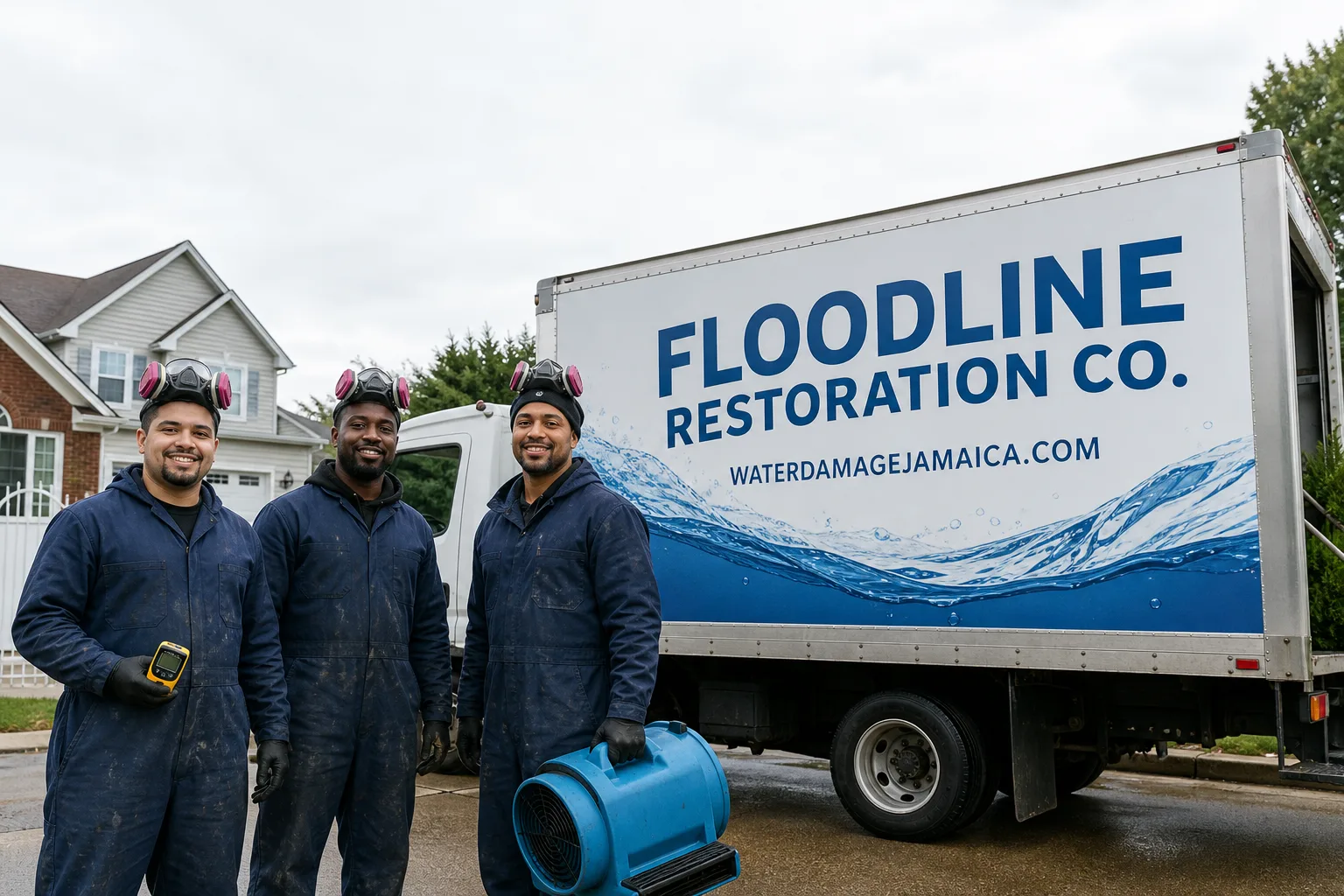
Free visual inspection and a written scope of work before any mitigation begins - photos, moisture readings, and drying logs go in your claim file
The scope we write is the scope we bill. Anything new gets shown to you, in writing, before we touch it.
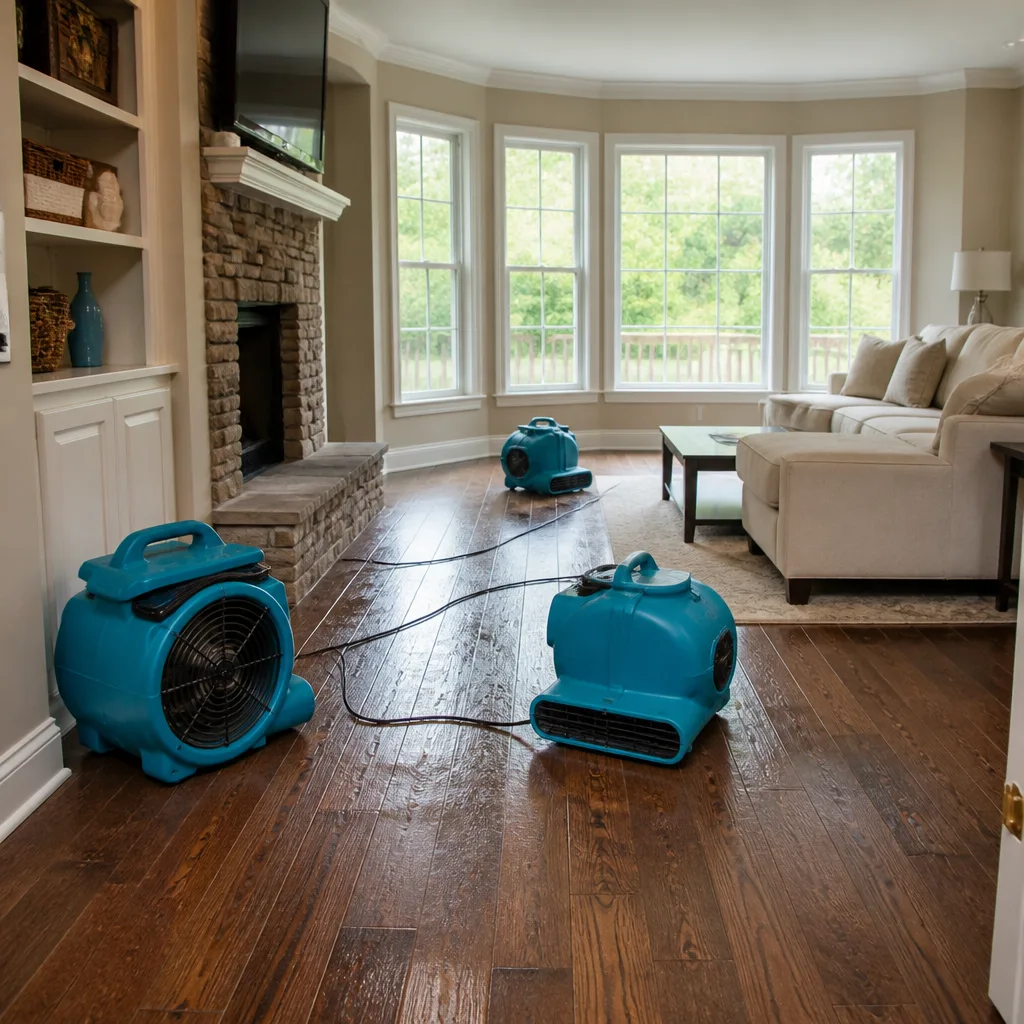
 Before
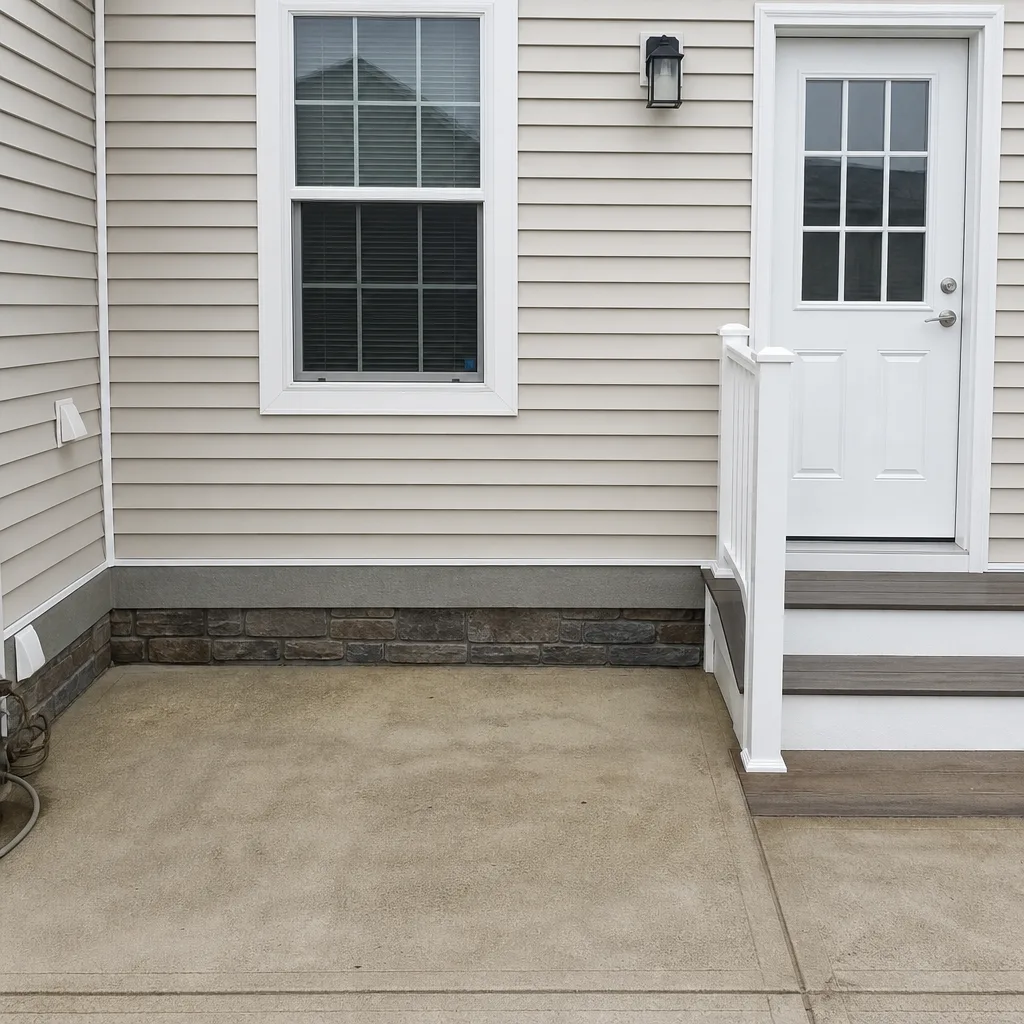 After
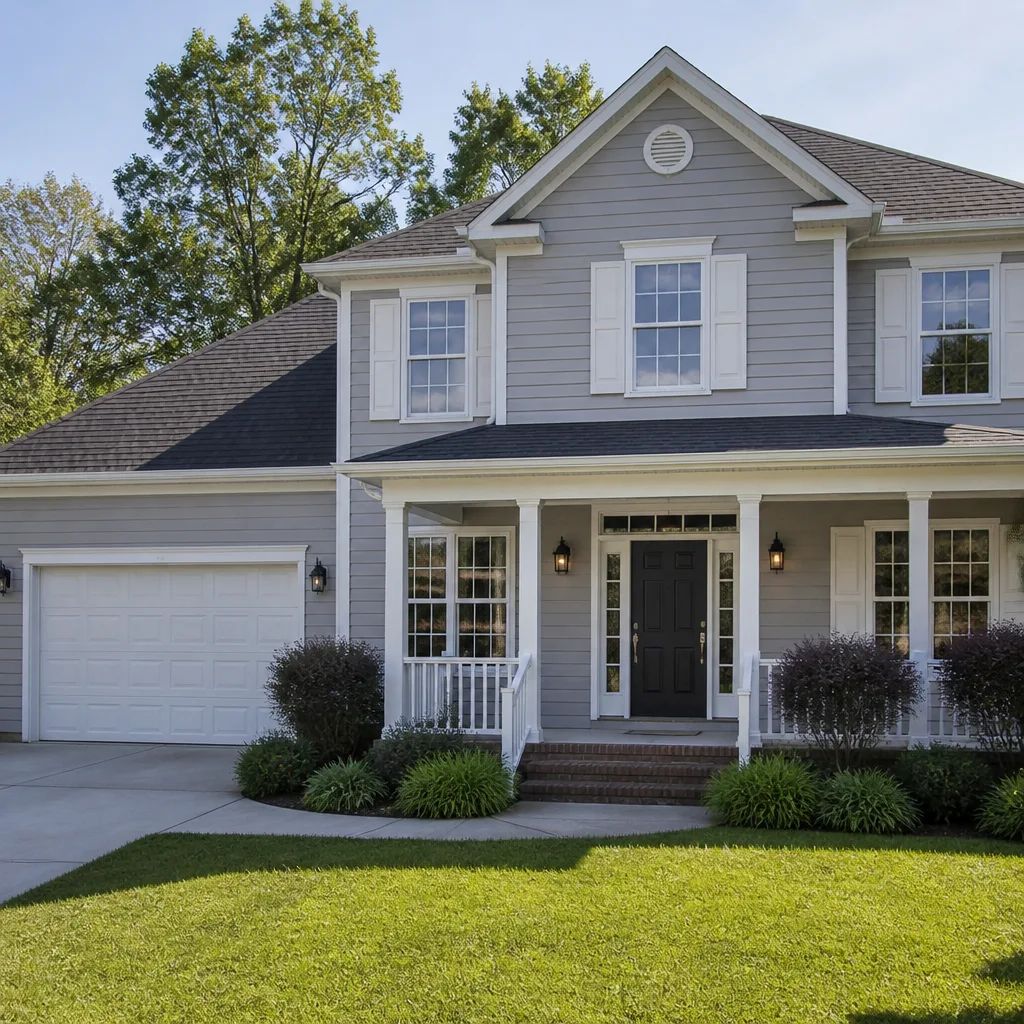
After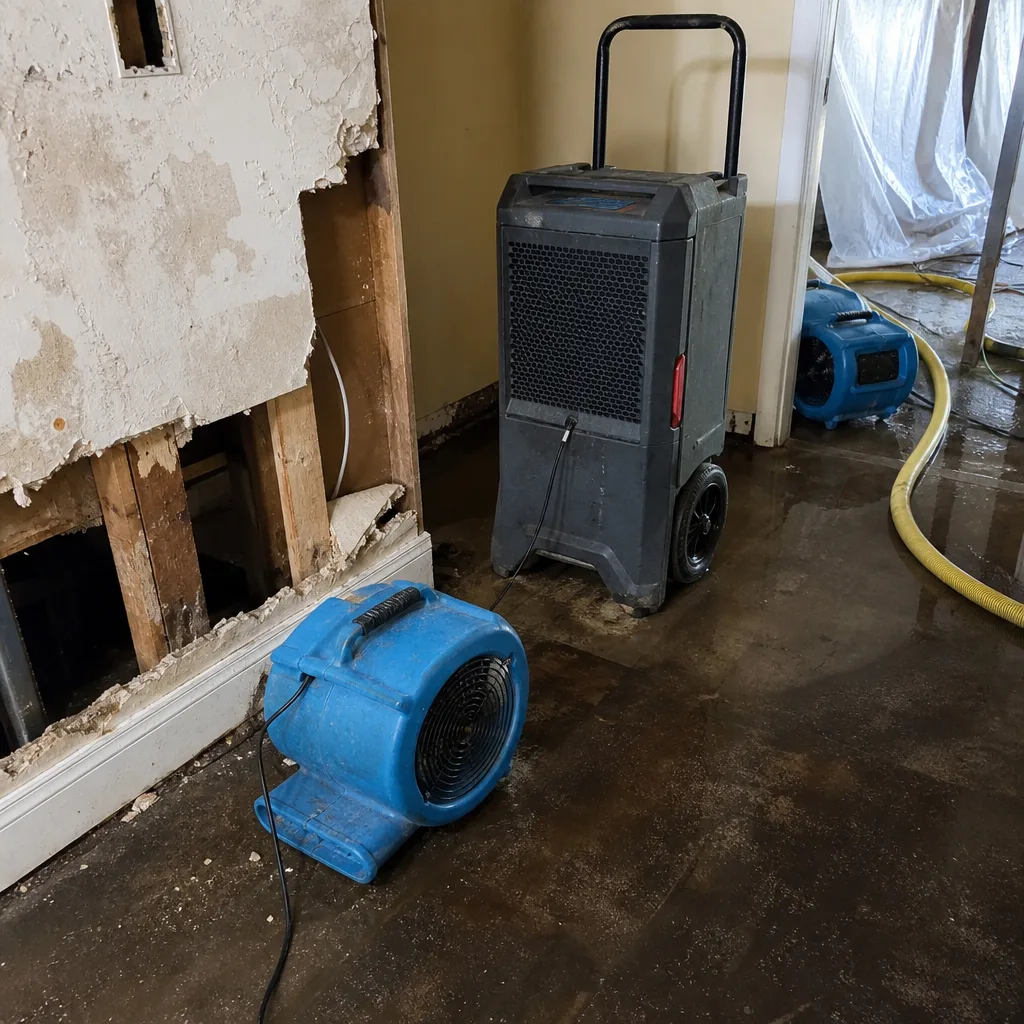 Before
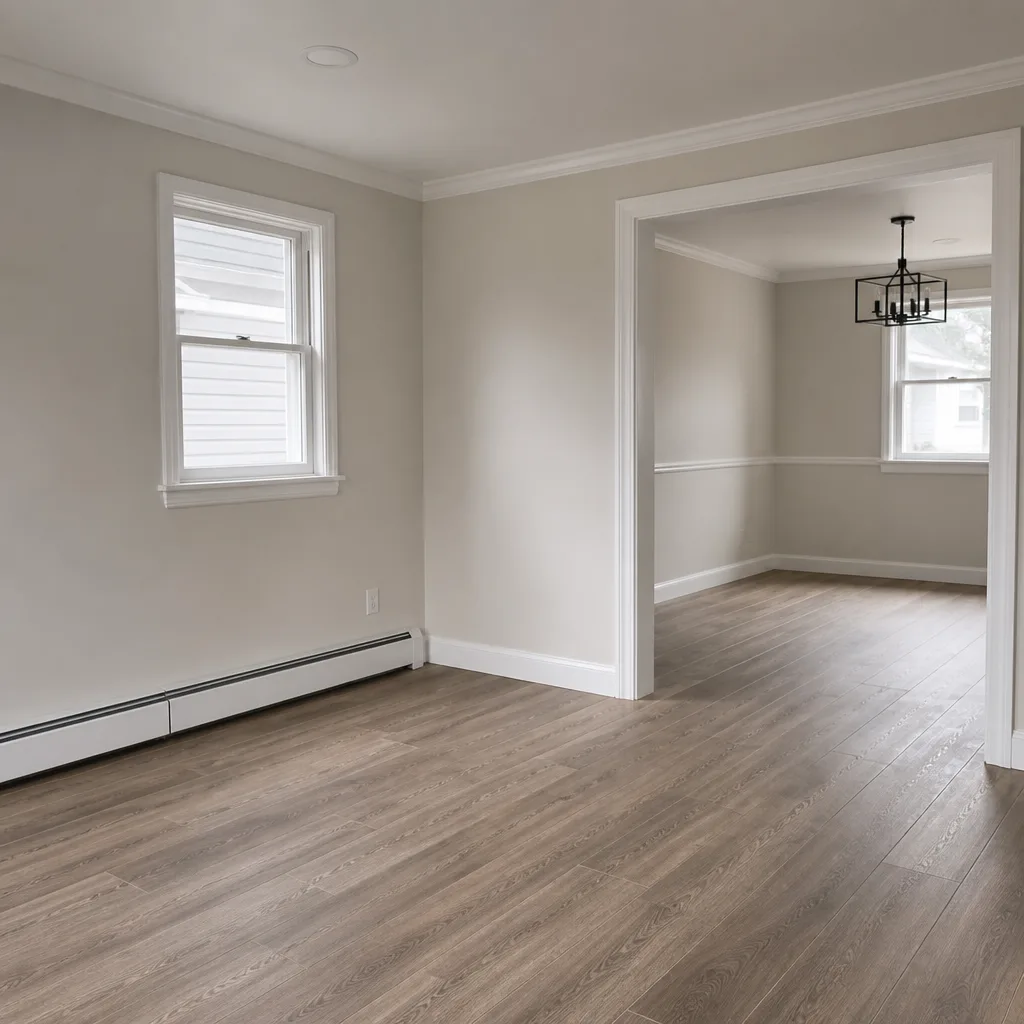 After
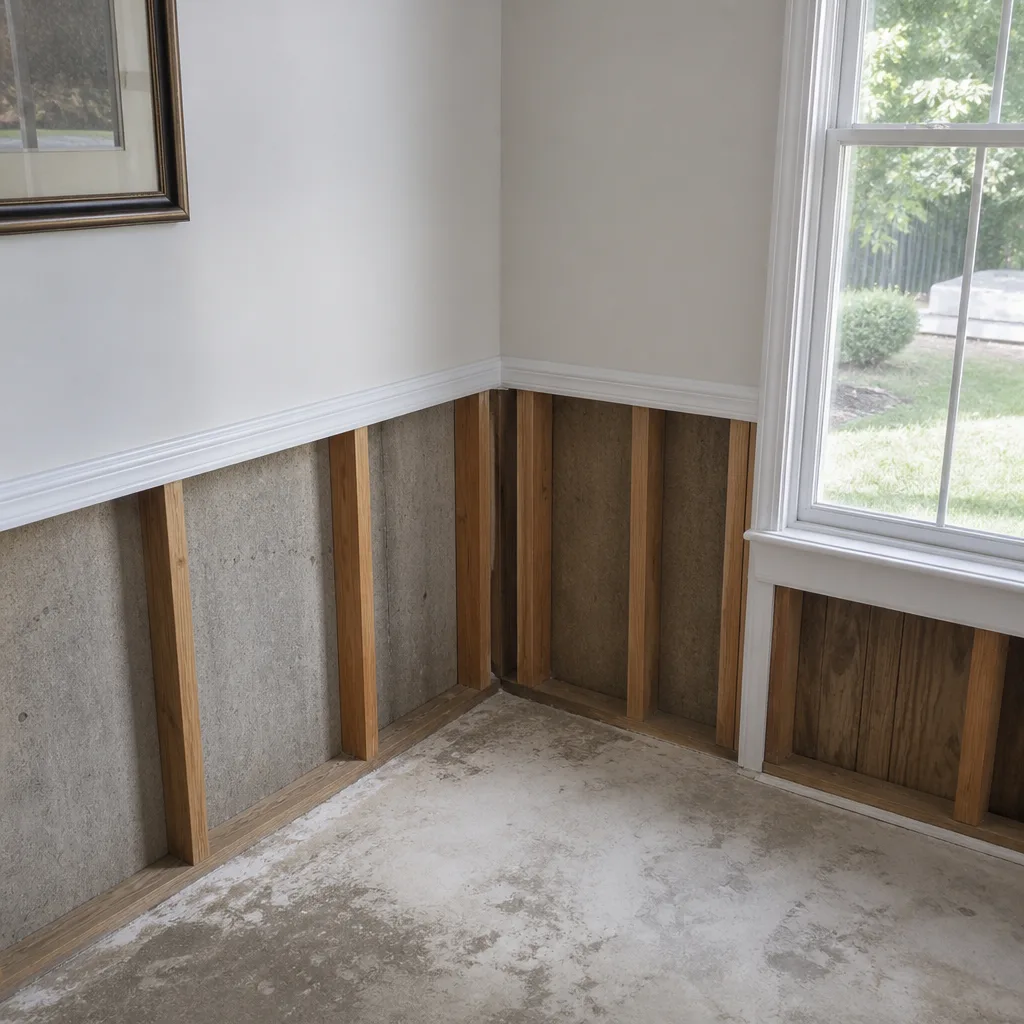
After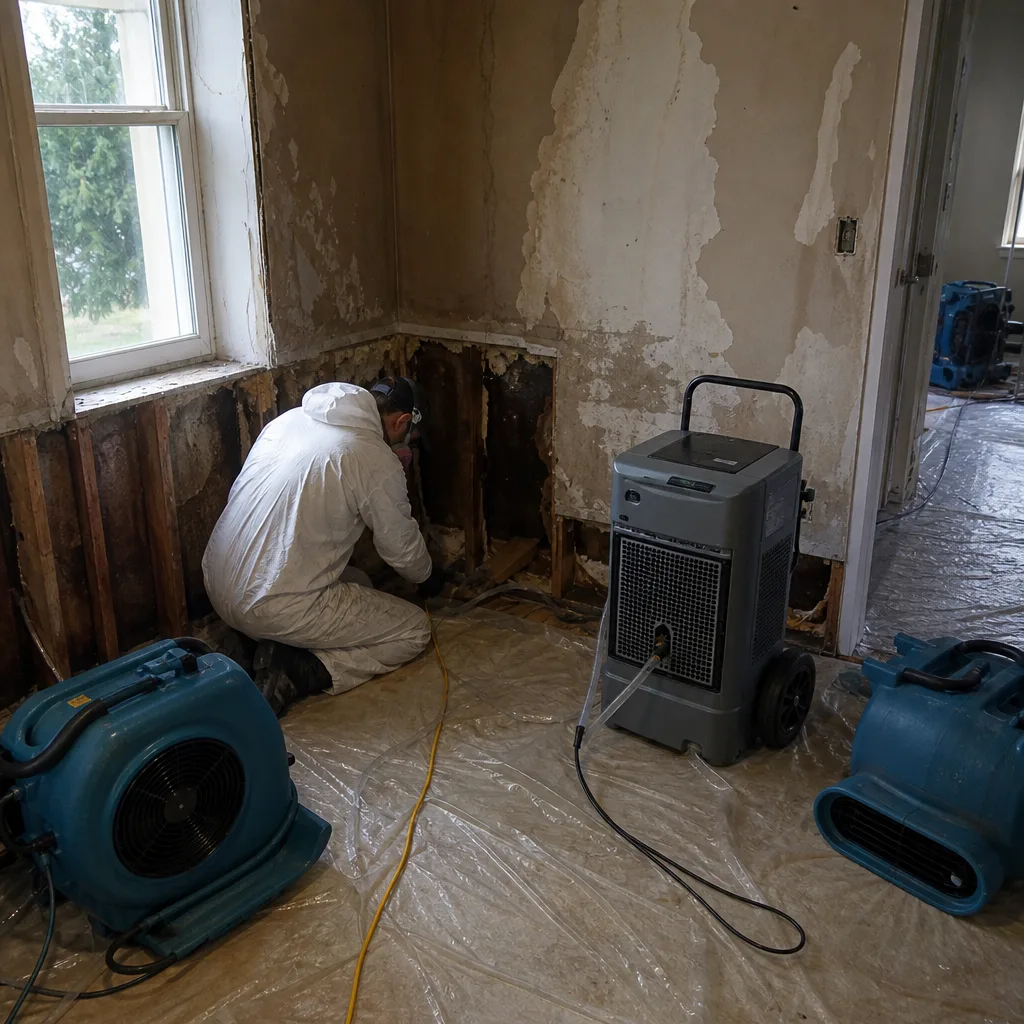 Before
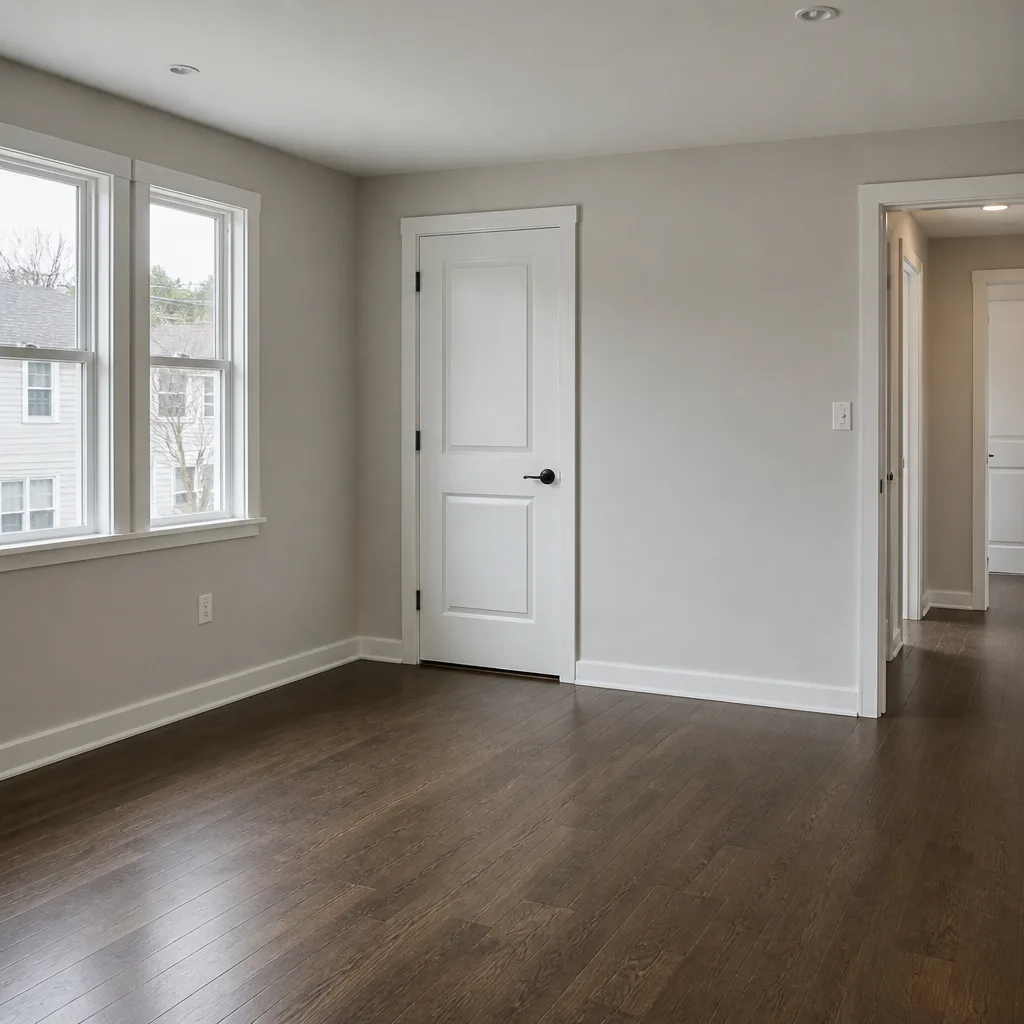 After
After24/7 Emergency Mold Remediation in Kew Gardens Hills
Mold remediation in Kew Gardens Hills typically costs $1,800-$6,500 depending on how far the colony has spread through party walls, ceiling cavities, or behind co-op kitchen cabinets. Most jobs in the neighborhood’s 1940s-1960s brick row houses and garden apartment co-ops take 3-7 days including drying, containment, and clearance testing. If you’ve found black staining along a baseboard, a musty smell that won’t quit, or water that sat behind a wall for more than 48 hours, call (518) 627-5878 now. We answer live, 24 hours a day, and a certified mold crew can reach most Kew Gardens Hills addresses within 45 minutes. The first hour matters because mold colonies in shared plumbing chases and party walls don’t wait for the co-op board to schedule a meeting. Free visual inspection, written scope before anything starts, and direct insurance billing on every job.
Understanding Mold Remediation Severity in Kew Gardens Hills Properties
Mold work in Kew Gardens Hills is rarely a simple bleach-and-paint job. The housing stock here is dense, attached, and aging. Cast-iron drain stacks installed in the 1950s are now 70-plus years old, and when one fails, water travels along the shared chase and colonizes drywall in two, three, sometimes four units connected by one wall. We classify every job before touching anything: Condition 1 is surface mold on non-porous material, Condition 2 is colonization into porous drywall or insulation with an active moisture source, and Condition 3 is mold growth behind walls or under flooring that requires full containment, negative air pressure, and HEPA air scrubbing. Most Kew Gardens Hills co-op jobs we see are Condition 2 or 3 by the time anyone notices, because the water source sits inside a wall cavity between two apartments and neither owner sees it until staining appears on baseboards or a neighbor complains of a smell. Flat roof membranes on the garden apartment complexes add a second failure path: a cracked seam above a top-floor unit sends water down through ceiling cavities until it pools on a bathroom ceiling or drips from a light fixture. Building age, shared structure, and water entry points all shape severity. A detached single-family house in Jamaica Estates does not face the same cross-unit spread pattern.
Why Kew Gardens Hills Property Owners Choose Floodline Restoration Co.
- 45-minute response commitment. We dispatch from our New York City office and hold crews to a 45-minute arrival window anywhere in Kew Gardens Hills, from Main Street up to 164th Street and across the Vleigh Place corridor.
- 24/7 live answer, always a person. At 2 a.m. on a Saturday, a real dispatcher picks up. Not a recording, not a callback queue. You tell us the address; we send a crew.
- IICRC-certified crews. Our mold technicians hold IICRC AMRT and WRT certifications, are background-checked, and arrive in uniform. You’ll know exactly who’s in your home.
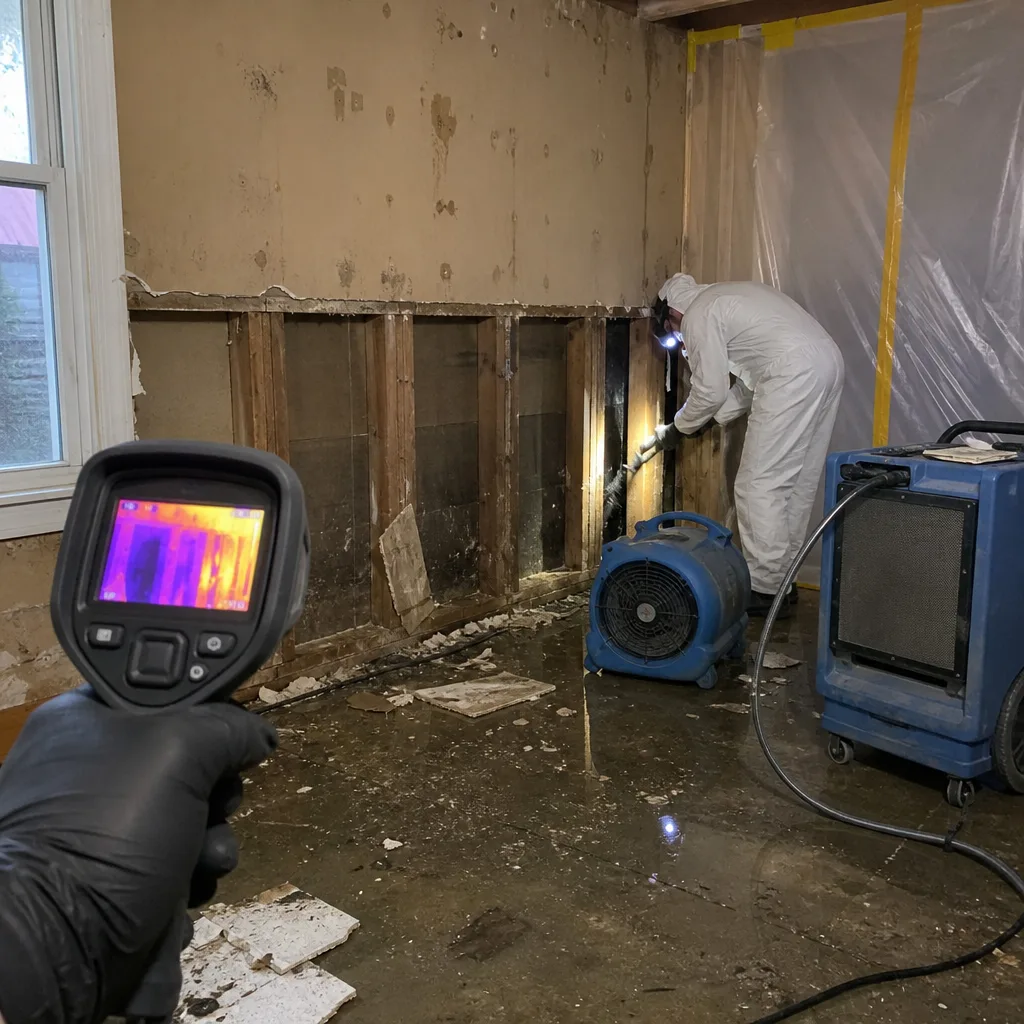
- Free visual inspection with photo documentation. Before any work starts, we photograph every affected area and map moisture with thermal imaging and hygrometers. You get a written scope, not a verbal estimate.
- Direct insurance billing. Floodline Restoration Co. communicates with your carrier directly. You don’t play messenger between your adjuster and our crew, and you don’t front money for covered work.
- One team from first cut to final paint. The same crew that sets containment and runs the air scrubbers also handles the rebuild. No mid-job handoff, no inherited subcontractor you’ve never met.
Our Mold Remediation Process
Inspection & Assessment
We walk every affected room, test moisture levels in walls and floors with Dri-Eaz sensors, and photograph the full extent of visible mold. If there’s any question about hidden growth, we may recommend air sampling or wall cavity testing before quoting a scope.
Containment & Source Control
Before cutting anything, we seal the affected area with 6-mil polyethylene and run negative air pressure with HEPA-filtered air scrubbers so spores don’t migrate into unaffected rooms or a neighbor’s unit. We then shut off the water source, whether it’s a failed drain stack, a cracked roof membrane, or a leaking supply line.
Drying & Dehumidification
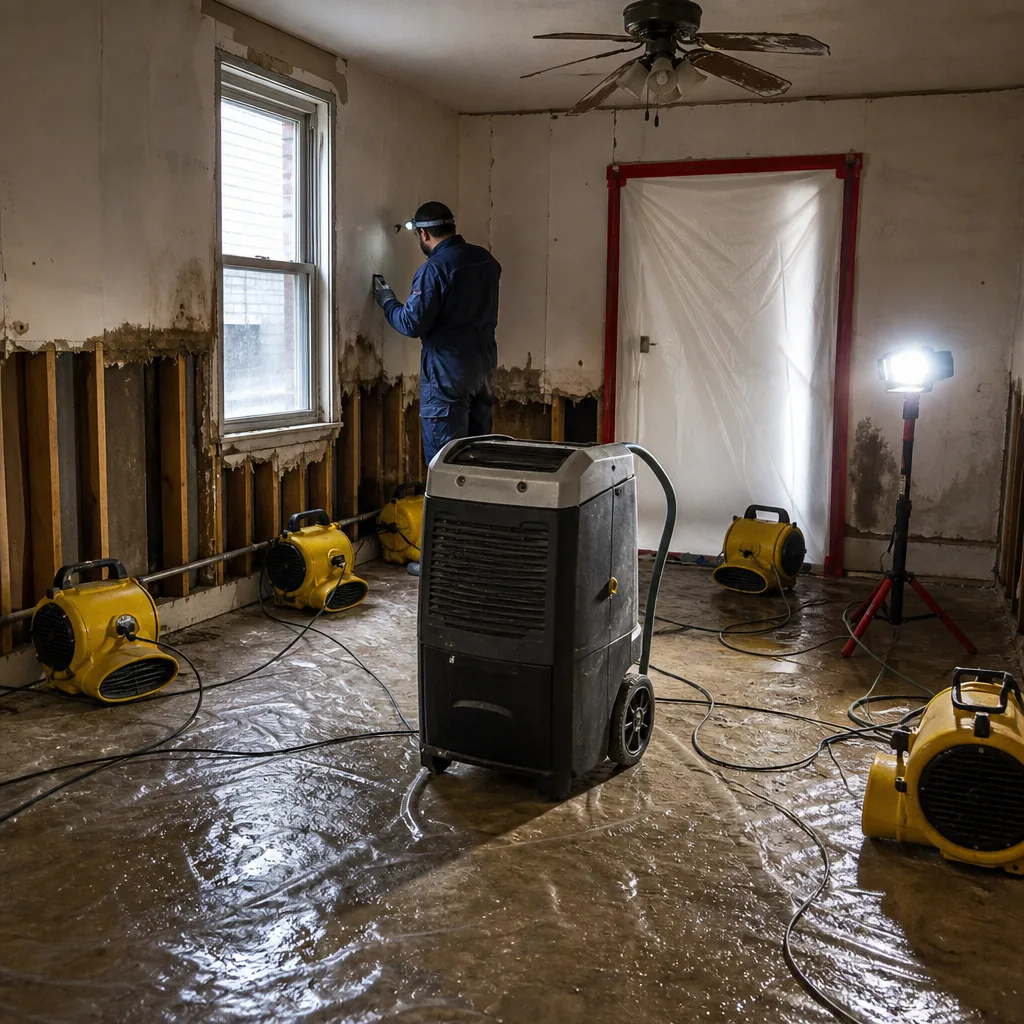
We place professional-grade Phoenix and B-Air dehumidifiers and XPOWER air movers inside the containment area, taking daily moisture readings until every affected material hits the dry standard. In Kew Gardens Hills co-ops with Shabbat scheduling constraints, we document readings carefully and adjust the drying plan so no log goes unmonitored.
Cleaning & Sanitization
All non-porous surfaces get HEPA vacuuming and antimicrobial treatment. Porous materials like drywall and insulation with active colonization are cut out and bagged for disposal. We treat wall cavities and structural framing with EPA-registered antimicrobials once the moisture source is eliminated.
Specialty Treatment: Moisture & Humidity Control
Kew Gardens Hills apartments with shared walls and minimal cross-ventilation tend to hold humidity. After remediation, we recommend and install dehumidification or ventilation upgrades where needed, especially in crawl spaces and bathrooms with no exterior window.
Repairs & Restoration
Once clearance testing confirms the space is clean, we rebuild. New drywall, fresh paint, refinished floors, replacement trim. Our carpenters handle the whole scope, and every job carries the 90-Day Done Right Promise in writing.
Need Emergency Mold Remediation in Kew Gardens Hills Now?
Crews minutes away, answering live 24 hours a day. The sooner we start, the less it costs.
Working With Your Insurance Company
We handle the adjuster. From the first hour, we document everything: photos room by room, moisture readings on a dated log, and a line-item scope of work that your carrier can process without a fight. If your Kew Gardens Hills co-op policy covers sudden water damage and resulting mold, our direct billing means you’re not writing personal checks while the claim processes. We’ve coordinated claims involving multiple unit owners, a co-op board, and two different insurance carriers on a single loss. It’s not simple, but we’ve done it enough times in this neighborhood that we know exactly what adjusters need to approve a mold claim quickly.
What We Provide Your Insurer
- Thorough documentation of the loss
- Photos of all damage, room by room
- Moisture readings and drying logs
- A detailed, line-item scope of work
- Direct coordination with your carrier
Built for Kew Gardens Hills’s Loss Calendar
Kew Gardens Hills has a mold season shaped by the building calendar, not just the weather. January and February bring deep freezes that crack the aging cast-iron supply lines in 1940s row houses. Water runs inside walls for days before anyone notices a warm spot on the floor. March and April are when flat roof membranes fail. Freeze-thaw cycles split the flashing seams, then the heavy spring rain ponds on the low-slope roofs over garden apartment complexes and drives water into top-floor units. June through August bring humidity that keeps dried-out wall cavities from ever fully drying without mechanical dehumidification. Late fall, before the holidays, is when co-op boards scramble to address mold discovered during unit turnovers and pre-sale inspections. Understanding this rhythm means we schedule equipment placement and re-inspection visits around what actually happens in this neighborhood, including Shabbat and the Jewish holiday calendar, so a drying cycle doesn’t stall because nobody could enter a unit from Friday sundown to Saturday night.
Mold Remediation Across Kew Gardens Hills’s Neighborhoods
Kew Gardens Hills is not a uniform grid. The blocks around Main Street and 72nd Avenue are dense garden apartment co-ops with flat roofs and shared mechanical rooms. We respond to a lot of top-floor mold there, usually from roof drain failures above the elevator shafts. Over near Vleigh Place and 78th Avenue, the attached brick row houses from the late 1940s share party walls and basement utility lines. A broken cast-iron stack in one half of a two-family home sends moisture into the shared wall and shows up as mold on the neighbor’s side before the owner knows anything happened. The area around 144th Street and 70th Road has more semi-detached brick houses with finished basements. Basement mold there often traces back to groundwater seepage after heavy rain, not plumbing. And the blocks nearest Queens College, around Kissena Boulevard and Jewel Avenue, include some larger multi-family buildings where laundry room leaks and bathroom exhaust fans venting into ceiling cavities drive recurring mold complaints. Each area has its own failure profile. Our Mold Remediation team reads the building type before we read the moisture meter.
Specialized Mold Remediation Services We Offer in Kew Gardens Hills
Mold Inspection & Testing
We start with a visual inspection, then use thermal imaging and moisture meters to find water sources you can’t see. When the source isn’t obvious, or when a co-op board needs documented proof before approving work, we take air samples and surface swabs and send them to a third-party lab. You get a written report with spore counts by species, not a salesman’s opinion.
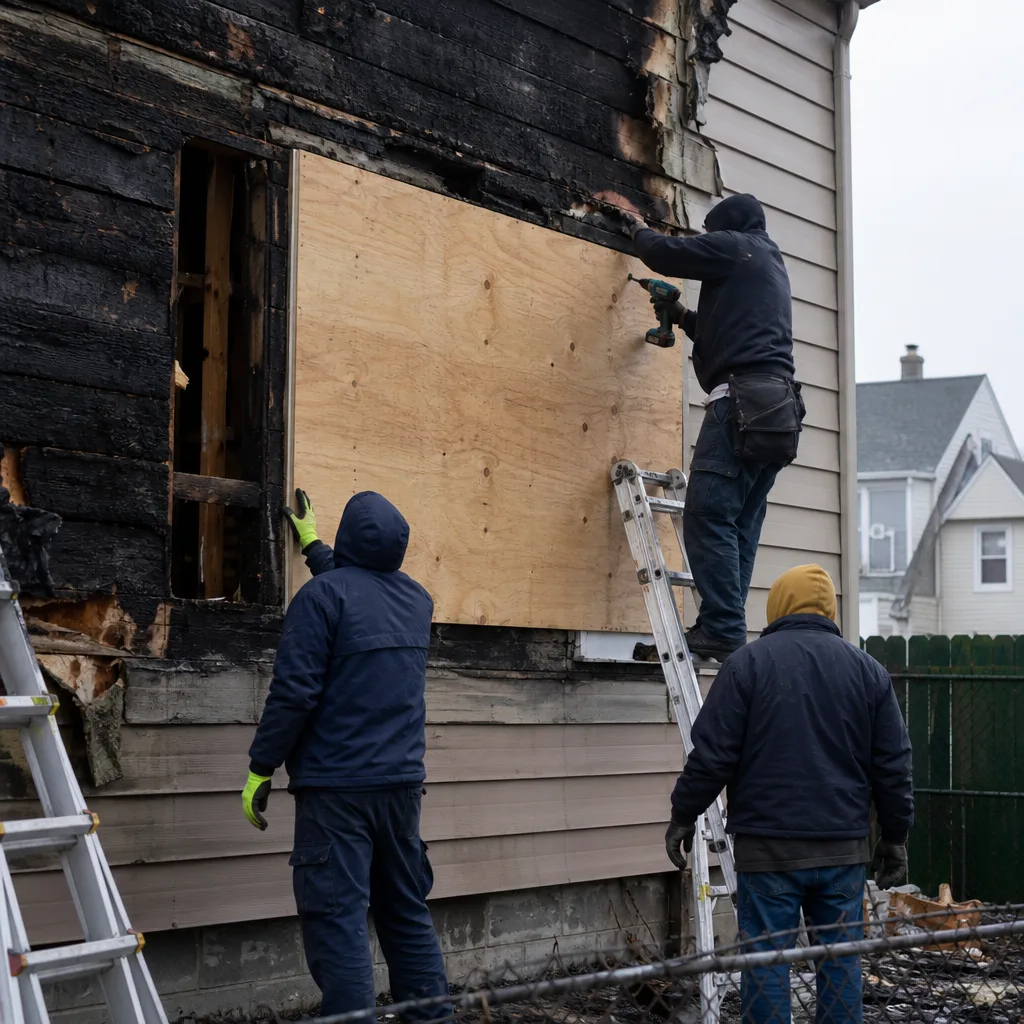
Mold Removal
We cut out affected drywall, insulation, and trim inside containment. We bag contaminated material and run HEPA air scrubbers during the entire removal. In Kew Gardens Hills attached homes, we pay special attention to shared wall cavities, because removing mold on one side of a party wall while leaving colonized material on the other side guarantees a callback.
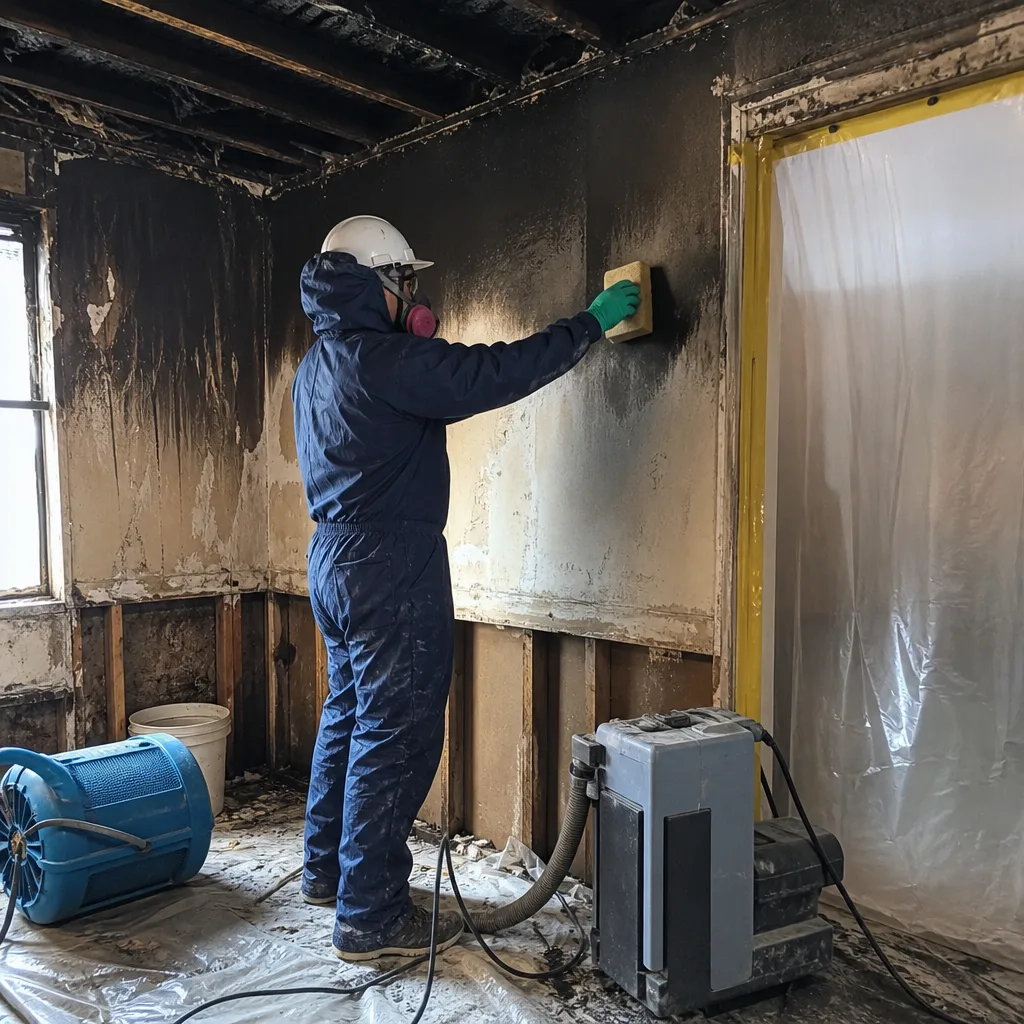
Black Mold Remediation
Stachybotrys chartarum, the black mold homeowners worry about, grows where water has soaked cellulose material for a week or more. We treat every black-staining mold as potentially toxic, which means full PPE, sealed containment, and clearance testing before anyone re-occupies the space. In Kew Gardens Hills, black mold often hides behind bathroom tile in co-op units where a slow drain stack leak went undiagnosed for months. No shortcuts on this one, and we’ll tell you the truth about what needs to come out.
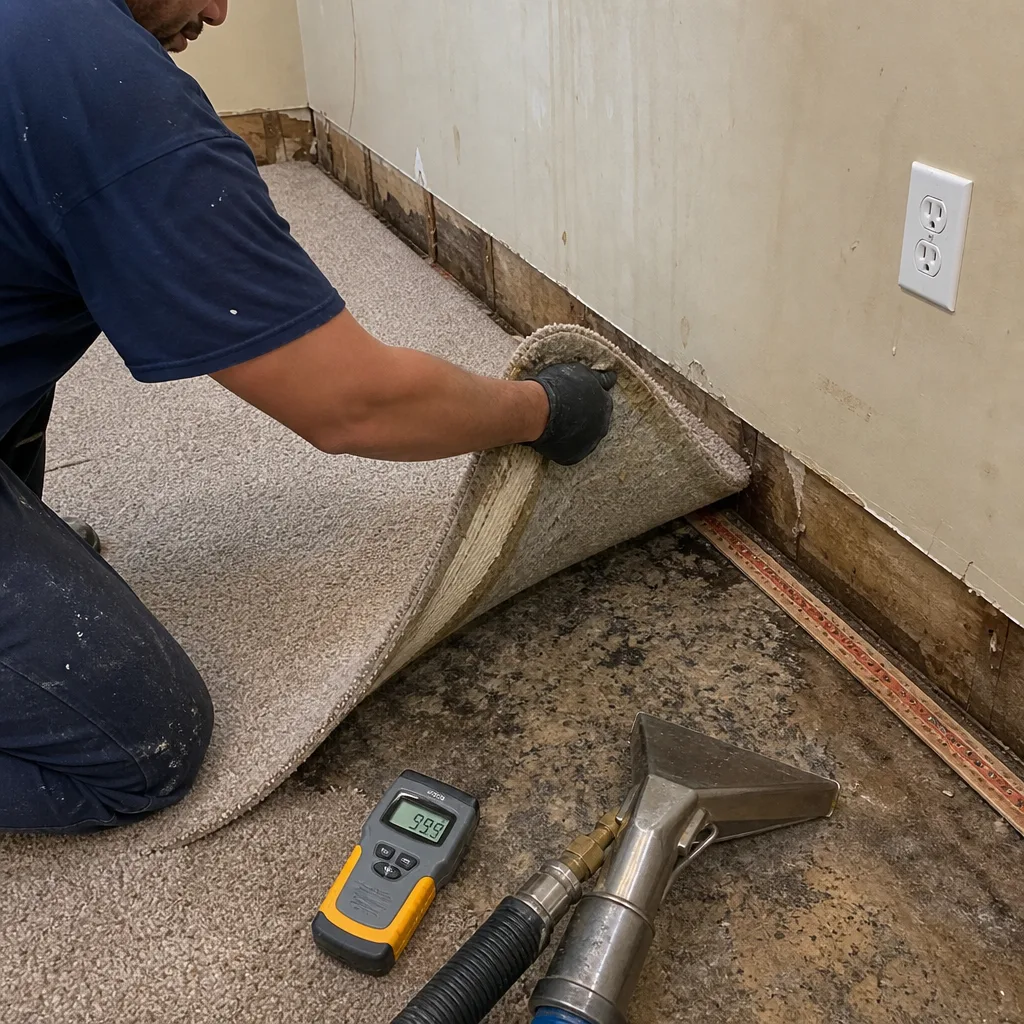
Air Quality Restoration
After every remediation, we scrub the air with HEPA-filtered air scrubbers and verify the result with post-remediation air sampling. If spore counts don’t meet clearance standards, we keep scrubbing until they do. We also look for the source of chronic humidity that keeps mold coming back, whether that’s a bathroom without a working exhaust fan or a crawl space with exposed dirt.
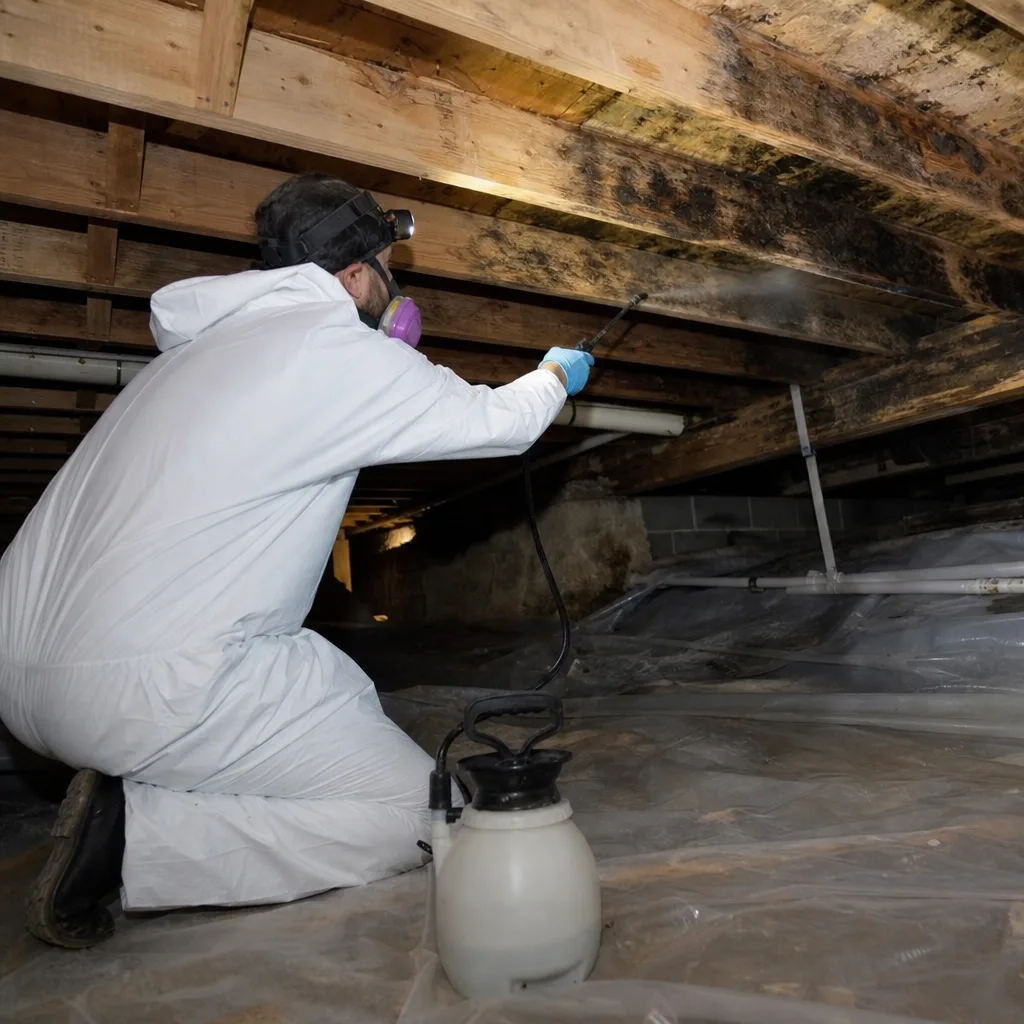
Crawl Space Treatment
Many Kew Gardens Hills row houses have shallow crawl spaces under the front or rear of the building. Dirt floors, no vapor barrier, and poor ventilation create a mold factory that pushes spores up into the living space. We install vapor barriers, seal rim joists, and add dehumidification where the space allows.
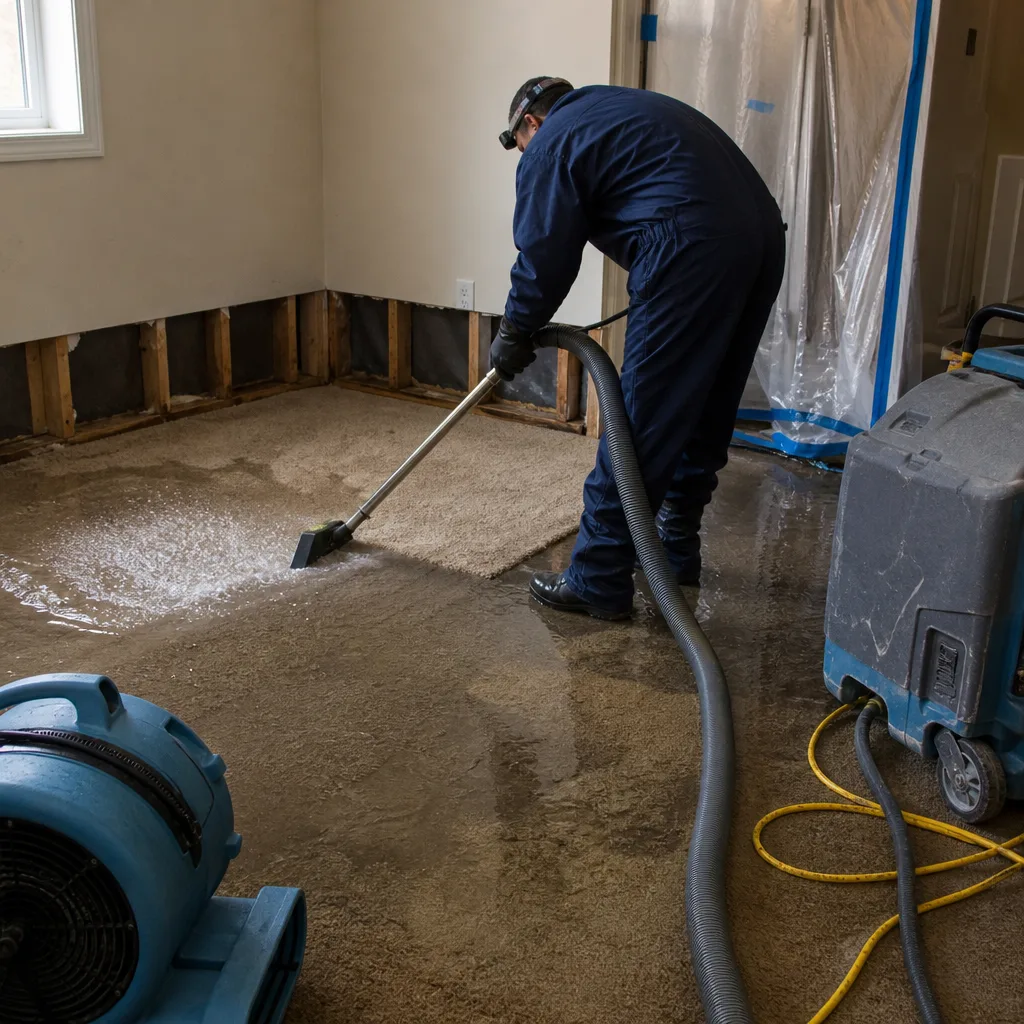
Moisture & Humidity Control
Queens gets roughly 46 inches of rain a year, and Kew Gardens Hills’s dense construction means exterior walls often share a wet chase with a neighbor’s leak. After we remediate, we address the moisture source with repairs or humidity controls, because drying the mold without drying the building is a temporary fix. This service, more than any other, prevents the second claim.
What happens when you call
- 1
A real person answersNo phone trees - you reach a local pro.
- 2
You get an upfront price rangeHonest numbers before anyone is dispatched.
- 3
A background-checked tech heads outLicensed & insured, dispatched right away.
- 4
You approve before work beginsNothing starts until you say go.
Mold Remediation Costs in Kew Gardens Hills, NY
Here’s what homeowners and co-op boards in Kew Gardens Hills should expect, based on the work we’ve priced across this neighborhood.
| Scope | Typical Cost Range |
|---|---|
| Mold inspection with air sampling & lab report | $350-$700 |
| Small surface mold removal (under 25 sq ft), no containment required | $600-$1,400 |
| Contained remediation of one room (bathroom, closet, laundry area) | $1,800-$3,800 |
| Multi-room or cross-unit remediation in an attached co-op | $4,500-$9,000 |
| Mold behind party wall requiring structural drying and rebuild | $8,000-$15,000+ |
What moves the price: how far the colony has spread behind walls, whether the co-op board requires third-party clearance testing, whether Shabbat scheduling gaps extend the drying window, and whether the water source is still active when we arrive. Insurance covers many of these jobs when the mold traces to a sudden pipe failure, a roof leak, or a covered water event. Out-of-pocket costs are highest when mold is discovered during a pre-sale inspection, because the source is often long-standing and the carrier may classify it as maintenance. The free visual inspection is the fastest way to a firm number: call (518) 627-5878 and we’ll look before we quote.
We Also Serve Cities Near Kew Gardens Hills
Our crews cover Kew Gardens Hills and the surrounding Queens neighborhoods, including Kew Gardens Hills proper, Jamaica, Richmond Hill, Hollis, and Rosedale. If your property sits on the border between any of these areas, call and we’ll confirm dispatch coverage for your exact address.
Kew Gardens Hills Mold Remediation Questions, Answered
Why does mold remediation in Kew Gardens Hills often take longer than the 24-48 hour window?
Because many Kew Gardens Hills mold jobs involve shared walls, co-op board approvals, and Shabbat scheduling restrictions. A single-family detached home can often be contained and dried in two days. But in a garden apartment co-op on 72nd Avenue or a two-family row house off Main Street, we’re coordinating access across two or more units, waiting for board sign-off on cutting into a shared wall, and pausing dehumidification during Shabbat. Realistic timelines here run 3-7 days for a contained single-unit job, and longer for cross-unit spread. Call (518) 627-5878 and we’ll give you a straight answer for your specific building.
Can mold spread from one co-op unit to another through party walls in Kew Gardens Hills brick row houses?
Yes, and it does regularly. The brick row houses and attached co-ops in Kew Gardens Hills share wall cavities and plumbing chases between units. When a cast-iron drain stack inside that shared cavity leaks, mold colonizes the drywall on both sides. One unit’s slow leak becomes the neighbor’s black mold problem before anyone files a claim. We set containment on both sides, document the shared source, and coordinate with both unit owners’ carriers when necessary.
How do you handle mold caused by failed flat roof drains on Kew Gardens Hills garden apartments?
We trace the water path from the roof membrane down through the affected ceiling cavities, then contain and dry every level it touched. Flat roof failures on Kew Gardens Hills garden apartment buildings often send water through the elevator shaft or chase, pooling in top-floor units and running down interior walls. We set negative air pressure in the top-floor unit, cut out water-damaged ceiling drywall, dry the structural framing, and document the roof membrane failure so the carrier can see the source was sudden, not gradual. After remediation, we recommend the co-op board address the roof membrane so the mold doesn’t return next spring.
What’s different about pre-loss condition documentation for mold claims in Kew Gardens Hills co-ops?
Co-op mold claims require documentation that separates building-wide conditions from unit-specific loss. The carrier needs to see that the water source was inside the unit or a shared system serving it, that pre-loss maintenance was reasonable, and that the spread to adjacent units was sudden and causally linked. We photograph everything before we move anything, map moisture levels room by room, and provide the board with a written scope that clarifies which portions of the work fall under the building’s master policy and which fall under the unit owner’s individual policy.
Do you need to remove all drywall in a Kew Gardens Hills mold job, or can some be dried?
It depends on the material and the mold species. Drywall with active mold growth on the paper face generally cannot be salvaged. The mold eats the paper itself. However, drywall that is wet but not yet colonized can often be dried in place with professional-grade dehumidifiers if the moisture source is stopped quickly. In Kew Gardens Hills attached construction, we err toward removal in shared wall cavities because hidden colonization on the back side of drywall is common. We’ll show you the moisture readings and explain the reasoning before we cut anything.
How fast can a mold crew actually reach my Kew Gardens Hills address?
Most Kew Gardens Hills addresses are within 45 minutes of our dispatch. We guarantee that window because we base crews in the area, not across the river. When you call (518) 627-5878 at any hour, a live dispatcher gives you an arrival estimate and a crew starts moving. If you’re in a co-op, we can coordinate with the managing agent or super to ensure access before we arrive.
Will my insurance cover mold remediation in Kew Gardens Hills?
Most policies cover mold remediation when it results from a sudden, covered water event like a burst pipe, a roof drain failure during a storm, or a supply line rupture. They typically do not cover mold from long-standing leaks or chronic condensation. We document the source of the water, photograph the full extent of damage, and file a line-item scope that gives your carrier what it needs to approve the claim. In Kew Gardens Hills co-ops, we also help you determine which policy responds: the unit owner’s or the building’s master policy.
What should I do in the first 30 minutes after discovering mold in my Kew Gardens Hills home?
Shut off the water source if you can identify one. Do not paint over the mold, do not spray bleach, and do not disturb the affected area, because that spreads spores into the air and makes remediation harder. Close the door to the room if possible. Take photos. Then call (518) 627-5878. A live dispatcher answers immediately, and we’ll tell you whether you can wait for a scheduled inspection or need a same-day crew. In a Kew Gardens Hills attached home or co-op, call sooner rather than later. The longer mold sits in a shared wall, the more units it touches.
Serving Kew Gardens Hills, NY - Our Local Coverage Area
We’re based in the Kew Gardens Hills area and know this community well. Use the map below to see our service coverage - if you’re nearby, we can almost certainly help.
A Mold Job in Kew Gardens Hills That Taught Us the Neighborhood
Our crew handled a mold outbreak in a 1950s garden apartment co-op on 72nd Road where a crumbling cast-iron drain stack had been leaking behind a party wall for weeks. Category 3 water, the kind that carries sewage and human waste, had soaked the wall cavity and spread into two adjacent units. We set containment in both apartments, ran HEPA air scrubbers, and mapped moisture with Dri-Eaz sensors before cutting a single piece of drywall. Then came the scheduling reality unique to this neighborhood. Friday sundown approached, and we paused dehumidification for Shabbat, out of respect for the observant families who live here. Drying logs resumed Sunday morning, and we extended the drying plan to compensate. Both units cleared, the rebuild took four days, and the board got a written scope they could attach to the master policy claim. That job is a reminder that mold in Kew Gardens Hills is never just one apartment’s problem. It’s a building’s problem, and the good contractors are the ones who know how to work inside that reality. If you’re dealing with mold in this neighborhood, start with a phone call. (518) 627-5878. A person answers.
Written by Curt Bowman, Owner at Floodline Restoration Co. Call (518) 627-5878 for a free visual mold inspection anywhere in Kew Gardens Hills, NY.