

Free visual inspection and a written scope of work before any mitigation begins - photos, moisture readings, and drying logs go in your claim file
The scope we write is the scope we bill. Anything new gets shown to you, in writing, before we touch it.
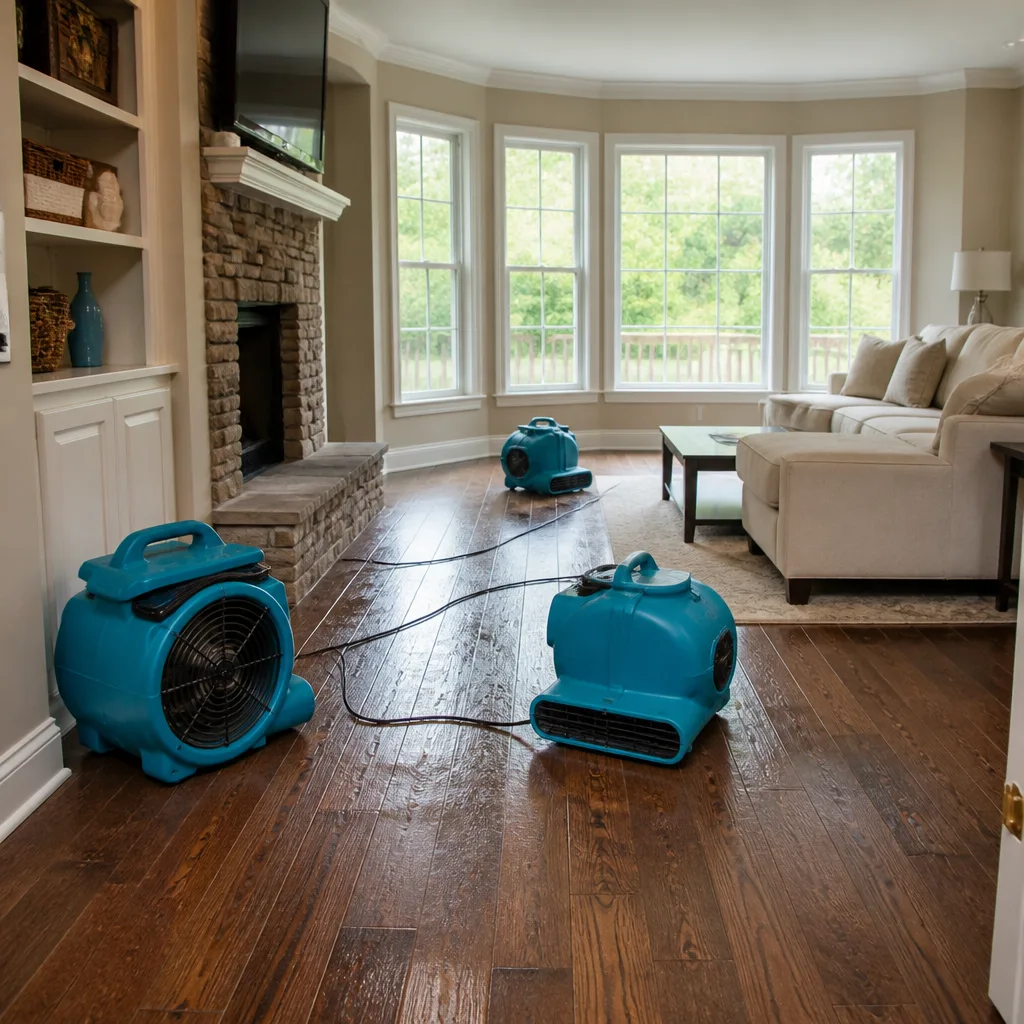
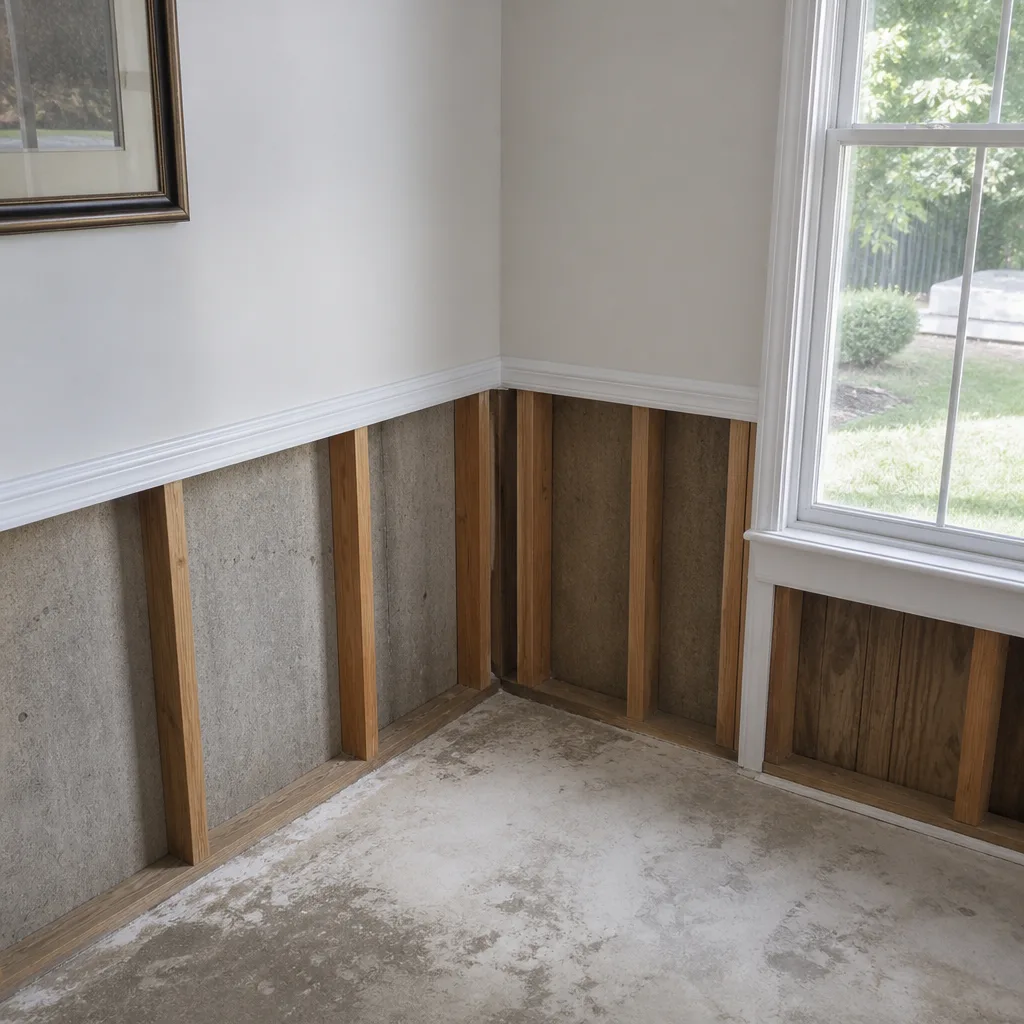
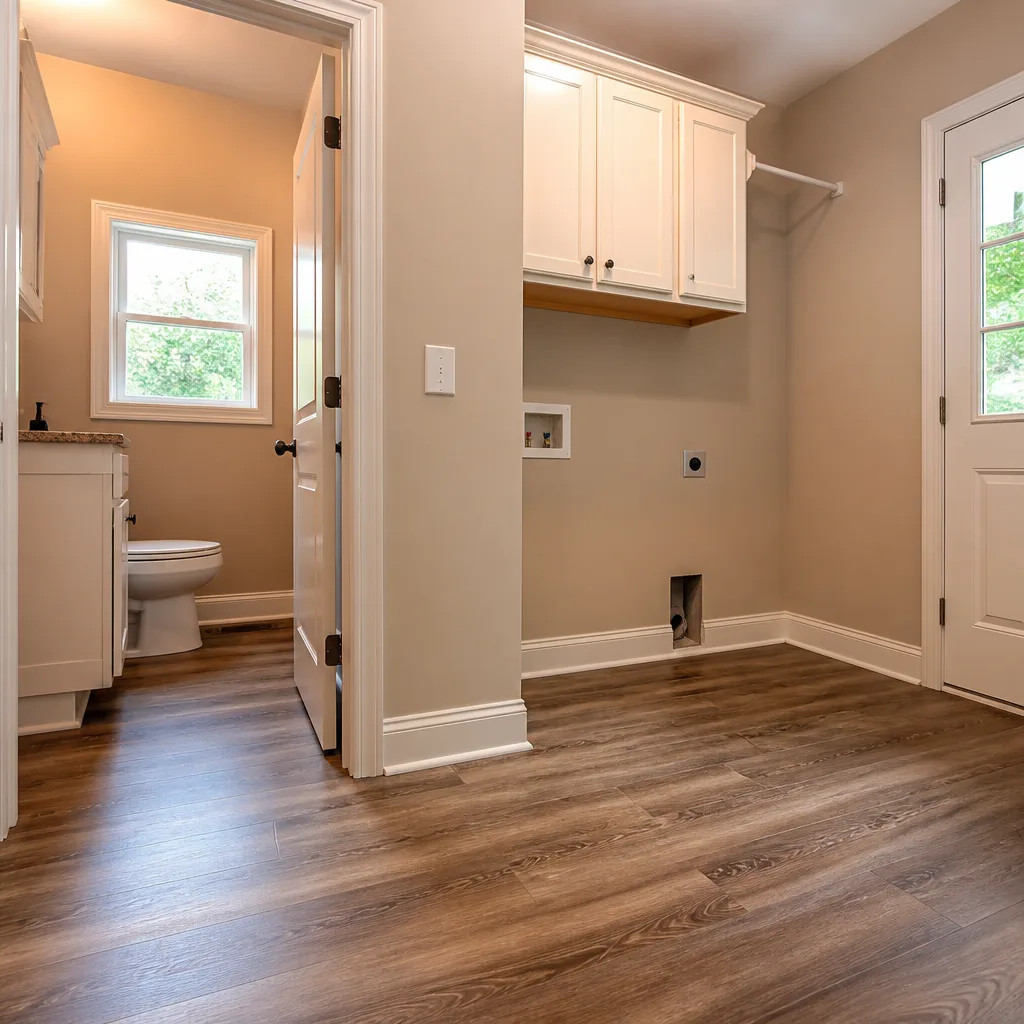
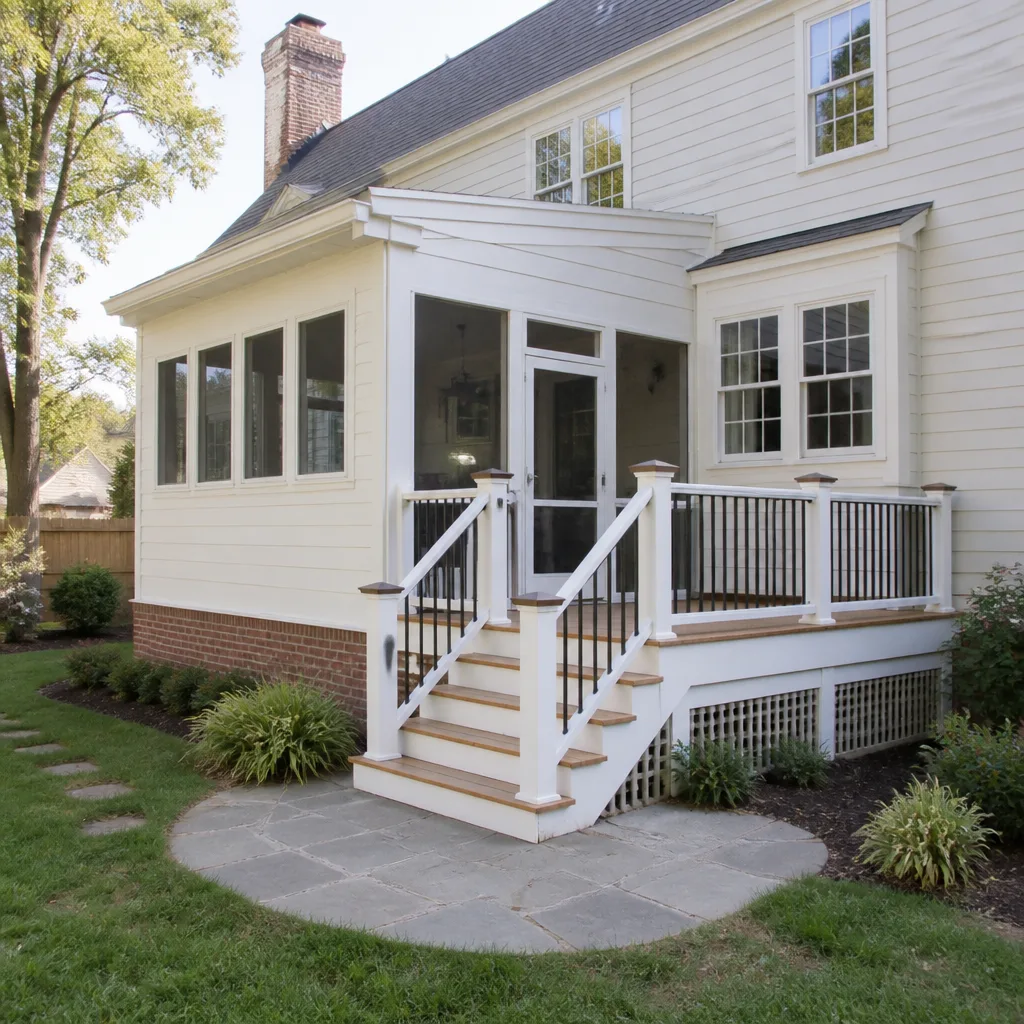
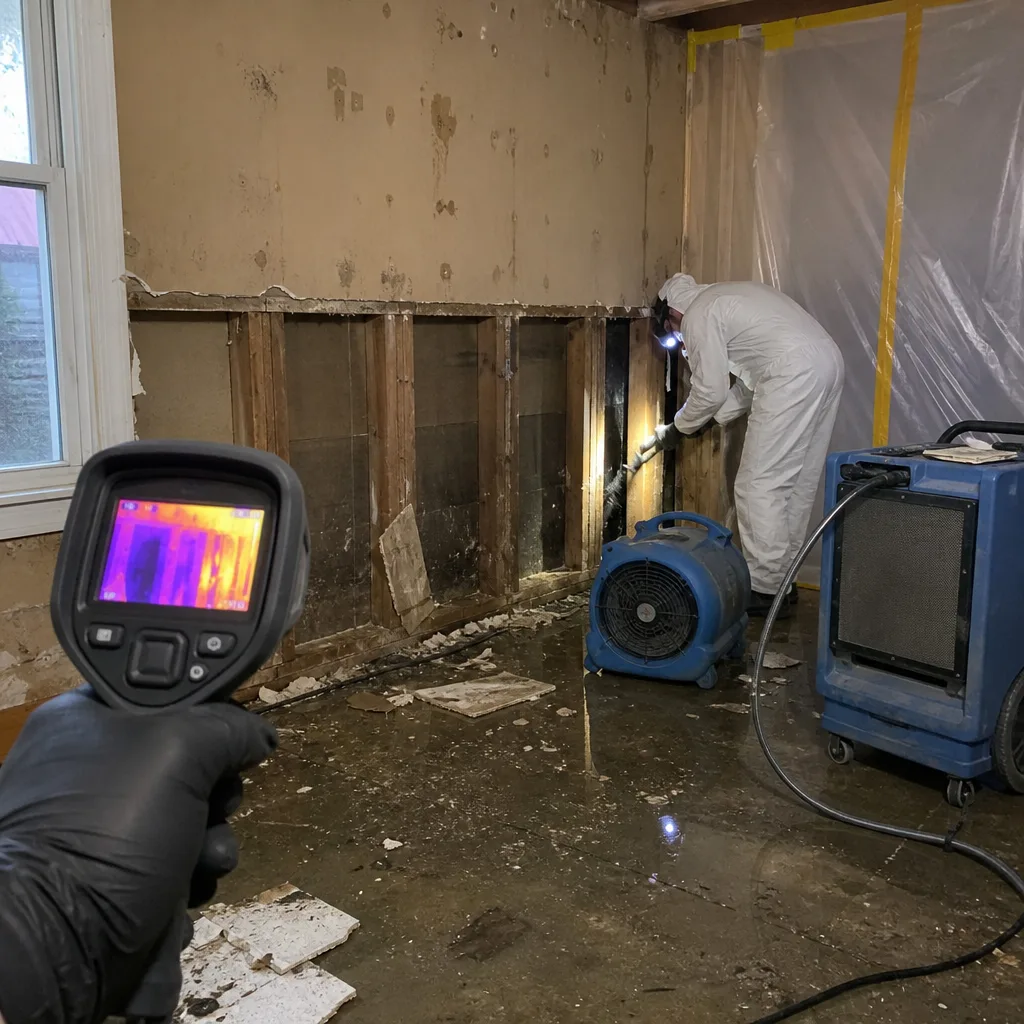 Before
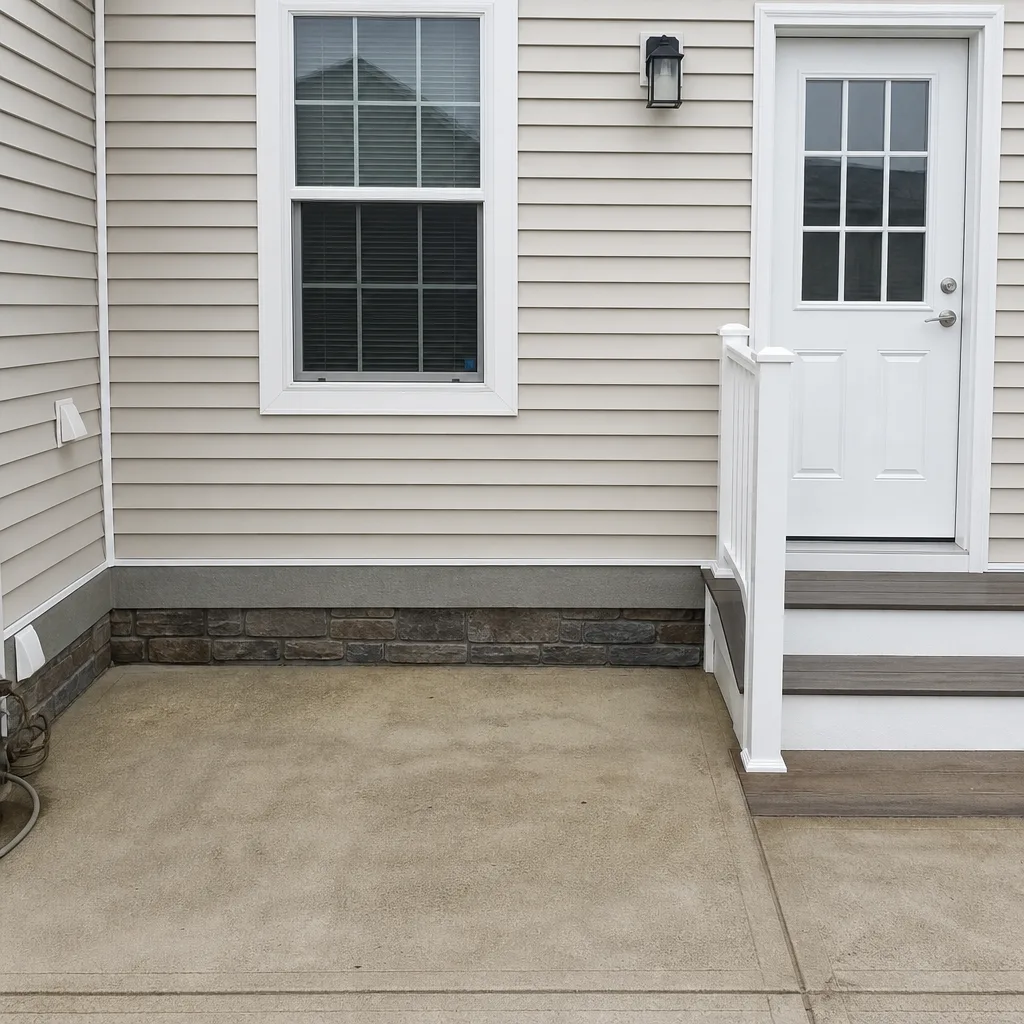 After
After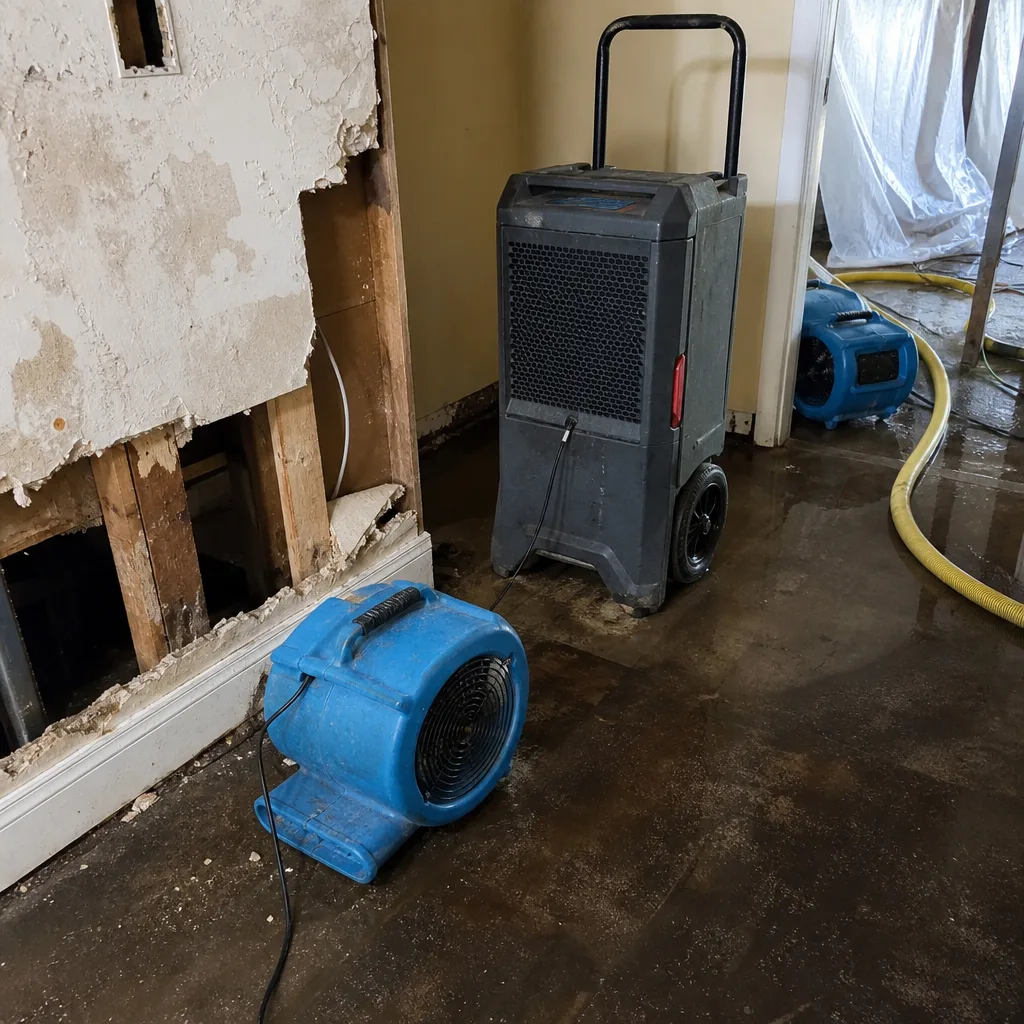 Before
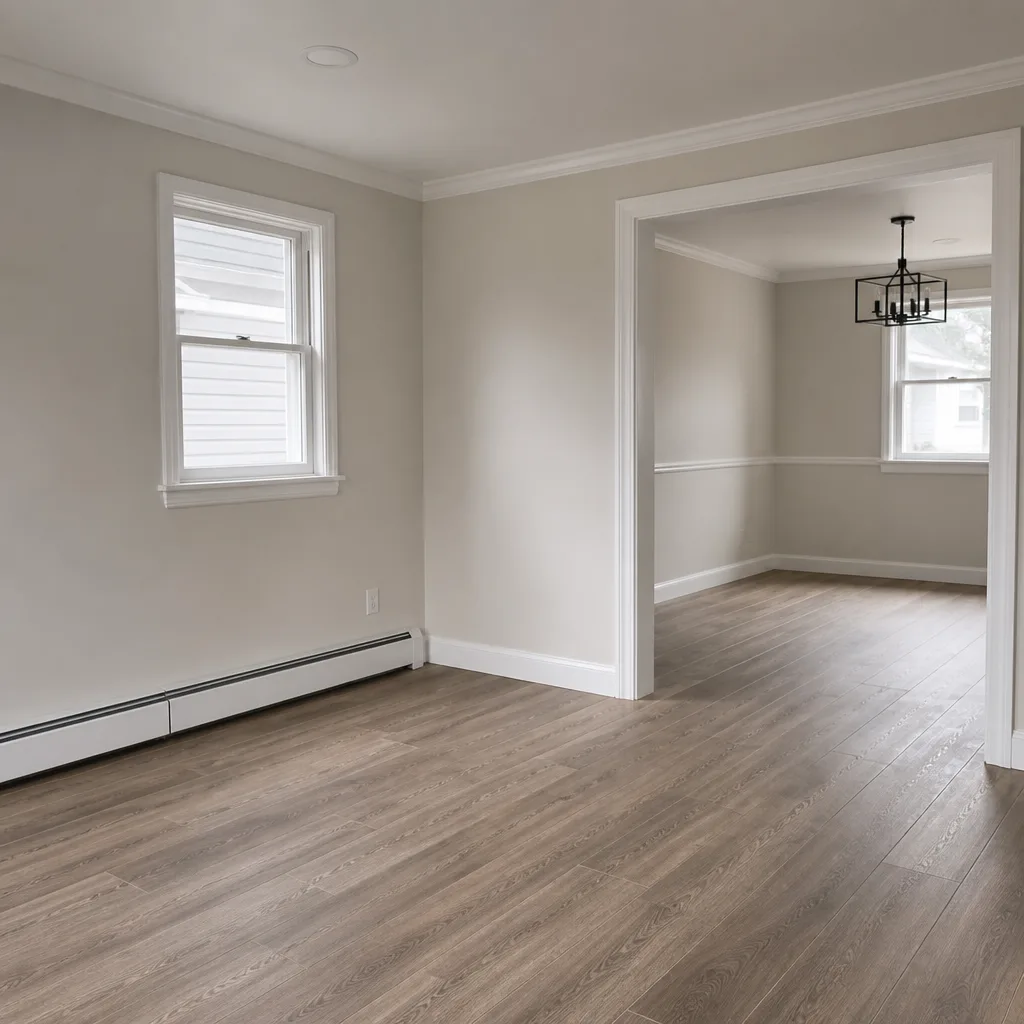 After
After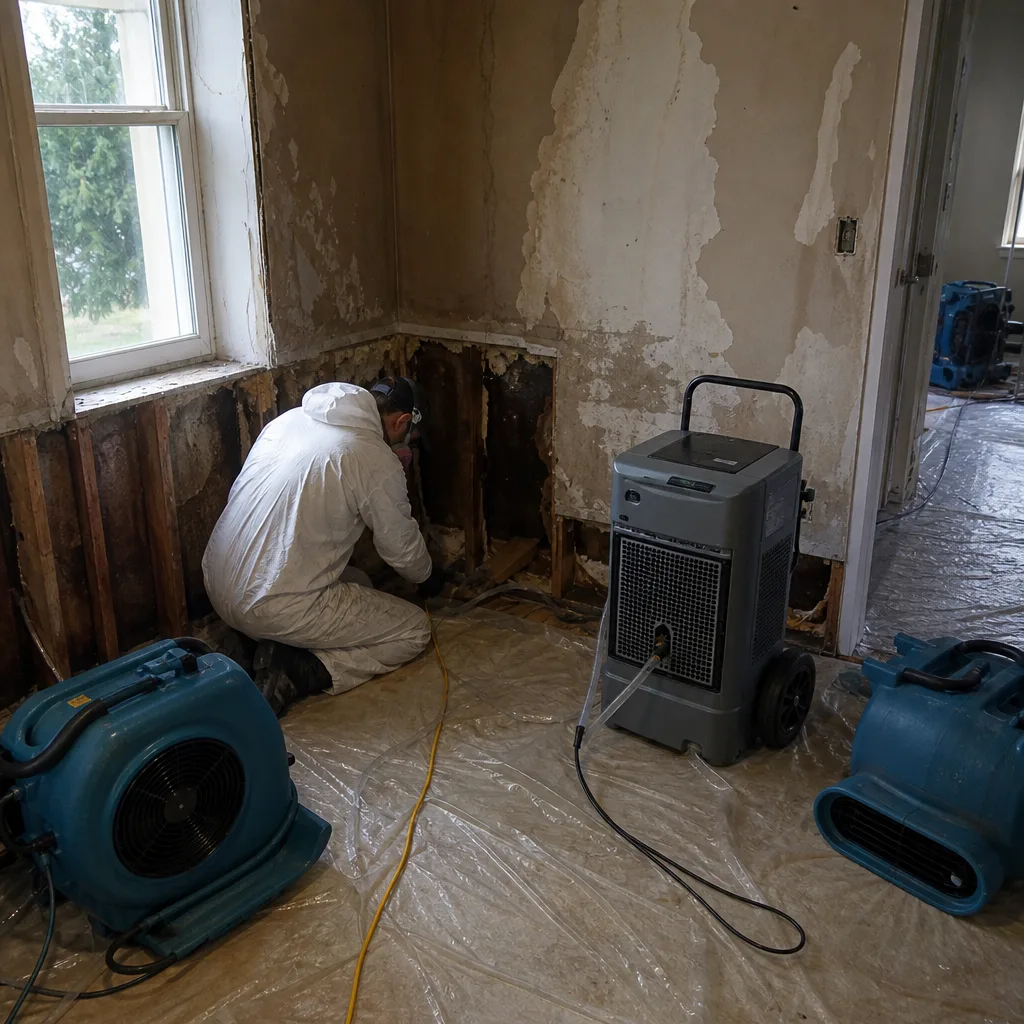 Before
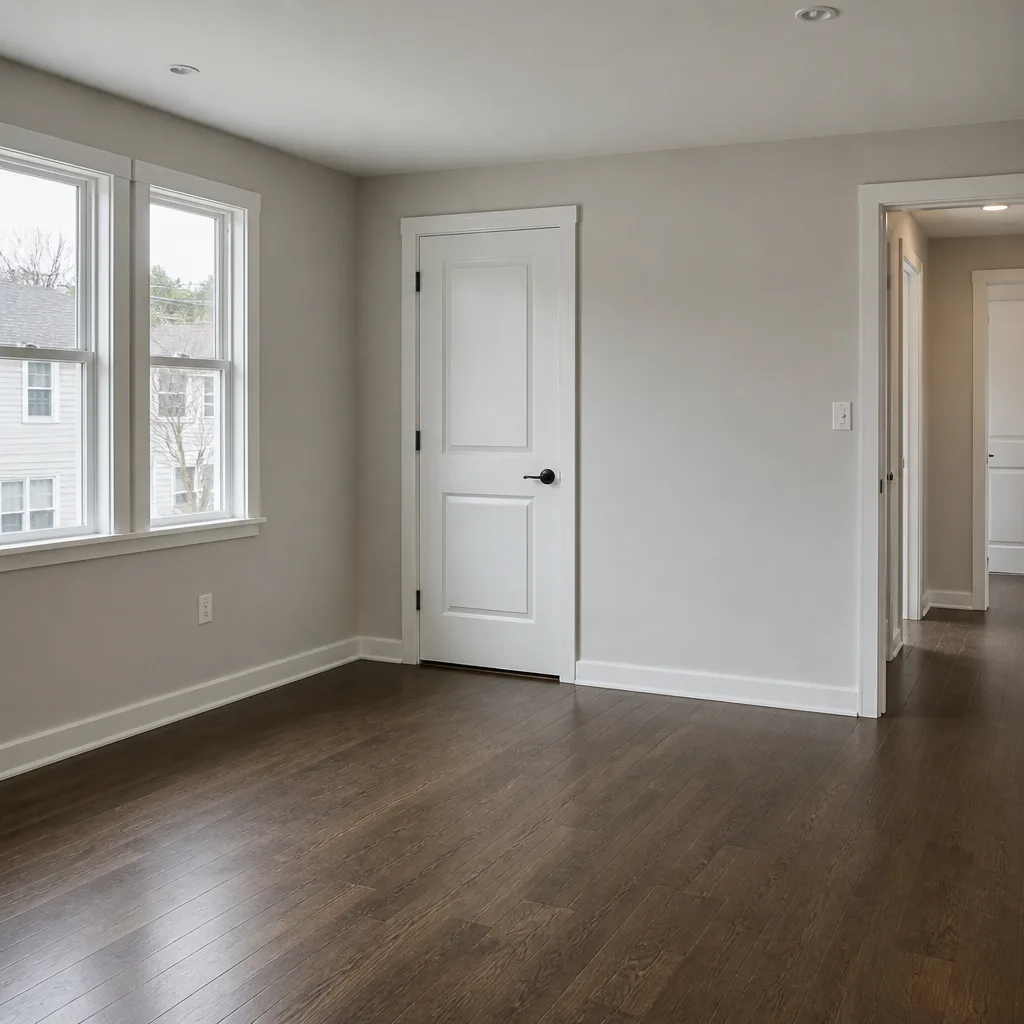 After
After24/7 Emergency Mold Remediation in Richmond Hill
Mold grows fast in Richmond Hill’s century-old row houses. When you call (518) 627-5878, a live dispatcher answers, not a recording. We dispatch mold remediation crews into Richmond Hill immediately, because the difference between a contained patch and a wall-to-wall colonization is measured in hours, not days. Our certified technicians arrive with thermal imaging cameras and moisture meters, assess the full scope at no charge, and get containment up before spores move through your shared party wall into the neighbor’s home. The first hour matters. Wet plaster and lath in a 1920s semi-detached home will wick moisture into balloon-frame cavities faster than any open-floor-plan house built after 1990. We start extraction and drying the same visit, because Mold Remediation in Richmond Hill is not a job that can wait for a callback.
Understanding Mold Remediation Severity in Richmond Hill Properties
Mold severity in Richmond Hill is rarely about the mold itself. It’s about the building that is hosting it. The dominant housing stock, semi-detached and attached Victorians and Edwardians built between 1900 and 1930, has three characteristics that turn a minor damp patch into a multi-room remediation project. Balloon-frame construction means wall studs run uninterrupted from basement sill to roof, creating vertical channels that wick water and carry mold spores from a first-floor intrusion to second-floor ceilings and attic framing within weeks. Plaster-and-lath interiors hold moisture differently than modern drywall; they absorb water by the bucket and release it slowly, hiding active colonies until the paint or wallpaper begins to bubble. Cast-iron drain lines, original to nearly every Richmond Hill semi-detached home, crack as the foundation settles or the roadbed shifts along Atlantic Avenue. That crack feeds a steady, silent drip into basement framing. By the time a homeowner sees the dark spot on the baseboard, the framing behind it may hold active mold growth two feet up the wall cavity. Severity here is structural, not cosmetic. A visual inspection that stops at surface staining tells you almost nothing. We moisture-map every remediation, because Richmond Hill’s building stock doesn’t dry on its own.
Why Richmond Hill Property Owners Choose Floodline Restoration Co.
- 45-minute response commitment. Our crews stage in Queens and reach Richmond Hill properties fast, often within 45 minutes of the first call.
- 24/7 live answer. A real person picks up every call at every hour. No automated menus, no callbacks from a sales desk.
- IICRC-certified crews. Our technicians hold IICRC AMRT and WRT certifications and train on the same moisture-mapping and containment methods every time.
- Free visual inspection. We look, we measure, we walk you through the scope before any work begins. No charge for that.
- Direct insurance billing. We bill your insurer directly and coordinate with the adjuster, so you never carry the paperwork between two parties.
- One team from extraction to reconstruction. The same crew that sets containment also handles the rebuild. No handoff to strangers.
Our Mold Remediation Process
Inspection & Assessment
We start with thermal imaging and moisture meters, mapping the full extent of water damage and mold growth across every affected wall cavity, including shared party walls. In Richmond Hill, that means checking the adjoining unit’s side of the wall, because what you see on your side is rarely the whole problem.
Containment & Stabilization
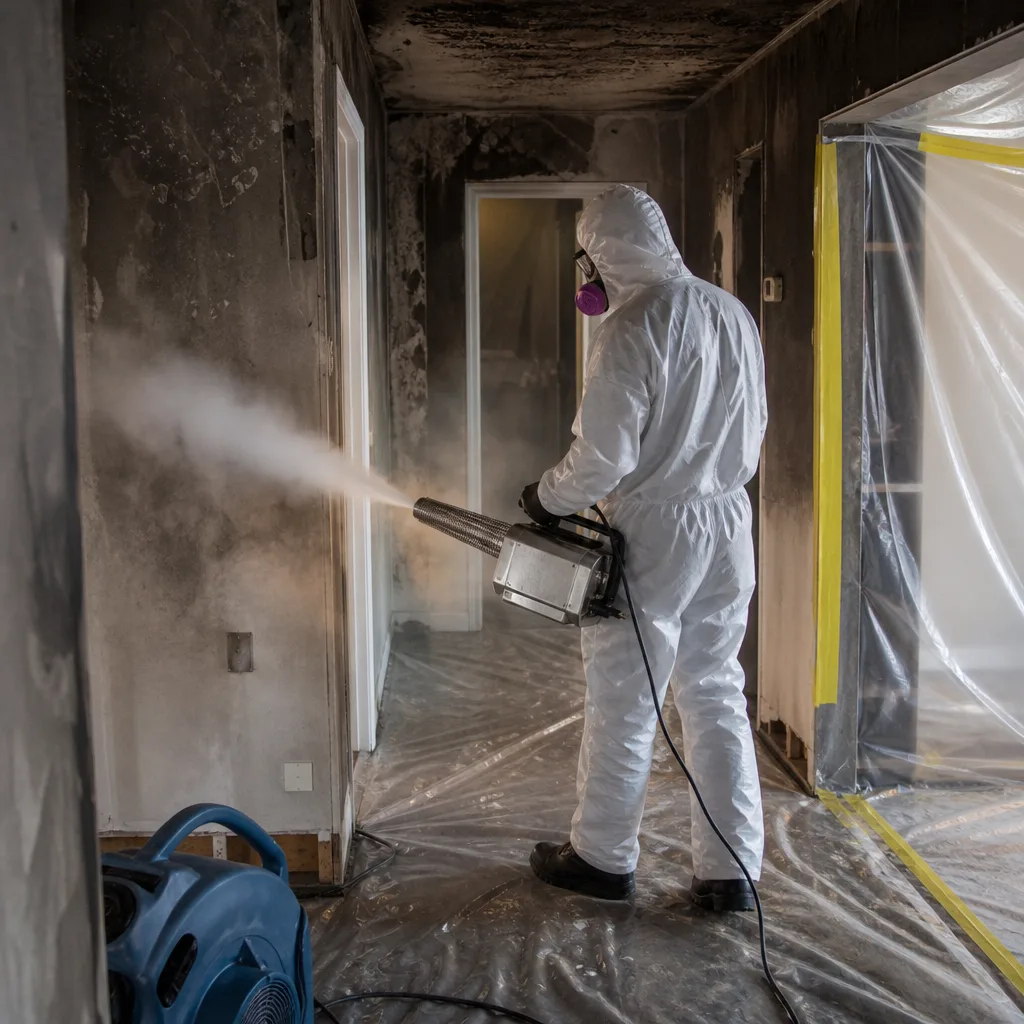
We seal the affected area with 6-mil polyethylene and establish negative air pressure using HEPA-filtered air scrubbers before any contaminated material is disturbed. For semi-detached homes, containment extends to the shared wall plane to prevent cross-unit spore migration.
Source Removal & Material Disposal
Mold growth in plaster-and-lath construction requires cutting out the affected lath and plaster, not just treating the surface. We bag and remove contaminated materials following IICRC S520 guidelines, including any asbestos-containing materials that need abatement under separate protocol.
Drying & Dehumidification
We run Dri-Eaz dehumidifiers, Phoenix air movers, and XPOWER fans until moisture readings return to pre-loss baseline. Drying logs are recorded daily and shared with you and your insurer.
Cleaning & Antimicrobial Treatment
After source removal and drying, we HEPA-vacuum all surfaces, wipe down framing with an EPA-registered antimicrobial, and treat the crawl space if it contributed moisture. This is the step that prevents regrowth in Richmond Hill’s humid micro-climates.
Repairs & Restoration
We rebuild what we removed: new drywall or plaster, trim, insulation, paint. The same crew that set containment finishes the restoration, using written scope and firm pricing.
Need Emergency Mold Remediation in Richmond Hill Now?
Crews minutes away, answering live 24 hours a day. The sooner we start, the less it costs.
Working With Your Insurance Company
Insurance claims for mold in Richmond Hill are not like claims in newer neighborhoods. The age of the home, the presence of plaster-and-lath, the shared wall. All of it gets questioned. We have handled claims in this zip code long enough to know what adjusters ask for before they approve a line item. We document everything from the first hour, including moisture logs, photo records of every cut and every containment barrier, and a line-item scope written to industry software standards. Our team communicates directly with your adjuster, handling the back-and-forth so you don’t have to argue about whether mold in a bump-out wall counts as covered water damage or a maintenance issue. We bill your insurer directly.
What We Provide Your Insurer
- Thorough documentation of the loss
- Photos of all damage, room by room
- Moisture readings and drying logs
- A detailed, line-item scope of work
- Direct coordination with your carrier
Built for Richmond Hill’s Loss Calendar
Richmond Hill’s mold season is not one season. It is four, each with its own mechanism. January deep freezes burst supply lines in uninsulated rear bump-outs, and the water runs through the party wall before anyone notices the ice on the siding. Spring thaw saturates the already-high water table under the Jamaica Bay watershed, pushing groundwater up through foundation cracks and into basements that have been damp since the house was built in 1915. Summer thunderstorms hit fast and hard, overwhelming Richmond Hill’s combined sewer lines, and Category 3 sewage backs up into basements along 101st Avenue, 111th Street, and the blocks south of Liberty Avenue. Fall Nor’easters drive wind-driven rain against flat rear extensions, flashing water behind paneling that hasn’t been opened since the Eisenhower administration. Each season leaves mold behind. Each season requires something different in containment, drying, and reconstruction. We schedule for the calendar in Richmond Hill because the calendar is the enemy.
Mold Remediation Across Richmond Hill’s Neighborhoods
Richmond Hill is not one neighborhood; it’s a collection of blocks that share a building typology but not a single moisture profile. The row houses west of 111th Street sit on slightly higher ground near Forest Park, and their basements see more seasonal groundwater than sewage backups. East of Lefferts Boulevard, closer to the combined sewer mains along Atlantic Avenue, Nor’easter backups are the dominant source of Category 3 water. The blocks near Phil Rizzuto Park and the Long Island Rail Road tracks have older sidewalks and shifting tree roots that crack cast-iron drain lines more often, feeding hidden moisture into basement framing where mold grows behind paneling for years. The semi-detached Victorians along 108th Street and 109th Street share party walls with true balloon framing, and we routinely find mold in second-floor ceiling cavities that originated from a basement intrusion three weeks earlier. The flat-roof rear bump-outs on 115th Street and 119th Street flash water against shared walls in every rain event, and mold colonies there are always found behind paneling, never on the surface. Our crews know these blocks because they work these blocks.
Specialized Mold Remediation Services We Offer in Richmond Hill
Mold Inspection & Testing
We start with thermal imaging, moisture mapping, and visual inspection, and when visible mold is not present but an odor is, we recommend third-party air sampling to identify the spore type and concentration. For shared-wall homes, inspection includes the adjoining unit’s side of the party wall, because mold does not respect property lines.
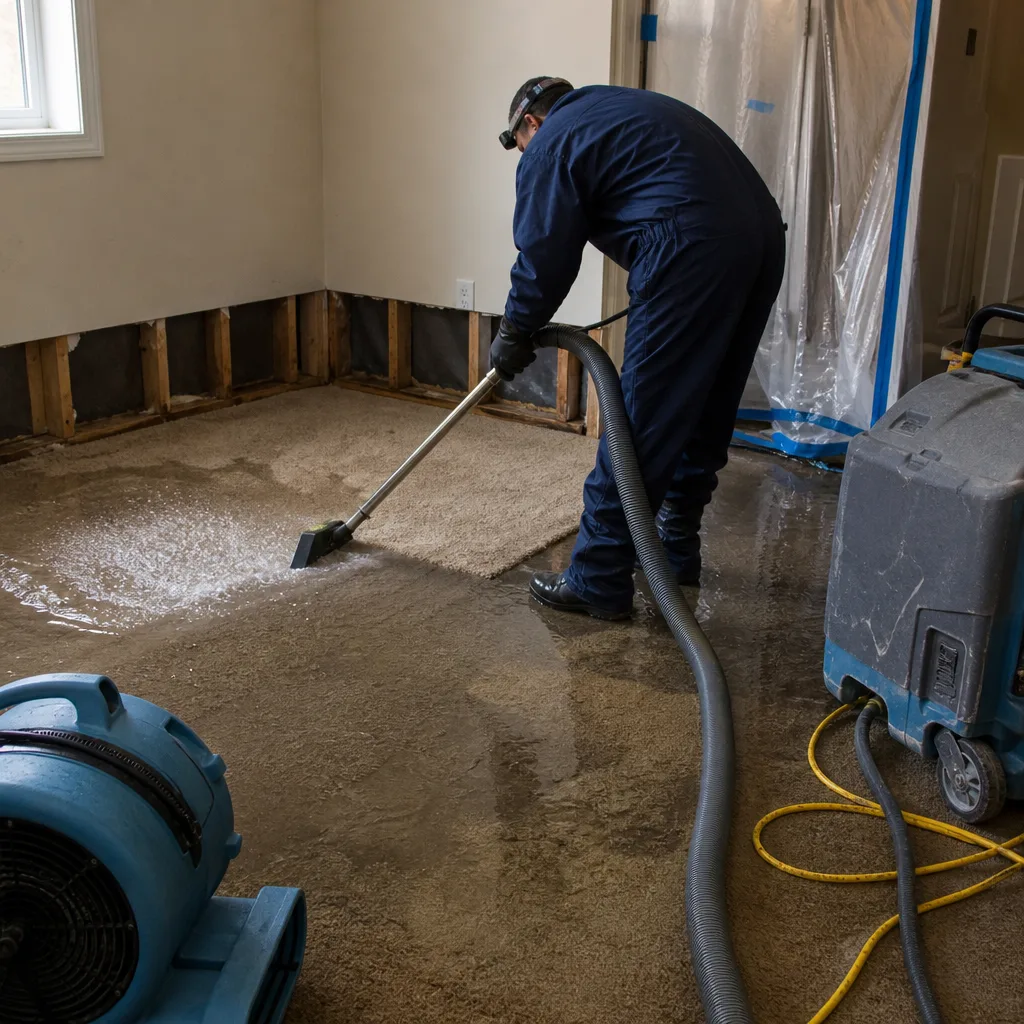
Mold Removal
Our Mold Remediation team removes active growth from framing, walls, ceilings, and floors using HEPA-vacuuming, source removal, and EPA-registered antimicrobials. In Richmond Hill, removal often means cutting out plaster and lath and replacing it; surface treatment alone does not work on century-old materials.
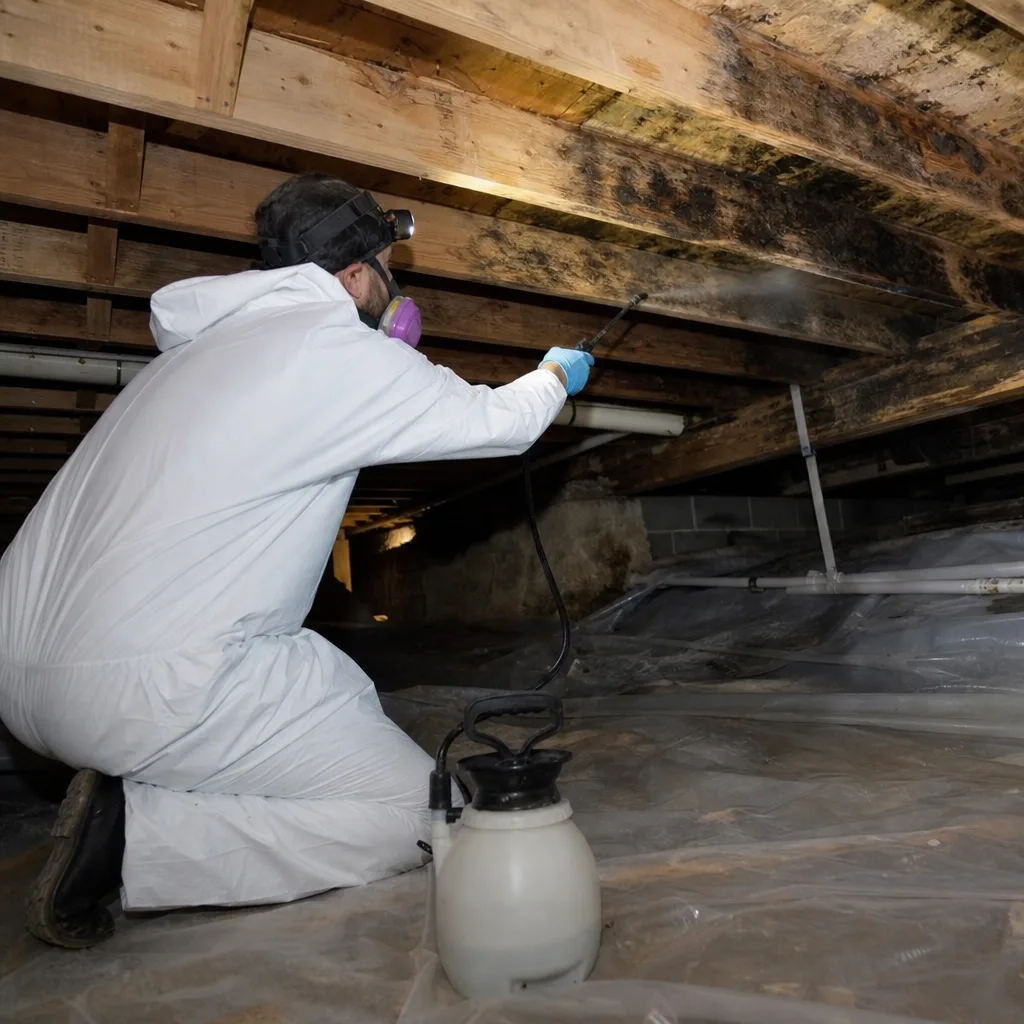
Black Mold Remediation
Stachybotrys, often called black mold, grows on saturated cellulose. Richmond Hill homes have no shortage of saturated cellulose: plaster backing, lath, old wallpaper, and unpermitted paneling in rear bump-outs. We treat black mold with full containment, HEPA filtration, and controlled disposal, following the same protocols every time.
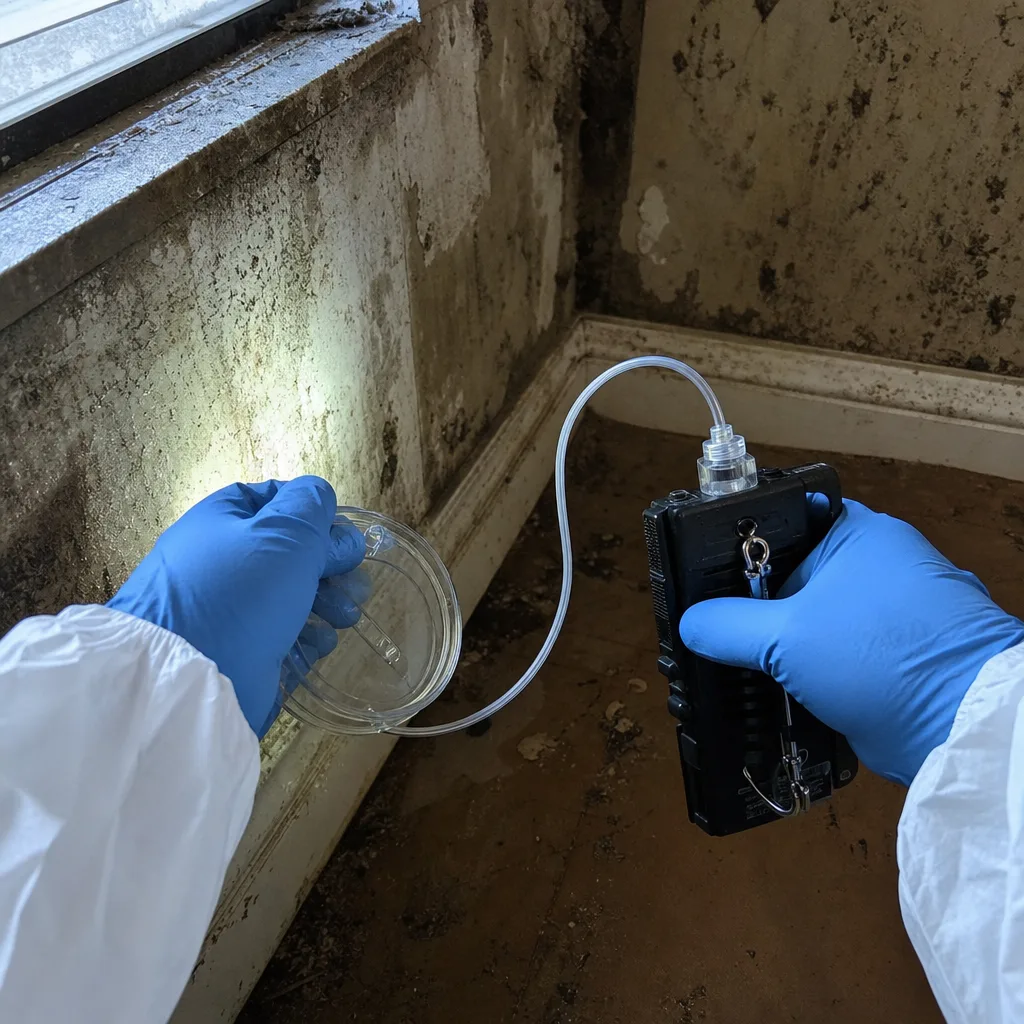
Air Quality Restoration
After source removal, we run HEPA air scrubbers and negative air machines to clear airborne spores and particulates. For semi-detached homes, we often run concurrent air scrubbing in the adjoining unit to capture any spores that migrated before containment. Clearance testing can be arranged through an independent lab.
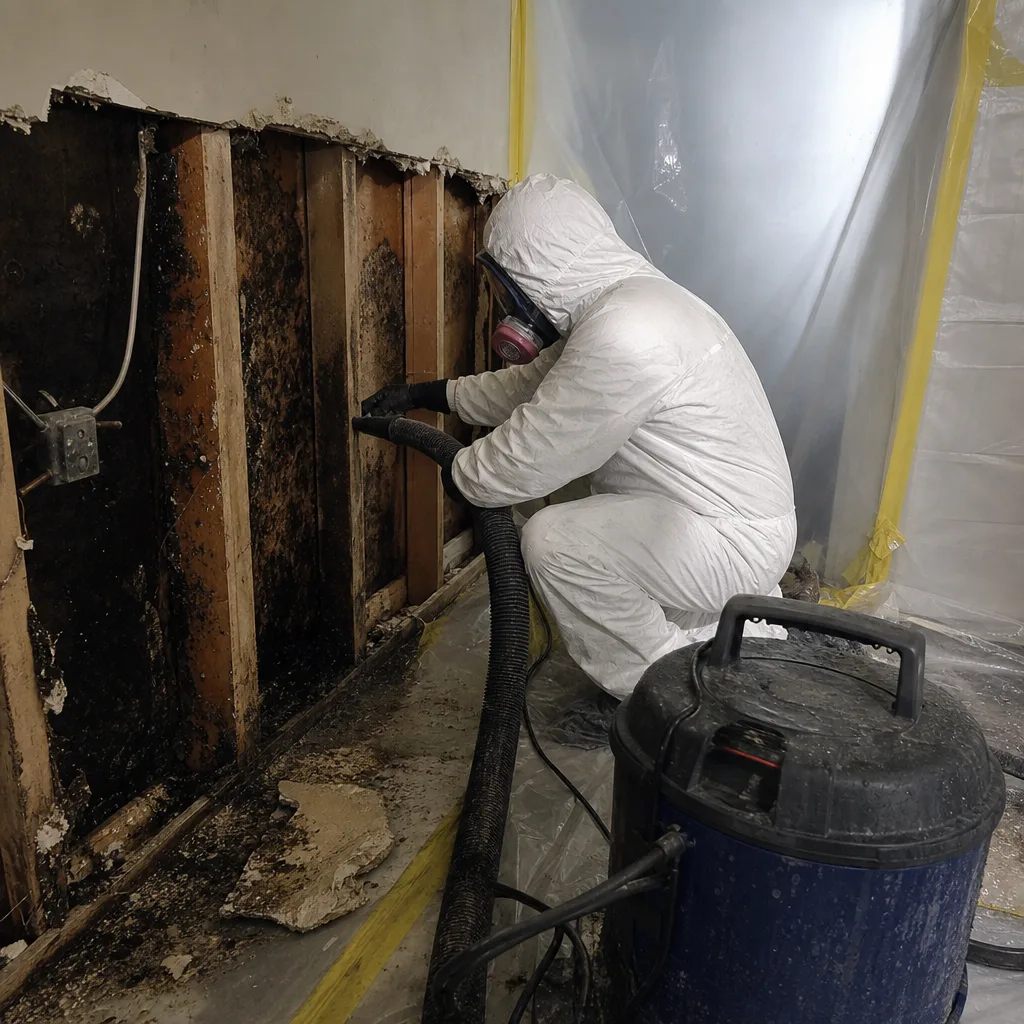
Crawl Space Treatment
Richmond Hill’s shallow crawl spaces are mold factories. High groundwater, trapped humidity, and original wood joists combine to create the perfect environment. We extract standing water, dry the space with XPOWER fans and dehumidifiers, treat the framing with antimicrobial, and install vapor barriers where the owner wants to prevent return growth.
What happens when you call
- 1
A real person answersNo phone trees - you reach a local pro.
- 2
You get an upfront price rangeHonest numbers before anyone is dispatched.
- 3
A background-checked tech heads outLicensed & insured, dispatched right away.
- 4
You approve before work beginsNothing starts until you say go.
Mold Remediation Costs in Richmond Hill, NY
Mold remediation in Richmond Hill typically runs between $1,800 and $6,000 for a contained single-room or crawl space job. A full basement with sewage backup and mold behind finished walls runs $5,000 to $12,000. Multi-unit coordination, where containment crosses a shared party wall and the neighbor’s unit requires remediation too, adds $2,000 to $8,000 depending on how many legal owners and how many separate insurance carriers are in play. A straightforward mold inspection and air test runs $350 to $700. What actually moves the number: how much plaster and lath must be removed, whether asbestos abatement is triggered, whether the source is a drain line that requires a licensed plumber, and how many days of drying the structure needs before rebuilding can begin. Our free visual inspection gives you a firm written scope before any work starts, so you know the number before the first cut. Call (518) 627-5878 to schedule it.
We Also Serve Cities Near Richmond Hill
Our crews serve the surrounding Queens neighborhoods including Woodhaven, Ozone Park, Forest Hills, and South Ozone Park. Same response commitment, same live-answer dispatch, same Richmond Hill level of documentation and guarantee. If you’re on the edge of the neighborhood, call and we’ll tell you exactly when a crew can reach you.
Serving Richmond Hill, NY - Our Local Coverage Area
We’re based in the Richmond Hill area and know this community well. Use the map below to see our service coverage - if you’re nearby, we can almost certainly help.
Richmond Hill Mold Remediation Questions, Answered
Why does mold remediation in Richmond Hill often require coordination with the adjoining row house owner?
Shared party walls mean the framing, lath, and plaster you share with your neighbor carries mold and moisture across the legal property line. We coordinate containment and remediation across both units because treating only one side of a party wall leaves active mold behind on the other side, and it will return within weeks. For attached Victorians with balloon framing, the wall cavity literally runs continuously between homes.
How do Richmond Hill’s unpermitted rear bump-outs change the mold remediation process?
Mid-century rear bump-outs were added without permits, with flat or low-slope roofs that flash water against the shared party wall. By the time mold is discovered there, it is almost always growing behind paneling that was never opened, with framing saturated for years. Remediation typically means full removal of the bump-out’s interior finish, structural drying of the floor system, and coordination with the neighbor because the party wall inside the bump-out is shared.
Are Richmond Hill basements more prone to black mold after a rainstorm?
Yes. Richmond Hill sits in the Jamaica Bay watershed and runs on combined sewer lines that back up during heavy Nor’easters and summer convective storms. Category 3 sewage water then enters basements through floor drains and foundation cracks. That water is not just wet; it is biologically contaminated, and it accelerates mold growth in the organic material of plaster and old wood framing. Black mold is common in these basements unless the water is extracted and the space dried within 48 hours.
Does asbestos in Richmond Hill’s plaster-and-lath homes affect mold remediation?
Plaster and the backing materials in early 20th-century Richmond Hill homes can contain asbestos, and when mold remediation requires cutting into those walls, abatement protocols apply. We identify suspect materials during the inspection, pause removal, and bring in a licensed asbestos abatement contractor where required. This adds cost and time, but skipping it is not an option. Call (518) 627-5878 and we’ll tell you what your home’s construction type means for your job.
What’s the first step for mold remediation in a Richmond Hill semi-detached home with a shared wall?
Moisture mapping, done before any opening is made, across both the affected unit and the adjoining unit’s side of the party wall. We use thermal imaging and moisture meters to find every saturated pocket, because in balloon-frame construction, the water will not stay on one floor. Containment is set across the shared wall plane, and then we open the walls to see the real extent.
How fast can a mold remediation crew reach a home in Richmond Hill?
Most calls are answered live at (518) 627-5878 and a crew reaches Richmond Hill within 45 minutes when dispatch confirms the job. The sooner we set containment, the less mold spreads through shared cavities and the smaller the eventual scope. Speed matters with mold, because every hour of open wall cavity is another hour of spore movement.
Will insurance cover mold remediation in my Richmond Hill home?
It depends on whether the mold resulted from a sudden, covered event like a burst pipe, a storm backup, or a Nor’easter intrusion, and whether the policy has mold coverage. We document everything, bill your insurer directly, and coordinate with your adjuster. In shared-wall homes, each owner’s carrier may handle their side independently, and we manage both simultaneously.
Can my family stay in the home during mold remediation?
For contained mold remediation where the affected area is sealed with negative air pressure and HEPA filtration, the rest of the home can often remain occupied. For black mold in occupied bedrooms or widespread growth across multiple floors, we often recommend temporary relocation until clearance testing confirms the air is safe. We walk you through that decision on the first visit.
On a row house near 108th Street, our crew traced moisture readings behind a mid-century bump-out paneling after a Nor’easter backed up the combined sewer line. With Category 3 water in the crawl space, we set containment across three units, removed saturated plaster-and-lath and asbestos-containing drywall, and ran Dri-Eaz dehumidifiers and XPOWER air movers until drying logs matched pre-loss condition. That is the reality of mold work in Richmond Hill, and we handle it the same way every time: document, contain, dry, rebuild, and stand behind the result in writing.
Call (518) 627-5878 for a free visual inspection and a firm written scope. You will reach a live person, and a certified crew that knows Richmond Hill’s homes. Done right, and backed in writing.
Written by Curt Bowman, Owner at Floodline Restoration Co., serving Richmond Hill and the surrounding Queens neighborhoods.