
Free visual inspection and a written scope of work before any mitigation begins - photos, moisture readings, and drying logs go in your claim file
The scope we write is the scope we bill. Anything new gets shown to you, in writing, before we touch it.
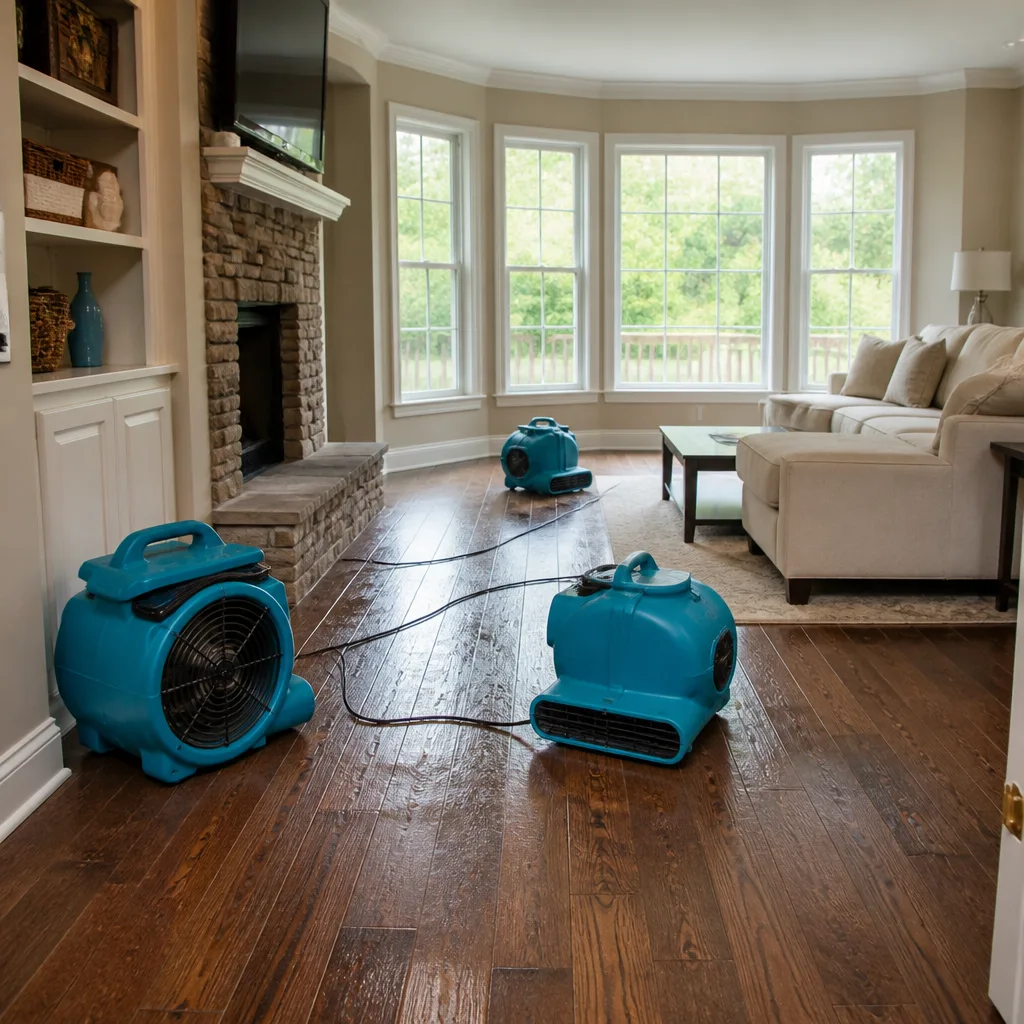
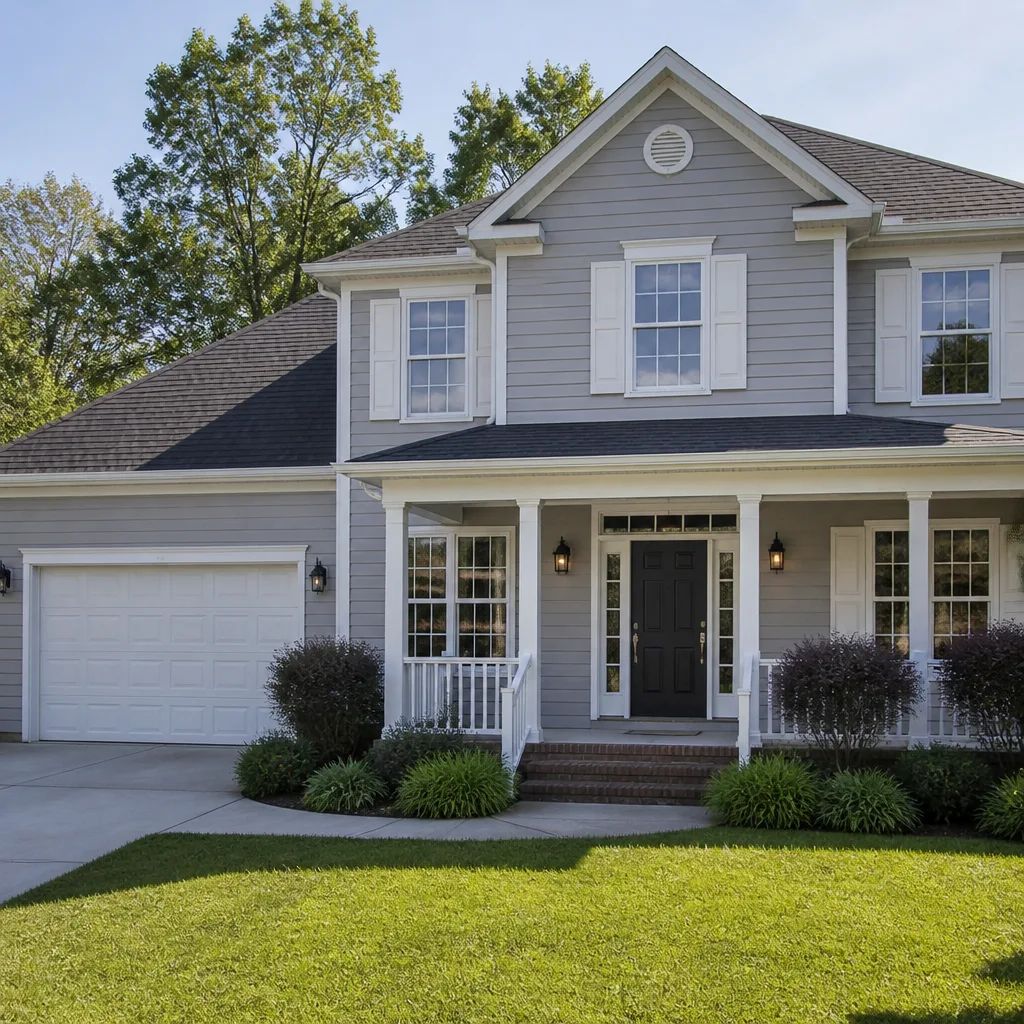
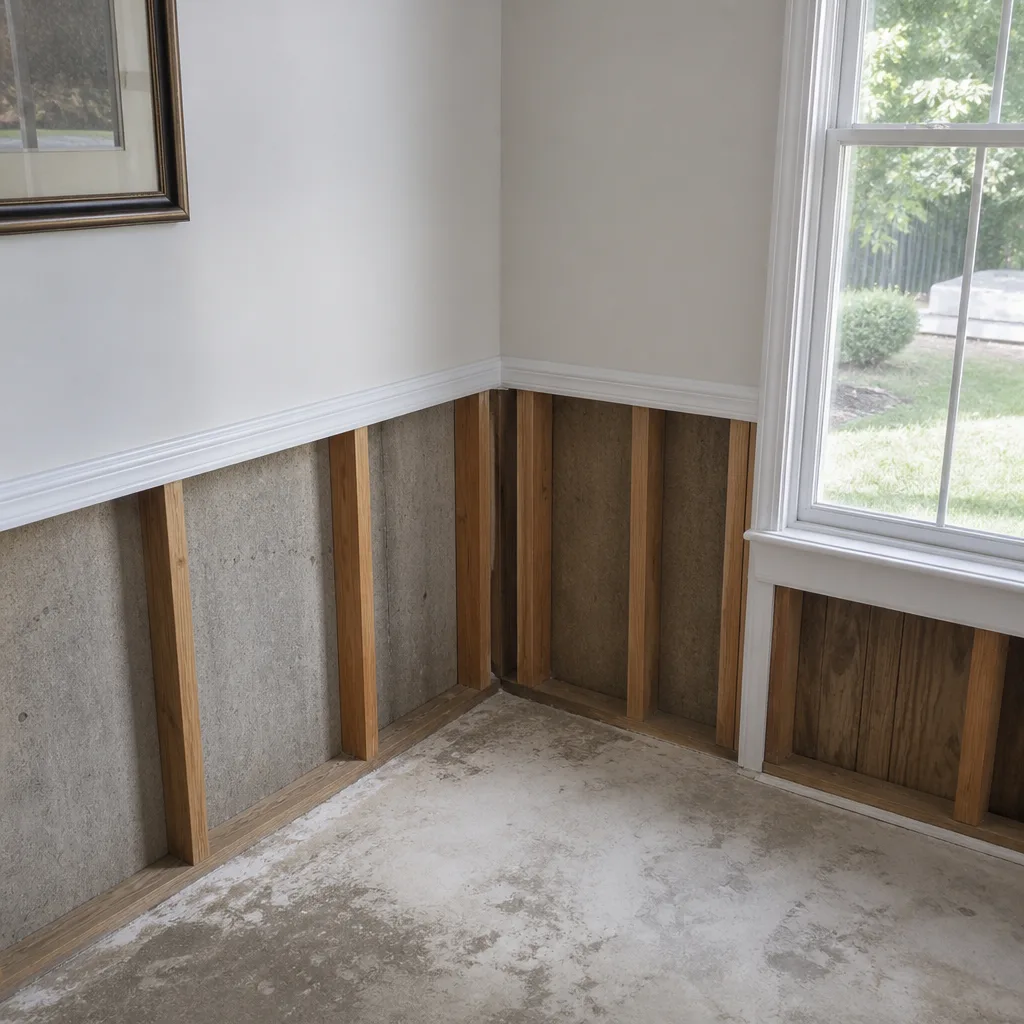
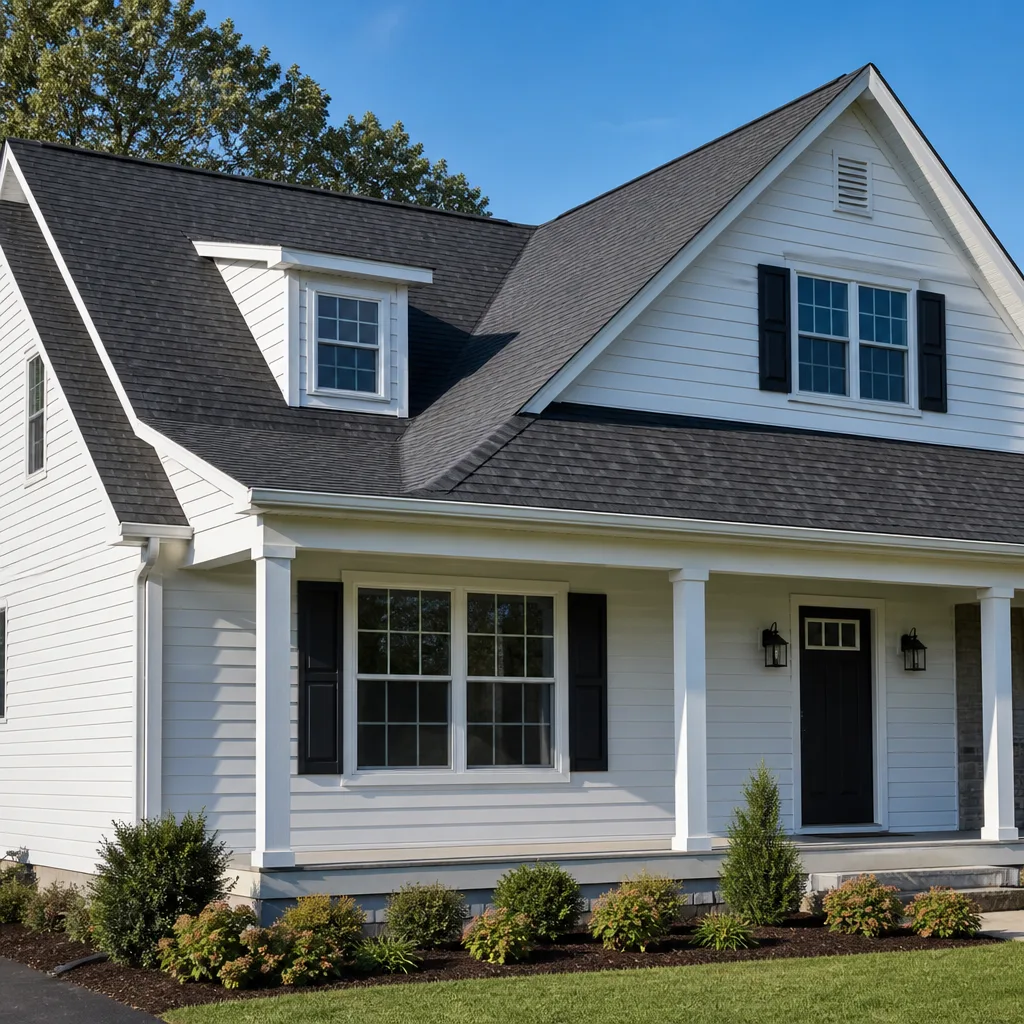
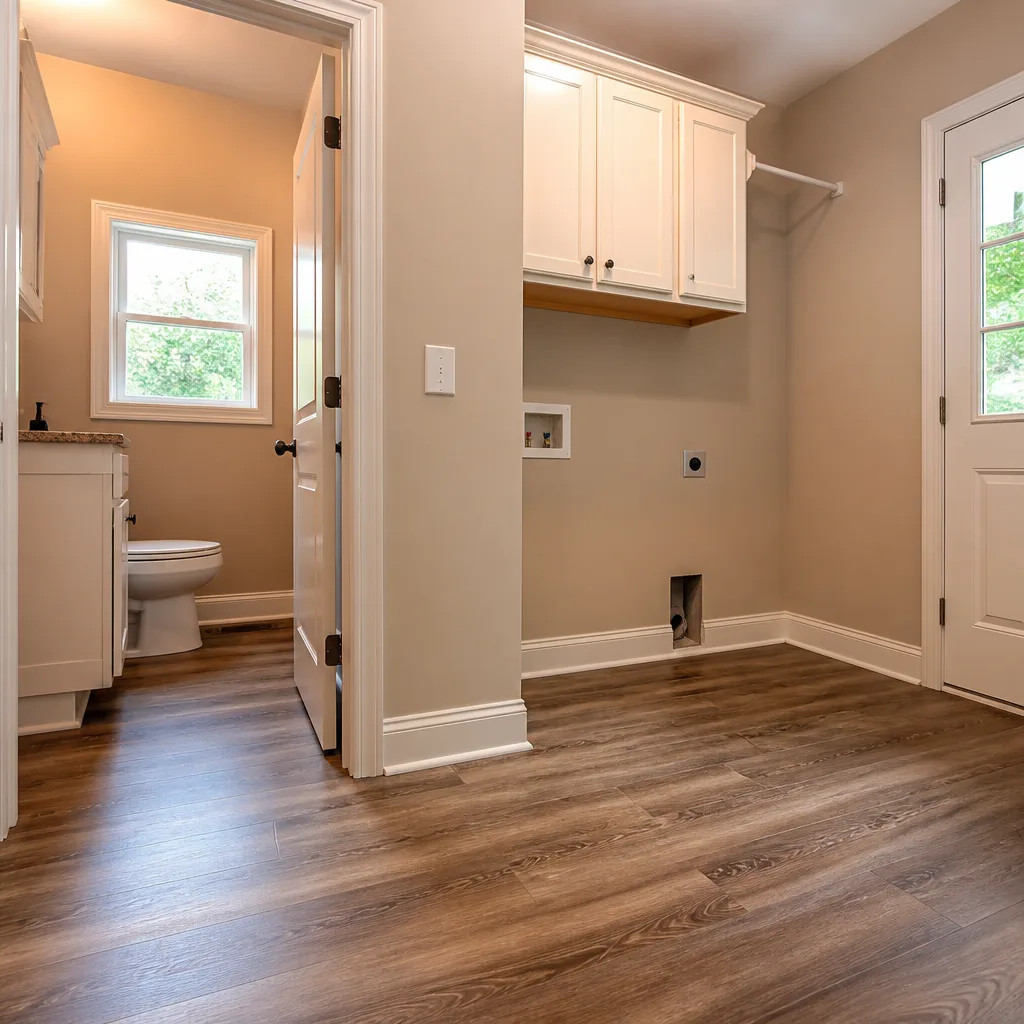
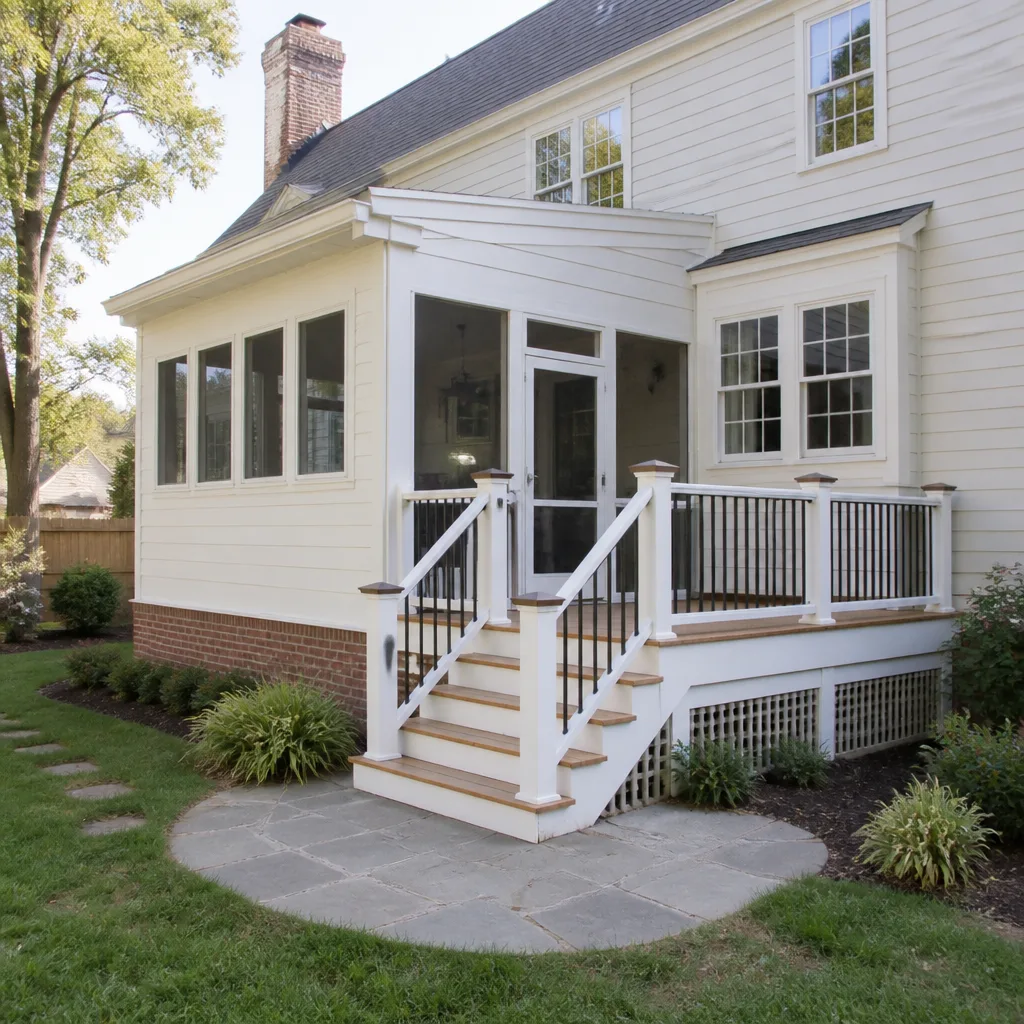
 Before
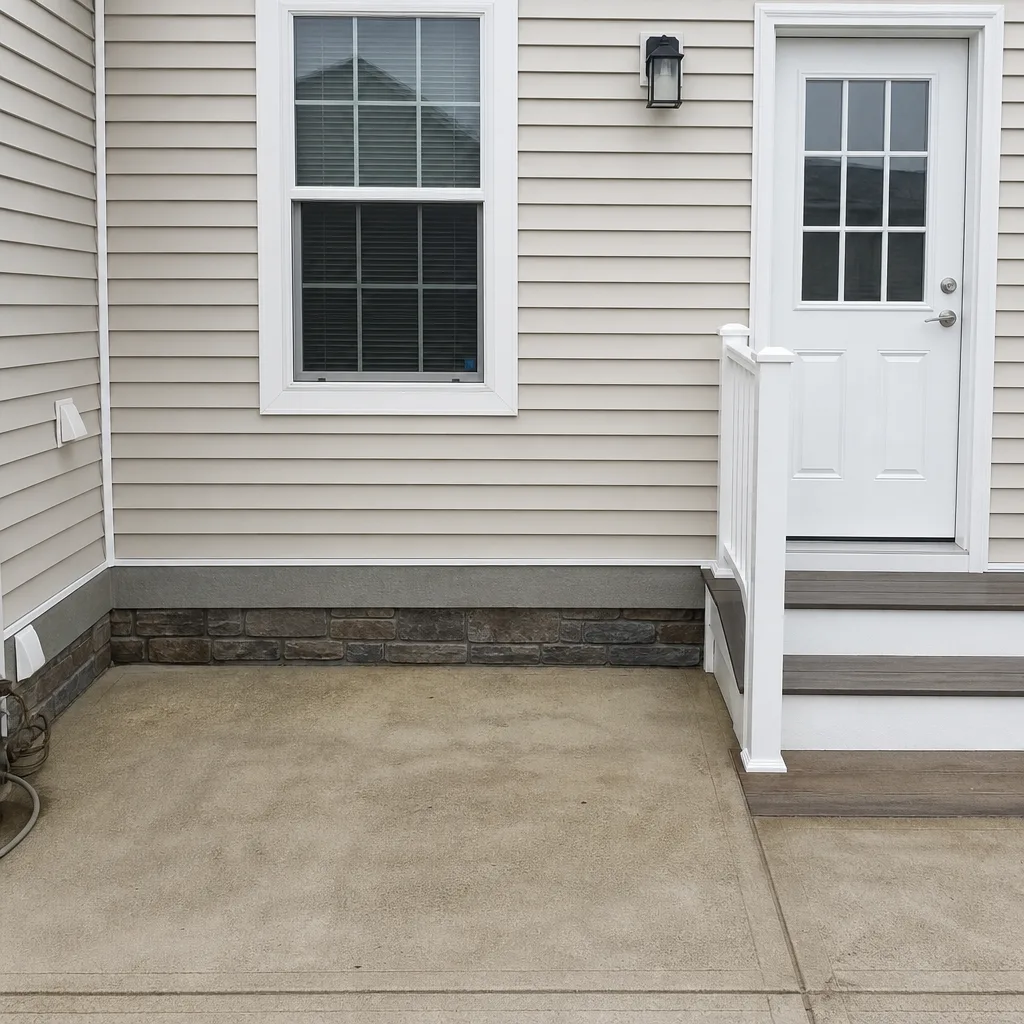 After
After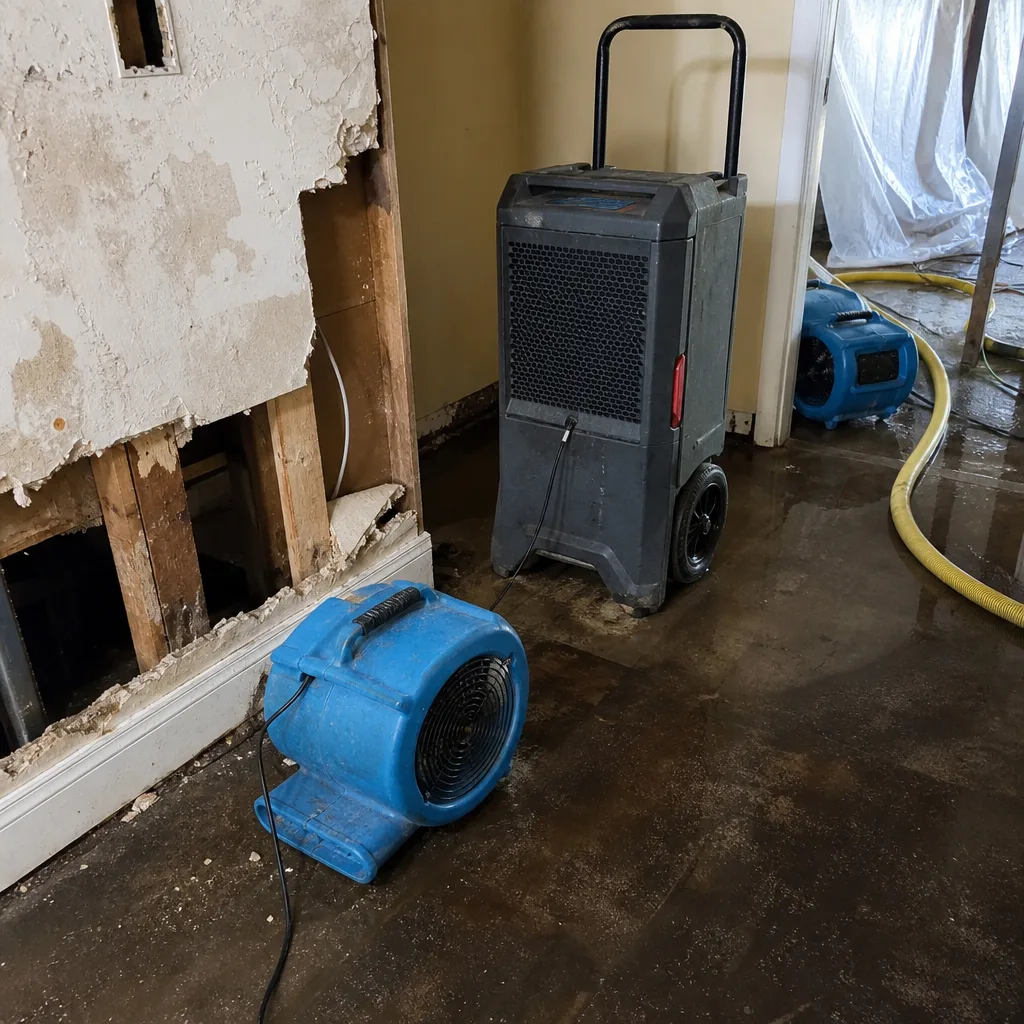 Before
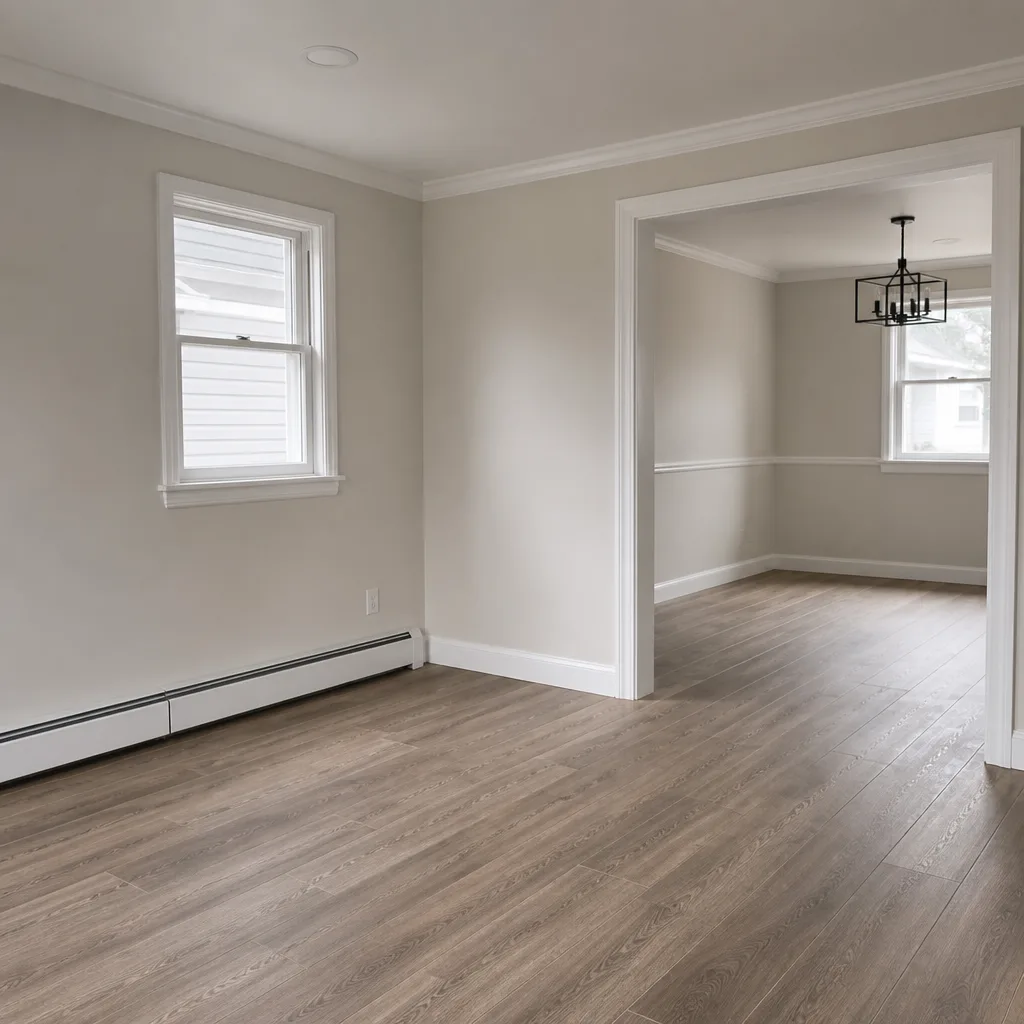 After
After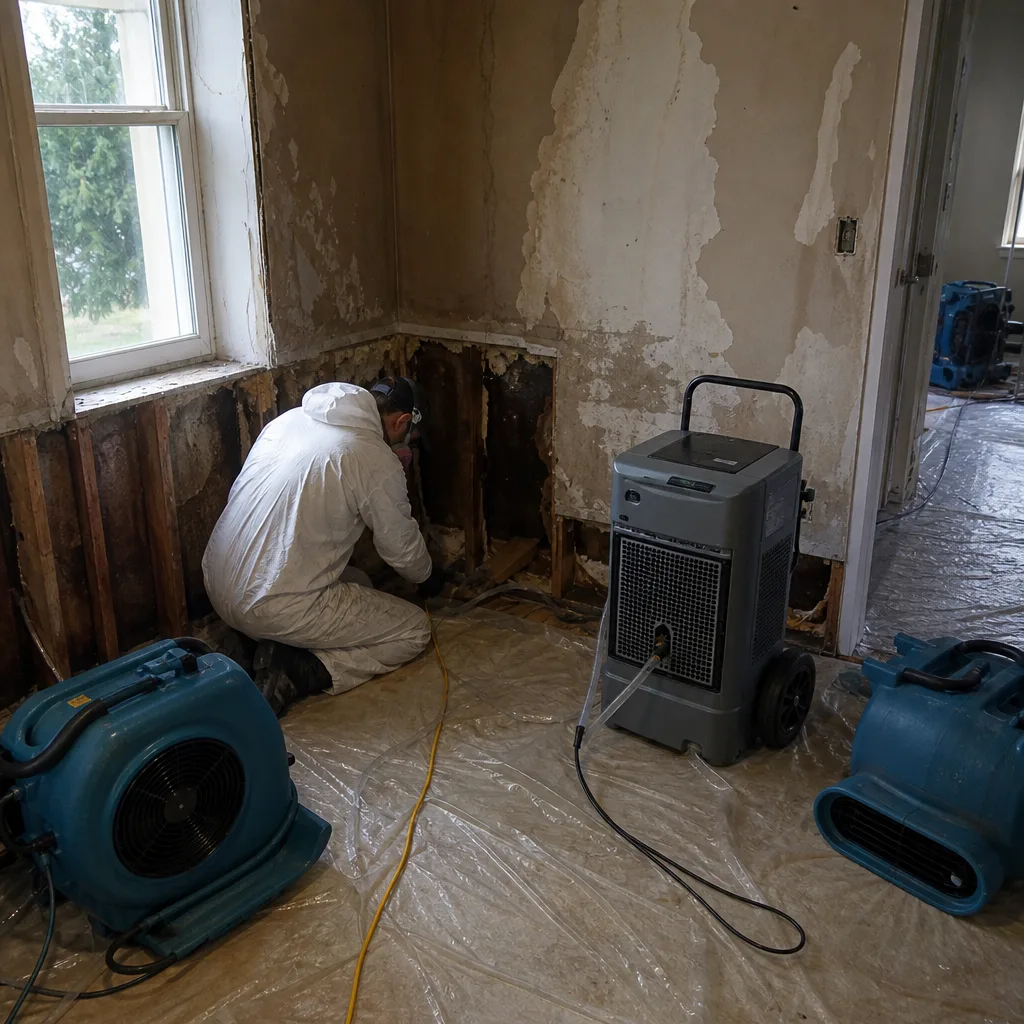 Before
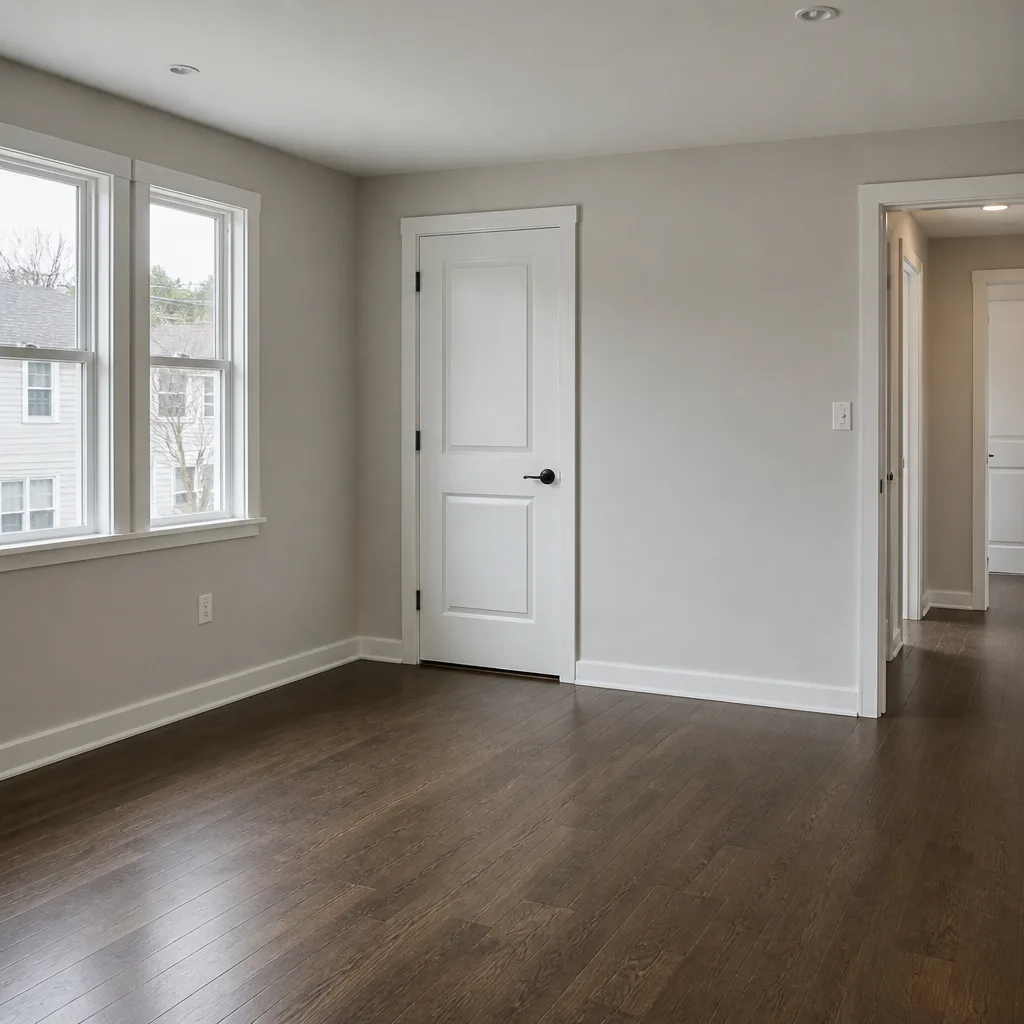 After
After24/7 Emergency Reconstruction & Cleanup in Howard Beach
Flood and storm damage in Howard Beach won’t wait for business hours, and neither do we. Our Reconstruction & Cleanup crews answer live at (518) 627-5878 around the clock, every day of the year. When a nor’easter pushes Jamaica Bay water into your finished basement on Cross Bay Boulevard or a supply line lets go on 84th Street at 2 a.m., a real person picks up, and a certified crew is dispatched into the 11414 ZIP code immediately. The first hour after water intrusion or fire damage determines how much of your finished space can be saved. Brackish floodwater soaks drywall, wicks into insulation, and attacks framing fast. The sooner we begin extraction and demolition of unsalvageable material, the less demolition you ultimately pay for. Call now and we’ll have a free visual inspection scheduled before the water line on the wall even settles.
Understanding Reconstruction & Cleanup Severity in Howard Beach Properties
Howard Beach homes built between the 1950s and 1970s present a specific set of reconstruction challenges that newer construction elsewhere in Queens does not. Most of the housing stock here is brick row and semi-detached single-family, with finished basements that sit at or near the water table. When Jamaica Bay surges through Hawtree Creek or Spring Mill Creek, the water that enters these basements is Category 3: brackish, sewage-tinged, and salt-laden. Category 3 water means every porous material it touches is considered contaminated. Drywall, insulation, carpet pad, and bottom plates of framing must be removed, not dried. This isn’t a judgment call we make to expand a job. It’s the standard that keeps your family safe and your home structurally sound. Homes that were elevated after Hurricane Sandy under Build It Back present a different condition. The original slab may be gone, the mechanicals moved, and water now migrates through new access points. Moisture mapping on those properties has to account for where the house used to sit versus where it sits now. The severity of a loss in Howard Beach isn’t just about how many inches of water came in. It’s about the age of the building, whether it was lifted, and how many prior tide cycles already soaked the framing.
Why Howard Beach Property Owners Choose Floodline Restoration Co.
- 45-minute response commitment: When you call from Howard Beach, a crew is dispatched immediately and typically arrives within 45 minutes. The clock starts when you hang up.
- 24/7 live answer, every time: A dispatcher in our New York City office picks up the phone at any hour. You will never reach a recording during an emergency.
- IICRC-certified crews: Our technicians carry WRT (Water Restoration Technician), FSRT (Fire & Smoke Restoration Technician), and AMRT (Applied Microbial Remediation Technician) certifications. They’re trained for exactly what Howard Beach’s floodwater does to a house.
- Free visual inspection: Before any work begins, we walk the property with you, mark the water line, and explain what has to come out and why. You see what we see.
- Direct insurance billing: We coordinate with your insurer and bill the carrier directly. You’re not in the middle, and you’re not fronting thousands hoping for reimbursement.
- One team, start to finish: The same Floodline crew that tears out wet drywall is the crew that rebuilds it. No handoffs, no inherited subcontractors, no finger-pointing at the end.
Every job we do in Howard Beach is backed by the 90-Day Done Right Promise, our written Keystone Standard. If it’s not done right, we make it right. No arguing, no paperwork battles. Curt Bowman founded this company on that promise in 2010, and we stand behind it on every single job. We also offer a 5% discount for seniors and veterans, which applies to a large share of Howard Beach homeowners.
Our Reconstruction & Cleanup Process
Inspection & Assessment
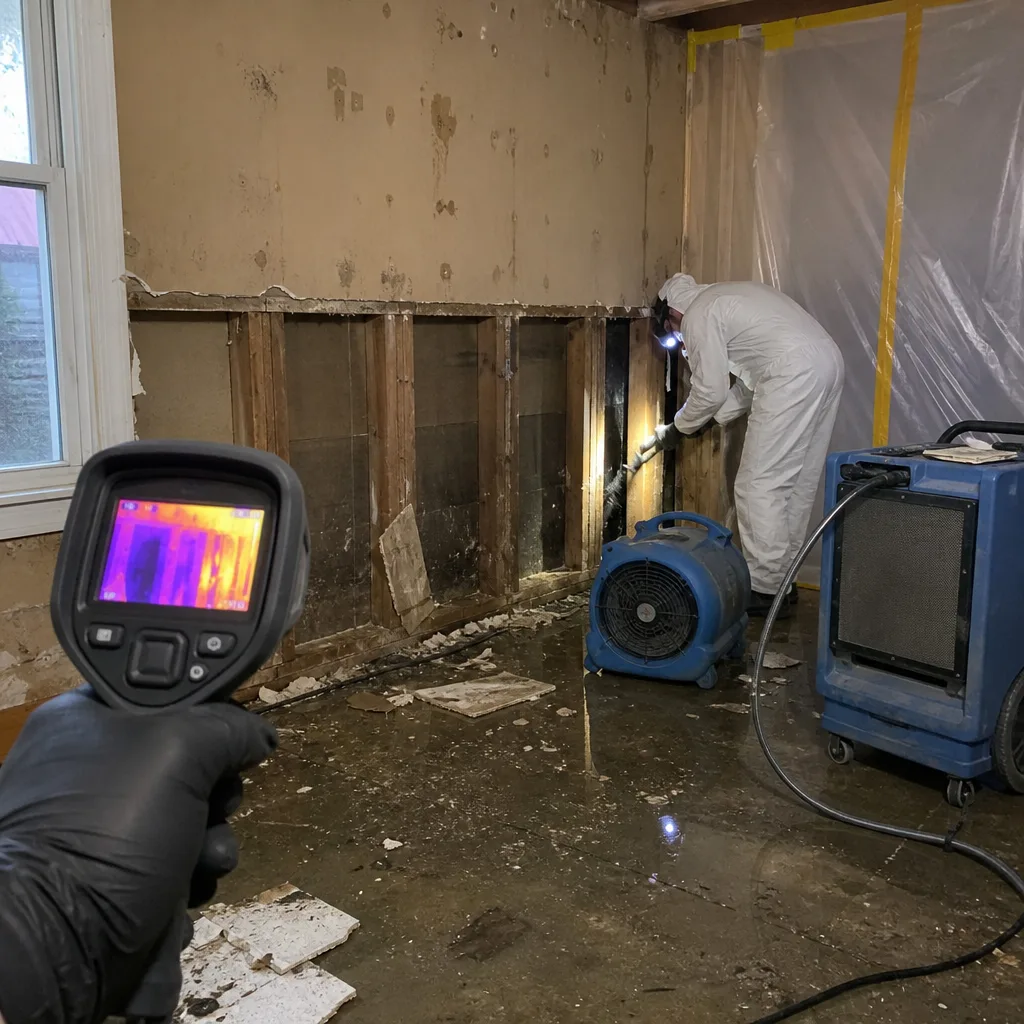
We arrive with thermal imaging cameras and moisture meters. We map the water migration through the basement, crawlspace, or fire-damaged rooms, and we identify whether the home was elevated post-Sandy. You get a spoken summary of what we found before we touch anything.
Extraction & Stabilization
We pull standing water with truck-mounted and portable extraction units. In a Howard Beach basement with Category 3 water, this is when we mark the cut line on the drywall and begin removing anything that’s contaminated beyond salvage.
Drying & Dehumidification
We set Dri-Eaz and Phoenix air movers and dehumidifiers for structural drying. Daily moisture readings are logged with hygrometers until the structure meets the dry standard. You get a copy of that log. So does your insurance carrier.
Cleaning & Sanitization
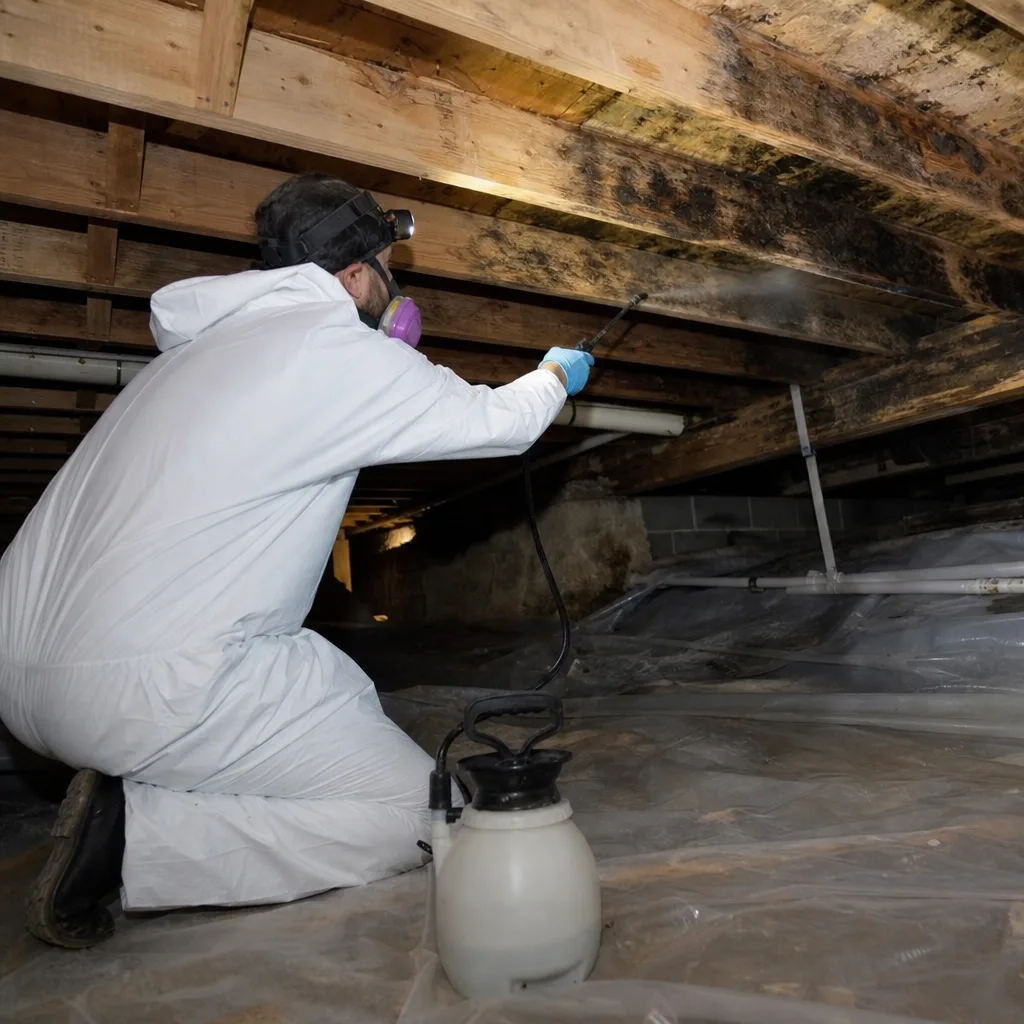
We clean and treat all affected surfaces with antimicrobial agents appropriate for brackish-water contamination. HEPA air scrubbers run to control airborne particulates during and after the work.
Specialty Treatment
For repeated tidal flooding, this stage includes treating the block foundation and bottom plates with borate-based or sodium-based treatments to prevent mold re-blooming. If the home was lifted, we inspect the new floor system for moisture migration points and treat them accordingly.
Repairs & Restoration
We rebuild what was removed: drywall, framing repairs, flooring, cabinetry, paint. The team that did the demolition is the team that does the finish work. Your home is restored to the condition it was in before the loss, documented and photographed for your insurer.
Need Emergency Reconstruction & Cleanup in Howard Beach Now?
Crews minutes away, answering live 24 hours a day. The sooner we start, the less it costs.
Working With Your Insurance Company
Howard Beach homeowners deal with NFIP flood policies, private flood insurance, and homeowners carriers, often at the same time. We handle all of them directly. From the first hour on site, our team documents everything: pre-existing condition, the water line, the materials we remove, the moisture readings we take every day until the structure is dry. That documentation is what gets your claim paid. When an adjuster visits, we walk the property with them and show them exactly what we found. If a prior flood left damage that was never remediated, we document that separately so your new claim isn’t denied for what an old storm did. Curt Bowman’s crews have handled hundreds of Howard Beach claims since Sandy. We know what this neighborhood’s carriers ask for, and we provide it in the format they expect.
What We Provide Your Insurer
- Thorough documentation of the loss
- Photos of all damage, room by room
- Moisture readings and drying logs
- A detailed, line-item scope of work
- Direct coordination with your carrier
Built for Howard Beach’s Loss Calendar
Howard Beach’s reconstruction season follows the tidal calendar, not just the weather. Nor’easters from October through March push Jamaica Bay water into Hawtree Creek and Spring Mill Creek basins. Heavy rain during a full-moon high tide can flood the same finished basement that stayed dry all summer. Then comes spring thaw, when the already-saturated water table rises and basement seepage becomes routine. Summer brings thunderstorms and flash flooding, often so fast that street drainage on Cross Bay Boulevard and 160th Avenue backs up into homes. Each season leaves its own mark. Winter losses tend to hit heated spaces hardest, with salt-corroded electrical and HVAC components. Spring losses are slow-moving seepage that soaks bottom plates over weeks. Summer losses dry fast but bring the full Category 3 contamination profile. Whatever the season, the pattern in Howard Beach is the same: water finds the low point, the low point is usually the finished basement, and the finished basement was probably flooded before. Our crews know to look for the old tide lines as they open the walls.
Reconstruction & Cleanup Across Howard Beach’s Neighborhoods
Howard Beach is made up of distinct pockets, each with its own response pattern. The original Howard Beach section, south of the Belt Parkway and east of Cross Bay Boulevard, has the oldest housing stock and some of the most flood-repeated basements in New York City. These homes sit closest to the tidal channels, and many of them have been wet through more than half a dozen tide cycles since Sandy. Old Howard Beach colonials on narrow lots present tight access for drying equipment and often require content pack-out before demolition begins. Hamilton Beach, on the other side of Hawtree Creek, is lower and more exposed, with a significant share of homes now elevated. A lifted home there means our crew has to work around new piling foundations and re-routed mechanical lines. Rockwood Park, north of 157th Avenue, sees more seepage and sewage backups than direct surge. Ramblersville, bordering Spring Mill Creek, is similarly exposed. Houses there sit so close to the water that the storm surge arrives with little warning. Each of these neighborhoods has different building types, different flood histories, and different reconstruction scopes. A cookie-cutter drying plan won’t work from one to the next. We build a plan for the specific block, the specific house, and the specific tide history of that property.
Specialized Reconstruction & Cleanup Services We Offer in Howard Beach
Full-Service Reconstruction
When a Howard Beach basement has been gutted to the block, the rebuild is the second half of the job. We frame, drywall, tape, paint, install flooring, and rebuild finished spaces to better withstand the next event. We don’t hand this work off to a separate contractor. The same Floodline crew that did the demolition does the rebuild.
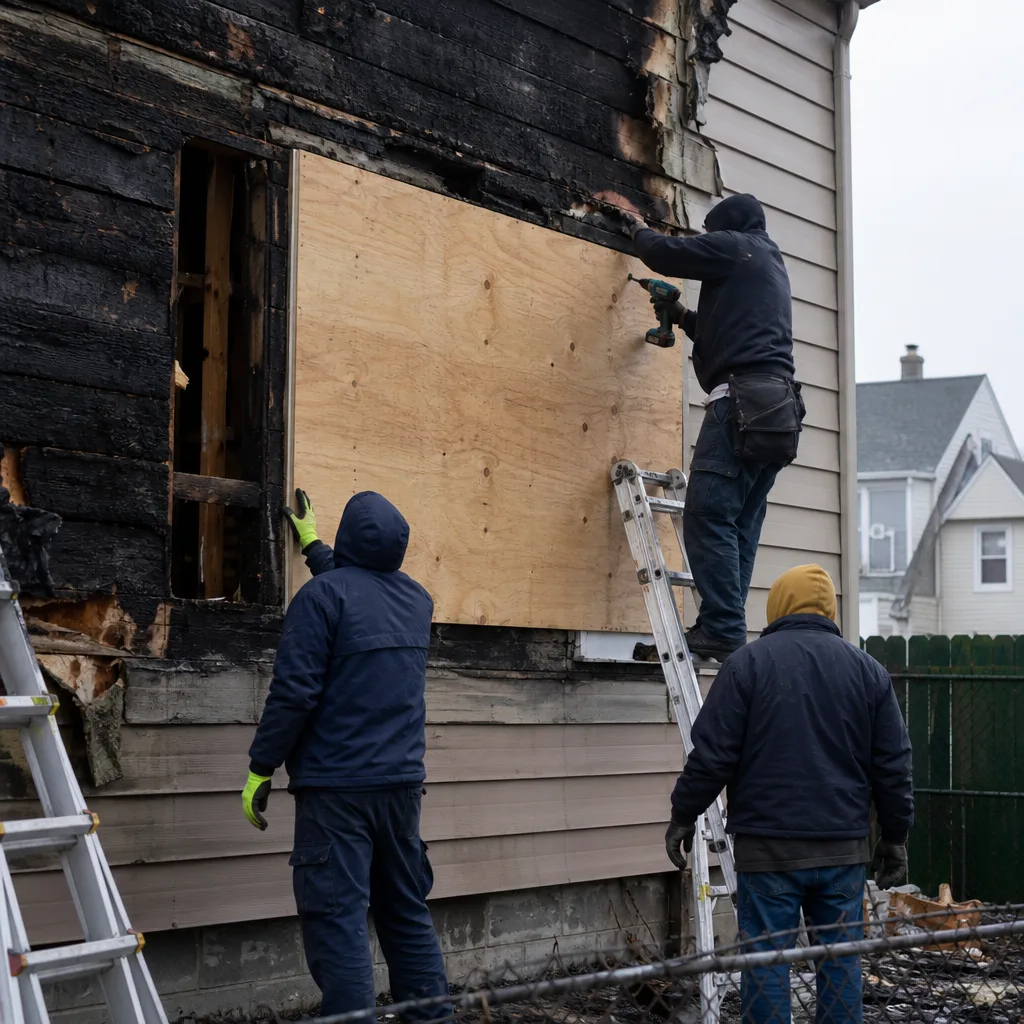
Drywall & Flooring Repair
Brackish Jamaica Bay water ruins drywall and subfloor in hours. We cut out the damaged sections cleanly, replace them, and match existing textures and paint so the repair blends with the untouched parts of the room. In Howard Beach, we typically recommend mold-resistant drywall products for below-grade rebuilds.
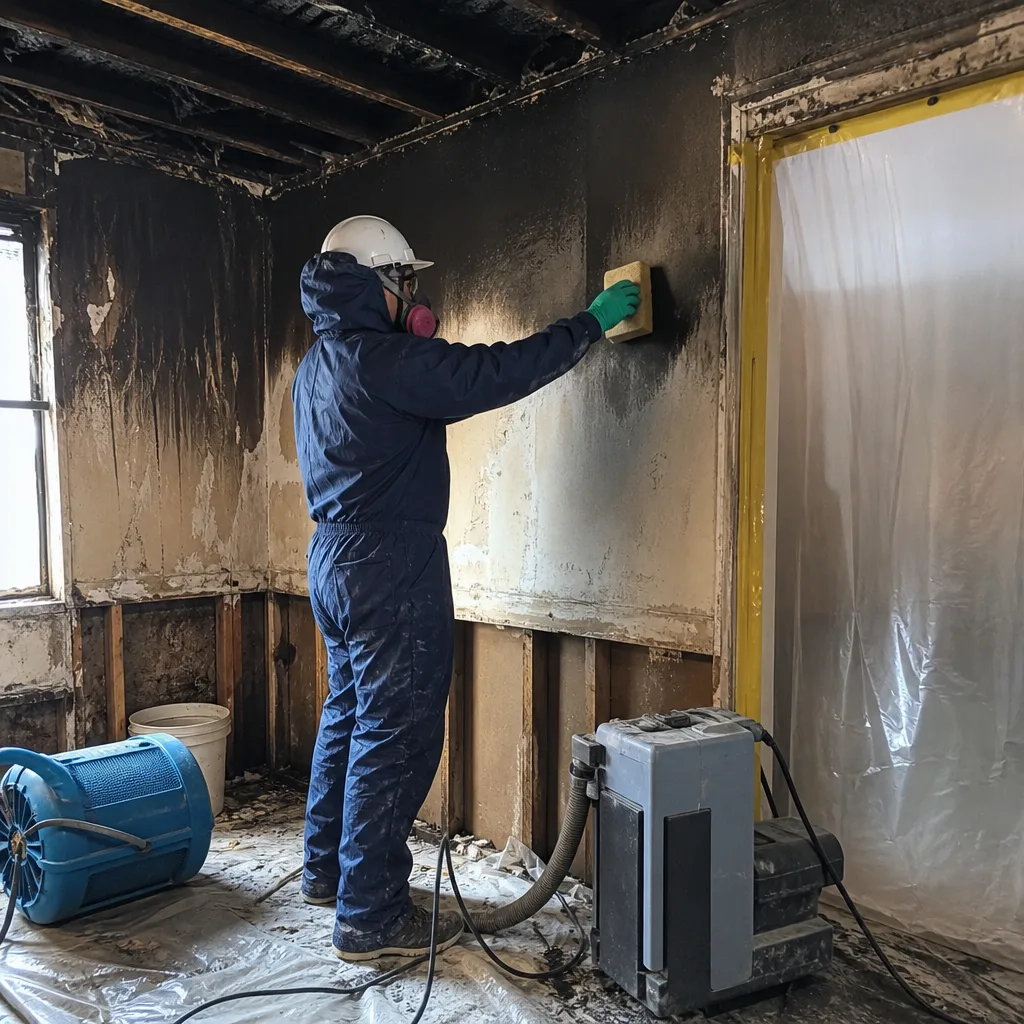
Contents Restoration & Pack-Out
We pack out your furniture, personal items, and keepsakes before demolition begins, store them in climate-controlled facilities during the rebuild, clean what’s salvageable, and return everything when the work is done. You keep an inventory, and we document it for your claim.
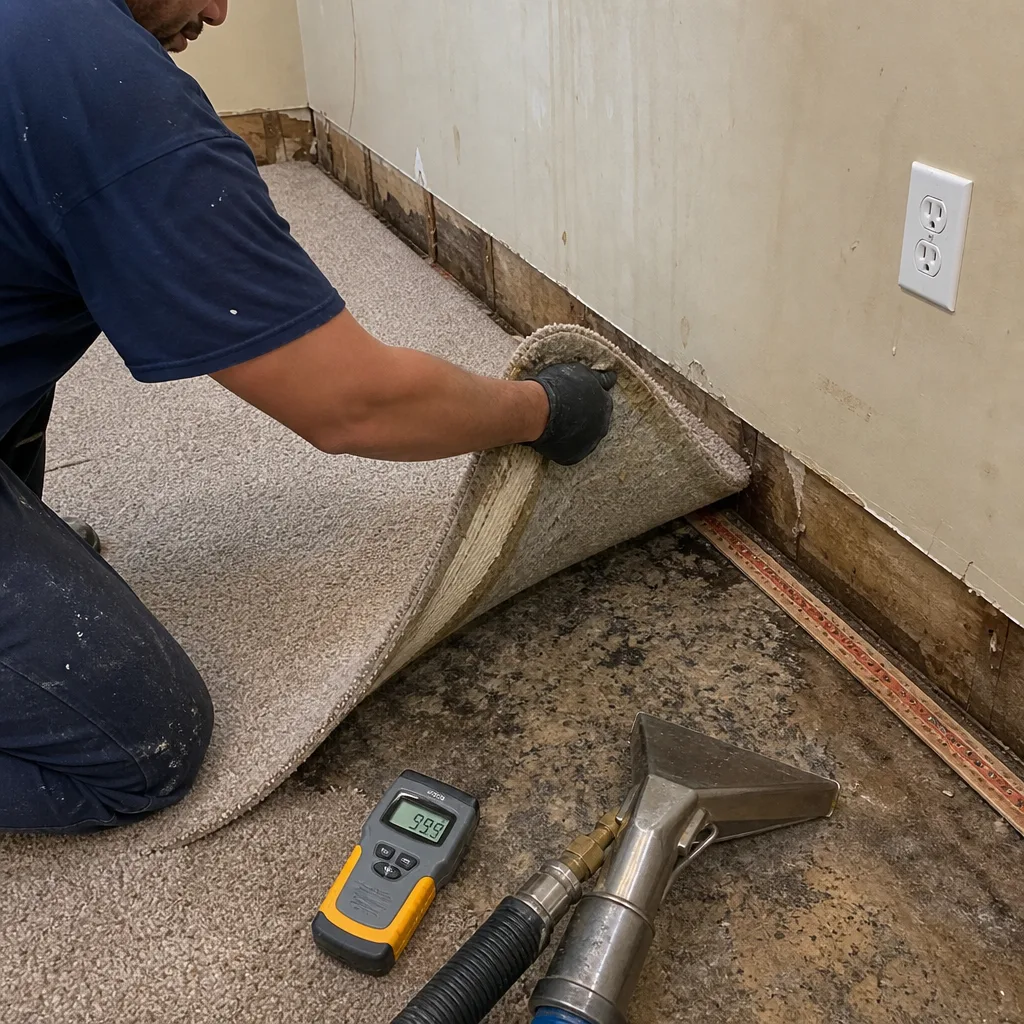
Carpet & Upholstery Cleaning
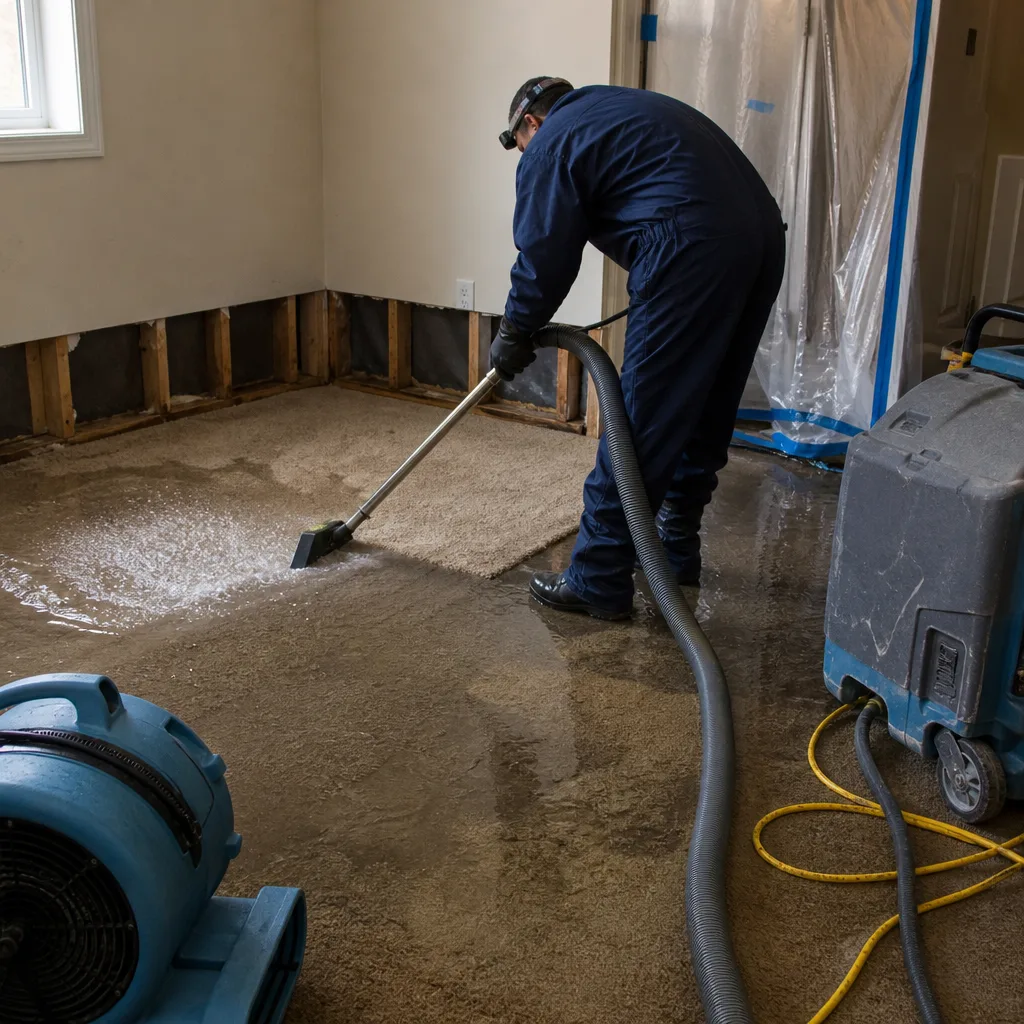
Some finishes can be cleaned and restored rather than replaced. We use hot-water extraction and professional-grade cleaning systems on carpets, rugs, and upholstered furniture that survived the flood with minimal exposure. If it’s contaminated, we say so. If it’s salvageable, we save you the replacement cost.
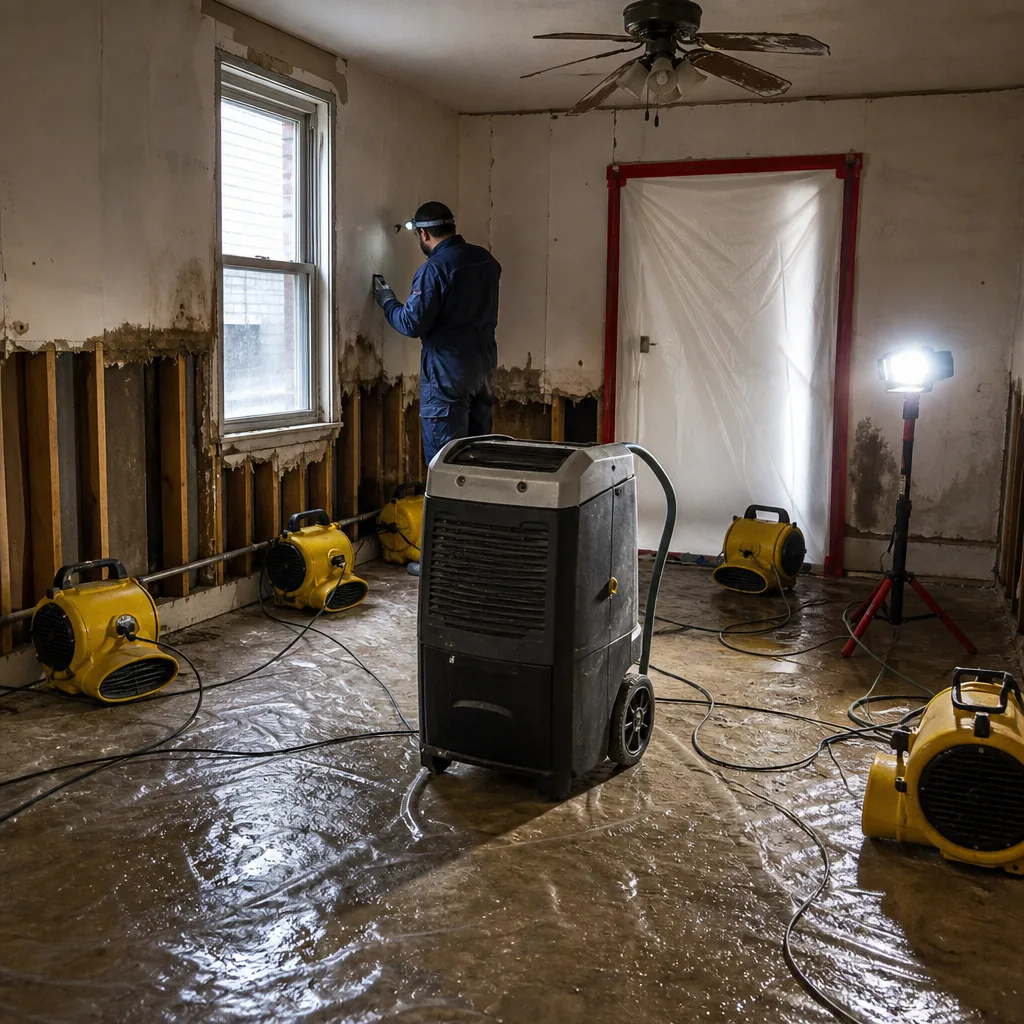
Post-Construction Cleanup
Rebuilds leave dust, debris, and construction residue. We clean the entire work area: HEPA-vacuuming, wipe-down of all surfaces, air scrubbing, and disposal of all debris. You walk back into a finished home, not a construction site. This is standard on every reconstruction we complete in Howard Beach.
Insurance Claim Documentation
This is the service that protects a Howard Beach homeowner from having a claim denied for pre-existing damage. We photograph the pre-loss condition, map every tide line we find, document every material removed, and provide the line-item scope your carrier needs. Since Sandy, we’ve learned what this neighborhood’s insurers require, and we deliver it in the format they accept.
What happens when you call
- 1
A real person answersNo phone trees - you reach a local pro.
- 2
You get an upfront price rangeHonest numbers before anyone is dispatched.
- 3
A background-checked tech heads outLicensed & insured, dispatched right away.
- 4
You approve before work beginsNothing starts until you say go.
Reconstruction & Cleanup Costs in Howard Beach, NY
A typical finished-basement flood cleanup and reconstruction in Howard Beach runs $4,500 to $18,000. A simple water extraction with targeted drywall removal on one wall might land around $2,800 to $5,000. A full basement gut-to-block with rebuild, especially in a home that was never elevated and has repeated flood history, can reach $22,000 to $40,000. Post-construction cleanup alone typically runs $600 to $1,800. What moves the price in Howard Beach specifically: whether the water was Category 3 (almost always yes in surge flooding), how high the water line climbed, whether the home was elevated post-Sandy, and how many prior tide cycles left damage behind the walls. If your carrier covers the loss, you pay your deductible and we bill them directly. If you’re paying out of pocket, we give you the scope in writing before work starts. Call (518) 627-5878 for a free inspection and a firm estimate. The first look costs you nothing.
We Also Serve Cities Near Howard Beach
Our crews serve Howard Beach and the surrounding Queens neighborhoods, including Howard Beach, Jamaica, Ozone Park, South Ozone Park, and Woodhaven. If you’re just outside the 11414 ZIP code, call us. We’ll tell you honestly if we can reach you quickly.
Serving Howard Beach, NY - Our Local Coverage Area
We’re based in the Howard Beach area and know this community well. Use the map below to see our service coverage - if you’re nearby, we can almost certainly help.
Howard Beach Reconstruction & Cleanup Questions, Answered
How do you handle a Howard Beach basement that has flooded multiple times and already has mold behind drywall from previous storms?
We remove the drywall entirely and inspect the framing and block foundation behind it. Multiple tide cycles mean contaminated material is behind the walls, not just on them. We cut out all affected drywall, treat the framing and block with antimicrobial agents, and document the prior damage for your insurer so your new claim isn’t denied. Then we rebuild with mold-resistant materials. Call (518) 627-5878 and we’ll walk you through it.
Does the fact that my Howard Beach home was elevated after Hurricane Sandy change the reconstruction scope?
Yes. A lifted home has a new floor system, new access points, and often relocated mechanicals. Water migrates differently through a lifted home, and standard drying setups don’t reach the same places. We check for elevation history on every Howard Beach job before we set equipment.
What category of water is typical in a Howard Beach nor’easter flood, and why does it matter for what gets ripped out?
Category 3. The water that enters from Jamaica Bay is brackish, carries sewage and debris, and is considered grossly contaminated. Every porous material it touches must be removed and replaced: drywall, insulation, carpet pad, and often bottom plates. Drying it in place isn’t safe and won’t pass an inspection.
How quickly do you start demolition after a flood in Howard Beach, given the high water table and recurring tide cycle?
We start demolition the same visit in most cases. In a Howard Beach basement, the water table means the structure will stay wet for weeks if we wait. The sooner we cut out the contaminated material, the less mold grows and the smaller your rebuild becomes. Call us the minute the water begins to recede.
Can you document the pre-loss condition of my Howard Beach home for my flood insurance claim?
Yes. We photograph the pre-loss condition room by room, map every tide line we find behind the drywall, and provide a written statement of what was prior damage versus what this storm did. That documentation is what keeps your claim moving. It’s standard on every Howard Beach job we do.
How fast can someone actually get to my house in Howard Beach?
Typically within 45 minutes of your call. We have crews dispatched locally throughout the 11414 ZIP code and the surrounding neighborhoods. You’ll speak to a live dispatcher, and the same team that answers your call is the team that arrives at your door.
Will my insurance cover full reconstruction, or just cleanup?
It depends on your policy, but NFIP flood policies in Howard Beach typically cover demolition, drying, and rebuild up to your policy limits. We provide the line-item documentation your carrier needs to approve the full scope. If there’s a gap between what’s covered and what you want done, we tell you in writing before we proceed.
Can I stay in my Howard Beach home during reconstruction?
For a single-room loss, usually yes. For a full basement gut or fire-damaged home, often no. We’ll tell you honestly on the first inspection. If you need to leave, we’ll coordinate with your insurer for temporary housing coverage if it’s part of your policy.
One call starts everything. If you’re looking at water in your Howard Beach basement, mold behind the drywall, or a home that’s been through too many storms, call (518) 627-5878 now. We answer live, 24 hours a day, every day. A free inspection tells you exactly what has to come out, what can be dried, and where the line on the wall ends.
Written by Curt Bowman, Owner of Floodline Restoration Co., founded in 2010 and serving New York City through live dispatch, certified crews, and the 90-Day Done Right Promise.