
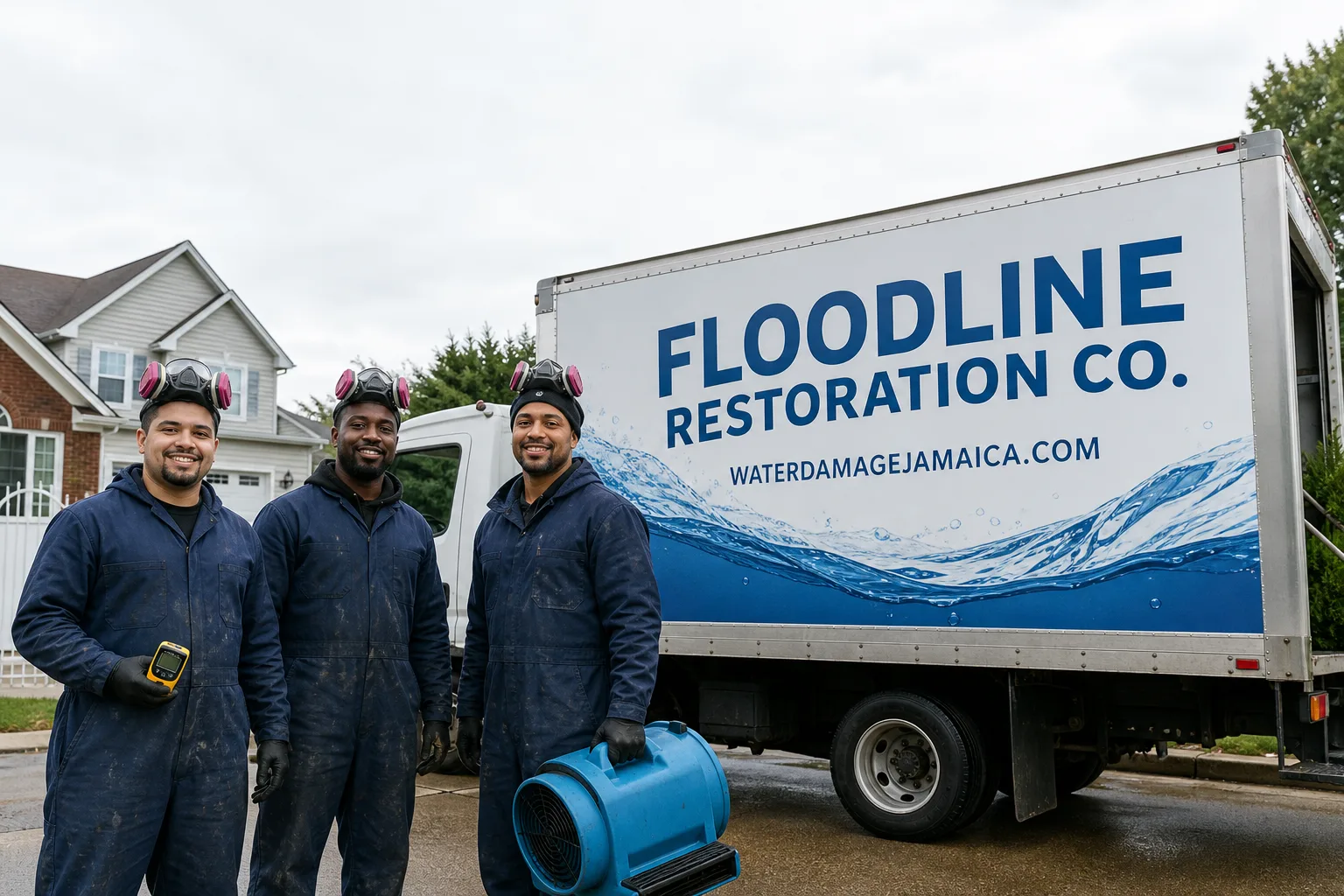
Free visual inspection and a written scope of work before any mitigation begins - photos, moisture readings, and drying logs go in your claim file
The scope we write is the scope we bill. Anything new gets shown to you, in writing, before we touch it.
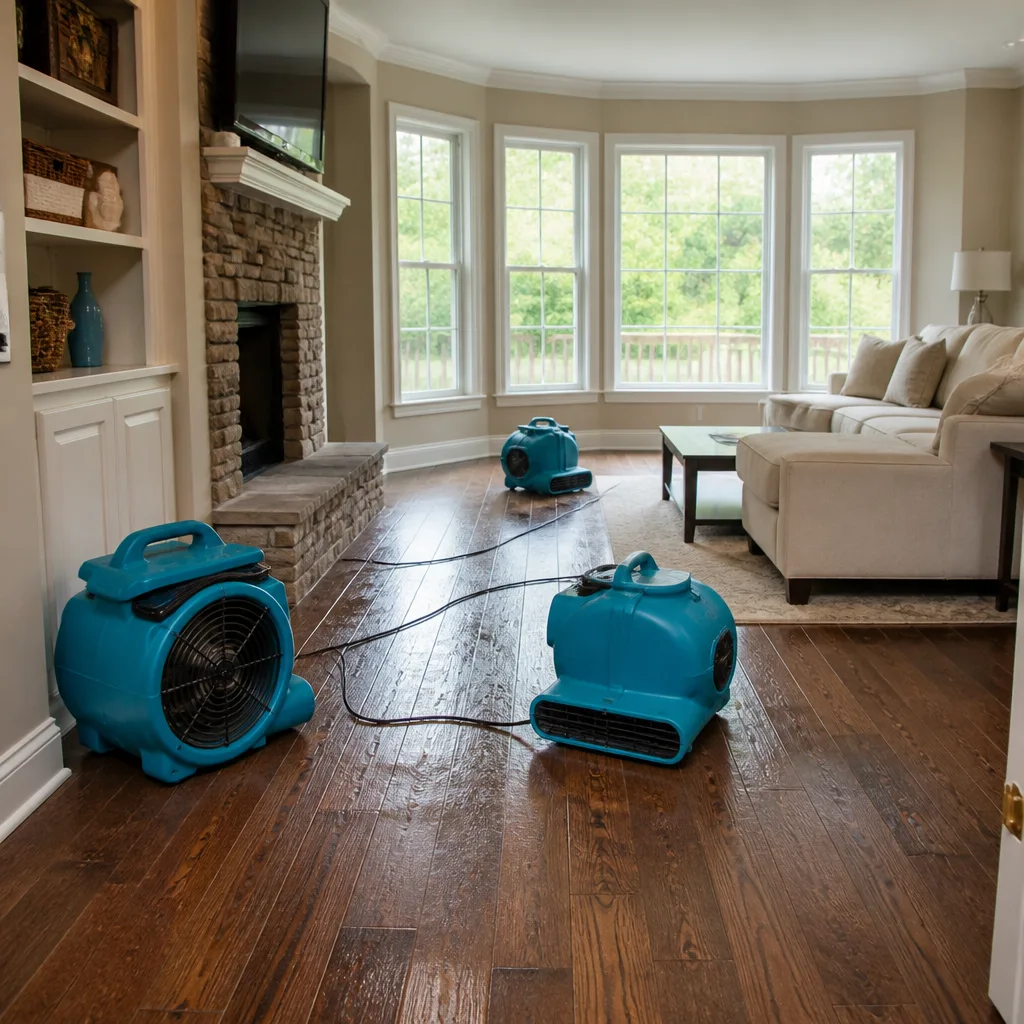
 Before
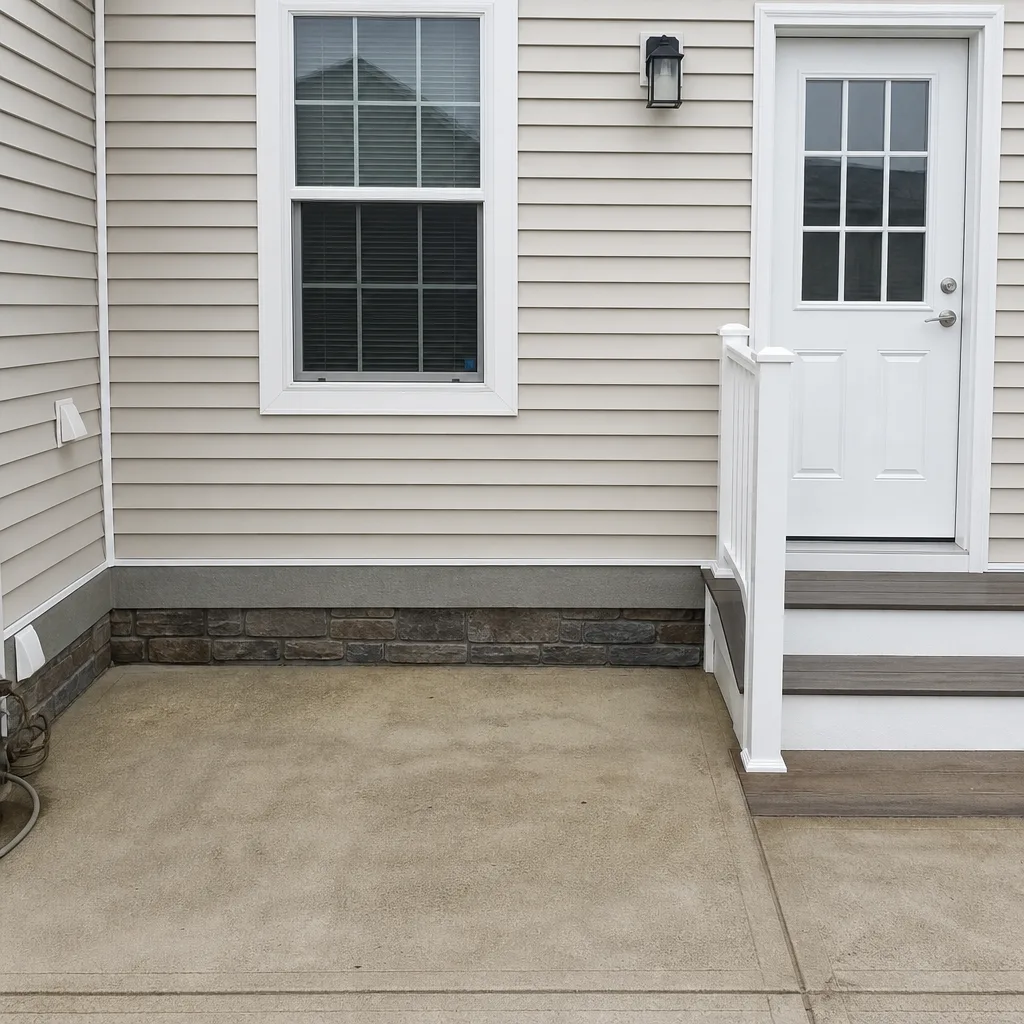 After
After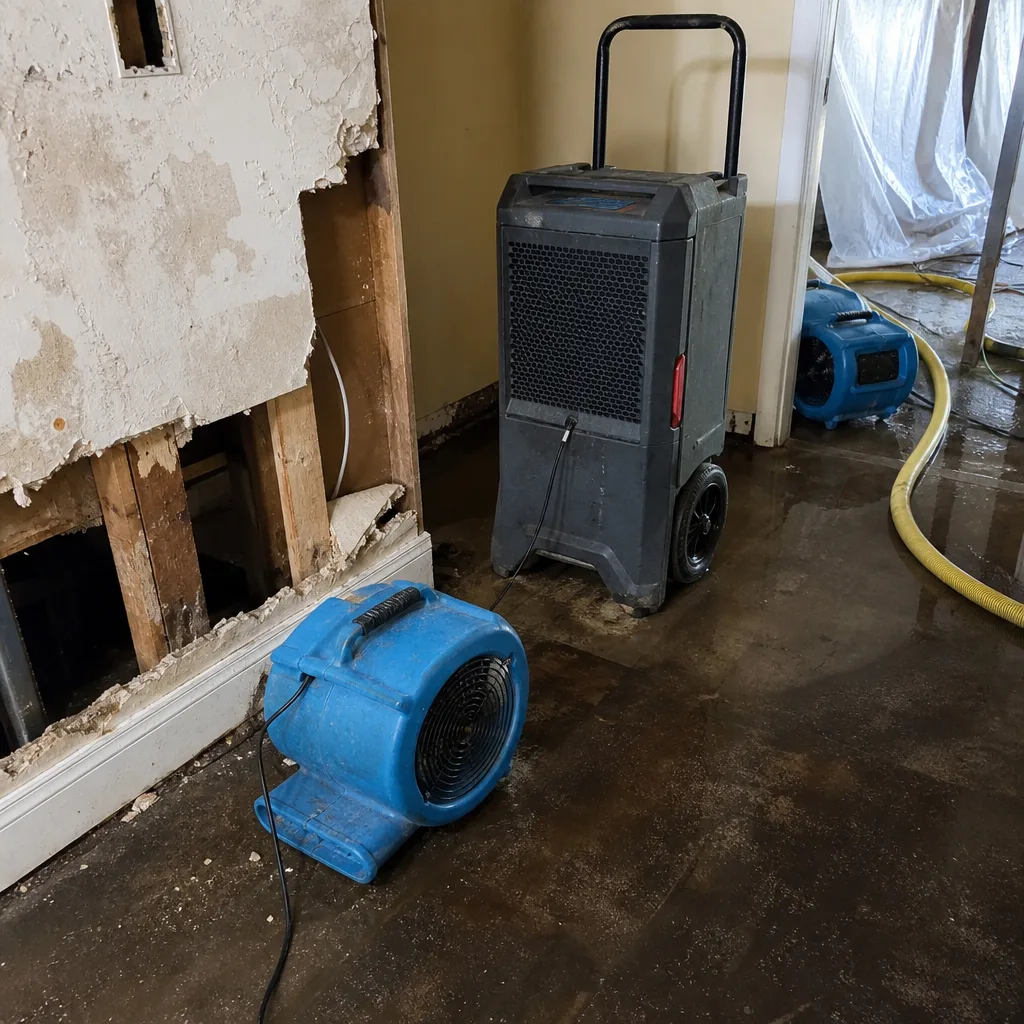 Before
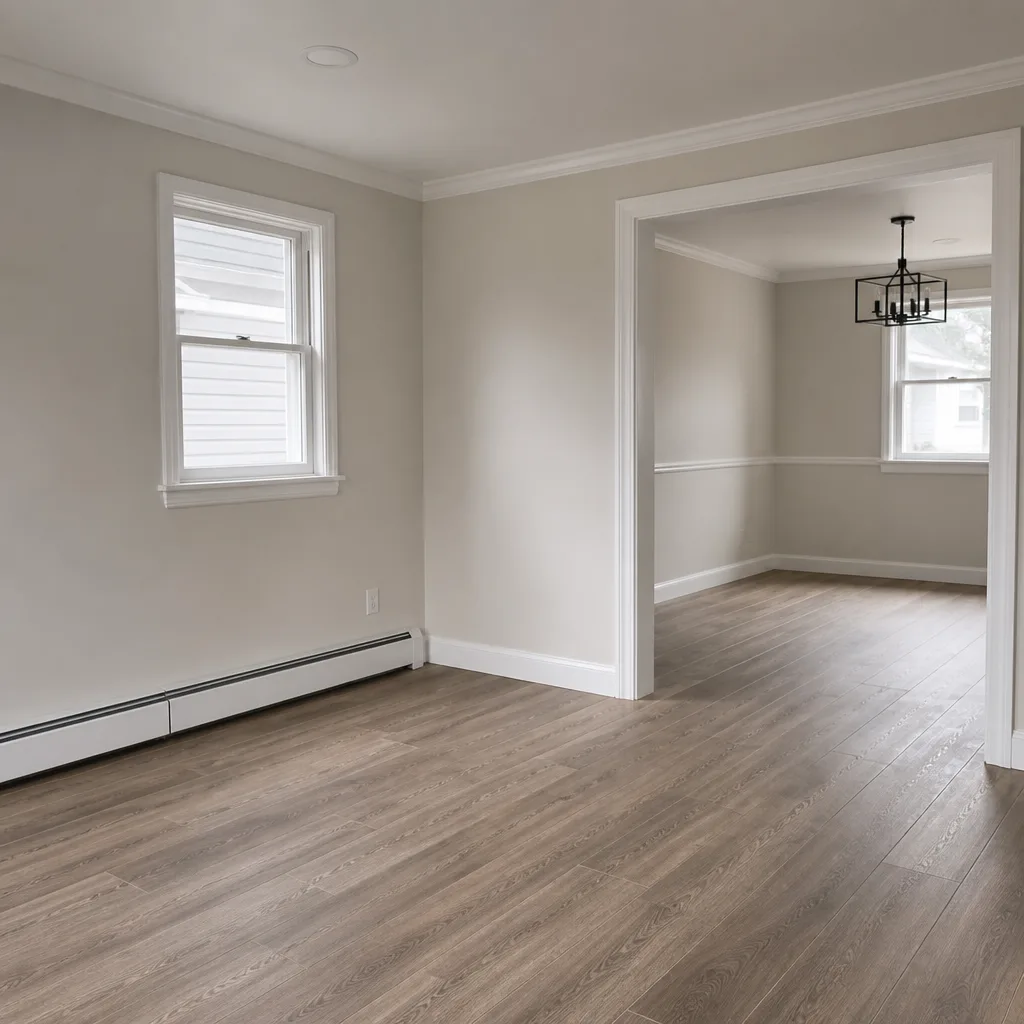 After
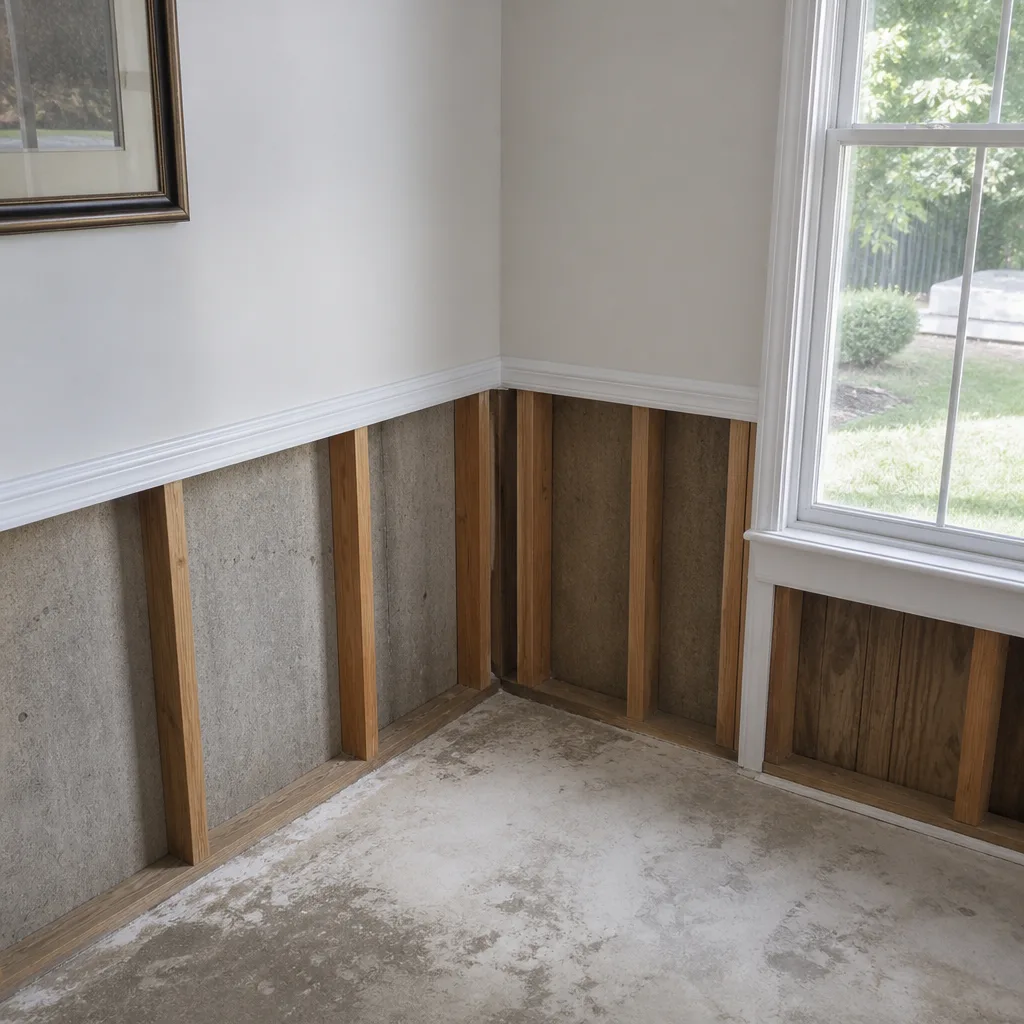
After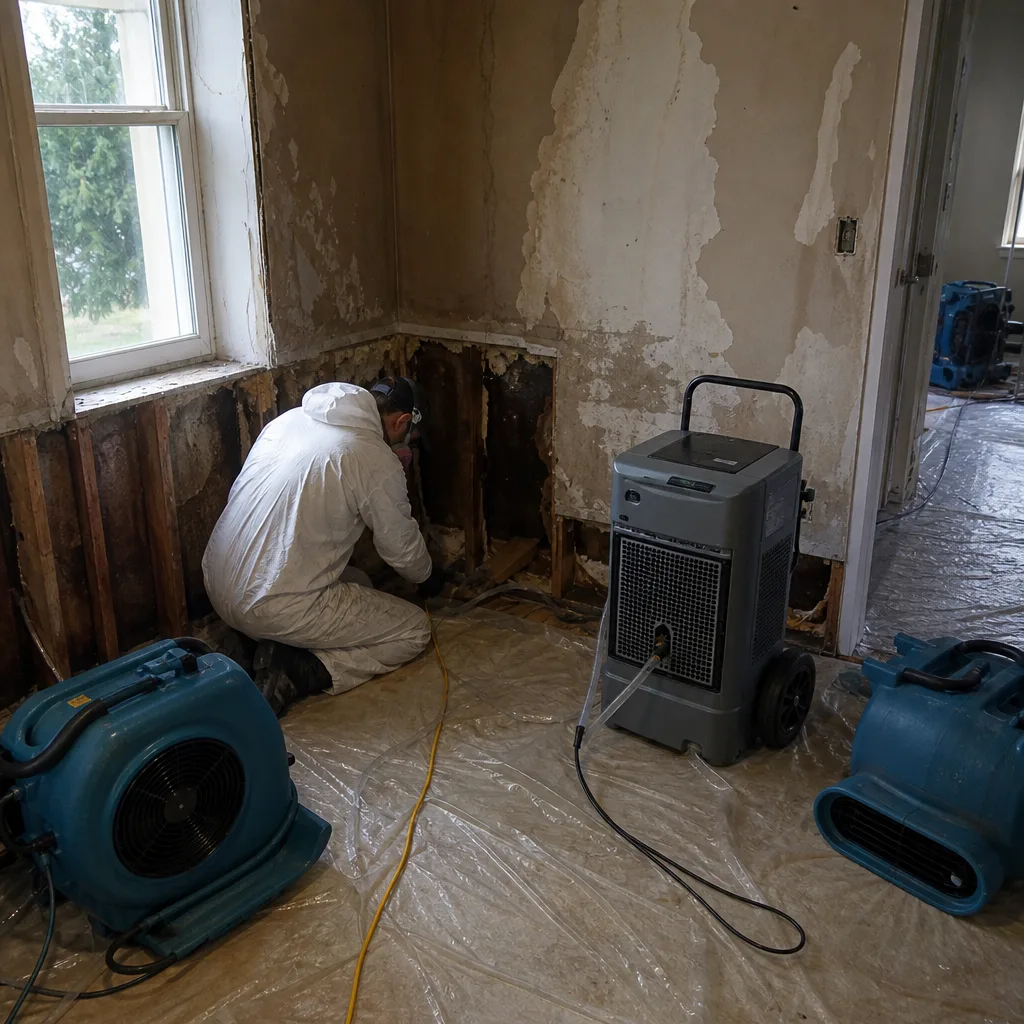 Before
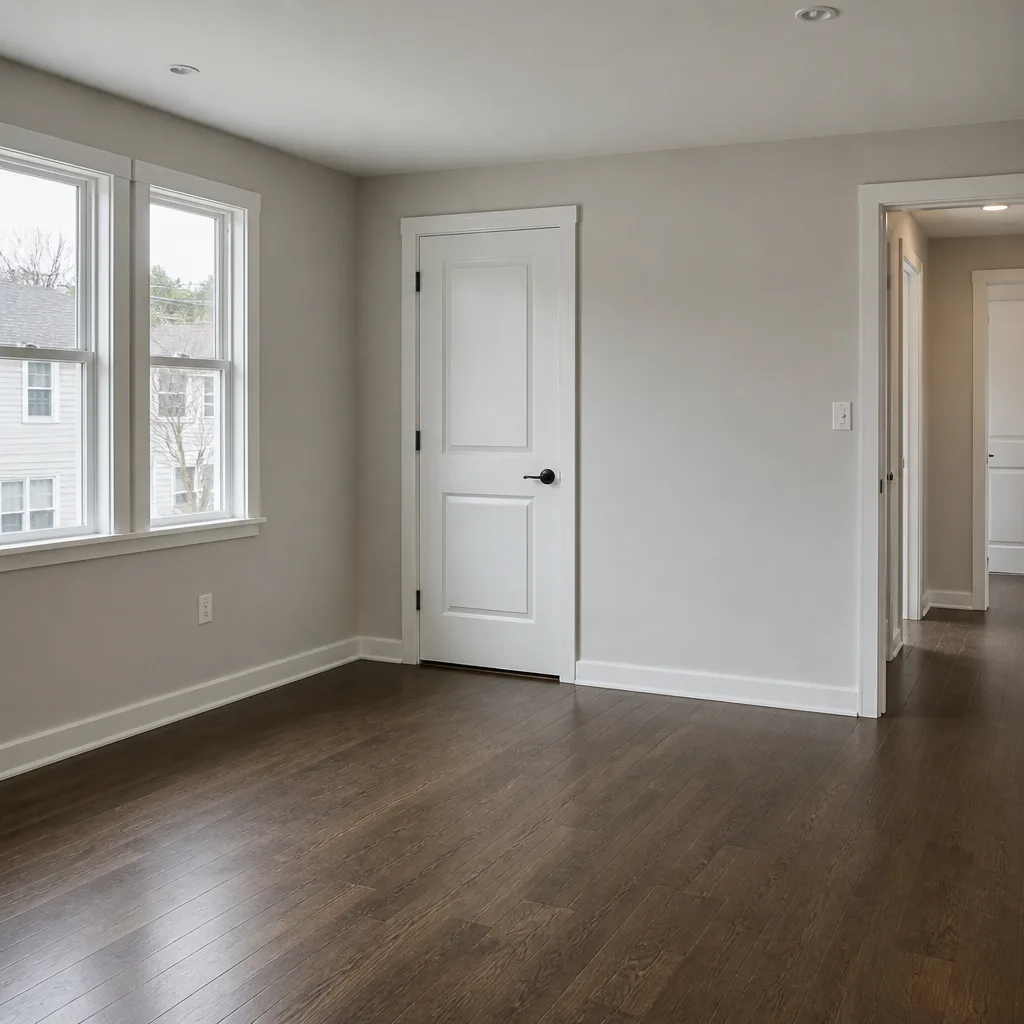 After
After24/7 Emergency Sewage Cleanup in St. Albans
Sewage cleanup in St. Albans typically runs $1,800-$4,500 for a contained basement backup, and we answer the phone live at (518) 627-5878 around the clock. When raw sewage pushes up through a floor drain on Murdock Avenue or Farmers Boulevard, the first hour decides whether you’re dealing with a contained cleanup or a full gut-and-replace of finished walls. Our crews dispatch from the New York City office and reach St. Albans fast, with extraction equipment running the same visit. Don’t wait for a callback. We answer live, every time, no recording.
Understanding Sewage Cleanup Severity in St. Albans Properties
Not all water in a St. Albans basement is the same, and sewage is the most dangerous class we handle. Sewage is Category 3 water under IICRC standards: it carries bacteria, viruses, parasites, and whatever the neighborhood’s combined sewer system just pushed backward. That means every surface it touches needs either complete removal or hospital-grade sanitization. Carpet, drywall, baseboard, and most insulation that contact Category 3 water are removed, not cleaned. This is not a judgment call. It’s the standard.
What makes St. Albans worse than most Queens neighborhoods is the combination of flat grade and aging combined sewer laterals. The system was sized for a 1940s population and a 1940s stormwater load, and neither is what it was. When 2-3 inches of rain falls, the city’s mains fill and basement fixtures become pressure-relief points. Sewage backs up into homes that never flood from rainfall alone. We see this specifically in the brick one- and two-family homes built between 1940 and 1965 throughout St. Albans, where full basements have been converted into finished living or rental space. That finished space is exactly where Category 3 water causes the most expensive damage, because it hides behind drop ceilings and inside plaster walls.
Why St. Albans Property Owners Choose Floodline Restoration Co.
- 45-minute response commitment: When you call with a sewage backup in St. Albans, we commit to having a crew moving toward your block within 45 minutes. Day or night, weekend or holiday.
- Live answer, every time: A real dispatcher picks up at 2 a.m., not a phone tree. You’ll talk to a person who can dispatch a crew to St. Albans immediately, and Curt Bowman built this company around that dispatch board in 2010.
- IICRC-certified crews: Our technicians hold WRT and AMRT certifications and train to RIA and IFA standards. Sewage cleanup requires controlled techniques, not just a wet vac and bleach.
- Free visual inspection: We’ll walk the affected area with you, explain what’s Category 3 and what isn’t, and give you a written scope before any work starts. No pressure, no upsell.
- Direct insurance billing: We bill your carrier directly and talk to your adjuster, so you don’t have to play messenger between us and them. One less thing on your plate.
- One team, start to finish: The same certified crew that extracts sewage also runs drying, sanitization, and reconstruction. No mid-job handoff to a subcontractor you’ve never met.
Our Sewage Cleanup Process
Inspection & Assessment
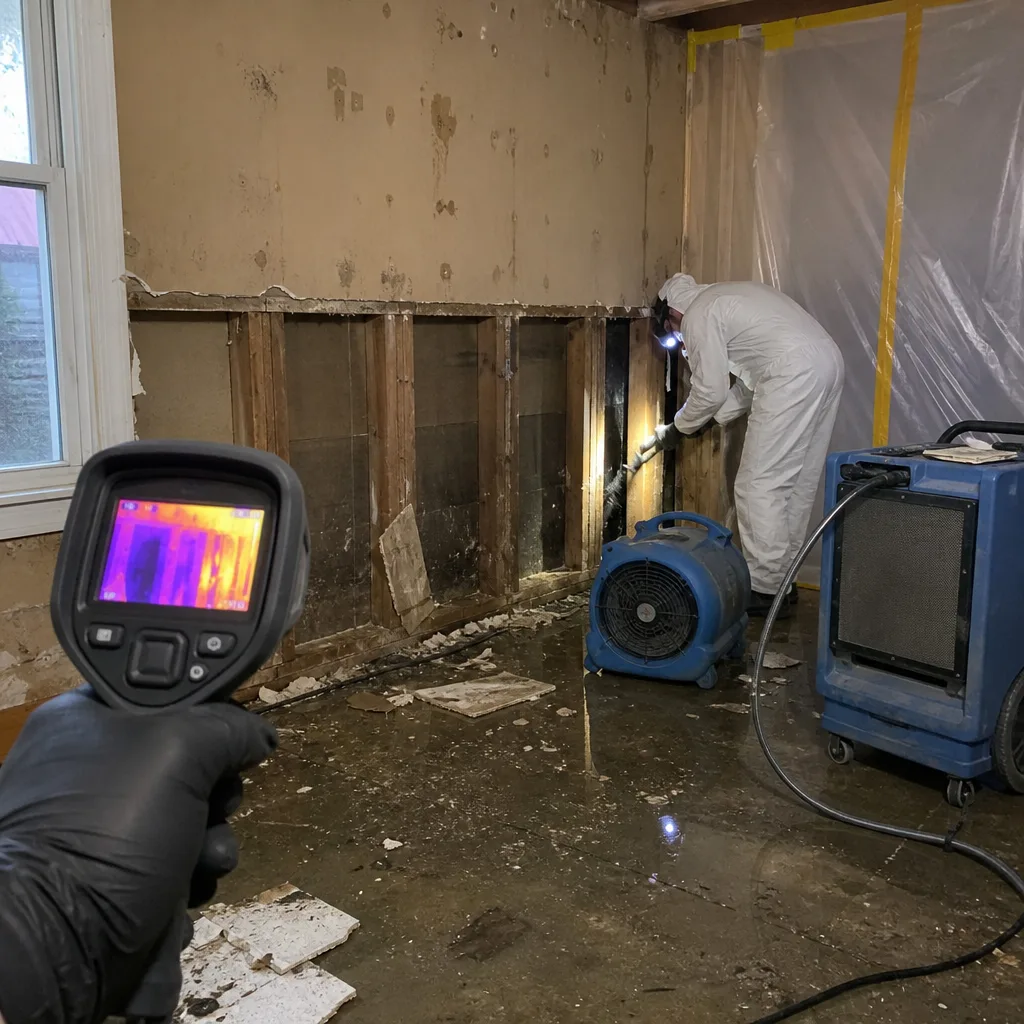
We start with a full walkthrough and moisture mapping. Our crew identifies every surface Category 3 water touched, including what’s hidden behind drop ceilings and inside walls. In St. Albans homes from the 1940s-1960s, that often means opening wall cavities to check for wicked moisture in horsehair plaster.
Extraction / Stabilization
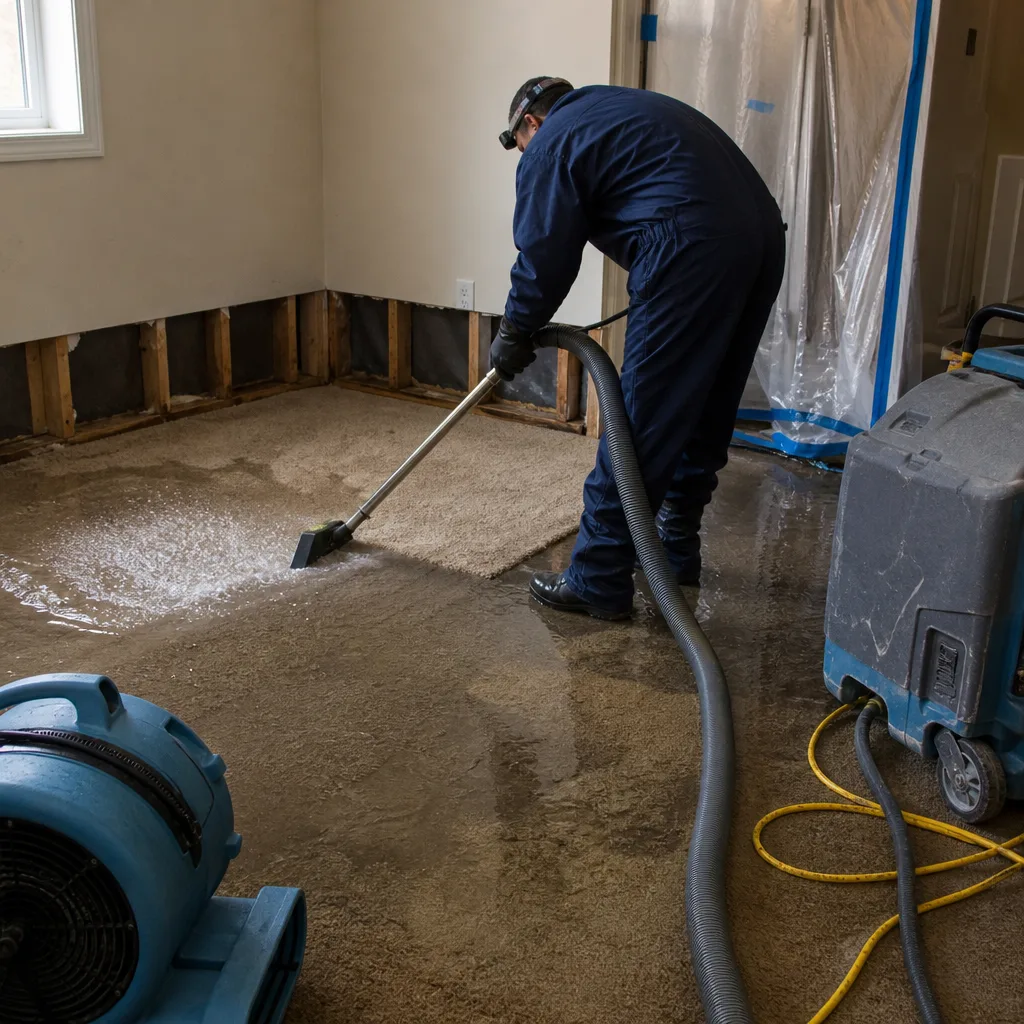
We run professional-grade extraction equipment from XPOWER and B-Air to remove standing sewage water fast. If a cast-iron drain stack has cracked under hydraulic pressure, we stabilize the line so it doesn’t reintroduce sewage while we work. The goal is to stop the active source and get the water out in the first visit.
Drying & Dehumidification
Once the standing water is gone, we set up air movers and dehumidifiers to pull moisture from structural materials. Daily readings are logged and shared with you and your carrier until the dry standard is met. We don’t guess at dryness. We measure it.
Cleaning & Sanitization
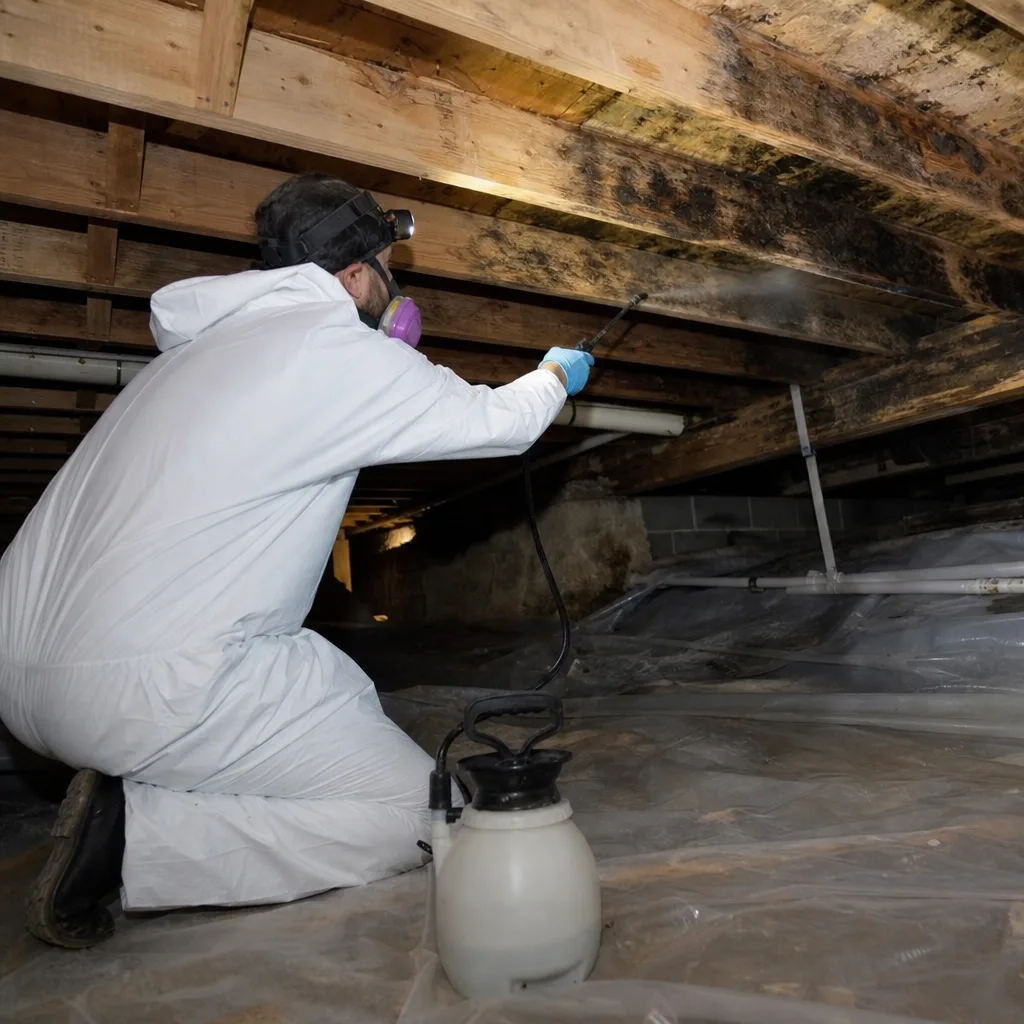
Category 3 water demands more than cleaning. We sanitize every affected surface with EPA-registered antimicrobials and remove porous materials that can’t be properly decontaminated. Floor drains, sump pits, and crawl spaces are treated with the same rigor as visible surfaces.
Containment & Specialty Treatment
Sewage work requires containment so bacteria and mold spores don’t spread through the rest of the house. In St. Albans basements with unpermitted finished apartments, we also document what’s behind walls and coordinate with NYC DOB compliance questions before structural drying starts. If asbestos tile or horsehair plaster is disturbed, NYC DEP protocols kick in before we proceed.
Repairs & Restoration
The same crew that extracted sewage handles the rebuild. We replace drywall, baseboard, flooring, and insulation. If the backup came from a combined sewer overload, we’ll recommend and install backwater valves or waterproofing measures so the same rain event doesn’t put you through this again.
Need Emergency Sewage Cleanup in St. Albans Now?
Crews minutes away, answering live 24 hours a day. The sooner we start, the less it costs.
Working With Your Insurance Company
Sewage backup claims in St. Albans are rarely simple. Your carrier will want to know the source of the backup, whether it originated inside your property line or from the city’s main, and whether your policy has a water backup endorsement. We document from the first hour, before any extraction starts. Our crew photographs room by room, logs moisture readings, and writes a line-item scope that your adjuster can actually use. We also coordinate directly with the carrier on your behalf. You shouldn’t have to argue about Category 3 water with someone in a claims office who’s never seen a St. Albans basement. That’s our job. The 90-Day Done Right Promise, our Keystone Standard, applies to every sewage cleanup job we do: if it’s not done right, we make it right, in writing, with no arguing.
What We Provide Your Insurer
- Thorough documentation of the loss
- Photos of all damage, room by room
- Moisture readings and drying logs
- A detailed, line-item scope of work
- Direct coordination with your carrier
Built for St. Albans’s Loss Calendar
Sewage backups in St. Albans don’t follow a single season, but they cluster in the warmer months when thunderstorms hit hard and fast. June through September brings the 2-3 inch rain events that overwhelm combined sewers in southeastern Queens, and that’s when we get the most calls for basement backups off Linden Boulevard and Farmers Boulevard. Hurricane Sandy in 2012 left latent damage in some St. Albans foundations and wall cavities that resurfaces during heavy rains years later. Winter brings a different problem: deep freezes that crack aging cast-iron drain stacks and galvanized supply lines in 1940s-era homes, and the subsequent thaw sends water where it shouldn’t go. Spring soil saturation keeps basements damp and lets any existing crack in a drain lateral worsen. The common thread is this neighborhood’s flat grade and outdated underground infrastructure. We plan our crews around St. Albans’s actual loss calendar, which means we’re ready when the storms come, not scrambling after them.
Sewage Cleanup Across St. Albans’s Neighborhoods
St. Albans isn’t one uniform grid, and the way sewage behaves changes street to street. Around Murdock Avenue and the blocks east of Farmers Boulevard, we see backups tied to undersized laterals on flat lots where stormwater has nowhere to go but backward into floor drains and toilets. The finished basements on these blocks are often rented apartments, which means we’re documenting unpermitted rooms and working with NYC DOB compliance before drying can start. Over by Baisley Pond Park and the southern edge of the neighborhood, groundwater pressure adds a different layer, pushing up through slab cracks during sustained rain. Homes near the LIRR right-of-way and the commercial corridors along Linden Boulevard tend to be older stock with cast-iron stacks at the end of their service life, and cracked drain lines there reintroduce sewage days after a first cleanup if the root cause isn’t addressed. In every corner of St. Albans, our Sewage Cleanup team treats the block’s actual conditions, not a generic template.
Specialized Sewage Cleanup Services We Offer in St. Albans
Sewage Backup Cleanup
This is the bread and butter of our work in St. Albans: city sewer mains back up through basement floor drains, toilets, and tubs during heavy rain. We remove the water, sanitize the space, and address the reason it happened. In this neighborhood, that usually means backwater valve installation or drain line camera inspection to find where the failure started.
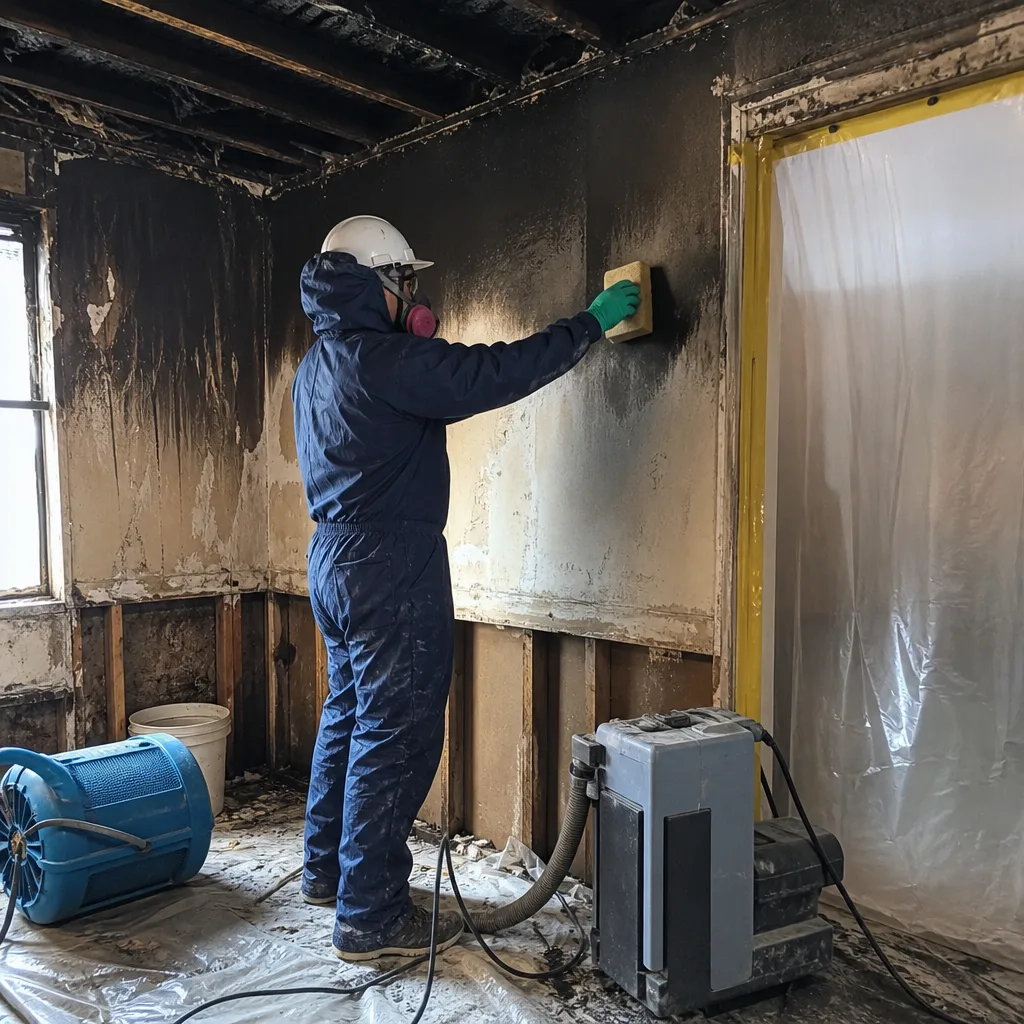
Black Water Extraction
Black water is the industry term for Category 3 water that contains human waste, and it requires aggressive extraction with professional equipment, not a shop vac. We run XPOWER and B-Air extractors sized for finished basements and crawl spaces. The water comes out fast, and the containment goes up before anyone tracks contamination through the rest of the house.
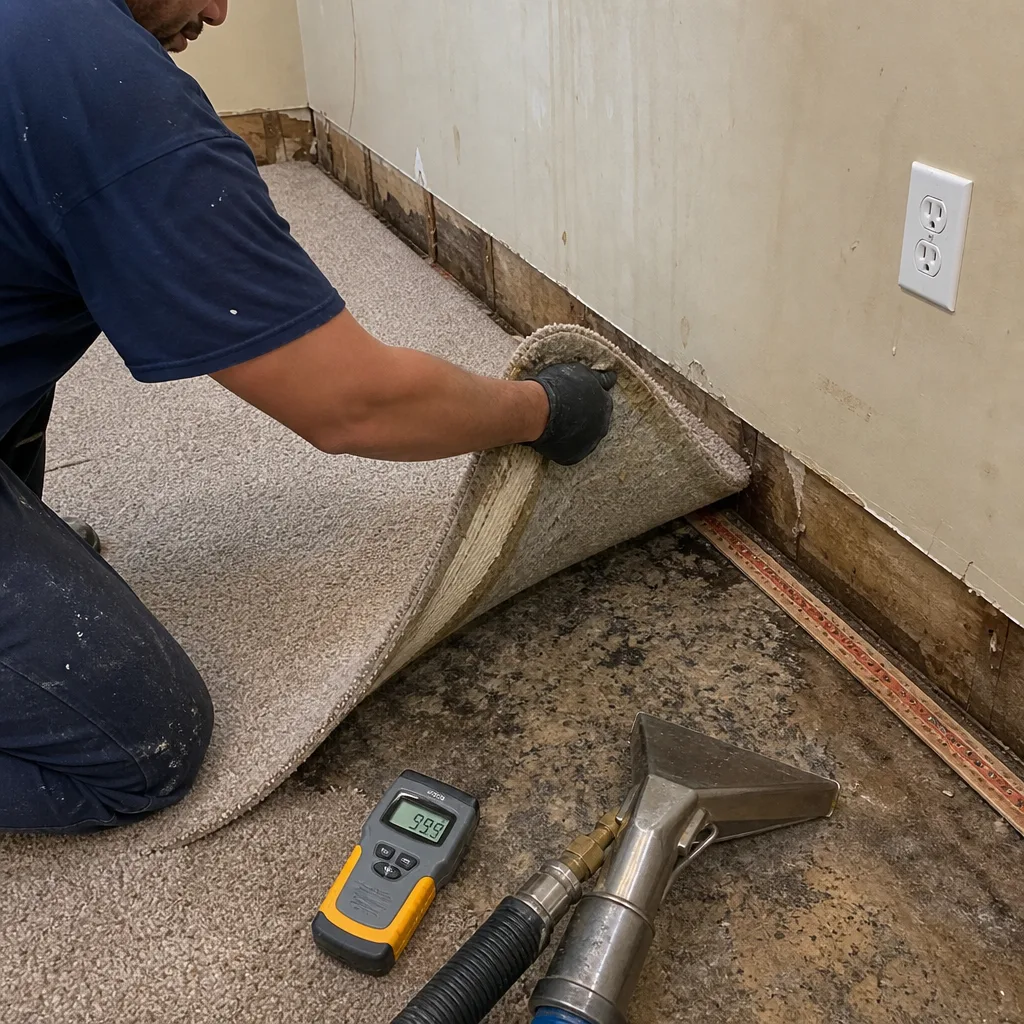
Sanitization & Disinfection
Extraction is only half the job. Anything Category 3 water touched needs EPA-registered antimicrobial treatment or removal. In St. Albans basements with drop ceilings and drywall, that often means cutting out materials that look fine from the outside but are contaminated on the back side. We don’t skip this step, and we don’t let homeowners skip it either.
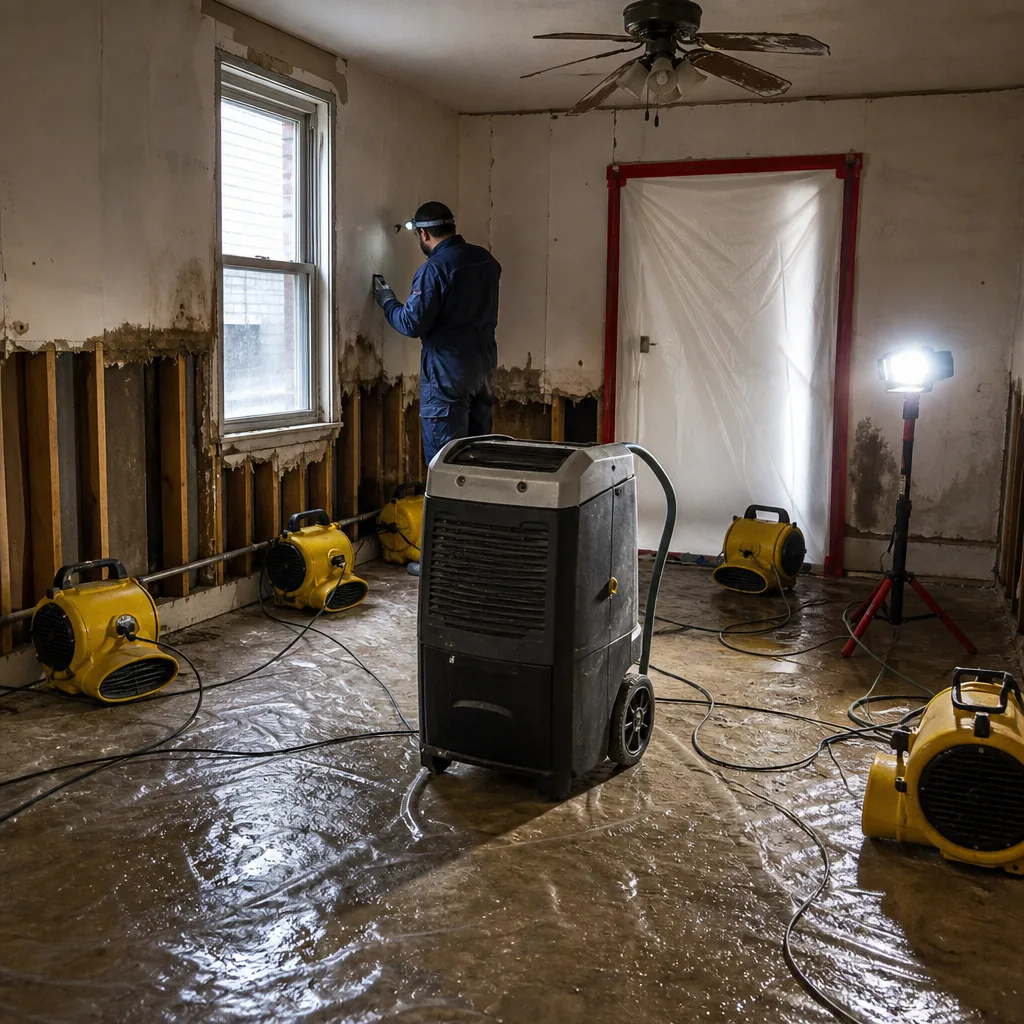
Toilet Overflow Cleanup
A toilet that overflows once is a plumbing problem. A toilet that overflows during every heavy rain is a combined sewer problem, and St. Albans has plenty of both. We clean the immediate overflow, then investigate whether the line is the real culprit. If your basement toilet is a pressure-relief point for the city’s mains, we’ll tell you, and we’ll fix it.
Septic Failure Cleanup
Most of St. Albans is on municipal sewer, but a handful of properties in the neighborhood still run legacy septic systems, especially on larger lots near the southern boundary. When a septic field fails, the result is the same Category 3 contamination but with different plumbing. We handle the cleanup and coordinate with a licensed plumber for the field itself.
What happens when you call
- 1
A real person answersNo phone trees - you reach a local pro.
- 2
You get an upfront price rangeHonest numbers before anyone is dispatched.
- 3
A background-checked tech heads outLicensed & insured, dispatched right away.
- 4
You approve before work beginsNothing starts until you say go.
Sewage Cleanup Costs in St. Albans, NY
A straightforward sewage backup in a St. Albans basement with a contained floor drain overflow typically runs $1,800-$2,800, including extraction, sanitation, and drying. If the sewage wicked into finished walls or a drop ceiling, the price moves to $3,500-$5,500 because of the tear-out and rebuild involved. Horsehair plaster walls and asbestos floor tile, standard in 1940s-1960s homes here, add $800-$1,500 in testing and abatement coordination before structural drying can legally begin. Unpermitted basement apartments complicate the scope and may add documentation time, but they don’t change our pricing structure: we give you a written line-item scope before work starts, and we bill your carrier directly. You don’t pay a surprise at the end, and you don’t play phone tag with an adjuster. Call (518) 627-5878 for a free visual inspection and a firm number on your specific situation.
We Also Serve Cities Near St. Albans
Our St. Albans crews also cover the surrounding Queens neighborhoods, including Jamaica, Richmond Hill, Hollis, and Kew Gardens Hills. If you’re on the edge of the neighborhood or a few blocks over, we’re still your local crew, and the 45-minute response commitment still stands.
St. Albans Sewage Cleanup Questions, Answered
Why do St. Albans basements get sewage backups even without a storm?
St. Albans basements get sewage backups without a storm because the combined sewer laterals in this neighborhood are chronically undersized for the current water load, and the flat grade means even moderate rain overwhelms the system. When the mains fill, basement floor drains and toilets become the path of least resistance for everything upstream. It’s not your house trap failing; it’s the infrastructure around it.
Your crew found an unpermitted basement apartment during cleanup-what happens now?
If we find a finished basement room or apartment that isn’t on the certificate of occupancy, we document it, flag it for your insurance adjuster, and coordinate with NYC DOB compliance questions before structural drying or rebuild starts. We don’t report you, and we don’t stop work. We work through the documentation so your claim doesn’t stall and the cleanup proceeds safely and legally.
Does NYC DEP asbestos abatement really apply to a sewage backup in a St. Albans basement?
Yes. If the backup wets or disturbs materials that contain asbestos, typical of 1940s-1960s St. Albans construction, NYC DEP protocols apply before structural drying or demolition can proceed. This includes asbestos floor tile, pipe insulation, and some older wall compounds. We handle the testing and coordinate the abatement so the job keeps moving.
How fast can you start sewage cleanup in St. Albans on a weekend?
Weekends don’t change anything. A live dispatcher answers 24/7, including Saturday and Sunday, and our 45-minute response commitment to St. Albans stands. Sewage doesn’t wait for Monday morning, and neither do we. Call (518) 627-5878 any hour, any day.
Will my insurance cover a recurring sewage backup in St. Albans?
It depends on your policy’s water backup endorsement and whether the backup originated inside your property line or from the city’s main. Many St. Albans homeowners don’t discover they lack a water backup endorsement until the first claim. We document the source clearly for your adjuster and provide the line-item scope that supports your claim. If your policy denies it, we’ll explain why and what your out-of-pocket number would be before you commit to anything.
Do I really need full sewage cleanup, or can I just mop it up?
If the water came from a sewage line, it’s Category 3, and mopping won’t make it safe. Bacteria and pathogens embed in porous surfaces like drywall, carpet, and baseboard. Without proper extraction and sanitization, you’re leaving contamination behind that causes odor and illness later. We’ll show you exactly what’s affected and why. The estimate is free.
How long does sewage cleanup and drying take in a St. Albans house?
Most contained St. Albans sewage cleanups are extracted and sanitized in one to two days, with drying running another 3-5 days depending on what got wet. If asbestos abatement or structural rebuild is involved, add a week or more. We give you a written timeline at the start and update it daily with moisture readings.
What should I do in the first 30 minutes after a sewage backup in St. Albans?
First, shut off power to the affected area if water has reached outlets or appliances. Don’t flush toilets or run water that drains toward the backup point. Keep people and pets out of the affected area, and don’t use household fans to dry it, that just spreads contamination. Then call (518) 627-5878. A live person answers, and we’ll walk you through the next hour while the crew moves toward your block.
Serving St. Albans, NY - Our Local Coverage Area
We’re based in the St. Albans area and know this community well. Use the map below to see our service coverage - if you’re nearby, we can almost certainly help.
The St. Albans Sewage Problem, Explained Simply
Here’s what we tell every St. Albans homeowner who calls us after the second or third basement backup: your house didn’t suddenly break. The neighborhood’s flat grade and combined sewer system were built for a different era, and when heavy rain falls, the system fills faster than it can drain toward Jamaica Bay. Your floor drains and toilets become relief valves for the city’s mains. That’s why a house that never floods still gets sewage in the basement during an ordinary June thunderstorm. The backup will keep happening until someone addresses the root cause, usually a backwater valve on the main drain line, and we include that recommendation in every written scope we provide in St. Albans. Cleaning up is only the first half of the job. Preventing the repeat is how we’re measured on the second visit that never happens.
We built Floodline Restoration Co. in 2010 around the idea that a restoration company should answer the phone like a neighbor and work like a professional. Curt Bowman set up the dispatch board, not a sales desk. The people who show up at your St. Albans door are background-checked, uniformed, and trained to IICRC, RIA, and IFA standards. We bill your carrier directly, we stand behind every job with the 90-Day Done Right Promise, and we don’t hand your house off to a subcontractor you’ve never met. If you’re dealing with sewage in your basement right now, call (518) 627-5878. We’ll answer, we’ll get there, and we’ll handle it from the floodline to the finished room.
Written by Curt Bowman, Owner at Floodline Restoration Co., serving St. Albans and the surrounding Queens neighborhoods.