
Free visual inspection and a written scope of work before any mitigation begins - photos, moisture readings, and drying logs go in your claim file
The scope we write is the scope we bill. Anything new gets shown to you, in writing, before we touch it.
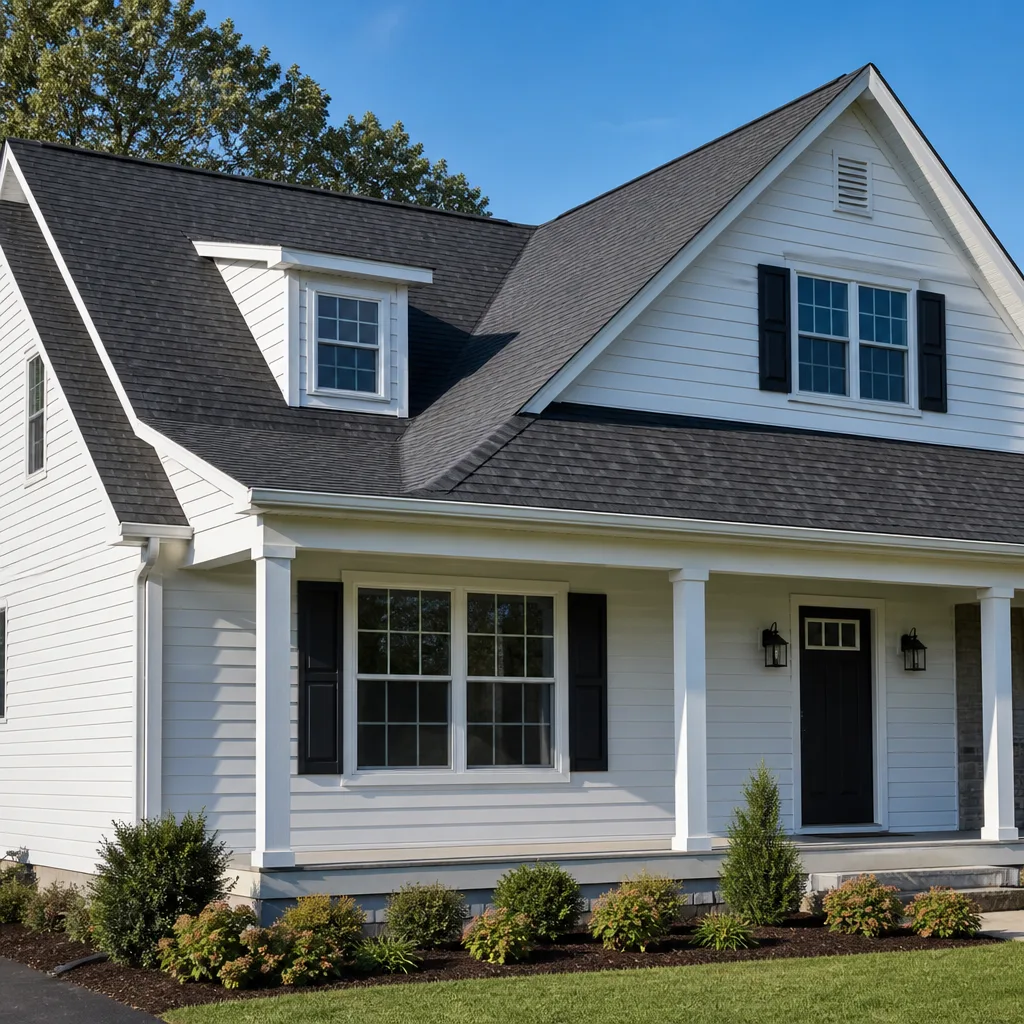
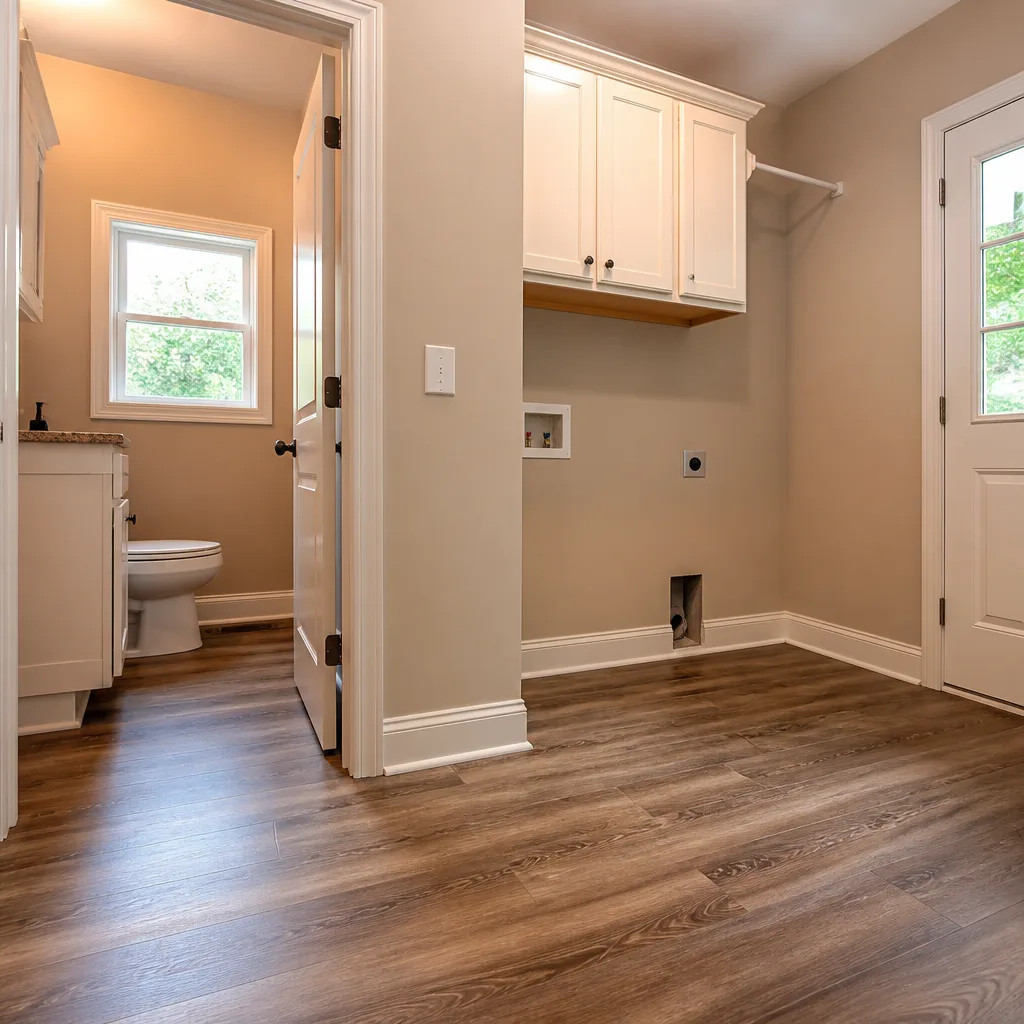
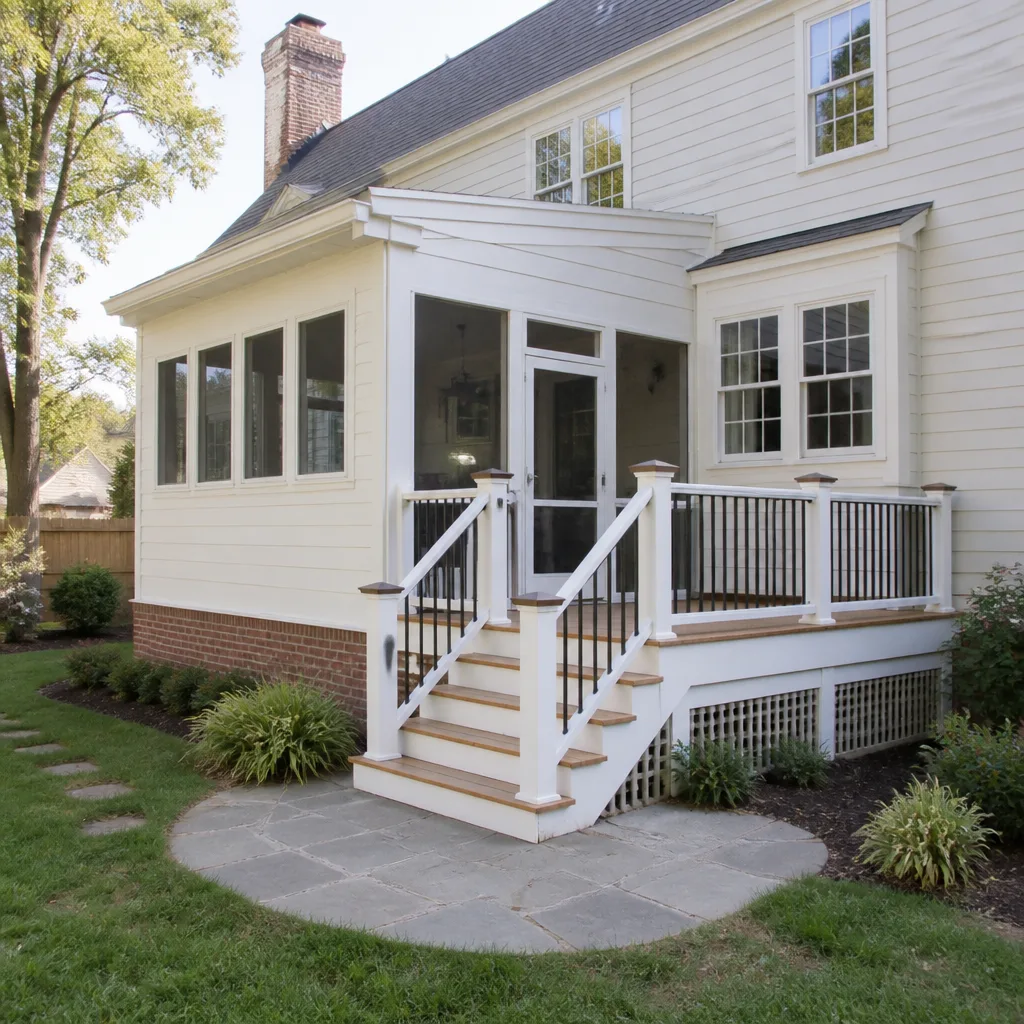
 Before
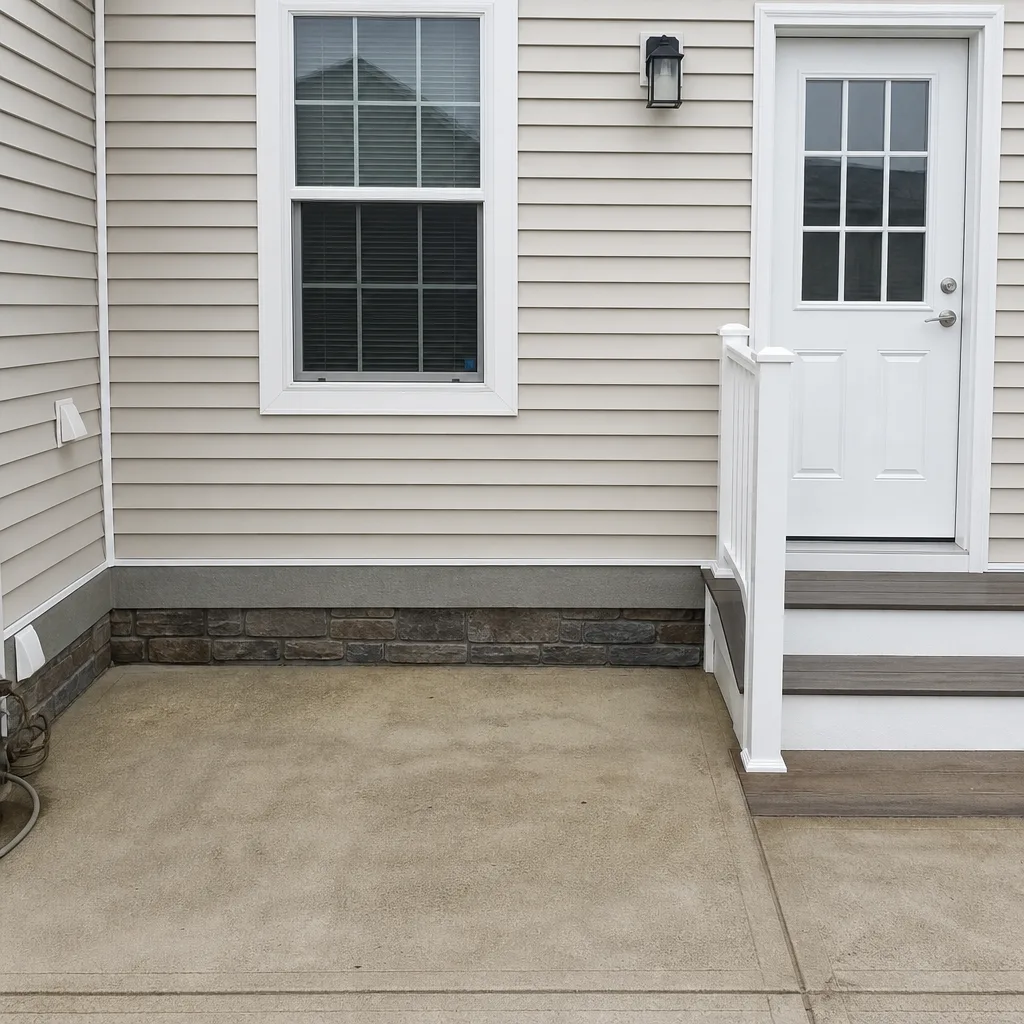 After
After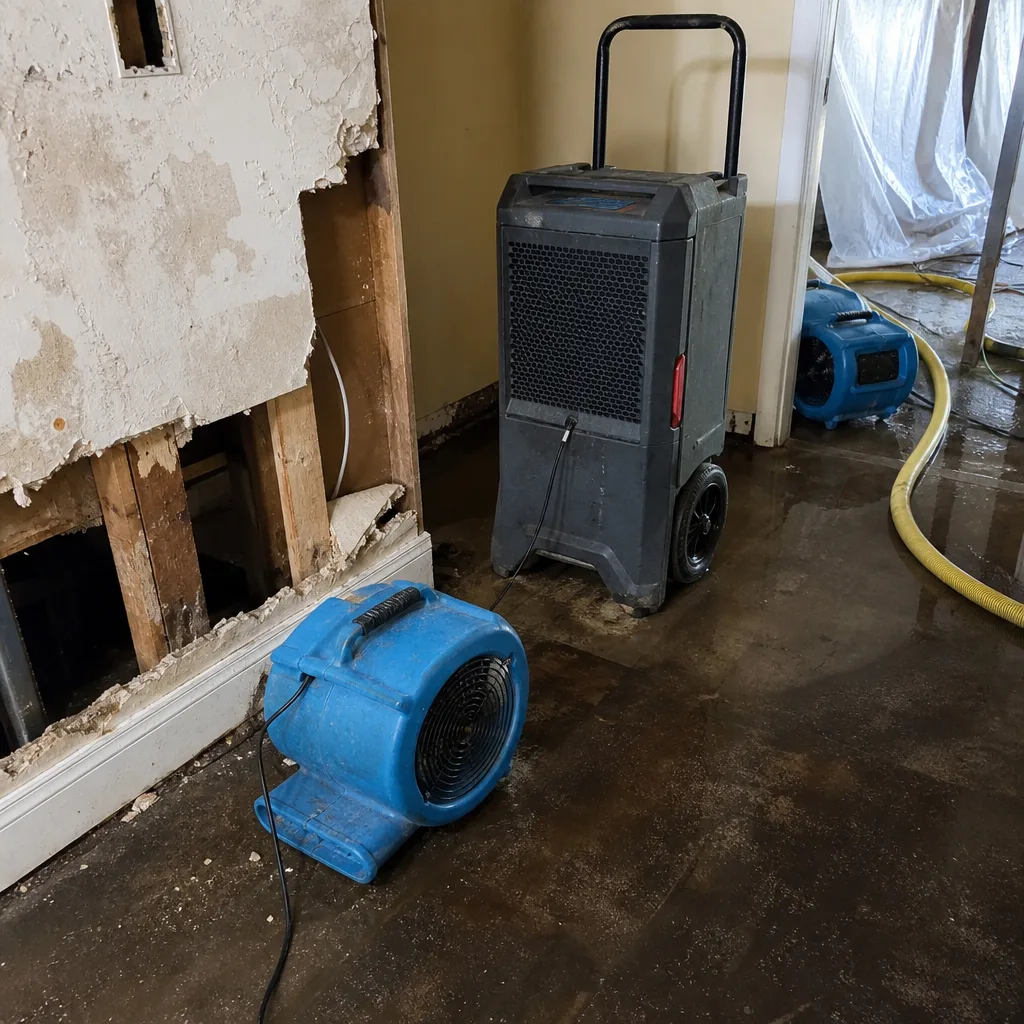 Before
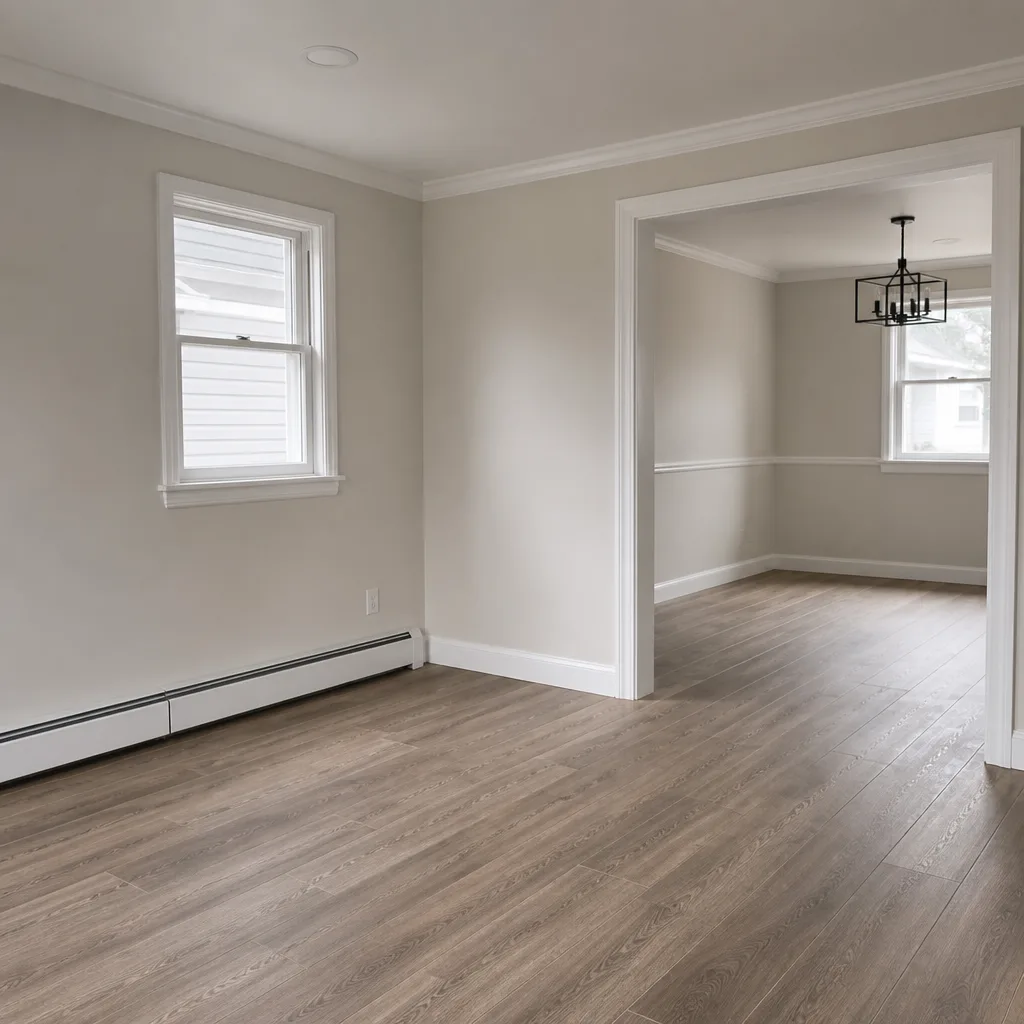 After
After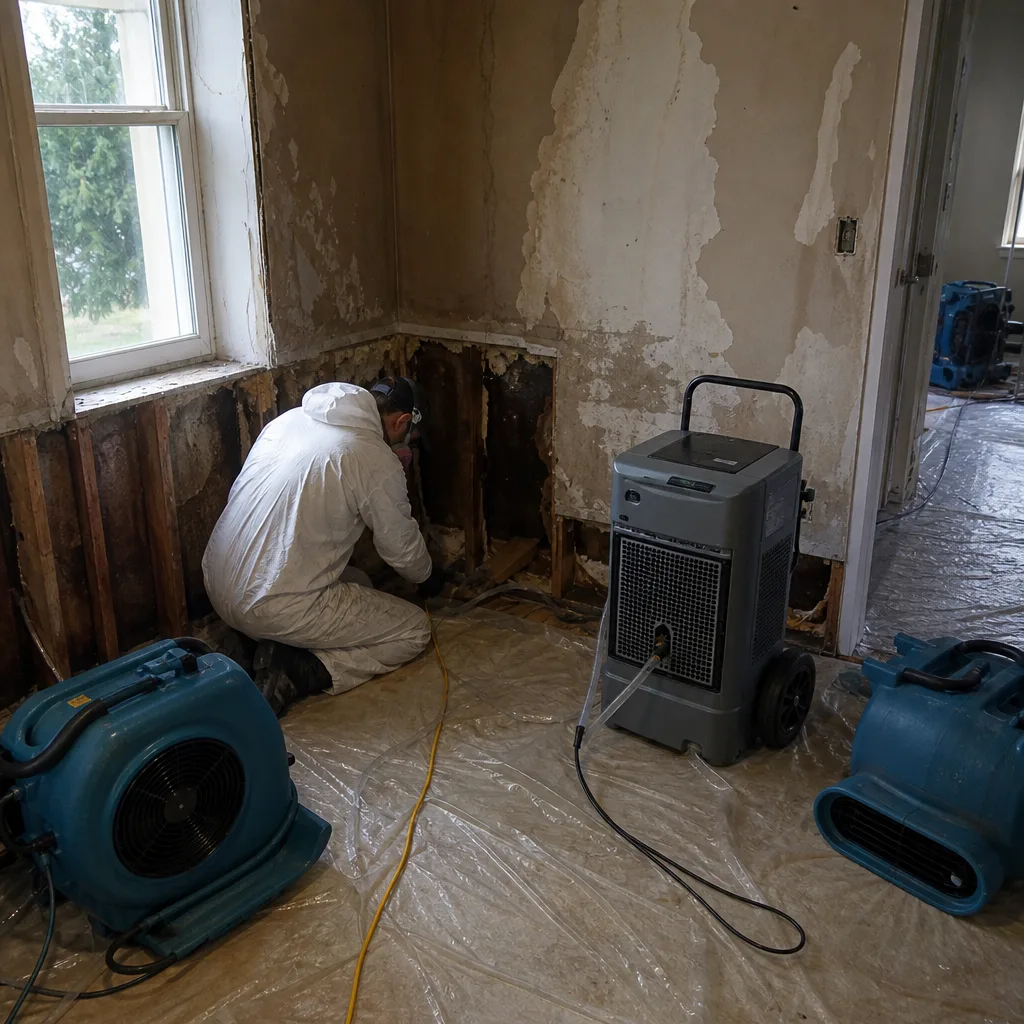 Before
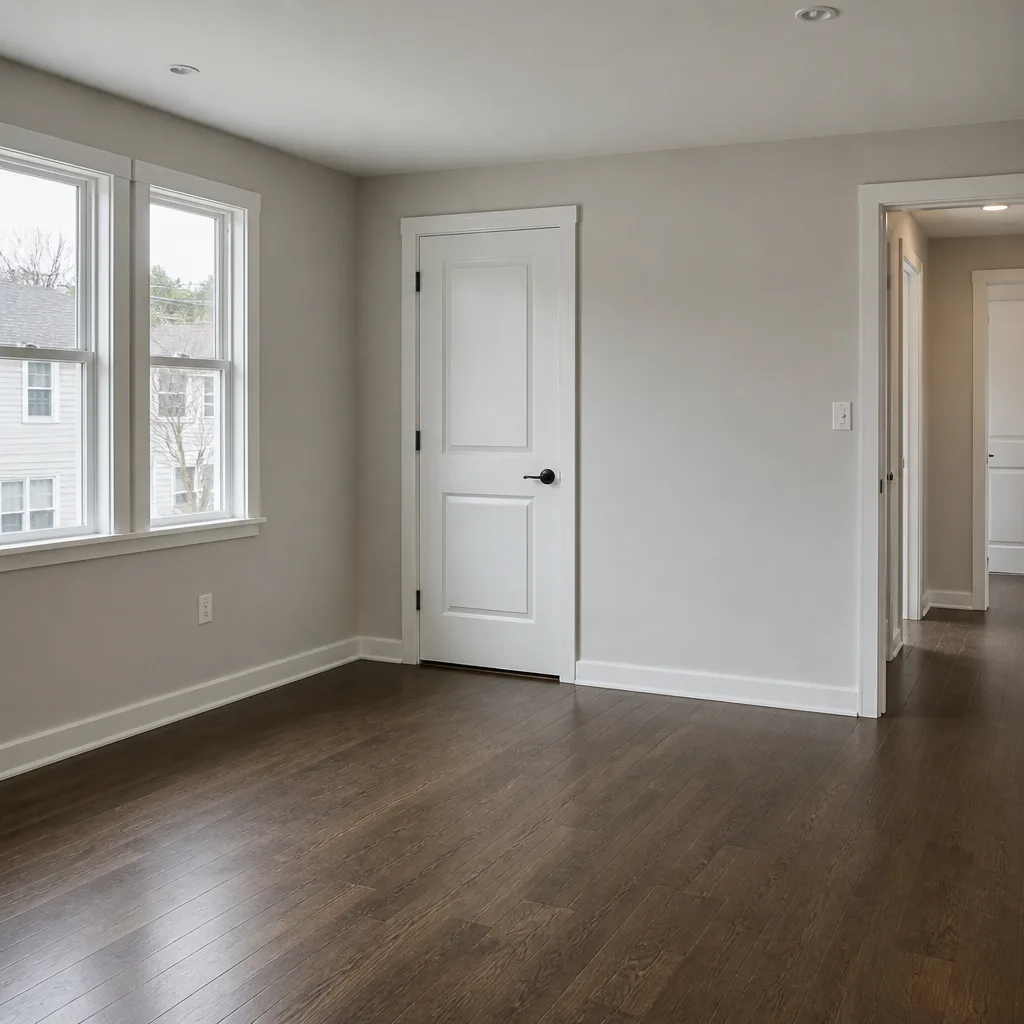 After
After24/7 Emergency Storm & Disaster Restoration in South Ozone Park
Storm damage in South Ozone Park moves fast. Water from a nor’easter or a breached basement door doesn’t wait, and neither should you. Floodline Restoration Co. answers live 24 hours a day; a real person picks up at 2 a.m., not a recording. Our Storm & Disaster Restoration crews dispatch from the New York City office and reach South Ozone Park blocks quickly, ready to stabilize the damage on the first visit. Call (518) 627-5878 the moment you see water, a failing door, or roof damage. The first hour matters more than most homeowners realize, especially in the low-lying blocks south of Rockaway Boulevard where FEMA maps show real flood exposure. We start with a free visual inspection, then get to work. Done right, and backed in writing.
Understanding Storm & Disaster Restoration Severity in South Ozone Park Properties
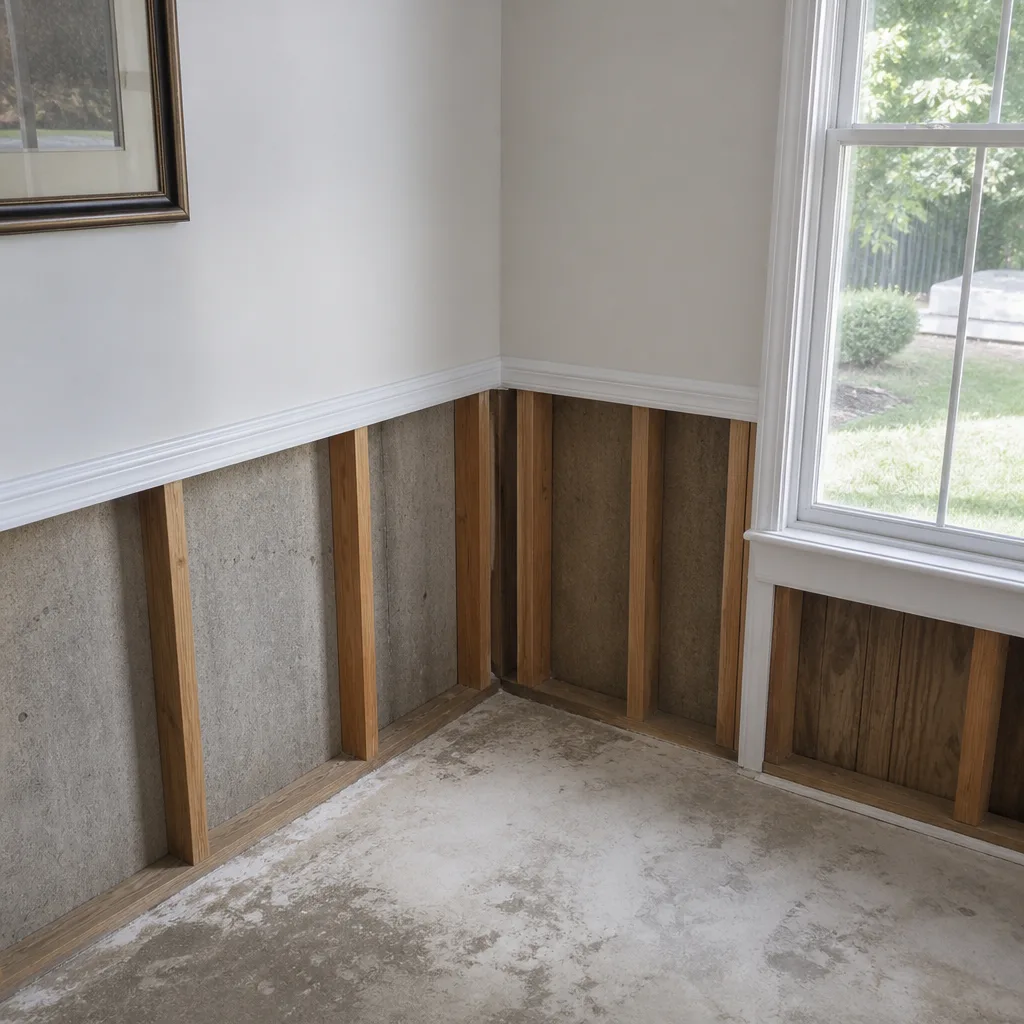
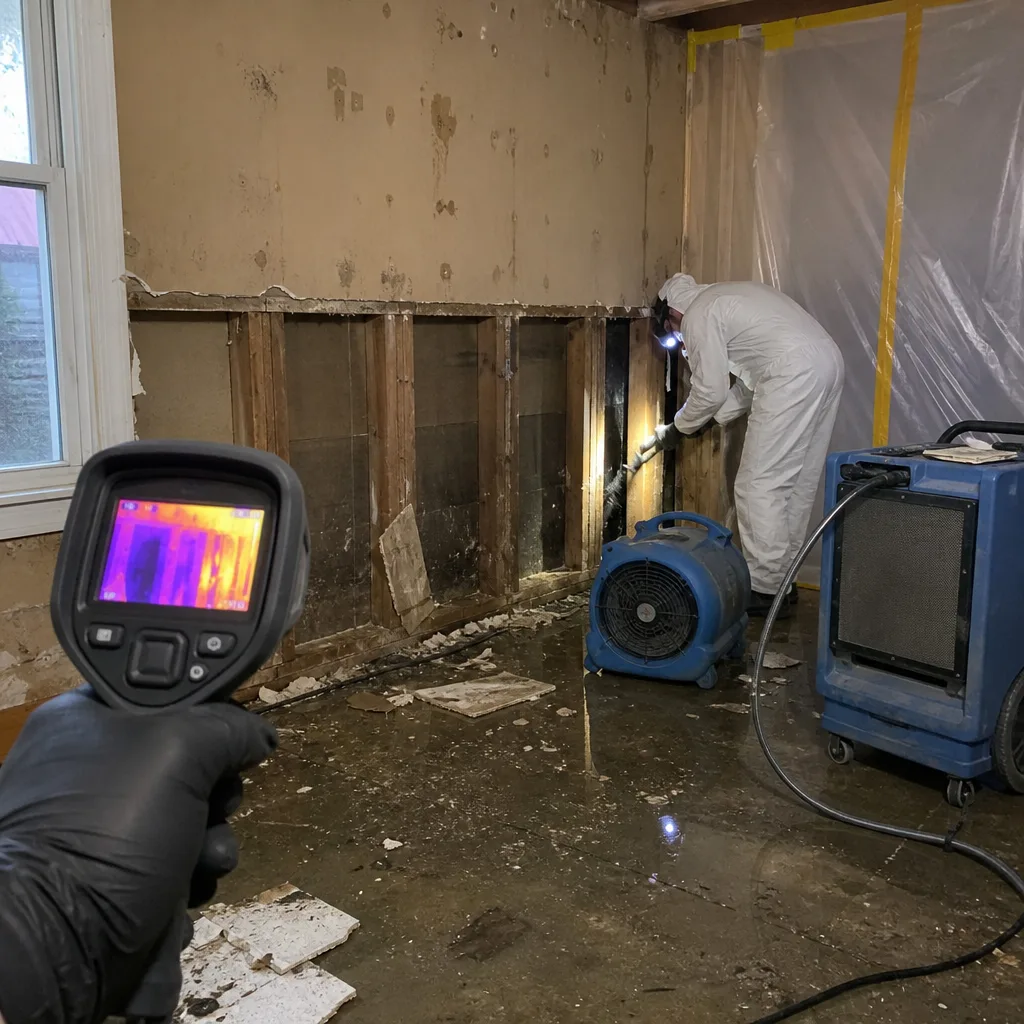
Most South Ozone Park homes were built between 1930 and 1955. They’re brick semi-detached and attached row houses, many with finished basements that sit at or below grade. That changes what storm restoration actually means here. Water from a backed-up combined sewer is category 2 or category 3 water: it carries sewage, bacteria, and whatever the surge pushed through the streets. It’s not rainwater. It’s not mop water. It needs extraction, containment, and structural drying, not just towels and a fan. Plaster-and-lath walls in these older homes wick moisture upward and hold it. Vinyl-covered paneling installed after Hurricane Sandy often hides what’s behind it: damp brick, compromised framing, and mold colonies that have been growing for years. A proper assessment starts with moisture mapping and thermal imaging, not eyeballing. Without it, you’re guessing. And guessing in an AE flood zone is how small dry-outs become Class 3 remediation projects.
Why South Ozone Park Property Owners Choose Floodline Restoration Co.
- 45-minute response commitment. When we say a crew is on the way, a crew is on the way. We’ll be there when we say.
- 24/7 live answer. A live dispatcher picks up every call, every hour, every day. Not a phone tree. Not a callback. A person.
- IICRC-certified crews. Our technicians hold WRT, FSRT, and AMRT certifications and train to IICRC, RIA, and IFA standards. Background-checked and uniformed on every job.
- Free visual inspection. We look first, explain what we found in plain English, and hand you a written scope before any work starts.
- Direct insurance billing. We document the loss, send the file to your adjuster, and bill the carrier directly. You don’t play messenger.
- One team from start to finish. Extraction, drying, and rebuild are handled by the same Floodline Restoration Co. crew. No mid-job handoff to a subcontractor you never approved.
Our Storm & Disaster Restoration Process
Inspection & Assessment
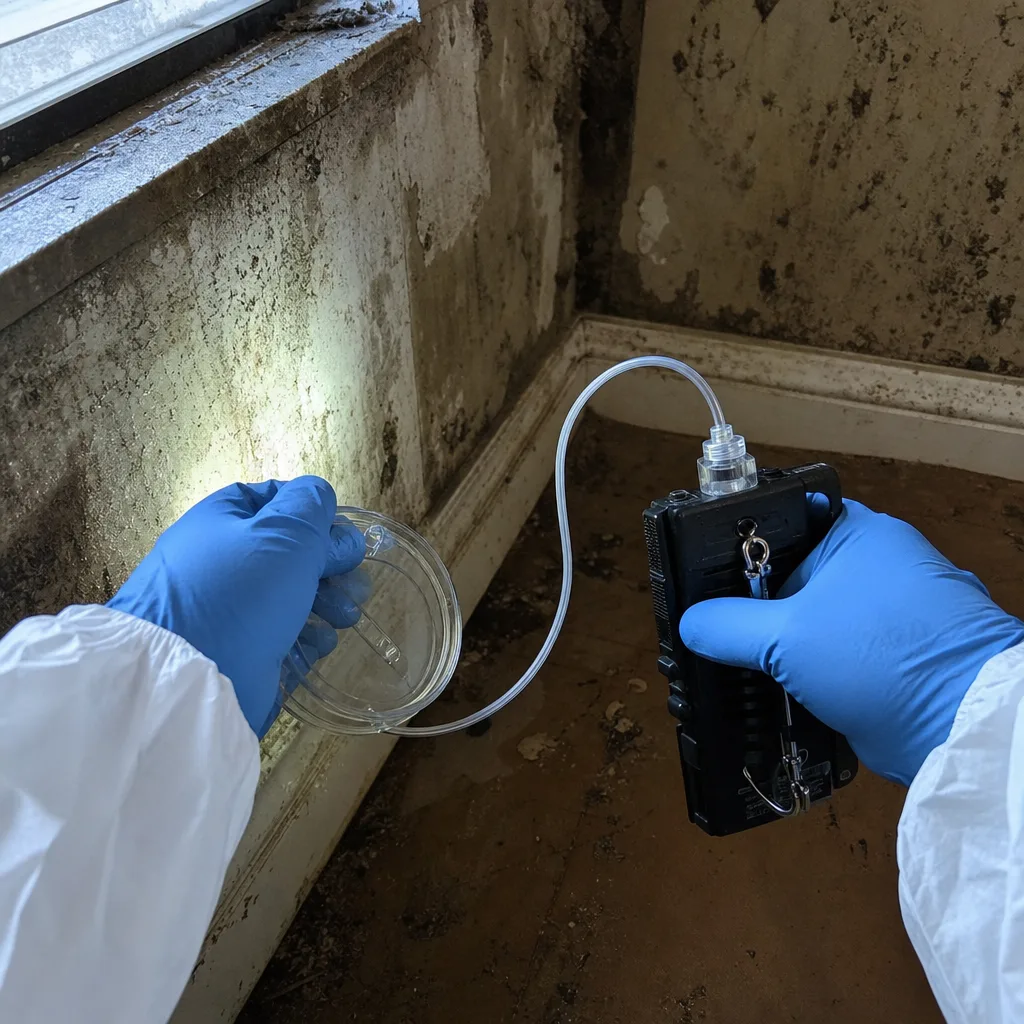
We arrive, walk the property, and map the damage. For water events, that means thermal imaging and moisture readings at the floor line, the party wall, and behind any finished surfaces. For wind damage, we check the roof, exterior doors, and window seals. You get a clear picture before anything is touched.
Extraction / Stabilization
Water gets extracted the same visit. We set up pumps and truck-mounted extraction units where needed. If a door or window has failed, we board up and tarp immediately so the structure stops taking damage. The goal is simple: stop the loss from spreading.
Drying & Dehumidification
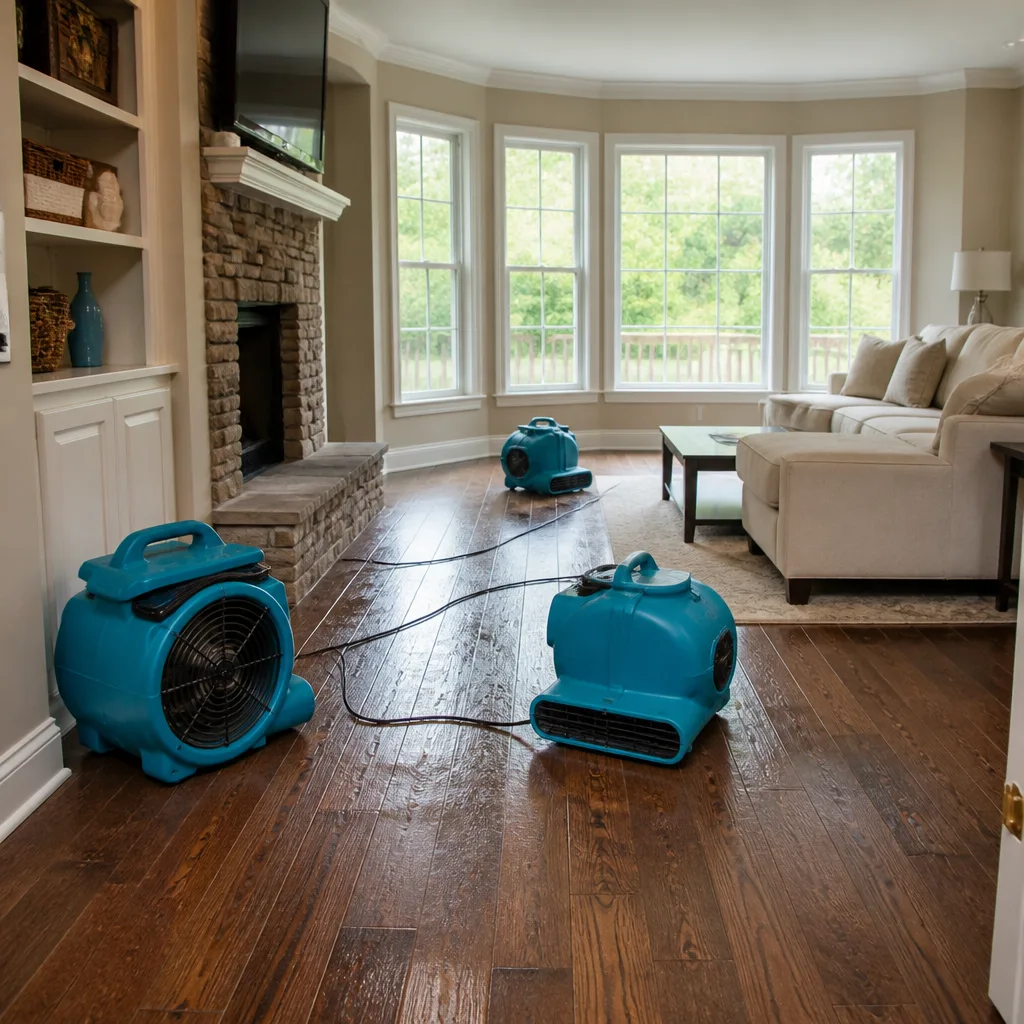
We place professional-grade Phoenix and XPOWER air movers and dehumidifiers, and we use Injectidry drying mats on brick party walls where standard air movement won’t reach. Daily moisture readings are logged until the dry standard is met, and that log goes to you and your carrier.
Cleaning & Sanitization
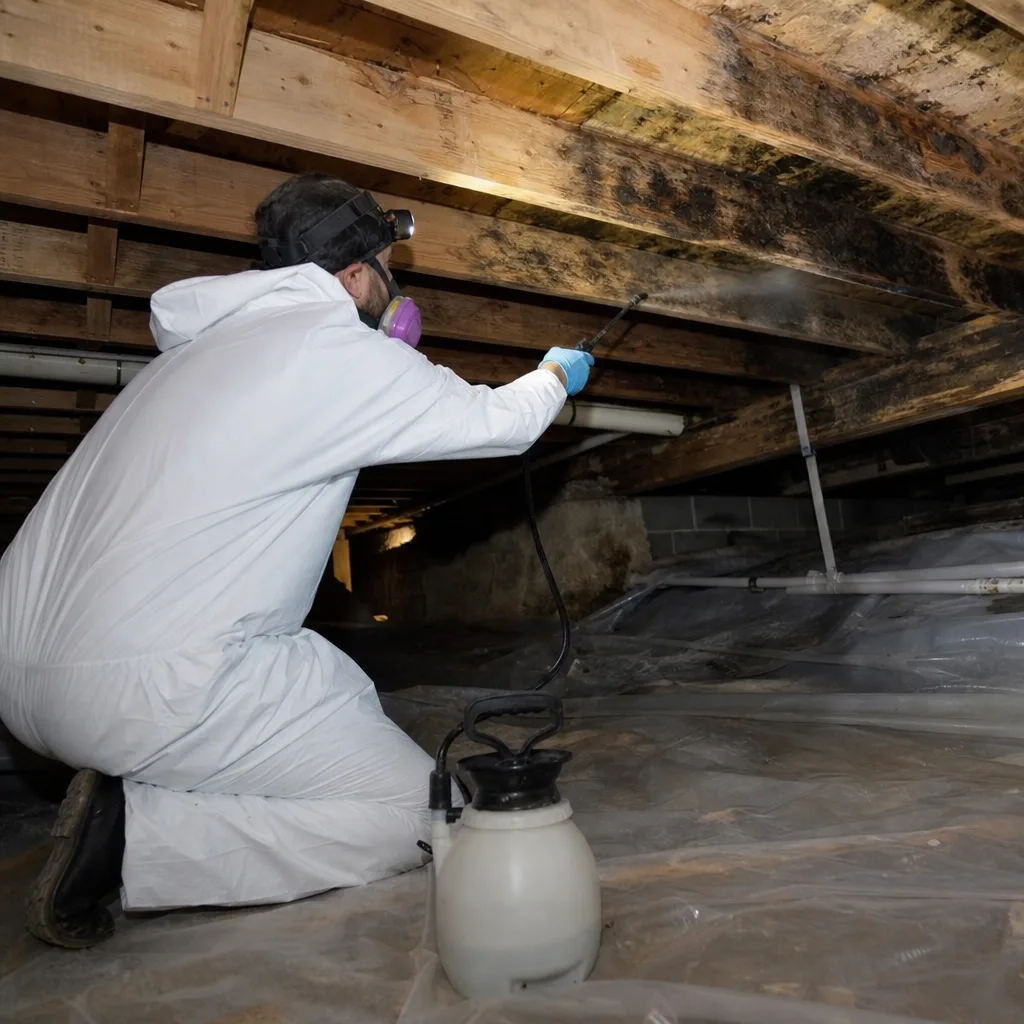
Every affected surface gets cleaned and treated. Category 2 and 3 water events require antimicrobial application. We don’t cut this corner, because the next rain will find whatever the last storm left behind.
Mold & Wind-Damage Specialty Work
If we find mold behind post-Sandy paneling, we set up negative-air containment, remove the compromised material, and run HEPA air scrubbers. If the storm damaged roof flashing or door framing, we repair and reinforce to code. Wind-rated hardware goes where wind-rated hardware belongs.
Repairs & Restoration
We rebuild what needs rebuilding: drywall, trim, flooring, door assemblies, roof sections. The same crew that started the job finishes it. No handoff. No inherited mess. The 90-Day Done Right Promise goes with the work, in writing.
Need Emergency Storm & Disaster Restoration in South Ozone Park Now?
Crews minutes away, answering live 24 hours a day. The sooner we start, the less it costs.
Working With Your Insurance Company
We handle insurance the way homeowners in South Ozone Park want it handled: directly, with documentation, and without you sitting on hold with an adjuster. From the first hour on site, we photograph everything. Every room, every wet wall, every failed door assembly. We log moisture readings every day we’re drying, and we hand you that log so you and your carrier see exactly what we saw. The estimate we write is line-item, using industry-standard pricing. Your adjuster recognizes the format. That means fewer delays and fewer fights. Homeowners who’ve been through a storm claim before will tell you: documentation is the difference between a paid claim and a denied one. We’ve been doing this since 2010, founded by Curt Bowman around a dispatch board, not a sales desk. The claim gets handled the right way from the first call to the final invoice.
What We Provide Your Insurer
- Thorough documentation of the loss
- Photos of all damage, room by room
- Moisture readings and drying logs
- A detailed, line-item scope of work
- Direct coordination with your carrier
Built for South Ozone Park’s Loss Calendar
South Ozone Park has a storm season that runs nearly year-round, and each season brings its own failure mode. January deep freezes burst supply lines inside unheated basements and behind poorly insulated exterior walls. March and April bring nor’easters that back up the combined sewer and push category 2 water up through basement floor drains, something we see on blocks from 109th Avenue down toward North Conduit Avenue. Summer thunderstorms drop enough rain in an hour to overwhelm street drainage and send sheet flow toward the low-lying blocks near Jamaica Bay. And late summer through fall, the coastal storm track delivers wind that tests every aging roof and every hollow-core basement door. The homes here are old enough that original roof flashing and single-pane windows have been through decades of this. When a nor’easter lines up, the houses south of Rockaway Boulevard are the ones that call first. We know the streets, and we know what to look for before the water even arrives.
Storm & Disaster Restoration Across South Ozone Park’s Neighborhoods
We work the whole neighborhood, and each corner has its own pattern. Off Rockaway Boulevard near the Van Wyck Expressway, wind damage is the bigger threat: older roof edges and loose flashing get torn up whenever a coastal storm tracks west. Around Baisley Pond Park, the blocks sit slightly higher, but finished basements are everywhere, and a sustained rain still finds its way in through foundation cracks and window wells. On the numbered streets from 114th to 135th between North Conduit Avenue and the Belt Parkway, we see flood-driven losses that quieter Queens neighborhoods never deal with: sewer backups, surge water over the curb, and basements that took a foot of water before the homeowner even knew it was raining hard. Down toward the southern edge near the JFK approach and the marshy ground by Jamaica Bay, the water table sits close to the surface, so drying takes longer and mold pressure is constant. We also respond along the commercial corridors of Rockaway Boulevard and Lefferts Boulevard where storefronts take wind and water damage that needs board-up before looters or weather make it worse. If you live in any of these blocks, you already know the risk. We do too.
Specialized Storm & Disaster Restoration Services We Offer in South Ozone Park
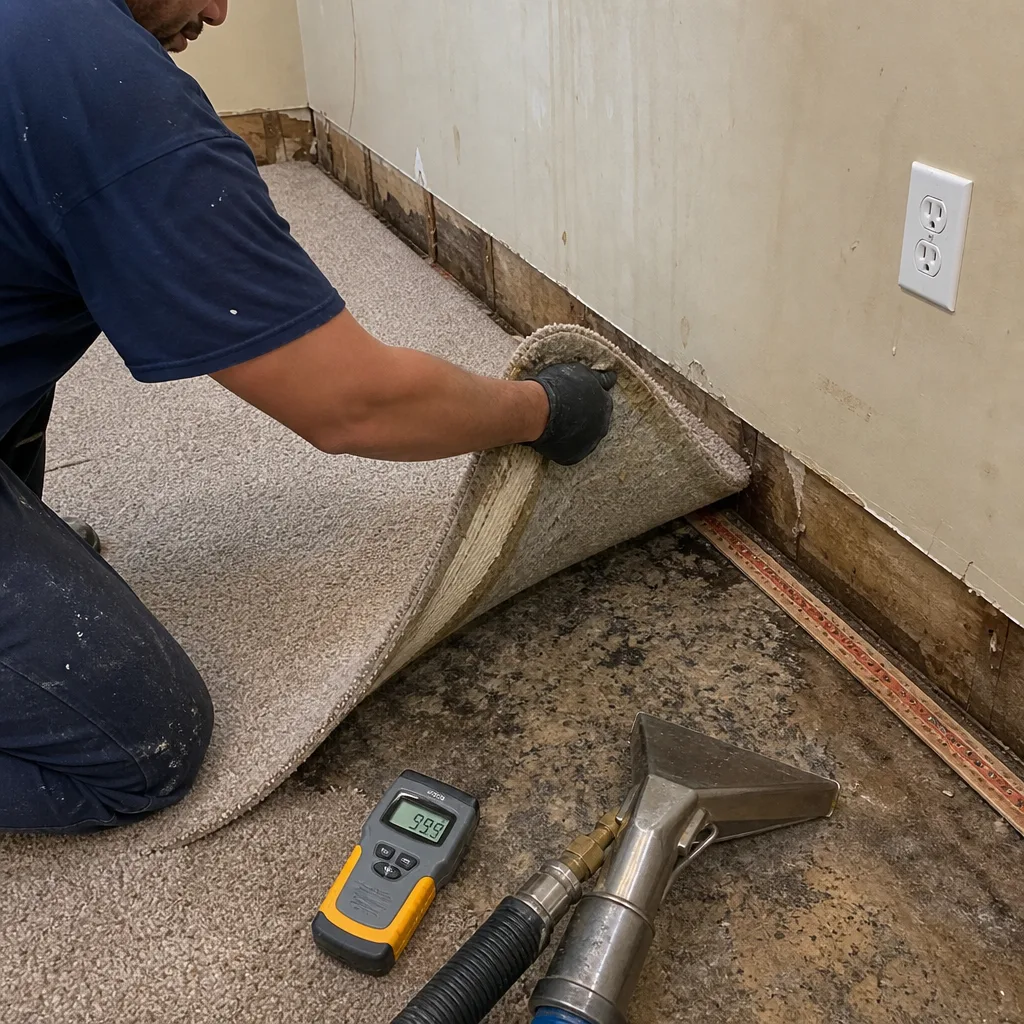
Emergency Board-Up
When a storm blows out a window or a door fails, the opening is an invitation: more water, animals, and people who don’t belong there. We board up with plywood and proper fasteners, not a couple of nails and hope. For homes in South Ozone Park’s flood zones, we use materials that will hold until permanent repairs are permitted. Board-up isn’t a stopgap it’s the first line of structural defense after a storm breach.
Roof Tarping
Wind tears flashing, lifts shingles, and sometimes peels back whole roof sections on these older rowhouses. A tarp installed correctly keeps the next rain from turning a roof repair into a full interior water loss. We inspect the roof edge, seal the tarp tight, and document everything for your carrier. In South Ozone Park’s coastal wind conditions, a loose tarp becomes a sail. Ours stay put.
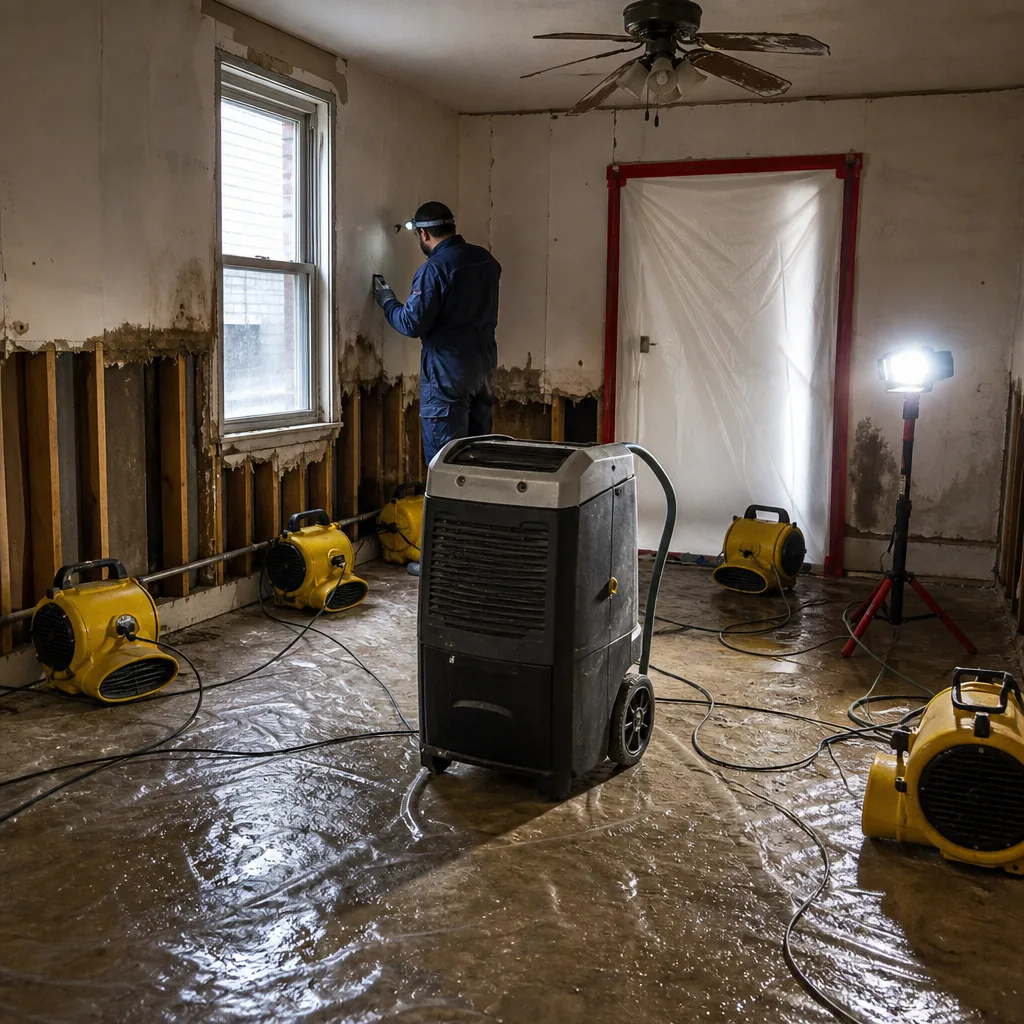
Wind Damage Repair
Wind doesn’t just tear roofs. It racks door frames, breaks window seals, and compromises the exterior envelope. On AE-zone homes, a wind-damaged basement door that isn’t reinforced becomes the entry point for the next storm’s surge. We repair and, where needed, replace door assemblies with wind-rated hardware, then check the surrounding framing so the next nor’easter doesn’t find the same weak point.
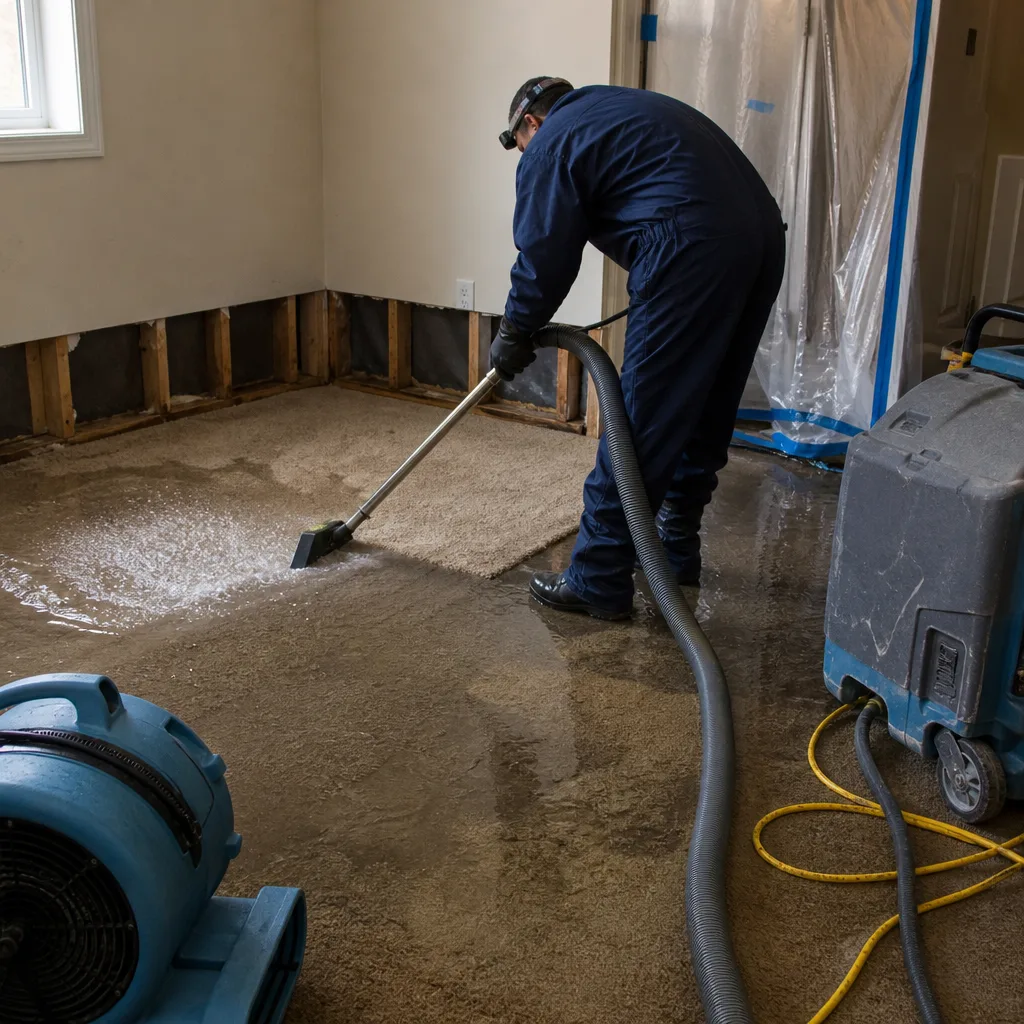
Storm Damage Cleanup
After the emergency is stabilized, there’s the mess: debris in the yard, drywall compromised, insulation soaked, furniture ruined. We remove the damaged material, set up drying where needed, and get the space ready for rebuild. For South Ozone Park basements with post-Sandy paneling, cleanup often reveals what the last flood left behind. We handle that too.
Flood Damage Restoration
When surge water or a sewer backup fills a finished basement, the restoration has to match the water category. Category 3 water from a storm surge or sewer backup requires containment, antimicrobial treatment, and proper disposal of porous materials. We’ve restored dozens of South Ozone Park basements after rain events, and we know how these brick row homes dry: slowly, with the right equipment and a daily log. The line the water left is where we start.
What happens when you call
- 1
A real person answersNo phone trees - you reach a local pro.
- 2
You get an upfront price rangeHonest numbers before anyone is dispatched.
- 3
A background-checked tech heads outLicensed & insured, dispatched right away.
- 4
You approve before work beginsNothing starts until you say go.
Storm & Disaster Restoration Costs in South Ozone Park, NY
What you’ll pay depends on what happened and where. A basic emergency board-up in South Ozone Park typically runs $350 to $600 for a standard doorway or window opening. Roof tarping for wind damage runs $400 to $800 depending on the roof pitch and access. Flood extraction from a finished basement with category 2 or 3 water starts around $1,200 to $2,500 for a 600 to 900 square foot space. Full structural drying with dehumidifiers and daily moisture logs adds $1,800 to $3,500 to the scope. Mold remediation behind post-Sandy paneling is the wild card: we’ve seen $900 cleanups and we’ve seen $15,000 Class 3 projects that required pack-out and full containment. The honest answer is that a free visual inspection is the only way to get a real number, and we give you that in writing before any work begins. Insurance covers most storm and flood event work when documented correctly. For out-of-pocket repairs, we honor the standing offers: $50 off any repair over $250, and a 5% senior and veteran discount always.
We Also Serve Cities Near South Ozone Park
Our crews work the surrounding neighborhoods daily: Ozone Park, Howard Beach, Richmond Hill, and Woodhaven. If you’re in one of those blocks and a storm hit, call (518) 627-5878. The same live dispatch, the same certified crews, the same written guarantee. To learn more about our broader service area, see Storm & Disaster Restoration.
South Ozone Park Storm & Disaster Restoration Questions, Answered
How does South Ozone Park’s flood zone affect what category of water we are dealing with after a storm?
Homes south of Rockaway Boulevard sit in FEMA AE flood zones where Hurricane Sandy’s surge pushed water over curbs, and that means storm water here frequently carries sewage, fuel, and whatever the tide brought in. It is category 3 water, not rainwater. Category 2 water from a backed-up combined sewer is also common during nor’easters. Both require professional extraction, containment, and antimicrobial treatment. Call (518) 627-5878 if water has entered your basement and we will assess the category on site.
What wind rating should a basement or exterior door have to survive a nor’easter in South Ozone Park?
For an AE-zone home in South Ozone Park, an exterior door should meet at least a wind rating consistent with the NYC building code for windborne debris zones, and impact-rated assemblies are the safer choice for doors that face the storm track. A hollow-core basement door is not a flood barrier. If your door failed in the last storm, we can inspect it, quote a reinforced replacement, and handle any permit requirements before the next storm arrives. Call (518) 627-5878 for a free inspection.
Why do South Ozone Park basements take longer to dry than other Queens neighborhoods?
Two reasons: the housing stock and the water table. These 1930s to 1950s brick row homes have plaster-and-lath walls that wick moisture and hold it, and the low-lying blocks near Jamaica Bay have a high water table that keeps the ground saturated. Drying a fully soaked basement here can take four to seven days with professional equipment, sometimes longer if hidden mold is present. We log moisture readings daily and give you the log. Call (518) 627-5878 to have your basement assessed.
Can we just tarp a storm-damaged roof and wait, or do we need permits?
Emergency roof tarping does not require a permit in New York City; it is considered temporary stabilization. But permanent roof repair or replacement does require a permit, and for homes in flood zones, an inspector may also review wind-resistance details. We tarp immediately to stop further water intrusion, then help you line up the permitted repair. Call (518) 627-5878 and we will get a tarp on the roof the same day.
What do we do with a South Ozone Park basement wall that was patched after Sandy and now shows staining after every heavy rain?
The staining means moisture is still moving through that wall, and whatever was done after Sandy did not solve the problem. We frequently open these walls and find active mold behind vinyl-covered paneling installed as a cosmetic patch. The fix is to cut back the finish, map the moisture with thermal imaging, dry the brick with Injectidry mats, apply antimicrobial treatment, then restore properly. Call (518) 627-5878 for a free visual inspection and a written scope.
How fast can someone actually get to South Ozone Park?
We commit to a 45-minute response for emergency storm calls in South Ozone Park. Our crews dispatch from the New York City office and know the quickest routes down Rockaway Boulevard and through the numbered streets. A live person answers the phone 24/7 and gets a crew moving immediately. Call (518) 627-5878.
Will insurance cover storm damage restoration in a FEMA flood zone?
Most homeowner policies cover wind damage and sewer backup water damage, but standard policies exclude flood surge from a named storm unless you carry a separate flood policy. We document everything from the first hour, write line-item estimates, and coordinate directly with your adjuster so you get the maximum covered by your policy. Call (518) 627-5878 and we will help you understand what your policy covers before work begins.
Do we really need full remediation or just a cleaning after storm water enters the basement?
If the water came from a sewer backup or storm surge, you need more than a cleaning. Category 2 and 3 water carry contaminants that soak into drywall, insulation, and framing. Porous materials must be removed, hard surfaces must be treated with antimicrobial agents, and the space must be properly dried to prevent mold. We will tell you honestly if a cleaning is enough, and we will put it in writing either way. Call (518) 627-5878 for a free assessment.
Serving South Ozone Park, NY - Our Local Coverage Area
We’re based in the South Ozone Park area and know this community well. Use the map below to see our service coverage - if you’re nearby, we can almost certainly help.
Storm & Disaster Restoration in South Ozone Park: Built for the Blocks South of Rockaway Boulevard
South Ozone Park’s low-lying blocks south of Rockaway Boulevard sit in FEMA AE flood zones where Hurricane Sandy’s surge pushed water over curbs and into finished basements, so even a nor’easter that wouldn’t flood neighboring Ozone Park or Jamaica can force category 3 water up through floor drains here. That changes the entire approach to storm restoration. A generic restoration checklist written for Denver or Dallas doesn’t account for a combined sewer system that backs up during a routine March storm, or for brick party walls that hold moisture for weeks, or for the post-Sandy paneling jobs that hid active mold for a decade.
Last March we responded to a 1950s brick semi-detached on 131st Street near North Conduit Avenue after a nor’easter backed up the combined sewer and filled the finished basement with three inches of category 2 water. Our techs set up negative-air containment before cutting back the vinyl-covered paneling behind the bar, where we found active mold on the original plaster-and-lath. We ran Injectidry drying mats against the brick party wall, logged moisture readings for four days, and then applied an antimicrobial treatment before restoring the wall assembly to pre-loss condition. That job is not unusual here. It is the pattern.
What we see repeatedly in South Ozone Park: cutting corners on wind-rated door reinforcement leaves a hollow-core basement door that fails during a nor’easter, letting surge water into a finished space instead of holding it back long enough for structural drying to start. Patching post-Sandy paneling without moisture mapping behind it leaves hidden mold feeding on damp brick, so the next storm’s water intrusion turns a small dry-out into a full Class 3 remediation with pack-out. And skipping the permit check for impact-rated exterior doors on AE-zone homes means the inspector may require a tear-out after the storm has already breached the entry, doubling the scope of work. We check the permit requirements first, because doing it twice is not a square deal for anyone.
This page tells you exactly how a South Ozone Park home’s Sandy-era construction and FEMA flood zone change the emergency storm response, from board-up hardware to drying-log documentation, so you are not getting a generic restoration checklist. You’re getting the local picture, from a company that has been answering the phone live since 2010. Curt Bowman founded Floodline Restoration Co. around a dispatch board, not a sales desk, and the K.E.Y.S. values code still runs the company: Krafted right, Every time, Your home first, Standing behind it. That means background-checked, uniformed technicians on every job. It means the 90-Day Done Right Promise, in writing, no arguing. And it means one team from first extraction to finished rebuild.
You have the seasonal tune-up option if you want to prepare before the next storm: $89 gets your sump pump, basement door seals, and exterior drainage checked so the next nor’easter meets a house that’s ready for it. If a storm has already hit, call (518) 627-5878 now. We answer live, we arrive fast, and we stand behind the work.
Written by the team at Floodline Restoration Co., serving South Ozone Park since our founding in 2010.