
Free visual inspection and a written scope of work before any mitigation begins - photos, moisture readings, and drying logs go in your claim file
The scope we write is the scope we bill. Anything new gets shown to you, in writing, before we touch it.
 Before
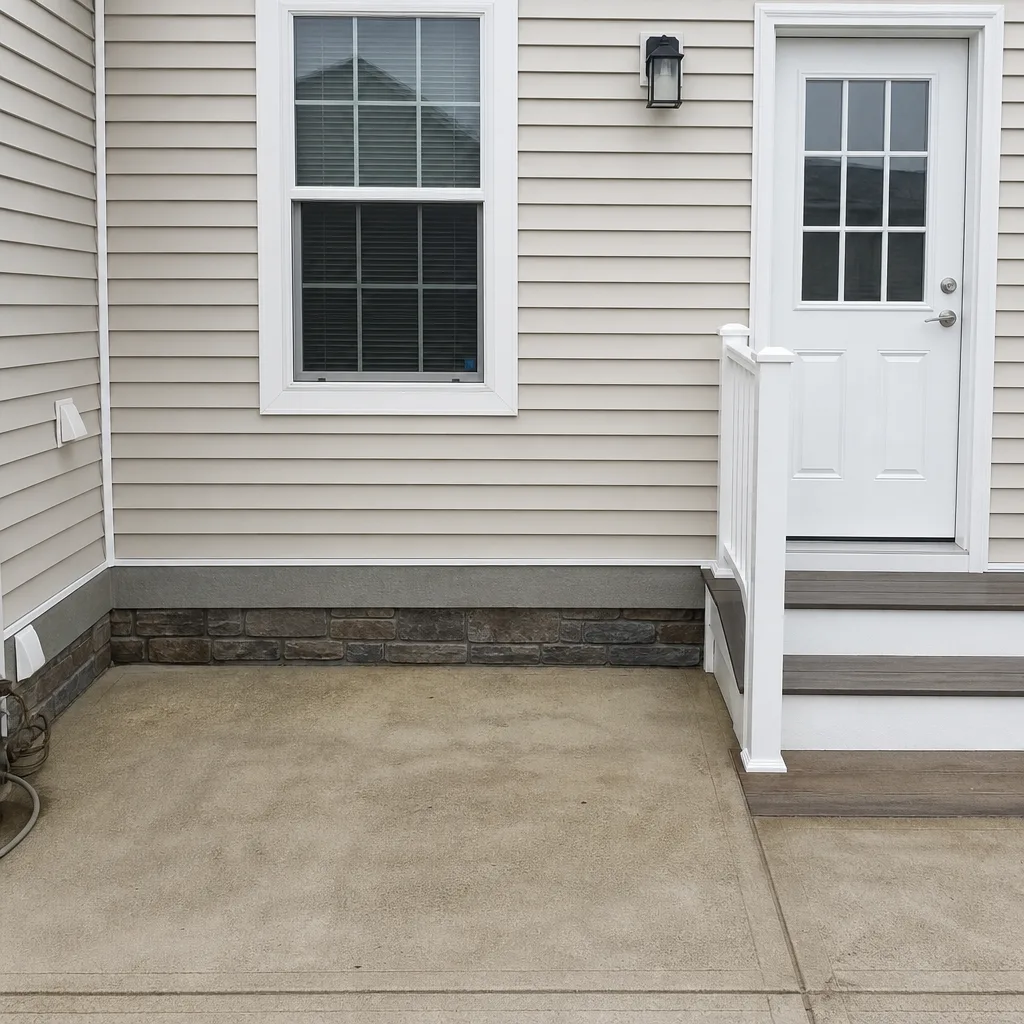 After
After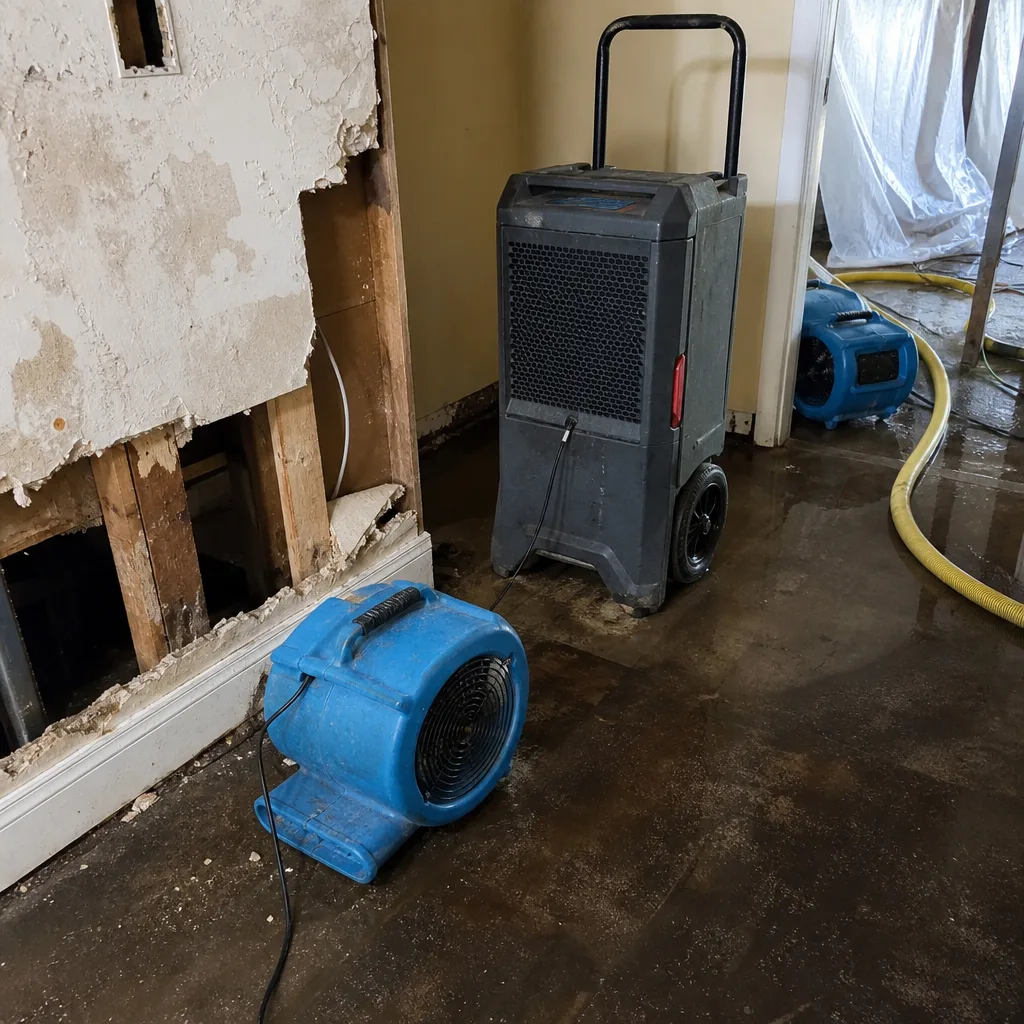 Before
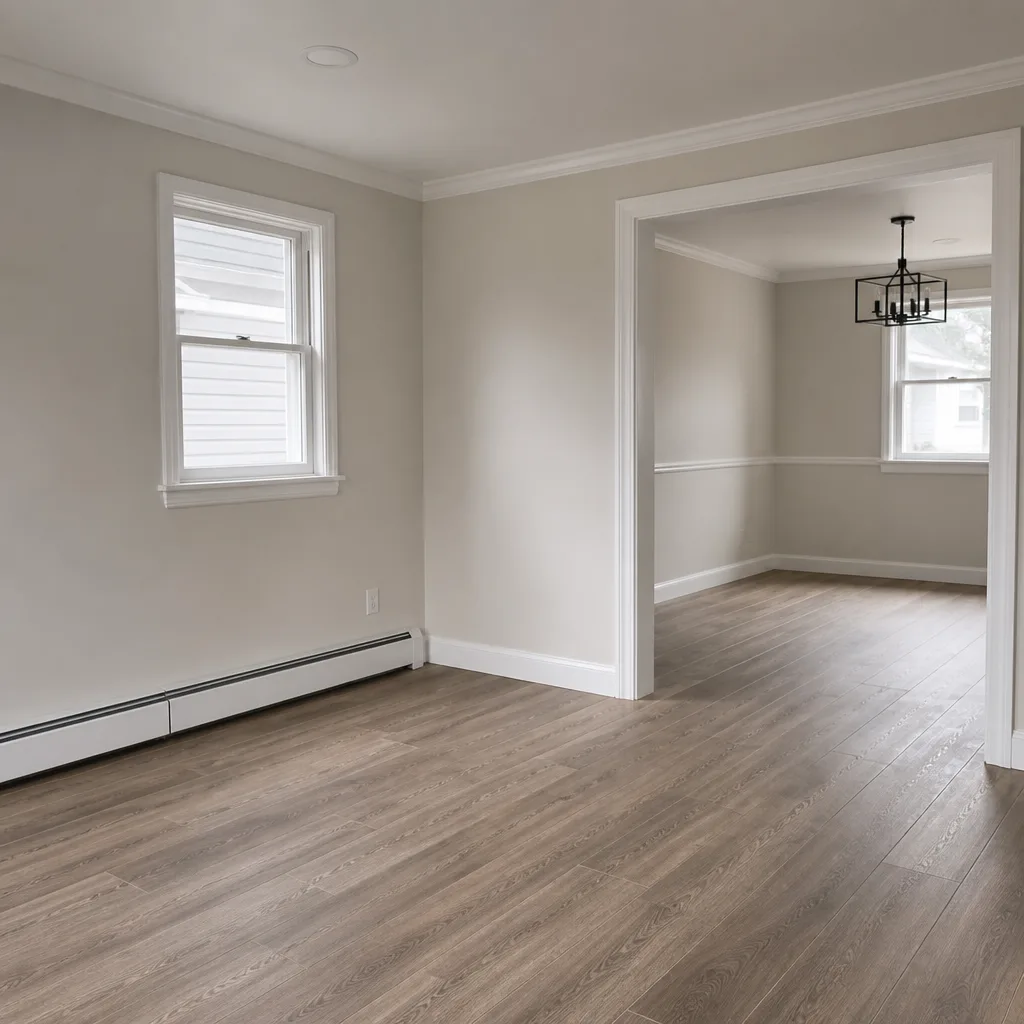 After
After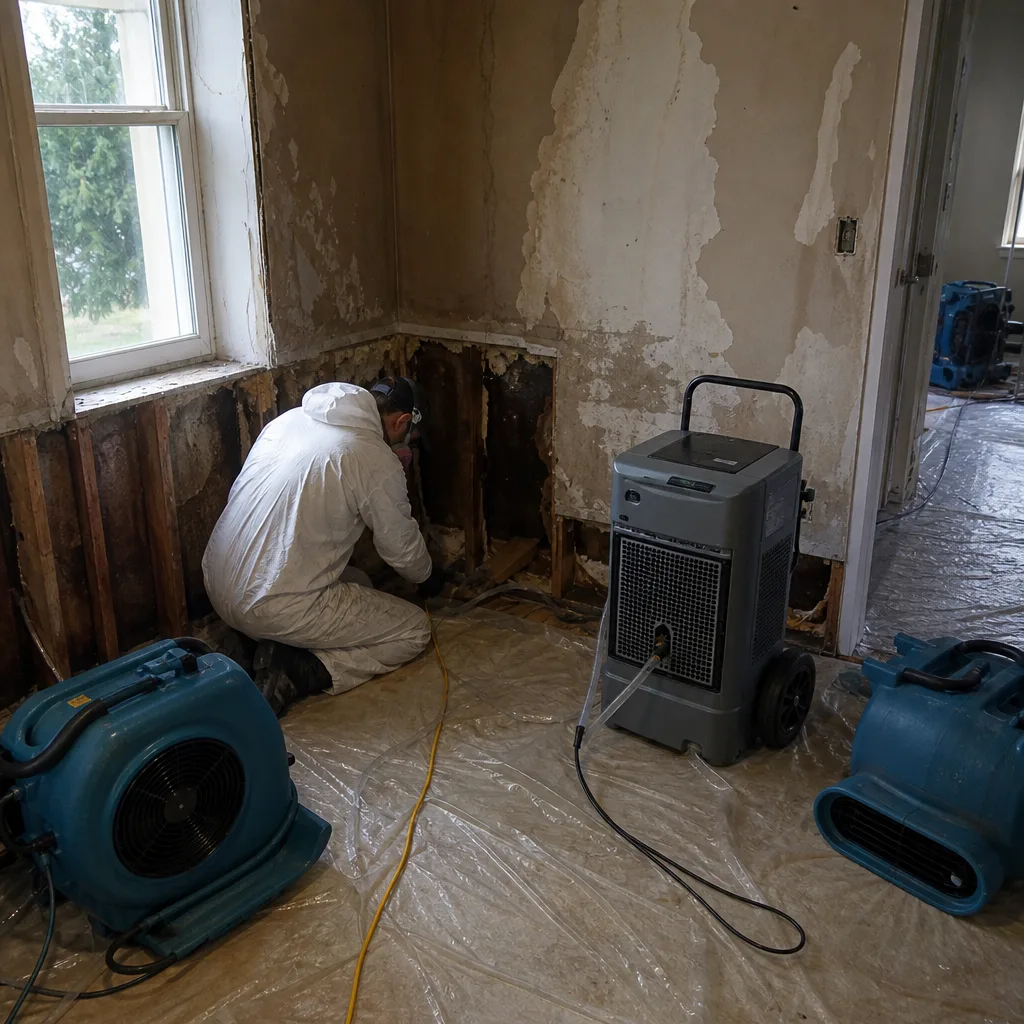 Before
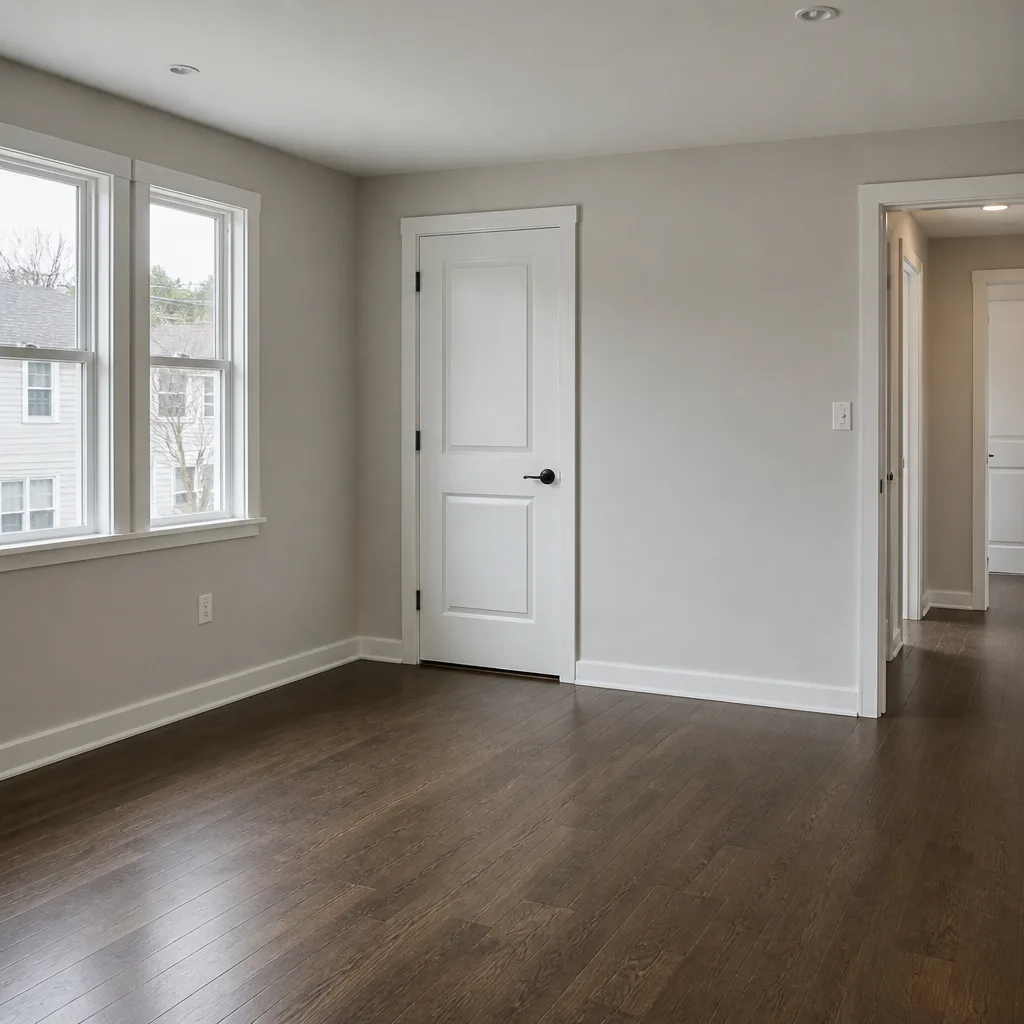 After
After24/7 Emergency Water Damage Restoration in Bellerose
Water damage restoration in Bellerose typically runs $2,400 to $6,800 for a standard basement or ceiling loss, and emergency extraction usually starts within 45 minutes of your call. The first hour matters more than most homeowners realize. Water from a burst supply line or a sewage backup keeps moving through plaster, subfloor, and framing until someone pulls it out and starts drying. It is already wicking into your 1930s Cape Cod’s original plaster-and-lath assemblies by the time you finish mopping the visible puddle.
We answer the phone live at (518) 627-5878, every hour of every day. Not a recording. Not a call center reading a script. A dispatcher who knows Bellerose’s streets and can tell you exactly when our certified crew will arrive. Free visual inspection, a written scope before any work starts, and extraction running on the same visit. When water is spreading through a finished basement on Commonwealth Boulevard or creeping under original oak floors on 88th Avenue, waiting until morning is not an option we want you to take.
Understanding Water Damage Restoration Severity in Bellerose Properties
Water damage falls into three categories, and they change how we approach your home. Category 1 is clean water, the kind from a burst copper supply line or an overflowing tub. Category 2 is gray water, typically from washing machine discharge or sump pump failure, carrying soaps, detergents, or mild contaminants. Category 3 is black water, which is sewage backup, storm sewer surge, or floodwater from outside. It requires full containment, disposal of porous materials, and antimicrobial treatment before drying can even begin.
Bellerose’s housing stock makes these distinctions more consequential than in newer construction. Most homes here went up between 1925 and 1950, with original plaster-and-lath walls that hold moisture differently than modern drywall. Plaster is dense. Lath behind it is wood. Water trapped between them can stay hidden for weeks, re-wetting ceilings and walls long after the surface feels dry. Moisture mapping with thermal imaging and penetrating meters is not optional here. It is the only way to see what the original horsehair plaster is hiding. Category 2 water from a failed galvanized supply line in a 90-year-old wall cavity demands more aggressive drying than the same leak in a 2005 sheetrock build.
Why Bellerose Property Owners Choose Floodline Restoration Co.
- 45-minute response commitment. Our crews stage throughout Queens, and we dispatch from a board, not a sales desk. When you call about water spreading through a Bellerose basement, a certified technician is en route immediately.
- 24/7 live answer, always. Call at 2 a.m. on a Sunday and a real person picks up. Every time. We have been doing this for over 42 years across our local communities, and the phone still gets answered like it is 1982.
- IICRC-certified crews. Our water damage technicians hold WRT and ASD certifications, and mold remediation crews carry AMRT. They are background-checked, uniformed, and trained to RIA and IFA standards as well.
- Free visual inspection. We walk the loss with you, explain what we are seeing, and hand you a written scope before a single fan gets plugged in. No pressure, no vague estimates.
- Direct insurance billing. We talk to your adjuster, not through you. Photo documentation, moisture logs, and a line-item scope go straight to the carrier. You are not the messenger.
- One team, start to finish. The same crew that extracts water and sets drying equipment is the crew that reads the moisture map daily and rebuilds what needs rebuilding. No mid-job handoff to strangers.
Our Water Damage Restoration Process
Inspection & Assessment
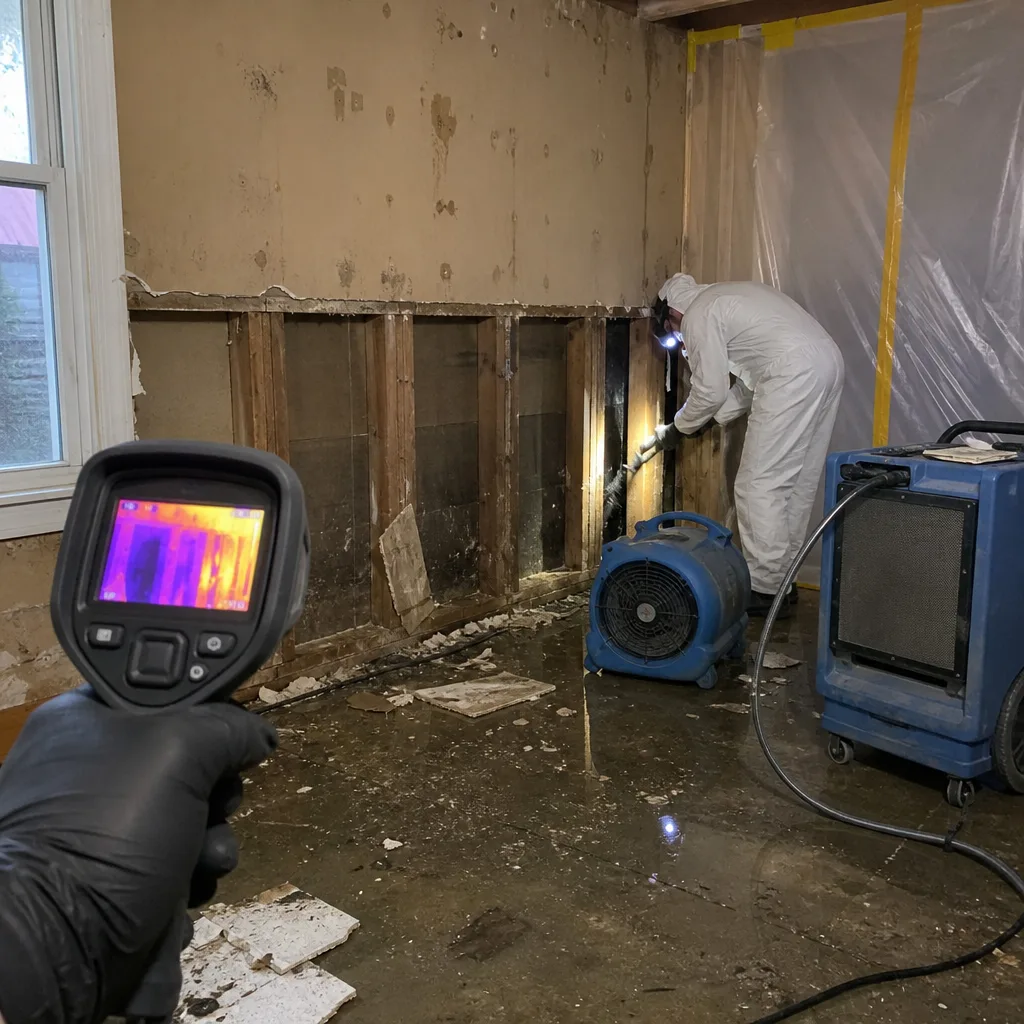
We find every wet surface, including what is hiding behind plaster and under flooring. Thermal imaging cameras and penetrating moisture meters map the full extent of water migration through your Bellerose home, then we give you a written scope and a firm price before work starts.
Extraction & Stabilization
We pull standing water with truck-mounted and portable extraction units. In tight Bellerose basements where access is through a 28-inch side gate or narrow alley, our technicians hand-carry equipment in. Nothing gets damaged on the way in, and water stops spreading immediately.
Drying & Dehumidification
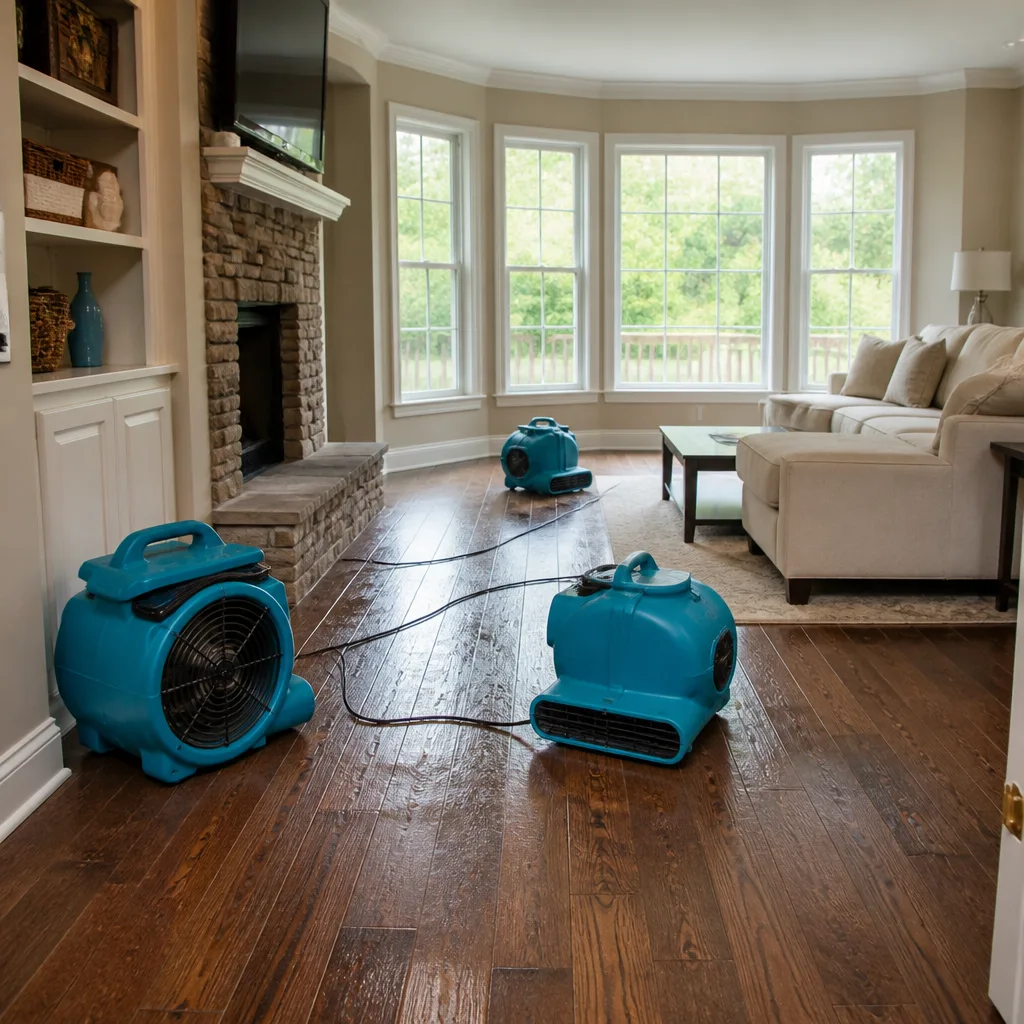
Professional-grade Dri-Eaz and Phoenix dehumidifiers and XPOWER air movers go in after extraction. We set equipment positions based on the moisture map, not guesswork, and check the property daily. Each reading goes into a drying log you and your insurer both receive.
Cleaning & Sanitization
Once the dry standard is met, we clean and sanitize every affected area. Category 2 and 3 water require antimicrobial treatment and sometimes HEPA air scrubbing, especially in finished basements used as living space, which is common throughout Bellerose.
Structural Drying Verification
Before we call the job dry, we verify that moisture content in plaster, framing, and subfloor has returned to normal levels. For Bellerose’s plaster-and-lath assemblies and dense oak flooring, this step is the difference between a finished job and a callback three weeks later.
Repairs & Restoration
The same crew handles reconstruction. We rebuild walls, replace trim, refinish floors, and coordinate any necessary NYC Department of Buildings permits. You get one name accountable for the whole job, not a parade of subcontractors.
Need Emergency Water Damage Restoration in Bellerose Now?
Crews minutes away, answering live 24 hours a day. The sooner we start, the less it costs.
Working With Your Insurance Company
Insurance claims for water damage in Bellerose carry a wrinkle most homeowners do not see coming. Many policies covering homes in 11426 are benchmarked against Nassau County labor and material rates, because the ZIP sits right on the county line. But the work itself must meet NYC Department of Buildings code and permitting standards. We handle that gap every week. Our documentation supports the supplement, and our direct communication with adjusters keeps the claim moving. Since 2010, Curt Bowman has built Floodline Restoration Co. around a simple principle: the homeowner should never be the person carrying paperwork back and forth between a contractor and an insurance company.
What We Provide Your Insurer
- Thorough documentation of the loss
- Photos of all damage, room by room
- Moisture readings and drying logs
- A detailed, line-item scope of work
- Direct coordination with your carrier
Built for Bellerose’s Loss Calendar
Bellerose sits in the nor’easter corridor, and the homes here feel it. January deep freezes are the busiest stretch of our year. Galvanized supply lines and early copper in 1930s Cape Cods fail without warning when temperatures drop below 20 degrees, and water pours into finished basements before anyone hears it. The freeze-thaw cycle also forms ice dams on those steeply pitched rooflines, where aging flashing and minimal attic insulation let meltwater back up under shingles and into plaster ceilings. Every winter we see the same pattern: ice dam damage to second-floor ceilings on 88th Avenue and Commonwealth Boulevard homes, and burst-pipe basement floods in the Tudors closer to Hillside Avenue.
Spring brings a different problem. Shallow finished basements sit below grade, and saturated ground from snowmelt finds every hairline crack in original foundation walls. Sump pumps that worked in November get overwhelmed in March. Summer is thunderstorm season, and Bellerose’s aging combined storm-sewer laterals back up under heavy rain, pushing Category 3 water up through basement floor drains. Fall is quieter, but that is when homeowners notice the slow leak from a roof valley or a water heater at the end of its life. The loss calendar here is predictable if you have been working these streets as long as we have.
Water Damage Restoration Across Bellerose’s Neighborhoods
Bellerose is compact, but the housing stock shifts from block to block, and so does the work. Around Commonwealth Boulevard, the original 1920s and 1930s homes sit on slightly larger lots, many with side driveways and detached garages. Access is still tight, but equipment staging is workable. We hand-carry dehumidifiers through side gates, set up in backyards, and run hoses through basement windows.
Closer to Hillside Avenue, the density picks up. Homes sit closer together, some with zero lot lines, and that means containment matters more. A drying setup in one house cannot push moisture into the neighbor’s shared wall, so we run plastic containment and negative-air in tight basements. Over near 88th Avenue and the blocks approaching the Nassau County line, Tudor-revival homes have steeper rooflines and wall cavities that hide water differently than the Capes. Their decorative half-timbering creates exterior wall gaps where wind-driven rain penetrates. We read moisture maps differently on those blocks, because water migrates through the original framing in patterns a newer build would not show.
The townhome sections along the western edge of Bellerose present the hardest access. A 200-square-foot finished basement with no exterior door and a narrow interior stairwell means every piece of drying equipment goes down by hand, and pack-outs threaten to fill the living room. We mitigate those losses with smaller-format equipment, containment that uses vertical space, and drying chambers built inside the affected rooms.
Specialized Water Damage Restoration Services We Offer in Bellerose
Emergency Water Extraction
Standing water in a 11426 basement usually arrives fast and leaves slowly. We run truck-mounted and portable extraction the same hour we arrive, because every minute of contact time pushes moisture deeper into original plaster and hardwood. For Bellerose homes where a side gate is the only exterior access, our crews carry equipment by hand and keep the mess out of your house.
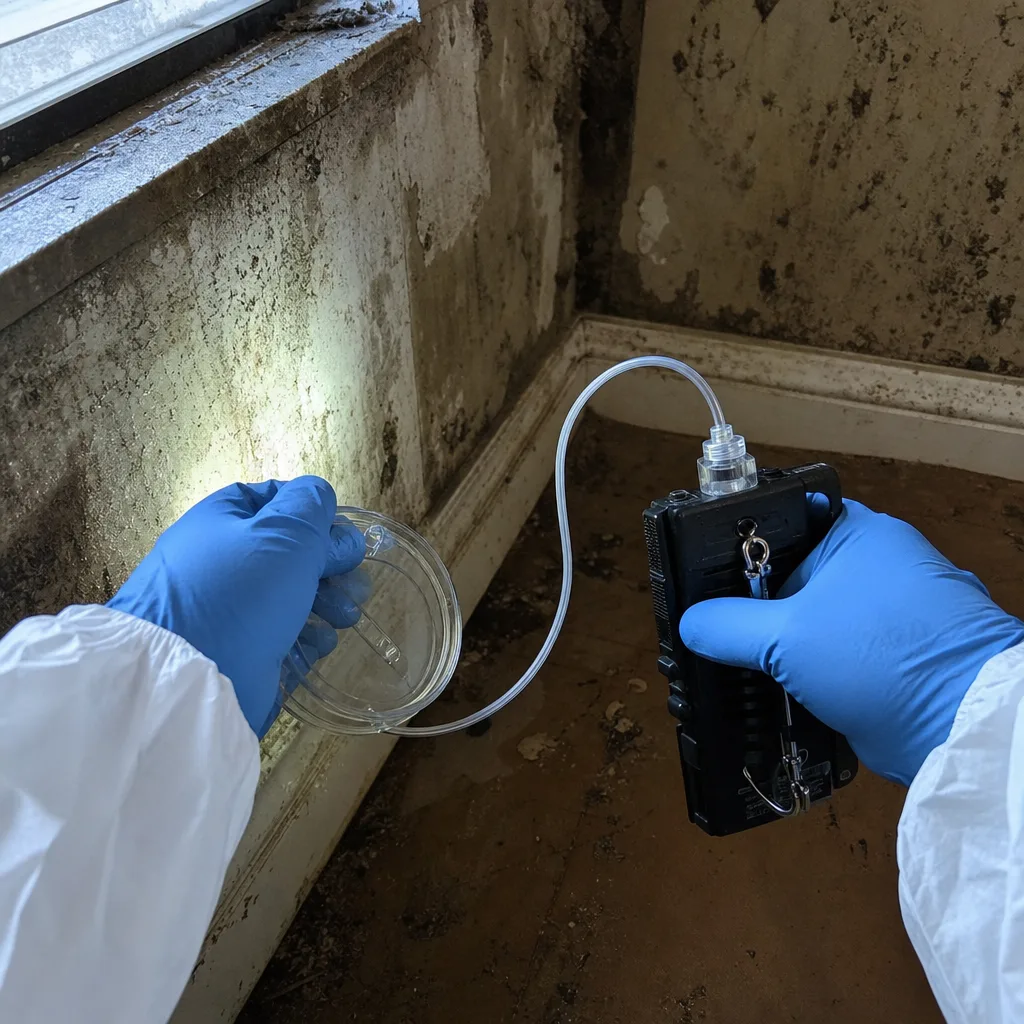
Structural Drying & Dehumidification
Drying a 1920s Bellerose Cape Cod is different from drying a newer house in Nassau County. Plaster-and-lath holds moisture longer than drywall. Original oak floors cup and crown if you dry too fast. Our Technicians set drying chambers based on daily moisture readings, not a standard playbook, and they stay on site until the dry standard is met and documented.
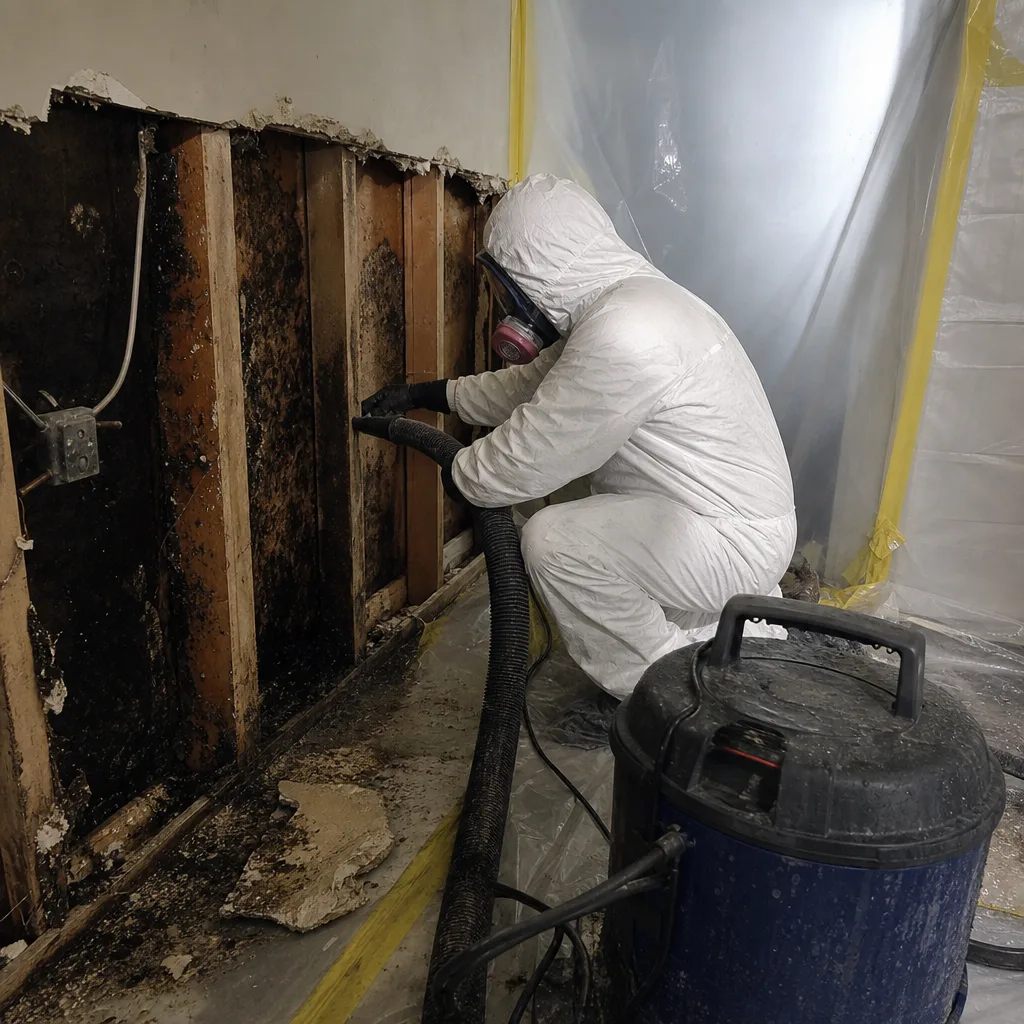
Flood Cleanup
When Bellerose’s combined storm-sewer laterals back up during a summer thunderstorm, the water in your basement is Category 3. It contains whatever the sewer carried in. We contain the affected area, remove contaminated materials, sanitize every surface, and run HEPA air scrubbers before drying begins. Cutting corners here puts your family’s health at risk, and our crews do not cut corners.
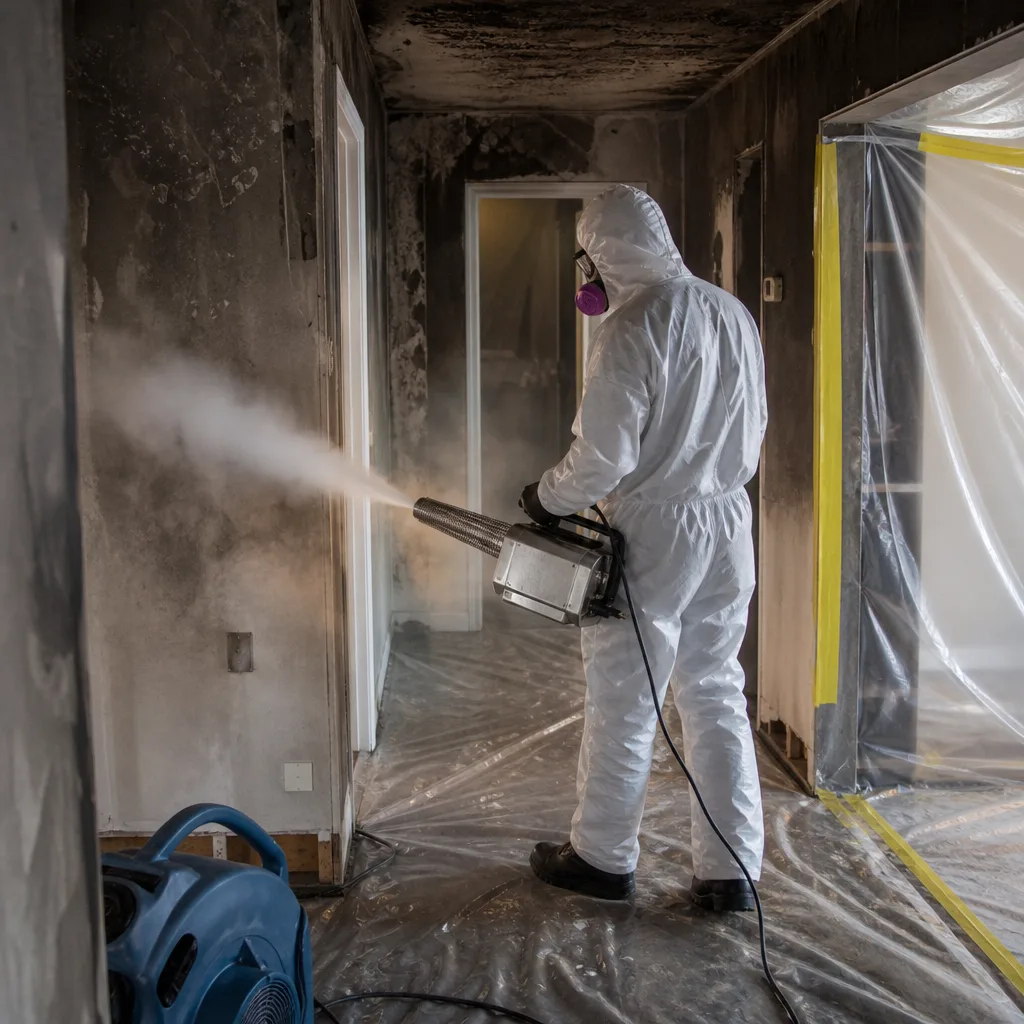
Burst Pipe Restoration
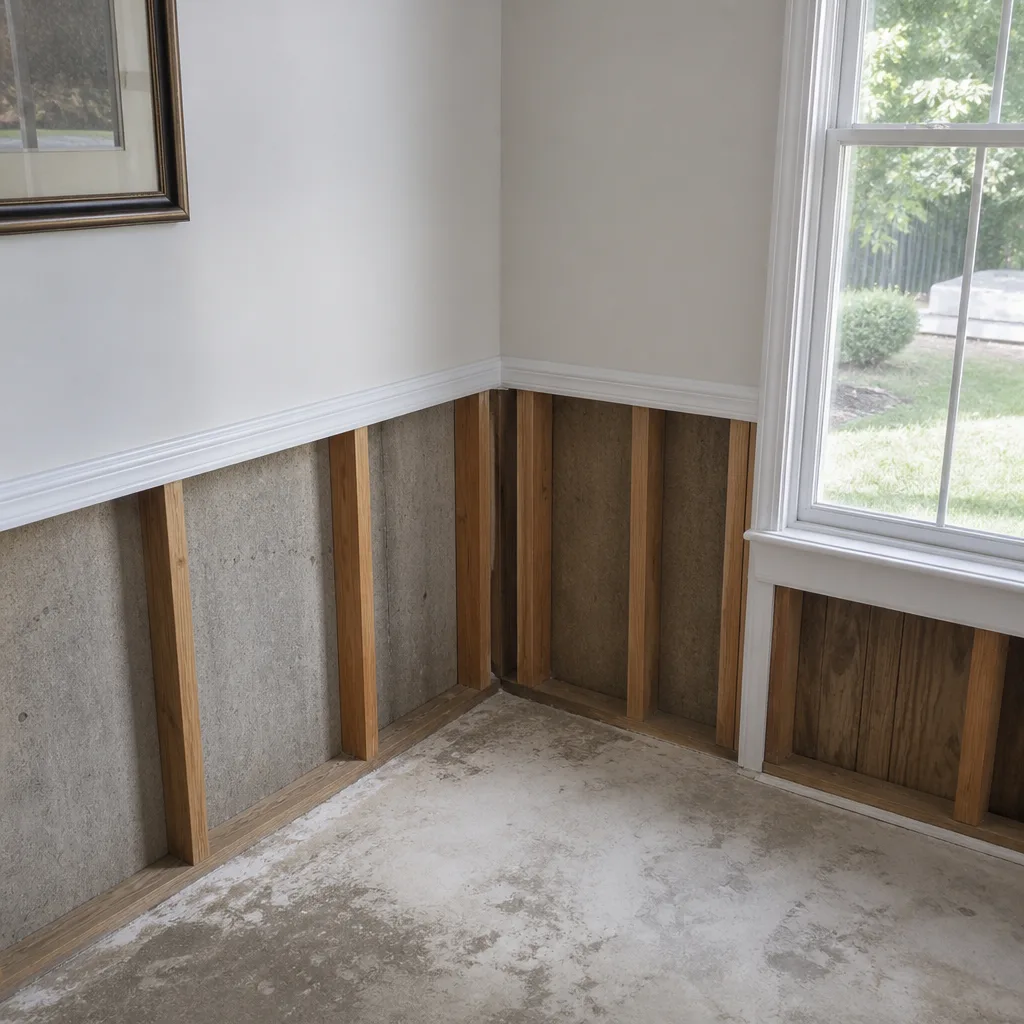
A galvanized supply line in a 90-year-old wall fails suddenly, and water runs inside the wall cavity for hours before you see a stain on the ceiling. We trace the migration with thermal imaging, open only what needs opening, and dry the framing in place. If the repair requires opening a wall to code, we coordinate the NYC Department of Buildings permit.
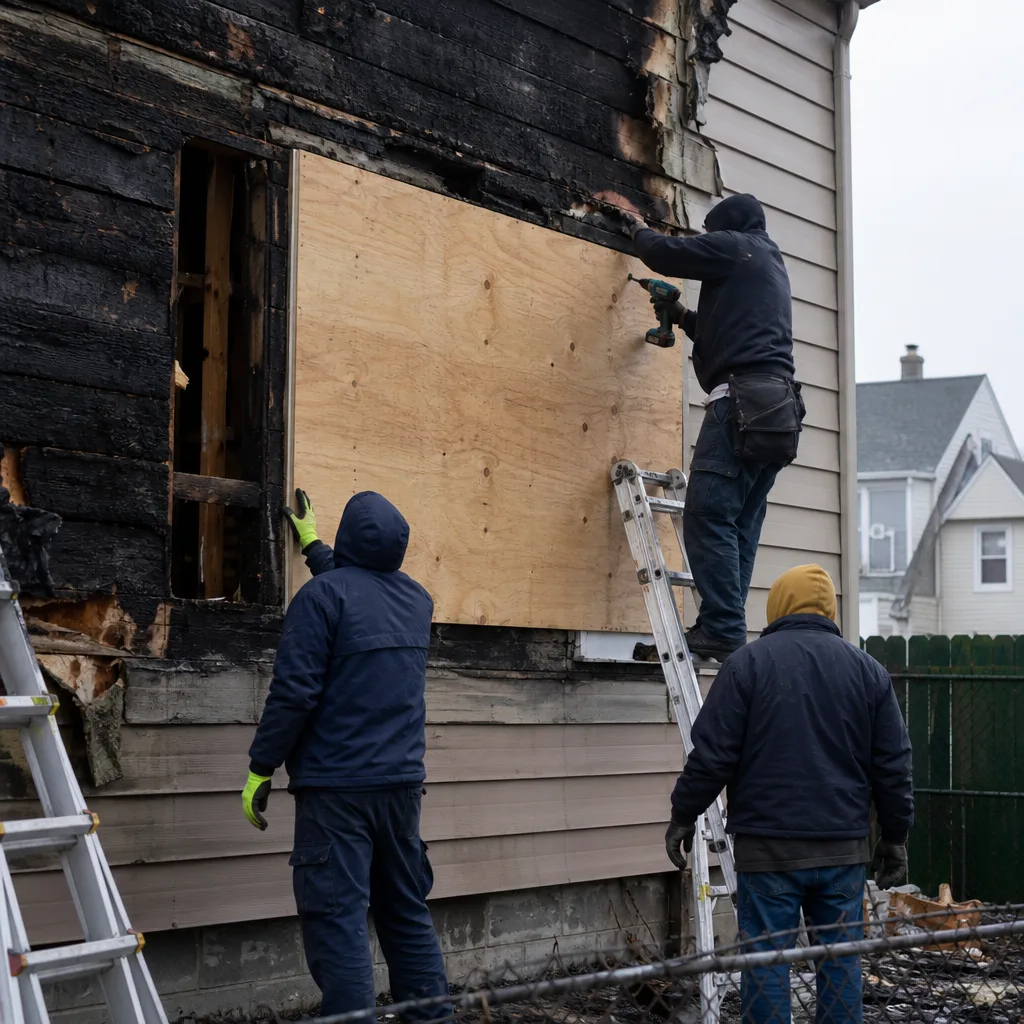
Basement Water Removal
Finished basements are living space in Bellerose. The same room where your grandchildren watch television is where the water sits. We treat these losses as occupied-space events, with containment, careful equipment placement, and pack-out only when truly necessary. Most Bellerose basement losses do not need a full pack-out if extraction starts fast.
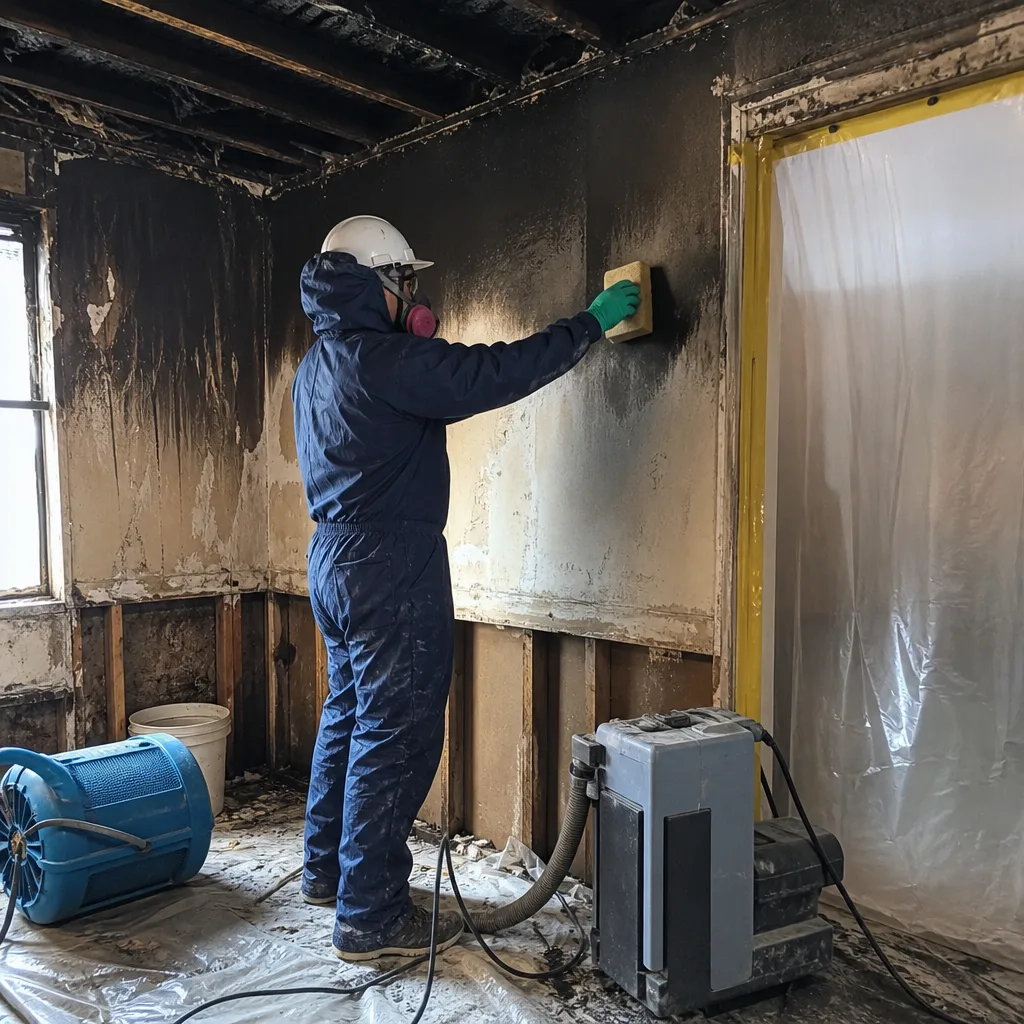
Ceiling & Roof Leak Water Damage
Ice dams and failed flashing send water into plaster ceilings every winter in Bellerose. The ceiling stain you see is usually a fraction of the water that traveled along framing into adjacent walls. We moisture-map the entire affected area before opening anything, so repairs catch all the damage, not just the visible part. Structural drying after extraction is governed by daily hygrometer readings, and we hand the log to you and your carrier together.
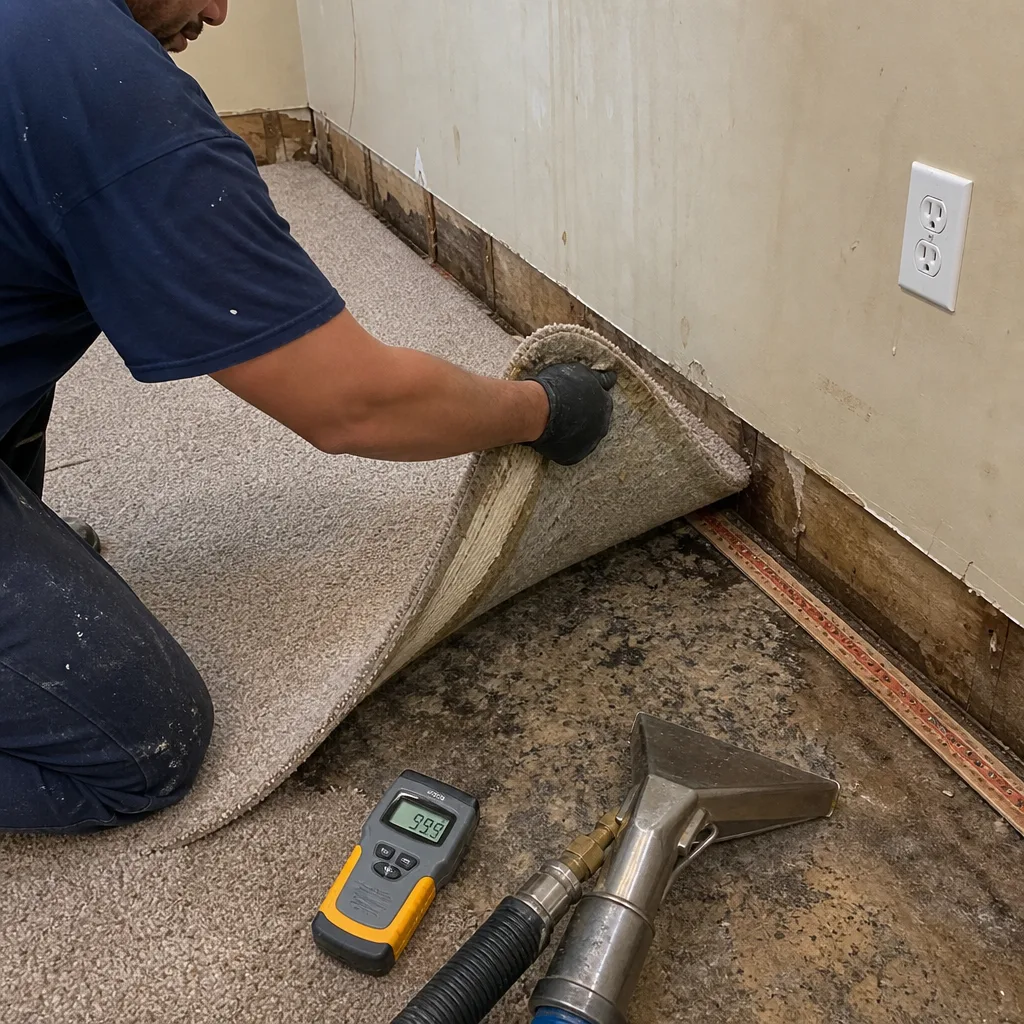
What happens when you call
- 1
A real person answersNo phone trees - you reach a local pro.
- 2
You get an upfront price rangeHonest numbers before anyone is dispatched.
- 3
A background-checked tech heads outLicensed & insured, dispatched right away.
- 4
You approve before work beginsNothing starts until you say go.
Water Damage Restoration Costs in Bellerose, NY
A typical basement water extraction with structural drying in Bellerose runs $2,400 to $4,800. Add sewer backup contamination and the range moves to $4,500 to $7,500 because of containment, disposal, and antimicrobial treatment. A burst supply line inside a plaster wall, with opening, drying, and rebuild, lands between $5,000 and $9,000, depending on how far water traveled and whether NYC DOB permits are required. Ceiling and roof leak damage from ice dams usually falls between $1,800 and $4,200 for drying and plaster repair alone.
What moves the price is access, water category, and the age of the assemblies involved. A finished Bellerose basement with a full pack-out costs more than an unfinished one where we can set equipment and leave. Insurance pays for most covered losses, minus your deductible, and we bill your carrier directly. The free inspection is the path to a firm written scope, so you know the number before anyone moves a fan. Call (518) 627-5878 and a live dispatcher will set it up. We currently offer a $50 discount on any repair over $250, an $89 seasonal tune-up, and a 5% senior and veteran discount year-round.
We Also Serve Cities Near Bellerose
Floodline Restoration Co. runs crews across the Queens-Nassau border every day. We handle water damage restoration in Queens Village, Oakland Gardens, Elmont, and Hollis with the same 45-minute response, certified technicians, and direct insurance billing we bring to Bellerose. If you live just over the line, the service is identical. The crew might just be five minutes further away.
Serving Bellerose, NY - Our Local Coverage Area
We’re based in the Bellerose area and know this community well. Use the map below to see our service coverage - if you’re nearby, we can almost certainly help.
Bellerose Water Damage Restoration Questions, Answered
Does water damage restoration in Bellerose require a NYC permit if my house is 50 feet from Nassau County?
Yes, if the repair involves opening walls, replacing plumbing, or rebuilding any structural component, and your Bellerose property falls under NYC Department of Buildings jurisdiction even though you are physically steps from Nassau County. We pull the permits and coordinate inspections. Our team handles this distinction every week, so the job does not stall.
How fast can you actually start water extraction in Bellerose given tight street parking and alley-load access?
Typically within 45 minutes of your call. Our crews know Bellerose’s parking constraints and plan for them. Equipment goes in by hand through side gates, basement windows, or interior stairwells. Tight access slows staging but not the start of extraction, because we carry what we need in on the first trip. Call (518) 627-5878 and the clock starts on the phone call.
My 1920s Bellerose Cape Cod has plaster walls and a finished basement, what is different about drying it?
Plaster-and-lath dries slower than drywall and hides moisture pockets behind dense assemblies. Original hardwood floors cup if dried too aggressively. We set drying chambers based on penetrating moisture meter readings taken daily, not a standard equipment count. The drying log shows you and your insurer exactly when each surface reached dry standard, and we hand you that log before final sign-off.
What happens when an insurance policy uses Nassau County rates but the work is in Bellerose?
We supplement the claim with documentation showing NYC Department of Buildings requirements, the actual labor rates for licensed Queens work, and the line-item scope of what code compliance costs. Adjusters benchmarked on Nassau rates often approve the supplement when the paperwork is thorough. We handle that communication directly with your carrier, so you are not negotiating from your kitchen table.
Can you mitigate water damage in my Bellerose townhome without a huge pack-out if space is already tight?
Usually yes. Containment built inside the affected room, smaller-format drying equipment, and vertical drying chambers keep most of your belongings in place. Pack-outs only happen when material is already contaminated or truly in the way of drying. We avoid touching what does not need touching, and we photo-document everything before it moves.
How long does structural drying take in a Bellerose home?
Most plaster-and-lath homes here dry in three to five days when extraction starts promptly and the right equipment is used. Finished basements with Category 2 or 3 water can take five to seven days. Dense original materials move moisture slowly. Rushing the dry standard is how you get mold three weeks later, and we will not rush it.
Can we stay in our Bellerose home during water damage restoration?
If the water is Category 1 and contained to one room or a basement, you can usually stay, especially if containment separates living areas from the drying zone. Category 3 water, sewage, or mold involvement changes that. We give you an honest recommendation based on family health, air quality, and the extent of the work. No one pushes you out of your home without a clear reason.
What should I do in the first 30 minutes after finding water damage in my Bellerose home?
Call (518) 627-5878 first. Then shut off the water supply if you can reach it safely. Cut power to the affected area if water is near outlets. Do not use your home vacuum to suck up water. Do not enter standing water if sewage is involved. Take photos of visible damage for your insurer. The sooner our crew starts extraction, the less it costs to restore, and the less you lose.
Our crew recently extracted 900 gallons of Category 2 water from a finished basement on Commonwealth Boulevard, where a 1930s Cape Cod’s galvanized supply line failed during a January freeze. Tight alley-load access meant our technicians hand-carried Dri-Eaz dehumidifiers and XPOWER air movers through a 28-inch side gate, then re-set moisture mapping protocols daily to account for the home’s plaster-and-lath walls and shallow slab. Drying logs showed full mitigation in 72 hours, just ahead of the homeowner’s Nassau-based adjuster’s 5-day ceiling. That is the job we do in Bellerose: adapting to homes built before modern building science, navigating NYC code, and getting it done right with a written guarantee.
Every Floodline Restoration Co. job is backed by the Water Damage Restoration team’s 90-Day Done Right Promise, the Keystone Standard in writing. If it is not done right, we make it right. No paperwork battles, no arguing. That covers Water Damage Restoration in Bellerose and every surrounding ZIP we serve. Call (518) 627-5878 for a free estimate, answered by a live person at any hour. The line the water left is where we start.
Written by Curt Bowman, Owner at Floodline Restoration Co., serving Bellerose since 2010.