

Free visual inspection and a written scope of work before any mitigation begins - photos, moisture readings, and drying logs go in your claim file
The scope we write is the scope we bill. Anything new gets shown to you, in writing, before we touch it.
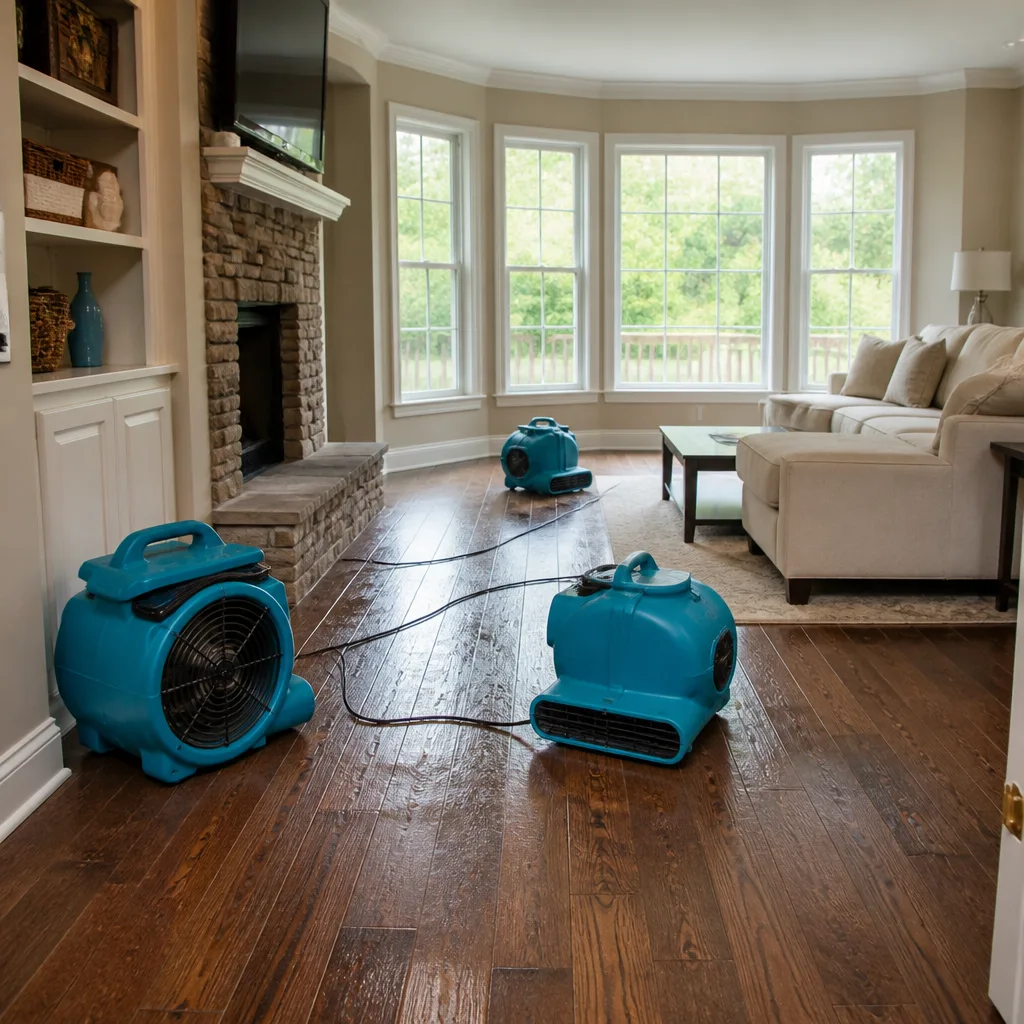

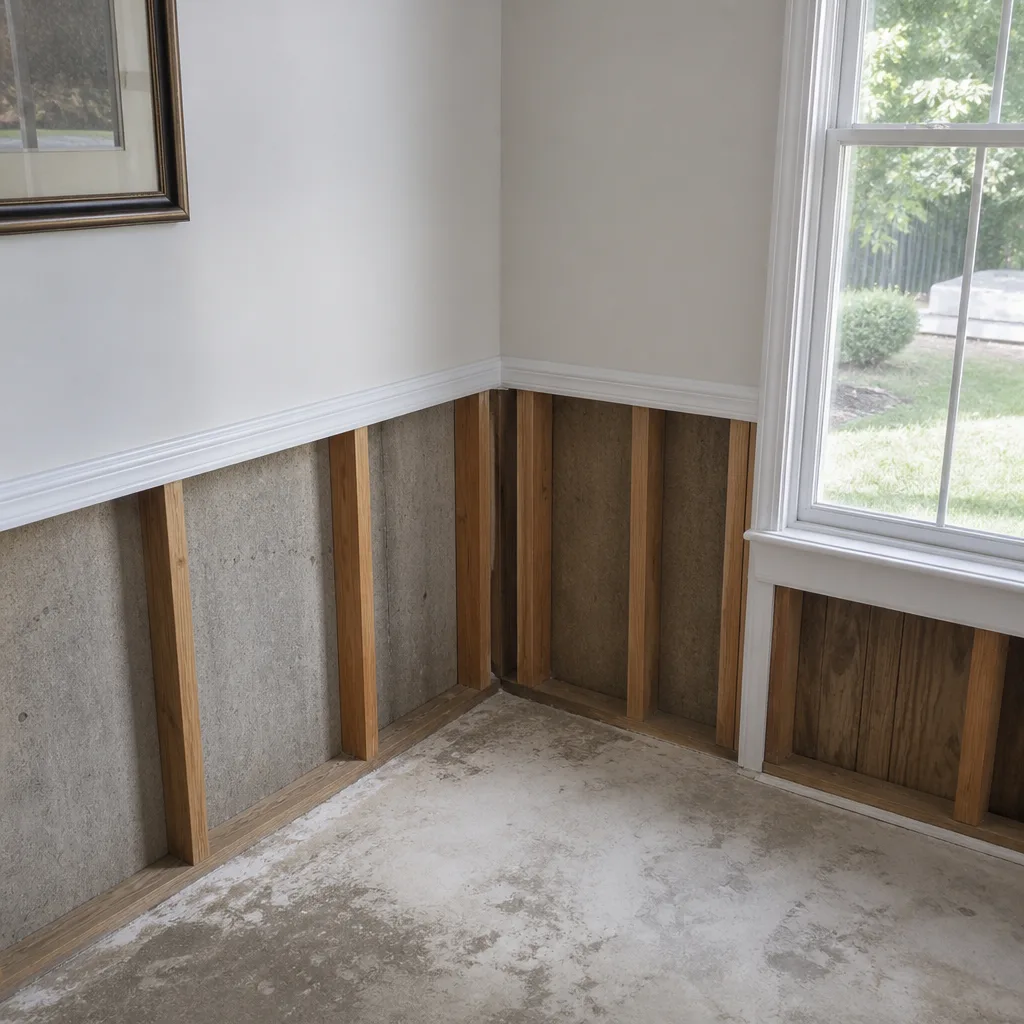
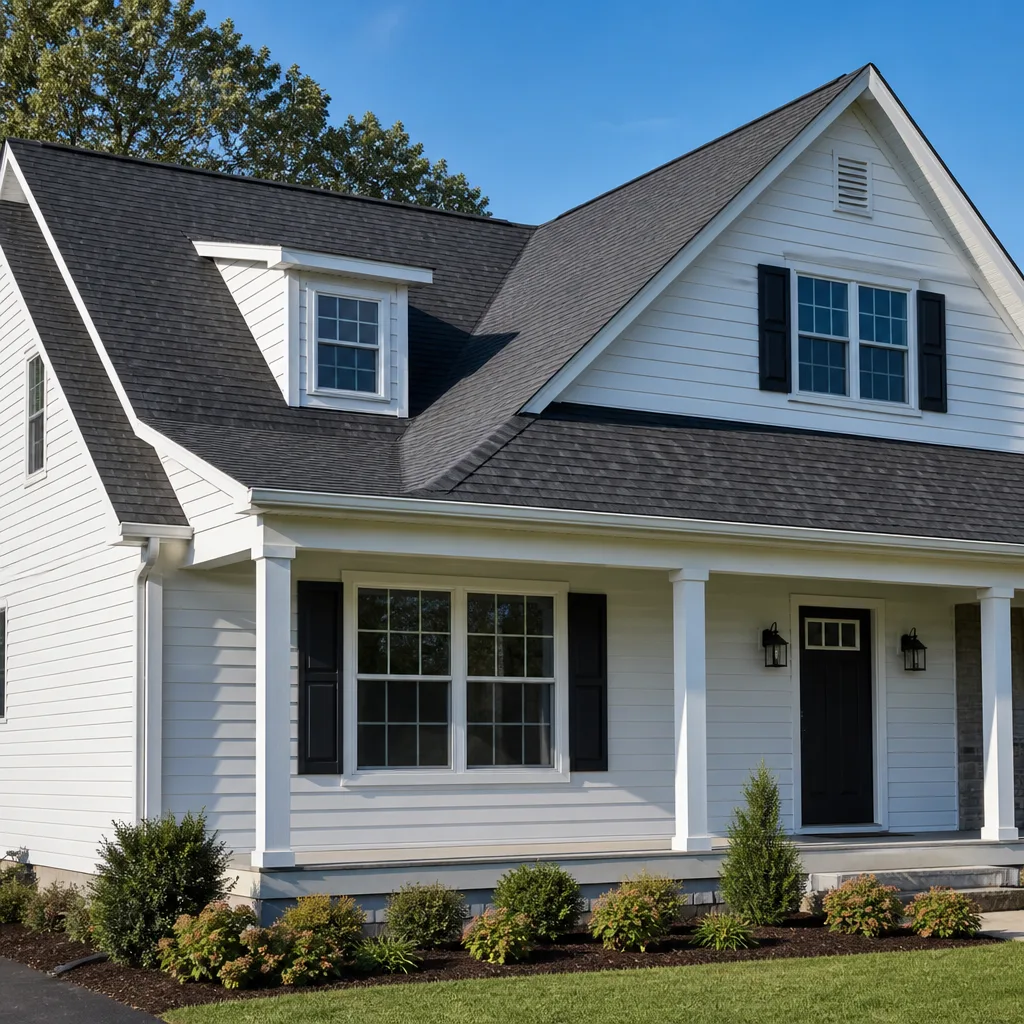
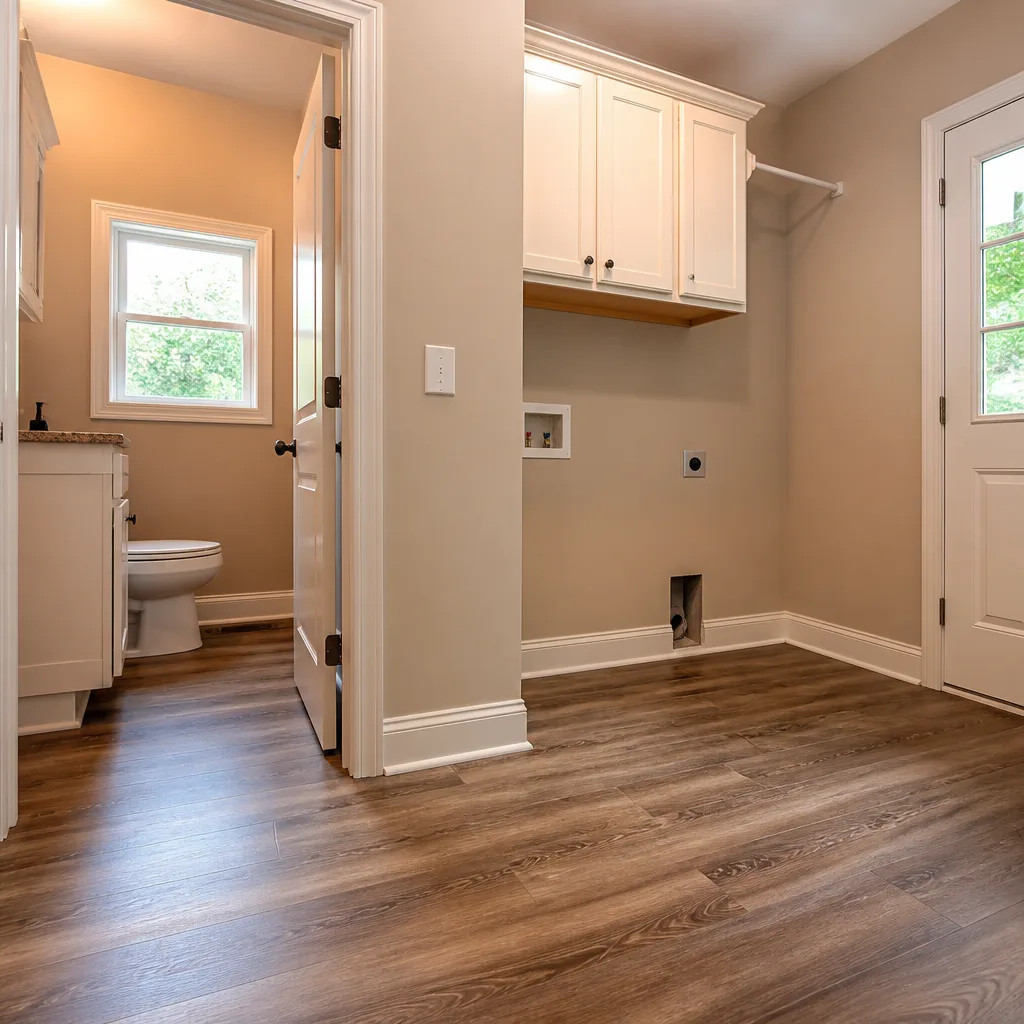
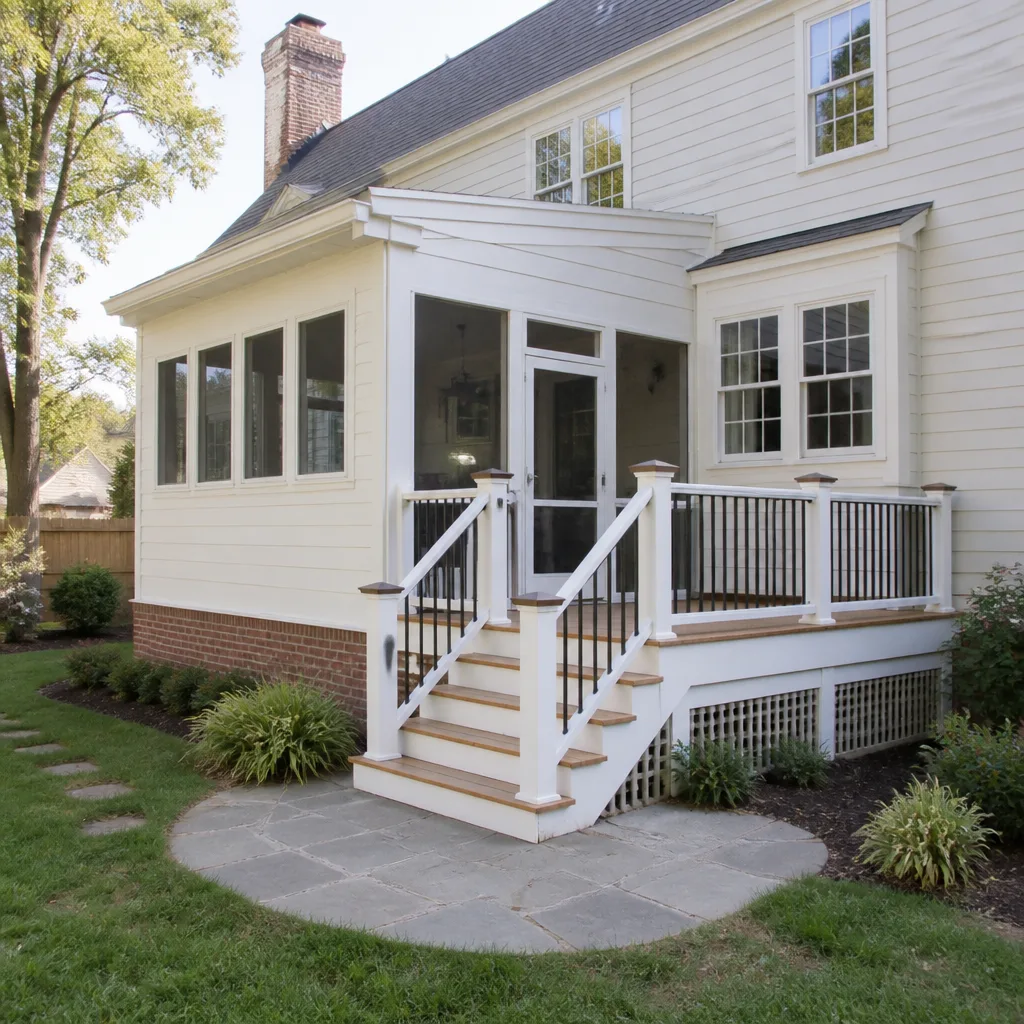
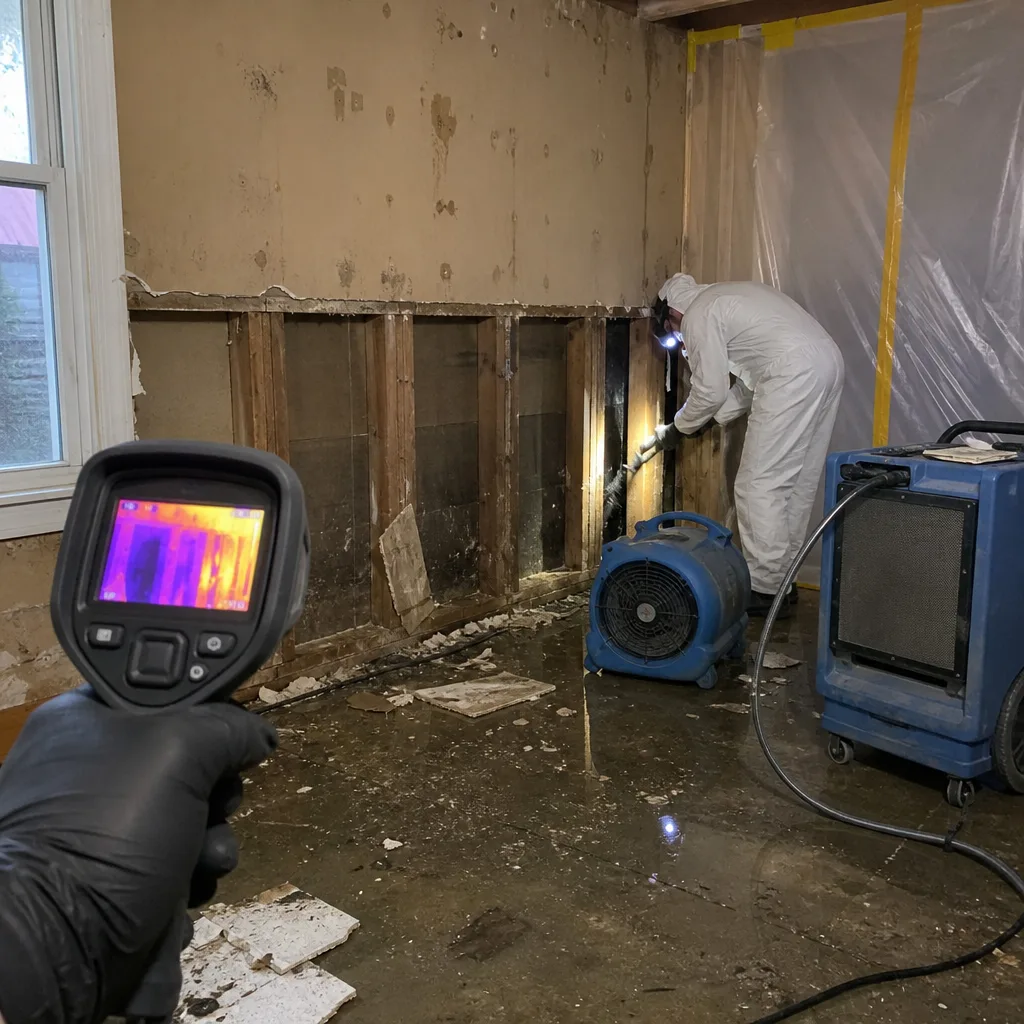 Before
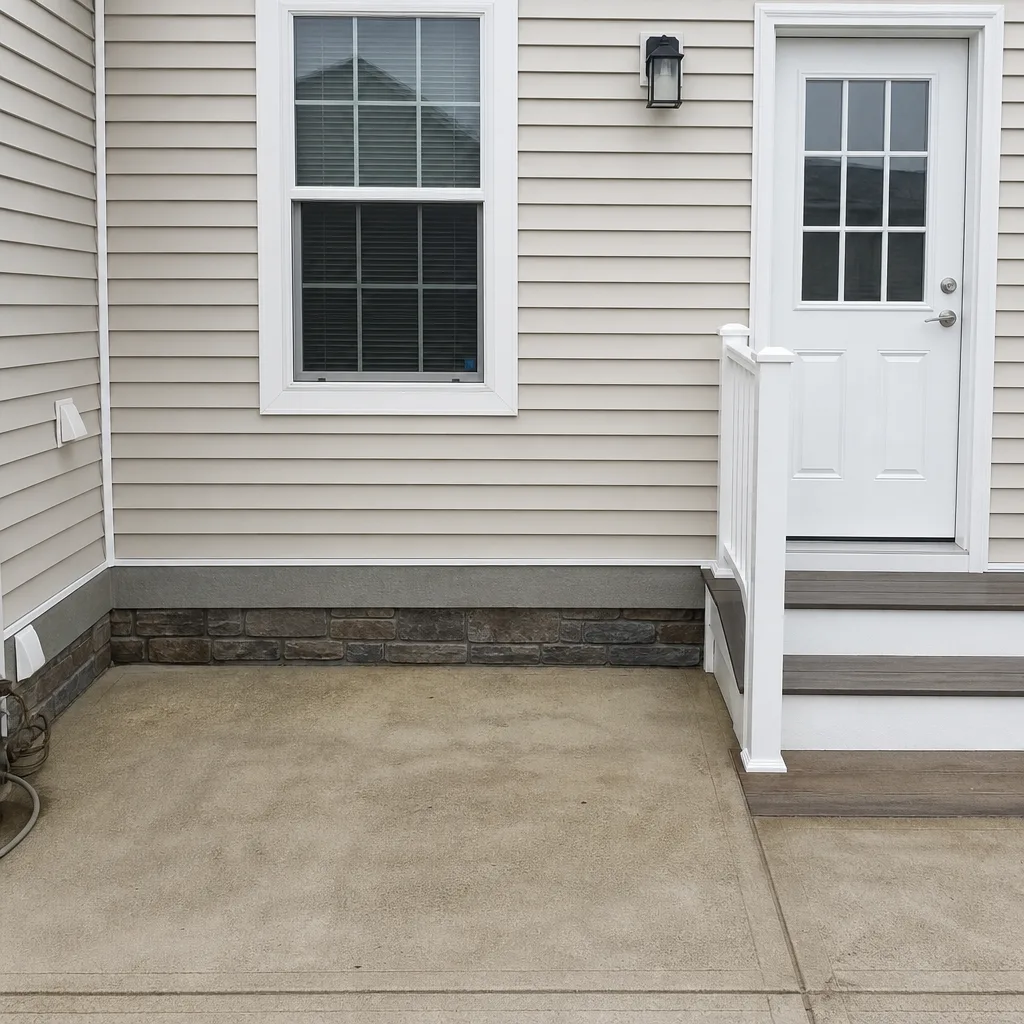 After
After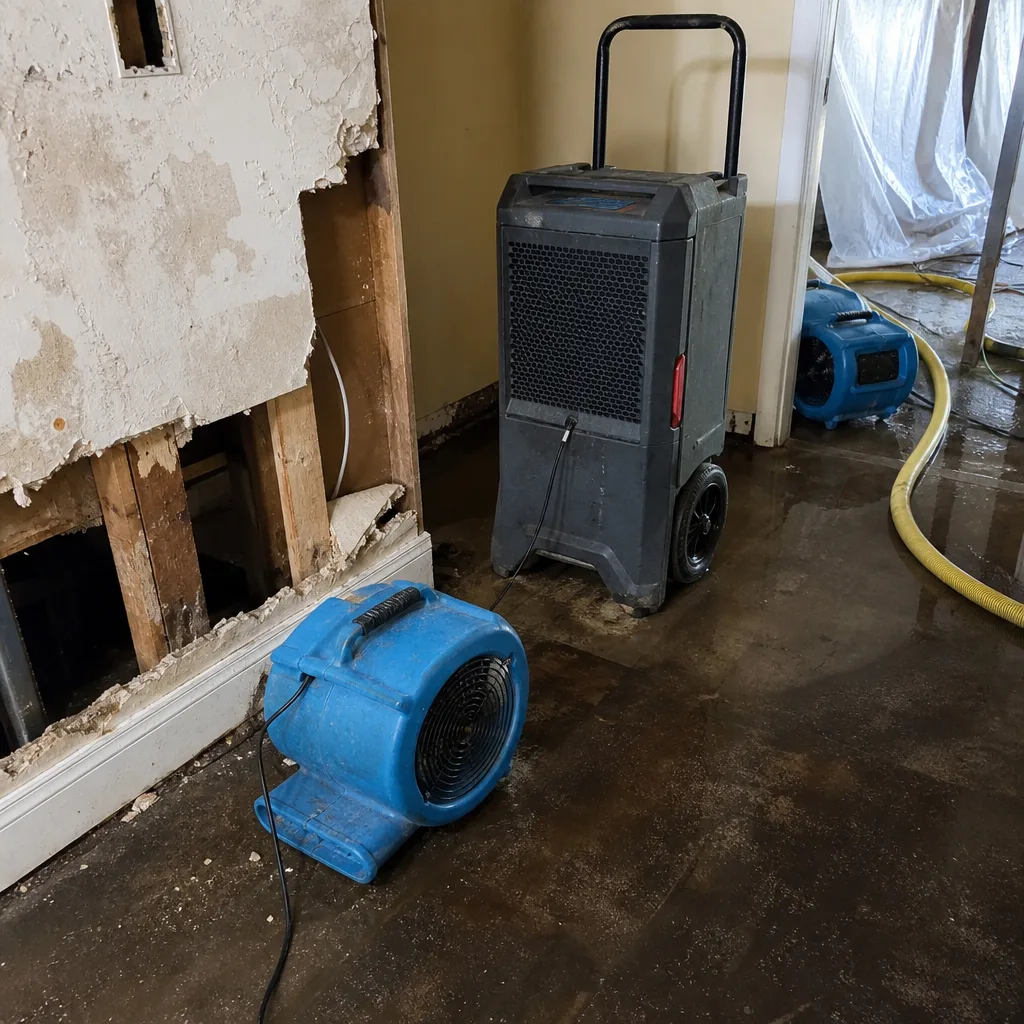 Before
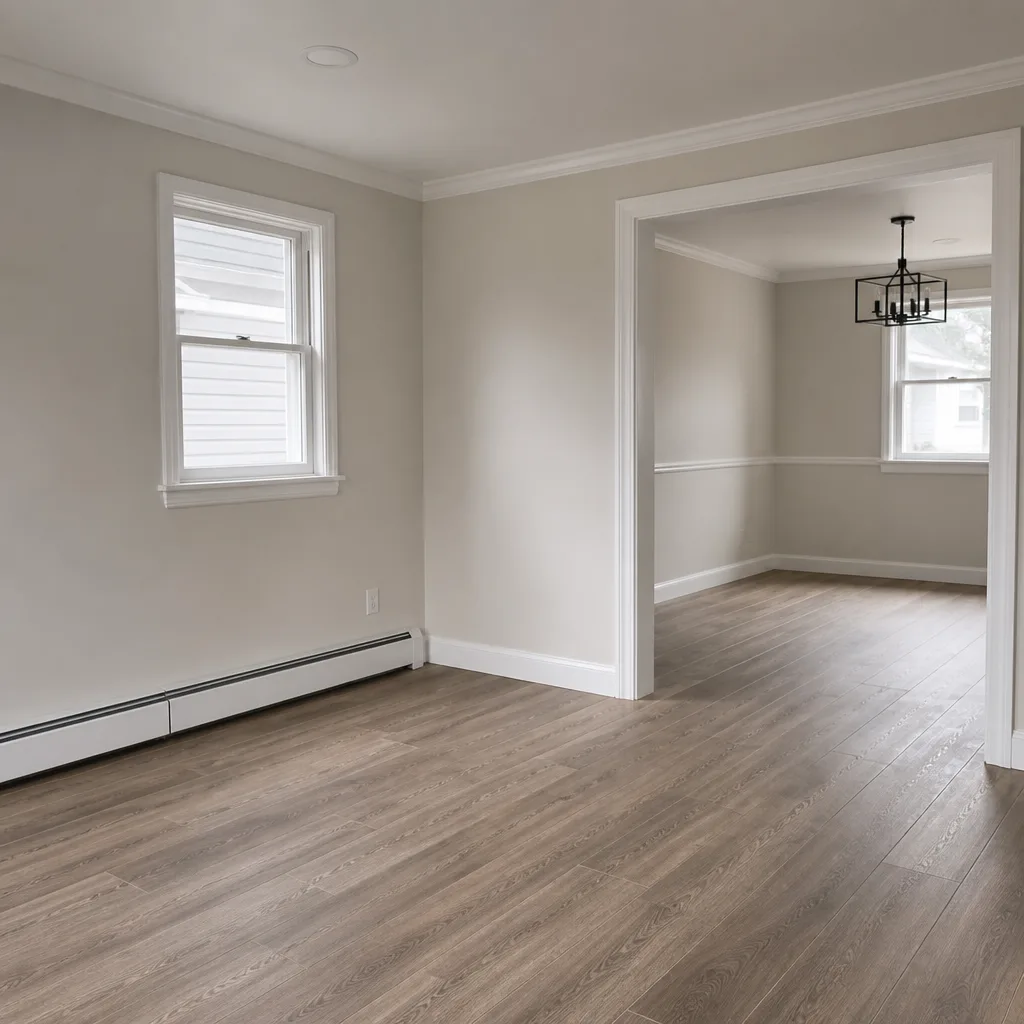 After
After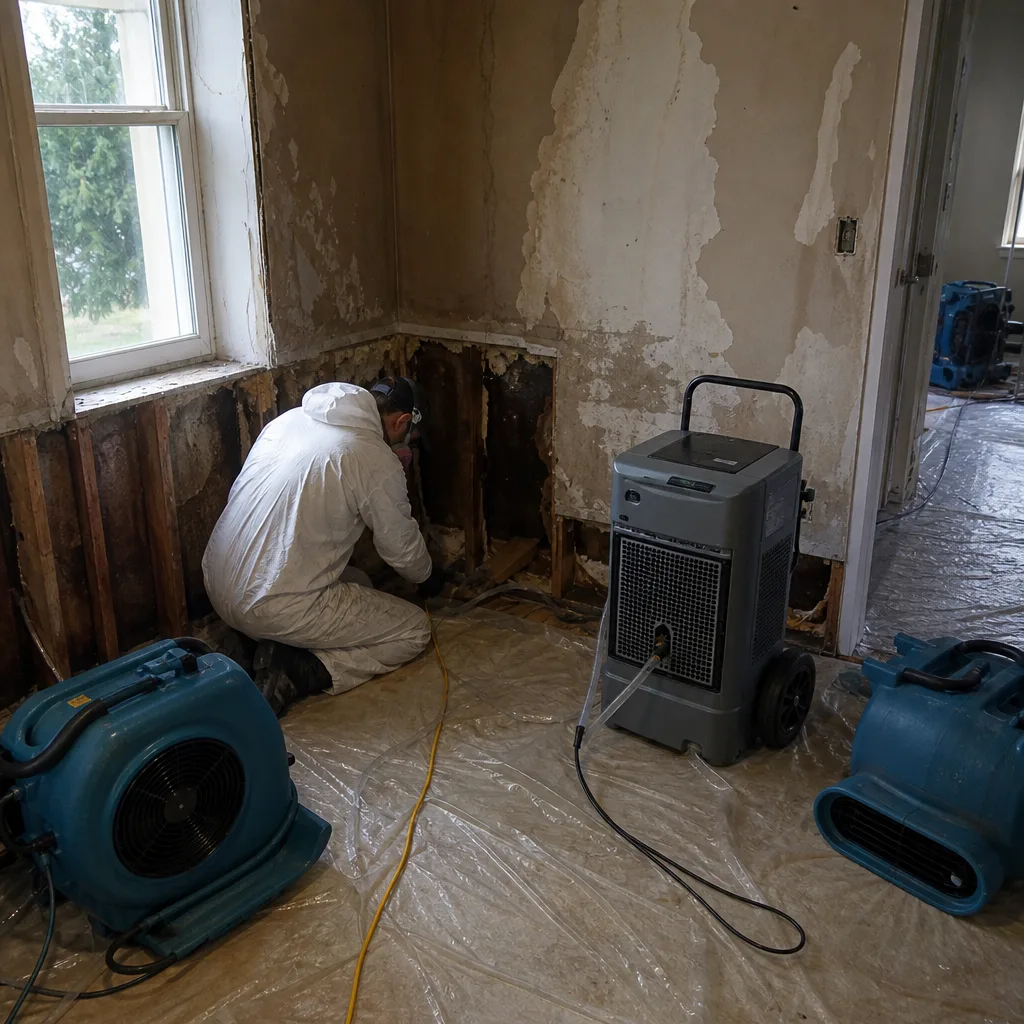 Before
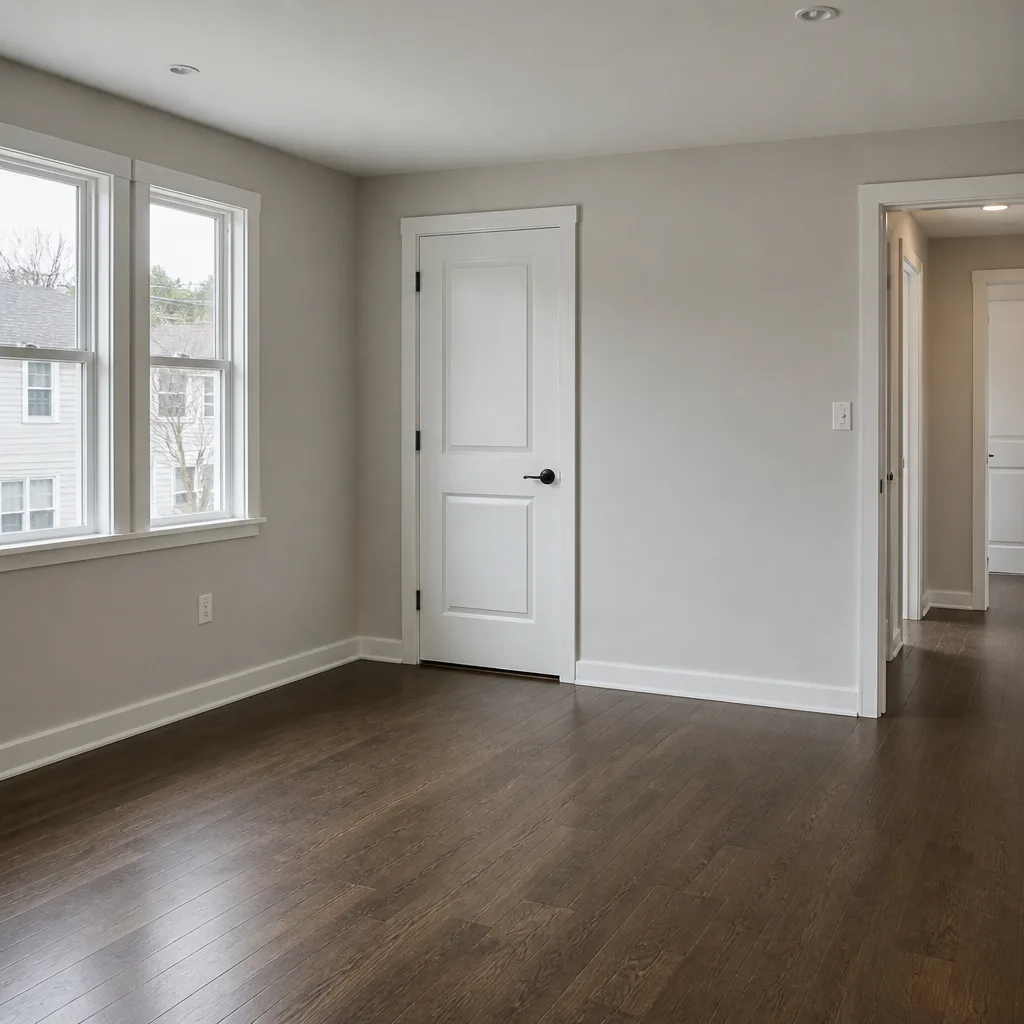 After
After24/7 Emergency Biohazard & Crime Scene Cleanup in Springfield Gardens
When blood, sewage, or unattended death contamination enters a Springfield Gardens home, the clock starts immediately. Our Biohazard & Crime Scene Cleanup crews answer live at (518) 627-5878 any hour, any day, and can typically have a certified team on-site in Springfield Gardens within 45 minutes. We run a free visual inspection of the affected space, explain exactly what needs to happen and why, and begin the containment and cleanup the same visit. The first hour matters because pathogens in blood and black water multiply fast, and every hour of exposure makes the remediation broader and more expensive.
We serve the full Springfield Gardens area with uniformed, background-checked techs trained to IICRC standards. No answering service, no callback queue: a live dispatcher picks up at two in the morning. If a sewer line just backed up into a finished basement off North Conduit Avenue, you’ll speak to a person who can move a crew now.
Understanding Biohazard & Crime Scene Cleanup Severity in Springfield Gardens Properties
Biohazard work in Springfield Gardens is not the occasional single-incident cleanup you might see in drier parts of the city. It’s driven by chronic water conditions. Large sections of this neighborhood sit in FEMA-designated Special Flood Hazard Areas, low-lying ground just inland from Jamaica Bay. When the combined sewer system backs up during heavy rain or a nor’easter, it pushes Category 3 black water into basements that were built close to the water table. That water carries pathogens: coliform bacteria, viruses, and parasites from sewage. It is not clean groundwater, even if it looks clear. Treating it like Category 1 water is a mistake that leaves living contamination inside wall cavities and under slab flooring.
The housing stock compounds the problem. Most Springfield Gardens homes are 1920s-1950s cape cods, wood-frame colonials, and brick bungalows with semi-finished basements and aging cast-iron drain lines. Those drains were not designed for the hydraulic pressure a combined-sewer overflow puts on them. A single heavy rain can turn a tidy basement TV room into a contaminated environment that requires full antimicrobial treatment, not just drying. We classify every loss correctly before we touch it, because the category determines the protocol, the containment, and the disposal method.
Why Springfield Gardens Property Owners Choose Floodline Restoration Co.
- 45-minute response commitment: When a biohazard event is active, we move crews within Springfield Gardens fast. Live dispatch means no waiting for a callback from a sales rep.
- 24/7 live answer: A real person answers our phone at all hours. You will not get a recording or an offshore call center.
- IICRC-certified crews: Our techs hold WRT, FSRT, and AMRT certifications, so the antimicrobial protocol, containment setup, and waste disposal follow the current industry standard.
- Free visual inspection: We look before we quote. That inspection is free, and you’ll get a written scope of work before any demolition or chemical application begins.
- Direct insurance billing: We document everything the carrier needs from the first hour: photos, moisture readings, line-item estimates. You never play messenger between us and the adjuster.
- One team, start to finish: The same Floodline crew that extracts and decontaminates also repairs the wall, floor, or ceiling that came out. No mid-job handoff to a subcontractor you’ve never met.
Our Biohazard & Crime Scene Cleanup Process
Inspection & Assessment
We walk the affected area, identify the contamination source, and classify the event correctly: bloodborne pathogen release, sewage backflow, decomp, or chemical contamination. We use thermal imaging and moisture meters to find hidden saturation behind finished walls and under vinyl plank flooring.
Containment & Stabilization
We seal the work area with 6-mil poly barriers and run HEPA-filtered negative air scrubbers to stop sewage aerosols and pathogen-laden dust from moving into upstairs living spaces. Any unsalvageable material is tagged for regulated disposal.
Extraction & Removal
Category 3 water gets extracted with truck-mounted or portable extraction equipment. Contaminated carpets, pads, drywall, and baseboards are cut out and removed in sealed, labeled containers.
Cleaning, Disinfection & Antimicrobial Treatment
All remaining surfaces are cleaned with a hospital-grade disinfectant, then treated with a registered antimicrobial to kill residual bacteria and mold spores. Semi-porous materials that cannot be fully disinfected are removed.
Structural Drying & Verification
We set Dri-Eaz dehumidifiers and XPOWER air movers to get the slab and framing back to pre-loss moisture levels. Daily readings are logged and shared with you and your carrier. We do not consider the job done until a moisture meter says the structure is dry, not when the air in the room feels dry.
Repairs & Restoration
Floodline handles the reconstruction too: replacing drywall, flooring, baseboards, and damaged framing under permit where required. That means one written scope, one responsible company, and a finished basement ready to live in again.
Need Emergency Biohazard & Crime Scene Cleanup in Springfield Gardens Now?
Crews minutes away, answering live 24 hours a day. The sooner we start, the less it costs.
Working With Your Insurance Company
Most Springfield Gardens biohazard losses, especially sewer backflow and storm-surge contamination, are covered under standard homeowners policies. But the claim goes smoother when the documentation is built from the first hour, not assembled after the fact. We take room-by-room photos before anything is moved, log moisture readings on day one and every day after, and write a scope that matches the line items your carrier expects. Our team communicates directly with your adjuster, so you do not have to explain Category 3 water protocol to a claims phone line. When the carrier asks for proof, we already sent it.
What We Provide Your Insurer
- Thorough documentation of the loss
- Photos of all damage, room by room
- Moisture readings and drying logs
- A detailed, line-item scope of work
- Direct coordination with your carrier
Built for Springfield Gardens’s Loss Calendar
The biohazard needs we see in Springfield Gardens follow a seasonal pattern shaped by geography, not random chance. Late summer and early fall brings hurricane season and the storm surge that Sandy proved can inundate whole blocks of this neighborhood. When Jamaica Bay pushes inland, finished basements fill with brackish sewage-water mix. Winter delivers the freeze-thaw cycles that crack aging cast-iron drain lines, triggering slower leaks that often go unnoticed until contamination has soaked through drywall behind a finished wall. Spring brings the runoff season, when the water table near these low-lying streets sits high enough that groundwater finds its way through basement slab cracks even without a storm. Every one of those events can require biohazard protocol, not just water extraction.
That’s why we built our Springfield Gardens response around the repetitive storm cycle, not around isolated accidents. The homes here, mostly 1920s through 1950s construction, were not built with modern waterproofing or backflow prevention. A working sump pump helps, but it cannot stop Category 3 backflow from the municipal combined system when the streets themselves are flooding. We plan for that reality.
Biohazard & Crime Scene Cleanup Across Springfield Gardens’s Neighborhoods
Springfield Gardens is a compact neighborhood, but the building stock and flood exposure shift noticeably from one corridor to the next. Homes around North Conduit Avenue, close to the conduit’s drainage path, often sit directly in the flow path of street-level floodwater during heavy coastal storms. We regularly answer calls there for basements contaminated by combined-sewer backflow after just a few hours of steady rain. South of the LIRR right-of-way and toward the Belt Parkway, the blocks fill with more detached brick bungalows and wood-frame homes with true below-grade cellars, which collect water faster and trap humidity longer.
Over near the St. Albans border, the older cape cods with enclosed rear porches often hide contamination in that transitional space, where water seeps in through the sill plate and soaks the subfloor before anyone sees it on the finished floor. The 11413 and 11434 ZIP codes cover most of the neighborhood, and our crews know the response routes: Farmers Boulevard to the west, Guy R. Brewer Boulevard running north-south, and Rockaway Boulevard as the main commercial artery. We use those routes to cut cross-town response times when minutes matter. After a nor’easter pushed Jamaica Bay surge into a 1940s brick bungalow off North Conduit Avenue, our crew found the finished basement flooded with sewage backflow. We performed Category 3 water extraction, cut out contaminated drywall, and ran antimicrobial treatment under full containment. Moisture mapping showed the slab still saturated, so we set our Dri-Eaz dehumidifiers and XPOWER air movers overnight, documenting drying logs until moisture readings returned to pre-loss condition.
Specialized Biohazard & Crime Scene Cleanup Services We Offer in Springfield Gardens
Blood & Bodily Fluid Cleanup
Blood and bodily fluid releases, whether from an accident, assault, or medical event, carry bloodborne pathogen risks that require more than household cleaning products. Our Springfield Gardens techs follow OSHA-mandated bloodborne pathogen protocols, remove contaminated porous materials, and disinfect all affected surfaces. We handle the scene with discretion and respect, and we document everything for any insurance or law enforcement requirements.
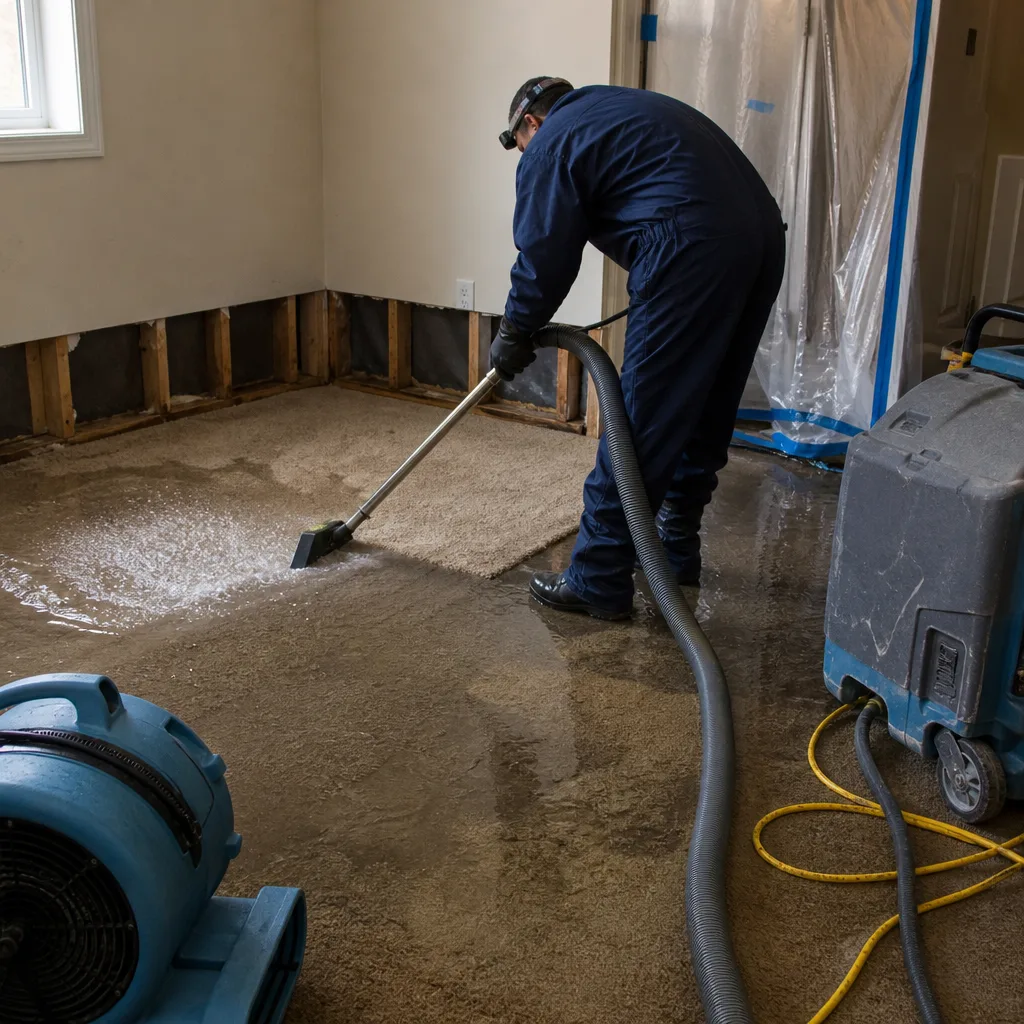
Infectious Disease Disinfection
When a household has been exposed to a serious communicable illness, or when a tenant or family member dies unattended, the affected rooms need a systematic disinfection pass. We use hospital-grade disinfectants and HEPA air scrubbing to reduce the viral and bacterial load on surfaces and in the air. For Springfield Gardens homes with older forced-air systems, we also recommend cleaning the ductwork in the affected zone, because contaminants settle in the return ducts and can circulate for weeks.
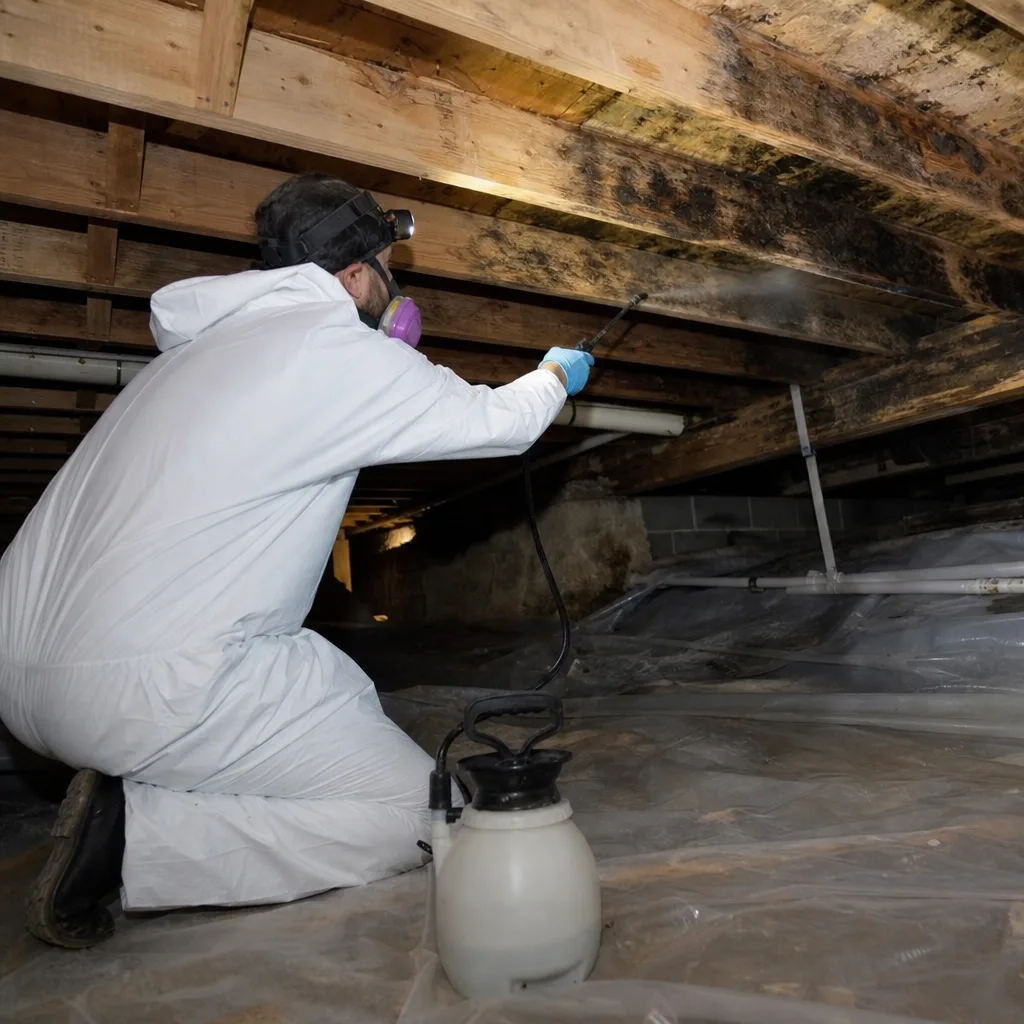
Hoarding Cleanup
Hoarding situations in these aging Springfield Gardens basements present a double challenge: the biohazard material within the clutter, and the structural water damage that often sits beneath it. We work in stages: contain, sort, remove, disinfect, and then assess the moisture damage the piled contents were hiding. Our team treats every item with respect and follows a written plan agreed to with the property owner before anything is discarded.
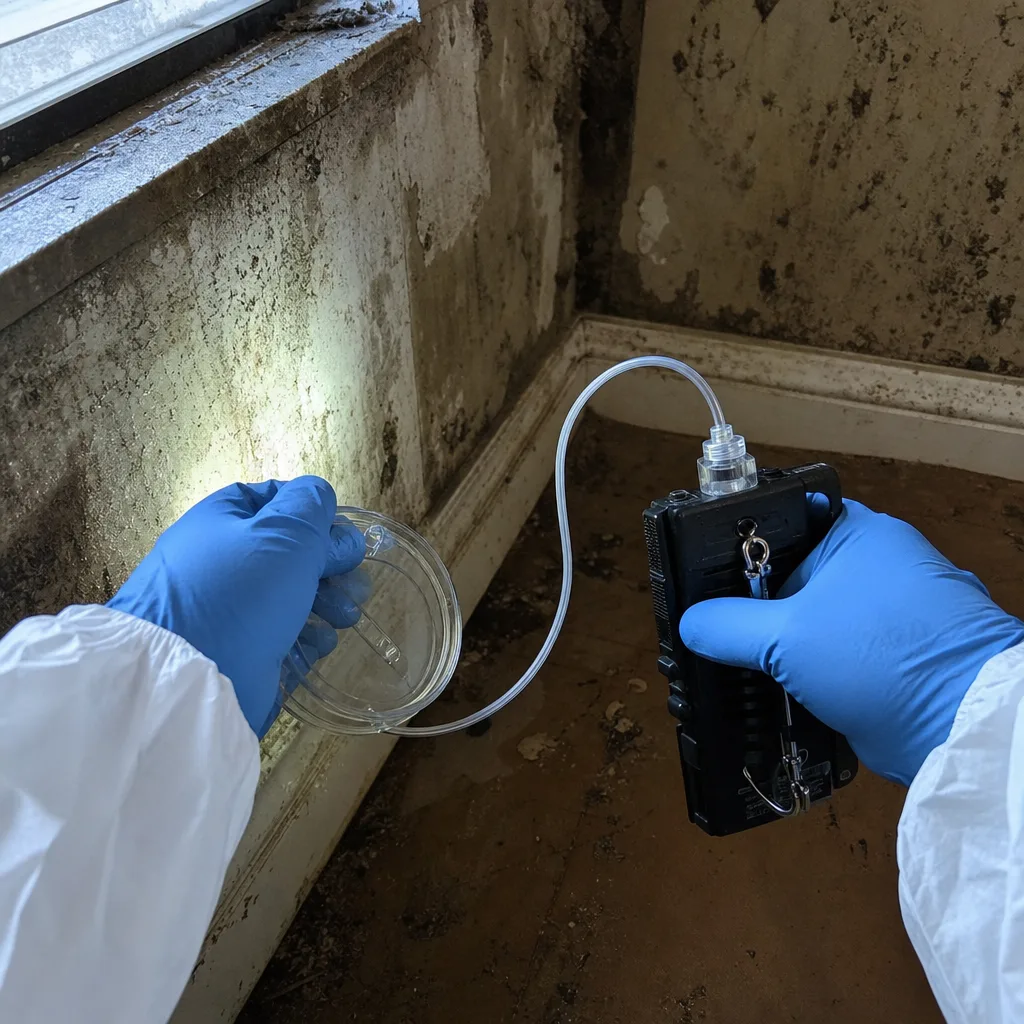
Crime Scene Cleanup
After law enforcement completes its investigation and releases the scene, families are left to deal with what remains. We clean and decontaminate the affected area, remove materials that cannot be salvaged, and restore the space to a safe, habitable condition. We coordinate directly with property managers and the NYPD when needed, and we work quietly and discreetly.
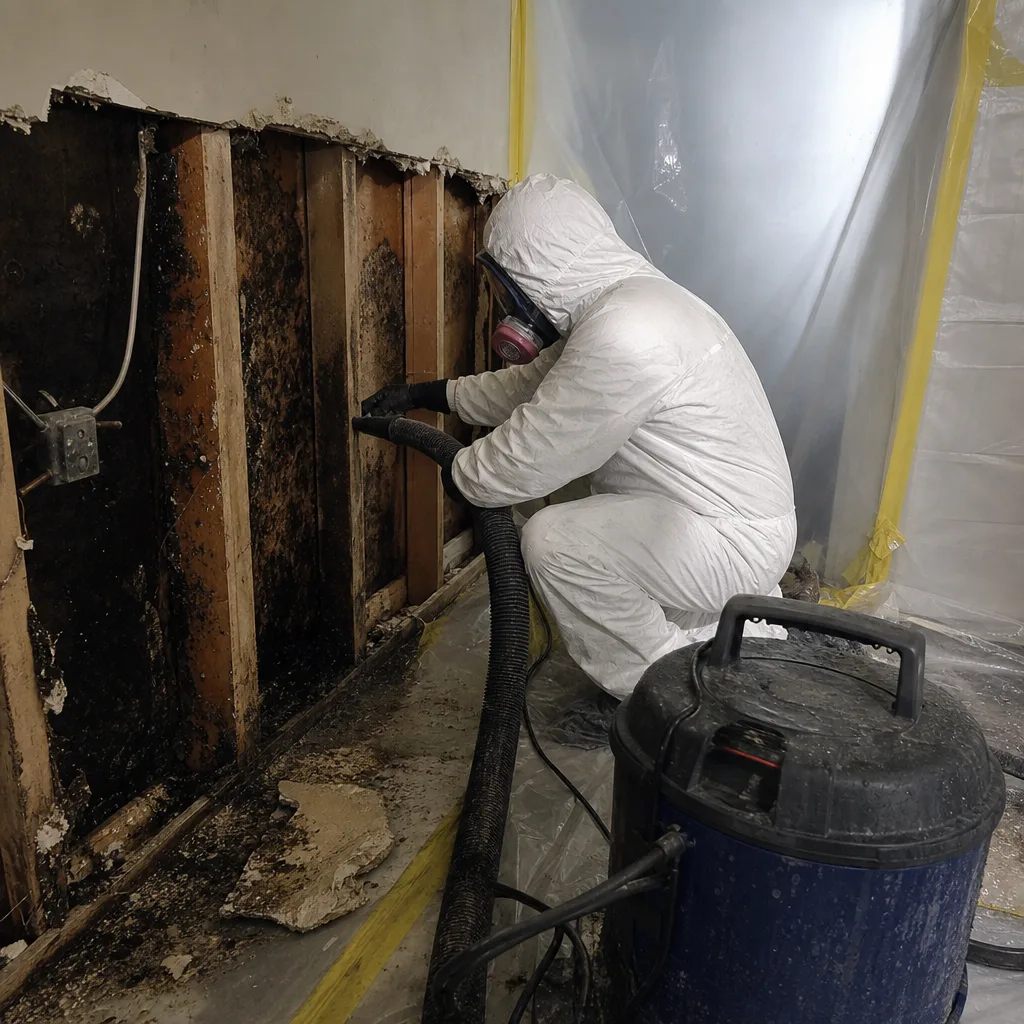
Trauma & Unattended Death Cleanup
Unattended death scenes often mean days or weeks of decomposition before the body is discovered. That creates a complex contamination problem: body fluids that have soaked into flooring and subfloor, odor that has penetrated porous surfaces, and potential insect activity. We remove affected materials, treat the structure with enzymatic and antimicrobial agents, and run air scrubbers until the space is odor-free and safe. Our Springfield Gardens teams handle these scenes with the gravity they deserve.
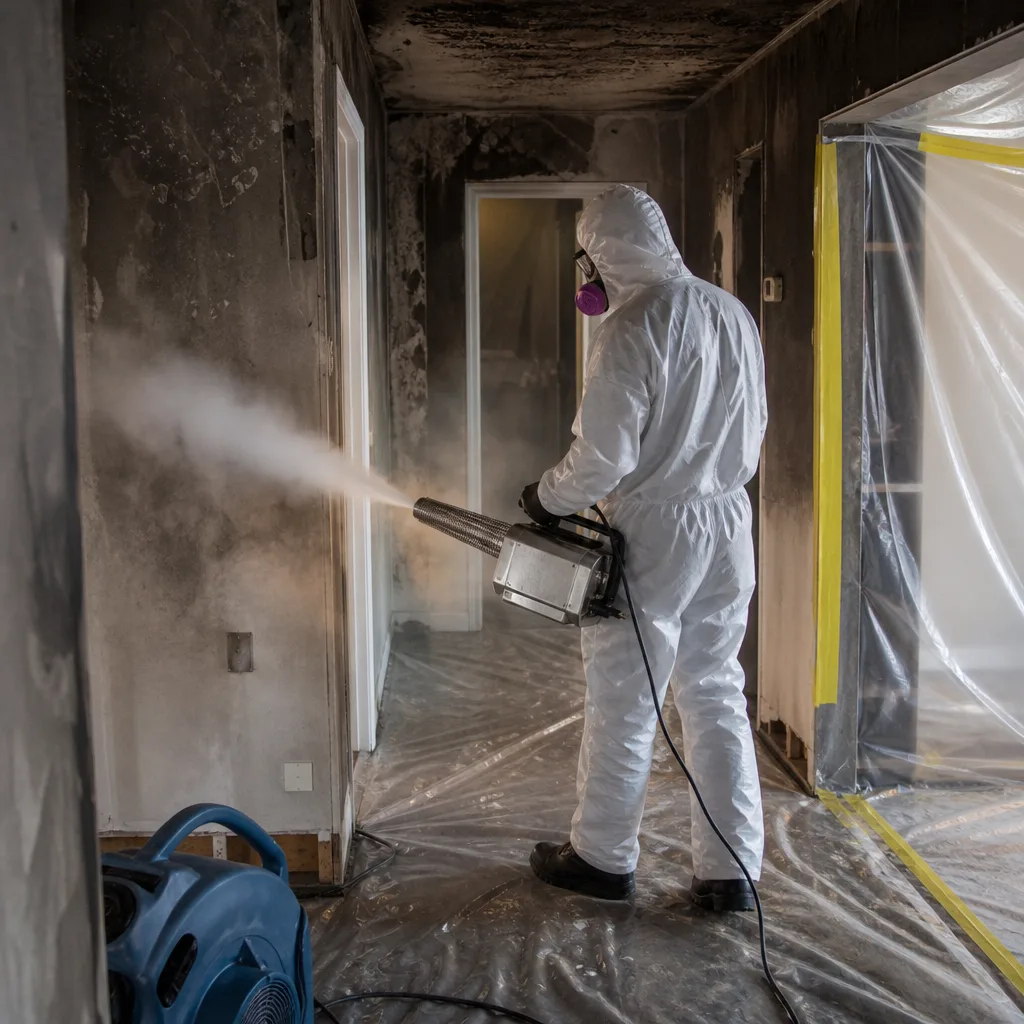
Tear Gas & Chemical Cleanup
Tear gas and industrial chemical residue bond to surfaces and linger in HVAC systems. We remove contaminated porous materials, deep-clean non-porous surfaces, and run HEPA air scrubbers to clear the air. This is specialized work that requires the right PPE and disposal channels, not a standard cleaning crew.
What happens when you call
- 1
A real person answersNo phone trees - you reach a local pro.
- 2
You get an upfront price rangeHonest numbers before anyone is dispatched.
- 3
A background-checked tech heads outLicensed & insured, dispatched right away.
- 4
You approve before work beginsNothing starts until you say go.
Biohazard & Crime Scene Cleanup Costs in Springfield Gardens, NY
Biohazard cleanup in Springfield Gardens is priced by the scope of contamination, not by a flat rate, and it runs higher than standard water damage because of the PPE, containment, regulated disposal, and antimicrobial treatment required. A septic sewage backflow in a single finished basement room typically runs $1,500 to $4,500. Full basement biohazard remediation with demolition, drying, disinfection, and rebuild commonly runs $8,000 to $25,000, depending on square footage and what must be torn out. Blood cleanup in a single room usually starts around $1,200 and runs to $3,500. Hoarding cleanup with biohazard content ranges from $3,000 to $15,000 or more, depending on volume and contamination depth. Unattended death cleanup often runs $5,000 to $12,000 when demolition and structural drying are required. Most Springfield Gardens sewer-backflow losses are covered by homeowners insurance under the water backup or sump overflow endorsement. We always recommend a free visual inspection first. It gives you a written scope, a firm price, and a clear picture of what the insurance carrier will likely cover.
We Also Serve Cities Near Springfield Gardens
Our Springfield Gardens crews regularly handle biohazard and crime scene cleanup in Biohazard & Crime Scene Cleanup calls across the broader southeastern Queens area. We serve Rosedale, Cambria Heights, South Ozone Park, and Hollis with the same 24/7 live dispatch, certified technicians, and direct insurance billing. If you’re a few blocks past the neighborhood line, the same team can usually reach you just as fast.
Springfield Gardens Biohazard & Crime Scene Cleanup Questions, Answered
Why is sewage backflow from the combined sewer system common in Springfield Gardens basements during heavy rain?
Springfield Gardens sits low and close to Jamaica Bay, and its sewer system is a combined system, meaning stormwater and sewage share the same pipes. When heavy rain overwhelms that system, the water has nowhere to go but back up through basement floor drains and plumbing fixtures, and the result is Category 3 black water contaminated with raw sewage. The neighborhood’s high water table makes the problem worse, because even the ground itself is already saturated before the rain starts.
Does a Category 3 basement flood from the Springfield Gardens sewer system always require tearing out finished walls?
Not always, but often. If the contaminated water only touched a concrete slab and non-porous surfaces, we can sometimes disinfect and dry without demolition. But once Category 3 water wicks into drywall, insulation, or carpet pad, those porous materials cannot be reliably decontaminated, and they must come out. We’ll tell you what must go versus what we can save, and we’ll show you the moisture readings that support that call.
How quickly does mold start on a wet Springfield Gardens basement wall after a storm?
Mold can begin colonizing wet drywall and organic building materials within 24 to 48 hours, especially in Springfield Gardens where summer humidity is high and basements naturally run damp. If the water was sewage backflow, the contamination is worse, because the organic matter in the water feeds microbial growth even faster. That’s why we emphasize same-visit extraction and rapid drying as soon as the call comes in.
Do I need a permit in Springfield Gardens to replace a sewage-damaged basement wall?
Replacing drywall or flooring does not require a permit in New York City. But if the sewage backflow damaged structural framing, load-bearing walls, or electrical wiring that must be replaced, a DOB permit may be required. We handle permit applications as part of the reconstruction phase, and we never hide that work from the building department.
What should I do before your crew arrives for a biohazard cleanup in Springfield Gardens?
Turn off the water main if the source is still flowing. Turn off the electricity to the affected area at the breaker panel if standing water is present. Do not enter the contaminated area without proper PPE, and do not attempt to clean sewage or blood with household products. Keep children and pets away from the space. Turn off the HVAC system if the contamination is inside a finished basement, so aerosols do not circulate through the rest of the house. Then call us at (518) 627-5878. We’ll walk you through the rest on the phone and get a crew moving.
How fast can a certified crew actually reach a Springfield Gardens address?
We commit to a 45-minute response window for emergency biohazard calls within Springfield Gardens. Most crews arrive faster than that during daytime hours. Our dispatch team tracks the nearest available certified crew in real time, and because we serve this neighborhood continuously, we’re rarely far from North Conduit Avenue, Farmers Boulevard, or Rockaway Boulevard when you call.