
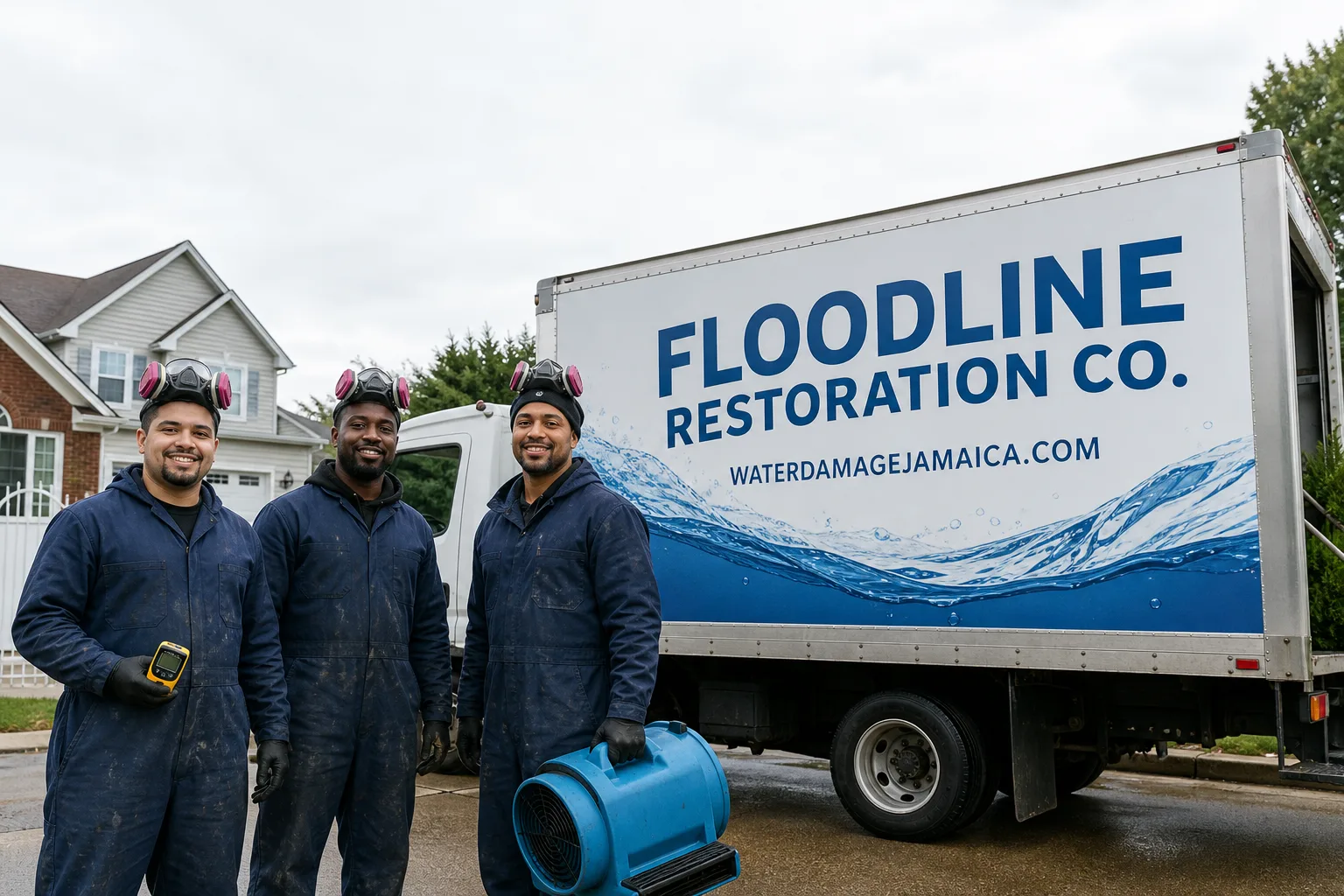
Free visual inspection and a written scope of work before any mitigation begins - photos, moisture readings, and drying logs go in your claim file
The scope we write is the scope we bill. Anything new gets shown to you, in writing, before we touch it.
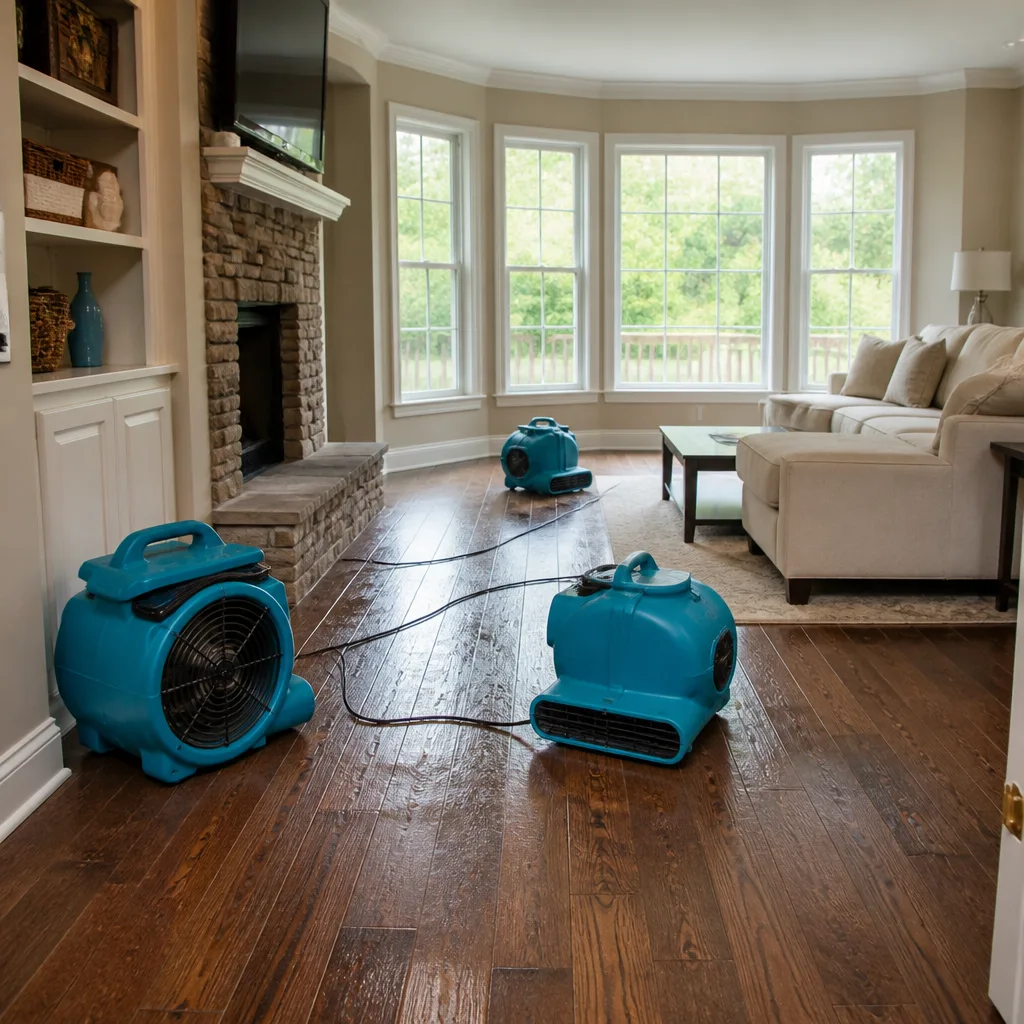
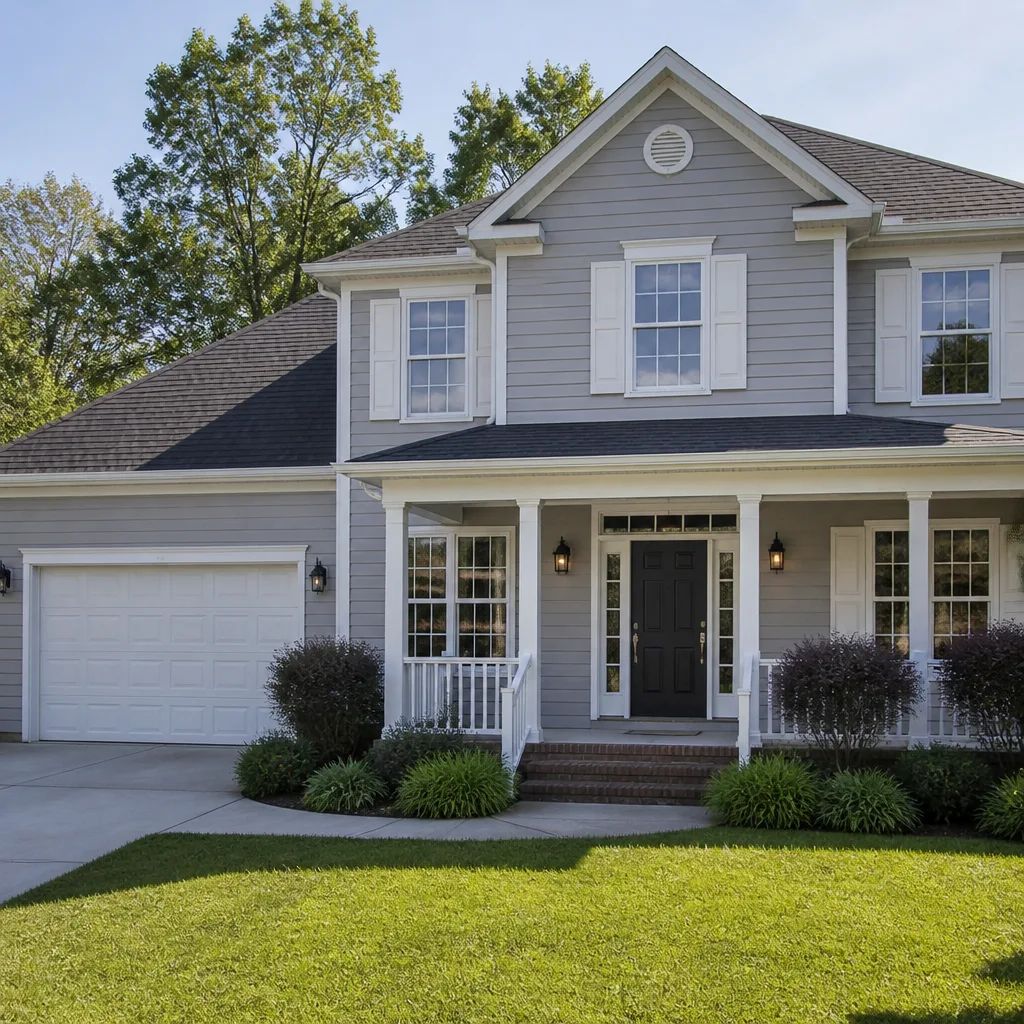
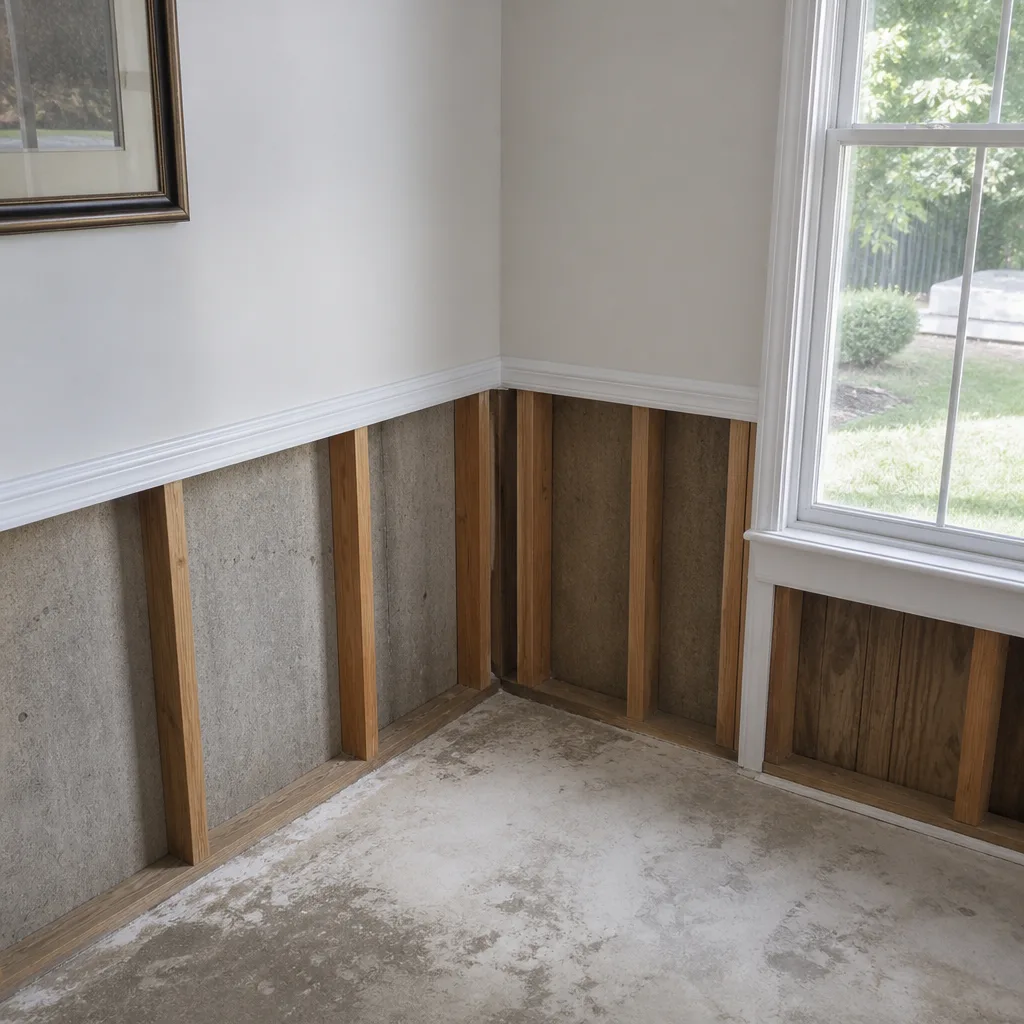
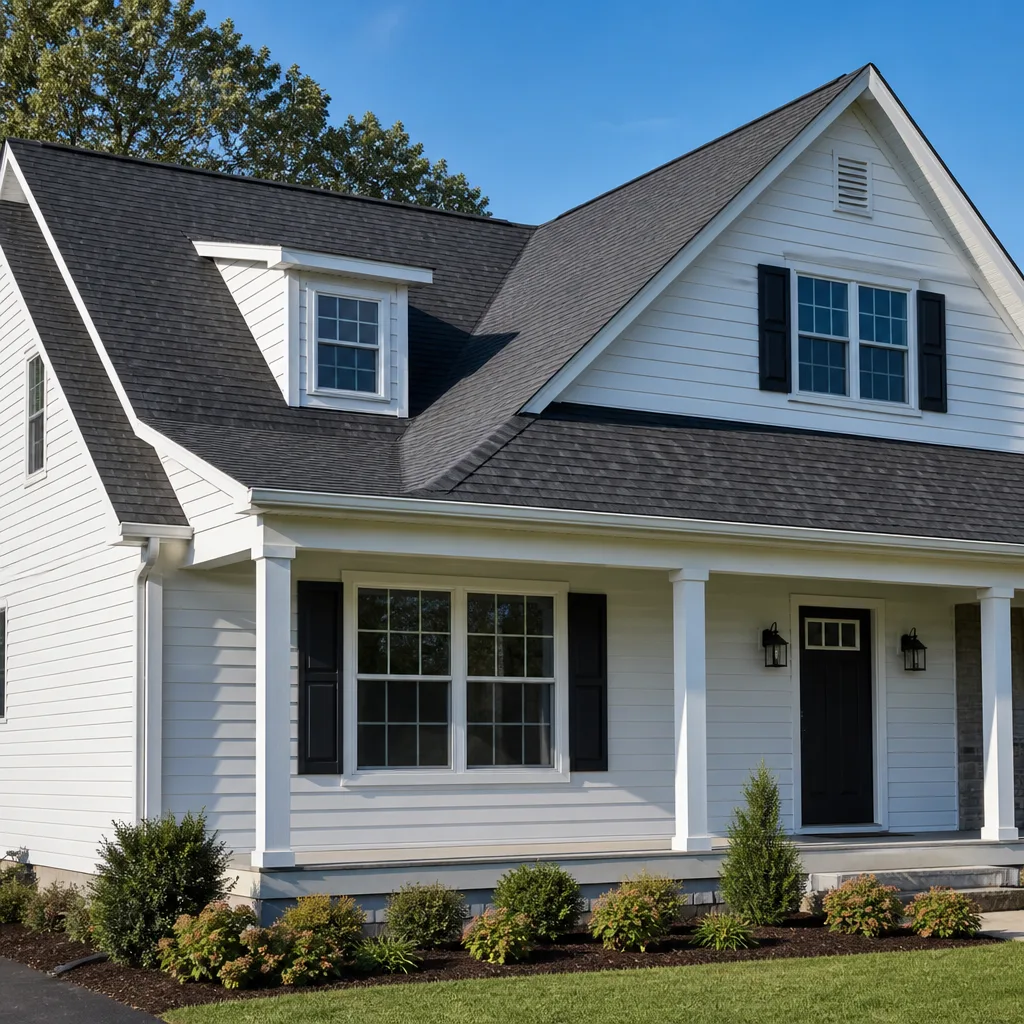
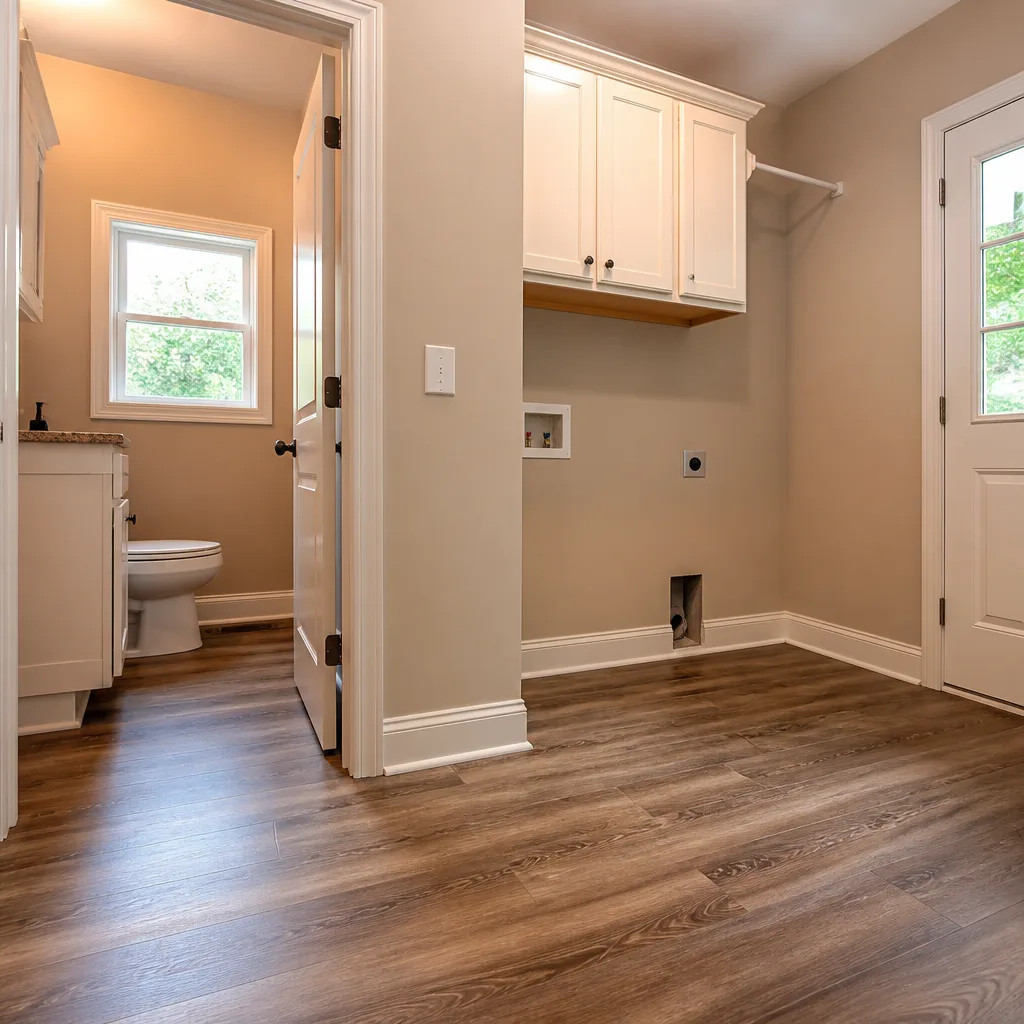
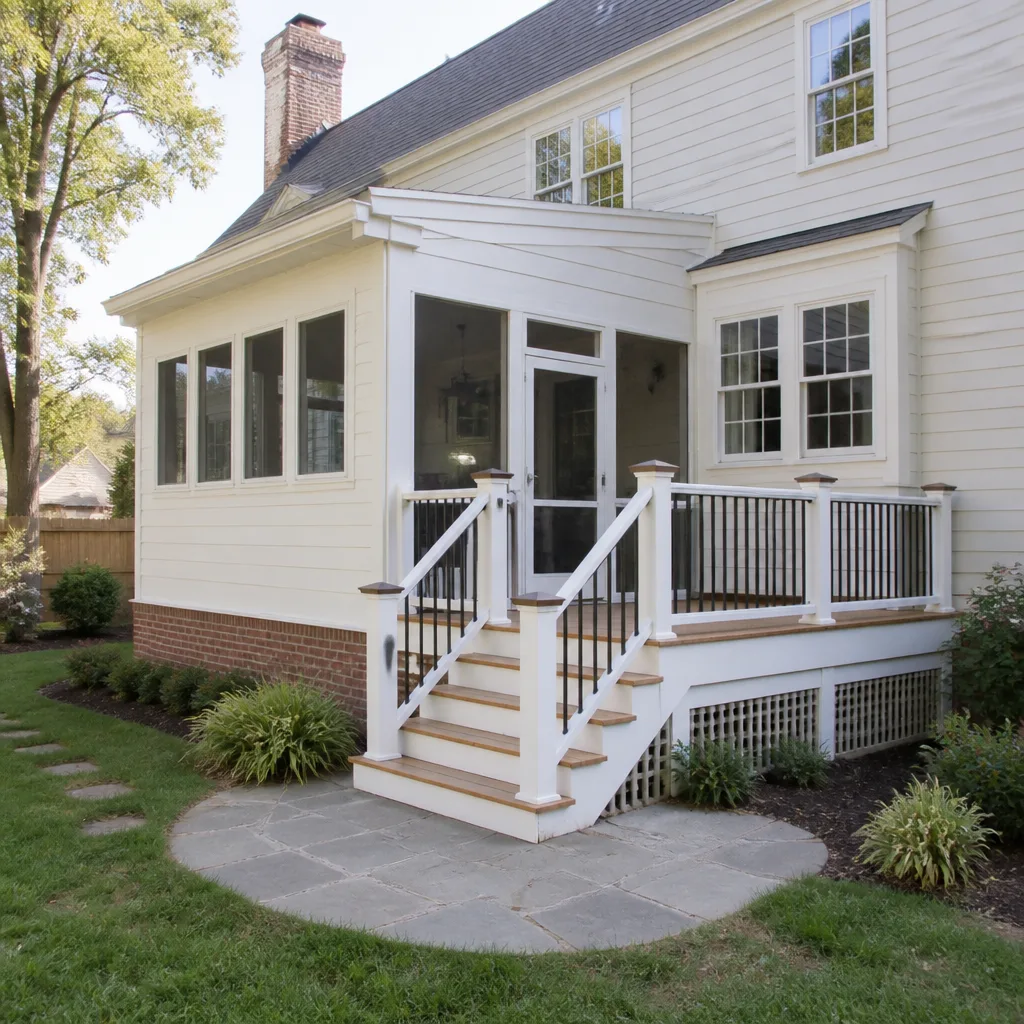
 Before
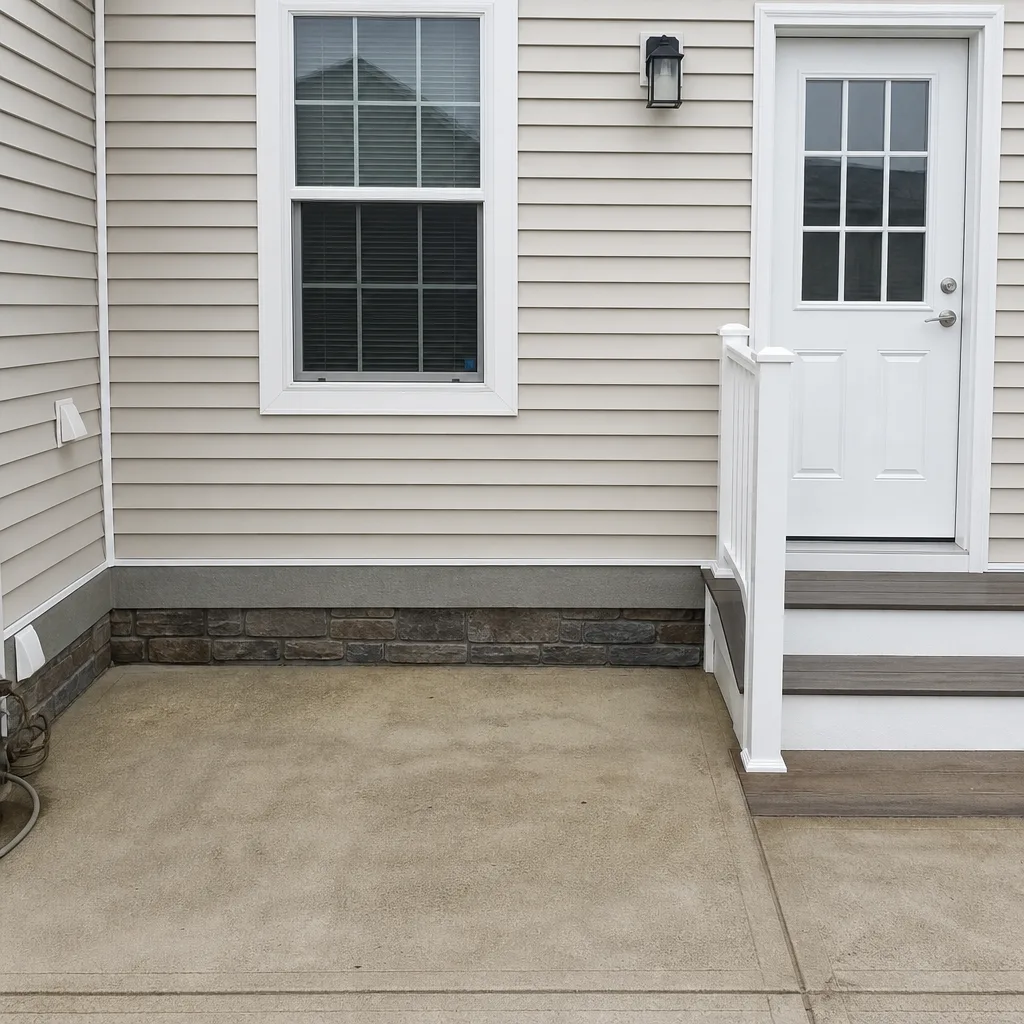 After
After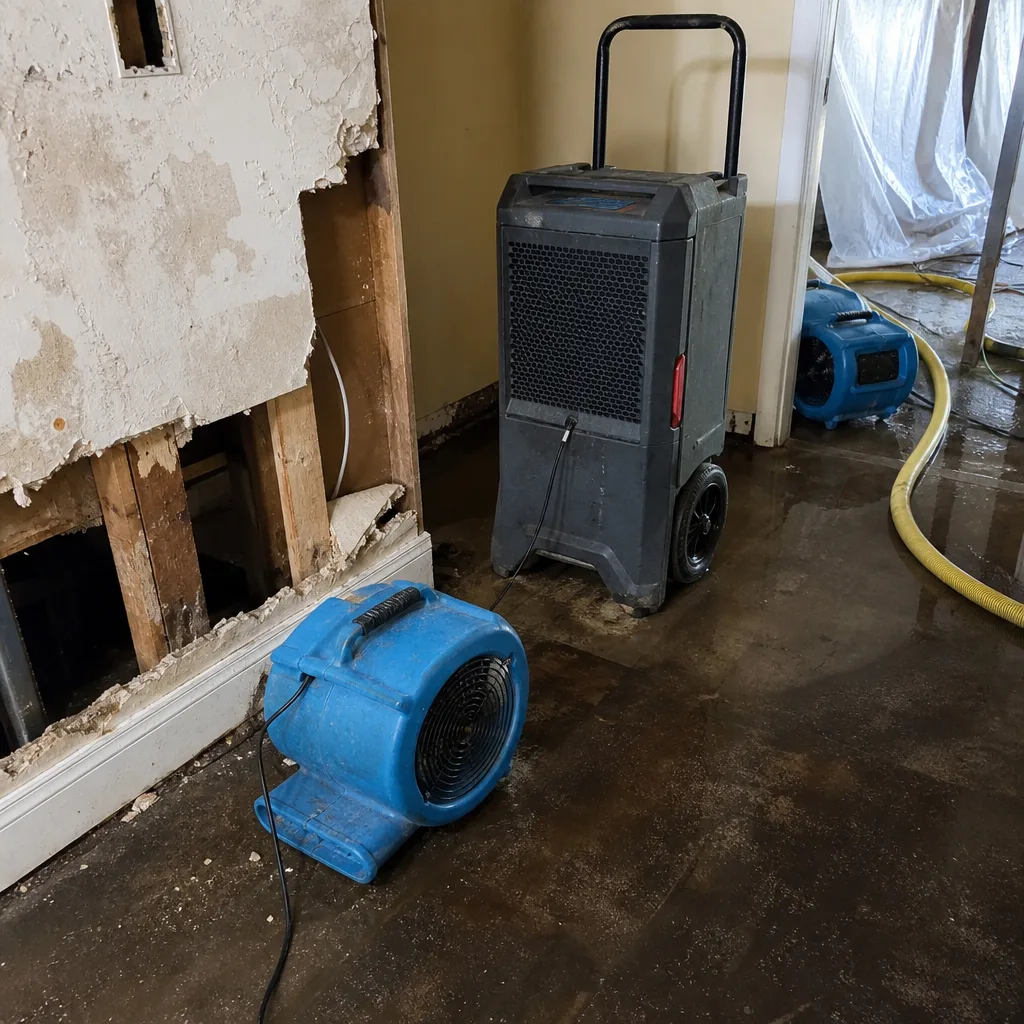 Before
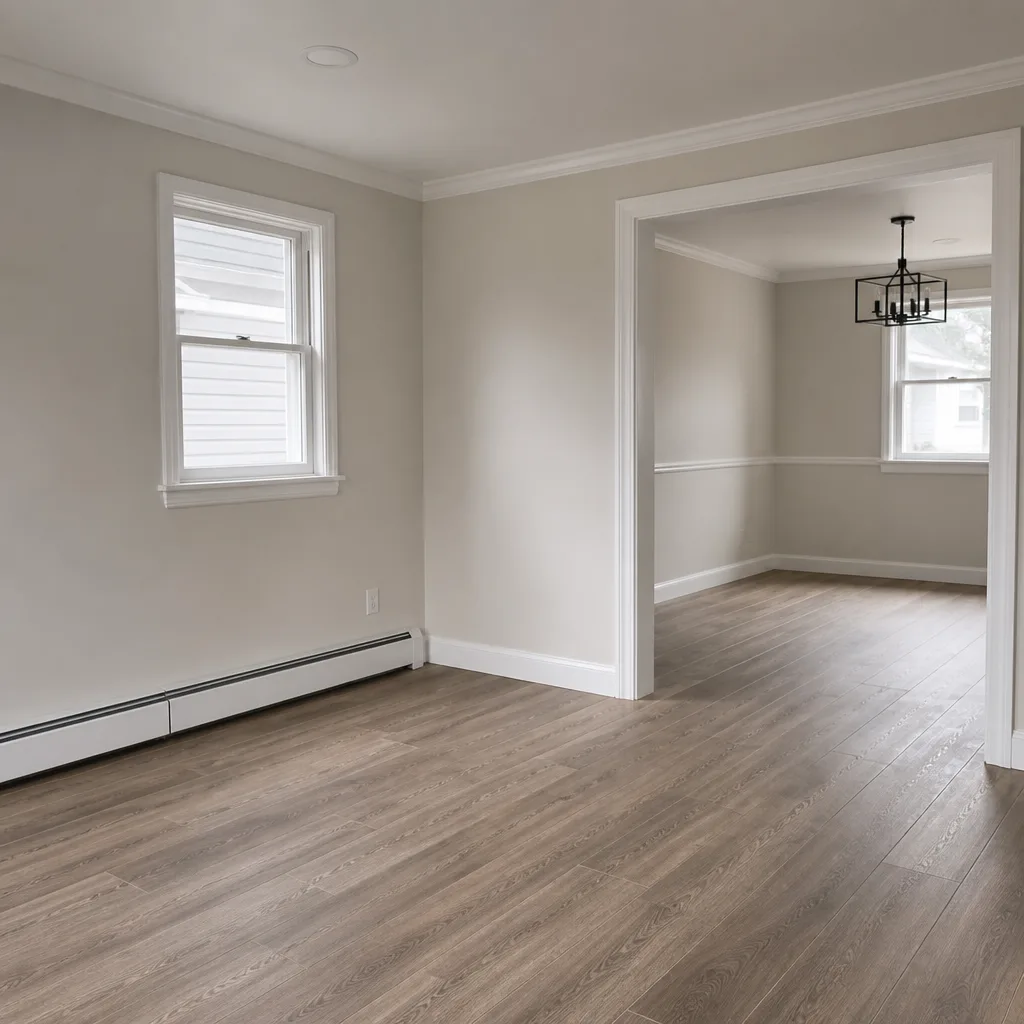 After
After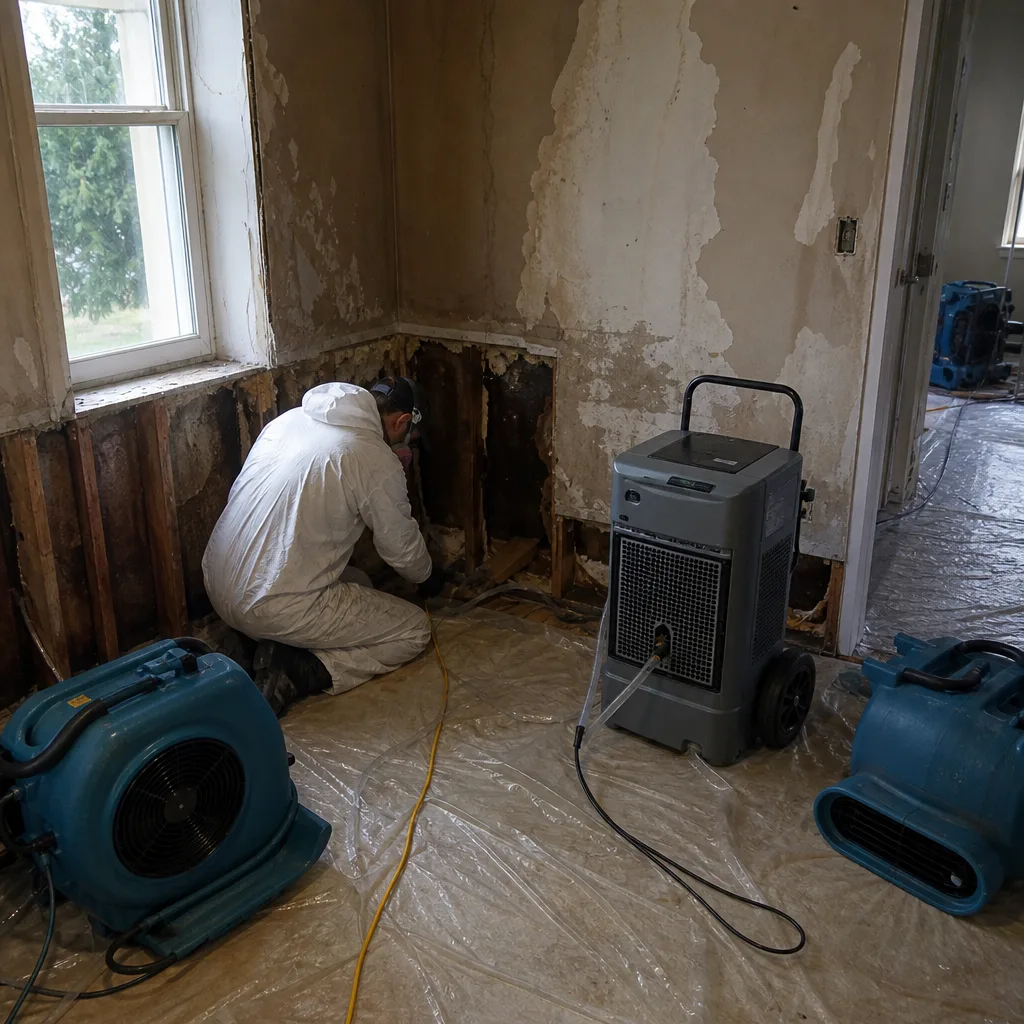 Before
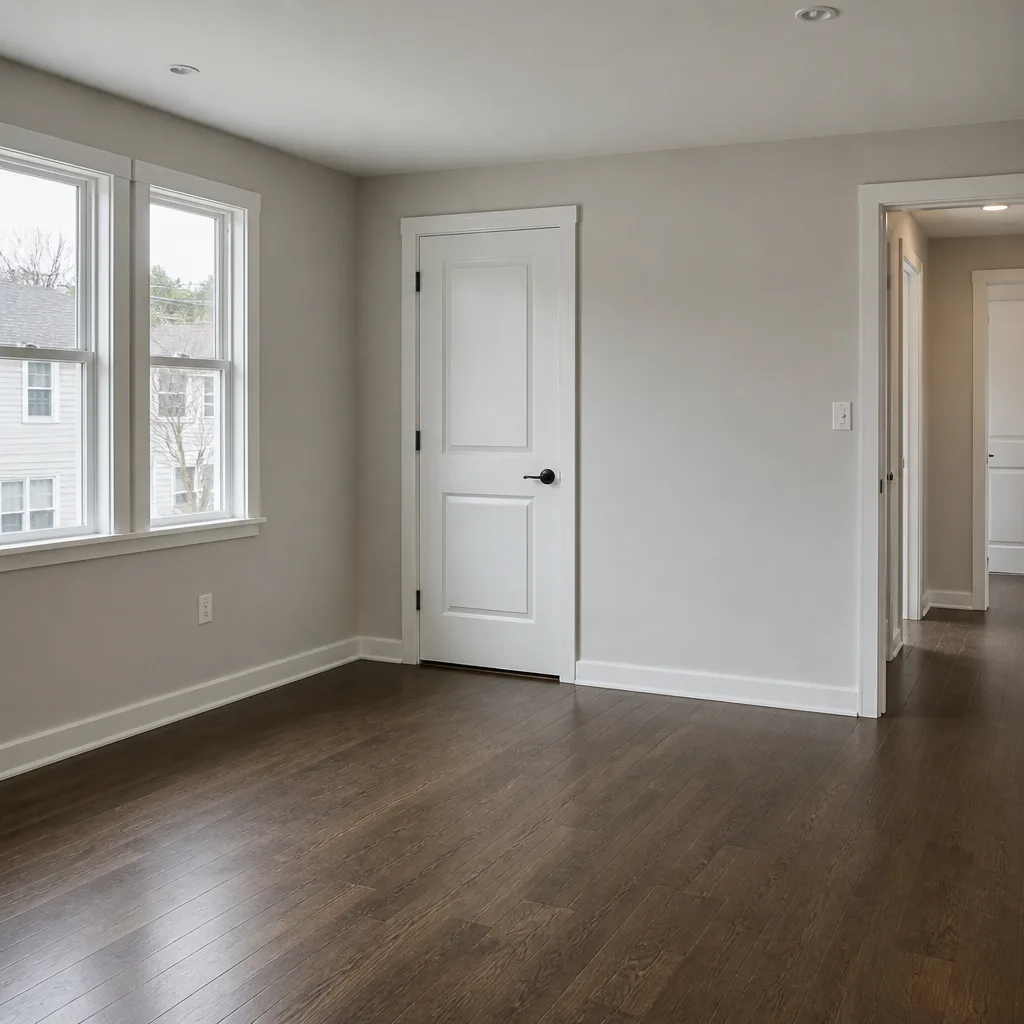 After
After24/7 Emergency Fire & Smoke Damage Restoration in St. Albans
When a fire hits a St. Albans home, the first call should be to (518) 627-5878. A live dispatcher answers at any hour, and a certified crew can be rolling into your neighborhood within 45 minutes. Smoke and soot begin etching into plaster, brick, and wood within hours of the flames going out, so the first hour after the fire department leaves matters more than most homeowners realize. We do a free visual inspection on arrival and start mitigation the same visit.
St. Albans basements present a particular problem after a fire. The smoke works its way into the open cavities behind finished walls, the horsehair plaster, and the floor systems that connect the basement to the living space above. If water from the fire department’s hoses has pooled down there at the same time, you’re now dealing with fire damage and standing water together, which accelerates corrosion, warping, and odor penetration. Our crews carry the extraction and drying equipment on the truck for exactly this reason. One crew. One visit. No handoff to a different company for the rebuild.
Understanding Fire & Smoke Damage Restoration Severity in St. Albans Properties
Fire restoration work is graded by the type of soot left behind, not just the size of the burn. A grease fire in a St. Albans kitchen leaves a wet, protein-based soot that adheres to surfaces and turns rancid if not cleaned with the proper alkaline agents. A space heater ignition in a finished basement, common in these older brick homes where residents dry out damp carpet after our Sewage Cleanup in St. Albans or similar sewer backups, produces a dry soot that drifts into wall cavities and ductwork. An electrical fire in an original fuse-box panel from the 1950s creates a fine, acidic residue that eats into copper wiring and corrodes metal fixtures within days.
The housing stock in St. Albans makes this work harder. Homes built from the 1940s through the 1960s feature open joist bays, balloon framing in some cases, and finished basements that hide the pathways smoke actually travels. A fire that starts in the basement utility room will often vent upward through the wall cavities and exit through the attic, leaving soot deposits on every floor in between even though the flames never touched those rooms. That’s why a visual inspection of the burn site alone isn’t enough. We track the smoke path, not just the fire path, because soot travels farther than fire.
Most St. Albans restoration jobs also trigger NYC DEP asbestos and lead-paint abatement requirements before structural work can proceed legally. Our Fire & Smoke Damage Restoration team incorporates that regulatory layer into the scope from day one, not as a surprise discovery after demolition starts.
Why St. Albans Property Owners Choose Floodline Restoration Co.
- 45-minute response commitment - When you call, we log the call and dispatch immediately. A certified crew reaches most St. Albans addresses within 45 minutes, and we start mitigation the moment we arrive, not after paperwork clears.
- 24/7 live answer, a real person, never an automated system - Curt Bowman built Floodline around a dispatch board, not a sales desk. The person who answers your 2 a.m. call is a dispatcher who can actually route a crew, not a phone tree.
- IICRC-certified crews - Our technicians hold IICRC certifications in Fire and Smoke Restoration (FSRT) and Water Damage Restoration (WRT), trained to RIA and IFA standards. They understand soot chemistry, smoke migration, and structural drying protocols, not just general cleanup.
- Free visual inspection - Before we recommend anything, we walk the property with you, trace the smoke path, take moisture readings, and show you exactly what we found. You get a written scope before work starts, so there’s no surprise billing.
- Direct insurance billing - We document every damaged surface with photos, log moisture readings daily, and submit a line-item estimate directly to your carrier. You never play messenger between us and your adjuster.
- One team from extraction to reconstruction - The same crew that extracts water from your basement and sets up drying equipment is the crew that rebuilds the charred framing and replaces the drywall. No mid-job handoff, no inherited crew, no finger-pointing.
Our Fire & Smoke Damage Restoration Process
Inspection & Assessment
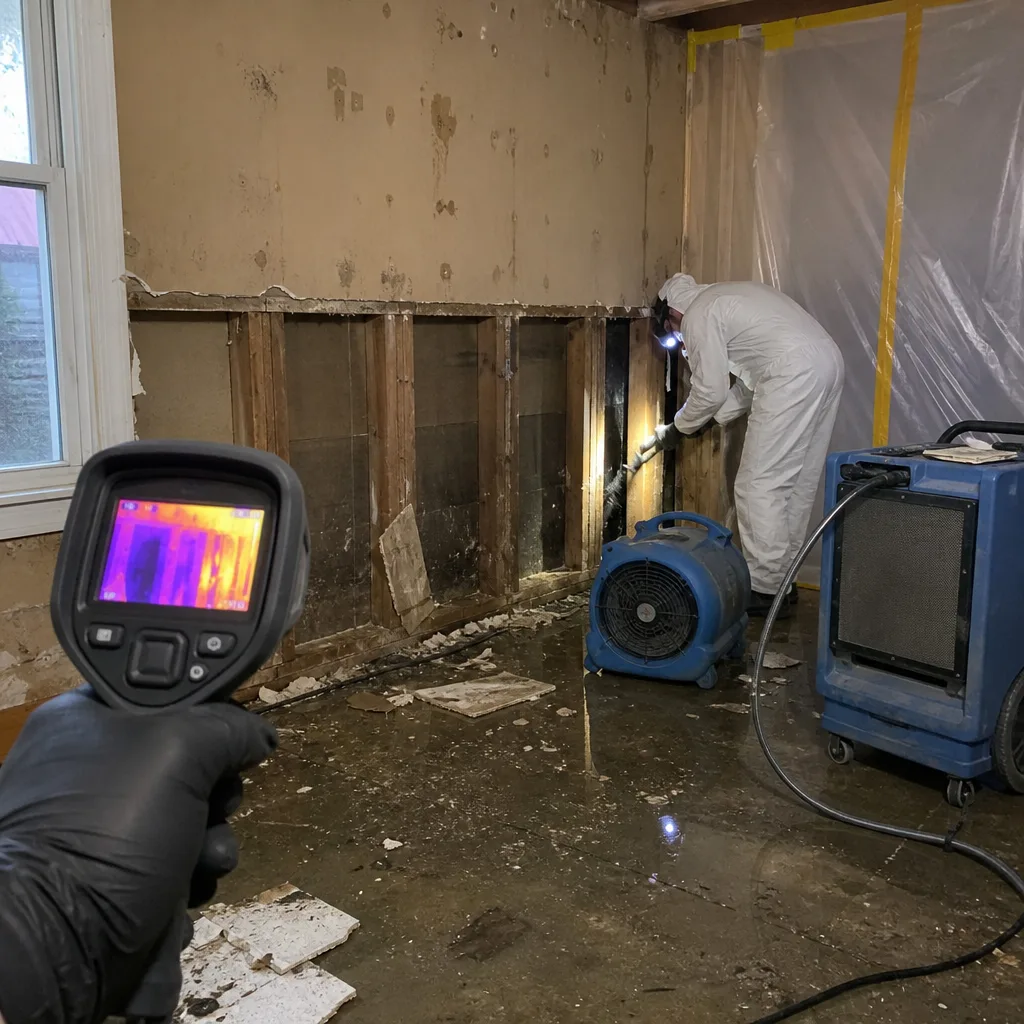
We start with thermal imaging and moisture mapping to find water the fire department left behind, then trace the smoke path through wall cavities, ductwork, and open joist bays. We check for asbestos floor tile, lead paint, and unpermitted finishes that will require NYC DOB documentation.
Extraction & Stabilization
Standing water from fire hoses or a combined sewer backup gets extracted immediately with truck-mounted pumps as part of our Biohazard & Crime Scene Cleanup in St. Albans. Charred materials that can’t be saved are removed under containment, and burned sections of framing are braced so the structure is safe to work in.
Drying & Dehumidification
Phoenix dehumidifiers and XPOWER air movers run around the clock until moisture readings hit the dry standard. Daily readings are logged on paper and handed to you and your carrier, not kept on someone’s phone and forgotten.
Cleaning & Sanitization
Soot removal on St. Albans’s brick and plaster surfaces requires substrate-specific cleaning. We use HEPA vacuums and air scrubbers to capture fine particles, and our containment zones prevent cross-contamination into the clean parts of the house.
Odor Removal & Deodorization
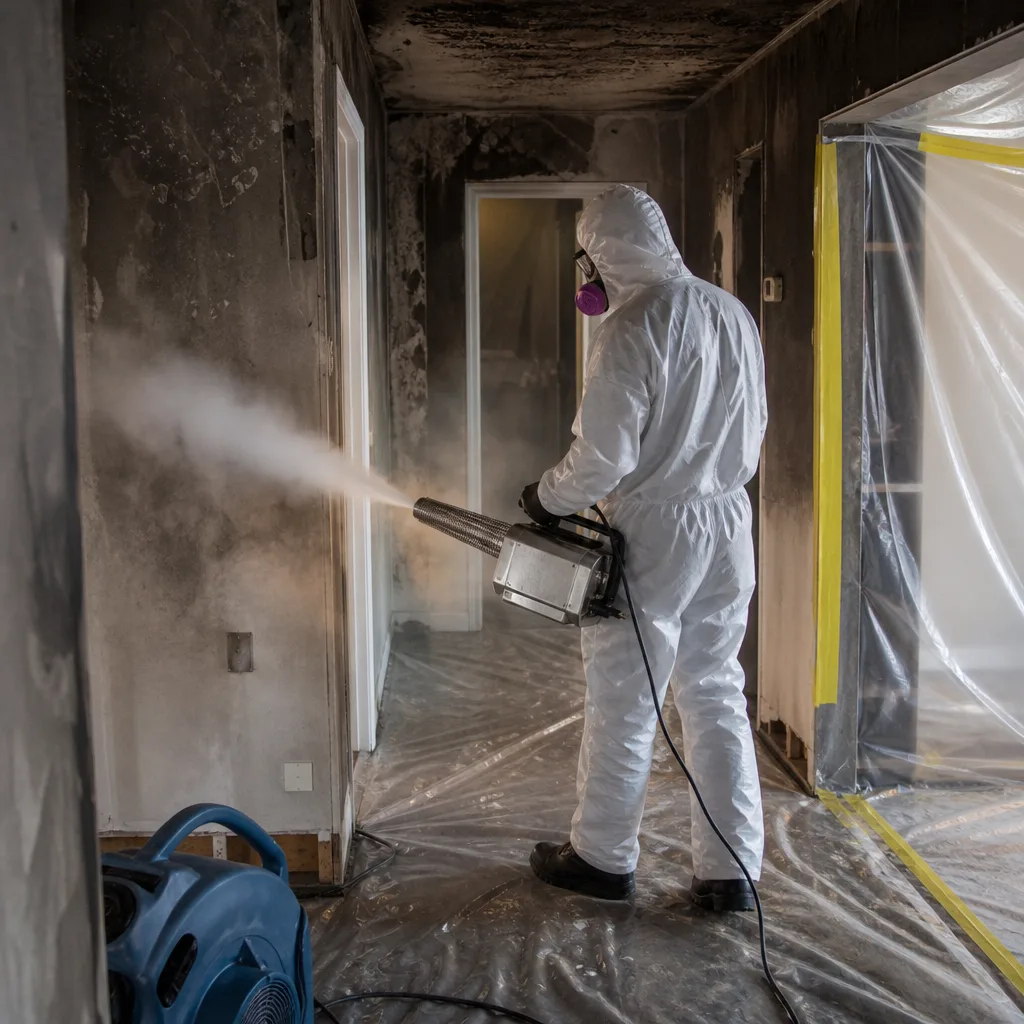
Smoke odor in plaster walls and old wood joists doesn’t come out with paint and air freshener. We use thermal fogging, hydroxyl generators, and injectable deodorizers through Injectidry ports to reach the cavities and porous surfaces smoke penetrated.
Repairs & Restoration
We rebuild what fire destroyed: framing, drywall, plaster repair, flooring, cabinetry. Structural repairs on 1940s and 1950s brick homes are done with an eye toward matching the original construction, not just slapping in whatever’s cheapest at the supply yard.
Need Emergency Fire & Smoke Damage Restoration in St. Albans Now?
Crews minutes away, answering live 24 hours a day. The sooner we start, the less it costs.
Working With Your Insurance Company
Fire claims in St. Albans get complicated fast. The damage is structural, the water is Category 2 or 3, and the basement often contains finished space that isn’t documented on any city record. We’ve seen adjusters try to deny structural drying for a fire-damaged basement because the finished room wasn’t a legal apartment. We push back with documentation: photographs of every damaged surface, moisture logs timestamped daily, a line-item scope that ties every dollar to a specific repair, and direct adjuster communication that keeps the claim moving.
Our team has handled claims for fires in 1950s brick semi-detached homes near Farmers Boulevard, basement blazes started by space heaters, and kitchen grease fires that left toxic soot across three floors. We know what your carrier needs to approve the work, and we write the scope accordingly. Every restoration we do is backed by the 90-Day Done Right Promise, in writing. If it’s not done right, we make it right. No arguing, no paperwork battle.
What We Provide Your Insurer
- Thorough documentation of the loss
- Photos of all damage, room by room
- Moisture readings and drying logs
- A detailed, line-item scope of work
- Direct coordination with your carrier
Built for St. Albans’s Loss Calendar
Fire losses in St. Albans don’t follow a clean schedule the way burst-pipe claims do. They spike when the weather collides with old infrastructure. January deep freezes push aging electrical panels and space heaters to their limits, and when a heater tips over onto a carpet in a finished basement, the result is a fire that starts where the smoke can’t escape easily. Spring thaw and the rainy season overload the combined sewer along the low-lying streets around Farmers Boulevard and Linden Boulevard, sending Category 2 water into basements. Homeowners drag out space heaters and box fans to dry the mess, and that’s when we get called for the fire that happened while they were trying to fix the flood.
Southeastern Queens sits nearly flat and drains toward Jamaica Bay. Even a 2- to 3-inch rain event pushes groundwater and sewage backflow through floor drains in St. Albans basements. Hurricane Sandy left latent mold inside wall cavities in 2012, and some of that comes back every time a new water event hits the same walls. A fire restoration here rarely starts with the fire itself. It starts with the sewer backup that flooded the basement first, and the fire happened because someone tried to dry it out with heat.
Fire & Smoke Damage Restoration Across St. Albans’s Neighborhoods
The response routes our crews drive through St. Albans tell you something about the housing stock. Along Farmers Boulevard, we see the classic 1940s brick one- and two-family homes with full basements converted into finished rooms. These are the jobs where a basement fire vents soot straight up through the wall cavities and into the bedrooms above, and where the original cast-iron drain stacks complicate both the fire repair and the water extraction. Around Merrick Boulevard, the semi-detached brick homes from the 1950s have shared party walls, which means smoke from a neighbor’s fire can migrate into your home even if the flames never crossed the property line.
Near the St. Albans LIRR station, we see more rental conversions in basements with drop ceilings and drywall partitions that were never recorded on a certificate of occupancy. When fire or smoke hits those units, the documentation for the insurance carrier gets complicated because the space technically doesn’t exist on paper. And in the blocks around Baisley Pond Park, the older wood-framed homes from the pre-war period carry horsehair plaster and balloon framing, which lets smoke travel from the basement to the attic in minutes. Each stretch of St. Albans has its own loss pattern, and our crews know them because we’ve worked them.
We serve all of St. Albans, from 11412 up to 11434 and the streets in between, from the Queens Village border to the east and Jamaica to the west. Dispatch is coordinated from our New York City office, and the crews are local. They know the one-way streets, the alley access issues behind the rowhouses, and which blocks have the oldest wiring.
Specialized Fire & Smoke Damage Restoration Services We Offer in St. Albans
Smoke & Soot Removal
Smoke and soot removal in St. Albans means working with surfaces that have been absorbing residue for 60 to 80 years. We clean brick, plaster, and original wood with substrate-specific agents, not a single generic degreaser. Soot on horsehair plaster and old paint requires a different chemistry than soot on modern drywall, and our technicians are certified in FSRT protocols that account for the difference. We also run HEPA air scrubbers and vacuums to pull fine particles out of the air so they don’t settle back onto cleaned surfaces.
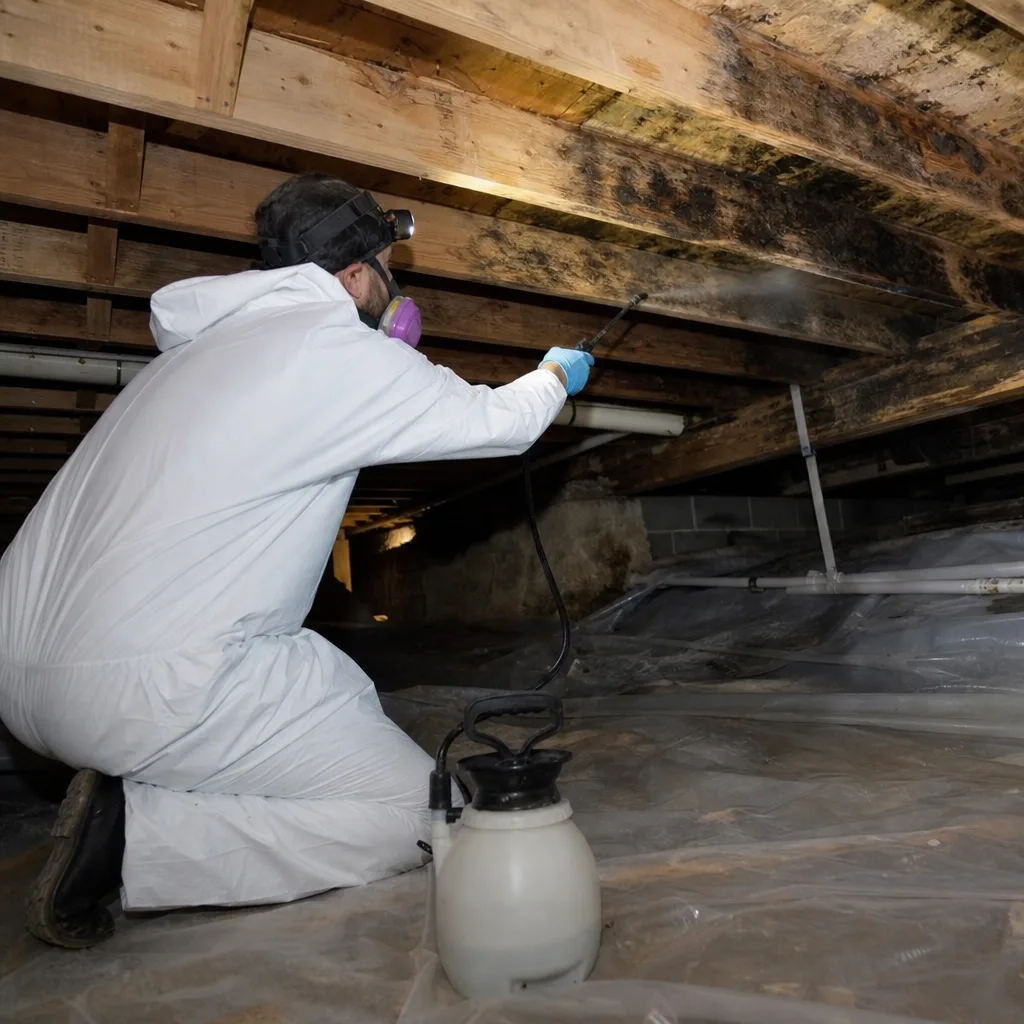
Contents Cleaning & Pack-Out
Clothing, upholstery, documents, and electronics all absorb smoke differently, and the porous items hold odor the longest. We inventory, pack, and transport salvageable contents to our cleaning facility, where they’re treated with ultrasonic cleaning, ozone deodorization, and thermal fogging as appropriate. The inventory is documented with photos before anything leaves your home, so the insurance claim has a clean chain of custody. This matters in St. Albans, where basements often hold generations of belongings alongside the boiler and the fuse box.
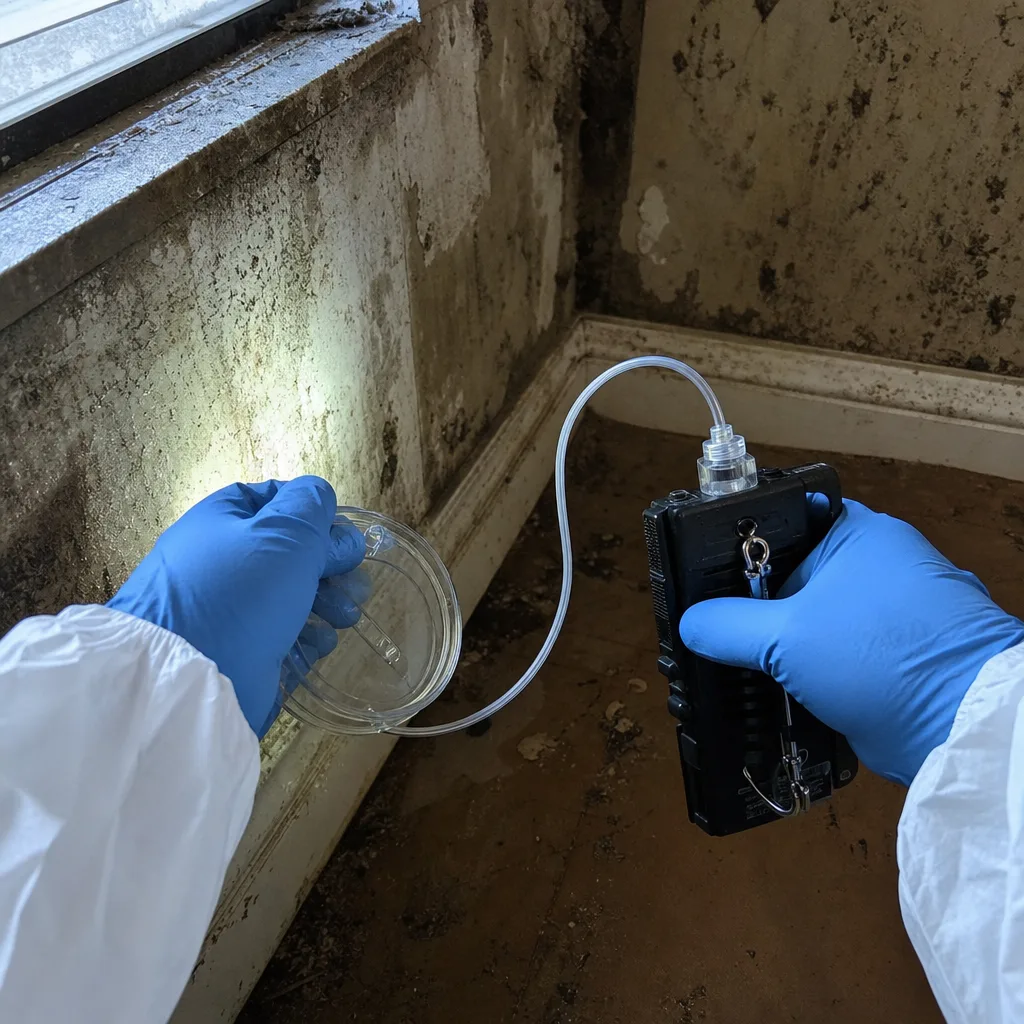
Structural Fire Repair
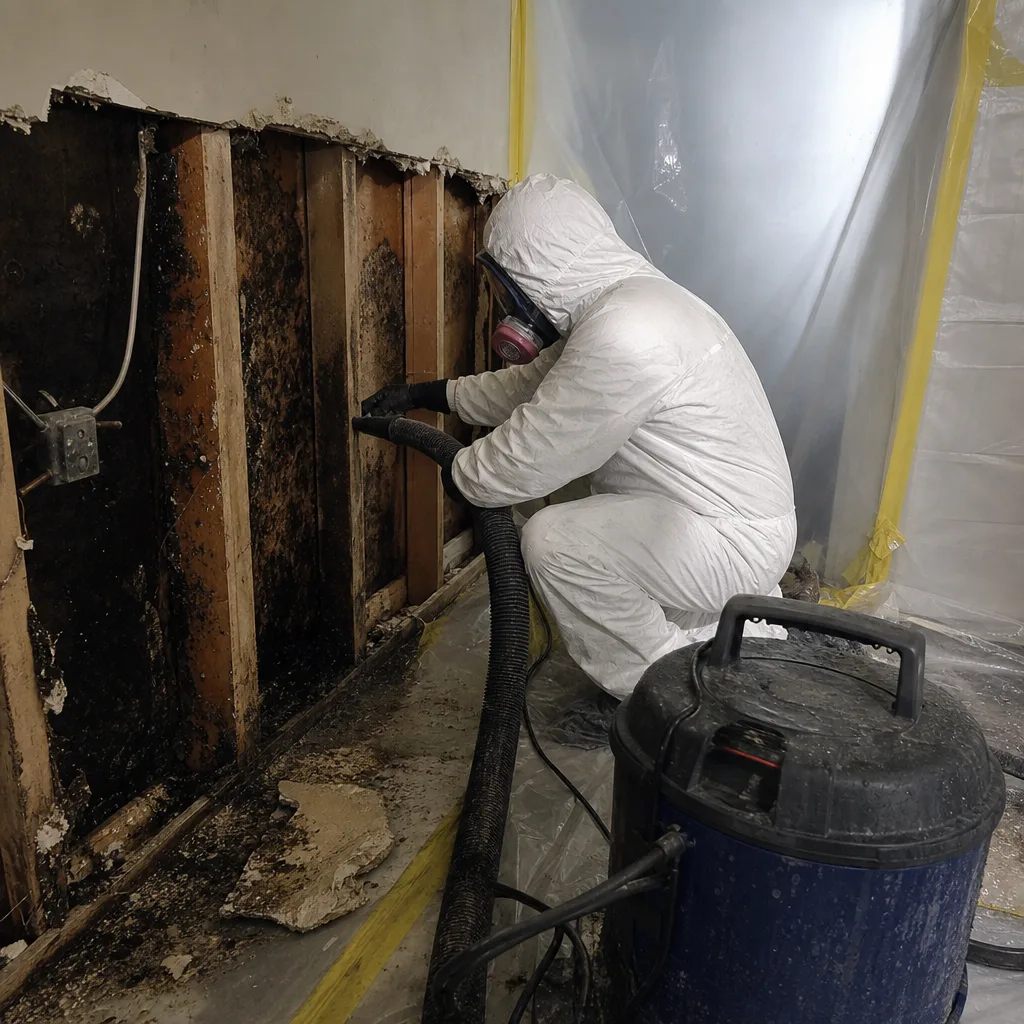
When charred joists need to be cut out and replaced, we handle it through our Reconstruction & Cleanup in St. Albans under the same roof as the drying and cleaning, not as a separate contract with a different company. St. Albans basements from the 1940s and 1950s often have true dimensional lumber, not modern nominal sizing, so a repair is a cut-and-fit job, not a grab-off-the-shelf replacement. We match the original framing dimensions, sister or replace joists as engineering dictates, and rebuild the finished space to pre-loss condition. The 90-Day Done Right Promise applies to this work in writing, same as everything else we do.
Emergency Board-Up & Tarping
After the fire department leaves, the building is open to weather, vandalism, and further damage. We board up windows, tarp the roof penetrations, and secure doorways the same visit, not the next morning. In St. Albans, that’s not a courtesy. It’s a necessity, because the next rain event can turn a contained fire loss into a full basement flood through the opening you left uncovered.
What happens when you call
- 1
A real person answersNo phone trees - you reach a local pro.
- 2
You get an upfront price rangeHonest numbers before anyone is dispatched.
- 3
A background-checked tech heads outLicensed & insured, dispatched right away.
- 4
You approve before work beginsNothing starts until you say go.
Fire & Smoke Damage Restoration Costs in St. Albans, NY
Fire restoration in St. Albans runs higher than in the newer subdivisions out east because the housing stock is older and the regulatory layer is thicker. A modest smoke cleanup after a contained kitchen fire typically runs $3,000 to $8,000. A basement fire involving structural charring, water extraction, and contents pack-out commonly lands between $12,000 and $30,000. Full reconstruction of a finished basement after a fire that burned joists and collapsed drywall can reach $45,000 to $80,000 or more, depending on ceiling height, custom finishes, and the extent of asbestos abatement required.
What moves the price is the answer to one question: how far did the smoke travel? If soot reached the upper floors through balloon framing, the cleaning scope jumps across every room. If the fire department used water, you’re adding extraction, drying, and possible mold prevention on top. If the finished basement was unpermitted, the insurance carrier may dispute coverage for that space unless we document the loss thoroughly and advocate for you. The free inspection is the path to a firm written scope, with every line item priced before work starts.
We Also Serve Cities Near St. Albans
Our crews regularly work in St. Albans and the surrounding Queens neighborhoods: Jamaica, Richmond Hill, Hollis, and Kew Gardens Hills. If you’re just over the border and need fire or smoke damage response, call the same number. The same crew answers.
Serving St. Albans, NY - Our Local Coverage Area
We’re based in the St. Albans area and know this community well. Use the map below to see our service coverage - if you’re nearby, we can almost certainly help.
St. Albans Fire & Smoke Damage Restoration Questions, Answered
Why does every fire restoration job in St. Albans trigger asbestos and lead-paint abatement?
Because virtually every home in St. Albans was built between the 1940s and 1960s, and NYC DEP regulations require asbestos and lead-paint testing before any demolition or structural repair work can proceed. Original asbestos floor tile, pipe insulation, and lead-based paint are standard in these houses. A contractor who starts tearing out charred drywall without the required inspections will get cited mid-job and leave you with a violation. Our crews factor the testing and abatement into the scope from day one.
Can you restore a basement that has both fire damage and sewage backup from the combined sewer?
Yes, and this combination is the most common fire restoration scenario we see in St. Albans. The basement flooded first with Category 2 or 3 water from a combined sewer backup, then the fire started when the resident used a space heater to dry it out. We run extraction and drying equipment simultaneously with fire containment and soot removal. The water and the fire are treated as one job, not two, which keeps the scope coherent and the insurance claim streamlined. Call (518) 627-5878 for an exact quote, and the estimate is free.
My finished basement isn’t on the certificate of occupancy. Will that stop you from starting restoration?
No. We start mitigation immediately, because delaying drying and soot removal makes the damage worse and the claim harder. The documentation question gets handled in parallel: we photograph the finished space as it exists, note it on the scope, and coordinate with the adjuster about what’s covered. We’ve handled this exact situation on St. Albans basements many times, including jobs where the kitchenette wasn’t on any city record. The work doesn’t wait for the paperwork to clear.
How do you get smoke odor out of plaster walls in a 1950s brick home without tearing them all down?
Plaster is porous and holds smoke odor deep in its surface and in the wall cavity behind it. We use thermal fogging to drive deodorizing agents into the plaster pores, hydroxyl generators to neutralize airborne odor molecules, and Injectidry ports to inject deodorizer directly into the wall cavities. In cases where the plaster is heavily saturated with soot, we clean the surface with alkaline agents first, then seal with a vapor-barrier primer before repainting. Tearing down the plaster is a last resort, not the default.
Is it better to repair fire-damaged original wood joists or replace them with new lumber in a St. Albans basement?
That depends on the char depth and the structural load above. If a joist is charred less than about 1/4 inch deep, it can often be cleaned, treated, and sistered, preserving the original framing. If the char exceeds that, we replace the section with new lumber matched to the original dimensions, which in these 1940s-1960s homes are often true dimensional sizes you can’t just pull off the rack at a big-box store. Our structural work is done to code and documented for the insurance carrier. Get the free inspection and we’ll show you exactly what we found and what we recommend.
How fast can you actually get to a St. Albans address?
Most St. Albans addresses are reached within 45 minutes of your call, any time of day or night. The dispatcher who answers at (518) 627-5878 routes the nearest available certified crew, and they start mitigation on arrival. We don’t send a salesperson first and a crew later. The crew is the first and only visit.
Will my homeowners insurance cover fire and smoke restoration?
Most standard homeowners policies cover fire and smoke damage to the structure and the contents, minus your deductible. The complications in St. Albans arise with unpermitted finished basements, pre-existing mold from Sandy-era water events, and asbestos abatement costs that the carrier may try to exclude. We document the loss thoroughly, submit a line-item scope directly to the carrier, and advocate for the full claim. Photo documentation and daily moisture logs are standard practice, not an upsell.
What should I do in the first 30 minutes after the fire department leaves?
Call (518) 627-5878. Don’t re-enter the property until the fire department says it’s safe. Don’t turn on the HVAC system, because that spreads soot through the ductwork and into rooms the fire never touched. Don’t wipe down soot-covered surfaces with water, which can smear oily residue and drive it deeper into plaster and paint. Photograph what you can from a safe distance, and let our crew do the rest. Every hour of delay makes soot removal and odor treatment harder.
Written by Curt Bowman, Owner at Floodline Restoration Co., serving St. Albans since 2010.