
Free visual inspection and a written scope of work before any mitigation begins - photos, moisture readings, and drying logs go in your claim file
The scope we write is the scope we bill. Anything new gets shown to you, in writing, before we touch it.
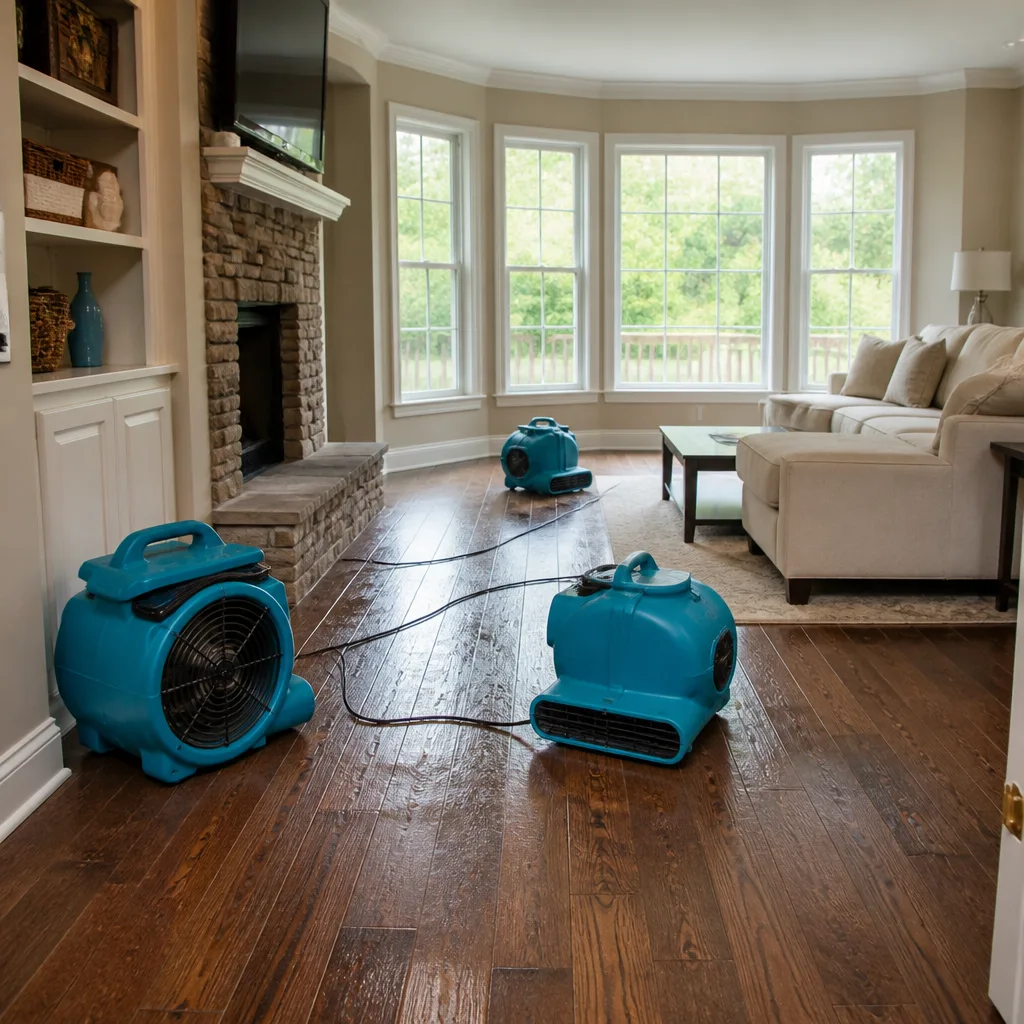
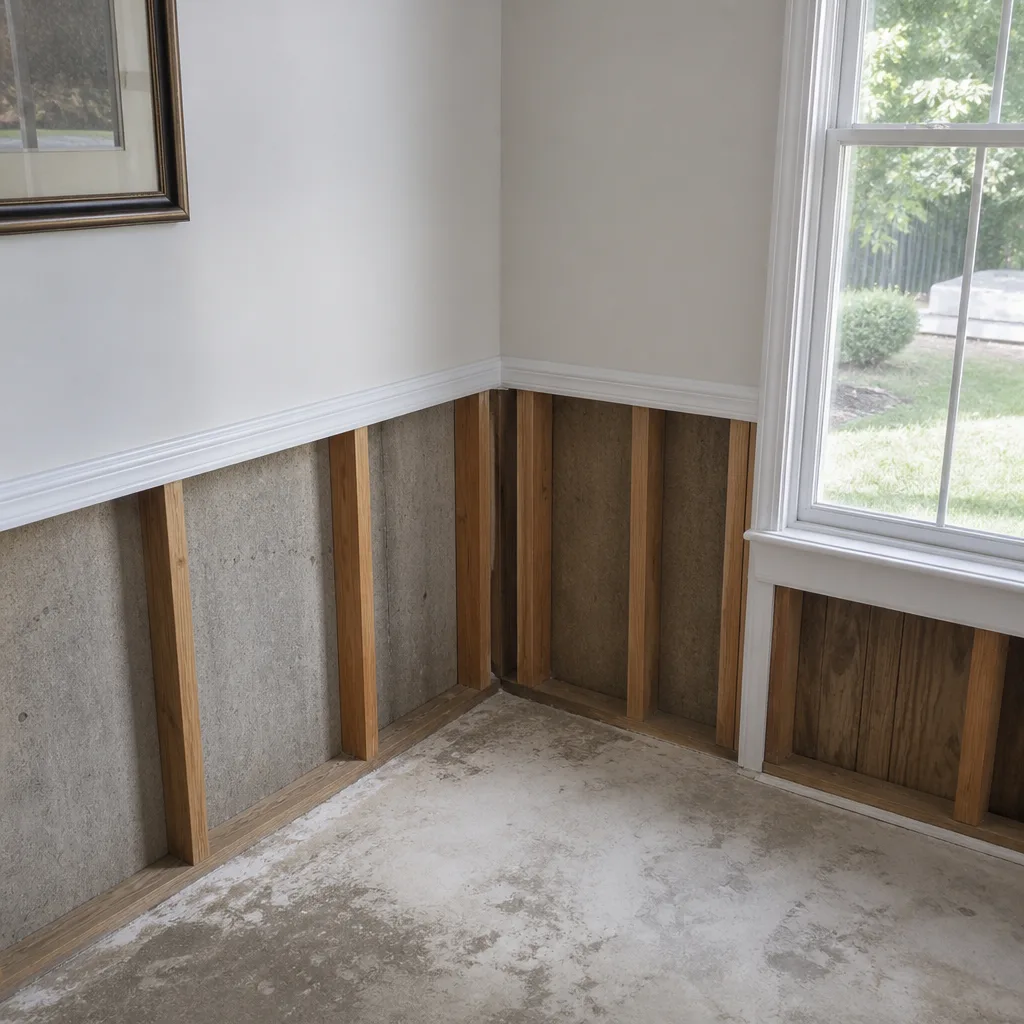
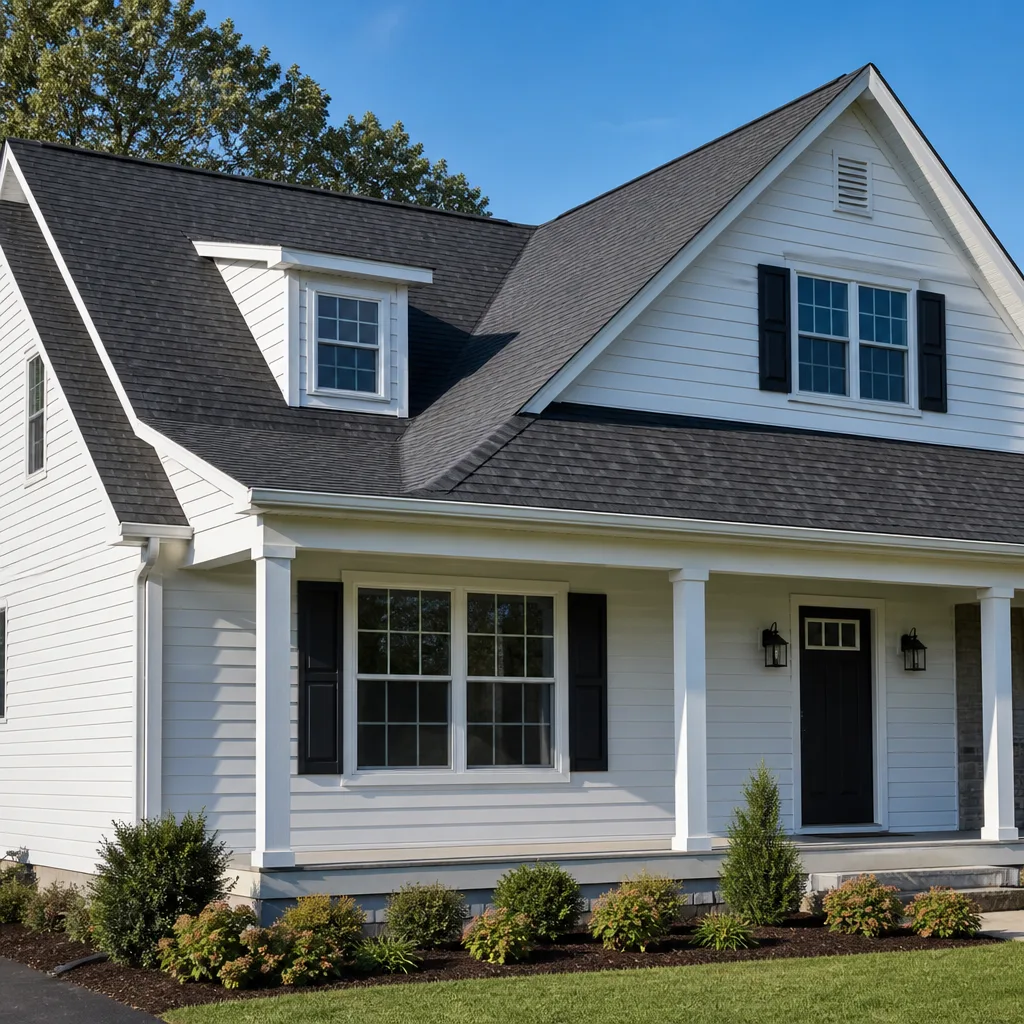
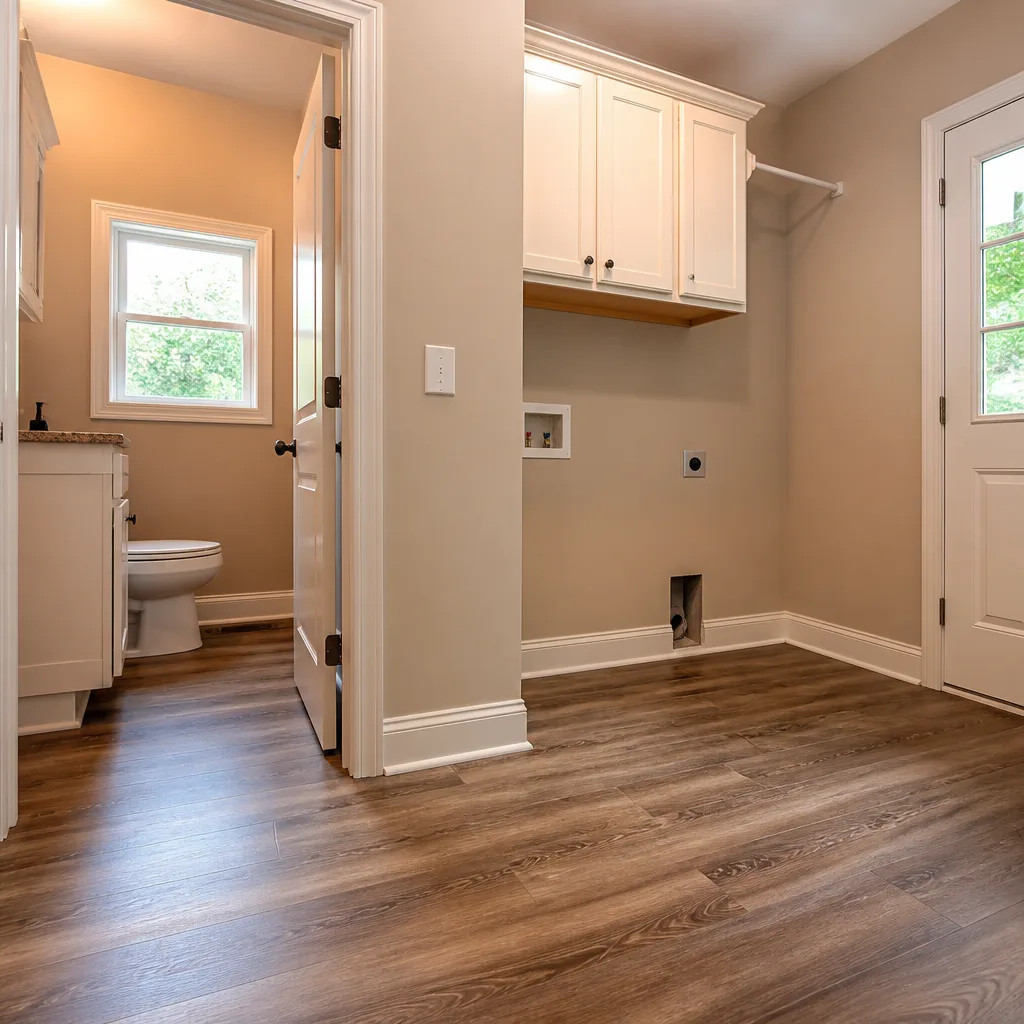
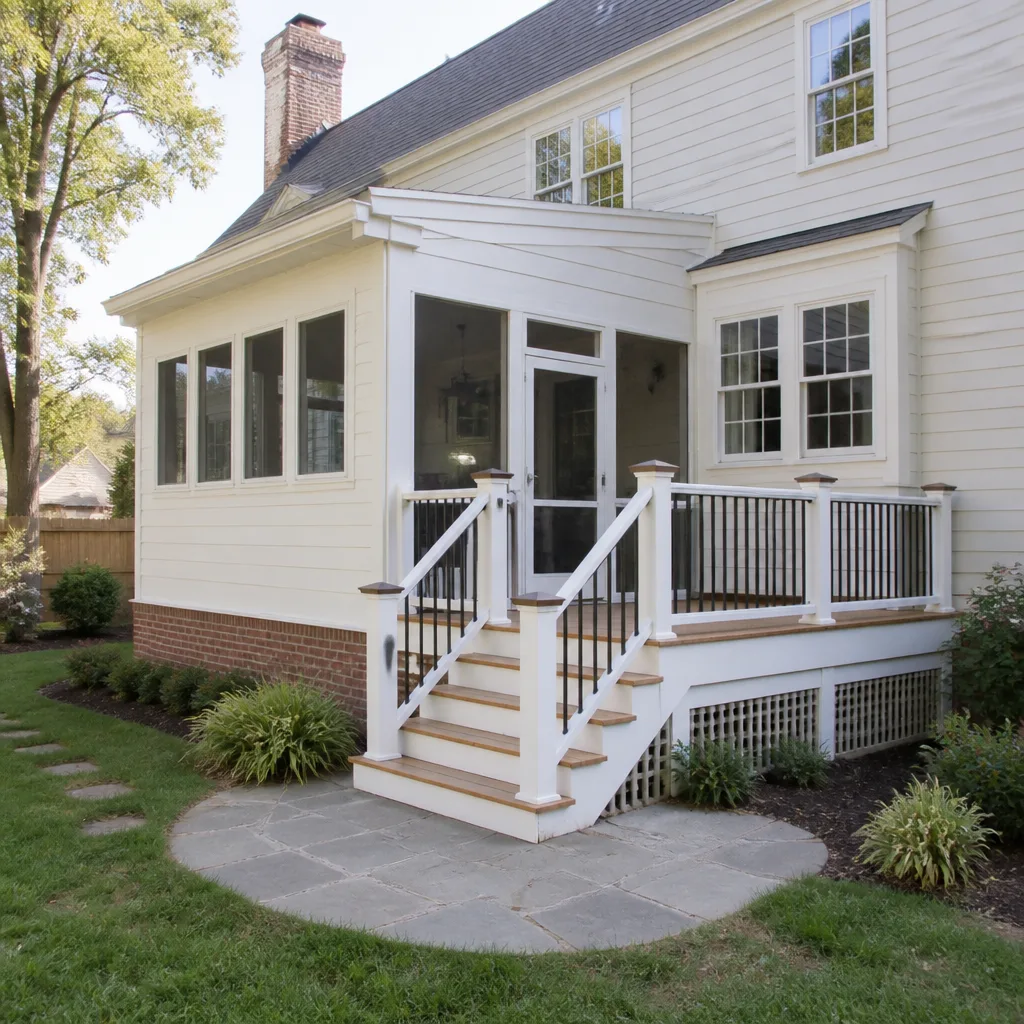
 Before
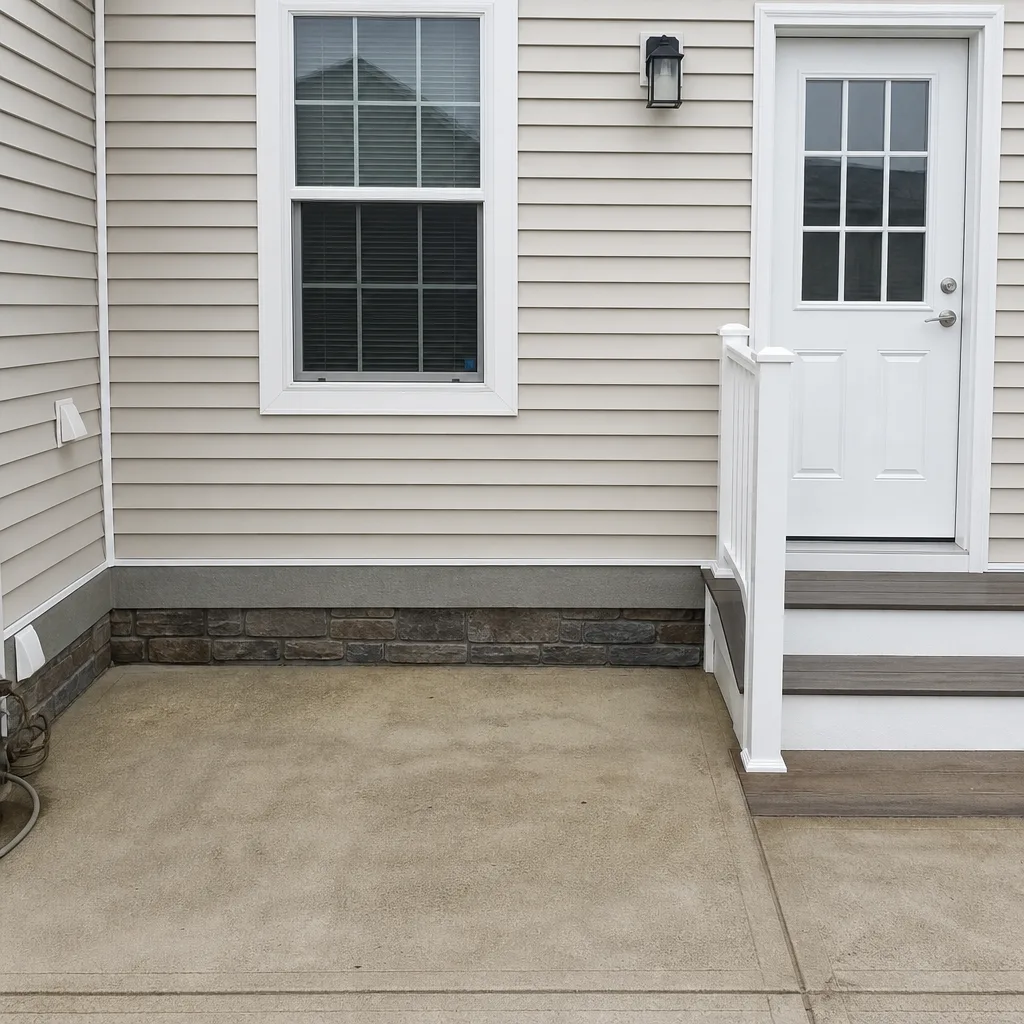 After
After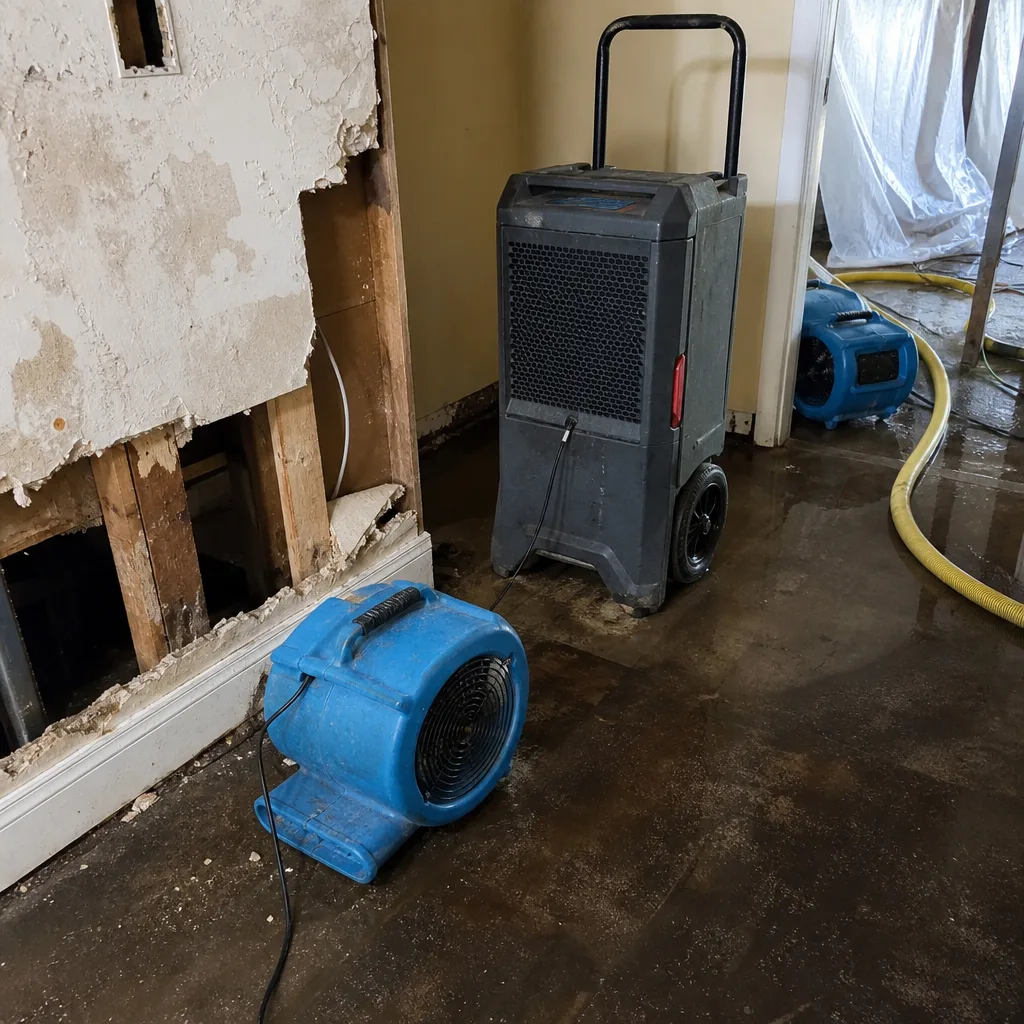 Before
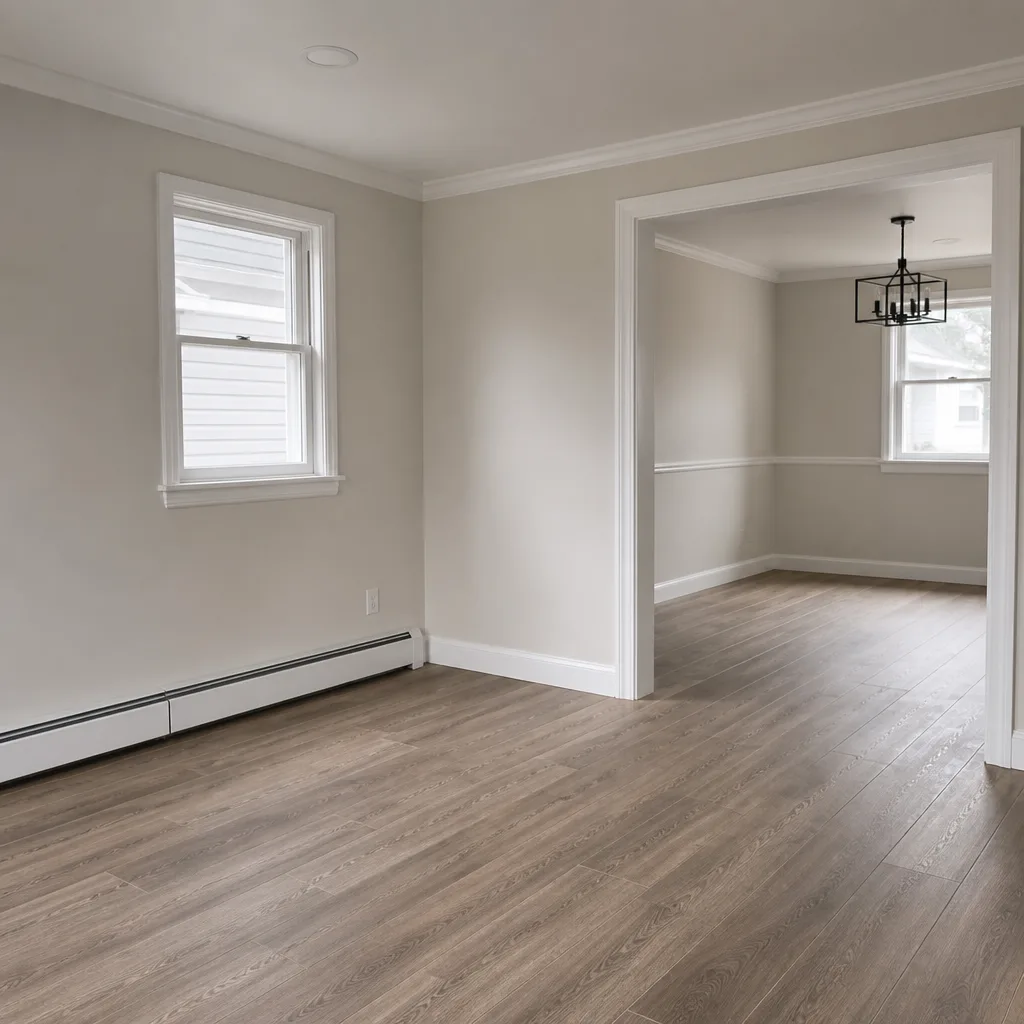 After
After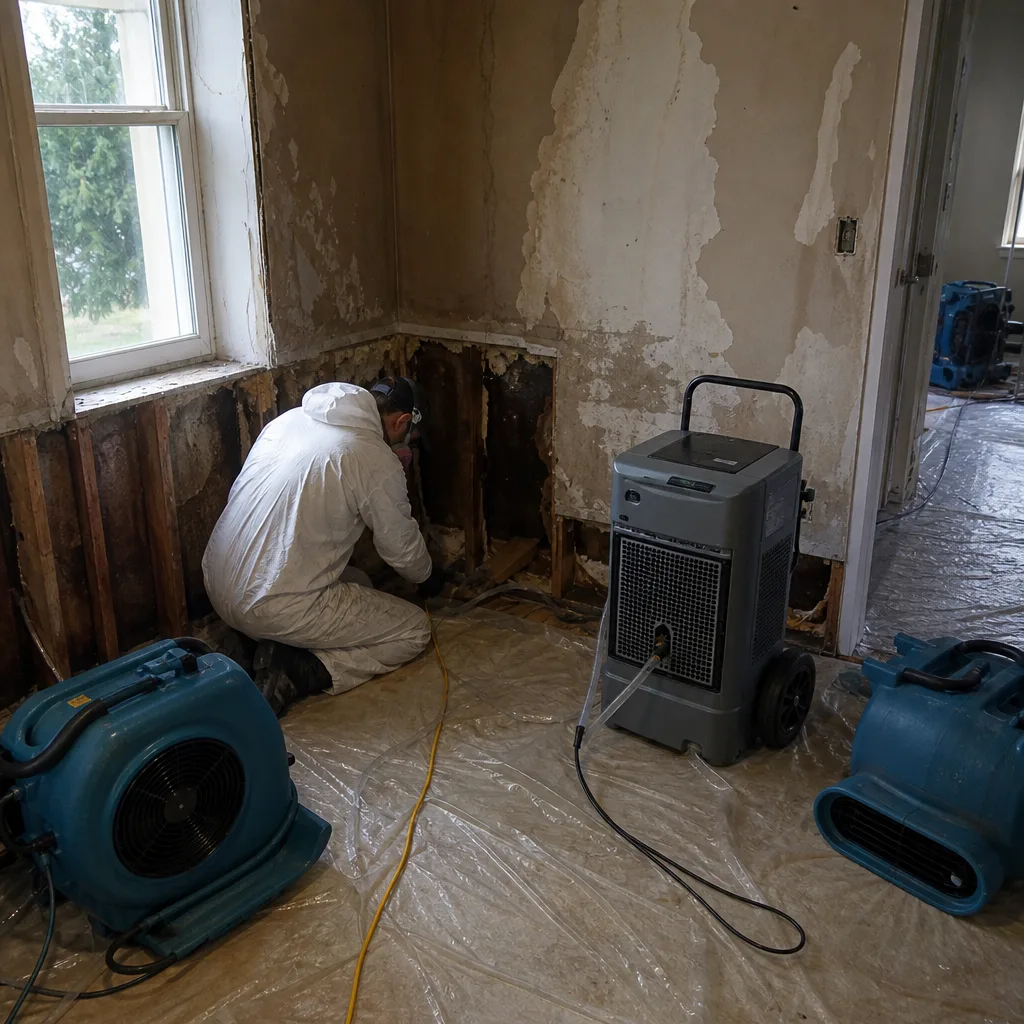 Before
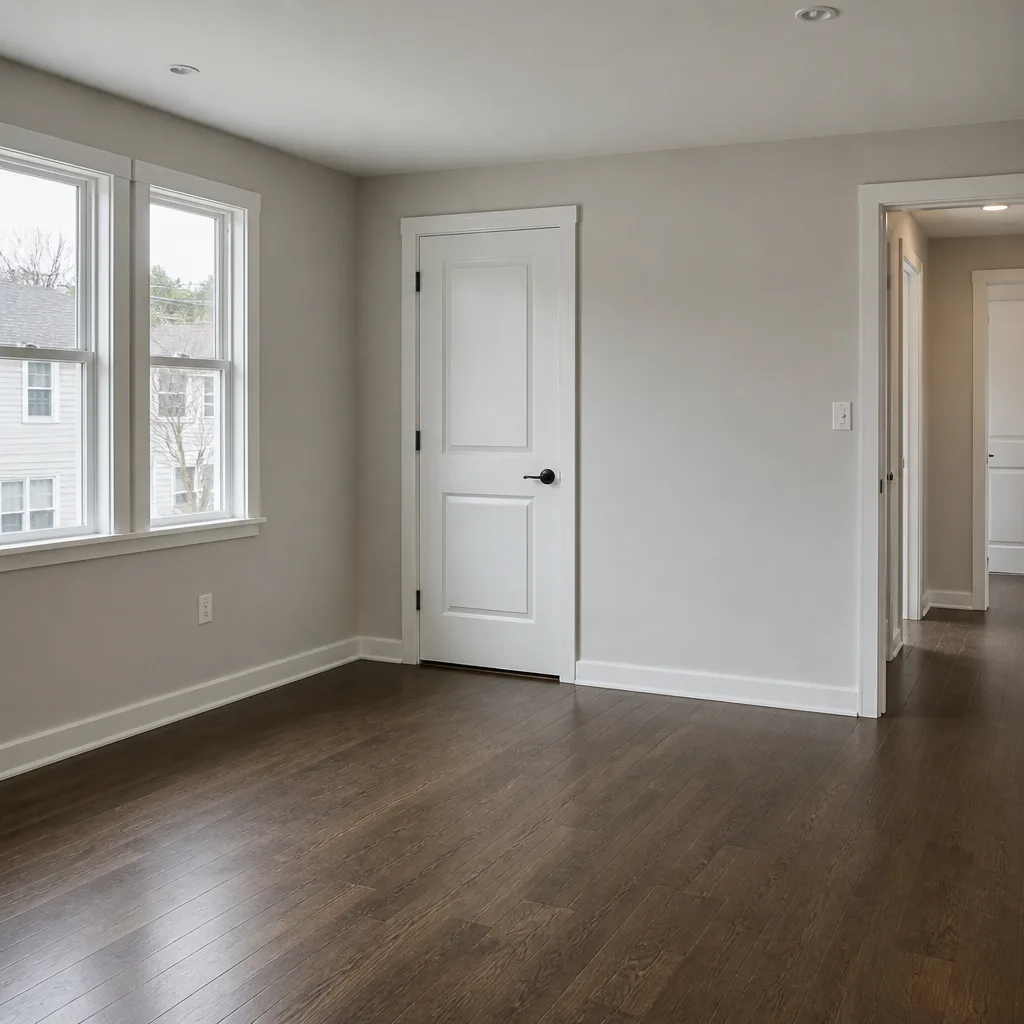 After
After24/7 Emergency Storm & Disaster Restoration in Fresh Meadows
Storm damage in Fresh Meadows doesn’t wait for business hours, so neither do we. Floodline Restoration Co. answers the phone with a live person at 2 a.m. on a Sunday, and a certified crew can be dispatched to 11365 or 11366 within 45 minutes. The first hour after wind-driven rain breaches a roof or a nor’easter backs up the sewer matters more than most homeowners realize: Category 1 rainwater becomes Category 3 sewage water fast, and wet drywall starts growing mold within 48 hours. Call (518) 627-5878 the moment you see water where it shouldn’t be. We do a free visual inspection, photo-document everything for your carrier, and start extraction the same visit whenever it’s safe. Curt Bowman founded this company around a dispatch board, not a sales desk. We’re built to move.
Understanding Storm & Disaster Restoration Severity in Fresh Meadows Properties
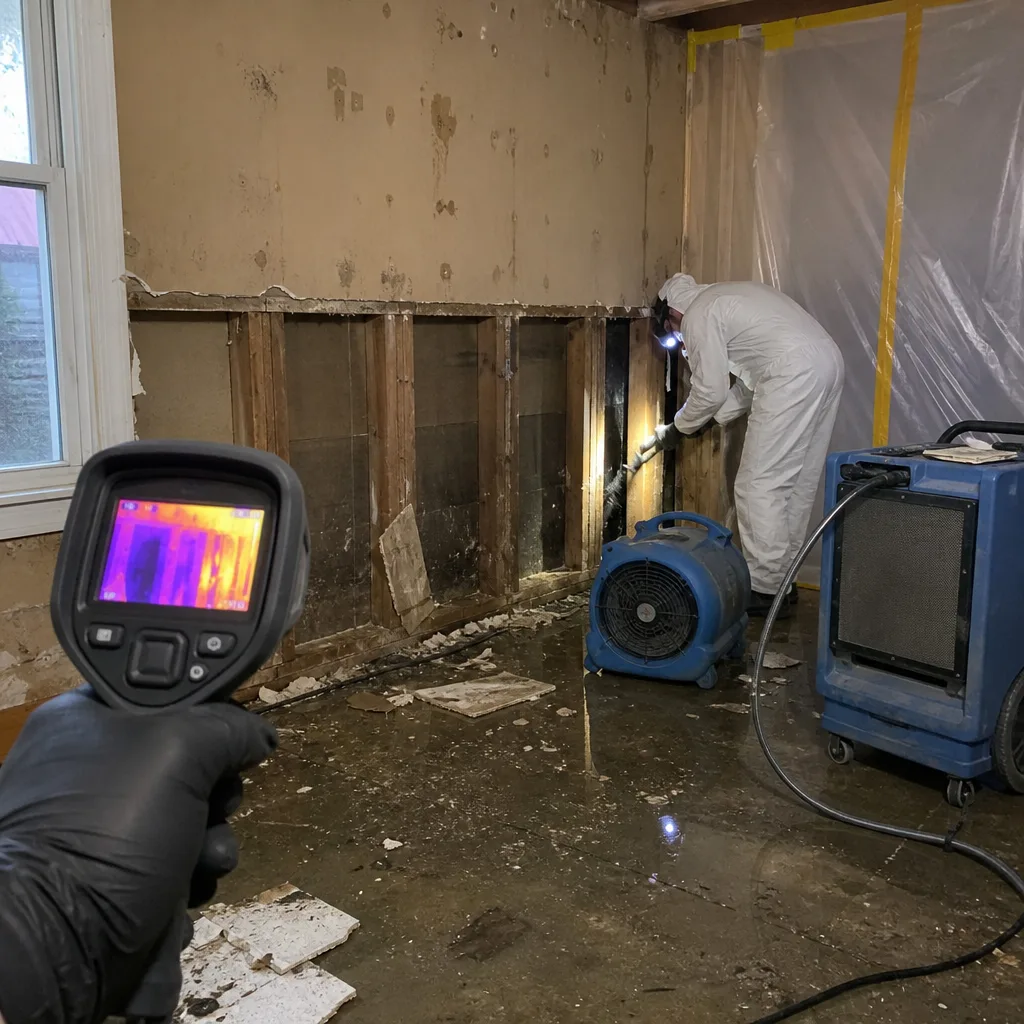
Storm restoration in Fresh Meadows splits into two worlds: the 1947-1949 New York Life garden apartments that define the neighborhood’s core, and the postwar Cape Cods and colonials ringing them. The garden apartments are three- and four-story brick buildings with flat roofs, shared plumbing risers, and concrete plank floors. Water doesn’t stay put in these buildings. A leak in a third-floor unit migrates through floor assemblies and shows up two floors down. Severity gets classified by water category and building material, not just square footage. Category 1 is clean rainwater that hasn’t touched contamination yet. Category 2 carries detergents or soil from roofs and floor surfaces. Category 3 is our biggest concern in Fresh Meadows: storm water that backs up through the neighborhood’s aging combined sewer into garden-apartment lower floors and single-family basement slabs. That’s sewage. Category 3 requires full extraction, removal of saturated porous materials, antimicrobial treatment, and controlled drying with negative air containment in occupied buildings. We map moisture with thermal imaging and hygrometers to find water inside wall chases and under flooring that never got wet on the surface. Then we test daily until the dry standard is met and document it in a log your insurer can read with you.
Why Fresh Meadows Property Owners Choose Floodline Restoration Co.
- 45-minute response commitment. We dispatch from our New York City office to Fresh Meadows neighborhoods fast, and a live person tells you exactly when the crew rolls.
- 24/7 live answer, no recording. No phone tree. A dispatcher picks up. It’s how we’ve run every day since 2010.
- IICRC-certified crews. Our technicians train to WRT, FSRT, and AMRT standards and show up background-checked and uniformed.
- Free visual inspection. We walk the damage with you, explain what we’re seeing, and give you a written scope before any work begins.
- Direct insurance billing. We deal with your adjuster, send documentation straight to the carrier, and you never play messenger.
- One team, start to finish. Same certified crew handles extraction, drying, asbestos assessment coordination, and reconstruction. No mid-job handoff.
Our Storm & Disaster Restoration Process
Inspection & Assessment
We arrive, walk the damage, and document everything with photos. In the New York Life complexes, we flag any demolition area that may contain original 1940s floor-tile mastic, pipe insulation, or joint compound for asbestos assessment before cutting begins.
Extraction & Stabilization
Standing water comes out first. For Category 3 sewage backup, that means full PPE, removal of contaminated porous materials, and proper disposal. We also handle emergency board-up and roof tarping to stop the source at the envelope.
Drying & Dehumidification
We set Dri-Eaz air movers, Phoenix dehumidifiers, and Injectidry systems in walls and under flooring where moisture hides. Hygrometers and thermal imaging map the moisture, and we complete daily readings until the dry standard is met.
Cleaning & Sanitization
HEPA air scrubbing runs in occupied buildings. Hard surfaces get cleaned and treated with antimicrobials when water category or contamination level calls for it. We keep negative air containment in place when the building’s party walls and shared chases make cross-contamination a risk.
Storm-Specific Treatment
For wind-driven rain failures in garden apartments, we trace the actual water path using the building’s original drawings when available. A blocked flat-roof drain routed through a wall chase reads like a mystery leak inside a second-floor unit until someone finds the hidden pipe path.
Repairs & Restoration
Once the structure is dry and the scope is written, our same crew rebuilds what needs rebuilding: ceiling assemblies, wall chases, flooring, trim. The 90-Day Done Right Promise covers the job in writing, with no arguing and no paperwork battles.
Need Emergency Storm & Disaster Restoration in Fresh Meadows Now?
Crews minutes away, answering live 24 hours a day. The sooner we start, the less it costs.
Working With Your Insurance Company
Storm claims in Fresh Meadows turn on documentation from the first hour. We photograph every room before we move anything, log moisture readings from day one, and write a line-item scope your adjuster can read without a decoder ring. Our team has handled hundreds of New York Life garden-apartment claims and single-family losses across 11365 and 11366, so we know what carriers ask for: proof of source, proof of containment, proof of drying, and a clear separation between storm damage and pre-existing conditions. We send it all directly to your carrier. You don’t sit on hold with a claims department while water sits in your floor.
What We Provide Your Insurer
- Thorough documentation of the loss
- Photos of all damage, room by room
- Moisture readings and drying logs
- A detailed, line-item scope of work
- Direct coordination with your carrier
Built for Fresh Meadows’s Loss Calendar
Fresh Meadows gets hit from four directions through the year. January and February bring deep freezes that burst supply lines in garden-apartment risers and single-family crawl spaces across 11365. Spring thaw and heavy April rains push groundwater into basements and overwhelm the aging combined sewer along Kissena Corridor, flooding lower-floor apartment units with Category 3 water. Summer in eastern Queens means intense convective storms that dump an inch of rain in twenty minutes; the flat roofs on the 1940s New York Life buildings can’t shed water that fast, and we see interior leaks at wall chases and ceiling assemblies every storm season. Fall nor’easters drive wind in from the Atlantic and tear at the low-slope roof membranes and older windows across the neighborhood. When we respond in Fresh Meadows after a nor’easter, we expect three things: roof drainage blocked with leaves, wind-driven rain saturating brick party walls, and basements backing up through floor drains. Knowing the calendar means we show up with the right equipment and the right questions already answered.
DEPTH LAYER
Storm & Disaster Restoration Across Fresh Meadows’s Neighborhoods
The New York Life complex between 188th Street and Utopia Parkway is the heart of our storm work in Fresh Meadows. Those three- and four-story brick buildings share roof drainage, wall chases, and party walls, so a blocked drain on one roof sends water into units three stairwells away. We also run storm response along Horace Harding Expressway’s service roads, where the postwar Capes and colonials have basement slabs that sit below the combined sewer line during heavy rain. In the 11366 section near Cunningham Park, street flooding around Francis Lewis Boulevard and 73rd Avenue feeds water into foundation walls and window wells. Over by the Fresh Meadows Shopping Center area, we see commercial flat roofs with ponding water after summer thunderstorms. Each pocket of the neighborhood has its own failure pattern, and we’ve learned them by responding to them. A crew that only knows Queens from a map gets lost in a New York Life stairwell. We don’t.
Specialized Storm & Disaster Restoration Services We Offer in Fresh Meadows
Storm Damage Cleanup
Storm water that breaches a roof, window, or foundation moves through a Fresh Meadows apartment or house fast. We remove standing water, identify the water category, and extract soaked porous materials. For garden apartments, that often means coordinating with building management and running containment so neighboring units aren’t exposed while we work.
Flood Damage Restoration
When the combined sewer backs up into a 11365 basement or a lower-floor garden apartment, you’re dealing with Category 3 water. We classify it correctly, remove contaminated materials, treat the remaining structure, and dry to the exact standard your insurer needs. Treating sewage as clean rainwater is how homes get moldy and claims get denied. We don’t do that.
Emergency Board-Up
A tree branch through a window on 73rd Avenue or a wind-blasted door off its hinges on 188th Street leaves your home open to weather, theft, and animals. We board and secure openings the same day, using proper fastening methods that don’t add damage. Your insurer sees the photos, and you see a secure home.
Roof Tarping
Fresh Meadows flat roofs don’t tarp the same way a pitched colonial roof does. On a New York Life building, we secure the membrane around the failed area, tape seams for a temporary watertight seal, and stop the water at the source. Then we trace the actual drain path before anyone cuts drywall. The mystery leak in that second-floor unit usually starts on the roof.
Debris Removal
Nor’easters and summer microbursts leave branches, shingles, and garbage throughout 11365 and 11366. We remove storm debris that threatens your structure or blocks your access, document it for your claim, and dispose of it properly. Enough debris left behind invites secondary water intrusion and pest problems. It comes out on day one.
What happens when you call
- 1
A real person answersNo phone trees - you reach a local pro.
- 2
You get an upfront price rangeHonest numbers before anyone is dispatched.
- 3
A background-checked tech heads outLicensed & insured, dispatched right away.
- 4
You approve before work beginsNothing starts until you say go.
Storm & Disaster Restoration Costs in Fresh Meadows, NY
Storm damage restoration in Fresh Meadows runs in real ranges, and you should know them before you call anyone. A simple Category 1 water extraction from a roof leak in a single-family Cape on a quiet side street off 188th Street typically runs $1,800-$3,200, including drying and basic repairs. A Category 3 sewer backup in a garden-apartment lower floor runs higher, often $4,500-$11,000, because contaminated materials get removed, not dried, and containment and antimicrobial treatment add labor and disposal costs. Roof tarping in Fresh Meadows runs $450-$900 for a standard single-family home, more for a New York Life building where the membrane patch needs to cover a larger failed area and hold against winter winds. Emergency board-up starts around $300-$600 per opening. What moves the price: water category, square footage, how many floors got wet, whether demolition triggers asbestos assessment, and whether reconstruction work is needed after drying. Insurance covers most storm-related losses; your out-of-pocket is usually your deductible. The free visual inspection gives you a firm written scope before any work begins. Call (518) 627-5878 and we’ll put numbers to your specific loss.
We Also Serve Cities Near Fresh Meadows
Our crews cover Fresh Meadows and the surrounding eastern Queens neighborhoods: Hollis, Oakland Gardens, Forest Hills, and Queens Village. If you’re in one of those areas and storm water just came through your roof or basement, call us and a live person picks up.
Fresh Meadows Storm & Disaster Restoration Questions, Answered
Does storm damage restoration in Fresh Meadows garden apartments require asbestos testing before any demolition?
Yes, in nearly every case. The original 1940s New York Life buildings contain floor-tile mastic, pipe insulation, and joint compound that predates the 1980s asbestos ban. Before any demolition, we order an asbestos assessment of the affected materials. If it comes back positive, an abatement crew handles removal under proper containment before our restoration work proceeds. Skipping this step is how you get a stop-work order and a potential exposure incident.
Why does water from a Fresh Meadows roof leak often appear inside a second-floor unit with no visible exterior damage?
Because of the way the 1940s New York Life buildings route flat-roof drains through interior wall chases. A blocked roof drain sends water down the concealed pipe path, where it reads as a leak inside a lower-floor unit while the roof surface looks dry. Our crews pull the building’s original construction drawings when they’re available and trace the actual water path before cutting into drywall. The visible leak is rarely where the problem starts.
What is the typical protocol for sewage-contaminated storm water in 11365 and 11366 basements?
Sewage-contaminated storm water is Category 3, and it gets removed, not dried. We extract standing water, remove saturated porous materials like drywall, carpet, and insulation, treat remaining hard surfaces with antimicrobials, and run HEPA air scrubbing and containment until the space is clean and dry. Drying Category 3 water in place leaves pathogens in your walls and floors. It’s a health risk, and it’s how mold gets a head start.
Can you board up or tarp a Fresh Meadows garden apartment quickly after a wind event?
Yes. Our crews respond within 45 minutes of the call and carry board-up material and tarping supplies on the truck. For a garden apartment, we coordinate with building management to access roof areas and shared spaces, and we photo-document every step for the carrier. The goal is the same for a single-family house or a three-story complex: stop the water at the source and secure the opening before the next rain.
How quickly should I call after storm water enters my Fresh Meadows unit to prevent mold?
Call within the first hour if you can. Mold starts growing on wet drywall and porous materials within 48 hours, but the real clock starts as soon as water touches those surfaces. The sooner extraction starts, the less material gets removed and the lower your total restoration cost. In Fresh Meadows garden apartments, shared walls and concrete plank floors mean moisture can spread to neighboring units faster than a single-family house, which compresses the window further.
Will my homeowner’s insurance cover storm damage restoration in Fresh Meadows?
Most standard policies cover wind, rain, and storm-related water intrusion, including sewer backup when you carry the endorsements. The exact coverage depends on your policy and the source of water. We document everything from the first hour and send the complete file to your adjuster: photos, moisture logs, line-item scope, and our dry-standard readings. Direct carrier billing means you don’t front the claim and chase reimbursement on your own.
How long does storm damage drying take in a Fresh Meadows garden apartment versus a single-family home?
A standard Category 1 water loss in a single-family colonial usually dries in 3 to 5 days with professional equipment. A garden apartment often takes longer, 4 to 7 days or more, because concrete plank floors and shared masonry hold moisture longer and you’re dealing with party walls and concealed chases. We run Dri-Eaz air movers, Phoenix dehumidifiers, and Injectidry systems as needed, reading moisture daily until the dry standard is met. We give you the log to share with your carrier.
What certifications do your Fresh Meadows storm restoration crews hold?
Our technicians are trained to IICRC standards including WRT (Water Damage Restoration Technician), FSRT (Fire & Smoke Restoration Technician), and AMRT (Applied Microbial Remediation Technician). They’re also background-checked, uniformed, and trained to RIA and IFA standards. The same certified crew that extracts water on day one is the crew that dries your home and rebuilds it. No subcontractor handoffs.
Serving Fresh Meadows, NY - Our Local Coverage Area
We’re based in the Fresh Meadows area and know this community well. Use the map below to see our service coverage - if you’re nearby, we can almost certainly help.
Call Floodline Restoration Co. for Storm & Disaster Restoration in Fresh Meadows
Storm damage in Fresh Meadows rewards speed with a smaller repair and penalizes waiting with mold, structural damage, and a harder insurance conversation. Our Storm & Disaster Restoration team has handled the specific failure patterns of the 1940s New York Life complexes, the postwar single-family homes off 188th Street and Utopia Parkway, and the commercial strips along Horace Harding. We answer the phone with a person, every hour of every day. The call is free, the visual inspection is free, and the written scope comes before any work begins. Call (518) 627-5878 now. We’ll be there when we say.
Written by Curt Bowman, Owner at Floodline Restoration Co., serving Fresh Meadows and surrounding Queens neighborhoods since 2010.