
Free visual inspection and a written scope of work before any mitigation begins - photos, moisture readings, and drying logs go in your claim file
The scope we write is the scope we bill. Anything new gets shown to you, in writing, before we touch it.
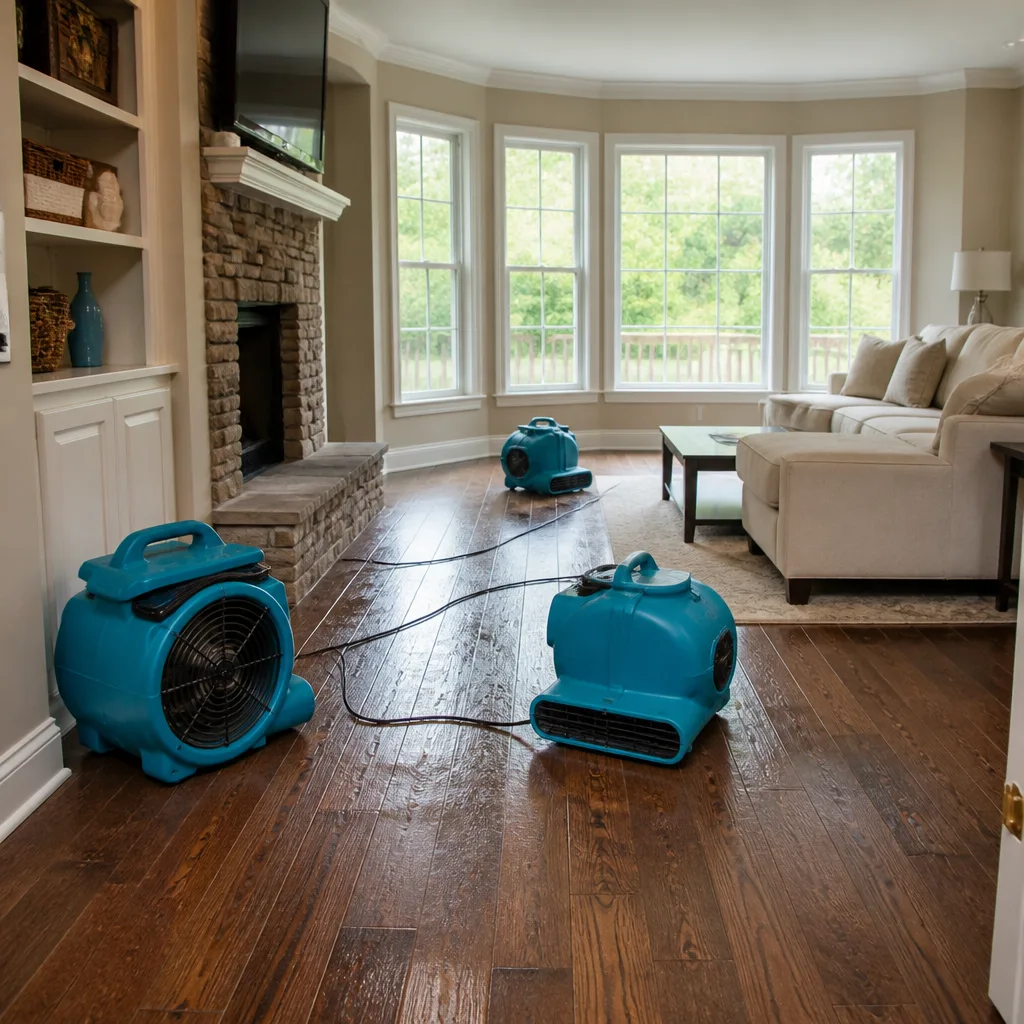
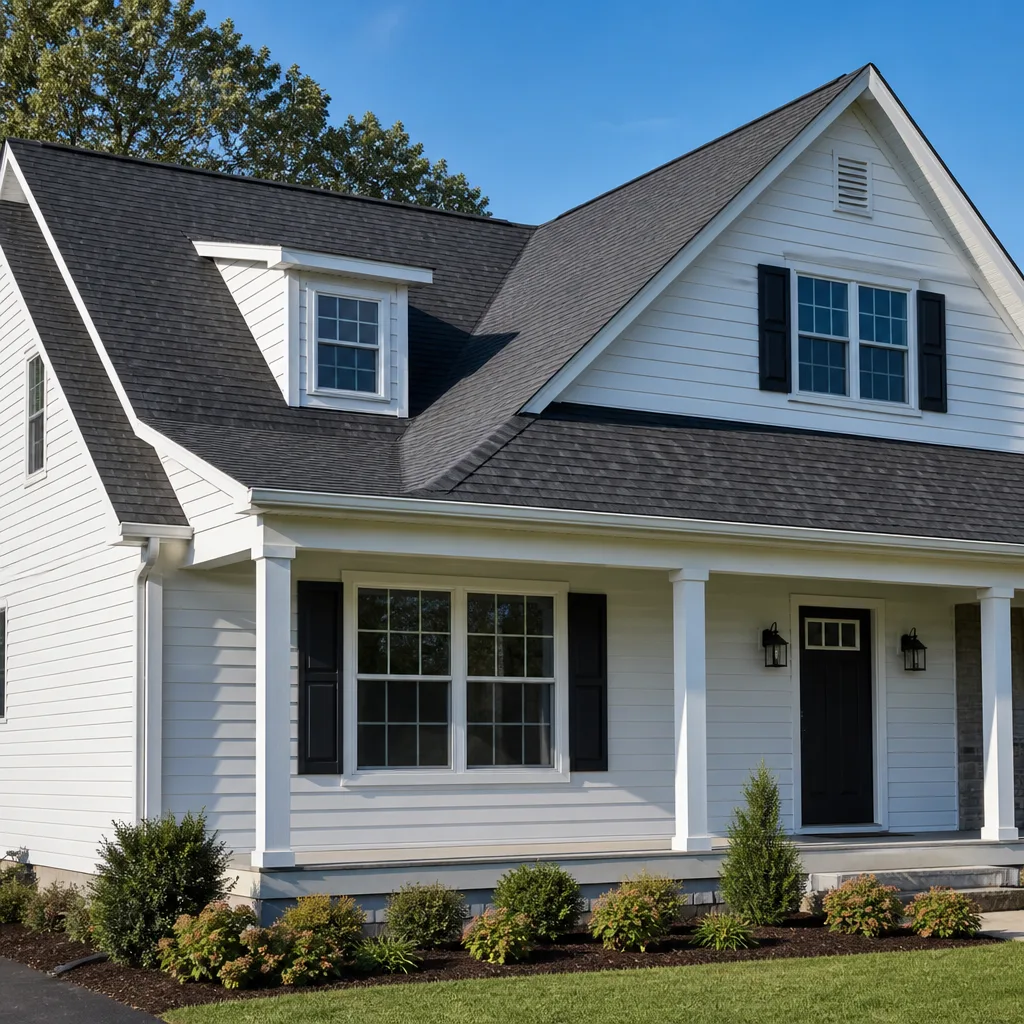
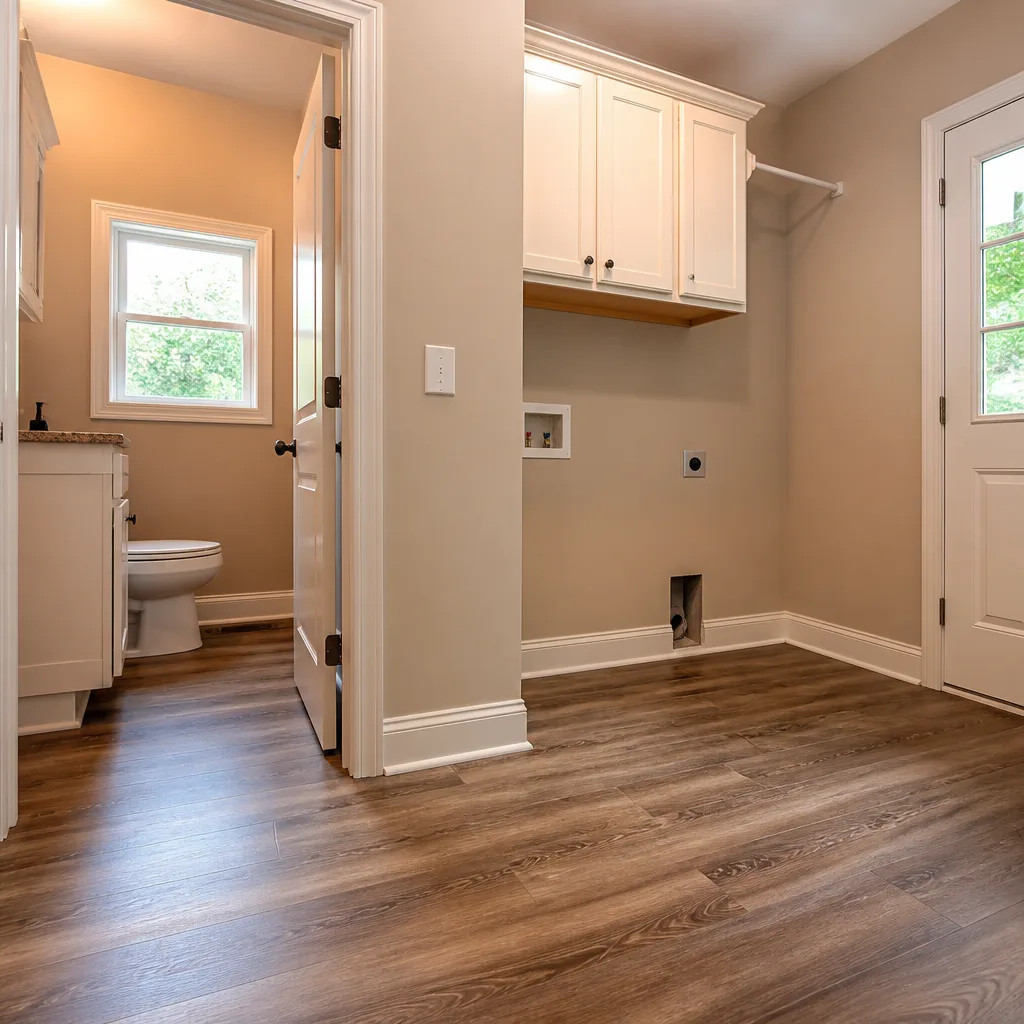
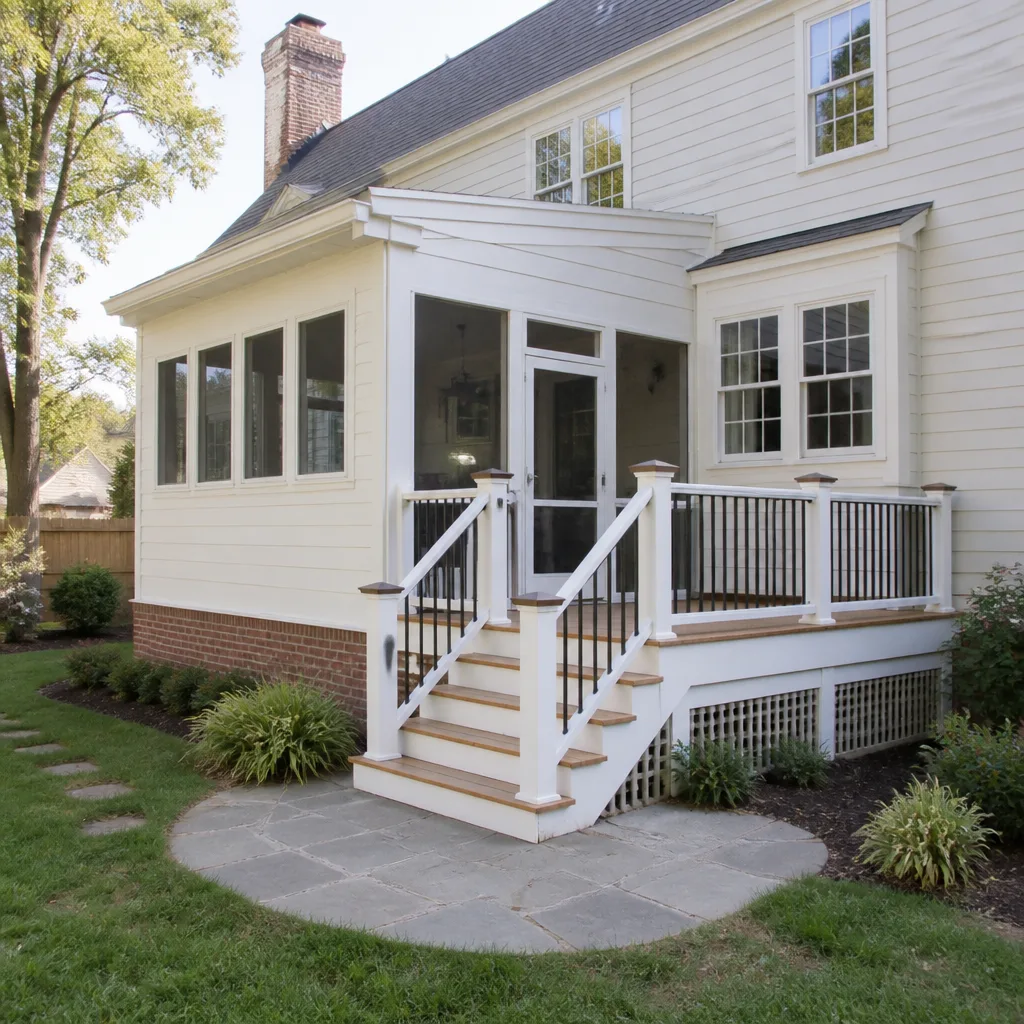
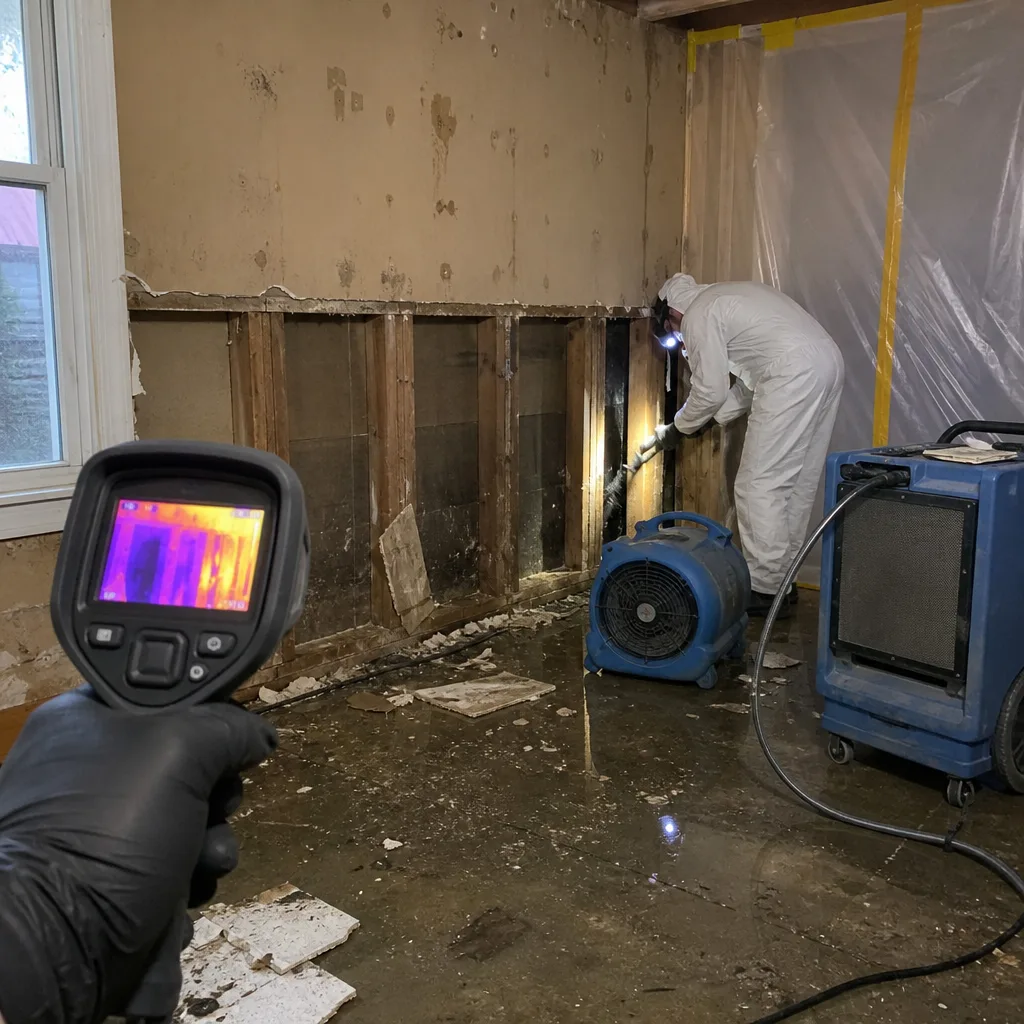 Before
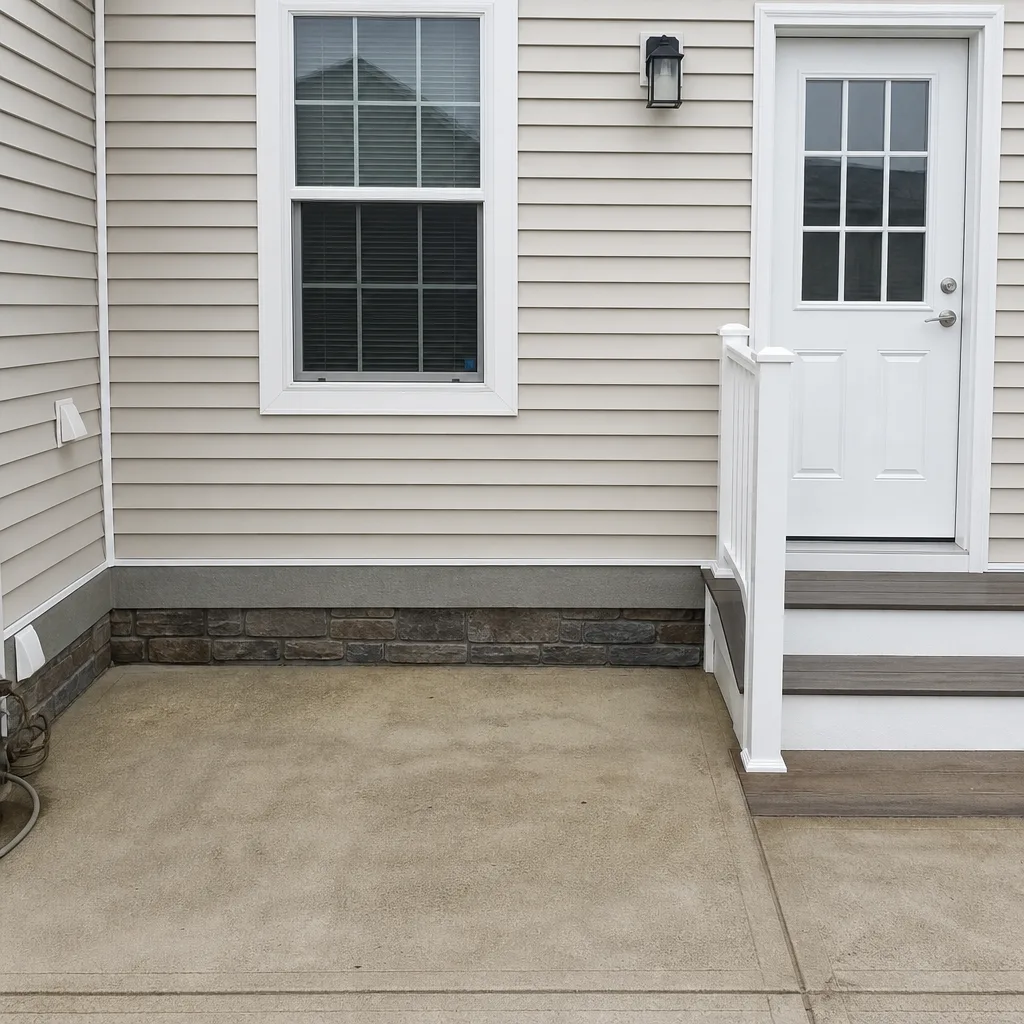 After
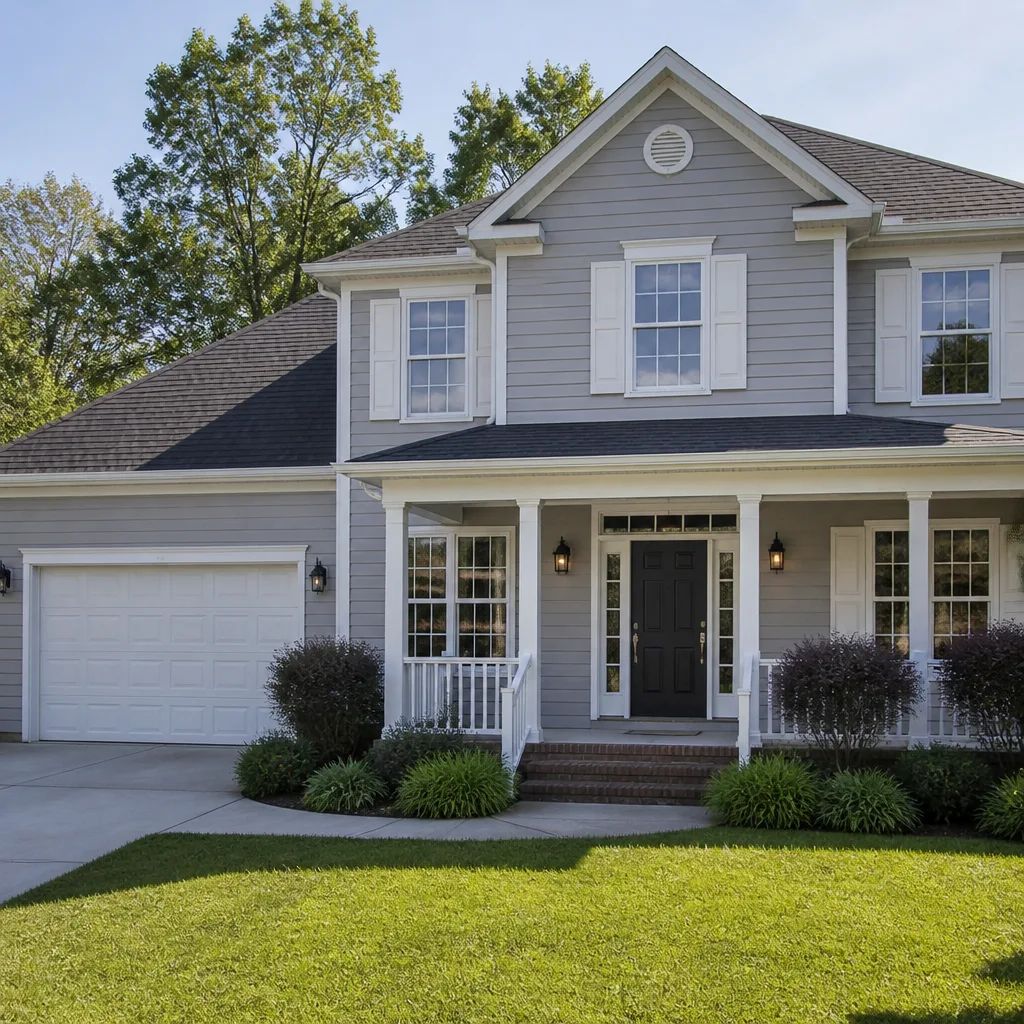
After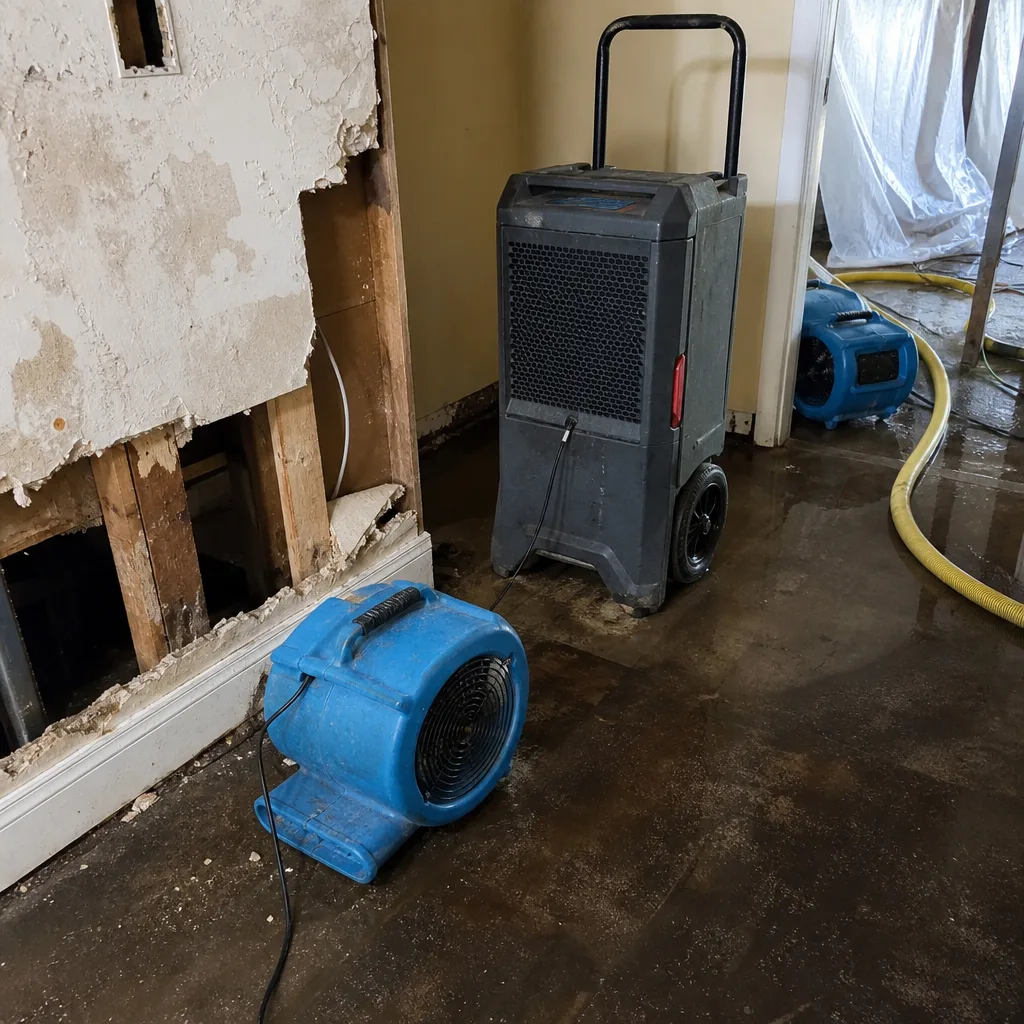 Before
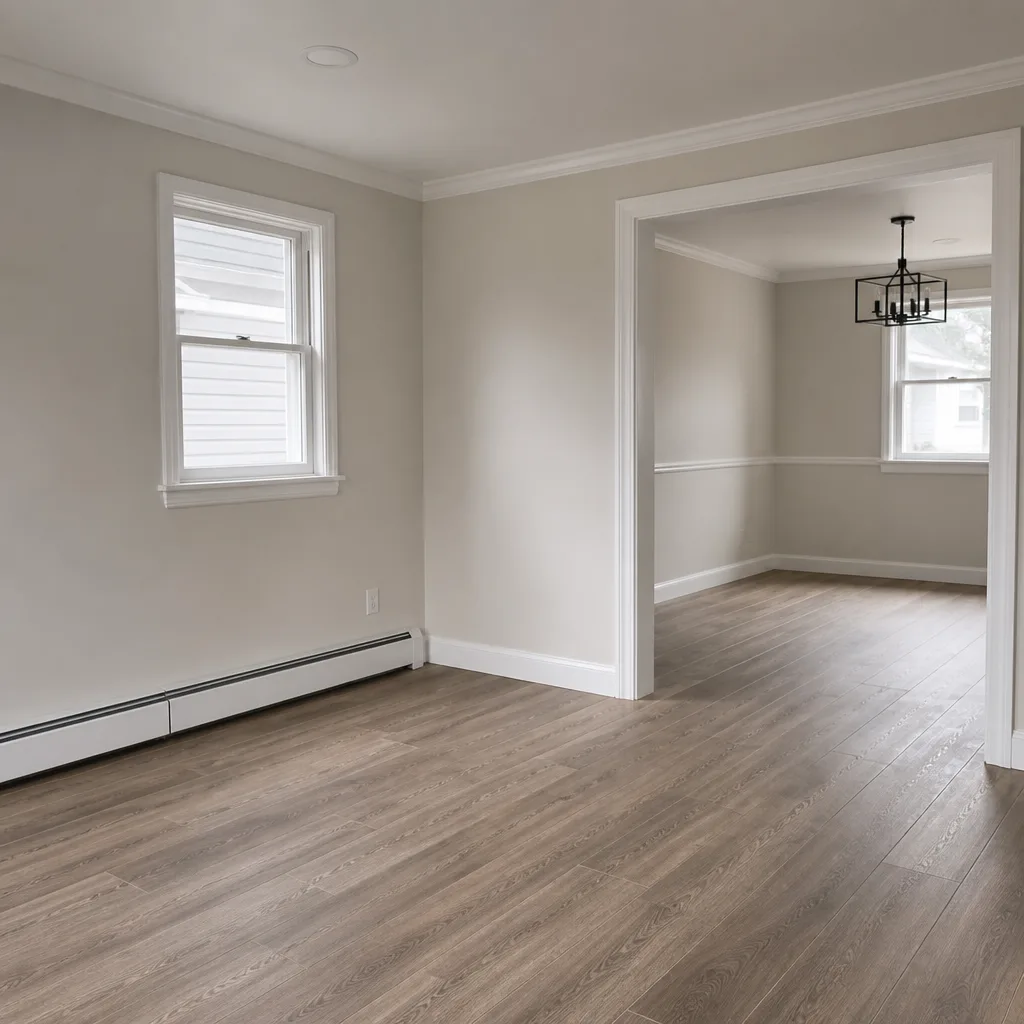 After
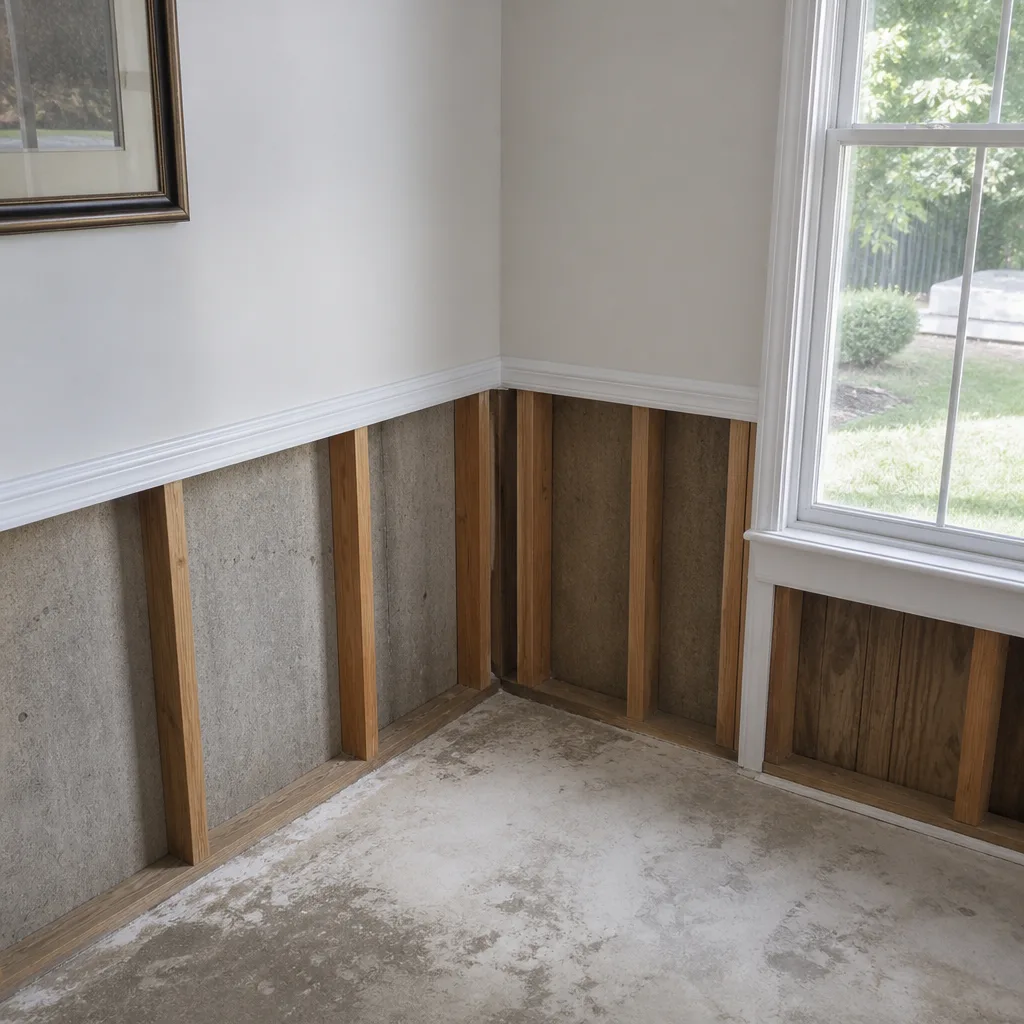
After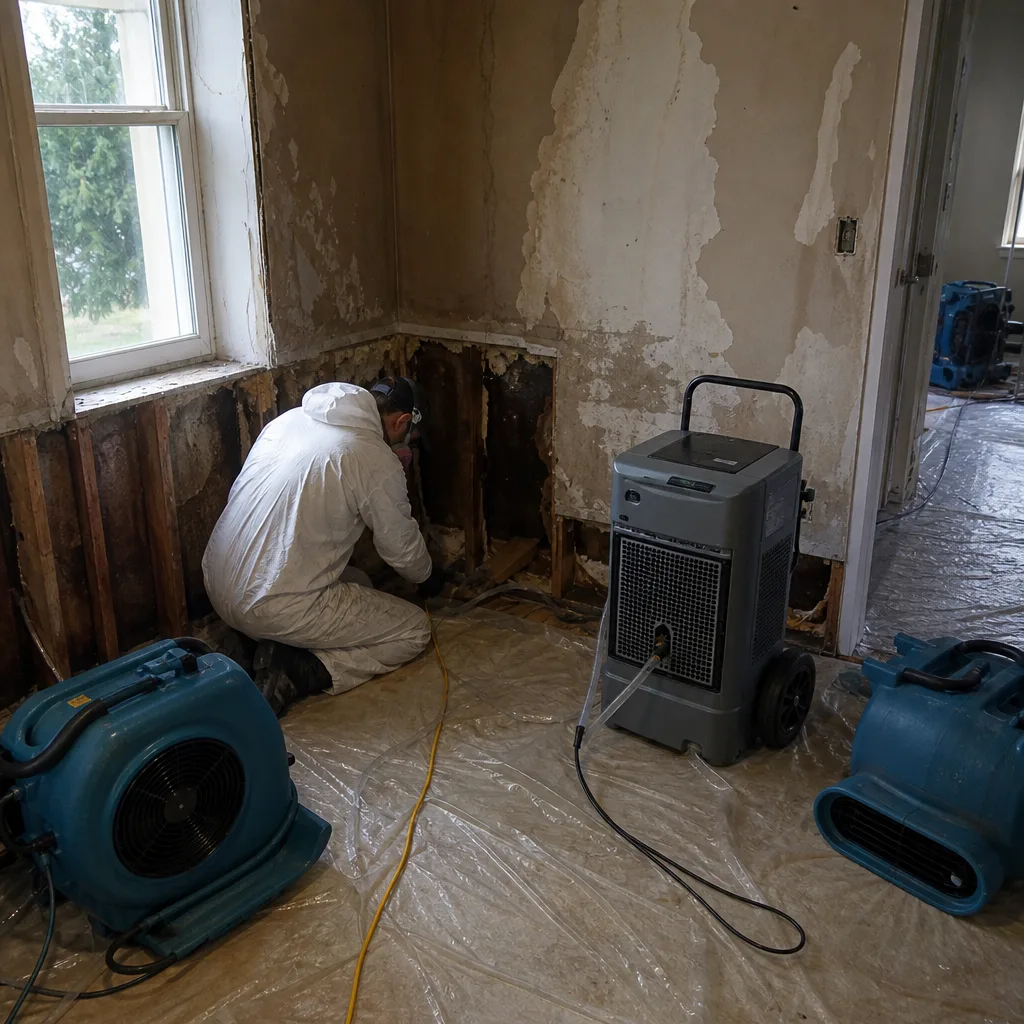 Before
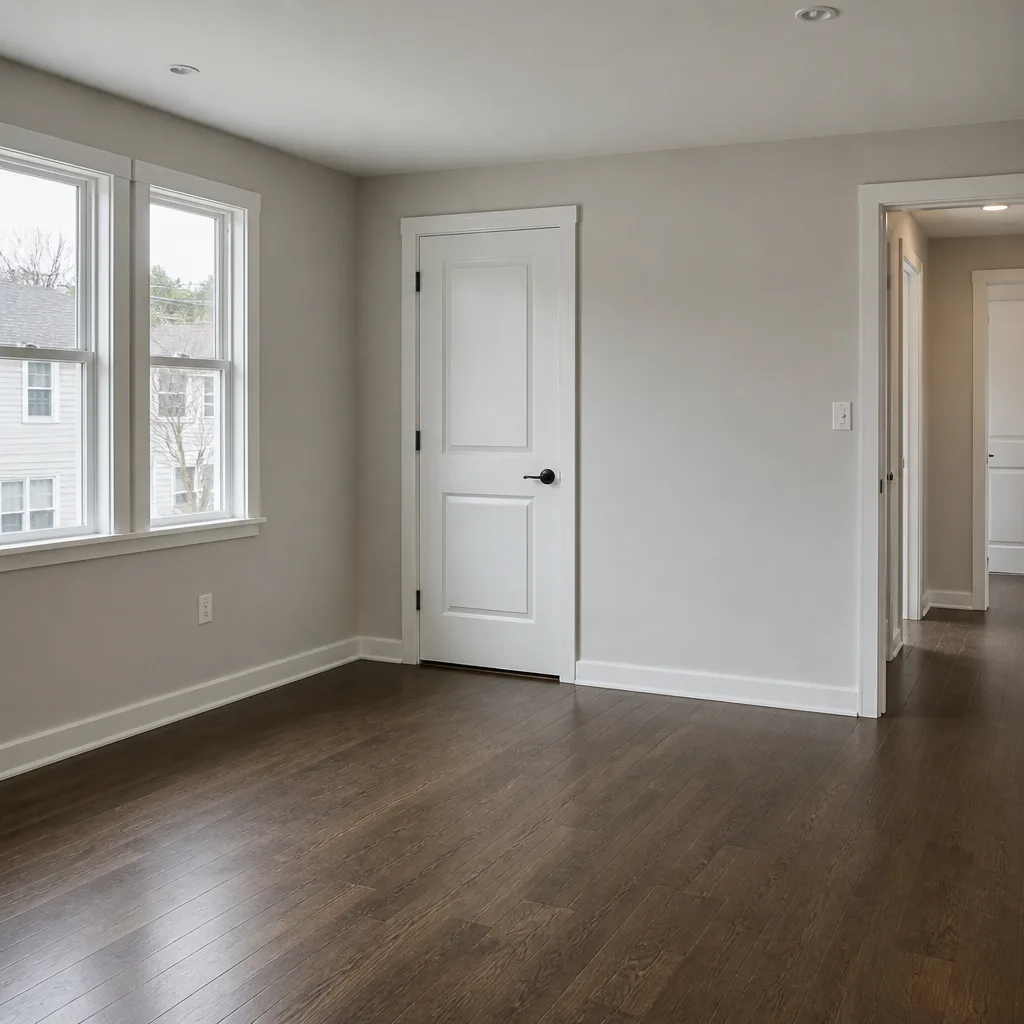 After
After24/7 Emergency Storm & Disaster Restoration in Queens Village
Storm and disaster restoration in Queens Village starts with one call to (518) 627-5878. A live dispatcher answers at 2 a.m. the same way they answer at noon, and a certified crew is dispatched into 11427, 11428, or 11429 immediately. The first hour after a nor’easter backs Category 3 water through your basement floor drain or wind shear peels flashing off your 1930s roofline is when the damage is still containable. Our Storm & Disaster Restoration team arrives fast, runs a free visual inspection, and starts extraction on the same visit. Not the next day. Same visit.
Understanding Storm & Disaster Restoration Severity in Queens Village Properties
Queens Village’s housing stock changes the math on storm damage. The 1920s to 1950s semi-detached and row homes that dominate 11427 through 11429 share masonry party walls, and water does not respect a property line. A backed-up combined sewer that floods one finished basement will wick into the neighbor’s framing through original horsehair plaster, galvanized supply lines, and the shared brick partition. That means Category 3 water, the sewage-contaminated kind, is often present in two homes before anyone realizes the wall cavity is wet. We run moisture mapping with thermal imaging and hygrometers before a single sheet of plaster comes down, because guessing at the dry standard in a house with unpermitted basement alterations and aging cast-iron stacks is how mold gets a 48-hour head start. NYC Department of Buildings rules also require asbestos and lead-paint testing prior to demolition in these older homes, so the severity assessment happens inside a regulatory frame that Nassau County, just blocks east, simply does not have.
Why Queens Village Property Owners Choose Floodline Restoration Co.
- 45-minute response commitment for Queens Village calls. We dispatch locally, and our crews know the routes from Hillside Avenue down to Jamaica Avenue without a map.
- A live person answers the phone, 24/7. No automated system, no call-back queue. You reach a dispatcher who can move a crew immediately.
- IICRC-certified crews. Our technicians carry WRT and FSRT certifications and work to the RIA and IFA standards, so the drying log holds up to adjuster scrutiny.
- Free visual inspection. We walk the damage, explain what we’re seeing in plain language, and hand you a written scope before any work begins.
- Direct insurance billing. We coordinate with your carrier directly. You are not the messenger between Floodline and the adjuster.
- One team, start to finish. Extraction, drying, and reconstruction are handled by the same certified crew. No mid-job handoff, no inherited subcontractor.
Our Storm & Disaster Restoration Process
Inspection & Assessment
We document every wet surface, run moisture mapping through shared party walls, and check for NYC DOB permit triggers before anything gets disturbed. The written scope you receive matches what the adjuster sees.
Extraction & Stabilization
Category 3 floodwater comes out first with truck-mounted extraction units. We then stabilize the structure with emergency board-up or roof tarping if the storm opened the envelope.
Drying & Dehumidification
Dri-Eaz, Phoenix, and XPOWER air movers plus commercial dehumidifiers run on a calculated drying chamber. Daily moisture readings are logged until the dry standard is met, and the log goes to you and your carrier.
Cleaning & Sanitization
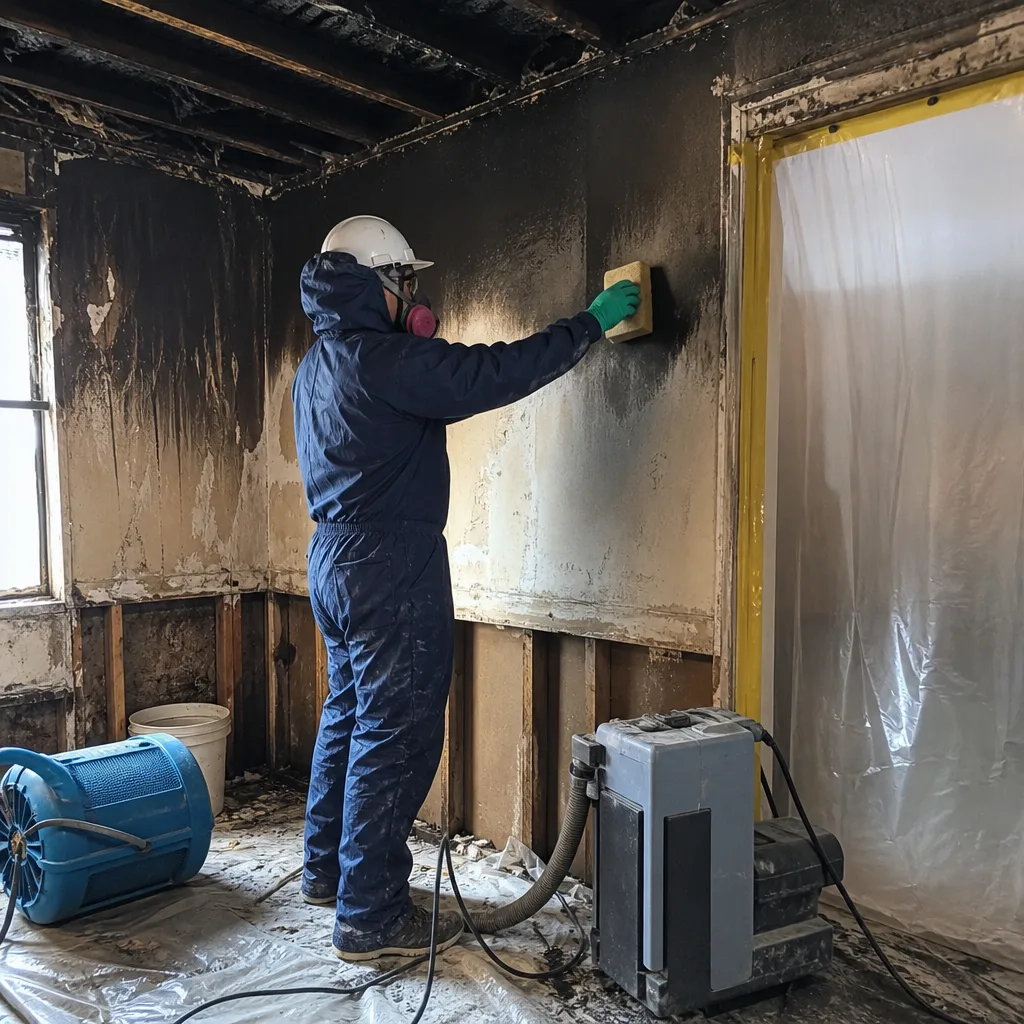
HEPA air scrubbers run during containment, antimicrobial treatments are applied where Category 3 water was present, and salvageable contents are cleaned or packed out. Nothing gets painted over; it gets cleaned first.
Storm-Specific Specialty Treatment
Wind damage repairs, roof tarping, debris removal, and structural drying in shared-wall cavities. We file the DOB paperwork, run the asbestos and lead testing, and coordinate the neighbor’s adjuster when the wall is wet on both sides.
Repairs & Restoration
The same crew that ran the moisture map rebuilds what needs rebuilding, from plaster and drywall to flooring and trim. The 90-Day Done Right Promise is in writing before we leave.
Need Emergency Storm & Disaster Restoration in Queens Village Now?
Crews minutes away, answering live 24 hours a day. The sooner we start, the less it costs.
Working With Your Insurance Company
Storm and disaster claims in Queens Village move faster when the documentation is built from the first hour. We photograph every room, log every moisture reading, and write a line-item scope that matches industry-standard estimating software, so your carrier sees exactly what we see. Our team speaks directly with your adjuster, walks them through the property when needed, and handles the paperwork on the DOB filing side. You do not chase anyone. We coordinate both carriers when a shared party wall pulls your neighbor’s policy into the same loss, which happens here more than anywhere else in the city.
What We Provide Your Insurer
- Thorough documentation of the loss
- Photos of all damage, room by room
- Moisture readings and drying logs
- A detailed, line-item scope of work
- Direct coordination with your carrier
Built for Queens Village’s Loss Calendar
January deep freezes split galvanized supply lines in unfinished Queens Village basements. Spring thaw pushes groundwater through old fieldstone foundations and failed floor drains. Summer convective storms overwhelm the combined sewers that drain this flat glacial-outwash plain south toward Jamaica Bay, surcharging Category 3 water into finished basements across all three ZIP codes. October nor’easters lift flashing and chimney caps off 1930s rooflines. Freeze-thaw cycling through Queens Village winters spalls the brick mortar on those semi-attached facades, opening recurring leak paths that feed chronic hidden moisture. Each season has a signature loss here, and our crews have worked enough of them to know what the next one will look like before the rain even stops. That pattern recognition means we arrive with the right equipment and the right paperwork already moving.
Storm & Disaster Restoration Across Queens Village’s Neighborhoods
The blocks around Hillside Avenue and Springfield Boulevard carry a dense mix of 1920s rowhouses where a single roof failure can pull three addresses into one claim. Over by 218th Street south of Jamaica Avenue, the semi-detached homes sit tight to grade, and basement flooding during heavy convection storms is a repeat event. The 11427 blocks closer to Hollis line run on shared combined sewer laterals that have been surcharging for decades. Homes near Oakland Gardens to the north, still Queens Village postal but edging toward the higher ground, see more wind and flashing damage from nor’easters than basement backups. We know the routes between these corridors, which matters when a live dispatcher is trying to get a crew to a flooded basement on 218th Street while Belrose-bound traffic is backed up on Hillside. Local response is not a slogan here. It is the difference between extraction starting at hour two and hour six.
Specialized Storm & Disaster Restoration Services We Offer in Queens Village
Flood Damage Restoration
Category 3 stormwater extraction in Queens Village semi-attached basements requires containment, moisture mapping through masonry party walls, and often a second damage scope for the adjoining unit. We run Dri-Eaz and Phoenix equipment on a calculated drying chamber and log daily readings until the dry standard is met. The neighbor’s side gets checked as standard procedure here, not as an afterthought.
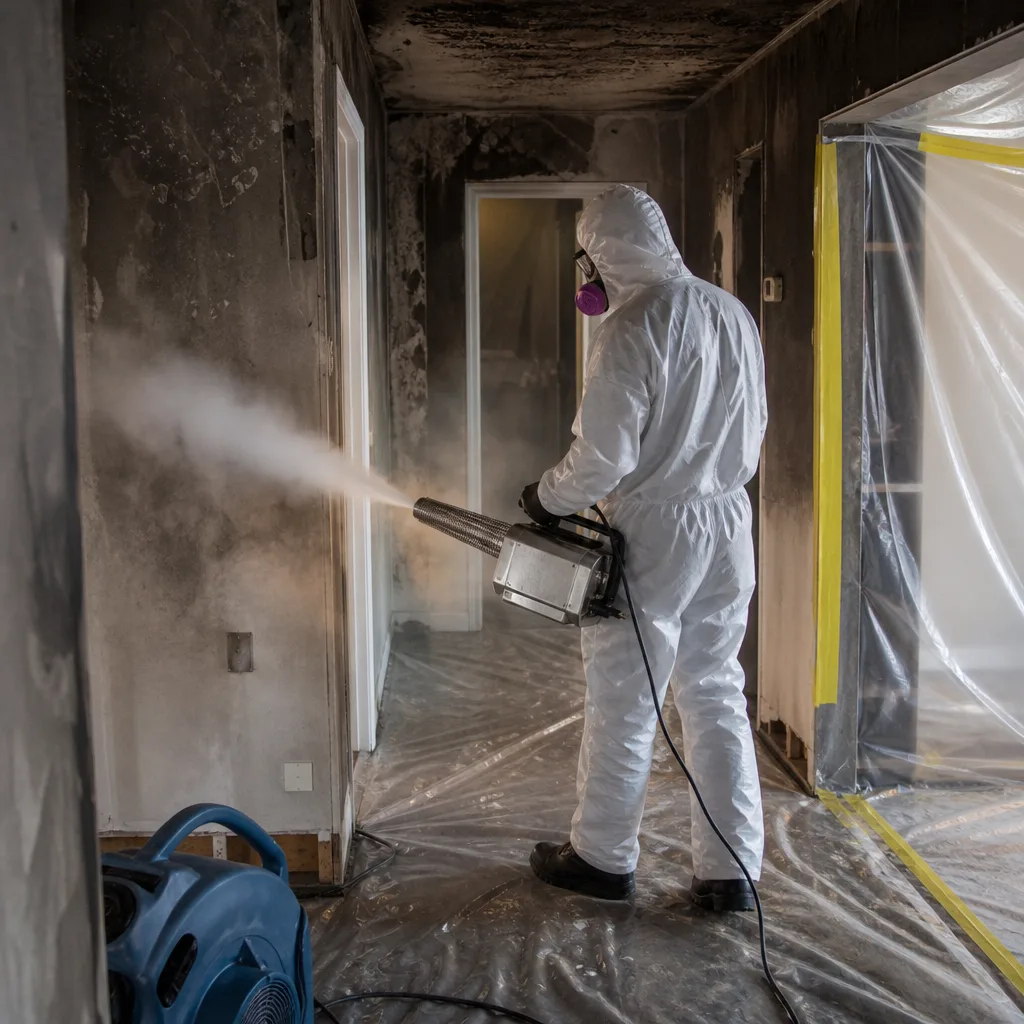
Storm Damage Cleanup
Debris, saturated drywall, ruined contents, mud and silt carried in by surcharged sewers. We remove it, sanitize the space, and HEPA-scrub the air before rebuilding starts. In homes built before 1950, that cleanup includes the NYC-required asbestos and lead testing before any demolition, so the job does not stop dead on a DOB order.
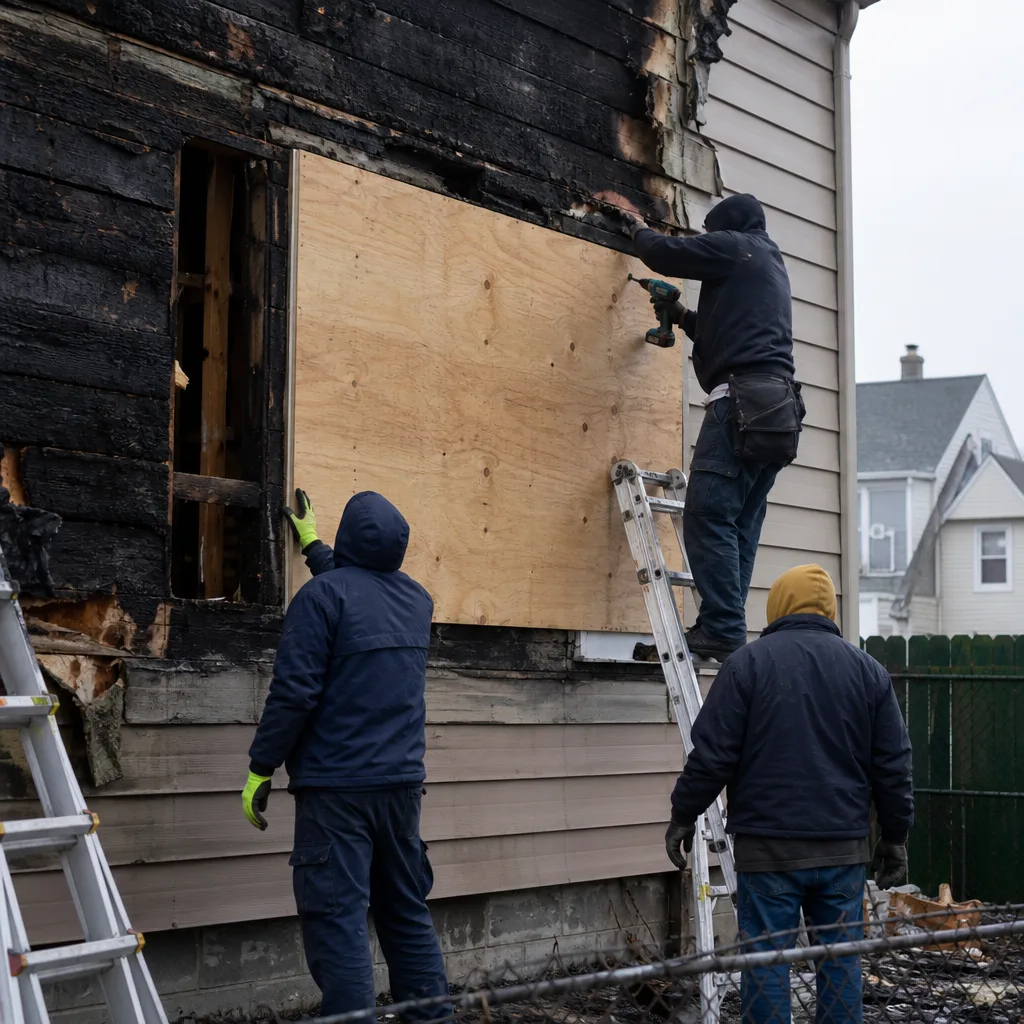
Emergency Board-Up
Wind-driven rain through a broken window or a torn-off door leaves a Queens Village home open to looting and further water damage. We board up the opening the same visit, secure the property, and document everything for the carrier. Board-up is stabilization, not a permanent repair, but it holds the envelope until full restoration is scoped and scheduled.
What happens when you call
- 1
A real person answersNo phone trees - you reach a local pro.
- 2
You get an upfront price rangeHonest numbers before anyone is dispatched.
- 3
A background-checked tech heads outLicensed & insured, dispatched right away.
- 4
You approve before work beginsNothing starts until you say go.
Storm & Disaster Restoration Costs in Queens Village, NY
Flood damage restoration in Queens Village typically runs $2,800 to $7,500 for a standard finished-basement Category 3 event, including extraction, containment, drying, and sanitization. Emergency board-up runs $450 to $1,200 depending on openings. Roof tarping runs $500 to $1,400. Debris removal and storm cleanup run $800 to $2,200. What moves the price in this neighborhood is the party-wall factor: if moisture mapping confirms the neighbor’s framing is wet, you now have two scopes, two carriers, and two DOB permit filings, which adds $1,000 to $3,000 in regulatory and coordination costs that a detached house in Nassau County never sees. Insurance covers most storm-related losses after the deductible. The free visual inspection produces a firm written scope, so you know the real number before any check clears.
We Also Serve Cities Near Queens Village
Floodline Restoration Co. handles storm and disaster restoration in Queens Village and the surrounding communities of Hollis, Bellerose, Cambria Heights, and Oakland Gardens. The same live dispatch, the same certified crews, the same written guarantee.
Serving Queens Village, NY - Our Local Coverage Area
We’re based in the Queens Village area and know this community well. Use the map below to see our service coverage - if you’re nearby, we can almost certainly help.
Queens Village Storm & Disaster Restoration Questions, Answered
If my Queens Village semi-attached home takes in Category 3 stormwater through the basement floor drain, does Floodline Restoration have to file with the NYC Department of Buildings?
Yes. Any restoration work in Queens Village that involves opening walls or disturbing building materials in a home built before 1950 triggers a DOB permit filing, plus asbestos and lead-paint testing. We file the paperwork, run the tests with certified labs, and coordinate the filing so the job does not receive a stop-work order. Call (518) 627-5878 and we will walk you through the exact sequence for your property.
What’s the first thing your crew checks when stormwater backs up into a 1920s-era Queens Village basement?
We check the water category and the shared party wall. Category 3 water means sewage contamination and requires full containment and sanitization. The party-wall check means we run moisture mapping into the adjoining semi-attached unit before we assume the damage stops at your side. In Queens Village, that second check is the rule, not the exception. Estimates are free when we do the visual inspection.
How quickly can Floodline Restoration start structural drying on a flooded semi-detached house in 11428 after a storm?
We commit to a 45-minute response time for Queens Village calls, and extraction starts the same visit. Structural drying with Dri-Eaz, Phoenix, and XPOWER air movers is typically running within hours of our arrival, not days. The sooner drying starts, the less likely mold gets past the 48-hour clock. Call (518) 627-5878 and a live dispatcher will get a crew moving.
My neighbor’s finished basement flooded during the last nor’easter, and the water came through our shared wall. Whose insurance pays, and does Floodline handle that coordination?
Each homeowner’s policy typically covers their own unit’s damage, but the shared wall means both adjusters need to understand the full moisture picture. We document both sides, file both DOB permits, and coordinate directly with both carriers so your claim is not denied because the neighbor’s adjuster missed the migration. This is a standard Queens Village scenario for us. Call our team for a free inspection.
Why do Queens Village storm jobs take longer to get a permit than similar work just over the Nassau County border?
Queens Village sits under full NYC Department of Buildings jurisdiction, which requires asbestos and lead-paint testing prior to demolition, separate plumbing and electrical filings, and stricter documentation than Nassau County’s simpler permitting regime. The shared party walls add a second damage scope and often a second permit. We manage the full filing sequence and keep the work moving while the paperwork clears. Call (518) 627-5878 to start with a free inspection.
How much does flood damage restoration cost in Queens Village compared to nearby areas?
A finished-basement Category 3 flood restoration in Queens Village typically runs $2,800 to $7,500. Add $1,000 to $3,000 if moisture migrated through a shared party wall and triggered a second scope plus additional DOB filings. That party-wall factor is the big local difference versus detached-home areas further east. Our free visual inspection produces a written scope before you commit to anything.
How long does storm damage restoration take in a Queens Village semi-attached home?
Drying alone takes three to five days with professional-grade equipment. Full restoration including permit filings, asbestos testing, and reconstruction typically runs one to three weeks depending on the extent of the damage. A shared party wall that is wet adds time because your neighbor’s repair scope has to be coordinated. We provide a written timeline at the inspection.
What should I do in the first 30 minutes after stormwater floods my Queens Village basement?
Shut off electricity to the affected area if you can do so safely, do not walk through standing water if it may be sewage-contaminated, and call (518) 627-5878. Take photos of the water line and any visible damage. Do not run a shop vac on Category 3 water. Do not open walls. Our dispatch team will walk you through the immediate steps and get a crew to you fast.
Written by Curt Bowman, Owner at Floodline Restoration Co., serving Queens Village, NY. Done right and backed in writing with the 90-Day Done Right Promise.