
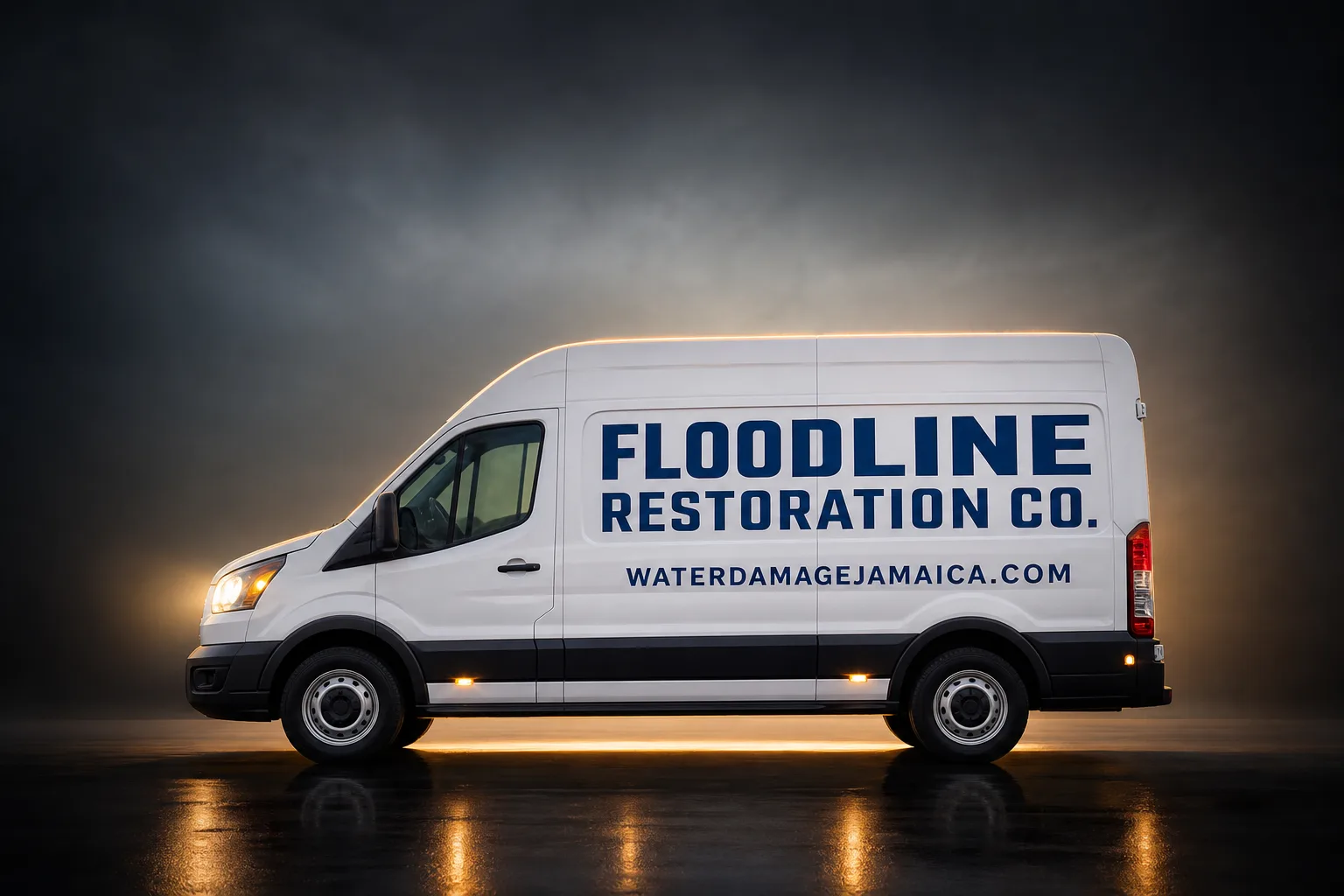
Free visual inspection and a written scope of work before any mitigation begins - photos, moisture readings, and drying logs go in your claim file
The scope we write is the scope we bill. Anything new gets shown to you, in writing, before we touch it.
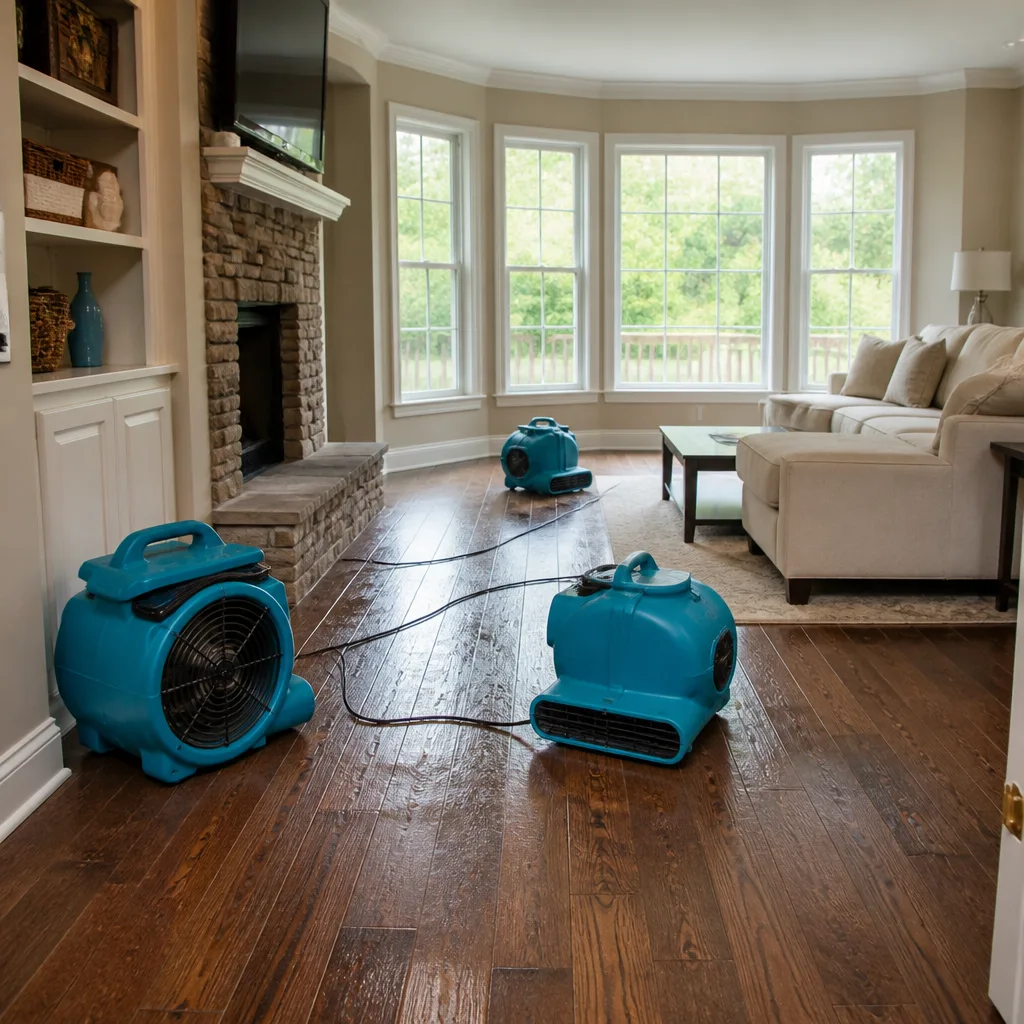
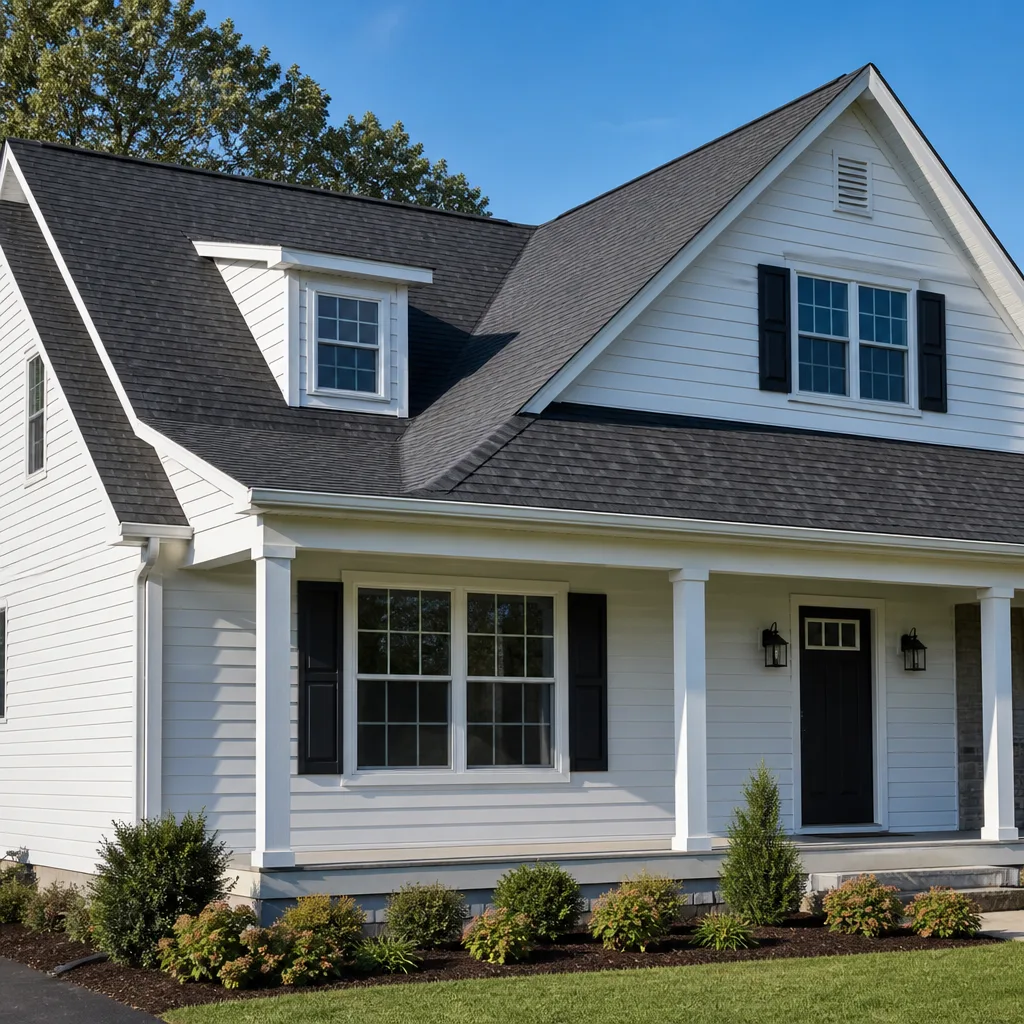
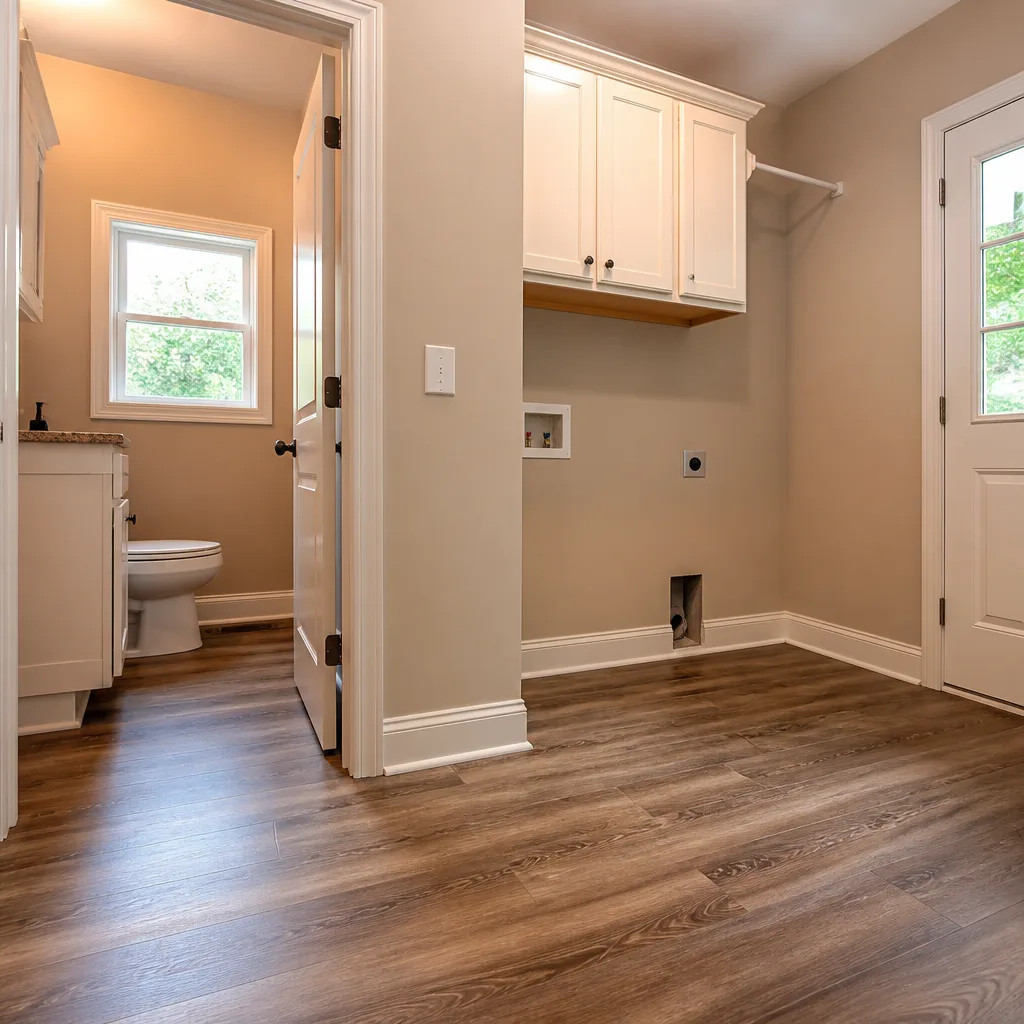
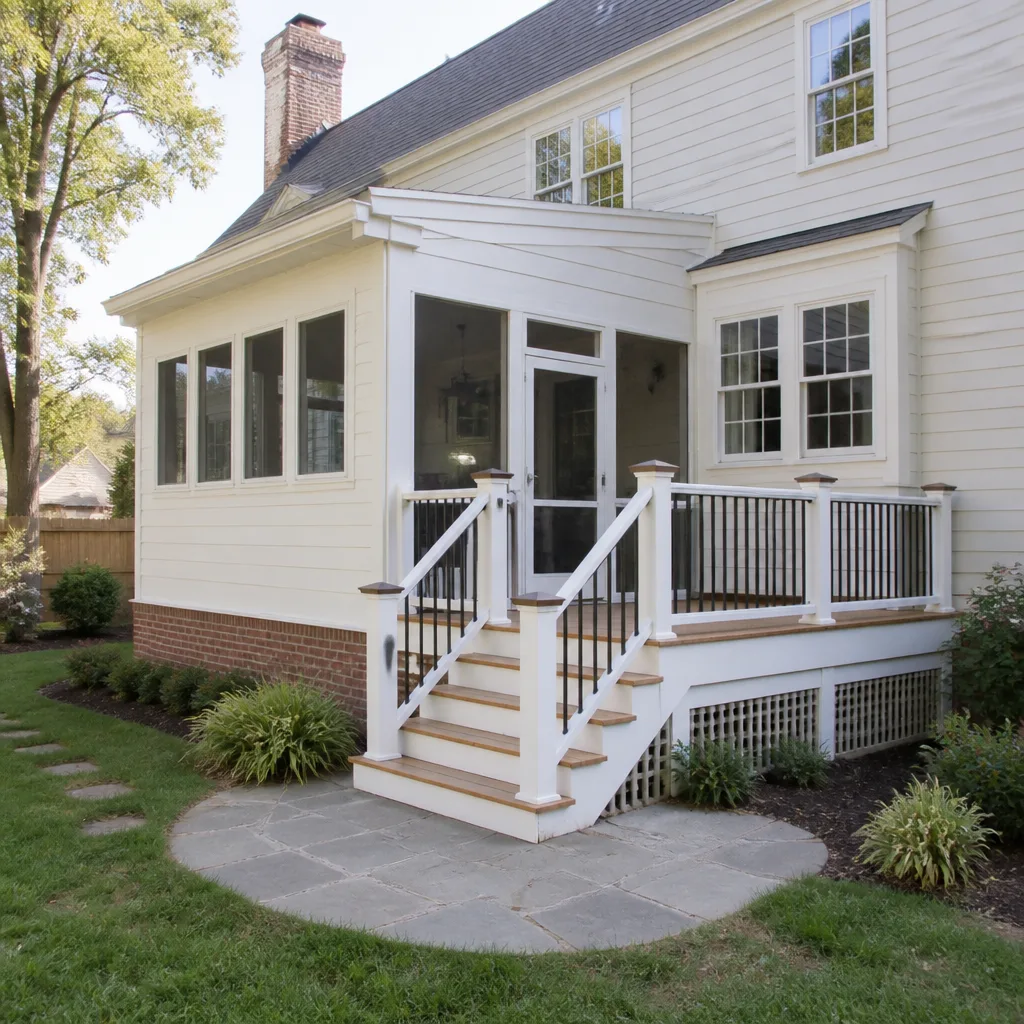
 Before
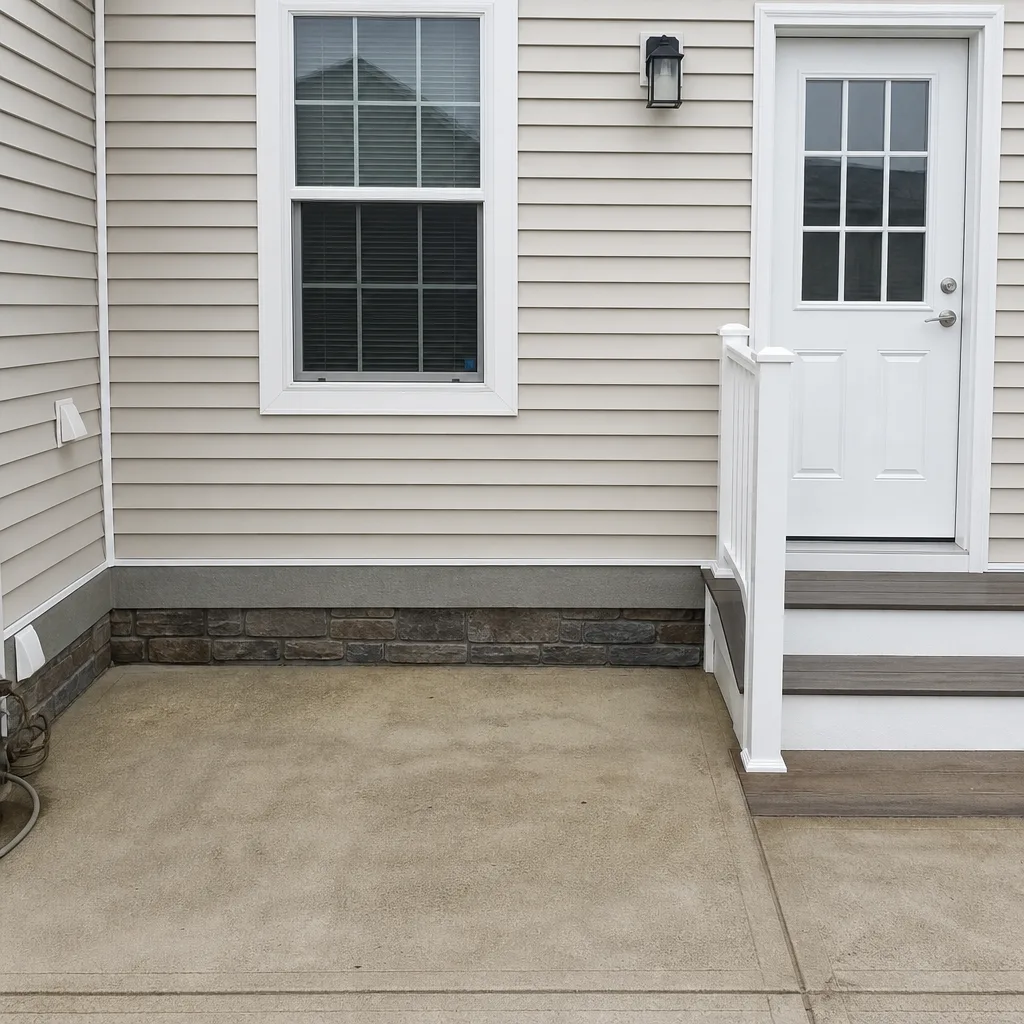 After
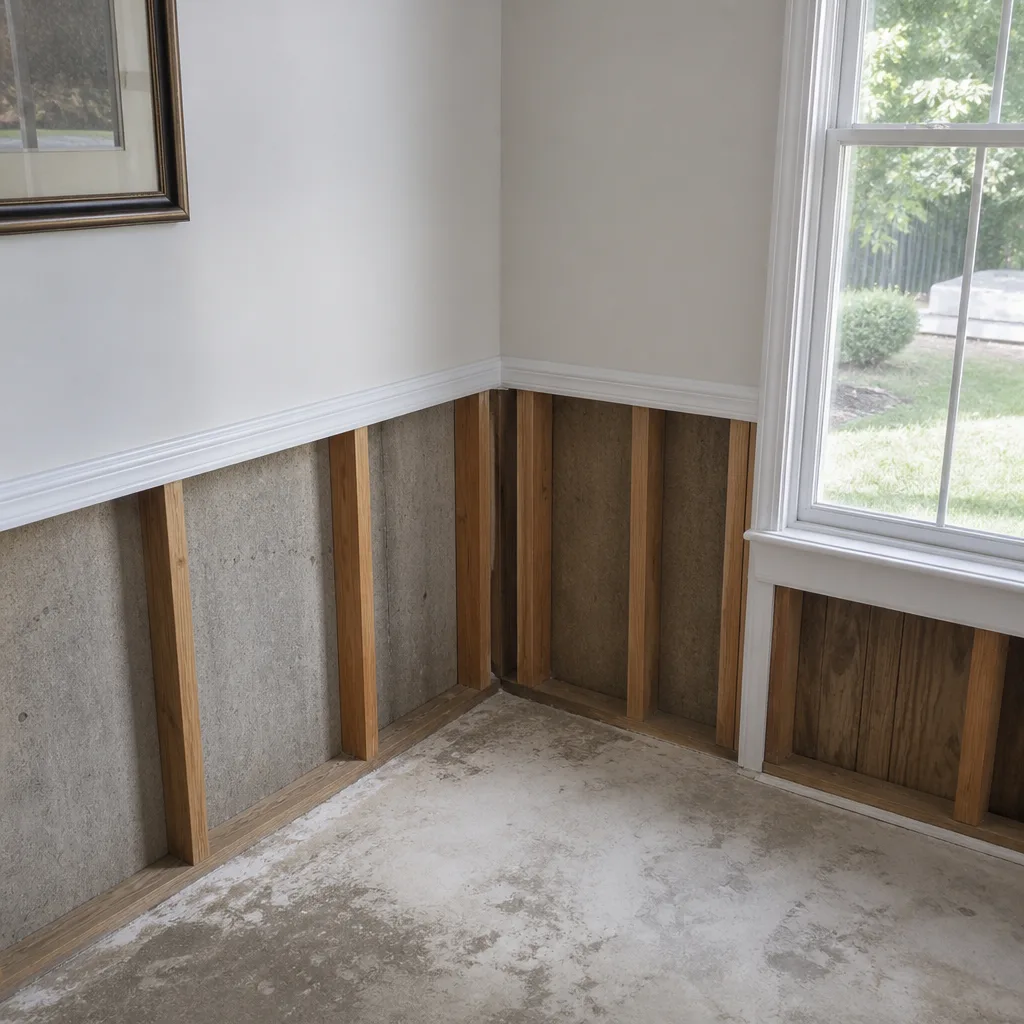
After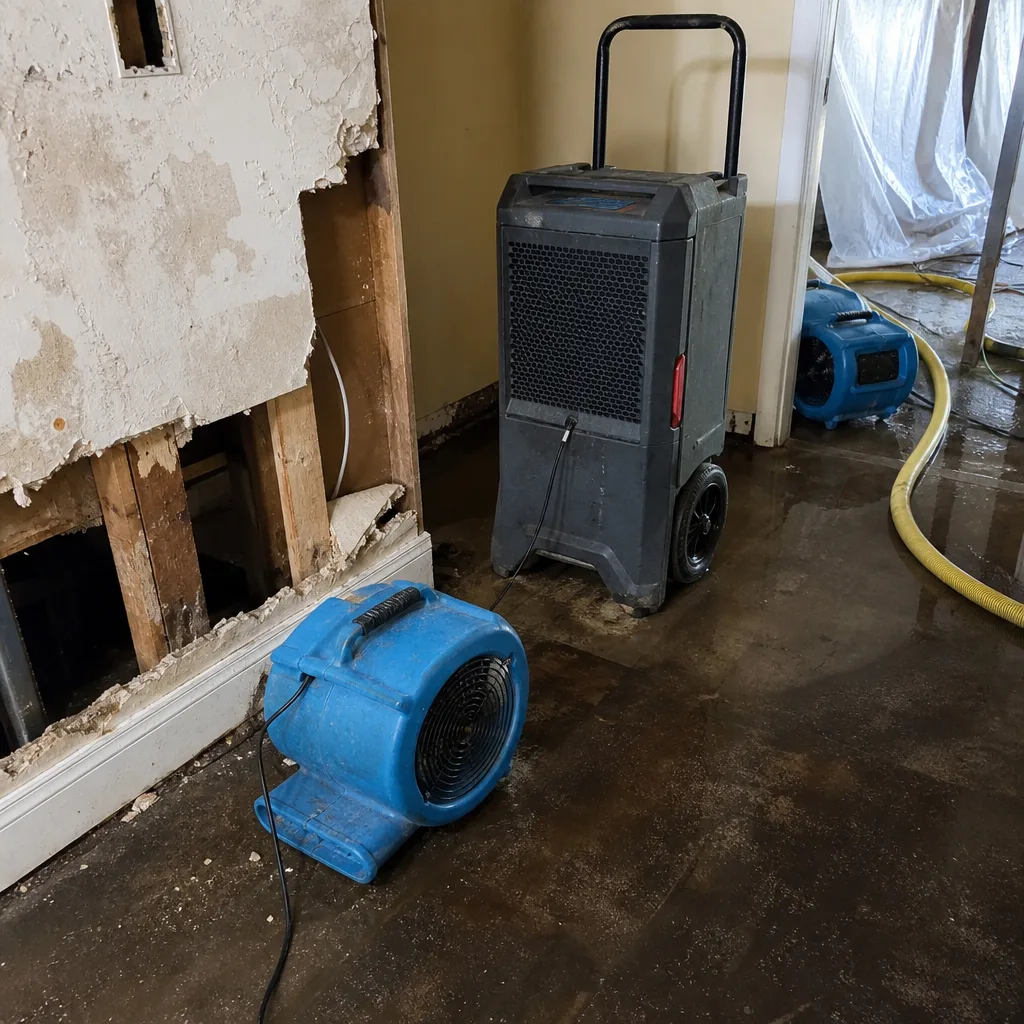 Before
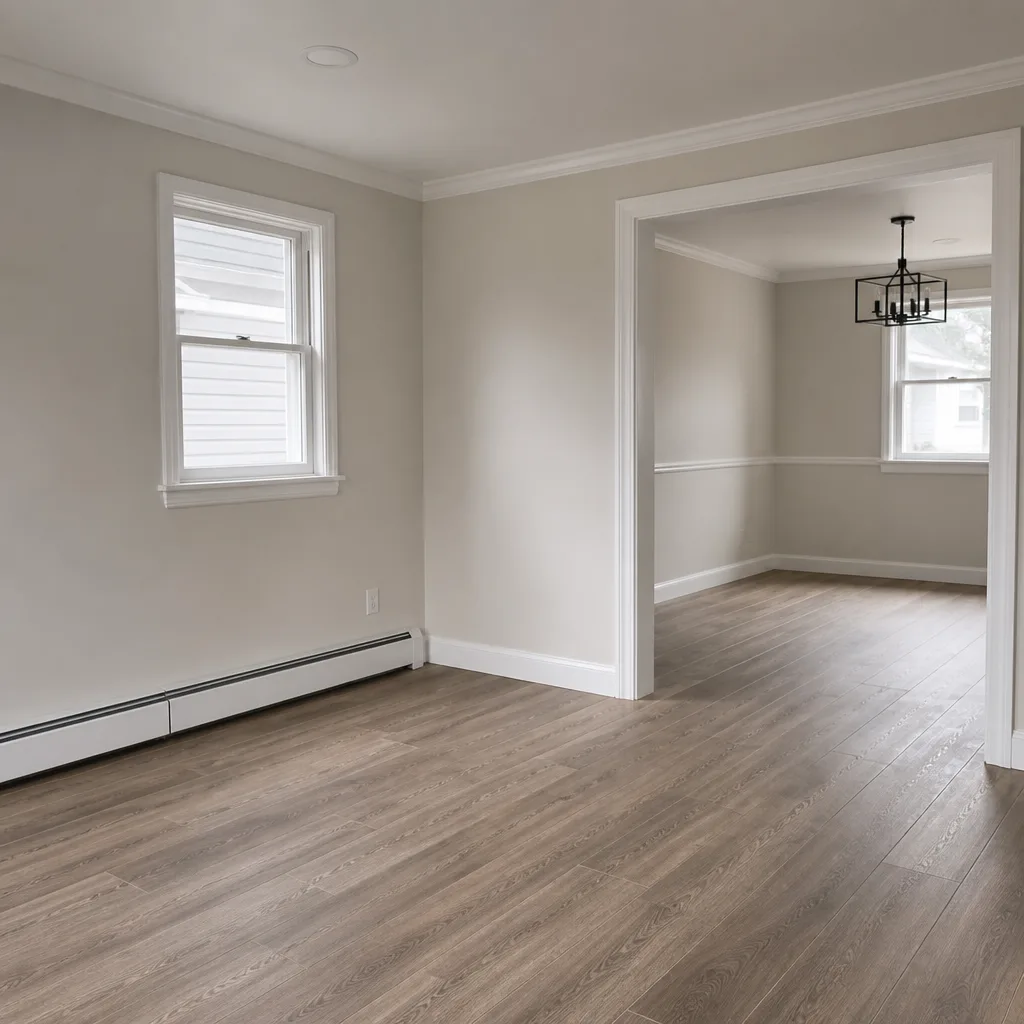 After
After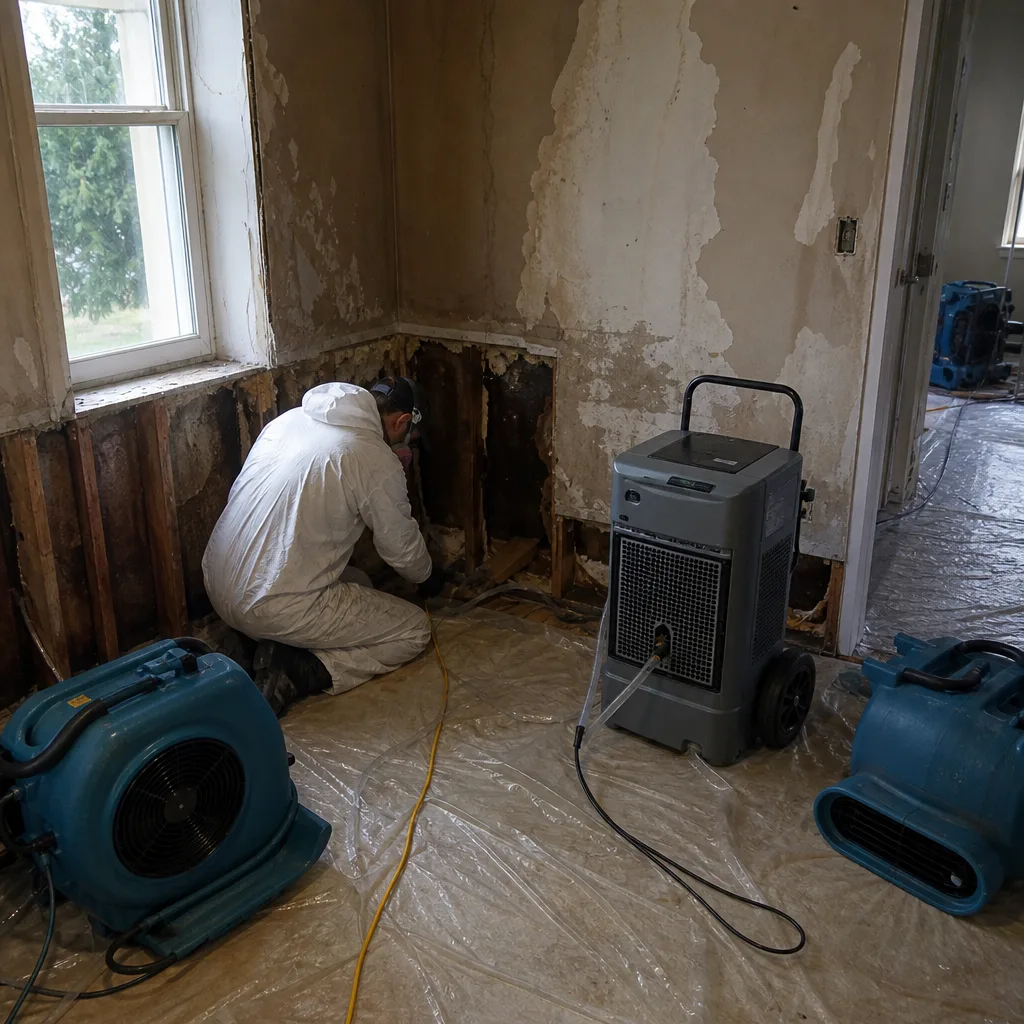 Before
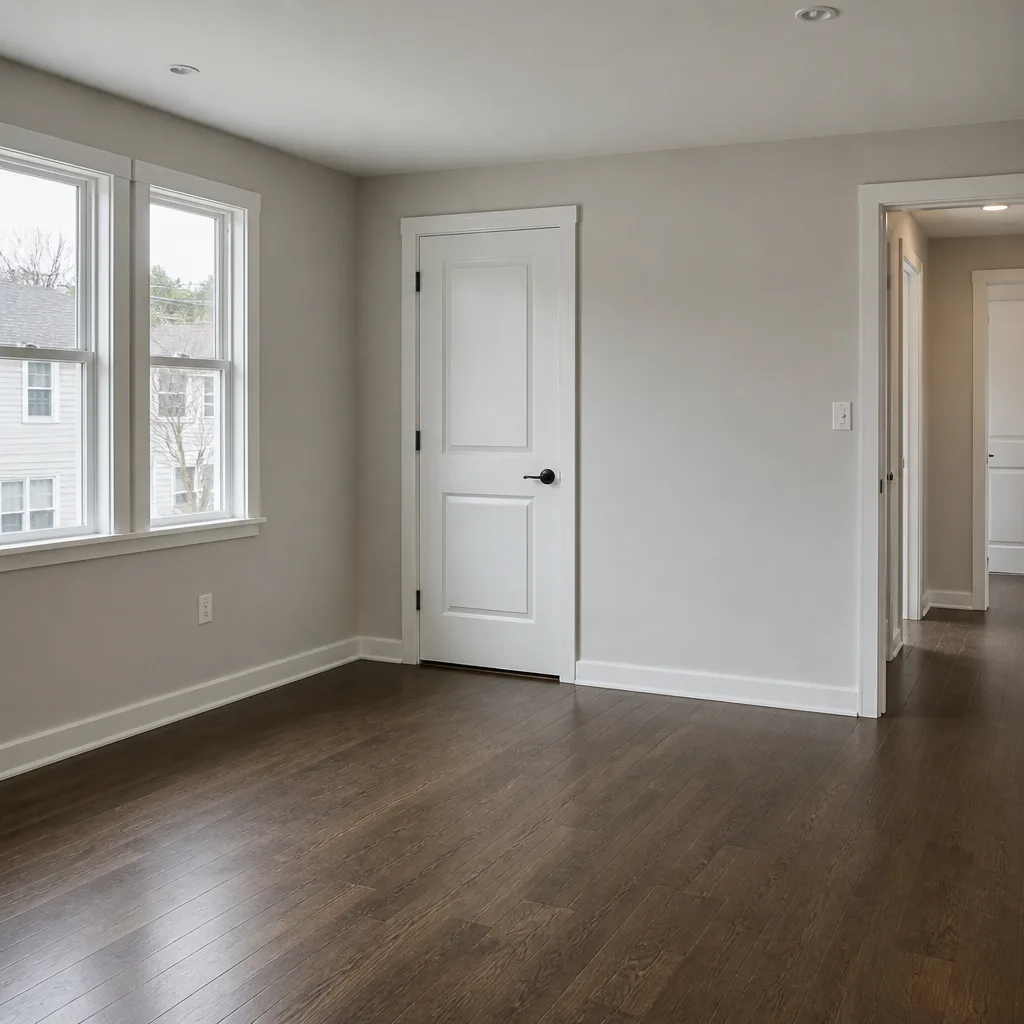 After
After24/7 Emergency Water Damage Restoration in South Ozone Park
Water damage restoration in South Ozone Park typically costs between $2,800 and $7,500 for a standard finished-basement loss, and a live crew can usually reach your door within 45 minutes when you call. That speed matters more here than in most Queens neighborhoods, because so many South Ozone Park homes still carry hidden Sandy-era moisture behind basement walls. Every hour that water sits in a 1930s brick row house, it wicks further up the original plaster-and-lath, turning a Category 1 pipe break into a Category 3 contamination job. Call (518) 627-5878 and a real person answers, day or night. Not an answering service. A dispatcher who knows South Ozone Park blocks and can have our crew rolling while you’re still on the phone.
Understanding Water Damage Restoration Severity in South Ozone Park Properties
The restoration industry classifies water by contamination level. Category 1 is clean water from a burst supply line or an overflowing sink. Category 2 carries significant contamination, what we call gray water, from washing machine discharge or sump pump failures. Category 3 is black water: sewage, storm surge, or groundwater from Jamaica Bay backup. South Ozone Park sees more Category 3 events than almost any other Queens neighborhood, because its low-lying topography sits directly adjacent to Jamaica Bay. Combined sewer backups during nor’easters push Category 3 water through basement floor drains and into the finished living spaces that half these homes were built with. The 1930s through 1950s attached and semi-detached brick row houses that dominate the neighborhood are notorious for holding moisture. Plaster-and-lath walls don’t dry the way modern drywall does. The lime-based plaster acts like a wick, pulling water horizontally through the wall cavity and into adjacent framing. Floors and walls can read dry on the surface while the framing behind them still holds 80% or more relative moisture. That’s why we moisture-map every South Ozone Park job rather than relying on touch or appearance.
Why South Ozone Park Property Owners Choose Floodline Restoration Co.
- 45-minute response commitment: Our South Ozone Park crews stage from dispatch points near Rockaway Boulevard and South Conduit Avenue. We reach most blocks between Van Wyck Expressway and Aqueduct Racetrack inside that window.
- 24/7 live answer, always a person: A real dispatcher picks up at 2 a.m. on a Sunday. No recordings, no call-back promises. You speak to someone who knows water damage and can make decisions.
- IICRC-certified crews: Our technicians hold WRT, FSRT, and AMRT certifications, trained to the standards that insurance carriers recognize. Background-checked, uniformed, and experienced with South Ozone Park’s specific housing stock.
- Free visual inspection: We’ll come out, assess the loss, and give you a written scope. No charge, no obligation, no pressure. If it’s something you can handle yourself, we’ll tell you that.
- Direct insurance billing: We bill your carrier directly. You never play messenger between us and the adjuster. We know what documentation carriers need and we provide it from hour one.
- One team from extraction to reconstruction: We don’t hand you off to a sub after the drying is done. The same Floodline crew that pulls the water also hangs the drywall, rebuilds the staircase, and finishes the trim. You get one name to hold accountable.
Our Water Damage Restoration Process
Inspection & Assessment
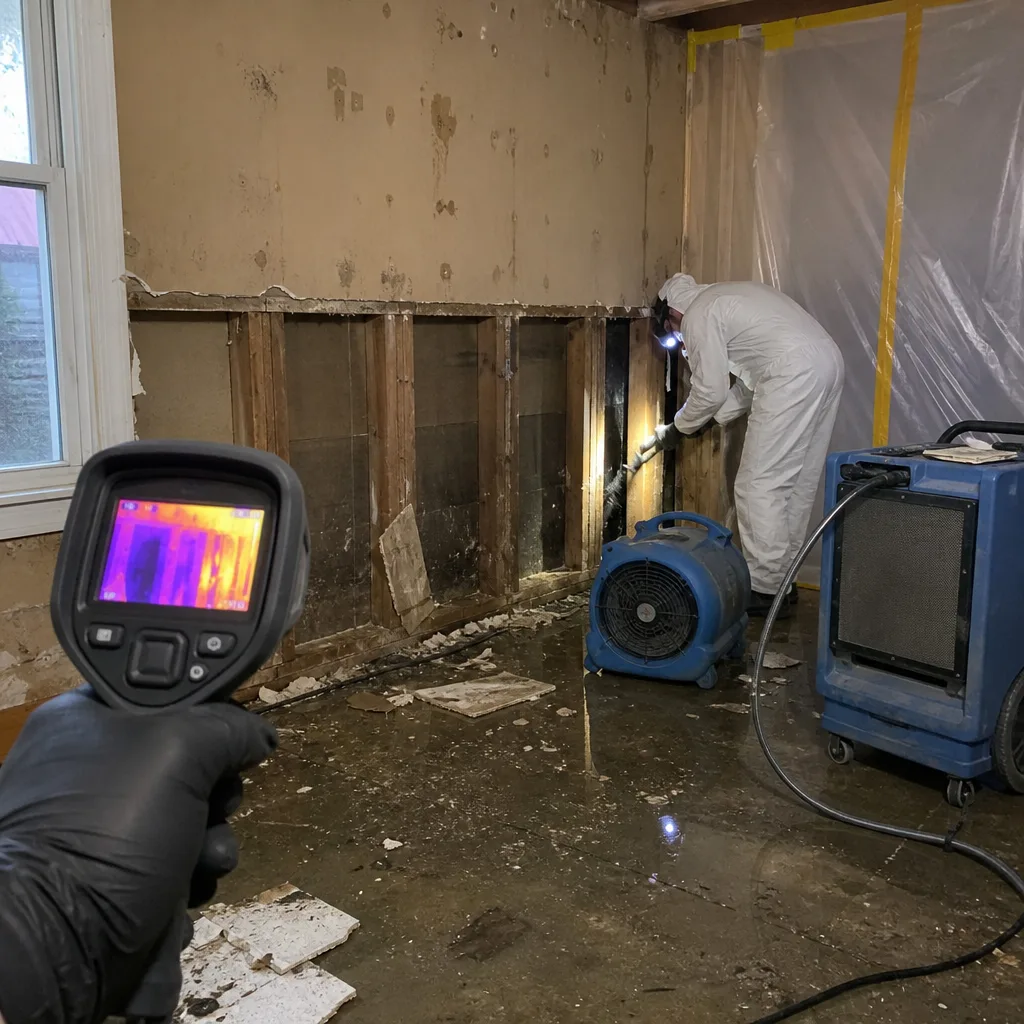
We arrive, walk the property, and identify the water category and the migration path. Thermal imaging cameras and penetrating moisture meters map the full extent of moisture, even behind walls and under flooring. We write a line-item scope and walk you through it before any work begins.
Extraction / Stabilization
Submersible pumps and truck-mounted extraction units pull standing water fast. In South Ozone Park basements with two to three feet of water, we’re typically extracting within the first hour of arrival. We remove saturated carpet, padding, and any unsalvageable drywall at this stage.
Drying & Dehumidification
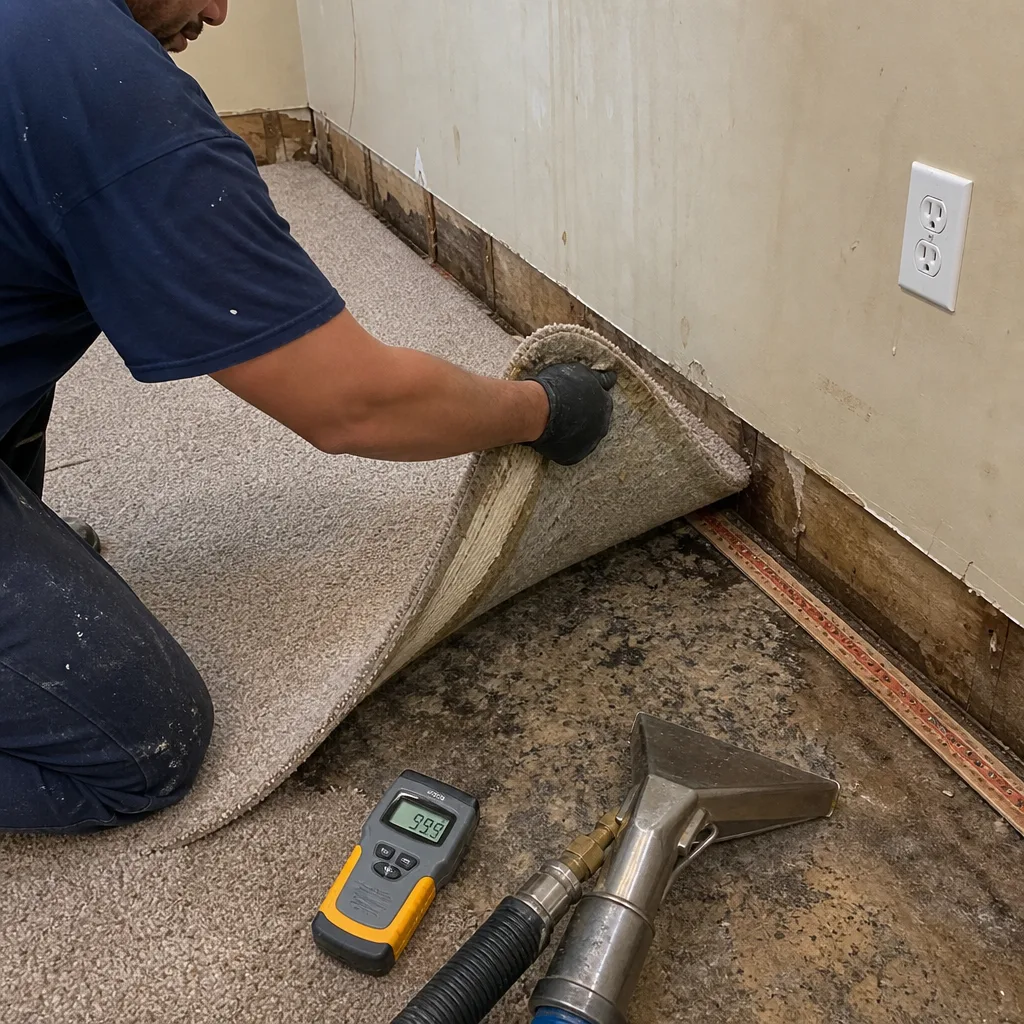
Dri-Eaz dehumidifiers and Phoenix air movers are placed according to a drying chamber design, not just scattered around. Daily moisture readings are logged to a drying chart. In South Ozone Park’s humid coastal air, this stage often runs five to seven days rather than three to four.
Cleaning & Sanitization
All affected surfaces are treated with an EPA-registered antimicrobial. HEPA air scrubbers run during the entire process to capture airborne mold spores and particulate. Contents are inventoried, documented, and cleaned or packed out depending on the scope you and your carrier agree to.
Specialty Treatment for Legacy Materials
South Ozone Park’s original plaster-and-lath and cast-iron plumbing require special handling. We treat rust-compromised drain stacks, encapsulate lead-based paint where disturbed, and apply borate-based treatments to wood framing that wicked post-Sandy moisture. This is the step most national franchises skip entirely.
Repairs & Restoration
We rebuild. Drywall, insulation, flooring, trim, paint, electrical, plumbing. The same uniformed crew that started the job finishes it. You get a written 90-Day Done Right Promise, our Keystone Standard, when we hand you the keys back.
Need Emergency Water Damage Restoration in South Ozone Park Now?
Crews minutes away, answering live 24 hours a day. The sooner we start, the less it costs.
Working With Your Insurance Company
Most South Ozone Park water losses are covered under standard homeowners policies, but how the claim is documented in the first 48 hours determines whether you get full replacement or a depreciated settlement. We photograph every affected room, every layer of flooring, every wall opening. We log moisture readings daily and turn that drying log over to your adjuster. Our estimate format matches what carriers like State Farm, Allstate, and USAA use internally, which means fewer back-and-forth requests and faster approvals. Curt Bowman founded Floodline Restoration Co. in 2010 on the idea that a restoration contractor should carry the insurance burden, not dump it on the homeowner. We coordinate directly with your adjuster. You get a copy of everything. If the carrier has questions, they call us, not you.
What We Provide Your Insurer
- Thorough documentation of the loss
- Photos of all damage, room by room
- Moisture readings and drying logs
- A detailed, line-item scope of work
- Direct coordination with your carrier
Built for South Ozone Park’s Loss Calendar
South Ozone Park runs on a predictable but punishing loss calendar. January deep freezes split original galvanized supply lines in uninsulated exterior walls, especially along Bayview Avenue and in homes built before 1940. February brings the second wave, when frozen sections thaw and flooded basements from burst pipes get discovered, often days after the fact. Spring means snowmelt and rising groundwater pushing against shallow foundations and weeping tile that hasn’t been replaced since the Eisenhower administration. Then comes the summer thunderstorm season. A two-hour downpour can overwhelm the combined sewer system and back up through floor drains on the lowest blocks of 130th through 135th Streets. Nor’easters in September through November bring the Jamaica Bay surge risk. We schedule our seasonal equipment refreshes around this calendar. We’ve been answering phones at 3 a.m. through every one of these seasons for thirteen years. Calling Water Damage Restoration professionals who know this calendar matters, because a crew that’s new to the neighborhood finds out about the sewer backup problem after the damage is already done.
Water Damage Restoration Across South Ozone Park’s Neighborhoods
South Ozone Park isn’t one neighborhood. It’s a patchwork of blocks with very different risk profiles. Over by Aqueduct Racetrack, the homes on 114th through 117th Streets sit on slightly higher grade but are older, many from the late 1930s, with original sub-slab sewer lines that have never been inspected let alone replaced. The blocks between Rockaway Boulevard and North Conduit Avenue bear the heaviest Sandy footprint. 135th Street, 133rd Street, and the adjacent avenues took multiple feet of storm surge in 2012. We still open walls there today and find tide lines, silt residue, and mold that’s been growing behind vinyl paneling or drywall for eleven years. North of Linden Boulevard, the semi-detached brick homes from the 1940s and 1950s have a different problem: finished basements that were redone quickly after Sandy, with materials not rated for below-grade moisture exposure. The homes around the Belt Parkway corridor, closer to the water, face the most direct storm surge risk on any nor’easter with an east or southeast wind. Each area requires a different drying plan and a different rebuild approach. Our South Ozone Park crews know which block you’re on when you call and what to expect before we even ring the bell.
Specialized Water Damage Restoration Services We Offer in South Ozone Park
Emergency Water Extraction
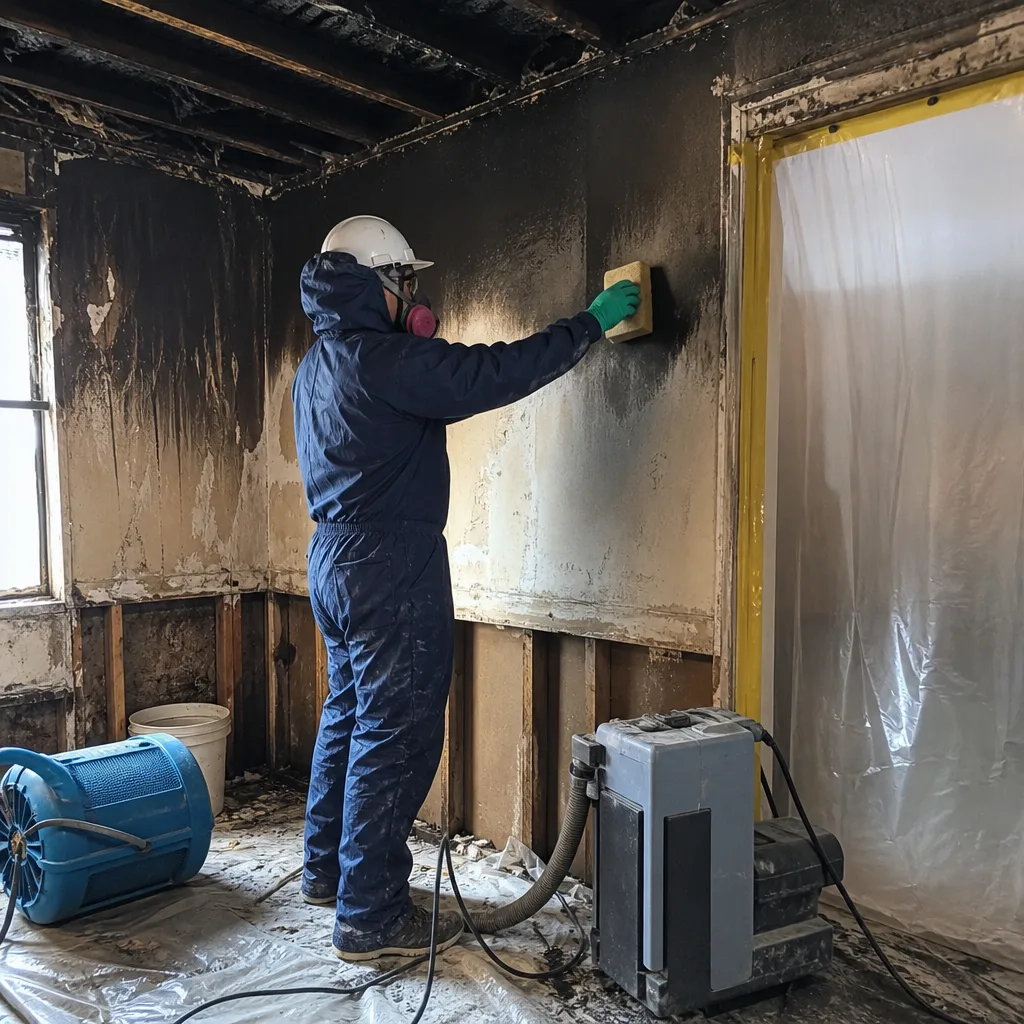
Standing water in a South Ozone Park basement doesn’t wait. Our truck-mounted extraction units pull hundreds of gallons per hour. For post-storm flooding from Jamaica Bay surge or sewer backup, we treat the water as Category 3 from the start, wearing proper PPE and setting containment before we begin. We’ll be extracting within an hour of your call.
Structural Drying & Dehumidification
Drying a 1940s brick row house is a different job than drying a modern drywalled house. Plaster-and-lath holds moisture for twice as long. Original dimensional lumber framing soaks up water like a sponge. Our drying plans use Dri-Eaz and Phoenix equipment sized and placed specifically for the room geometry and building materials we’re working with. Daily readings go in a log you and your adjuster both see.
Flood Cleanup
Flood events in South Ozone Park are almost never clean-water events. Storm surge, sewer backup, and Jamaica Bay overflow all carry contaminants. We remove contaminated materials, treat affected framing with antimicrobial, and air-scrub the space with HEPA filtration until airborne spore counts return to normal. Then we rebuild to the Keystone Standard and give you our 90-Day Done Right Promise in writing.
Burst Pipe Restoration
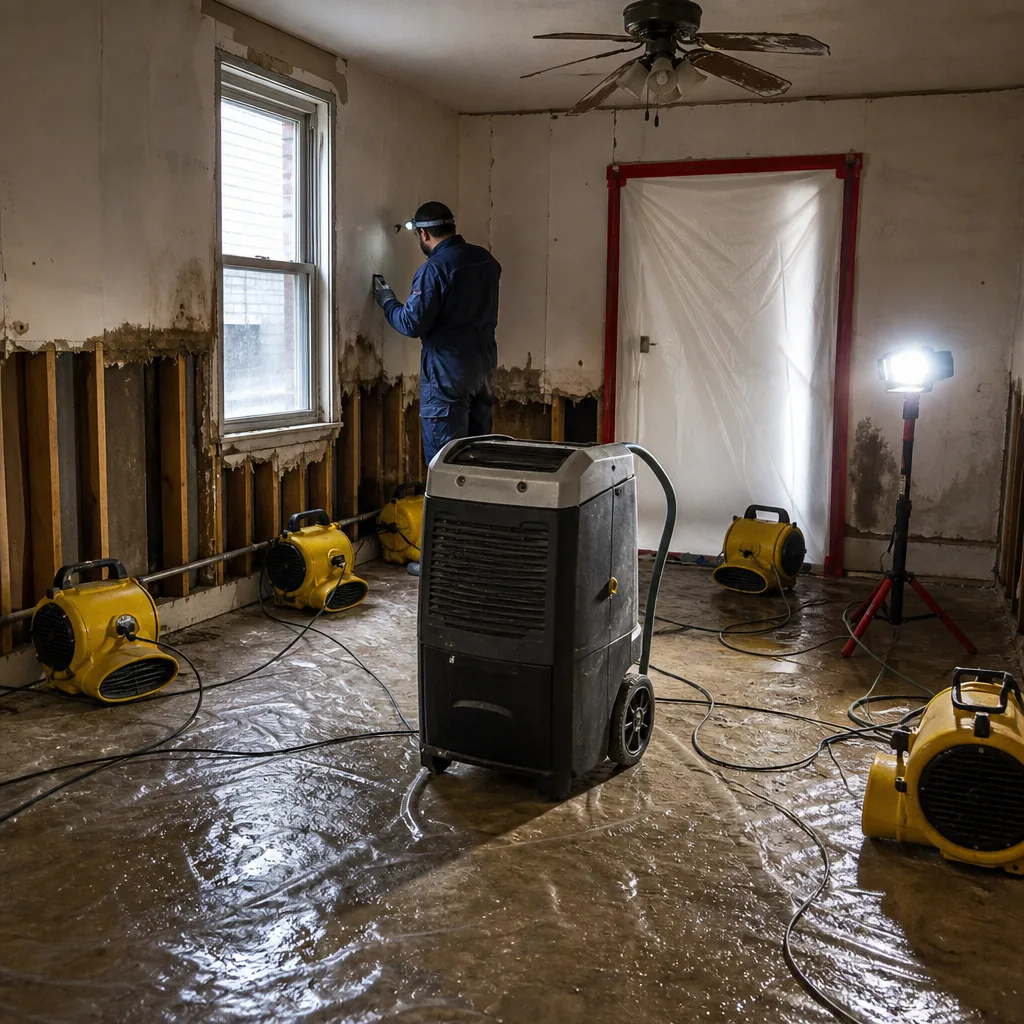
When a galvanized supply line lets go in a South Ozone Park basement, it’s rarely a fresh break. The pipe likely rust-compromised for years after Sandy’s salt water sat against it. We trace the leak, replace the affected section, and dry the space to standard. If the break happened in an exterior wall cavity, we open the wall carefully and check for mold behind the plaster before we close it back up.
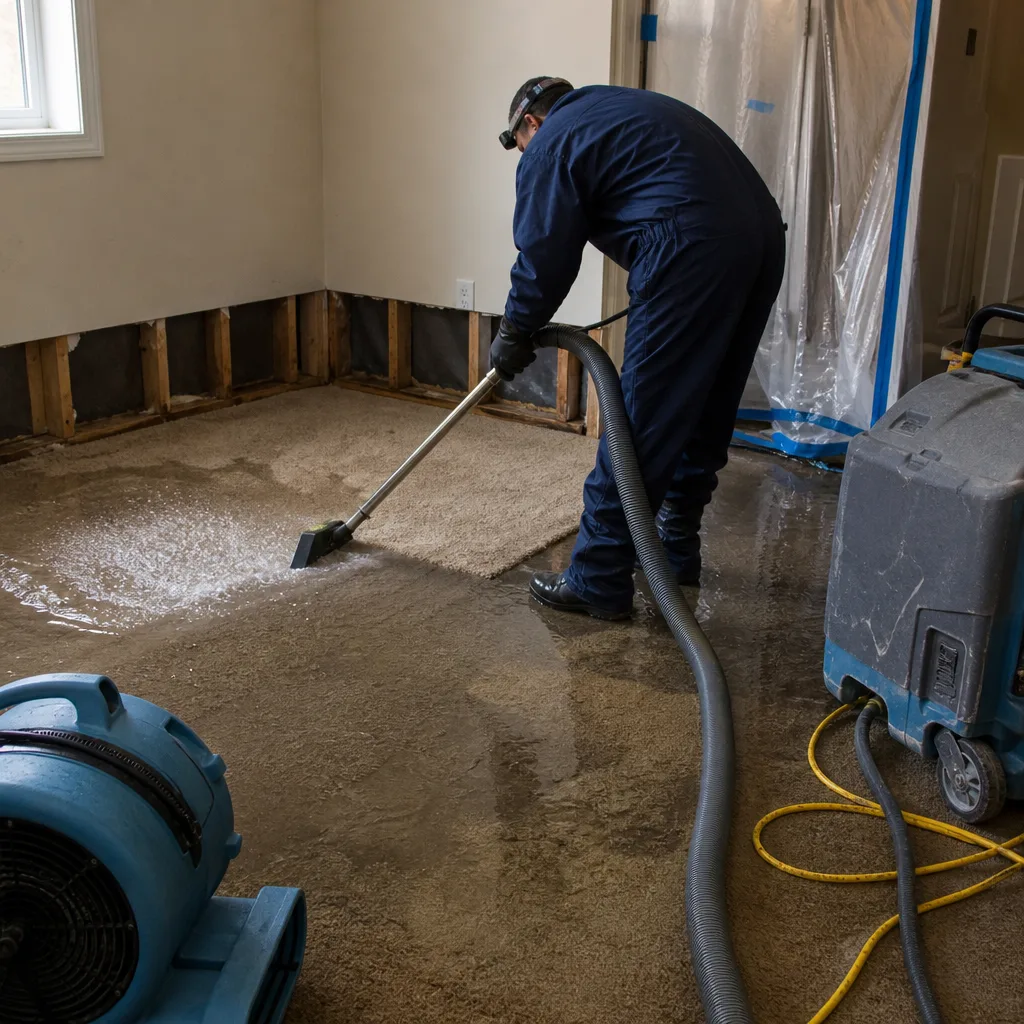
Basement Water Removal
Most of our South Ozone Park calls start with “there’s water in my basement.” Sometimes it’s an inch. Sometimes it’s three feet. We handle both the same way: extract first, assess second, dry third, and never rush step three. A basement that’s not fully dried to standard will smell musty within months and grow mold within a year. That’s why our drying logs run until the meter says done, not until the calendar says done.
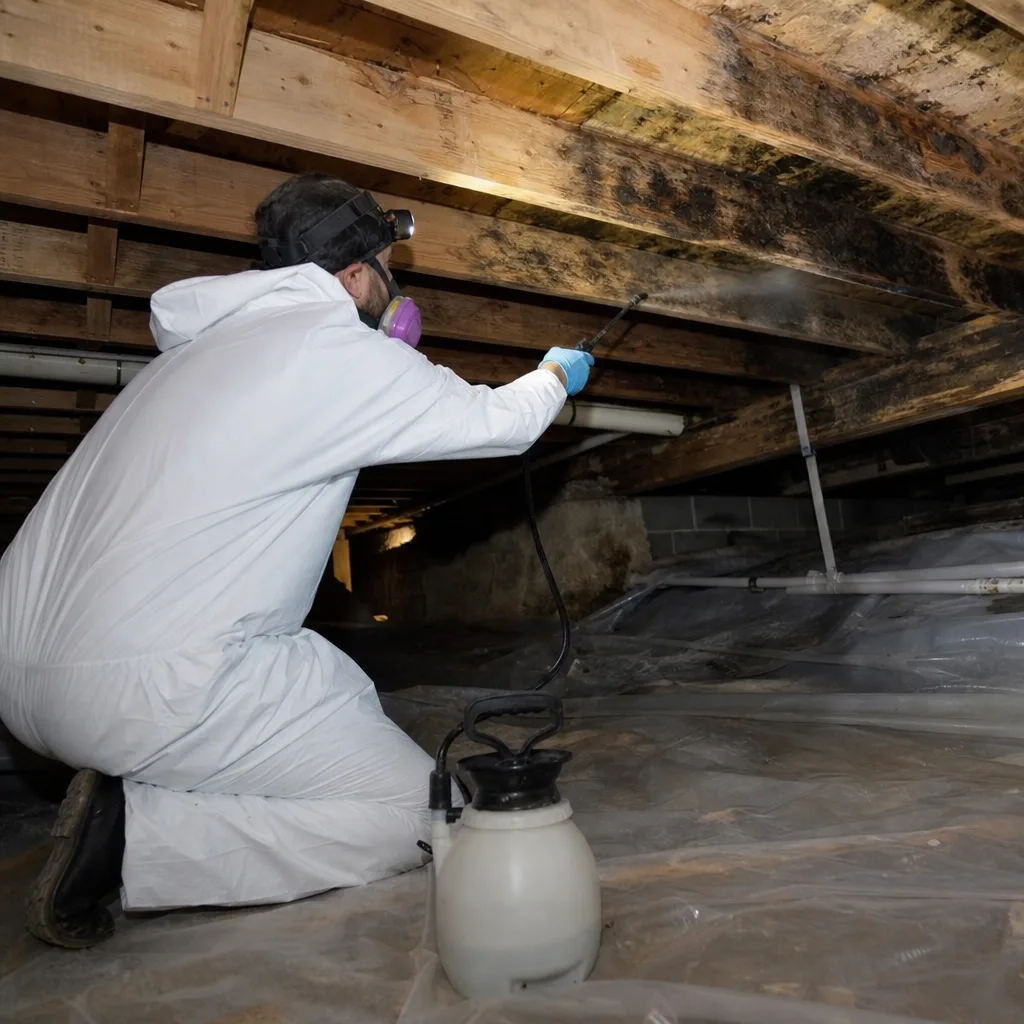
Ceiling & Roof Leak Water Damage
A leaky roof on a 1930s attached row home doesn’t just damage one unit. Water travels along joists and party walls, so the neighbor’s problem becomes your problem too. We track the migration path with moisture meters and thermal imaging before we touch any drywall. Then we dry, treat, and rebuild the ceiling assembly so you’re not repainting the same stain every spring.
What happens when you call
- 1
A real person answersNo phone trees - you reach a local pro.
- 2
You get an upfront price rangeHonest numbers before anyone is dispatched.
- 3
A background-checked tech heads outLicensed & insured, dispatched right away.
- 4
You approve before work beginsNothing starts until you say go.
Water Damage Restoration Costs in South Ozone Park, NY
A straightforward Category 1 water loss in an unfinished South Ozone Park basement, think burst supply line caught within a few hours, runs $1,800 to $3,500 for extraction, drying, and basic sanitization. A finished basement with drywall, insulation, flooring, and built-ins pushes the range to $4,000 to $8,000. Full Category 3 losses from sewer backup or storm surge, the ones requiring containment, full demolition of wetted materials, antimicrobial treatment, structural drying, and rebuild, start around $7,500 and can reach $20,000 or more depending on square footage and how much of the original plaster-and-lath has to be removed. What moves the price most in South Ozone Park specifically is whether hidden post-Sandy moisture gets discovered during the work. About a third of our local jobs find mold or compromised framing behind walls that looked fine. That’s always covered in your written scope before work starts, not as a surprise add-on. The free visual inspection is how you get a firm number. Call (518) 627-5878 and we’ll walk the property with you.
We Also Serve Cities Near South Ozone Park
Our crews regularly respond across the adjacent neighborhoods where the same Jamaica Bay flood risk and legacy housing stock apply. We serve Ozone Park, Howard Beach, Richmond Hill, and Woodhaven with the same 45-minute response commitment, the same live 24/7 dispatchers, and the same 90-Day Done Right Promise in writing.
South Ozone Park Water Damage Restoration Questions, Answered
How does South Ozone Park’s location near Jamaica Bay affect how quickly I need water damage restoration after a nor’easter?
Water from a nor’easter in South Ozone Park is usually Category 3 black water, meaning it carries sewage, salt, and bacteria from Jamaica Bay and the combined sewer system. You need professional restoration started within hours, not days, because salt-contaminated water corrodes cast iron and wiring far faster than clean water. Within 24 to 48 hours, mold begins colonizing wet organic materials. Call (518) 627-5878 the moment the water recedes and we’ll be on site within 45 minutes.
I installed vinyl paneling over my basement walls after Hurricane Sandy. Could that be hiding water damage behind the walls?
Yes, and regularly is. We opened a basement wall on 135th Street near Rockaway Boulevard for what the homeowner thought was a plumbing leak, only to find active mold colonies feeding on the backside of vinyl-covered paneling, a cover-up from Hurricane Sandy. Our crew set up containment, removed four feet of drywall, and used moisture mapping to chase water wicking up original plaster-and-lath. After structural drying with Phoenix air movers and Dri-Eaz dehumidifiers, we treated the framing with an antimicrobial and restored the space to pre-loss condition. If your basement was paneled over after Sandy without full drying and encapsulation, the moisture is still there. We can inspect behind the paneling without tearing everything out.
My South Ozone Park row house has original cast-iron drain pipes. Are they more likely to cause water damage than newer plumbing?
They are. Original cast-iron drain stacks in 1930s through 1950s South Ozone Park row homes are now 70 to 95 years old. Many were rust-compromised by salt water during Sandy and have been slowly eroding from the inside ever since. They fail during routine sewer backups from nor’easters, which then spreads Category 3 water through the basement. If your pipes have never been inspected, that’s a conversation worth having before the next storm season.
What does ‘Category 3 water’ mean for my finished basement in South Ozone Park, and why can’t we just dry it?
Category 3 is heavily contaminated water: sewage, storm surge, or rising groundwater from Jamaica Bay or the combined sewer. The water itself carries pathogens that drying alone won’t neutralize. Affected drywall, carpet, and insulation have to be removed and disposed of, not dried in place. Framing must be treated with an antimicrobial. Air scrubbing with HEPA filtration runs through the entire process. Trying to dry Category 3 water in place leaves bacteria and mold spores embedded in your walls. Your basement would look fine and be unsafe to live in.
How long does structural drying typically take in South Ozone Park’s humid summers, and why does it take longer than in other Queens neighborhoods?
Structural drying in South Ozone Park typically runs five to seven days during humid summer months, compared to three to four days in higher-elevation, better-ventilated Queens neighborhoods. The humidity off Jamaica Bay means ambient air already carries significant moisture. Our dehumidifiers have to work harder to pull the moisture out of the air inside your home before they can effectively dry the building materials. Original plaster-and-lath walls also hold moisture far longer than modern drywall, and many of these homes were built without the vapor barriers that newer construction requires.
How fast can someone actually get to my South Ozone Park home?
Most calls are answered live in under 30 seconds and a crew is dispatched immediately. Our 45-minute response commitment covers essentially all of South Ozone Park, from the blocks along North Conduit Avenue to the residential streets off Lefferts Boulevard. We’ll tell you the honest ETA when you call, and we’ll be there when we say.
Will my insurance cover water damage in South Ozone Park?
Most standard homeowners policies cover sudden and accidental water losses like burst pipes, appliance failures, and storm damage. Flood damage from Jamaica Bay surge or rising groundwater is typically excluded from standard policies and requires a separate flood insurance policy through FEMA’s NFIP program. Either way, we handle the claim documentation and bill your carrier directly, whichever carrier and policy type you have.
What should I do in the first 30 minutes after discovering water in my South Ozone Park home?
First, shut off the water main if the source is a plumbing leak. Then call (518) 627-5878. Don’t use a wet-dry vacuum on Category 3 water, don’t turn on electrical devices in wet areas, and don’t open walls yourself. A quick call gets us on the road, and our dispatcher will walk you through what to do while we’re rolling. The first 30 minutes set the course for the whole restoration.
Serving South Ozone Park, NY - Our Local Coverage Area
We’re based in the South Ozone Park area and know this community well. Use the map below to see our service coverage - if you’re nearby, we can almost certainly help.
Get Started With South Ozone Park Water Damage Restoration Today
If you have water in your basement, water staining on your ceiling, or the faint musty smell that says something’s been wet behind the walls since Sandy, call (518) 627-5878 for a free visual inspection. We’ll tell you honestly what’s going on, what needs to happen, and what it will cost, in a written scope, before any work starts. Our crew has been restoring South Ozone Park homes for years, and our 90-Day Done Right Promise means we stand behind the result in writing, no arguments, no runaround.
Written by Curt Bowman, Owner at Floodline Restoration Co., serving South Ozone Park and the surrounding Queens communities since 2010.