
Free visual inspection and a written scope of work before any mitigation begins - photos, moisture readings, and drying logs go in your claim file
The scope we write is the scope we bill. Anything new gets shown to you, in writing, before we touch it.
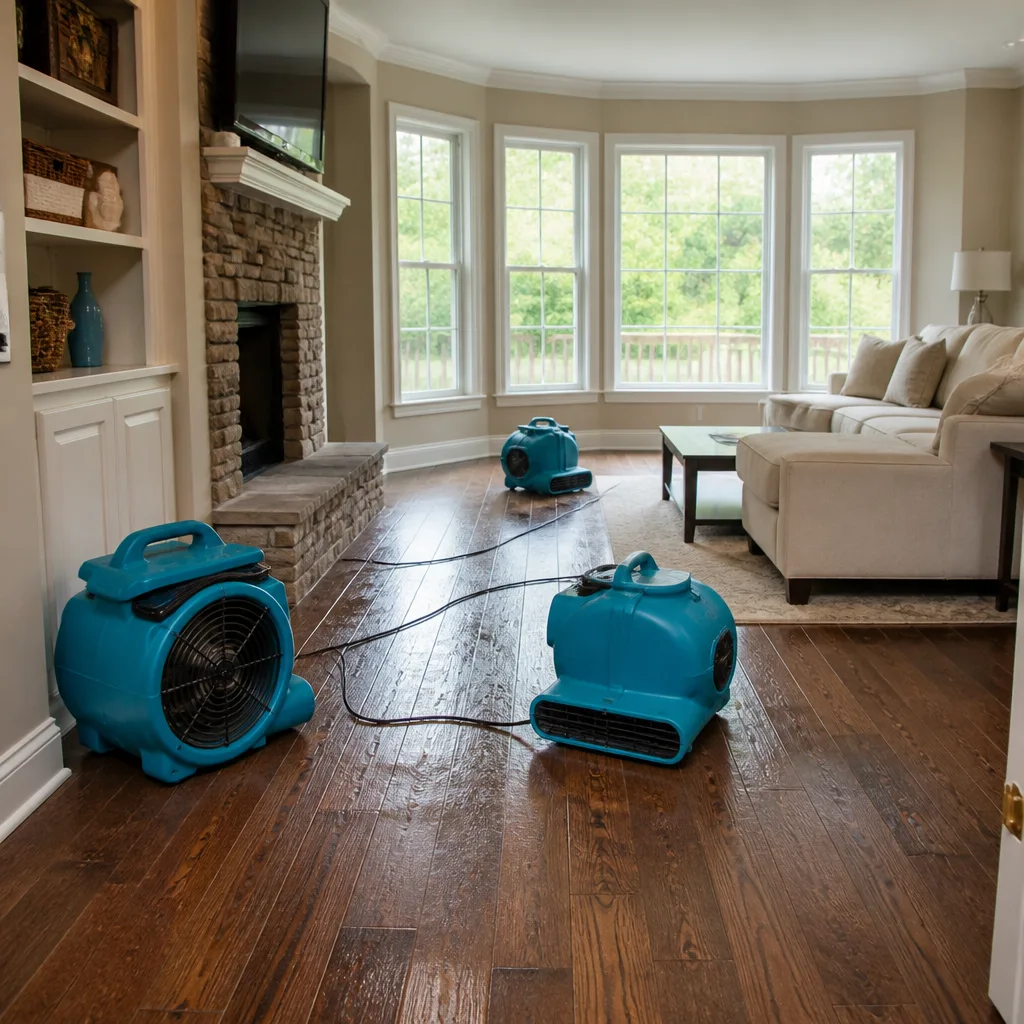
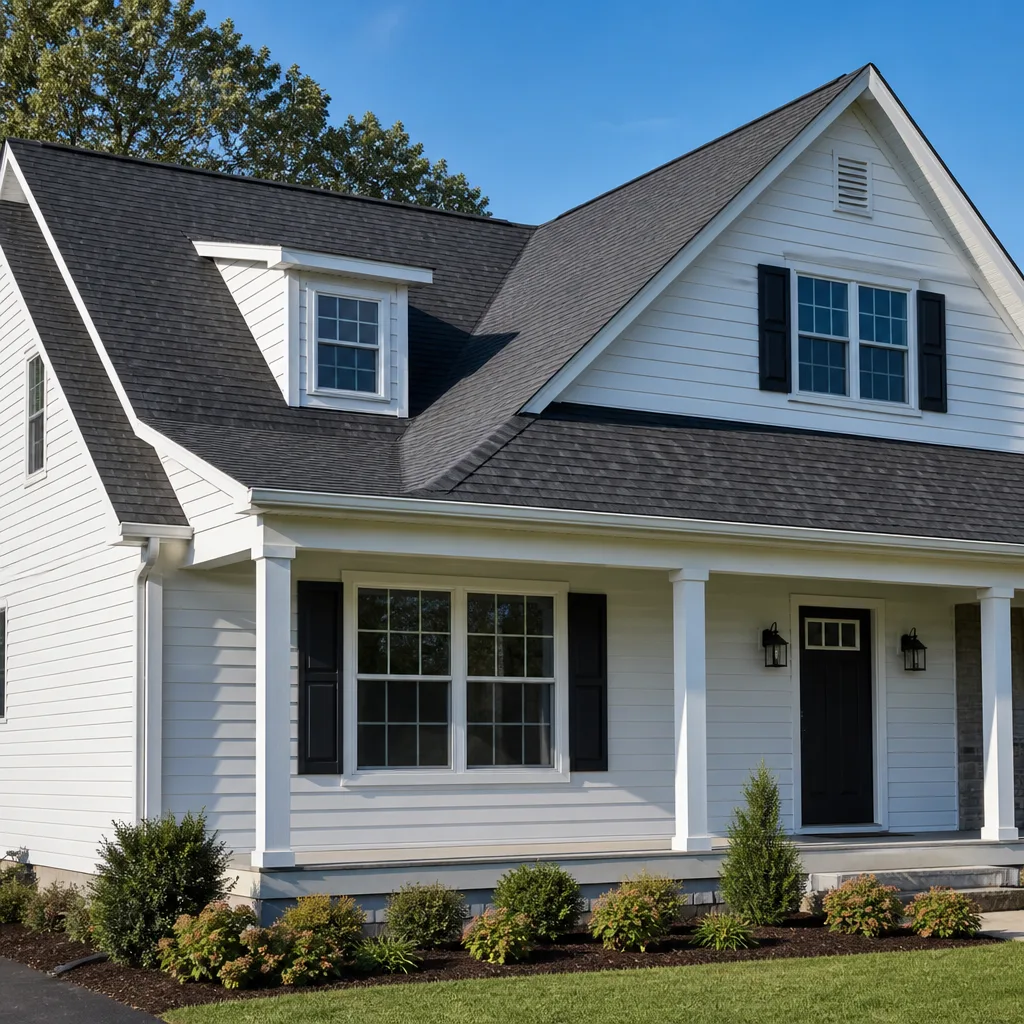
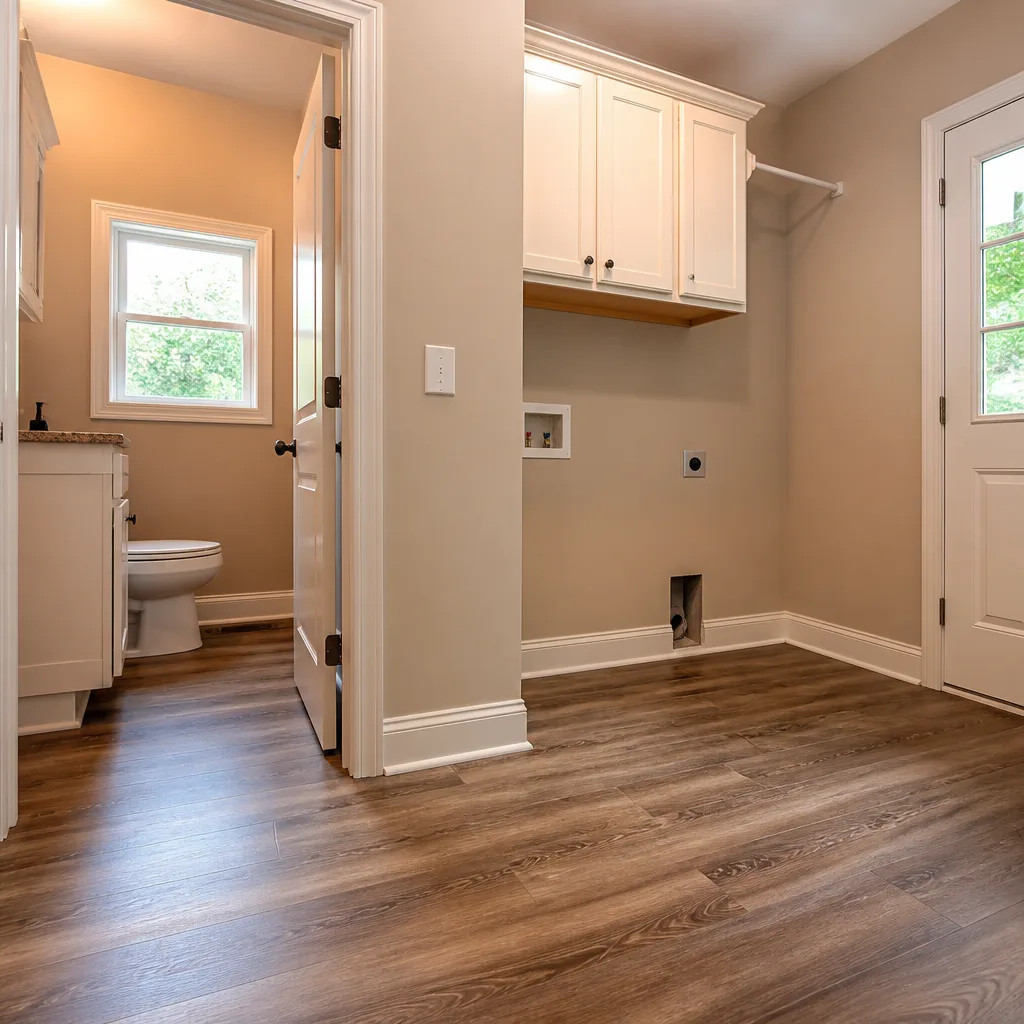
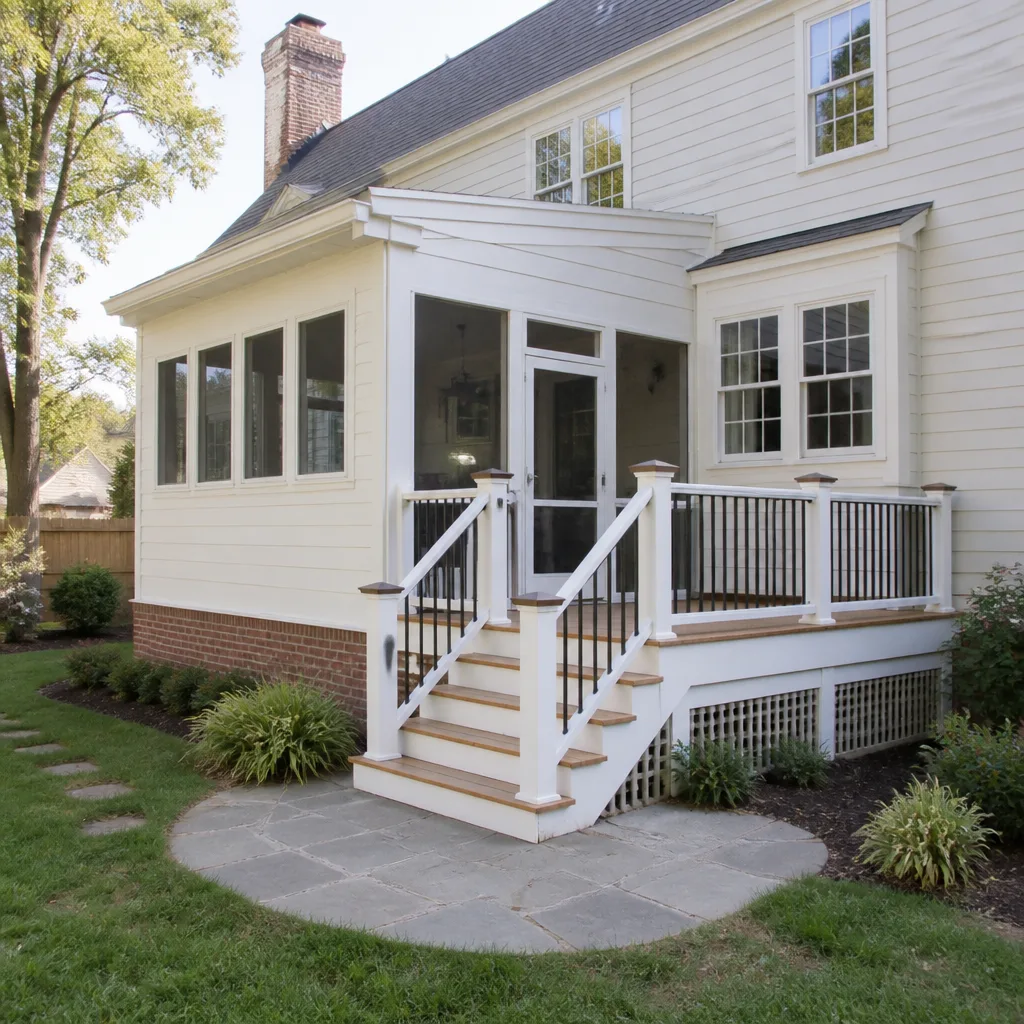
 Before
 After
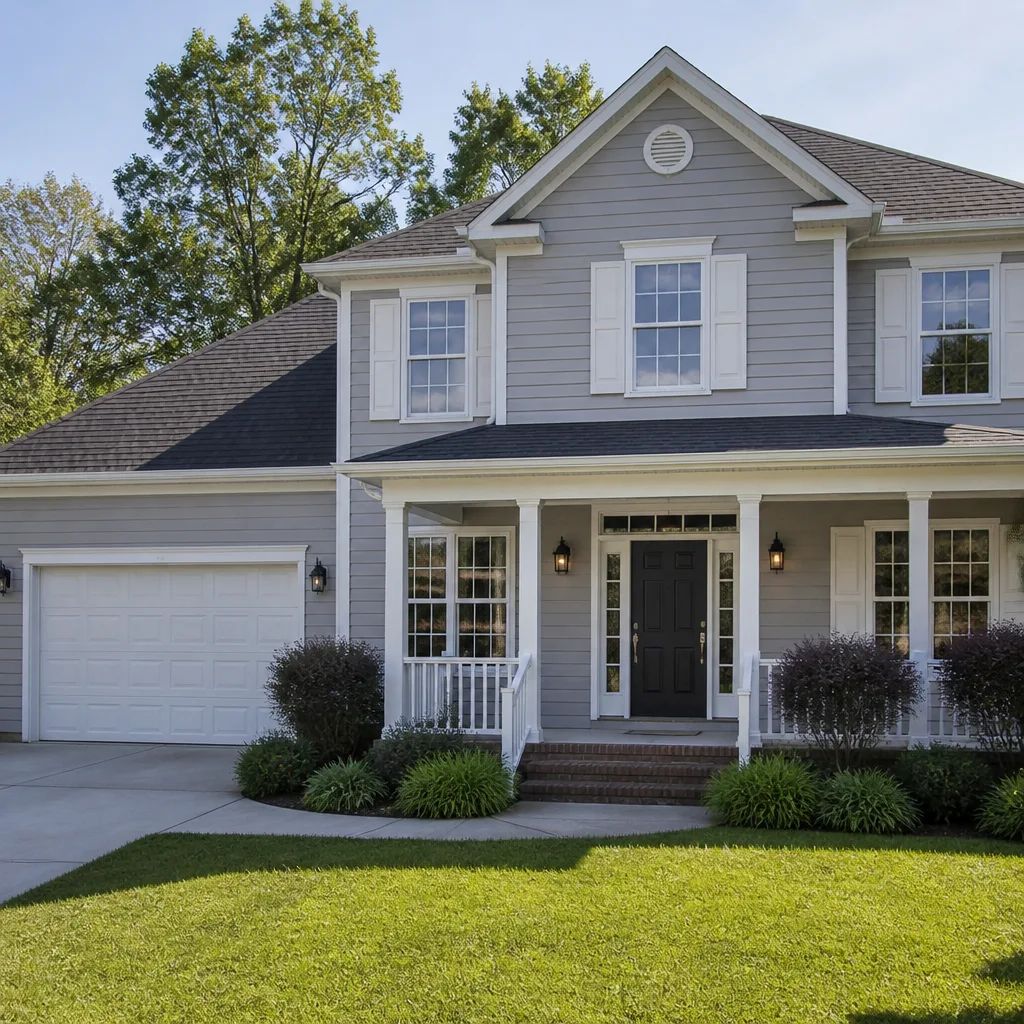
After Before
 After
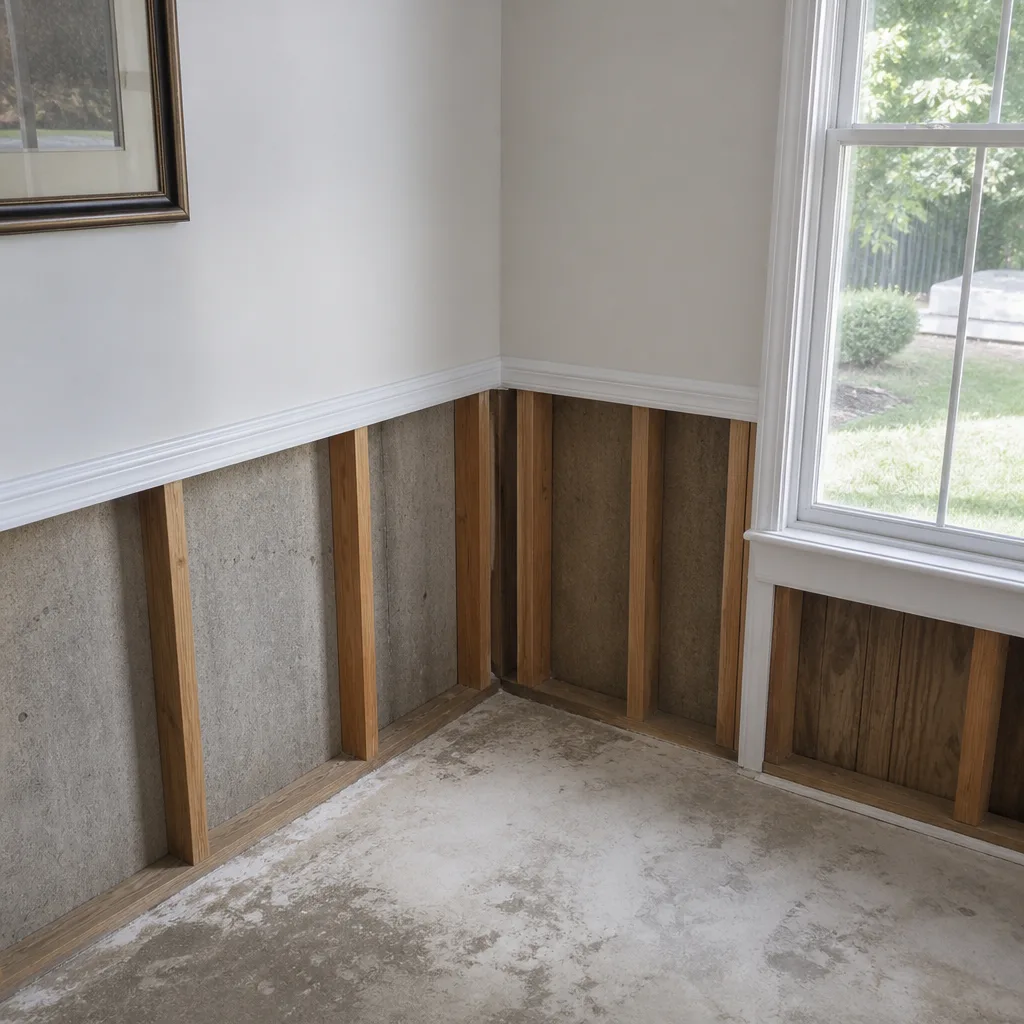
After Before
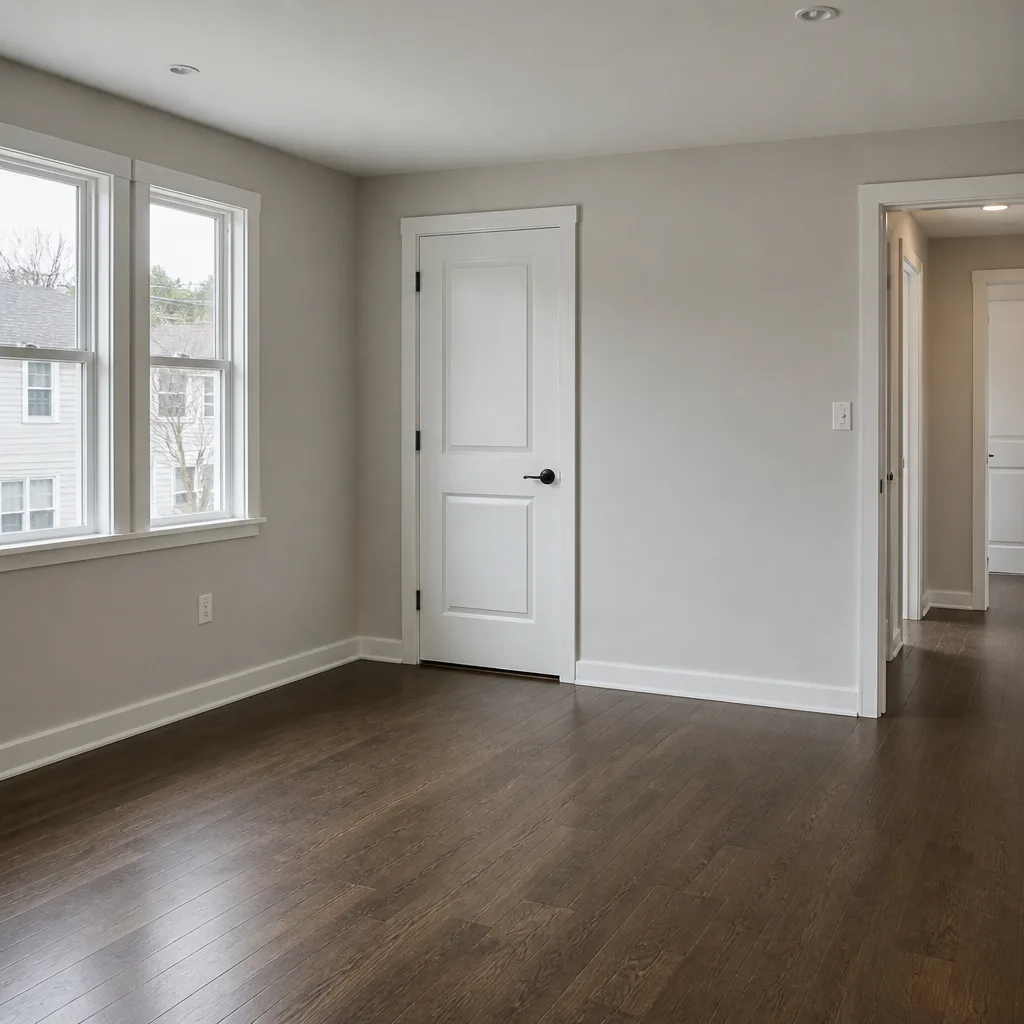 After
After24/7 Emergency Storm & Disaster Restoration in Cambria Heights
A sudden storm doesn’t wait for business hours, and neither do we. Floodline Restoration Co. answers the phone with a live dispatcher at 2 a.m., not a recording, and a certified crew can be dispatched to your Cambria Heights home immediately. If water is coming in through a compromised roof, a failed basement wall, or a backed-up sewer line, call (518) 627-5878 and we’ll get there fast. The first hour matters most: standing water is already wicking up drywall, saturating carpet padding, and getting behind baseboards into wall cavities. The faster extraction starts, the less demolition you’re looking at. We provide a free visual inspection for every Cambria Heights property, and in most cases, extraction is running the same visit. That’s the Floodline difference-we don’t schedule an appointment to look at a problem that’s actively spreading.
Understanding Storm & Disaster Restoration Severity in Cambria Heights Properties
Storm restoration in Cambria Heights carries a set of risks that contractors from neighboring Nassau County routinely misjudge. The water we deal with falls into three categories, and each demands a different protocol. Category 1 water from a burst supply line or roof leak is clean, though it degrades into Category 2 within 24 to 48 hours. Category 2 contains significant contamination and comes from sources like washing machine overflows. Category 3 water is the one we see most often in Cambria Heights basements after even mild summer storms-raw sewage, storm sewer surcharge, or water that has traveled through the saturated soil surrounding your foundation. Category 3 requires full containment, cut-out of saturated drywall and carpet, antimicrobial application, and structural drying to a measurable standard using hygrometers and thermal imaging. These post-WWII, brick-clad Cape Cods and Colonials in Cambria Heights hide moisture inside plaster-and-lath walls and behind brick veneers, which means a surface moisture reading isn’t enough. We moisture-map every job from day one, and we keep daily readings logged until the drying standard is met-then we hand that log to your insurer and to you.
Why Cambria Heights Property Owners Choose Floodline Restoration Co.
- 45-minute response commitment to Cambria Heights. When water is spreading and sewage is standing, speed is the difference between a dry-out and a tear-out. We commit to having a technician rolling toward you within 45 minutes.
- A real person answers, 24/7. No phone tree, no answering service that takes a message and promises to call back. A live dispatcher who can route a crew to your street, day or night.
- IICRC-certified crews, trained to the codes that matter. Our technicians hold WRT (Water Damage Restoration Technician), FSRT (Fire & Smoke Restoration Technician), and AMRT (Applied Microbial Remediation Technician) certifications. We name the credentials instead of just saying “certified.”
- Free visual inspection with a written scope before work starts. You’ll know what we found, what we recommend, and what it will cost in writing. No surprises on the bill, ever.
- Direct insurance billing with line-item documentation. We bill your carrier directly. You never play messenger between Floodline and your adjuster. We provide the moisture log, the photos, and the scope of work.
- One crew from first extraction through reconstruction. We don’t hand your job off to a subcontractor after the drying is done. The same background-checked, uniformed crew that starts the extraction finishes the rebuild.
Our Storm & Disaster Restoration Process
Inspection & Assessment
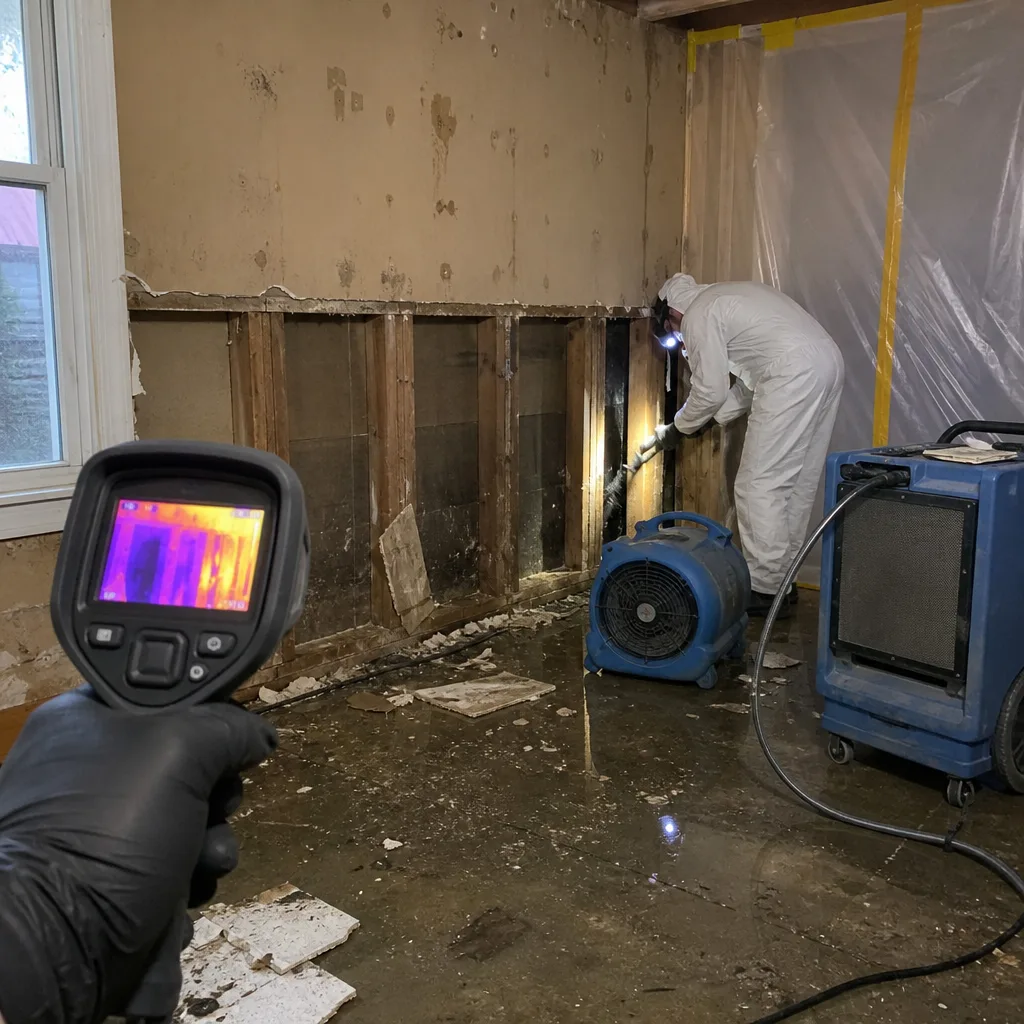
We arrive at your Cambria Heights home, run thermal imaging and moisture readings from floor to ceiling, and map every affected area. We check for hidden moisture behind brick veneer and inside plaster walls-the two places water hides in these post-WWII homes. You get a written scope before any work begins.
Extraction/Stabilization
For flood and sewer backup jobs, we bring professional-grade pumps and truck-mounted extraction units, plus XPOWER air movers and Phoenix dehumidifiers. For storm damage, stabilization includes emergency roof tarping and board-up to stop water from entering while extraction proceeds. Extraction is running the same visit in most cases.
Drying & Dehumidification
We place air movers and dehumidifiers according to the moisture map we built in step one, not according to a generic template. Daily readings are logged with hygrometers and thermal cameras. For Cambria Heights basements on flat, low-lying terrain with shallow water tables, drying takes time, and we stay until the dry standard is met-not until the fan timer runs out.
Cleaning & Sanitization
Every Category 2 or 3 water event requires antimicrobial treatment. We cut out saturated porous materials, treat structural cavities, and deep-clean salvageable surfaces. For storm-related sewage backups, this is where we protect the health of everyone in the house.
Specialty Treatment for Storm & Disaster Restoration
This step varies by job. In Cambria Heights, it usually means one of three things: coordinating asbestos abatement for original floor tiles, addressing lead paint disturbed during the storm, or containing hidden mold inside wall cavities that only opened up because water found its way past spalling brick mortar joints.
Repairs & Restoration
We rebuild what the storm took. Drywall, trim, paint, flooring, roof repairs, structural corrections-all done by the same crew that handled the extraction. The 90-Day Done Right Promise applies to the entire scope. If it’s not done right, we make it right, in writing, no arguing.
Need Emergency Storm & Disaster Restoration in Cambria Heights Now?
Crews minutes away, answering live 24 hours a day. The sooner we start, the less it costs.
Working With Your Insurance Company
Insurance claims in Cambria Heights after a storm or sewer backup can go sideways fast if documentation isn’t airtight from the first hour. We handle it directly. Our crew starts photographing the moment they arrive, room by room, before any demolition starts. We log moisture readings every day, not just when the adjuster asks. We write a line-item scope of work that matches industry-standard estimating software, so your adjuster can reconcile our numbers against their own without going back and forth. And we talk to your carrier ourselves. You don’t wait on hold with an insurance company while your basement sits wet. You call us; we call them.
What We Provide Your Insurer
- Thorough documentation of the loss
- Photos of all damage, room by room
- Moisture readings and drying logs
- A detailed, line-item scope of work
- Direct coordination with your carrier
Built for Cambria Heights’s Loss Calendar
Cambria Heights takes storm damage in a cycle we’ve come to know well. January and February bring deep freezes that burst supply lines in these 70-to-80-year-old homes, flooding basements while the family is at work. March and April bring spring thaw, and with it, surface water saturating the clay-heavy soil around foundations on this flat, former marshland, finding every crack in every concrete-block basement wall. July and August are the surprise: a routine summer thunderstorm can dump two inches of rain in an hour onto aging combined sewer lines that surcharge and push sewage backward into finished basements. It doesn’t take a hurricane. And October through November is nor’easter season-sustained wind and rain that test the aging brick veneers and their spalling mortar joints. Each season has its own signature, and we restoration crews in Cambria Heights plan accordingly.
Storm & Disaster Restoration Across Cambria Heights’s Neighborhoods
Cambria Heights is a compact neighborhood, but storm damage doesn’t distribute evenly across it. The blocks around Linden Boulevard and 227th Street, with their 1950s brick Capes and center-hall Colonials, tend to see the hidden wall-cavity moisture and mold issues tied to the aging brick veneer. The homes closer to Francis Lewis Boulevard and the Nassau County line sit on some of the lowest, flattest ground in southeast Queens, and their basements take sewer surcharge backups during thunderstorms that hardly seem like storms at all. Up around Montefiore Cemetery and the blocks running toward the Belt Parkway, we see wind-driven roof damage and the emergency board-up calls that follow falling limbs and flying debris. In the blocks surrounding Major Mark Park, rows of original cast-iron drain lines still move stormwater, and we know that when one house on the block backs up, the neighbors aren’t far behind. We dispatch from our New York City office with local familiarity-our crews know these blocks, the construction era, and the damage patterns before they even ring the bell.
Specialized Storm & Disaster Restoration Services We Offer in Cambria Heights
Flood Damage Restoration
In Cambria Heights, flood damage means basement water more often than not. Whether it’s a backed-up combined sewer or a foundation wall overwhelmed by saturated soil, we extract, dry, treat for microbes, and rebuild. In these 1950s-built homes with original cast-iron drains and plaster walls, half the restoration is finding the water that isn’t visible. We find it.
Storm Damage Cleanup
After the storm passes, the debris stays: wet insulation, damaged drywall, soaked carpet, ruined personal belongings. We remove the damaged materials safely, warehouse what can be restored, and photograph everything for your claim. Cambria Heights properties with original asbestos tile get abatement coordination, not a casual rip-out.
Emergency Board-Up
If a tree limb takes out a window or a storm tears off a section of siding, your house is open to the weather. We board up within hours, not days, using plywood secured to code. Every permitted restoration job in Cambria Heights falls under New York City Department of Buildings jurisdiction, and we file the permits that are required-something Elmont-based contractors often skip, which is why we get called in to fix their stopped-work projects.
Roof Tarping
A torn roof means water running into an attic and down inside walls. We tarp fast using heavy-duty materials and secure them against the wind that caused the damage in the first place. It’s a stopgap, but a good one stops the secondary damage before it starts.
Debris Removal
Storm debris on your property is more than an eyesore-it’s a trip hazard, a water trap, and a haven for pests. We clear it, haul it, and document the cost for your insurer. Done right, and backed in writing.
What happens when you call
- 1
A real person answersNo phone trees - you reach a local pro.
- 2
You get an upfront price rangeHonest numbers before anyone is dispatched.
- 3
A background-checked tech heads outLicensed & insured, dispatched right away.
- 4
You approve before work beginsNothing starts until you say go.
Storm & Disaster Restoration Costs in Cambria Heights, NY
Storm restoration pricing depends on what happened and how far the water traveled. That said, Cambria Heights homeowners can expect typical ranges. A straightforward flood extraction with structural drying in a finished basement usually runs $2,800 to $6,500. Sewage backup cleanup with contaminated material removal and antimicrobial treatment moves into the $4,000 to $11,000 range, depending on how much drywall and carpet must be cut out. Emergency board-up and tarping typically falls between $450 and $1,400. Full restoration including asbestos or lead abatement coordination, hidden mold remediation, and reconstruction can climb past $20,000 on severe jobs. Insurance covers most storm and sewer backup losses when the right documentation is in place, and that’s exactly what we provide from the first hour. Call (518) 627-5878 for a free visual inspection and a firm written scope-before you commit to anything.
We Also Serve Cities Near Cambria Heights
Our crews dispatch to Cambria Heights and the surrounding southeast Queens neighborhoods as well: Elmont, Queens Village, Hollis, and Rosedale. If you’re anywhere near the Nassau County line and the water’s rising, call (518) 627-5878.
Serving Cambria Heights, NY - Our Local Coverage Area
We’re based in the Cambria Heights area and know this community well. Use the map below to see our service coverage - if you’re nearby, we can almost certainly help.
Cambria Heights Storm & Disaster Restoration Questions, Answered
Does storm restoration in Cambria Heights require a NYC DOB permit, or can I use a Nassau County contractor?
Yes, every permitted storm restoration job in Cambria Heights requires a New York City Department of Buildings permit, because Cambria Heights is in Queens, not Nassau County. Homeowners who hire Elmont or Valley Stream contractors often discover mid-project that their contractor has never filed a DOB permit, triggering stop-work orders and fines. Your contractor should handle the permit for you. Floodline Restoration Co. knows the NYC DOB process and files what the job requires.
Why did my Cambria Heights basement flood during a mild summer thunderstorm, not a major storm?
Because Cambria Heights sits on flat, low-lying terrain with aging combined sewer infrastructure that surcharges during heavy summer convective storms. A storm that drops two inches of rain in an hour overwhelms the system, and sewage backs up into the lowest drain in your house-usually the basement floor drain. This is the most common damage event we see in the neighborhood, and it has nothing to do with whether you left a window open.
How do you handle hidden mold inside my 70-year-old brick walls after a storm?
The brick veneer on these post-WWII Cambria Heights homes has mortar joints that are actively spalling, which lets water migrate silently behind the brick and into wall cavities. We use thermal imaging and moisture mapping to find the wet cavities, then we open them surgically, contain the work area, remediate the mold to the IICRC S520 standard, and rebuild what we opened. Surface staining on plaster is often only the tip of what’s inside these walls.
Is it safe to dry out my Cambria Heights basement myself after a sewage backup?
No. Sewage backup water is Category 3-heavily contaminated with bacteria, viruses, and parasites. Running box fans from the hardware store just aerates pathogens into the air you’re breathing. This requires professional containment, cut-out of saturated porous materials, antimicrobial treatment, and drying to a measurable standard. Call a certified restoration company. Call us at (518) 627-5878.
Do I need asbestos or lead abatement before storm restoration in my post-WWII Cambria Heights home?
If we’re disturbing original materials like 9×9 floor tiles, old pipe insulation, or plaster that predates 1978, the answer is usually yes. Cambria Heights homes built between the mid-1940s and early 1960s routinely contain asbestos in floor tiles and lead in paint. We coordinate abatement with licensed professionals before we cut or remove those materials, and the cost gets documented into your insurance scope where applicable.
How fast can someone actually get to my Cambria Heights home after a storm?
We commit to having a technician dispatched within 45 minutes of your call, and because our New York City office dispatches routinely into Cambria Heights, actual arrival is often faster. A live person answers the phone at any hour, day or night. Call (518) 627-5878 and we’ll get moving.
Will my insurance cover storm and sewer backup restoration in Cambria Heights?
Standard homeowners policies usually cover storm damage from wind, falling objects, and roof leaks. Sewer backup coverage often requires an endorsement or rider. What matters is documentation. We provide your carrier with room-by-room photos, daily moisture readings, and a line-item scope of work that matches industry-standard estimating software. We bill your insurer directly, and we talk to your adjuster ourselves.
Can we stay in our Cambria Heights home during storm restoration?
For roof leaks and storm cleanup, usually yes. For Category 3 sewage backups, hidden mold remediation, or projects involving asbestos abatement, we may recommend alternative accommodations until the affected areas are cleaned, sanitized, and sealed. We’ll tell you straight, before the work starts, in the written scope.
Storm damage doesn’t improve with time. Call Floodline Restoration Co. now.
Live dispatch, certified crews, and a written guarantee on the work. Estimates are free.
Written by Curt Bowman, Owner at Floodline Restoration Co., serving Cambria Heights and the surrounding Queens communities.