
Free visual inspection and a written scope of work before any mitigation begins - photos, moisture readings, and drying logs go in your claim file
The scope we write is the scope we bill. Anything new gets shown to you, in writing, before we touch it.
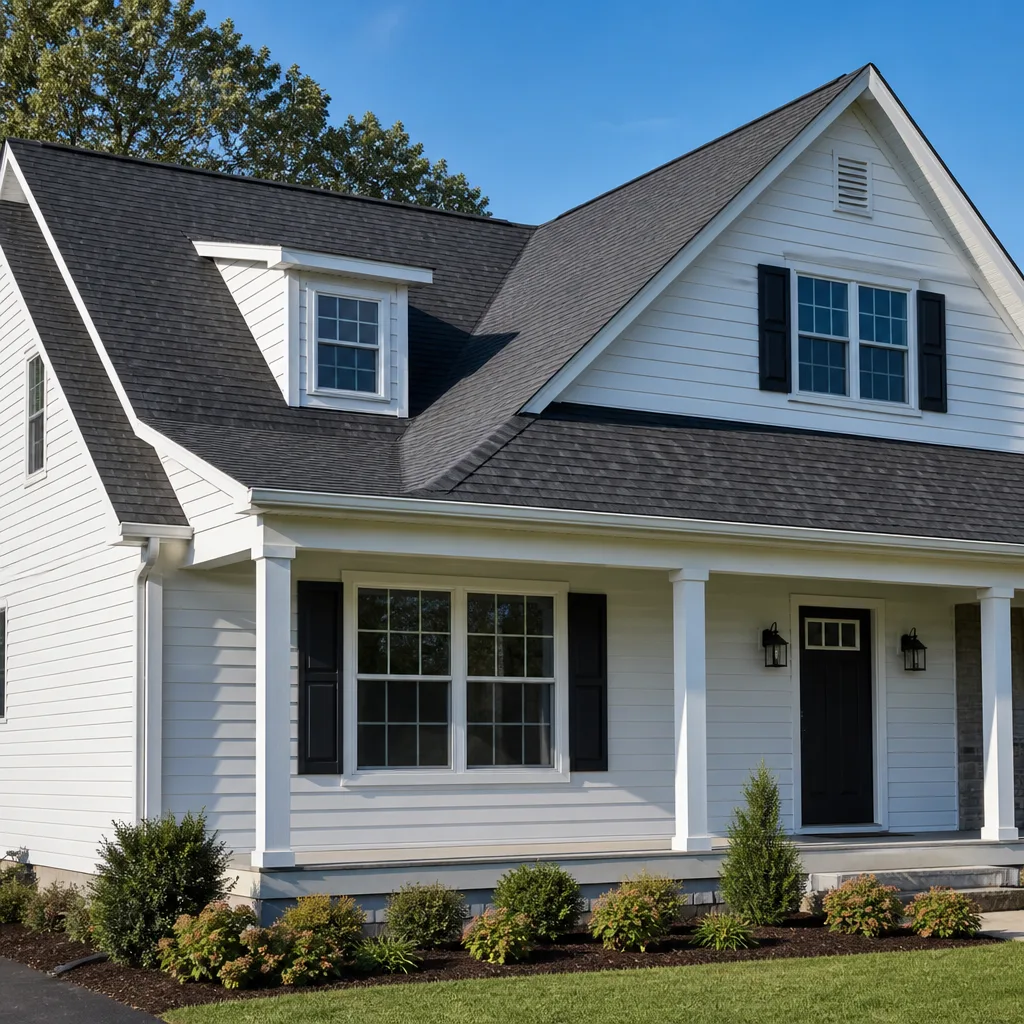
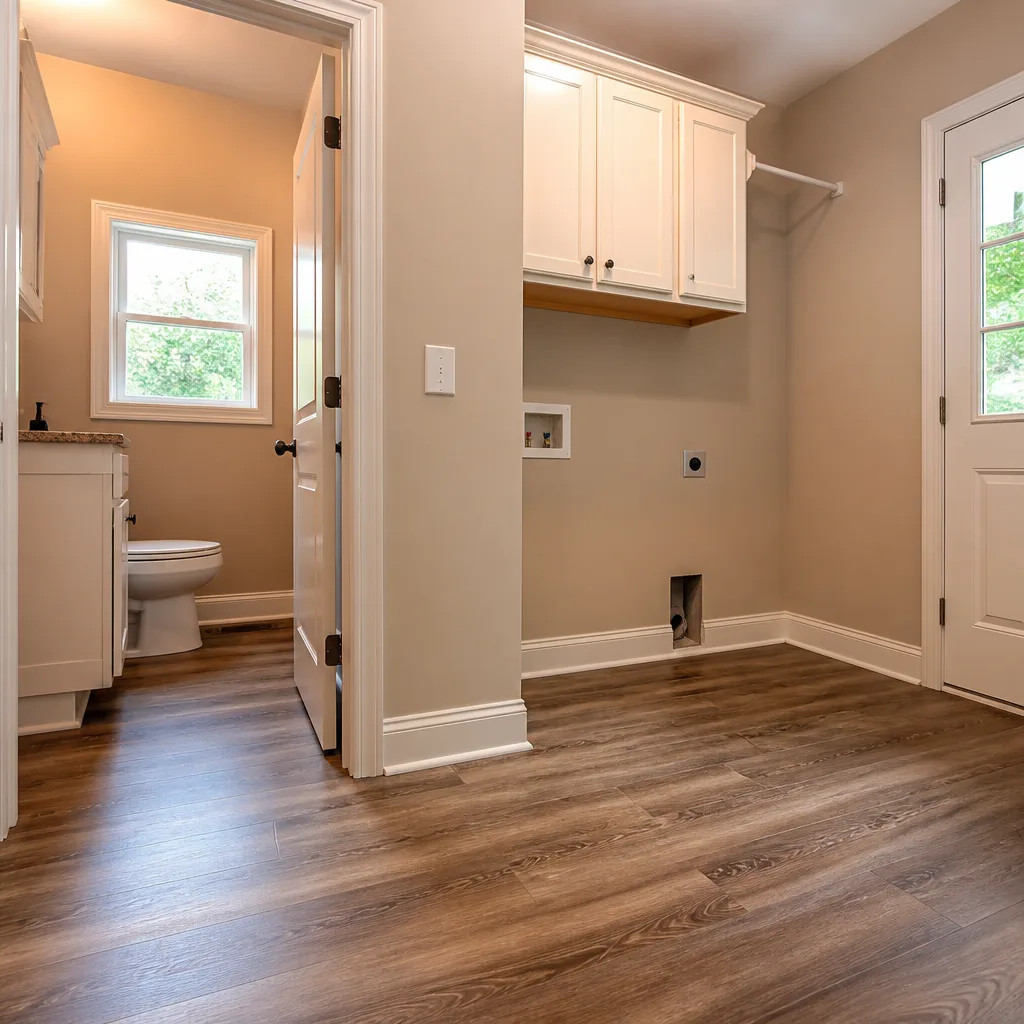
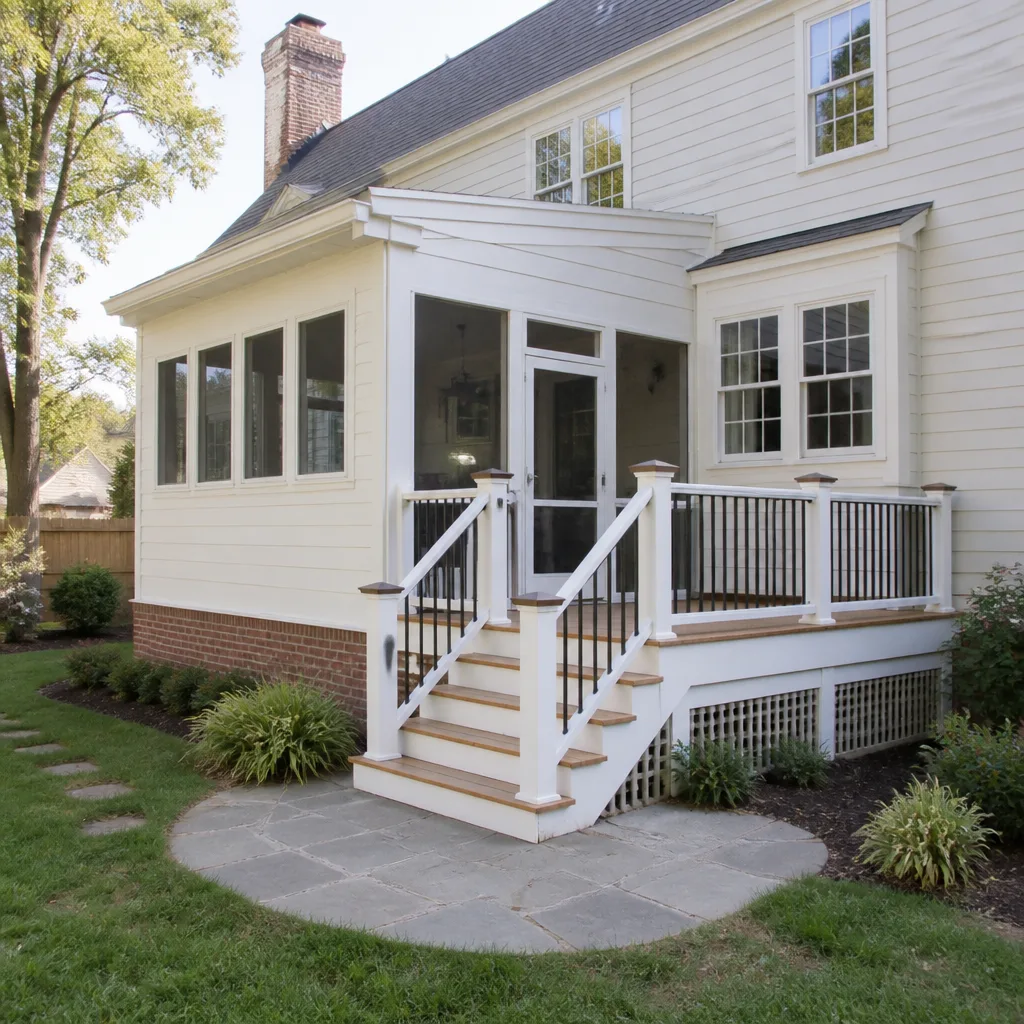
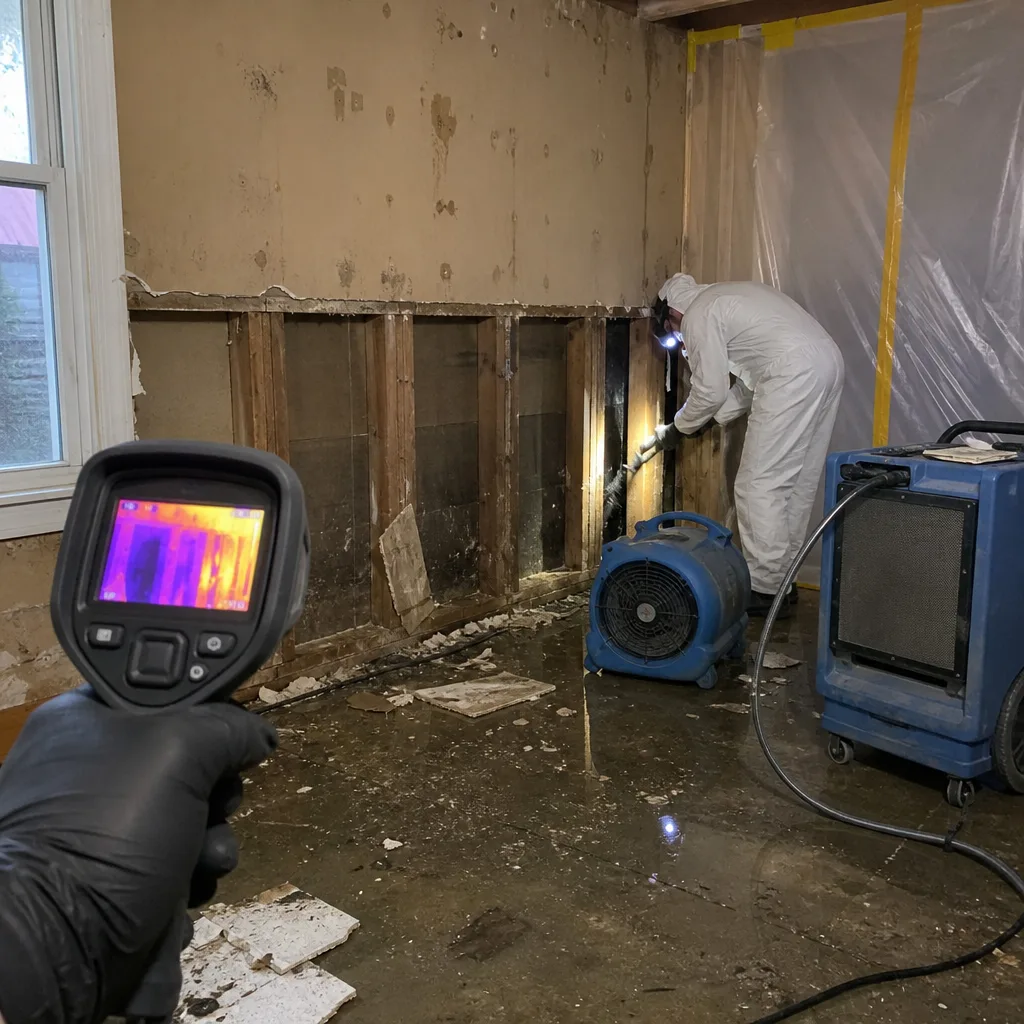 Before
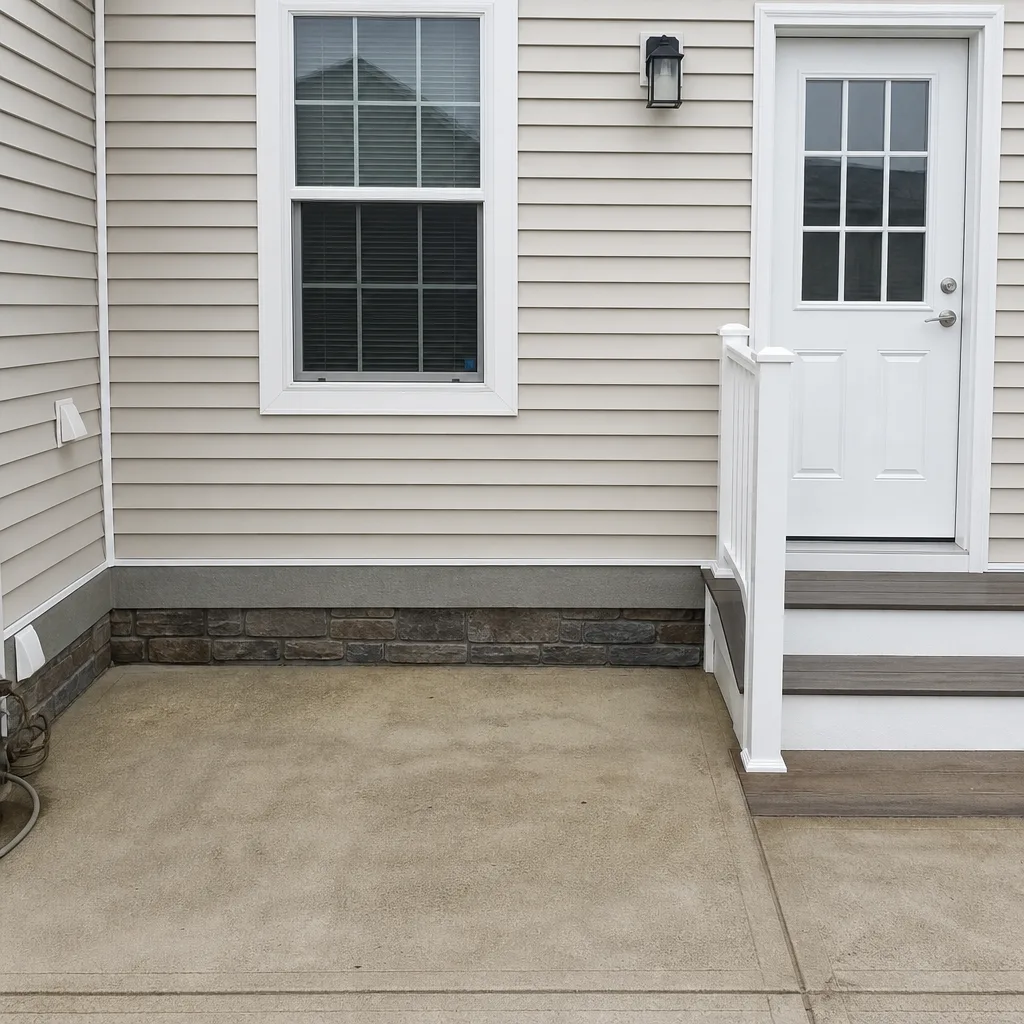 After
After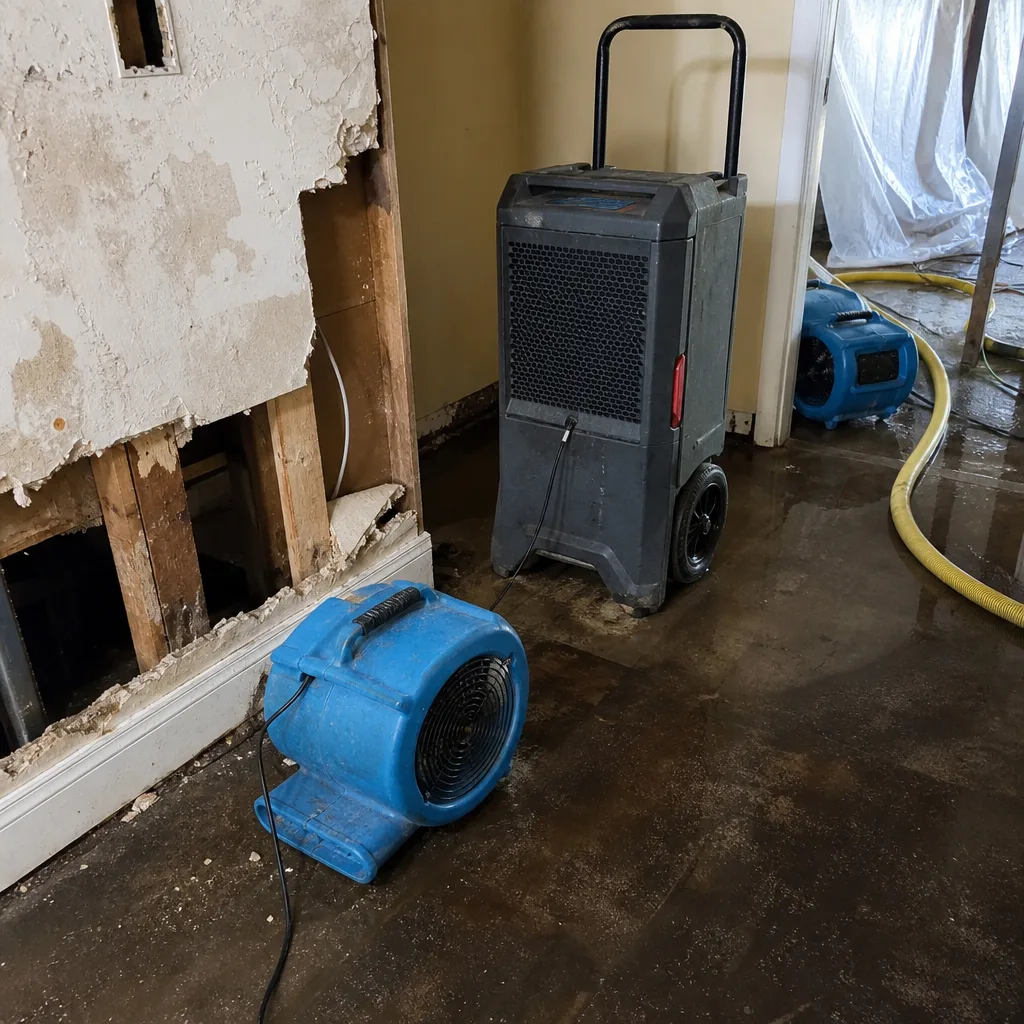 Before
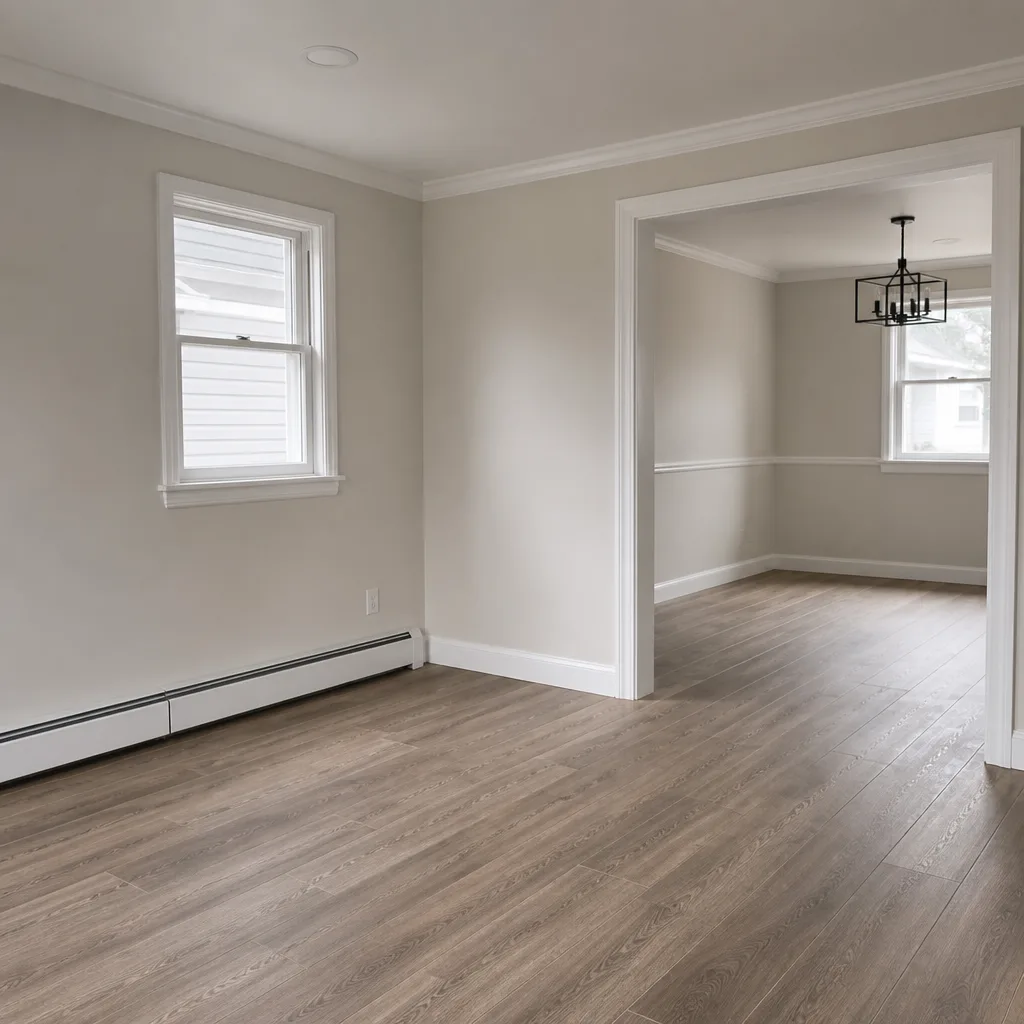 After
After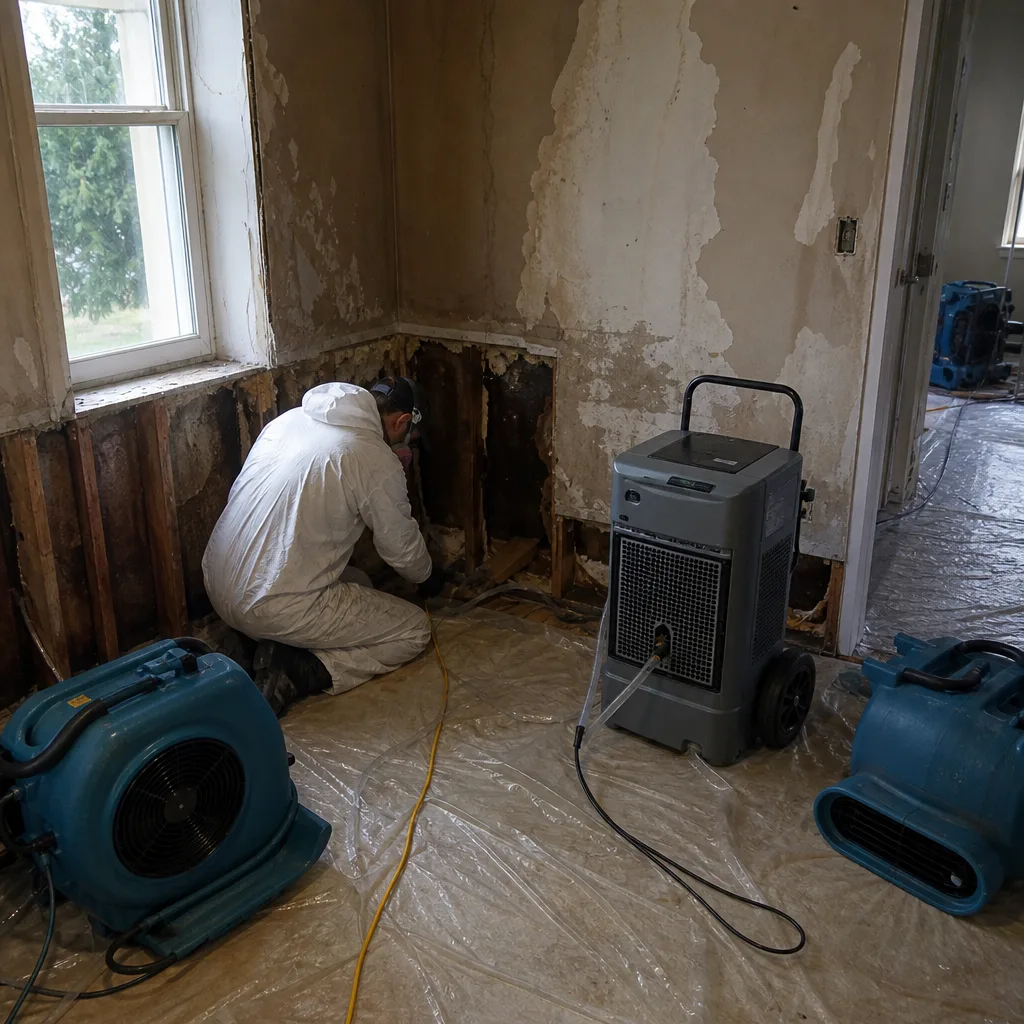 Before
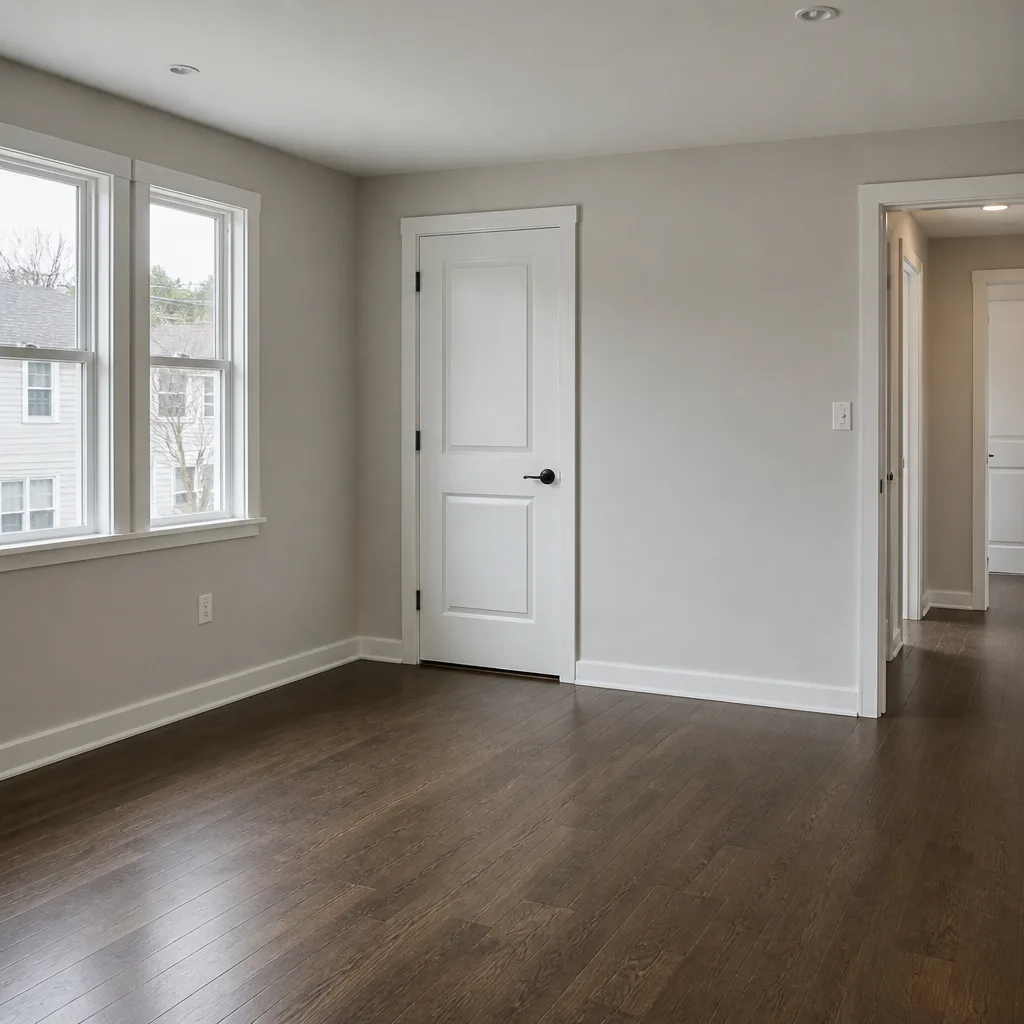 After
After24/7 Emergency Storm & Disaster Restoration in Jamaica
Storm and disaster restoration in Jamaica, NY typically costs between $1,800 and $12,000 depending on whether you’re dealing with Category 3 sewage backup, wind-driven roof damage, or full basement flood remediation. Our crews answer live 24 hours a day and can reach most Jamaica blocks within 45 minutes. When a nor’easter pushes water through a floor drain on Sutphin Boulevard or a summer cloudburst backs the combined sewer into your 1930s row house basement, the first hour determines whether you’re facing a cleanup or a full gut-and-rebuild. Call (518) 627-5878 the moment water appears. We’ll walk you through the first steps on the phone and dispatch a crew immediately.
Understanding Storm & Disaster Restoration Severity in Jamaica Properties
Not every flood is the same. Water damage professionals classify floodwater into three categories, and Jamaica’s geography pushes more homes into the worst one than almost anywhere else in Queens. Category 1 is clean water from a broken supply line. Category 2 carries some contamination, typically from a washing machine overflow or sump failure. Category 3 is what we see most often in Jamaica after a heavy storm: sewage-laden water forced up through floor drains when the combined sewer system backs into residential basements. That water carries bacteria, viruses, and parasites. It cannot be dried in place. The plaster walls, cast-iron drain stacks, and any porous material it touches in a pre-war row house must be cut out under containment and disposed of as contaminated waste. This is where moisture mapping matters. Our techs use thermal imaging and hygrometers to track water migration through shared party walls, because in attached Jamaica housing, the damage rarely stops at the property line.
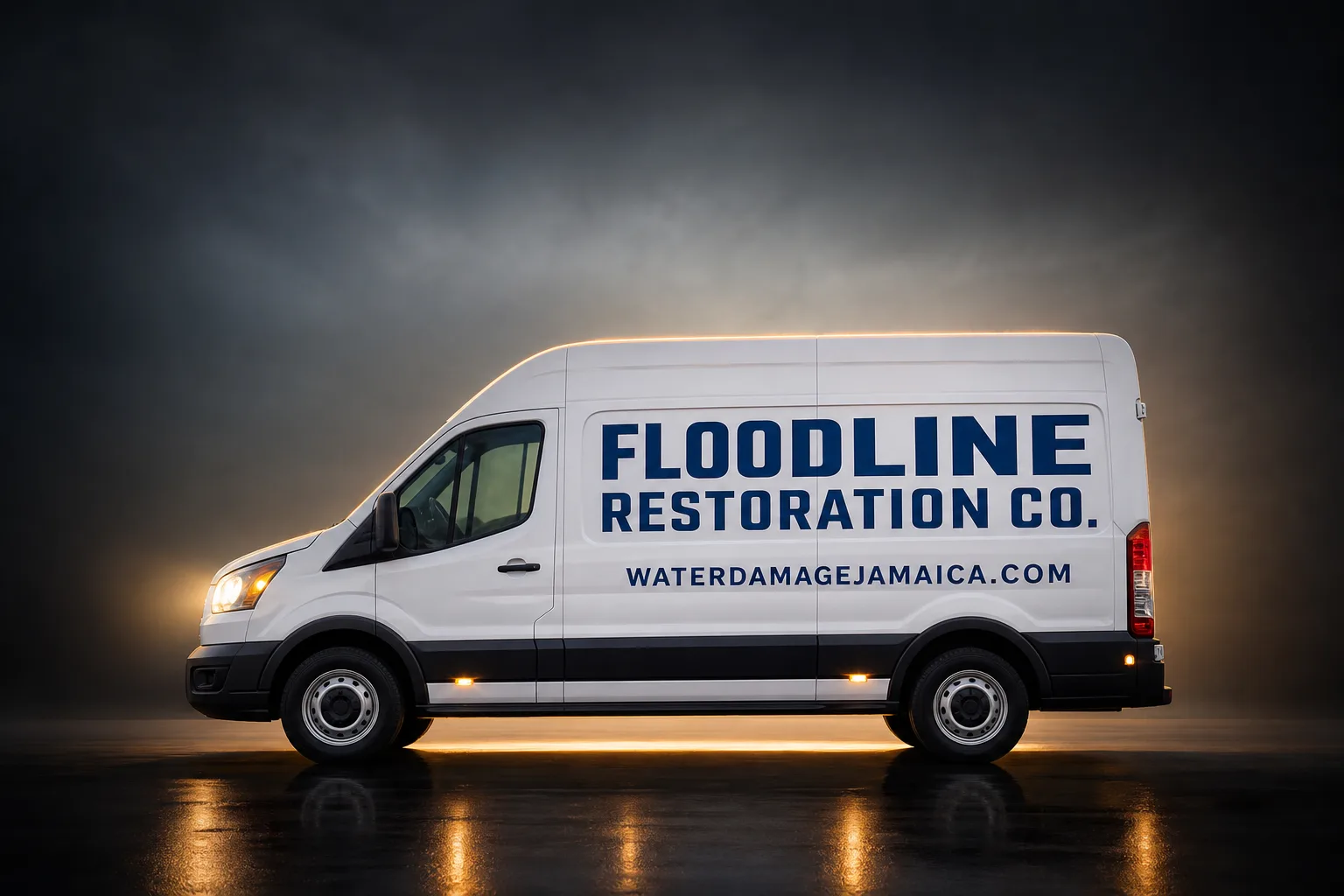
Why Jamaica Property Owners Choose Floodline Restoration Co.
- 45-minute response commitment – We dispatch crews from our New York City office directly into Jamaica, and we commit to a 45-minute arrival window for emergency calls.
- A live person answers, every time – At 2 a.m. during a nor’easter, you’ll speak to a dispatcher who can authorize a crew, not an answering service that takes a message.
- IICRC-certified crews – Our technicians hold WRT, FSRT, and AMRT certifications and arrive in uniform, background-checked, and trained to handle Category 3 water safely.
- Free visual inspection – Before any work begins, we walk the loss with you, explain what we’re seeing, and give you a written scope. No pressure, no surprises.
- Direct insurance billing – We document everything from the first hour, send the claim to your carrier, and communicate with your adjuster so you don’t have to play messenger.
- One team from extraction to rebuild – The same crew that pumps the water out is the crew that hangs the new drywall. We don’t hand your home off to a subcontractor mid-job.
Our Storm & Disaster Restoration Process
Inspection & Assessment
We arrive with moisture meters and thermal imaging cameras. We map the water migration, identify the source, and classify the water category. In Jamaica’s pre-war row houses, we check for asbestos-containing materials before any demolition gets scheduled.
Extraction & Stabilization
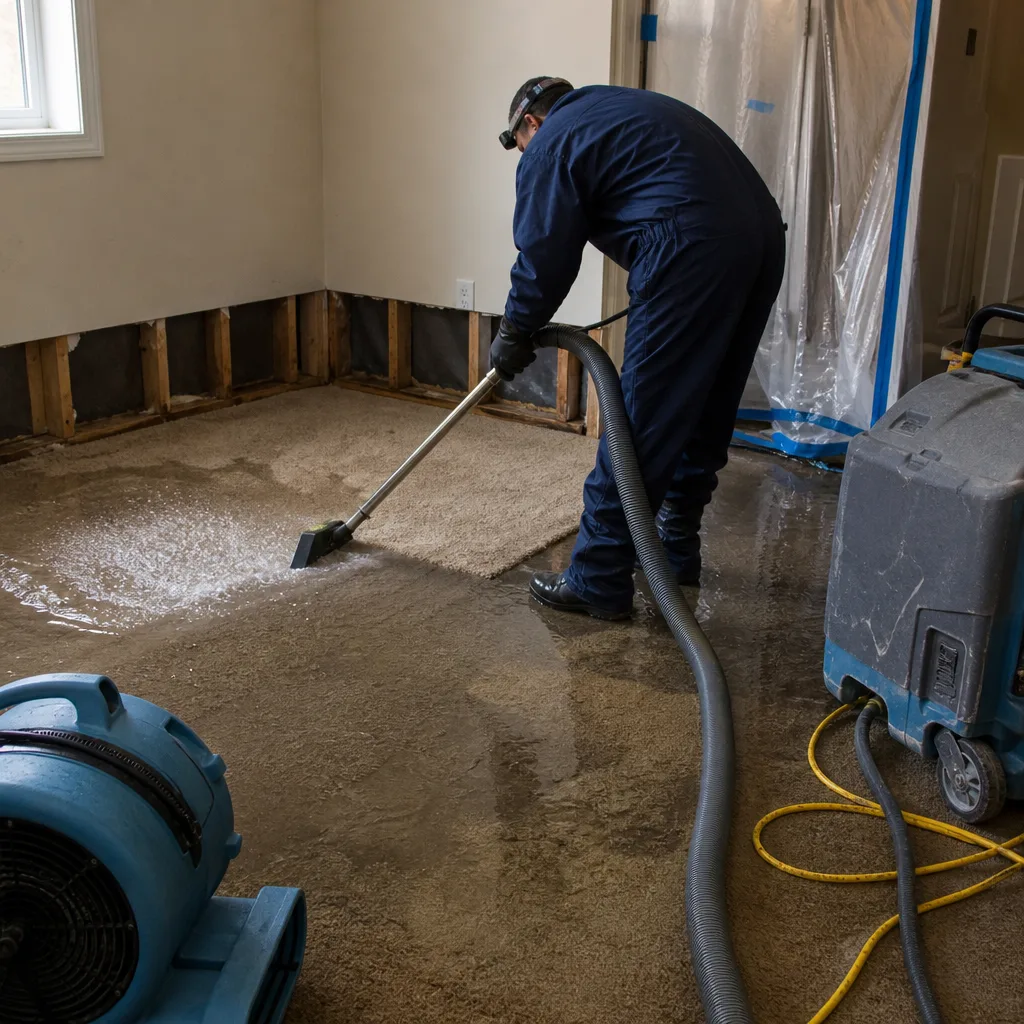
For flood damage, we deploy Dri-Eaz and Phoenix extraction pumps to pull standing water immediately. For wind damage, we board up windows and tarp roofs the same visit. Stabilization stops the loss from spreading.
Drying & Dehumidification
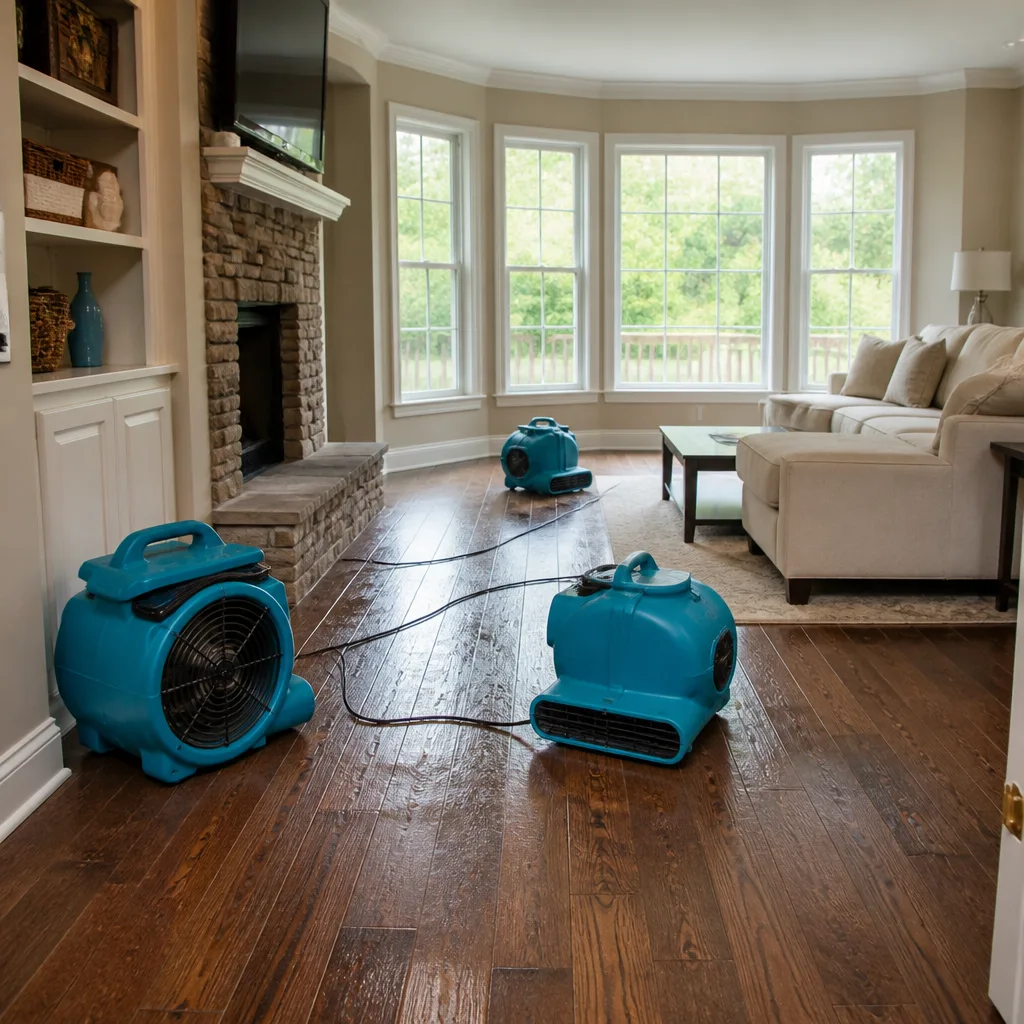
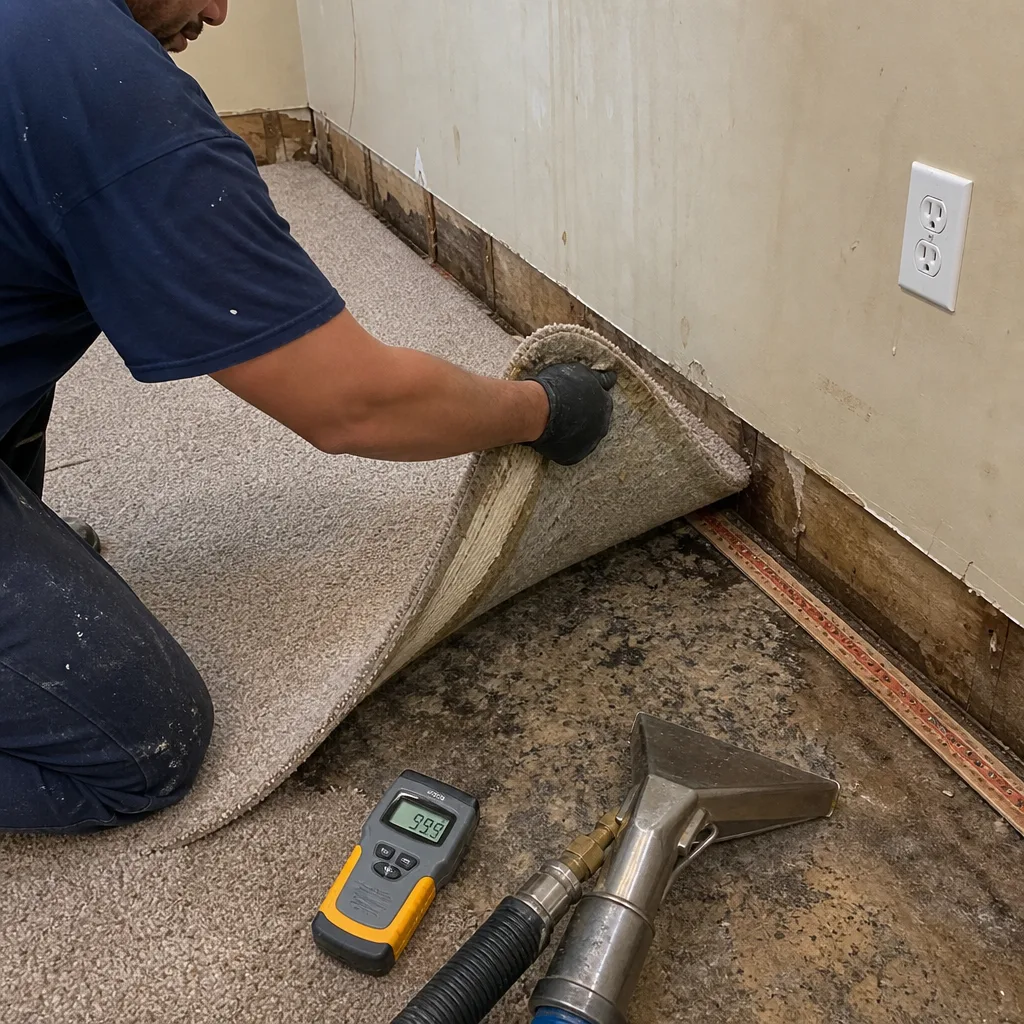
Professional-grade XPOWER air movers and B-Air dehumidifiers run continuously, with daily moisture readings logged until every structural material hits the dry standard. You get a copy of that log, and so does your insurance carrier.
Cleaning & Sanitization
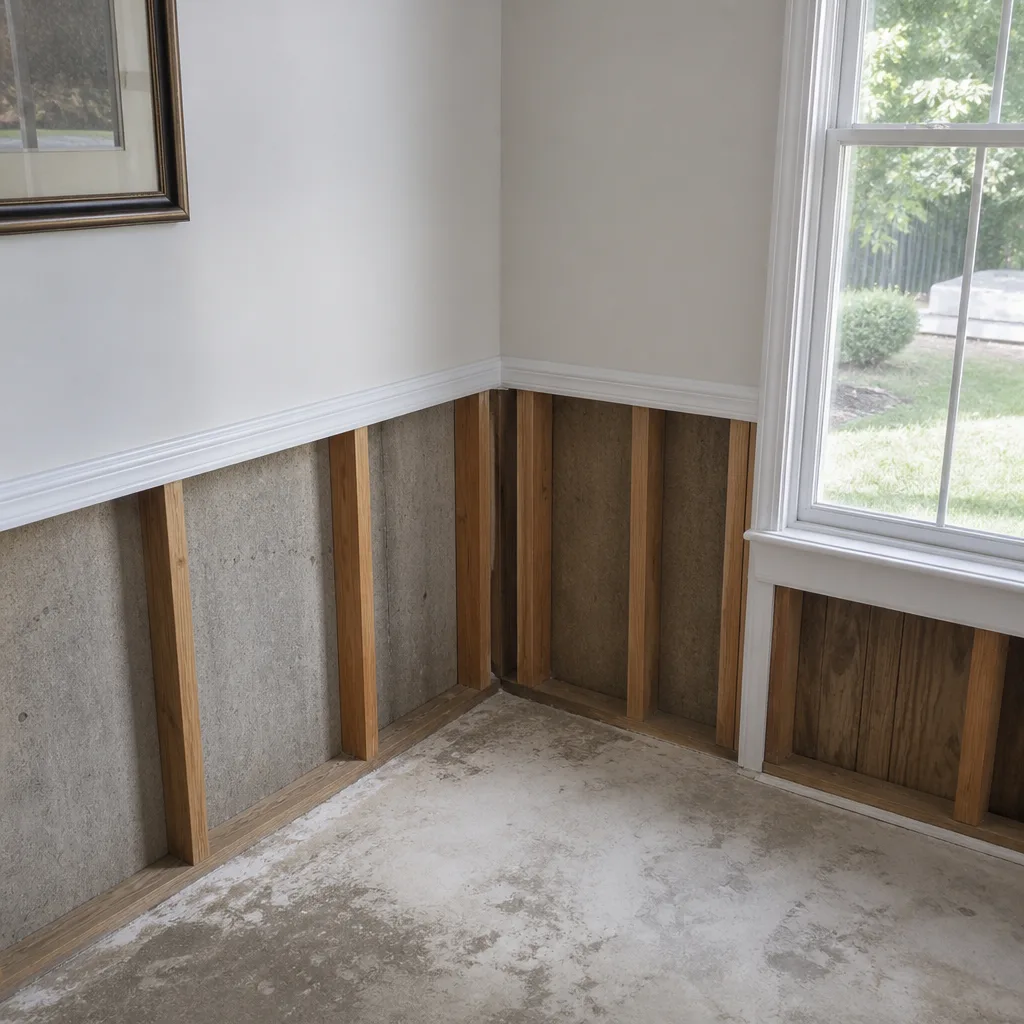
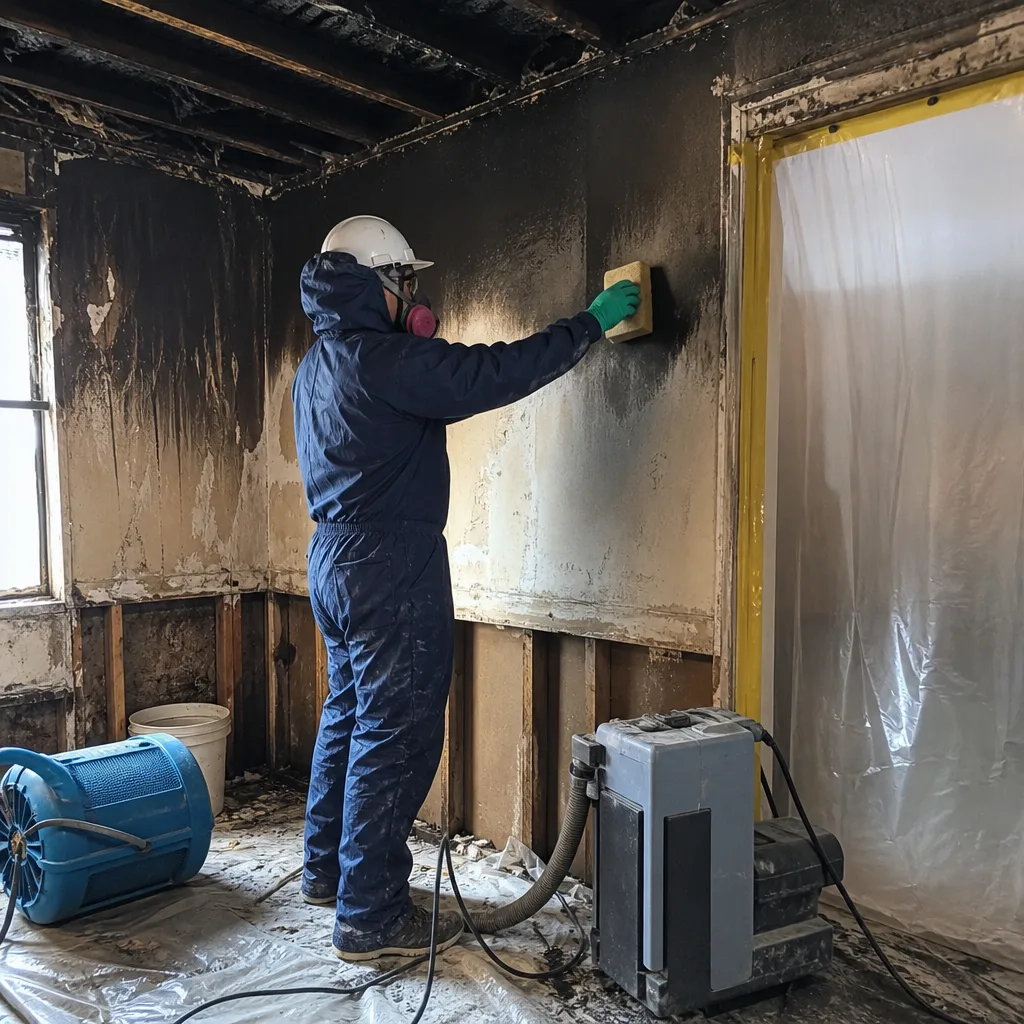
After Category 3 water, we remove contaminated materials under containment, run HEPA air scrubbers to clear airborne contaminants, and sanitize remaining surfaces with EPA-registered antimicrobials.
Containment & Mold Prevention
In Jamaica’s attached housing stock, mold behind one party wall spreads into the neighboring unit. We set up proper containment before disturbing any water-damaged material, and we treat exposed framing with preventative antimicrobial applications.
Repairs & Restoration
From replacing cut-out plaster to rebuilding finished basements, our reconstruction crews handle the full scope. We work from a written scope of work you approve before demolition starts, and every job is backed by the 90-Day Done Right Promise.
Need Emergency Storm & Disaster Restoration in Jamaica Now?
Crews minutes away, answering live 24 hours a day. The sooner we start, the less it costs.
Working With Your Insurance Company
Most storm and disaster losses in Jamaica are covered under standard homeowners policies, but the claim outcome depends heavily on documentation from the first hour. We photograph every affected room before we move anything. We log moisture readings every day until drying is complete. We write a line-item scope of work using industry-standard estimating software that adjusters recognize. If your carrier pushes back on the scope, we communicate with them directly. You hired us to fix your house, not to argue with an insurance desk. Our crews have handled hundreds of Jamaica claims, including Category 3 sewage backups where the initial adjuster undervalued the contamination risk. Documentation wins those arguments.
What We Provide Your Insurer
- Thorough documentation of the loss
- Photos of all damage, room by room
- Moisture readings and drying logs
- A detailed, line-item scope of work
- Direct coordination with your carrier
Built for Jamaica’s Loss Calendar
Jamaica’s storm damage season runs year-round, but the causes shift with the calendar. January deep freezes burst supply lines in unheated basements and crawl spaces, flooding the same finished basements that nor’easters hit in March. Spring thaw saturates the clay-heavy soil around foundations, and basement seepage rises. Summer cloudbursts overwhelm the combined sewer system in minutes, pushing Category 3 water up through floor drains across the neighborhood. Fall brings hurricane remnants up the coast, and the Jamaica Bay watershed directs surge water toward low-lying streets near Merrick Boulevard and Sutphin Boulevard. Every season produces a different loss pattern, and every pattern requires a different mitigation approach. We’ve seen all of them in this neighborhood, and our equipment is staged accordingly.
Storm & Disaster Restoration Across Jamaica’s Neighborhoods
Jamaica’s response map is defined by housing density and grade. The attached brick row houses along Hillside Avenue and Jamaica Avenue share party walls, so fire and smoke damage in one unit routinely migrates into two or three adjoining homes. The two-family homes near Rufus King Park and the Grand Central Parkway corridor sit on slightly higher ground but still contend with aging cast-iron drain stacks that crack under storm surge pressure. South of Jamaica Avenue toward Baisley Pond, the blocks dip noticeably, and basement flooding is a chronic problem after even moderate rain. The rental density near the AirTrain stop and the Van Wyck corridor creates a different challenge entirely: absentee landlords often discover water intrusion weeks after it happens, and by the time we’re called, mold has spread through shared framing. Each area needs a different approach, and our crews know the routes.
This is the core of our Storm & Disaster Restoration work in Queens. Serving Jamaica means knowing that the basement at 160th Street and 90th Avenue floods differently than the one at Liberty Avenue and 170th Street. It means reading the grade of the street before we even park the truck. We run a dispatch board, not a sales desk, and the board is built around Jamaica’s geography.
Specialized Storm & Disaster Restoration Services We Offer in Jamaica
Storm Damage Cleanup
Wind-driven rain, downed limbs, and flying debris cause most non-flood storm damage in Jamaica. We clear debris, dry saturated building materials, and document everything for your claim. The attached nature of Jamaica’s housing stock means we always check the neighboring unit’s exposure during cleanup, because water and smoke don’t respect property lines.
Flood Damage Restoration
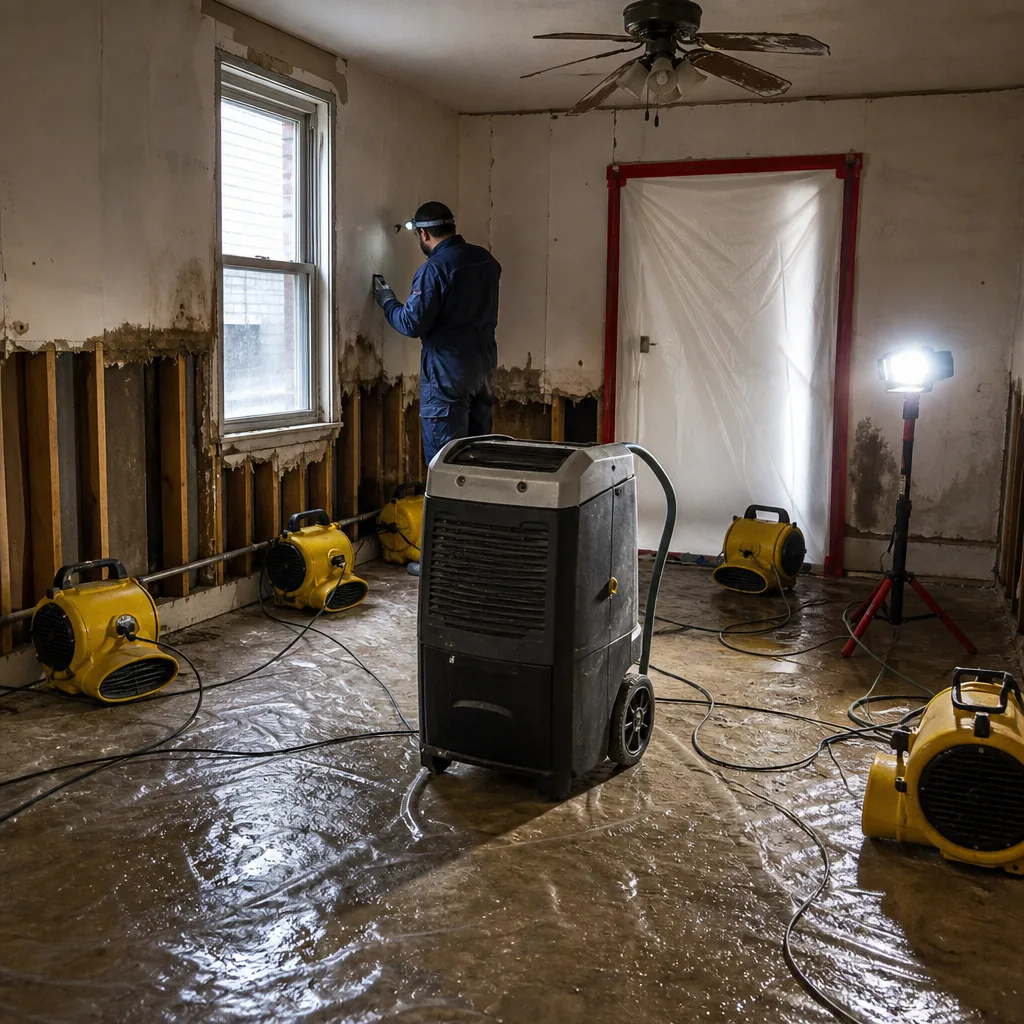
This is the dominant restoration call in Jamaica, and it’s usually Category 3 water. We extract with Dri-Eaz pumps, cut out contaminated plaster and flooring under containment, and dry the structure to the IICRC dry standard. In Jamaica’s pre-war row houses, this routinely involves NYC DEP asbestos abatement protocols before any demolition. We handle that coordination so you don’t have to figure out the regulatory maze yourself.
Emergency Board-Up
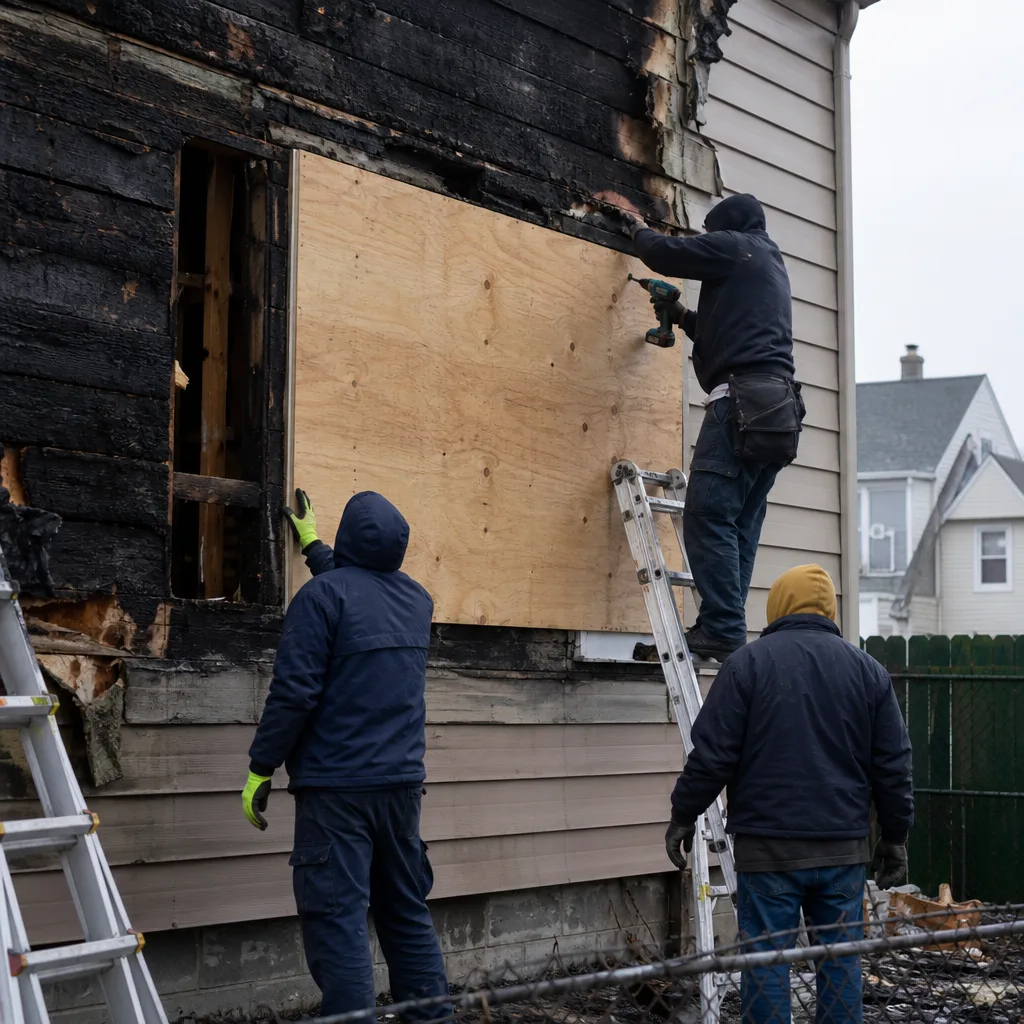
When a tree limb opens a roof or a window blows out during a nor’easter, your home is exposed to weather and to the street. We board up openings the same day, often within hours of your call. Plywood goes up, tarps go down, and your property is secured until permanent repairs get scheduled.
Roof Tarping
Jamaica’s older row houses often have original roofing layers and flat roof sections that fail during heavy wind events. We tarp damaged roof areas quickly to stop water intrusion, then document the damage for your insurer. Temporary tarping buys you time to plan the permanent repair without the loss spreading.
Debris Removal
Storm debris in Jamaica ranges from downed limbs in backyards to collapsed plaster ceilings inside pre-war living rooms. We remove it, haul it, and separate salvageable belongings from debris during the process. If you have flood-damaged furniture, rugs, or stored belongings, we photograph them for your claim before removal.
What happens when you call
- 1
A real person answersNo phone trees - you reach a local pro.
- 2
You get an upfront price rangeHonest numbers before anyone is dispatched.
- 3
A background-checked tech heads outLicensed & insured, dispatched right away.
- 4
You approve before work beginsNothing starts until you say go.
Storm & Disaster Restoration Costs in Jamaica, NY
Honest numbers for Jamaica’s market: a straightforward Category 1 water extraction with drying on a small basement runs $1,800 to $3,500. A full Category 3 sewage backup remediation in a pre-war row house, with asbestos abatement and plaster removal, typically runs $6,000 to $12,000. Roof tarping after wind damage runs $400 to $900. Emergency board-up runs $300 to $600. Debris removal usually runs $500 to $2,000 depending on volume. What moves the price in Jamaica specifically is the age of the building. Cast-iron drain stacks that need replacement add $2,000 to $5,000. Asbestos abatement protocols add $1,500 to $4,000 and required NY DEP filing. Shared party wall drying adds scope that a single-family home wouldn’t have. Most of these losses are covered by insurance, and our direct billing means you’re not fronting tens of thousands while the carrier decides. The free inspection gives you a firm written scope before you commit to anything.
We Also Serve Cities Near Jamaica
Our crews regularly work the surrounding Queens neighborhoods: Howard Beach, Ozone Park, Woodhaven, and South Ozone Park. The same 45-minute response commitment and the same 90-Day Done Right Promise apply across the entire service area.
Serving Jamaica, NY - Our Local Coverage Area
We’re based in the Jamaica area and know this community well. Use the map below to see our service coverage - if you’re nearby, we can almost certainly help.
Jamaica Storm & Disaster Restoration Questions, Answered
Why does Jamaica get more sewage backups than Hollis or St. Albans, and what does that mean for my storm damage cleanup?
Jamaica sits in one of Queens’ lowest natural basins, and its combined sewer system carries both stormwater and sewage. During heavy rain, the system backs up into residential basements through floor drains, bringing Category 3 contaminated water into homes far more often than in higher-ground neighborhoods like Hollis or St. Albans. This means your storm cleanup is a biohazard remediation job, not a standard water extraction.
If my 1930s row house basement floods, do I need asbestos testing before restoration crews can start demolition?
Yes, if the home was built before 1978 and you have original flooring, ceiling, or insulation materials. Jamaica’s row houses commonly contain 9×9 vinyl-asbestos floor tiles and vermiculite insulation. NYC DEP requires asbestos assessment and abatement protocols before any demolition work proceeds. Floodline handles this coordination as part of the scope.
How fast does mold start in a Jamaica basement after a nor’easter flood, and what should I do first?
Mold starts growing within 24 to 48 hours on wet drywall, plaster, and wood in a warm basement. Jamaica’s basin topography means floodwater often sits for days before it drains, so mold is already establishing by the time the water recedes. First step: call us at (518) 627-5878. We’ll start extraction and containment immediately, which stops the mold clock.
Why does basement water damage near Sutphin Boulevard and the Van Wyck corridor often end up two to three times larger than the initial loss?
Dense rental stock in that corridor means many units sit unoccupied for weeks at a time. Absentee landlords don’t discover slow pipe leaks or storm seepage until tenants report it, by which time moisture has spread through shared framing and mold has moved into adjoining units. We find this pattern constantly in that area, and it’s one reason we always moisture-map the full party wall assembly, not just the wet room.
Can you restore original plaster walls after a Category 3 flood, or do they need to be replaced in Jamaica row houses?
Category 3 water requires removal of contaminated plaster. You cannot dry sewage-contaminated plaster in place and safely keep the wall. In Jamaica’s row houses, we cut out the affected plaster, treat the framing, and rebuild with modern drywall or new plaster depending on your preference and budget. The original plaster’s character can be replicated, but the contaminated material itself must go.
How fast can you actually get to my Jamaica home?
Our commitment is 45 minutes for emergency calls within Jamaica. We stage crews and equipment across the Queens area, and our dispatch board shows exactly which truck is closest to your block. Call (518) 627-5878 and we’ll give you a real arrival window while you’re still on the phone.
Will my insurance cover storm and flood damage in Jamaica?
Most homeowner policies cover wind damage, roof leaks, and sewage backup if you carry the water backup endorsement. Flood damage from rising exterior water requires a separate flood insurance policy. We document everything and communicate with your carrier directly, so the claim gets adjudicated on evidence, not guesswork.
Can we stay in our home during restoration?
For Category 1 and 2 water damage, usually yes, with containment and drying equipment running. For Category 3 sewage backups, we recommend vacating the affected area during remediation, especially if you have respiratory conditions or young children. Every job is different, and we’ll give you a straight answer during the inspection.
Floodline Restoration Co. was founded in 2010 by Curt Bowman, and we built the company around a dispatch board, not a sales desk. We’re proud to serve Jamaica and the surrounding Queens neighborhoods with the same crew from first extraction to final rebuild, and we stand behind every job with the 90-Day Done Right Promise. Call (518) 627-5878 for a free emergency inspection, day or night. A live person answers.
Written by Curt Bowman, Owner at Floodline Restoration Co., serving Jamaica, NY and all of Queens.