
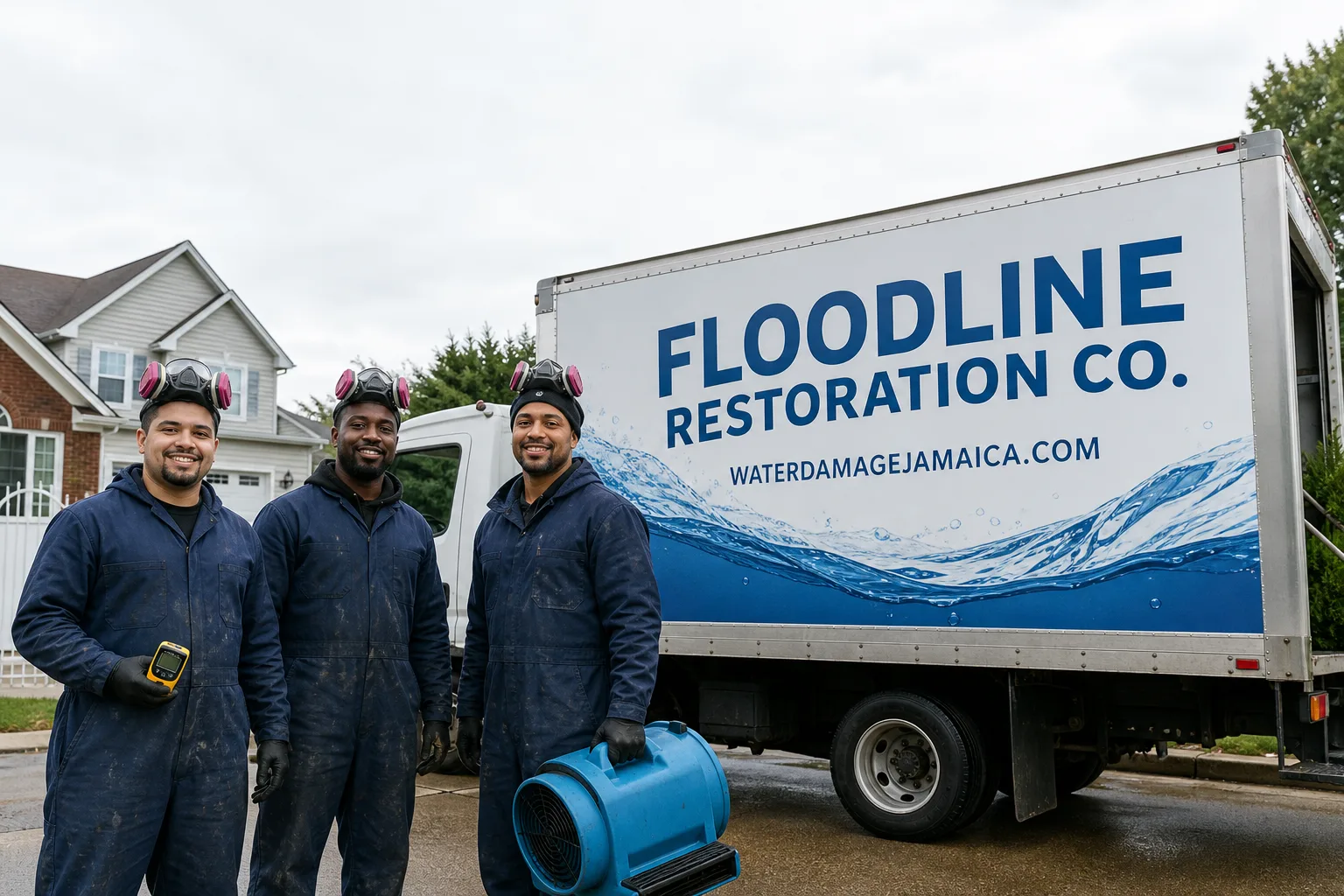
Free visual inspection and a written scope of work before any mitigation begins - photos, moisture readings, and drying logs go in your claim file
The scope we write is the scope we bill. Anything new gets shown to you, in writing, before we touch it.
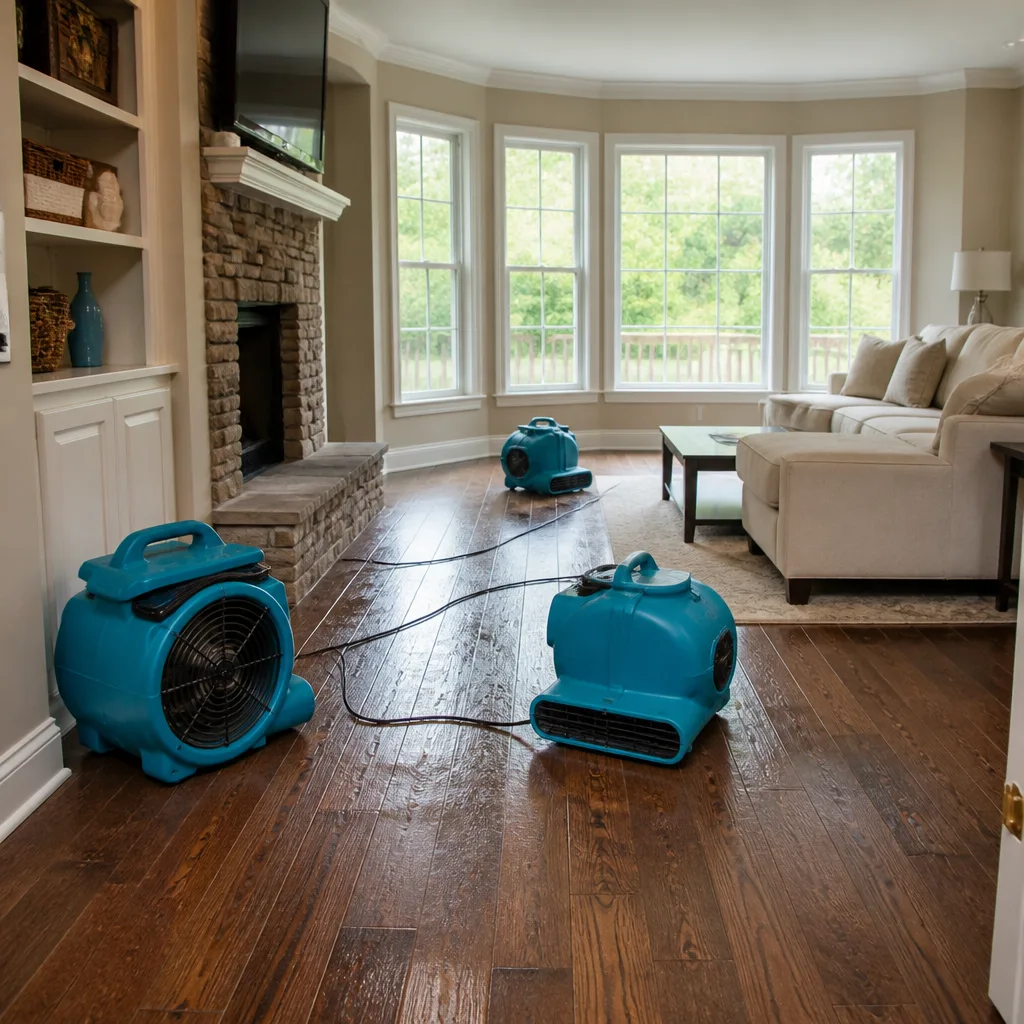
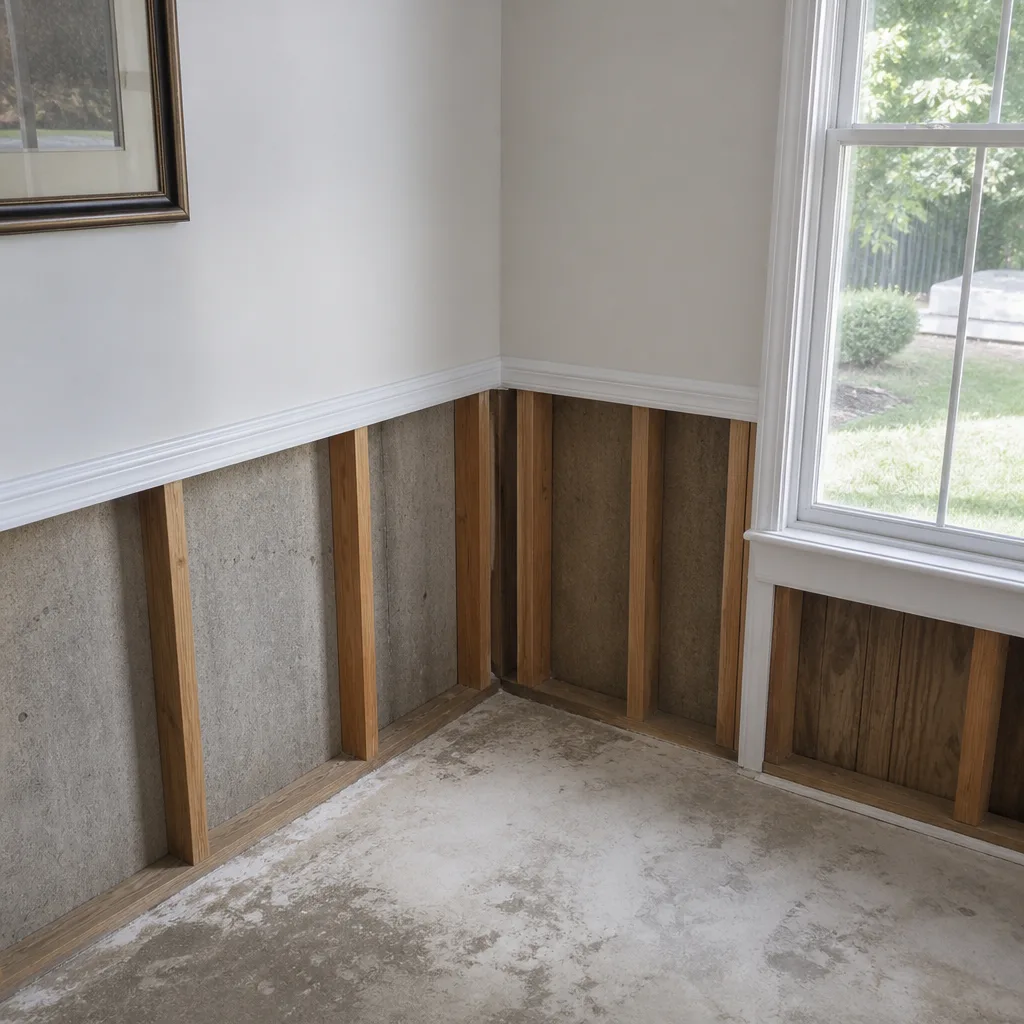
 Before
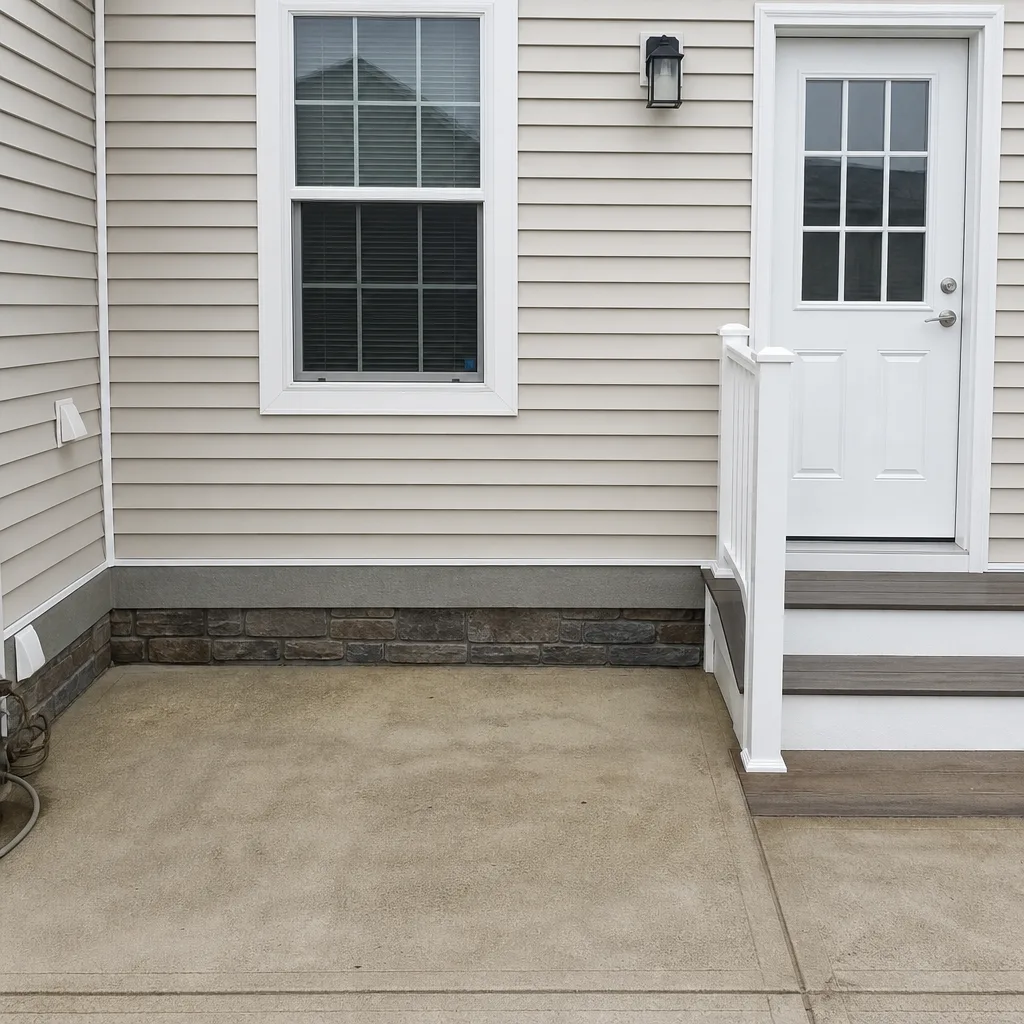 After
After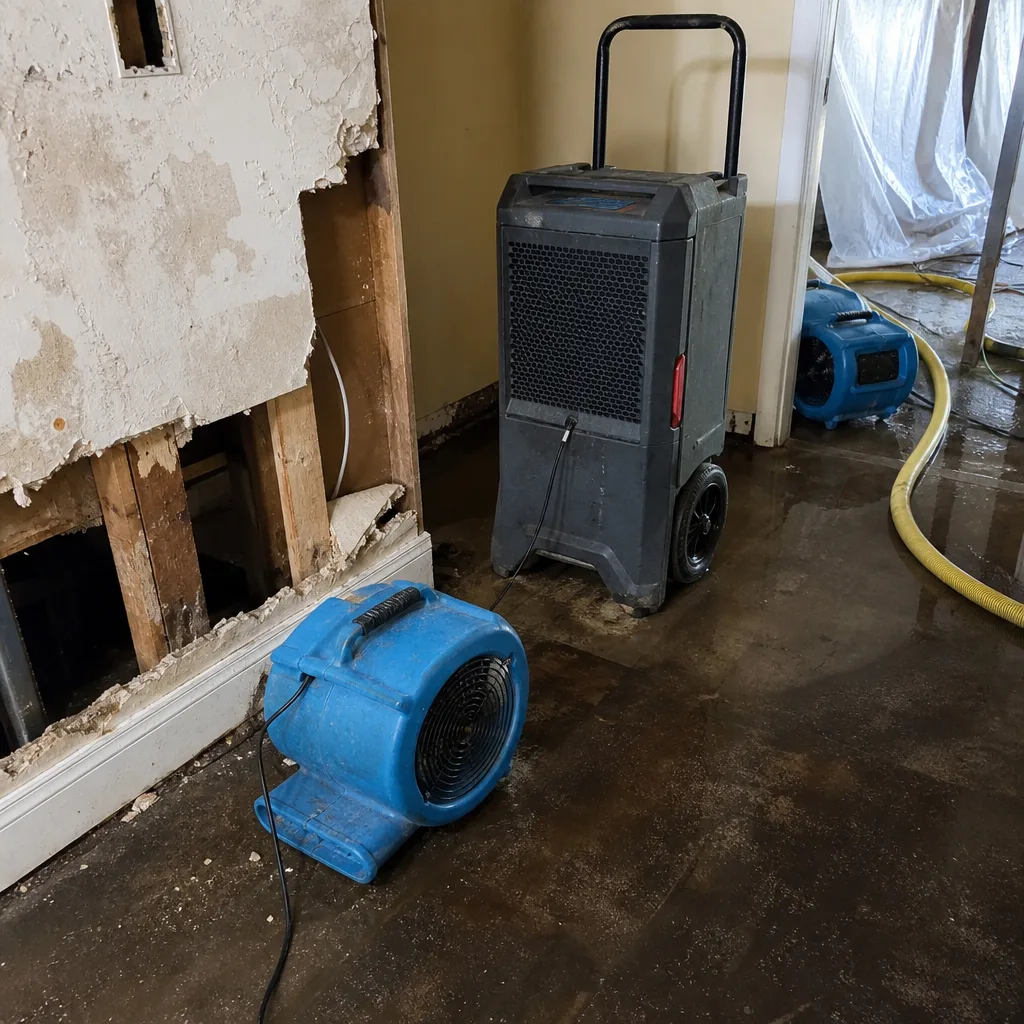 Before
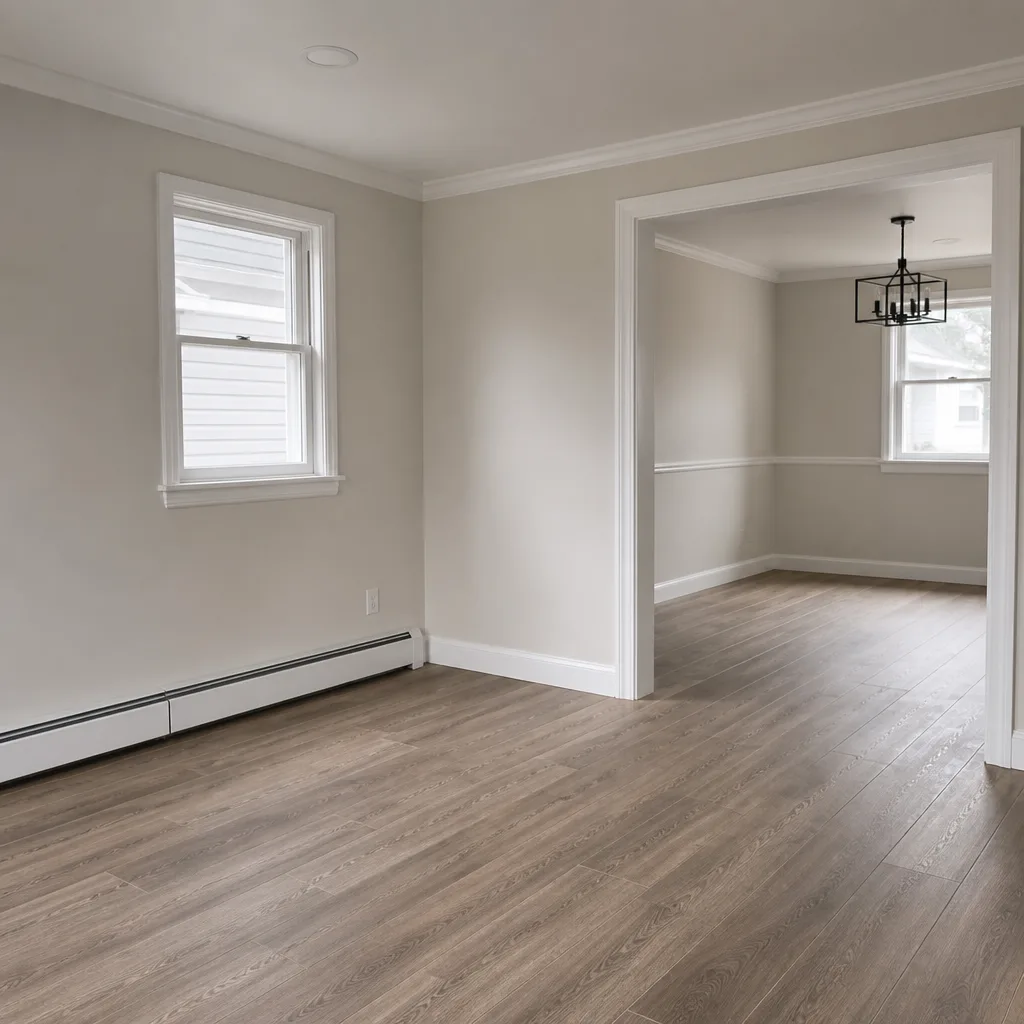 After
After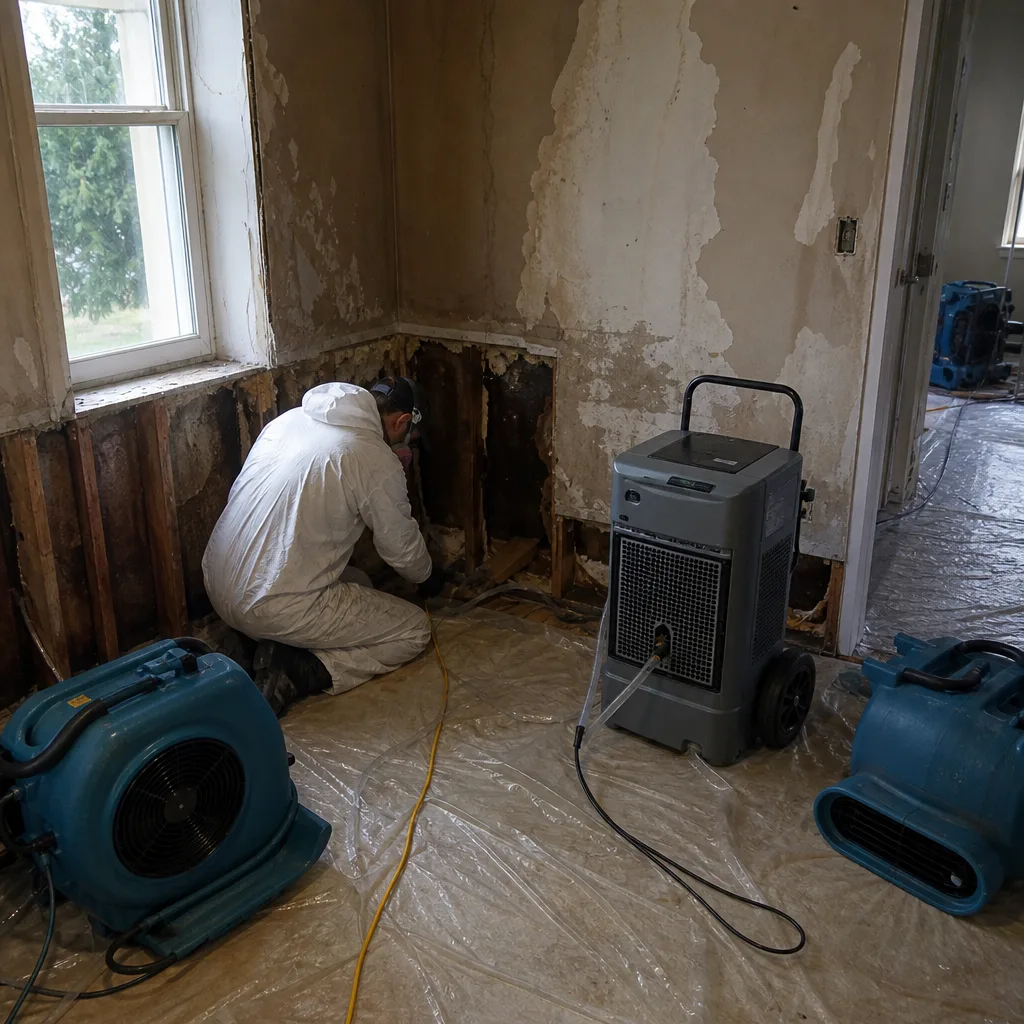 Before
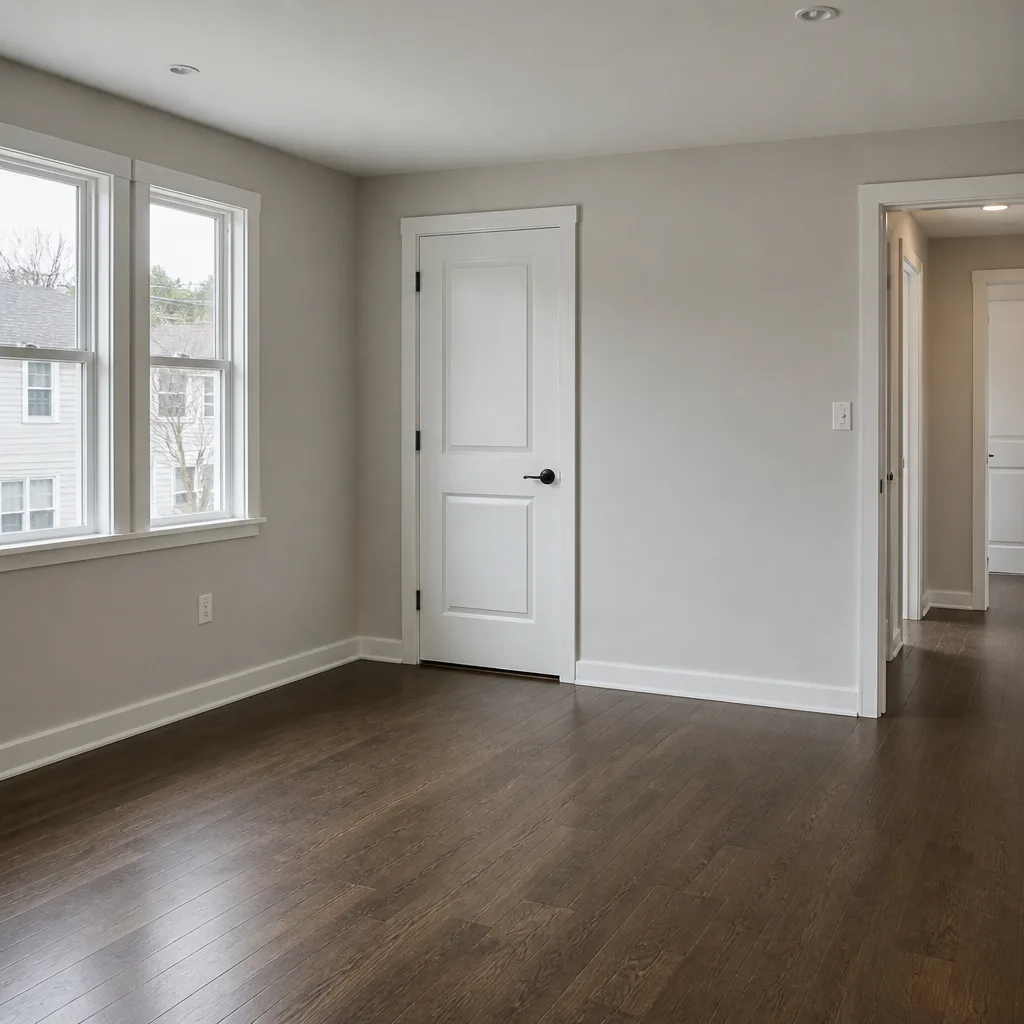 After
After24/7 Emergency Storm & Disaster Restoration in North Valley Stream
Storm damage in North Valley Stream moves fast, and so do we. If water is rising in your basement, a tree has come through a roof, or wind has torn open a wall, call (518) 627-5878 right now. A live dispatcher answers at two in the morning, every day of the year, and a certified crew is dispatched to your address within 45 minutes. We arrive with extraction running the same visit, not the next morning. The first hour after a storm event determines whether you’re dealing with a cleanup or a rebuild, because the groundwater in this part of Nassau County doesn’t stop moving once the rain does. Nor does the mold clock. We’re Floodline Restoration Co., and we’ve been handling Storm & Disaster Restoration for over 42 years, the full cycle from first extraction to finished reconstruction, with one team, one scope of work, and a written guarantee behind it.
Understanding Storm & Disaster Restoration Severity in North Valley Stream Properties
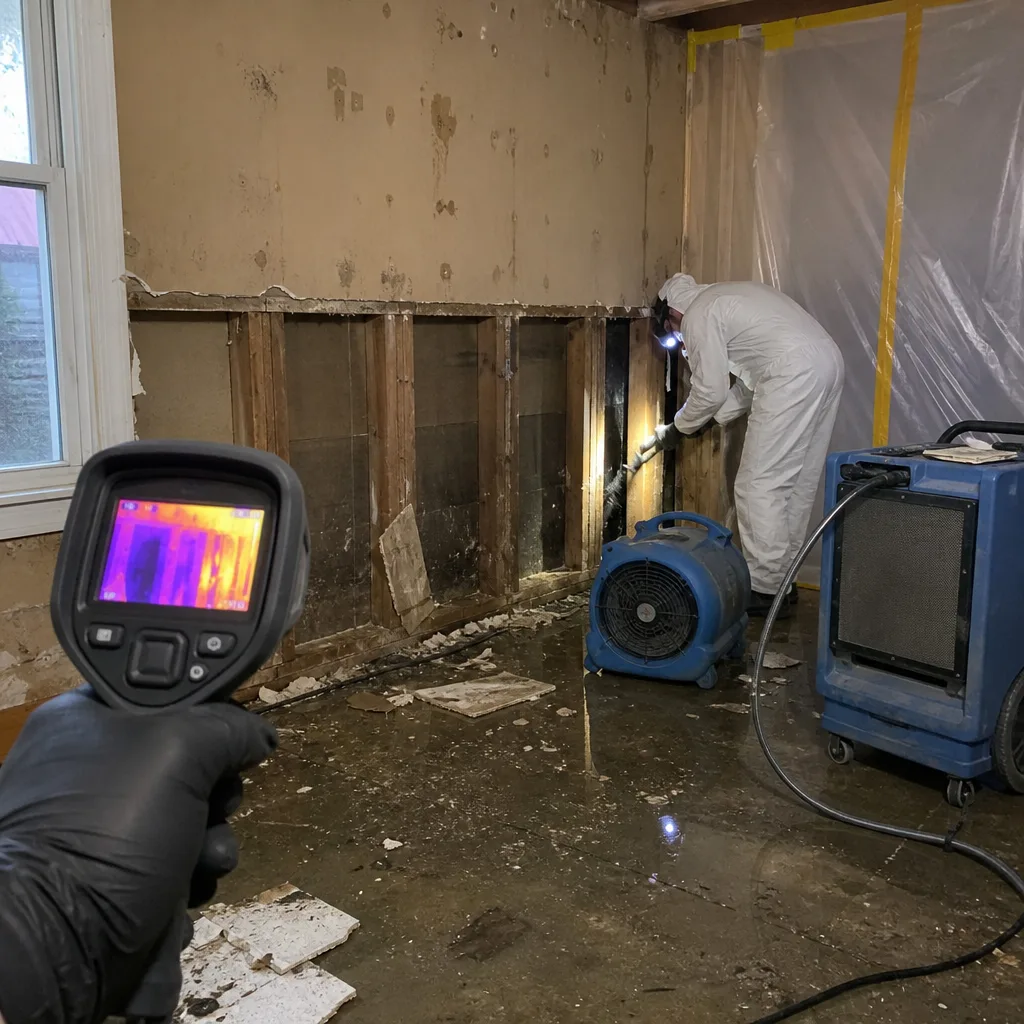
North Valley Stream’s post-WWII housing stock creates a very specific set of restoration challenges, and severity is the first thing we assess on arrival. A roof leak pushing water through a 1950s ranch’s horsehair plaster ceiling is a Category 1 loss: clean at the source, contaminated only by contact with building materials. A nor’easter that backs groundwater up through a basement floor drain on Fenworth Boulevard is Category 3, because that water has traveled through soil, Cast-iron plumbing, and whatever sat in the drain line. The distinction isn’t academic, Category 3 water carries pathogens, and it requires containment, antimicrobial treatment, and different drying protocols than Category 1. We read the moisture map with thermal imaging and hygrometers to see where water migrated behind tongue-and-groove paneling and original baseboards, because in these homes, the surface that looks dry is often the one hiding the problem. Cellulose insulation from the late 1940s wicks water vertically; we’ve seen moisture climb four feet above the visible floodline in a finished basement on Dutch Broadway. Restoration here means knowing what the house is made of, not just where the water sits.
Why North Valley Stream Property Owners Choose Floodline Restoration Co.
- 45-minute response commitment: We dispatch crews stationed inside the North Valley Stream response zone, not from a satellite office two towns over. You get a call back with an ETA, and we hold to it.
- 24/7 live answer, never an automated system: Every call to (518) 627-5878 reaches a person who can dispatch. At 2 a.m. during a November nor’easter, that matters.
- IICRC-certified crews: Our water techs carry WRT and ASD certifications; our fire and smoke techs hold FSRT; mold work is done by AMRT-certified personnel. You’ll never get a trainee with a pickup truck and a rented fan.
- Free visual inspection: We walk the loss with you before anyone touches a tool. You get a written scope, not a verbal estimate delivered over a wet carpet.
- Direct insurance billing: We coordinate with your adjuster and the carrier’s field office, and we bill them directly for covered losses. You deal with Floodline, not a three-way phone tag.
- One team from extraction to reconstruction: The same certified Floodline crew that pulls the water also runs the drying logs, handles the antimicrobial treatment, and rebuilds what needs rebuilding. No mid-job handoff, no inherited crew.
Our Storm & Disaster Restoration Process
Inspection & Assessment
We arrive and walk the full loss area, thermal camera and hygrometers in hand. In a North Valley Stream Cape Cod, this includes checking the basement floor drains for groundwater intrusion, not just the obvious wall or ceiling breach. We document everything photographically for your carrier before a single piece of equipment is unloaded.
Extraction & Stabilization
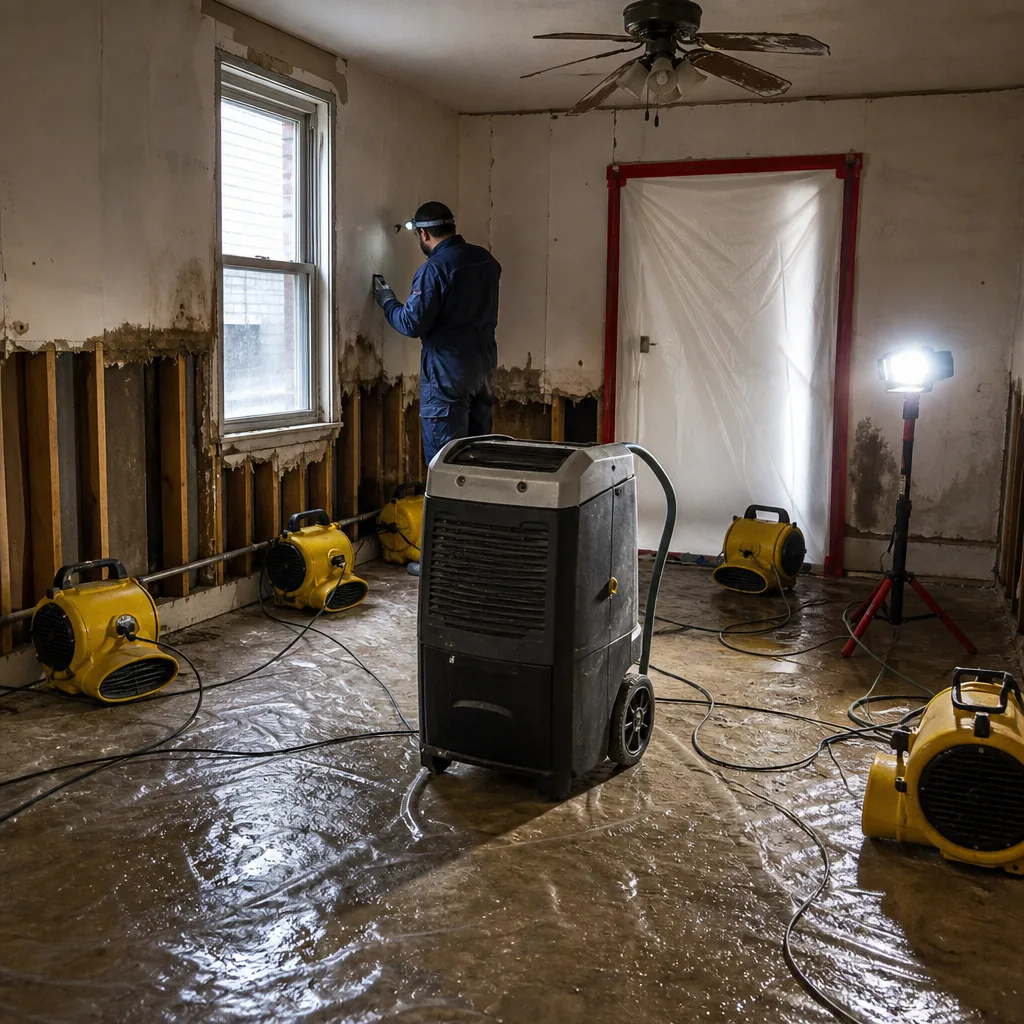
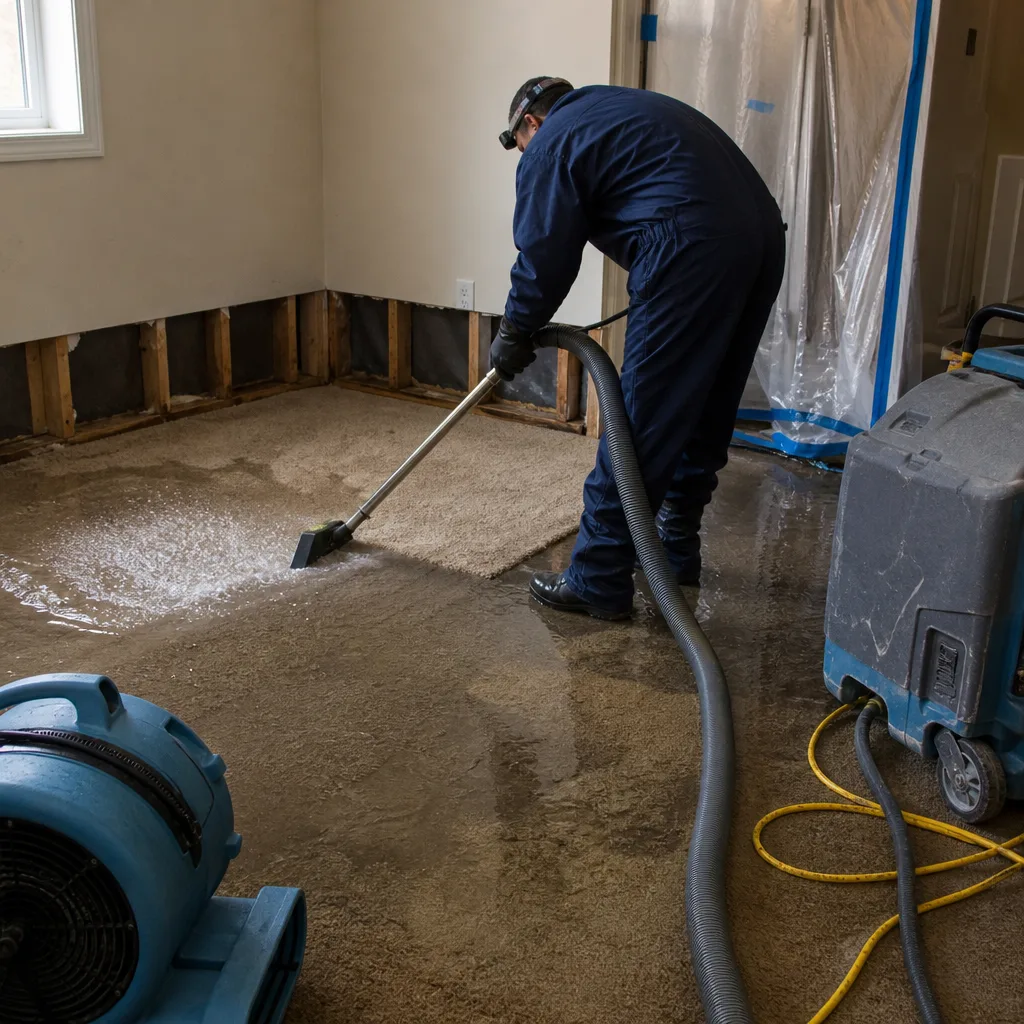
Standing water comes out immediately, using truck-mounted extraction and submersible pumps where the volume demands it. If a wall or roof section is compromised, we board up and tarp before we set a single drying unit. Stabilization stops the loss from spreading while we plan the full scope.
Drying & Dehumidification
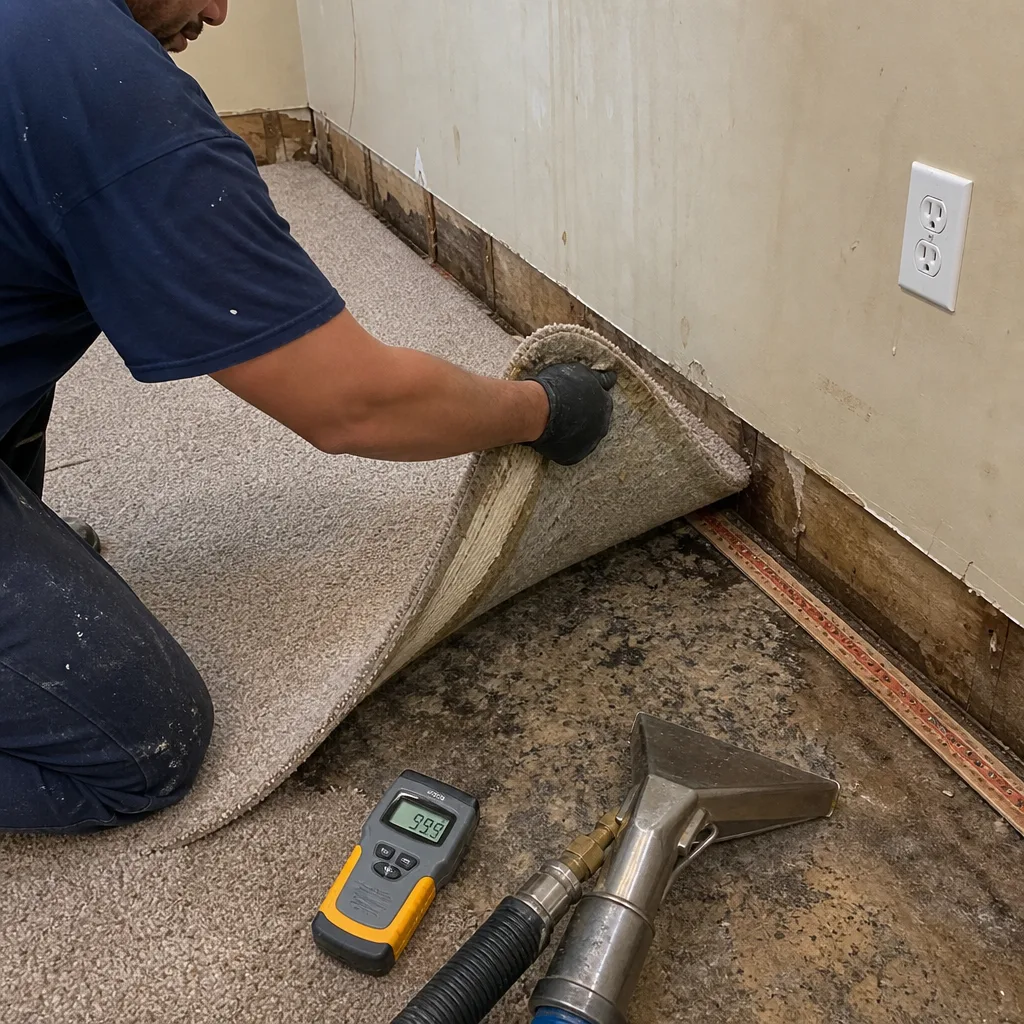
Dri-Eaz dehumidifiers and XPOWER air movers go in, sized to the cubic footage of the affected space, not a rental-yard guess. We take daily moisture readings and log them, every day, until the structure hits dry standard. That log goes to you and to your insurer, in writing.
Cleaning & Sanitization
Category 2 and Category 3 losses require antimicrobial treatment and, in many North Valley Stream basements, removal of saturated materials like early cellulose insulation and original carpet pad. We contain the work area with HEPA air scrubbers running so spores don’t migrate to the rest of the house.
Specialty Treatment for Storm & Disaster Restoration
This is where local building stock dictates the job. Asbestos testing on original vinyl-asbestos floor tiles and spray-applied ceiling texture is mandatory under New York State law before demo or heavy drying equipment disturbs those materials. We arrange licensed ACM testing and abatement and build that step into the scope from day one, so there’s no stop-work order halfway through.
Repairs & Restoration
Once the structure is dry and clean, the same Floodline crew handles the rebuild: drywall, trim, flooring, paint, and finish carpentry. We don’t hand you a list of subcontractors. We finish what we started, and the 90-Day Done Right Promise covers the whole job, in writing.
Need Emergency Storm & Disaster Restoration in North Valley Stream Now?
Crews minutes away, answering live 24 hours a day. The sooner we start, the less it costs.
Working With Your Insurance Company
We’ve sat across the table from adjusters in Nassau County for over four decades, and we know what they need to approve a claim without stalling. From the first hour on site, we photograph every room, every damaged surface, and every piece of affected personal property. We run moisture readings before drying, during drying, and at the dry standard, and we hand that log to your carrier as part of the claim file. Our scopes are written to industry-standard pricing in this market, so the adjuster sees a line-item document they can process, not a lump-sum number they’ll challenge. We speak directly with your adjuster, answer their questions, and send them the documentation they request, so you’re never the messenger between Floodline and the insurance company. For restoration work in North Valley Stream, that direct carrier coordination often cuts weeks off the claim timeline. The written scope you sign before work starts is the same scope we bill against, and it’s the same scope your carrier sees.
What We Provide Your Insurer
- Thorough documentation of the loss
- Photos of all damage, room by room
- Moisture readings and drying logs
- A detailed, line-item scope of work
- Direct coordination with your carrier
Built for North Valley Stream’s Loss Calendar
North Valley Stream’s storm restoration season runs in two overlapping waves, and we staff to both. November through April is nor’easter season: repeated, slow-moving coastal storms that sit over Long Island for 36 hours and dump rain onto already-saturated ground. The flat terrain of this part of Nassau County and the high water table mean the municipal storm drains on Fenworth Boulevard, Dutch Broadway, and Elmont Road back up before the streets flood, and that water finds its way into basements through floor drains, cove joints, and every micro-crack in a 1950s foundation. Meanwhile, ground-up intrusion from the Mill Creek drainage corridor saturates the soil around homes near the creek’s low-lying sections, and that saturation pushes Category 3 water into basements even on streets where no surface flooding is visible. August through October brings a different pattern: sudden, violent thunderstorm cells that drop two inches in an hour, overwhelming flat municipal drainage and flooding finished basements through window wells and foundation seams. We plan our equipment staging around this calendar, not around a national call volume average. That’s why a crew is always close enough to hit the 45-minute mark when the call comes in.
Storm & Disaster Restoration Across North Valley Stream’s Neighborhoods
The response routes we run in North Valley Stream tell you a lot about how storm losses pattern here. The Cape Cods and modest ranches along Fenworth Boulevard sit on tight lots with narrow side yards, and when a nor’easter backs up the Mill Creek drainage corridor, the basements on those blocks take Category 3 water through floor drains first, often before any roof or wall breach appears. Over near Elmont Road, the housing turns slightly younger but the finished basement density is the same, and the flat driveways between postwar homes leave no natural grade for runoff to escape. Dutch Broadway runs through the center of the community, and its 1950s-era homes frequently have the original cast-iron drain lines and vinyl-asbestos tile that complicate what looks like a straightforward extraction. Southeast toward the creek’s lower sections, groundwater intrusion runs more chronic, and homes on flat lots there see repeat losses every heavy rain cycle. We know these blocks, the drain patterns, and the building materials waiting behind the paneling, because we’ve worked restoration here long enough that the streets stop being addresses and become response knowledge.
Specialized Storm & Disaster Restoration Services We Offer in North Valley Stream
Storm Damage Cleanup
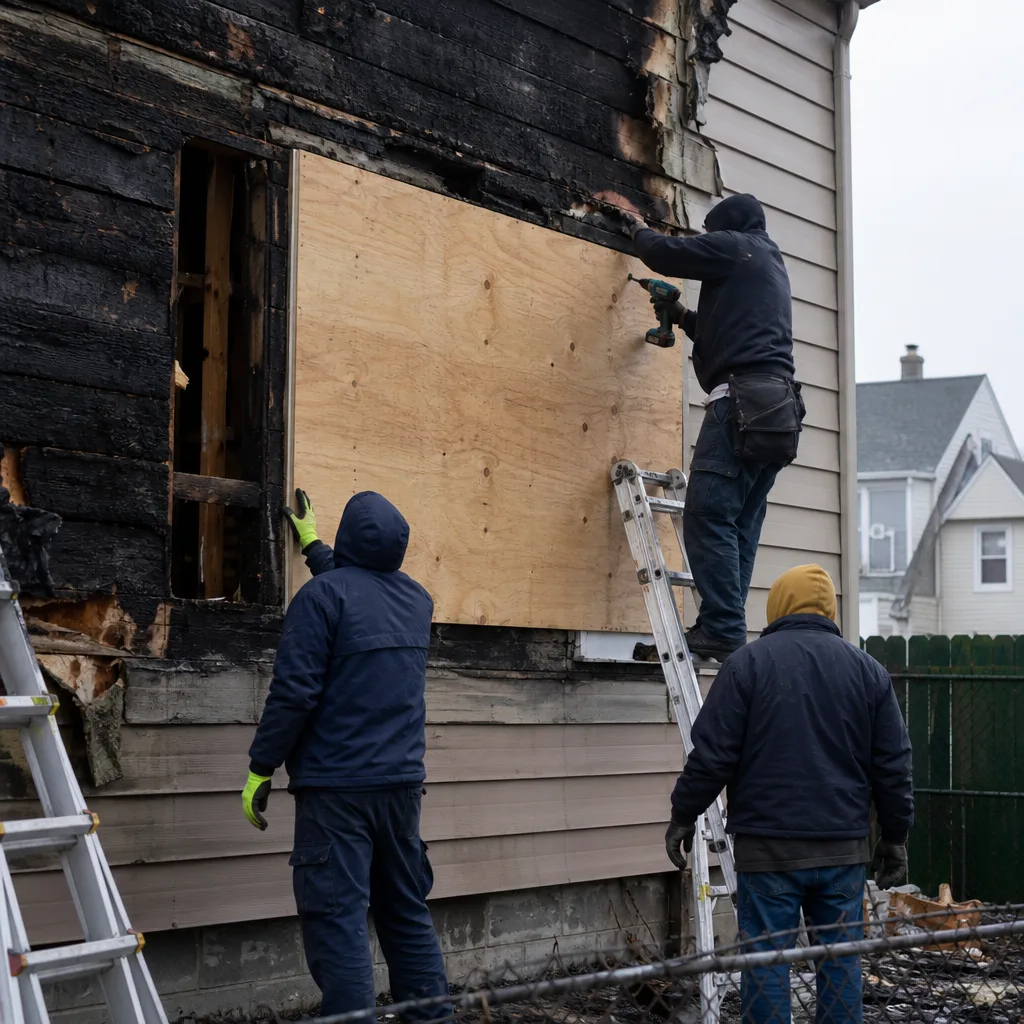
When wind tears shingles, siding, or fascia off a North Valley Stream ranch, the water follows within hours. We tarp the exposed area, board up where needed, and extract whatever the storm drove inside, all in the first visit. Cleanup here means securing the envelope before remediation begins, because a hole in the roof during the next rain turns a one-room loss into a whole-house loss.
Flood Damage Restoration
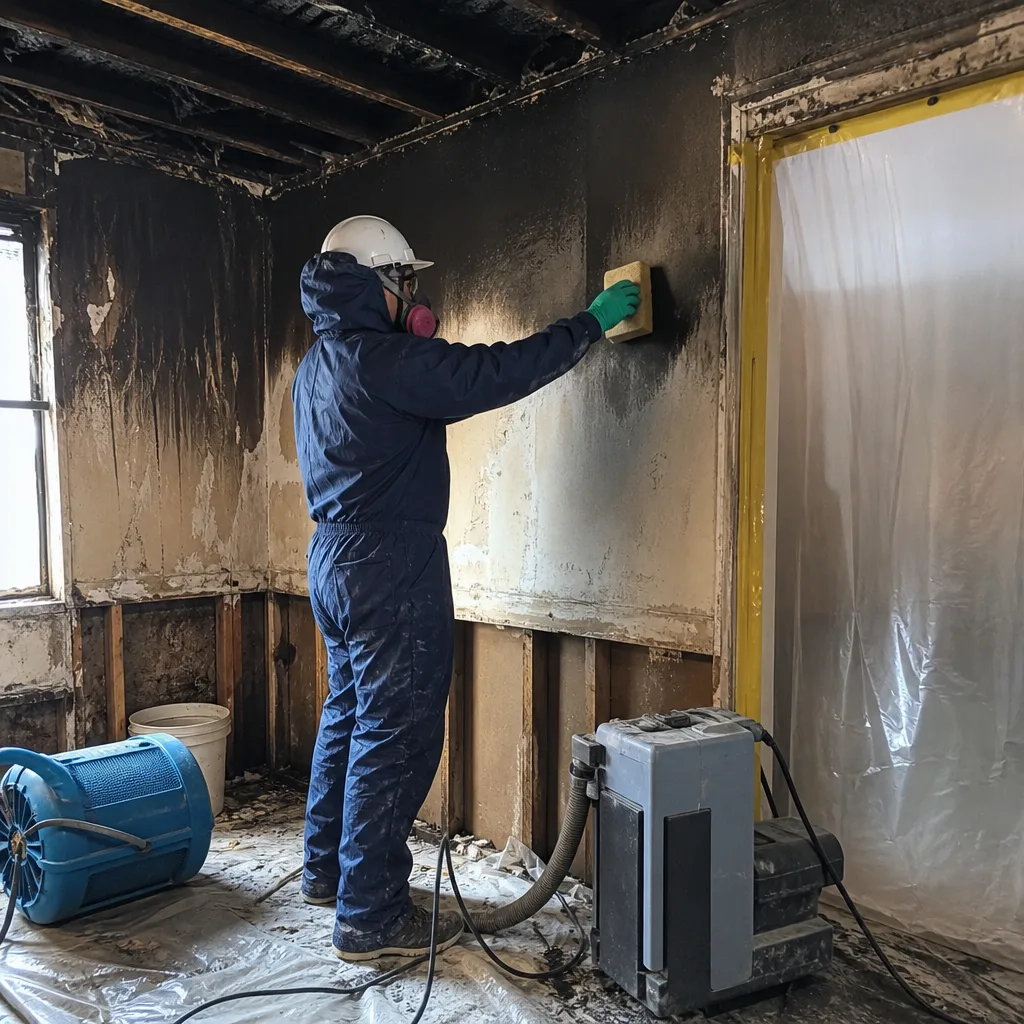
This is the defining restoration challenge in North Valley Stream, and it’s the service we run more than any other. Groundwater intrusion through floor drains, window wells, and foundation cove joints brings Category 3 water into finished basements. We handle extraction, containment, antimicrobial treatment, structural drying, and the rebuild, with the asbestos testing step built in from the start so the job never stops mid-scope.
Emergency Board-Up
A tree limb through a bedroom window on a Fenworth Boulevard Cape Cod can’t wait until morning. We secure the opening with plywood and framing anchors the same visit, protecting the interior from weather and from anyone who shouldn’t be inside. Board-up is stabilization, and it’s the difference between a contained loss and an open wound.
Roof Tarping
Nor’easter winds strip shingles and occasionally peel entire roof sections on these older homes. We tarp the damaged area with heavy-gauge poly and perimeter fastening that holds through the next storm, buying time for a full roof scope and a dry interior. The tarp goes up the same visit, never after the weekend.
Debris Removal
Downed trees, torn branches, and storm-scattered materials block driveways and access paths, and in North Valley Stream’s narrow side yards, that debris often lands against the house itself. We clear the debris, document what damaged the structure, and dispose of everything properly, so the restoration crew isn’t working around a tree trunk during extraction.
What happens when you call
- 1
A real person answersNo phone trees - you reach a local pro.
- 2
You get an upfront price rangeHonest numbers before anyone is dispatched.
- 3
A background-checked tech heads outLicensed & insured, dispatched right away.
- 4
You approve before work beginsNothing starts until you say go.
Storm & Disaster Restoration Costs in North Valley Stream, NY
A Category 1 roof leak cleanup in a North Valley Stream ranch typically runs $1,800 to $3,400, including extraction, drying, and minor drywall repair. A Category 3 basement flood from groundwater intrusion is a different scope entirely: expect $5,500 to $12,000 for a full finished basement, depending on square footage, saturation depth, and whether vinyl-asbestos tile testing and abatement is required. Debris removal from a single downed tree runs $300 to $800 when it’s not tied to structural damage; board-up and tarping typically runs $400 to $900 as a stabilization measure. The free visual inspection gives you a written line-item scope before any work starts, so the number you sign is the number you pay, and your carrier sees the same document. For a covered loss, direct insurance billing means your out-of-pocket is your deductible, not the full restoration bill. Call (518) 627-5878 and we’ll walk the loss with you and put a firm number on paper.
We Also Serve Cities Near North Valley Stream
Floodline Restoration Co. runs the same certified crews and the same 45-minute response commitment into Jamaica, Richmond Hill, Hollis, and Kew Gardens Hills. If your loss is close to the North Valley Stream boundary, call us and we’ll route the nearest available crew, no matter which side of the line the house sits on.
Serving North Valley Stream, NY - Our Local Coverage Area
We’re based in the North Valley Stream area and know this community well. Use the map below to see our service coverage - if you’re nearby, we can almost certainly help.
North Valley Stream Storm & Disaster Restoration Questions, Answered
Why do North Valley Stream basements flood even when there’s no roof leak or wall crack?
North Valley Stream sits on flat terrain with a naturally high water table, and the Mill Creek drainage corridor runs directly through the community. During nor’easters and heavy rain events, groundwater rises and pushes up through basement floor drains, cove joints, and micro-cracks in the foundation, even when no surface water is visible and the roof is intact. This hydrostatic pressure flooding is the most common loss we see in North Valley Stream’s finished basements. Call (518) 627-5878 and we’ll assess the intrusion pathway before it becomes a repeat loss.
Does every flooded basement in a 1950s North Valley Stream Cape Cod require asbestos testing before water damage restoration?
If the basement has original vinyl-asbestos floor tiles, spray-applied ceiling texture, or other suspect materials from the 1940s-60s construction era, New York State requires licensed ACM testing before those materials can be disturbed by demo or heavy drying equipment. Not every basement has these materials, but in North Valley Stream’s postwar housing stock, they’re common enough that we plan for the testing step from day one on any basement loss. Skipping it risks a stop-work order mid-restoration, and we won’t take that risk with your home.
How fast do I need to start drying after a nor’easter floods my finished basement on a street like Fenworth Boulevard?
Within 24 to 48 hours, and honestly, the sooner the better. Mold colonization begins on porous materials like drywall, carpet pad, and that late-1940s cellulose insulation within 48 to 72 hours of saturation, and North Valley Stream’s flat, moisture-holding terrain means the wet materials stay wet longer. We dispatch same-visit extraction and set drying equipment on day one. Call (518) 627-5878 immediately, not tomorrow.
What is the difference between a Category 1 and Category 3 water loss in a Mill Creek-adjacent home?
Category 1 water starts clean, like a roof leak or a broken supply line, and only becomes contaminated by contact with building materials. Category 3 water is already contaminated at the source, carrying pathogens from soil, sewage, or drain backflow, and that’s exactly what groundwater intrusion through North Valley Stream floor drains brings into a Mill Creek-adjacent basement. Category 3 requires containment, antimicrobial treatment, and more aggressive drying protocols than a clean-water loss, and we treat them as completely different scopes.
Can you handle both my flooded basement and the downed trees in my detached workshop’s service drive in one trip?
Yes, and that’s exactly how we run these jobs. One Floodline crew arrives with extraction equipment, drying gear, and debris removal tools on the same trucks. We clear the downed trees from the service drive, stabilize the house, and start extraction in the same visit. You’re not coordinating with a tree service and a restoration company simultaneously; you’re dealing with one crew that handles the whole loss.
Will my insurance cover storm and flood damage in North Valley Stream?
Most standard homeowners policies cover storm damage from wind, roof breaches, and surface water that enters through an opening created by the storm. Groundwater intrusion through basement floor drains, which is North Valley Stream’s most common flood pathway, often falls outside standard coverage unless you carry a separate flood policy through the NFIP. We document the intrusion pathway precisely and coordinate with your adjuster so the claim reflects exactly how the water entered, which is the critical factor in coverage decisions.
How long does full storm restoration take on a North Valley Stream basement?
Extraction and equipment setup happen the same day, within hours of your call. Structural drying typically runs 3 to 7 days, depending on saturation depth and the materials involved, and North Valley Stream’s high-humidity summers can add a day or two to that window. Full rebuild, including drywall, trim, and flooring, typically runs another 3 to 10 days. We give you a written timeline at the inspection, and we hold to it, with daily moisture readings logged throughout.
What should I do in the first 30 minutes after storm water enters my North Valley Stream home?
Call (518) 627-5878 first, because extraction needs to start the same visit and the clock is running. If it’s safe, shut off electricity to the affected area at the breaker. Don’t enter standing water in a finished basement if it may be in contact with outlets or appliances, and don’t disturb saturated materials like carpet or paneling, because you’ll spread contamination and potentially disturb regulated asbestos-containing materials. Document what you can with photos from a safe position, then let our crew take over.
Written by Curt Bowman, Owner at Floodline Restoration Co., serving North Valley Stream with storm and disaster restoration since 2010.