
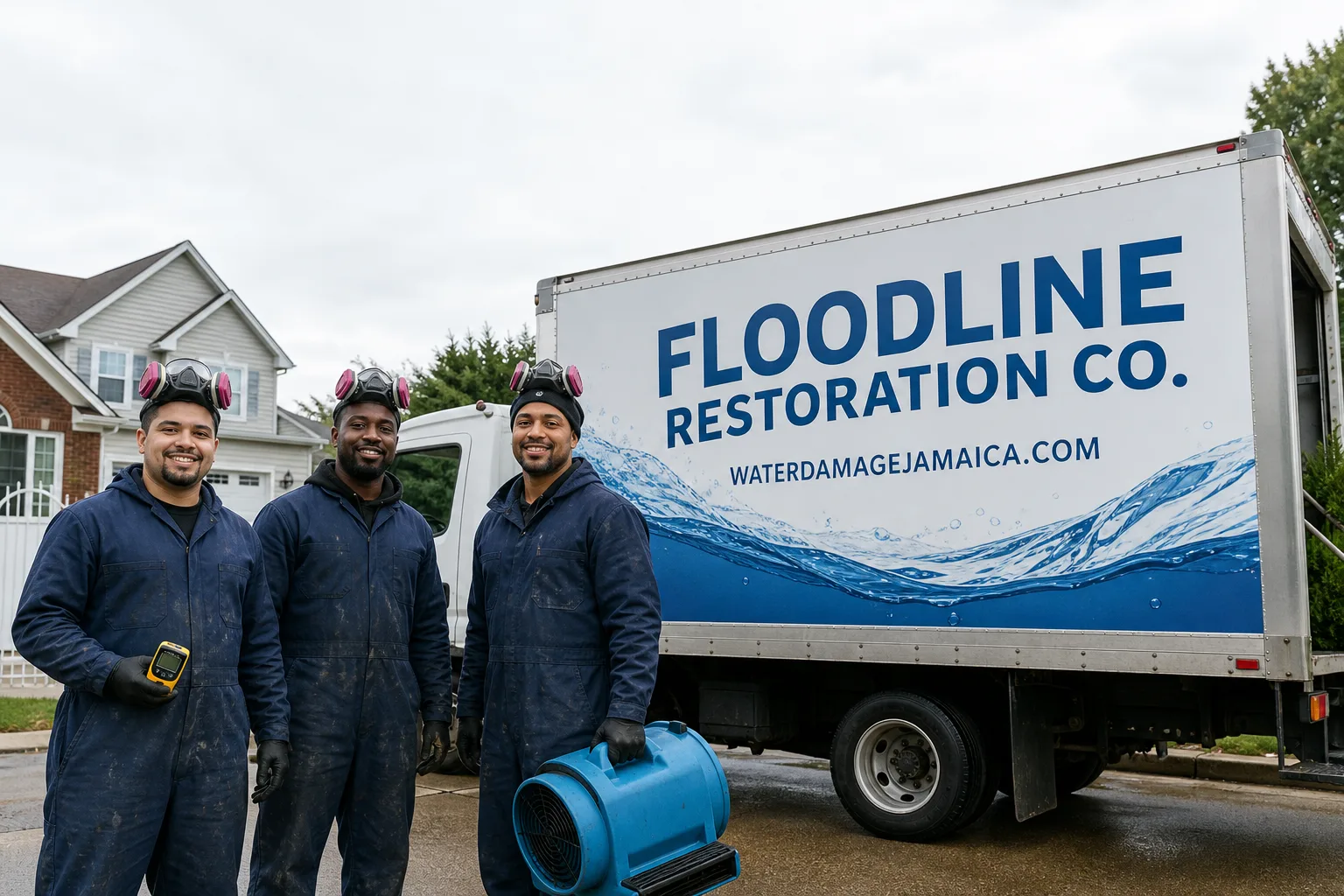
Free visual inspection and a written scope of work before any mitigation begins - photos, moisture readings, and drying logs go in your claim file
The scope we write is the scope we bill. Anything new gets shown to you, in writing, before we touch it.
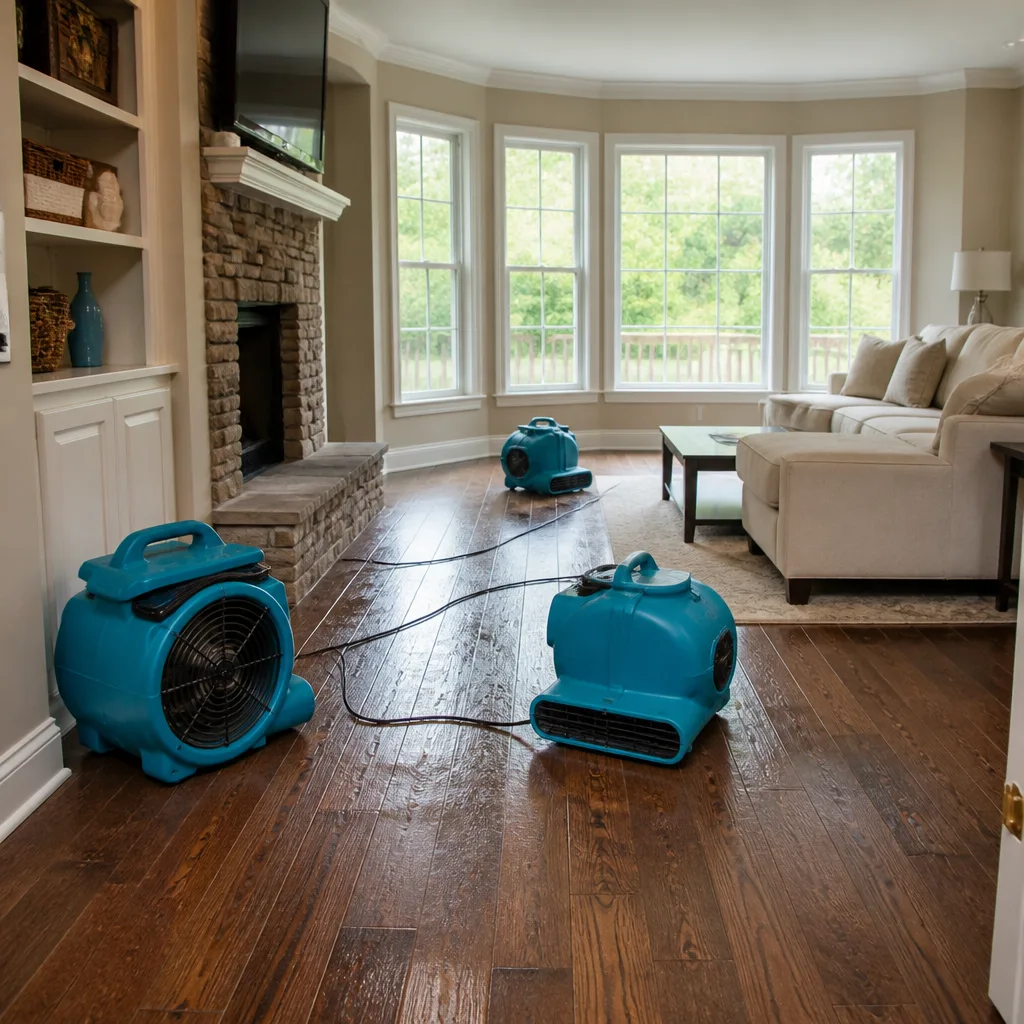
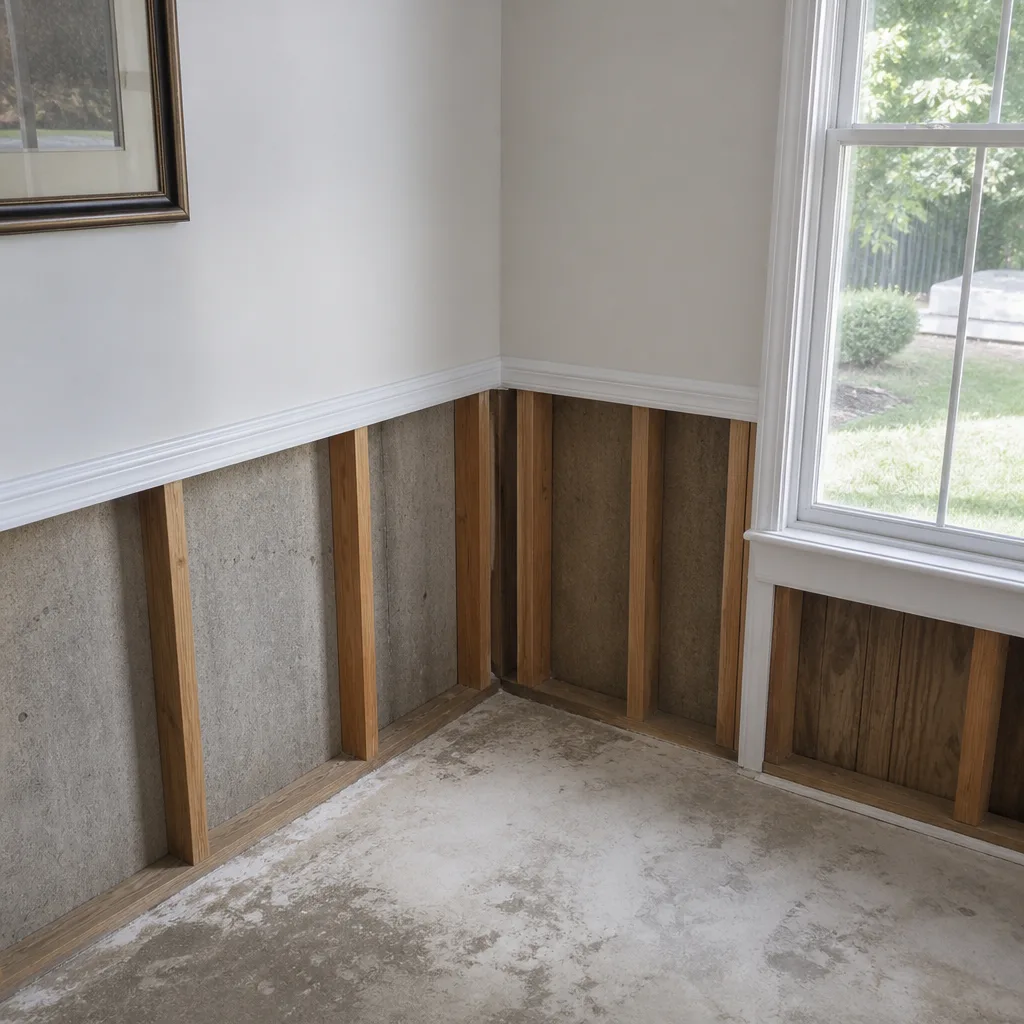
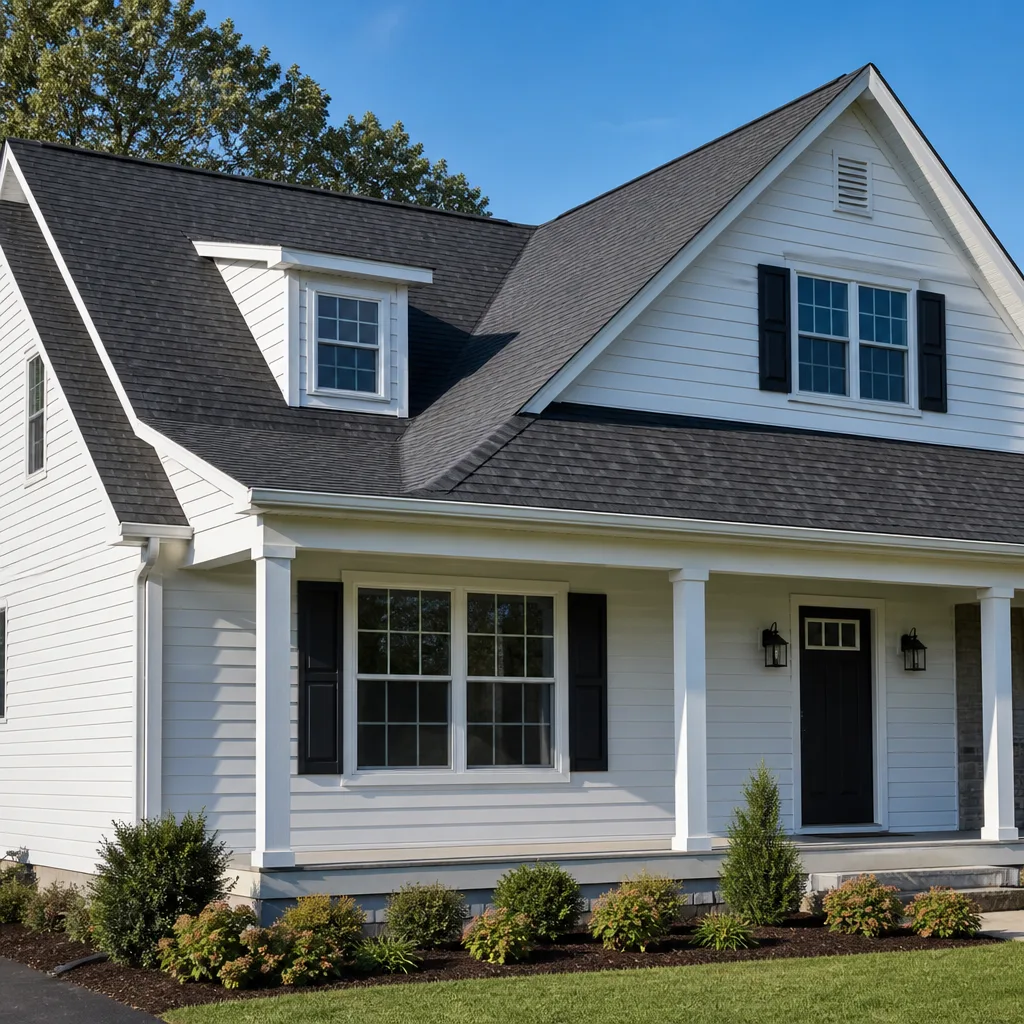
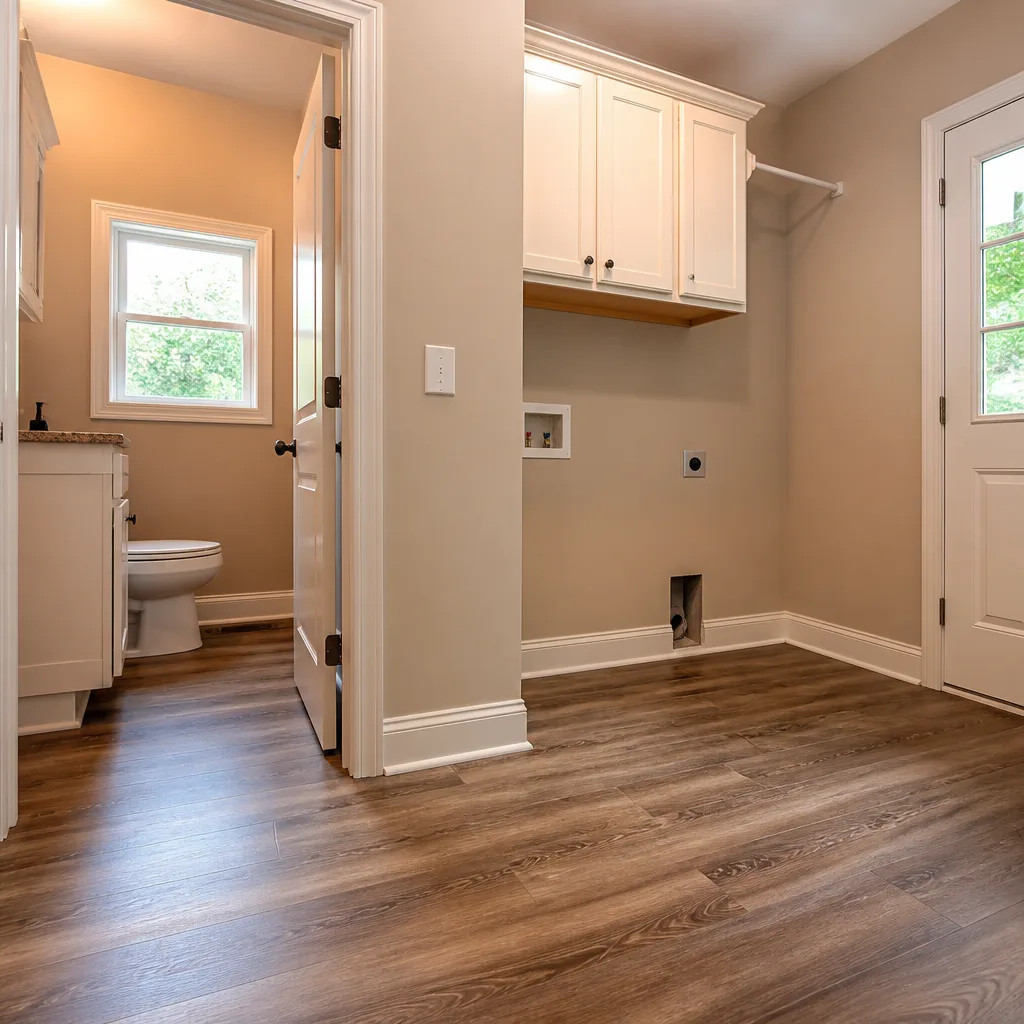
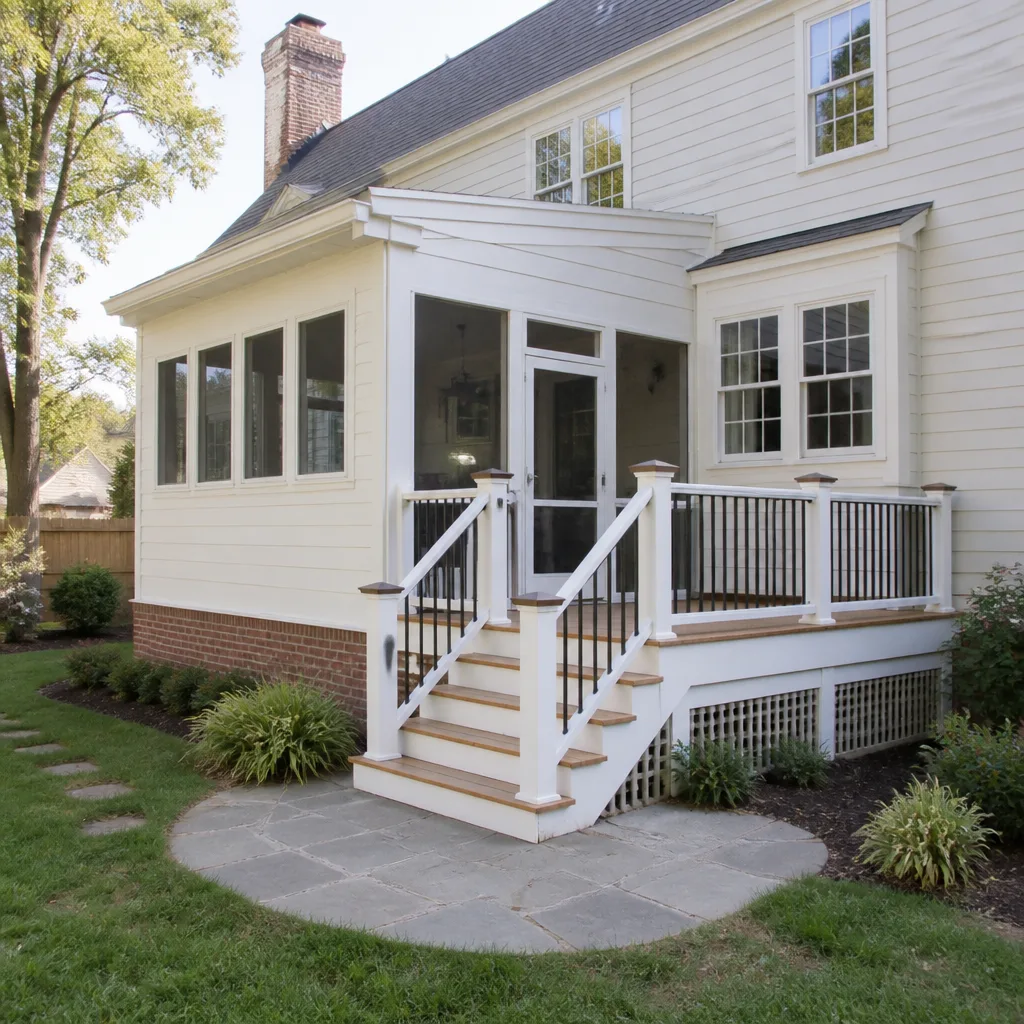
 Before
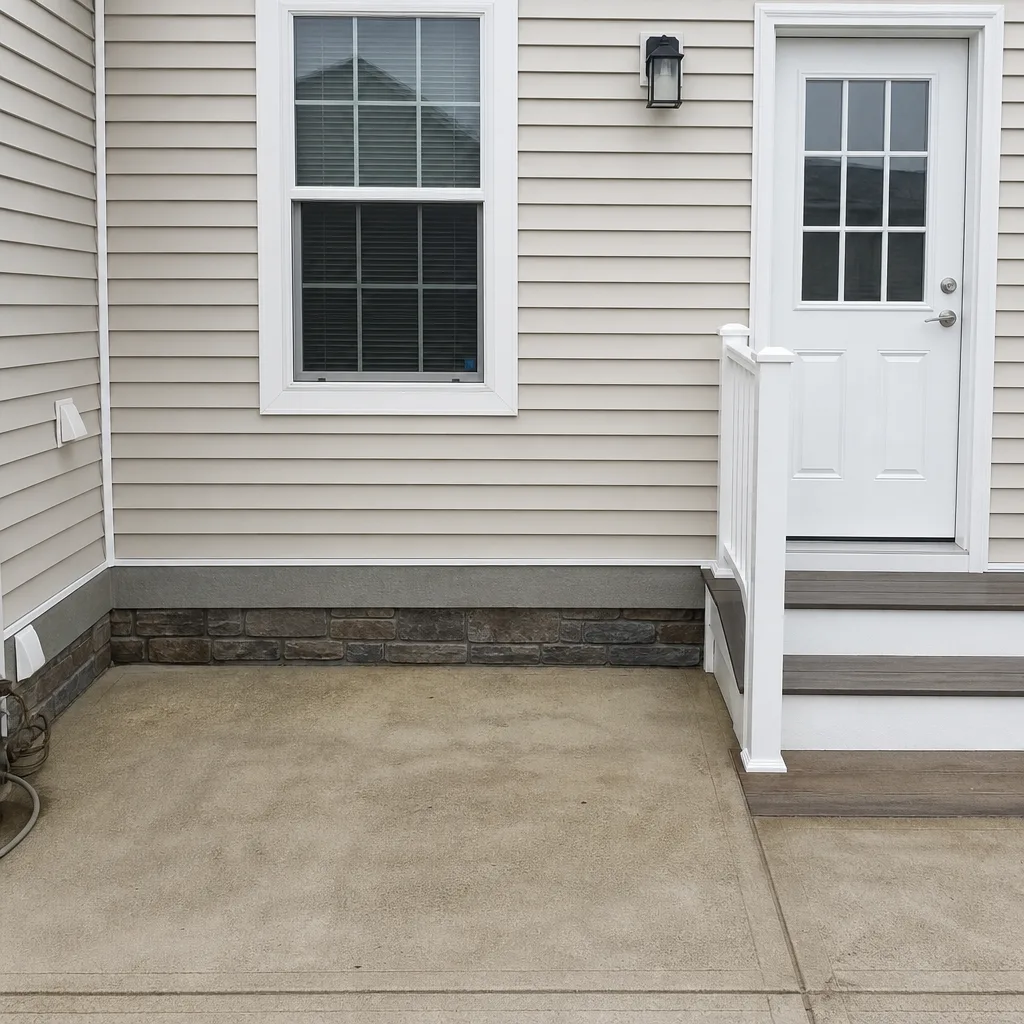 After
After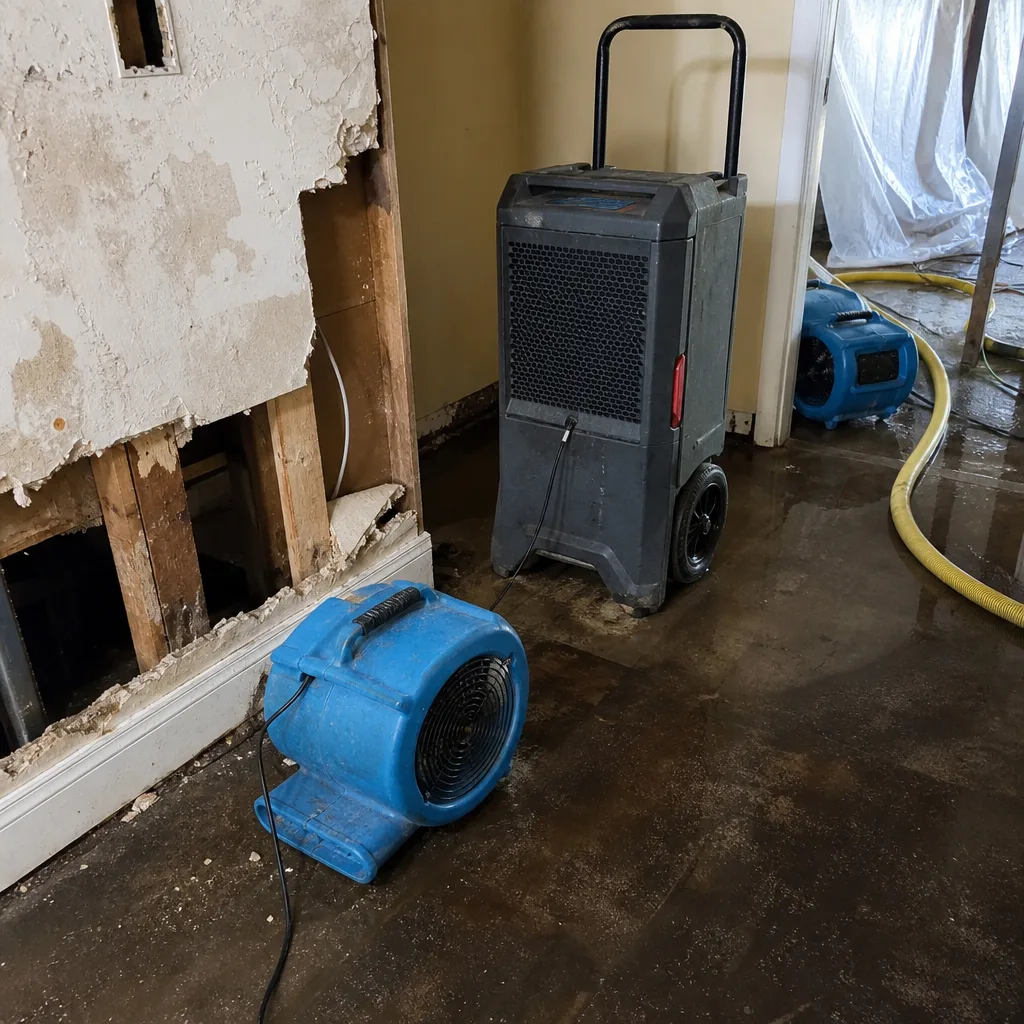 Before
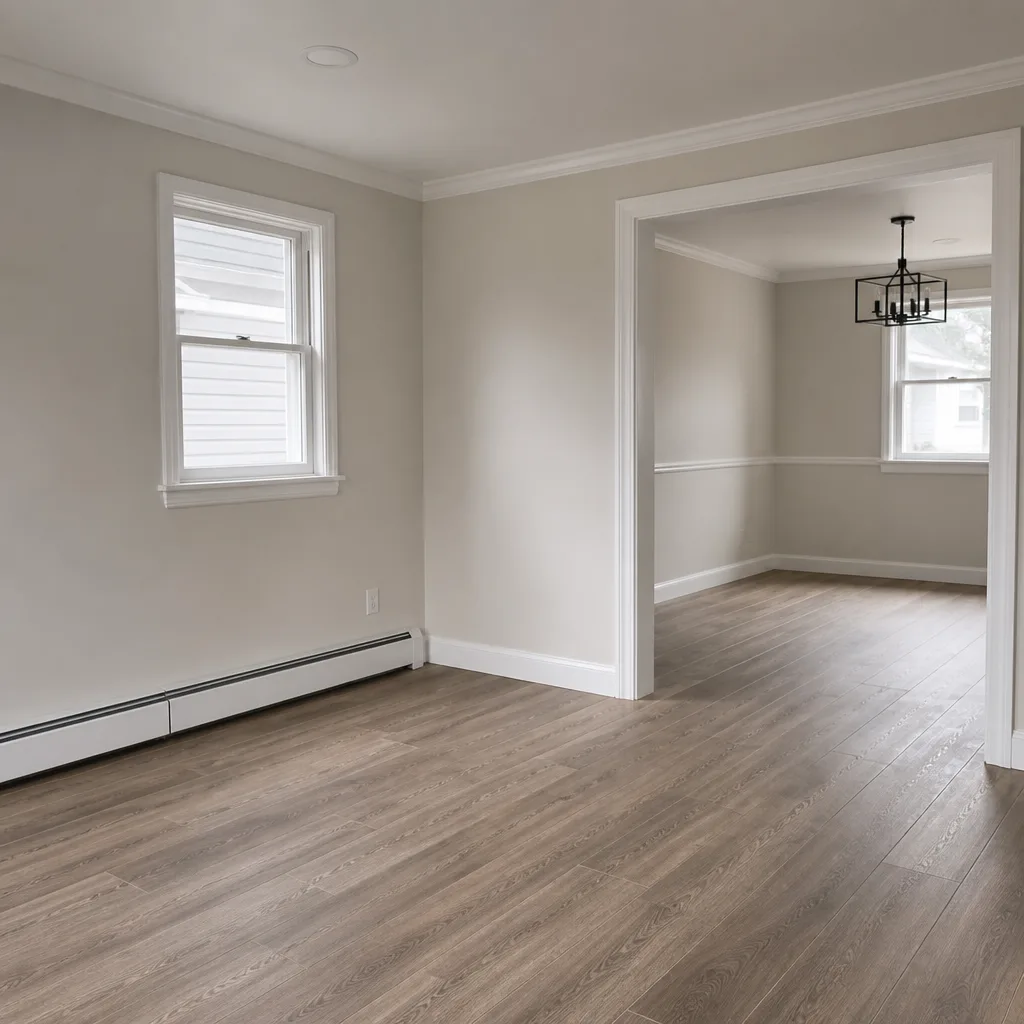 After
After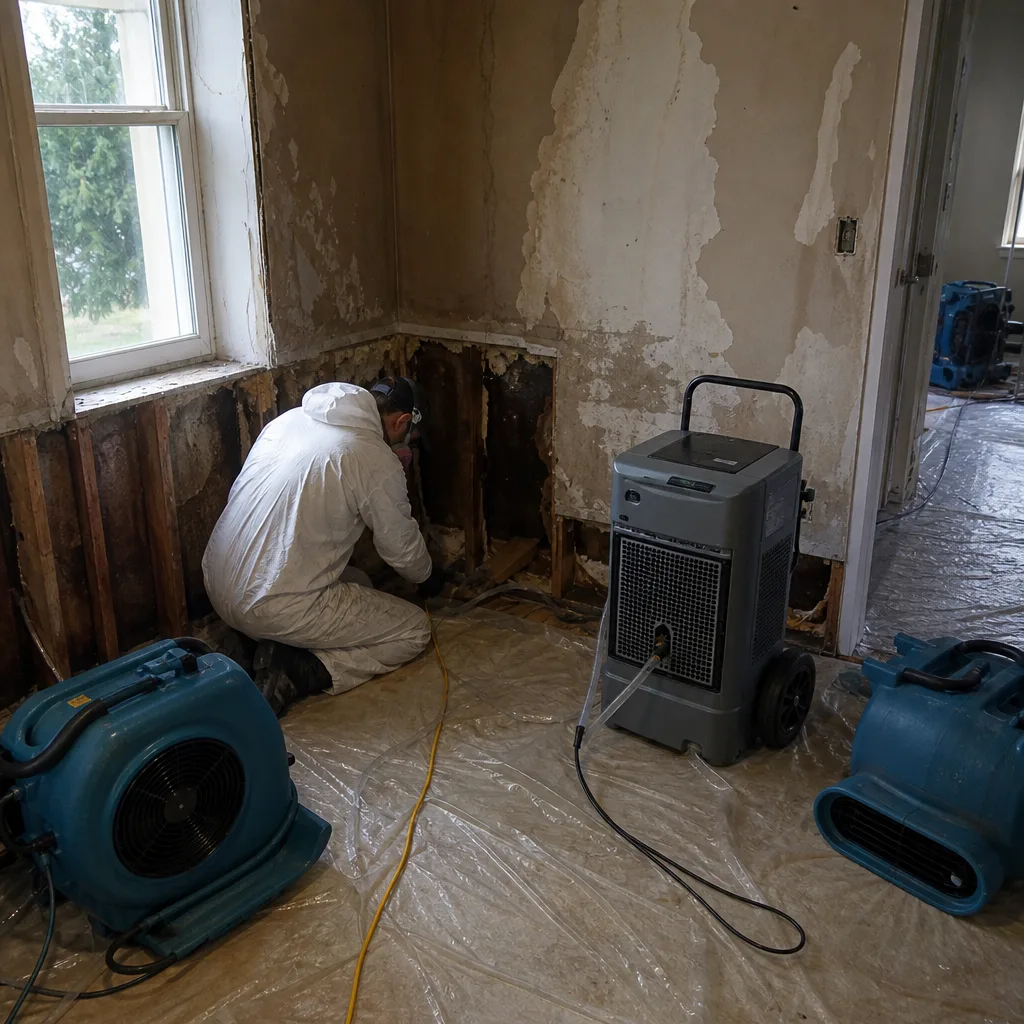 Before
 After
After24/7 Emergency Storm & Disaster Restoration in St. Albans
Storm and disaster restoration in St. Albans typically costs between $850 and $7,500 depending on whether you’re dealing with a Category 3 sewer backup, a collapsed ceiling from wind-driven rain, or asbestos abatement before drying can legally begin. The pattern we see most often in this part of southeastern Queens isn’t a hurricane tearing off a roof. It’s a 2 to 3 inch rain event overwhelming the combined sewer and pushing sewage into finished basements that were never designed to handle it. When that happens, you need a crew on site fast. Floodline Restoration Co. answers live at (518) 627-5878 around the clock. We don’t use answering services, and you won’t leave a message at 2 a.m. You’ll talk to a dispatcher who can get a certified crew rolling toward St. Albans immediately.
The first hour matters because Category 3 water, the kind that comes up from a sewer line, is loaded with bacteria and begins wicking into drywall, studs, and flooring within minutes. Waiting turns a $2,000 extraction job into an $11,000 gut-and-rebuild. Our team arrives fast, starts extraction the same visit, and documents everything for your insurance carrier from the first photo to the final moisture reading.
Understanding Storm & Disaster Restoration Severity in St. Albans Properties
Not all storm damage is equal, and St. Albans’s housing stock makes the distinctions sharper than they’d be in a newer subdivision. Water intrusion falls into three categories. Category 1 is clean water, like a supply line that burst during a January deep freeze. Category 2 carries significant contamination, think sump pump overflow or washing machine backflow. Category 3 is grossly contaminated: sewage, storm backflow from the combined sewer, or standing groundwater that’s picked up whatever was in the street. In St. Albans, where the combined sewer system backs up during routine heavy rain, we see far more Category 3 losses than almost any other Queens neighborhood.
The age of the homes compounds this. Most houses here were built between 1940 and 1965, and they’re full of materials that react badly to water. Horsehair plaster wicks moisture differently than modern gypsum drywall. Asbestos floor tile, common in these basements, requires containment and licensed abatement before we can legally touch certain areas. Galvanized supply lines and cast-iron drain stacks have decades of internal corrosion that makes them fail dramatically under pressure changes from storms. None of this changes the fundamental process: containment, extraction, structural drying with moisture mapping, and clearance testing. It just means the process has to be done by a crew that knows what’s behind those basement walls.
Why St. Albans Property Owners Choose Floodline Restoration Co.
- 45-minute response commitment: When you call (518) 627-5878 with a sewage backup or a breached basement, our nearest crew is dispatched immediately and typically arrives within 45 minutes anywhere in St. Albans, from Farmers Boulevard to Linden Park.
- 24/7 live answer, every single time: A real dispatcher picks up the phone. Not a recording, not a call tree. At 3 a.m. during a nor’easter, you talk to a person who can send help.
- IICRC-certified crews and the right codes: Our technicians hold WRT, FSRT, and AMRT certifications, so water damage, fire and smoke, and applied microbial work are all handled to the standard your insurance carrier expects to see.
- Free visual inspection with honest scope: We walk the property, tell you what you’re actually looking at, and put it in writing before any work demand is made. No pressure, no upselling.
- Direct insurance billing: We bill your carrier directly and handle adjuster communication. You’re not playing messenger between us and the company that holds your policy.
- One team from extraction to rebuild: The same certified crew that pulls water out of your basement also hangs the new drywall, repaints, and hands you the finished room. No mid-job handoff to a subcontractor you never met.
Our Storm & Disaster Restoration Process
Inspection & Assessment
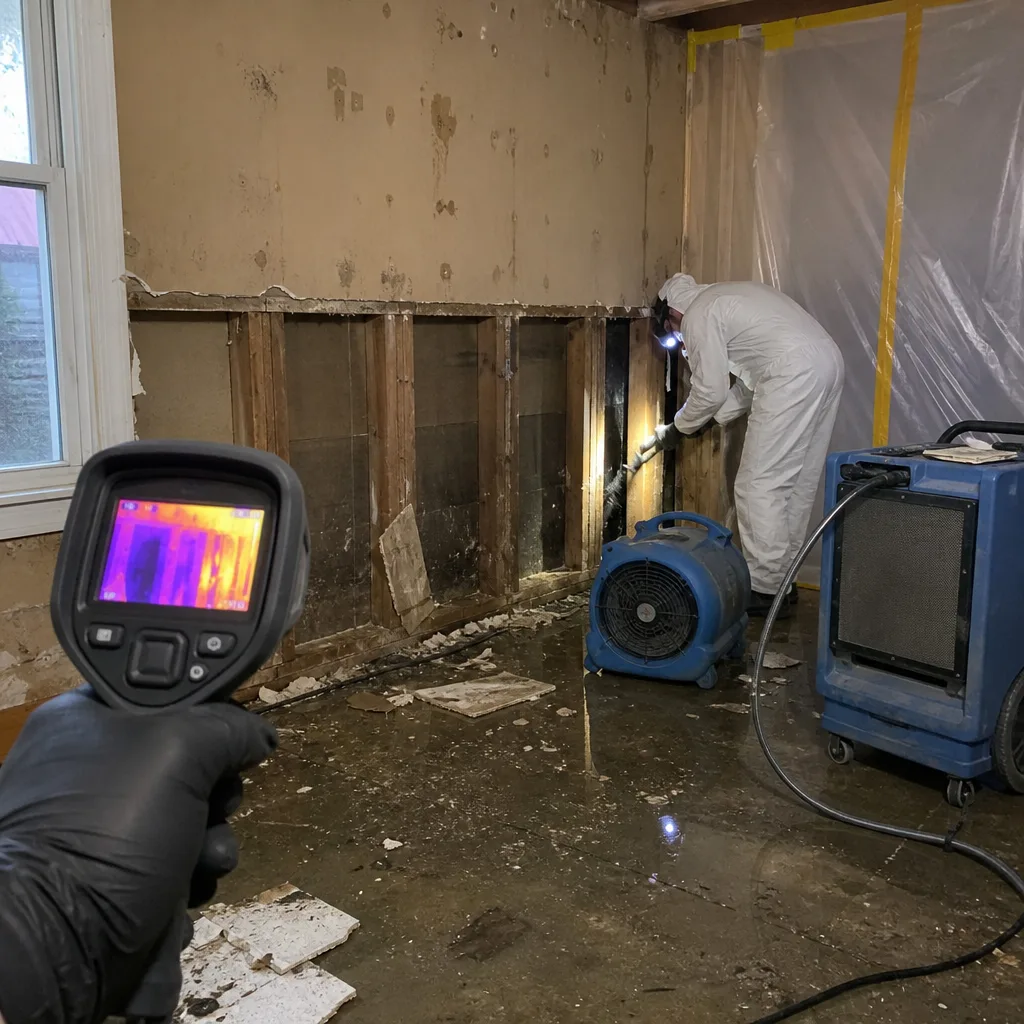
We walk the entire affected area, classify the water, and use thermal imaging and moisture meters to map exactly how far it has spread, including inside wall cavities and under flooring. For St. Albans basements built before 1960, we also flag areas where asbestos or lead testing may be required before structural drying can begin.
Extraction/Stabilization
We remove standing water fast using professional-grade extractors, then set up containment to prevent cross-contamination of unaffected rooms. For sewer backups, this includes removing contaminated materials that can’t be sanitized, like soaked carpet pad and sections of drywall that have wicked sewage.
Drying & Dehumidification
Dri-Eaz dehumidifiers and XPOWER air movers are placed according to the moisture map, not scattered randomly. We take daily readings and log them until your whole structure hits dry standard. That moisture log goes to you and your carrier.
Cleaning & Sanitization
After drying, we treat all affected surfaces with appropriate antimicrobials and HEPA-ventilate the space to remove spores and particulates. Air scrubbers run until post-remediation clearance confirms the space is safe to reoccupy.
Specialty Treatment for Storm Damage
In St. Albans, this means addressing the chronic issues that made the property vulnerable in the first place: backflow prevention valves, sump pump replacement or installation, waterproofing membranes, and drainage corrections. We don’t dry your basement and walk away while the pattern that flooded it three times in two years is still there.
Repairs & Restoration
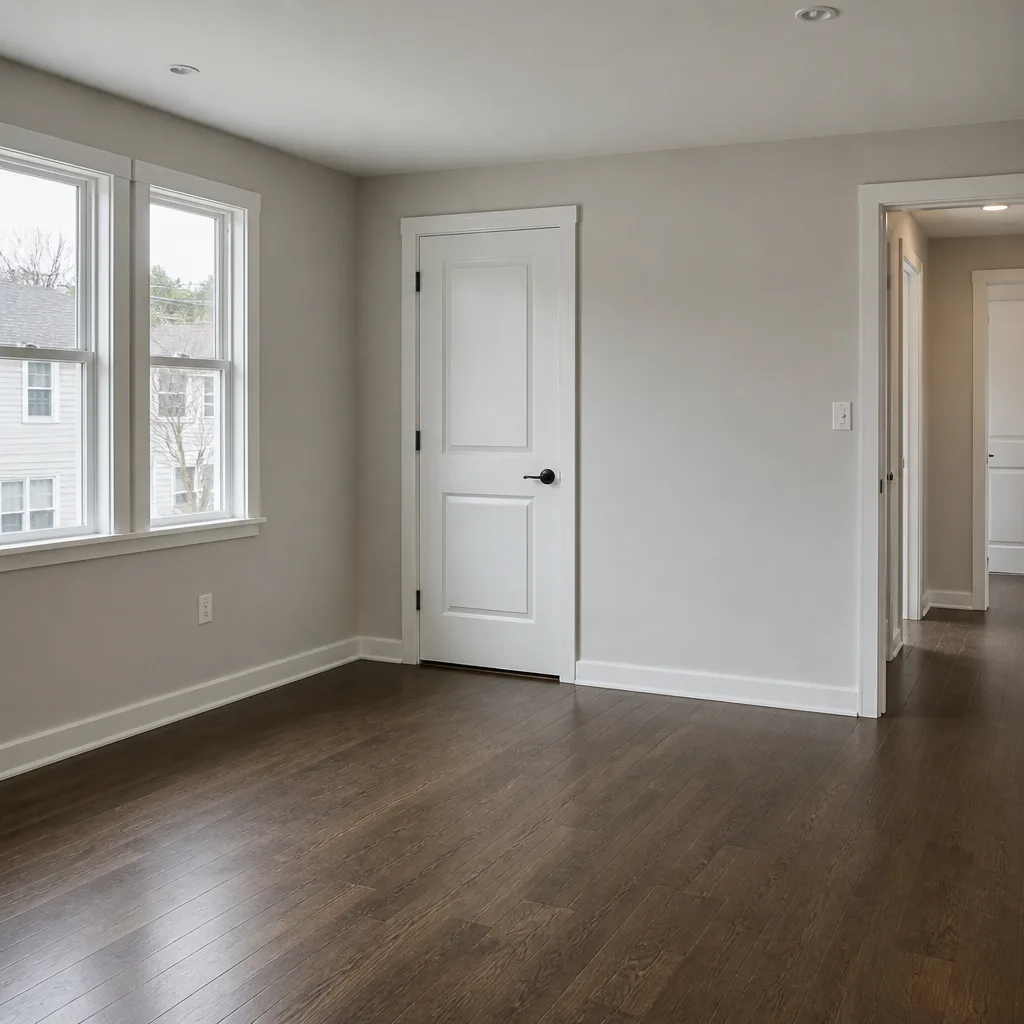
We rebuild what was removed: drywall, flooring, trim, cabinets, ceilings. Then we paint and finish. You get a written 90-Day Done Right Promise, our Keystone Standard, covering the workmanship. If it’s not done right, we make it right. No arguing.
Need Emergency Storm & Disaster Restoration in St. Albans Now?
Crews minutes away, answering live 24 hours a day. The sooner we start, the less it costs.
Working With Your Insurance Company
Insurance claims for storm and disaster restoration in St. Albans get complicated in ways adjusters don’t always anticipate. The unpermitted basement apartment that doesn’t appear on any certificate of occupancy. The pre-1960s plaster that might need asbestos testing. The fact that a sewer backup from a combined system can fall under different coverage provisions than wind-driven rain damage. We handle this every week. Our team documents the loss from the first hour, writes line-item estimates in the format carriers expect, and communicates directly with your adjuster so you don’t have to translate restoration terminology over the phone.
What We Provide Your Insurer
- Thorough documentation of the loss, including date, time, and cause of intrusion
- Photos of all damage, room by room, including wall cavity exposure
- Moisture readings and daily drying logs until dry standard is met
- A detailed, line-item scope of work with no vague categories
- Direct coordination with your carrier, so you don’t play middleman
We’ve done this for homeowners across St. Albans for years. The paperwork is part of the job. Call (518) 627-5878 and we’ll start the documentation process the moment we arrive.
Built for St. Albans’s Loss Calendar
St. Albans floods on its own schedule, and it’s tied directly to the sewer system. January and February bring deep freezes that burst 1940s-era galvanized supply lines in unheated basements and crawlspaces. March and April throw us the thaw, plus steady rainfall that finds its way through foundation cracks sitting below a water table that has nowhere to drain because the grade is essentially flat. Summer is the worst. A July thunderstorm dumping 2.5 inches in an hour overwhelms the combined sewer, and sewage backs up through floor drains into finished basements on Farmers Boulevard, Linden Boulevard, and Murdock Avenue. Fall brings nor’easter remnants, and while St. Albans doesn’t get the coastal storm surge of the Rockaways, the sustained rain still tests those aging drain stacks and underground laterals. Every one of these is a Storm & Disaster Restoration event for the homeowner standing in water. Understanding that this is a recurring pattern, not a one-off tragedy, changes how we scope the work. If your basement has flooded twice in eighteen months, the restoration should include prevention, not just extraction.
Storm & Disaster Restoration Across St. Albans’s Neighborhoods
St. Albans isn’t one uniform grid. The blocks east of Farmers Boulevard, particularly around Dacosta Avenue around 193rd Street, sit slightly lower and see basement water earlier in any storm. Homes built in the 1940s along Murdock Avenue tend to have deeper, fully finished basements that are often rented out or used as extended-family space, which means a backup there hits more living area and more property. Over near Linden Park and the stretch of homes along 118th Avenue, the original cast-iron sewer laterals are older than the homes themselves in some cases, and root intrusion from mature street trees adds a layer of blockage that makes even moderate rain dangerous. Baisley Pond Park and the blocks around it drain toward the pond, but the surrounding streets still tie into the same combined system that backs up under load. We dispatch crews across all of these areas from our New York City office, so response times stay tight whether the call comes from a two-family brick house on 117th Road or a semi-detached frame on Sayres Avenue.
Specialized Storm & Disaster Restoration Services We Offer in St. Albans
Storm Damage Cleanup
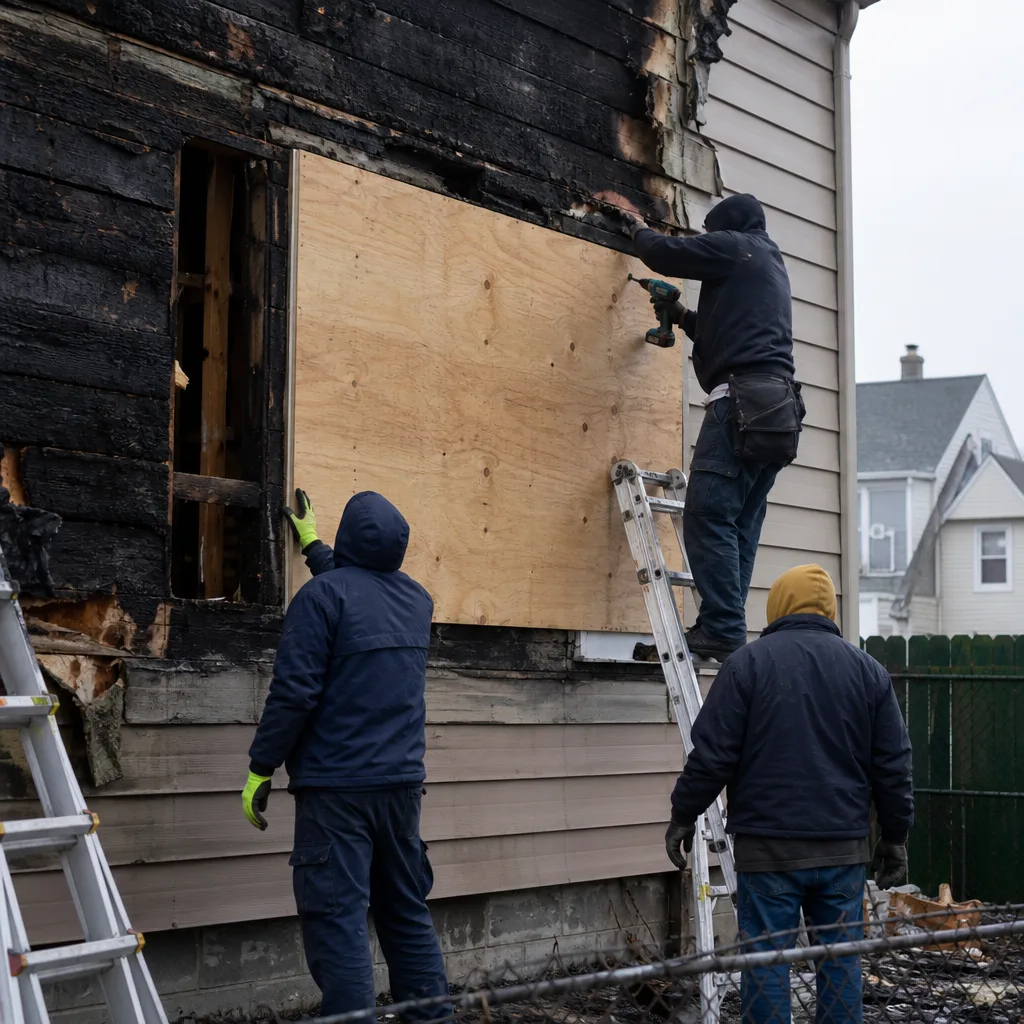
When wind-driven rain breaches a window, a wall, or a roof, the mess is structural and complicated. We secure the opening, extract the water, and work through the cavity to check for hidden saturation. In St. Albans homes with original wood framing and plaster, this often means opening walls wider than a homeowner expects, because we won’t leave wet plaster behind a fresh paint job.
Flood Damage Restoration
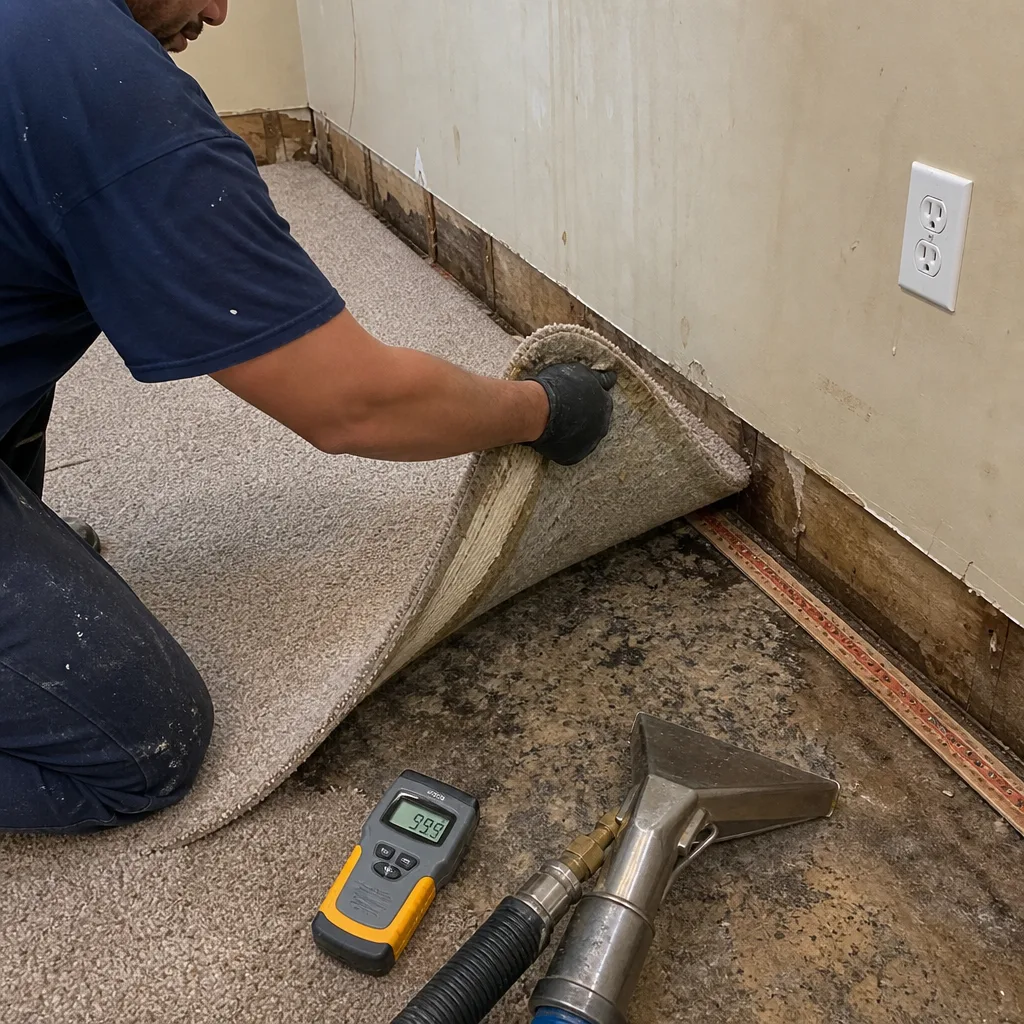
This is the service St. Albans calls for most. Whether the water came from the combined sewer, a failed sump pump, or a burst basement supply line, we handle the full scope: extraction, drying, sanitization, and rebuild. The key difference here is that we look for the cause and include remediation for it. A basement that floods once from a backed-up sewer will flood again unless backflow prevention is part of the plan.
Emergency Board-Up
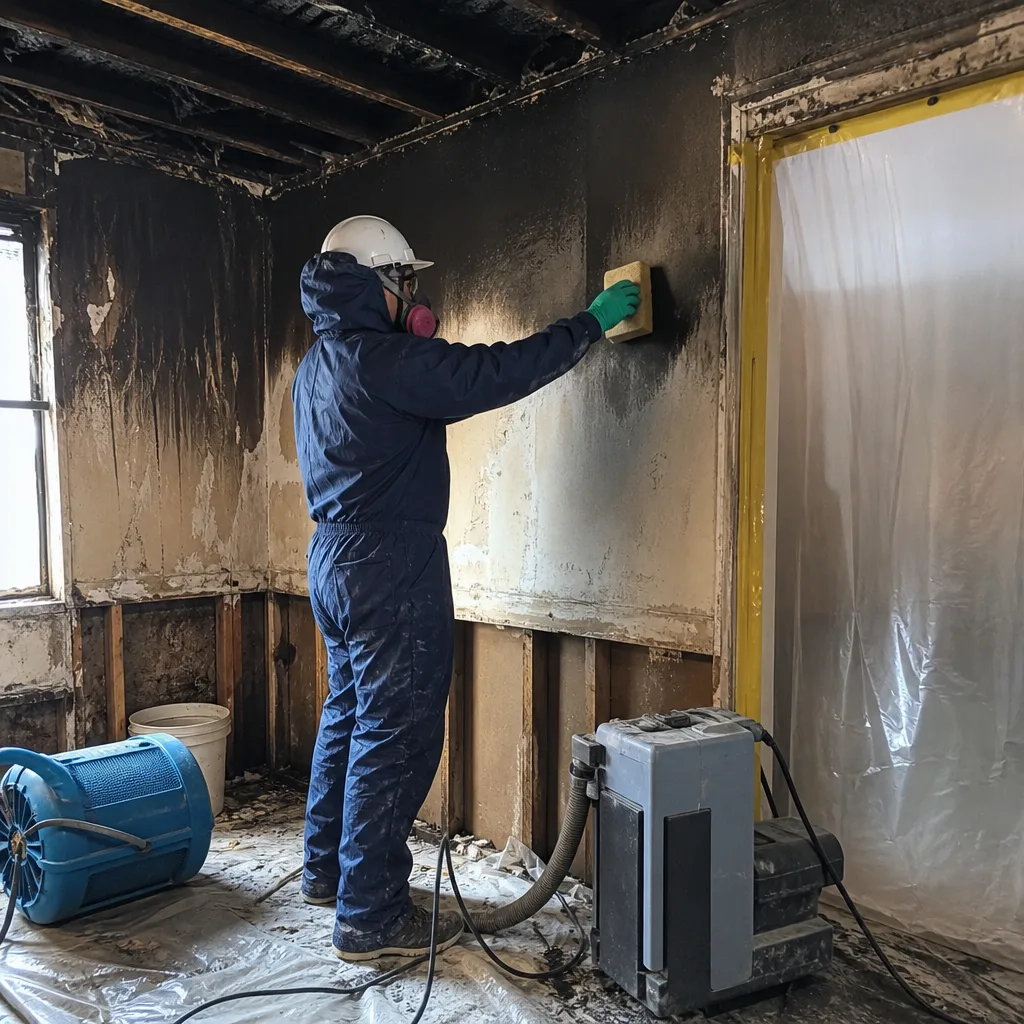
After a storm blows out a window or a falling branch punches through a basement door, the house is open to weather, animals, and people. We board up openings with plywood and secure them properly, same day, so your property isn’t exposed for a week while you wait for a permanent repair. This is critical in St. Albans’s densely packed blocks, where an open basement door on a corner lot invites trouble.
Roof Tarping
Wind tears off shingles and flashing, and rainwater follows the path it left. We tarp damaged roof sections with heavy-duty material secured against the wind, not just laid over the hole and weighted down. This buys you time to get a permanent roofing repair scheduled without letting more water into the attic and down through the walls.
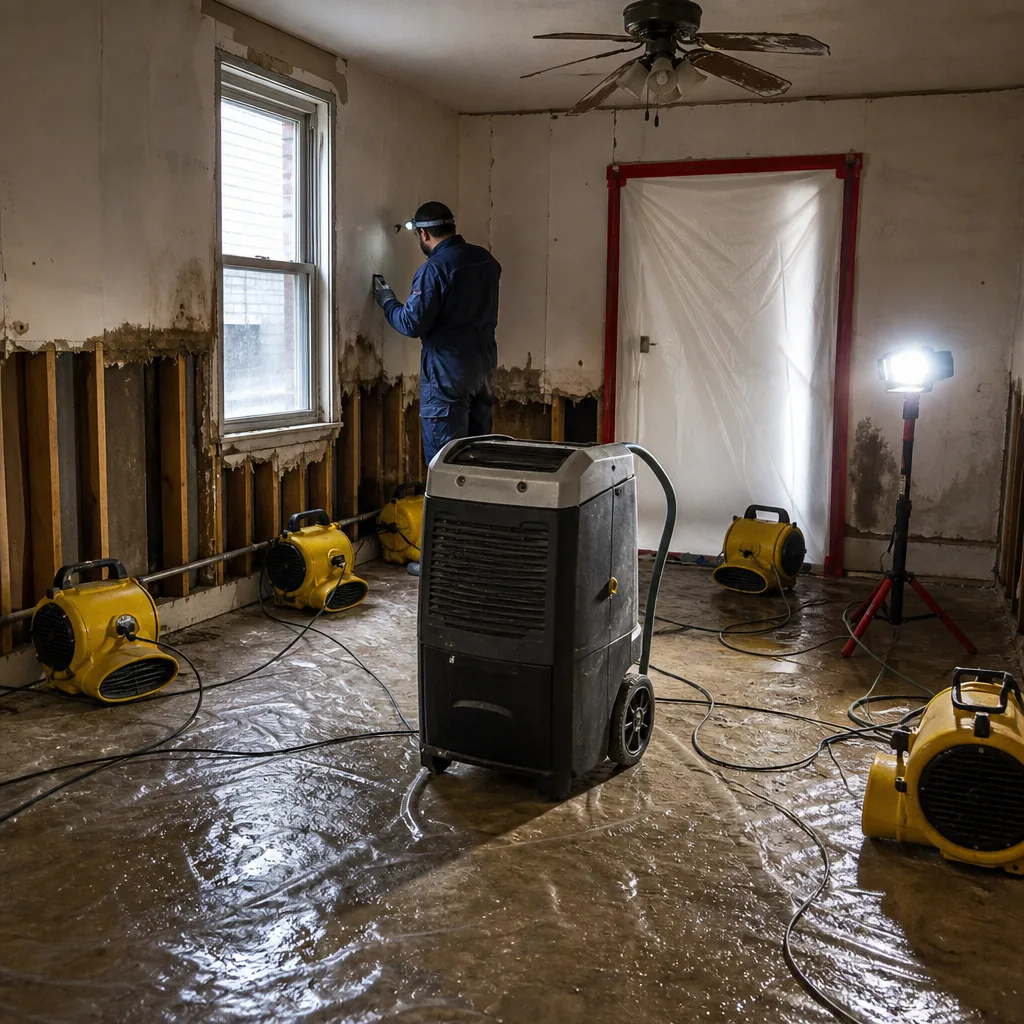
Debris Removal
Storm debris in St. Albans means tree limbs, broken fence sections, damaged siding, and whatever the wind carried onto your property. We remove it, but we also look at what the debris damaged on the way down. A branch that crushed a basement window is a debris job and a board-up job and possibly a flood job if rain followed it in.
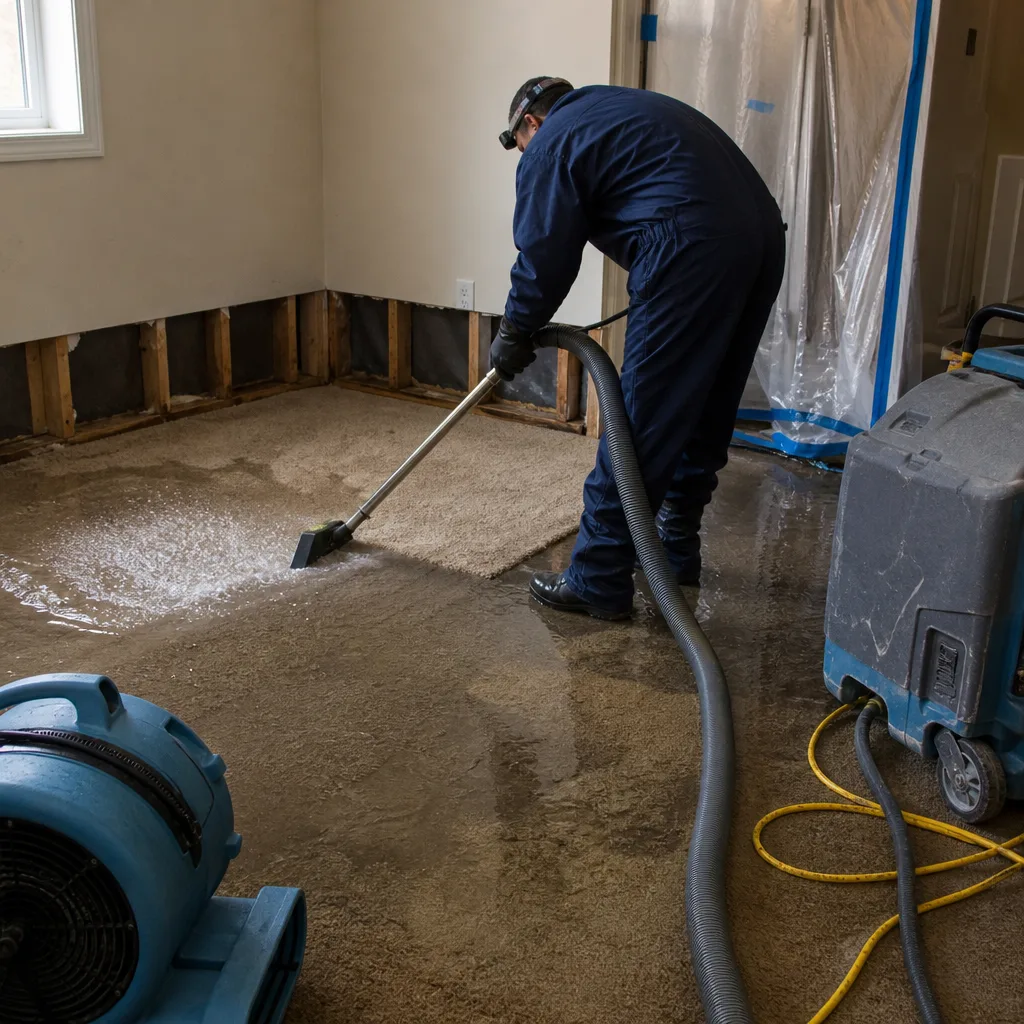
What happens when you call
- 1
A real person answersNo phone trees - you reach a local pro.
- 2
You get an upfront price rangeHonest numbers before anyone is dispatched.
- 3
A background-checked tech heads outLicensed & insured, dispatched right away.
- 4
You approve before work beginsNothing starts until you say go.
Storm & Disaster Restoration Costs in St. Albans, NY
Here’s what you can expect to pay in this market. Simple storm water extraction from a 600-square-foot finished basement with no structural damage typically runs $850 to $1,800. If Category 3 sewage water is involved, add $1,000 to $2,500 for contaminated material removal and sanitization. Drying a fully affected basement with professional equipment runs $1,500 to $3,200 depending on how long it takes to hit dry standard. Full rebuild of a finished basement, including drywall, flooring, and paint, generally falls between $4,500 and $9,000 when done by a crew that does both restoration and reconstruction. Asbestos or lead abatement, when required, adds $1,200 to $4,000 depending on the scope, and it delays the drying timeline because testing and containment have to come first. Insurance may cover much of this. It depends on your policy’s water backup endorsement, which many St. Albans homeowners added after Sandy. The free visual inspection is how you get a firm number. We walk the space, write the scope, and give you a line-item price before any work begins. Call (518) 627-5878 to schedule yours.
We Also Serve Cities Near St. Albans
Our crews respond across the surrounding area every day. We handle storm and disaster restoration in Jamaica, Richmond Hill, Hollis, and Kew Gardens Hills, applying the same documentation standards and 90-Day Done Right Promise in every zip code. If you’re just over the line and wondering whether we cover your block, call and ask. A dispatcher answers live and will tell you straight.
St. Albans Storm & Disaster Restoration Questions, Answered
How quickly can mold start growing on wet drywall in a St. Albans basement after a sewer backup?
Mold can begin colonizing wet drywall within 24 to 48 hours, and in a warm St. Albans basement during July or August, that timeline moves faster. That’s why we treat a sewer backup as an emergency even when the standing water is only a few inches deep. Immediate extraction, cutting drywall to expose the cavity, and setting air movers within the first day usually prevents a mold problem. Waiting a week does not.
Do I need asbestos or lead testing before you start drying out my 1950s St. Albans basement?
Probably, and a responsible contractor will tell you that up front. Most St. Albans homes built before 1978, and especially those from the 1940s and 1950s, contain asbestos floor tile, asbestos-wrapped pipes, or lead paint. Before we disturb those materials by opening walls or removing flooring, NYC DEP regulations require testing and, if positive, appropriate abatement. Skipping this step can trigger a DOB stop-work order and contaminate the drying chamber. We handle this in sequence: test, contain, then dry.
Why does my St. Albans basement flood even when it’s not a named storm?
Because St. Albans sits on flat, low-lying terrain in the Jamaica Bay watershed, and the combined sewer system collects both stormwater and sewage. When a routine 2 to 3 inch rain event drops more water than the system can handle, the excess has nowhere to go except back up through floor drains and sump pits into basements. This happens multiple times a year, not just during named storms. It’s the defining restoration challenge of this neighborhood.
Can you restore a finished basement apartment that isn’t on the certificate of occupancy?
Yes, but it requires a step that a lot of contractors skip. We restore the space to its pre-loss condition and bring it up to current code where required. If the basement contains an unpermitted kitchenette or bathroom, we flag that with NYC DOB and coordinate the necessary sign-offs before structural drying and rebuilding proceed. Ignoring it creates a bigger problem with your insurance carrier and the city later.
What does ‘Category 3 water’ mean for the contents of my flooded St. Albans basement?
Category 3 water is grossly contaminated, meaning it contains sewage, pathogens, or other hazardous material. For your contents, this means anything porous that absorbed the water, like carpet, upholstered furniture, cardboard boxes, and most drywall, is usually not safe to clean and should be discarded. Non-porous items like metal tools or sealed containers can often be sanitized. We’ll document everything for your insurance claim so you have a clear list of what was removed and why.
How fast can you actually get to my St. Albans home?
Our dispatch team answers live around the clock. From the time you call (518) 627-5878, a crew is typically on site within 45 minutes anywhere in St. Albans. That matters when sewage is still rising or water is spreading through wall cavities. We don’t schedule you for a window tomorrow morning. We send someone now.
Does storm damage insurance cover a sewer backup in St. Albans?
Standard homeowners policies generally exclude sewer backup unless you’ve purchased a water backup endorsement or flood insurance. Many St. Albans homeowners added these coverages after Hurricane Sandy. We can’t tell you what your specific policy says, but we document the cause of loss accurately and work directly with your adjuster to present the claim in a way that matches your coverage. The best time to check your policy is before the next rain event.
How long does full restoration take after a basement flood?
Extraction happens the same day. Structural drying typically takes 3 to 5 days with professional-grade equipment, longer if asbestos testing or DOB sign-offs are required. Rebuild of a finished basement then takes another 5 to 14 days depending on flooring, trim, and paint. So you’re looking at roughly 1 to 3 weeks from standing water to a finished, move-in-ready space in most St. Albans basements.
Serving St. Albans, NY - Our Local Coverage Area
We’re based in the St. Albans area and know this community well. Use the map below to see our service coverage - if you’re nearby, we can almost certainly help.
The St. Albans Basement Problem Nobody Wants to Talk About
After a July downpour backed up the combined sewer on Farmers Boulevard, our crew arrived to find a finished basement apartment with drywall wicked 18 inches up the walls and standing Category 3 water. We set containment, ran negative air with XPOWER air movers and Dri-Eaz dehumidifiers, and began moisture mapping while our project lead flagged the unpermitted kitchenette for NYC DOB sign-off before structural drying could proceed. That’s not a one-off story. A large share of St. Albans basements function as unpermitted accessory apartments. When restoration crews arrive after a flood, they routinely find finished rooms with drywall, drop ceilings, and kitchenettes that don’t appear on any certificate of occupancy. It creates a documentation headache for insurance adjusters and forces contractors to navigate DOB compliance questions mid-job before drying or rebuilding can legally proceed. If you’re a St. Albans homeowner with one of these basements, you’re not alone, and you’re not in trouble with us. We’ve done this enough times to know the sequence: document everything, coordinate with DOB, and keep the job moving. Call us at (518) 627-5878 before the next rain event, and we can help you get ahead of the chronic flooding pattern that’s been wearing your foundation down for years.
Written by Curt Bowman, Owner at Floodline Restoration Co., serving St. Albans and the surrounding Queens communities since 2010.