
Free visual inspection and a written scope of work before any mitigation begins - photos, moisture readings, and drying logs go in your claim file
The scope we write is the scope we bill. Anything new gets shown to you, in writing, before we touch it.
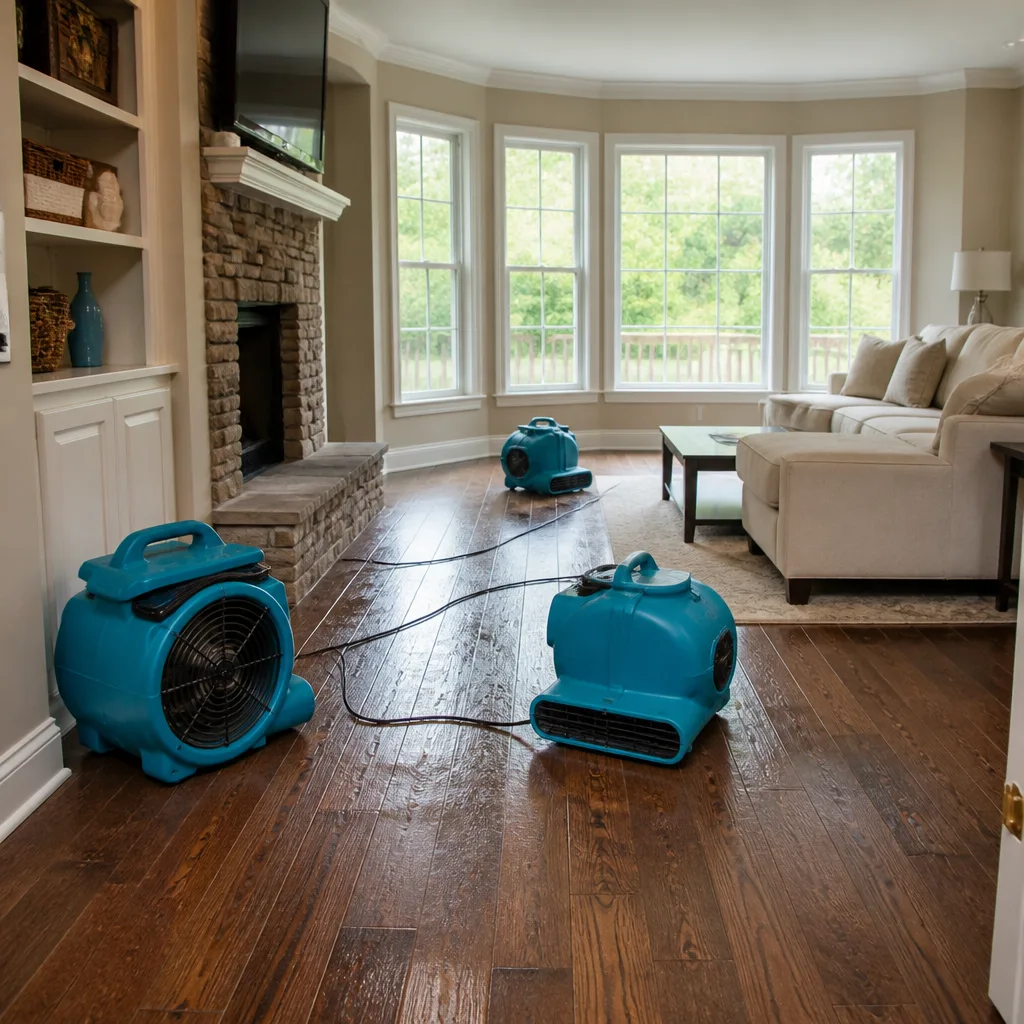
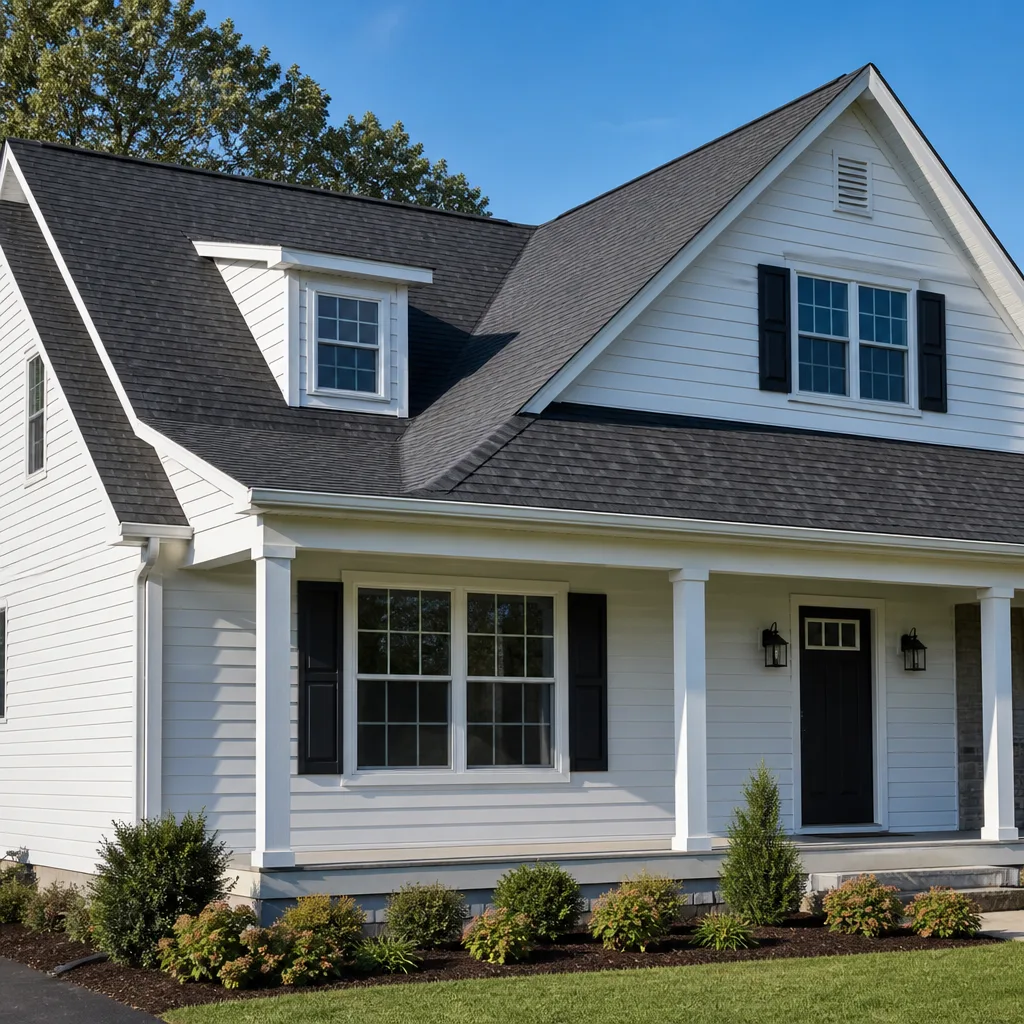
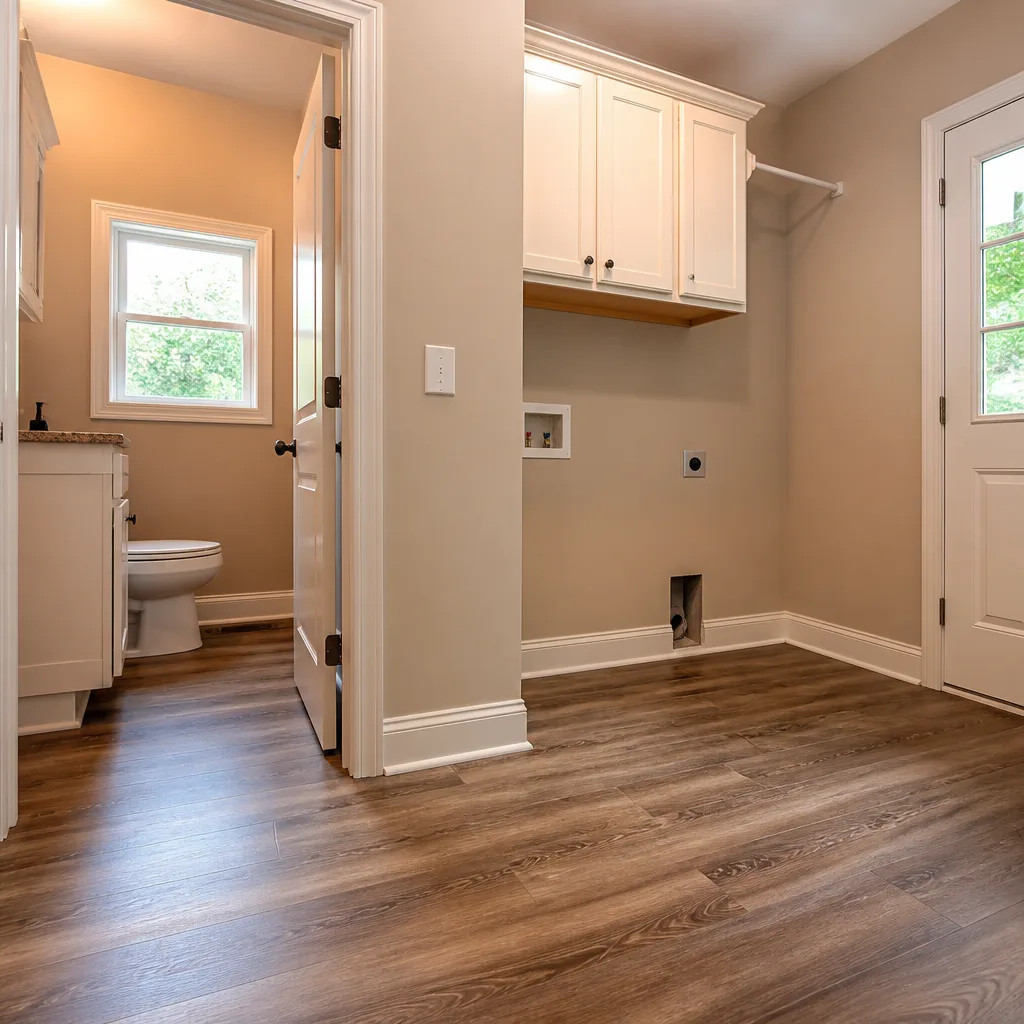
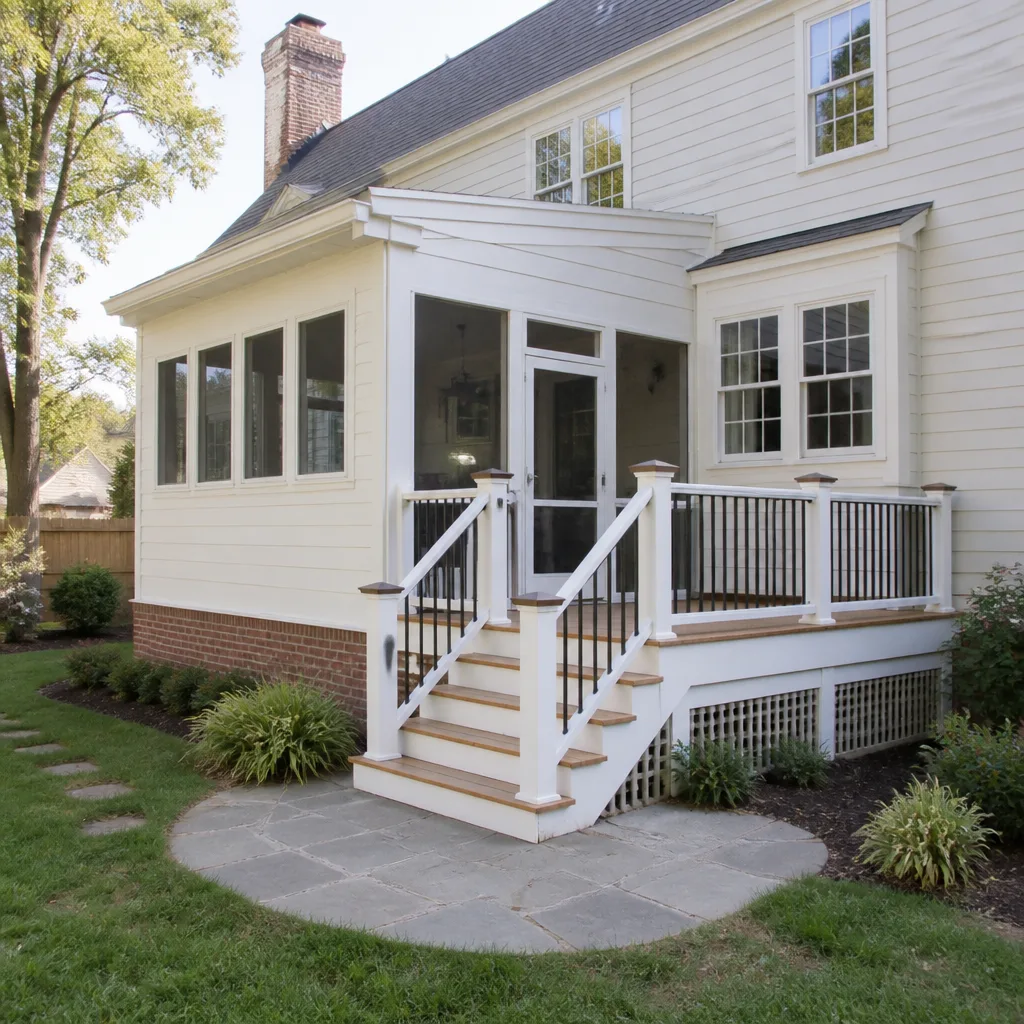
 Before
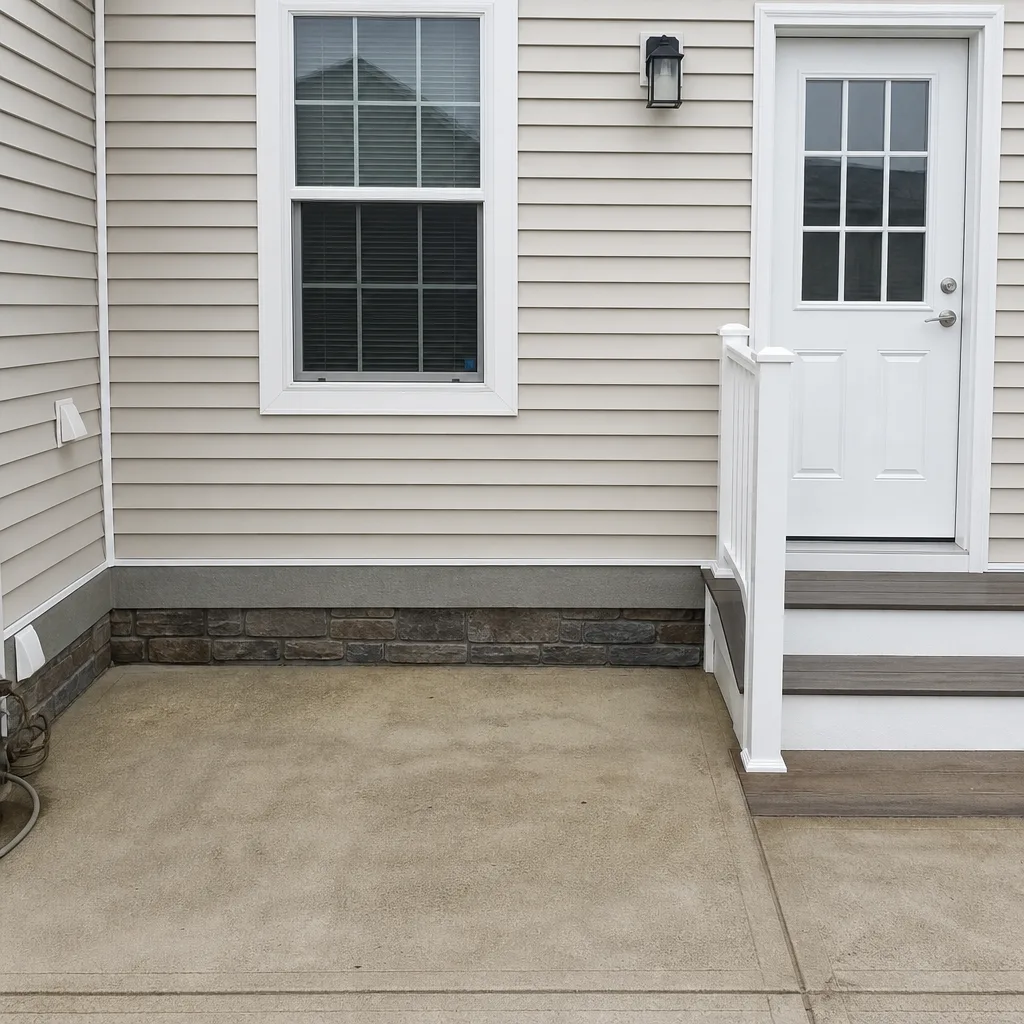 After
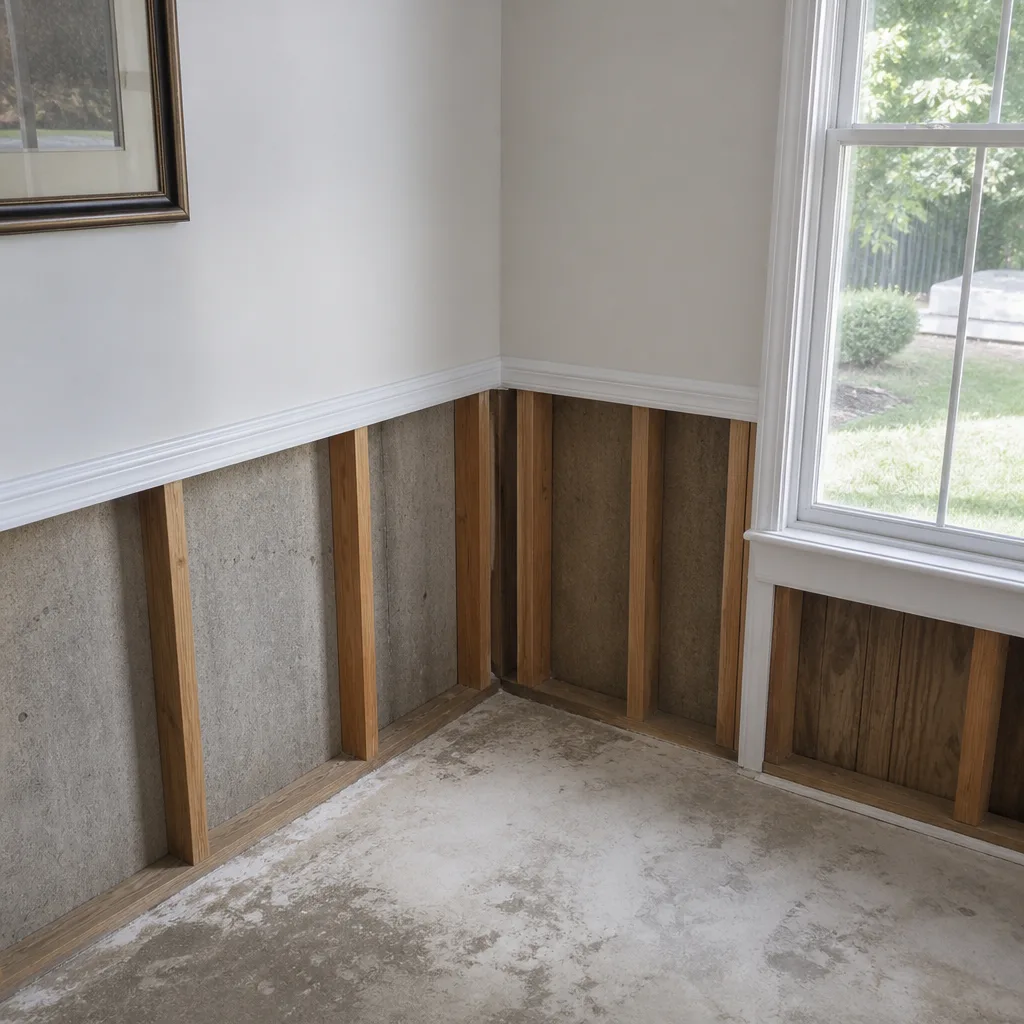
After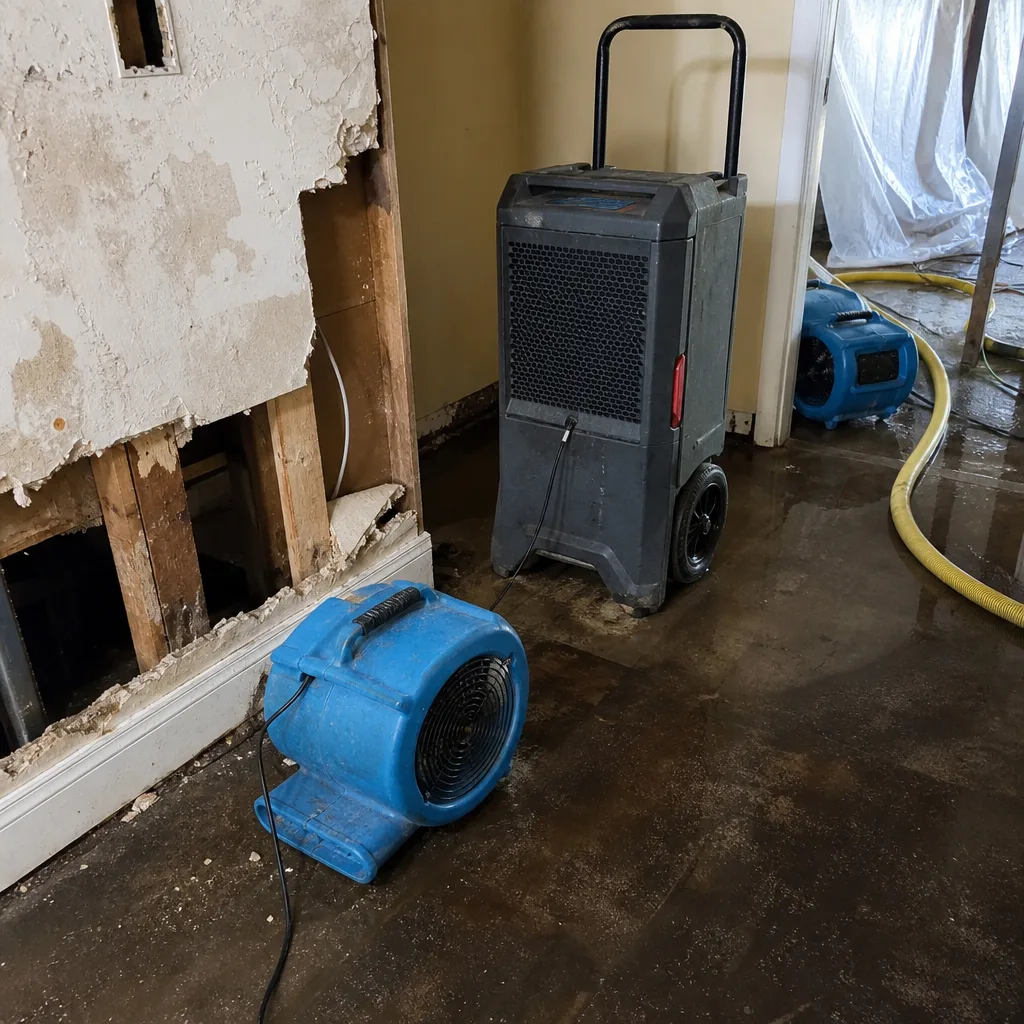 Before
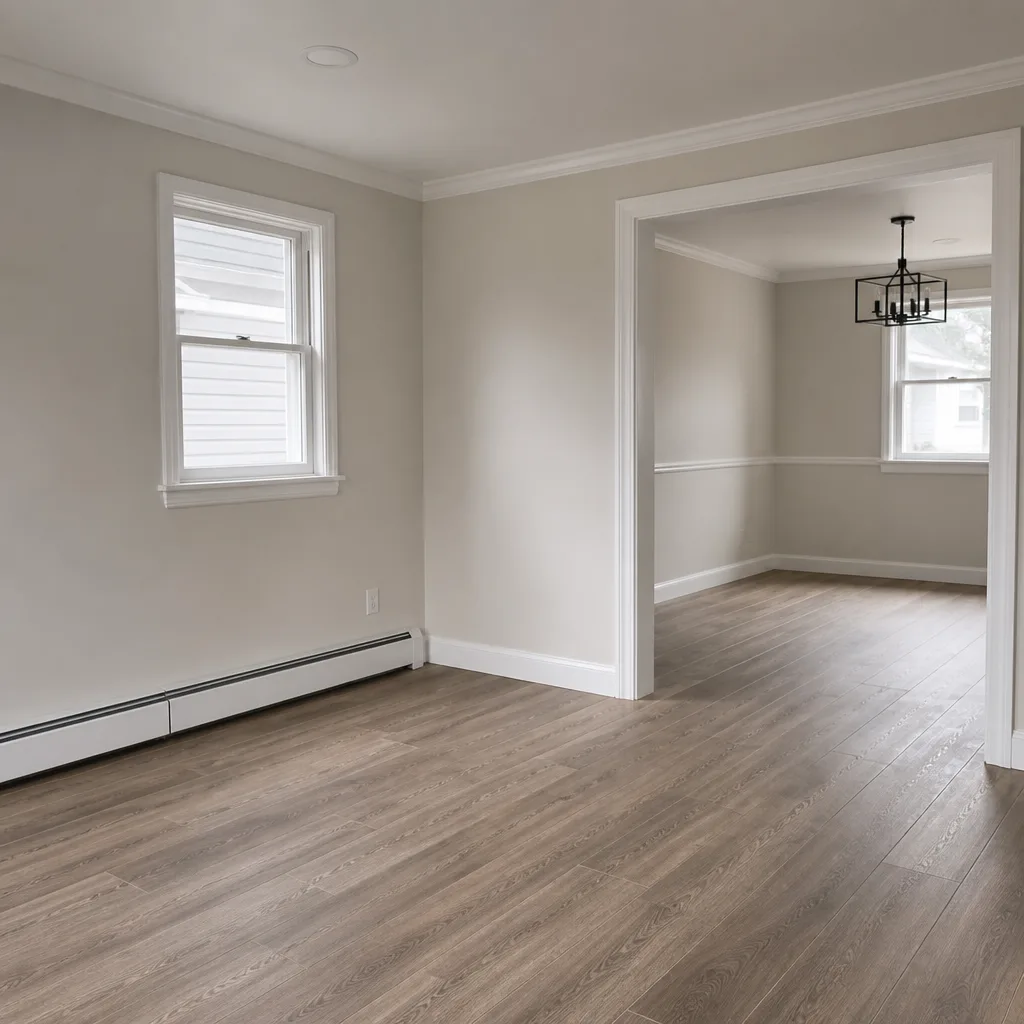 After
After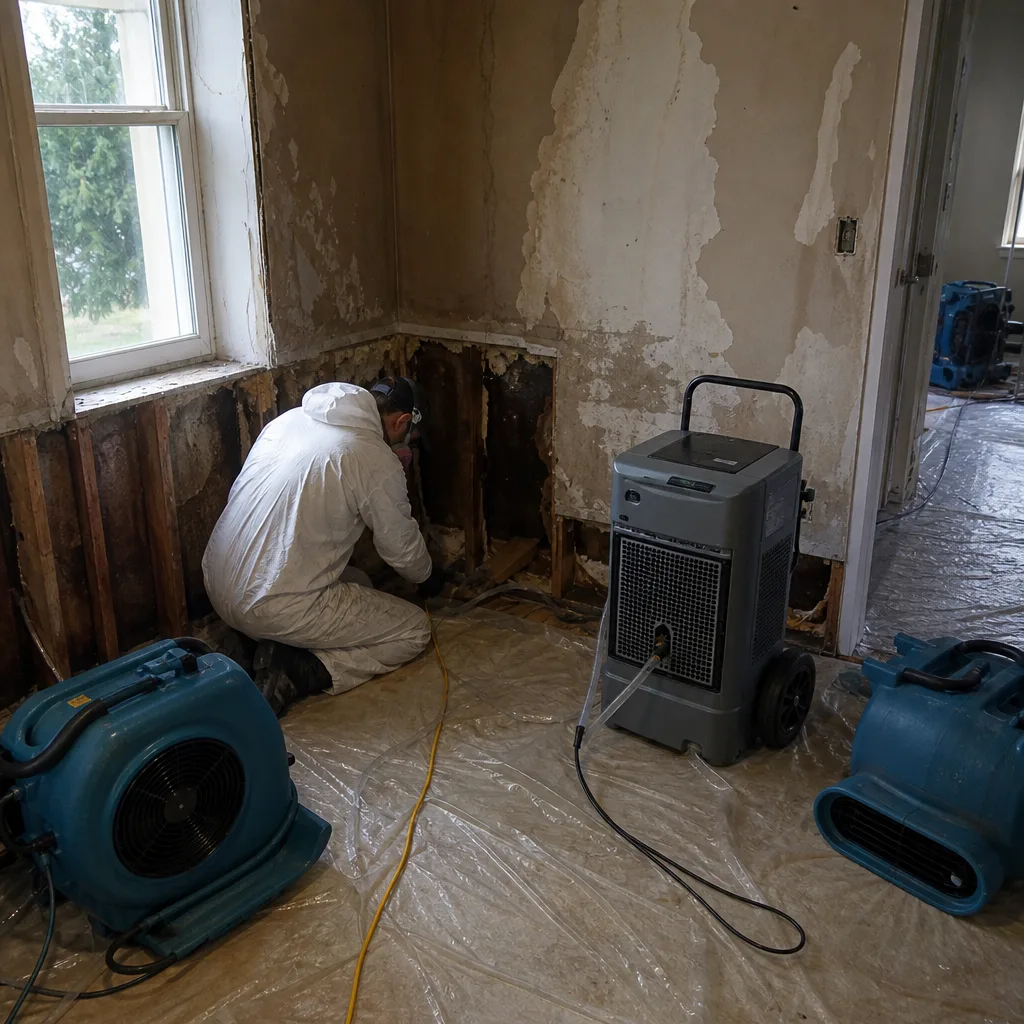 Before
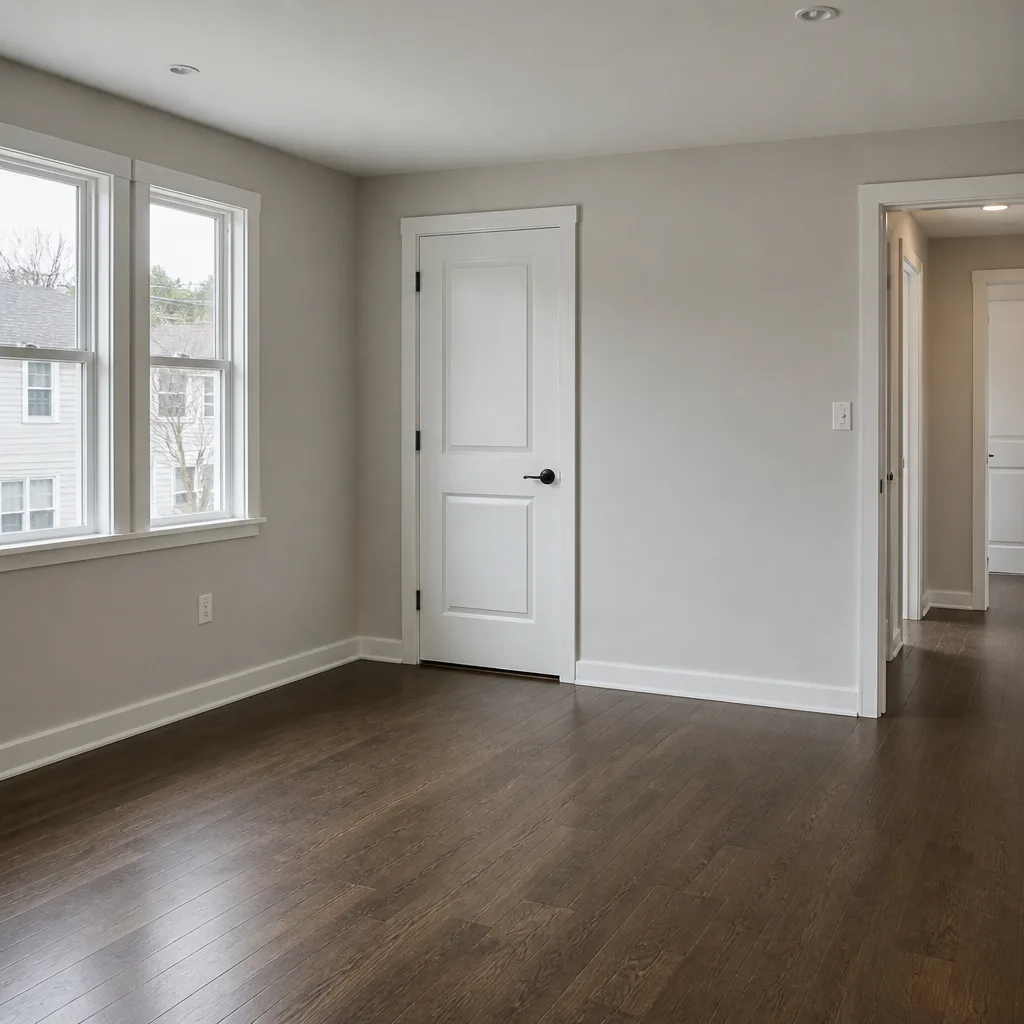 After
After24/7 Emergency Storm & Disaster Restoration in Hollis
Storm & Disaster Restoration in Hollis means sewage backup, flooding, and wind damage - and it means acting before the damage spreads. Floodline Restoration Co. answers live around the clock, and our crews reach Hollis basements off Jamaica Avenue, Hollis Avenue, and 104th Avenue within 45 minutes of your call. If you’ve got water rising through a floor drain or a tree limb through a window, call (518) 627-5878 right now. The first hour determines whether you’re looking at extraction and drying or a full gut to the studs. We’ll do a free visual inspection, tell you straight what’s needed, and start the work the same visit.
Understanding Storm & Disaster Restoration Severity in Hollis Properties
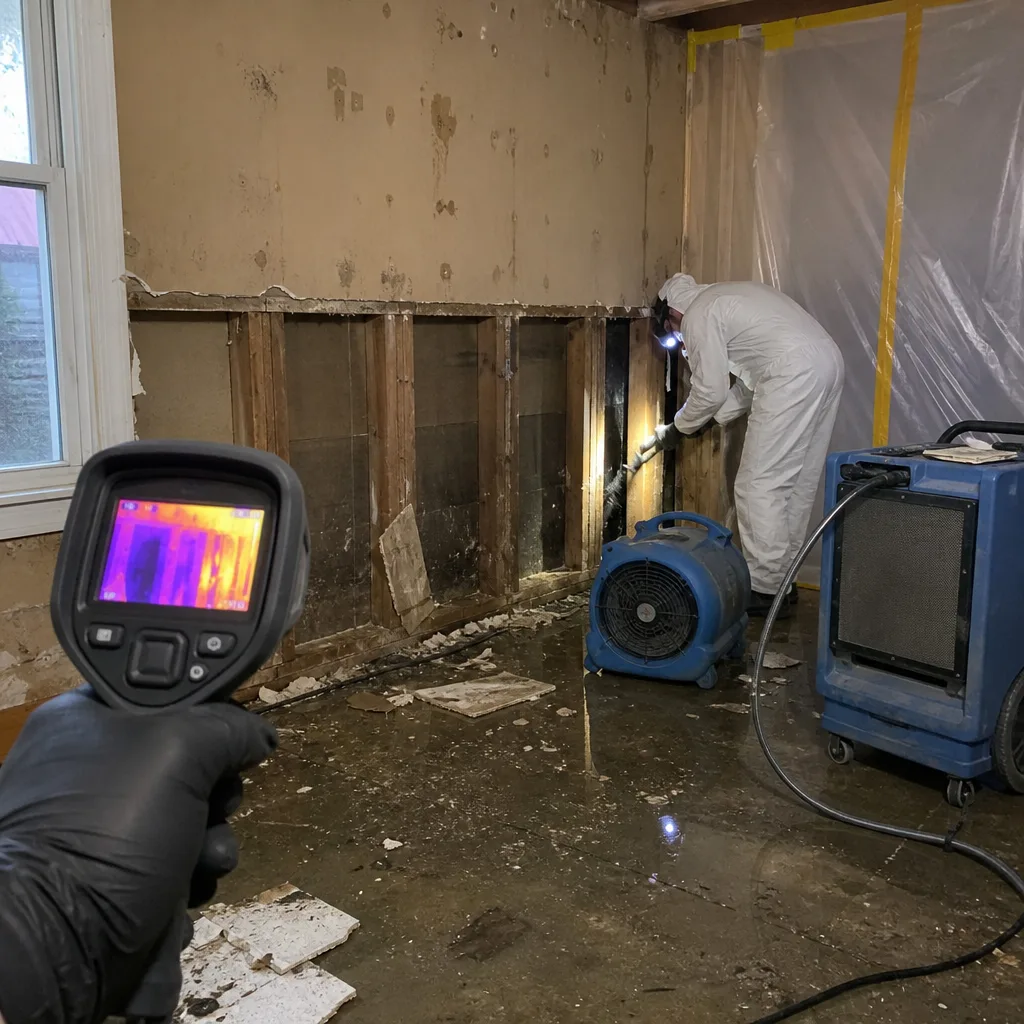
Most Hollis storm losses come in as water, but the category of water decides how much of your house gets torn out. Clean water from a broken supply line is Category 1 - you dry it, you save the materials. Rain-driven surface water moving through a finished basement is usually Category 2 - contaminated enough to require removal of porous materials. But the dominant call in Hollis, given the flat terrain and combined sewers, is Category 3 black water: sewage backing up through deteriorated clay-tile laterals into basement floor drains. Category 3 water carries pathogens. Porous materials that touch it - original plaster from the 1930s, wood subfloors, drywall, upholstered furniture - get cut out and carried off, then the structure gets antimicrobial treatment. Skipping that step, or treating black water like clean rainwater, leaves live bacteria in your walls. We see the consequences constantly in Hollis basements that were “cleaned up” by a handyman after a prior storm, then never fully dried. Inside those converted basement apartments, the risk compounds: tight space, no airflow, and a surface that looks dry while the subfloor is still holding 28% moisture. Our crews moisture-map every affected Hollis basement with thermal imaging and hygrometers before declaring anything dry.
Why Hollis Property Owners Choose Floodline Restoration Co.
- 45-minute response commitment. We dispatch from within the area and arrive fast when black water is rising. A live dispatcher takes your call, and a crew rolls immediately.
- 24/7 live answer, every time. No automated triage. A real person picks up at 2 a.m. and sends a certified crew.
- IICRC-certified crews (WRT, FSRT, AMRT). Background-checked, uniformed, and trained to the standards that matter for Category 3 work and structural drying.
- Free visual inspection. We assess the loss and give you a straight, written scope before any work starts. No pressure, no add-ons uncovered later.
- Direct insurance billing. We document from the first hour, submit line-item estimates, and talk to your adjuster directly. You never play messenger.
- One team from extraction to reconstruction. The same crew that reads the moisture map on day one rebuilds the finished basement on day thirty. No mid-job handoff.
Our Storm & Disaster Restoration Process
Inspection & Assessment
We walk the damage, trace the water path, and map moisture through walls, floors, and cavities. Thermal imaging finds what eyes miss in a Hollis basement conversion. A written scope follows before any equipment gets unloaded.
Extraction / Stabilization
Category 3 water comes out fast. Submersible pumps and truck-mounted extraction remove the bulk, then we pull standing water from tight spaces where basement apartments trap it. Board-up and roof tarping happen at the same time if the envelope is breached.
Drying & Dehumidification
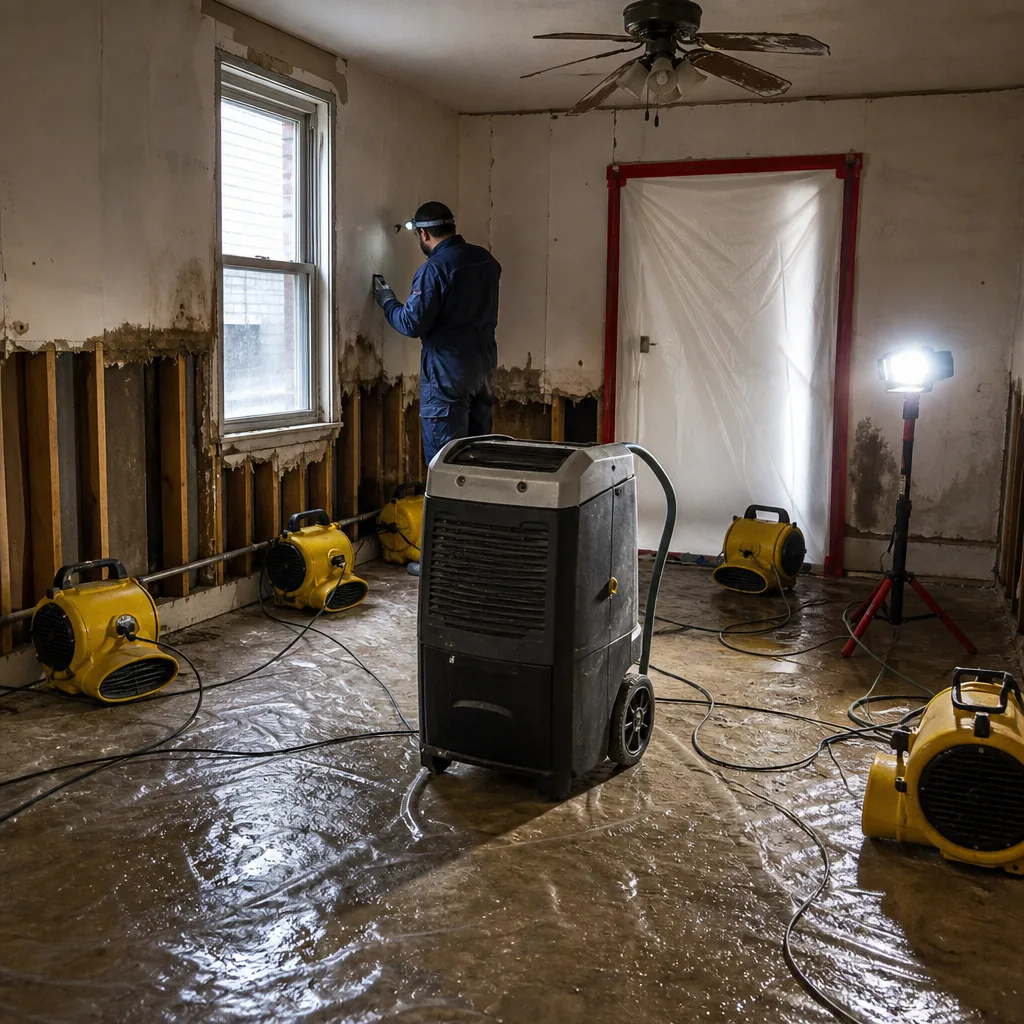
Dri-Eaz air movers and Phoenix dehumidifiers run until moisture readings hit the dry standard. Daily readings are logged and handed to you and your carrier. In original plaster and wood subfloor basements, this phase is longer than in modern builds - we don’t rush it.
Cleaning & Sanitization
Antimicrobial treatment follows removal of contaminated materials. We address what touched black water, not just what got wet. HEPA air scrubbers run during cleaning to keep airborne particulates from spreading to dry spaces.
Specialty Treatment for Storm Losses
For storm-driven sewage in Hollis, this includes lateral scope evaluation, backflow prevention consultation, and vapor barrier correction where missing. Any non-code electrical wiring found behind damaged walls gets documented and flagged for correction before remediation closes.
Repairs & Restoration
We rebuild what we removed: framing, drywall, trim, flooring. The moisture log is complete before reconstruction begins, so you’re not covering a damp stud. The same Floodline crew stays through the final walkthrough.
Need Emergency Storm & Disaster Restoration in Hollis Now?
Crews minutes away, answering live 24 hours a day. The sooner we start, the less it costs.
Working With Your Insurance Company
Storm and sewage losses in Hollis are usually covered by homeowners insurance, but carriers need documentation from the first hour to approve the full scope. We photograph the damage before anything moves, log hourly drying readings, and assemble a line-item estimate at the standard the carrier expects. Our team talks directly to your adjuster, answers questions about Category 3 protocol, and pushes back when a lowball scope leaves sanitization out. It’s a square deal: you know what your policy covers, we know what the job costs, and the carrier gets the documentation it needs to pay the claim.
What We Provide Your Insurer
- Thorough documentation of the loss
- Photos of all damage, room by room
- Moisture readings and drying logs
- A detailed, line-item scope of work
- Direct coordination with your carrier
Built for Hollis’s Loss Calendar
Hollis does not have a quiet season for storm damage, but the calls shift. January and February hit with deep freezes that burst supply lines in 1930s brick homes with uninsulated sill plates. Spring brings nor’easters and the thaw, when basement seepage through original slab cracks turns into full flooding as the water table rises. Summer is the worst: intense thunderstorms with two inches of rain in an hour onto nearly flat, fully paved terrain, and the combined sewer system overwhelms its capacity. That’s when Category 3 sewage comes up through floor drains in the neighborhoods around Hollis Avenue. Autumn hurricane remnants and wind events strip branches onto roofs and through windows, and the cleanup chases debris before the rain follows. This cycle means we’re always within response distance of Hollis, and the equipment in our trucks accounts for the next event, not just the one we’re responding to.
Storm & Disaster Restoration Across Hollis’s Neighborhoods
Hollis reads like a grid of brick homes built between the wars, and the storm damage follows the streets. Along 104th Avenue and the blocks between it and Jamaica Avenue, semi-detached brick houses are so close together that alley-load access can be six feet wide or less - our crews carry narrow-profile equipment and know which staging pattern works without blocking the neighbor’s driveway. Over near Hollis Avenue and the 191st Street corridor, finished basement apartments with private entrances mean sewage backup displaces people, not just storage - response becomes urgent for someone’s bedroom, not a tool bench. The stretch around the Hollis LIRR station and the side streets off Hillside Avenue has a higher share of detached two-family homes with long side alleys and deeper basements, where a storm-driven backup through a root-intruded clay lateral can sit unnoticed under carpet for days. And around the east side bordering Queens Village, later post-war builds with more modern drains have different failure points - usually wind-driven roof damage and window leaks rather than sewage. Wherever the call comes from in Hollis, we route by the address and arrive expecting that street’s specific building type.
Specialized Storm & Disaster Restoration Services We Offer in Hollis
Storm Damage Cleanup
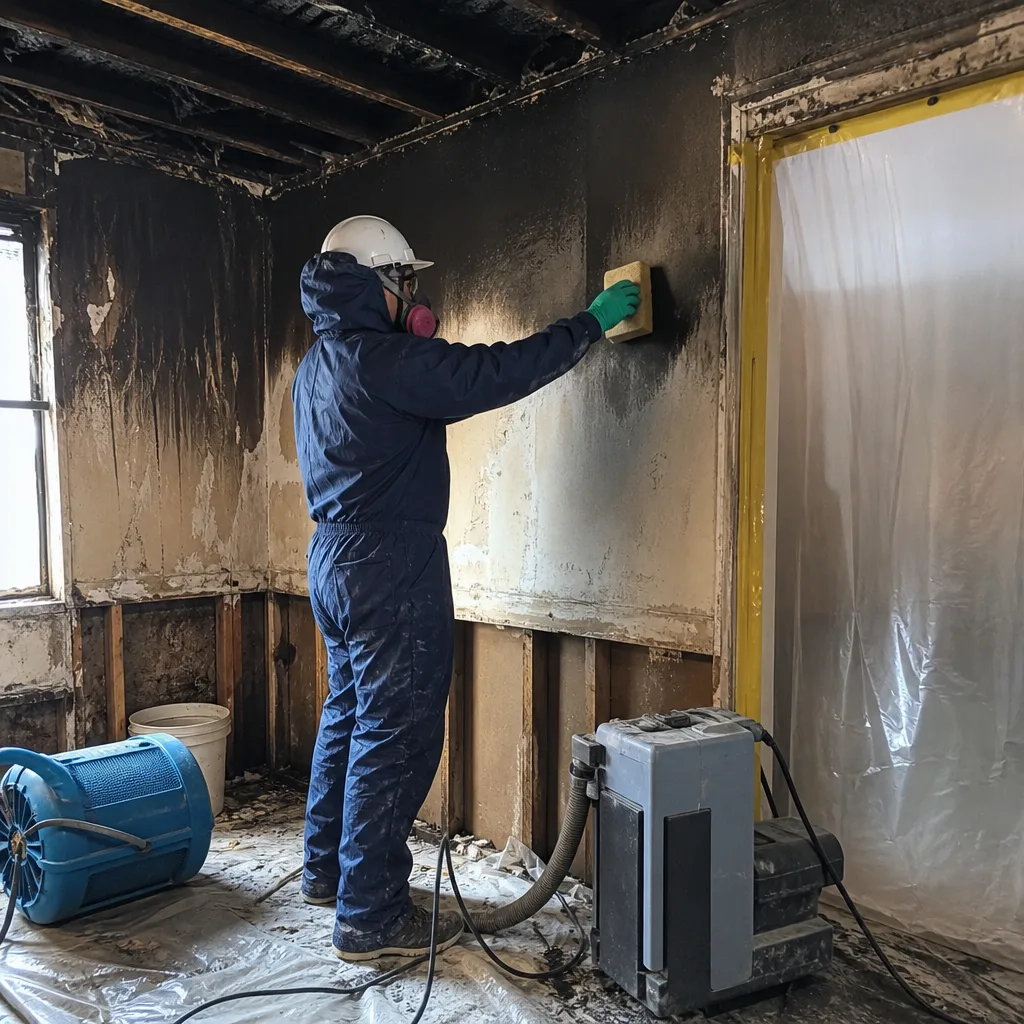
After wind, rain, and flying debris, the cleanup is not just picking up branches. In Hollis, Storm Damage Cleanup often starts with water inside the envelope: broken windows, shingles in the yard, and saturated insulation behind storm-torn flashing. We extract, secure the opening, remove what can’t be dried safely, and clear interior debris all in one visit.
Flood Damage Restoration
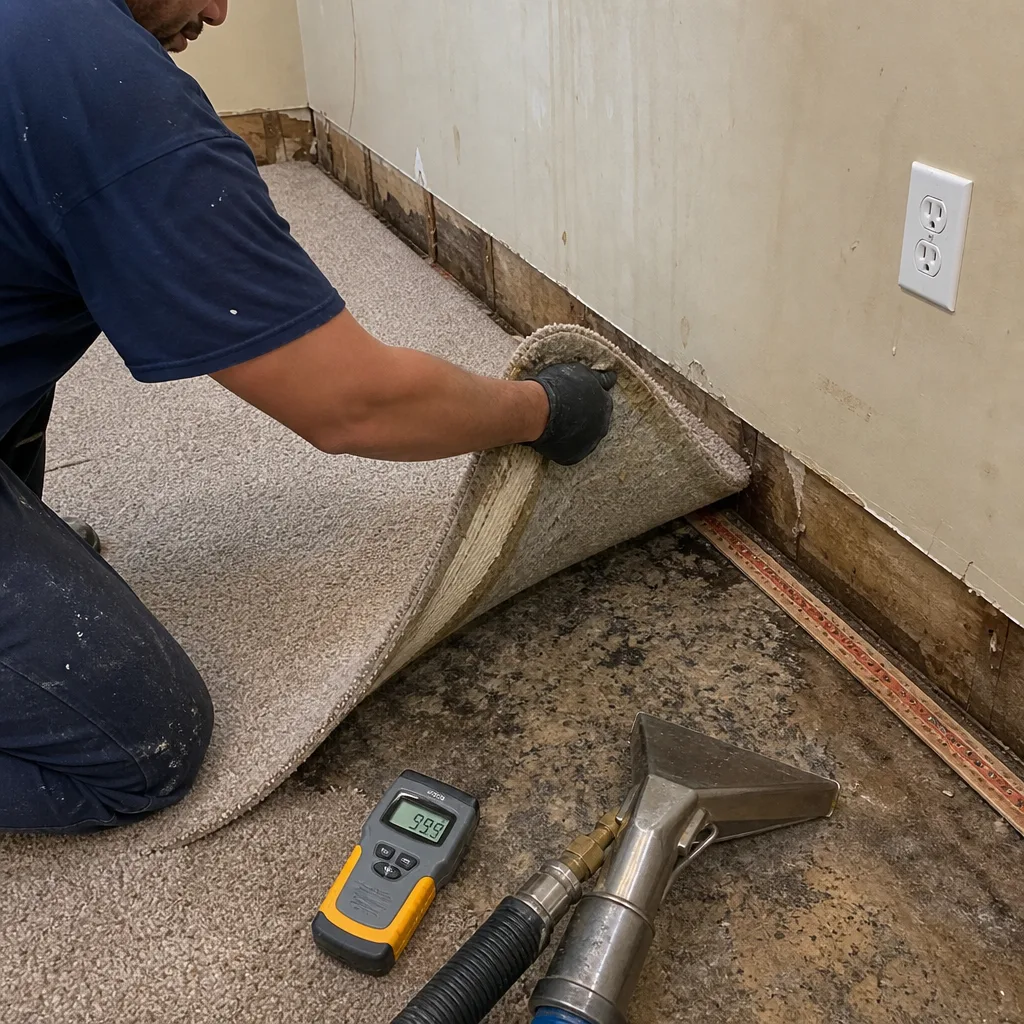
Flood Damage Restoration in Hollis usually means the basement. Our crews pump out the water, cut the affected plaster and flooring back to dry material, and run drying equipment until moisture readings in wood and concrete hit the dry standard. With converted basement apartments throughout the neighborhood, this is frequently an occupied living space, which changes the urgency and the scope.
Emergency Board-Up
A window broken by a storm branch leaves a house open to rain, animals, and anyone walking by. We board up openings same-day with plywood cut to the window frame, not nailed across the trim. For Hollis’s front doors and side entrances, the board-up is staged to let the family still get in and out safely.
Roof Tarping
When a storm peels shingles or opens a hole, a tarp stops the damage at the current scope instead of after the next rain. We tarp the damaged section, fasten it beyond the breakline, and document it for the carrier so the eventual repair clears the claim. In Hollis’s attached and semi-attached homes, we work the tarp from the roof side without disturbing the neighbor’s dwelling.
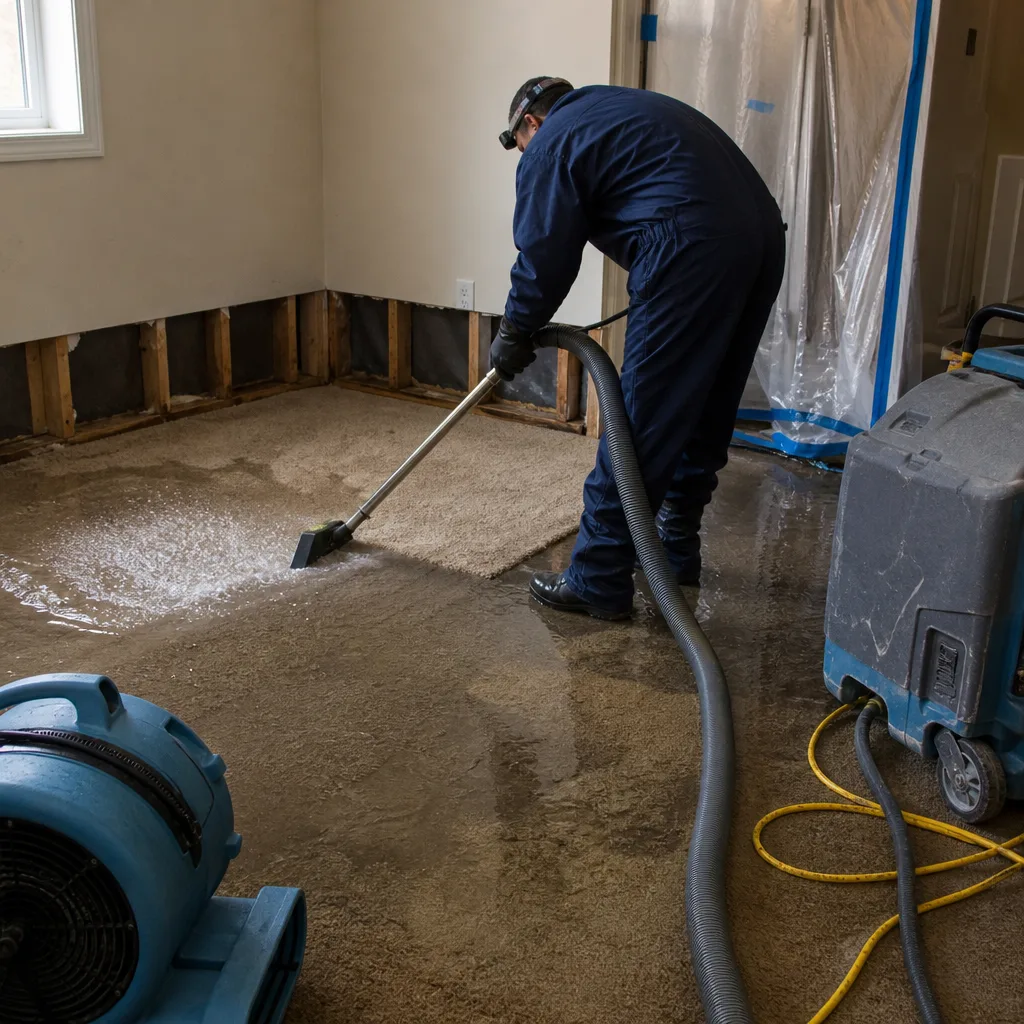
Debris Removal
Storm debris in Hollis moves from the yard to the curb, but the heavy work is inside: soaked carpets, collapsed ceiling sections, and furniture that touched black water. We remove all of it, separating what the carrier needs to photograph from what goes straight to the staging area. Since we’re certified for Category 3 removal, you’re not carrying sewage-soaked material through your own house.
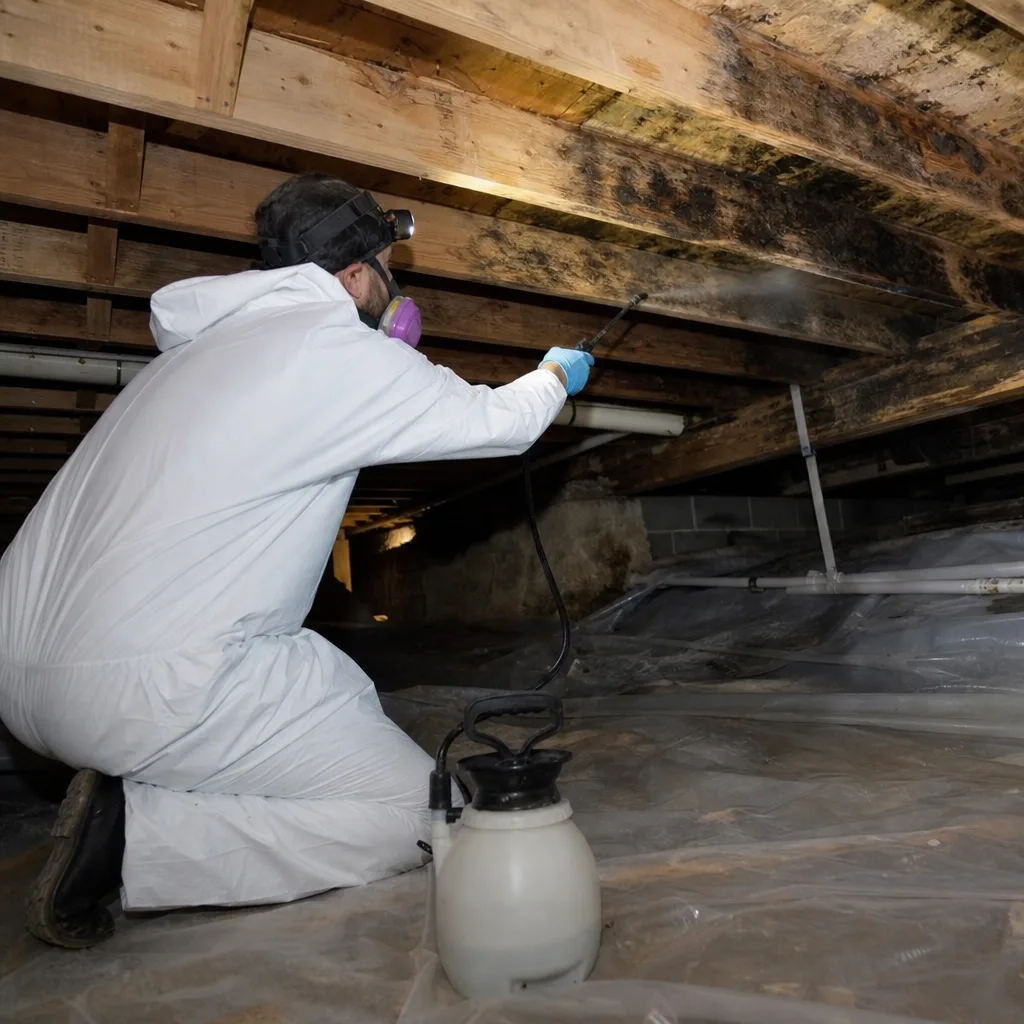
What happens when you call
- 1
A real person answersNo phone trees - you reach a local pro.
- 2
You get an upfront price rangeHonest numbers before anyone is dispatched.
- 3
A background-checked tech heads outLicensed & insured, dispatched right away.
- 4
You approve before work beginsNothing starts until you say go.
Storm & Disaster Restoration Costs in Hollis, NY
Storm damage work in Hollis depends on the water category and how far it traveled before it was stopped. Simple water extraction and drying in a small basement with clean water runs $1,200-$2,800. Category 3 sewage backup in a finished basement apartment typically runs $5,000-$15,000 once you factor in removal of saturated plaster, wood subfloor, contaminated contents, antimicrobial treatment, and structural drying. Full restoration - including rebuilding the removed finishes - commonly lands between $18,000 and $45,000 in Hollis, with the high end covering occupied basement units where non-code electrical or missing vapor barriers have to be addressed. What moves the price in this neighborhood specifically: access constraints between attached brick homes, the age of original plaster walls versus modern drywall, and whether the lateral itself needs to be scoped and lined. Insurance covers most storm-driven sewage with the right documentation. The free visual inspection gives you a written, line-item scope before any money changes hands. Call (518) 627-5878 and we’ll tell you what your situation actually costs.
We Also Serve Cities Near Hollis
Floodline Restoration Co. covers the full southeastern Queens corridor. From Hollis outward, our crews respond daily to storm and sewage losses in Queens Village, Fresh Meadows, Oakland Gardens, and Cambria Heights. Much of this area shares the same combined sewer reality and the same mid-century brick housing stock, so the protocol and the knowledge transfer cleanly across these neighborhoods. The same live dispatch line covers all of them: (518) 627-5878.
Serving Hollis, NY - Our Local Coverage Area
We’re based in the Hollis area and know this community well. Use the map below to see our service coverage - if you’re nearby, we can almost certainly help.
Hollis Storm & Disaster Restoration Questions, Answered
Why is sewage backup so common in Hollis basements during heavy rain?
Hollis sits on flat, low-lying terrain in southeastern Queens, where the combined sewer system carries both stormwater and sanitary waste in one pipe. During heavy rain, that system overwhelms and the surcharge pushes sewage backward through the neighborhood’s original clay-tile laterals - many of them 70 to 100 years old and riddled with root intrusion. That black water comes up through basement floor drains, and in a finished or converted basement apartment, it spreads through the entire living space before anyone notices. This is the most concentrated damage-restoration call type in Hollis, and the one where acting within the first hour matters most. Call (518) 627-5878 the moment you see drain backup - the longer that Category 3 water sits, the more of the basement comes out.
How quickly should I act after a storm floods my Hollis basement?
Within the first hour if possible. Category 3 sewage water begins wicking into porous material immediately, and by hour 12, the affected area has often doubled. In Hollis’s mid-century brick basements with original plaster walls and wood subfloors, mold can set in as soon as 48 hours. A quick extraction and containment call at the first sign of drain backup means we’re removing the sediment instead of rebuilding the room. The visual inspection is free and crews are within 45 minutes of most Hollis addresses.
Do I need to worry about non-code electrical work in my Hollis basement apartment after a flood?
Yes, and it’s more common here than most homeowners know. A large share of Hollis basement units were finished without permits, which means our crews regularly find non-code electrical junctions, missing vapor barriers, and improperly trapped plumbing once damaged walls come open. You are legally exposed if that condition stays undocumented after remediation closes out. Floodline documents everything behind the wall, notes code violations in the written scope, and advises what needs correcting before reconstruction. The documentation only helps you - with the carrier and with any future sale.
Can you handle tight alley-load access between attached brick homes in Hollis?
Yes, and we do it daily. The semi-detached brick rows around 104th Avenue and Jamaica Avenue have side alleys as narrow as six feet. Our equipment is staged on narrow-profile carts and we use flexible hose runs that turn the corners without blocking the neighbor’s access. Crews working in Hollis know the alley widths by corridor, so dispatch sends the right truck for the job. If your neighbor’s window or door is within the path, we flag it before work starts and adjust the route.
What does Category 3 black water mean for my Hollis basement contents?
It means any porous item the black water touched is contaminated and must be disposed of or professionally sanitized. That includes mattresses, upholstered furniture, rugs, cardboard boxes, and paper items. Non-porous items - metal, glass, solid wood furniture - can often be cleaned and sanitized. In a Hollis basement apartment, Category 3 water usually means losing most soft contents in the affected area. Our crews separate salvageable from non-salvageable on site and document the pile for your insurance adjuster, so nothing disappears into the claim process without a record.
How long does storm damage restoration take in Hollis?
Extraction and stabilization happen the same day. Drying in a Category 3 basement with original plaster and wood subfloor in Hollis runs 5 to 10 days depending on depth of saturation and access. Full reconstruction after drying commonly adds 2 to 6 weeks if finishes, flooring, and electrical need to be rebuilt. The timeline gets set in writing at the start, and the moisture log tells us when the drying phase is actually done - not before, regardless of the date.
Will my insurance cover sewage backup from a storm in Hollis?
Most standard homeowners policies in New York cover sewage backup when it’s sudden and the result of a covered storm event. Where claims get denied or short-paid is missing documentation, a vague scope, or the absence of a Category 3 protocol log. Floodline Restoration Co. documents from arrival, photographs before removal, and submits a line-item estimate that shows exactly what black water touched. When the carrier needs more, we talk to the adjuster directly. Call (518) 627-5878 and we’ll walk you through what your policy should cover before the loss gets any older.
What should I do in the first 30 minutes after discovering sewage backup?
Shut off power to any affected circuits if the water is deep and you can reach the panel without stepping in water. Do not run the washing machine, flush toilets, or use sinks. Keep people and pets out of the standing water. Open a window in the basement if possible. Then call Floodline at (518) 627-5878 - our live dispatcher will take the call and the crew will be moving toward Hollis in minutes. If the water is spreading toward a finished living area, call before you lift a box; the items can wait, but the water won’t.
We’ve been restoring storm and sewage damage in Hollis long enough to know what the neighborhood’s brick homes hide behind old plaster. The field vignette our crews remember most is a flooded basement near 104th Avenue and 191st Street: black water had backed up through a deteriorated clay-tile lateral and saturated original plaster walls and wood subfloors in a non-permitted basement apartment. We set containment, ran Dri-Eaz air movers and Phoenix dehumidifiers after extraction, and flagged missing vapor barriers and non-code electrical before closing out - preventing future liability for a homeowner who had no idea the conditions existed. That’s the kind of job that defines our Storm & Disaster Restoration work in Hollis: not just getting the water out, but making sure the house is safer after the loss than it was before. Our Storm & Disaster Restoration team handles the entire sequence, from first extraction to finished rebuild, with one certified crew and one written guarantee. When a storm or sewer backs up in Hollis, call (518) 627-5878 and talk to a live person who knows exactly what to do next.
Written by Curt Bowman, Owner at Floodline Restoration Co., serving Hollis and the surrounding Queens area.