
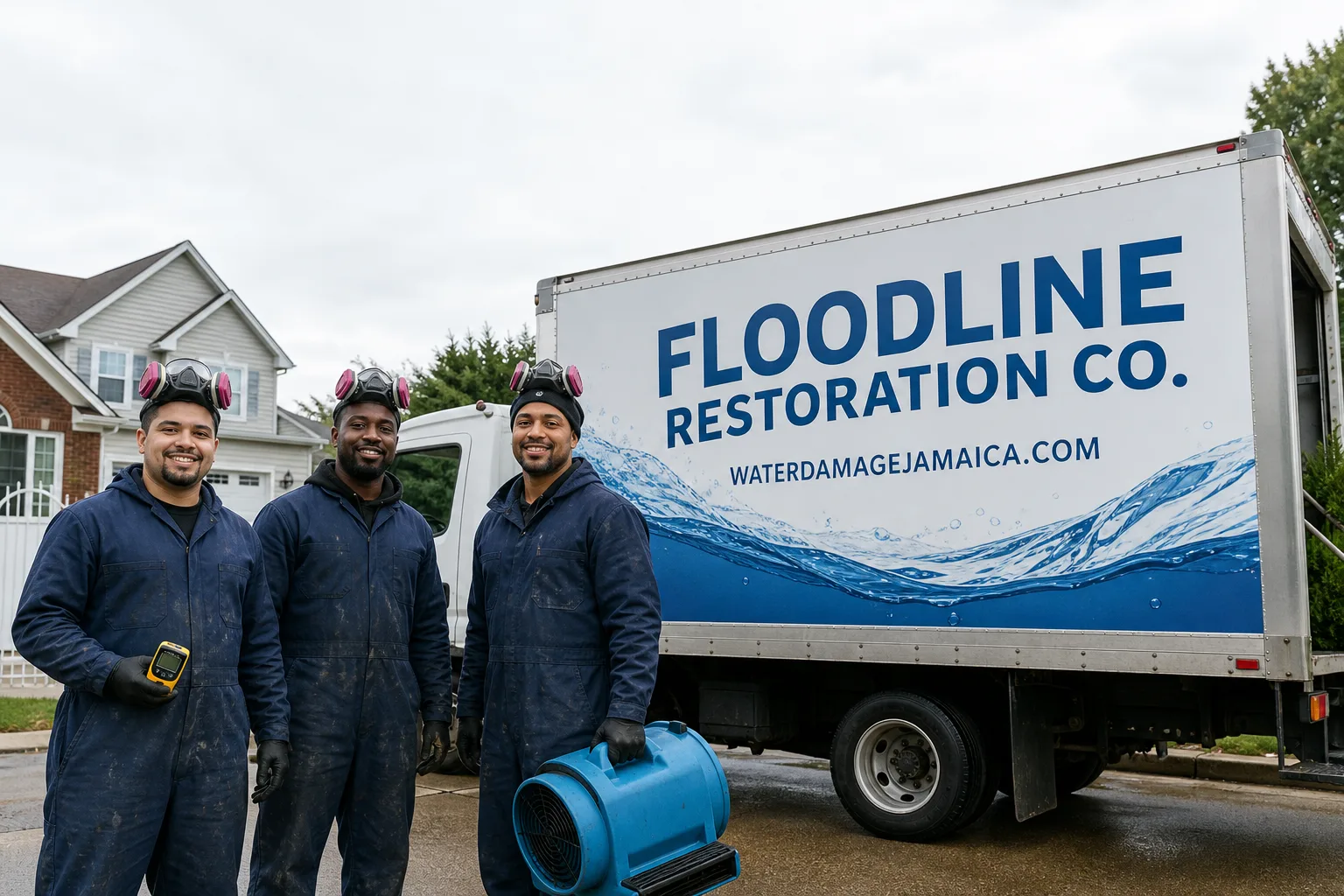
Free visual inspection and a written scope of work before any mitigation begins - photos, moisture readings, and drying logs go in your claim file
The scope we write is the scope we bill. Anything new gets shown to you, in writing, before we touch it.
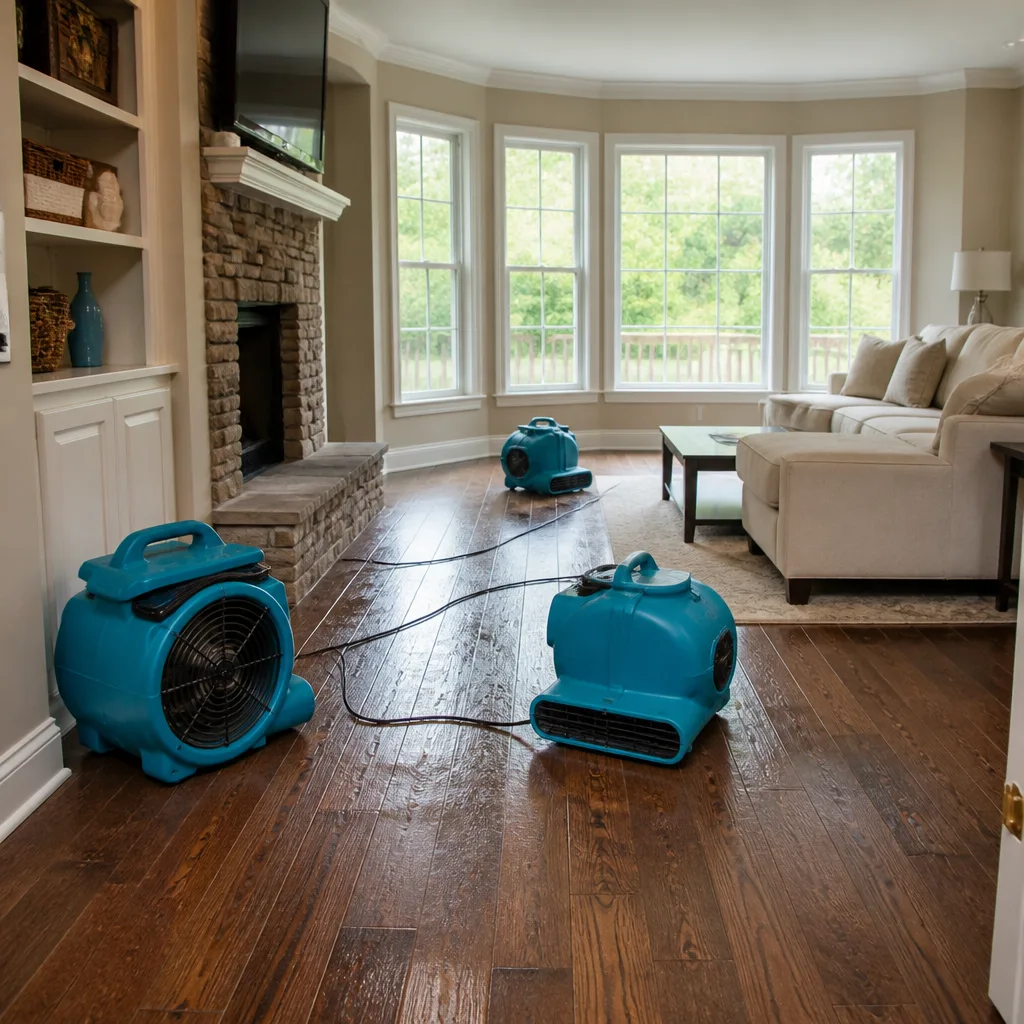
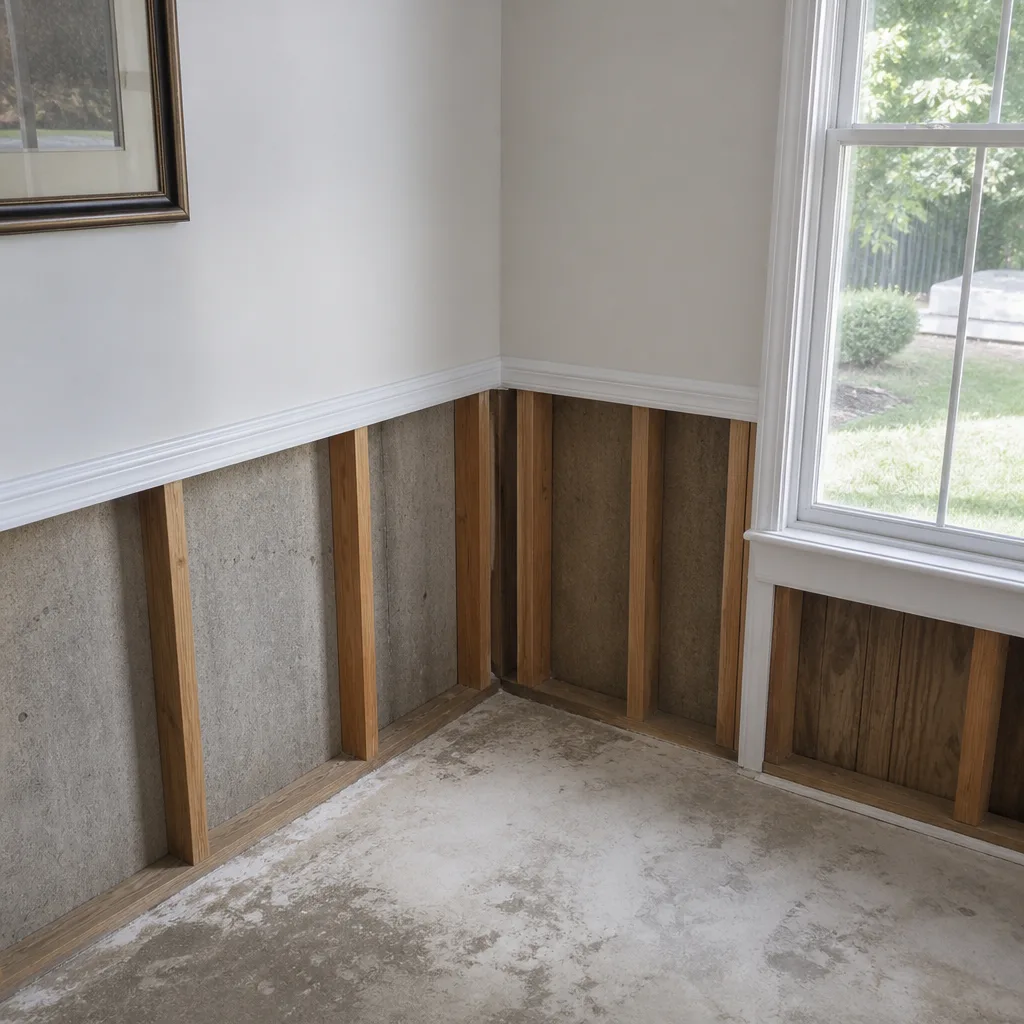
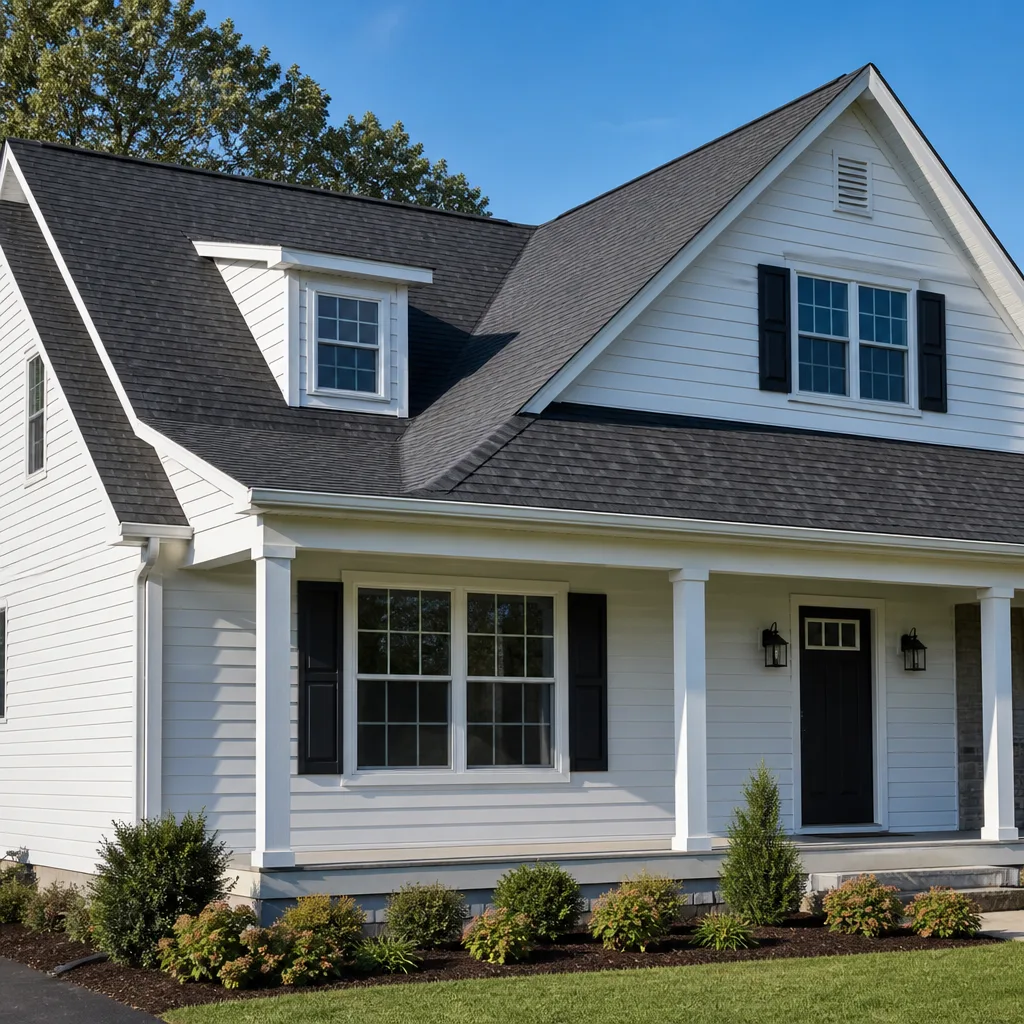
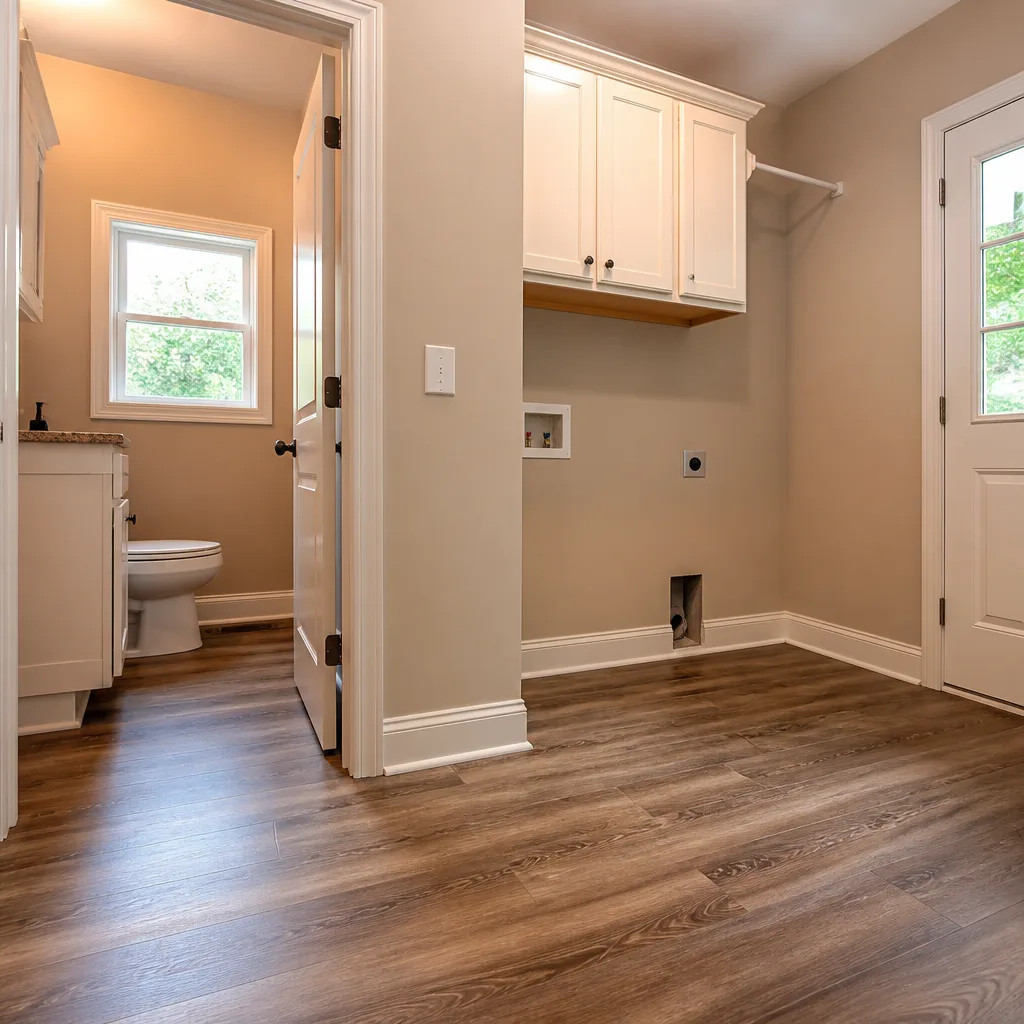
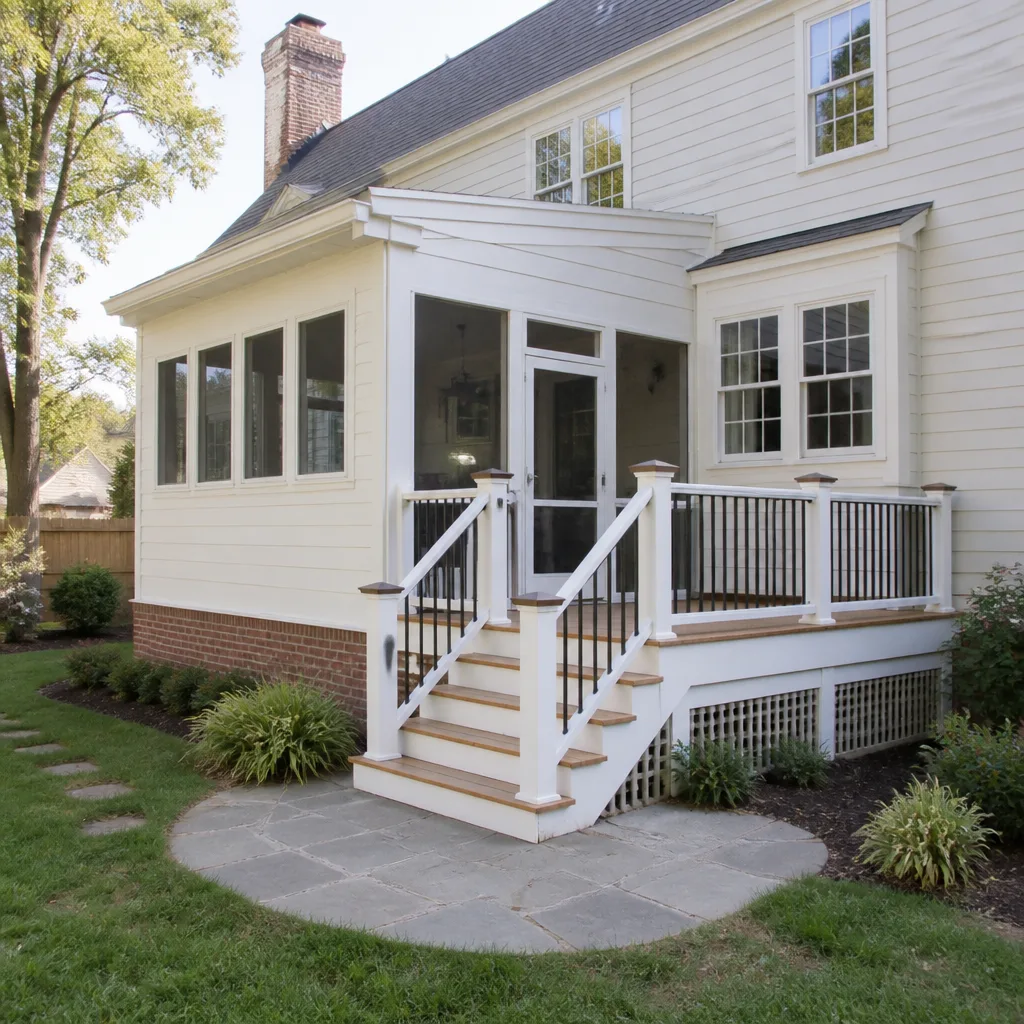
 Before
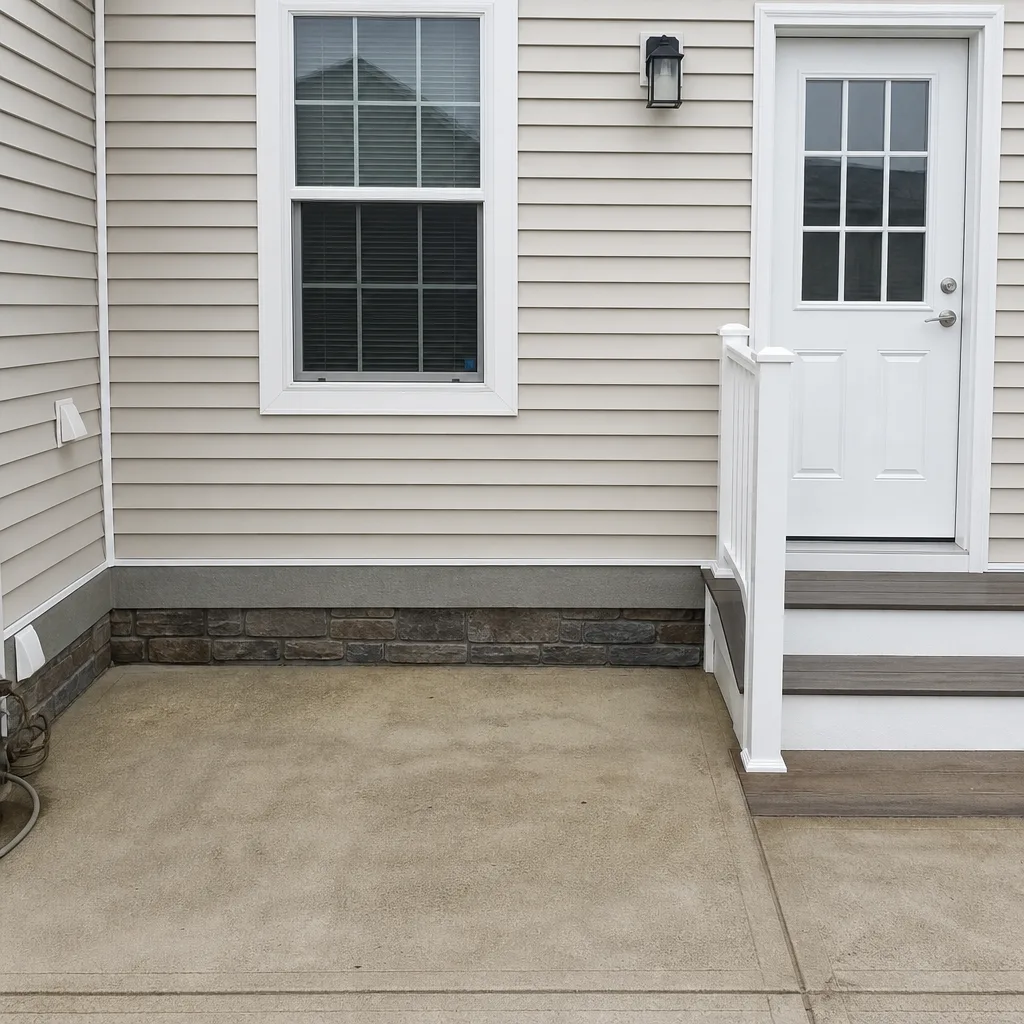 After
After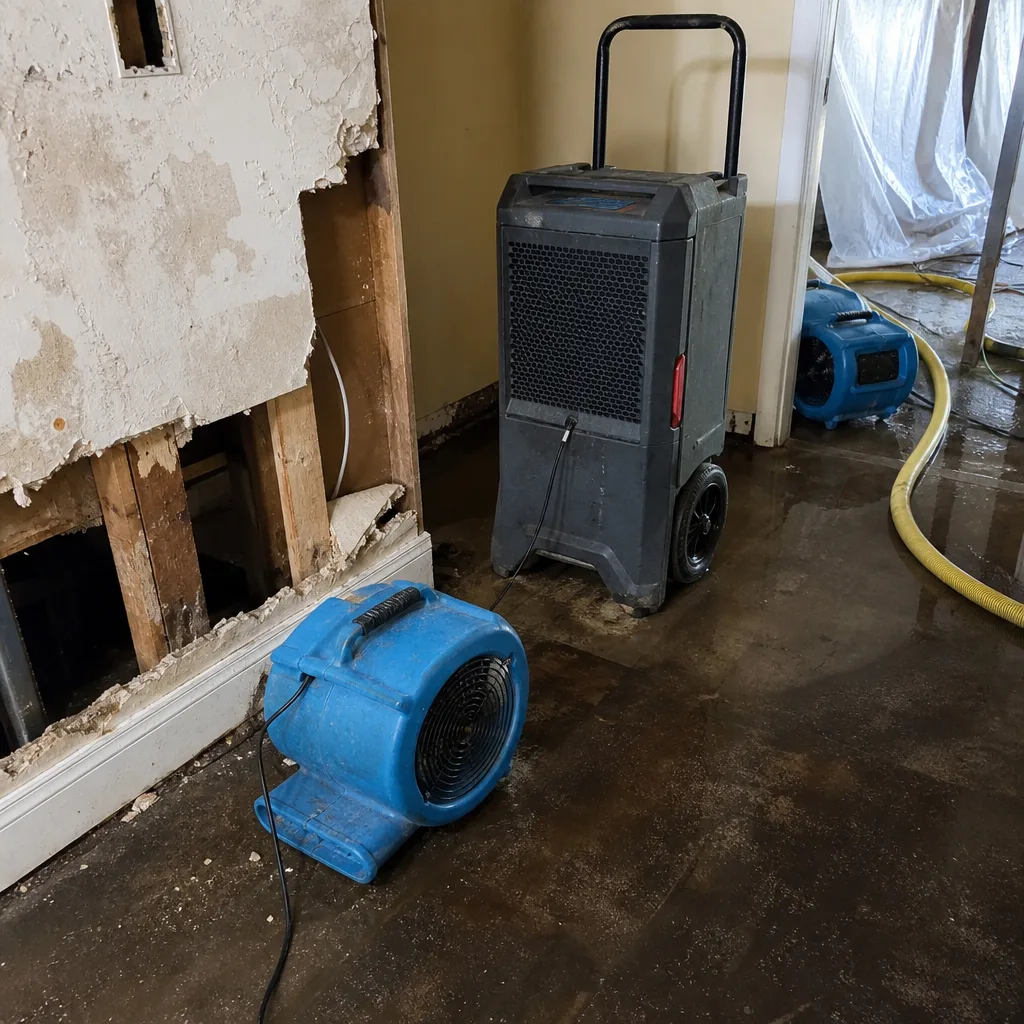 Before
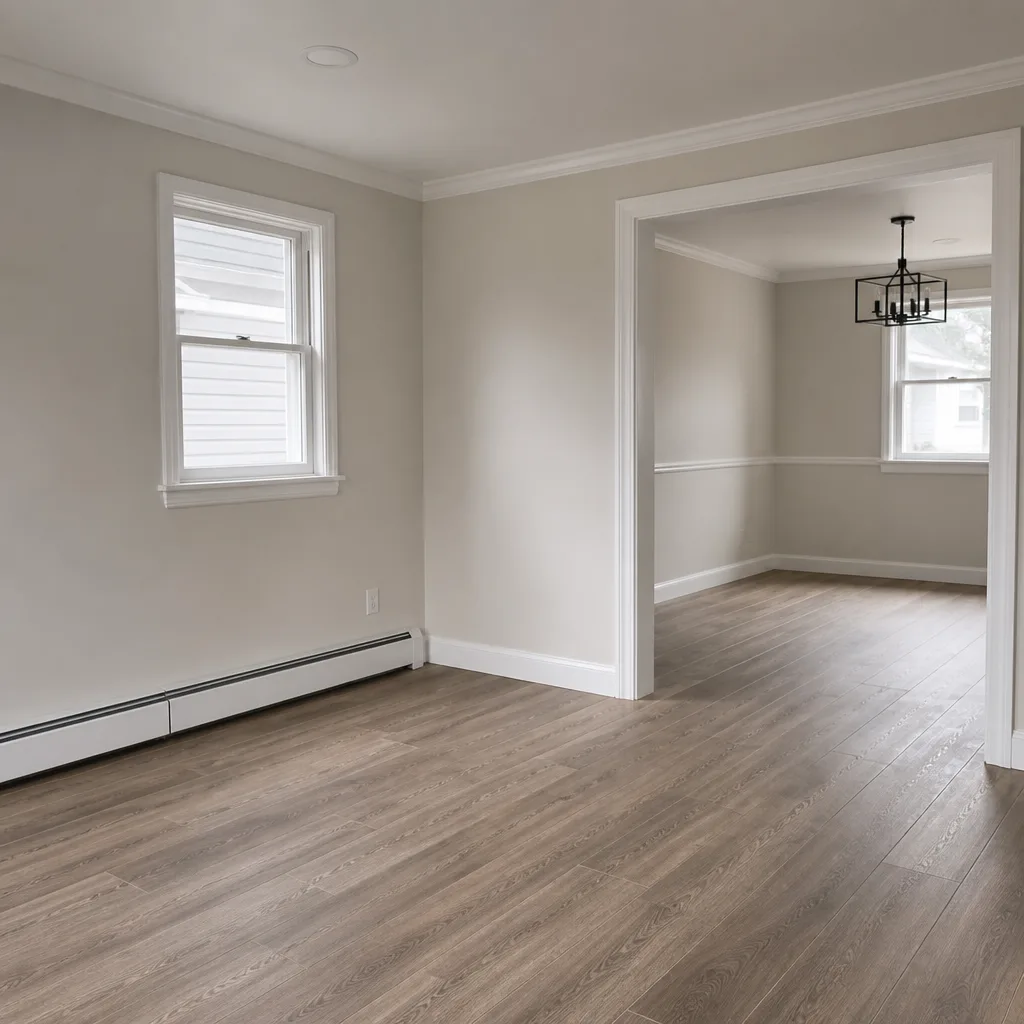 After
After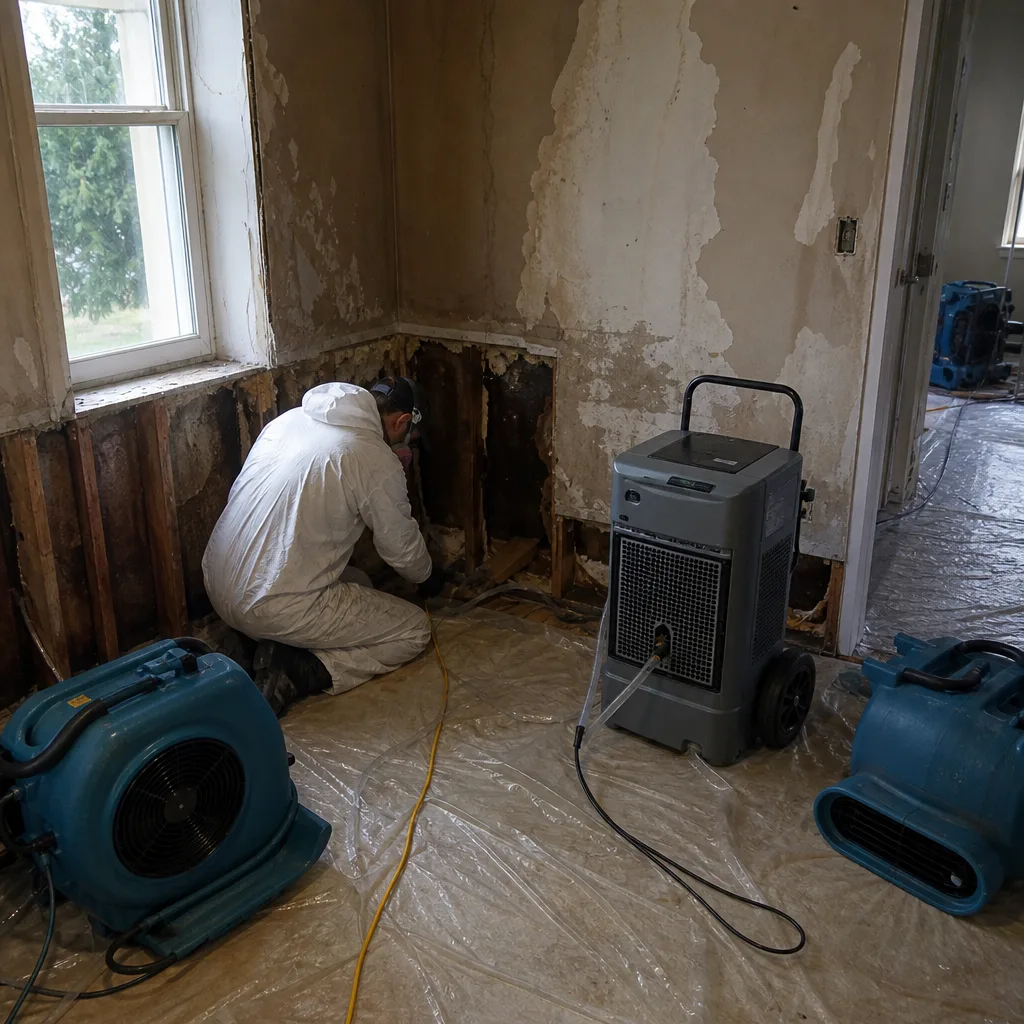 Before
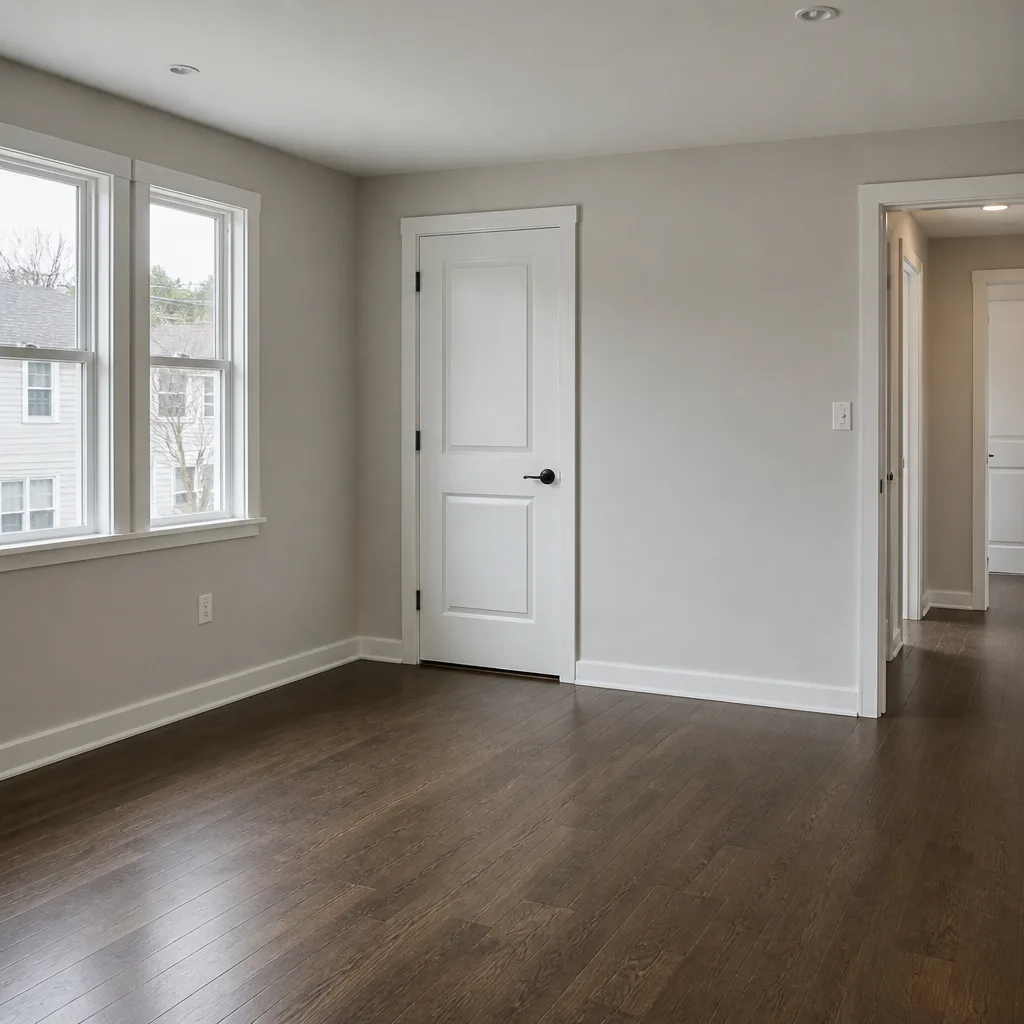 After
After24/7 Emergency Mold Remediation in St. Albans
Mold remediation in St. Albans is rarely a single-visit job because the moisture that feeds it keeps coming back. Most of the mold we see in this neighborhood traces back to one recurring problem: combined sewer backups during heavy rain. When category 3 water pushes up through a basement floor drain, mold starts colonizing drywall, carpet padding, and the backside of baseboards within 48 to 72 hours. We answer live around the clock. If you call (518) 627-5878 at two in the morning, a dispatcher picks up, not a recording, and a certified crew heads to St. Albans the same visit. The first hour matters because the longer contaminated water sits, the deeper the wicking into plaster and framing. We start with a free visual inspection, photograph everything, and get containment set before the problem spreads upstairs.
Understanding Mold Remediation Severity in St. Albans Properties
Mold severity in St. Albans homes follows a pattern we’ve seen hundreds of times. The neighborhood’s brick semi-detached and detached homes from the 1940s through 1960s have full basements that were originally unfinished but are now almost always drywalled, carpeted, and lived in. When sewer water backs up, the contamination isn’t clean rainwater. It’s category 3: sewage, bacteria, and whatever the combined system carried. That water soaks into horsehair-plaster walls, which wick moisture upward far beyond the visible waterline. Mold then grows inside wall cavities, under vinyl plank flooring, and behind drop ceilings, often invisible until the smell gives it away. Containment, air scrubbing with HEPA filtration, and clearance testing are not optional extras in St. Albans. The housing stock demands them. Ignoring hidden mold behind a finished basement wall means breathing spores you can’t see, and it means the next rain event makes the problem worse. We classify severity by moisture mapping readings, not by what’s visible on the surface, because in these older basements the surface tells you less than half the story.
Why St. Albans Property Owners Choose Floodline Restoration Co.
- 45-minute response commitment: Once you call (518) 627-5878, a crew is dispatched immediately. We’re typically inside St. Albans homes within 45 minutes of the call.
- 24/7 live answer, always: Never an automated system. A real dispatcher answers at 3 a.m. on a Saturday and starts the response.
- IICRC-certified crews: Our technicians hold WRT, FSRT, and AMRT certifications. They understand the difference between surface staining and structural contamination.
- Free visual inspection: We assess the scope before any work begins, with a written plan you approve first.
- Direct insurance billing: We communicate directly with your adjuster, provide photo documentation, and bill the carrier so you don’t play middleman.
- One team, start to finish: The same certified crew that sets containment handles drying, antimicrobial treatment, and rebuild. No mid-job handoff.
Our Mold Remediation Process
Inspection & Assessment
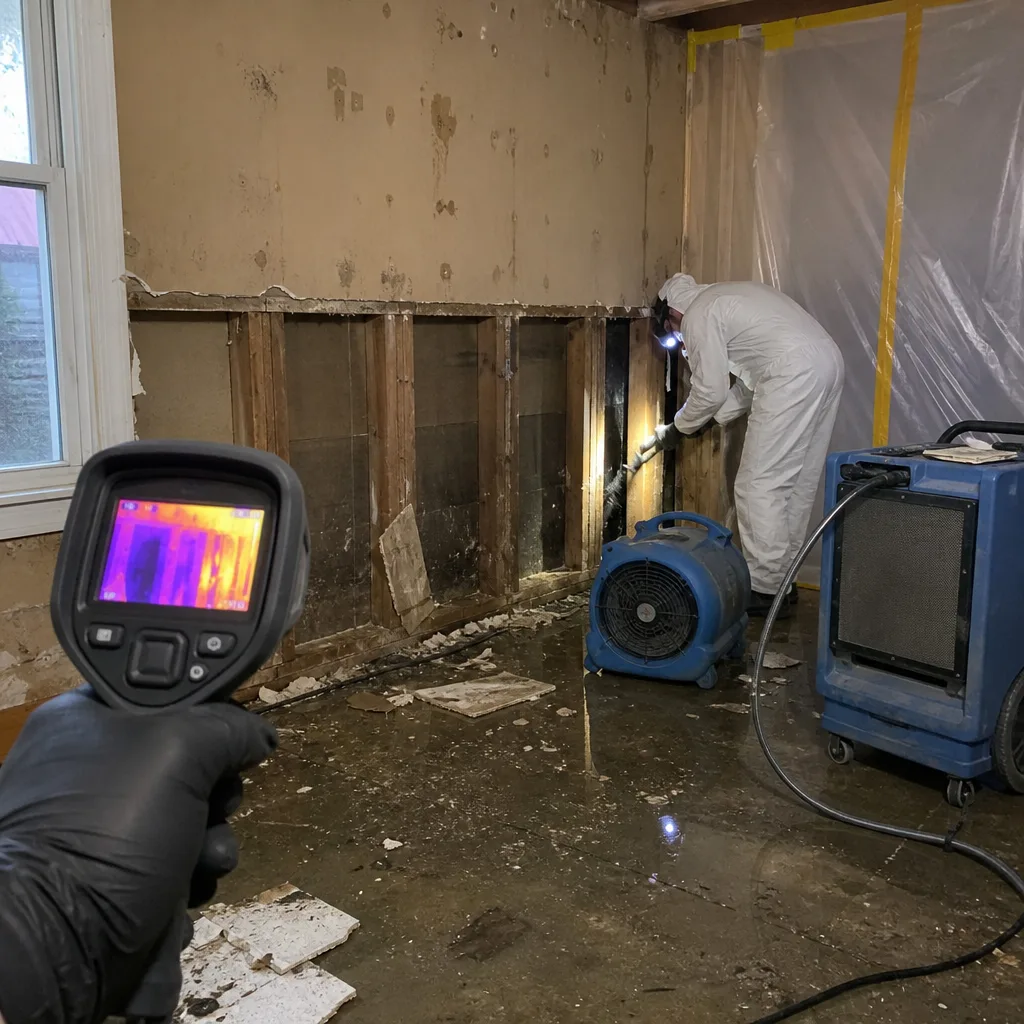
We start with a free visual inspection and moisture mapping using thermal imaging and hygrometers. In St. Albans basements, that means checking behind finished walls, under flooring, and inside ceilings for hidden wicking. We identify the water source, whether it’s a cracked cast-iron drain stack, a failing supply line, or sewer backflow through the floor drain.
Containment & Stabilization
Before any cutting or cleaning, we seal off the affected area with negative air pressure and HEPA air scrubbers. This prevents spores from migrating upstairs into living spaces. We also stop the water source, which in sewer backups often requires coordinating with an NYC-licensed plumber on the same visit.
Drying & Dehumidification
Using Dri-Eaz and Phoenix air movers with low-grain refrigerant dehumidifiers, we dry structural cavities to the IICRC dry standard. Drying logs are recorded daily and handed to you and your carrier. In older St. Albans basements with horsehair plaster, drying takes longer than modern drywall because the material holds moisture differently.
Contaminated Material Removal
Mold-contaminated drywall, carpet, padding, and insulation are cut out and bagged for disposal. We treat the underlying framing with antimicrobial agents. This stage is where asbestos concerns come in: original 1940s and 1950s floor tile and plaster require DEP clearance before we cut.
Antimicrobial Treatment & Air Scrubbing
After removal, we apply EPA-registered antimicrobial treatments to all exposed framing and masonry. HEPA air scrubbers run continuously through the remediation to capture airborne spores. We then perform clearance testing to verify the space meets acceptable spore count levels before rebuilding begins.
Repairs & Restoration
The same crew that did the remediation handles the rebuild. We replace drywall, install new flooring, repair baseboards, and paint. Because Floodline handles everything from extraction to finished walls, there’s no mid-job handoff to a subcontractor who hasn’t seen the moisture map.
Need Emergency Mold Remediation in St. Albans Now?
Crews minutes away, answering live 24 hours a day. The sooner we start, the less it costs.
Working With Your Insurance Company
Mold claims in St. Albans are rarely straightforward. Insurance carriers scrutinize whether the mold resulted from a covered water event or from long-term neglect. That’s why documentation from the first hour matters. We photograph the water source, the extent of contamination, and every room affected, before we remove anything. Our written scope of work uses industry-standard estimating so your adjuster can review line items without argument. We speak directly with the carrier, provide moisture readings and drying logs, and coordinate any needed plumbing or asbestos documentation. You shouldn’t have to translate between your contractor and your insurance company. That’s our job, and we’ve done it for over 42 years across the metro.
What We Provide Your Insurer
- Thorough documentation of the loss
- Photos of all damage, room by room
- Moisture readings and drying logs
- A detailed, line-item scope of work
- Direct coordination with your carrier
Built for St. Albans’s Loss Calendar
St. Albans experiences mold losses on a schedule that doesn’t match the rest of Queens. The combined sewer system in this part of southeastern Queens was built for a much smaller population and a different climate. When 2 to 3 inches of rain falls in a few hours, the system backs up through floor drains and toilets into finished basements. That happens multiple times each year, and it’s the single biggest driver of mold remediation calls we receive from St. Albans. January deep freezes also burst original galvanized supply lines in these 1940s-era homes, flooding basements with clean water that becomes a mold problem if not dried within 48 hours. Summer thunderstorms, particularly in July and August, cause flash flooding as the flat grade gives water nowhere to go. Hurricane Sandy left a lasting mark too: some St. Albans properties still have latent mold inside wall cavities that resurfaces during subsequent water events. If you’ve had water in your basement more than once, the mold isn’t a one-time problem. It’s a signal that the underlying water intrusion hasn’t been addressed.
Mold Remediation Across St. Albans’s Neighborhoods
St. Albans is compact but not uniform. The blocks around Farmers Boulevard and Linden Boulevard are dominated by brick semi-detached homes from the 1940s with full basements, many of which have been converted to rental units. These are the properties where we most often find unpermitted accessory apartments with drywall, drop ceilings, and kitchenettes that don’t appear on any certificate of occupancy. Near Baisley Pond Park, the grade is flatter and water pools longer after rain, making crawl space and basement moisture problems more persistent. Homes near the Long Island Rail Road tracks along the southern edge of the neighborhood tend to be older, some pre-dating the post-war boom, with cast-iron drain stacks that have reached the end of their service life. Around the 11412 zip code and up toward Murdock Avenue, we see a mix of one-family detached homes where tenants are more common and turnover means maintenance on old plumbing gets deferred. Each of these pockets has a distinct response route for our crews, but the failure pattern is consistent: water gets in, the house holds it, and mold follows.
Specialized Mold Remediation Services We Offer in St. Albans
Mold Inspection & Testing
Before we remediate, we need to know what we’re dealing with. In St. Albans homes with recurring sewer backups, testing identifies whether mold is surface-level or structural. We use moisture meters and thermal imaging to trace hidden moisture, and when needed, we take air samples to establish baseline spore counts. Inspection findings guide the whole remediation plan.
Mold Removal
Mold removal in St. Albans typically means cutting out contaminated materials, not just wiping surfaces. Because finished basement walls hide mold growth inside cavities, our crews remove drywall, insulation, and flooring to expose the full extent of the problem. Surface cleaning without addressing the cavity is why mold returns.
Black Mold Remediation
Black mold, or Stachybotrys, thrives on cellulose materials that stay wet for days. The basements we see in St. Albans, with their finished walls and recurring water intrusion, create the conditions black mold needs. We treat black mold with full containment, HEPA air scrubbers, professional-grade antimicrobials, and clearance testing. This isn’t a bleach-and-paint job. It requires a certified response.
Air Quality Restoration
After remediation, the air in the basement and the floors above should be clean. We run HEPA air scrubbers throughout the job and verify results with clearance testing. For homes where mold has been present for months, improving air quality means not just removing the source but filtering what’s already airborne.
Crawl Space Treatment
Some older St. Albans homes have crawl spaces that run damp most of the year. We treat crawl space mold by removing contaminated debris, drying the space, and applying antimicrobial treatments to joists and masonry. In many cases, we recommend moisture and humidity control measures so the problem doesn’t return with the next heavy rain.
Moisture & Humidity Control
This is the most underrated part of mold remediation in St. Albans. If the basement stays above 60% relative humidity, mold will return even after perfect remediation. We install dehumidification systems, improve drainage where practical, and recommend waterproofing measures that address the water at the source. You can’t remediate mold in a basement that stays damp.
What happens when you call
- 1
A real person answersNo phone trees - you reach a local pro.
- 2
You get an upfront price rangeHonest numbers before anyone is dispatched.
- 3
A background-checked tech heads outLicensed & insured, dispatched right away.
- 4
You approve before work beginsNothing starts until you say go.
Mold Remediation Costs in St. Albans, NY
What you’ll pay for Mold Remediation in St. Albans depends on how far the moisture traveled and what’s behind the walls. A small contained bathroom mold issue might run $900 to $1,800. A typical basement remediation after a sewer backup in a 1940s brick semi-detached home, with containment, drywall removal, drying, antimicrobial treatment, and rebuild, runs $3,500 to $9,000. If asbestos floor tile or plaster requires DEP abatement, add $1,500 to $4,000. Black mold remediation with extensive cavity damage can reach $12,000 to $18,000 on larger finished basements. Crawl space treatment typically runs $1,200 to $3,000. Insurance coverage varies widely: if mold resulted from a sudden covered water event like a sewer backup, your policy may cover remediation. If it’s determined to be long-term moisture, you may be on your own. We provide a free visual inspection and a written scope before any work begins, so you know the number before you approve it. Call (518) 627-5878 to schedule the inspection.
We Also Serve Cities Near St. Albans
Floodline Restoration Co. provides mold remediation in Jamaica, Richmond Hill, Hollis, and Kew Gardens Hills as well. If you’re on the border of St. Albans and one of these neighborhoods, call us and we’ll confirm service coverage for your address.
Serving St. Albans, NY - Our Local Coverage Area
We’re based in the St. Albans area and know this community well. Use the map below to see our service coverage - if you’re nearby, we can almost certainly help.
St. Albans Mold Remediation Questions, Answered
How does St. Albans’s combined sewer system affect mold remediation after a basement backup?
The combined sewer system backs up during heavy rain and sends category 3 water into basements through floor drains. That water carries sewage and bacteria, so any mold that follows is contaminated. Remediation must include full containment, antimicrobial treatment on framing, and often removal of drywall and flooring that absorbed the water. Call (518) 627-5878 for an assessment.
Do I need to worry about asbestos during mold removal in a 1940s-1960s St. Albans home?
Yes. Original floor tile, pipe insulation, and some plaster in these homes contain asbestos. NYC DEP requires testing and abatement clearance before cutting or disturbing those materials. We handle the coordination so the job stays legal and safe.
What if my basement is a finished rental apartment not on the certificate of occupancy?
Many St. Albans basements fall into this category. The presence of an unpermitted apartment complicates insurance claims and DOB compliance, but it doesn’t stop remediation. We document conditions, work with your carrier on what’s covered, and navigate the compliance questions so the job can proceed.
How quickly can mold grow after a St. Albans sewer backup?
Mold can begin colonizing within 48 to 72 hours of water intrusion, and in a warm finished basement it can happen faster. The first 24 hours are critical for drying. If you’ve had water in the basement, call (518) 627-5878 right away, even before visible mold appears.
Why does mold keep coming back in my St. Albans basement after previous treatments?
Because the water source hasn’t been fixed. In most St. Albans basements we see, the root cause is a cracked cast-iron drain stack, sewer backflow through the floor drain, or persistent high humidity. If you remediate the mold without addressing the water, it returns. We identify and stop the water source as part of remediation.
How fast can a crew get to my St. Albans home?
Typically within 45 minutes of your call. We have crews stationed for St. Albans response, and dispatch is live 24/7. Call (518) 627-5878 and a person answers immediately.
Can I stay in my home during mold remediation?
For contained mold problems in a basement, upstairs living areas are usually safe once containment with negative air pressure is set. For extensive black mold or sewage-related contamination, we’ll advise you on whether staying is advisable. Each situation gets an honest assessment.
What certifications do your mold remediation technicians hold?
Our crews are IICRC-certified with WRT, FSRT, and AMRT credentials. They’re background-checked, uniformed, and trained to RIA and IFA standards. We don’t send uncertified labor into your home.
Mold Remediation in St. Albans requires a company that understands this neighborhood’s specific conditions: the combined sewer backups, the 1940s-1960s building materials, the finished basements hiding water damage, and the regulatory layer that comes with every job. Floodline Restoration Co. has been answering the phone with a live person for over 42 years, and Curt Bowman built this company on the principle that a square deal means a written scope, direct insurance billing, and a name you can hold accountable. If you suspect mold or have had water in your basement, call (518) 627-5878 for a free visual inspection. We’ll be there when we say.
Written by Curt Bowman, Owner at Floodline Restoration Co. Serving St. Albans, NY with live 24/7 dispatch and a 90-Day Done Right Promise in writing.